Upgrade to Pro — share decks privately, control downloads, hide ads and more …

None, null, nil: lessons from caching & represe...

Sponsored · SiteGround - Reliable hosting with speed, security, and support you can count on.

None, null, nil: lessons from caching & representing nothing with something

Slides for PyGotham 2019 and PyTennessee 2020 talks.

`There are only two hard things in Computer Science: cache invalidation and naming things`. This talk is about the value of `nothing`. I will discuss the success of caching for app performance, but how at one point `nothing` took down production. Learn factors to consider when caching for APIs.

Avatar for Felice H.
Felice H.

March 07, 2020

Other Decks in Technology

Transcript

  1. None, null, nil: lessons from caching & representing nothing with

    something Felice Ho PyTennessee 2020 Nashville, TN
  2. Overview The scenario: what, why, where, how of caching The

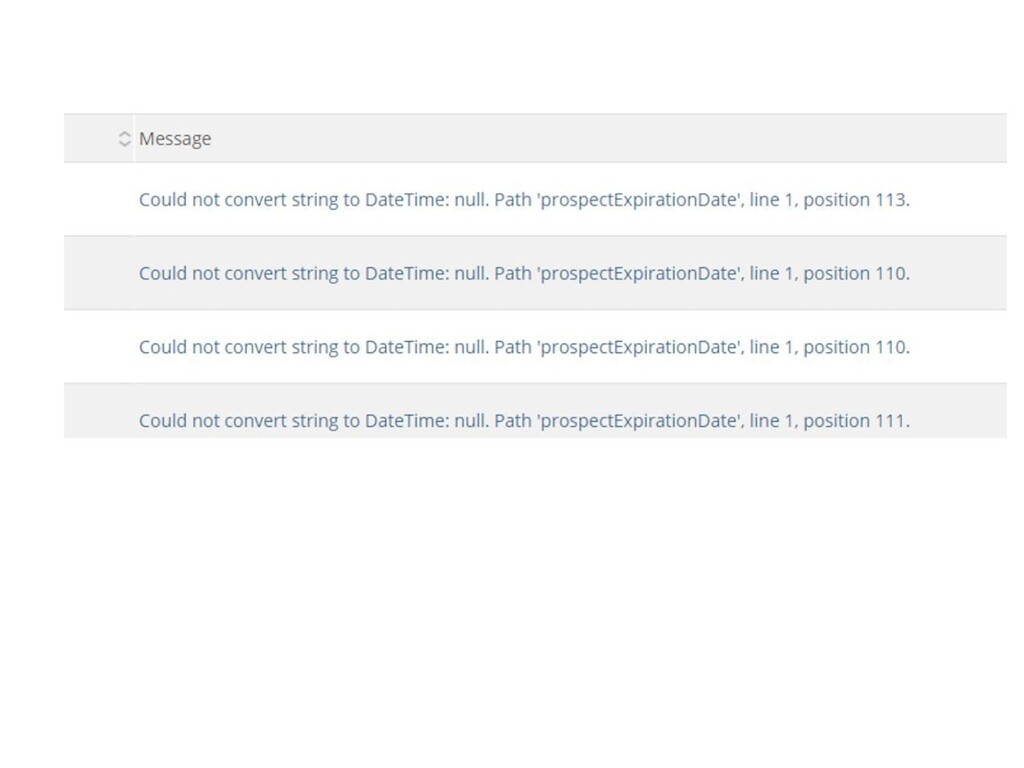
    problem with ‘nothing’ ‘We have a problem’ Root cause analysis Lessons The value of ‘nothing’
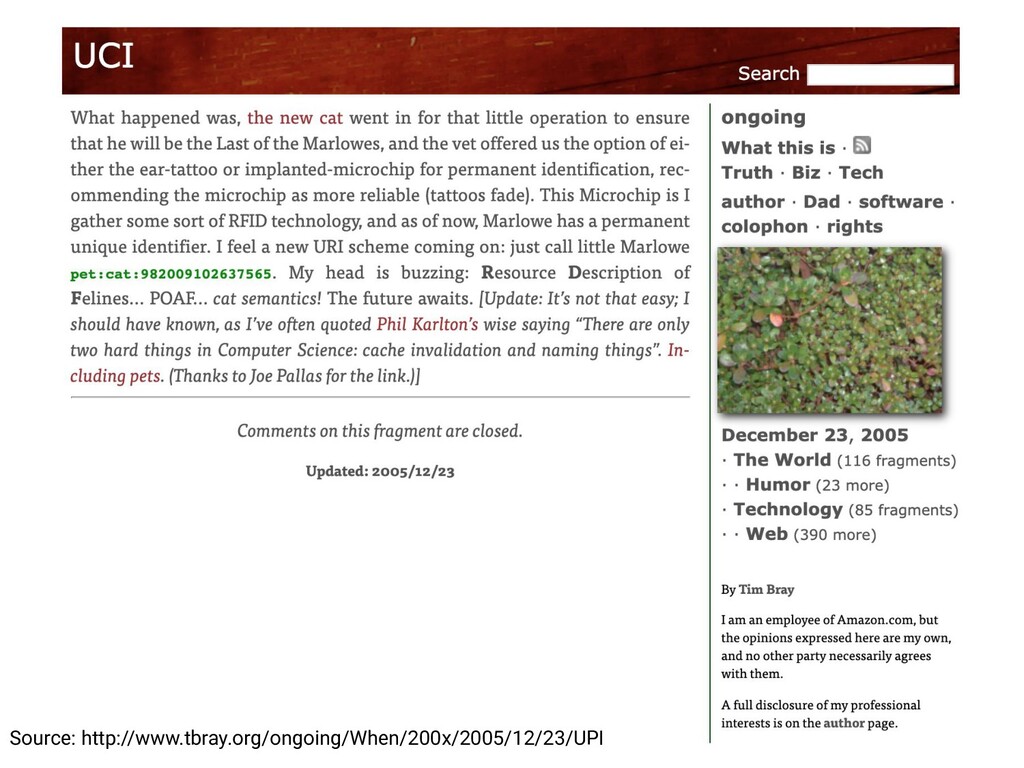
  3. “There are only two hard things in Computer Science: cache

    invalidation and naming things” - Phil Karlton
  4. “The first place anyone found it on the internet was

    in Tim Bray's blog. Tim said that he first heard it around 1996-7” - Martin Fowler Source: https://martinfowler.com/bliki/TwoHardThings.html
  5. How do we invalidate data in a cache? Goals of

    talk How can production break down - from nothing!
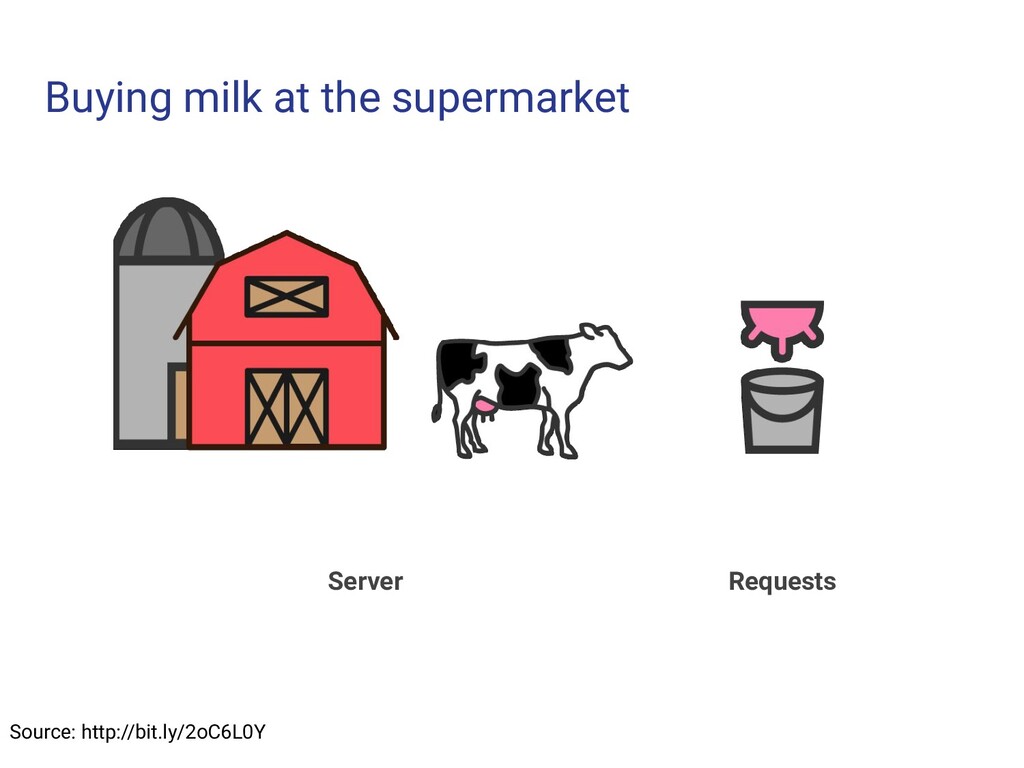
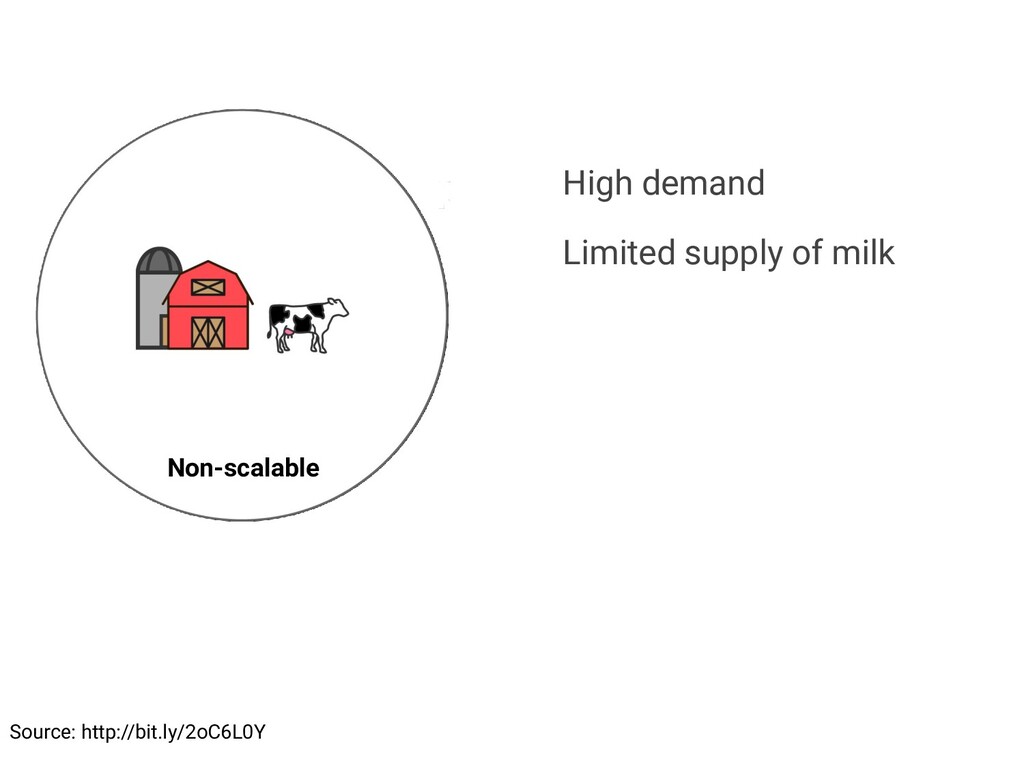
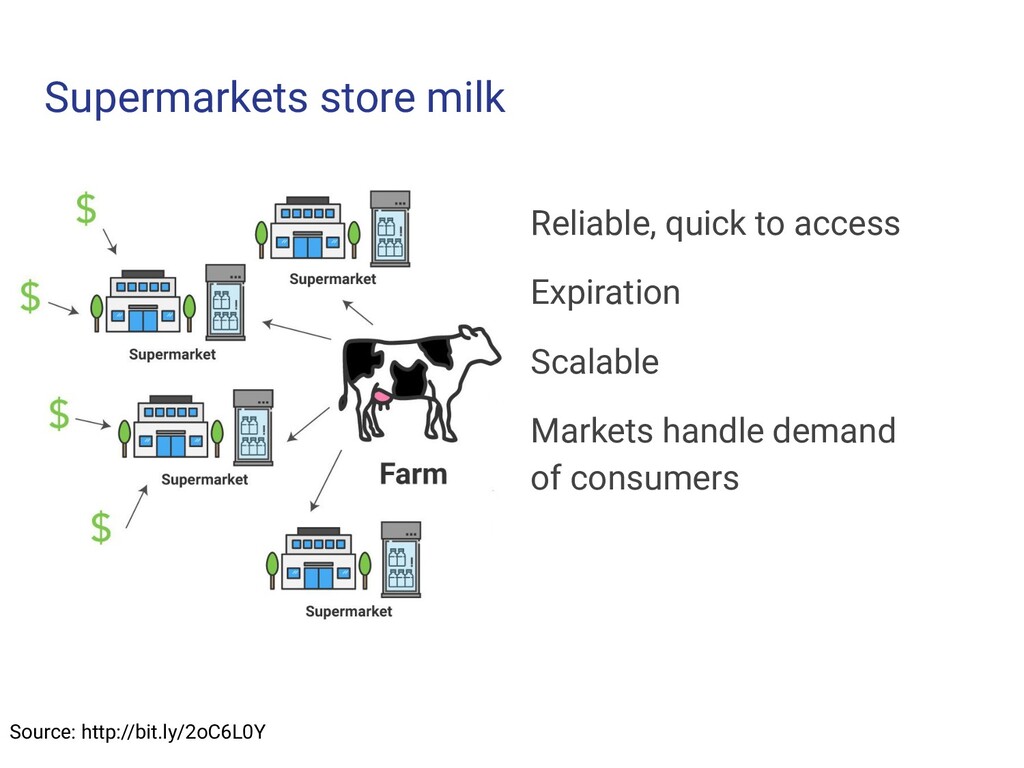
  6. Supermarkets store milk Reliable, quick to access Expiration Scalable Markets

    handle demand of consumers Source: http://bit.ly/2oC6L0Y
  7. Cache invalidation Data changes without you knowing about it Whether

    there is a change in data, no data, or new data Cache needs to get updated
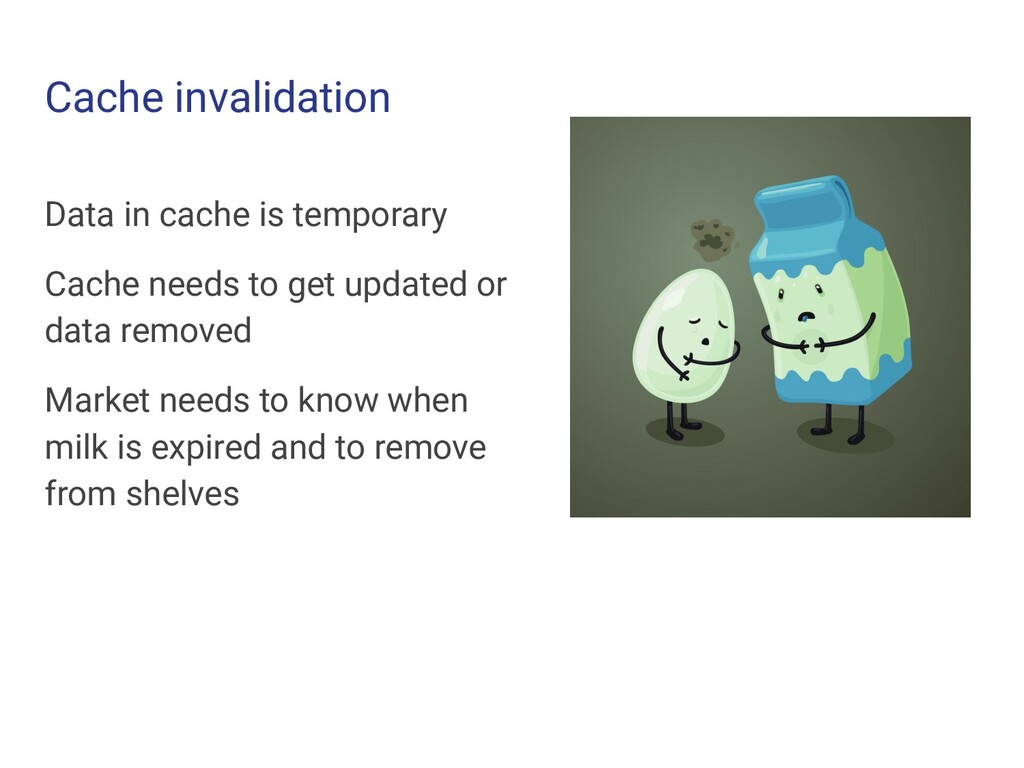
  8. Cache invalidation Data in cache is temporary Cache needs to

    get updated or data removed Market needs to know when milk is expired and to remove from shelves
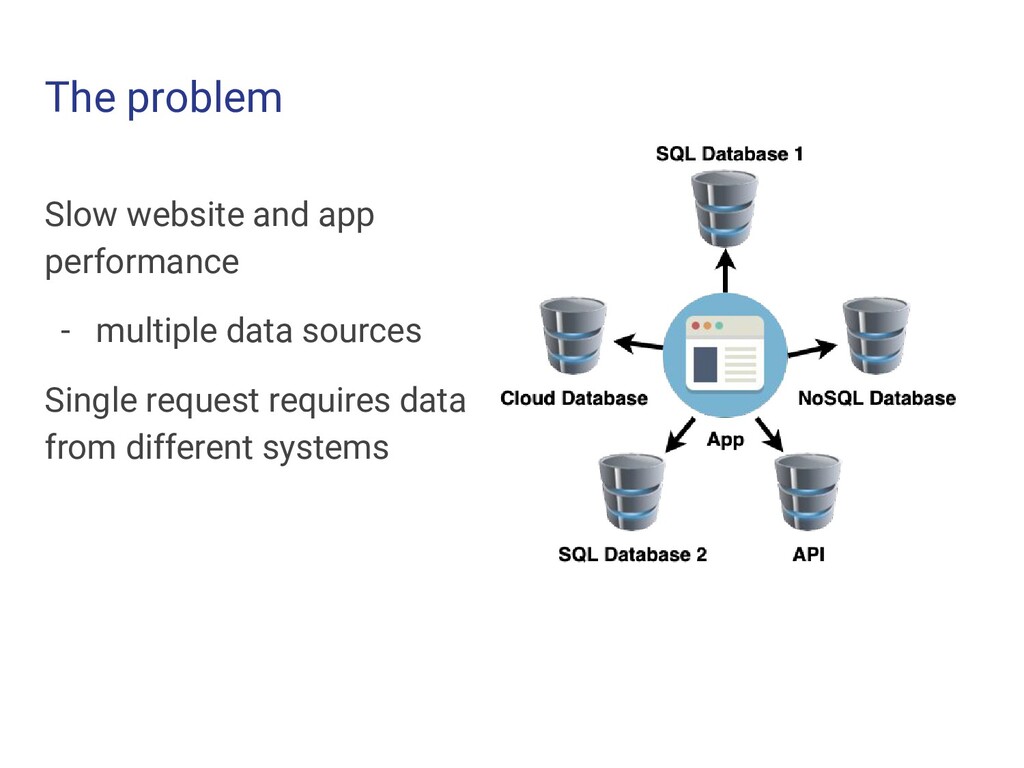
  9. The problem Slow website and app performance - multiple data

    sources Single request requires data from different systems
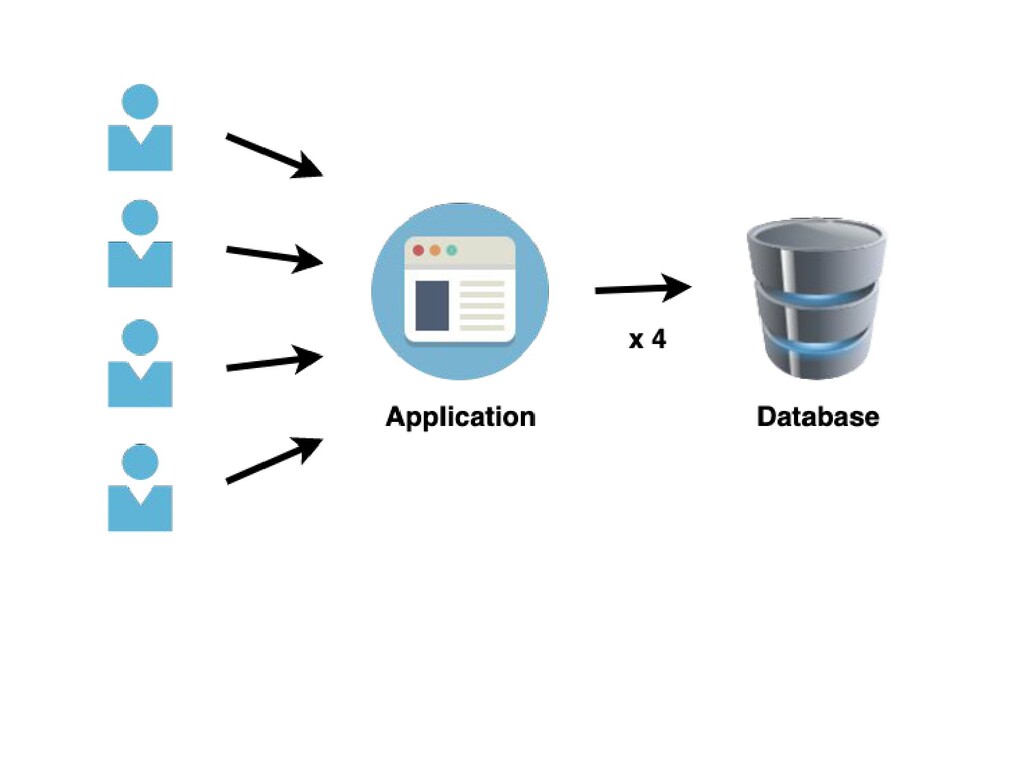
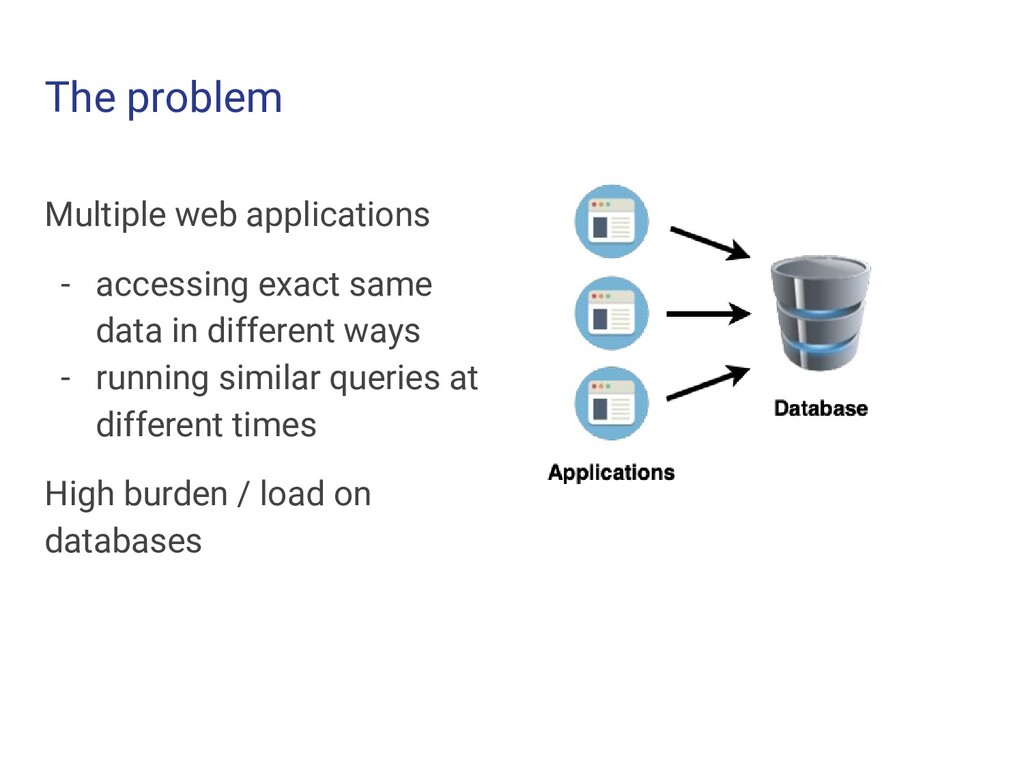
  10. The problem Multiple web applications - accessing exact same data

    in different ways - running similar queries at different times High burden / load on databases
  11. The problem Third-party provider APIs - rate limits - slowness

    - token issues Errors in business systems and digital products
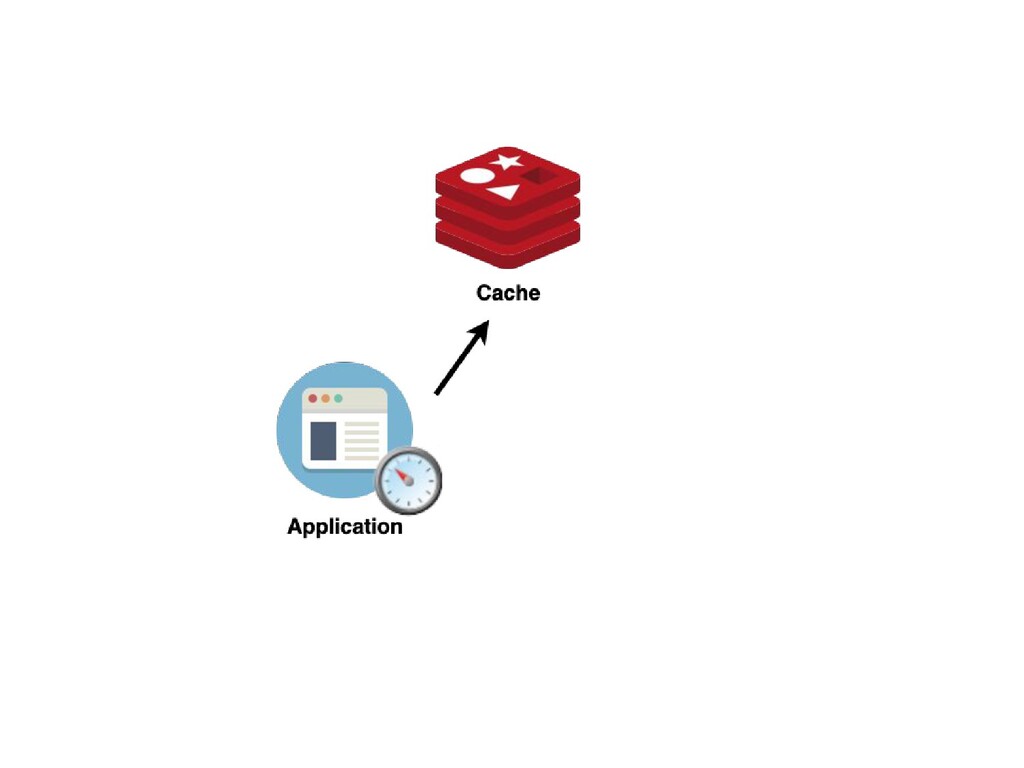
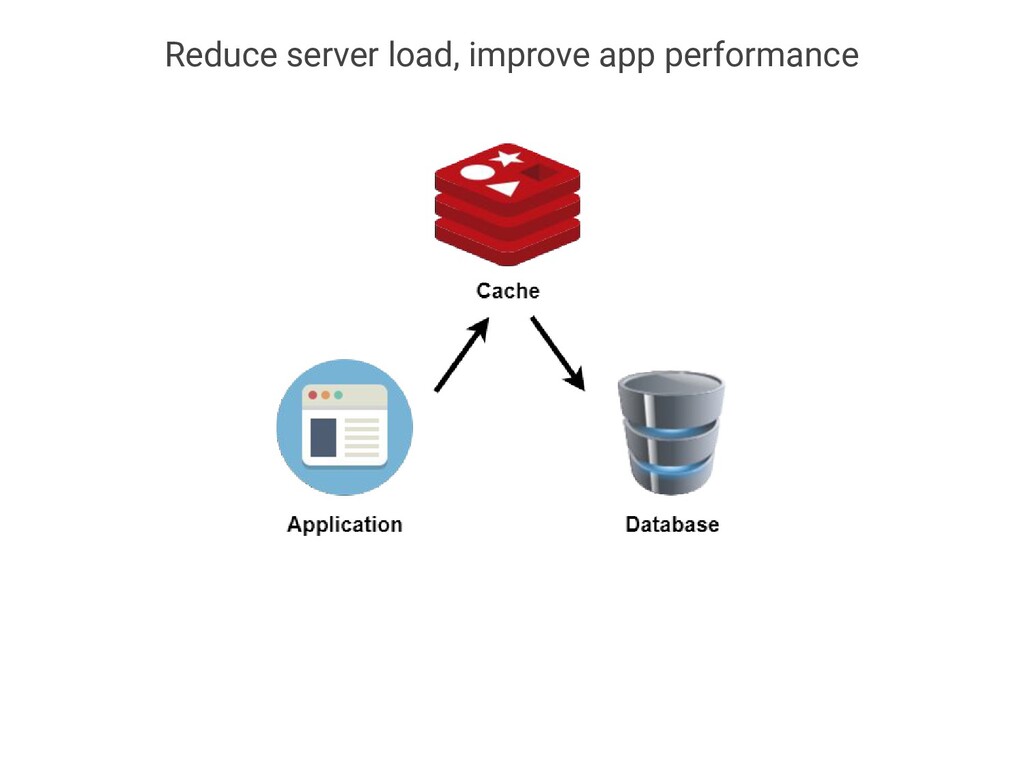
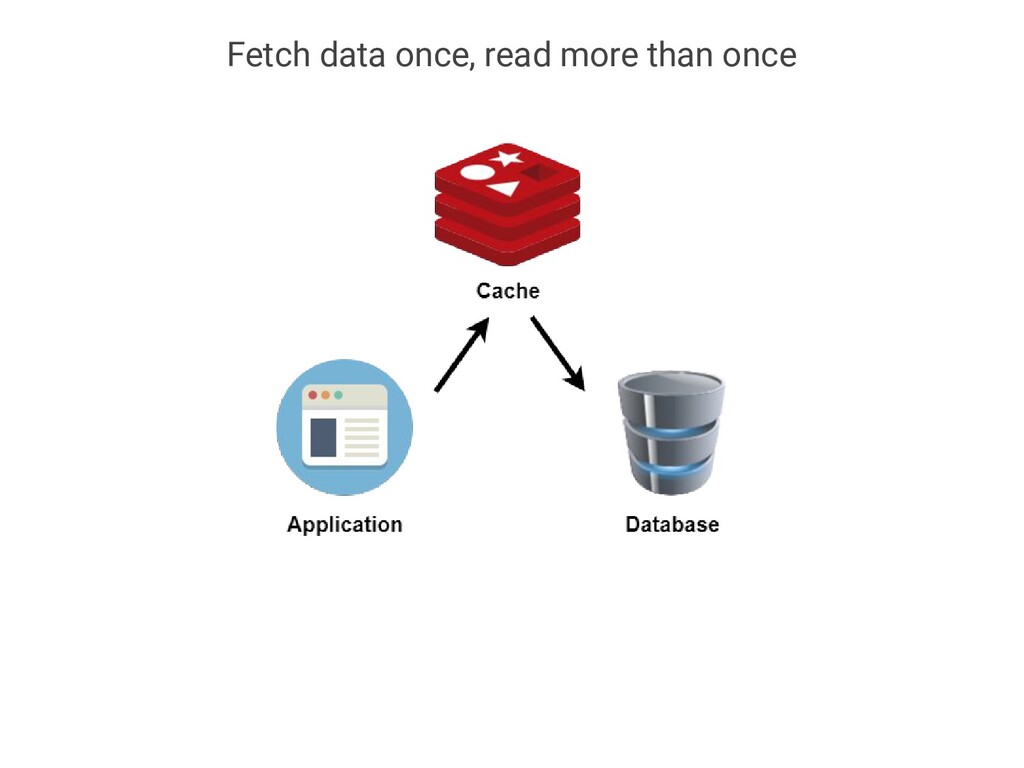
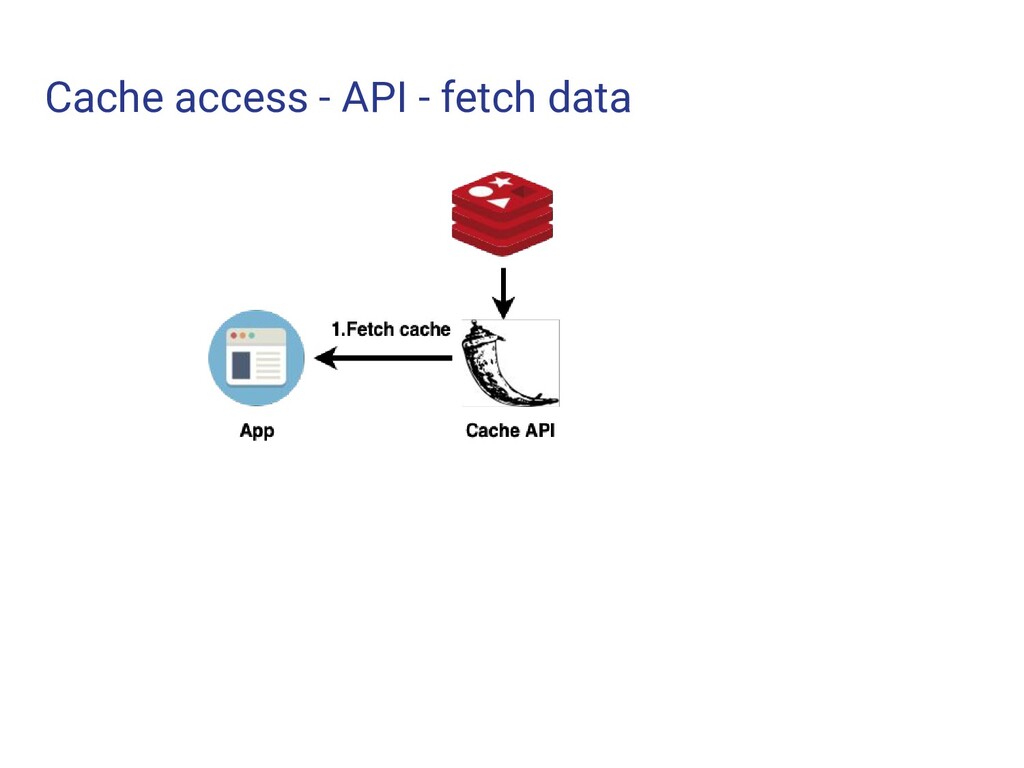
  12. The ask Build a cache for quick retrieval of data

    Make it easier to build high performing web applications with fewer errors and quicker response times
  13. The ask Relieve SQL load on databases Easier and more

    reliable path to data Consolidated data, source of truth, consistent data across all applications
  14. Cache storage - Redis Open source, in memory data structure

    store Built-in replication Highly available Fault tolerant Highly scalable
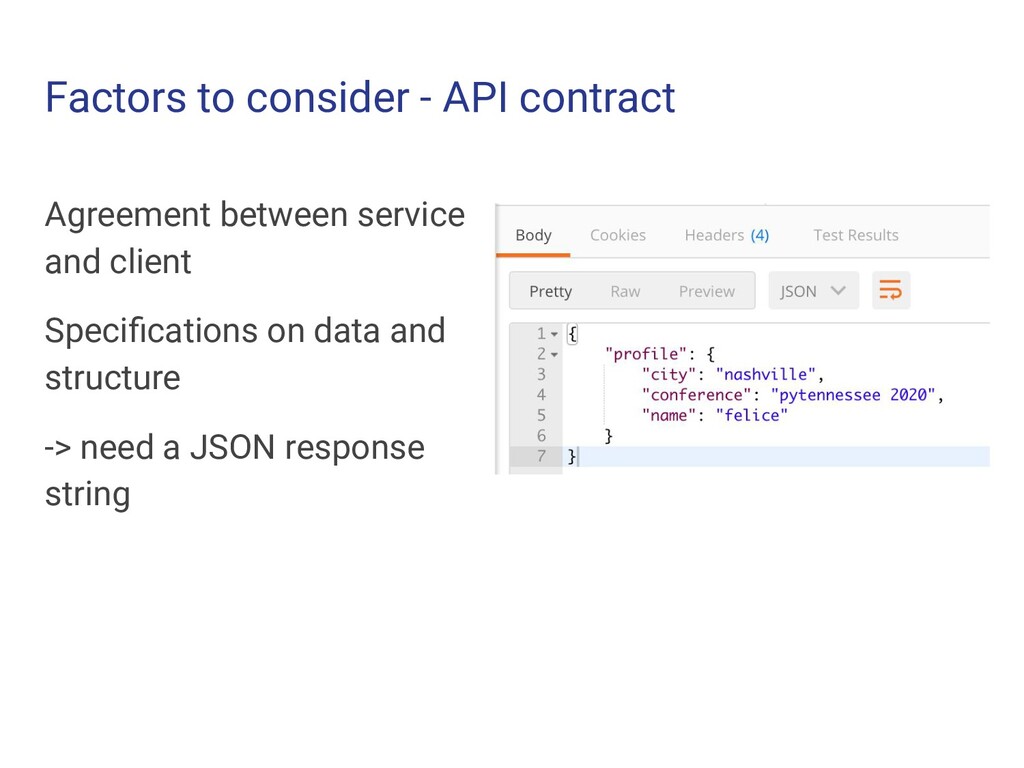
  15. Factors to consider - API contract Agreement between service and

    client Specifications on data and structure -> need a JSON response string
  16. Factors to consider - API design Dynamic or strict structure

    - to not include or include null values
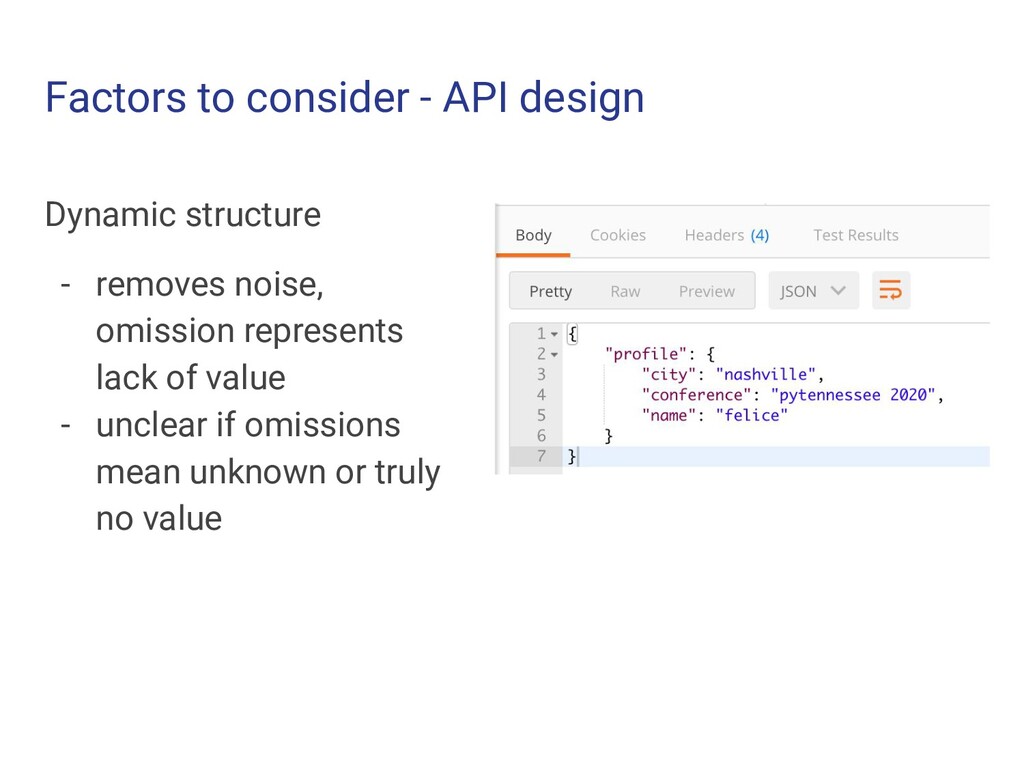
  17. Factors to consider - API design Dynamic structure - removes

    noise, omission represents lack of value - unclear if omissions mean unknown or truly no value
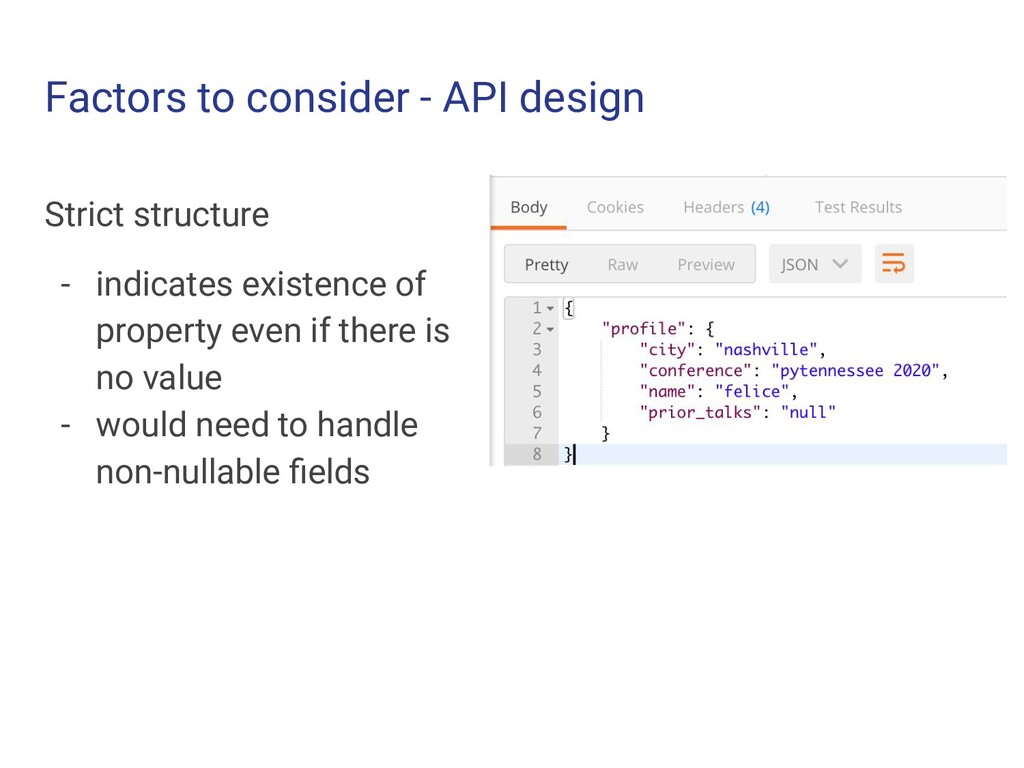
  18. Factors to consider - API design Strict structure - indicates

    existence of property even if there is no value - would need to handle non-nullable fields
  19. Factors to consider - API design Dynamic or strict structure

    It depends… sparse or dense data? -> null values not included in API response
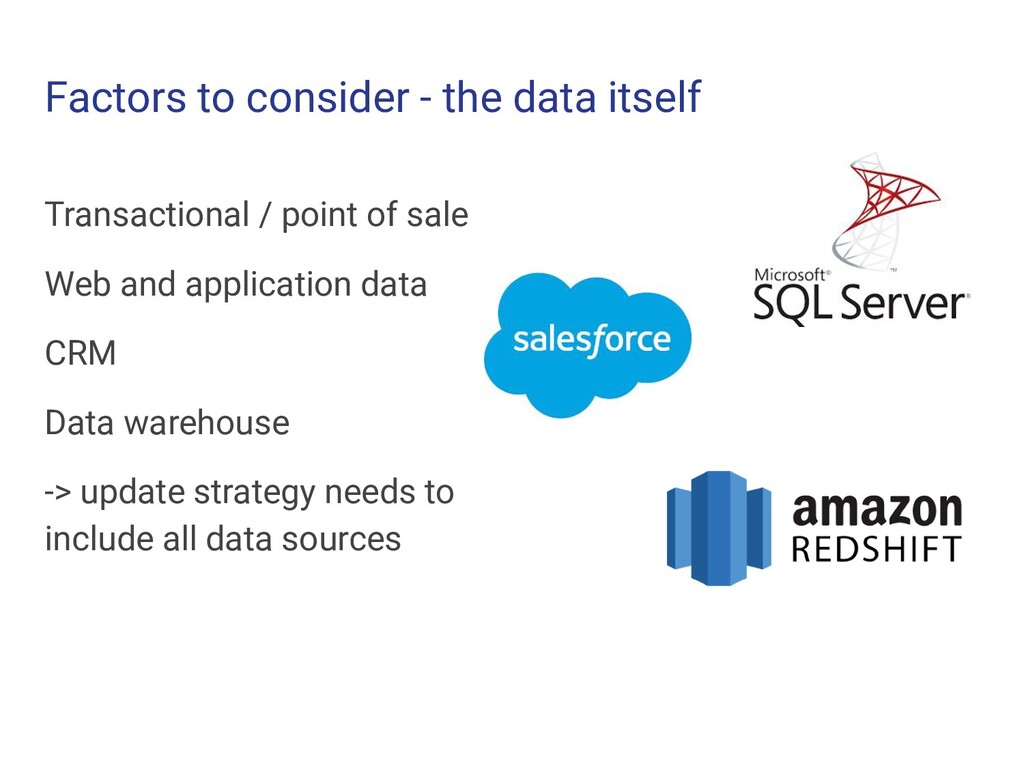
  20. Factors to consider - the data itself Transactional / point

    of sale Web and application data CRM Data warehouse -> update strategy needs to include all data sources
  21. Factors to consider - update strategy Cache warming Time to

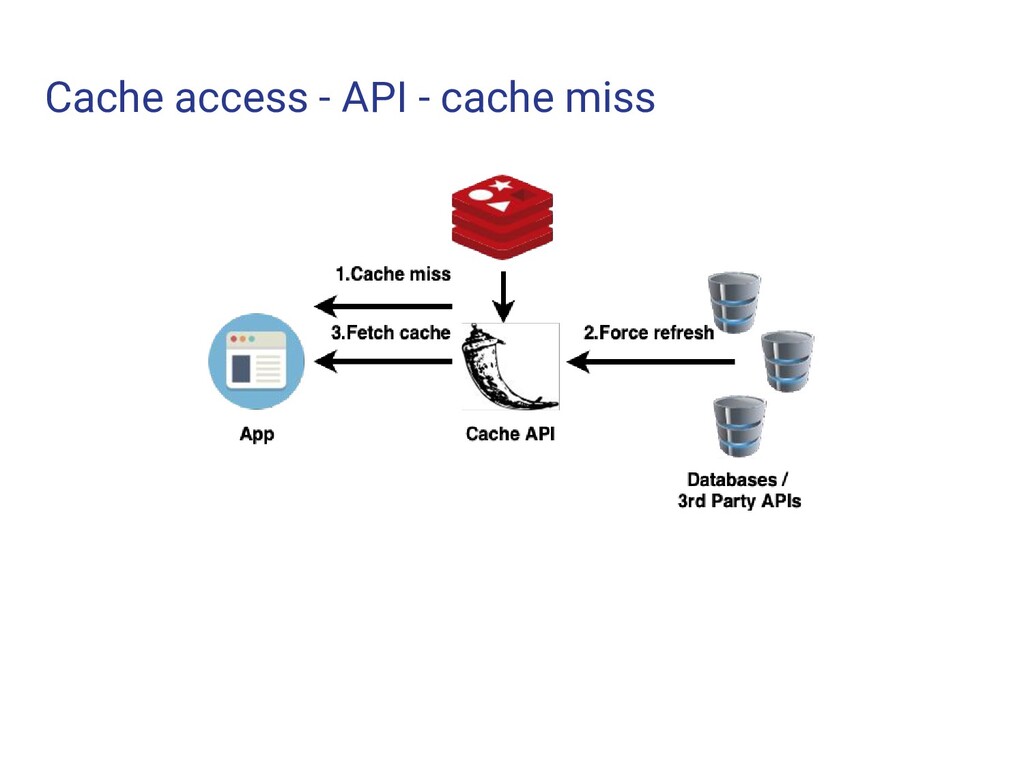
    live (TTL) Cache miss functionality in API -> need to ensure accurate and relevant data in cache
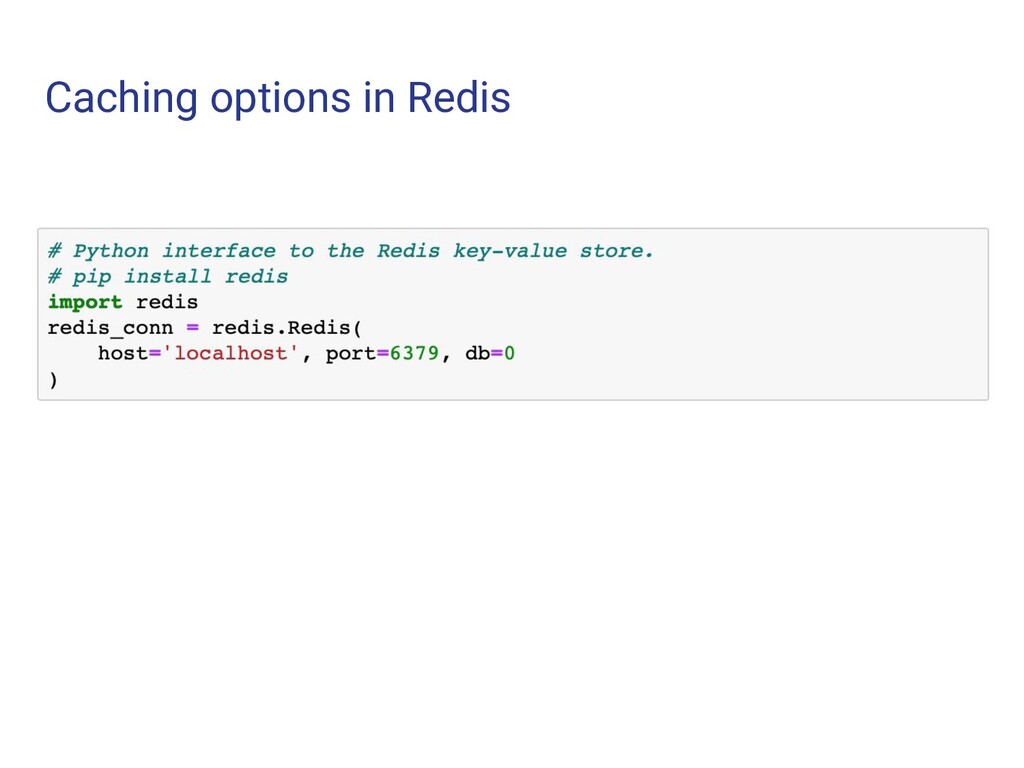
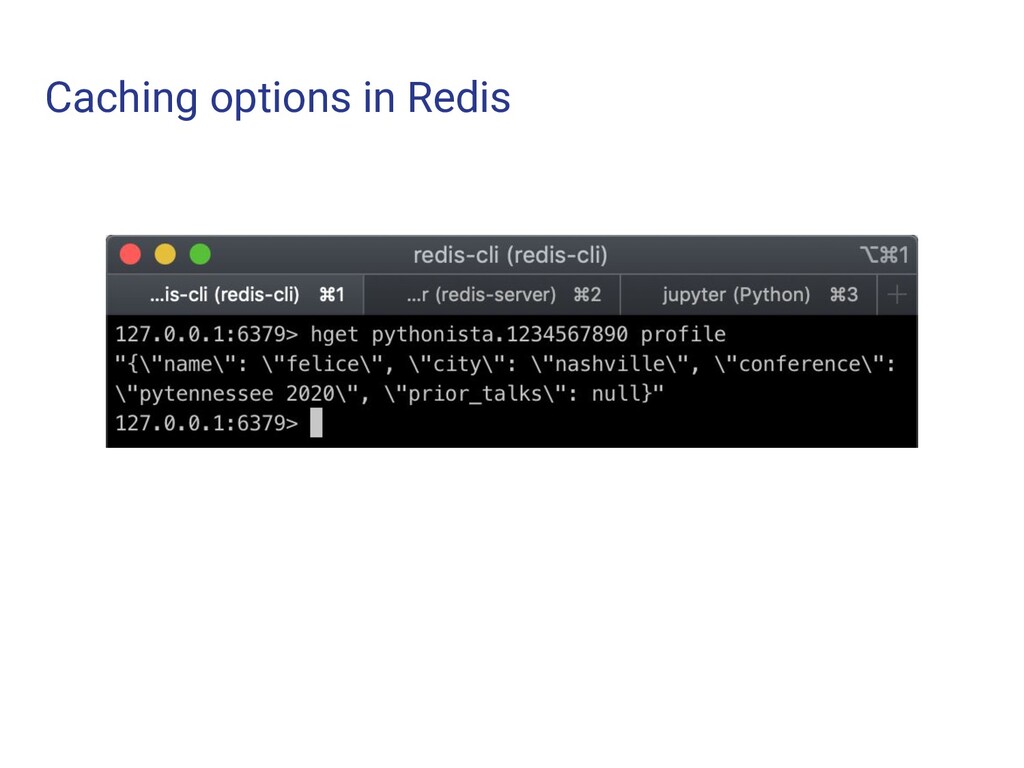
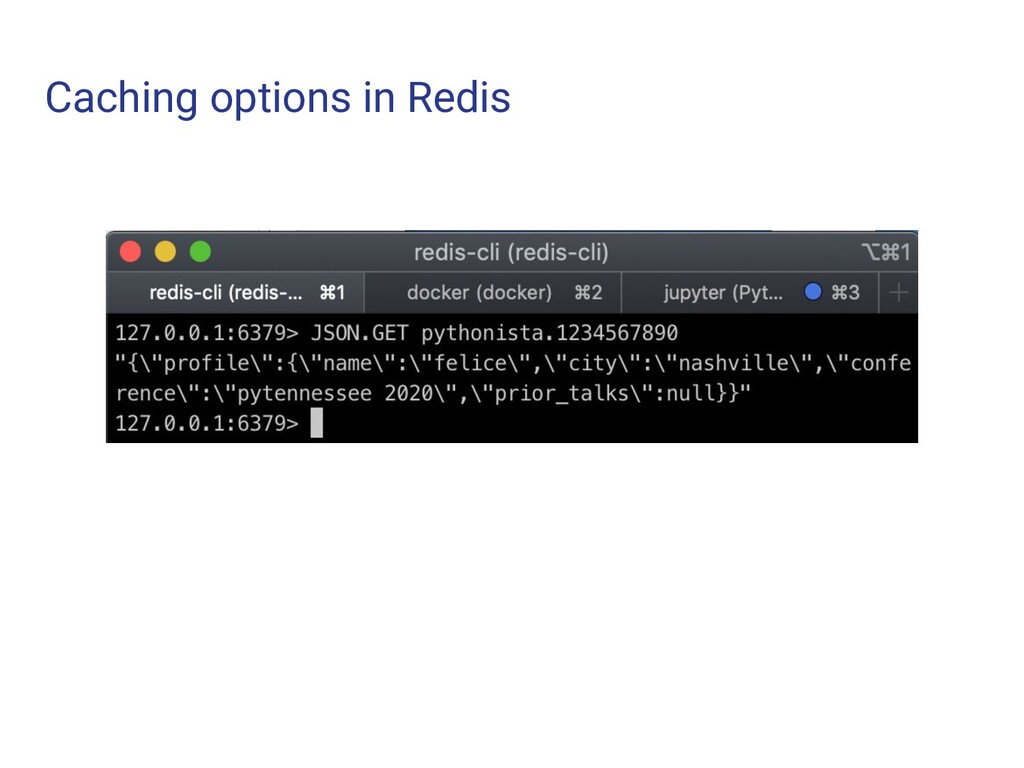
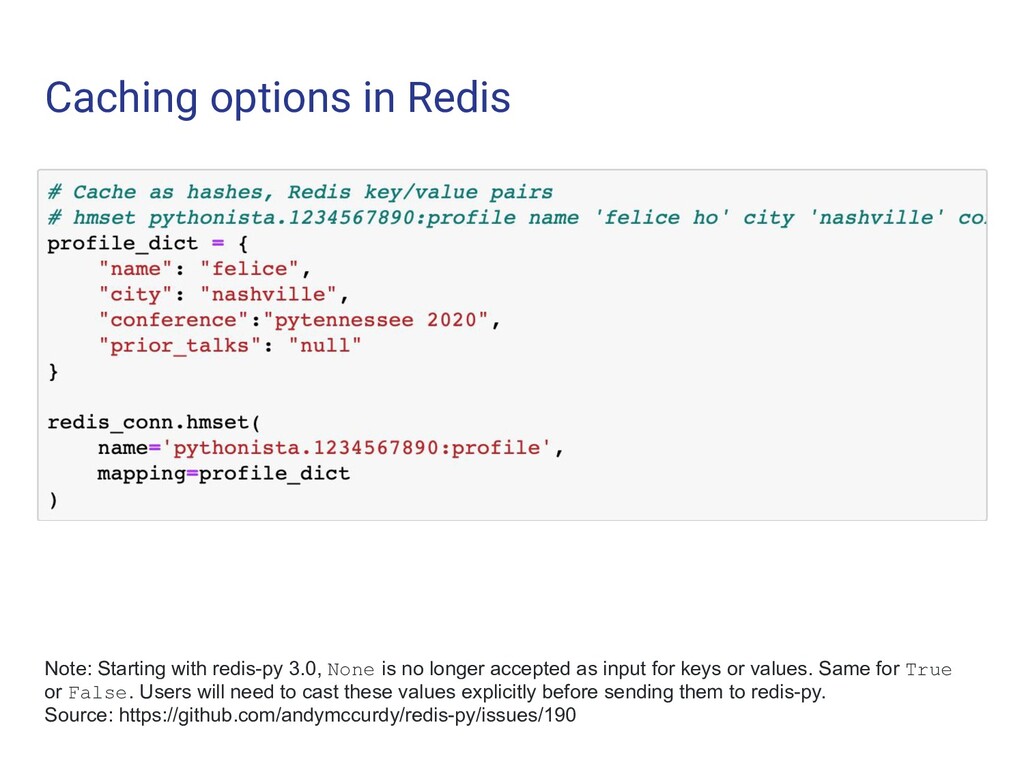
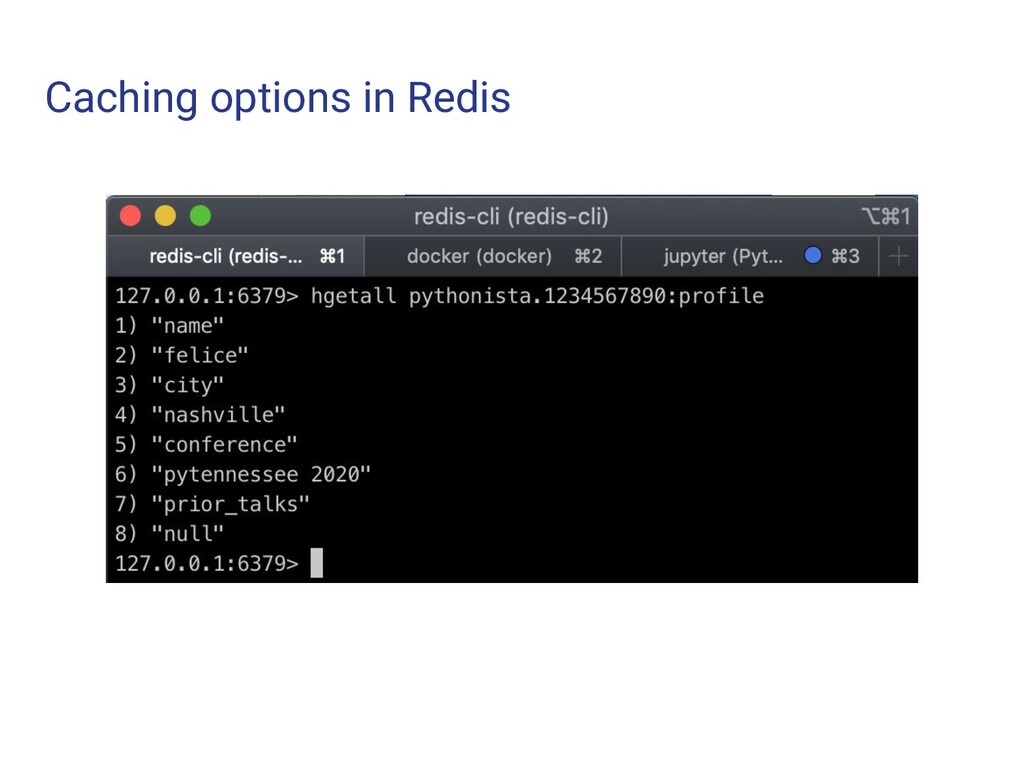
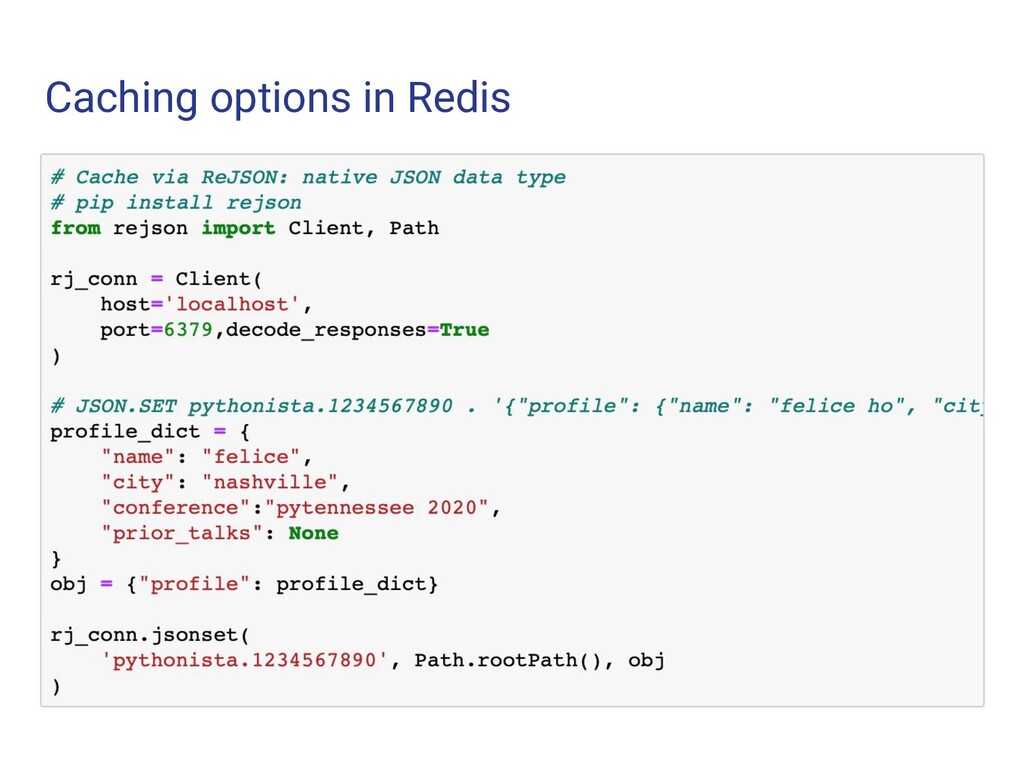
  22. Caching options in Redis Note: Starting with redis-py 3.0, None

    is no longer accepted as input for keys or values. Same for True or False. Users will need to cast these values explicitly before sending them to redis-py. Source: https://github.com/andymccurdy/redis-py/issues/190
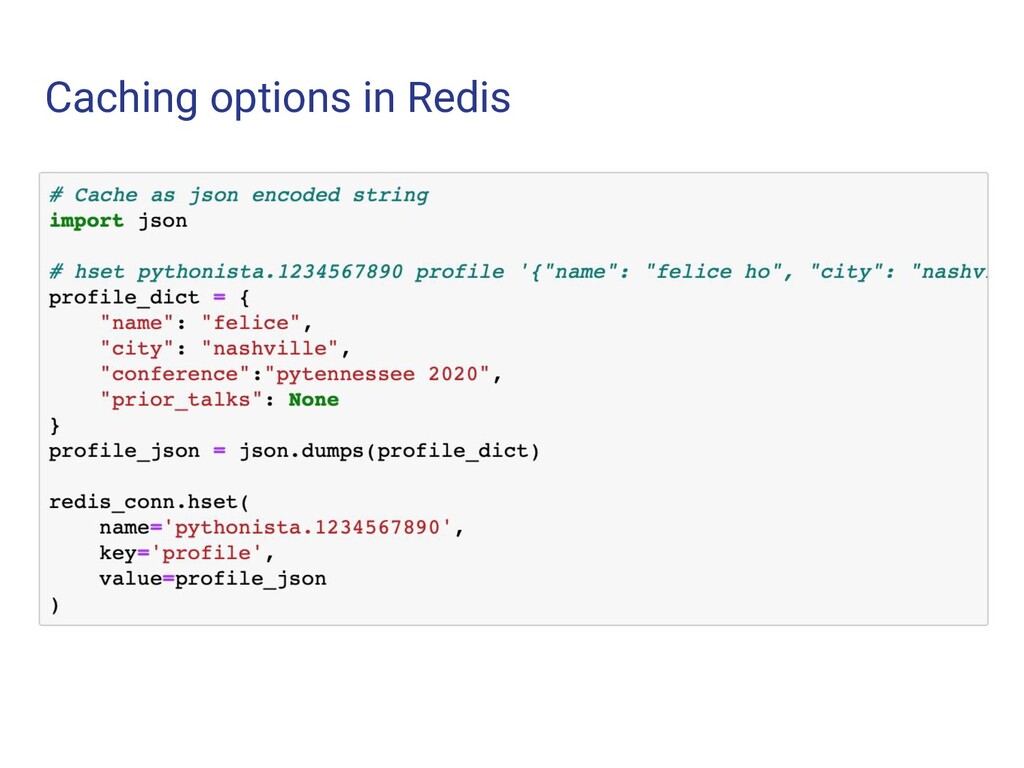
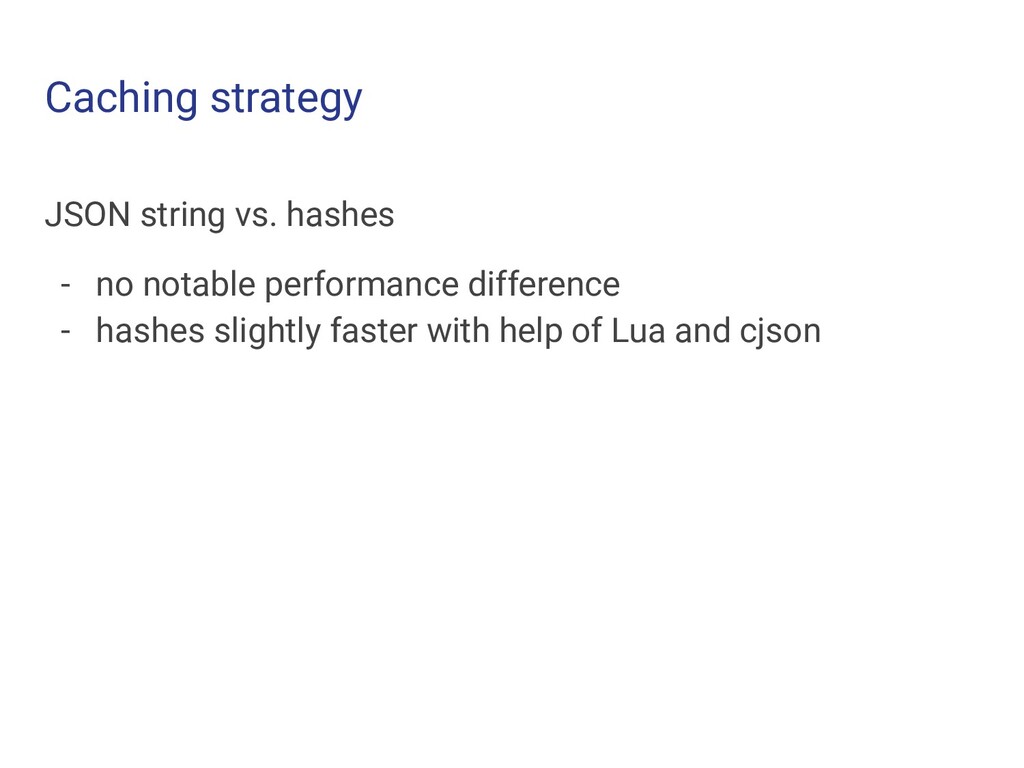
  23. Caching strategy JSON string vs. hashes - no notable performance

    difference - hashes slightly faster with help of Lua and cjson
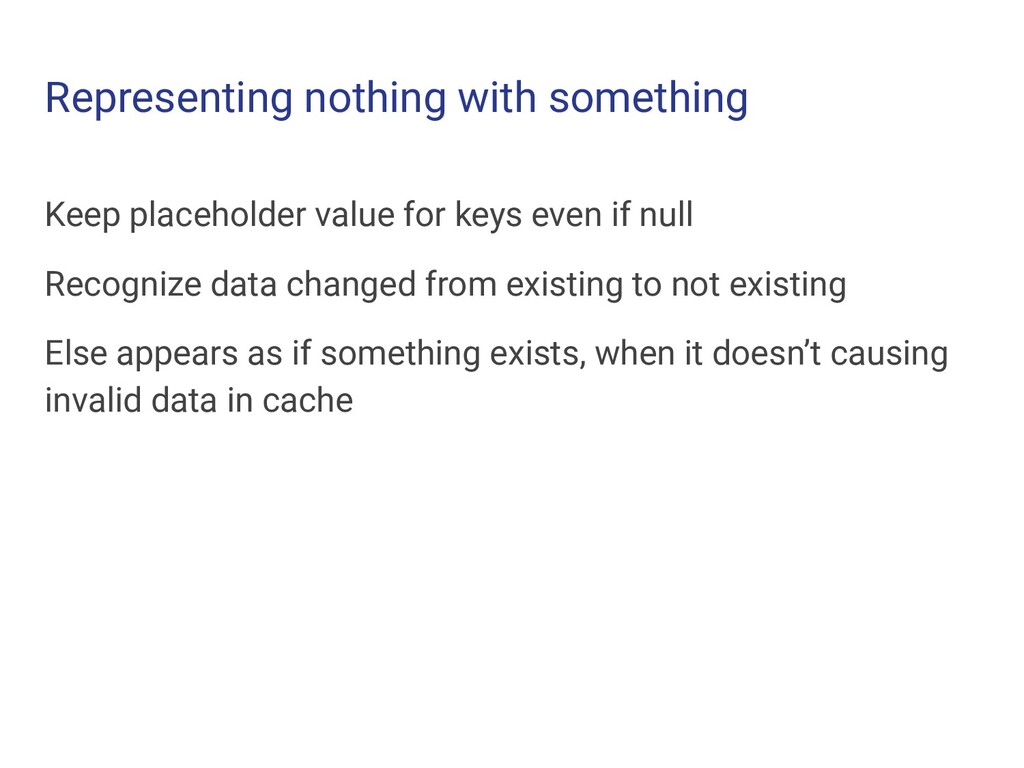
  24. Representing nothing with something Keep placeholder value for keys even

    if null Recognize data changed from existing to not existing Else appears as if something exists, when it doesn’t causing invalid data in cache
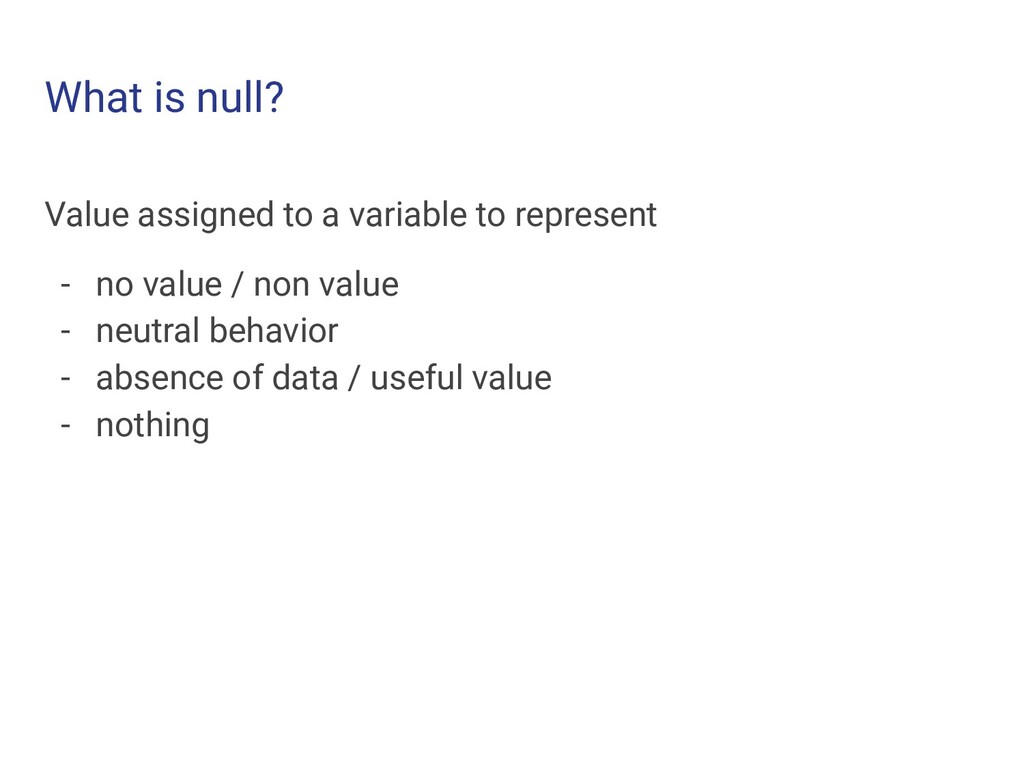
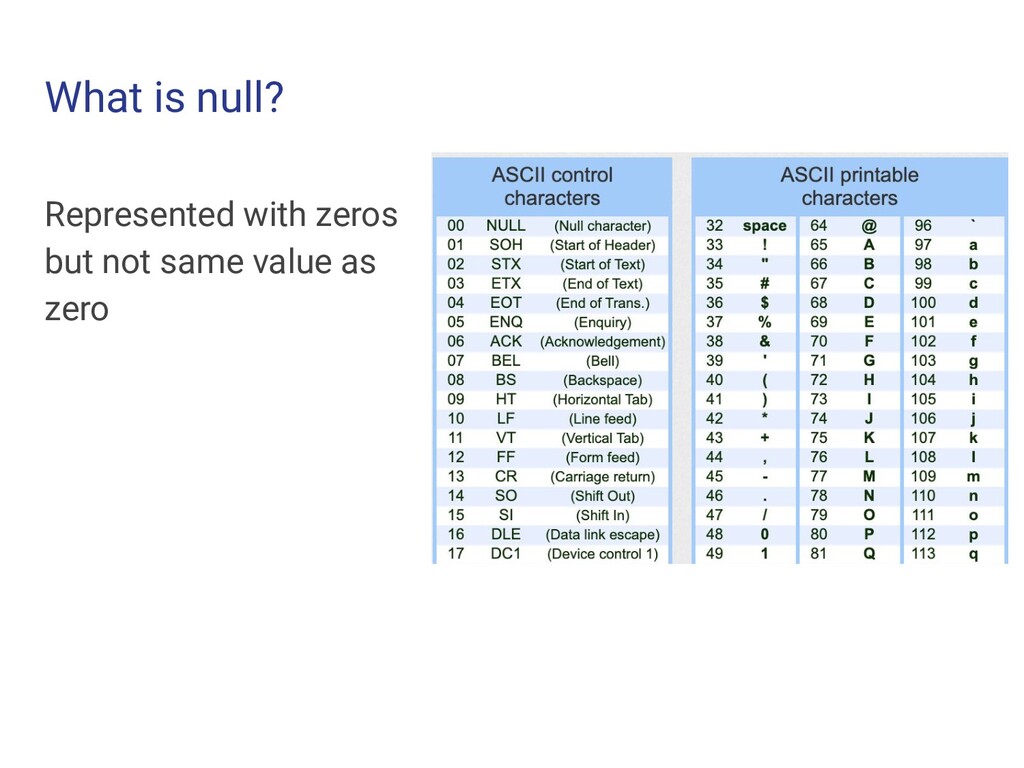
  25. What is null? Value assigned to a variable to represent

    - no value / non value - neutral behavior - absence of data / useful value - nothing
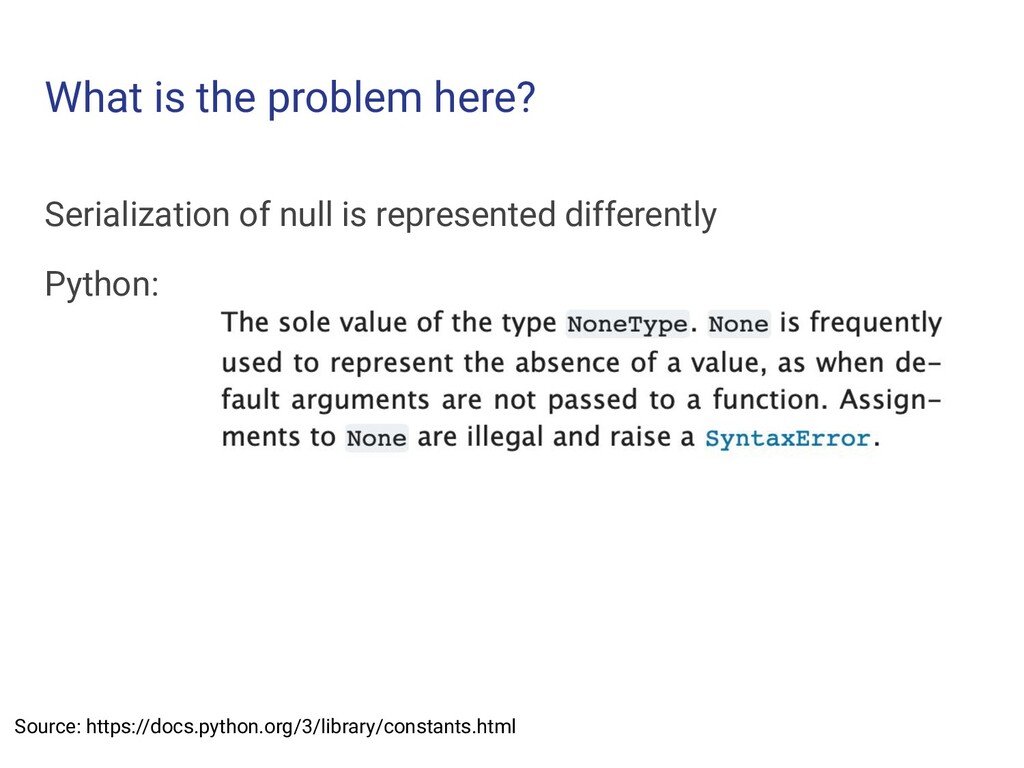
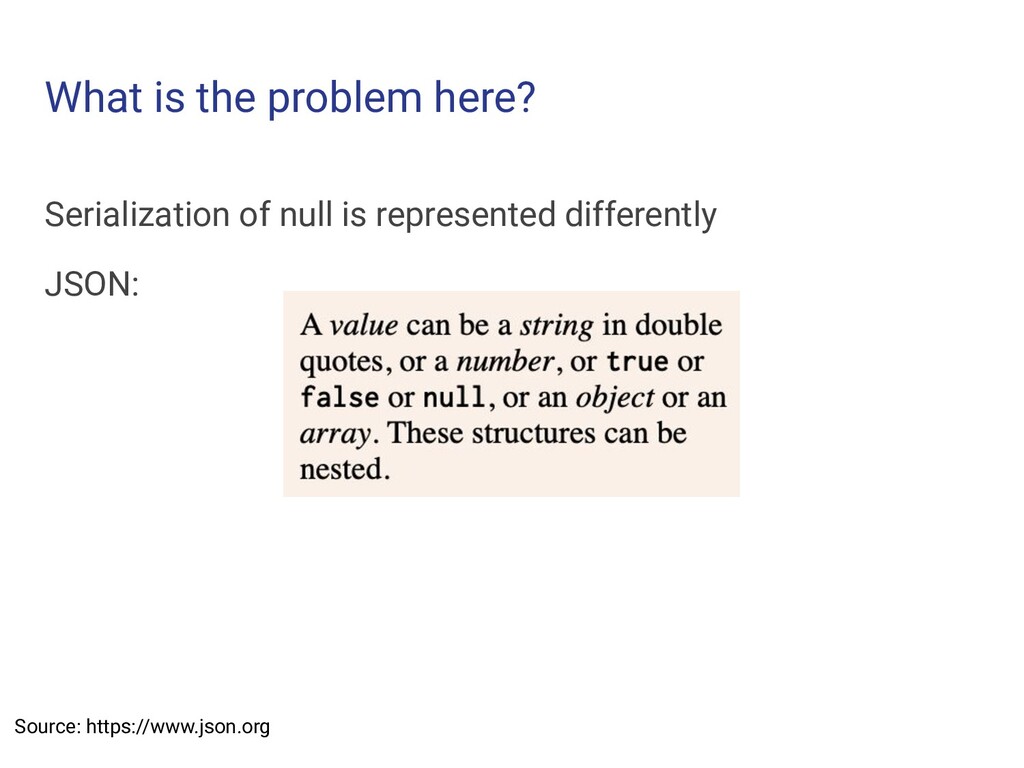
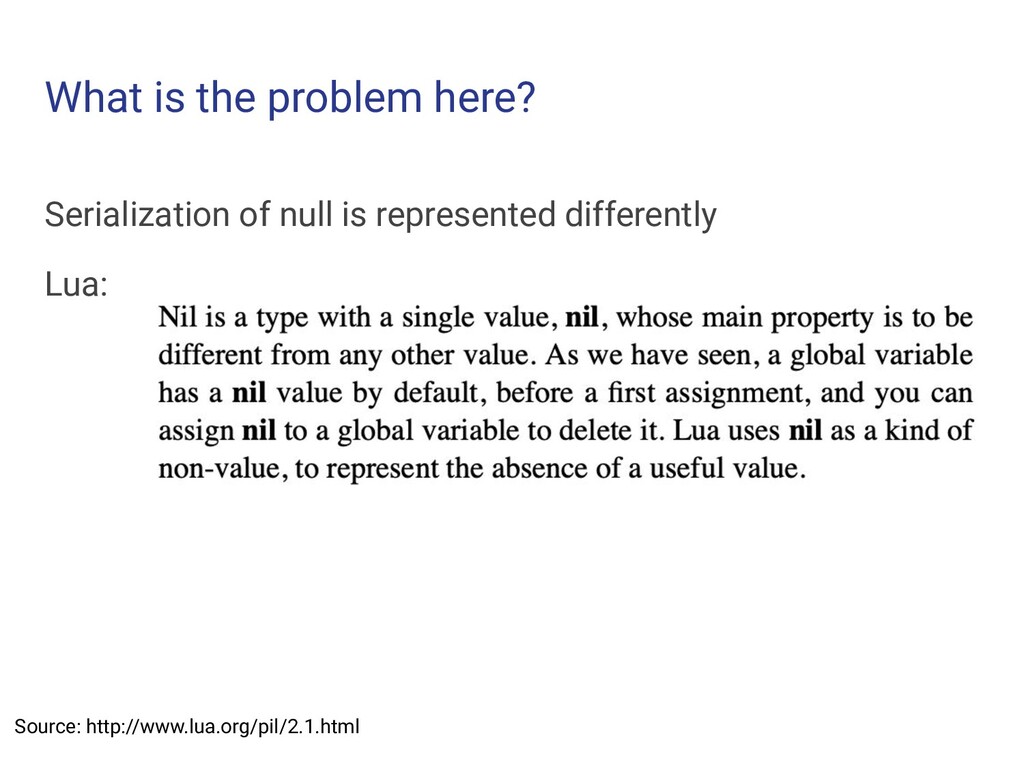
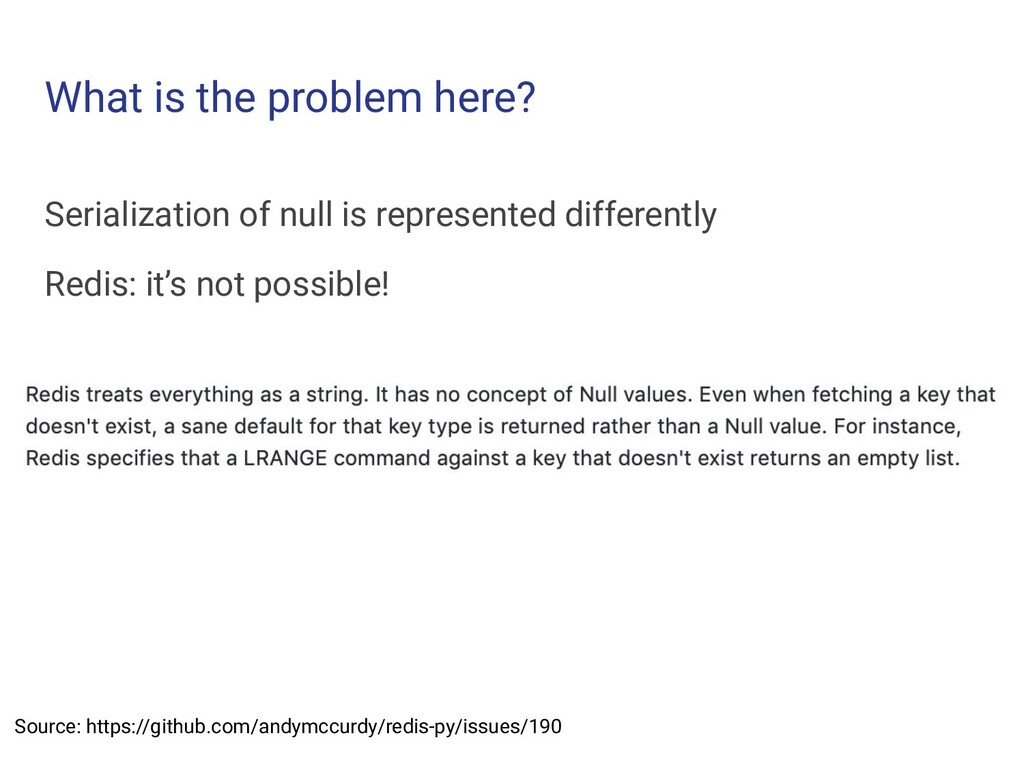
  26. What is the problem here? It is up to the

    language or library to determine how to represent null
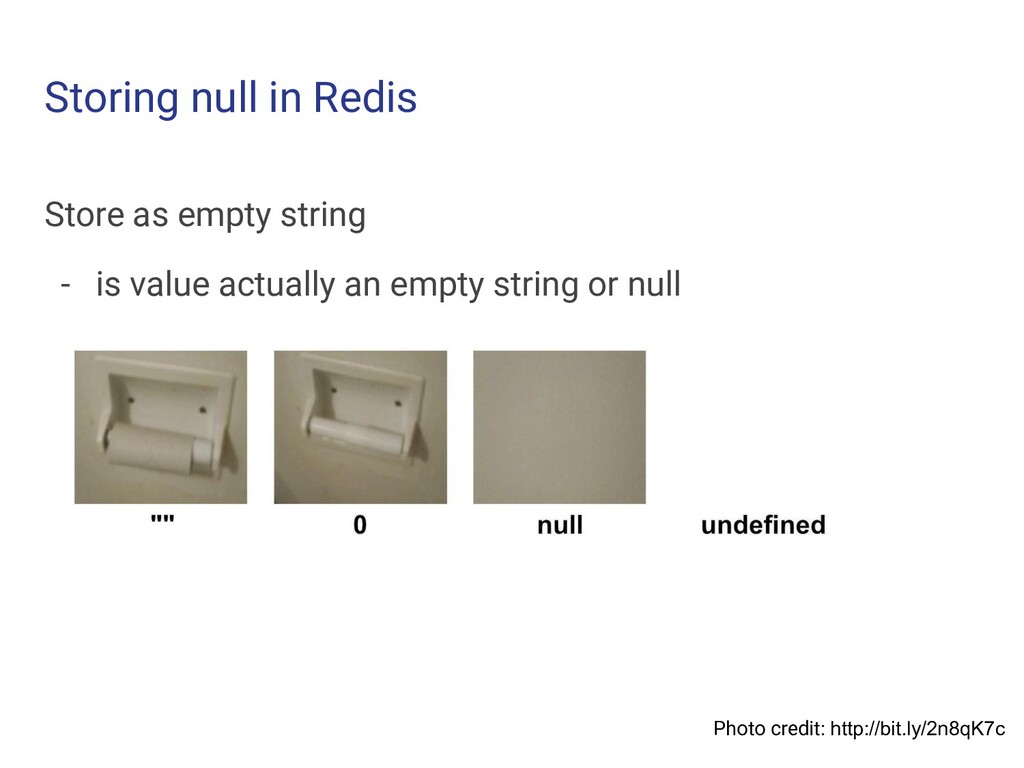
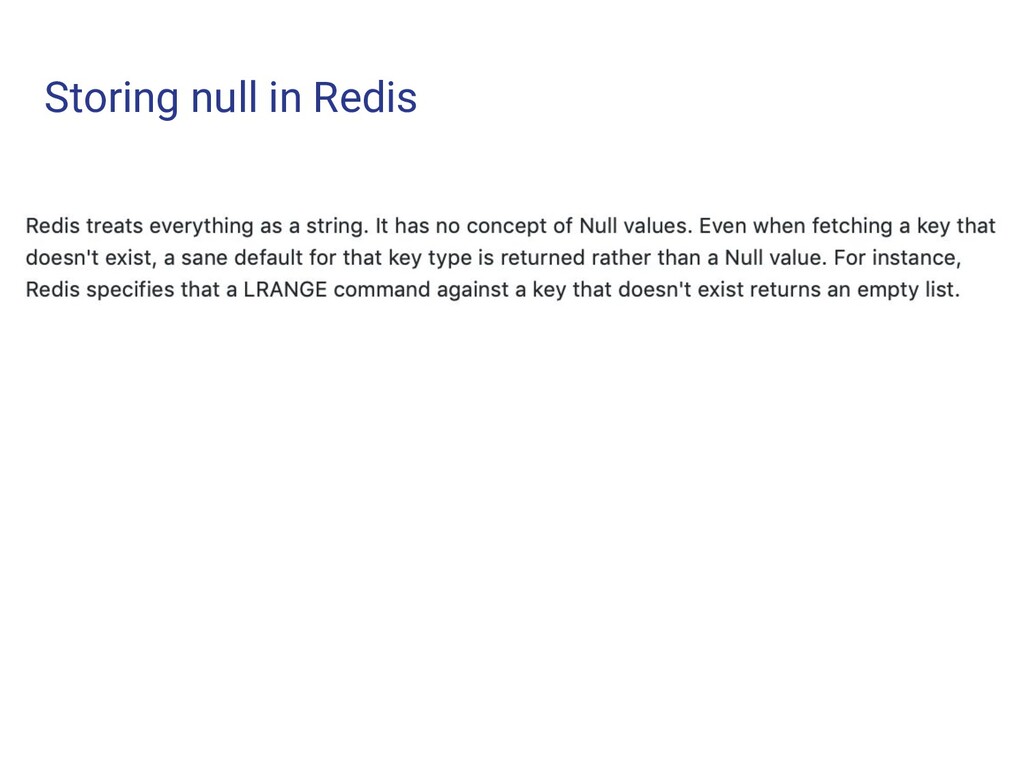
  27. Storing null in Redis Store as empty string - is

    value actually an empty string or null Photo credit: http://bit.ly/2n8qK7c
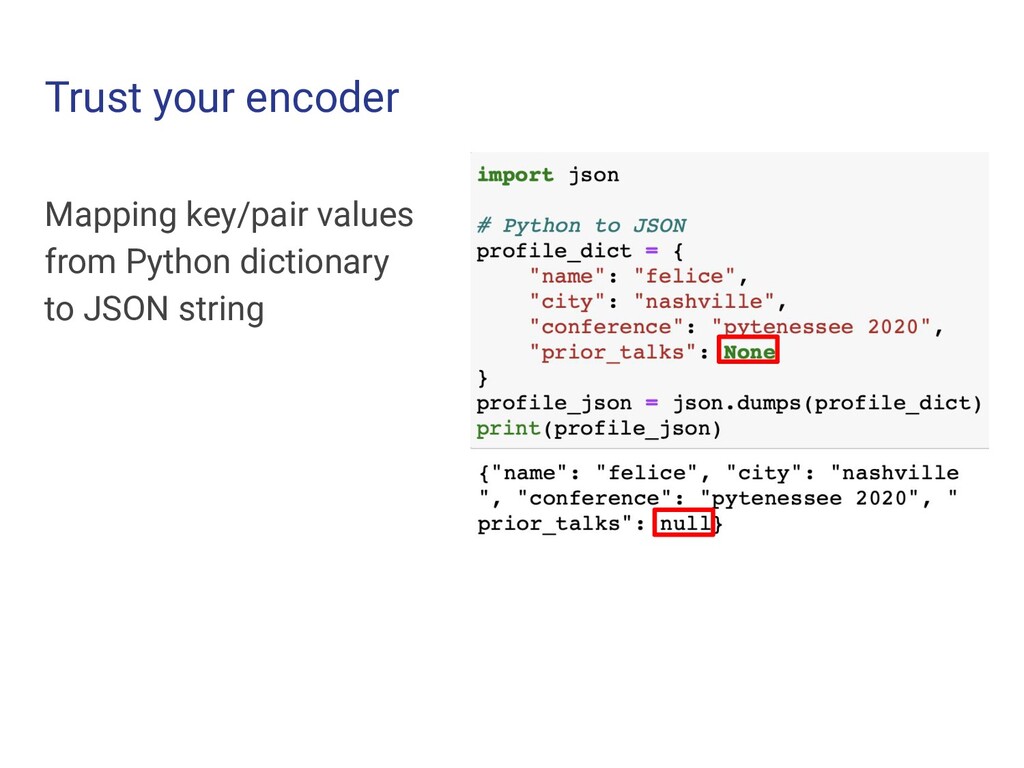
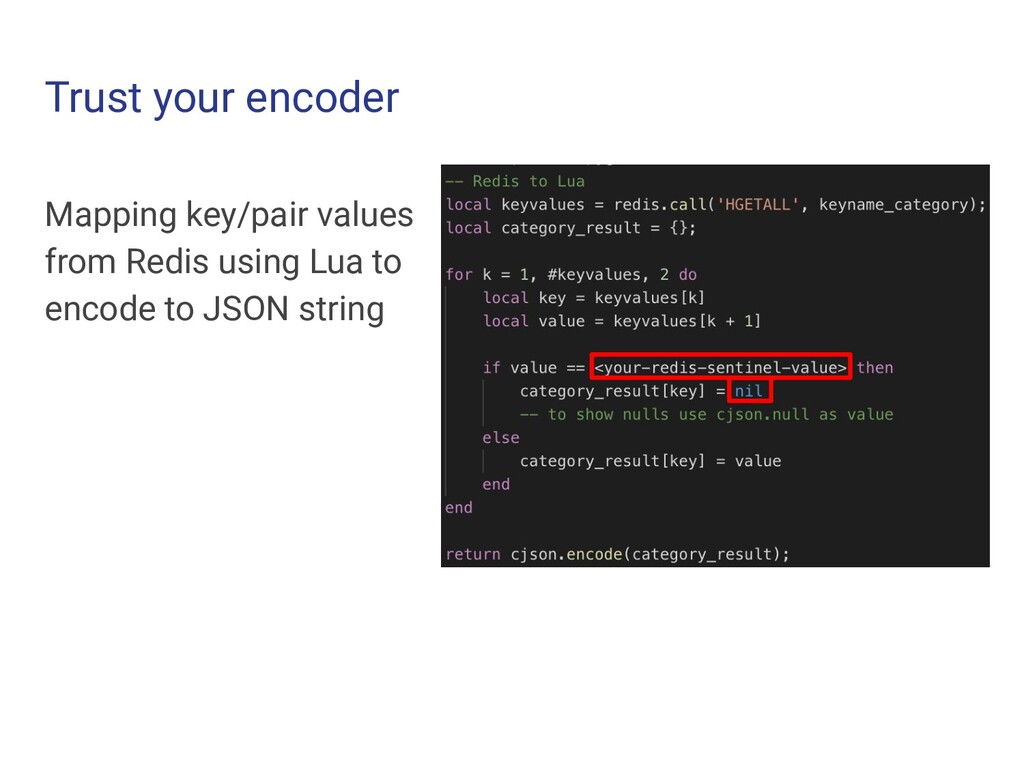
  28. Trust your encoder Encoder will serialize into what you need

    Keep null values in native format before encoding None (your choice) nil null
  29. Serialization Process of translating an object into a format that

    can be stored or transmitted, and reconstructed later -> JSON is a serialization format for client server communication
  30. Represent nothing with something Nothing is recognized differently Handle non-nullable

    values appropriately Be aware of how your source data systems and tools handle null values
  31. Left join (important) data Include records - with values at

    one point - that matter if they no longer have values - or otherwise not removed via TTL
  32. Trust your encoder Serialize ‘nothing’ in native form, no matter

    which language, tool, or format you are using
  33. “I call it my billion-dollar mistake. It was the invention

    of the null reference in 1965. … I couldn’t resist the temptation to put in a null reference, simply because it was so easy to implement. This has led to innumerable errors, vulnerabilities, and system crashes, which have probably caused a billion dollars of pain and damage in the last forty years.” - Tony Hoare 2009
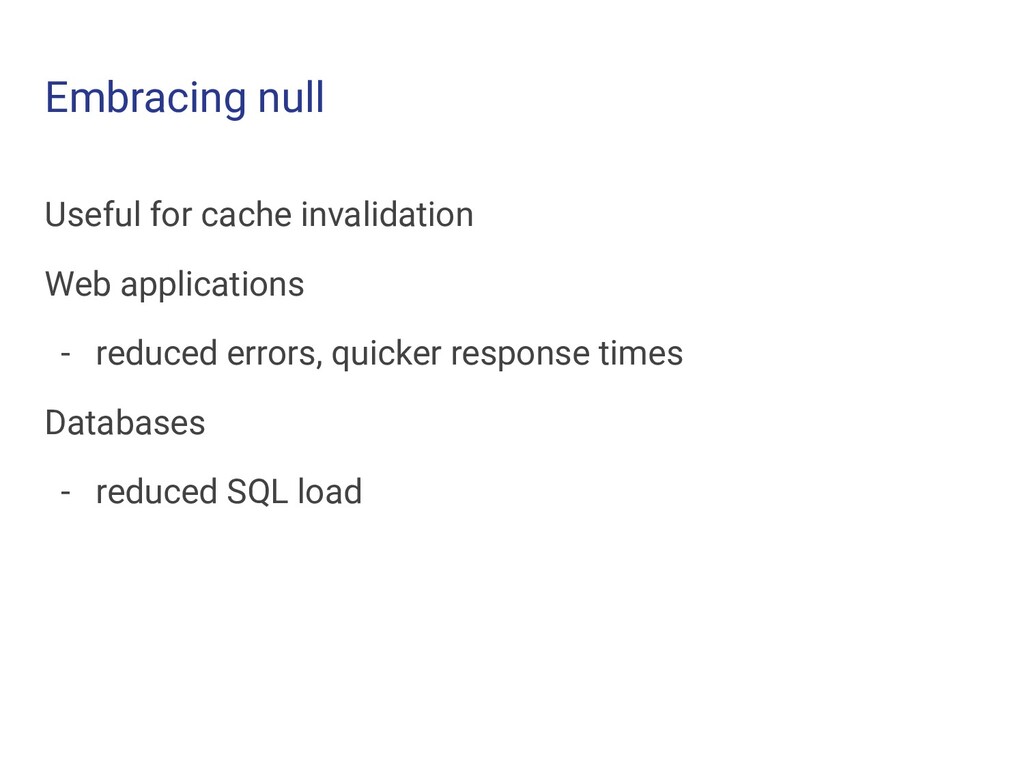
  34. Embracing null Useful for cache invalidation Web applications - reduced

    errors, quicker response times Databases - reduced SQL load