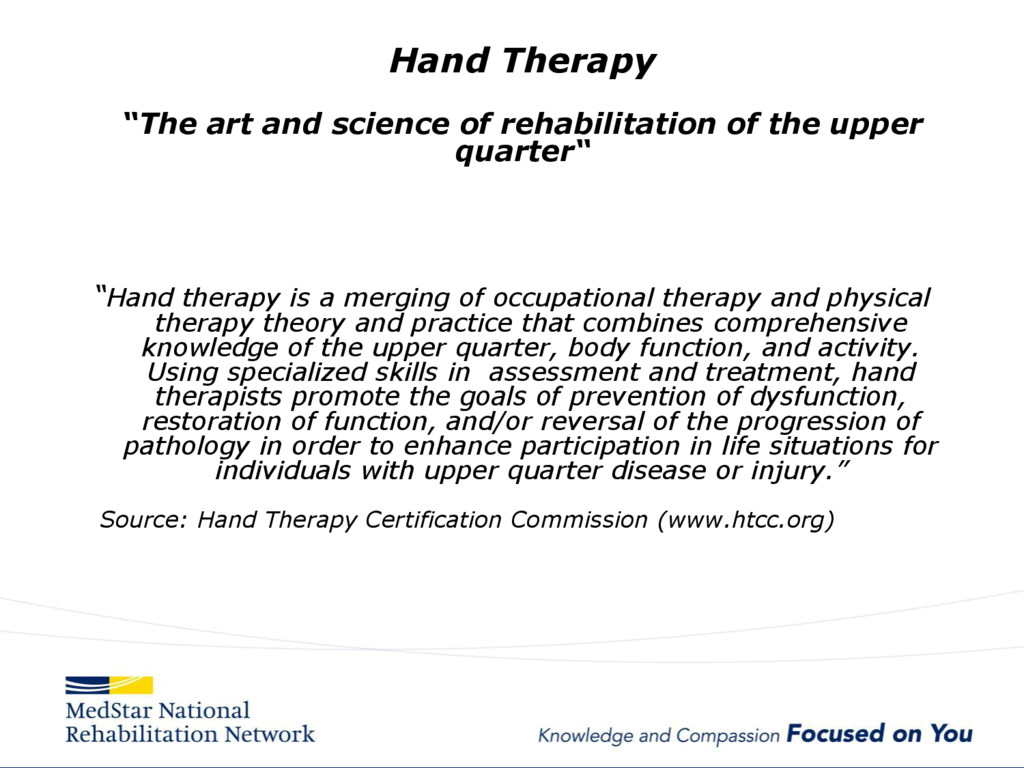
upper quarter“ “Hand therapy is a merging of occupational therapy and physical therapy theory and practice that combines comprehensive knowledge of the upper quarter, body function, and activity. Using specialized skills in assessment and treatment, hand therapists promote the goals of prevention of dysfunction, restoration of function, and/or reversal of the progression of pathology in order to enhance participation in life situations for individuals with upper quarter disease or injury.” Source: Hand Therapy Certification Commission (www.htcc.org)
who specializes in the care of upper extremity conditions and injuries including the hand, wrist, elbow, and shoulder • Many of these specialists have chosen to pursue the Certified Hand Therapist (CHT) credential
of experience (NEW for 2018!) 4,000 hours of time practicing and being mentored in the intricacies of the upper extremity Has passed a rigorous examination of advanced clinical skills and theory in upper extremity rehabilitation Maintains certification through high quality continuing education courses Source: Hand Therapy Certification Commission (www.htcc.org)
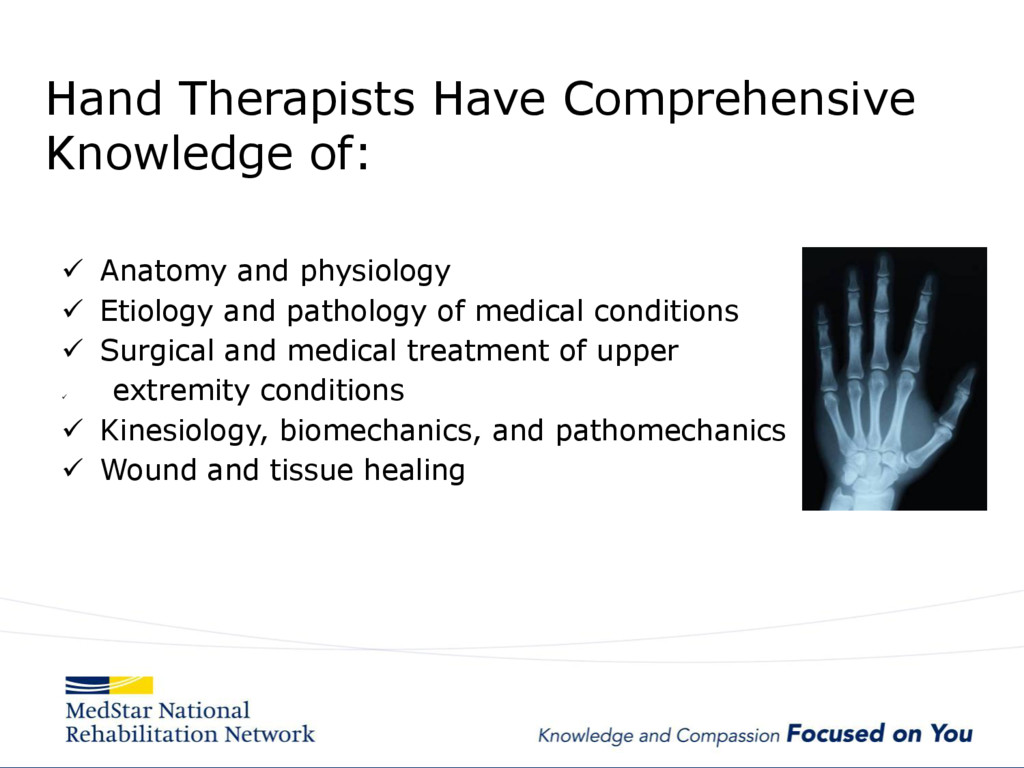
Etiology and pathology of medical conditions Surgical and medical treatment of upper extremity conditions Kinesiology, biomechanics, and pathomechanics Wound and tissue healing
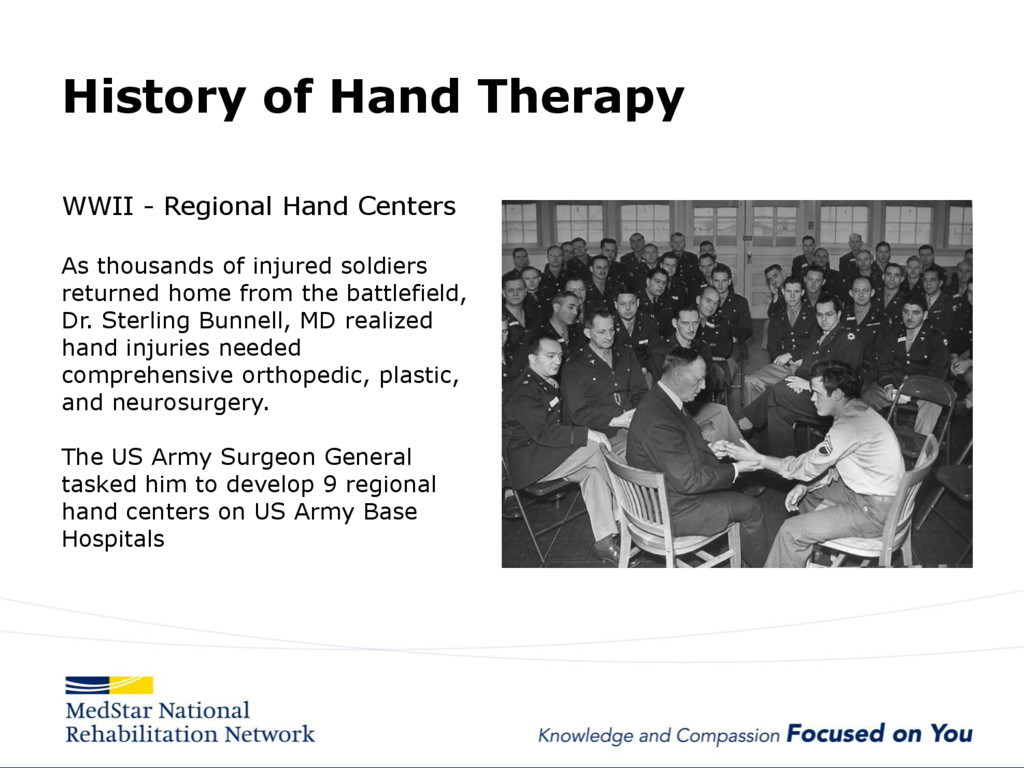
thousands of injured soldiers returned home from the battlefield, Dr. Sterling Bunnell, MD realized hand injuries needed comprehensive orthopedic, plastic, and neurosurgery. The US Army Surgeon General tasked him to develop 9 regional hand centers on US Army Base Hospitals
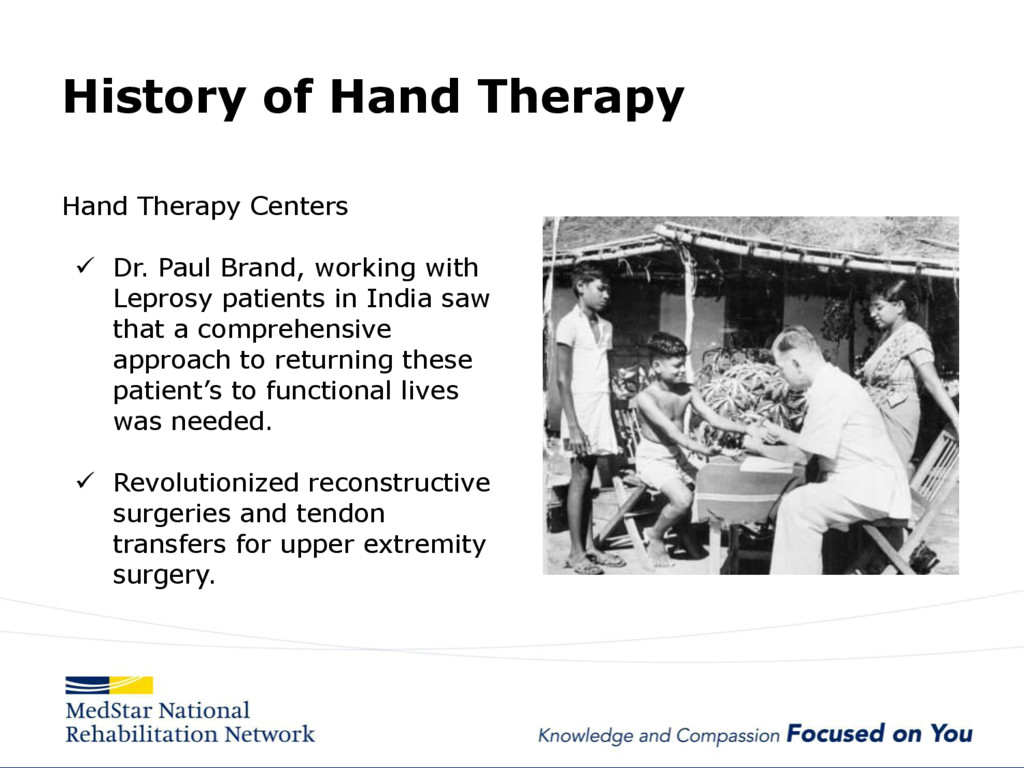
Brand, working with Leprosy patients in India saw that a comprehensive approach to returning these patient’s to functional lives was needed. Revolutionized reconstructive surgeries and tendon transfers for upper extremity surgery.
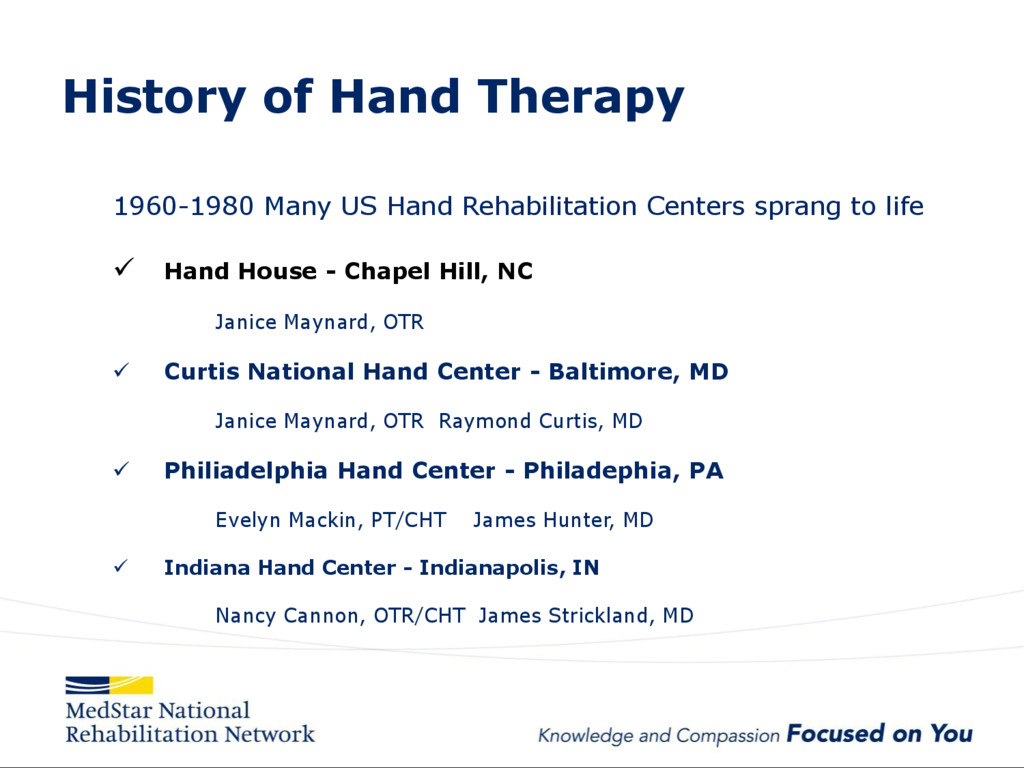
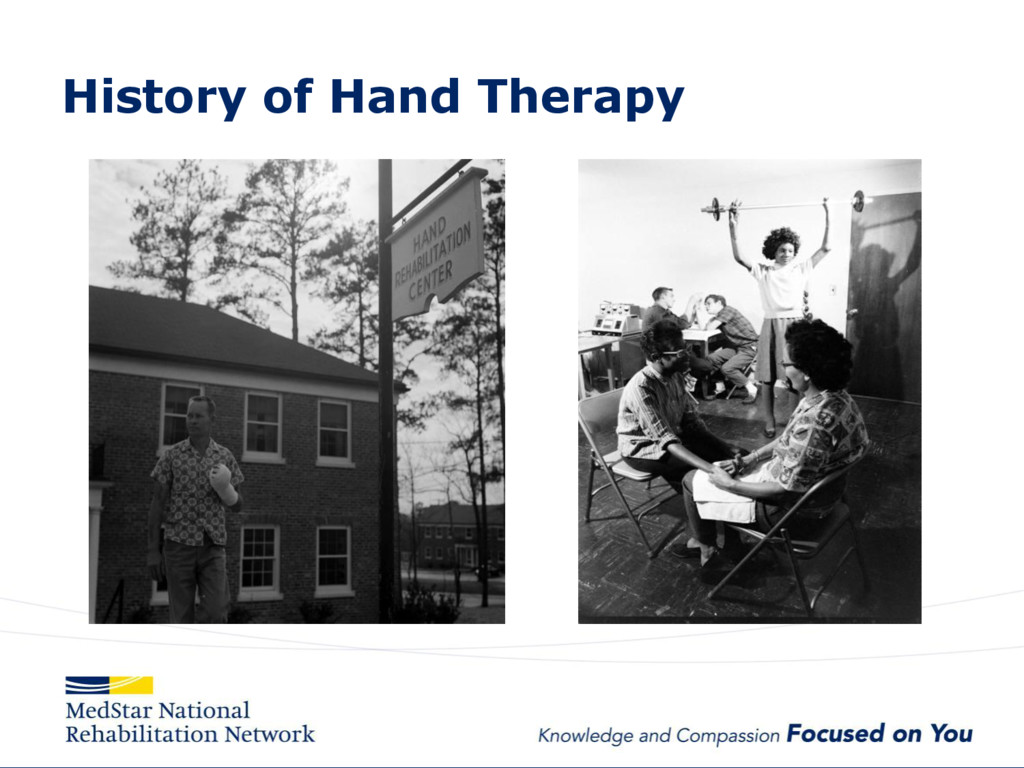
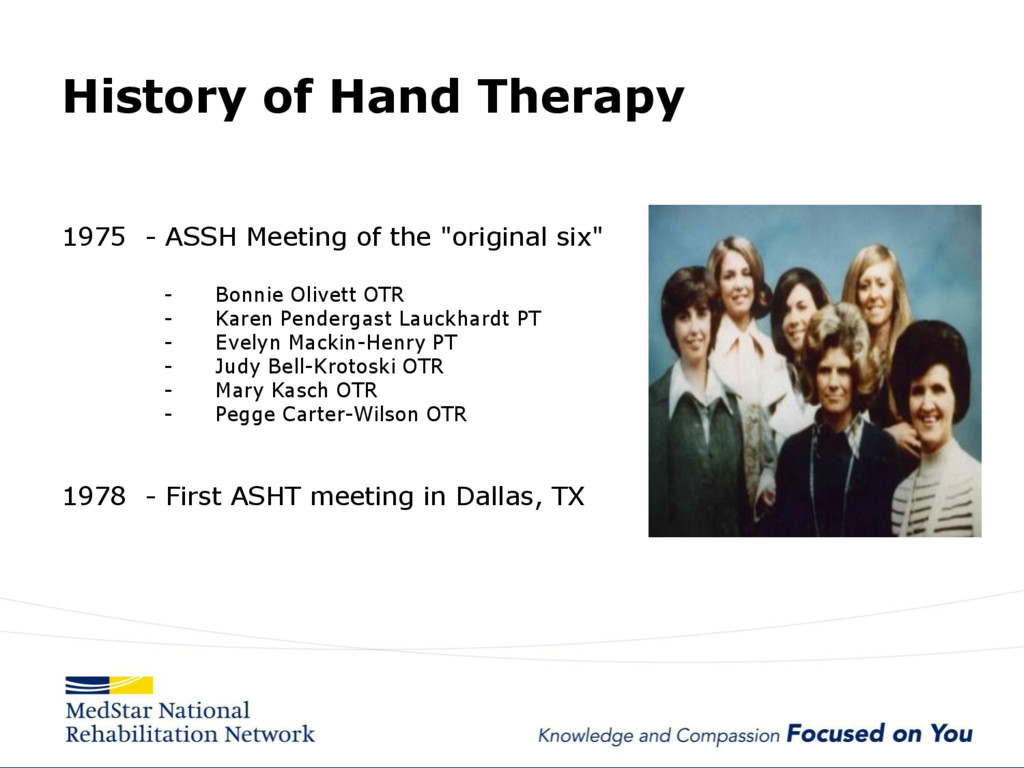
sprang to life Hand House - Chapel Hill, NC Janice Maynard, OTR Curtis National Hand Center - Baltimore, MD Janice Maynard, OTR Raymond Curtis, MD Philiadelphia Hand Center - Philadephia, PA Evelyn Mackin, PT/CHT James Hunter, MD Indiana Hand Center - Indianapolis, IN Nancy Cannon, OTR/CHT James Strickland, MD
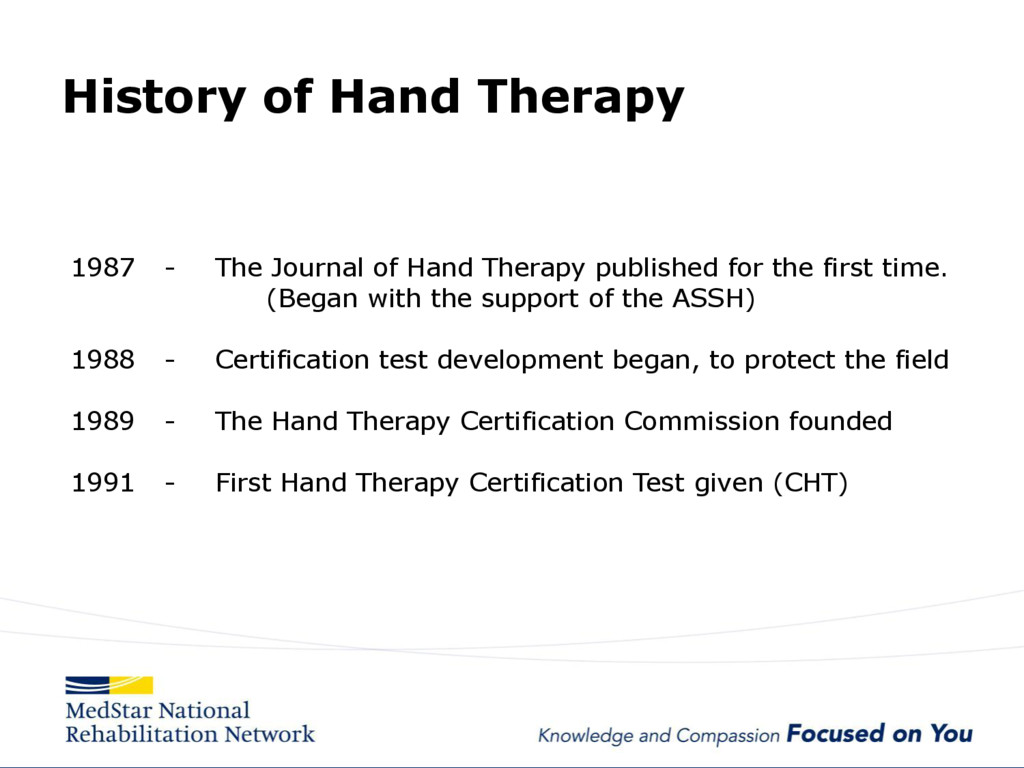
Therapy published for the first time. (Began with the support of the ASSH) 1988 - Certification test development began, to protect the field 1989 - The Hand Therapy Certification Commission founded 1991 - First Hand Therapy Certification Test given (CHT)
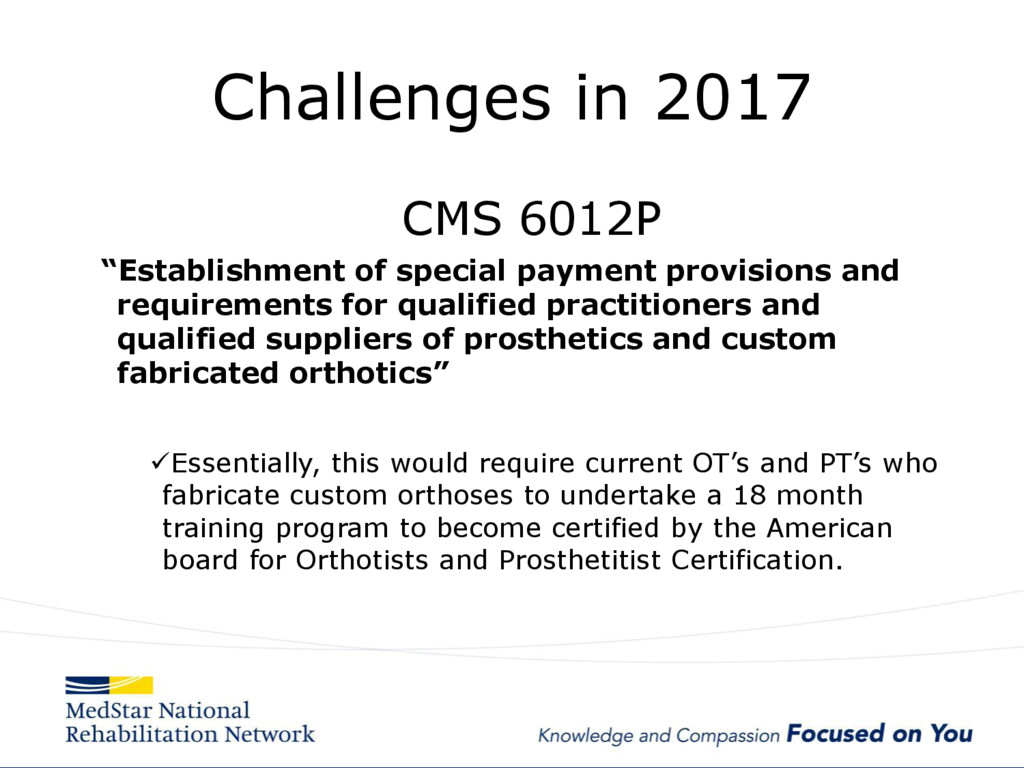
and requirements for qualified practitioners and qualified suppliers of prosthetics and custom fabricated orthotics” Essentially, this would require current OT’s and PT’s who fabricate custom orthoses to undertake a 18 month training program to become certified by the American board for Orthotists and Prosthetitist Certification.
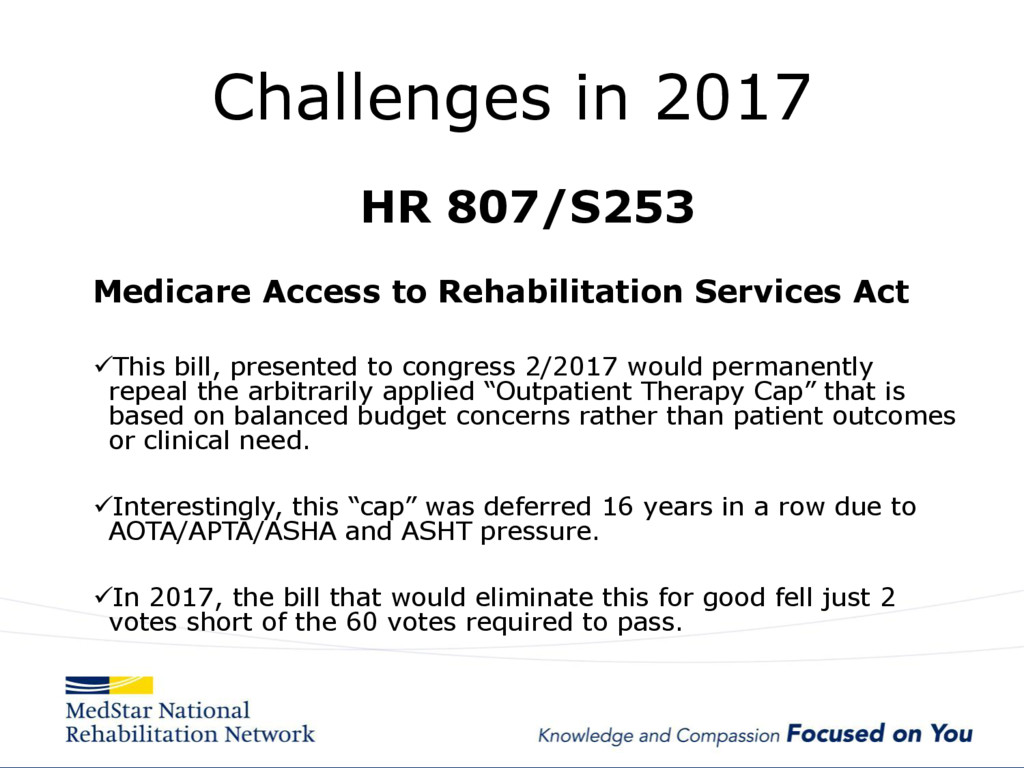
Act This bill, presented to congress 2/2017 would permanently repeal the arbitrarily applied “Outpatient Therapy Cap” that is based on balanced budget concerns rather than patient outcomes or clinical need. Interestingly, this “cap” was deferred 16 years in a row due to AOTA/APTA/ASHA and ASHT pressure. In 2017, the bill that would eliminate this for good fell just 2 votes short of the 60 votes required to pass.
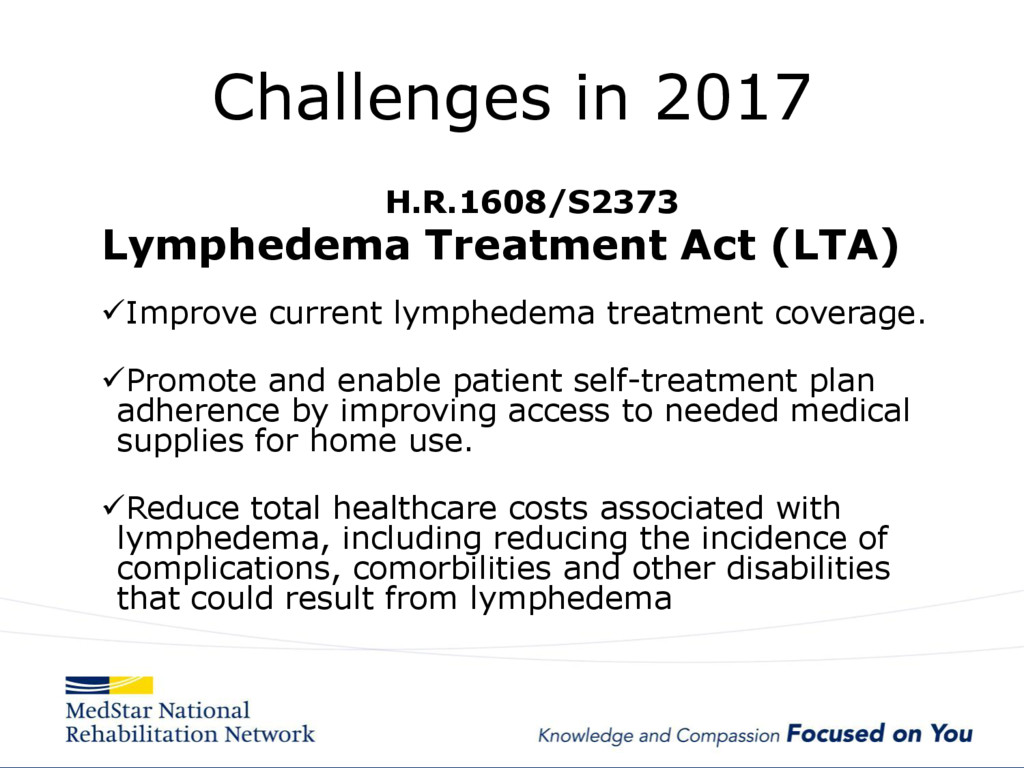
lymphedema treatment coverage. Promote and enable patient self-treatment plan adherence by improving access to needed medical supplies for home use. Reduce total healthcare costs associated with lymphedema, including reducing the incidence of complications, comorbilities and other disabilities that could result from lymphedema
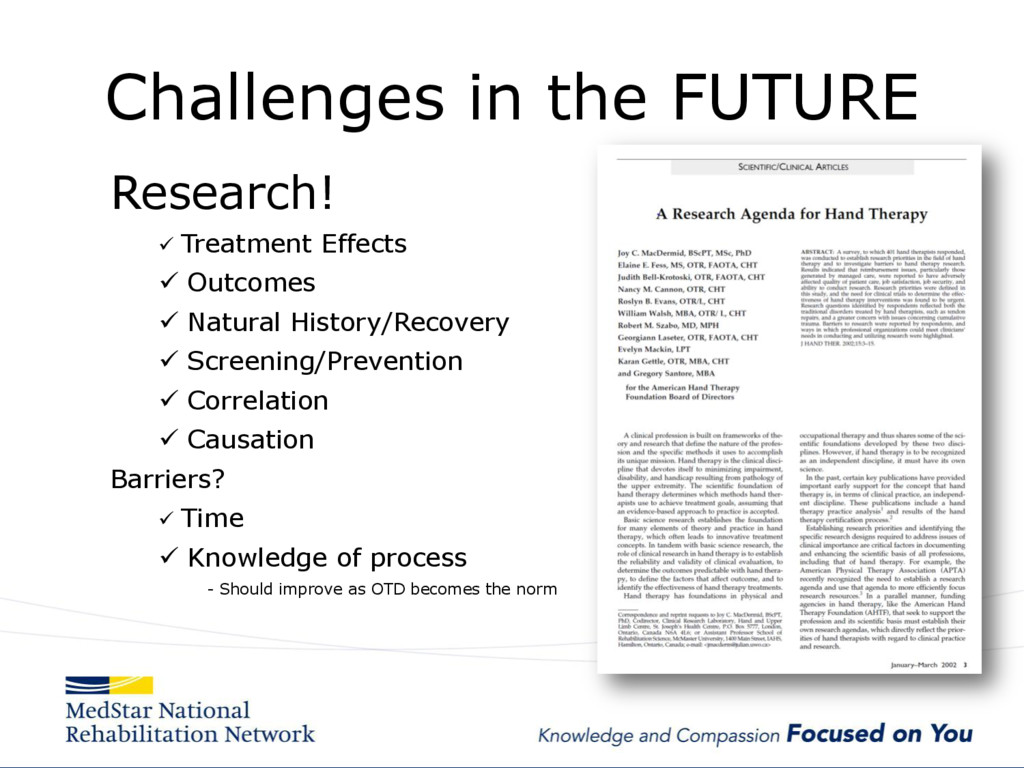
Natural History/Recovery Screening/Prevention Correlation Causation Barriers? Time Knowledge of process - Should improve as OTD becomes the norm
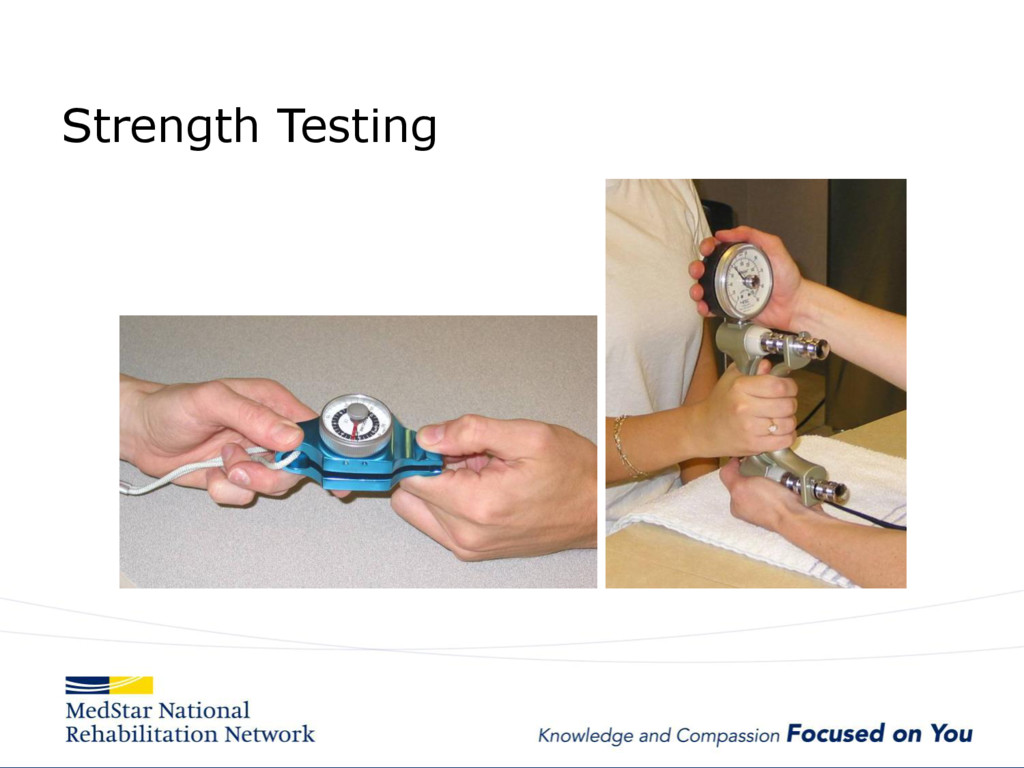
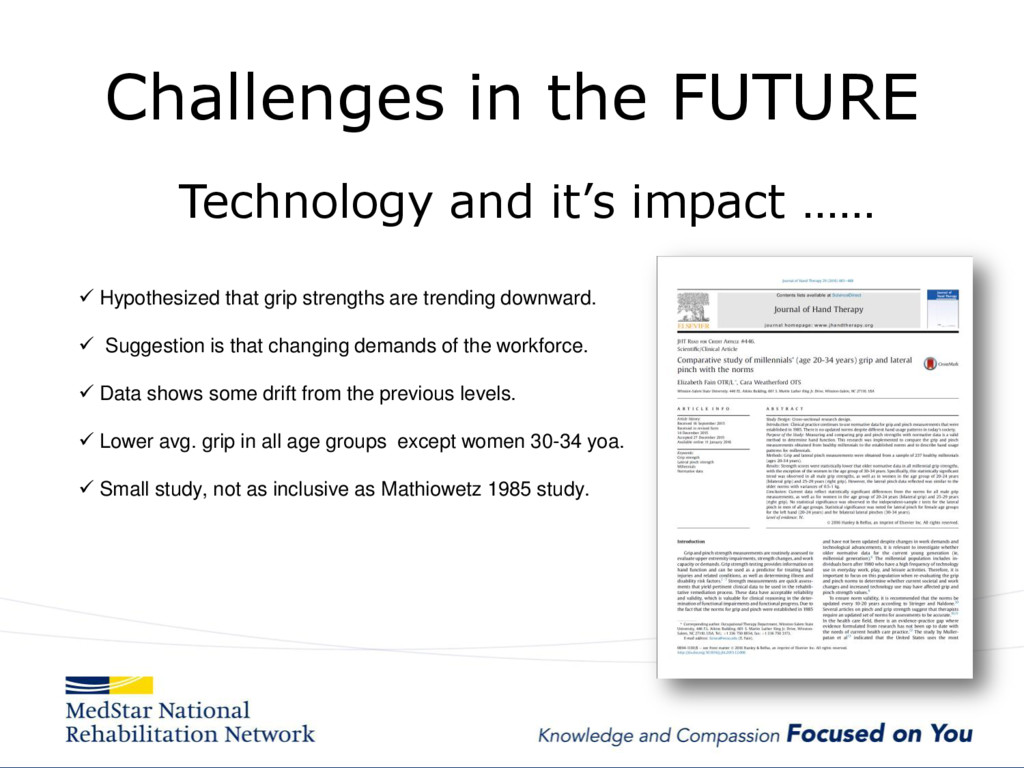
Hypothesized that grip strengths are trending downward. Suggestion is that changing demands of the workforce. Data shows some drift from the previous levels. Lower avg. grip in all age groups except women 30-34 yoa. Small study, not as inclusive as Mathiowetz 1985 study.
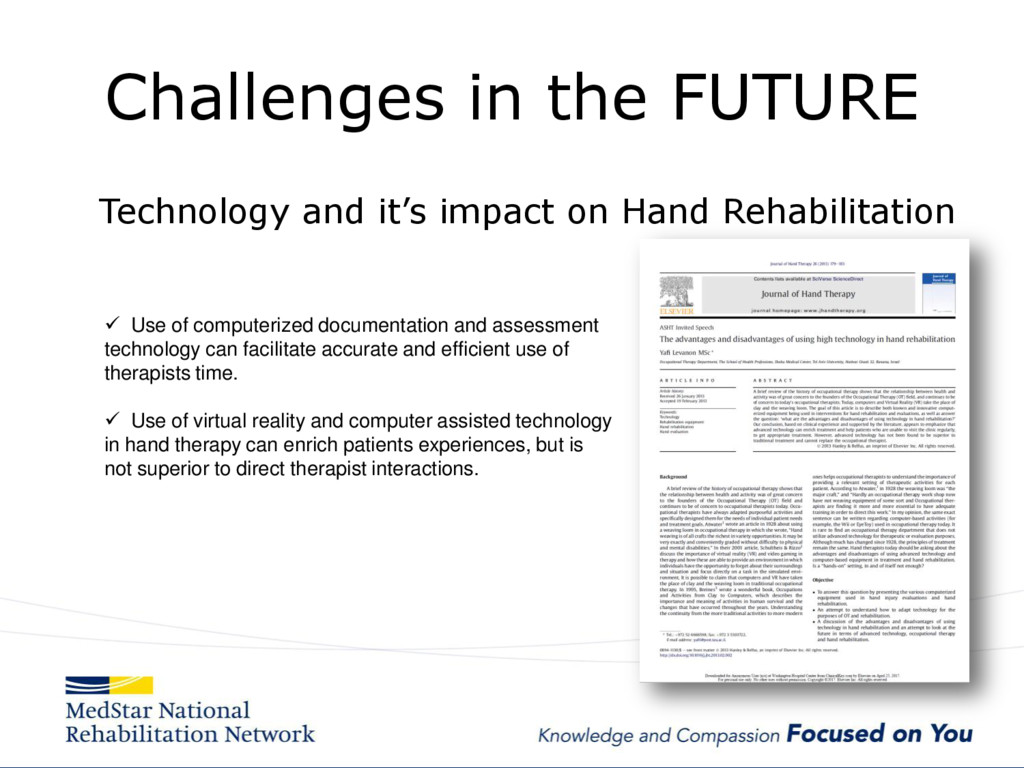
Rehabilitation Use of computerized documentation and assessment technology can facilitate accurate and efficient use of therapists time. Use of virtual reality and computer assisted technology in hand therapy can enrich patients experiences, but is not superior to direct therapist interactions.
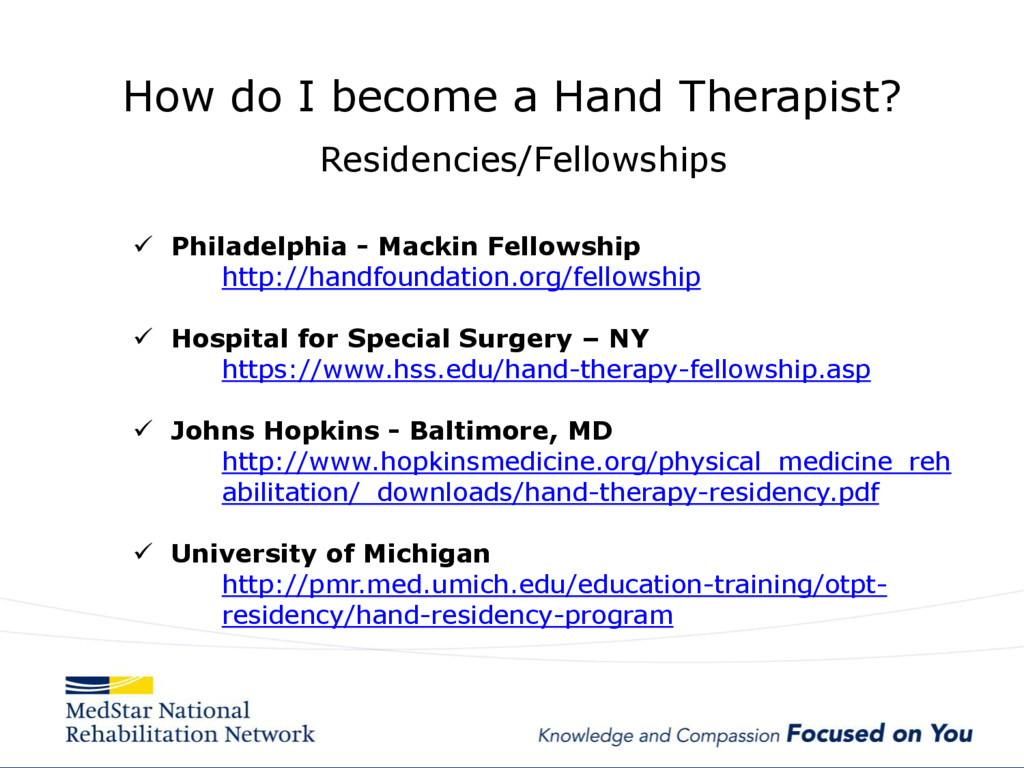
- Mackin Fellowship http://handfoundation.org/fellowship Hospital for Special Surgery – NY https://www.hss.edu/hand-therapy-fellowship.asp Johns Hopkins - Baltimore, MD http://www.hopkinsmedicine.org/physical_medicine_reh abilitation/_downloads/hand-therapy-residency.pdf University of Michigan http://pmr.med.umich.edu/education-training/otpt- residency/hand-residency-program
marketing package provided by the American Society of Hand Therapists. This presenter has no financial or personal ties to any organization mentioned within.


 lauravandoore
 inesmontani
 gr2m
 frankvandijk
 kevinliebholz
 portentint
 minecr
 elsirapls
 nikkihalliwell
 aleyda
 cassininazir
 kimpetersen