Upgrade to Pro — share decks privately, control downloads, hide ads and more …

Tools for empowering Developer Relations teams ⚡️

Avatar for Hem Hem
November 14, 2020

Tools for empowering Developer Relations teams ⚡️

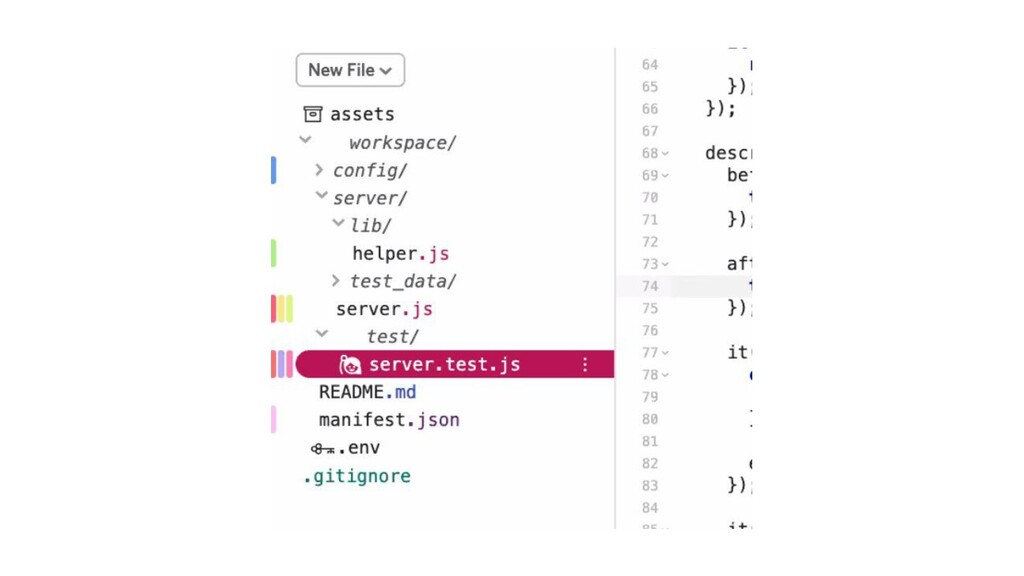
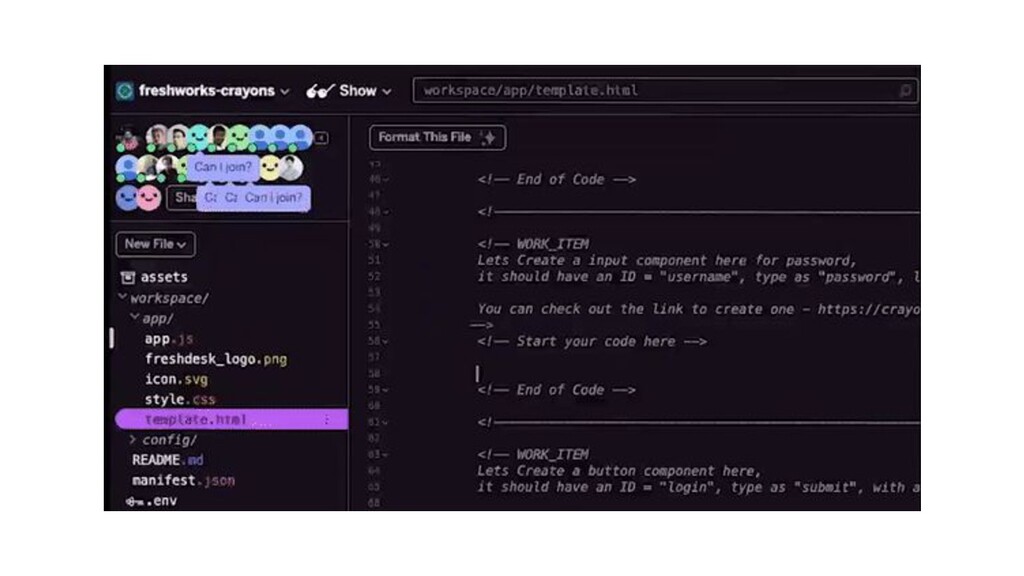
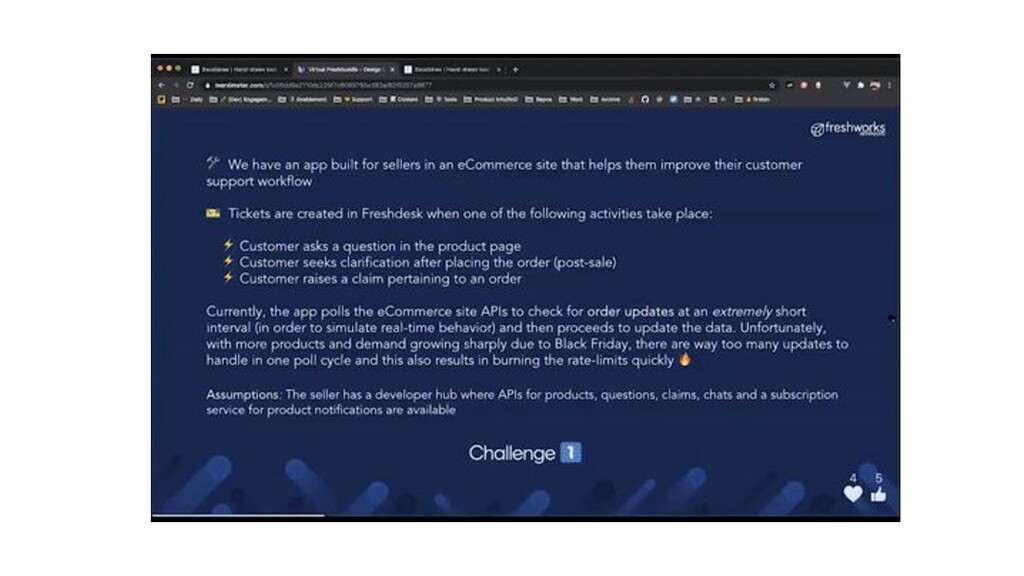
This talk covers how our team was able to identify processes in their day-to-day activity and automate them with tools. As DevRels, we get to wear multiple hats and that consumes time. By studying what we are doing and filling the gap with automation, we eventually had extra time to focus on essential aspects, such as, developer community and advocacy. Will be covering the following tools: - Google Codelabs, for a smooth onboarding experience - Glitch, for live demos and collaboration - CHAOSS (Community Health Analytics Open Source Software), for keeping track of community health and contributions - Excalidraw, for live solutioning - Discourse, for running our online community smoothly.

Avatar for Hem

Hem

November 14, 2020

Other Decks in Education

Transcript

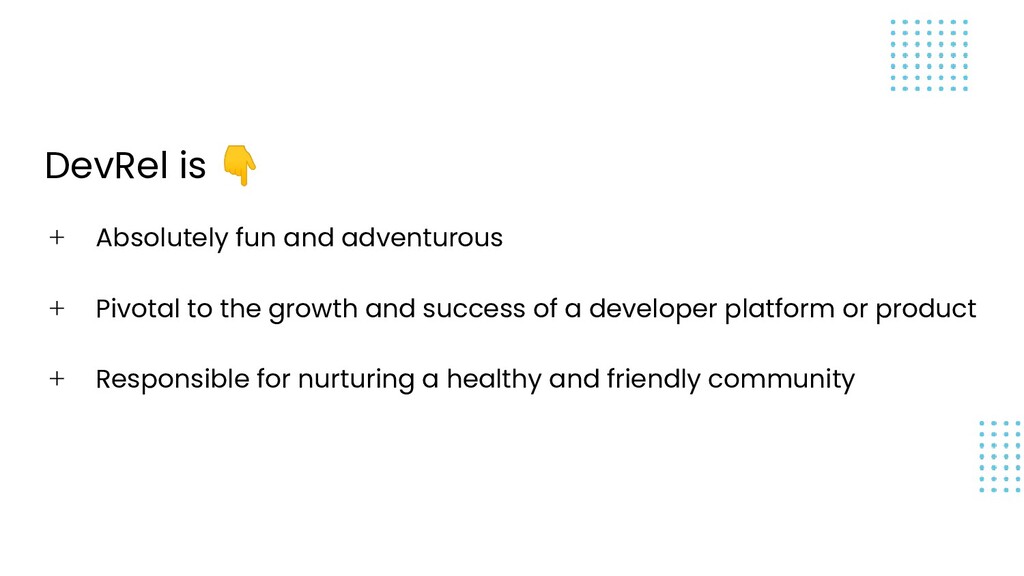
  1. DevRel is ﹢ Absolutely fun and adventurous ﹢ Pivotal to

    the growth and success of a developer platform or product ﹢ Responsible for nurturing a healthy and friendly community
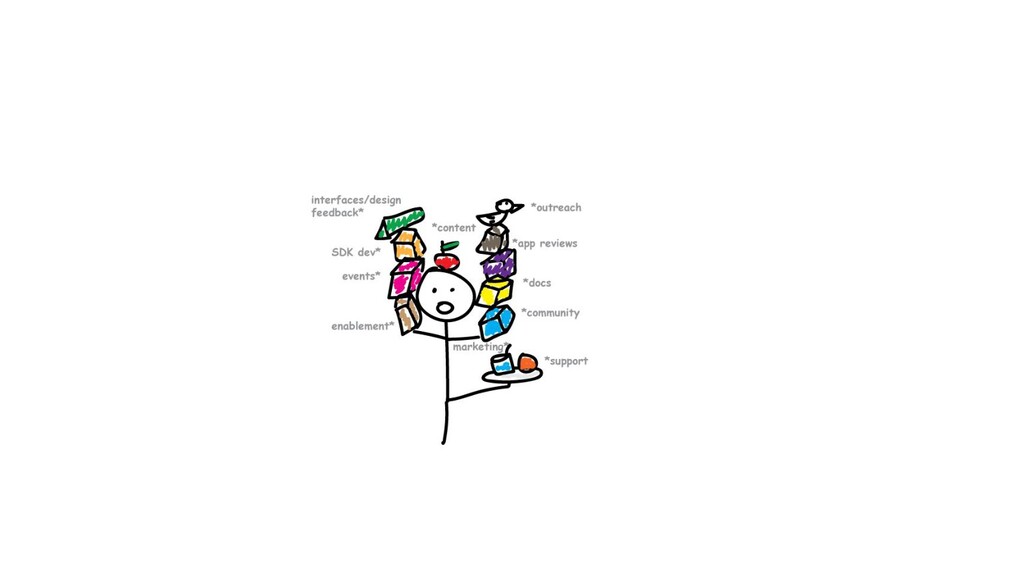
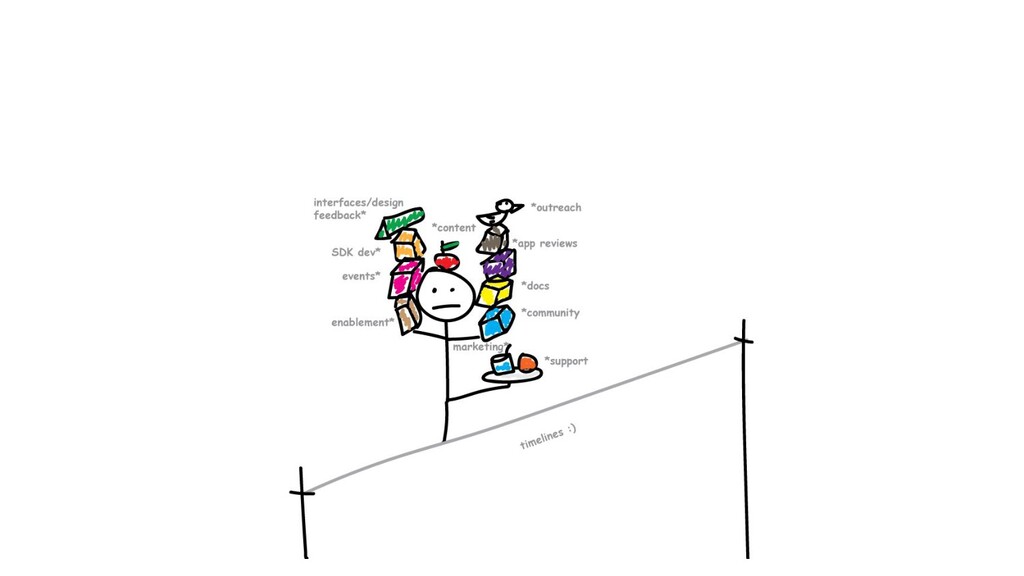
  2. DevRel is also... ﹢ A multifaceted role & involves various

    responsibilities ﹢ Staying updated while managing time & energy gracefully ﹢ Being empathetic to developers and understanding their perspective
  3. However, there are a couple of important things to ensure

    before we start using them `why` & `how`
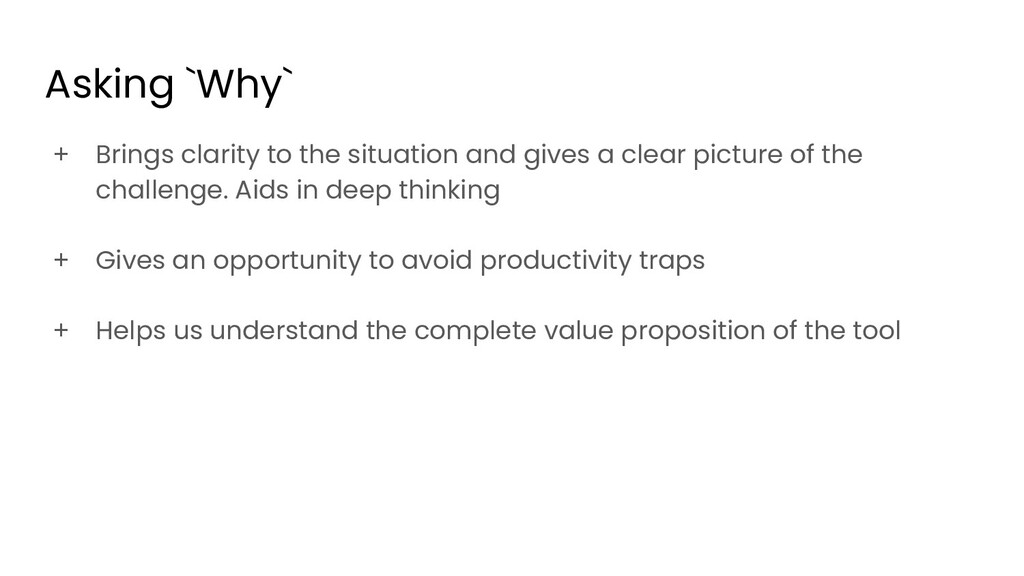
  4. Asking `Why` + Brings clarity to the situation and gives

    a clear picture of the challenge. Aids in deep thinking + Gives an opportunity to avoid productivity traps + Helps us understand the complete value proposition of the tool
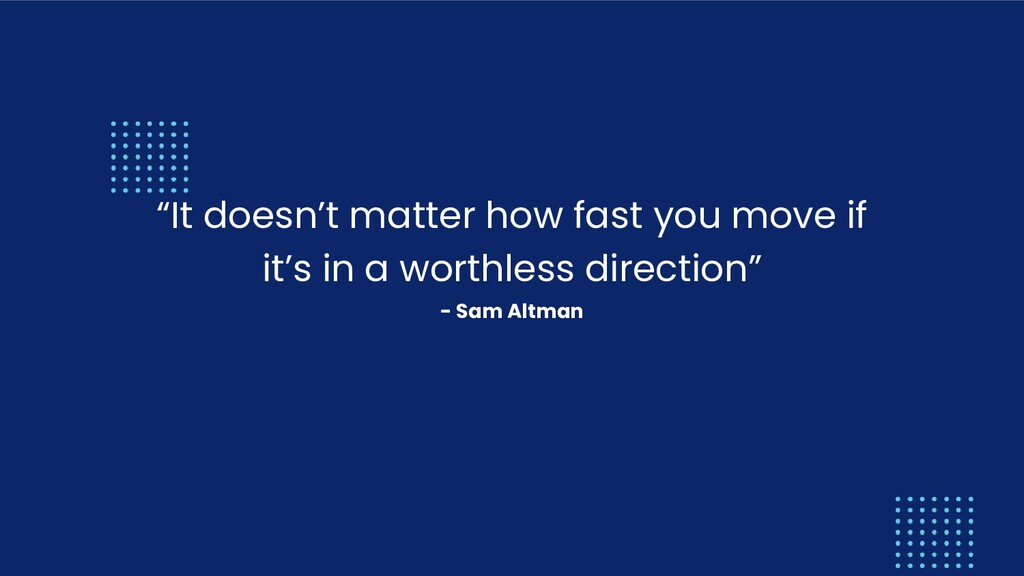
  5. “It doesn’t matter how fast you move if it’s in

    a worthless direction” - Sam Altman
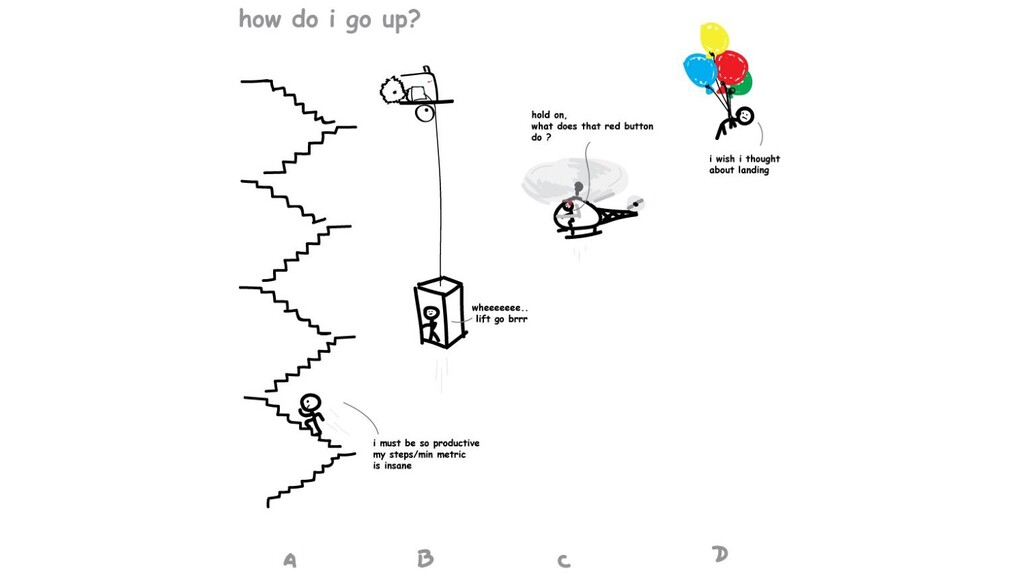
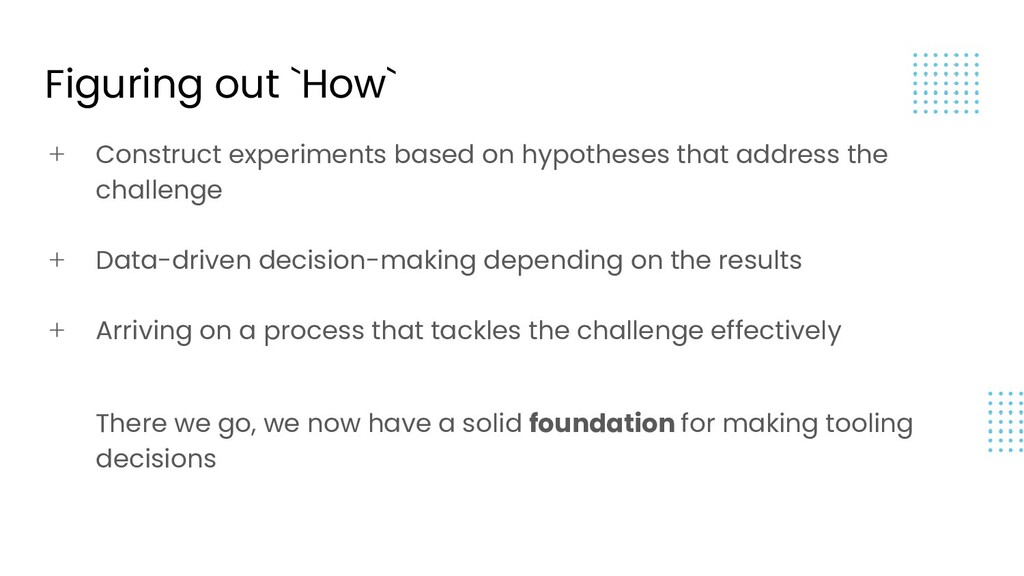
  6. Figuring out `How` ﹢ Construct experiments based on hypotheses that

    address the challenge ﹢ Data-driven decision-making depending on the results ﹢ Arriving on a process that tackles the challenge effectively There we go, we now have a solid foundation for making tooling decisions
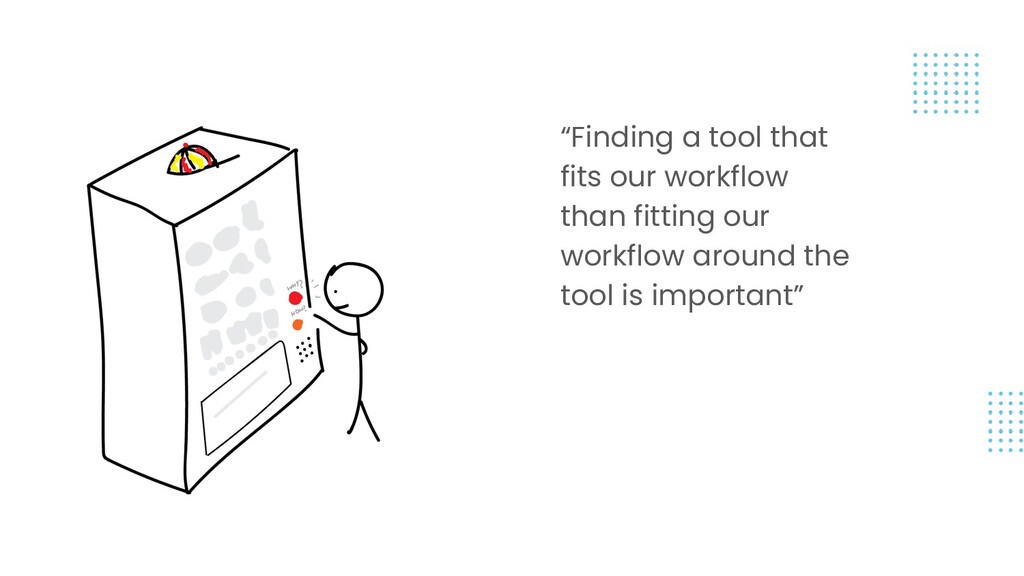
  7. “Finding a tool that fits our workflow than fitting our

    workflow around the tool is important”
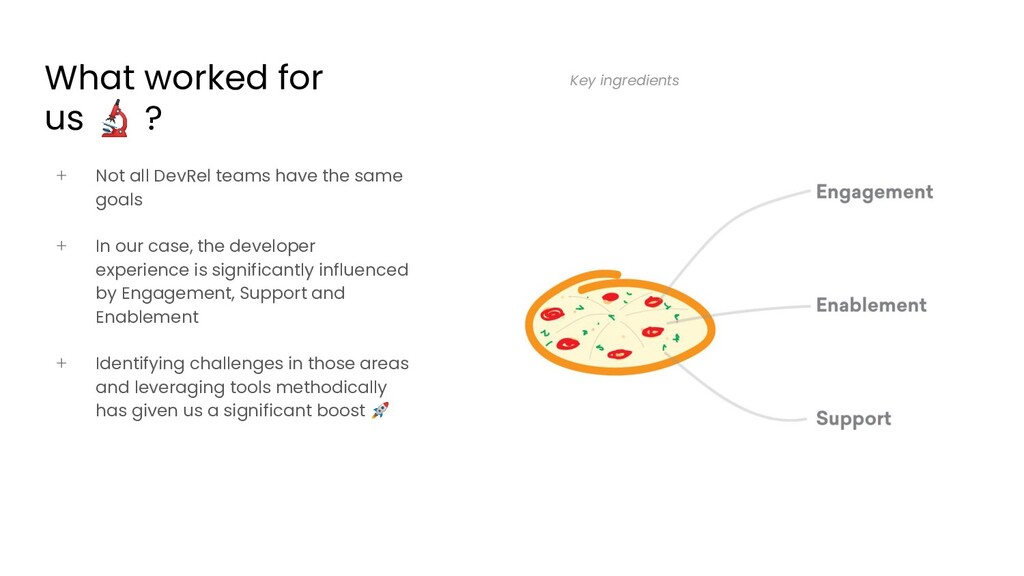
  8. Key ingredients What worked for us ? ﹢ Not all

    DevRel teams have the same goals ﹢ In our case, the developer experience is significantly influenced by Engagement, Support and Enablement ﹢ Identifying challenges in those areas and leveraging tools methodically has given us a significant boost
  9. Why tools? - Engagement is the cornerstone for developer acquisition,

    awareness, and retention - In-person activities that were largely reliant on human interactions needed a worthy substitute - Attention span of humans won’t work in our favor unless we gamify these interactions & make them totally fun! - Unidirectional flow of information is a big no-no during sessions. It has to be highly participative
  10. How did we identify the tools? - Insights from the

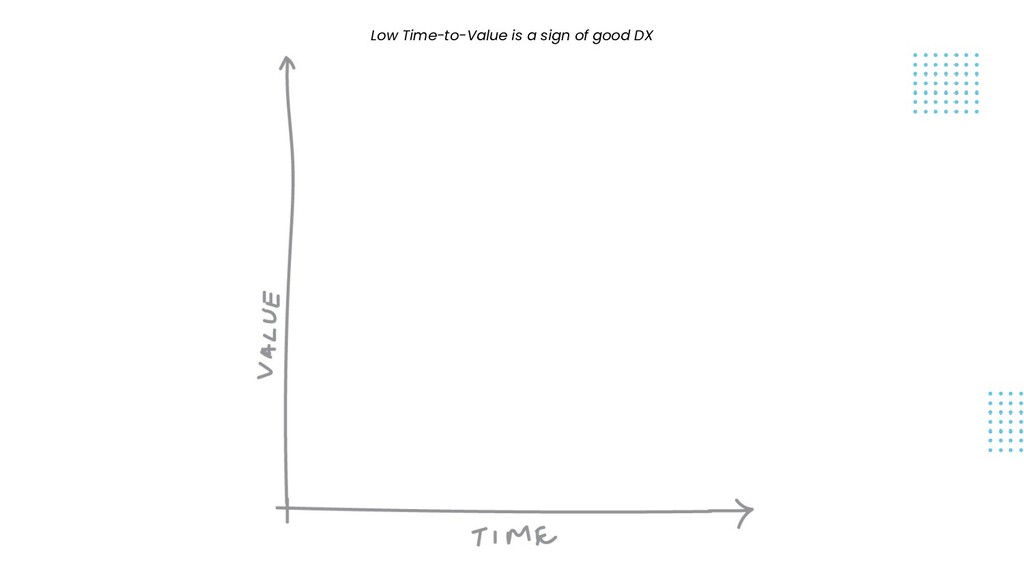
    previous events which clearly indicated that developers tend to be participative if given the chance - A consistent pattern emerged which pointed to the fact that time-to-value is an important factor for developers. - If they can realize the benefit in a short time, it creates a positive effect and kindles their natural sense of curiosity - If it is fun, it is not work.
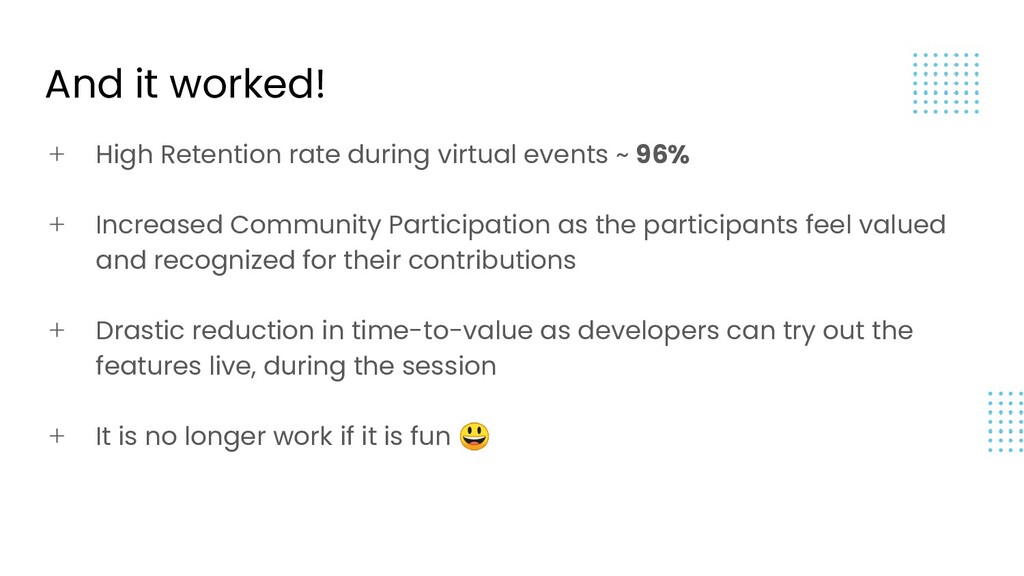
  11. And it worked! ﹢ High Retention rate during virtual events

    ~ 96% ﹢ Increased Community Participation as the participants feel valued and recognized for their contributions ﹢ Drastic reduction in time-to-value as developers can try out the features live, during the session ﹢ It is no longer work if it is fun
  12. “No one wants to spend a lot of time or

    effort setting up and learning a product that might not even do what it claims” - “The Business Value of Developer Relations”, Mary Thengvall
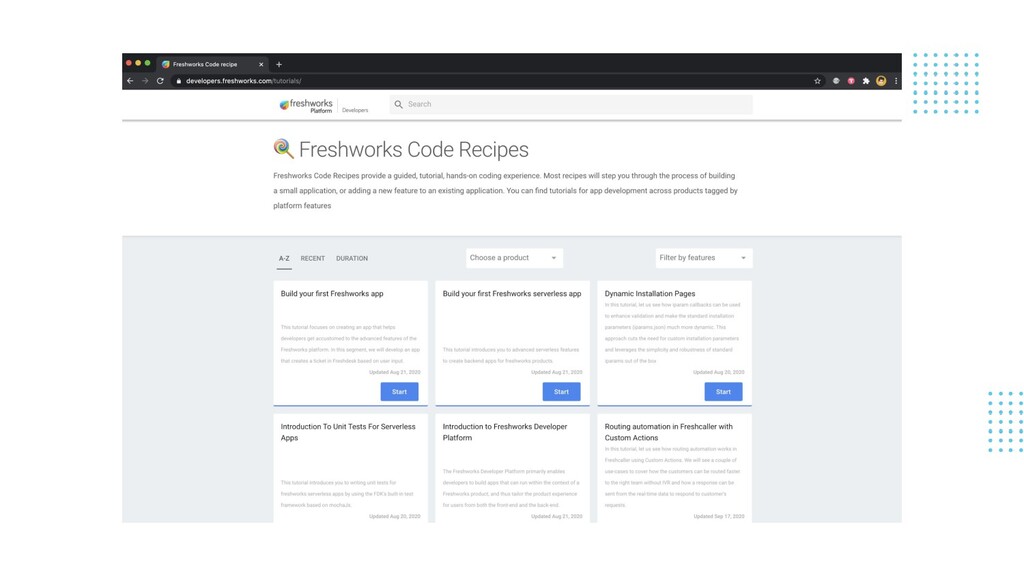
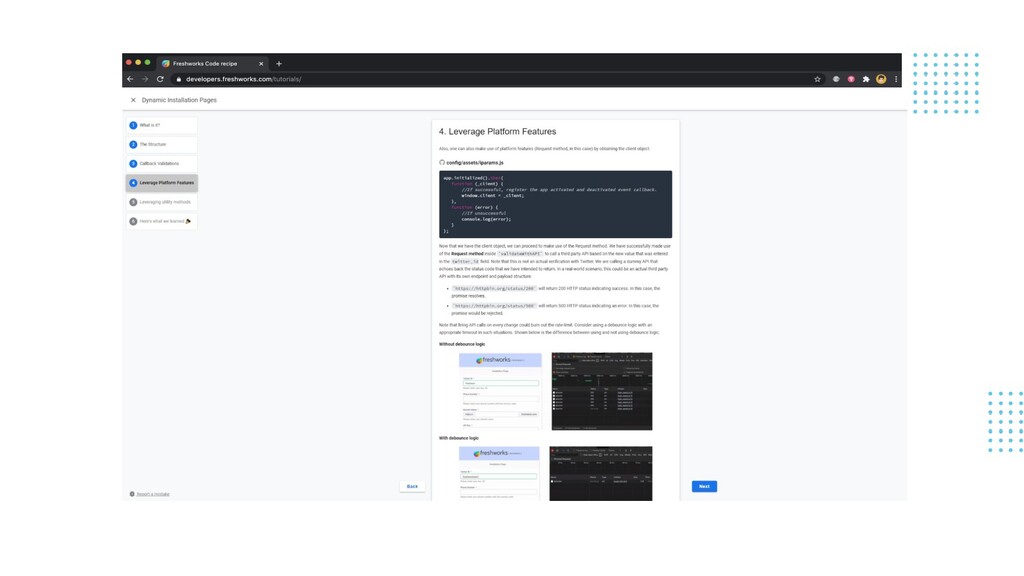
  13. Why tools? - Enabling developers on the platform increases effective

    utilization of platform features - Scattered content leads to overwhelming developers. Streamlined pathways provide a better onboarding experience - Developers should have a clear sense of progress objectively regardless of their experience levels - Ability to scale. Training developers in-person is fun however, resource intensive.
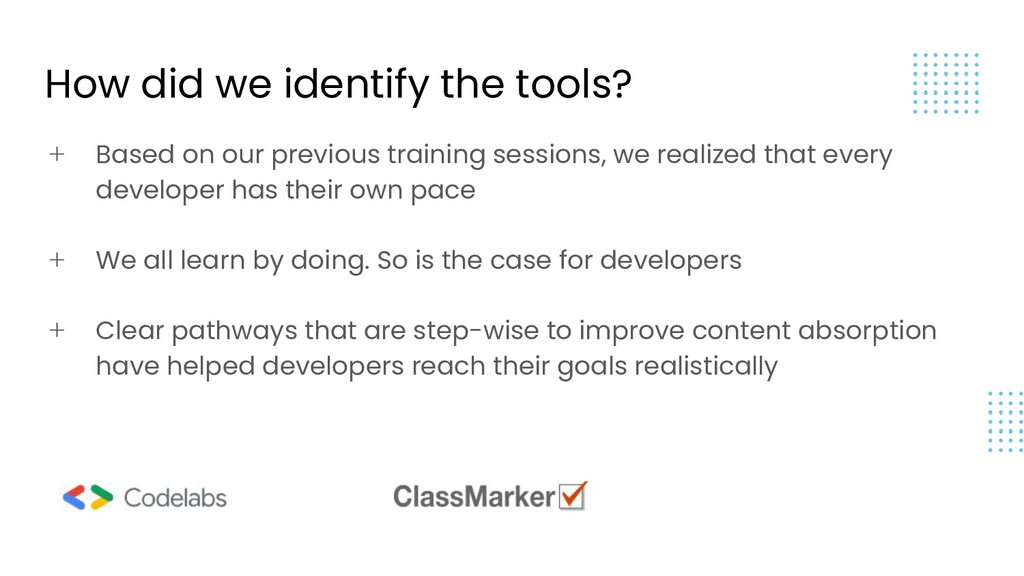
  14. How did we identify the tools? ﹢ Based on our

    previous training sessions, we realized that every developer has their own pace ﹢ We all learn by doing. So is the case for developers ﹢ Clear pathways that are step-wise to improve content absorption have helped developers reach their goals realistically
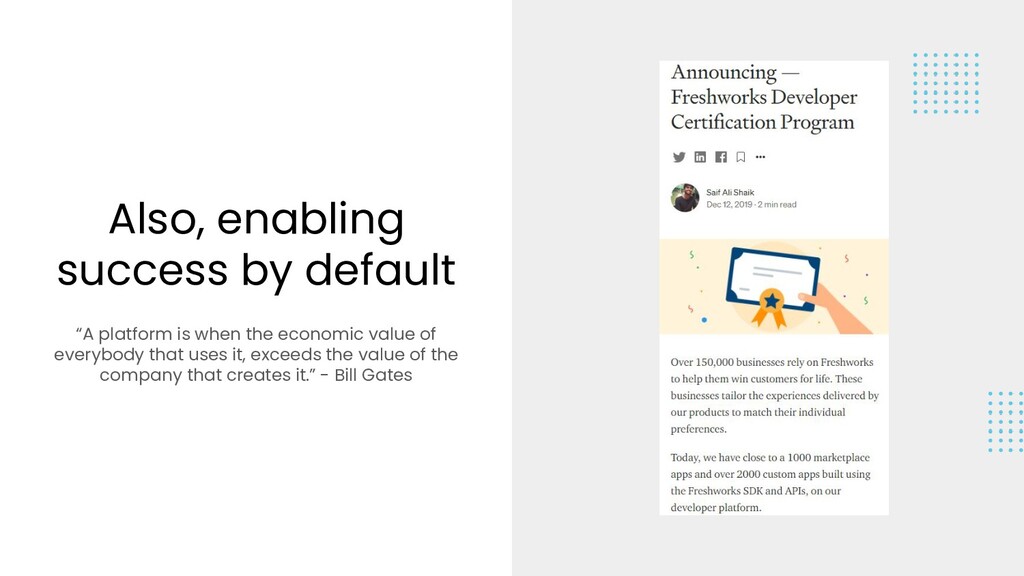
  15. Also, enabling success by default “A platform is when the

    economic value of everybody that uses it, exceeds the value of the company that creates it.” - Bill Gates
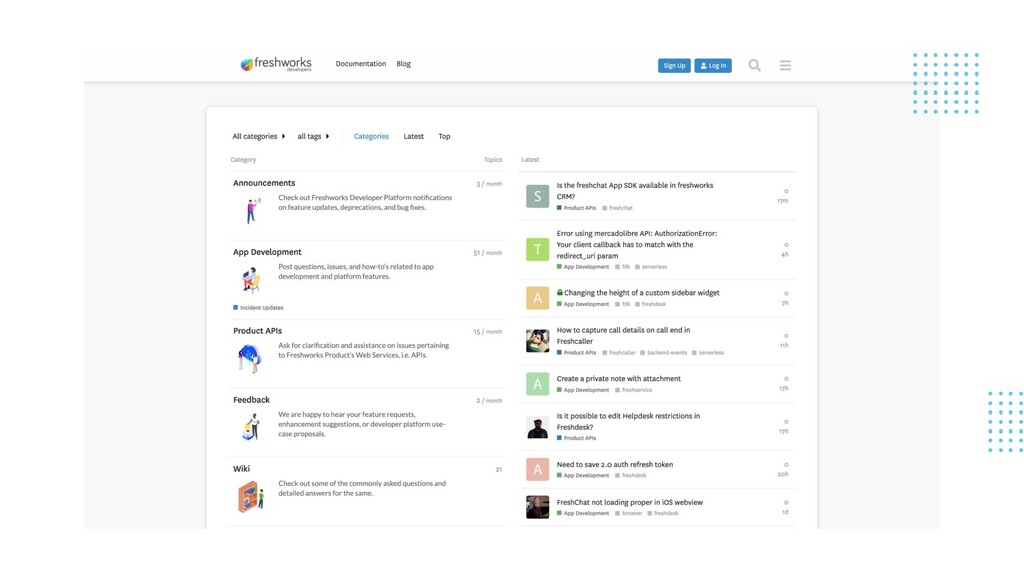
  16. Why tools? ﹢ Developers have a lots of questions &

    are looking for solutions ﹢ Questions indicate pain points in developer experience or valid feedback ﹢ Traditional approach of solving developer issues via siloed tickets might work temporarily ﹢ However, there is no reusability, solutions are not available to the public, and answering them over and over is not going to scale!
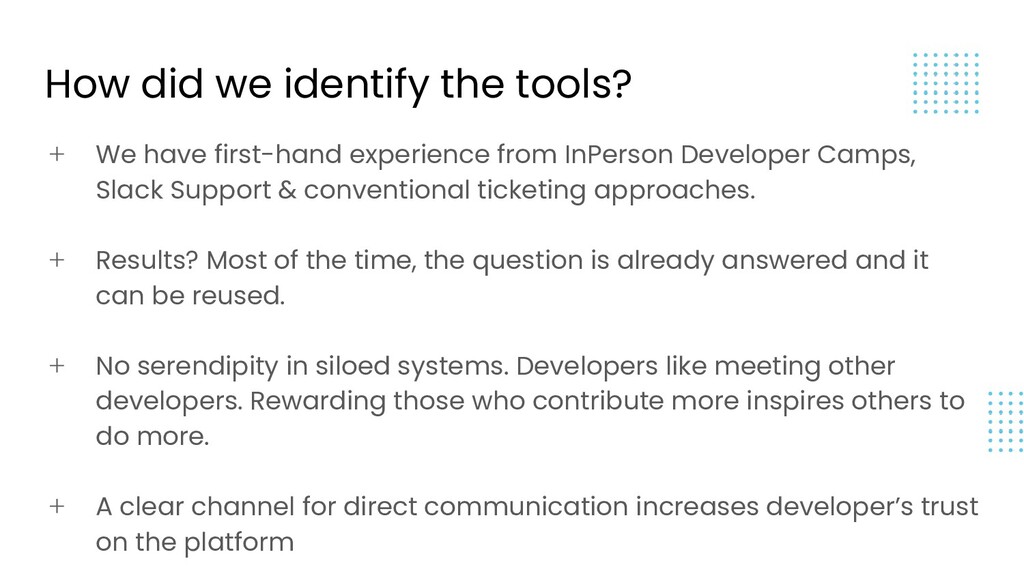
  17. How did we identify the tools? ﹢ We have first-hand

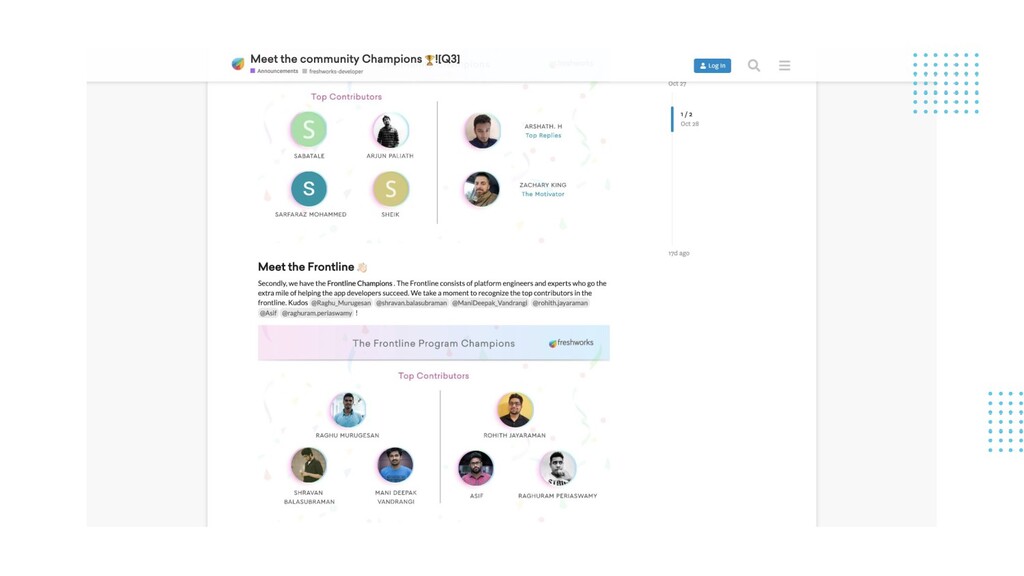
    experience from InPerson Developer Camps, Slack Support & conventional ticketing approaches. ﹢ Results? Most of the time, the question is already answered and it can be reused. ﹢ No serendipity in siloed systems. Developers like meeting other developers. Rewarding those who contribute more inspires others to do more. ﹢ A clear channel for direct communication increases developer’s trust on the platform
  18. - Bird’s eye-view on developer contributions from all fronts -

    Identify areas of improvement and proactively enhance them Community Health Analytics