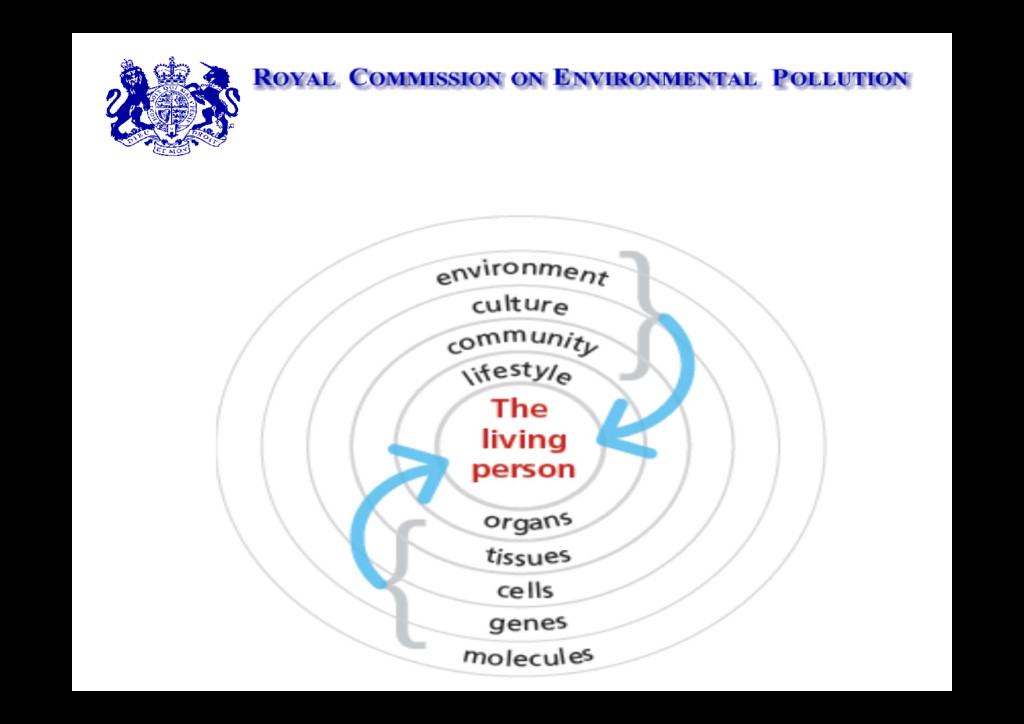
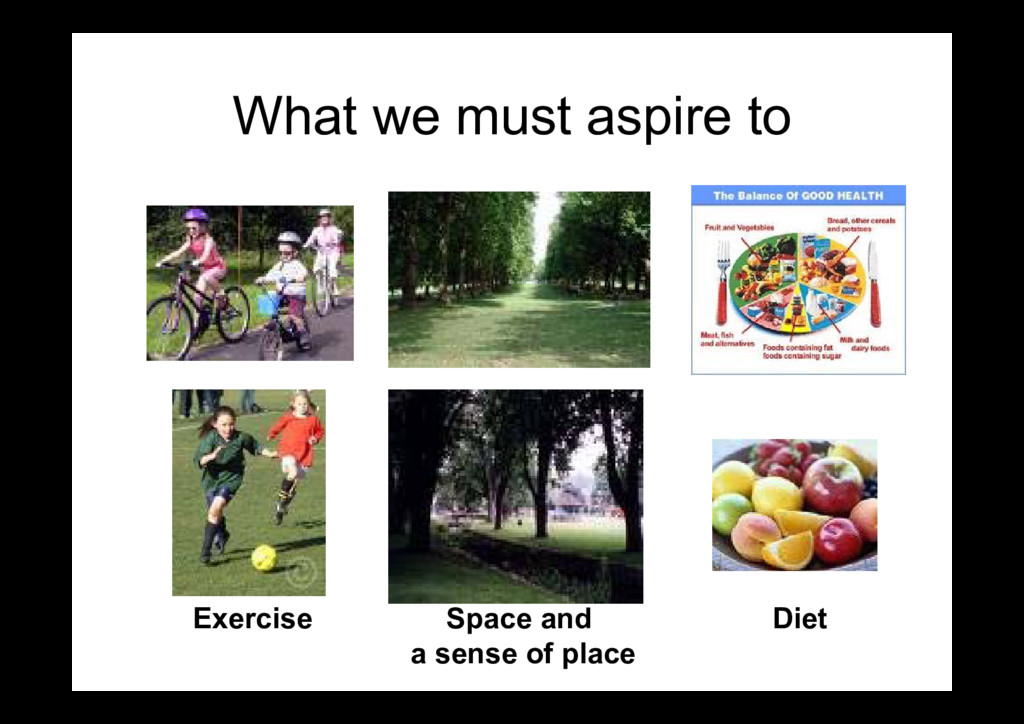
urban area stimulates those who live and work there and reinforces self-esteem. •The urban environment affect health and wellbeing of everyone who lives and works there. •Many problems are concentrated in the most deprived areas where environmental, social and economic factors interact especially children and older people. •Relationship between health, wellbeing and place are complex interacting and poorly understood.
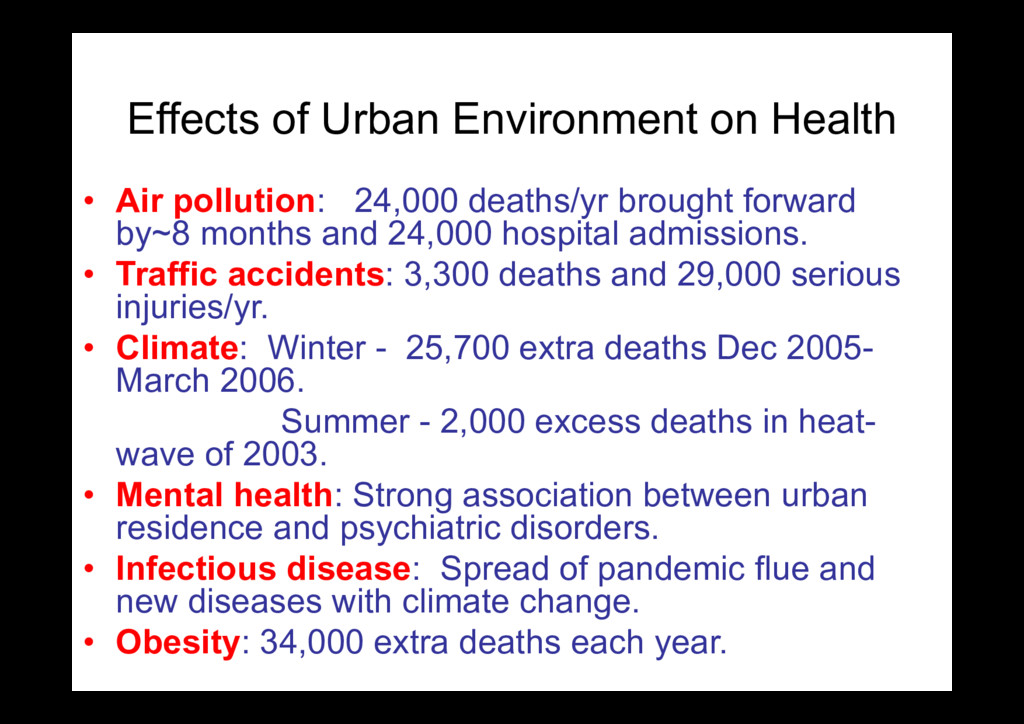
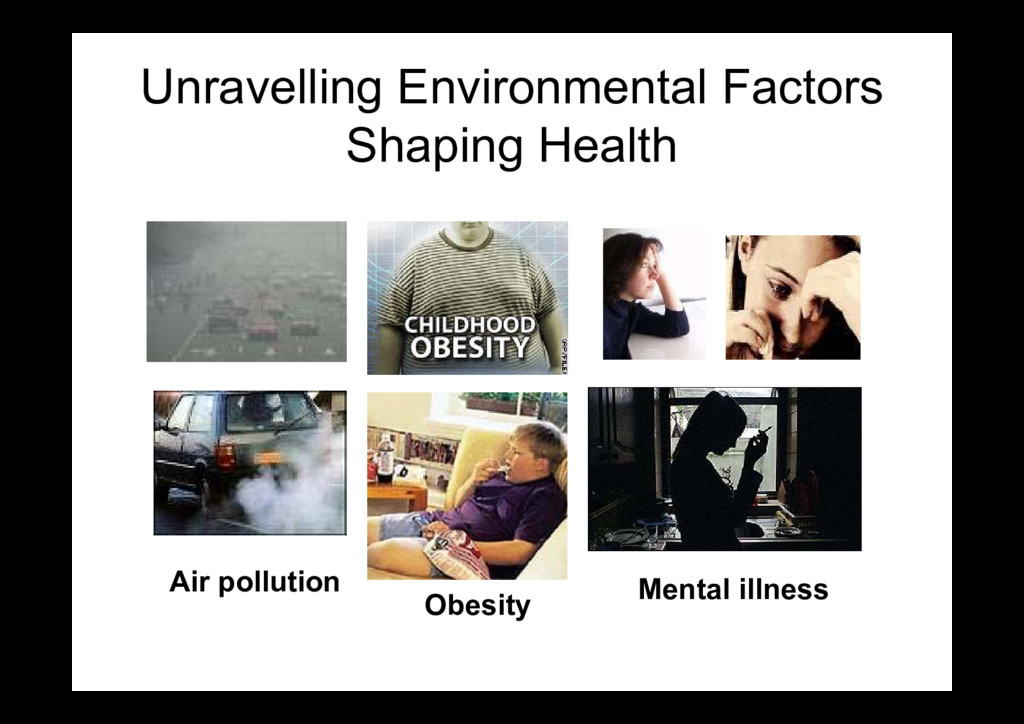
deaths/yr brought forward by~8 months and 24,000 hospital admissions. • Traffic accidents: 3,300 deaths and 29,000 serious injuries/yr. • Climate: Winter - 25,700 extra deaths Dec 2005- March 2006. Summer - 2,000 excess deaths in heat- wave of 2003. • Mental health: Strong association between urban residence and psychiatric disorders. • Infectious disease: Spread of pandemic flue and new diseases with climate change. • Obesity: 34,000 extra deaths each year.
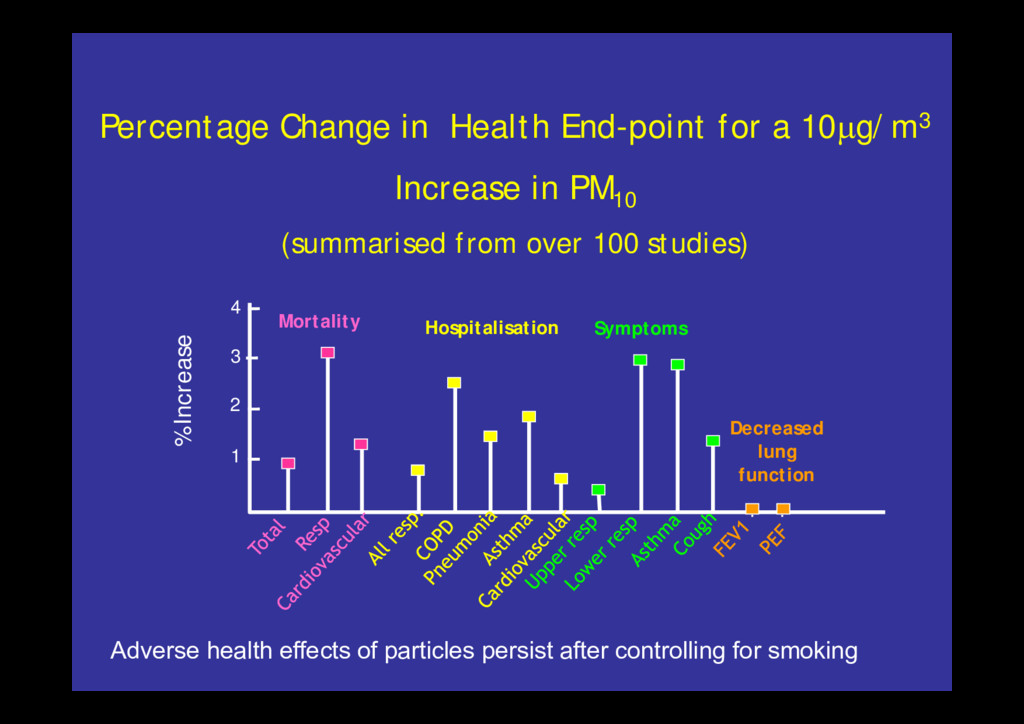
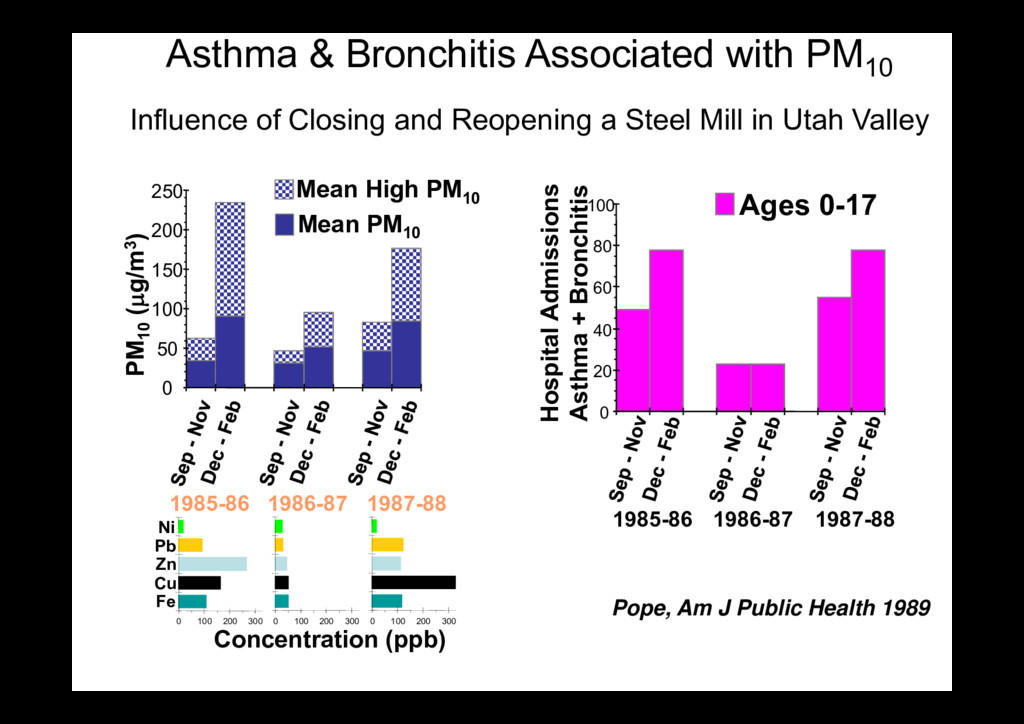
2 1 Percentage Change in Health End-point for a 10g/m3 Increase in PM10 (summarised from over 100 studies) Adverse health effects of particles persist after controlling for smoking
Clin Exp Allergy 2000; 30: 628-636) COUNTRY DIESEL CARS (%) Austria 54% Belgium 52.2% Spain 47.3% France 40.2% Italy 22.5% Holland 20.3% Portugal 18.8% Germany 17.6% UK 15.3% Sweden 11.0% EUROPEAN MEAN 25.3%* * Forecast to increase to 50% by 2010
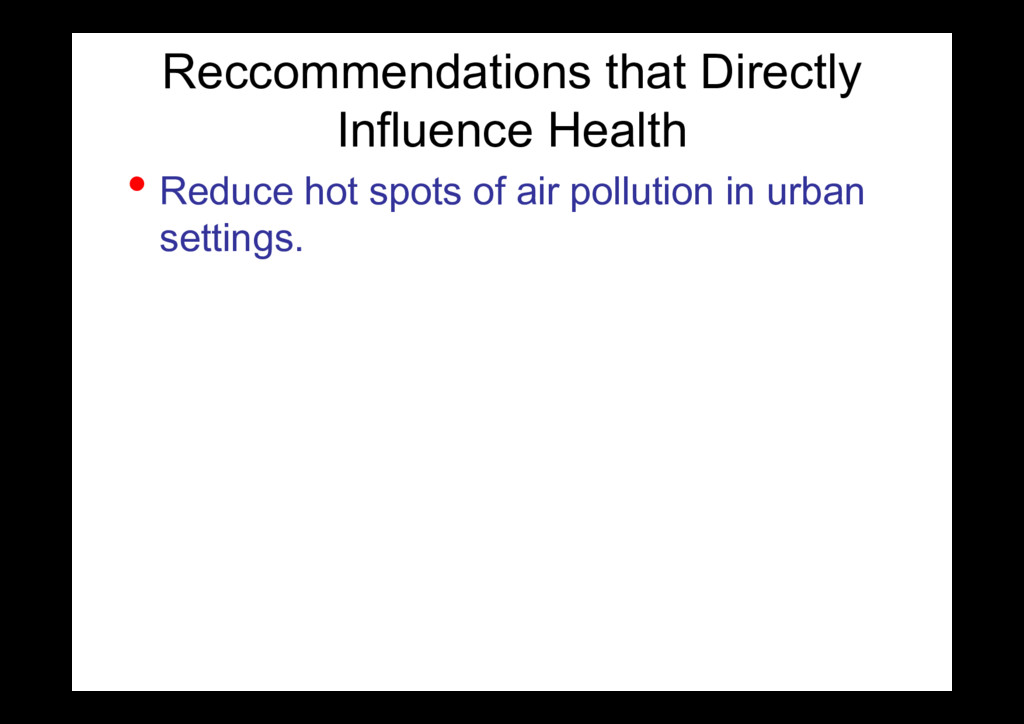
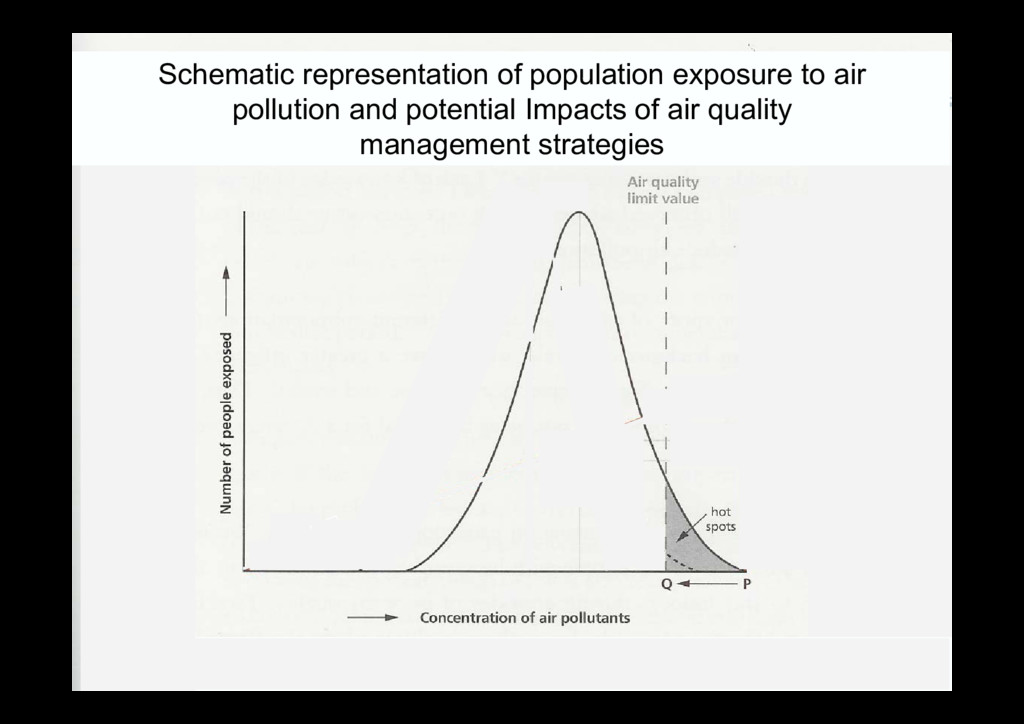
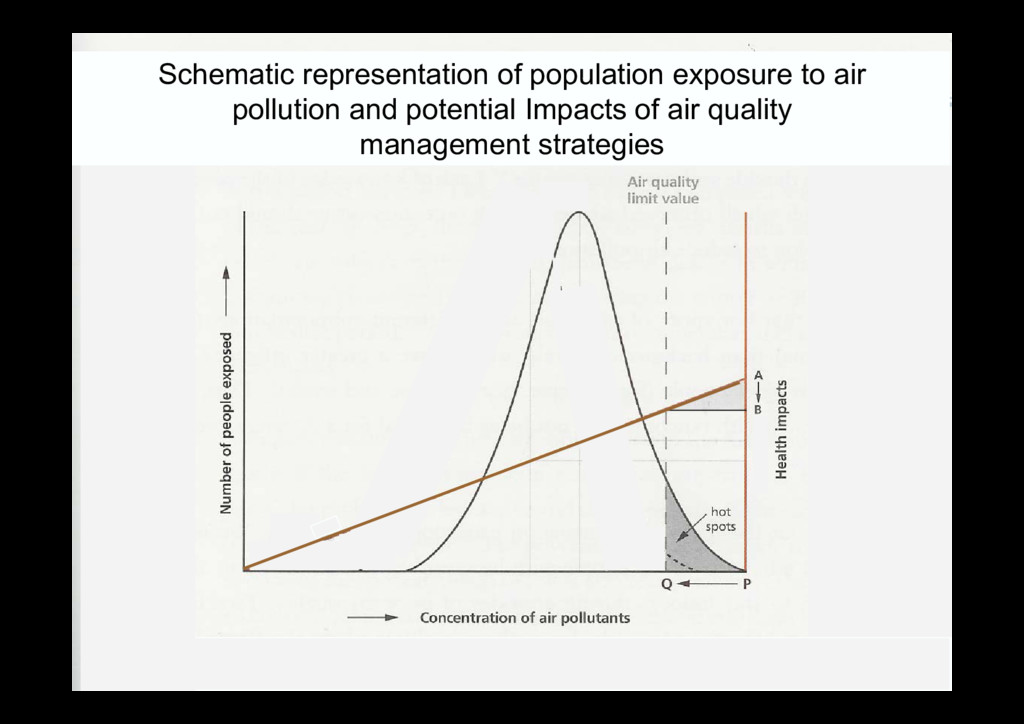
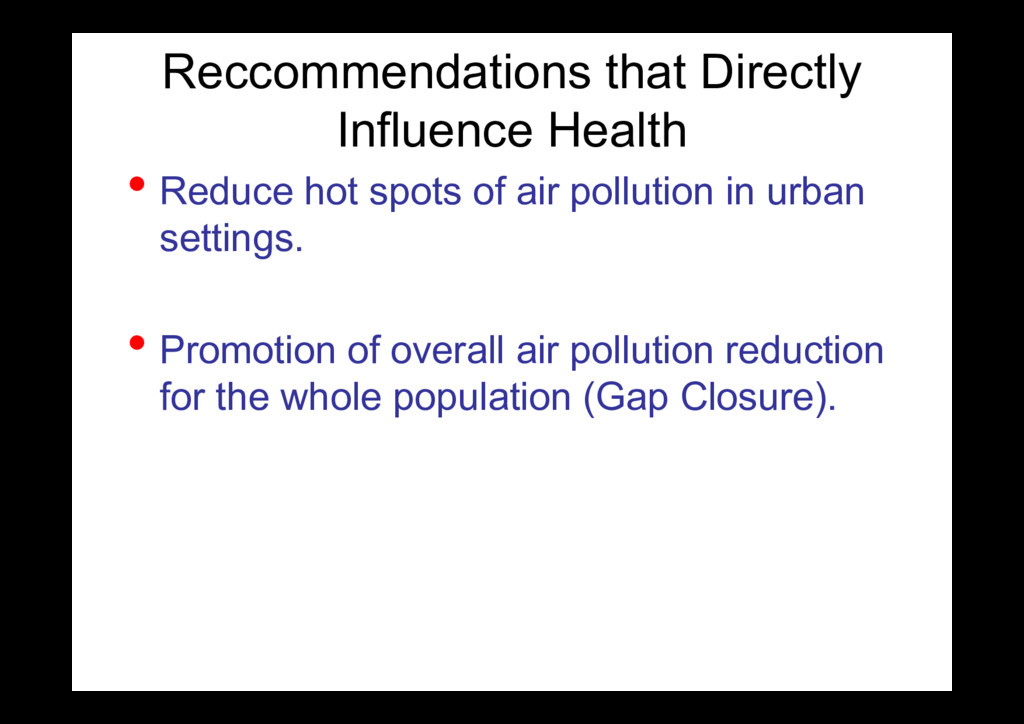
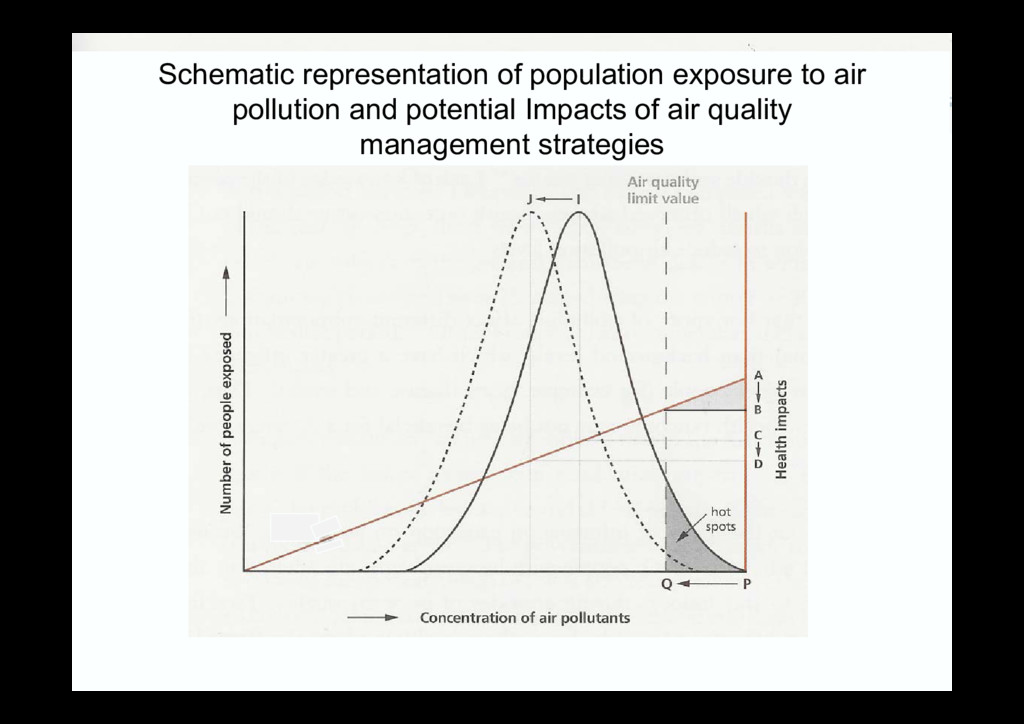
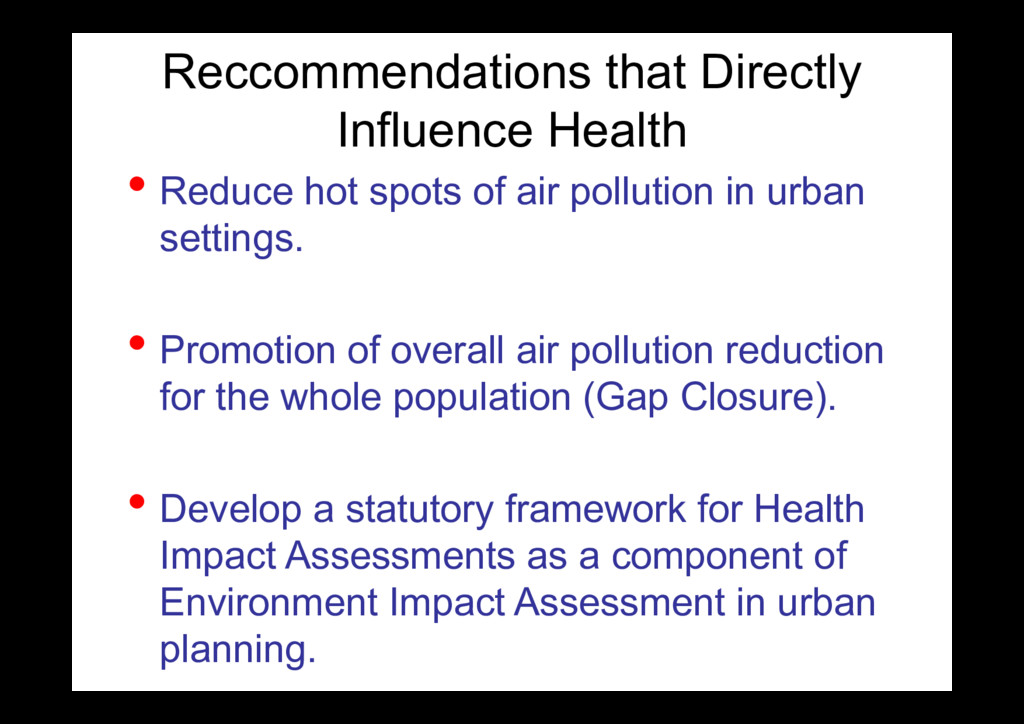
air pollution in urban settings. • Promotion of overall air pollution reduction for the whole population (Gap Closure). • Develop a statutory framework for Health Impact Assessments as a component of Environment Impact Assessment in urban planning.


 masakiokuda
 bonotake
 hiranabe
 xspa2012
 ianozsvald
 hayashiyus884
 brainpadpr
 nagano
 trycycle
 rmaruy
 taka88
 quramy
 moore
moore
 signer
 twada
twada
 rkaga
rkaga
 mfonobong
 cassininazir
 lauravandoore
 nwiizo
 rasagy
 marcduiker
 watany