Upgrade to Pro — share decks privately, control downloads, hide ads and more …

The Dimly Lit Side of DevOps - Application Supp...

The Dimly Lit Side of DevOps - Application Support Nightmares

I’d like to propose an Ignite that hits close to home for me. I’ve been in App Support for a number of years and I’ve dealt with a few common nightmares associated with the role. The ignite goes over the top 5 nightmares an app support engineer deals with and I give a bit of insight on how to better come to grips on handling them.

Avatar for Joshua Goldman

Joshua Goldman

October 12, 2016

Other Decks in Technology

Transcript

  1. Dimly Lit Side of DevOps App Support Nightmares Joshua Goldman


    Application Support Engineer @ SecureWorks
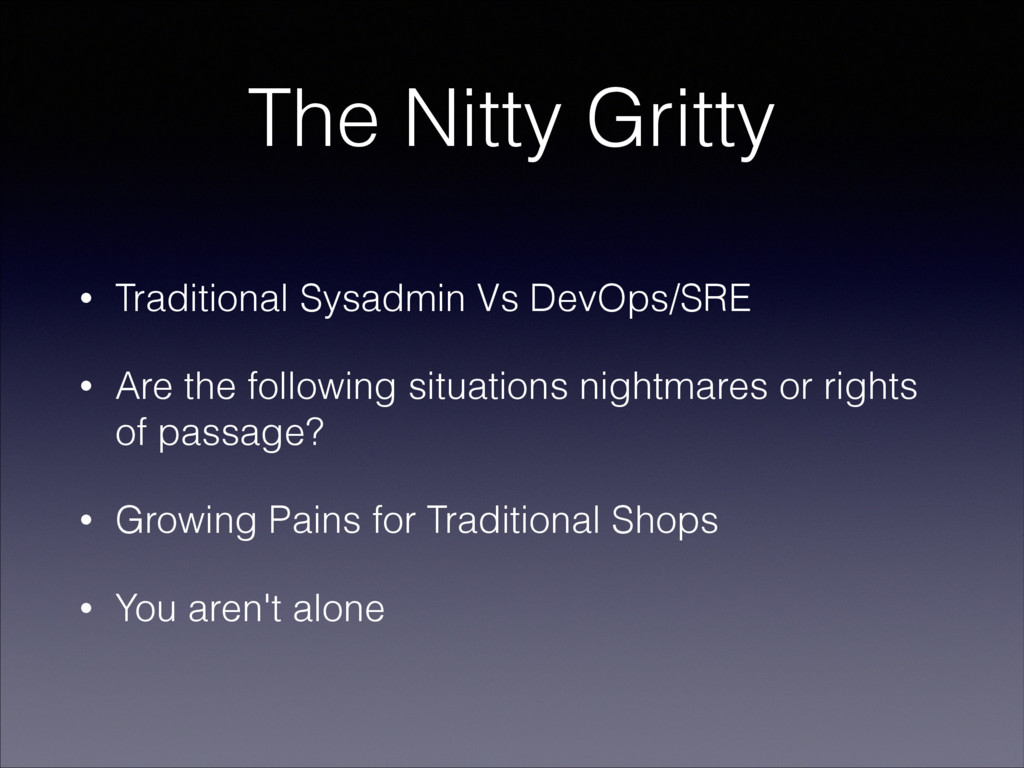
  2. The Nitty Gritty • Traditional Sysadmin Vs DevOps/SRE • Are

    the following situations nightmares or rights of passage? • Growing Pains for Traditional Shops • You aren't alone
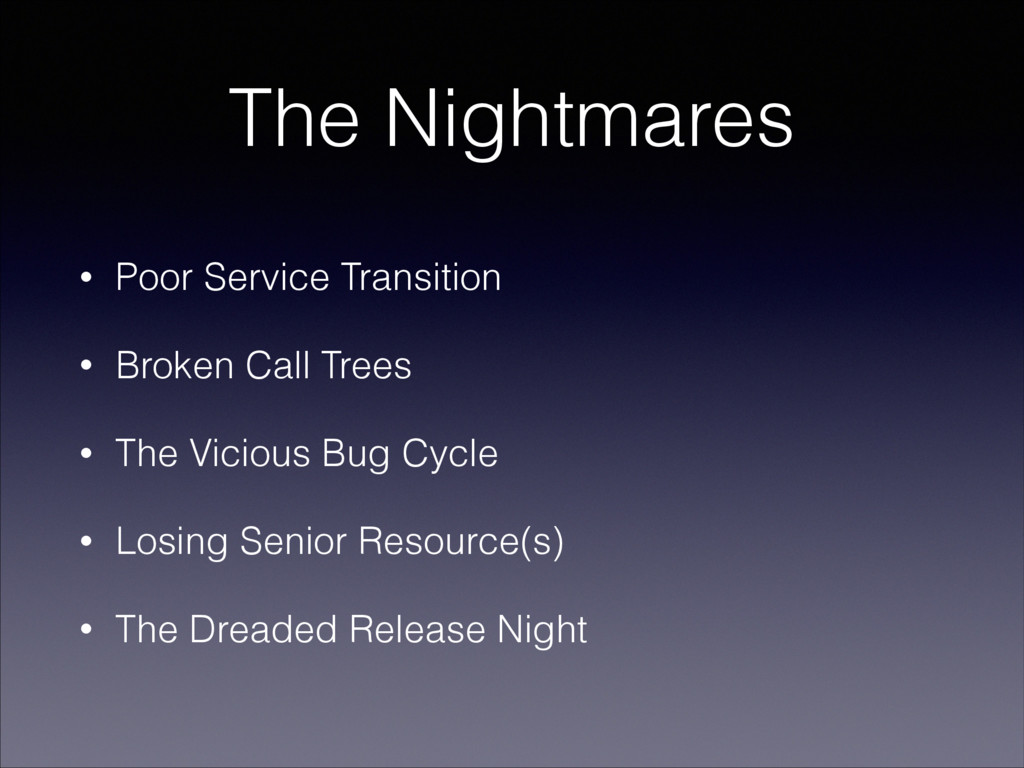
  3. The Nightmares • Poor Service Transition • Broken Call Trees

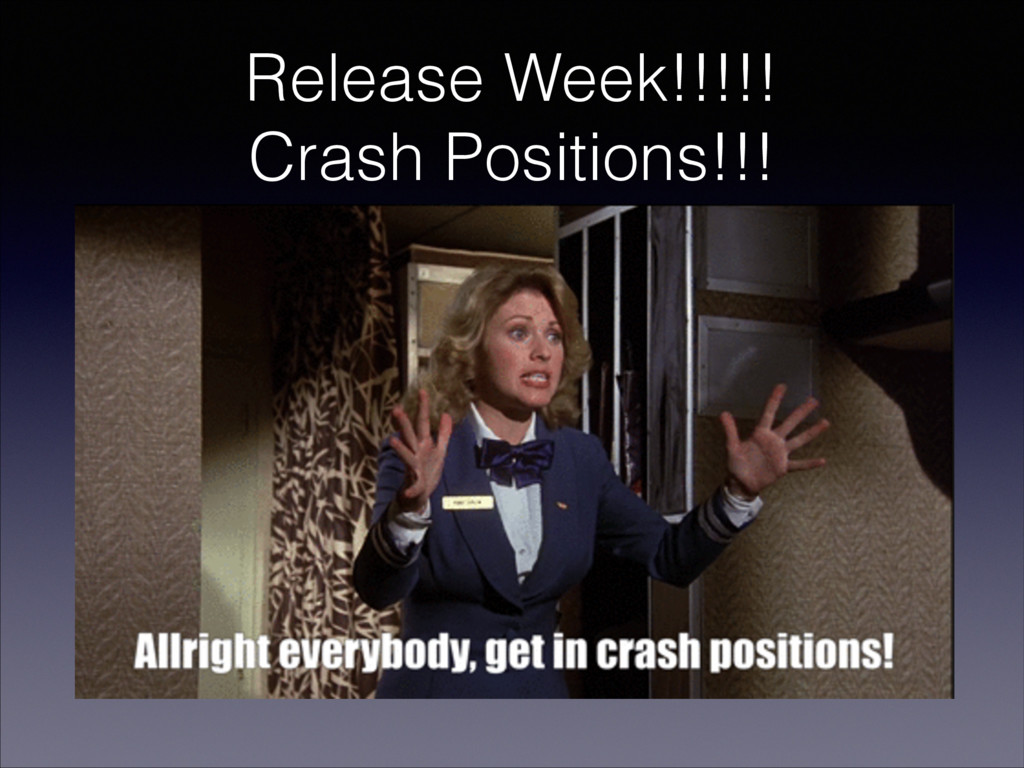
    • The Vicious Bug Cycle • Losing Senior Resource(s) • The Dreaded Release Night
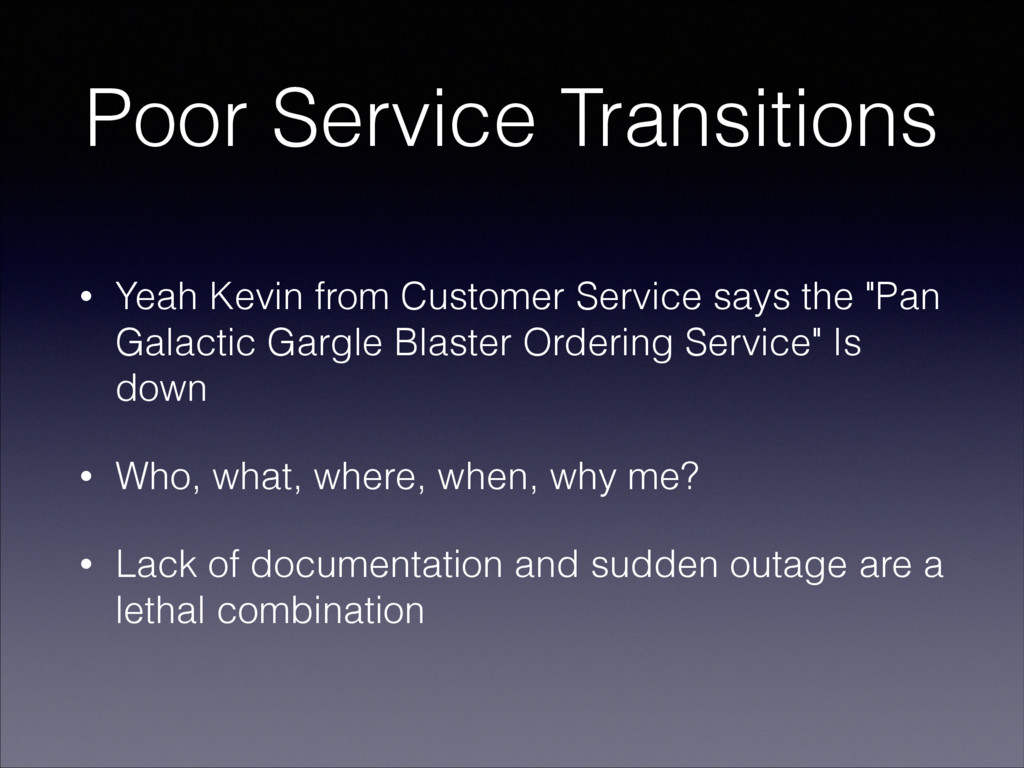
  4. Poor Service Transitions • Yeah Kevin from Customer Service says

    the "Pan Galactic Gargle Blaster Ordering Service" Is down • Who, what, where, when, why me? • Lack of documentation and sudden outage are a lethal combination
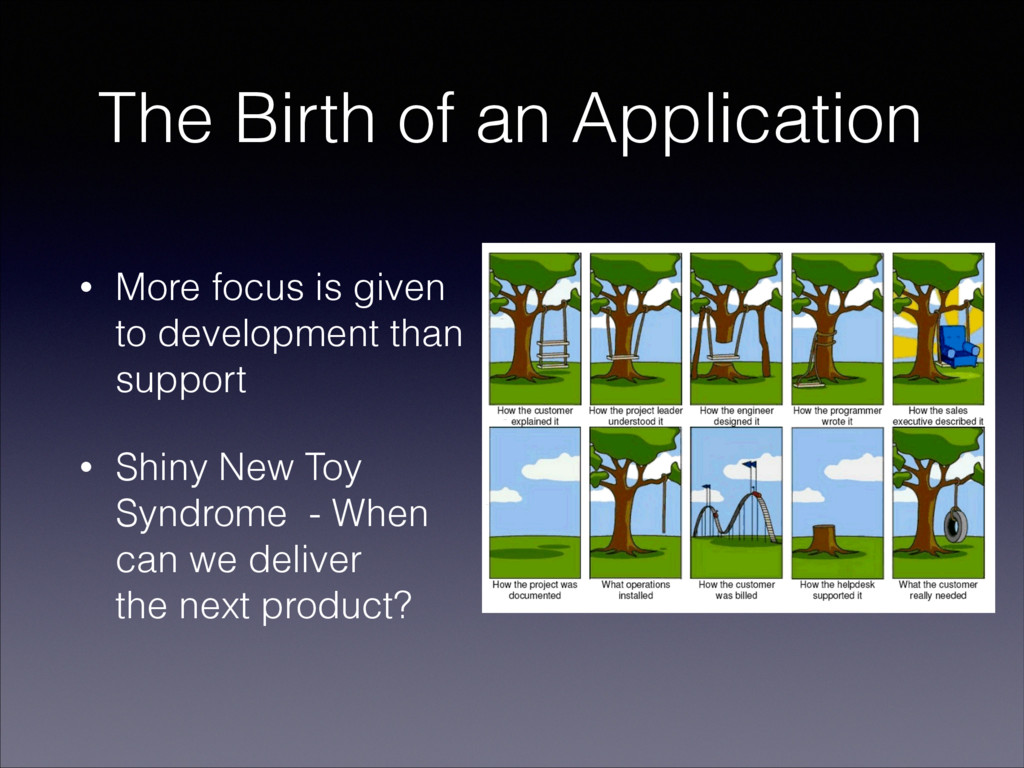
  5. The Birth of an Application • More focus is given

    to development than support • Shiny New Toy Syndrome - When
 can we deliver
 the next product?
  6. Service Transition • Implement a handoff procedure with your Ops

    teams • Services should not go into production until error budget is satisfied • Try a Devs on call model or a Launch Coordination Engineer role • Make SOMEONE ANYONE document for your support teams
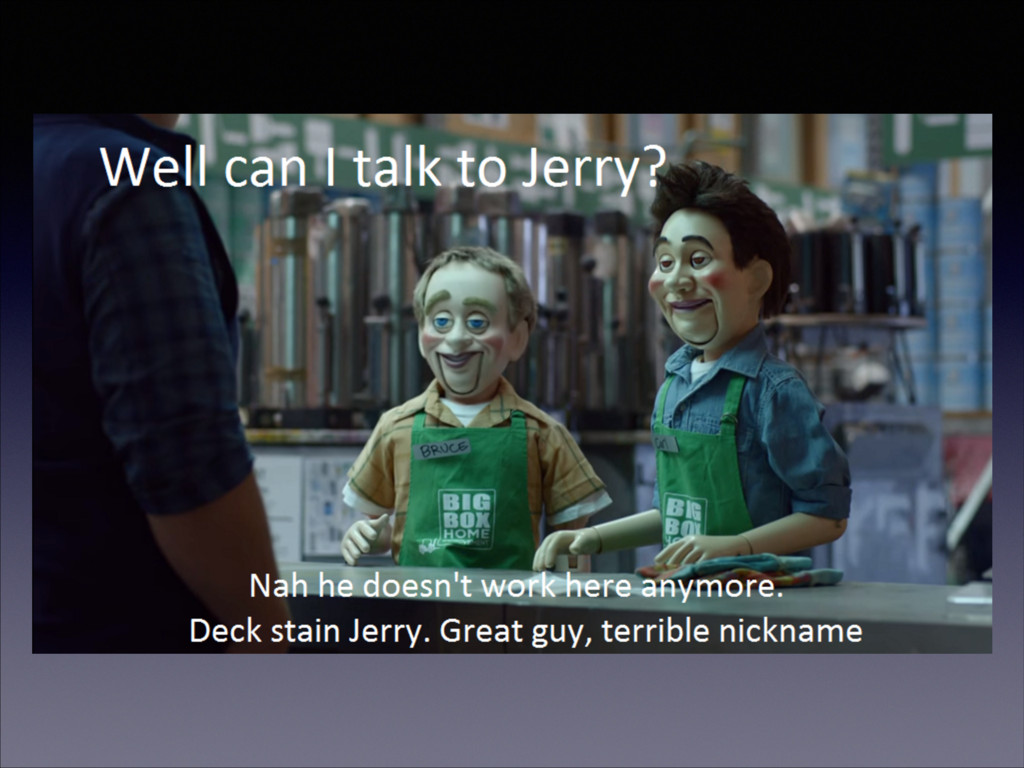
  7. Broken Call Trees • We called Ben, Aric, and Jerry

    although for some reason Jerry's toaster said it's mailbox was full. • How many times did you call them? • Who cares if its 4am in Israel. Wake him up! • Who's next on the call tree? The VP of Engineering?
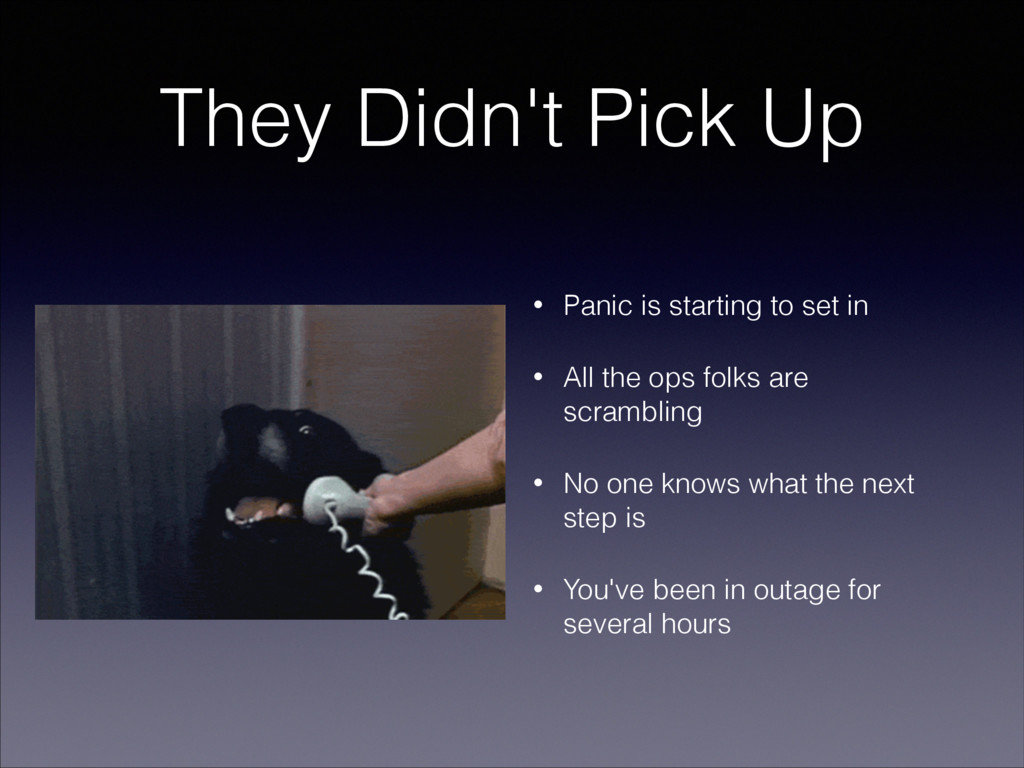
  8. They Didn't Pick Up • Panic is starting to set

    in • All the ops folks are scrambling • No one knows what the next step is • You've been in outage for several hours
  9. Incident Management • Create a incident management procedure that works

    in your organization • Make sure your applications have clear escalation paths • Consider secondary or tertiary on-call resources
  10. Losing Senior Resource(s) • What would ever happen if you

    lost your "Brent"? • Think about all the knowledge that you would lose. • All the things that won't or can't get done anymore. • How will your newer folks become superstars if your superstar left?
  11. "Brent" Used To Do that • Why hasn't project X

    gotten done? • Why are things starting to break? • Didn't so and so support this?
  12. Get Through It • Stay Calm • Allow your junior

    resources to take on more responsibilities • In fact encourage them to take over where your "Brent" left off • Things will slide but address them instead of trying to create a new rock star
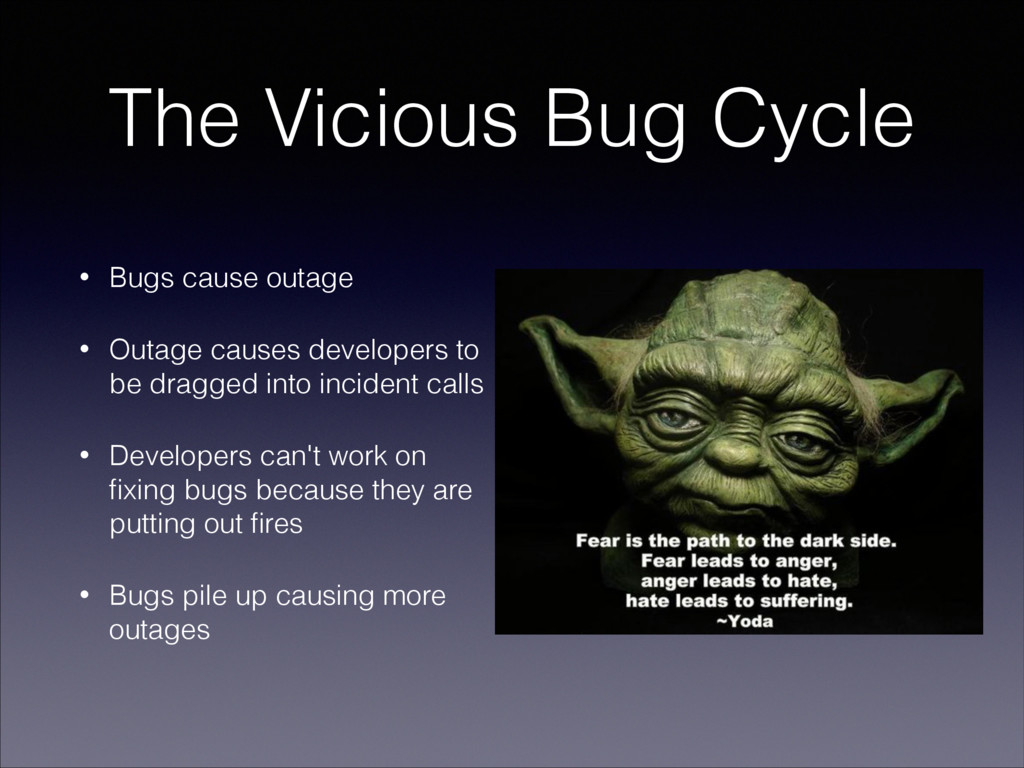
  13. The Vicious Bug Cycle • Bugs cause outage • Outage

    causes developers to be dragged into incident calls • Developers can't work on fixing bugs because they are putting out fires • Bugs pile up causing more outages
  14. End The Cycle • Consider a development freeze • Re-evaluate

    your Service Level Objectives • Focus more resources on preventative care to reduce your firefighting • Move the budget needle from innovation focus towards maintaining what you already have
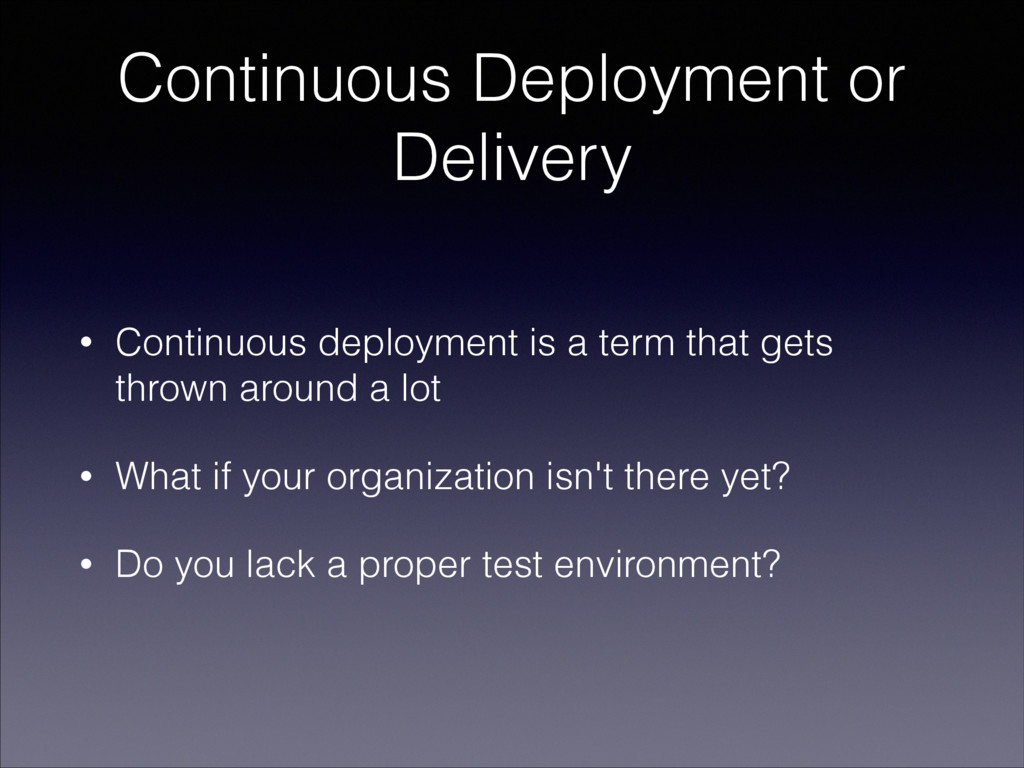
  15. Continuous Deployment or Delivery • Continuous deployment is a term

    that gets thrown around a lot • What if your organization isn't there yet? • Do you lack a proper test environment?
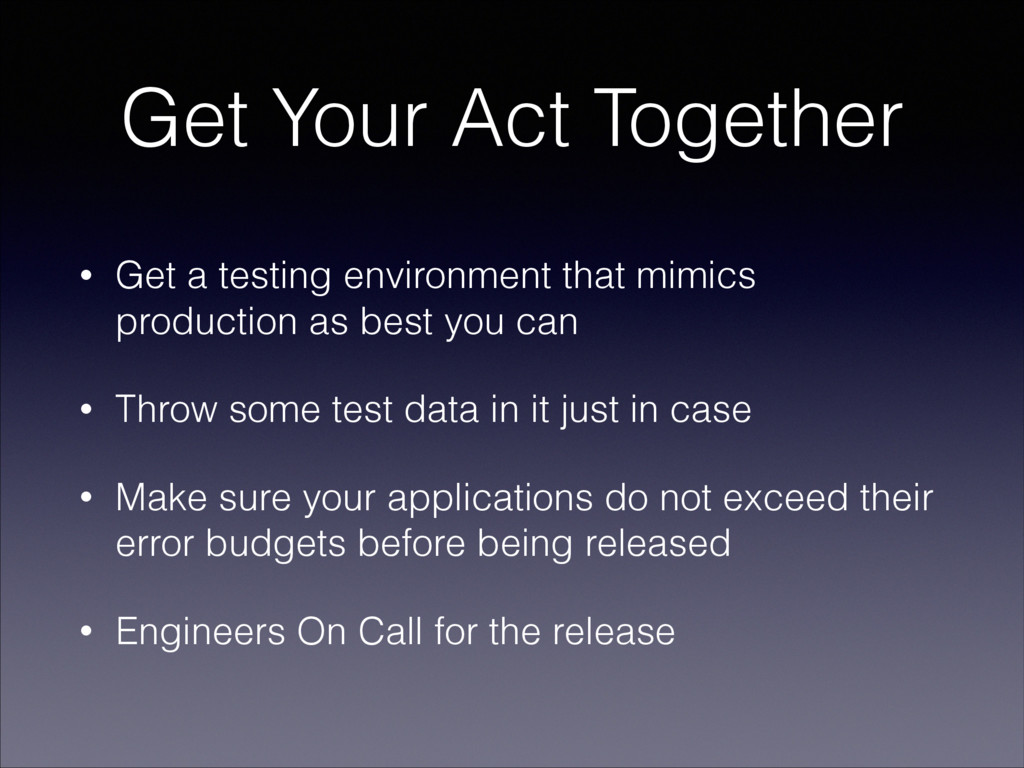
  16. Get Your Act Together • Get a testing environment that

    mimics production as best you can • Throw some test data in it just in case • Make sure your applications do not exceed their error budgets before being released • Engineers On Call for the release
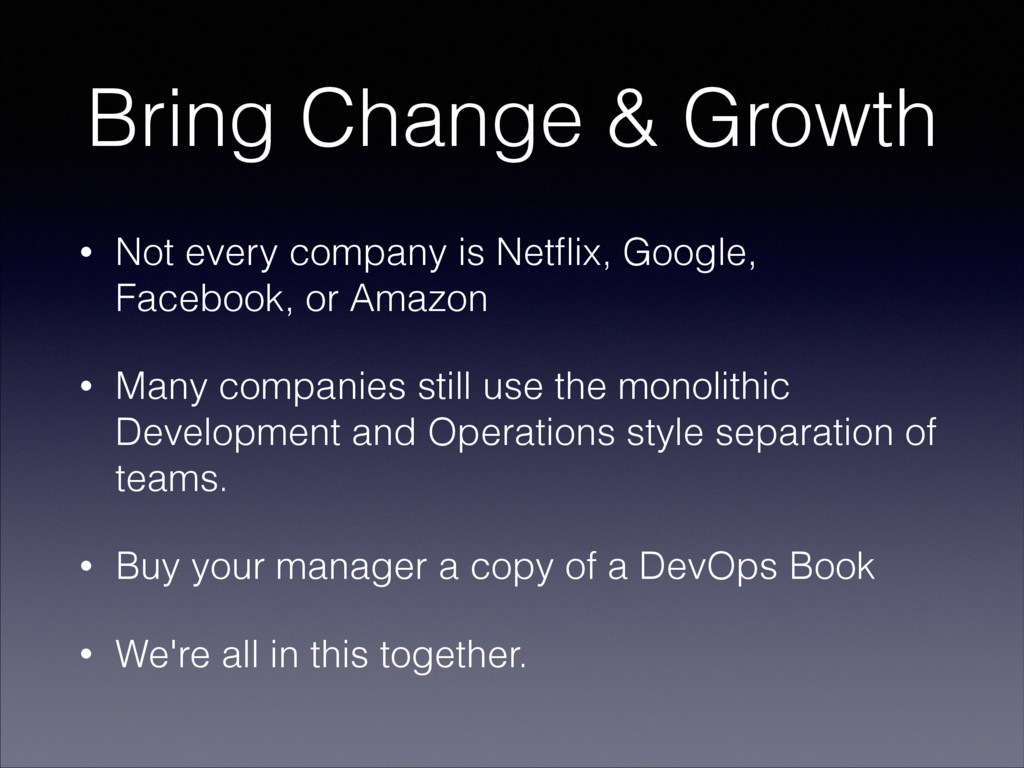
  17. Bring Change & Growth • Not every company is Netflix,

    Google, Facebook, or Amazon • Many companies still use the monolithic Development and Operations style separation of teams. • Buy your manager a copy of a DevOps Book • We're all in this together.
  18. Thank You Remember you aren't alone! Many organizations have these

    nightmares and many more. Stop by DevOpsDays Chicago in 2017!