Building Multi-Tenancy on Shared Kubernetes Clu...

Building Multi-Tenancy on Shared Kubernetes Clusters
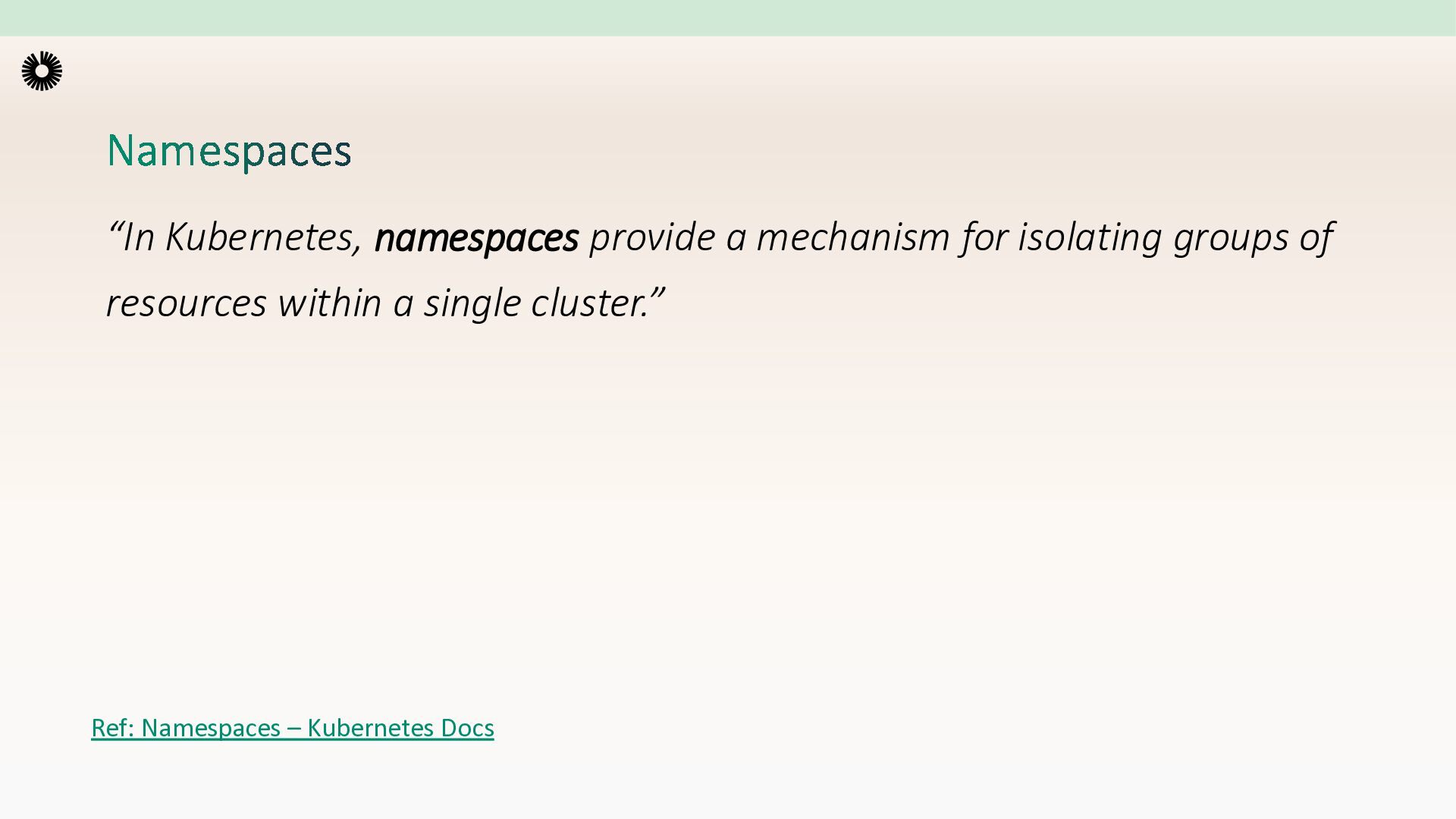
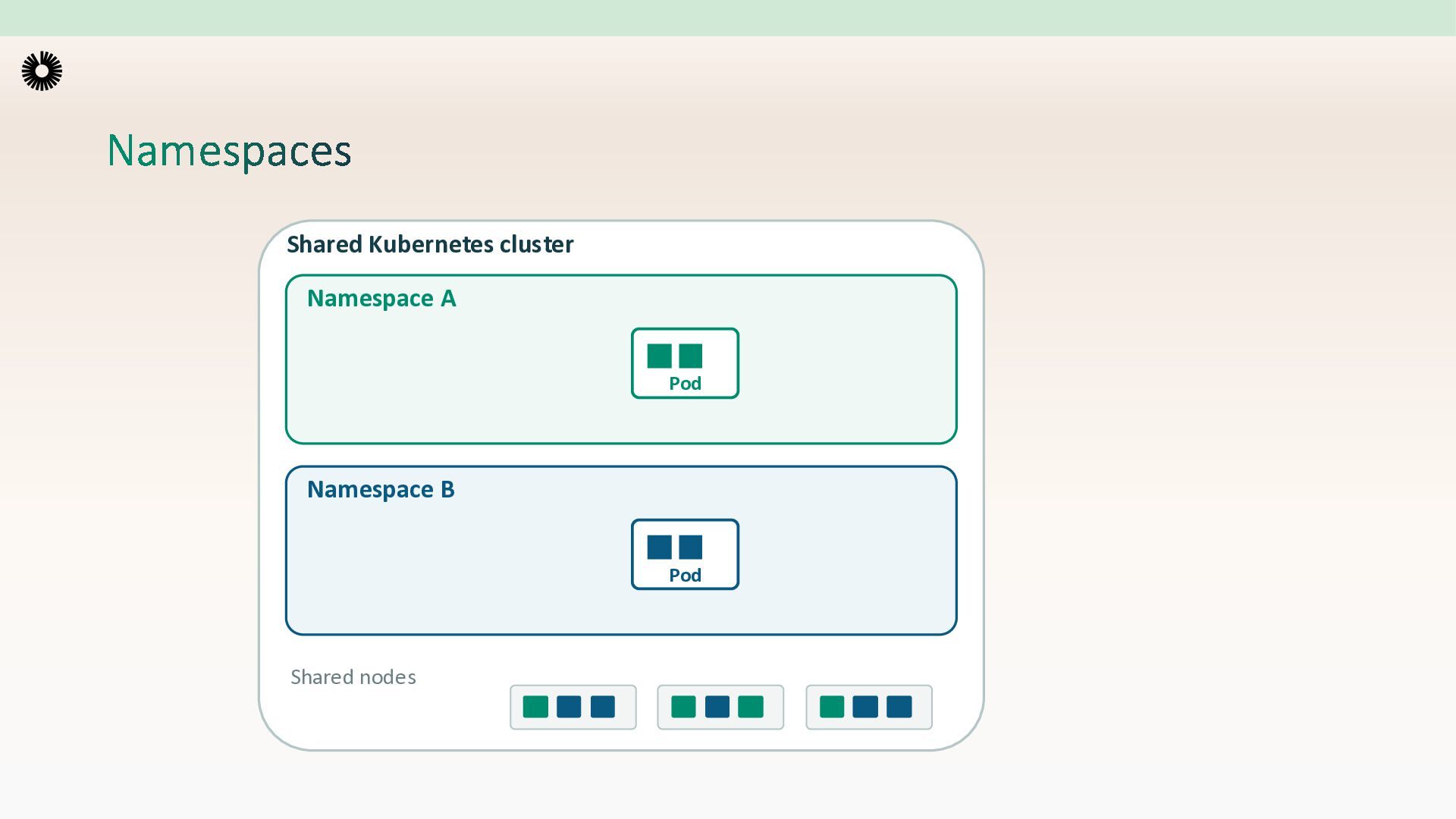
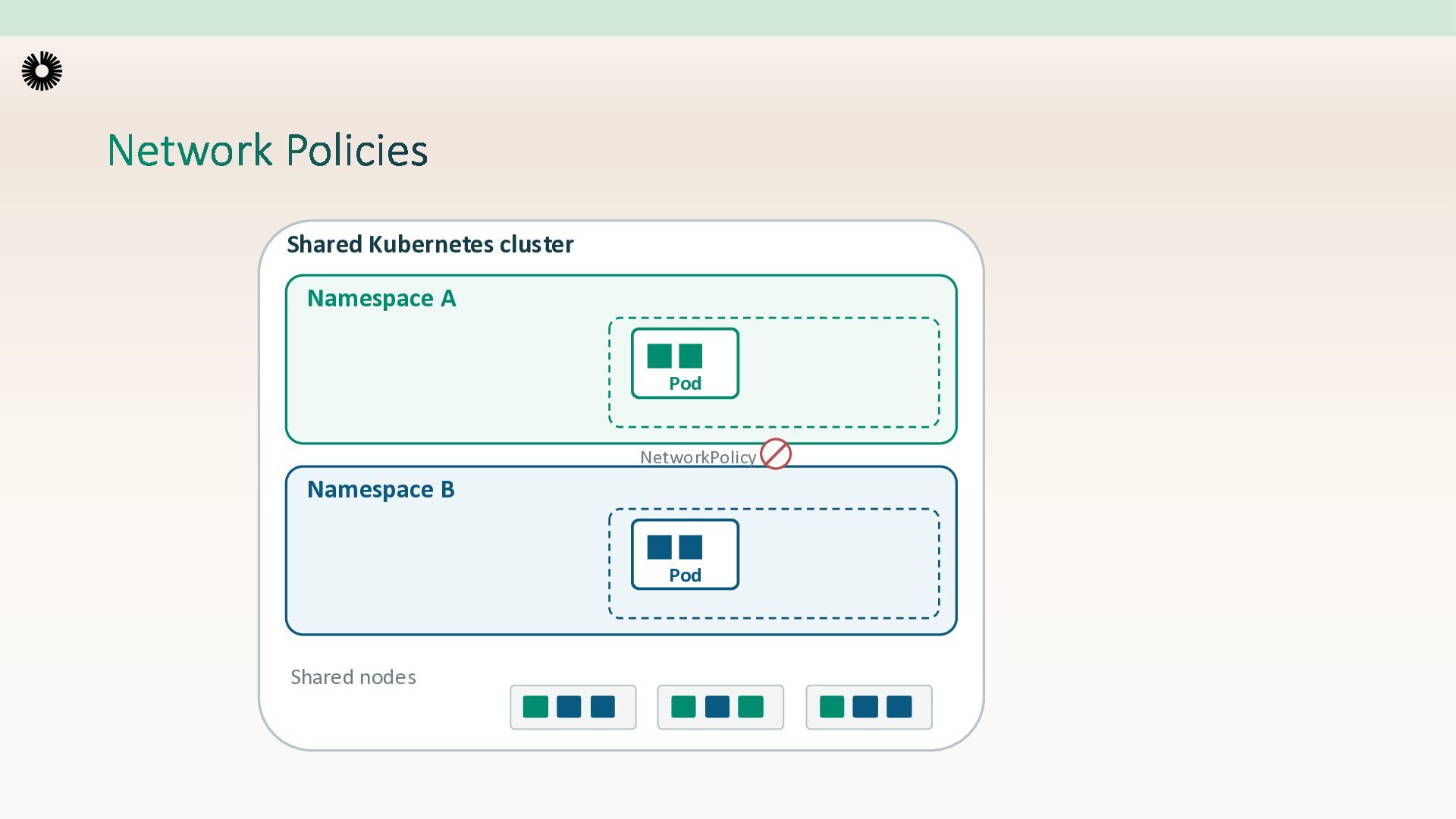
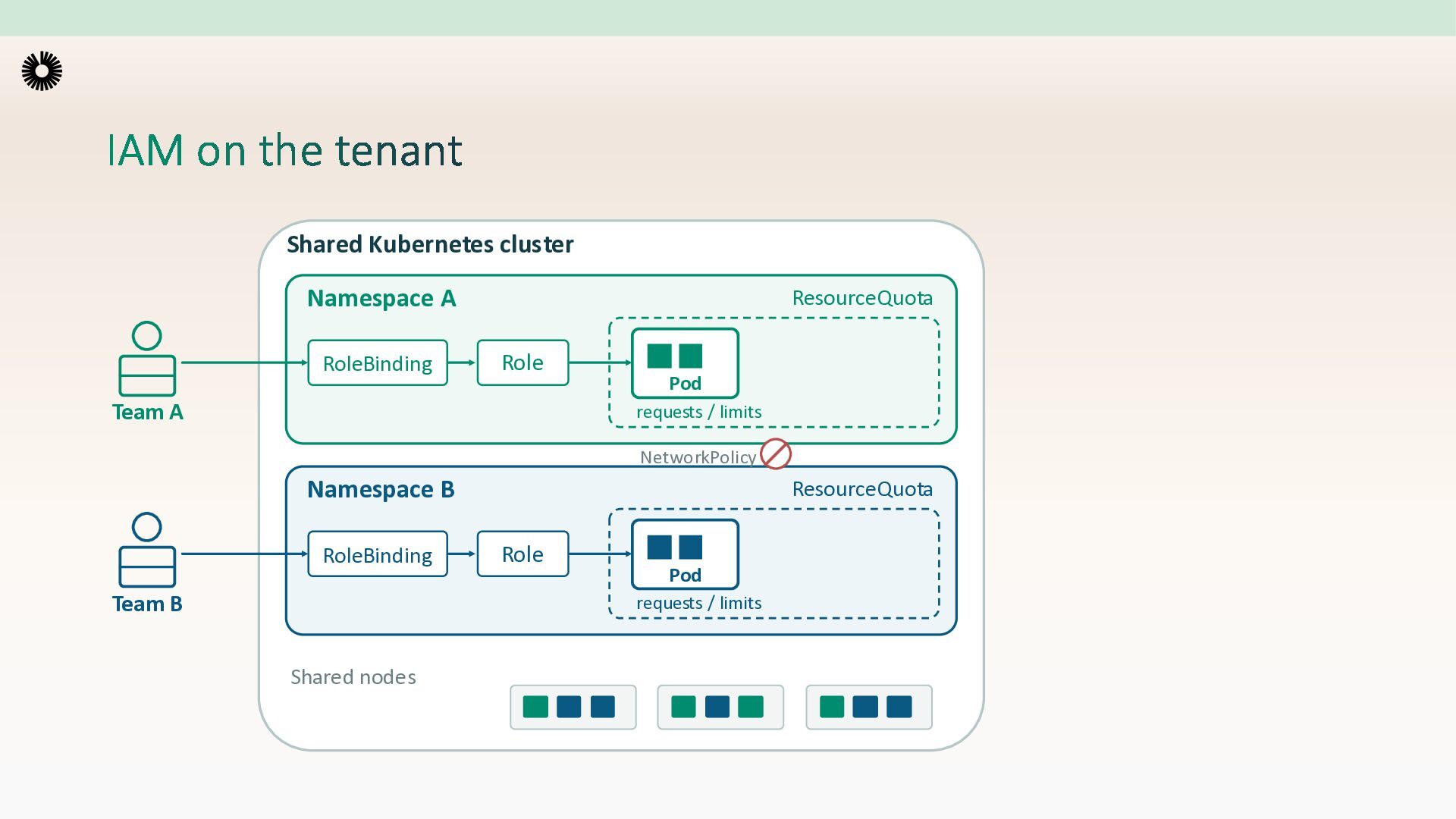
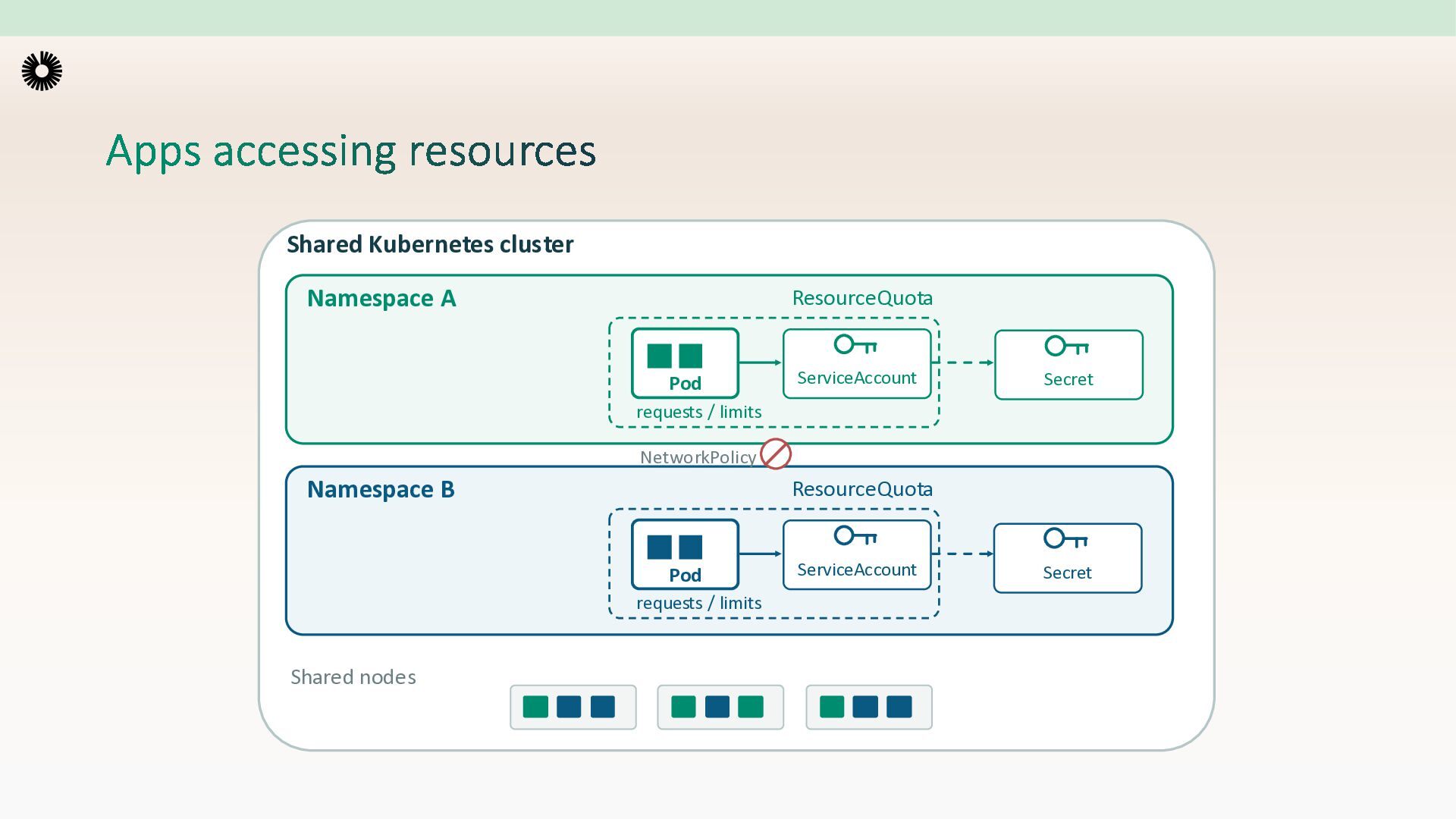
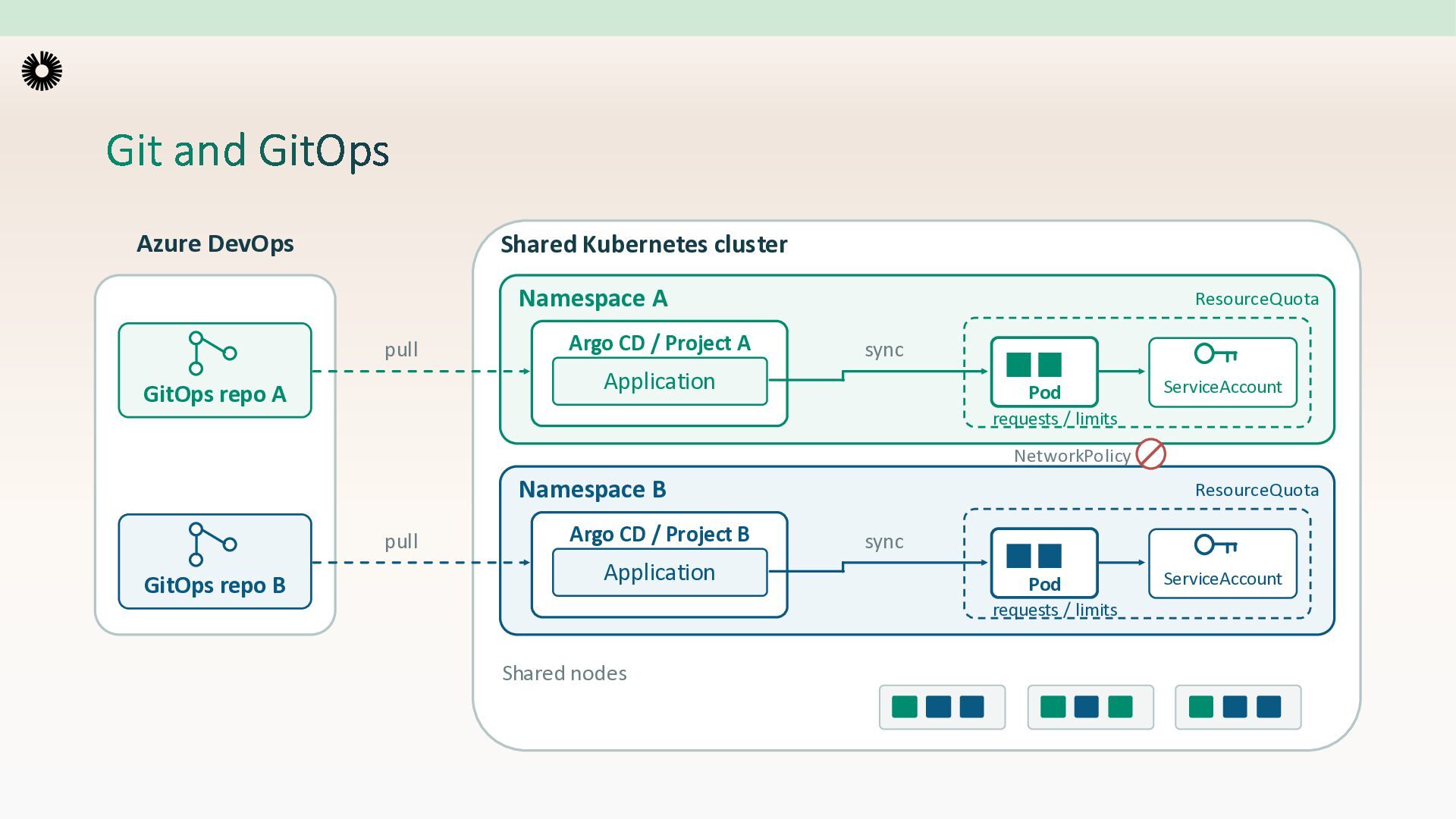
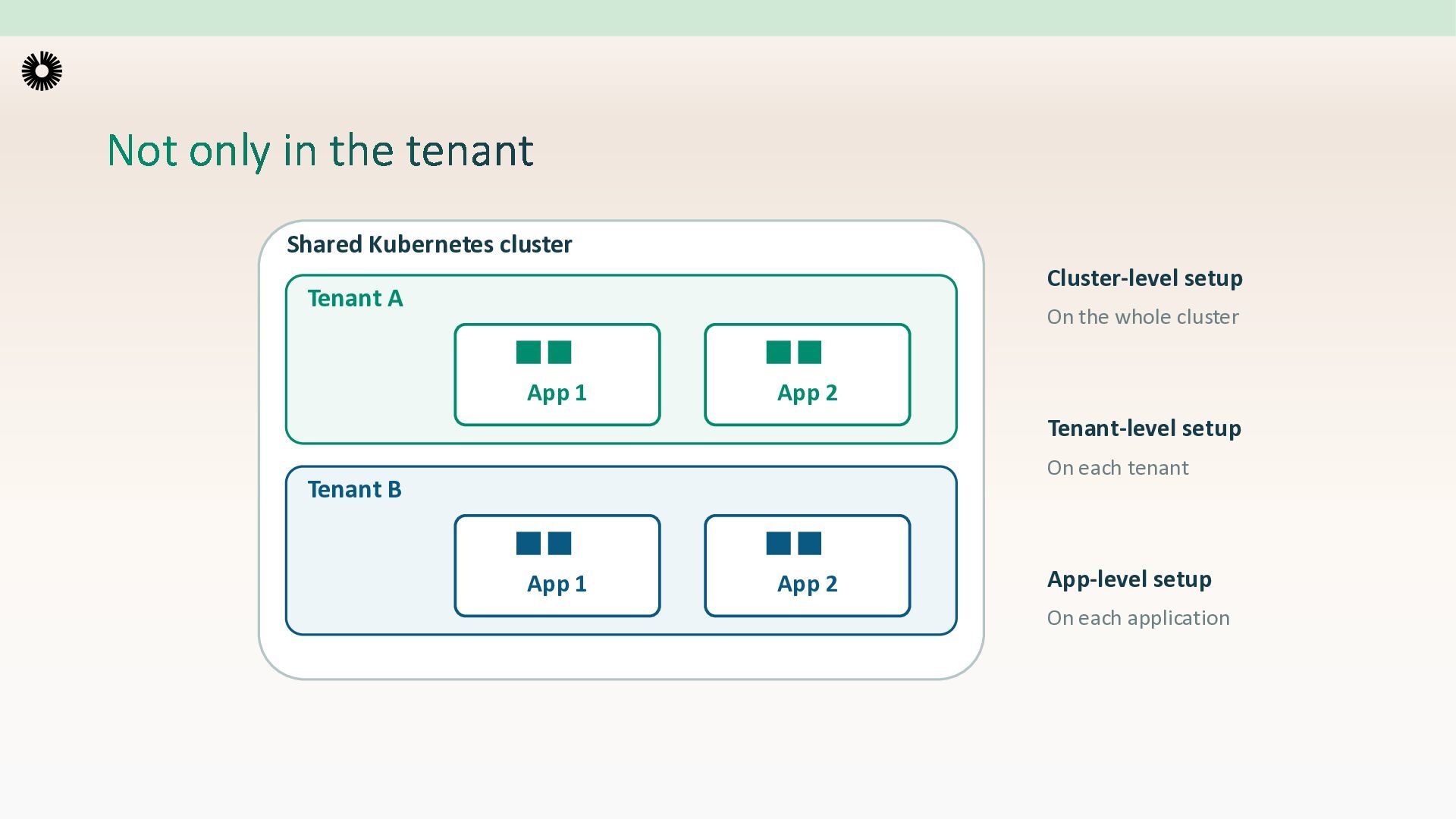
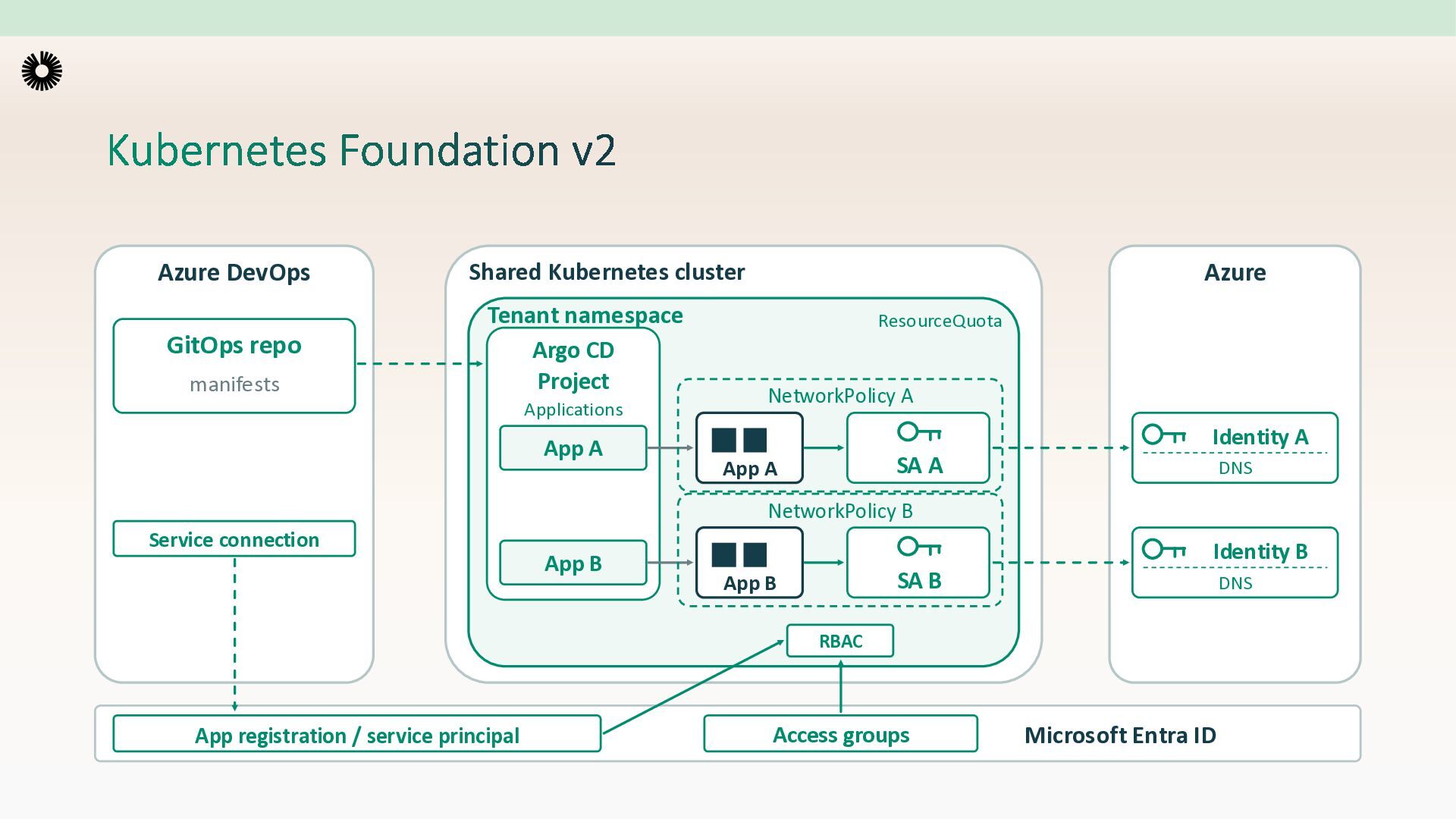
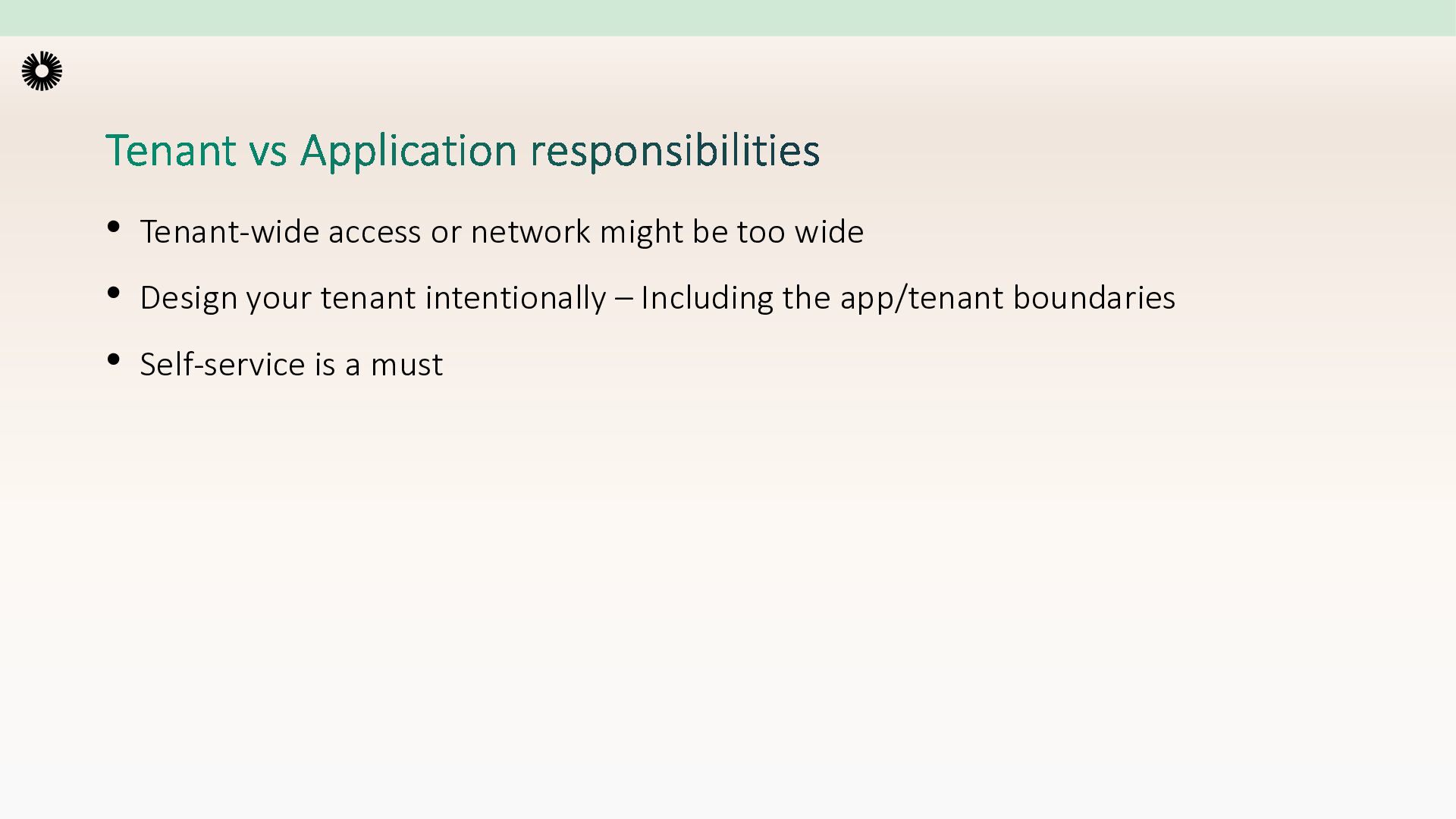
Kubernetes Namespaces can be used to group resources from different teams, apps or clients, but they are not enough if you want to have multi-tenancy within a cluster: nothing stops one team's pod from talking to another's, exhausting the cluster, or reaching a secret it was never meant to see. Real multi-tenancy requires more.
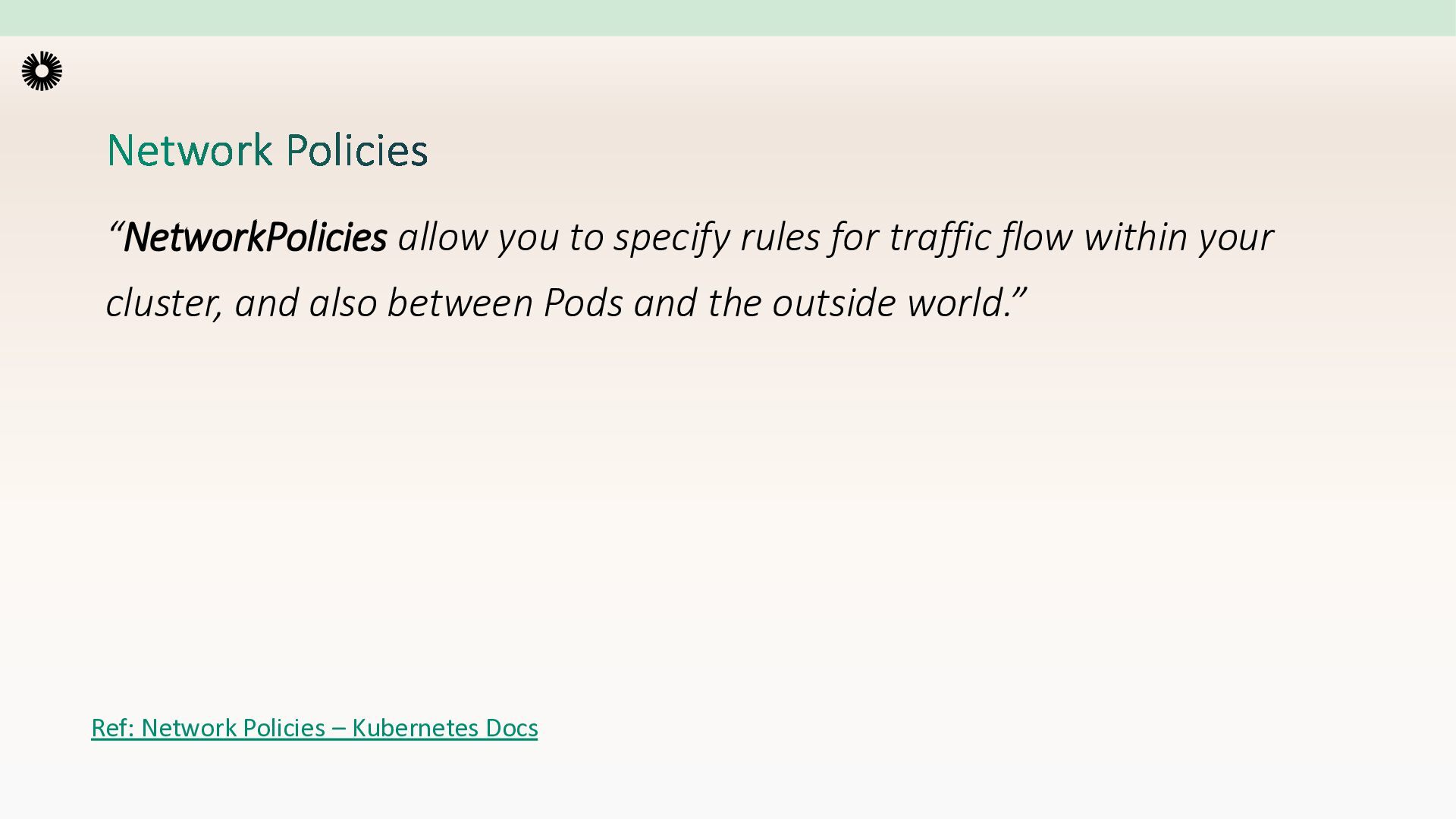
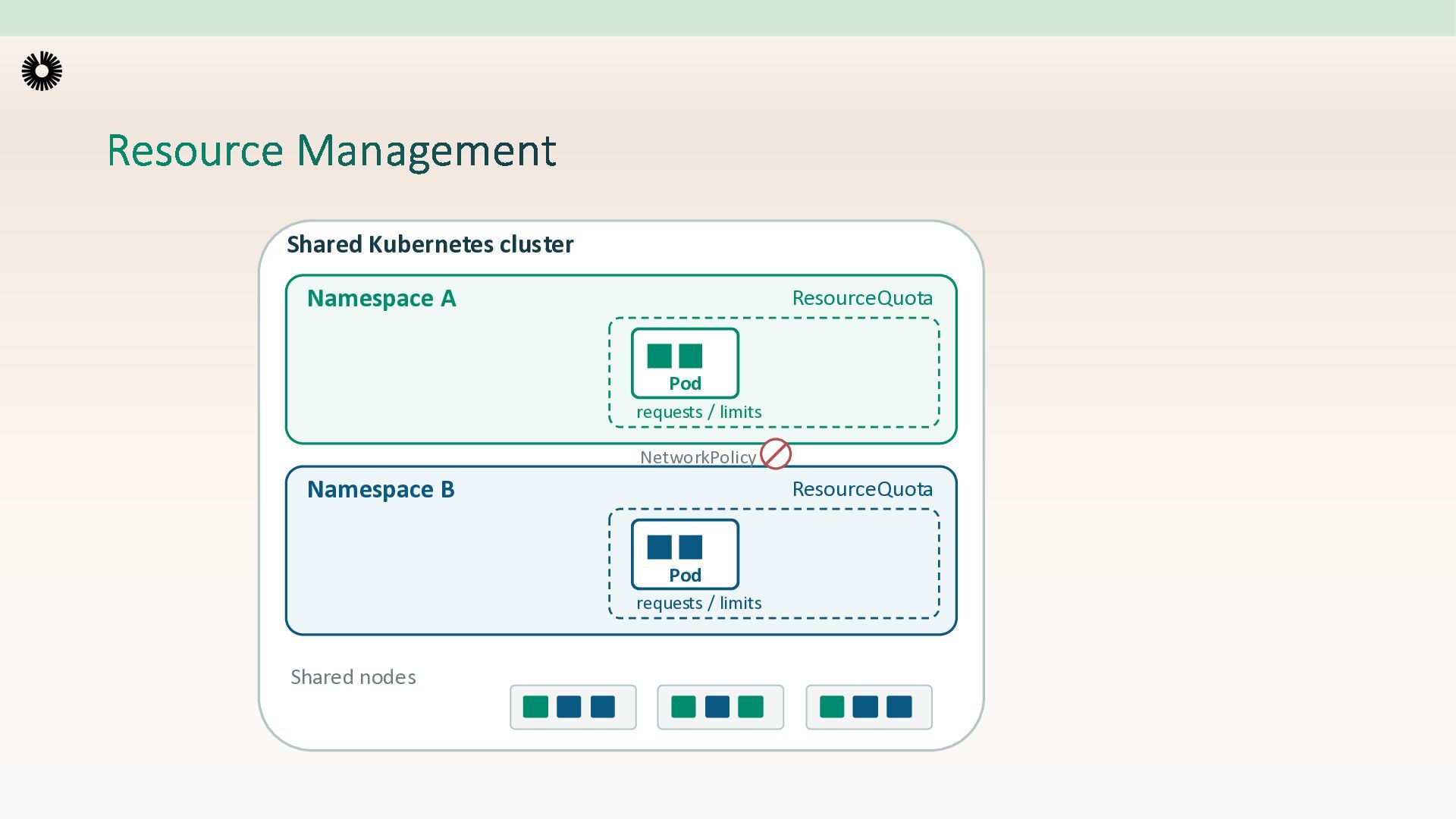
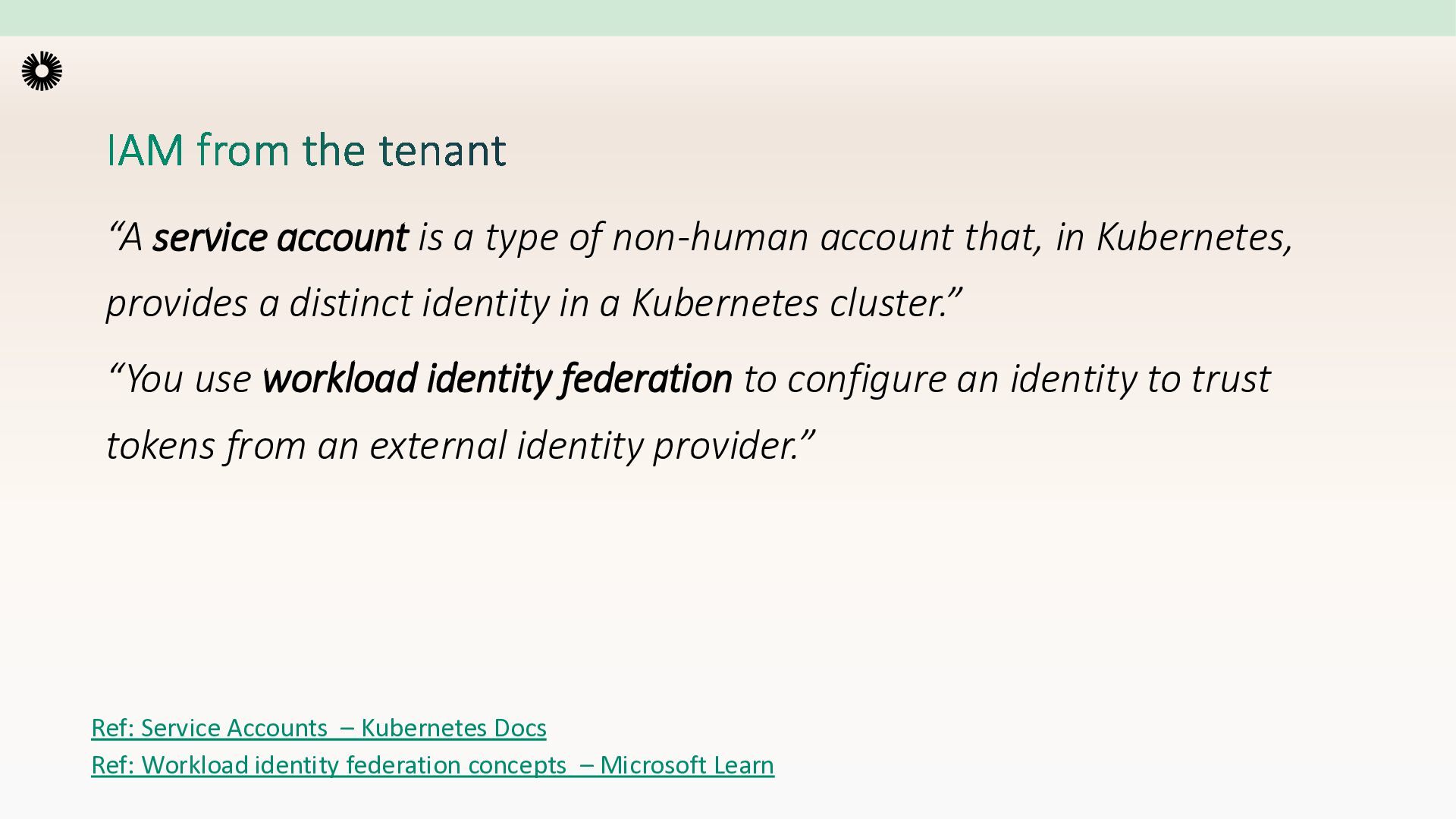
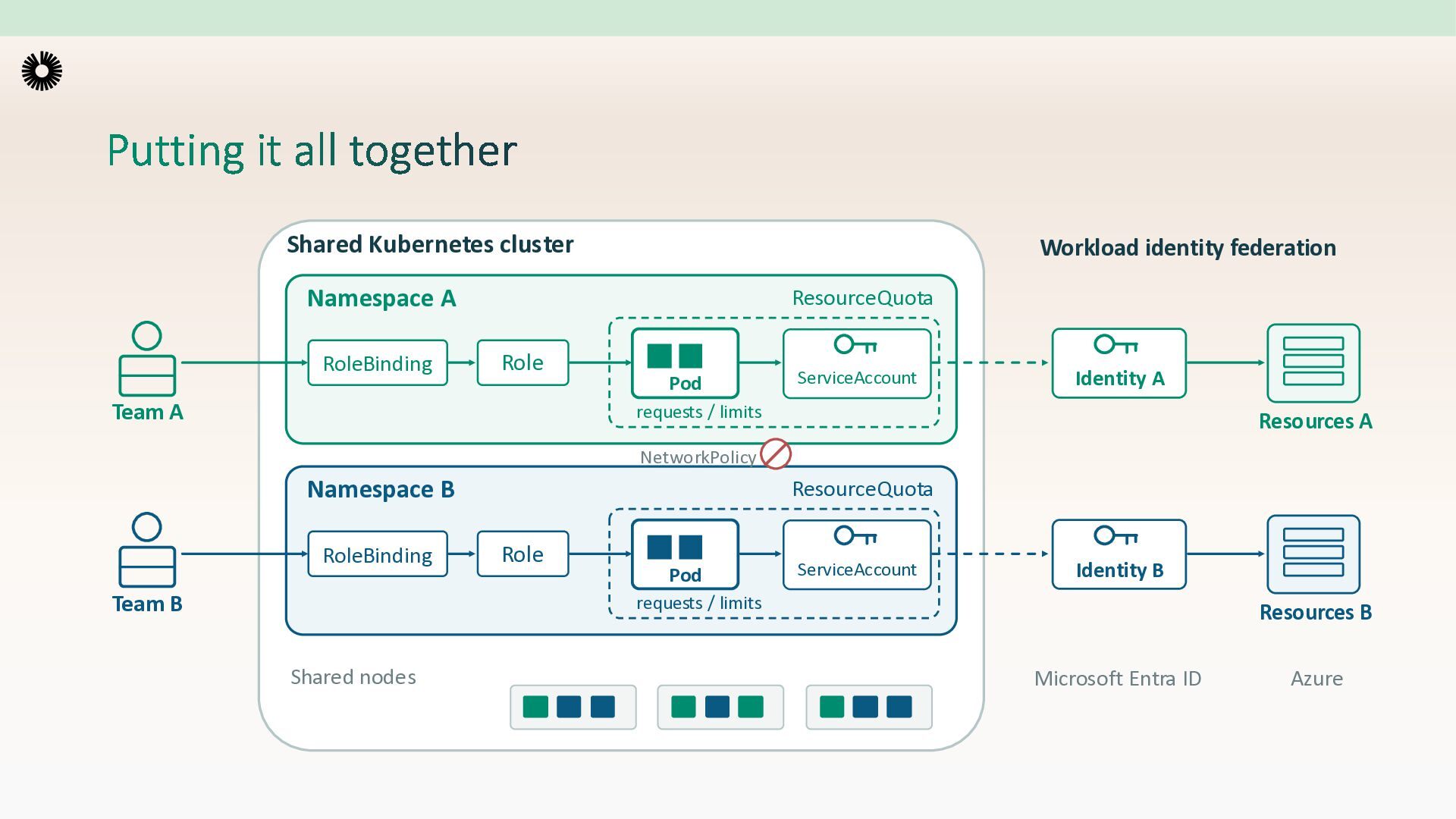
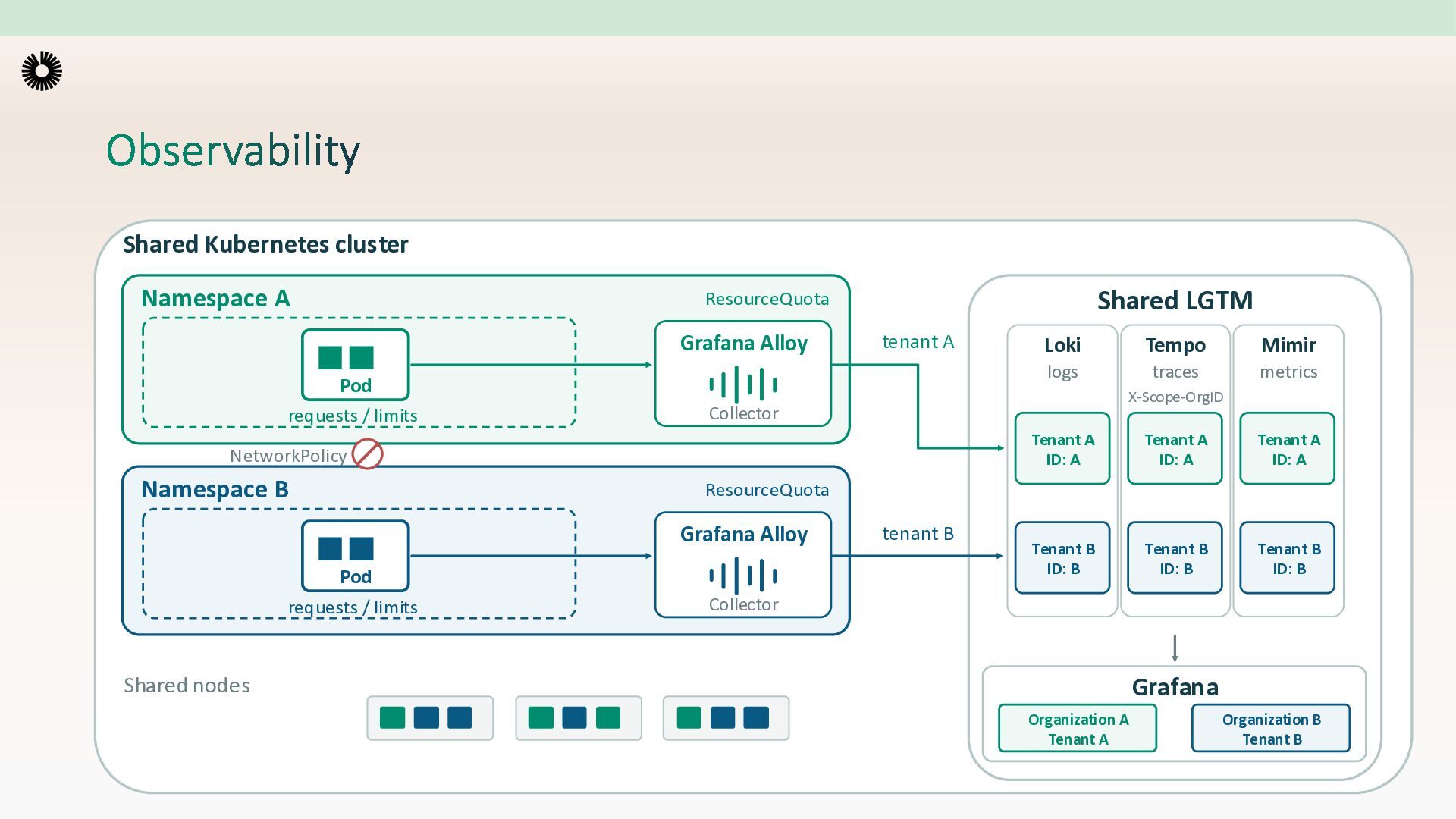
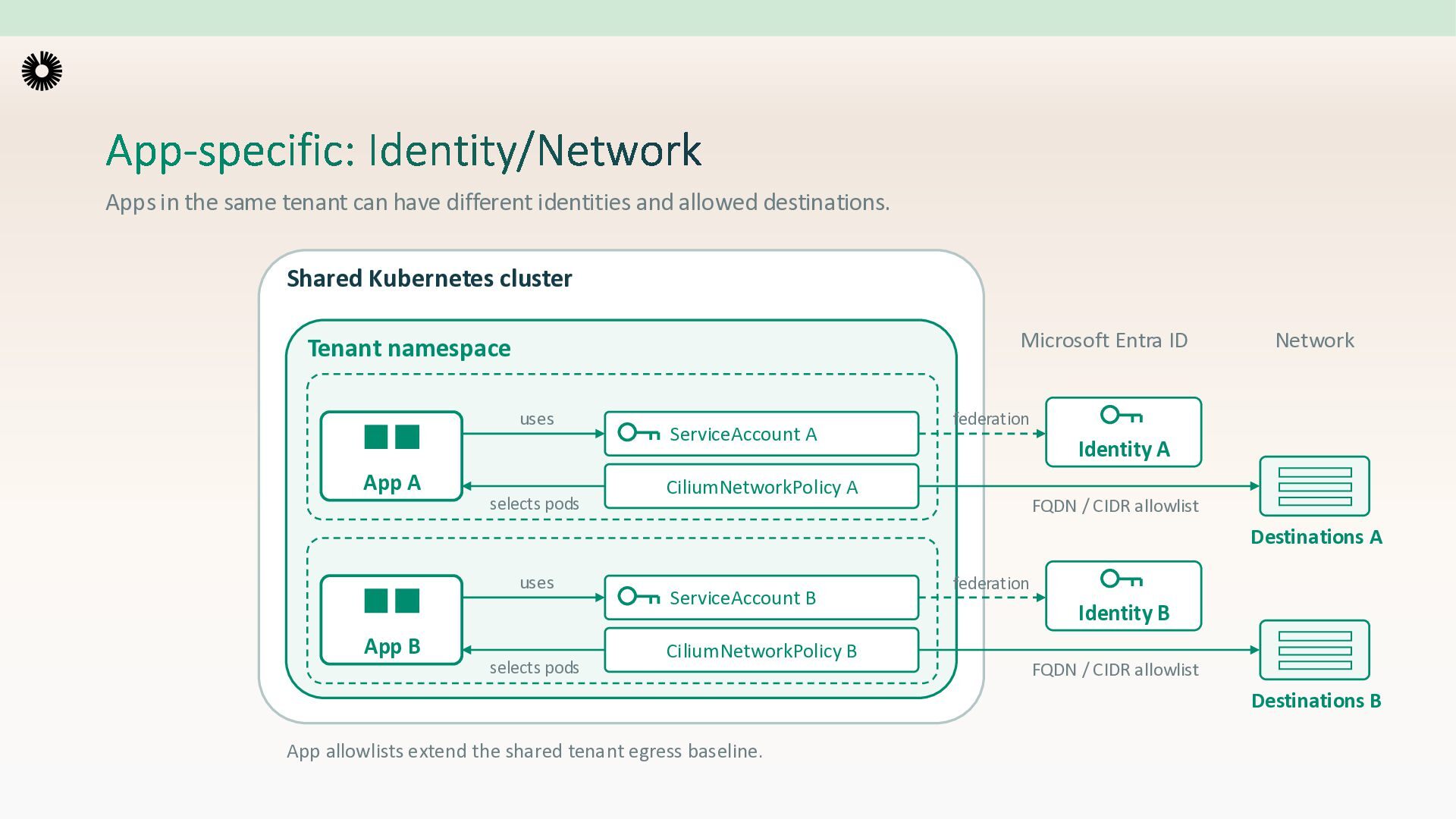
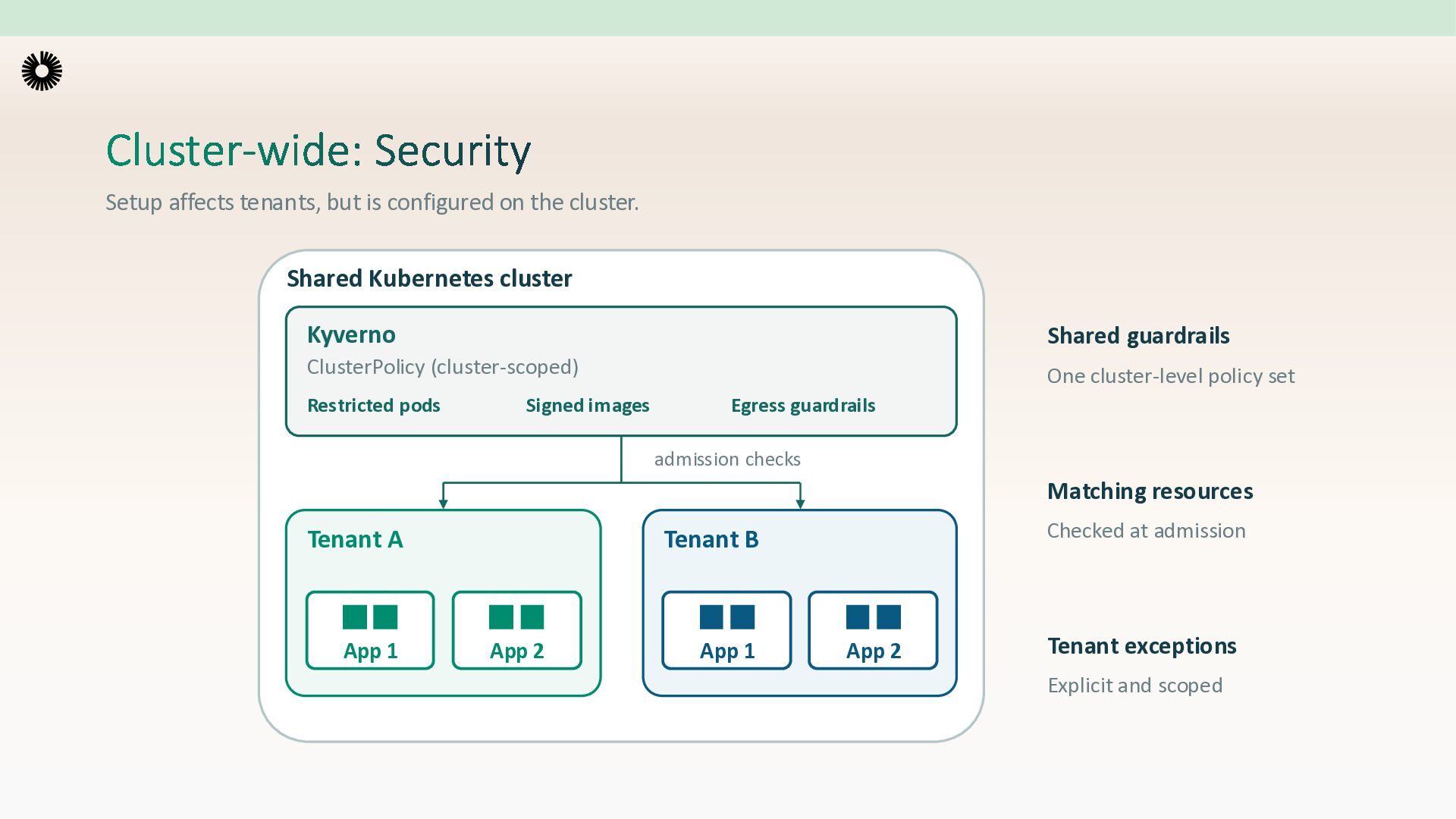
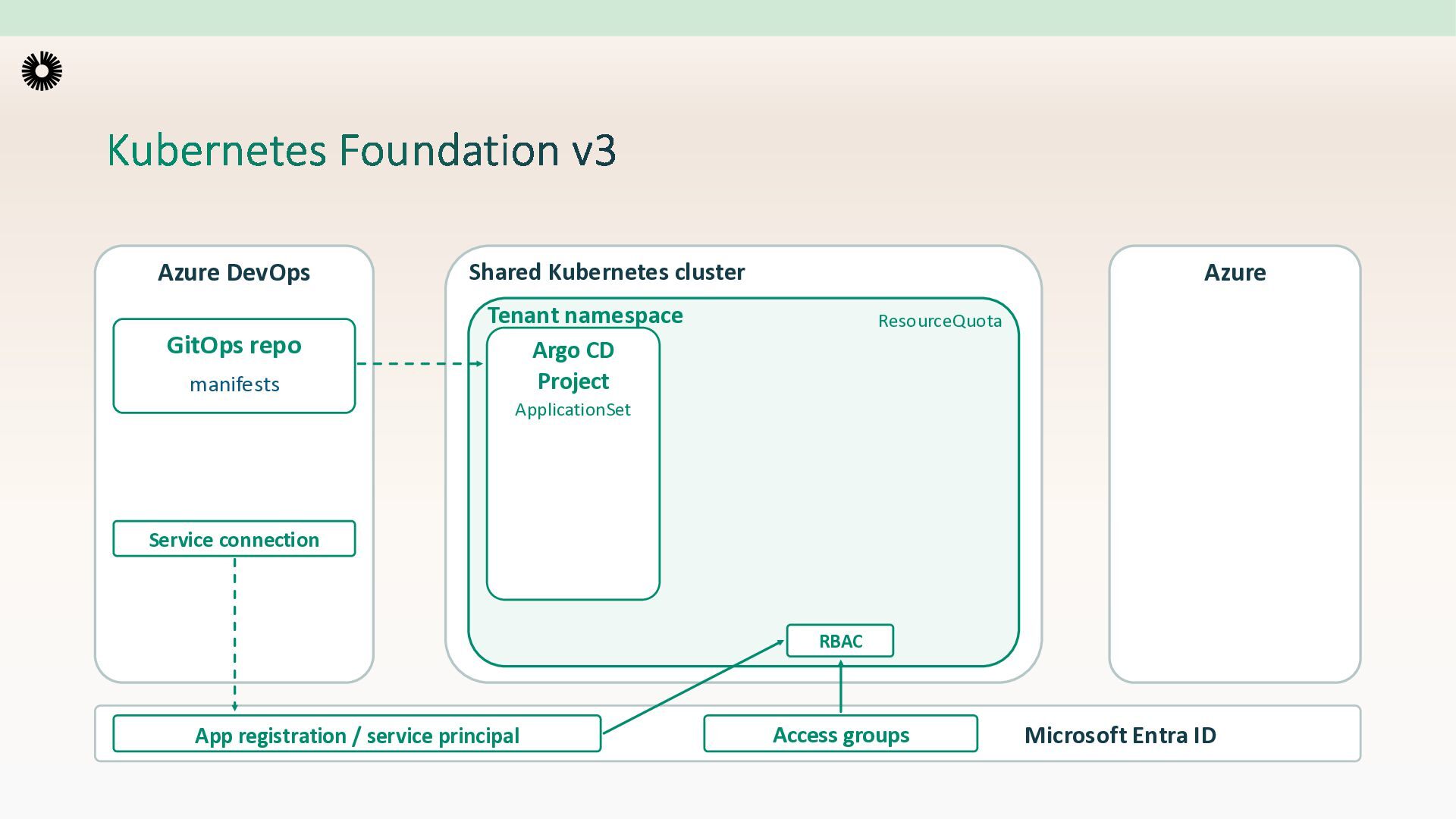
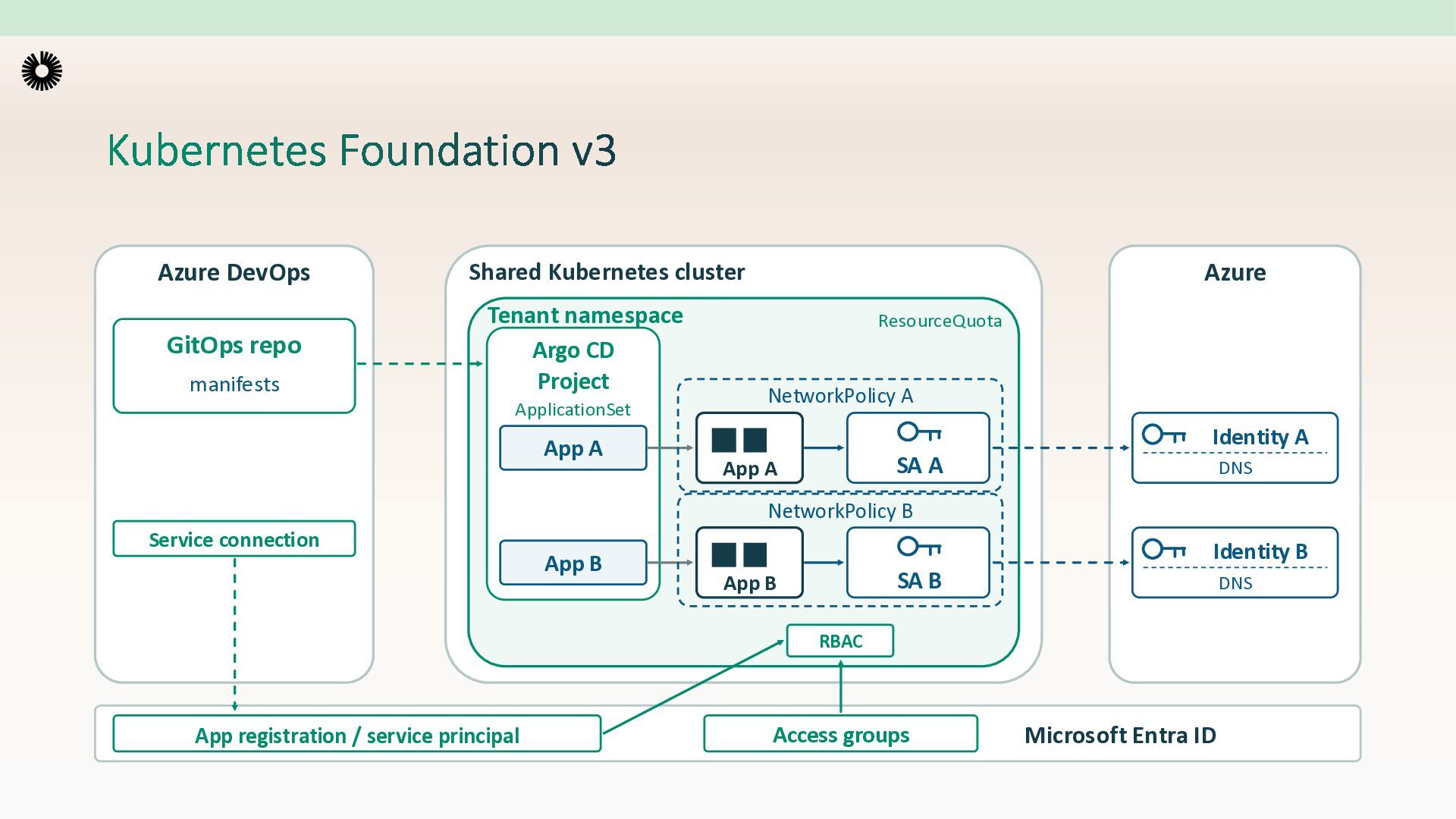
In this talk, we will take an entry-level approach to how we run 200 applications from ~25 teams on a handful of shared clusters in a regulated bank. We'll cover how we use RBAC, Cilium Network Policies, Pod Security Standards, Kyverno, resource quotas, dedicated tainted node pools, per-app identities, and isolated observability on top of it.
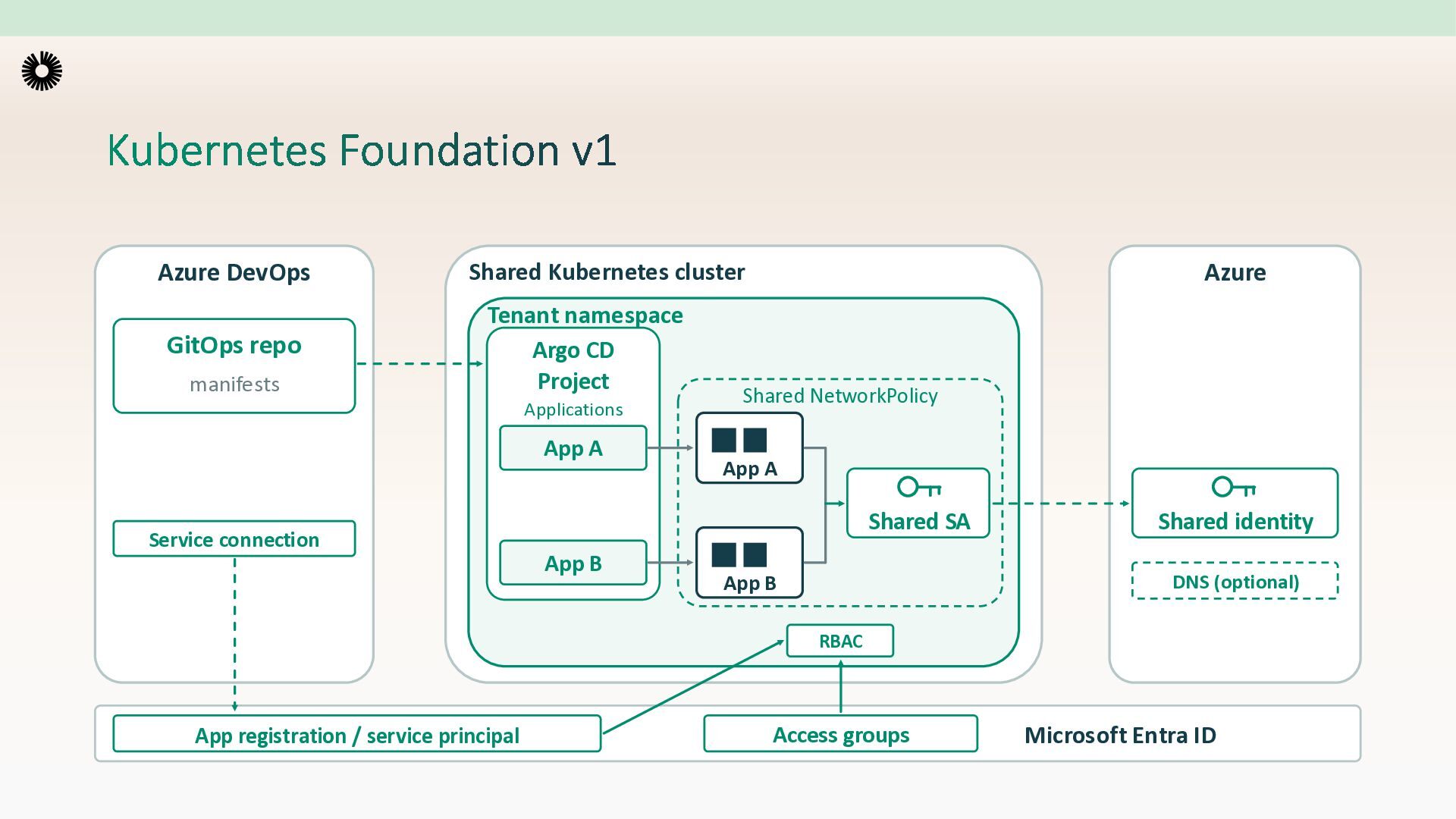
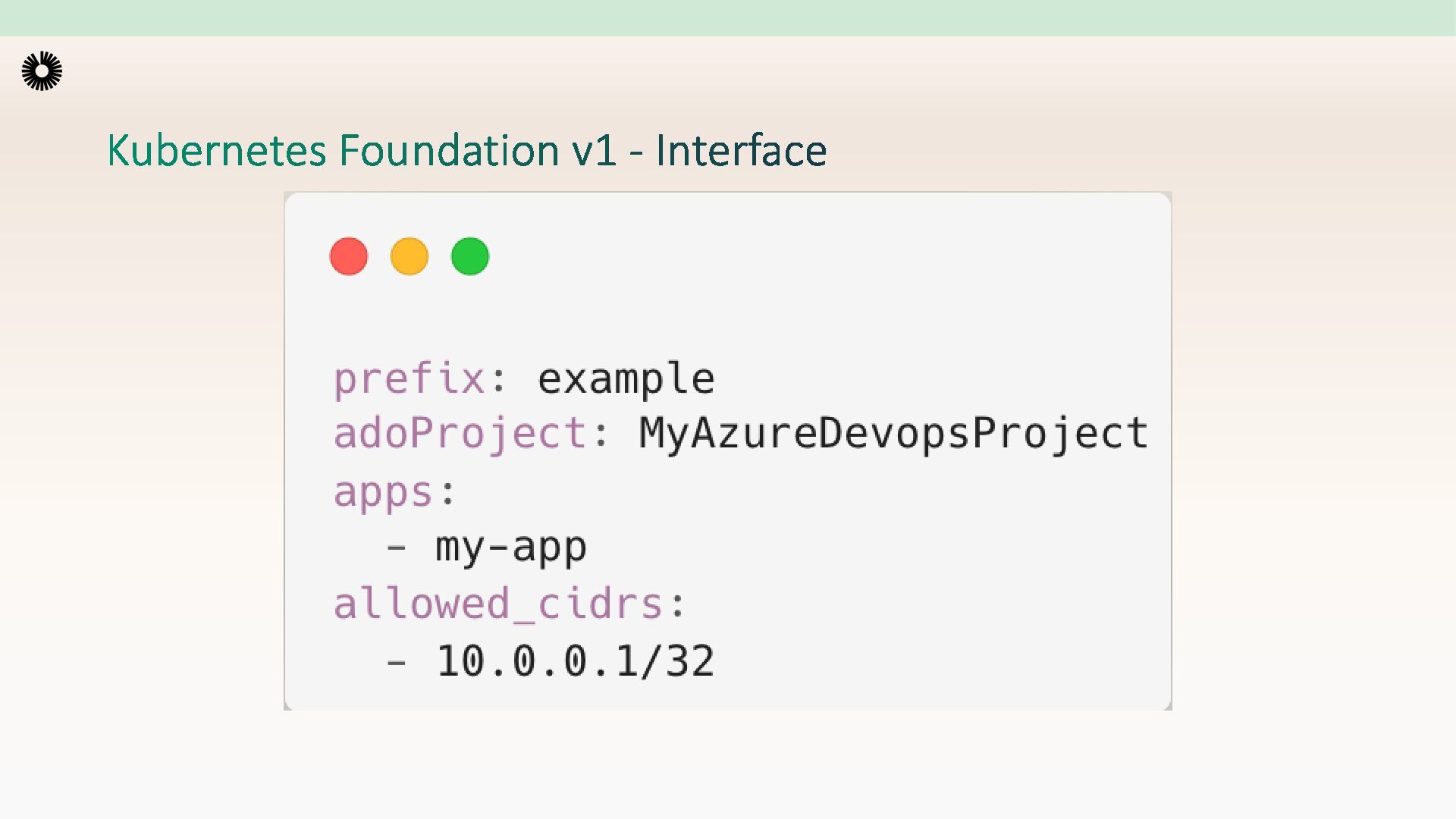
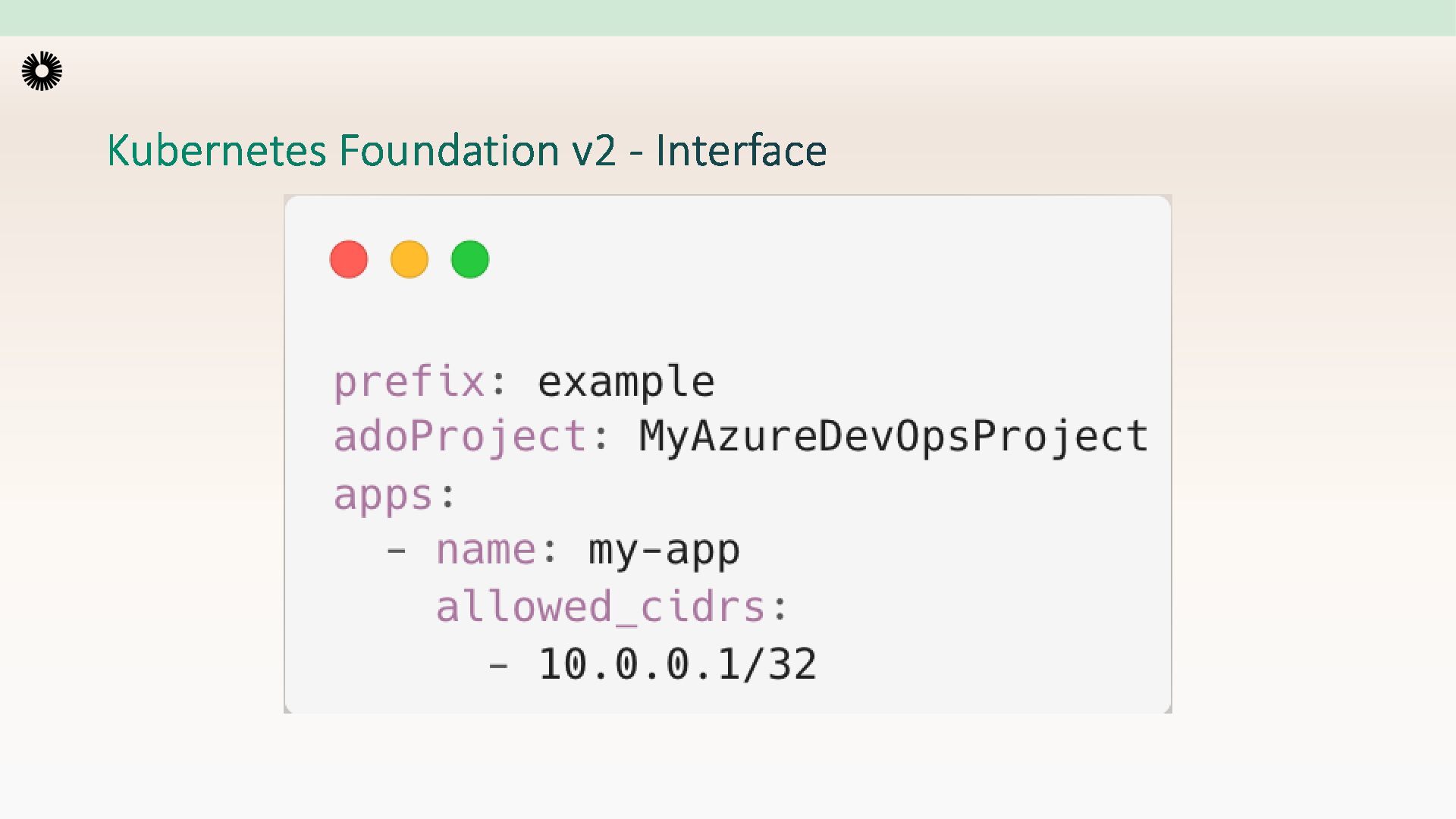
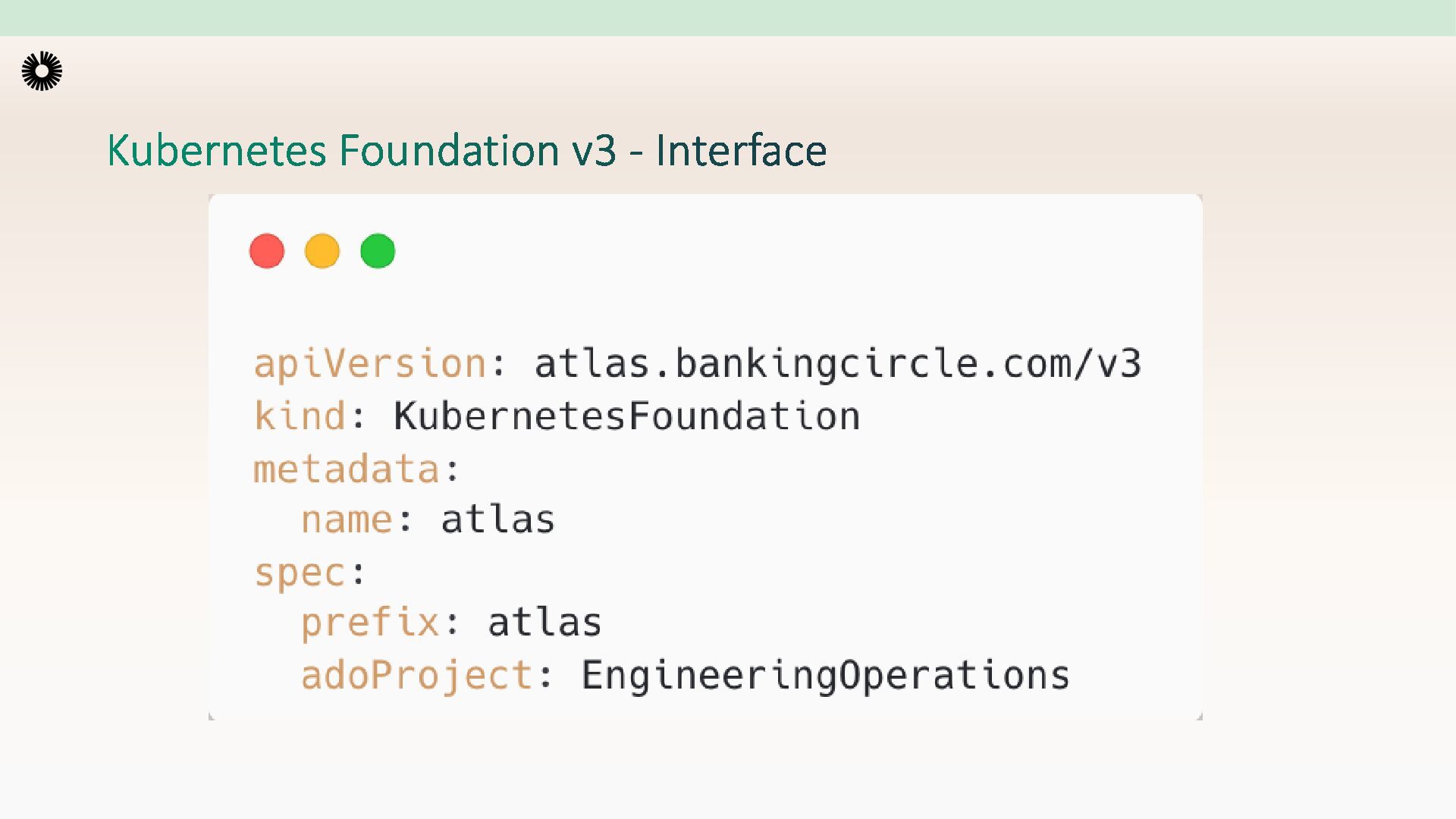
We will also show our self-service approach to this: every one of those boundaries is provisioned from a single YAML file that a team owns: A self-service tenant definition that expands into resources across Kubernetes, Azure, Entra ID, and Azure DevOps. A developer writes a dozen lines (`prefix: example`, a quota, a couple of groups); the platform draws all the walls.

 jherreros
 sakawe_ee
 kasacchiful
 rkaga
 meihei3
 simas
 shogogg
 umigishiaoi
 takehaya
 yukikurage
 raeminkang
 akihisaikeda
 tarao
 baasie
 smashingmag
 scottboms
 tamaranovitovic
 kimpetersen
 rkendrick25
 danielanewman
 stuffmc
 427marketing
 twada
 tammyeverts
 inesmontani