narrative designer? A game designer? Who here thinks storytelling in games would be better if writers were consulted more o!en and especially earlier? That there is a very pernicious problem. It's systemic, it's complicated.
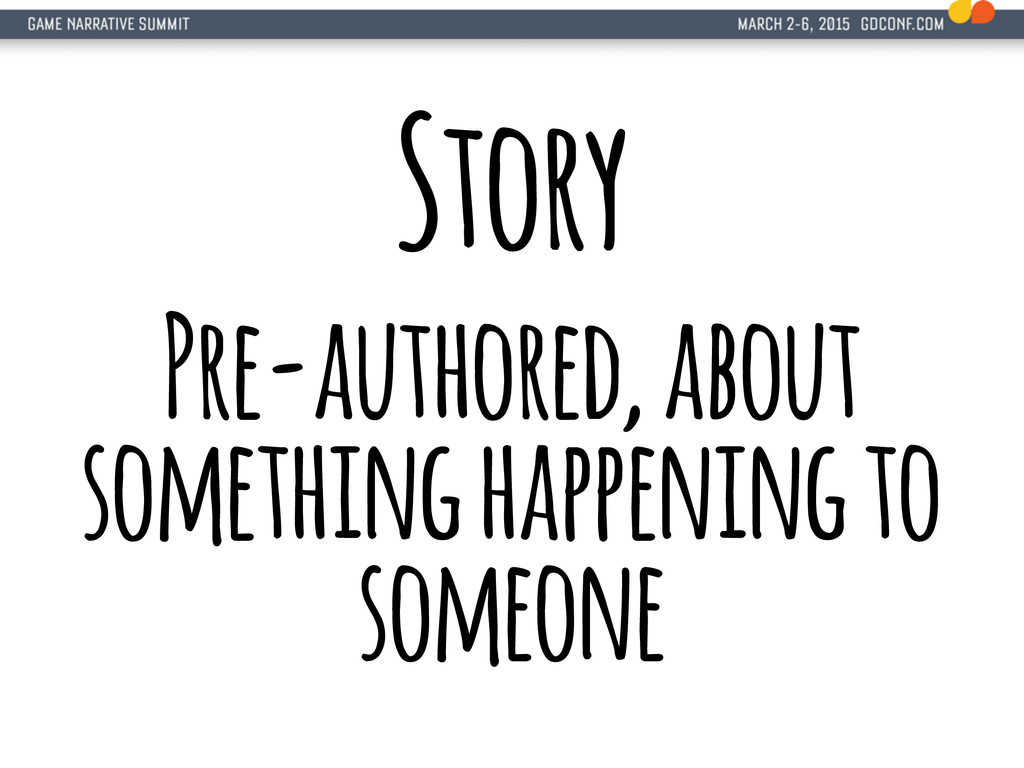
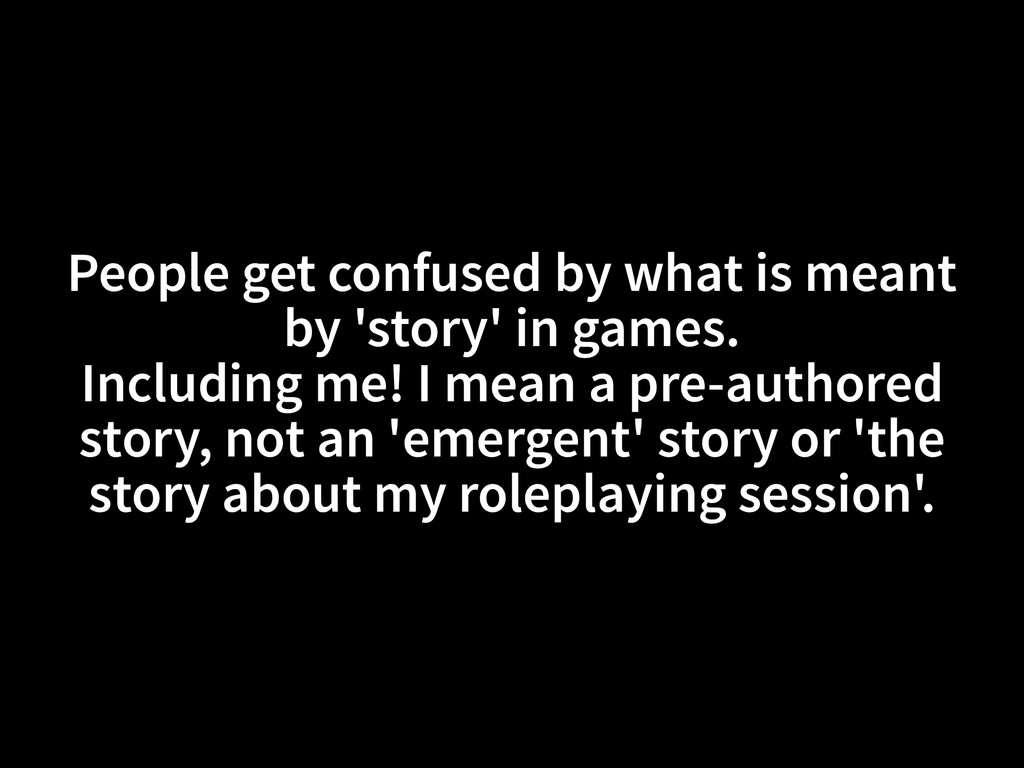
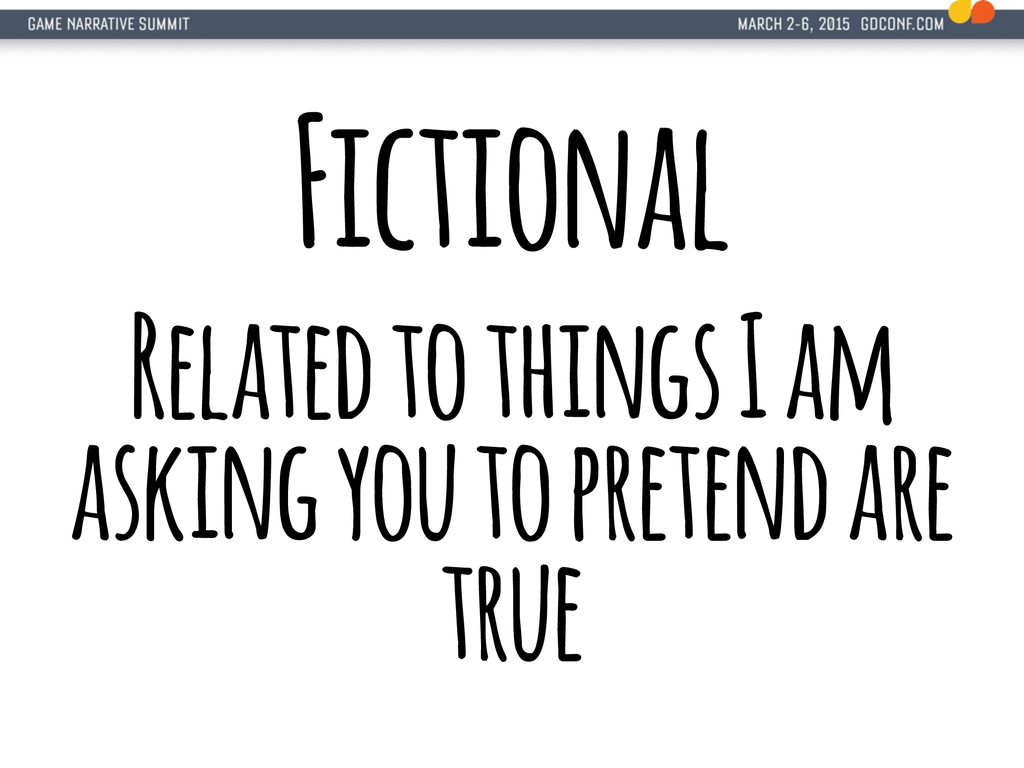
hopefully I can cast a new light on it by showing a design approach that I've found to be extremely useful in game design. I'll start with some quick definitions, then an example, then I will talk about the design approach, and then what that means for storytelling in games.
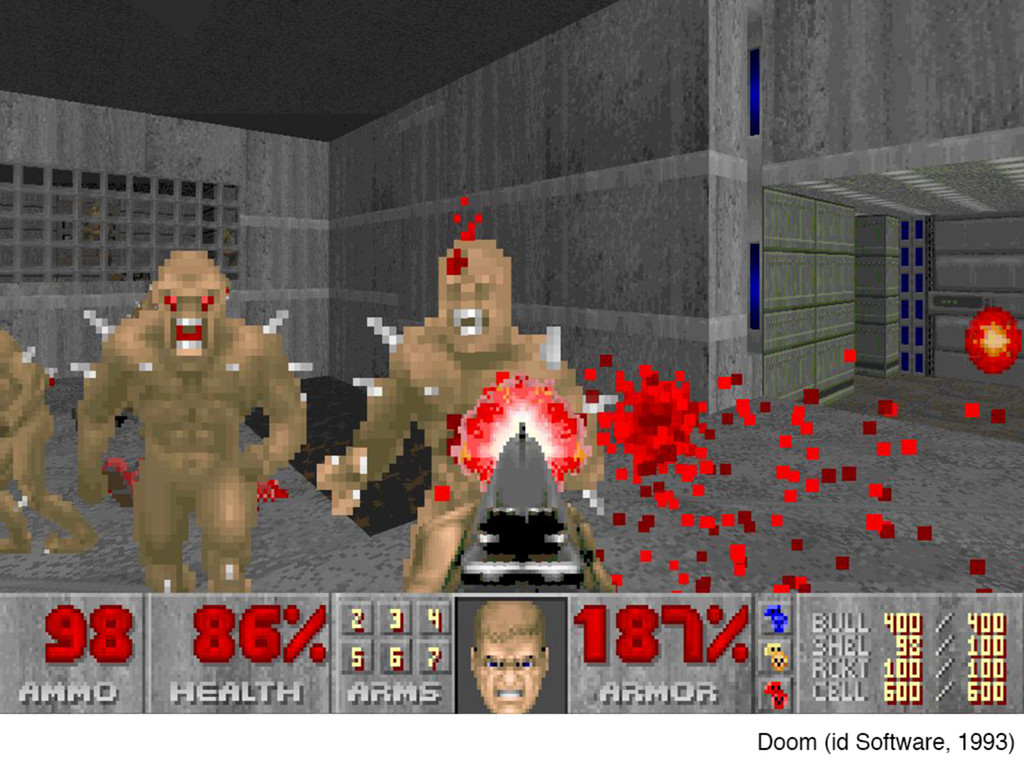
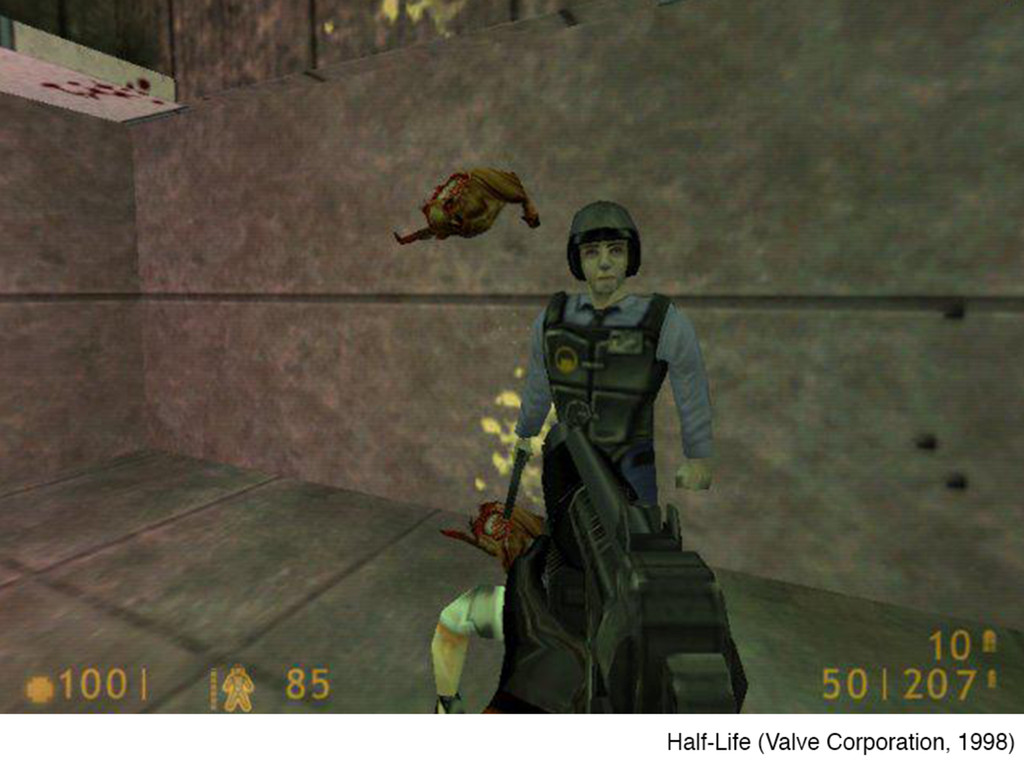
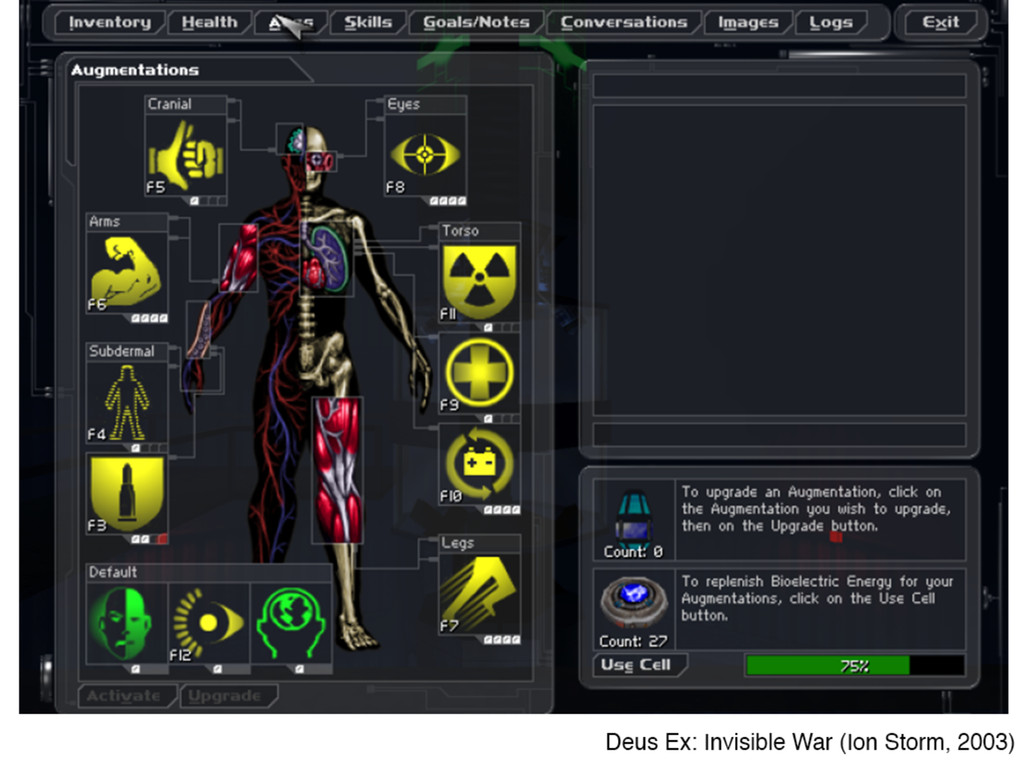
but now let's say you decide that you want to really immerse the player in the world, and so you say you don't want "game-y" numbers on screen, because they break suspension of disbelief.
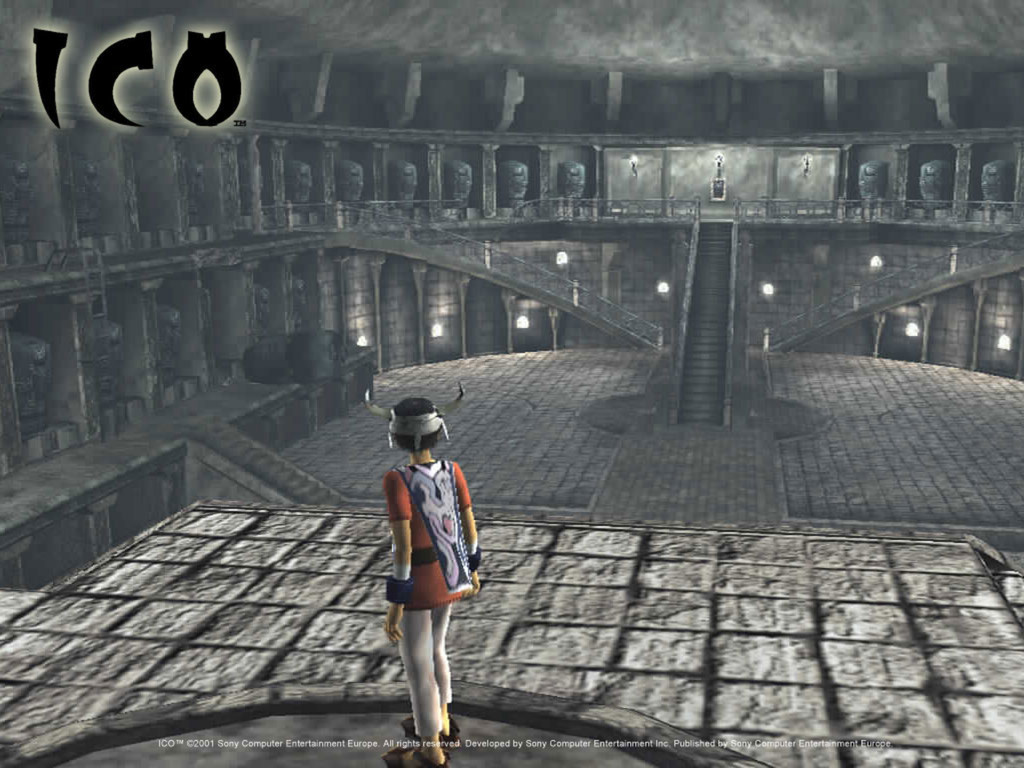
say, well, the player puts on a high-tech exo-suit that has an actual HUD. Eureka! A beautiful solution. Minimal HUD, and it makes total sense in the world of the game. Now let's say you love the idea of not having a numbers on screen. But! Your game has a fantasy setting and an exo- suit doesn't work. So what do you do?
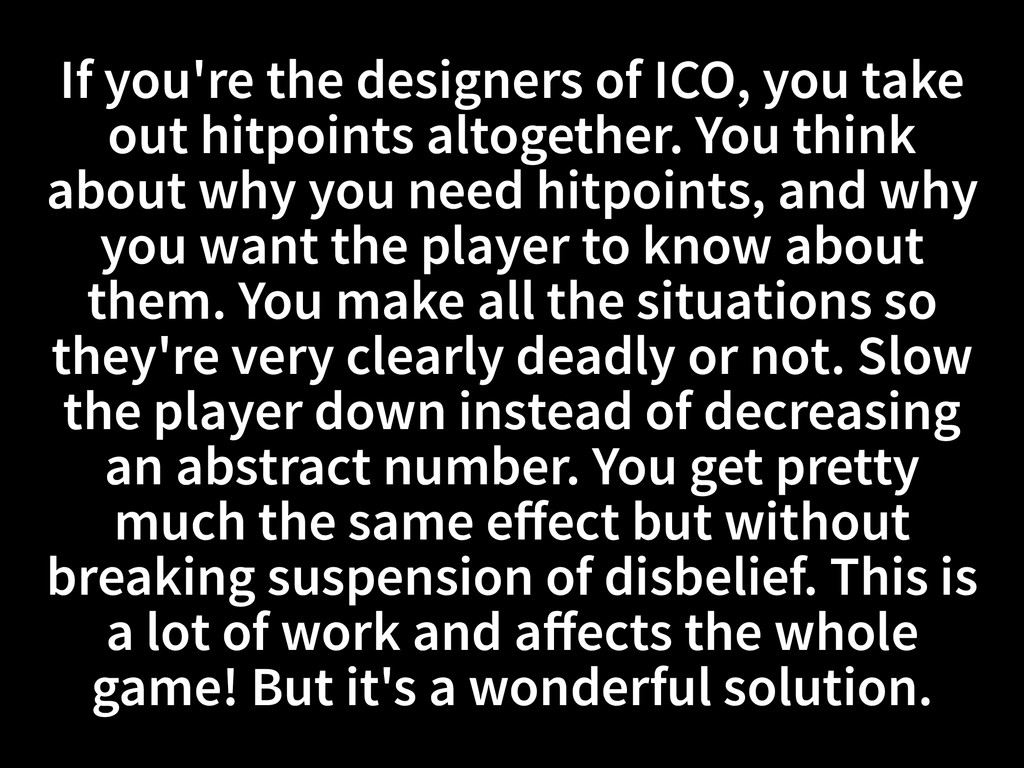
altogether. You think about why you need hitpoints, and why you want the player to know about them. You make all the situations so they're very clearly deadly or not. Slow the player down instead of decreasing an abstract number. You get pretty much the same effect but without breaking suspension of disbelief. This is a lot of work and affects the whole game! But it's a wonderful solution.
rules (the mechanical side), and then the fictional side of the game. This is a really useful way of looking at game design. I've been using this approach a lot, and I know other game designers have too, even if they maybe don't use these exact words.
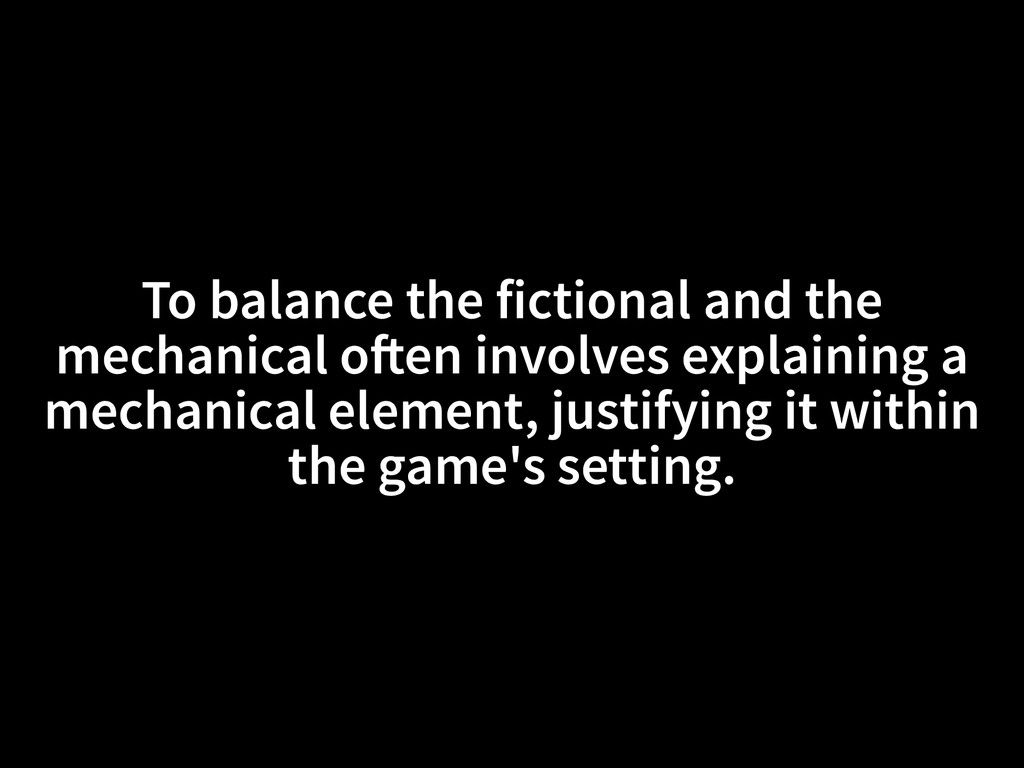
you try to make things come together into one pleasing experience. Because if you don't balance these two sides, you can get dissonance, which you usually don't want. You risk breaking suspension of disbelief.
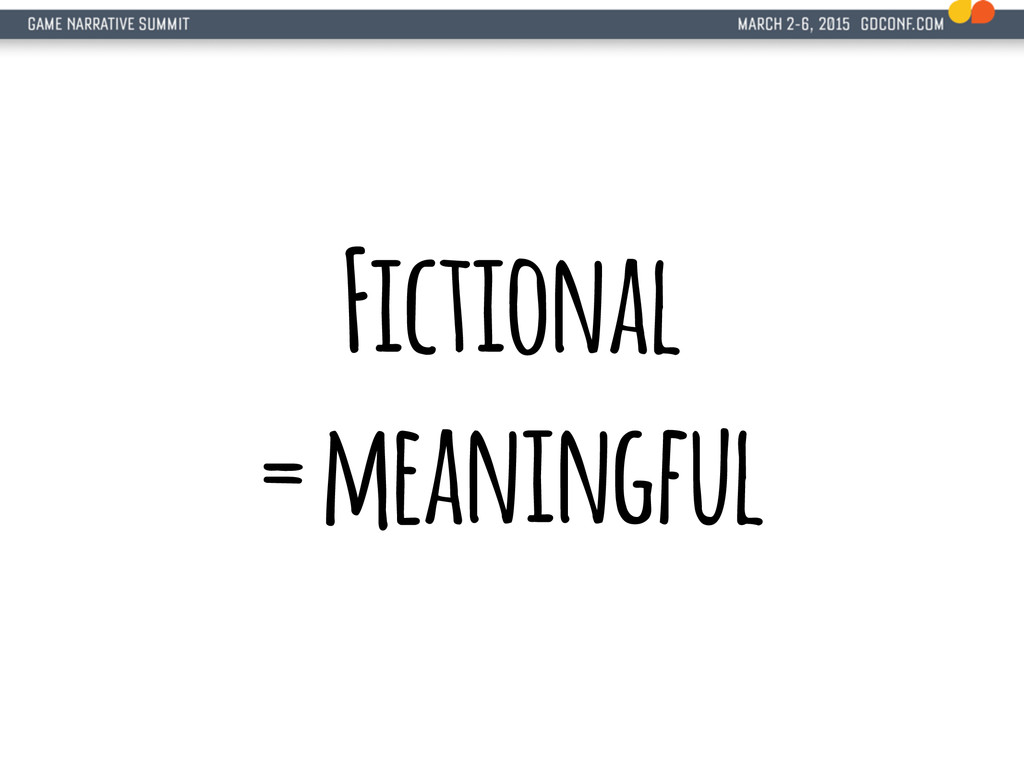
is what gives a game meaning. Of course the mechanical side has a big effect on the experience, but if I just say "when this counter hits zero the game ends," that can mean anything.
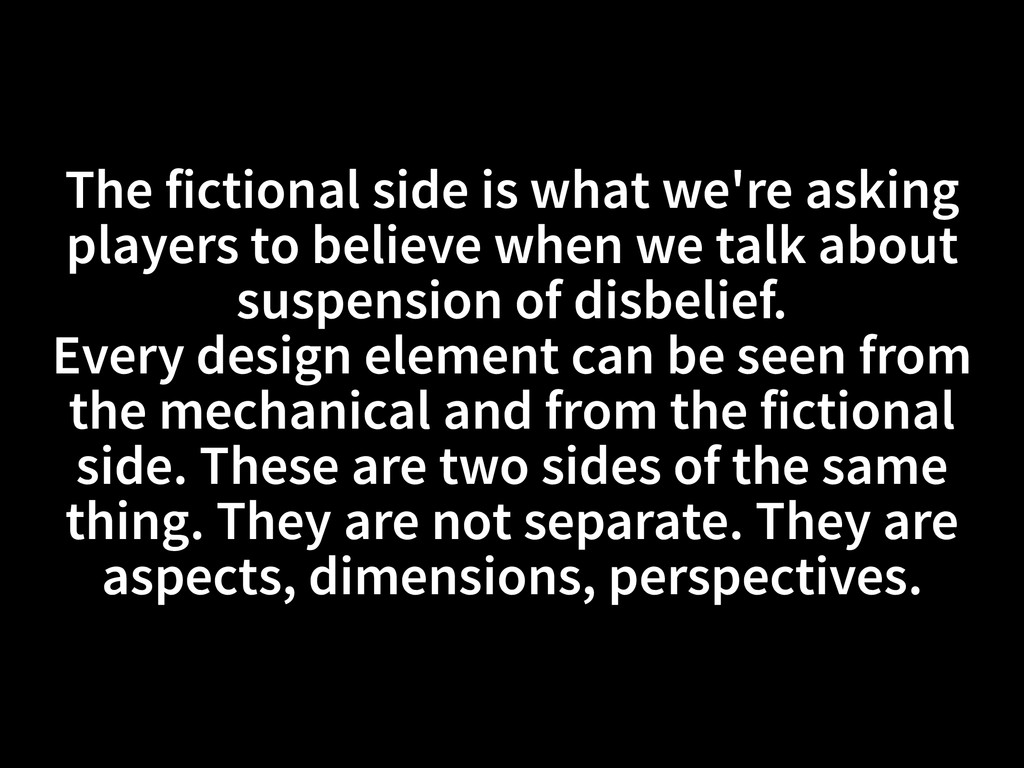
when we talk about suspension of disbelief. Every design element can be seen from the mechanical and from the fictional side. These are two sides of the same thing. They are not separate. They are aspects, dimensions, perspectives.
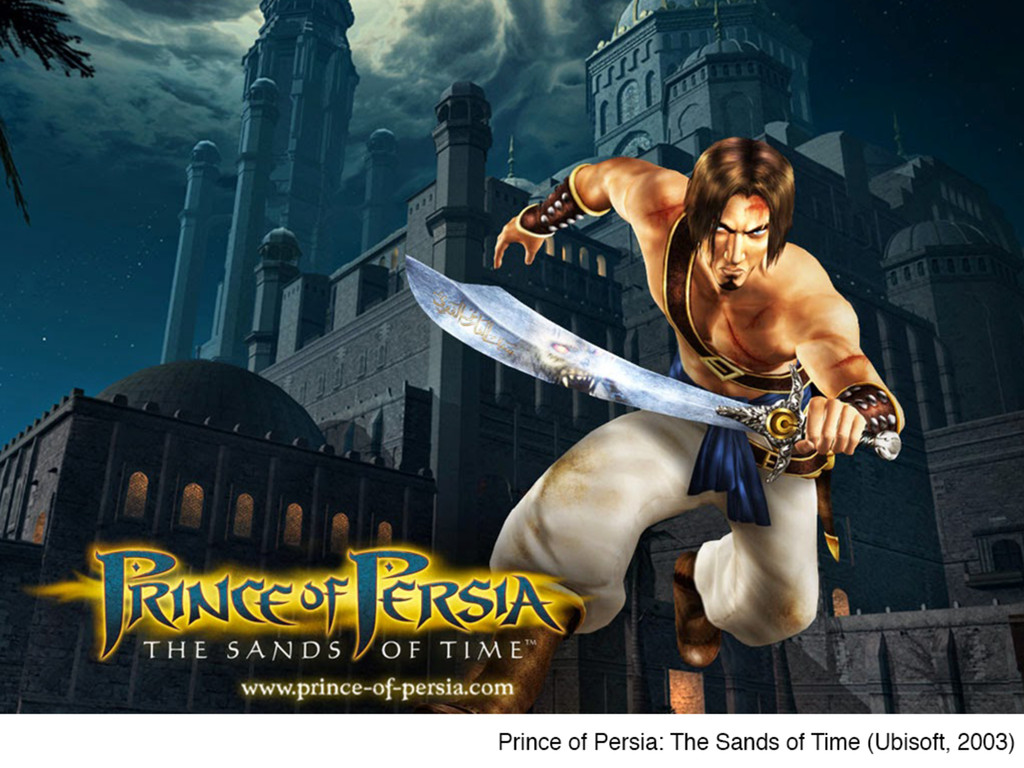
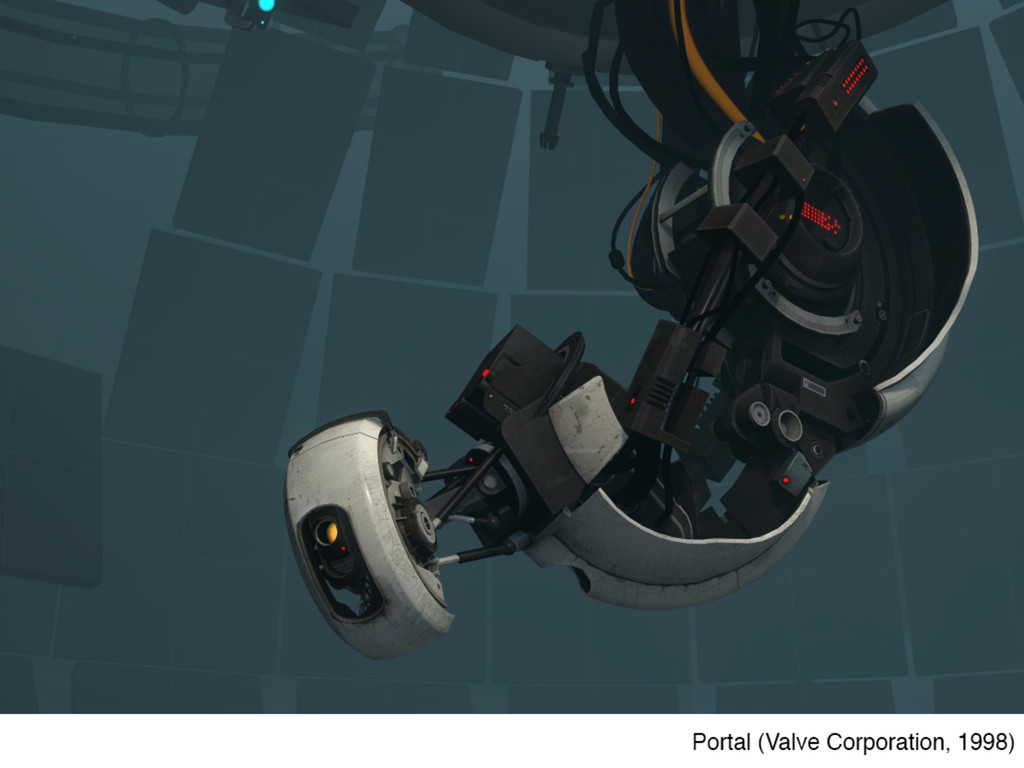
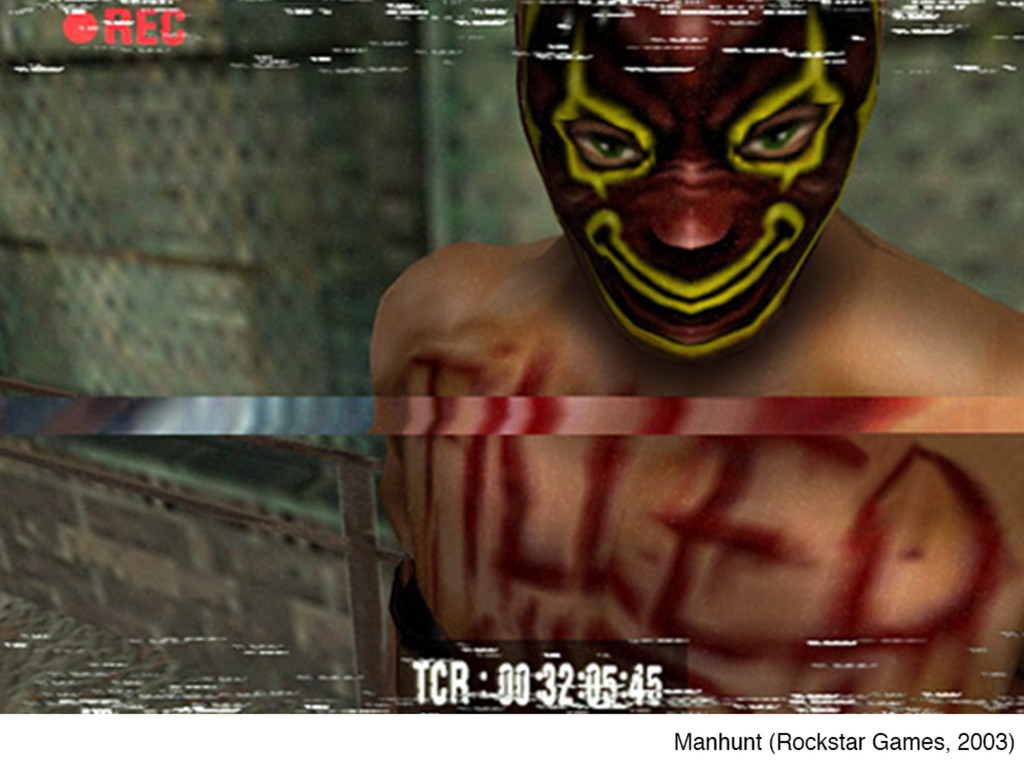
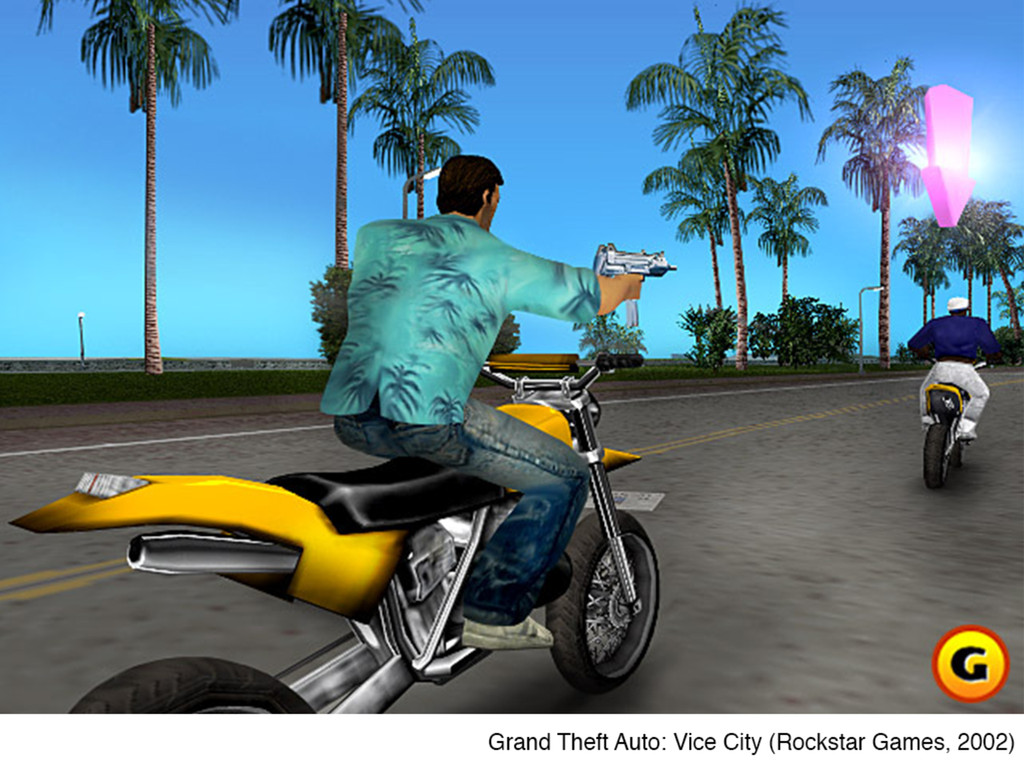
between the mechanical and the fictional. You find some explanations for mechanical elements, and once you've done that, that may trigger new ideas for the mechanical side. It's not uncommon to go back and forth a couple of times. Here is an example:
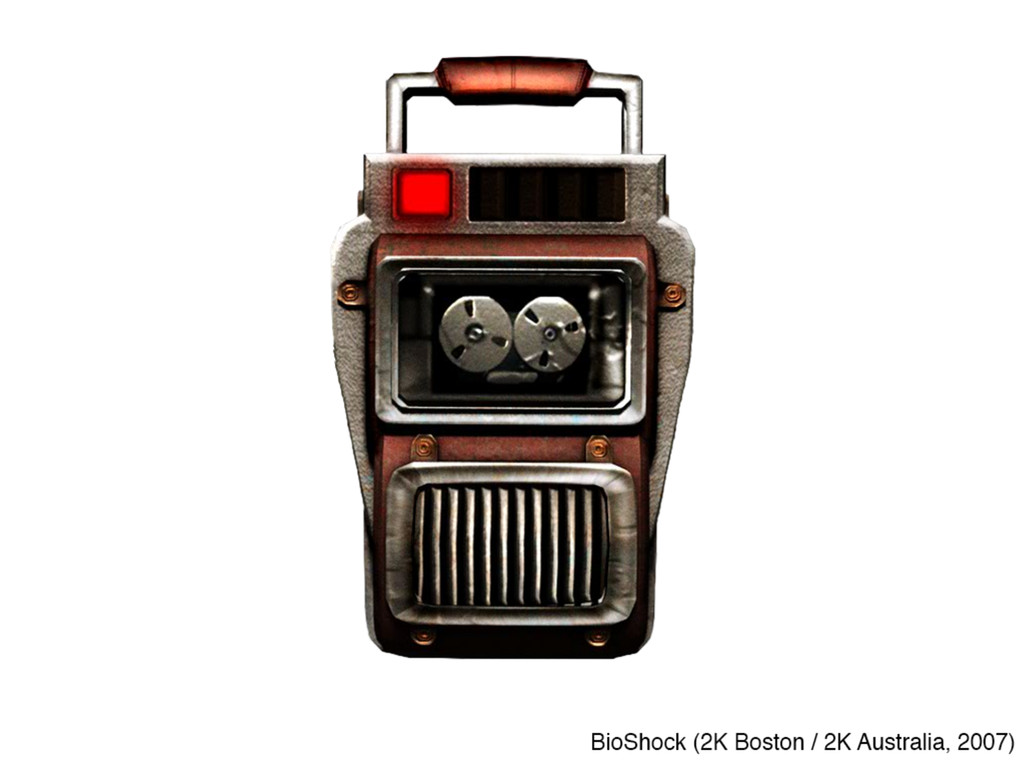
backstory. Loudspeakers and walkie-talkies as a way to have a companion character without having to show them. ... Players are smart, they can spot overused explanations.
probably know well as a writer. It requires world-building, inventing characters, places, situations. Reconciling rules and fiction, which is not unlike reconciling plot and character. Adapting a game's fiction to the constraints of a medium.
different. The writers-in-game-teams question goes beyond what I've been talking about here. Ask me a"erwards for my opinion on the economic / producer psychology!


 tmiket
 techseoconnect
 rasagy
 marcoroth
 katarinadahlin
 tammyeverts
 sarafernandez
 brettharned
 greggifford
 pauljervisheath
.png) helenjbeal
helenjbeal
 inesmontani

![Thank you for listening [email protected] @JurieOnGames](https://files.speakerdeck.com/presentations/d83655327ef04dc380e0d861737bd2da/slide_71.jpg)