3+ years of experience in the application security domain Current Focus: DevSecOps, Application & API security, Threat Modeling. Blog: https://sklnhunt.github.io/
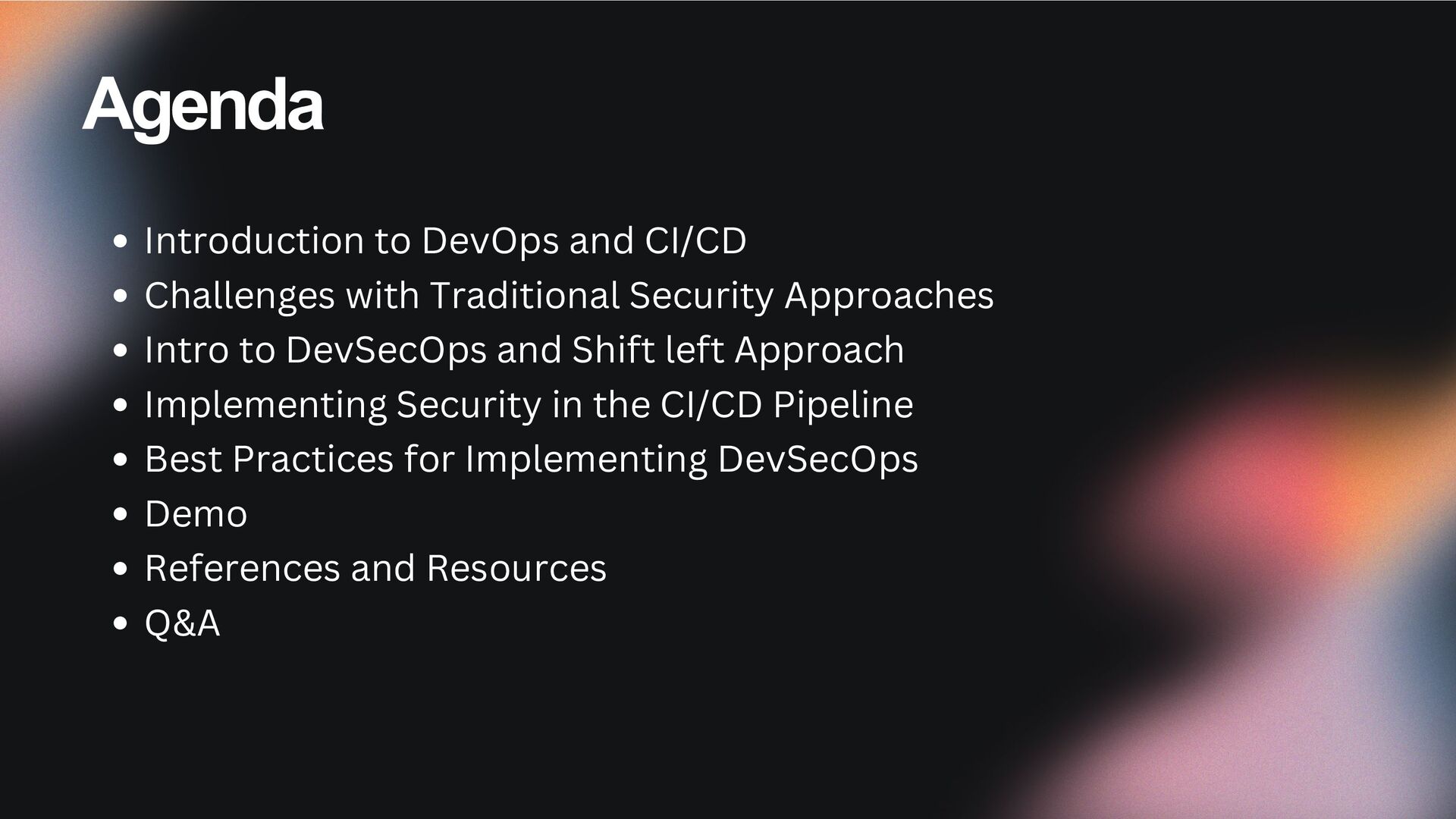
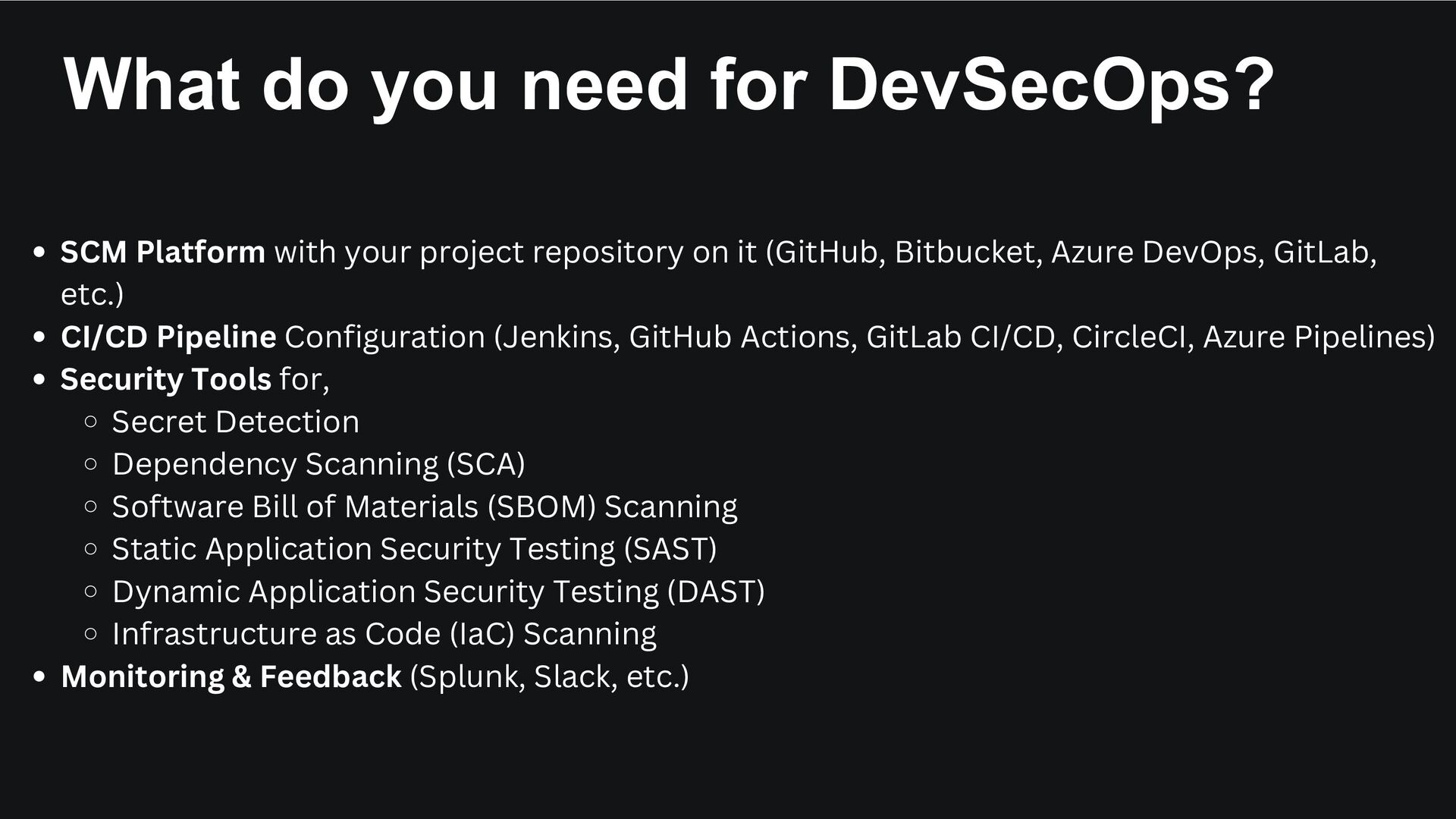
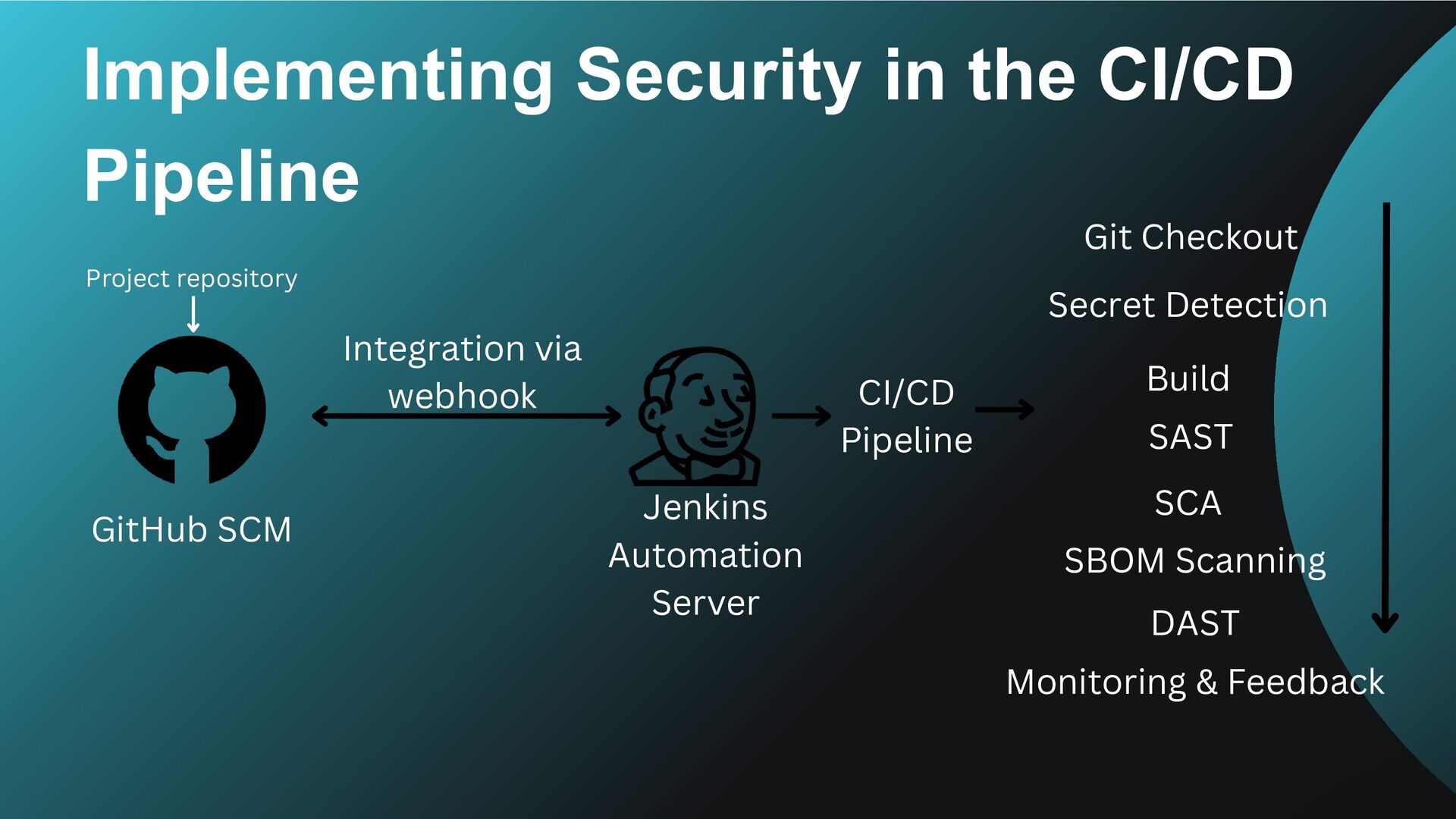
Approaches Intro to DevSecOps and Shift left Approach Implementing Security in the CI/CD Pipeline Best Practices for Implementing DevSecOps Demo References and Resources Q&A
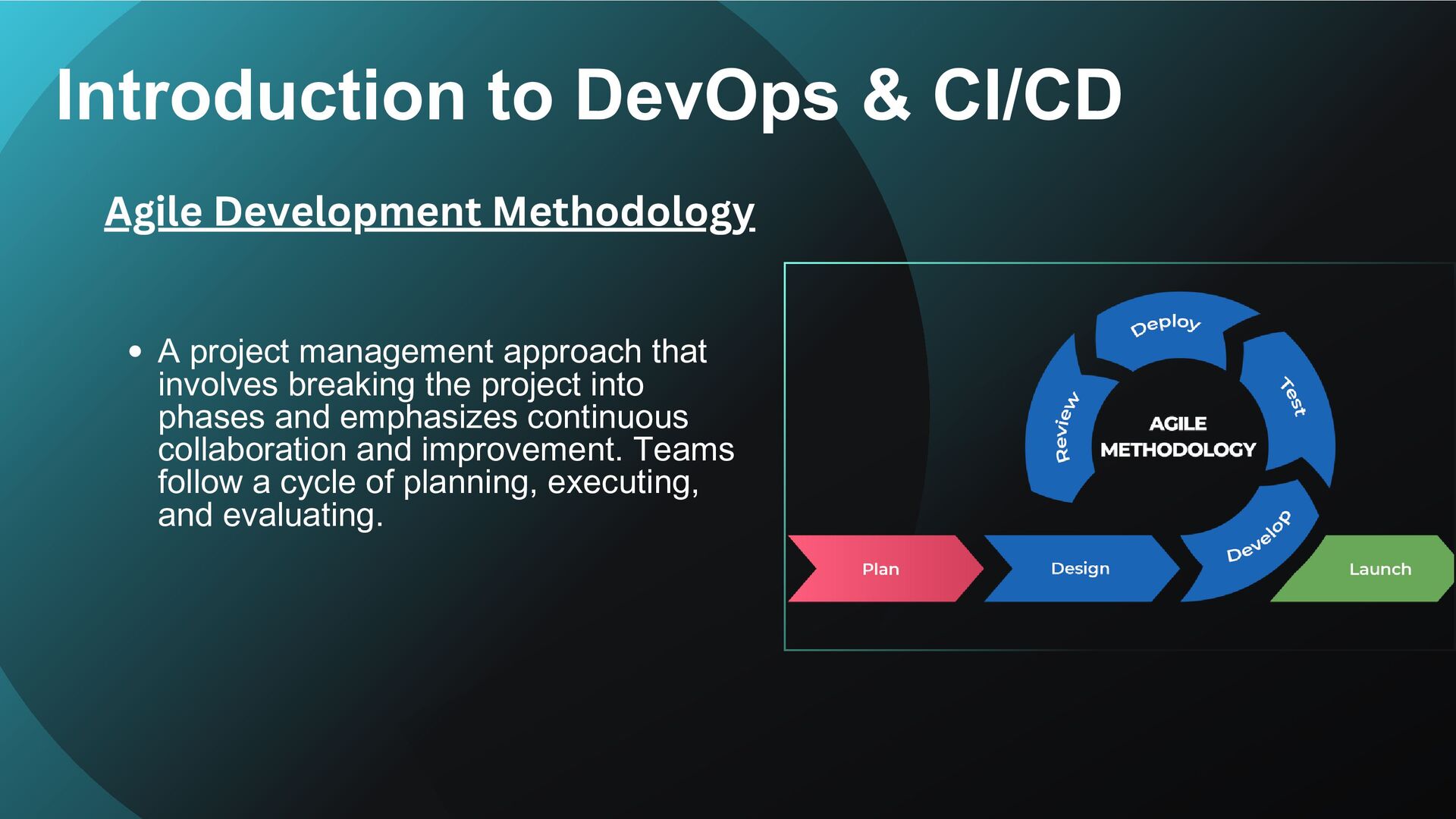
phases and emphasizes continuous collaboration and improvement. Teams follow a cycle of planning, executing, and evaluating. Introduction to DevOps & CI/CD Agile Development Methodology
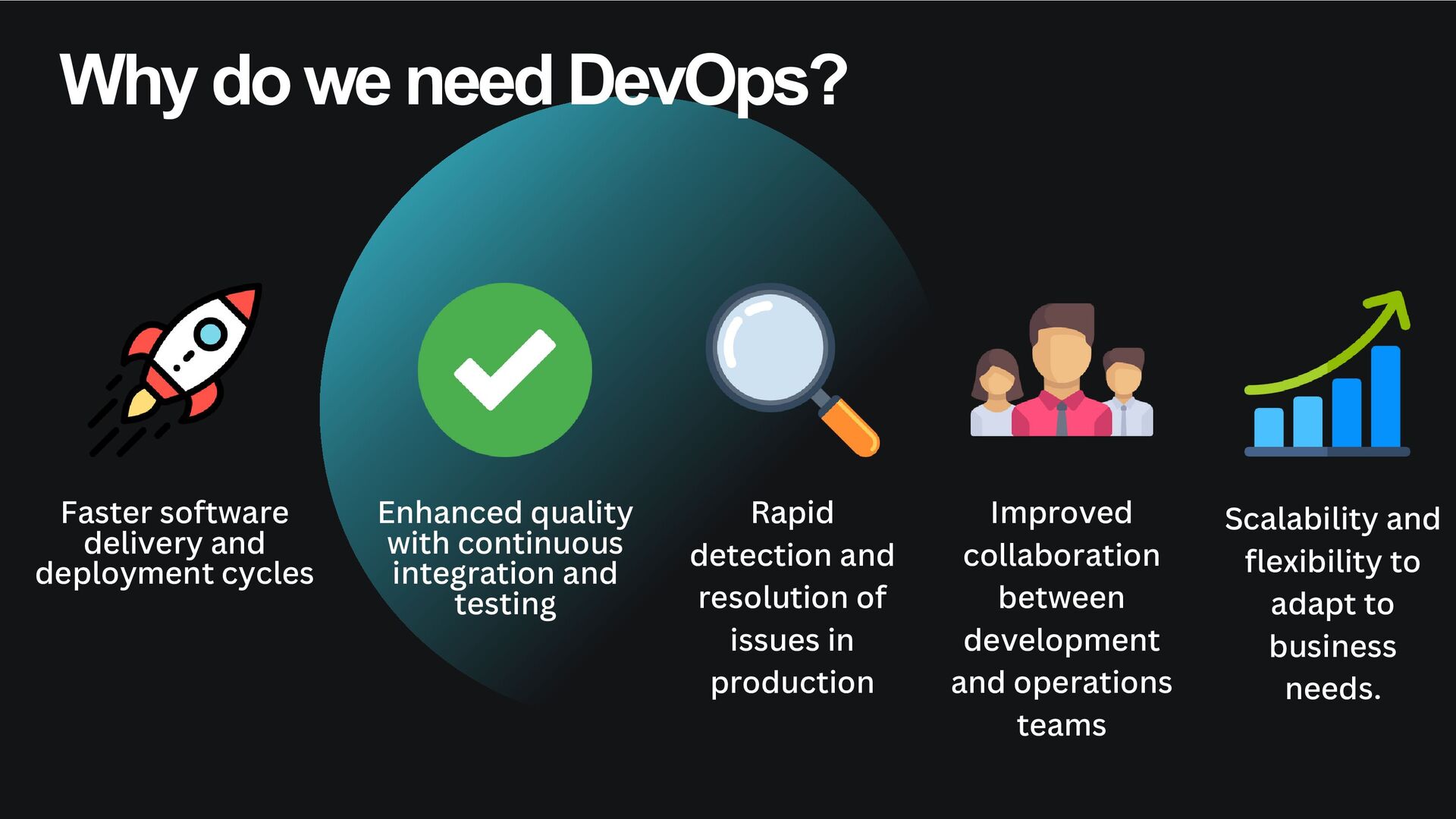
cycles Enhanced quality with continuous integration and testing Rapid detection and resolution of issues in production Improved collaboration between development and operations teams Scalability and flexibility to adapt to business needs.
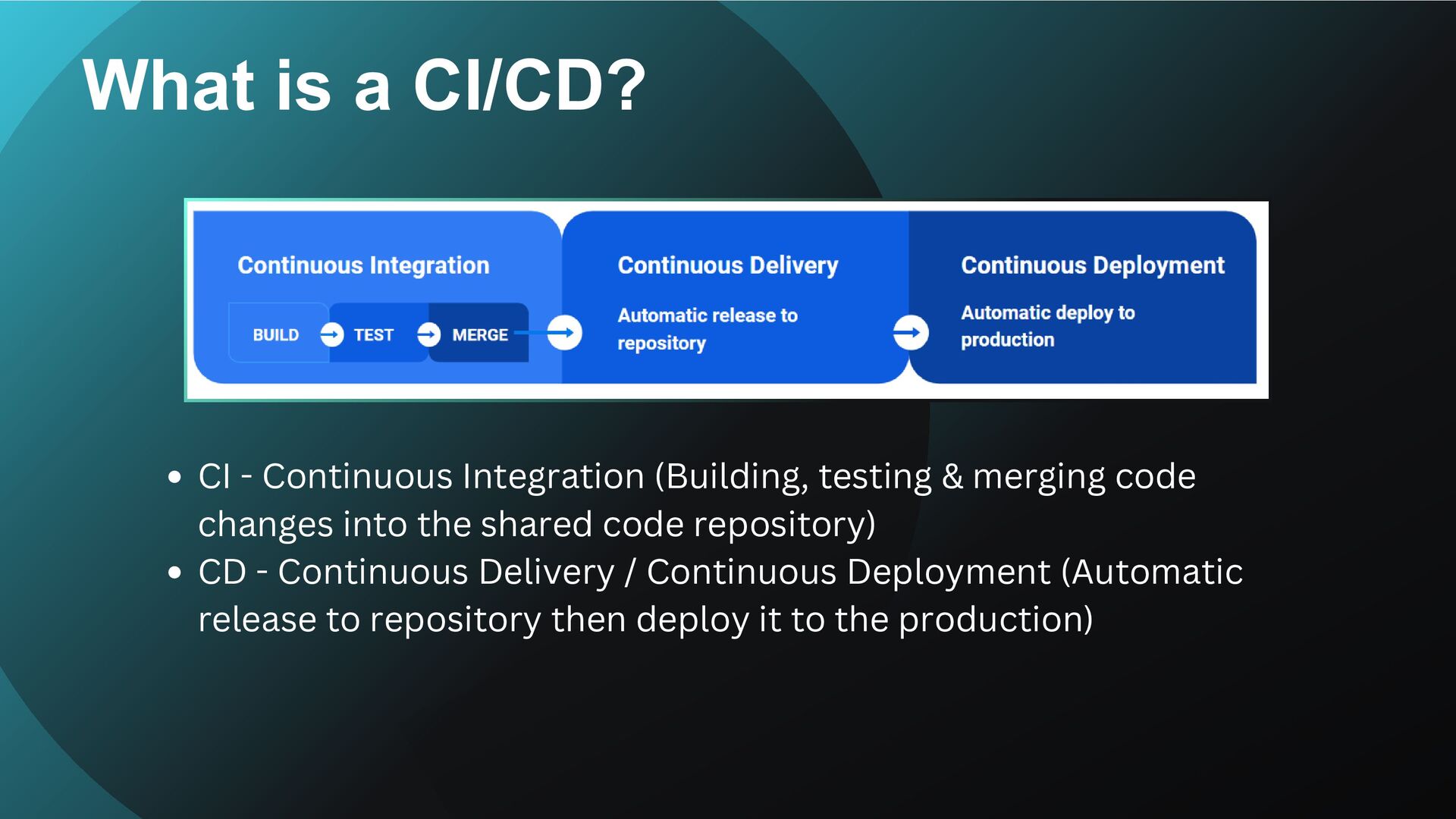
& merging code changes into the shared code repository) CD - Continuous Delivery / Continuous Deployment (Automatic release to repository then deploy it to the production)
the software development lifecycle. Security managed by the separate team. Time-consuming testing. Reactive approach to vulnerabilities. Inefficient for Agile and DevOps Environments. High cost of fixing vulnerabilities post-production. Lack of automation in security processes.
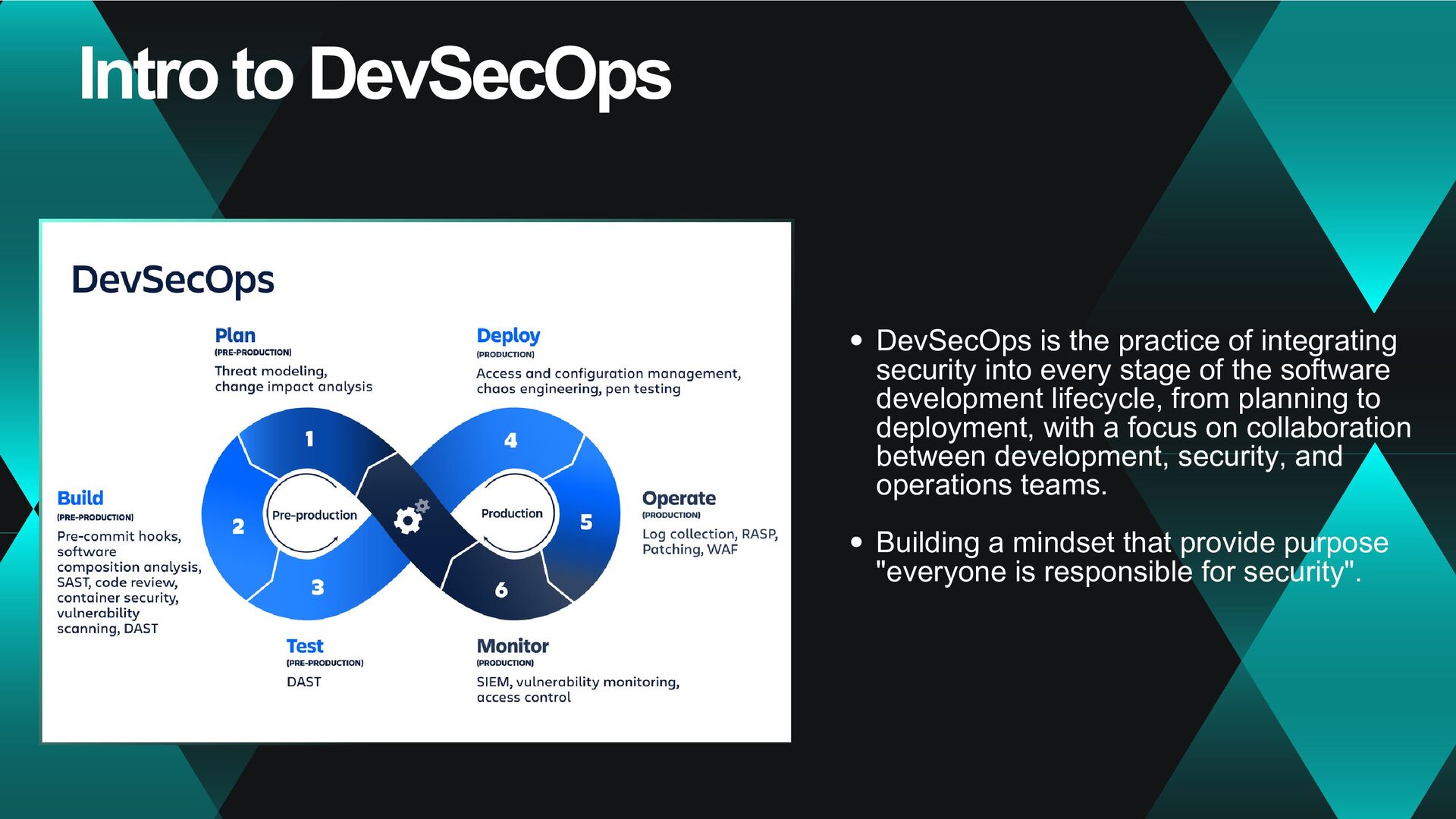
into every stage of the software development lifecycle, from planning to deployment, with a focus on collaboration between development, security, and operations teams. Building a mindset that provide purpose "everyone is responsible for security".
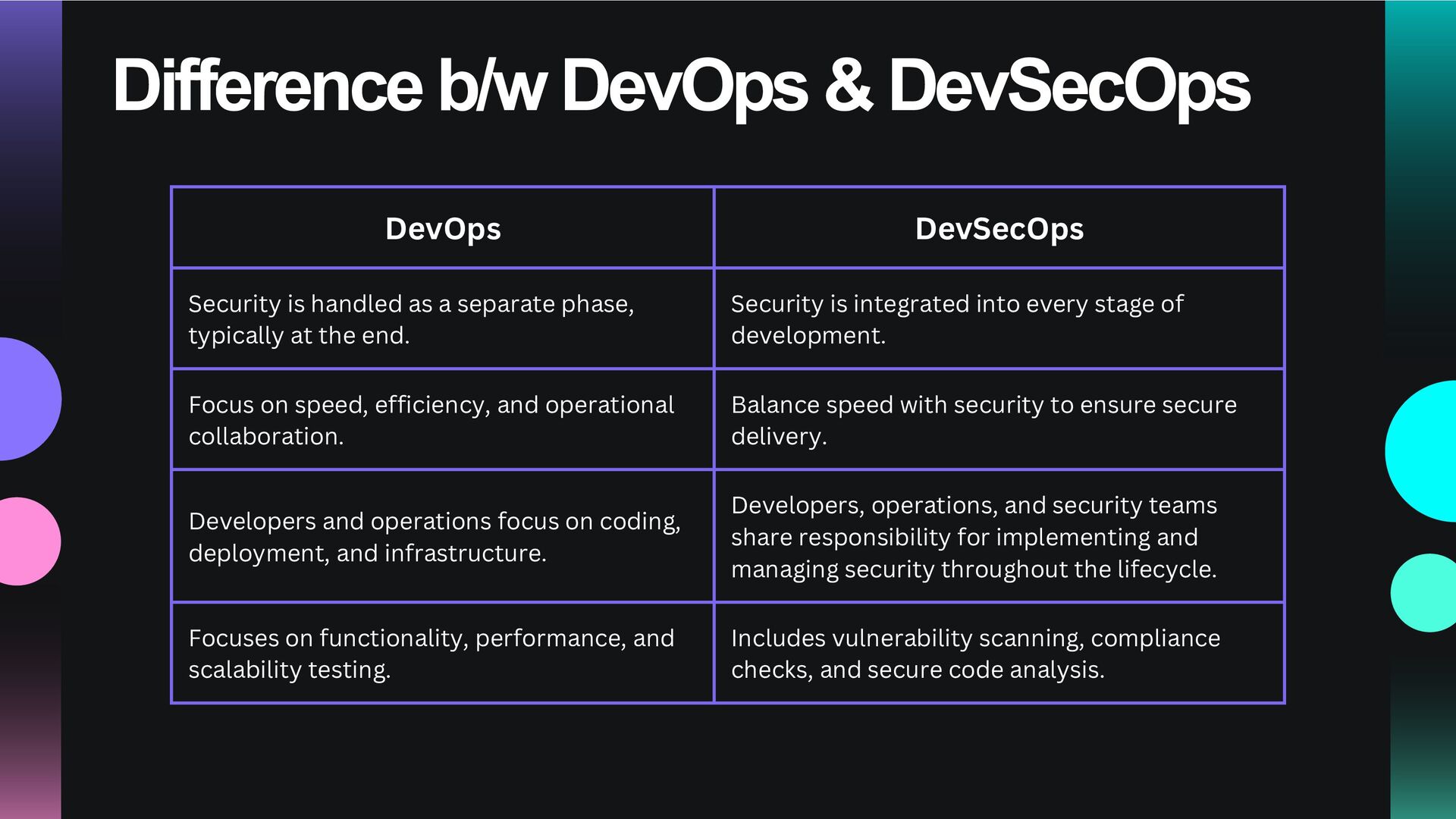
at the end. Security is integrated into every stage of development. Focus on speed, efficiency, and operational collaboration. Balance speed with security to ensure secure delivery. Developers and operations focus on coding, deployment, and infrastructure. Developers, operations, and security teams share responsibility for implementing and managing security throughout the lifecycle. Focuses on functionality, performance, and scalability testing. Includes vulnerability scanning, compliance checks, and secure code analysis. Difference b/w DevOps & DevSecOps
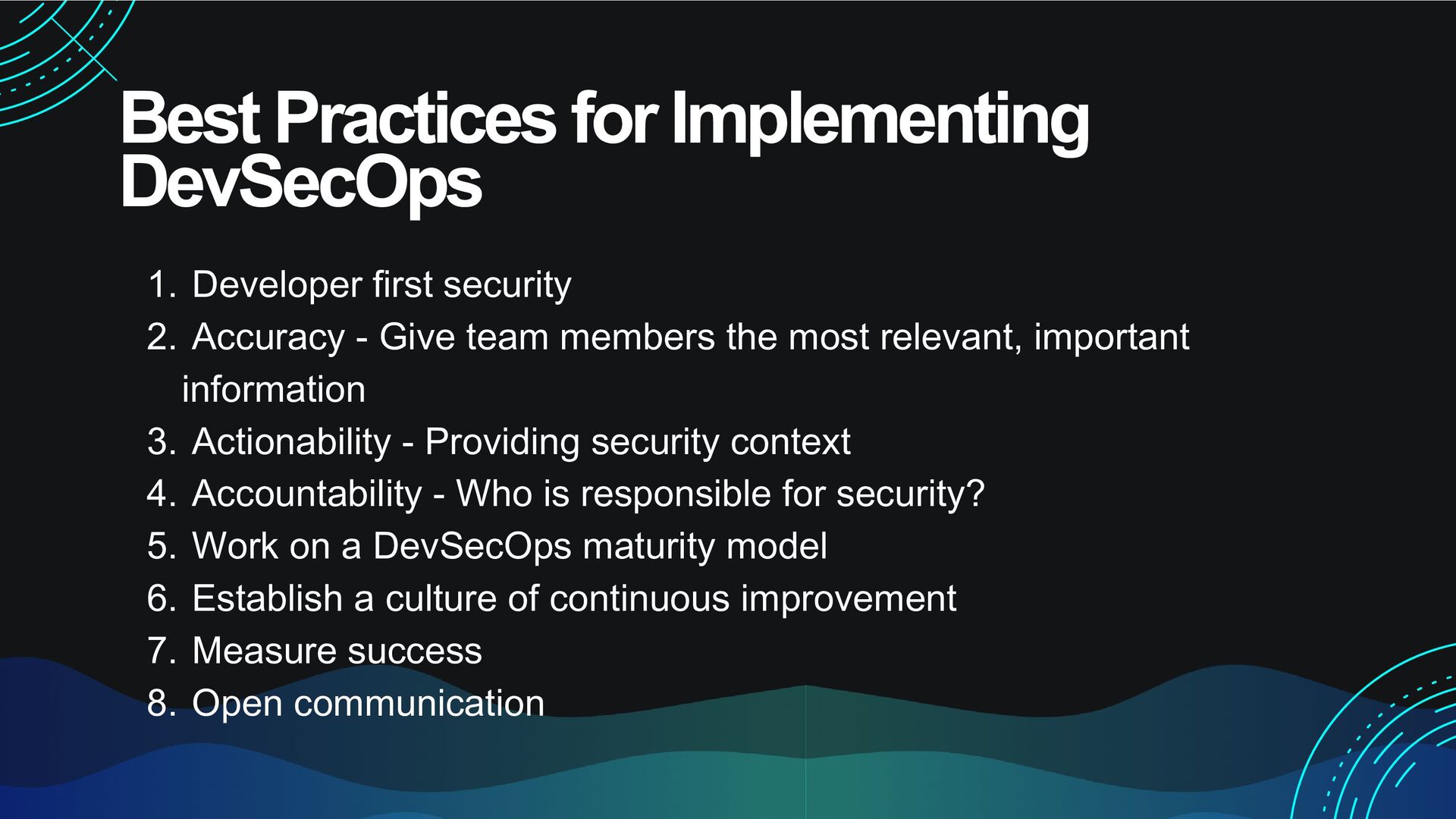
- Give team members the most relevant, important information 2. Actionability - Providing security context 3. Accountability - Who is responsible for security? 4. Work on a DevSecOps maturity model 5. Establish a culture of continuous improvement 6. Measure success 7. Open communication 8.


 krunals
 shogo4131
 hiracky16
 occhi
 kworkdev
 masakiokuda
 koukihosaka
 kenichiodo
 codatum
 makocchi
 namiki64
 genda
 bryan
 quramy
 tmiket
 marktimemedia
 tamaranovitovic
 codingconduct
 baasie
 techseoconnect
 katarinadahlin
 paigeccino
 rkendrick25
 katiecoart