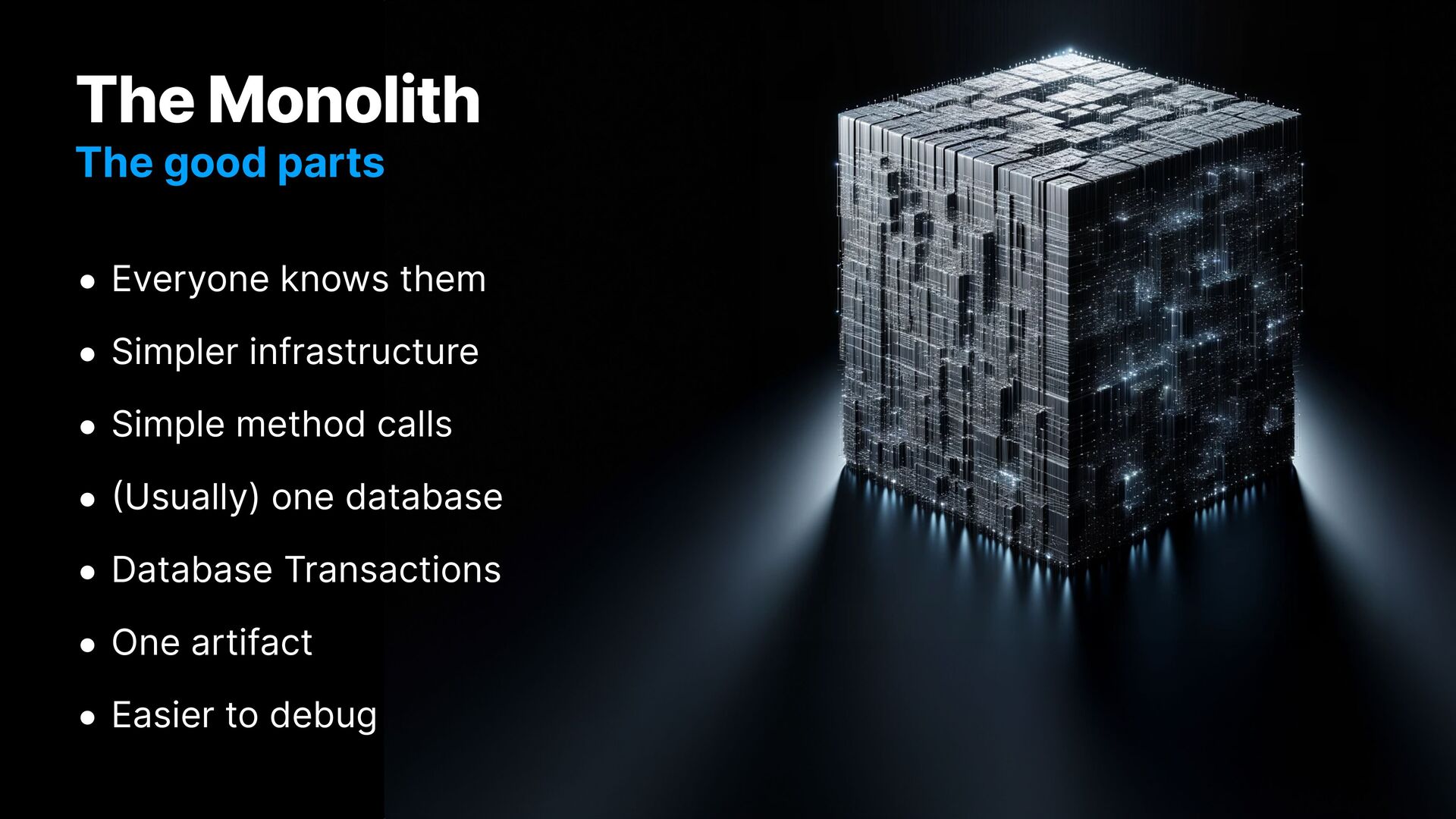
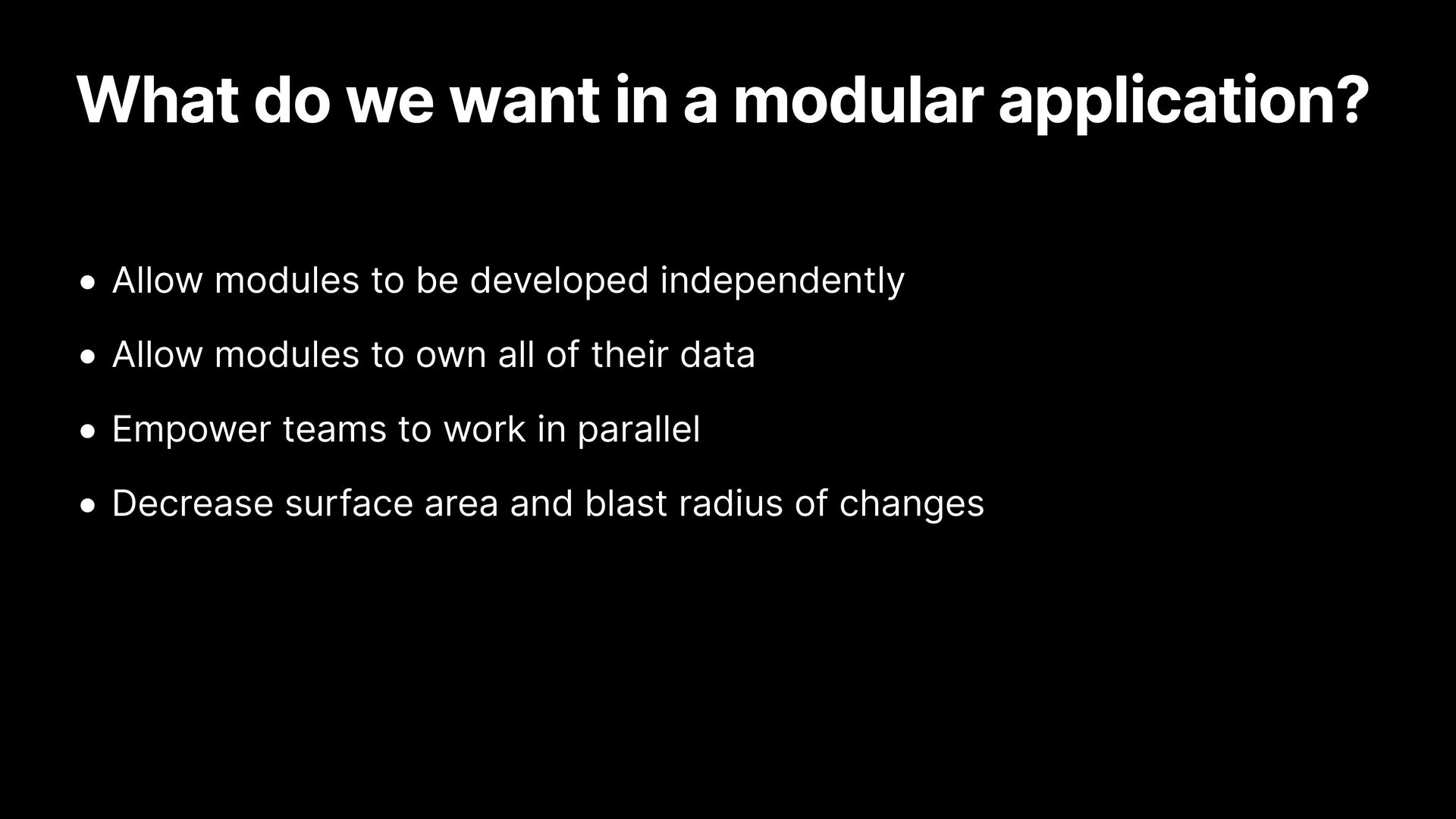
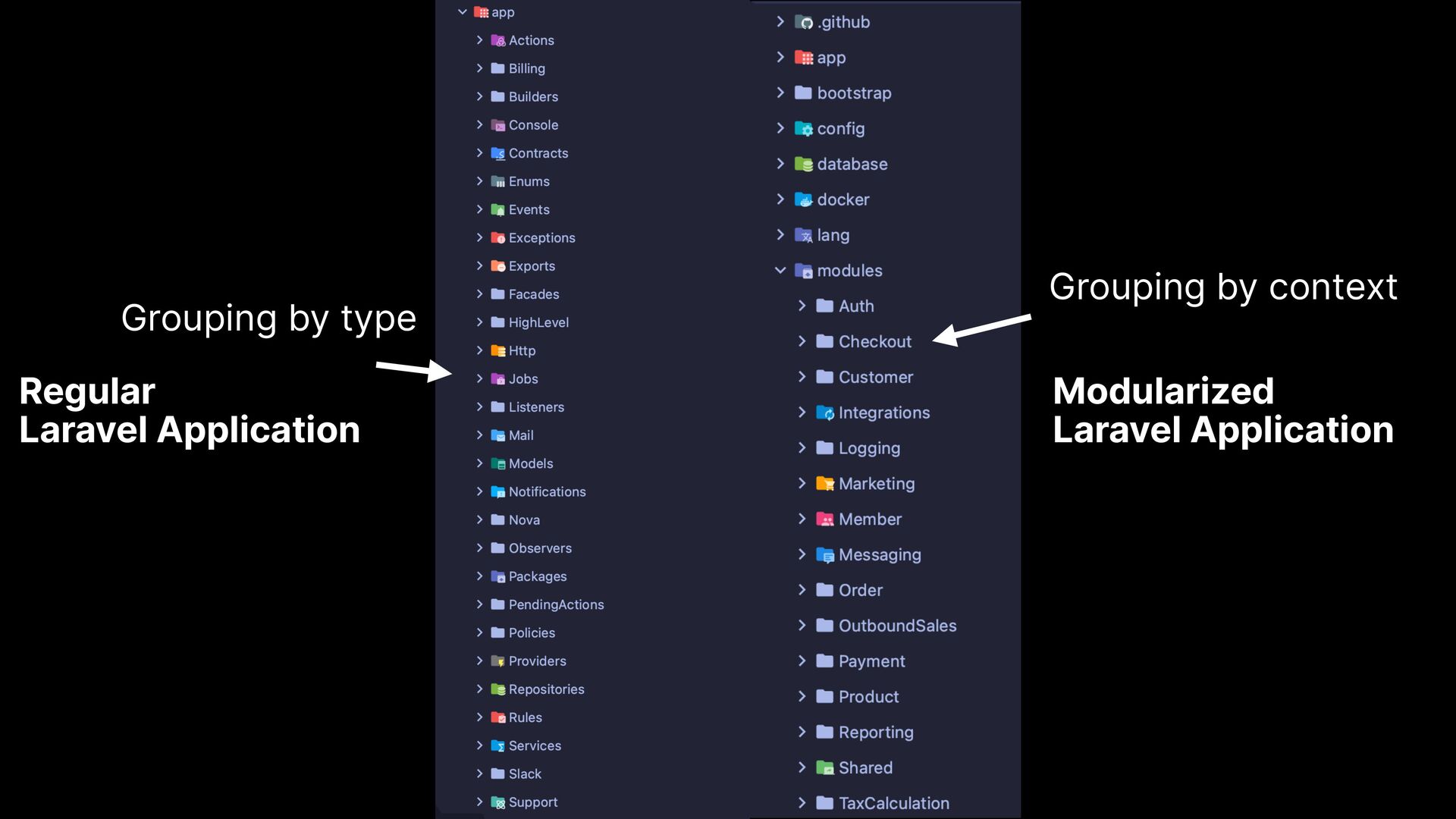
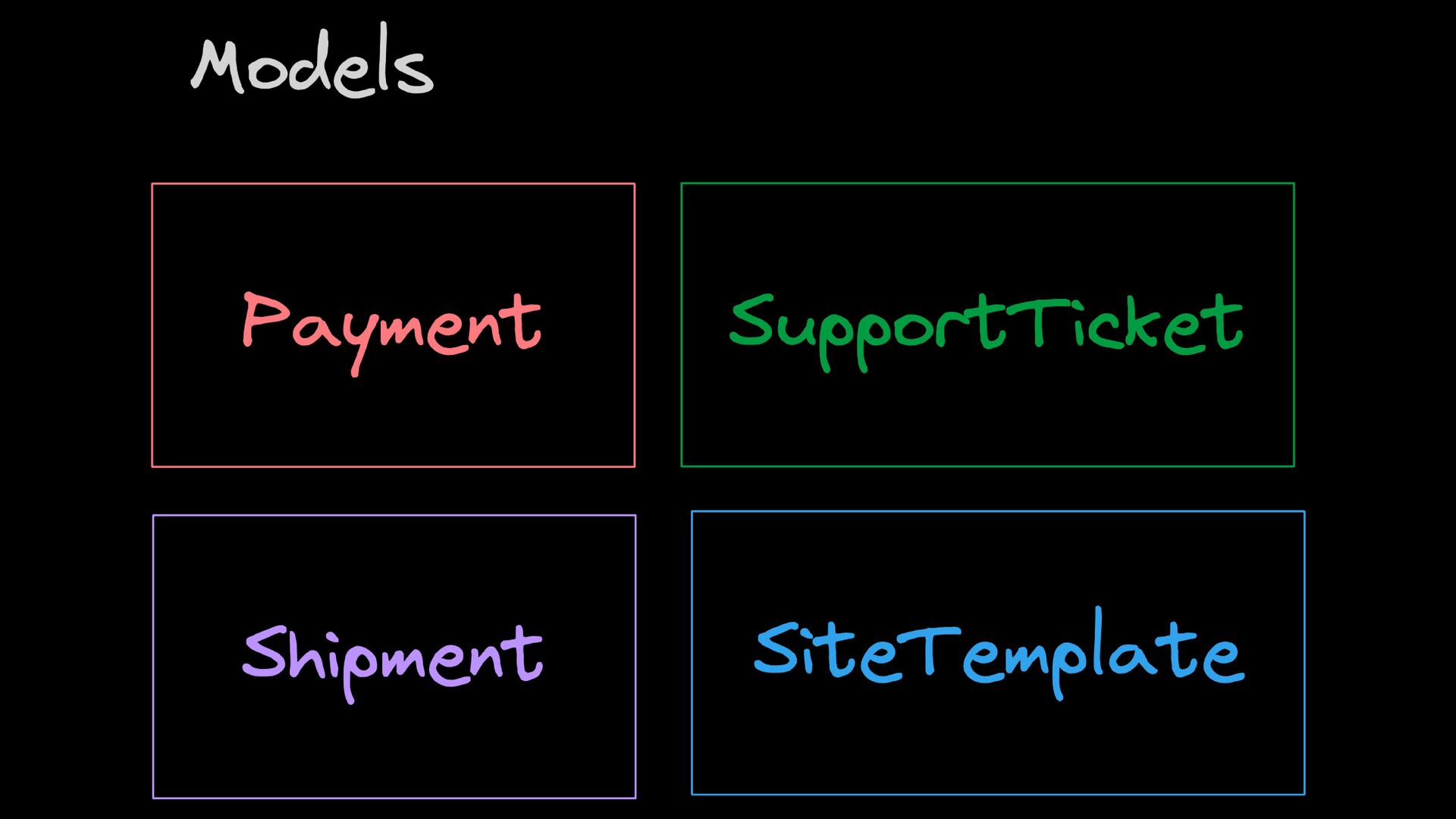
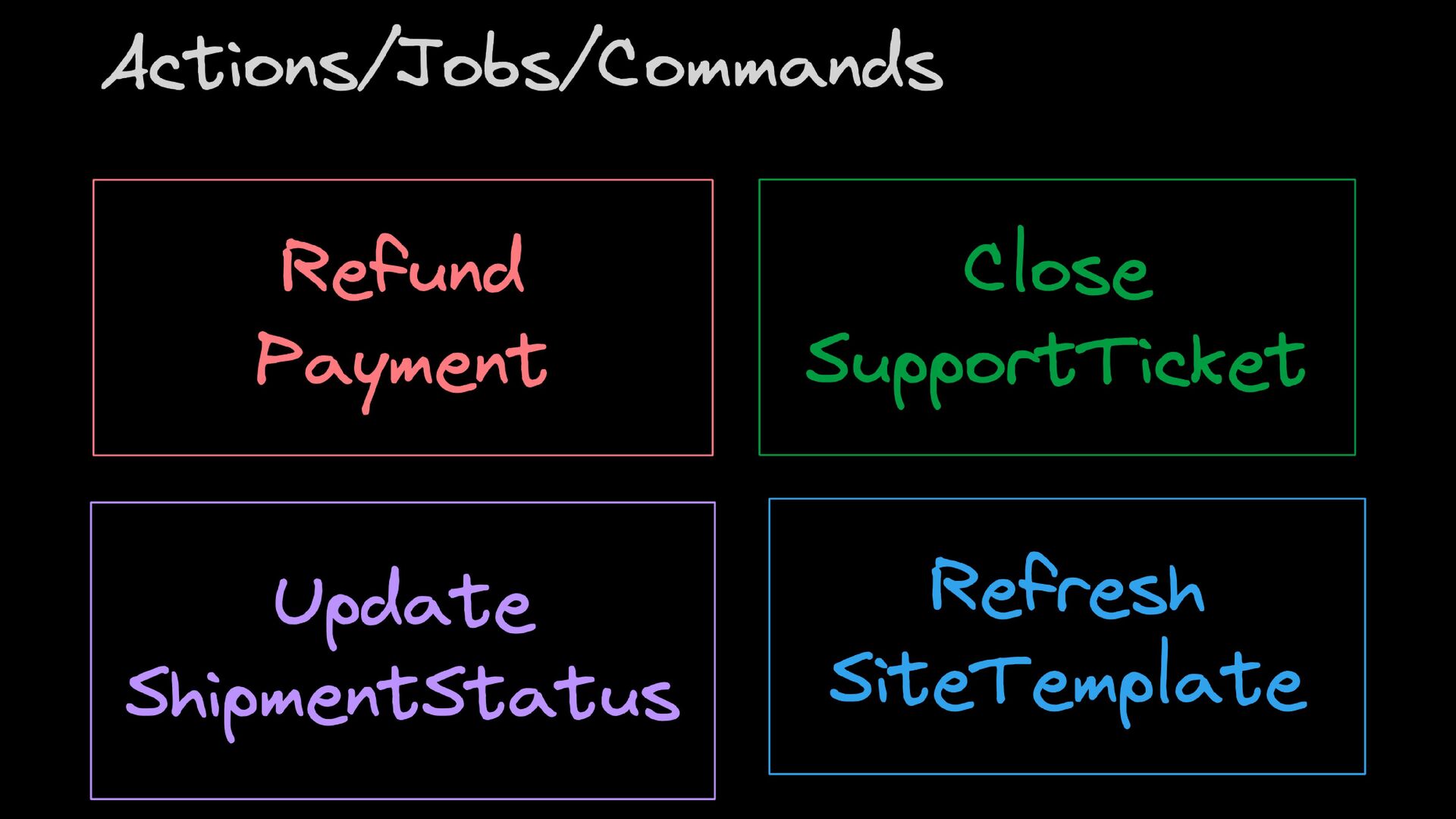
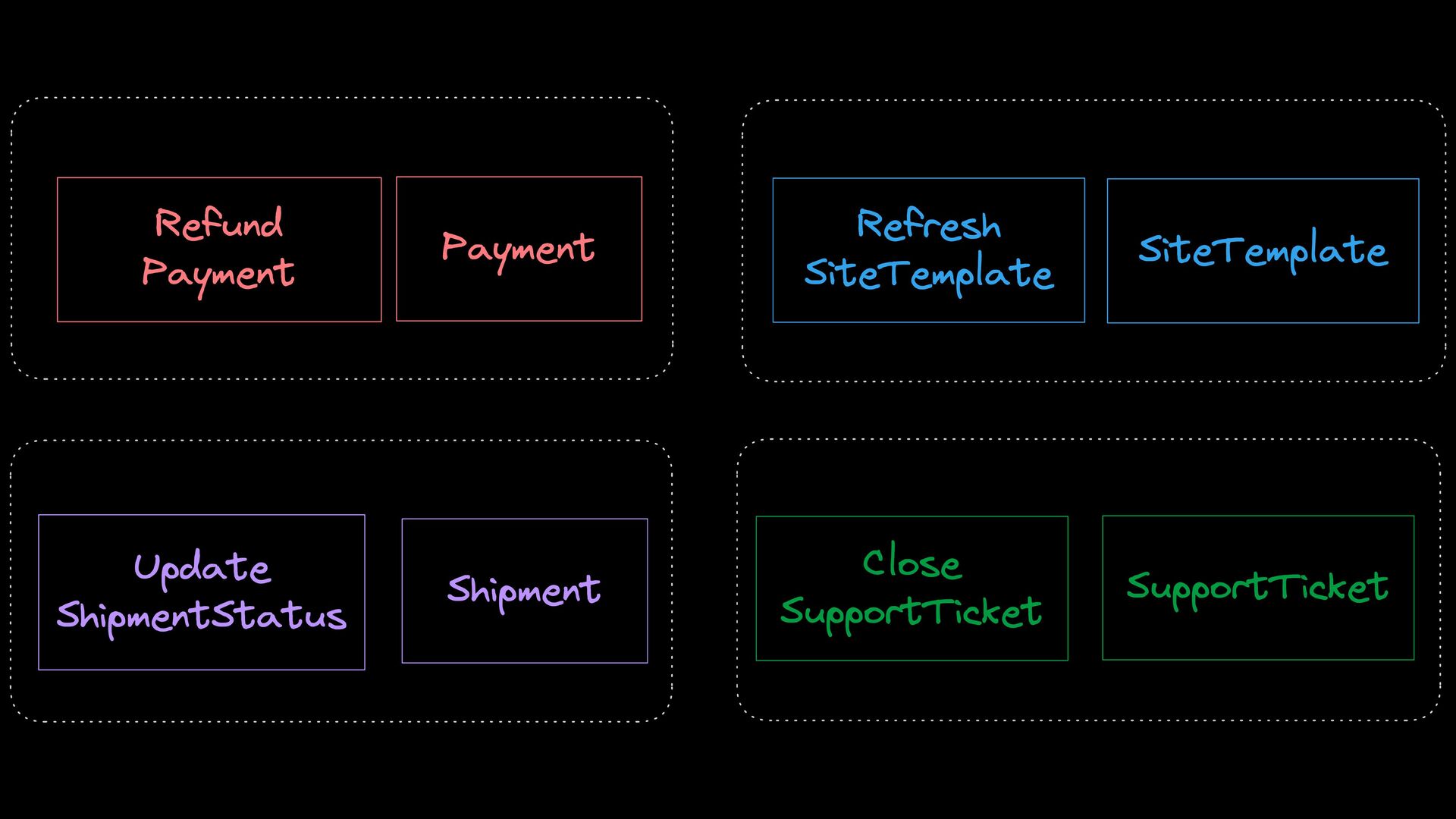
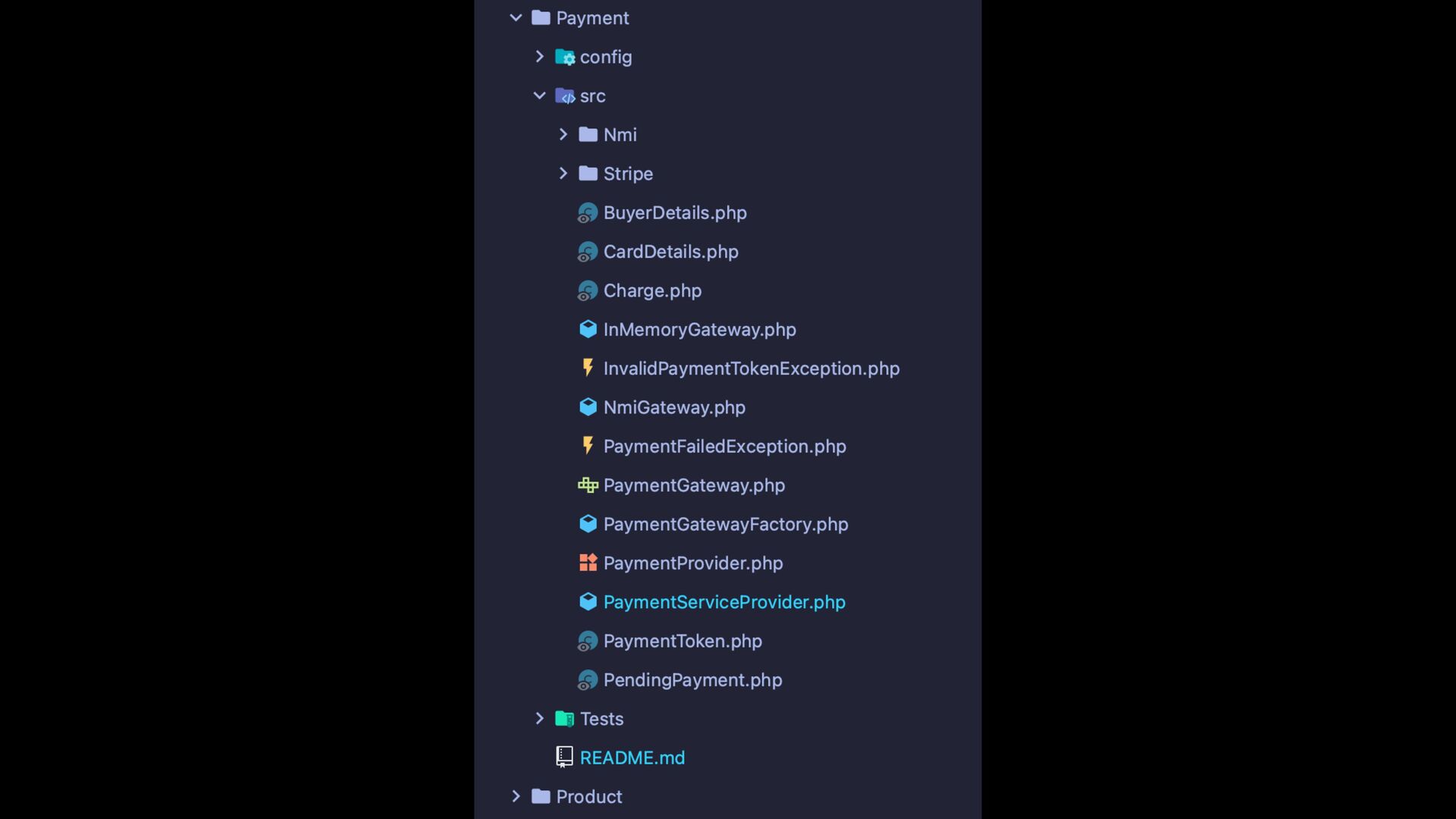
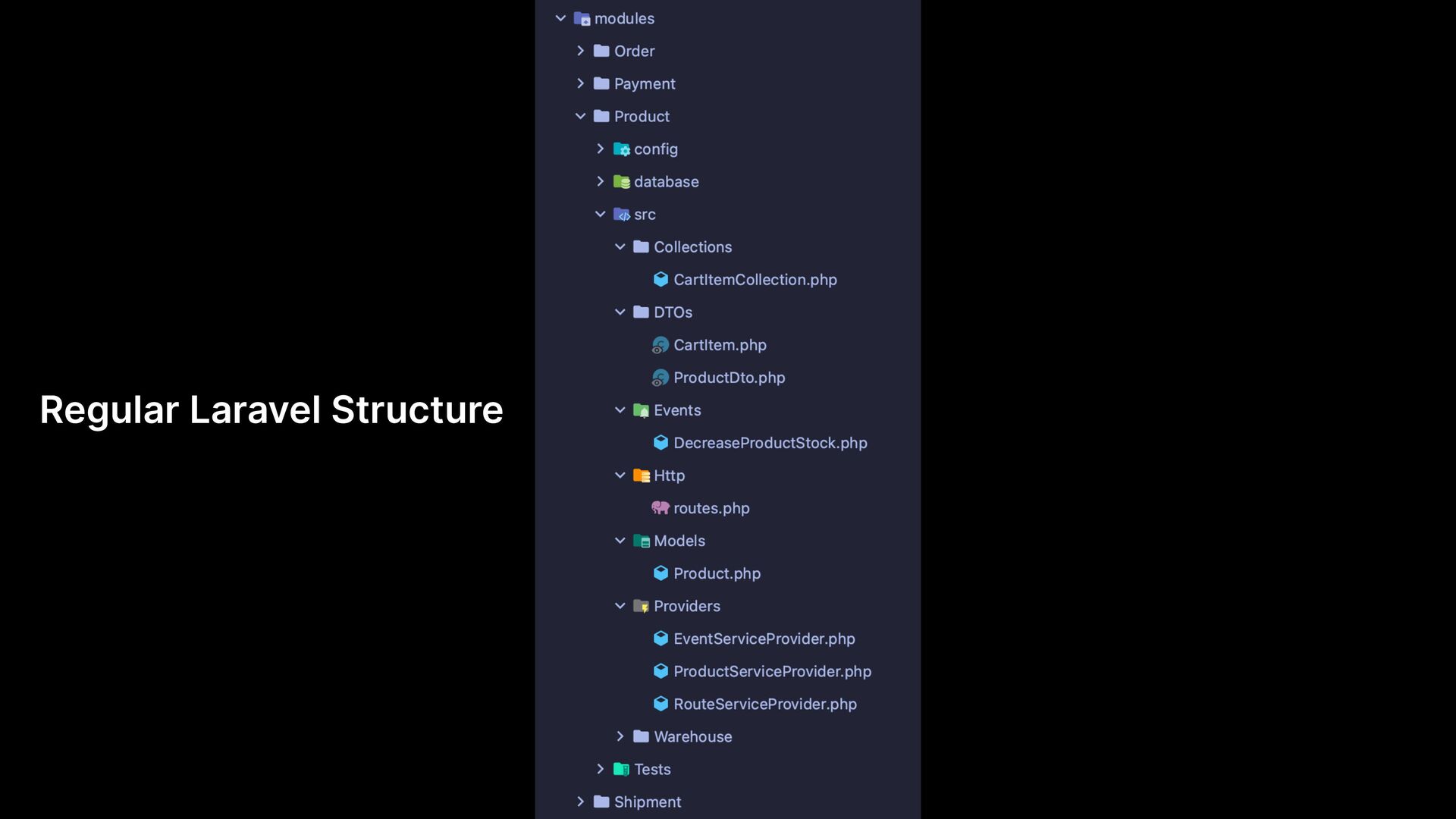
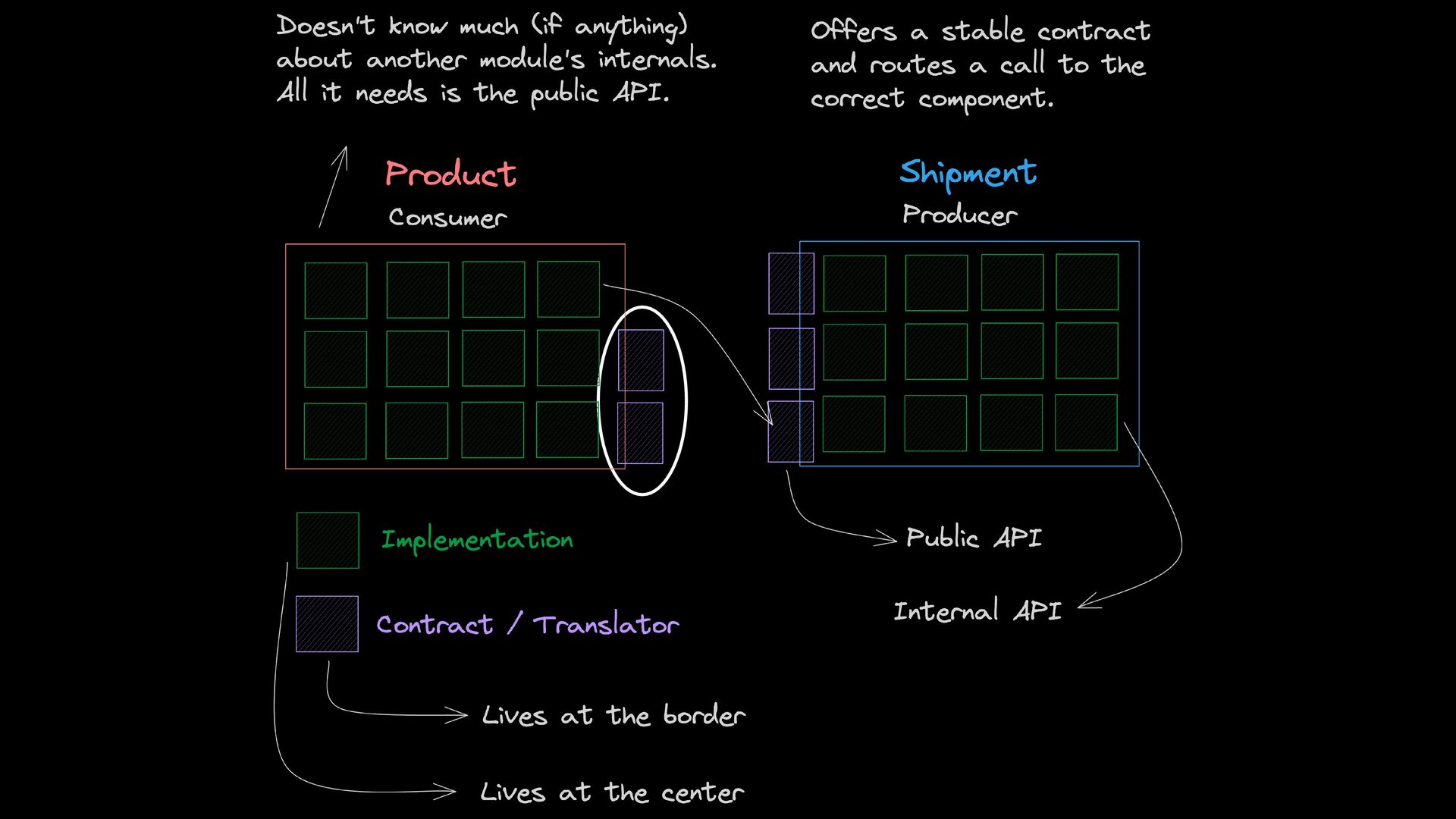
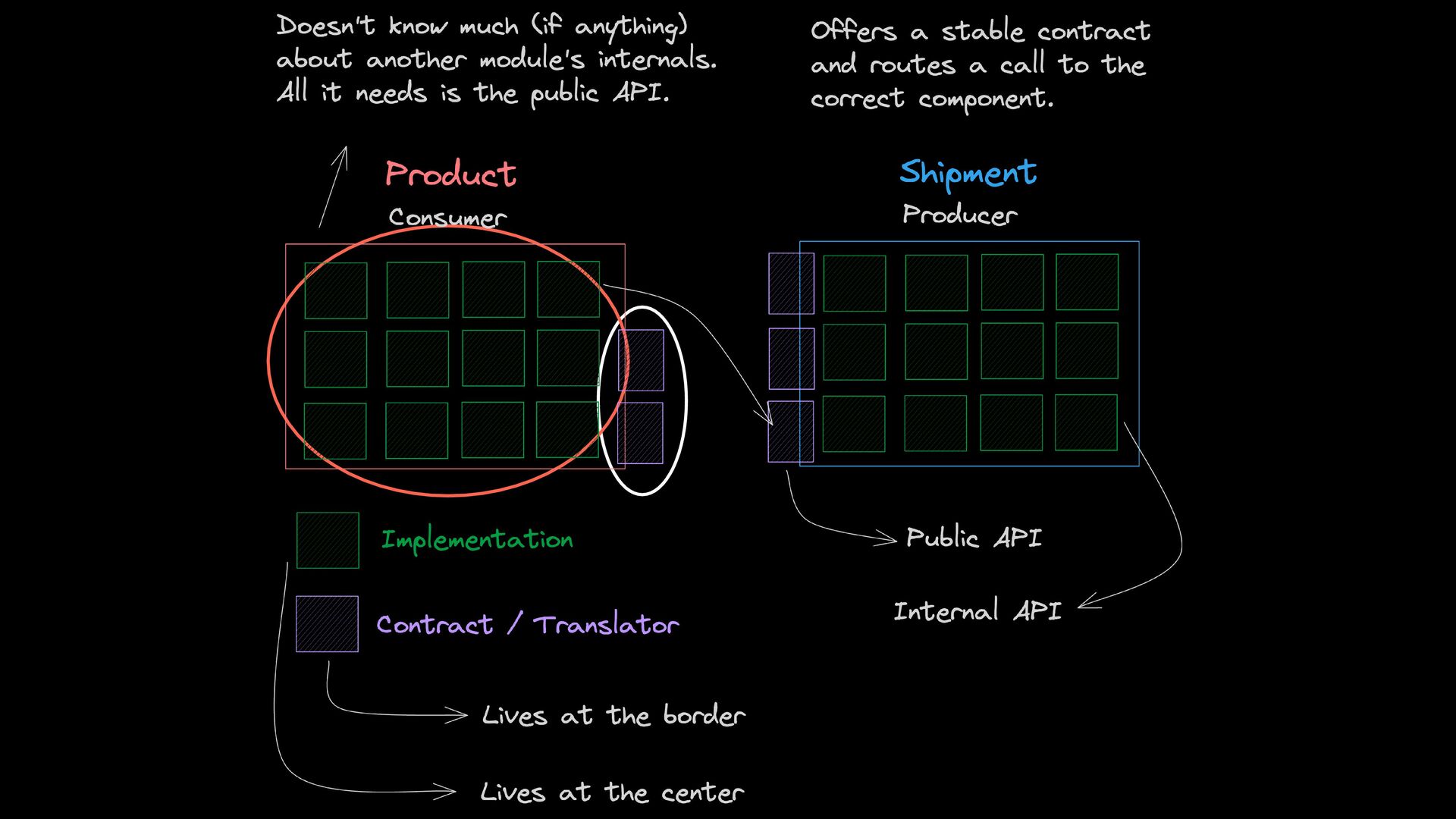
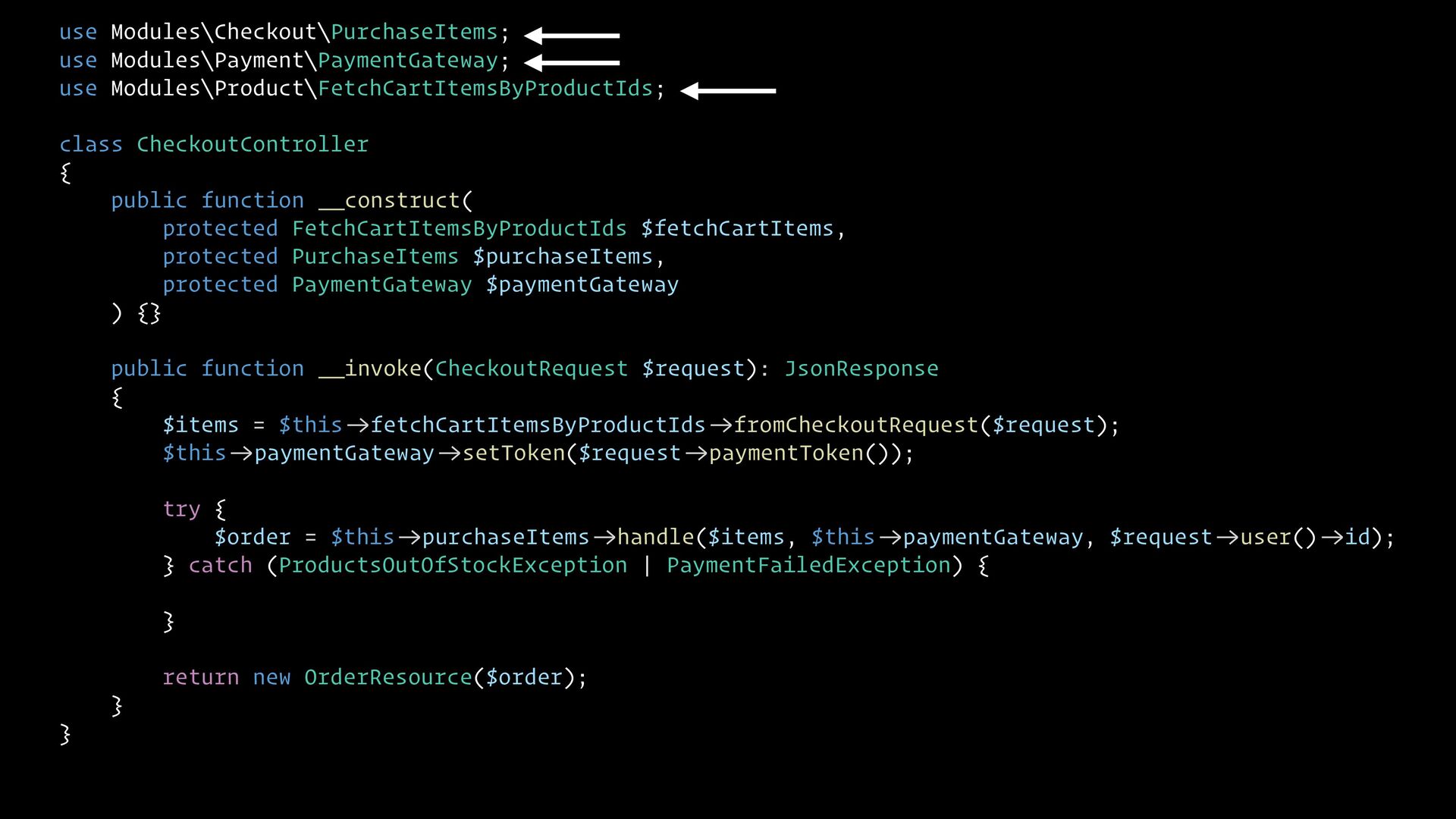
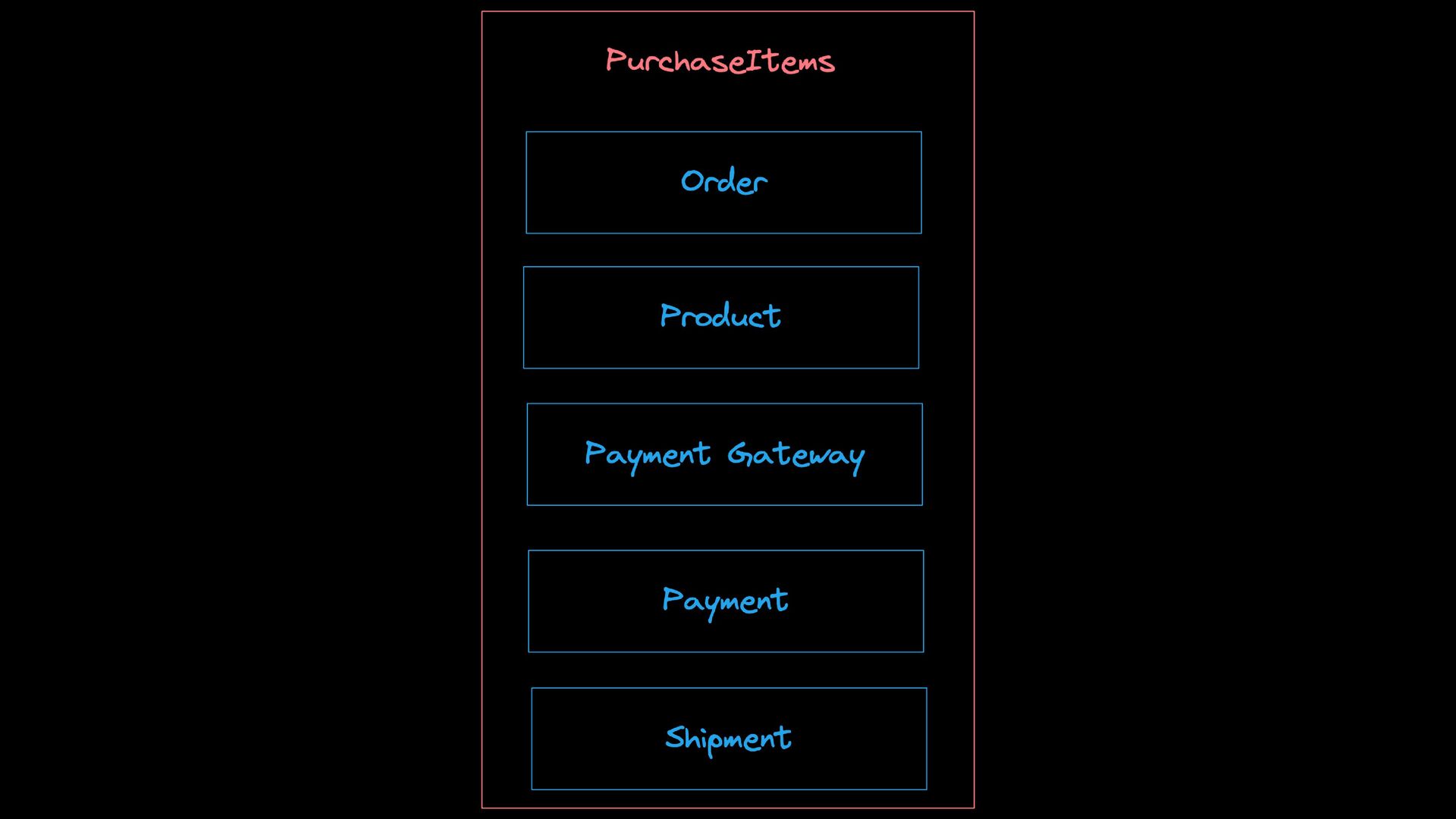
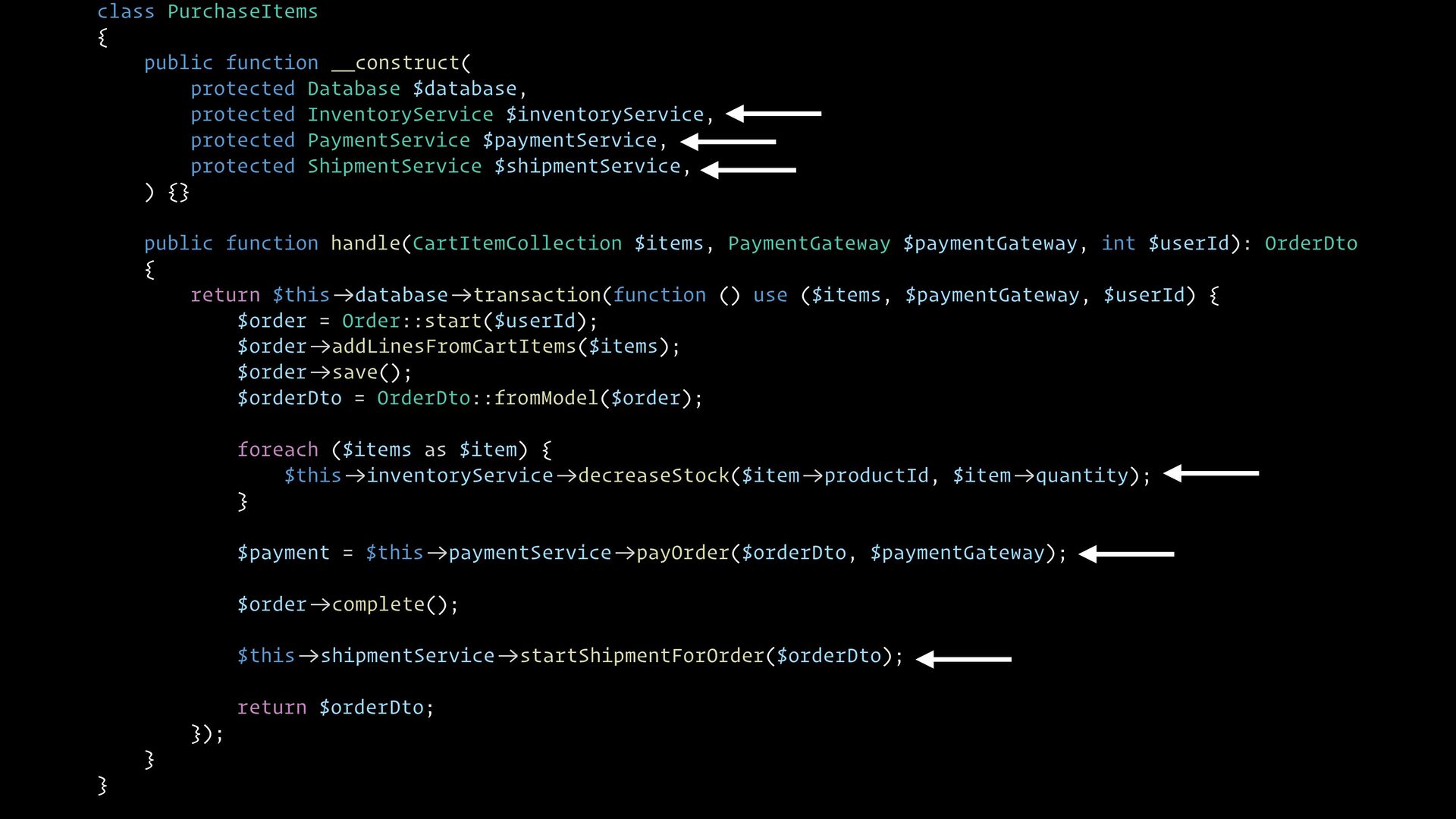
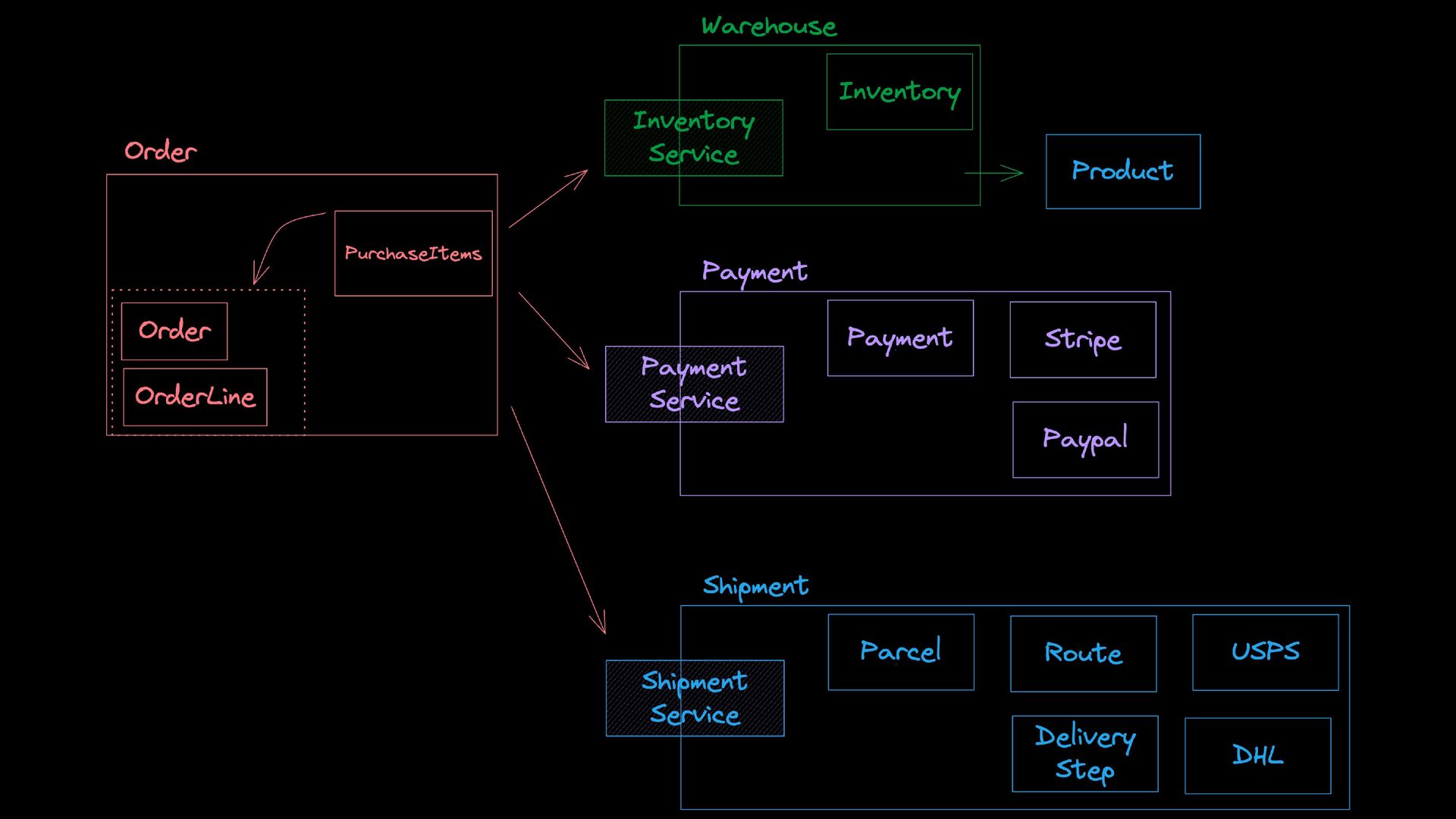
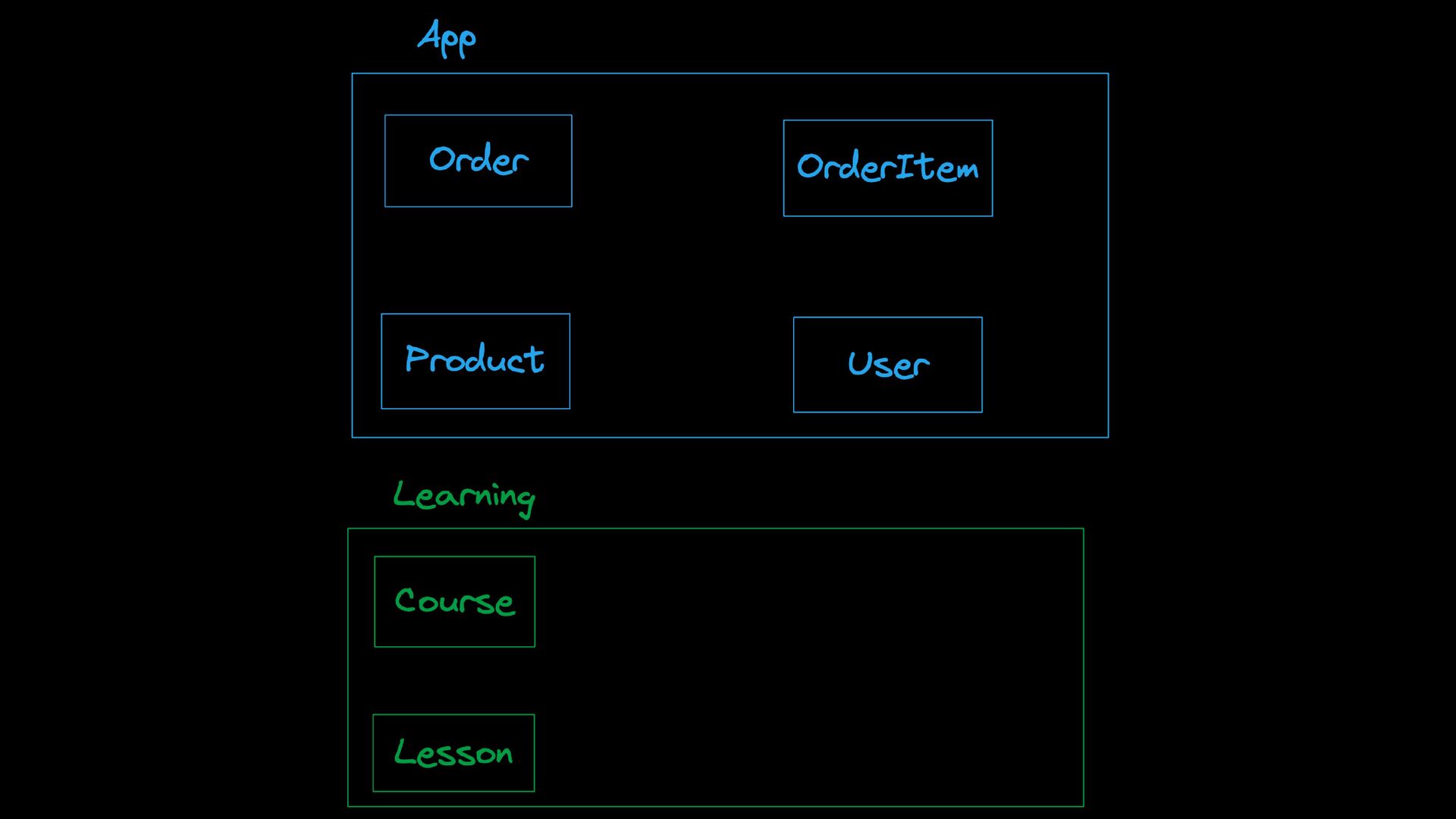
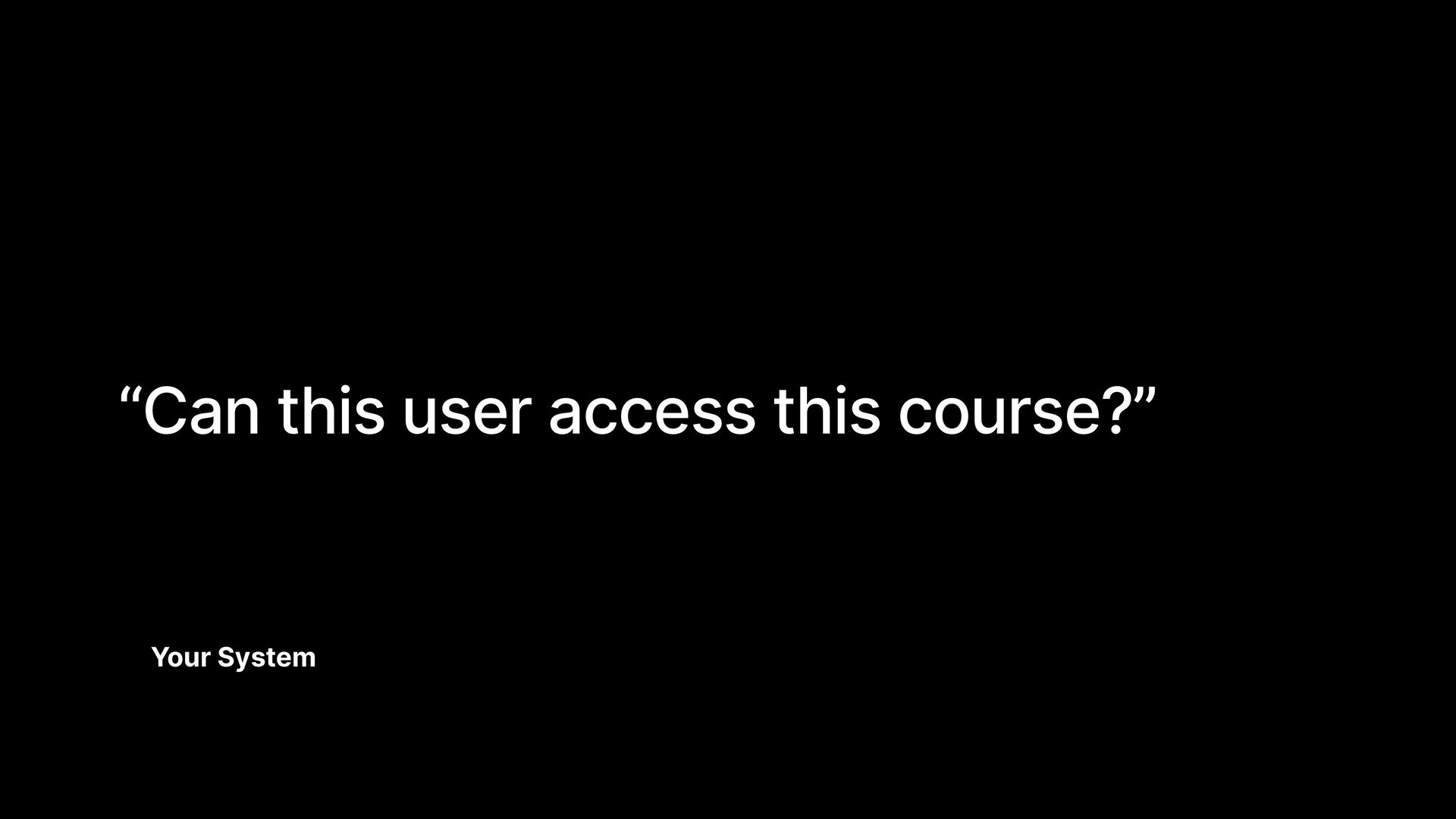
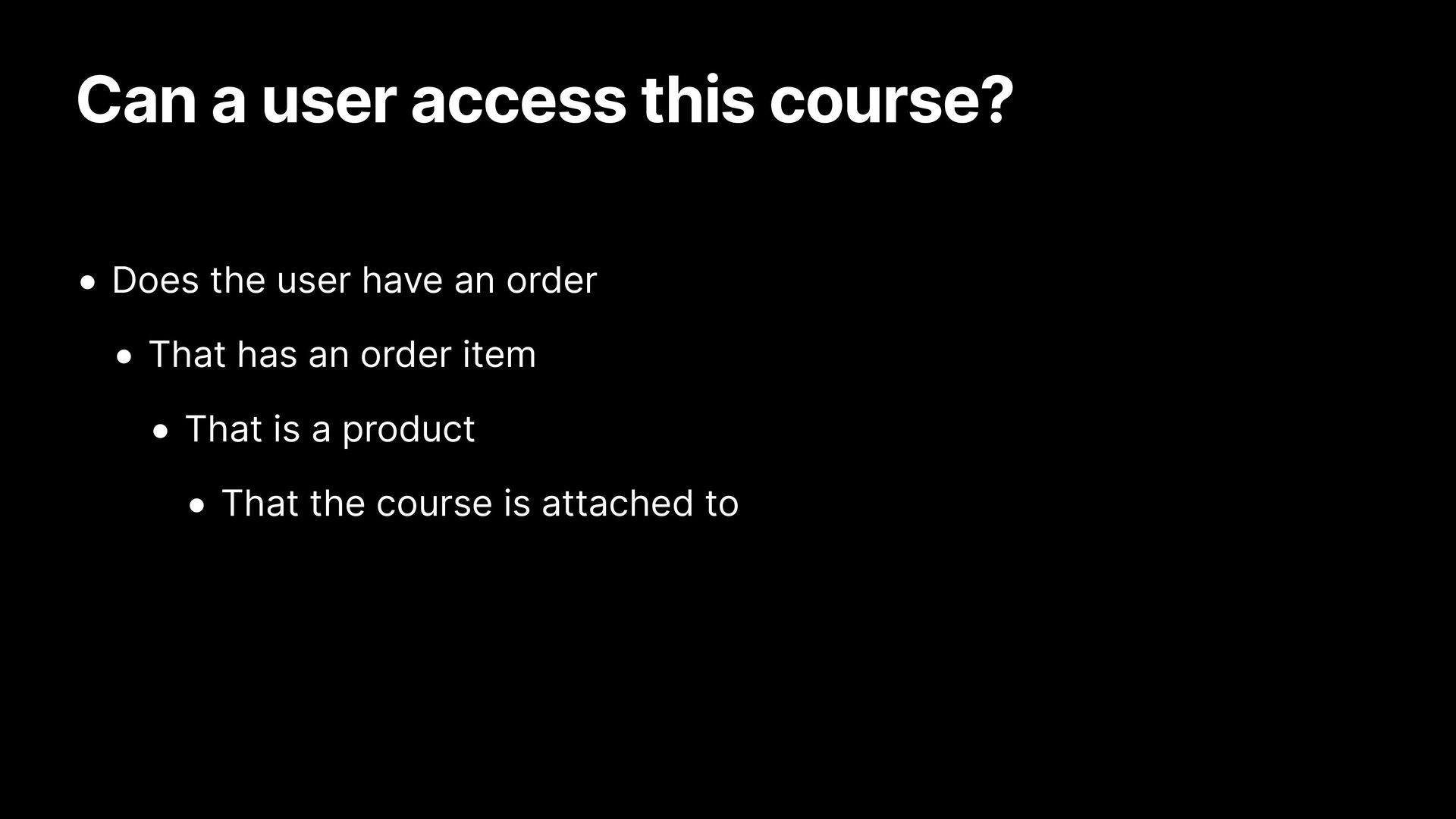
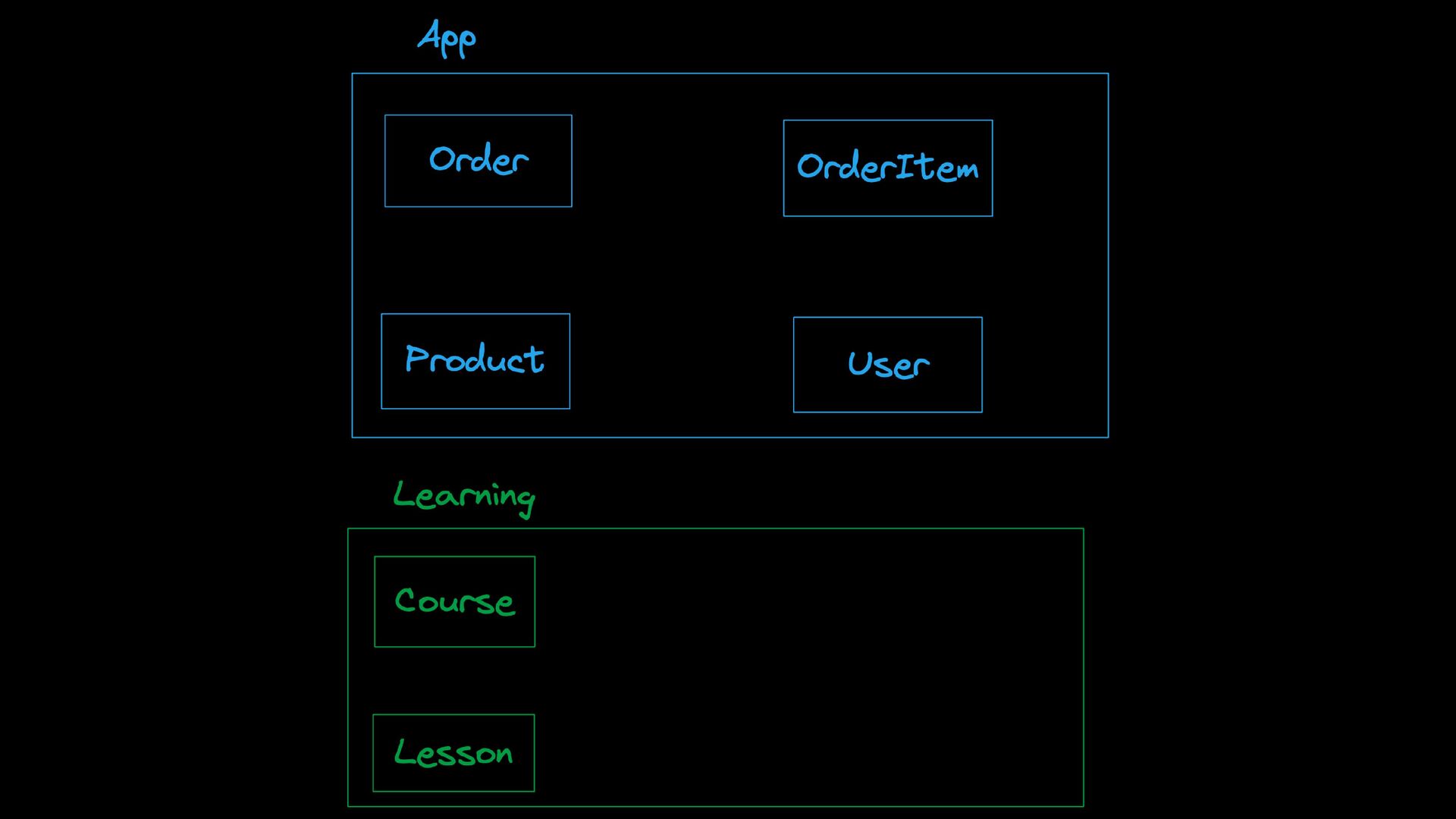
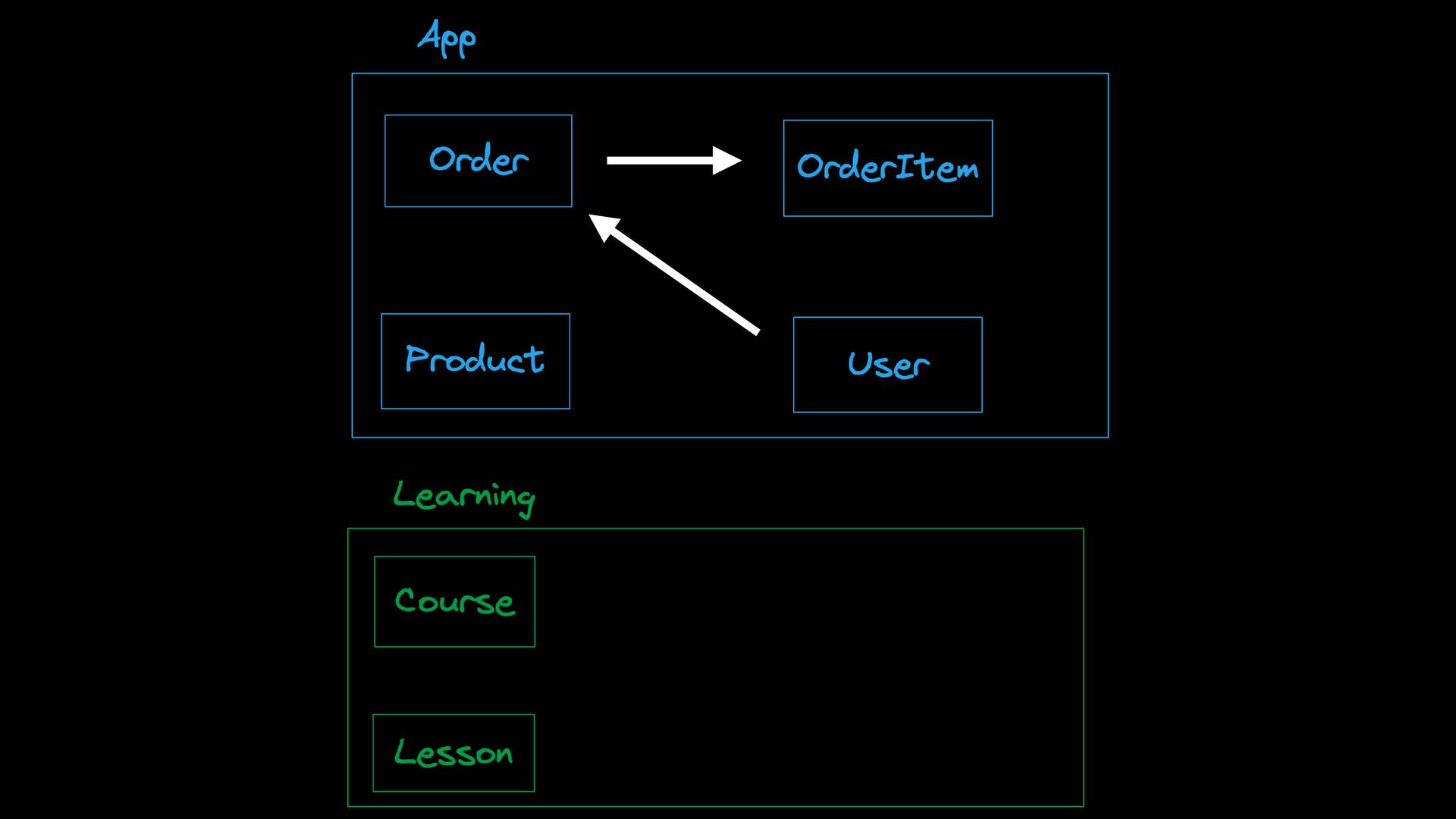
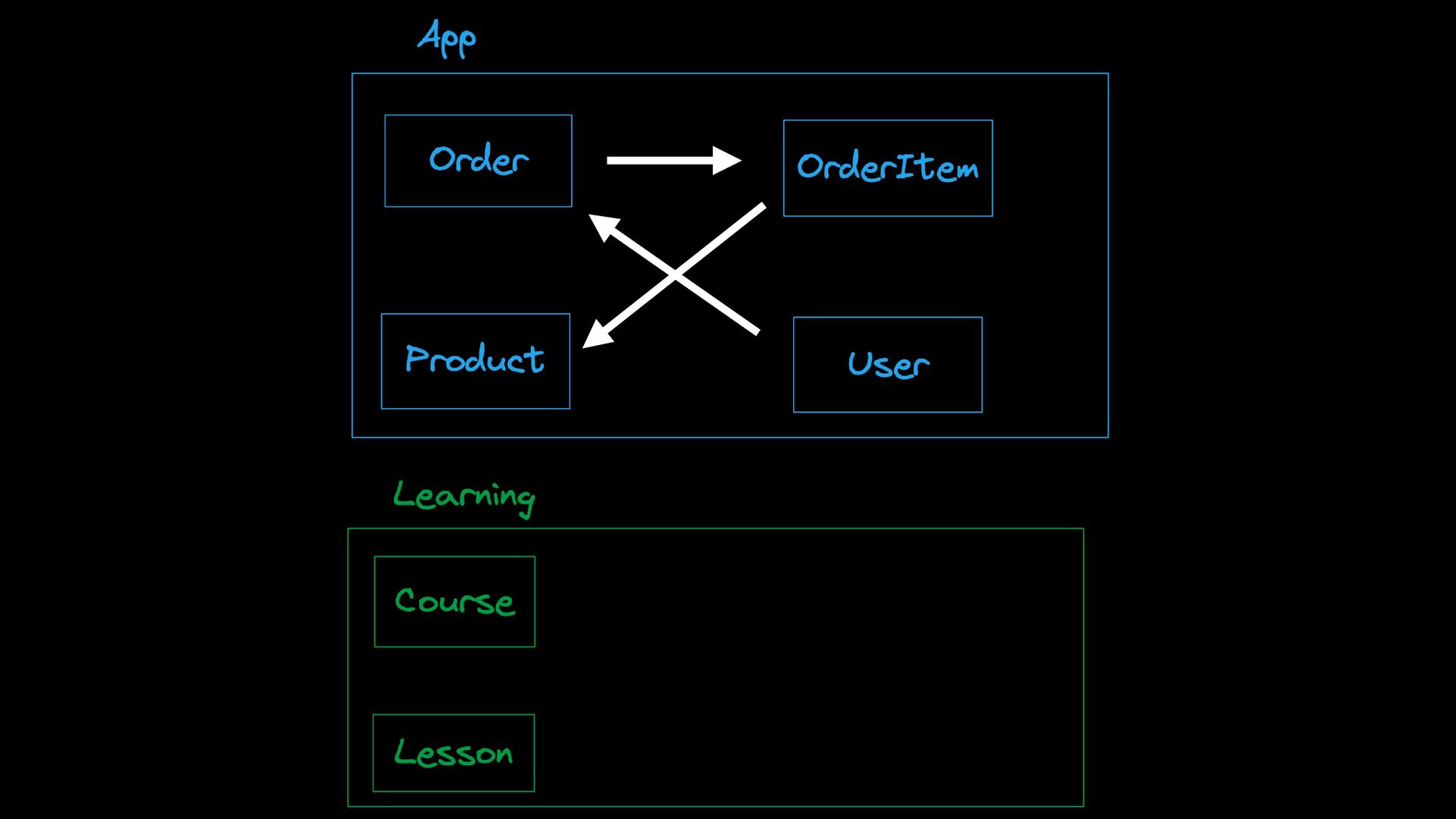
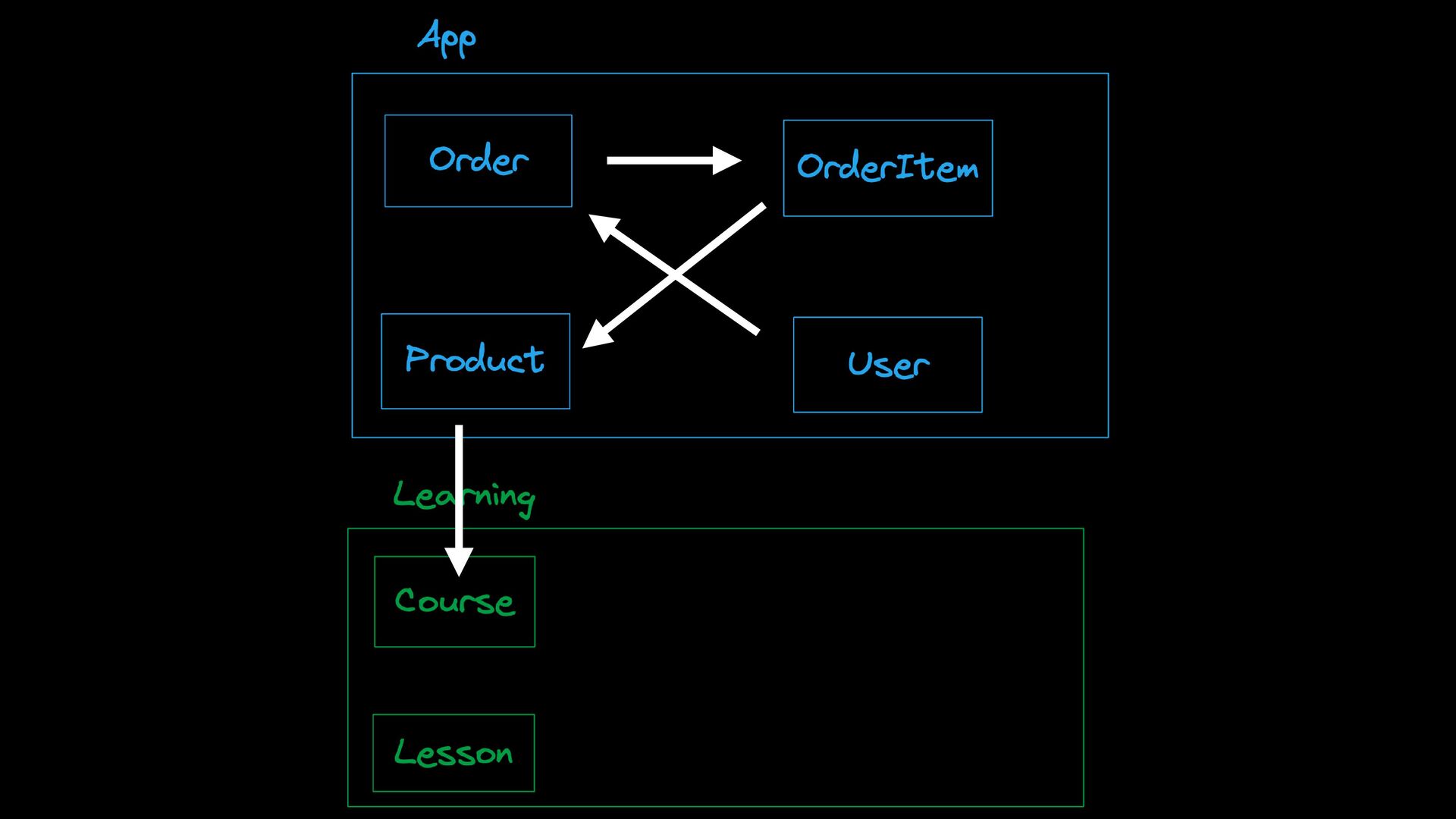
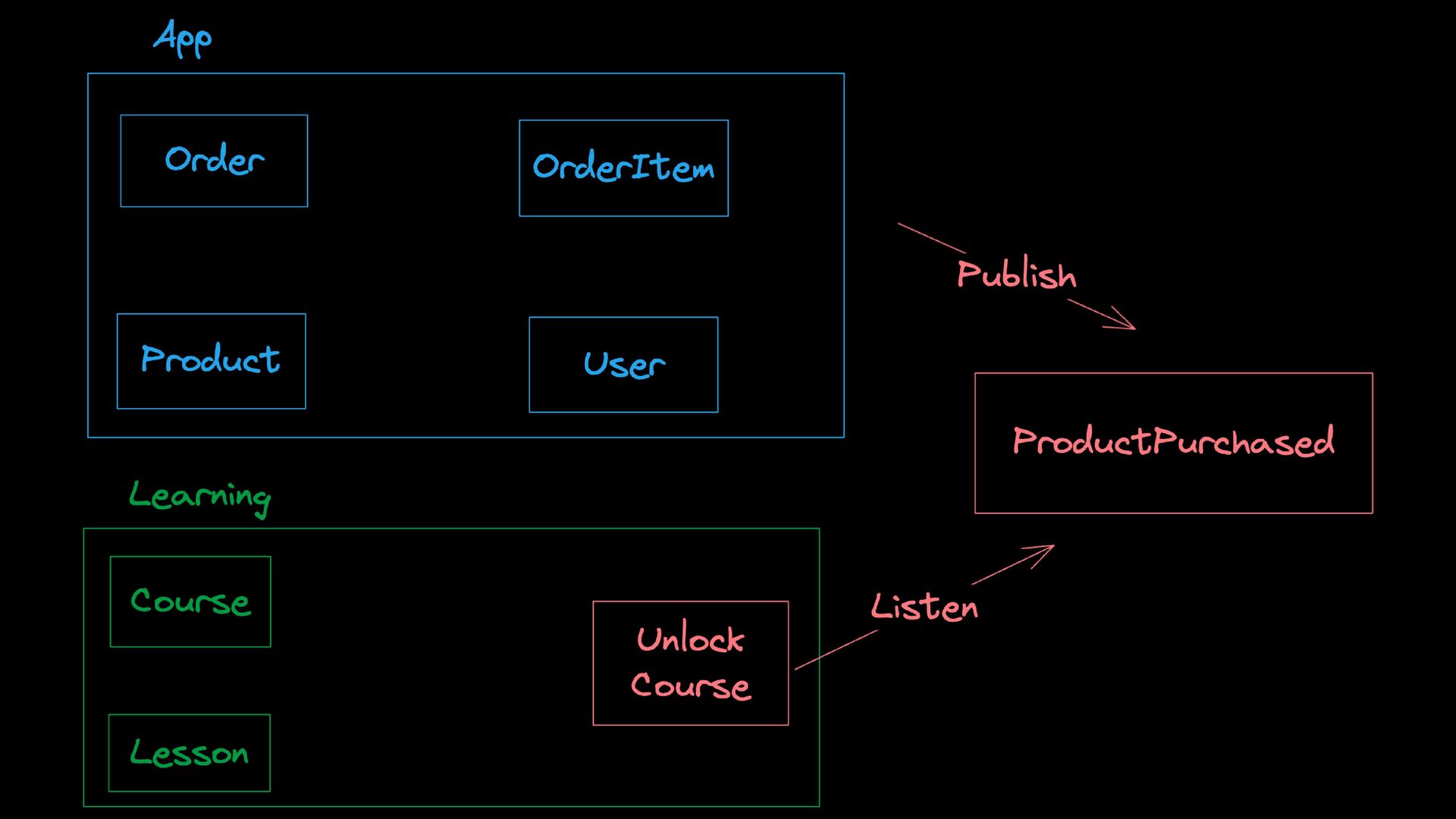
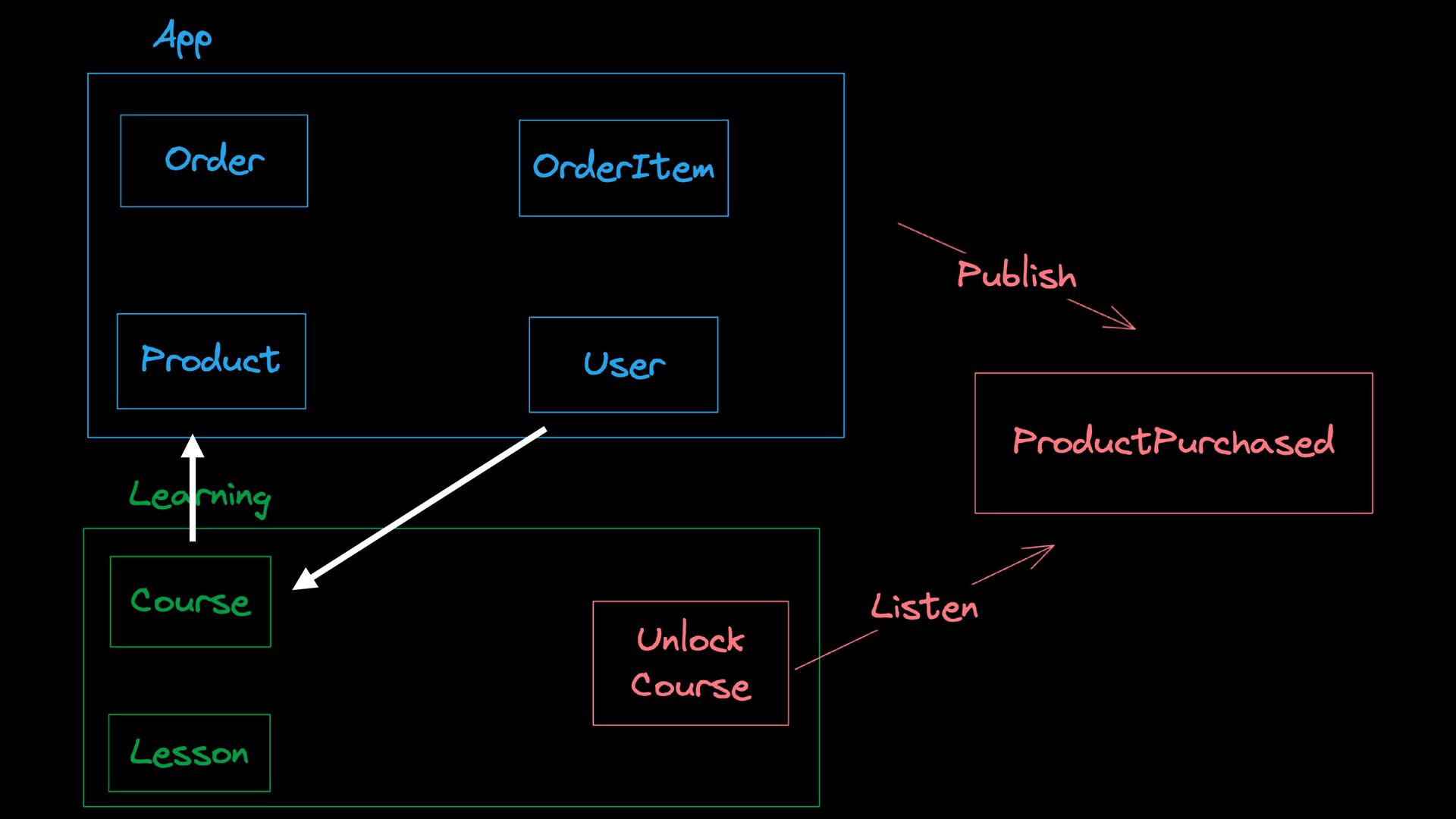
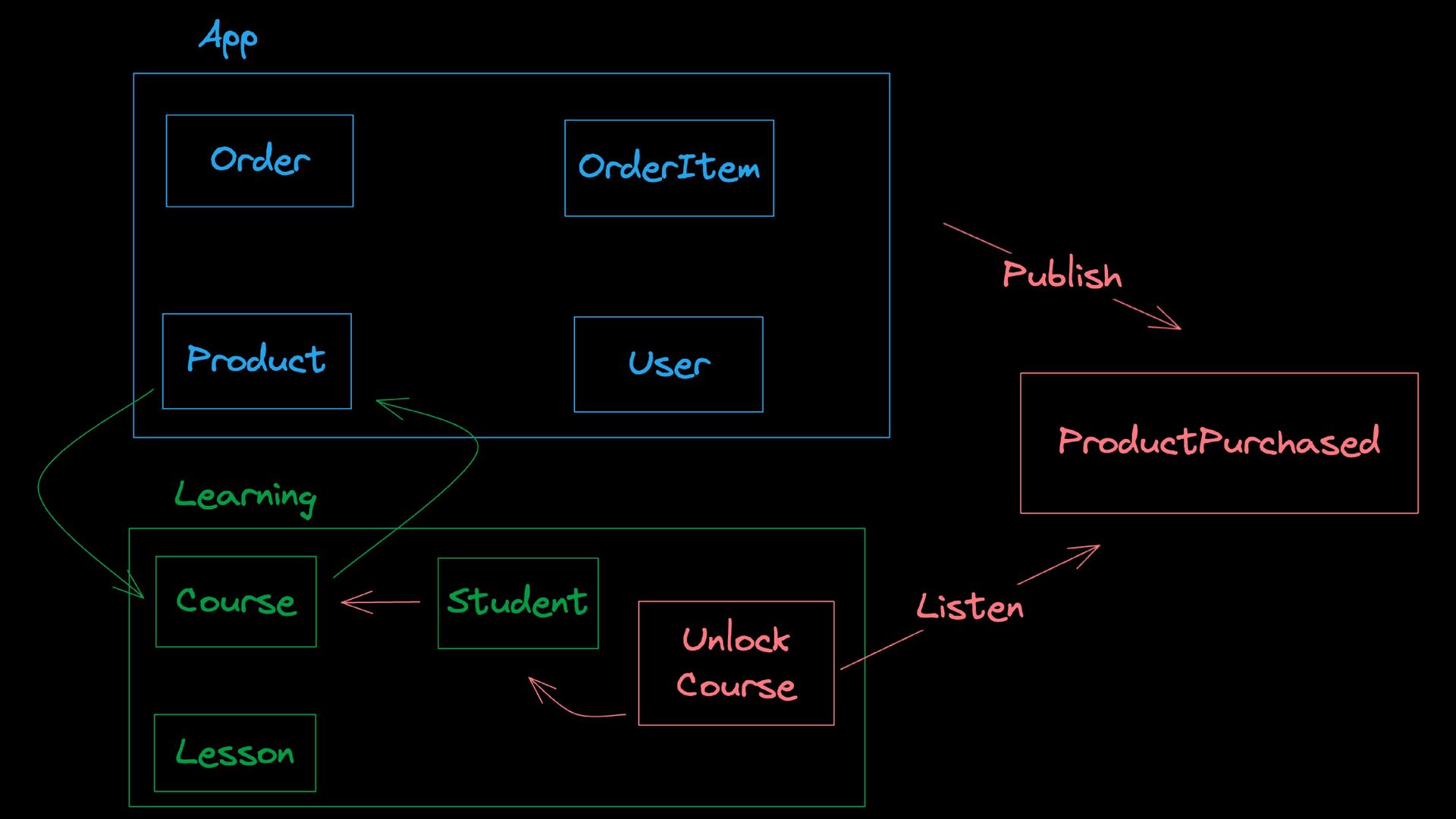
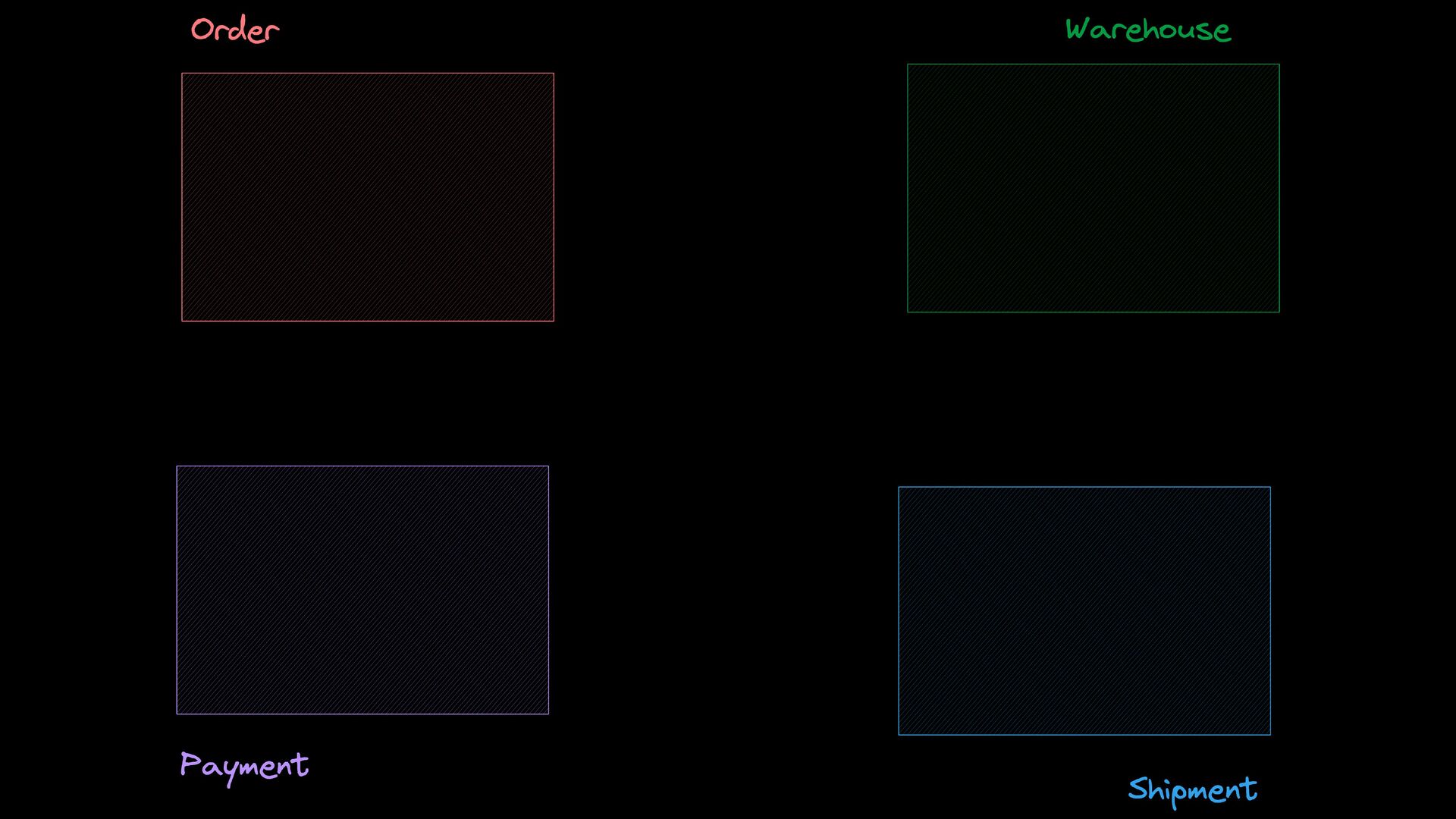
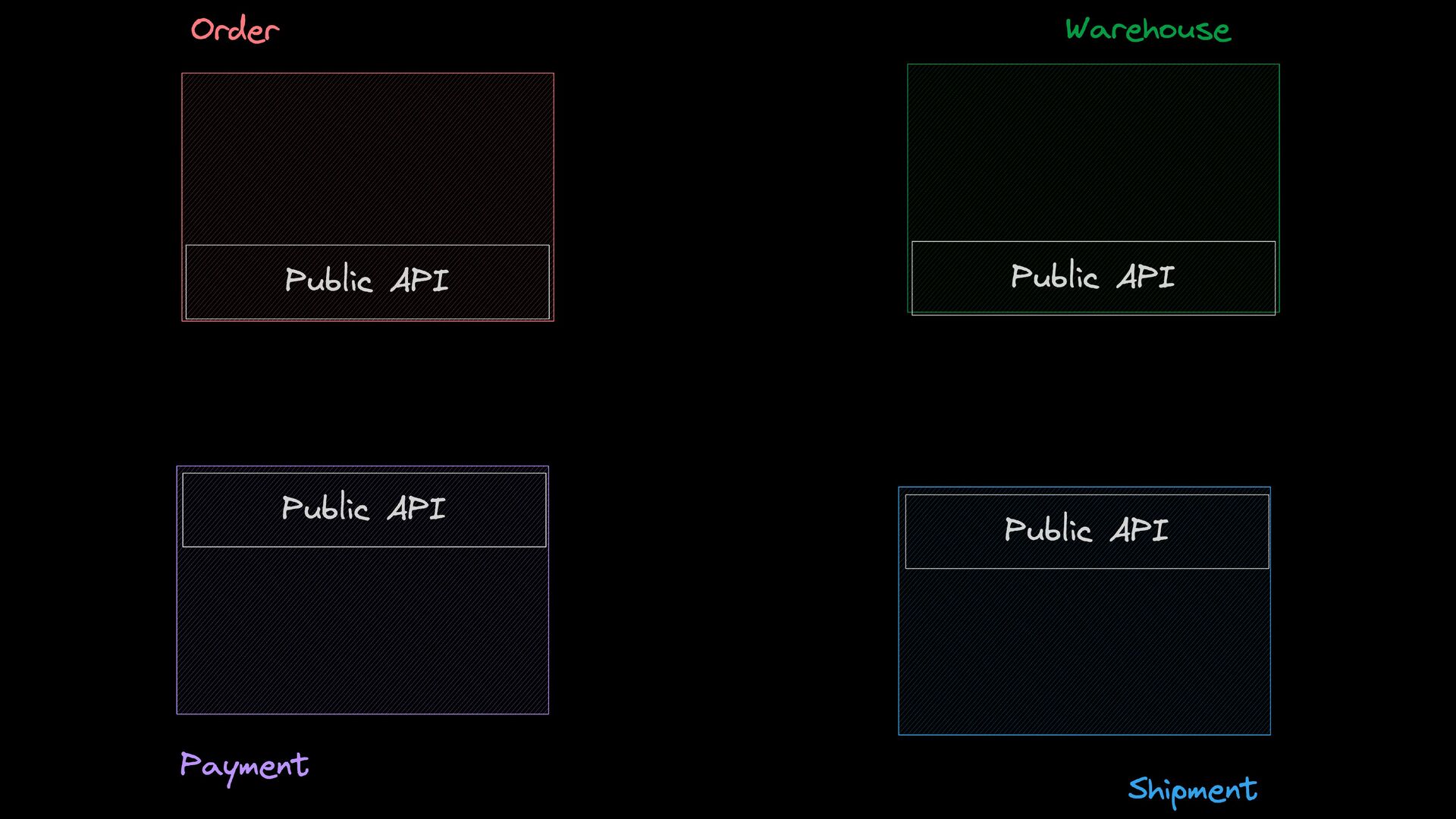
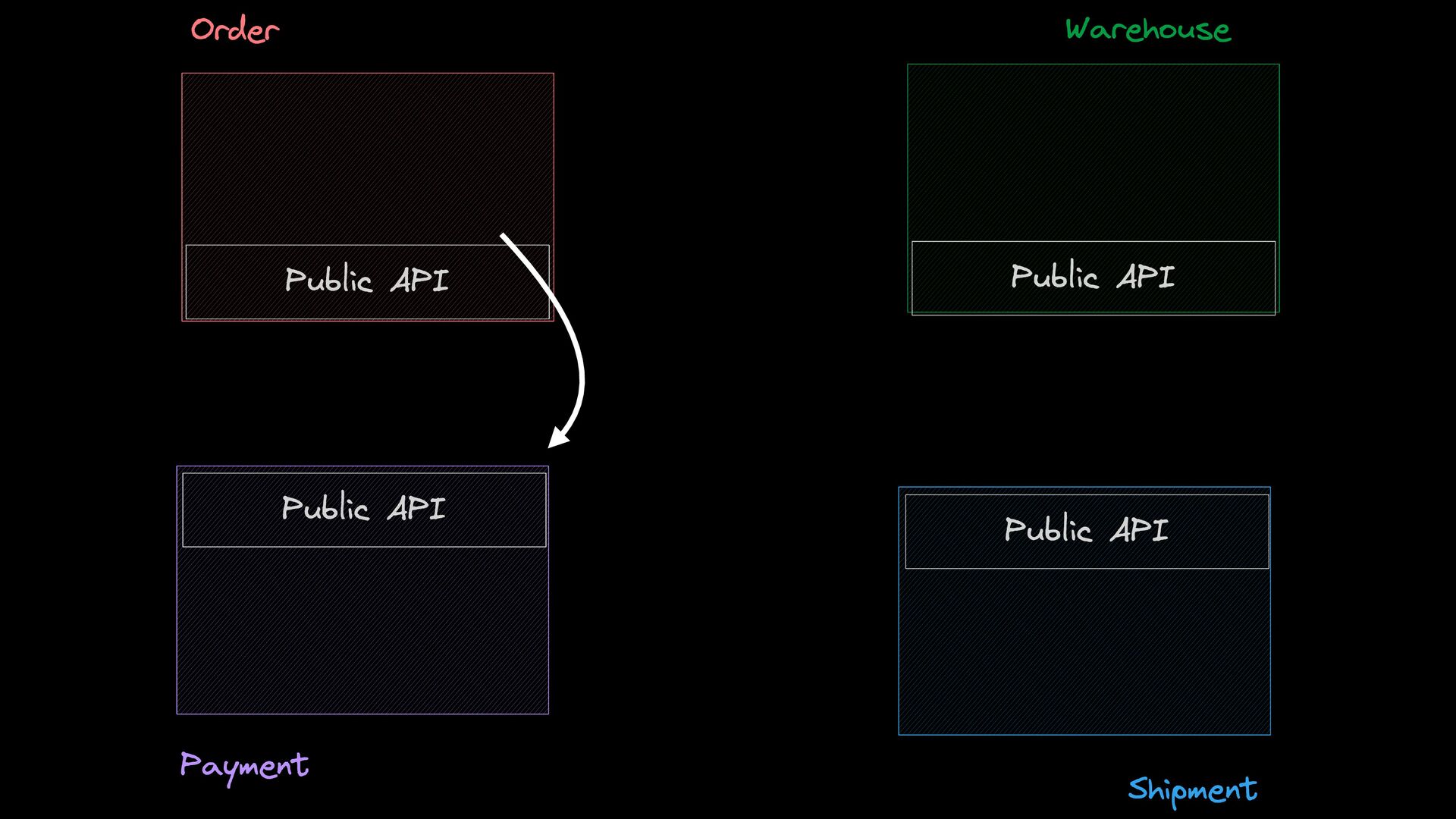
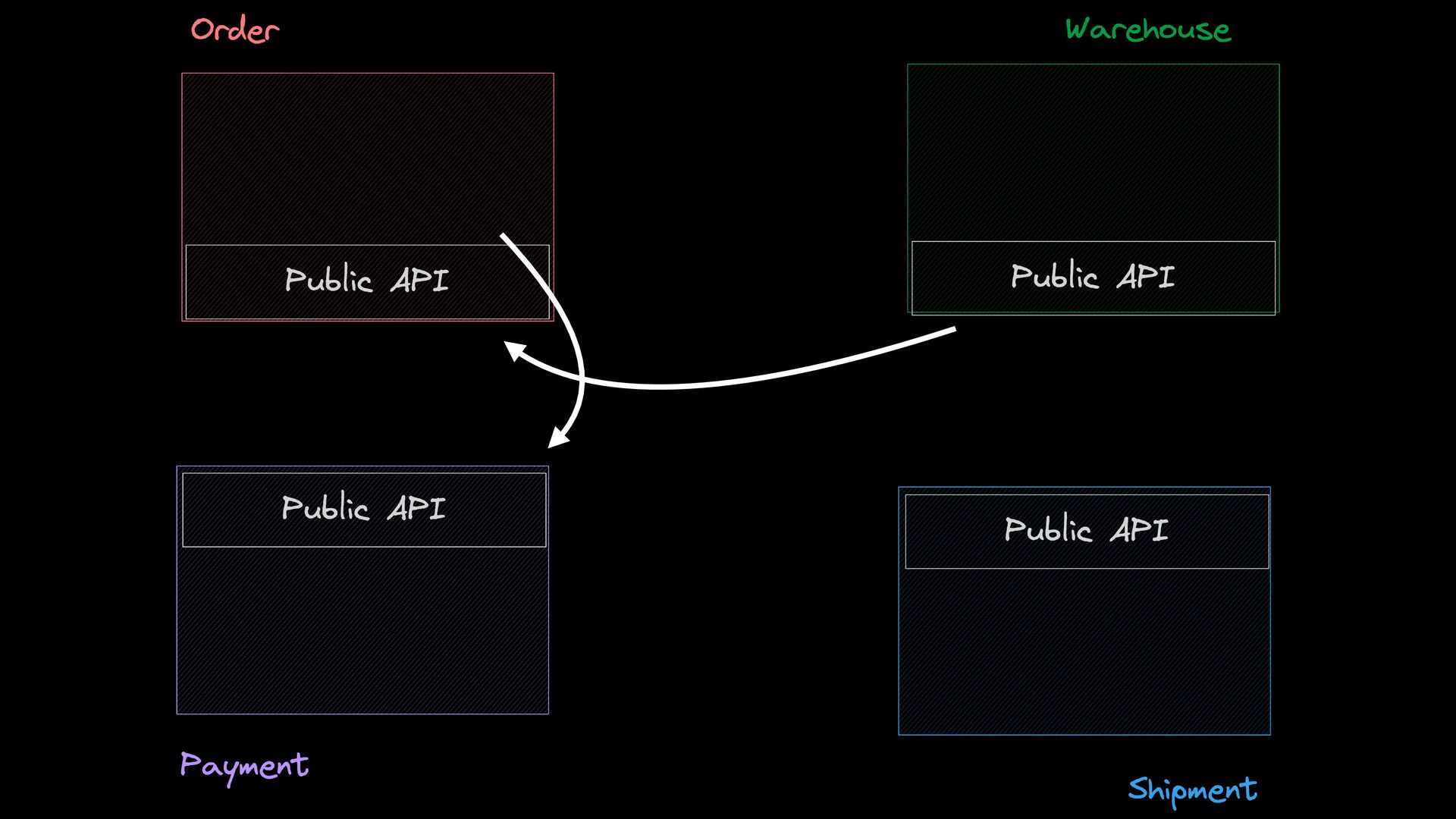
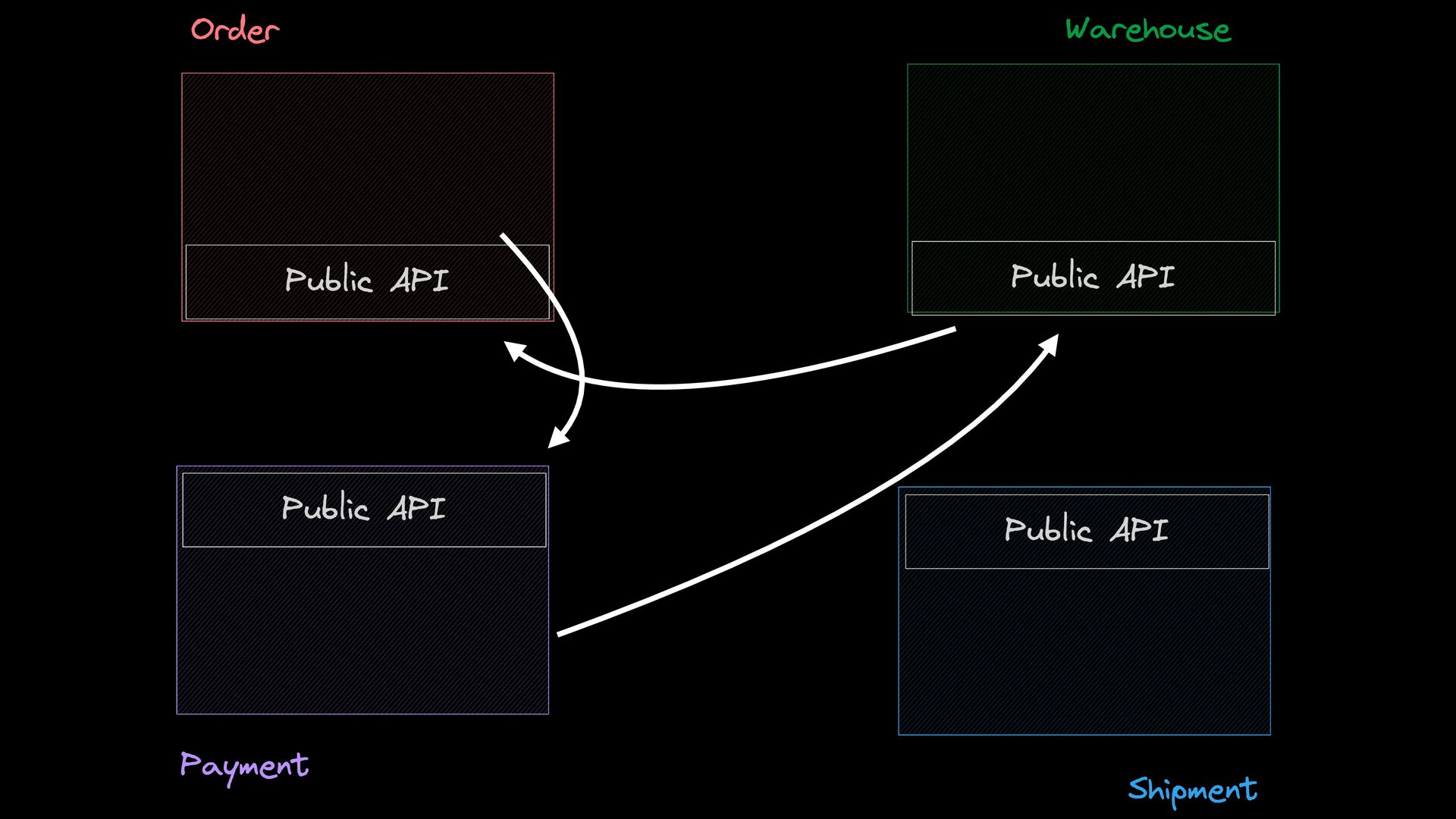
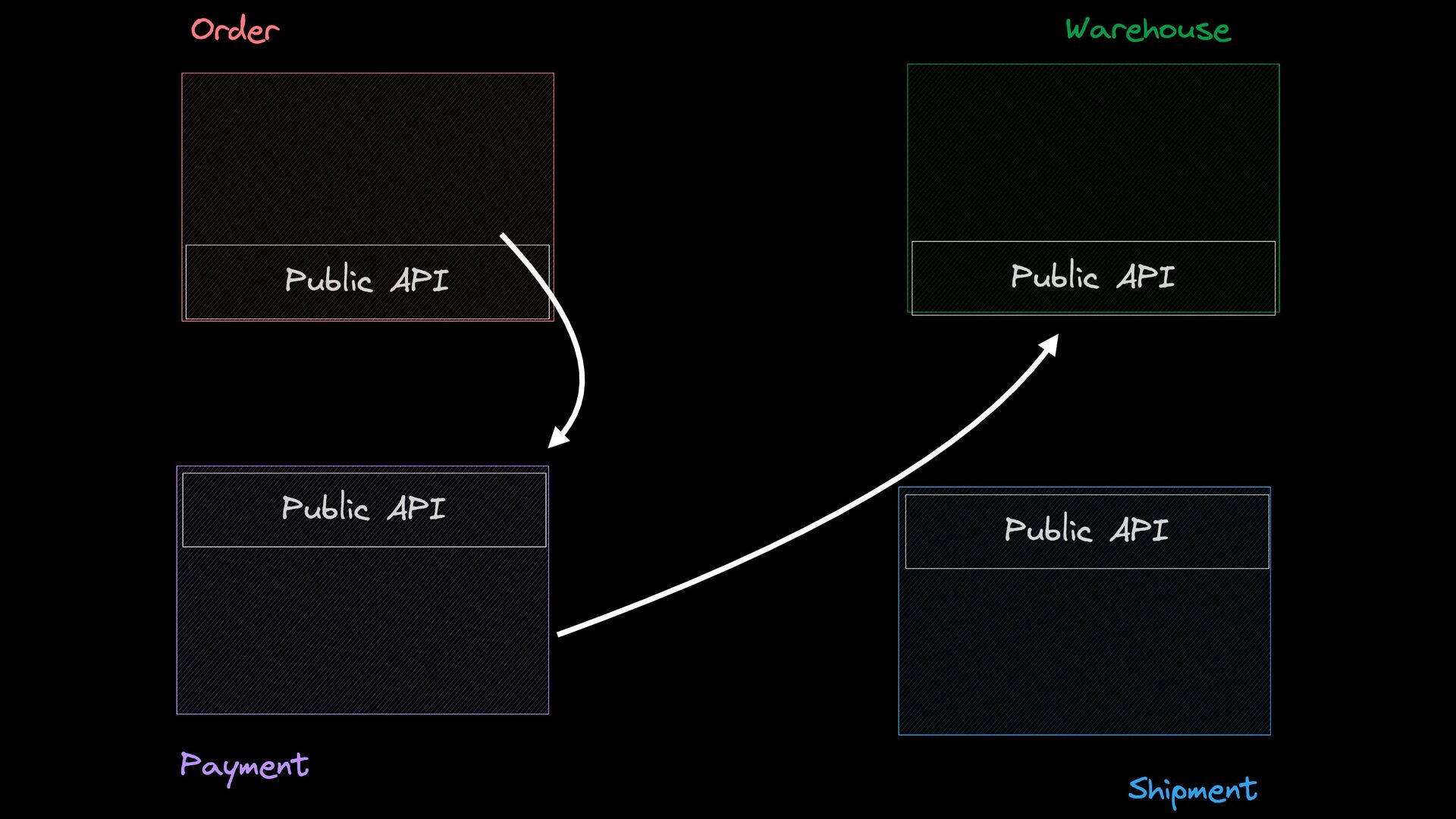
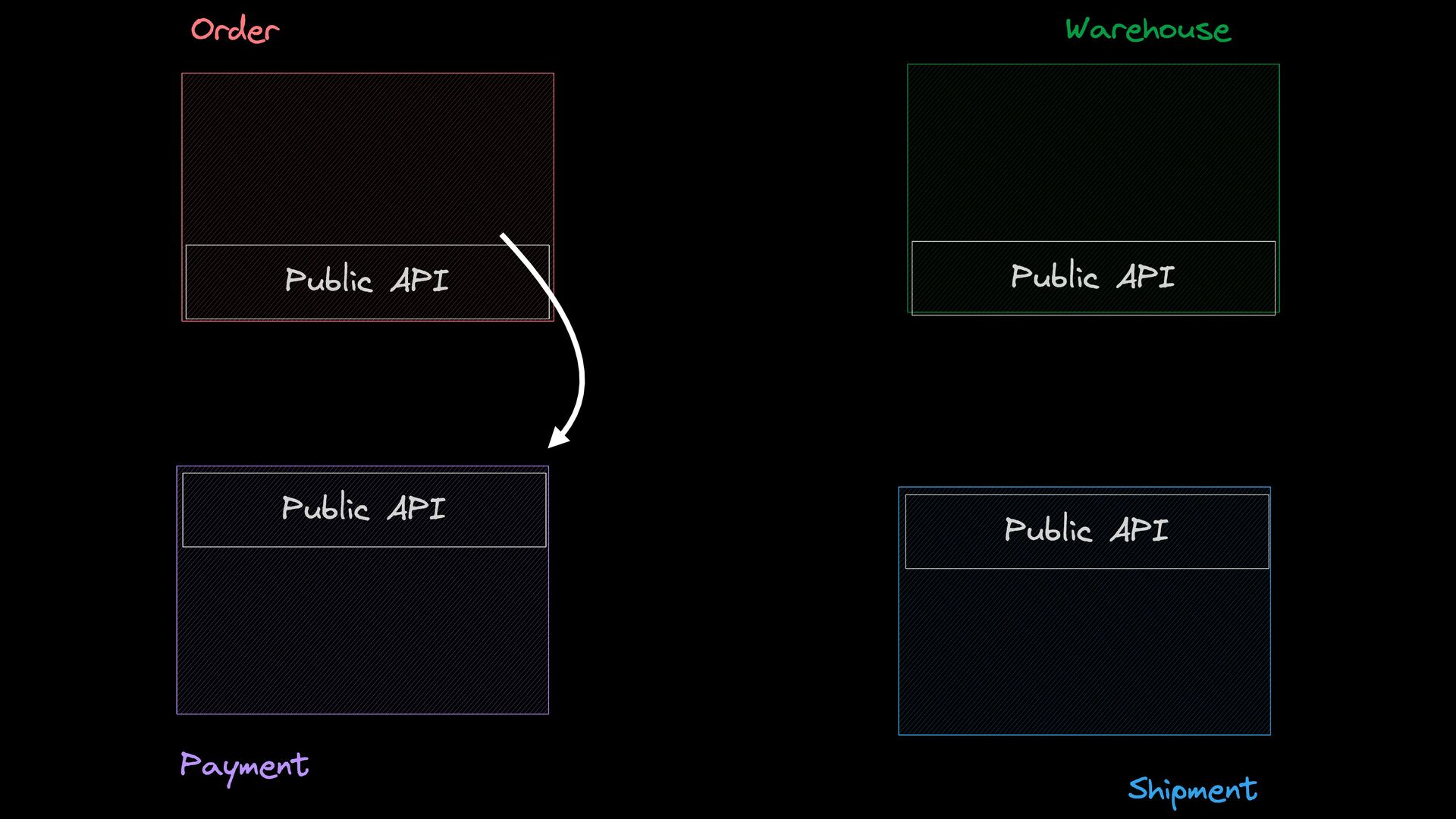
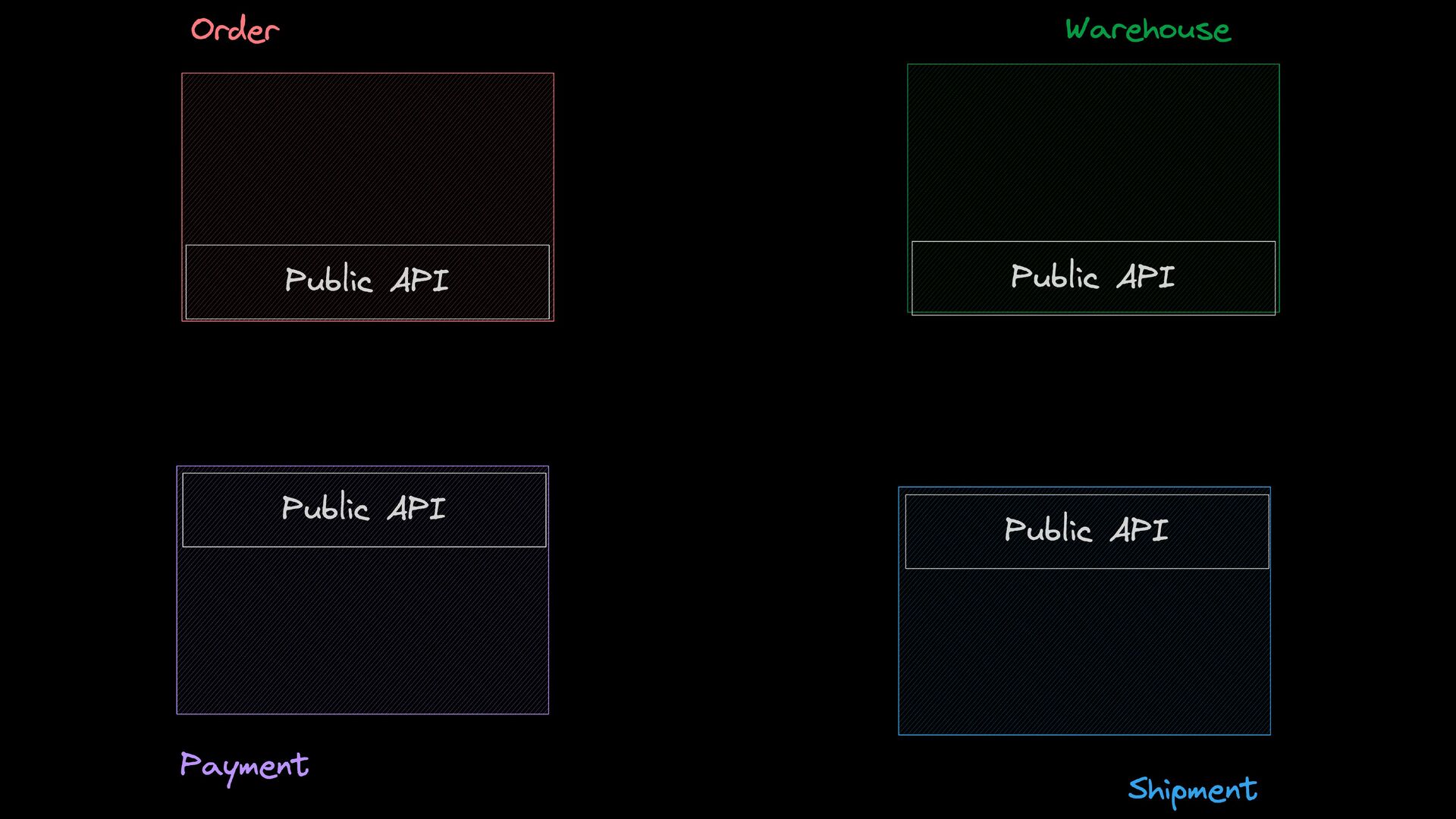
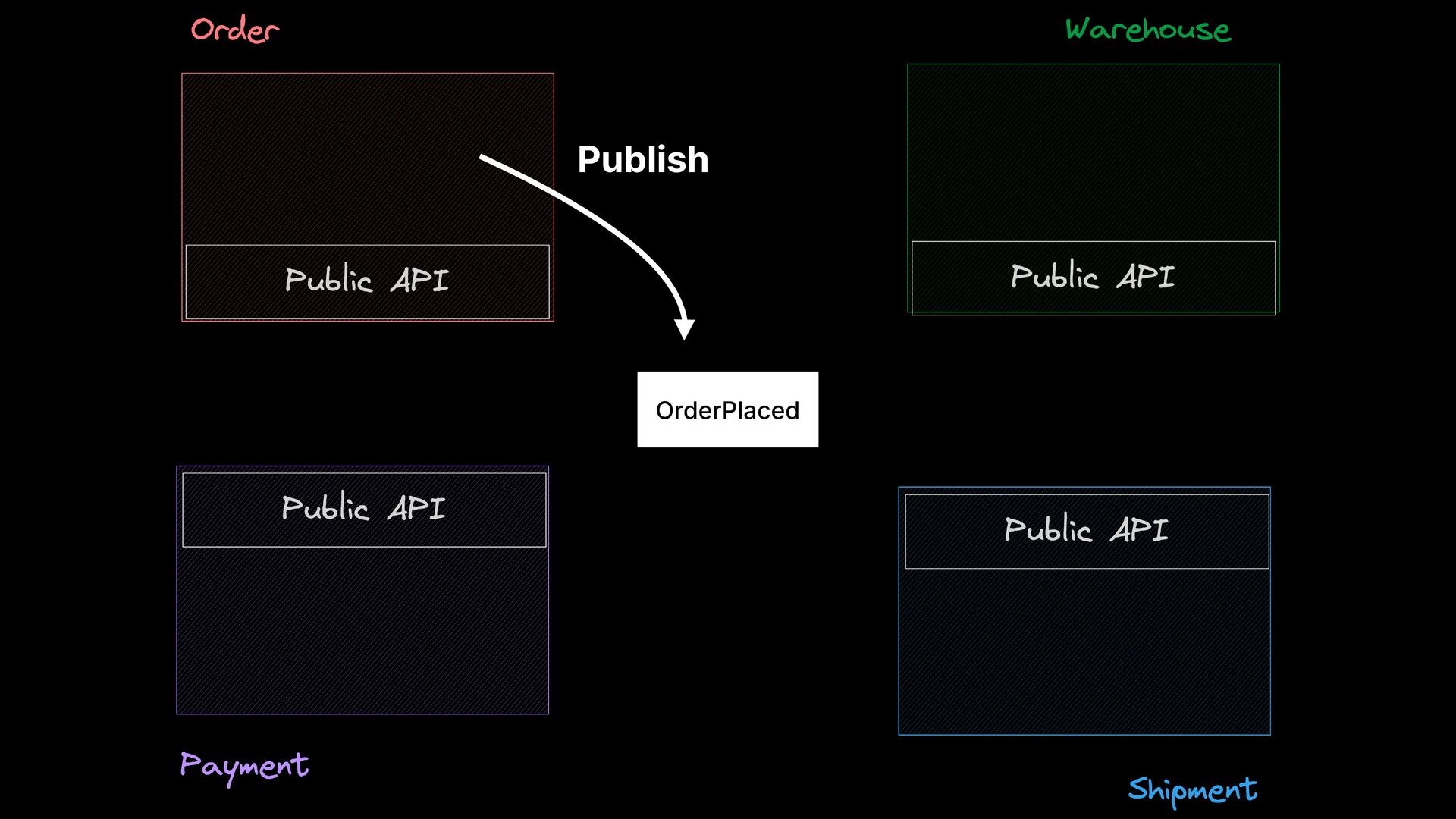
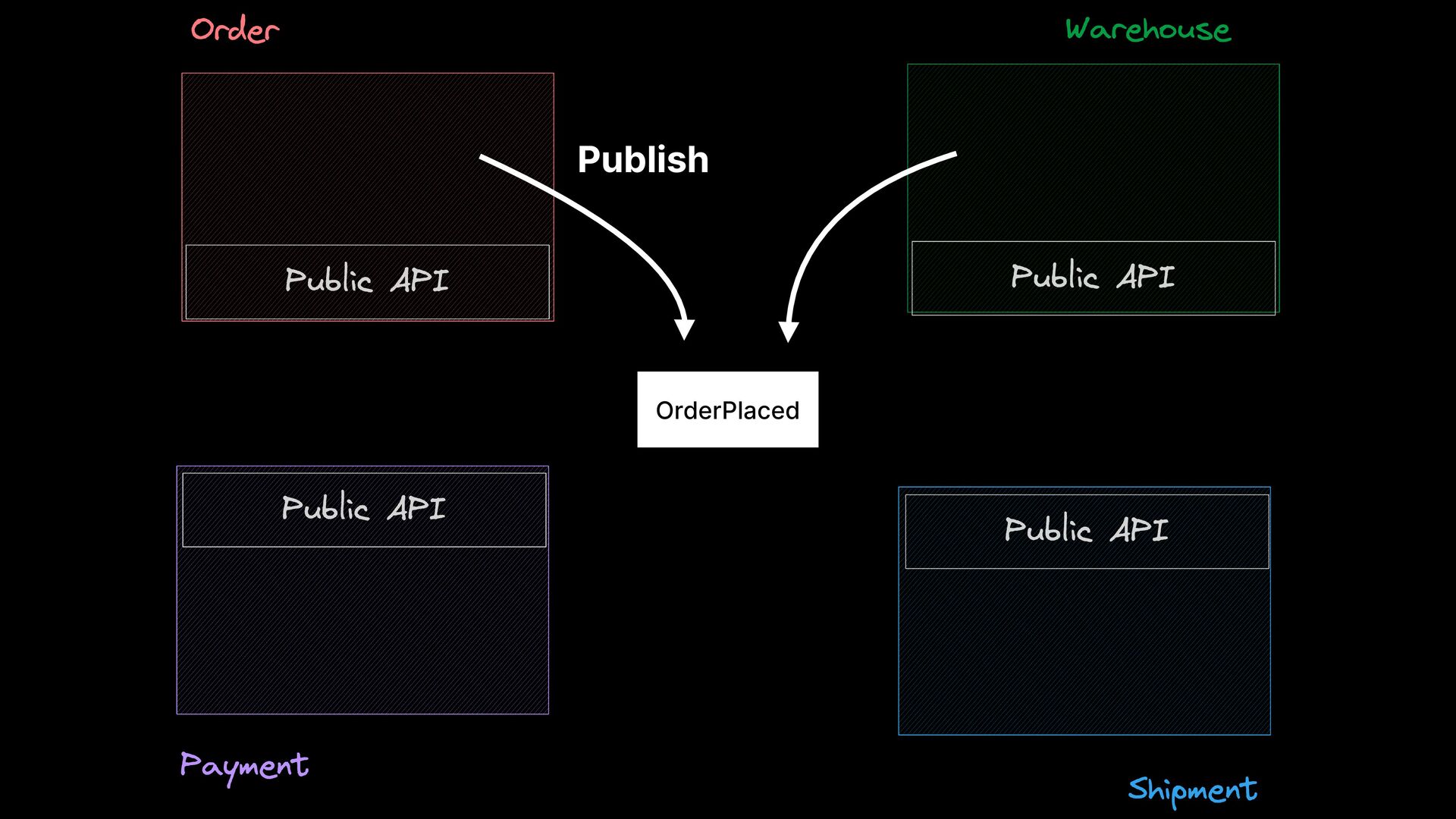
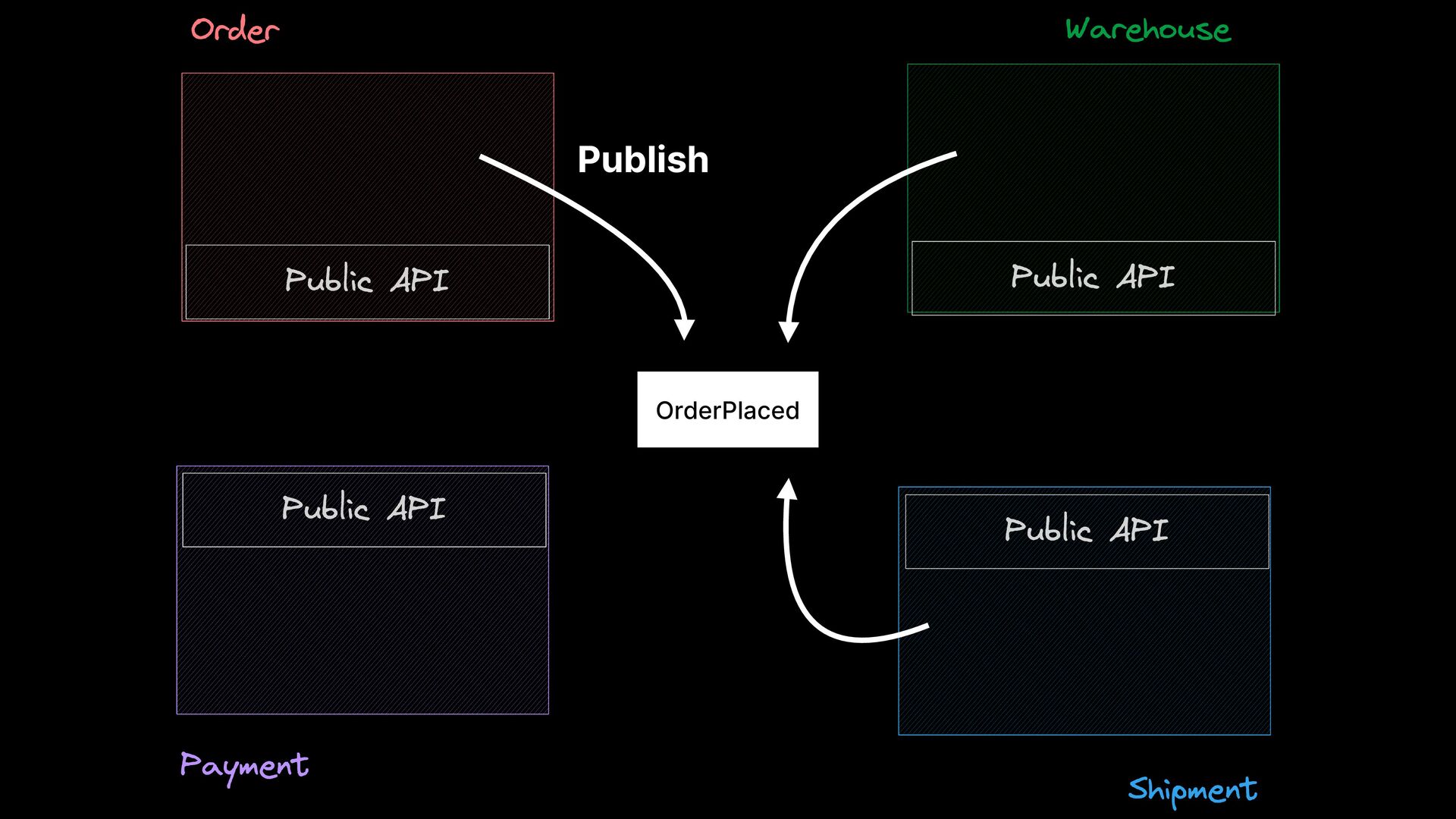
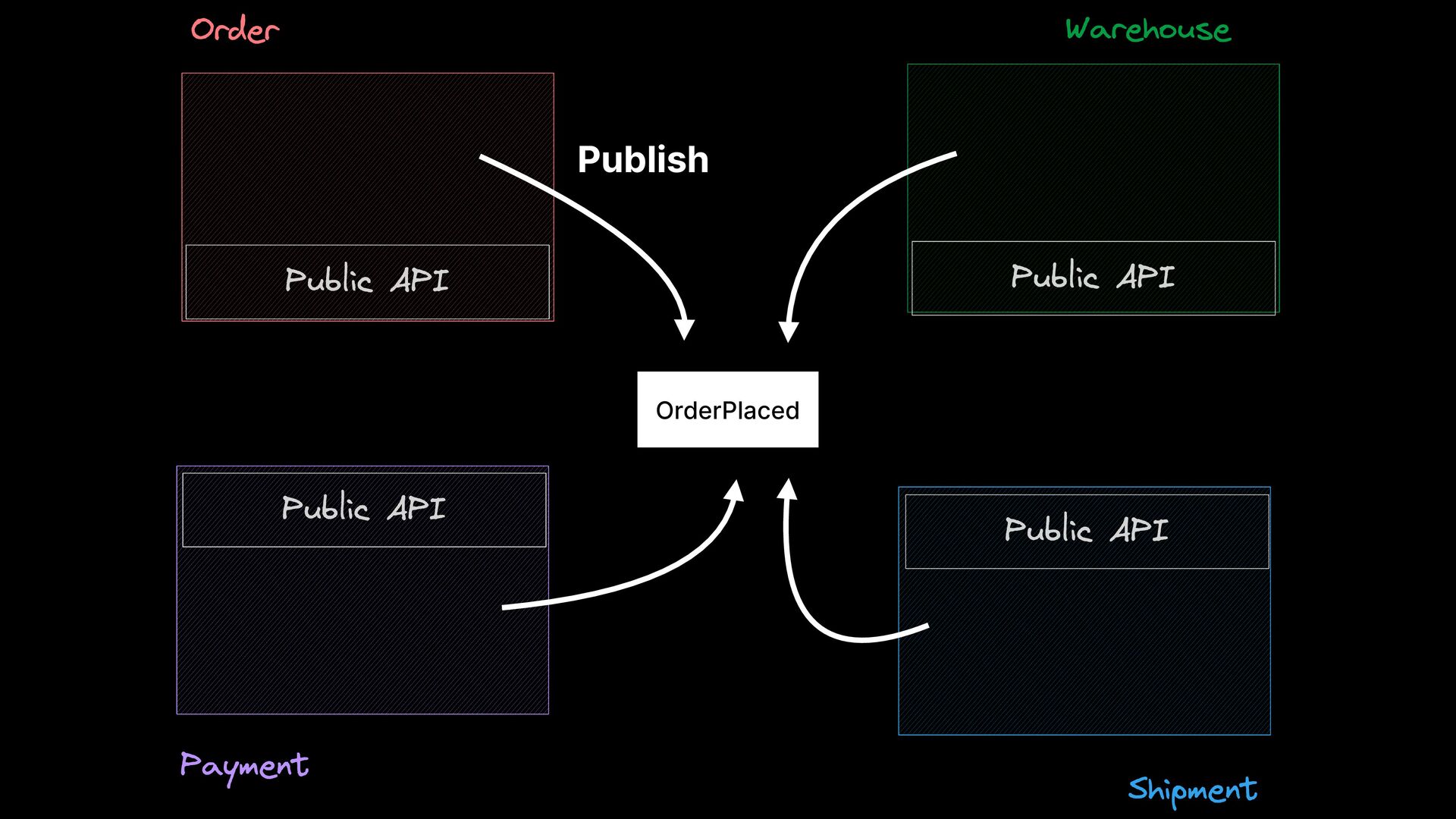
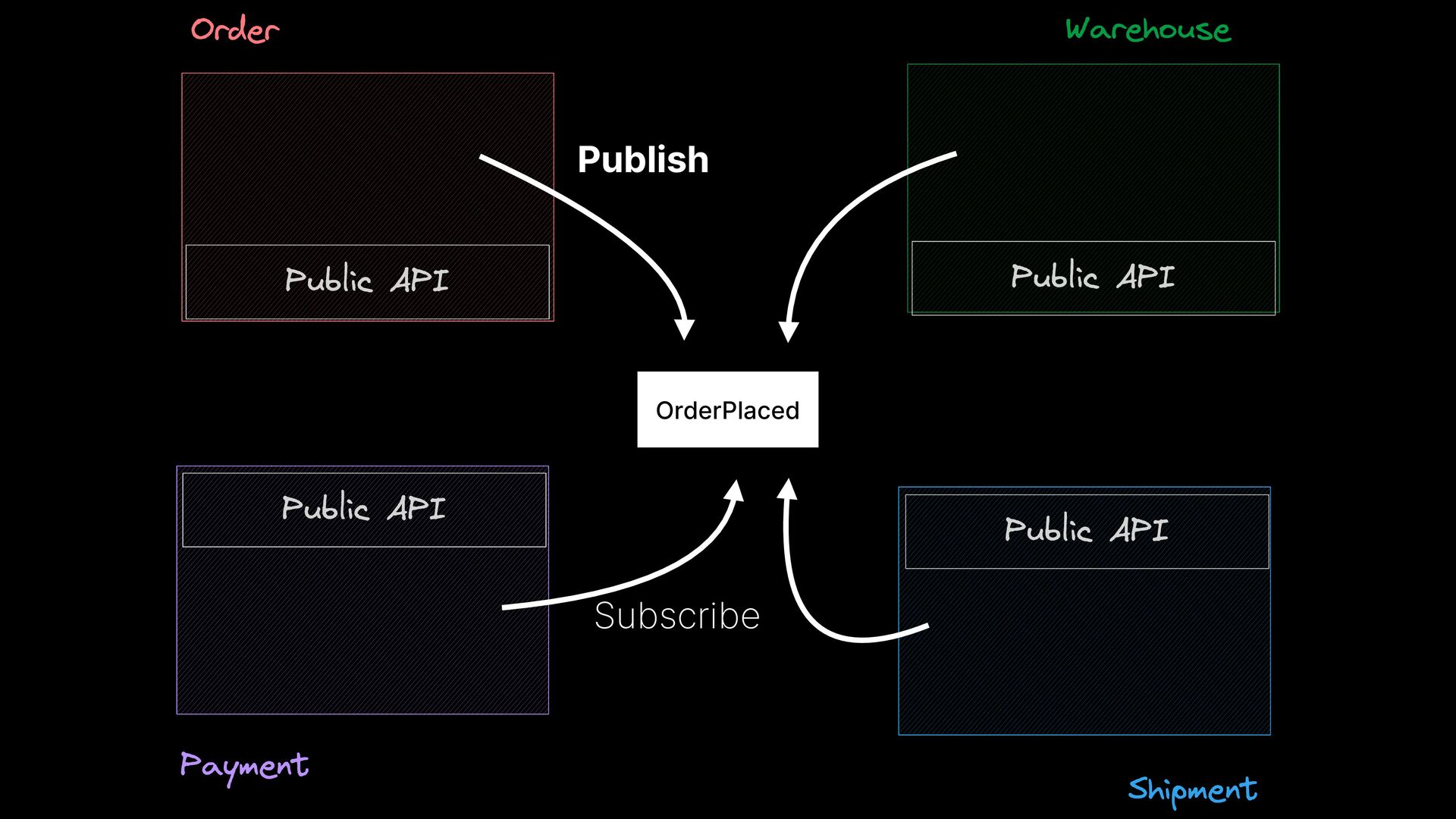
modules to be developed independently • Allow modules to own all of their data • Empower teams to work in parallel • Decrease surface area and blast radius of changes
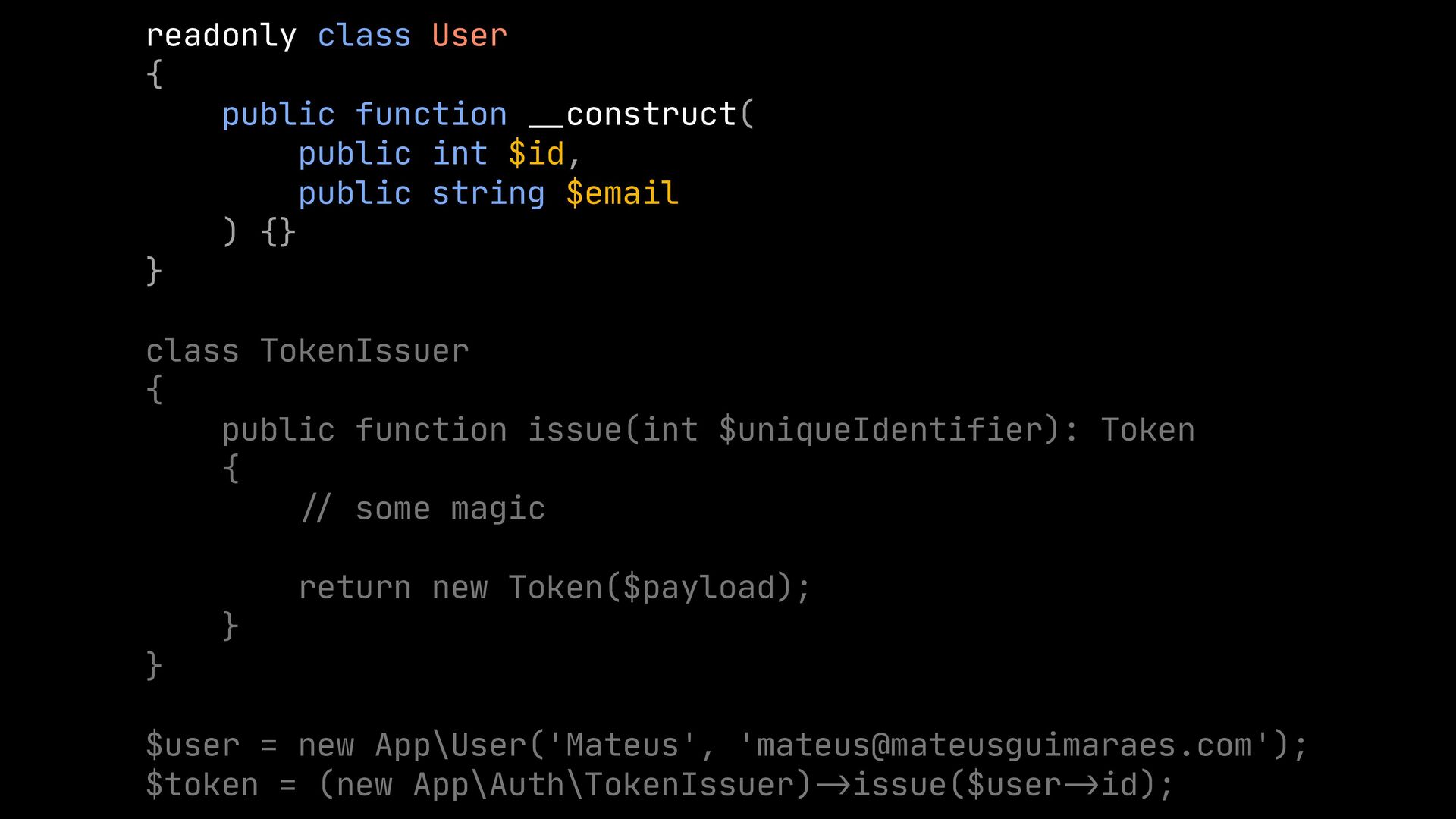
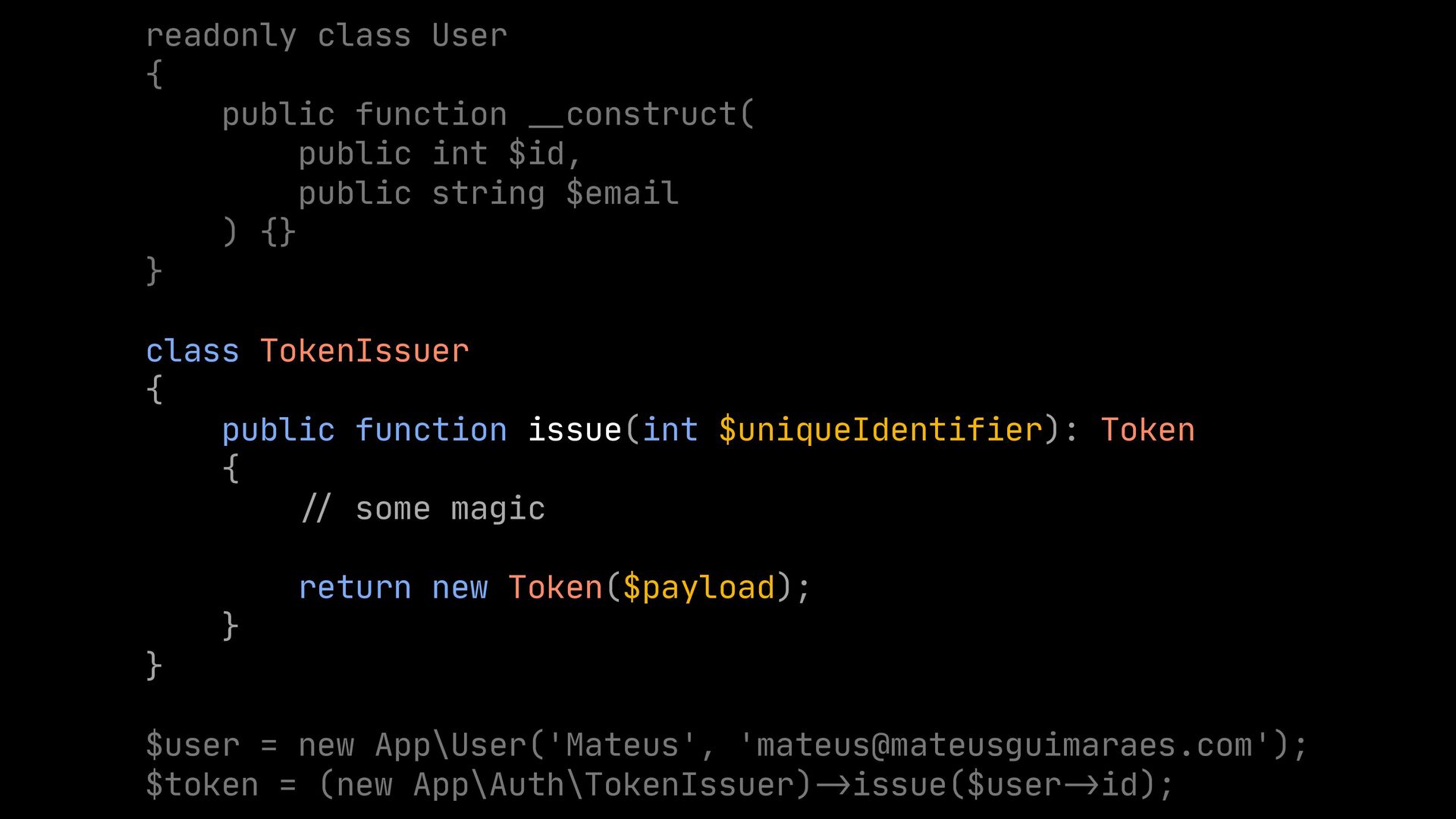
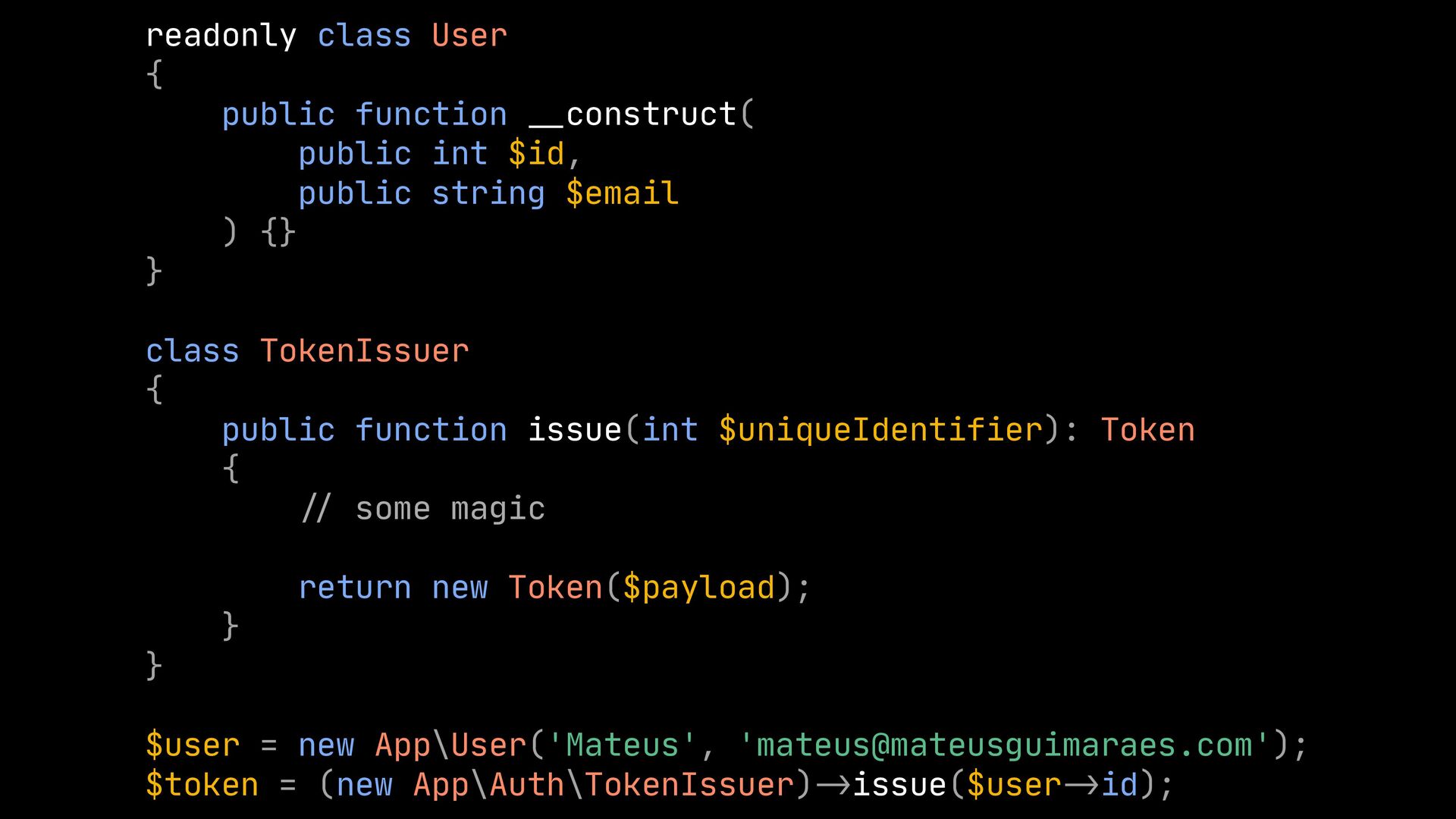
$id, public string $email ) {} } class TokenIssuer { public function issue(int $uniqueIdentifier): Token { / / some magic return new Token($payload); } } $user = new App\User('Mateus', '[email protected]'); $token = (new App\Auth\TokenIssuer) -> issue($user -> id);
$id, public string $email ) {} } class TokenIssuer { public function issue(int $uniqueIdentifier): Token { / / some magic return new Token($payload); } } $user = new App\User('Mateus', '[email protected]'); $token = (new App\Auth\TokenIssuer) -> issue($user -> id);
$id, public string $email ) {} } class TokenIssuer { public function issue(int $uniqueIdentifier): Token { / / some magic return new Token($payload); } } $user = new App\User('Mateus', '[email protected]'); $token = (new App\Auth\TokenIssuer) -> issue($user -> id);
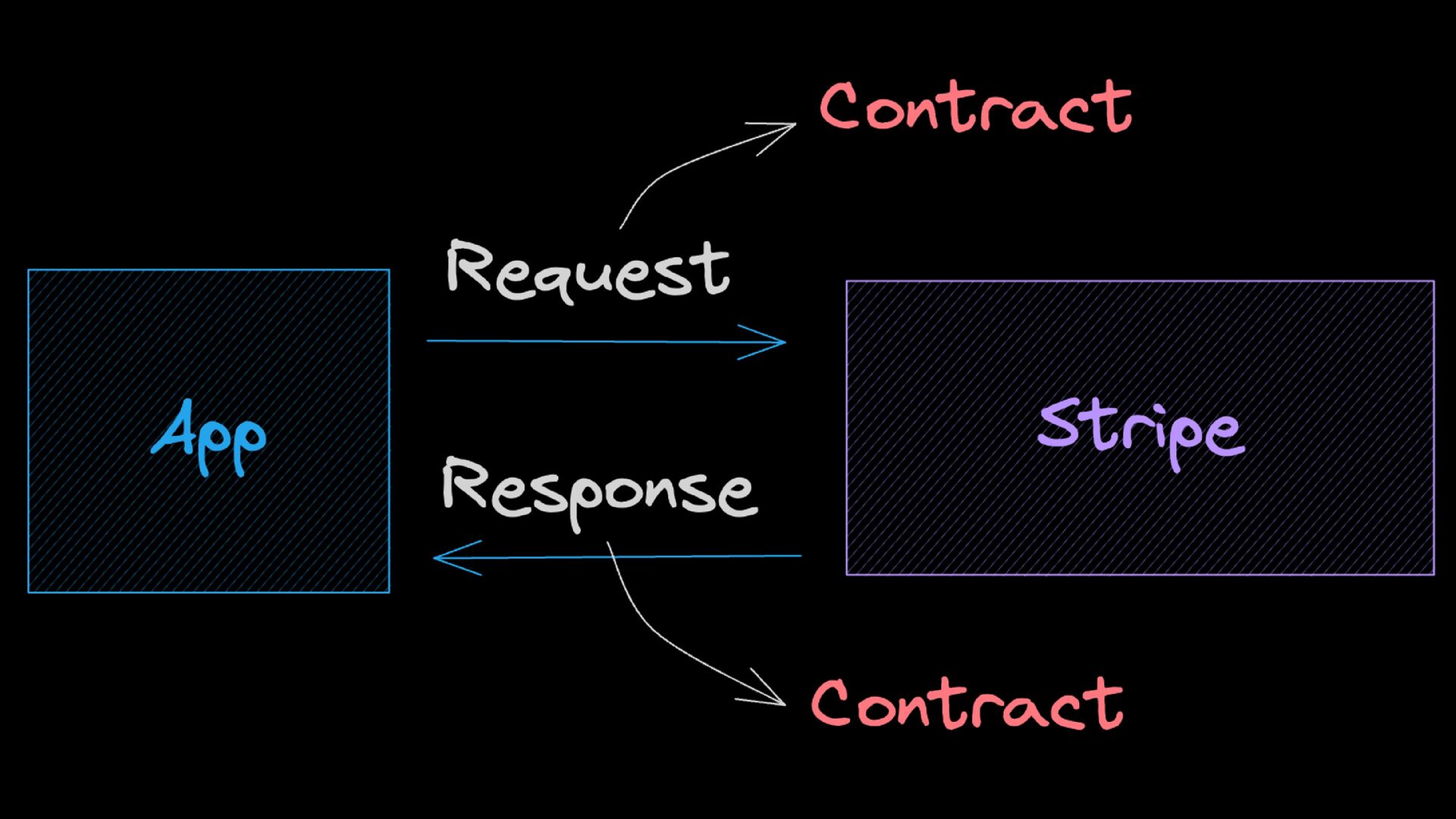
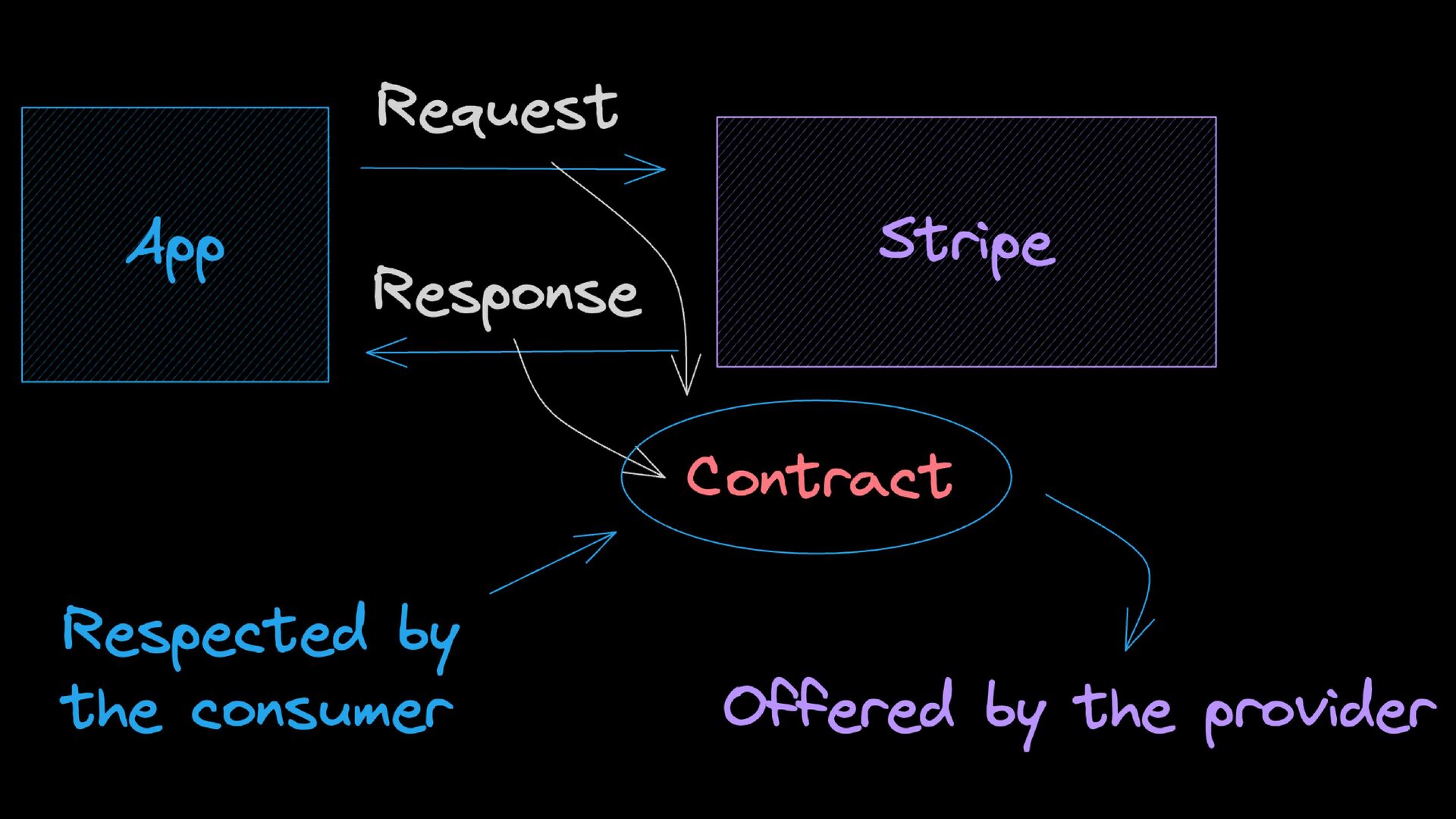
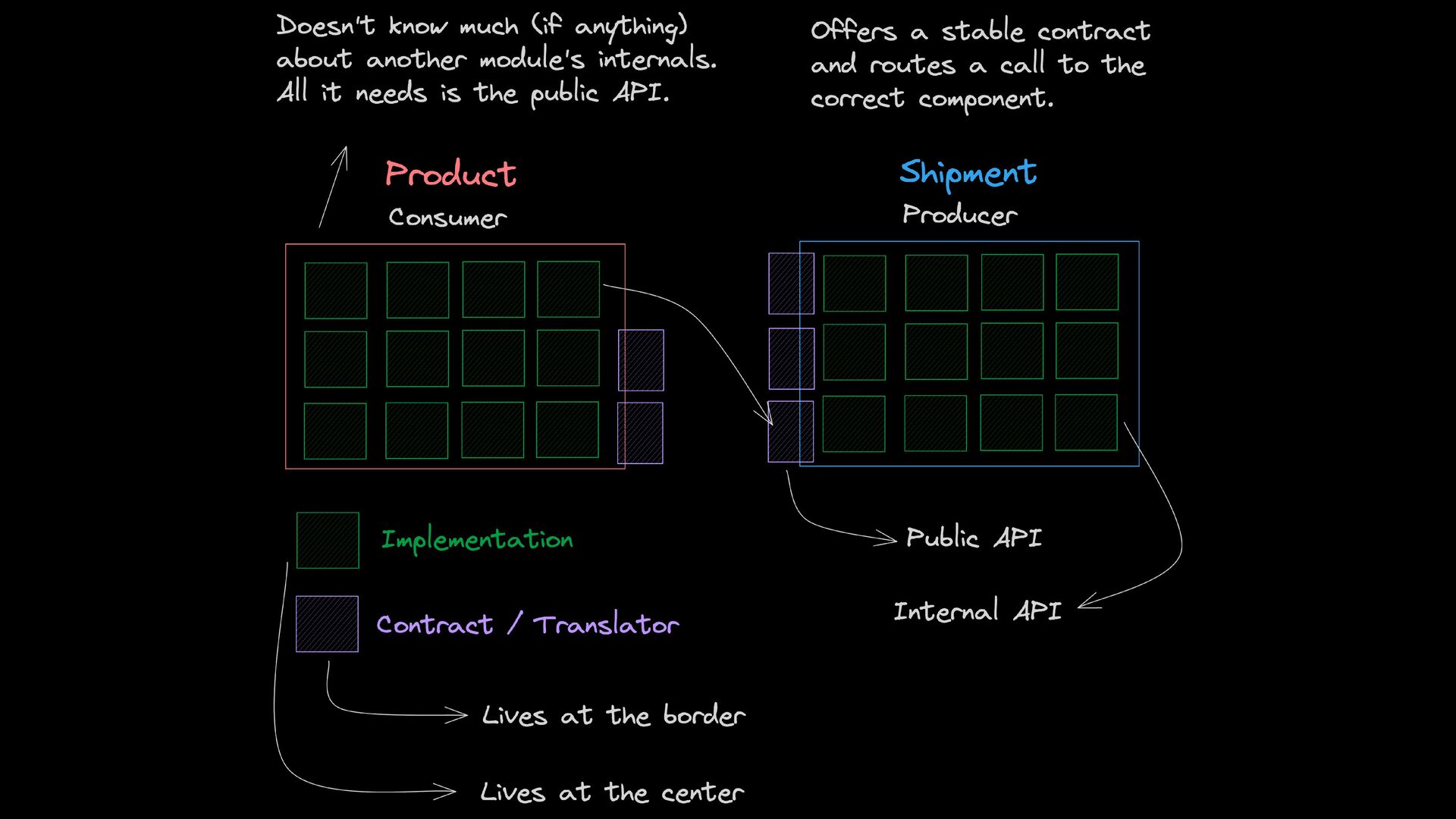
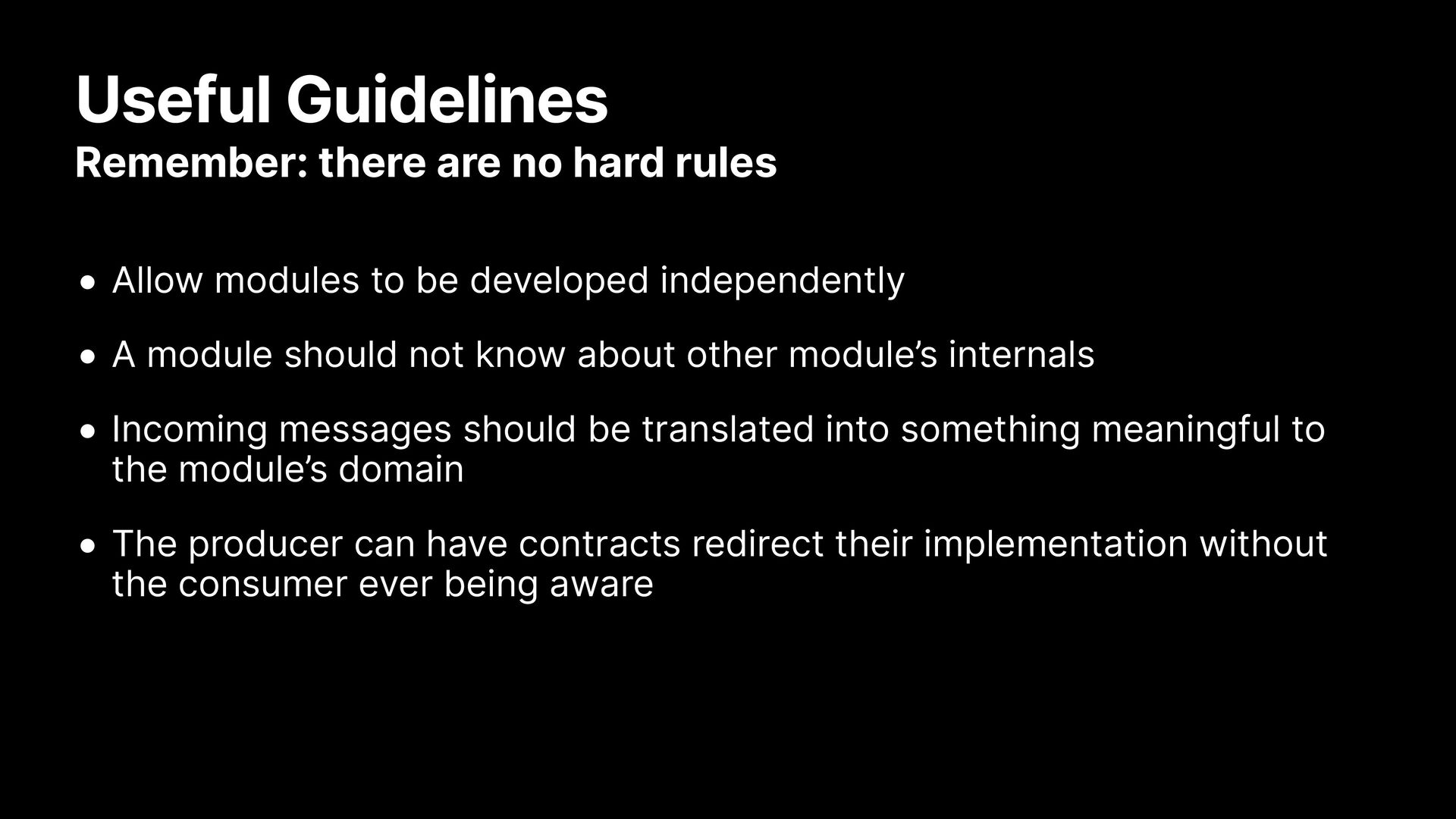
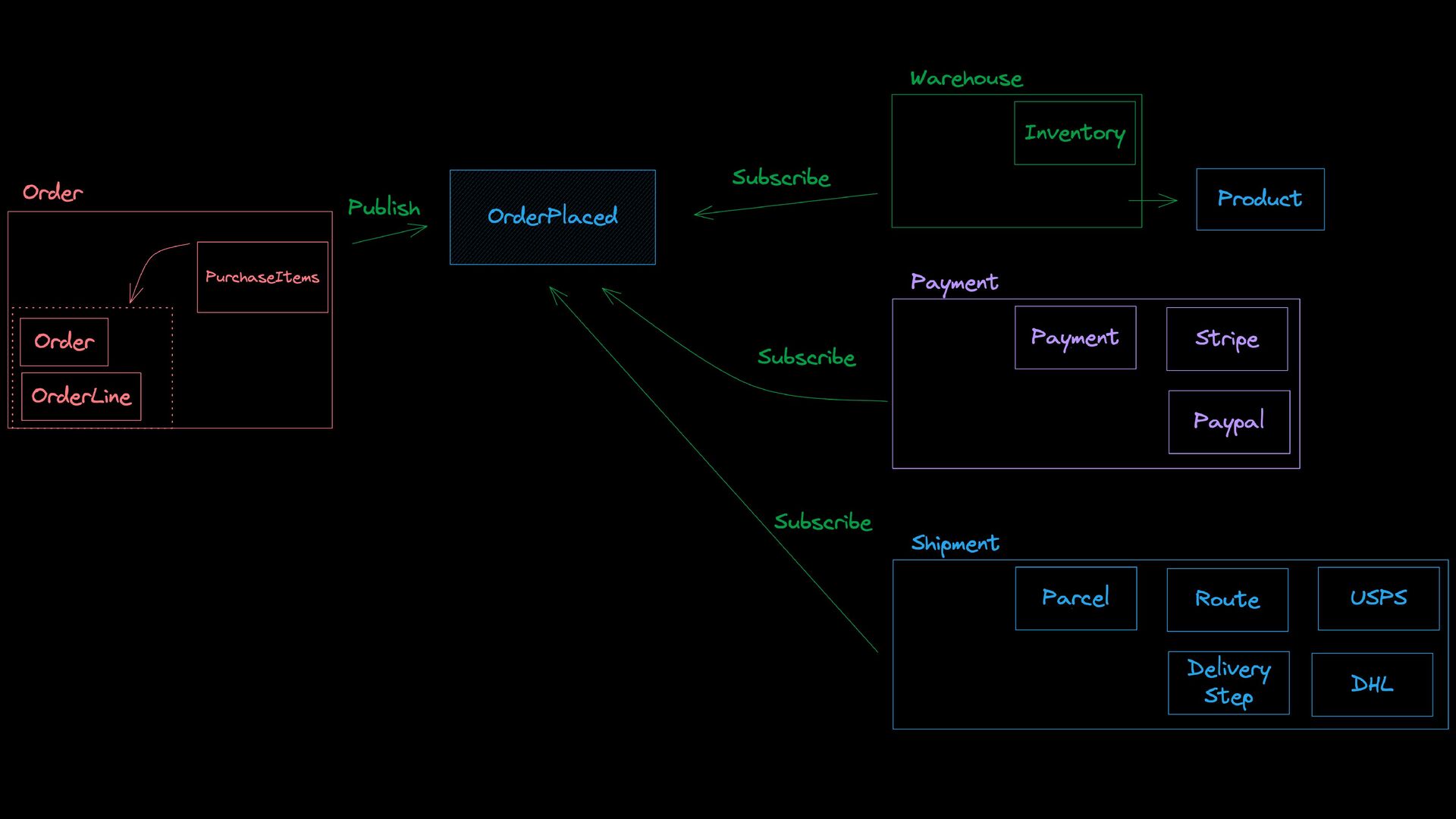
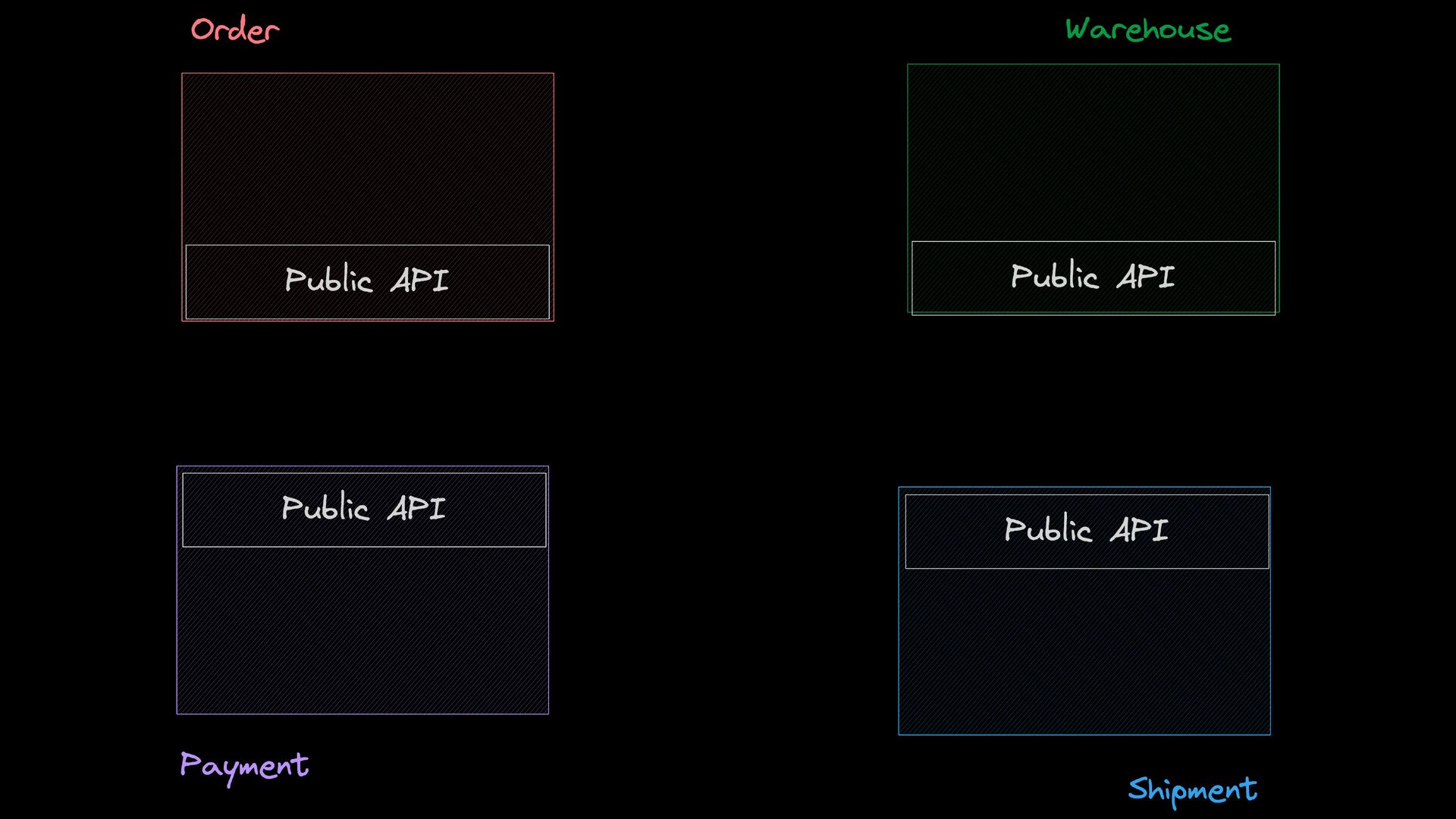
modules to be developed independently • A module should not know about other module’s internals • Incoming messages should be translated into something meaningful to the module’s domain • The producer can have contracts redirect their implementation without the consumer ever being aware
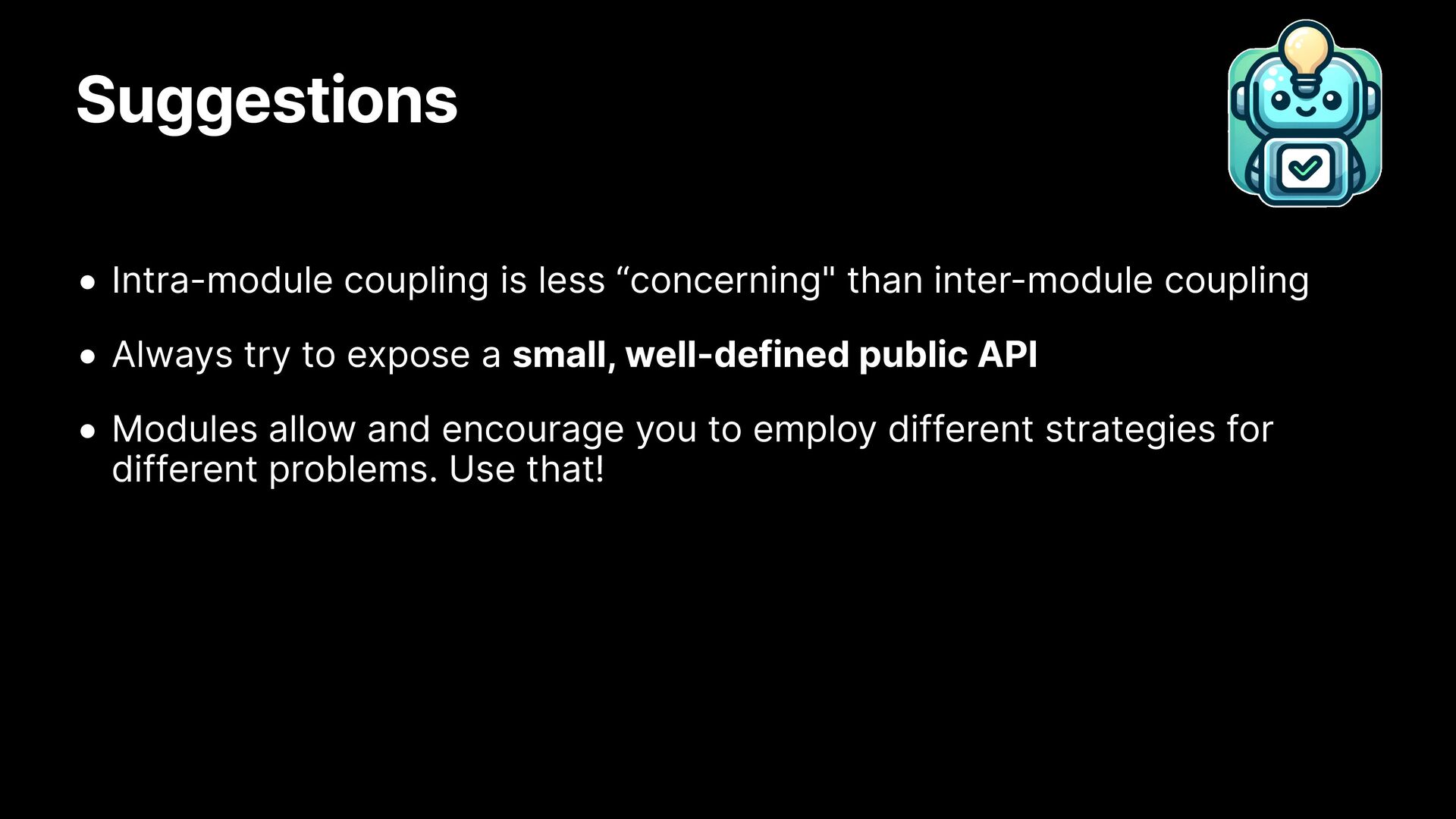
• Always try to expose a small, well-defined public API • Modules allow and encourage you to employ different strategies for different problems. Use that!
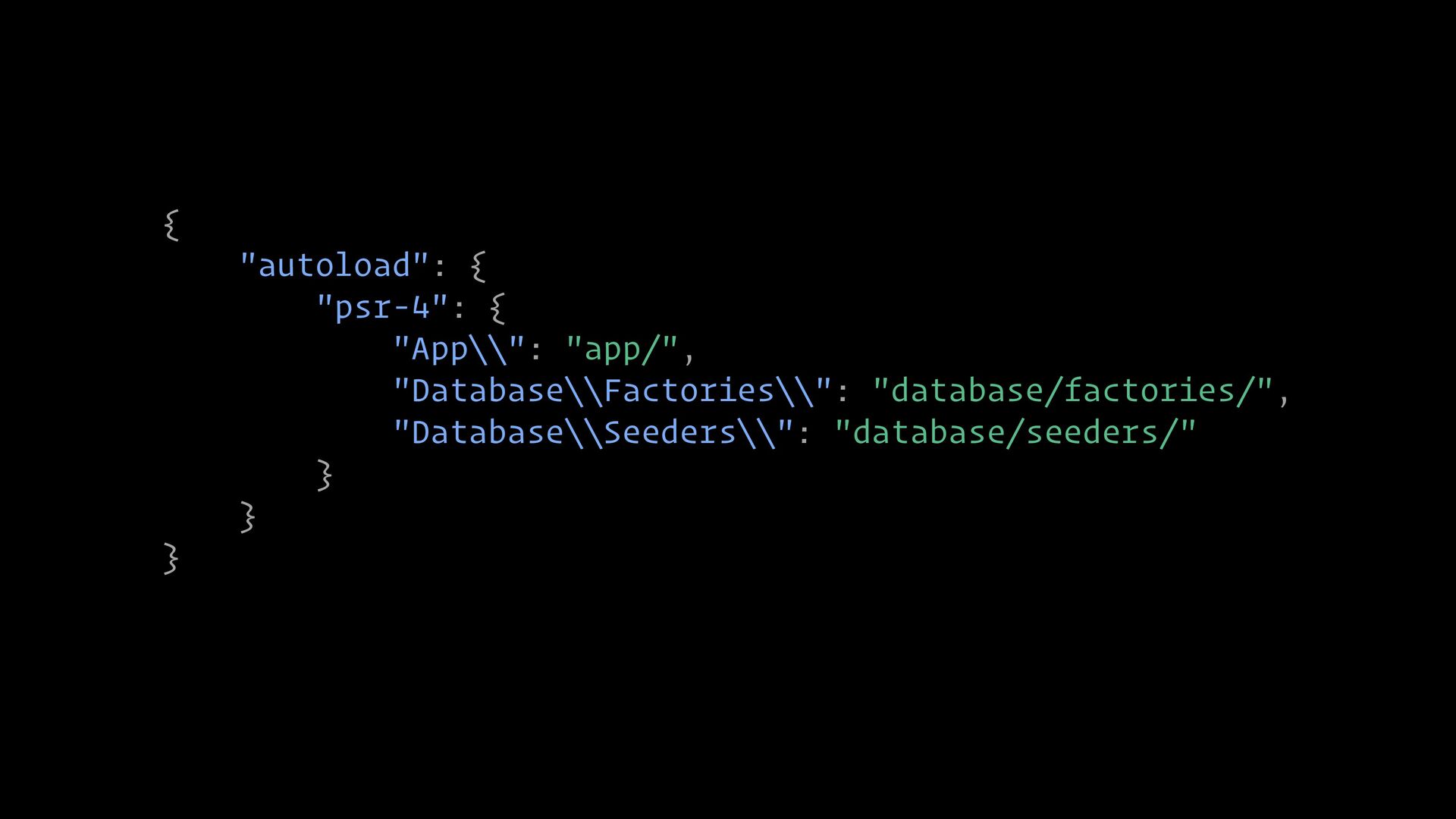
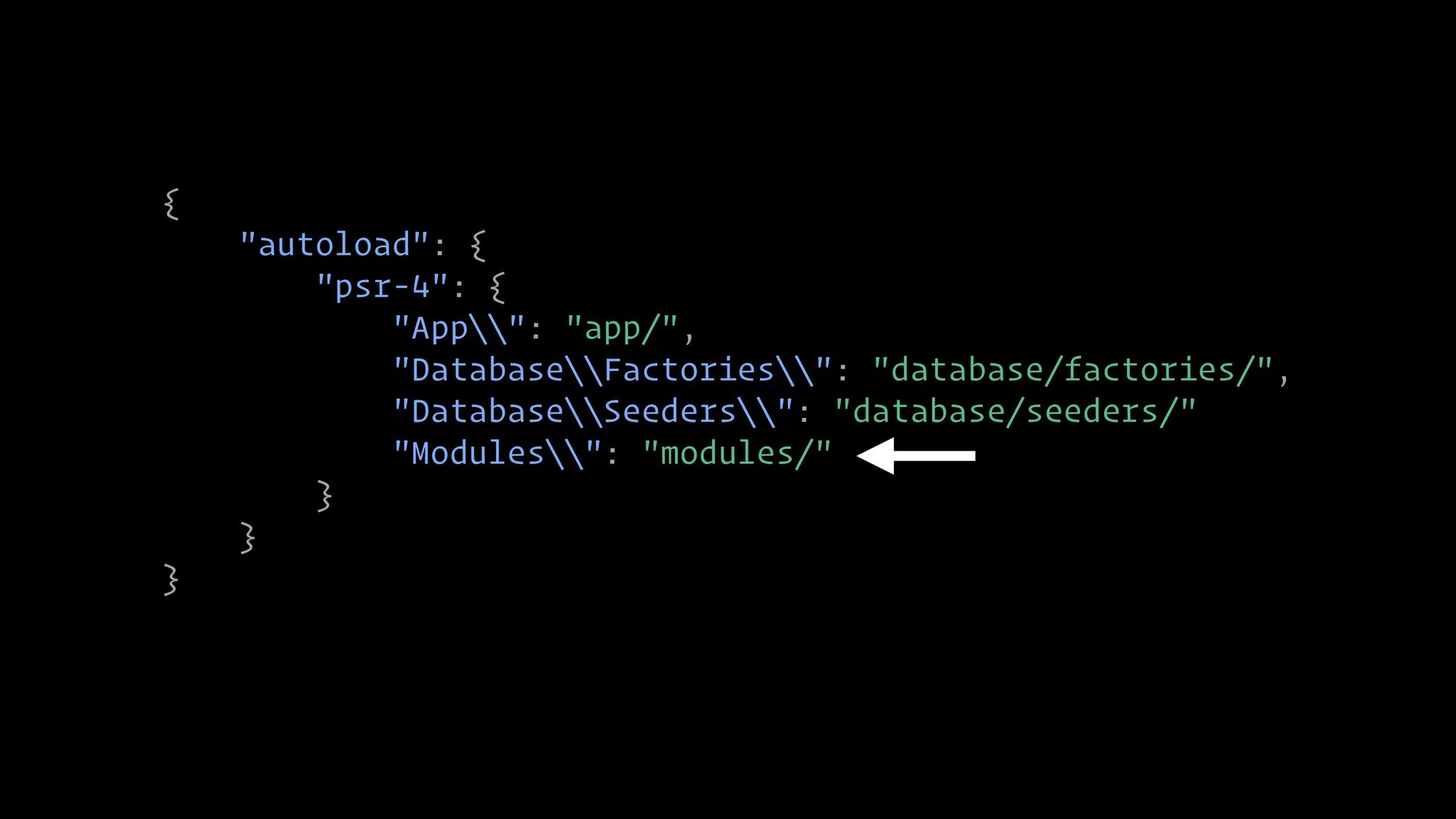
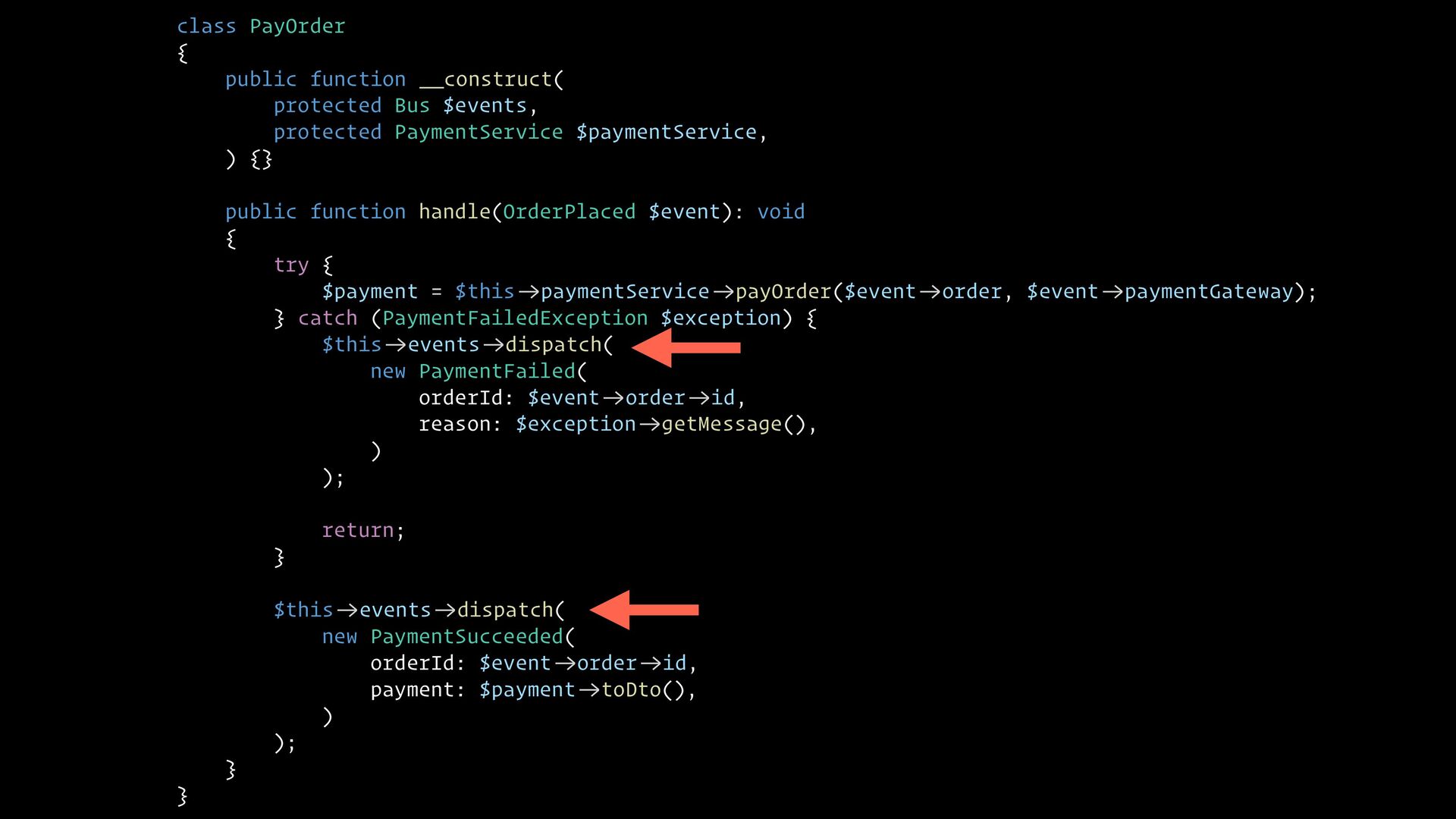
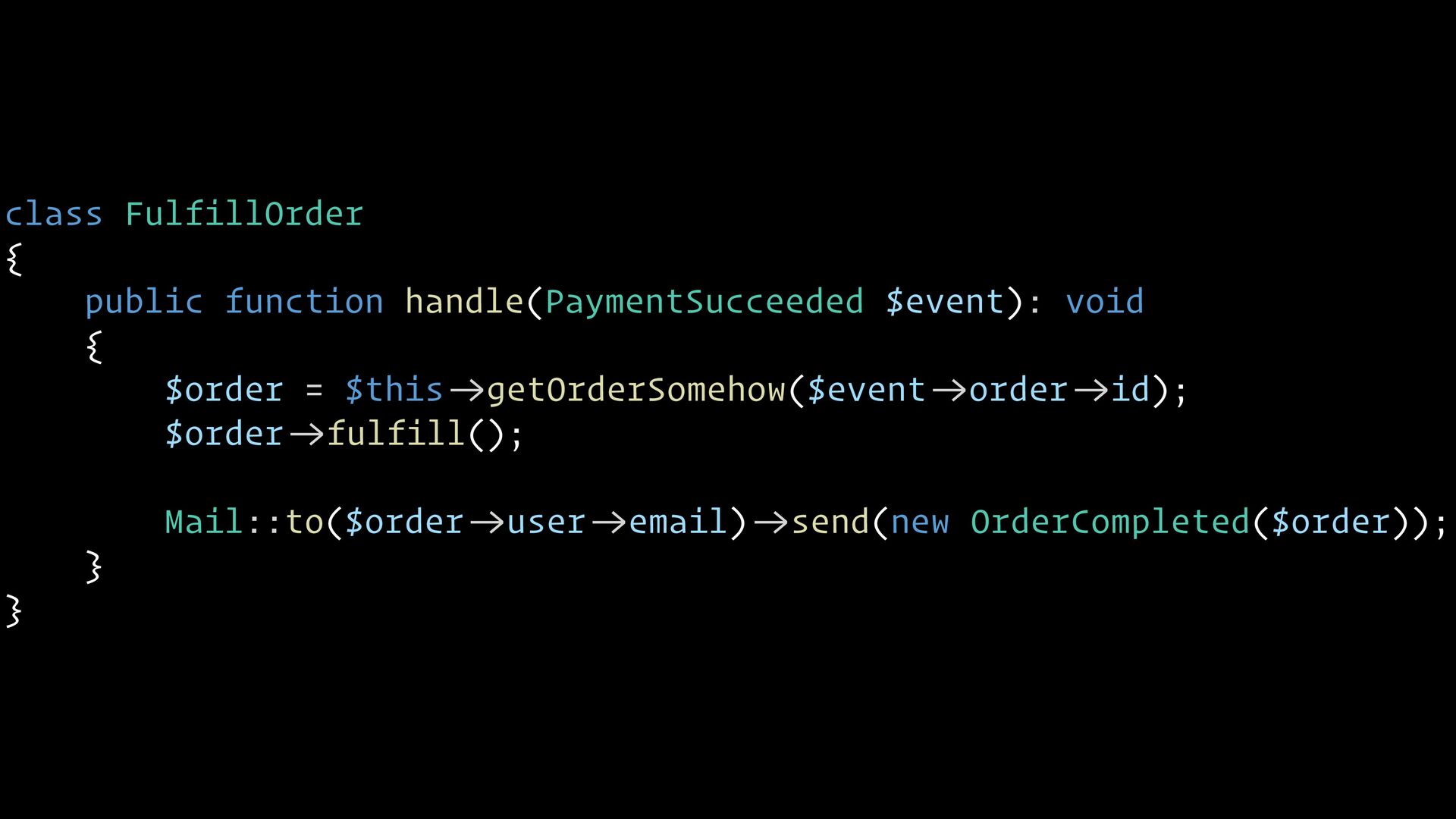
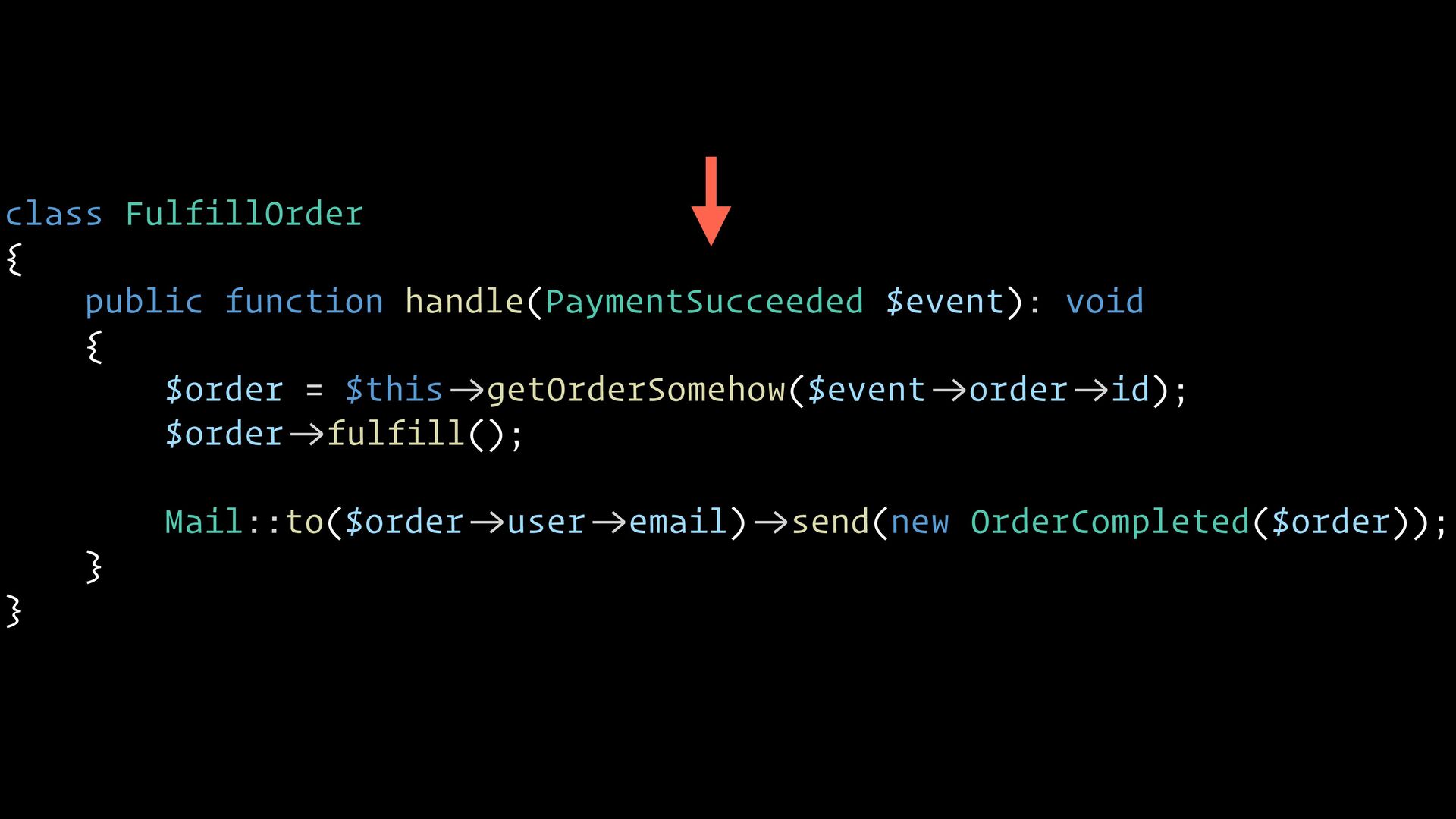
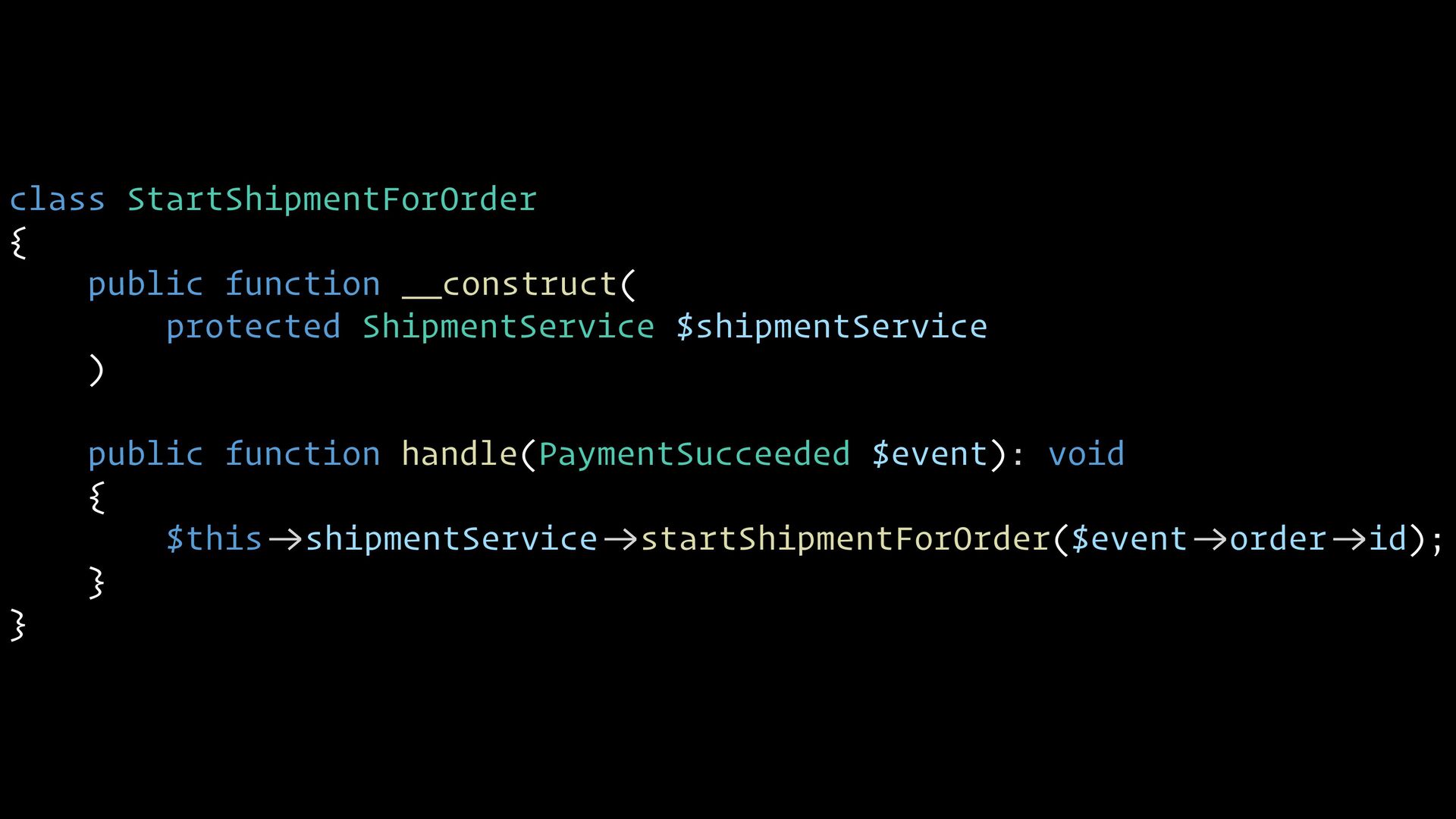
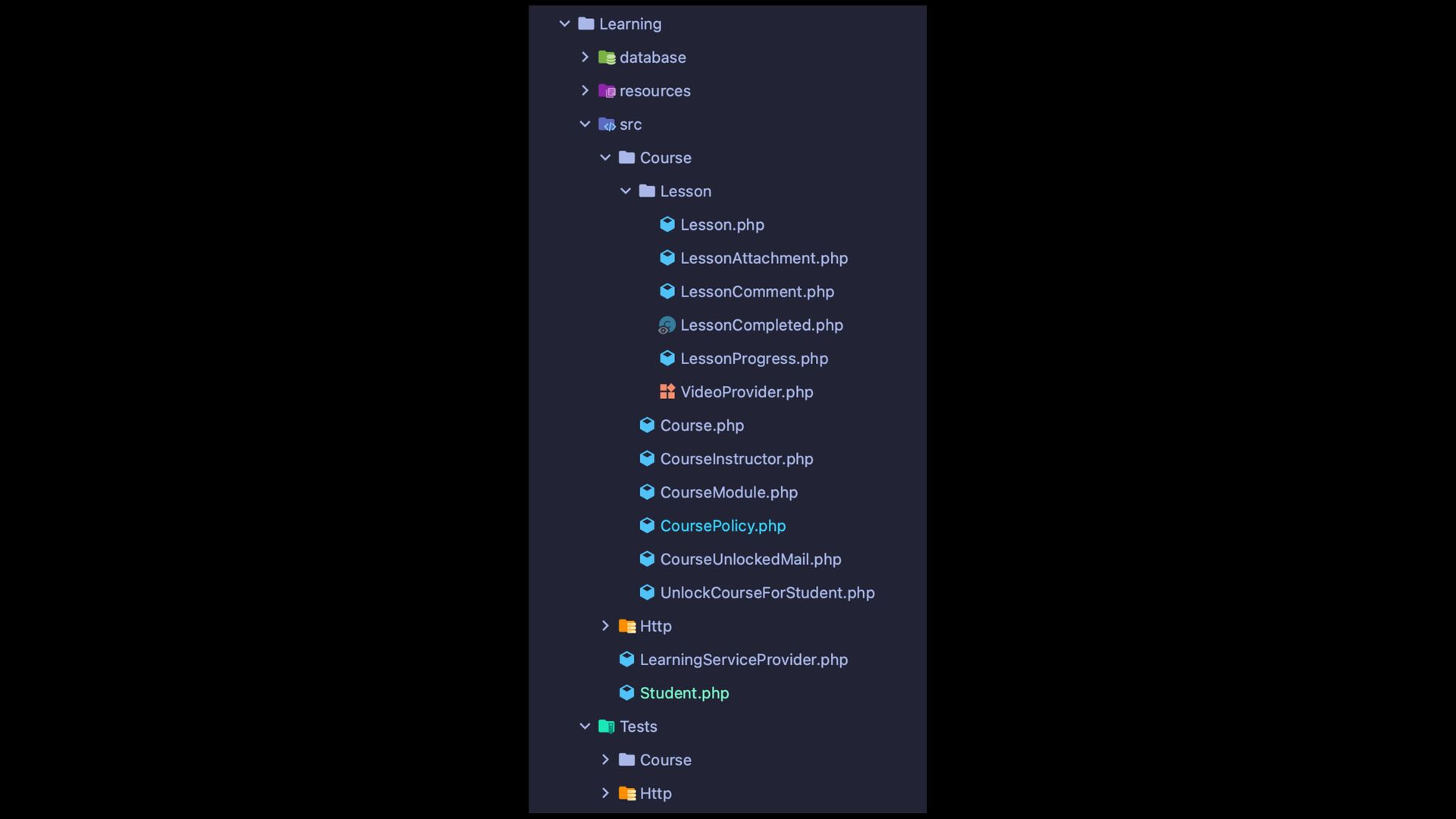
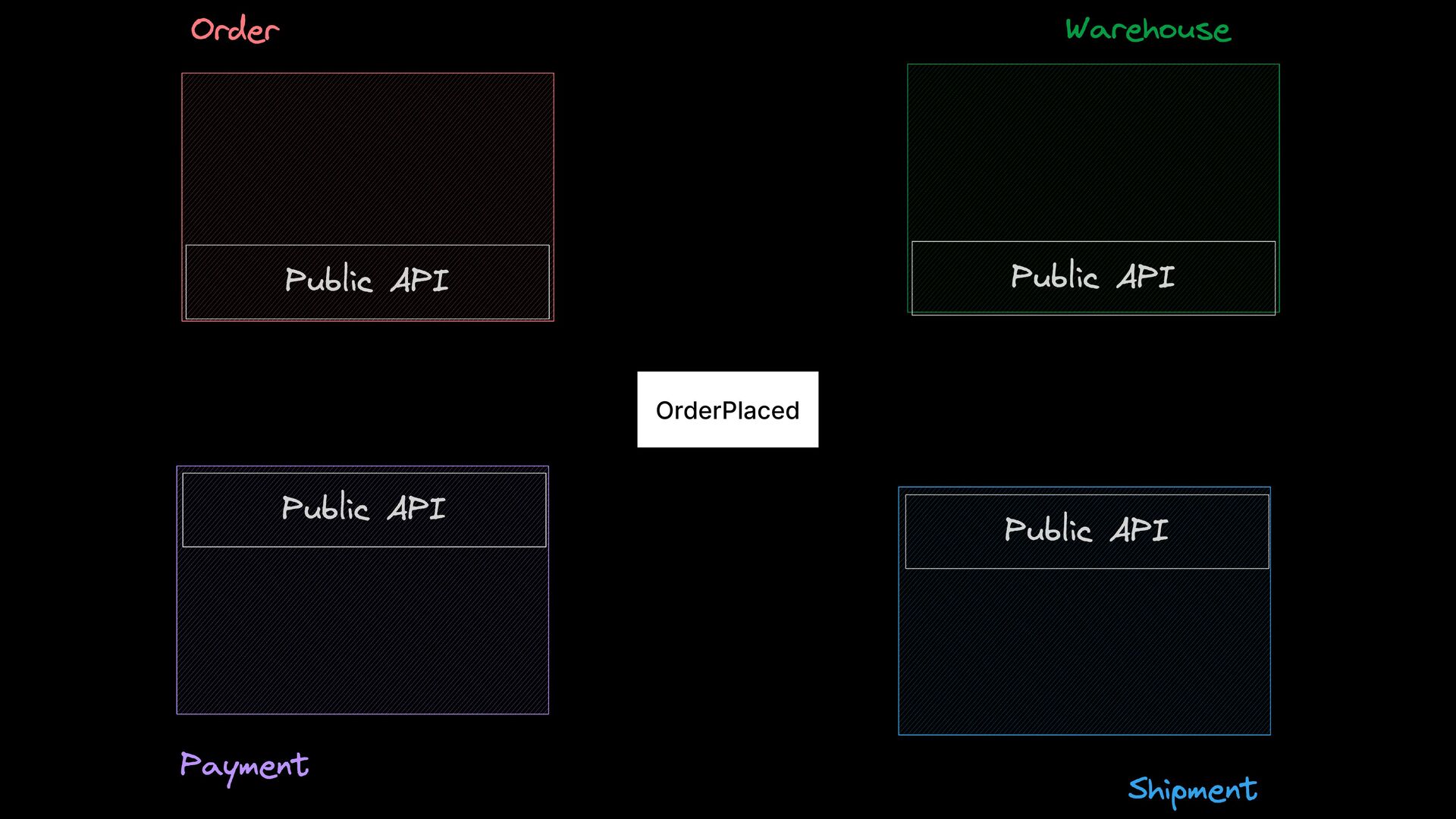
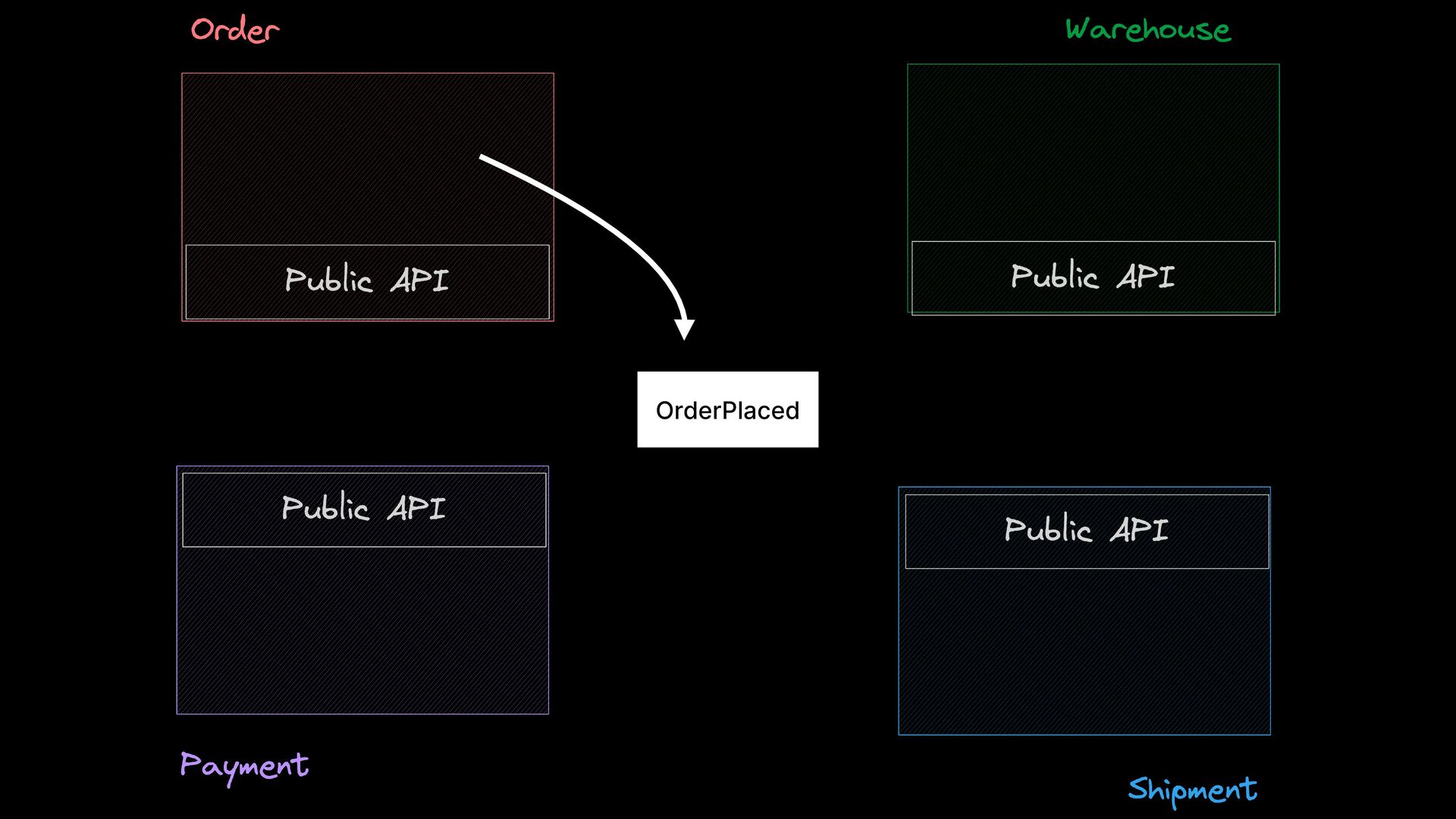
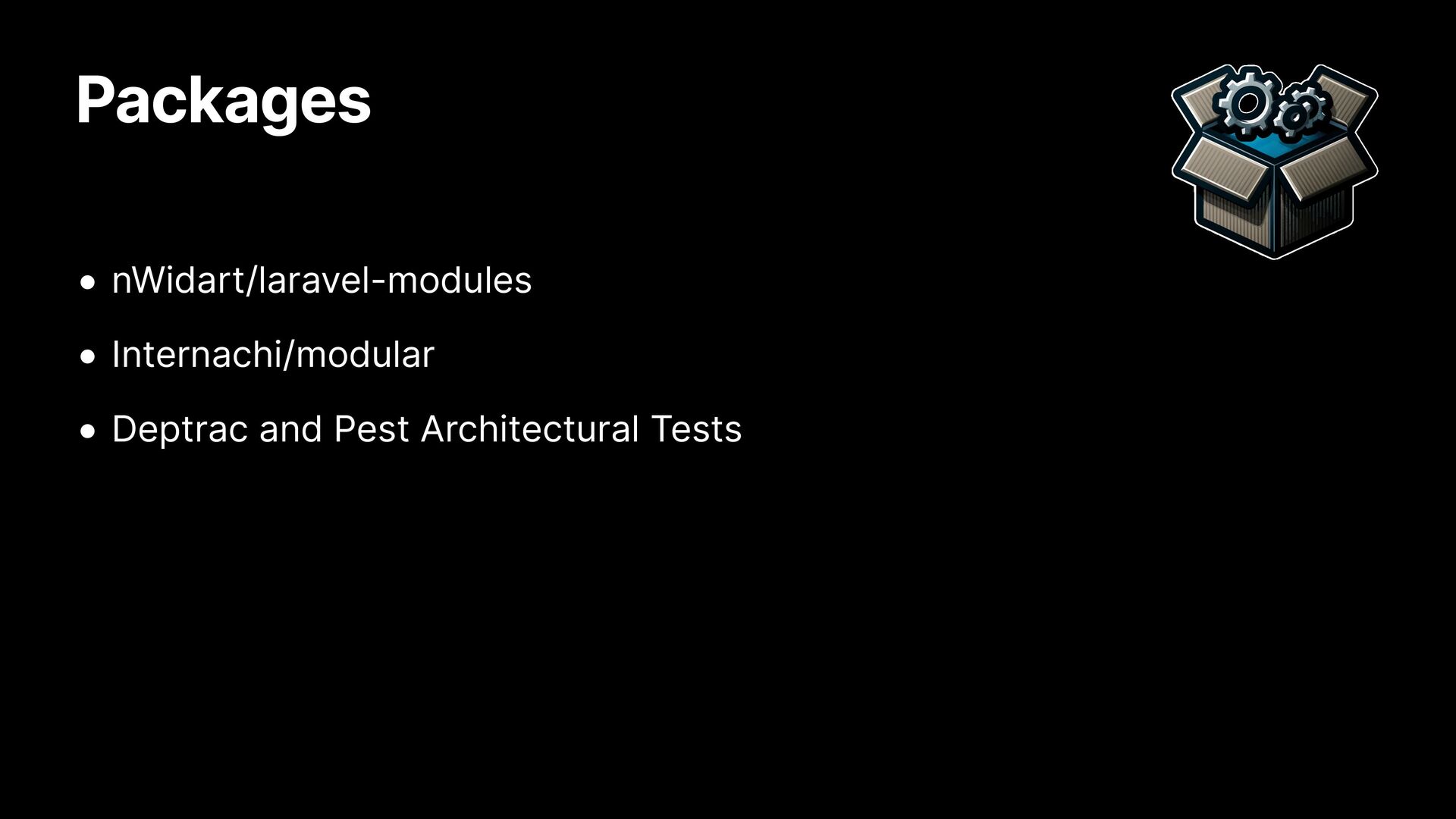
hold your modules (e.g \Modules) • Leverage Service Providers to set up everything related to the module: views, config files, routes, etc • Think about whether a module should hold all of its data or not • Leverage the Event Bus to pass messages between different modules


 mateusjatenee
 oniak3ibm
 iwatsukayura
 gam0022
 findyinc
 clockmaker
 kaityo256
 tosite
 florets1
 lef237
 y0hgi
y0hgi
 yasaichi
 akihisaikeda
 khoart
 kristinabergwall1
 szymonslowik
 axbom
axbom
 smashingmag
 michaelherold
 iamctodd
 techseoconnect
 malarkey
 ipullrank
 reverentgeek
 addyosmani