Upgrade to Pro — share decks privately, control downloads, hide ads and more …

Minimalism In Web Design

Avatar for Matt Dalant Matt Dalant
August 01, 2019

Minimalism In Web Design

The key rule of minimalism in web design is to leave just the fundamental part of the component for the Visitor's eyes. Along these lines the designer won't just concentrate the user's consideration on the significant piece of the design yet in addition raise the tastefulness of the design. As indicated by the expressions of Donald Judd, an unbelievable minimalist designer, "A shape, a volume, a shading, a surface is something itself. It shouldn't be covered as a component of a genuinely extraordinary entirety. The shapes and materials shouldn't be modified by their specific circumstance." For more on web design: https://mylittlebigweb.com/en/

Avatar for Matt Dalant

Matt Dalant

August 01, 2019

Other Decks in Design

Transcript

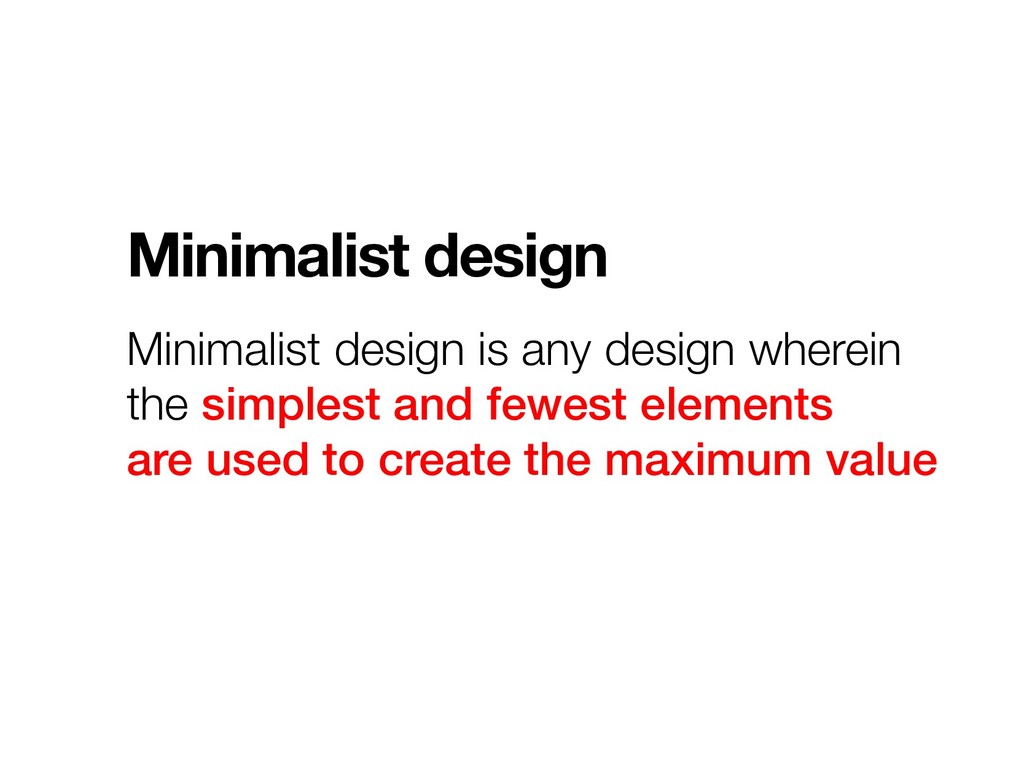
  1. Minimalist design
 
 Minimalist design is any design wherein !

    the simplest and fewest elements ! are used to create the maximum value ! !
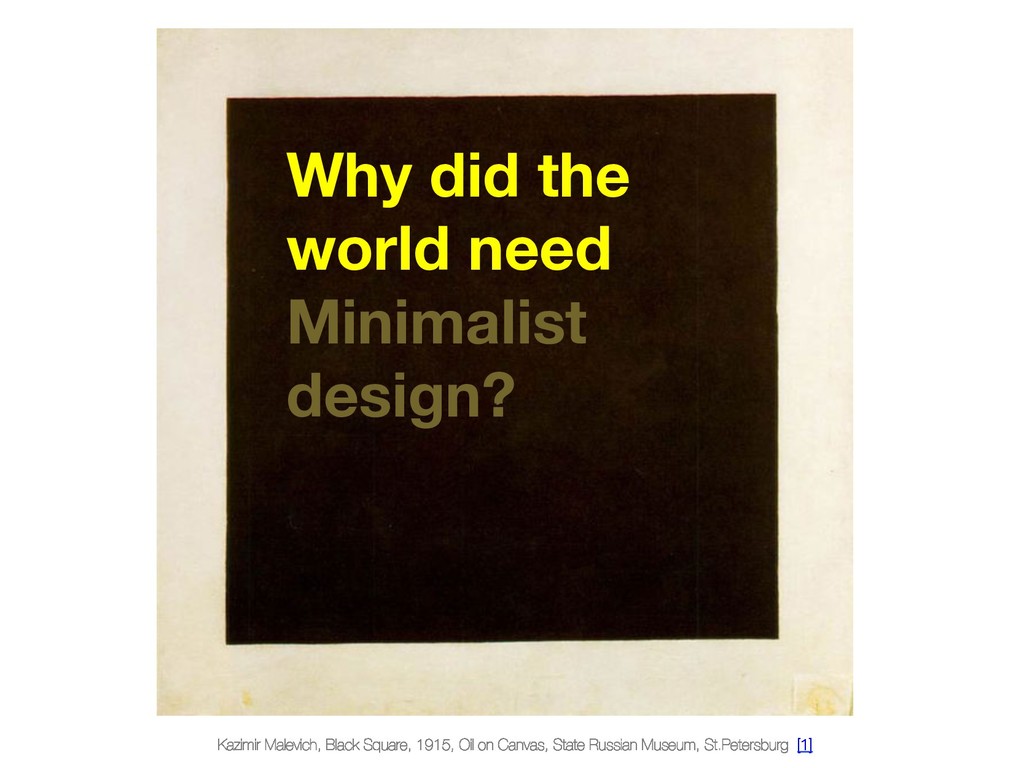
  2. Why did the
 world need
 Minimalist 
 design?
 Kazimir Malevich,

    Black Square, 1915, Oil on Canvas, State Russian Museum, St.Petersburg [1]
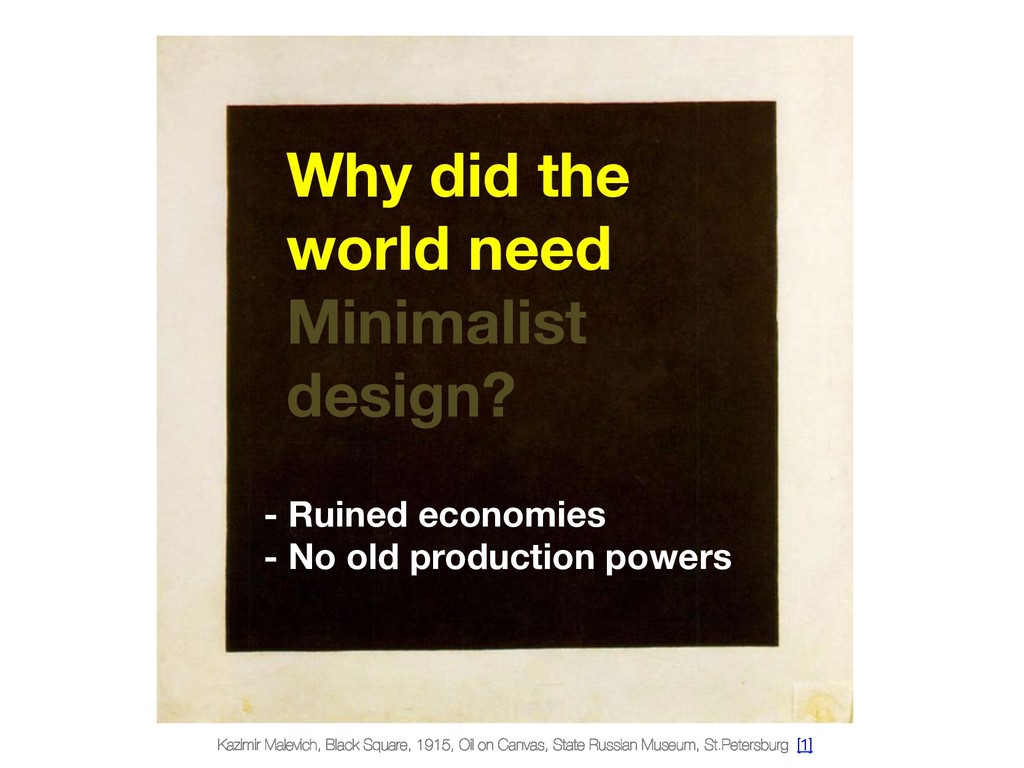
  3. Why did the
 world need
 Minimalist 
 design?
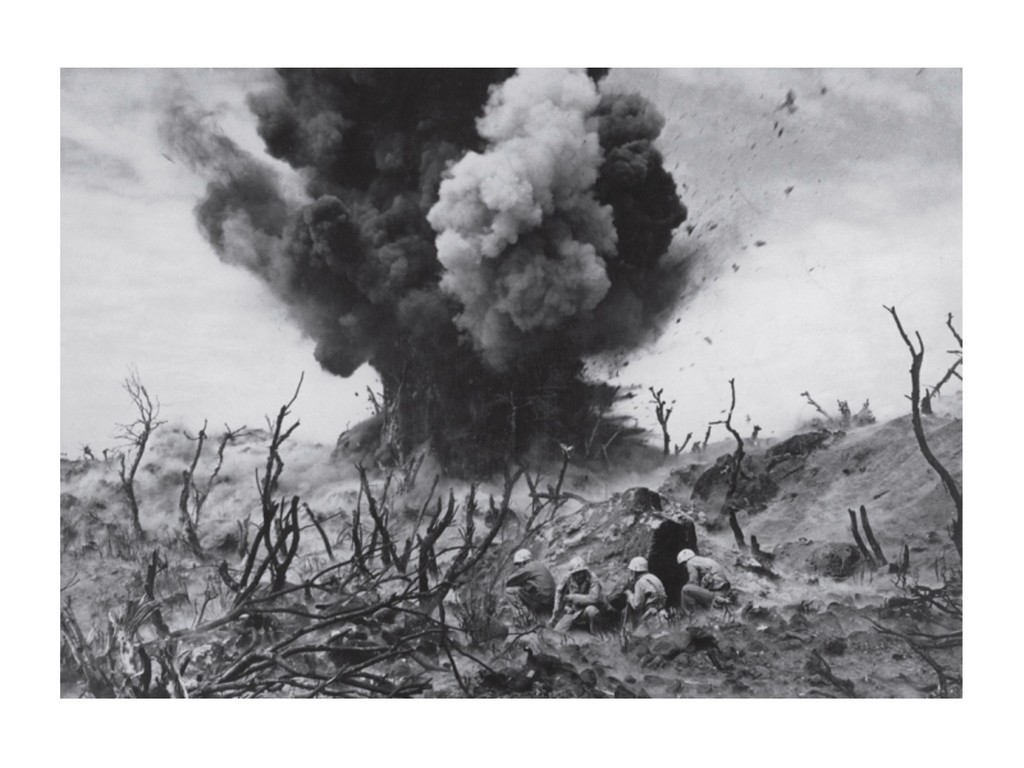
 - Ruined

    economies - No old production powers Kazimir Malevich, Black Square, 1915, Oil on Canvas, State Russian Museum, St.Petersburg [1]
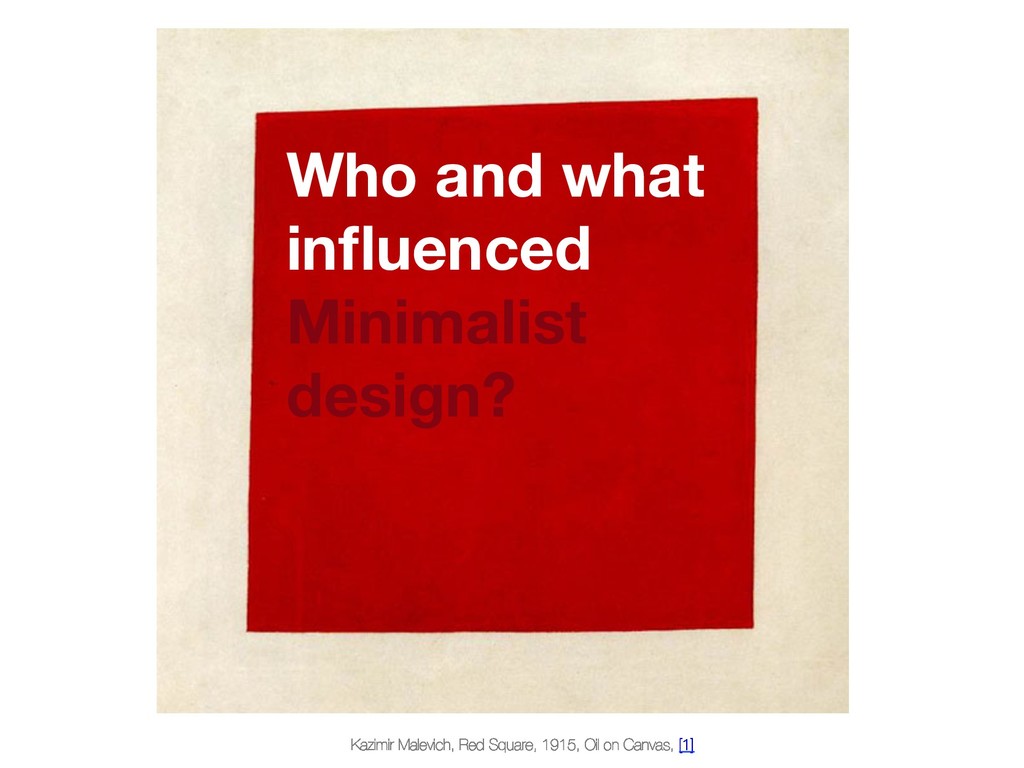
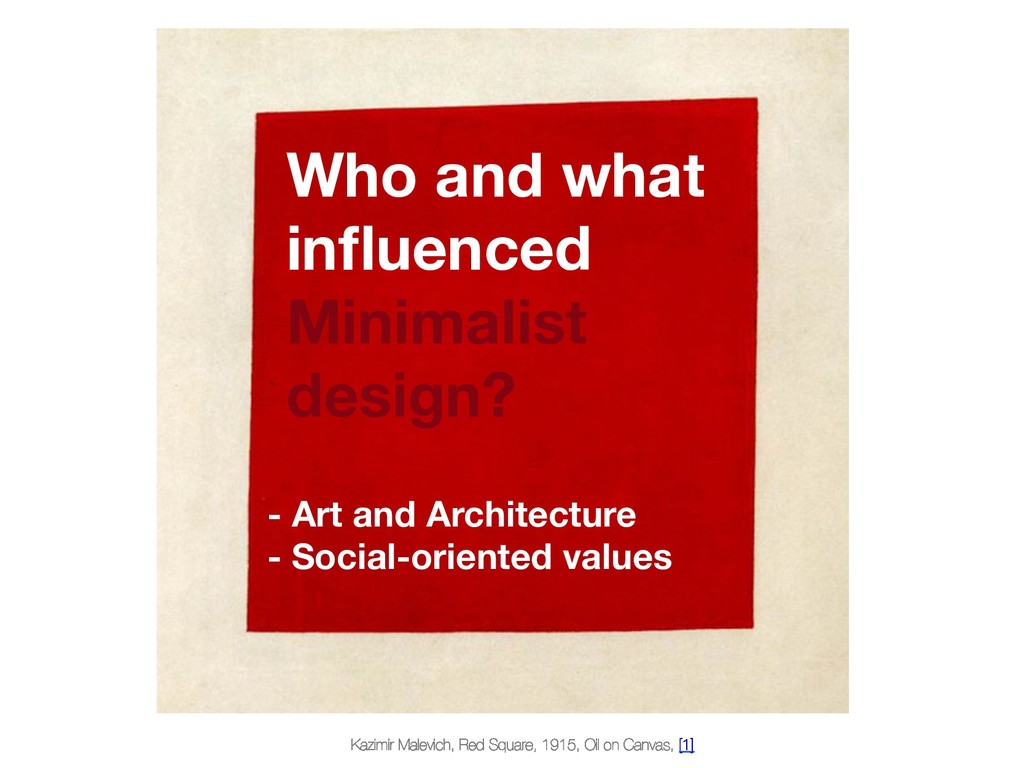
  4. Who and what
 influenced
 Minimalist
 design? - Art and Architecture

    - Social-oriented values Kazimir Malevich, Red Square, 1915, Oil on Canvas, [1]
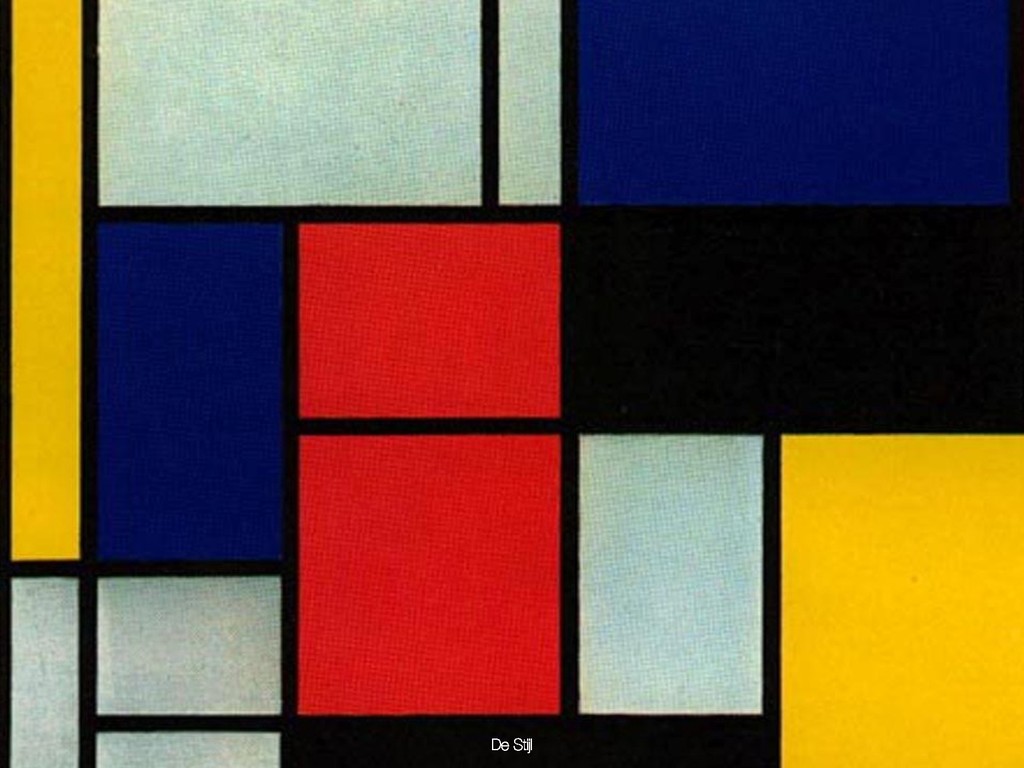
  5. Abstract art 
 De Stijl. Piet Mondrian, Theo van Doesburg

    Horizontal and vertical lines
 Rectangular forms
 Elements: blue / red / yellow
 Separators: white / black / grey! ! ! ! Elements don’t intersect, each speaks for itself!
  6. Architecture 
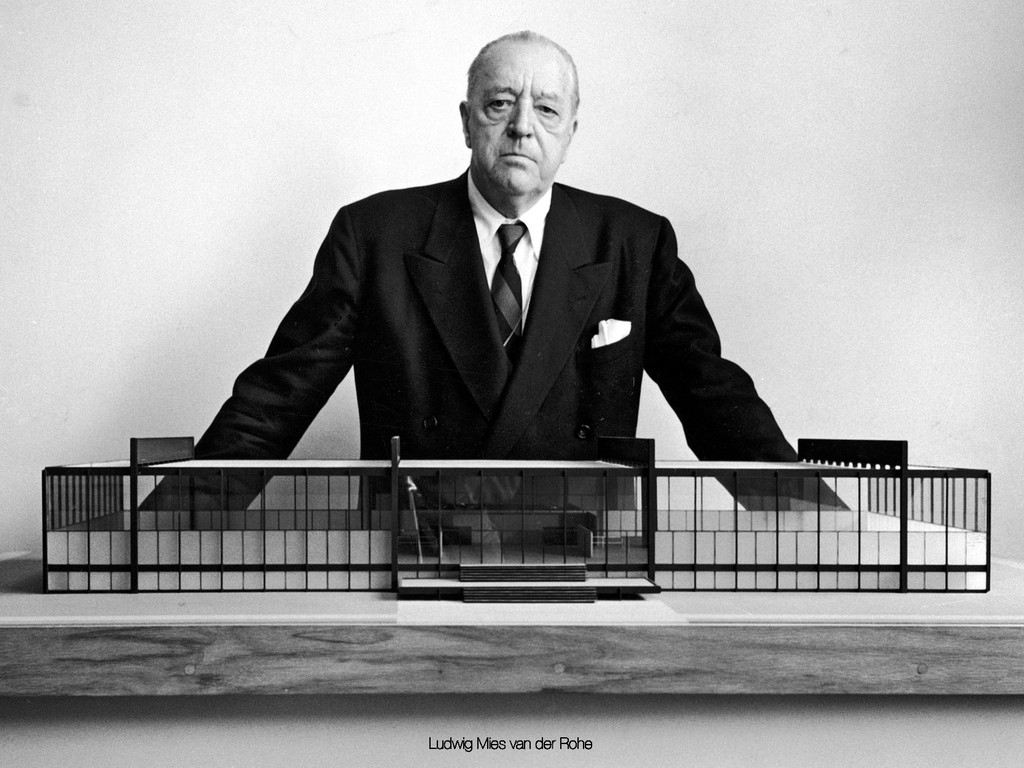
 Bauhaus. Ludwig Mies van der Rohe 


 Modern materials
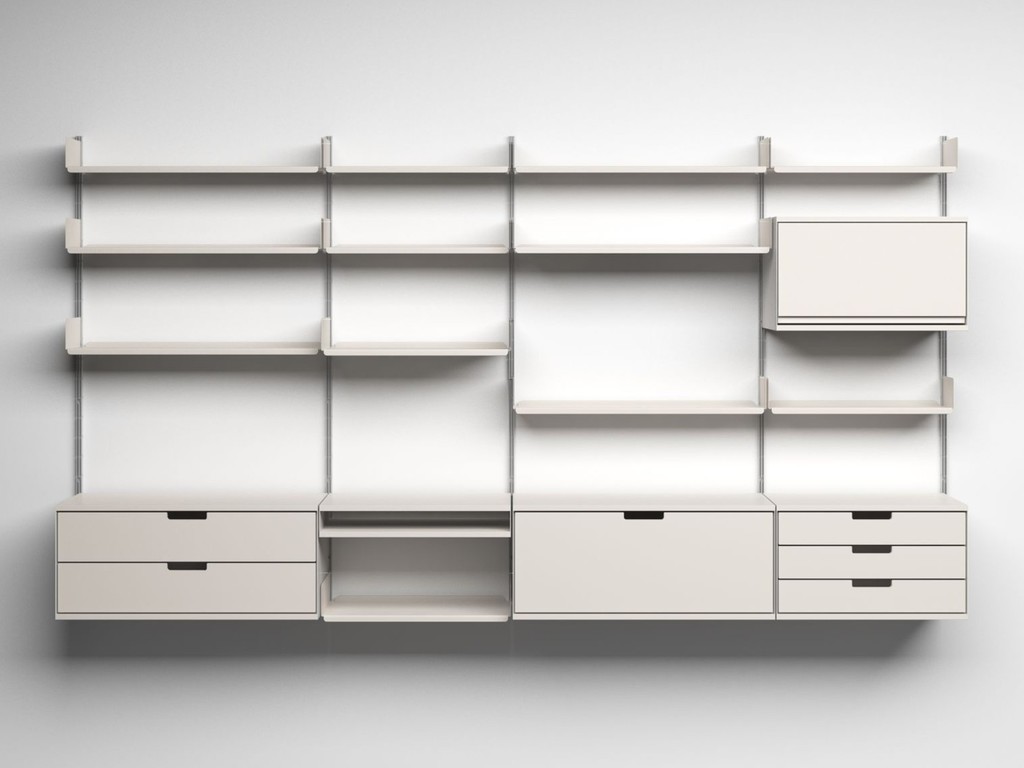
 Lots of open space
 Minimal structural framework! ! ! ! ! ! ”Less is More” Ludwig Mies van der Rohe! 

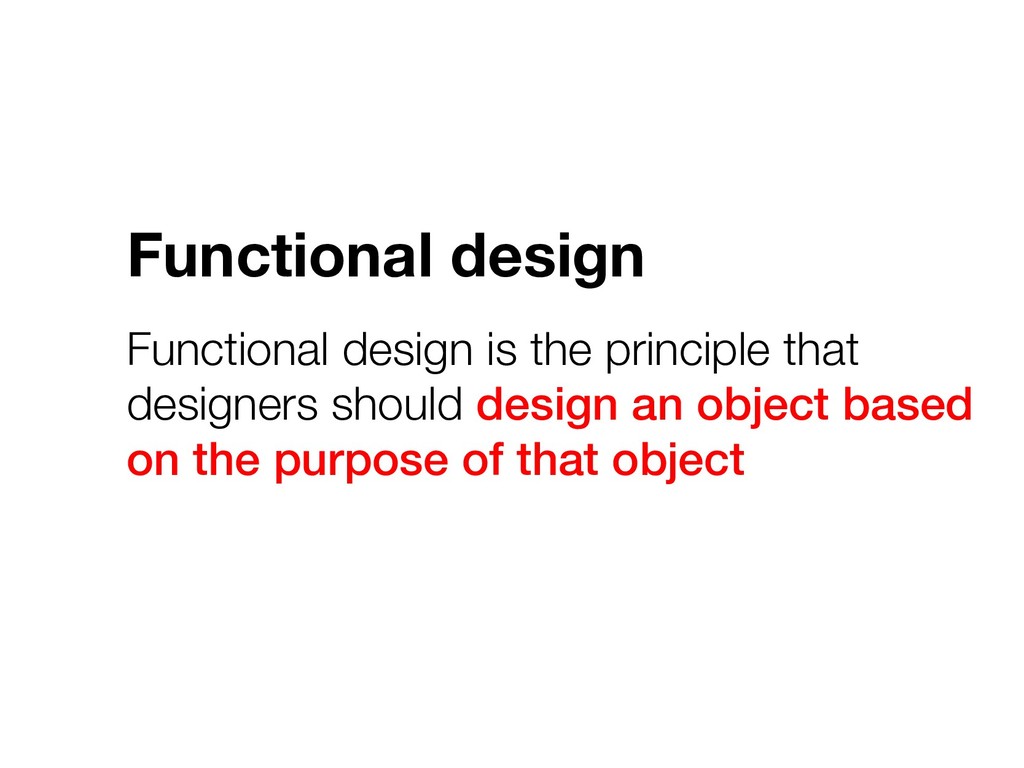
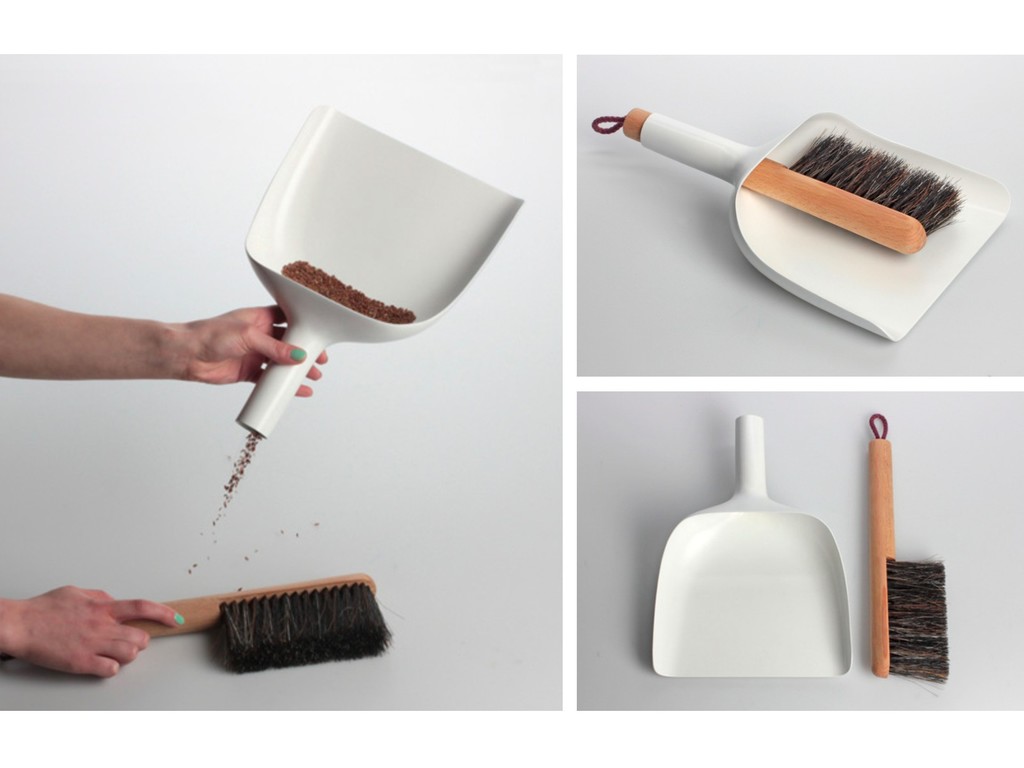
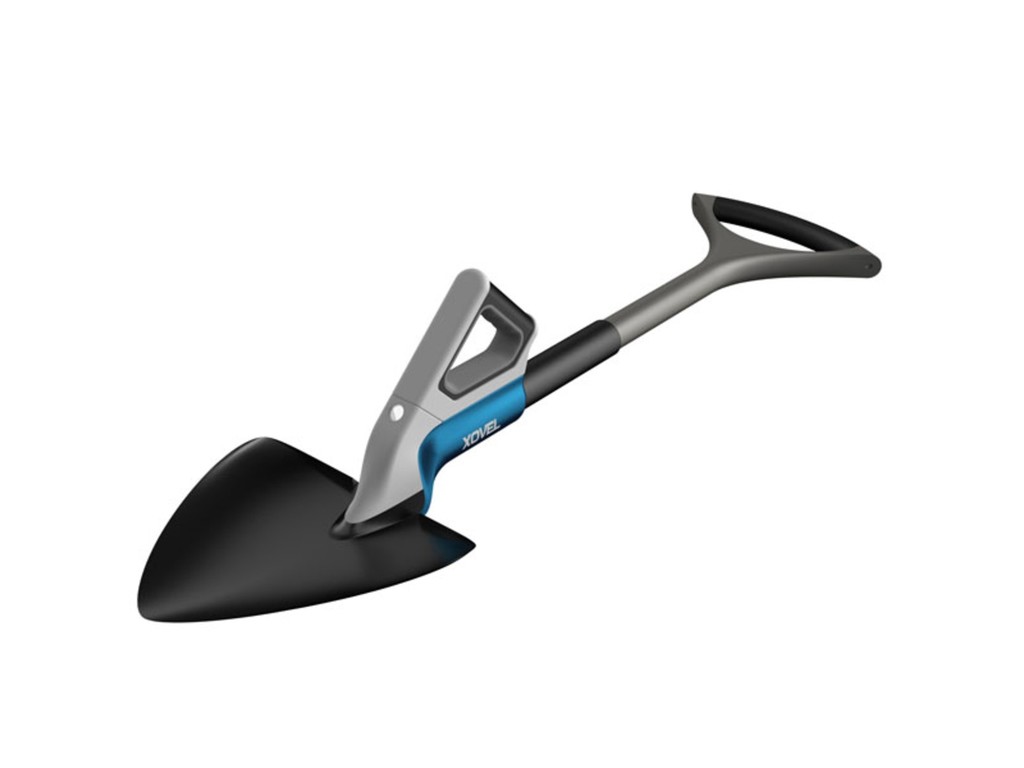
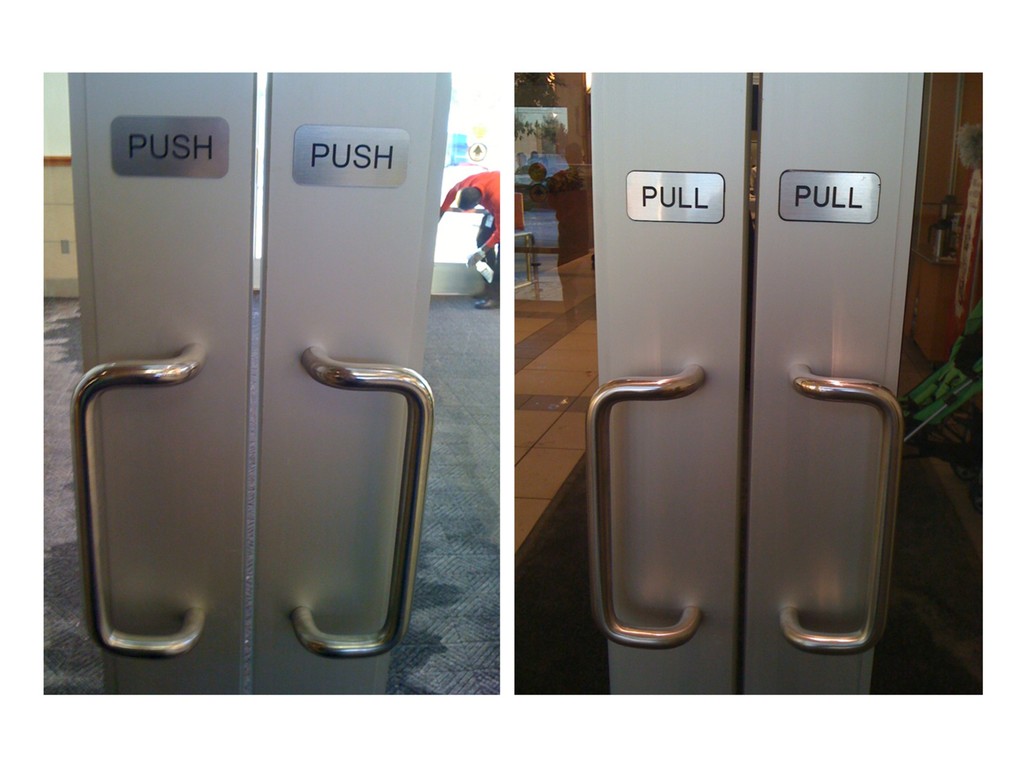
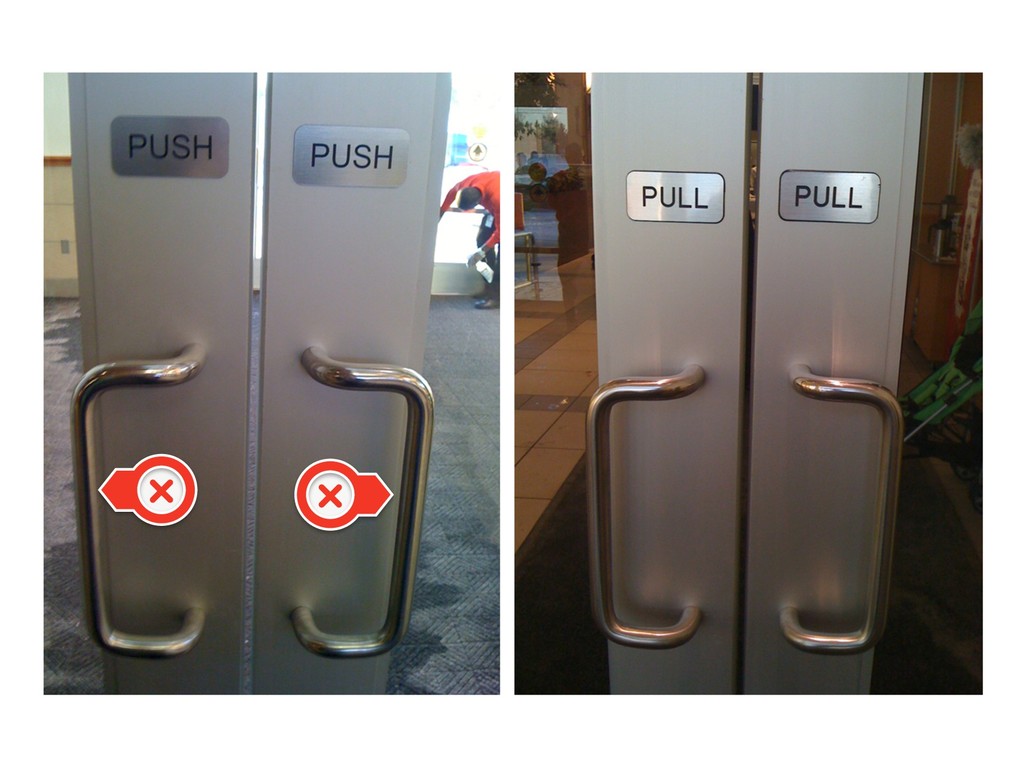
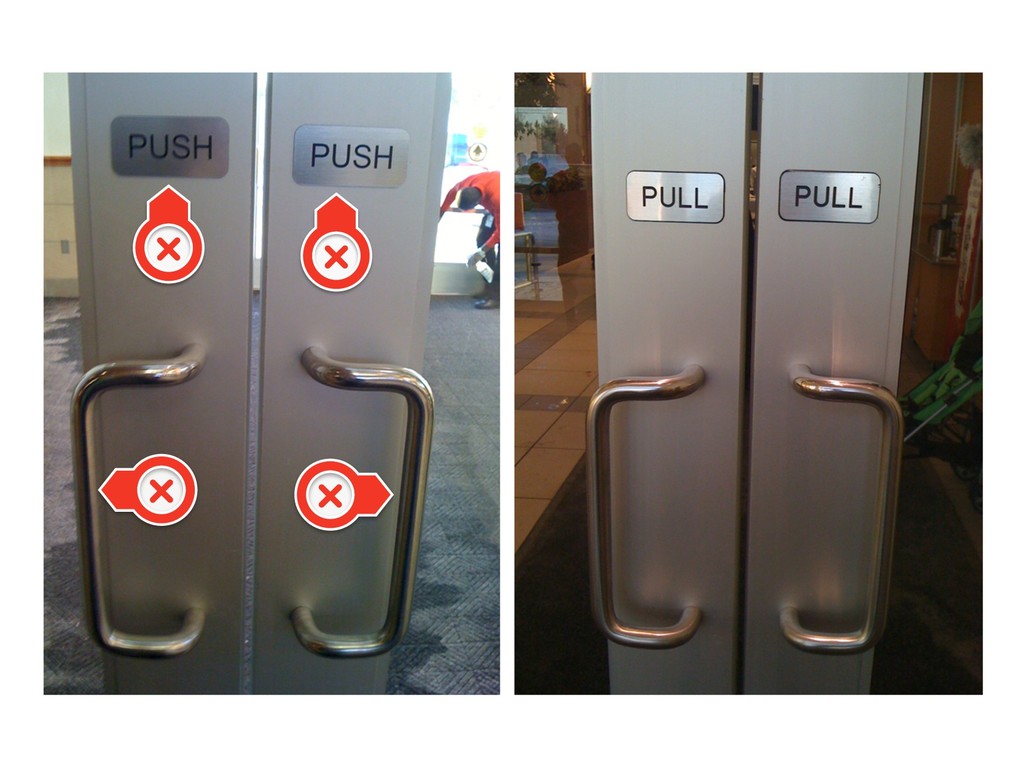
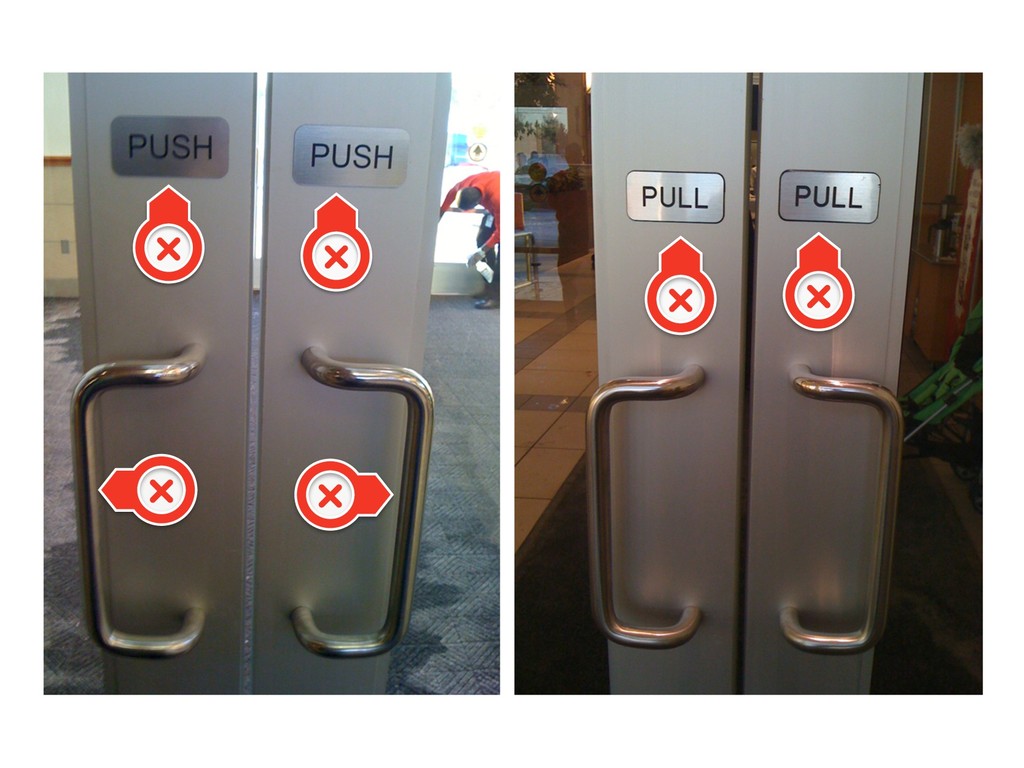
  7. Functional design! ! Functional design is the principle that !

    designers should design an object based on the purpose of that object!
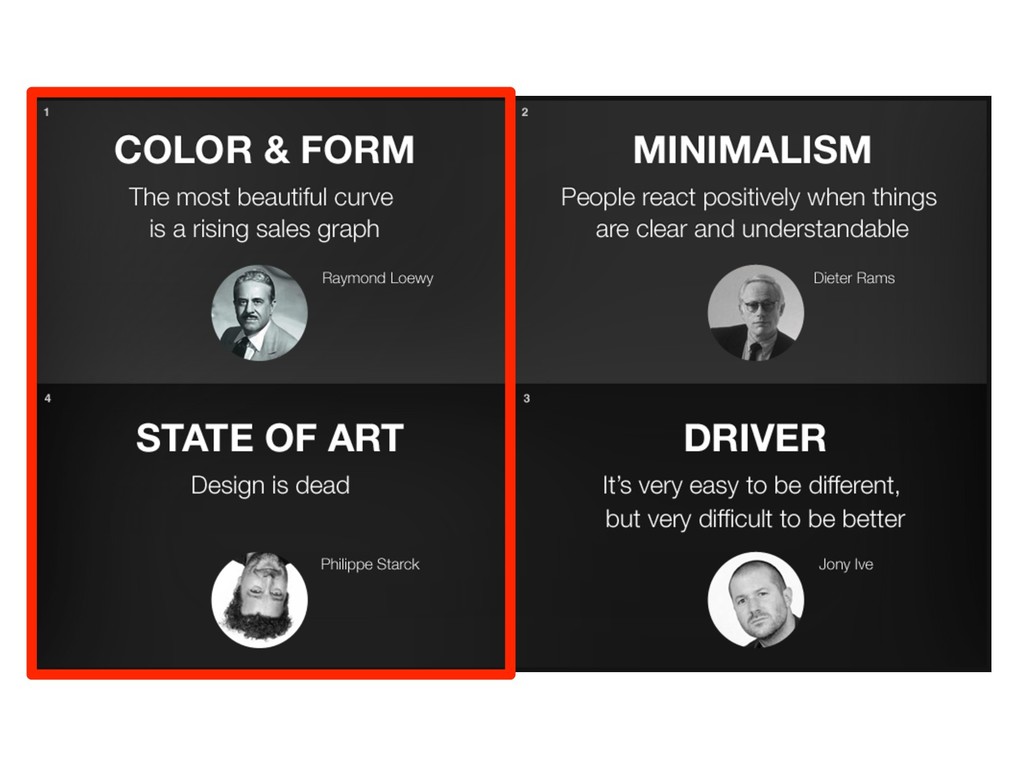
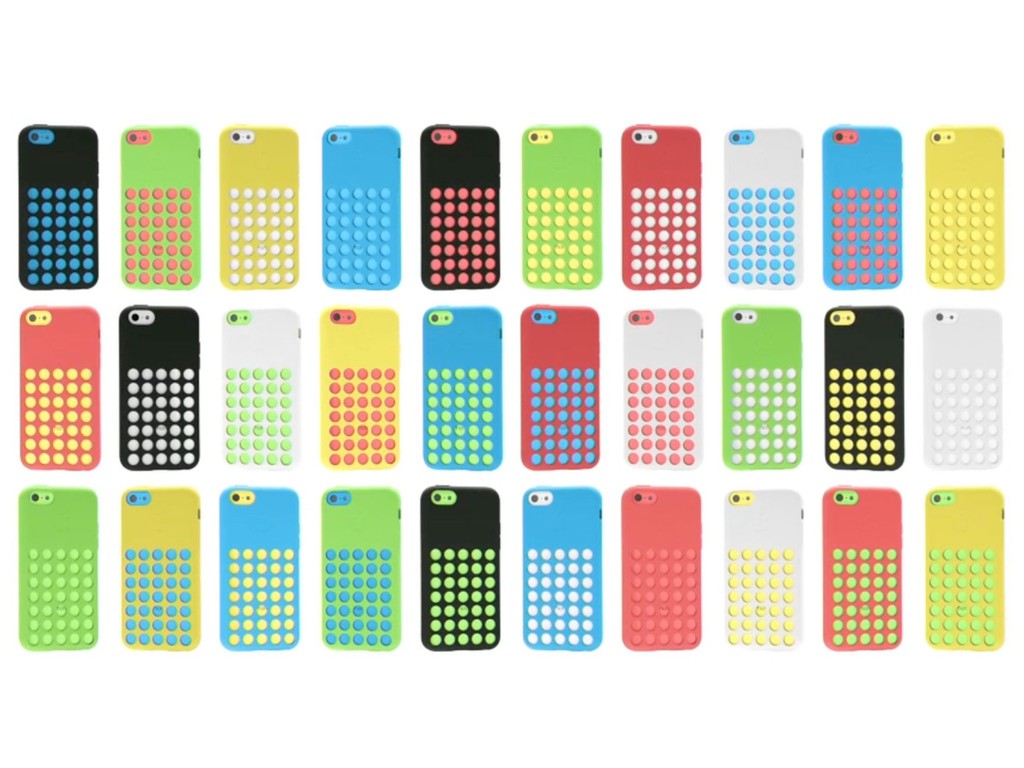
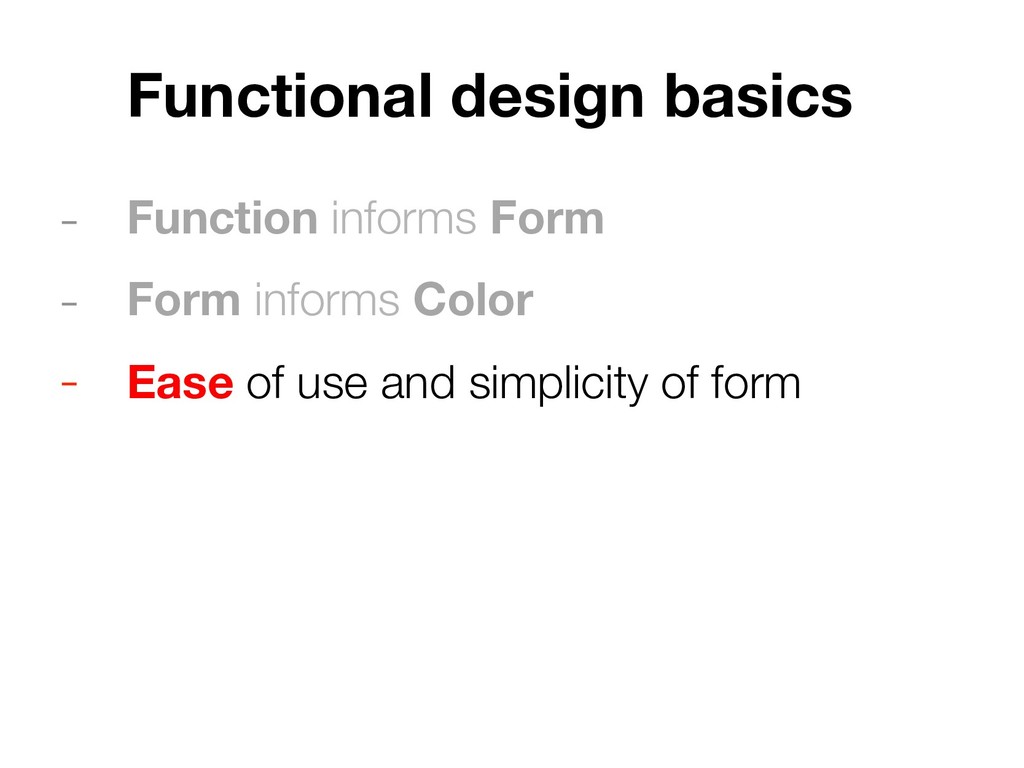
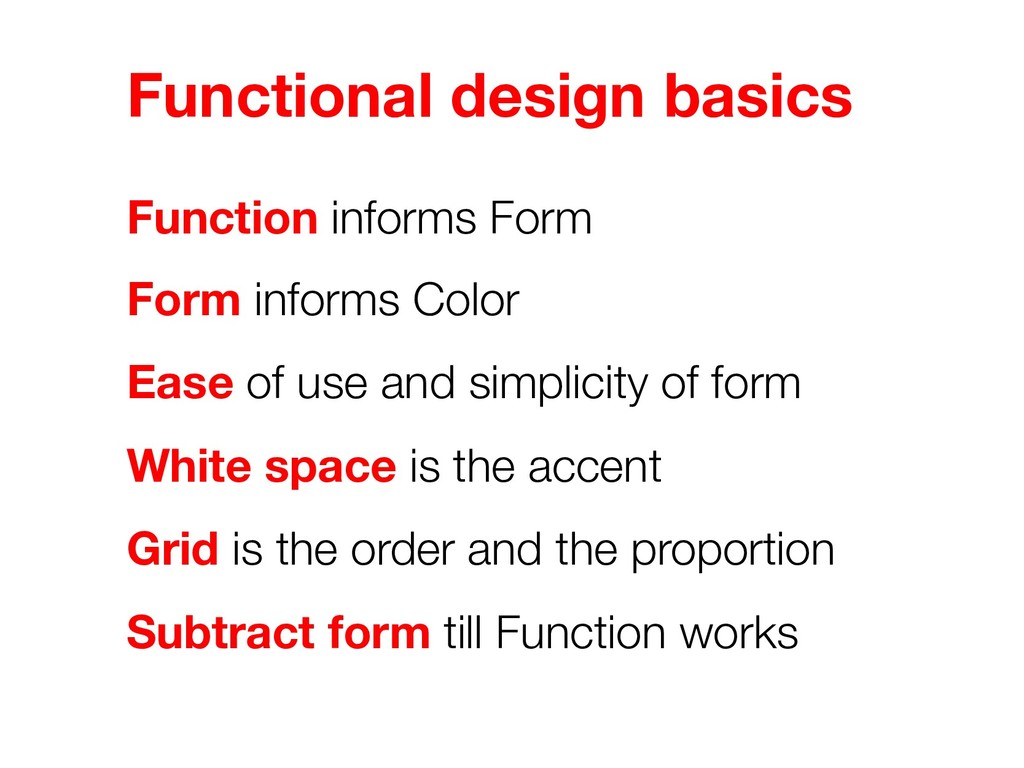
  8. Functional design basics! ! ! Function informs Form! Form informs

    Color
 Ease of use and simplicity of form !
  9. Functional design basics! ! ! Function informs Form! Form informs

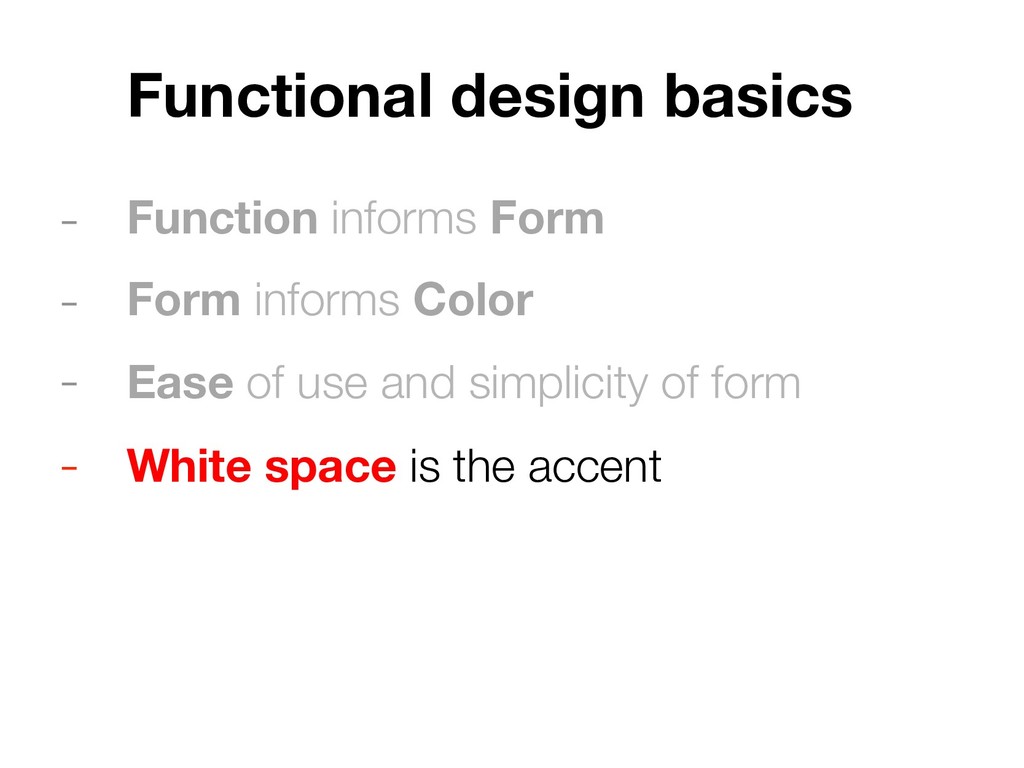
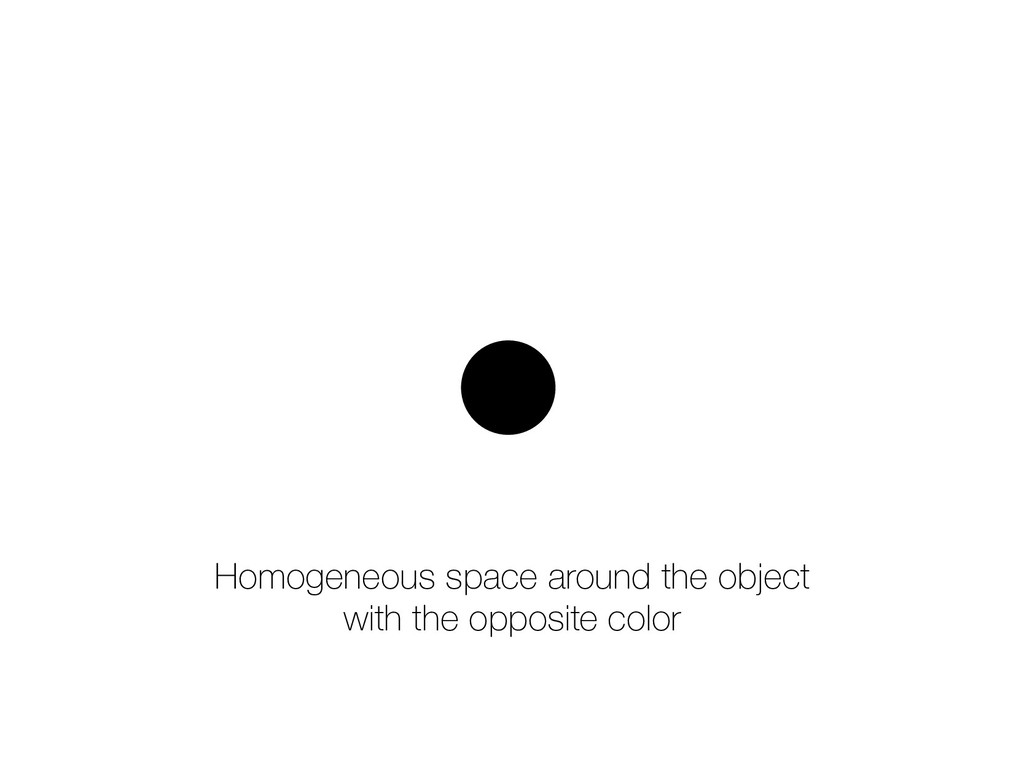
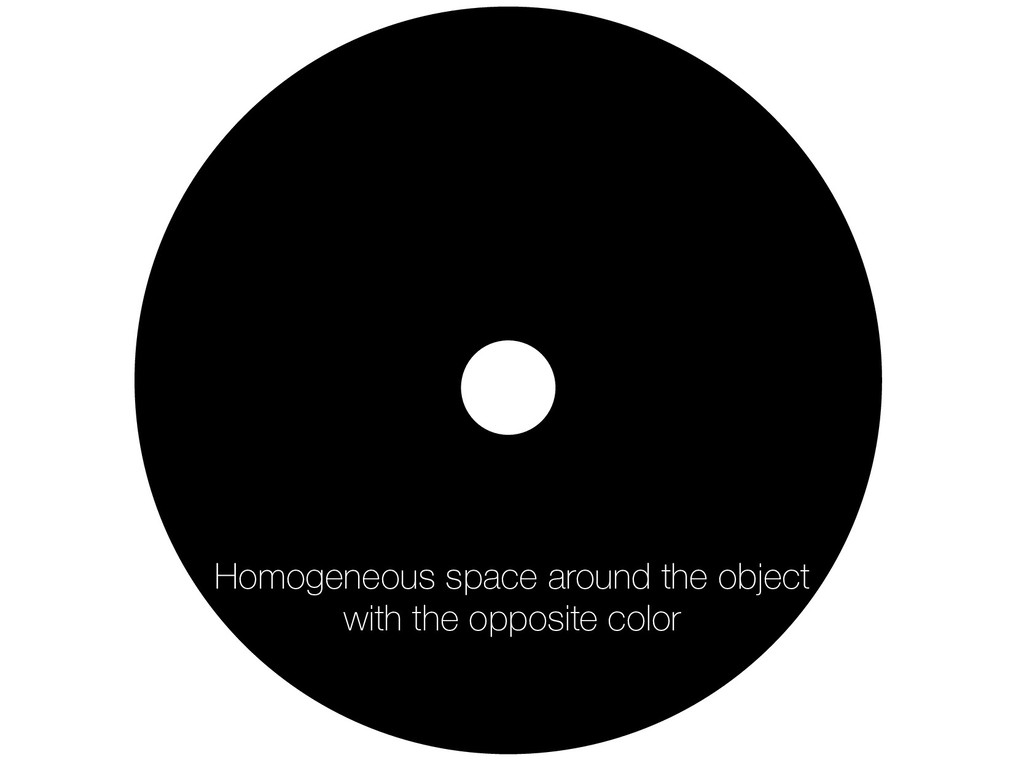
    Color! Ease of use and simplicity of form! White space is the accent
  10. Functional design basics! ! ! Function informs Form! Form informs

    Color
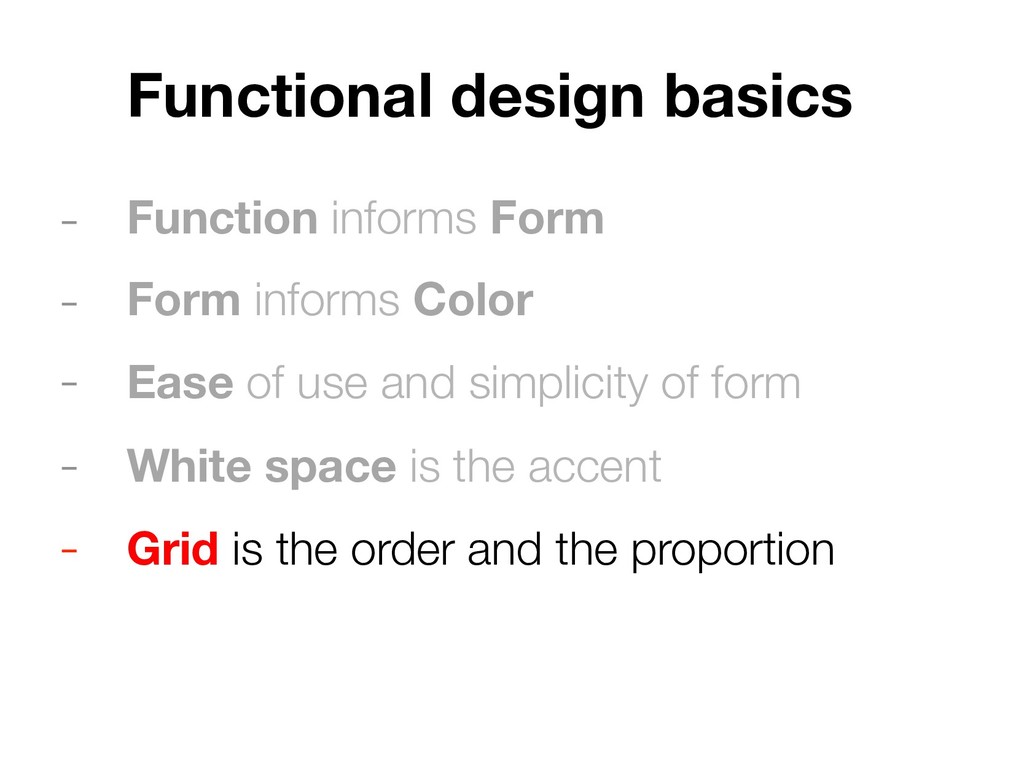
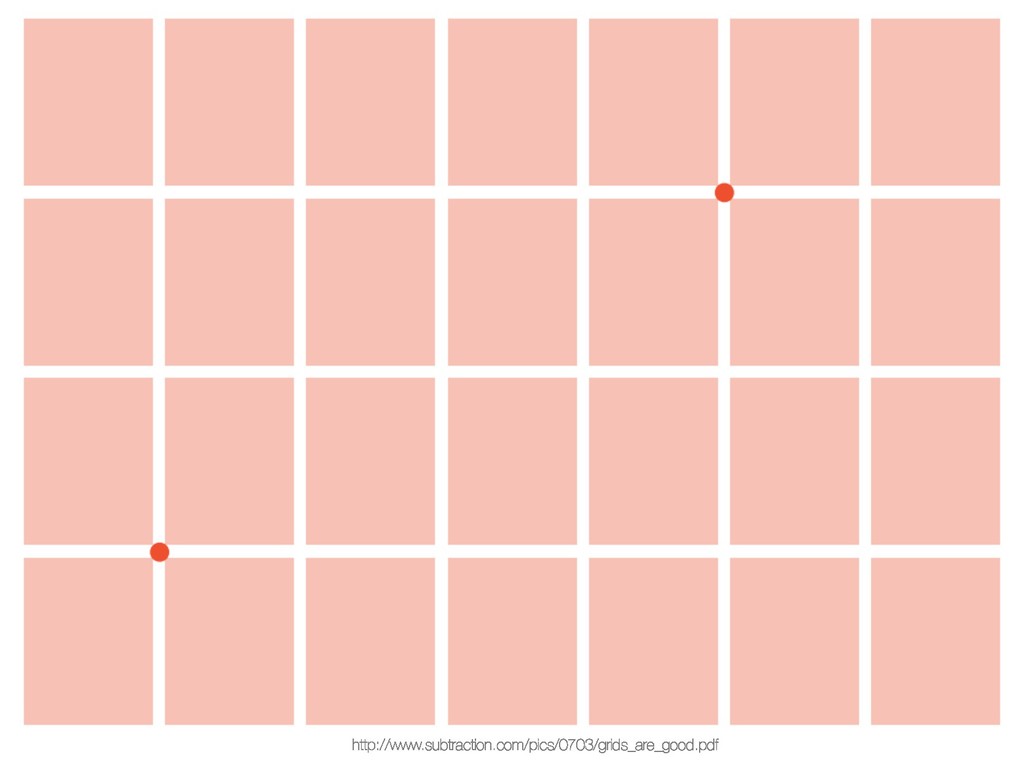
 Ease of use and simplicity of form White space is the accent! Grid is the order and the proportion

  11. Functional design basics! ! ! Function informs Form! Form informs

    Color
 Ease of use and simplicity of form! White space is the accent Grid is the order and the proportion
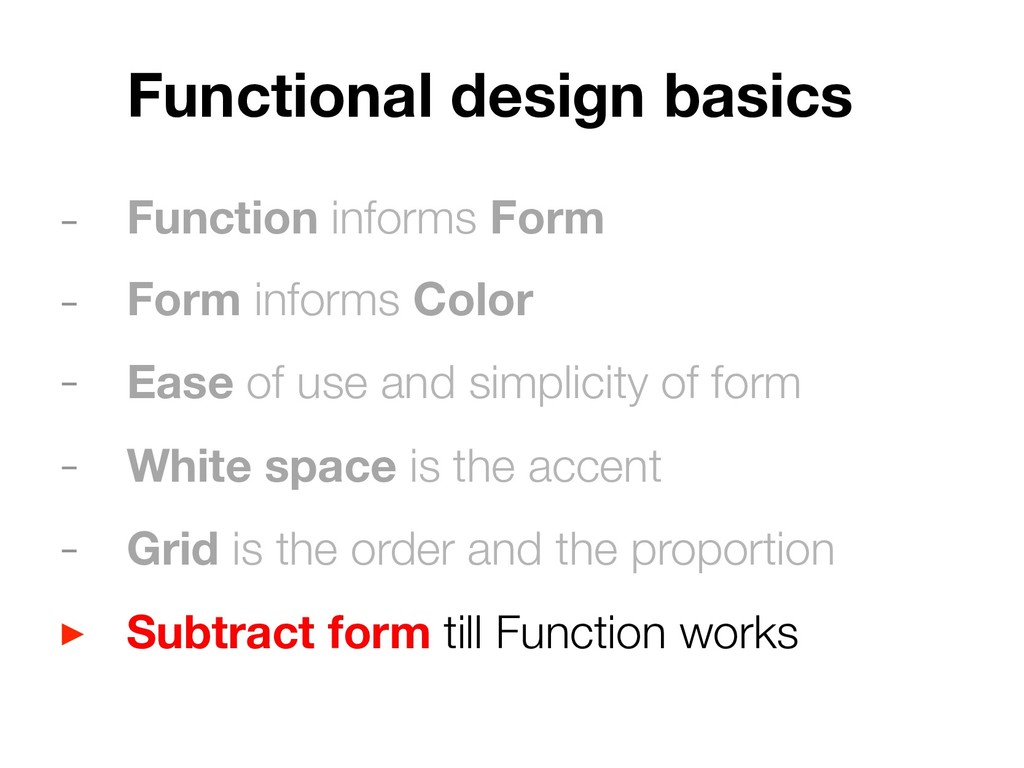
 Subtract form till Function works
  12. Functional design basics! ! ! Function informs Form! Form informs

    Color
 Ease of use and simplicity of form! White space is the accent Grid is the order and the proportion
 Subtract form till Function works
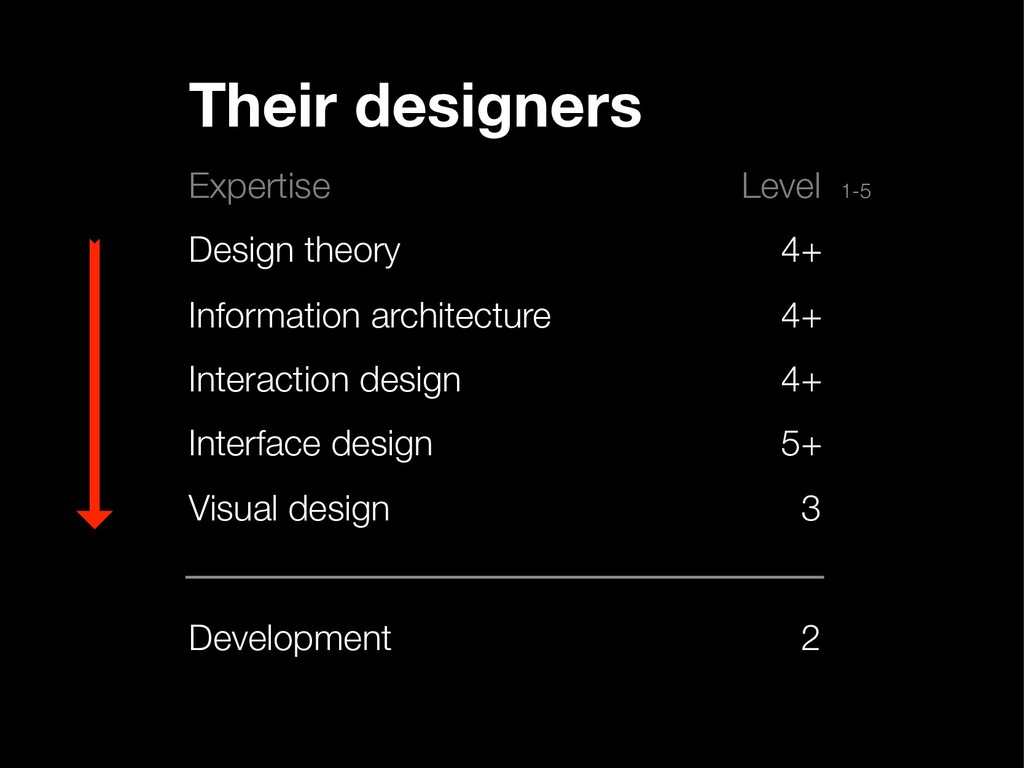
  13. Their designers" Expertise Level 1-5! Design theory 4+! Information architecture

    4+! Interaction design 4+! Interface design 5+! Visual design 3! ! Development 2!
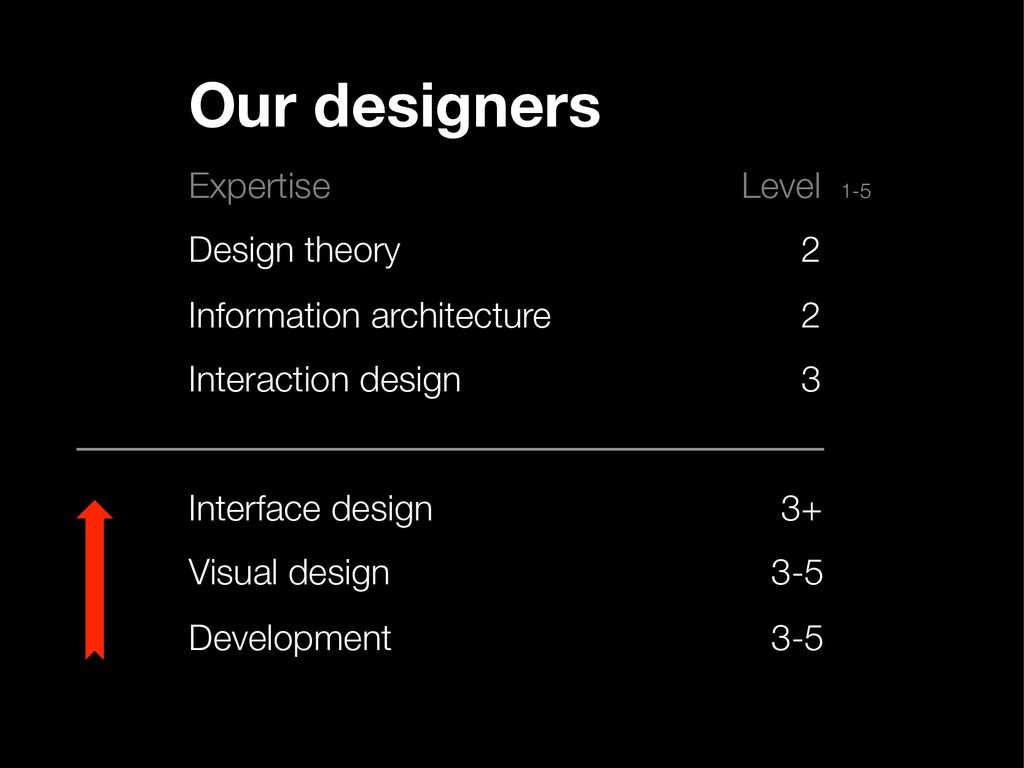
  14. Our designers" Expertise Level 1-5 ! Design theory 2! Information

    architecture 2! Interaction design 3! ! Interface design 3+! Visual design 3-5! Development 3-5!
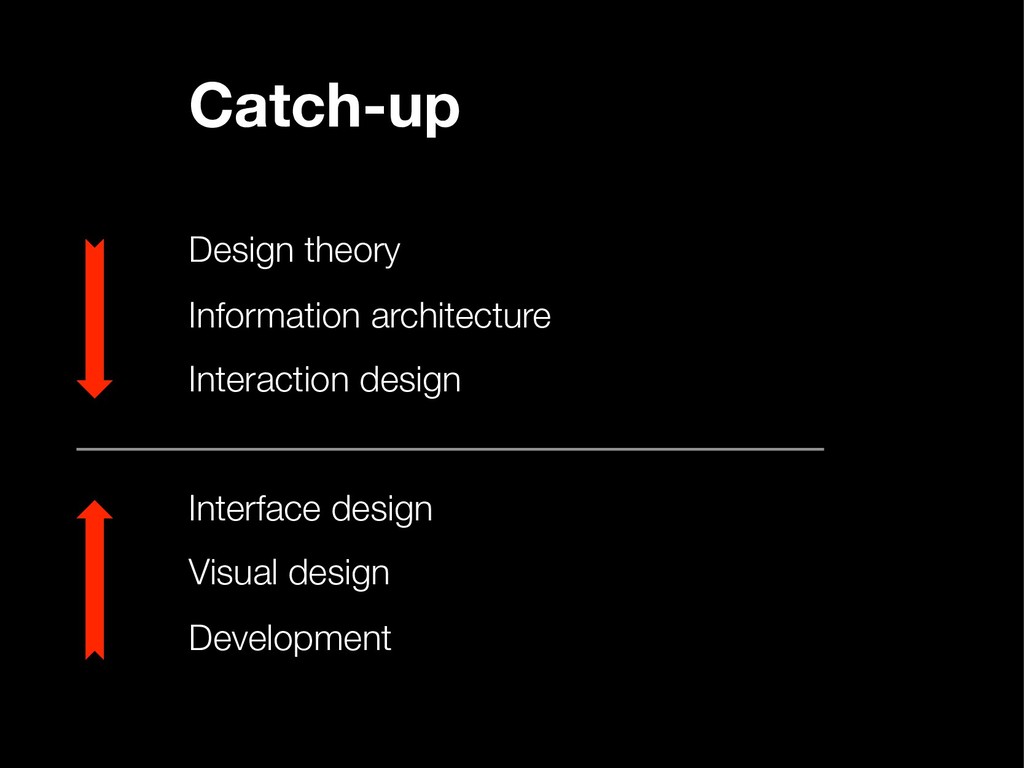
  15. Catch-up " ! Design theory ! Information architecture ! Interaction

    design ! ! Interface design ! Visual design ! Development !