Upgrade to Pro — share decks privately, control downloads, hide ads and more …

Securing your web application, why you will get...

Securing your web application, why you will get hacked and other stories from the hood

While the focus is set on rapid application development, to reduce the development time and to increase profits, we often forget to protect our client's data properly.

This session will guide us on the aspects that we must consider before it is too late.

Avatar for Marjan Nikolovski

Marjan Nikolovski

November 17, 2018

Other Decks in Programming

Transcript

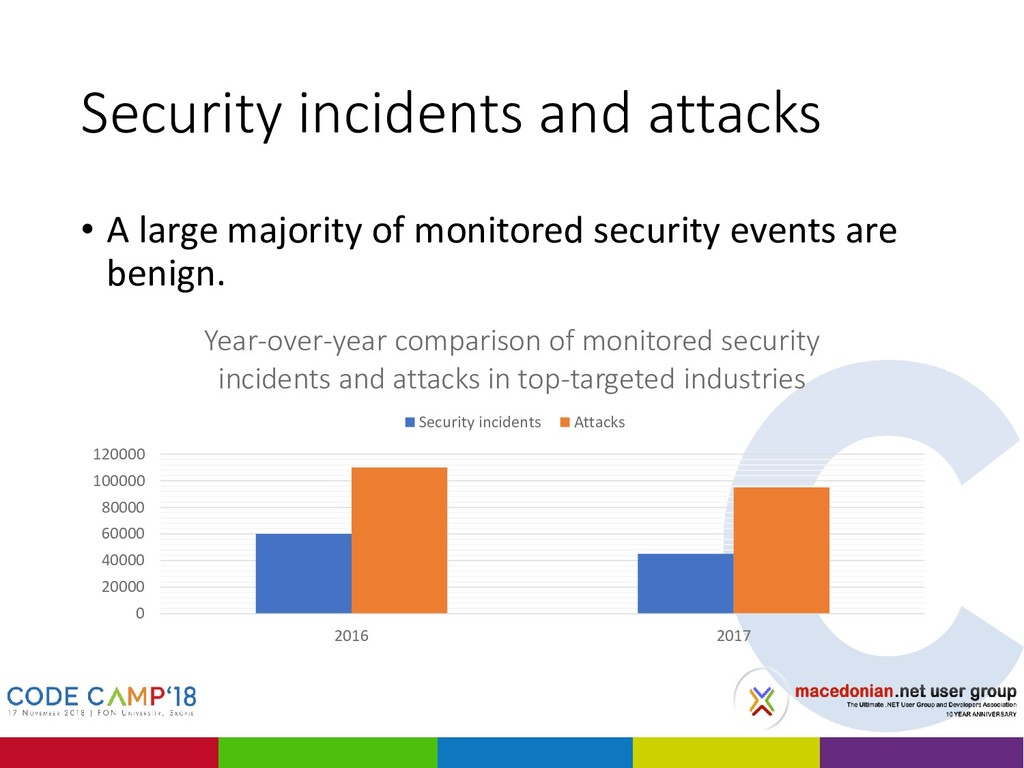
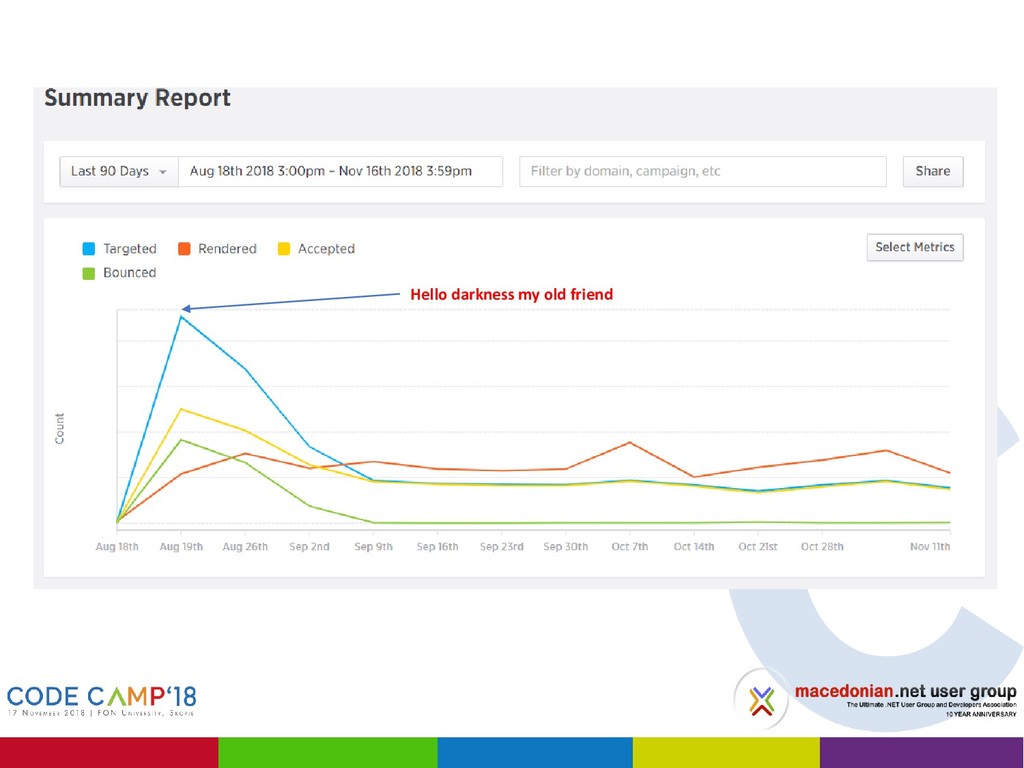
  1. Security incidents and attacks • A large majority of monitored

    security events are benign. 0 20000 40000 60000 80000 100000 120000 2016 2017 Year-over-year comparison of monitored security incidents and attacks in top-targeted industries Security incidents Attacks
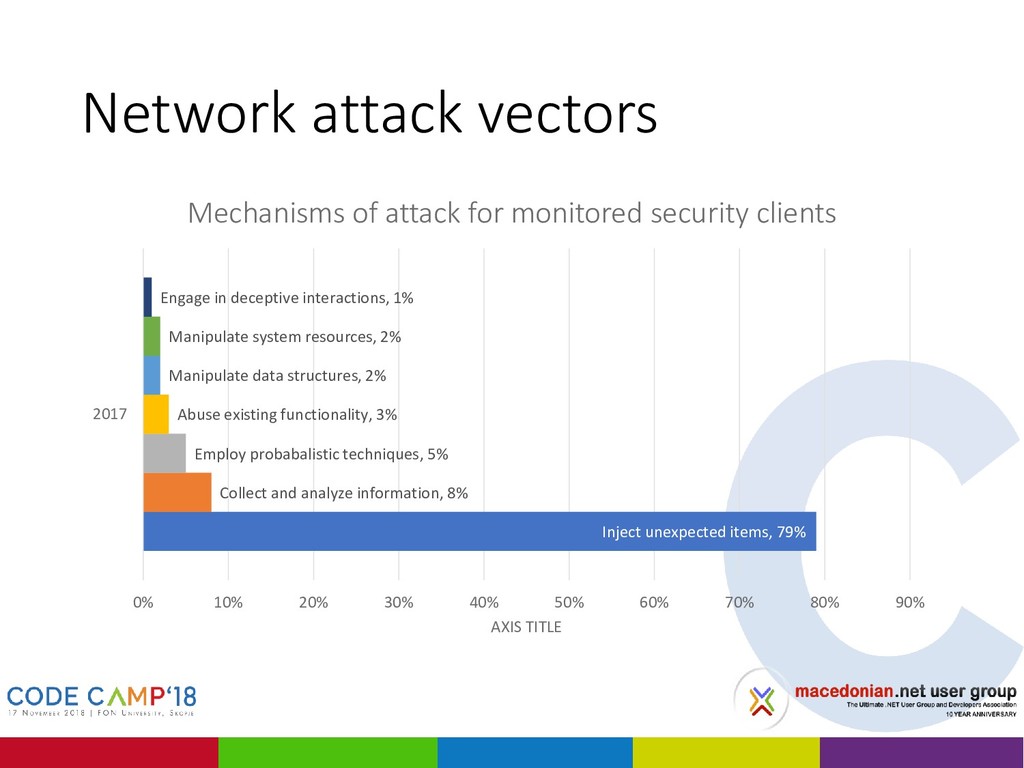
  2. Network attack vectors Inject unexpected items, 79% Collect and analyze

    information, 8% Employ probabalistic techniques, 5% Abuse existing functionality, 3% Manipulate data structures, 2% Manipulate system resources, 2% Engage in deceptive interactions, 1% 0% 10% 20% 30% 40% 50% 60% 70% 80% 90% 2017 AXIS TITLE Mechanisms of attack for monitored security clients
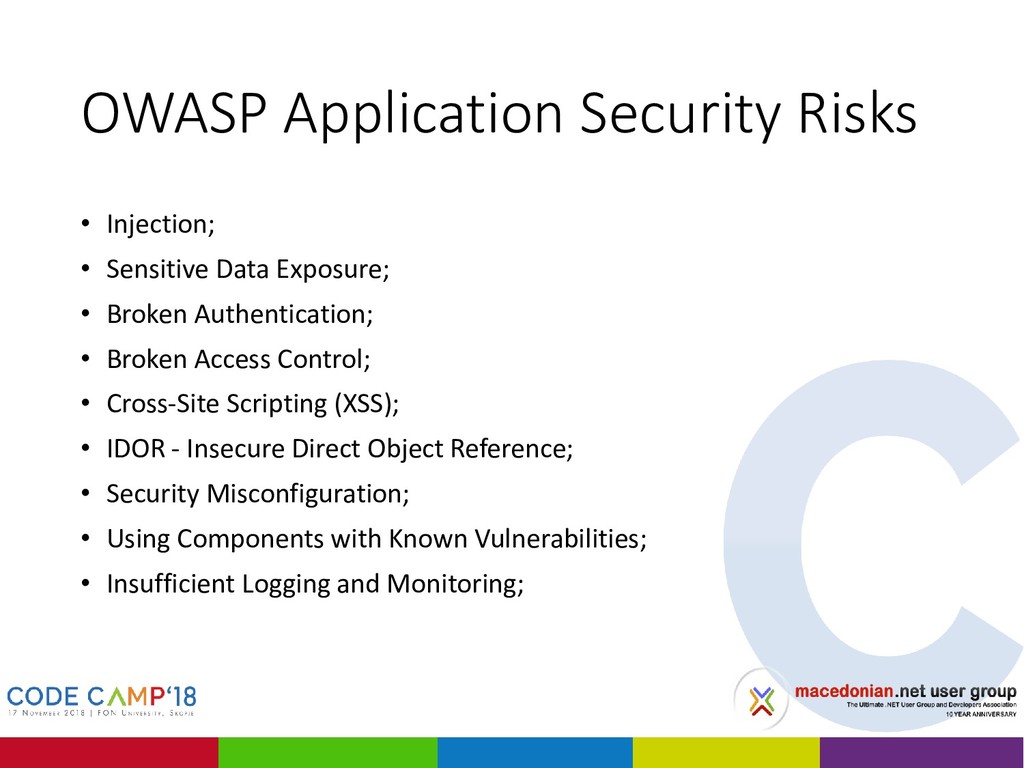
  3. OWASP Application Security Risks • Injection; • Sensitive Data Exposure;

    • Broken Authentication; • Broken Access Control; • Cross-Site Scripting (XSS); • IDOR - Insecure Direct Object Reference; • Security Misconfiguration; • Using Components with Known Vulnerabilities; • Insufficient Logging and Monitoring;
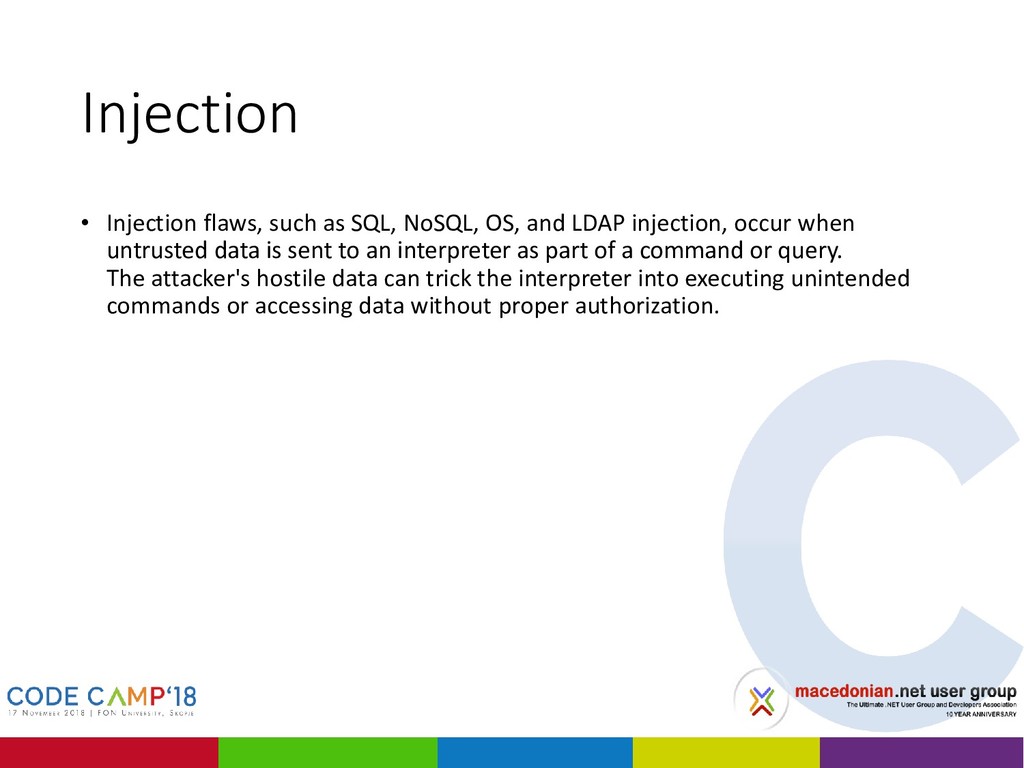
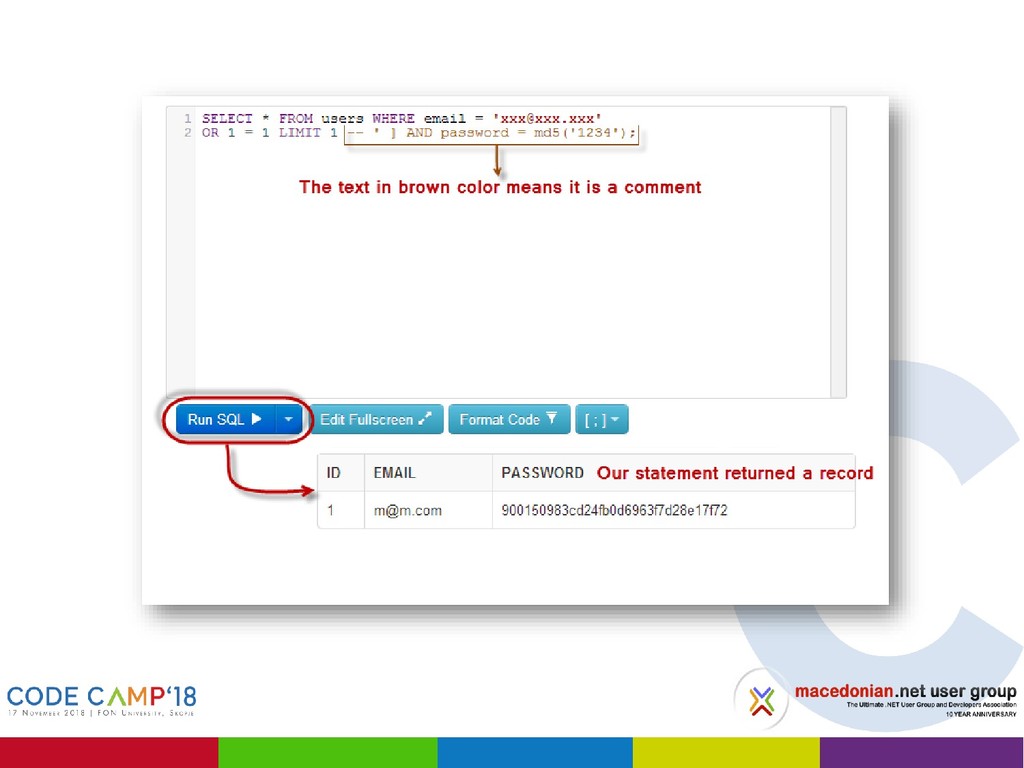
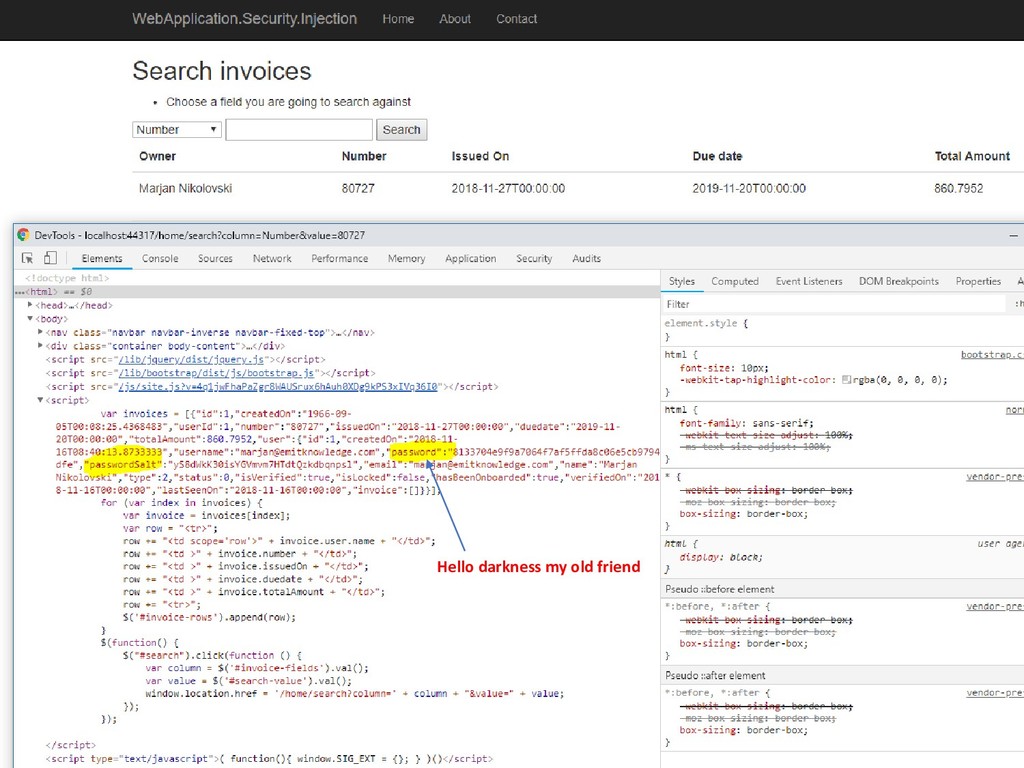
  4. Injection • Injection flaws, such as SQL, NoSQL, OS, and
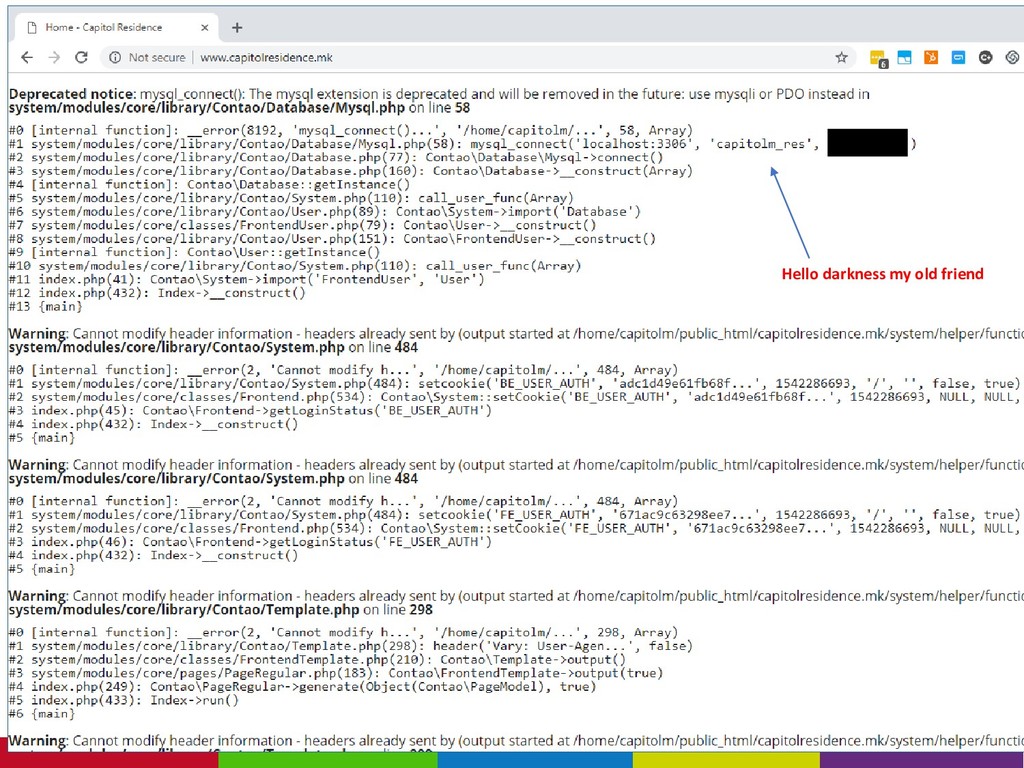
    LDAP injection, occur when untrusted data is sent to an interpreter as part of a command or query. The attacker's hostile data can trick the interpreter into executing unintended commands or accessing data without proper authorization.
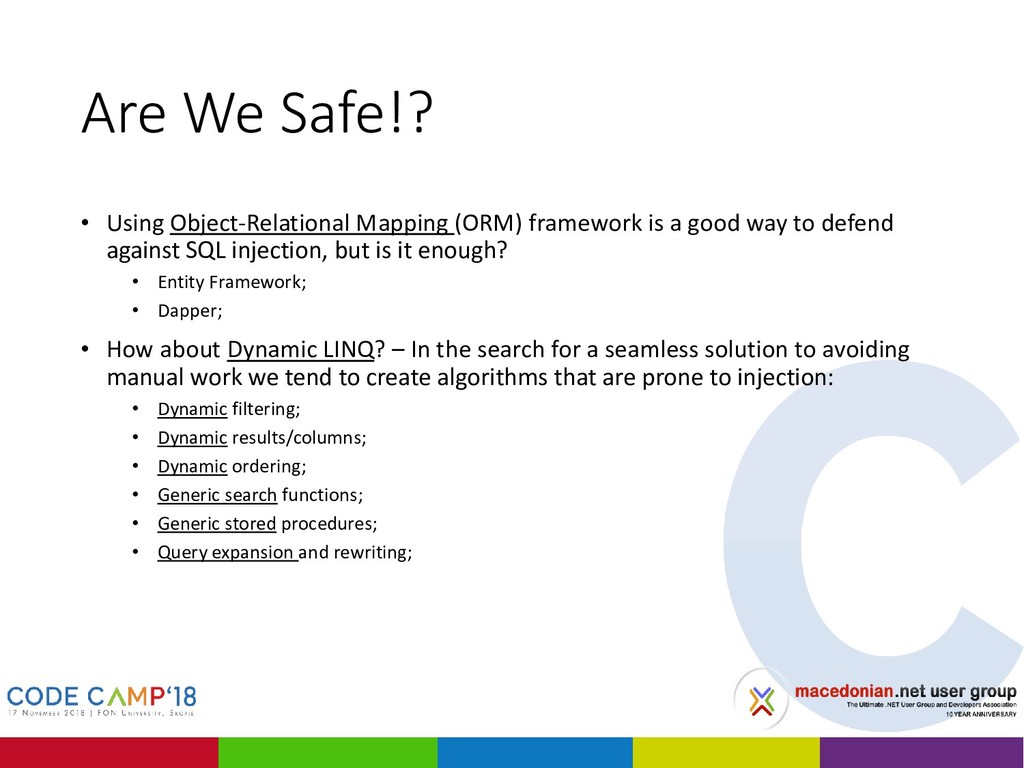
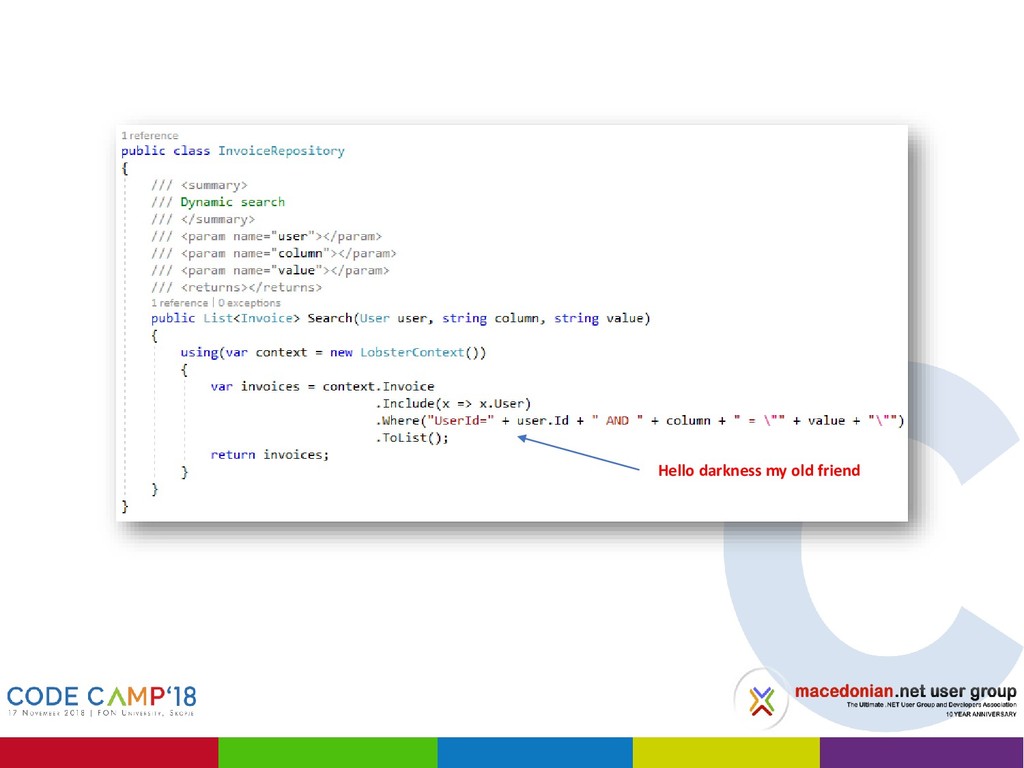
  5. Are We Safe!? • Using Object-Relational Mapping (ORM) framework is

    a good way to defend against SQL injection, but is it enough? • Entity Framework; • Dapper; • How about Dynamic LINQ? – In the search for a seamless solution to avoiding manual work we tend to create algorithms that are prone to injection: • Dynamic filtering; • Dynamic results/columns; • Dynamic ordering; • Generic search functions; • Generic stored procedures; • Query expansion and rewriting;
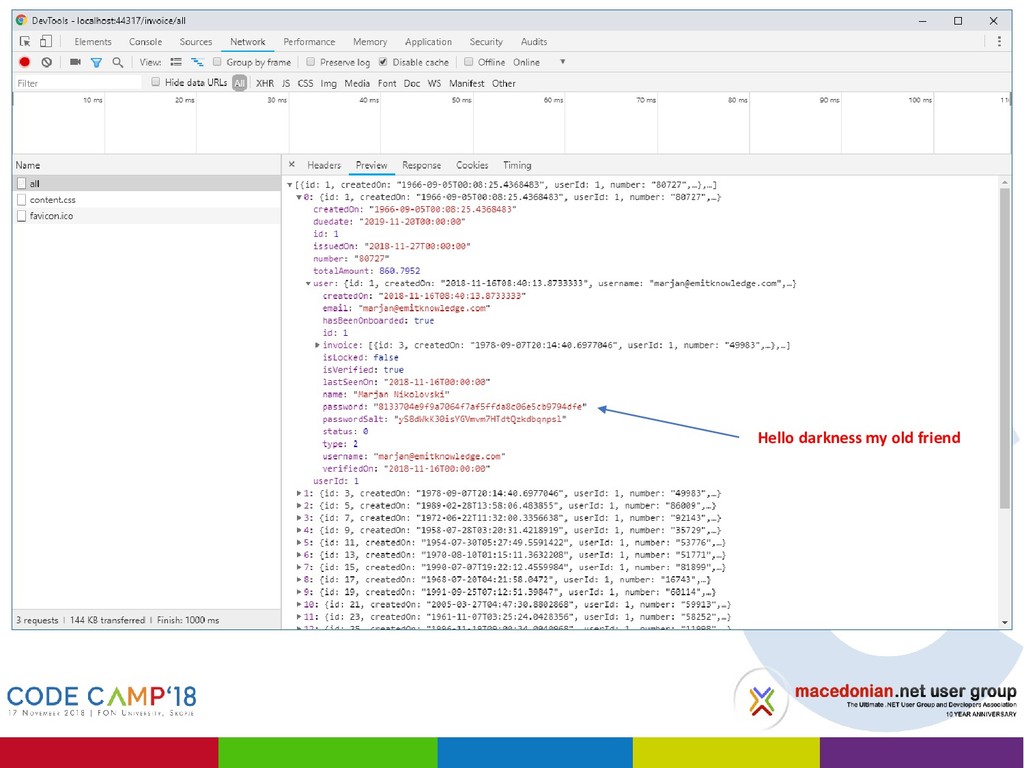
  6. Sensitive Data Exposure • Many web applications and APIs do

    not properly protect sensitive data, such as financial, healthcare, and PII. Attackers may steal or modify such weakly protected data to conduct credit card fraud, identity theft, or other crimes. Sensitive data may be compromised without extra protection, such as encryption at rest or in transit, and requires special precautions when exchanged with the browser.
  7. Broken Authentication • Application functions related to authentication and session

    management are often implemented incorrectly, allowing attackers to compromise passwords, keys, or session tokens, or to exploit other implementation flaws to assume other users' identities temporarily or permanently.
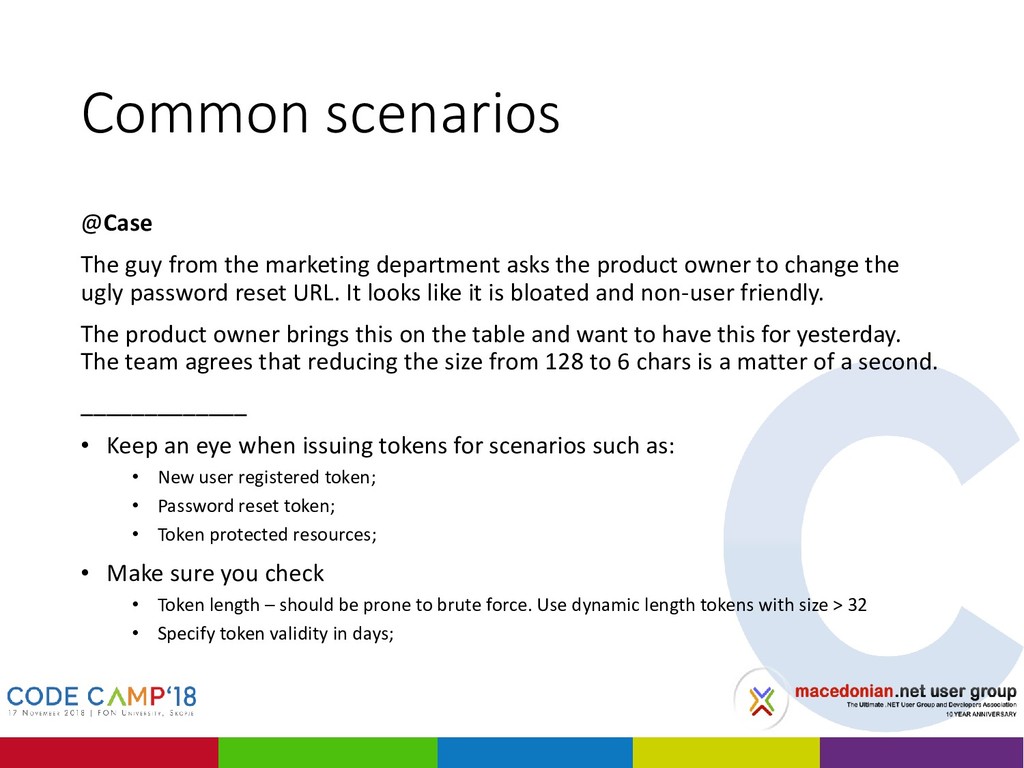
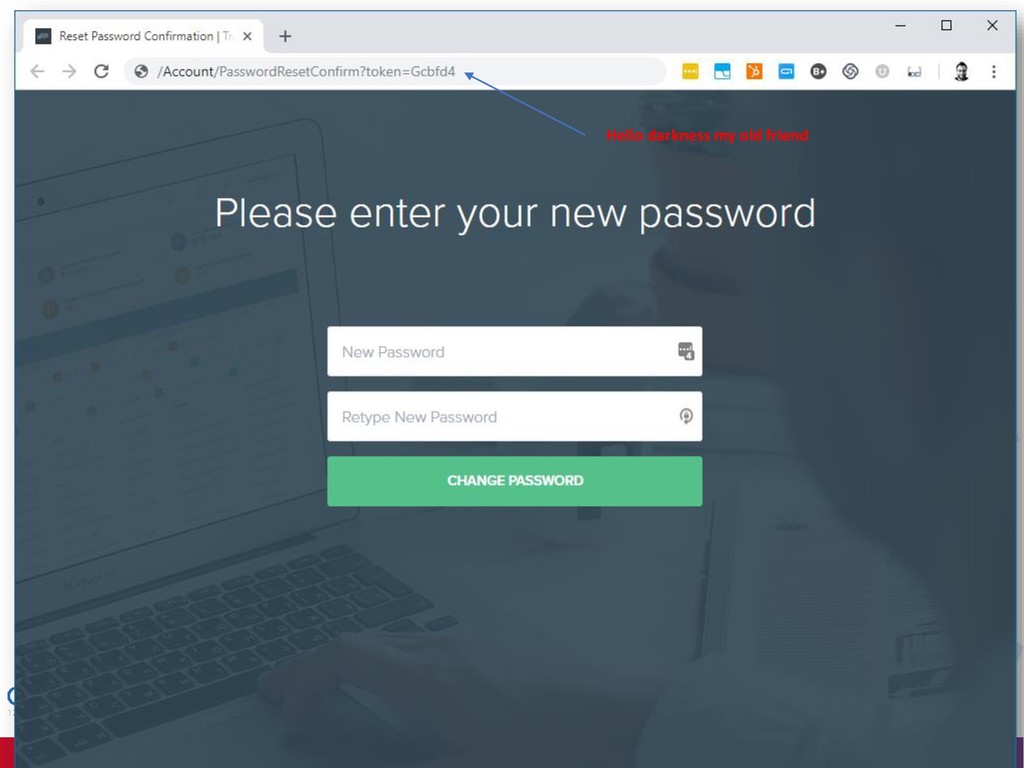
  8. Common scenarios @Case The guy from the marketing department asks

    the product owner to change the ugly password reset URL. It looks like it is bloated and non-user friendly. The product owner brings this on the table and want to have this for yesterday. The team agrees that reducing the size from 128 to 6 chars is a matter of a second. _____________ • Keep an eye when issuing tokens for scenarios such as: • New user registered token; • Password reset token; • Token protected resources; • Make sure you check • Token length – should be prone to brute force. Use dynamic length tokens with size > 32 • Specify token validity in days;
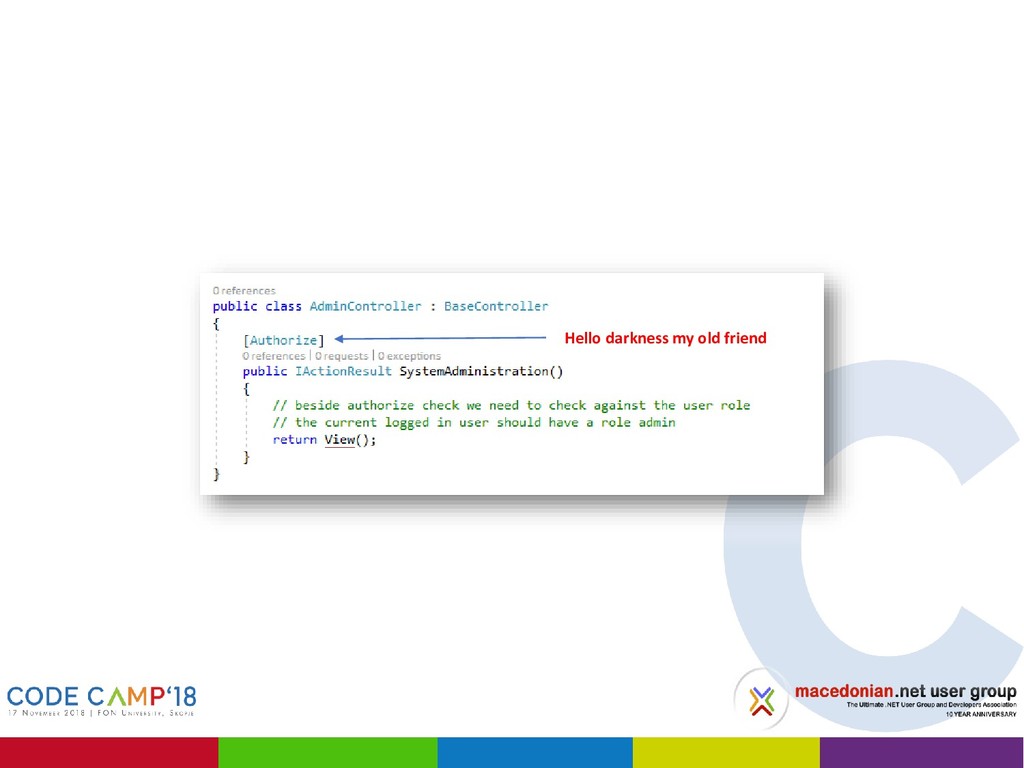
  9. Broken Access Control • Restrictions on what authenticated users are

    allowed to do are often not properly enforced. Attackers can exploit these flaws to access unauthorized functionality and/or data, such as access other users' accounts, view sensitive files, modify other users' data, change access rights, etc.
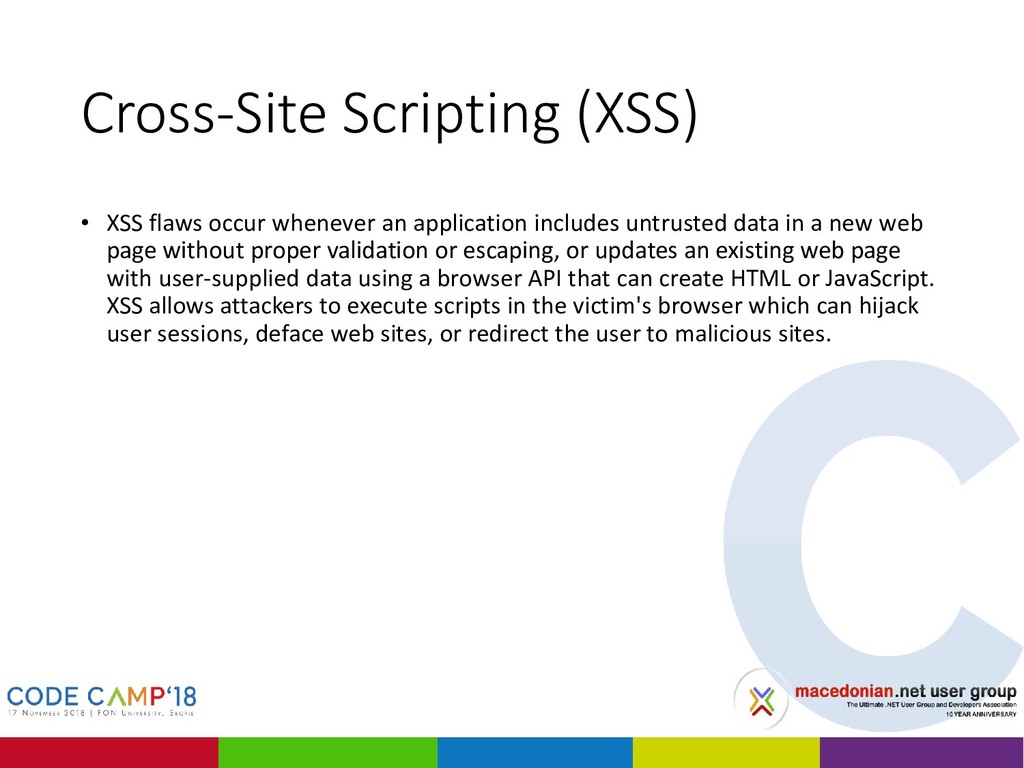
  10. Cross-Site Scripting (XSS) • XSS flaws occur whenever an application

    includes untrusted data in a new web page without proper validation or escaping, or updates an existing web page with user-supplied data using a browser API that can create HTML or JavaScript. XSS allows attackers to execute scripts in the victim's browser which can hijack user sessions, deface web sites, or redirect the user to malicious sites.
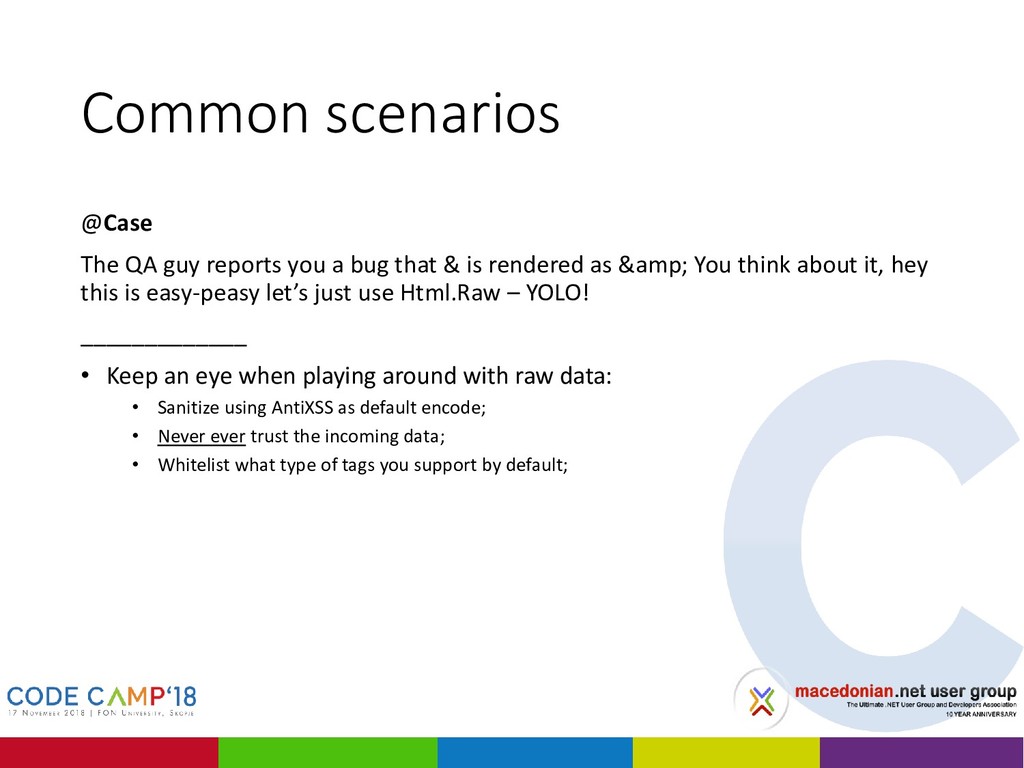
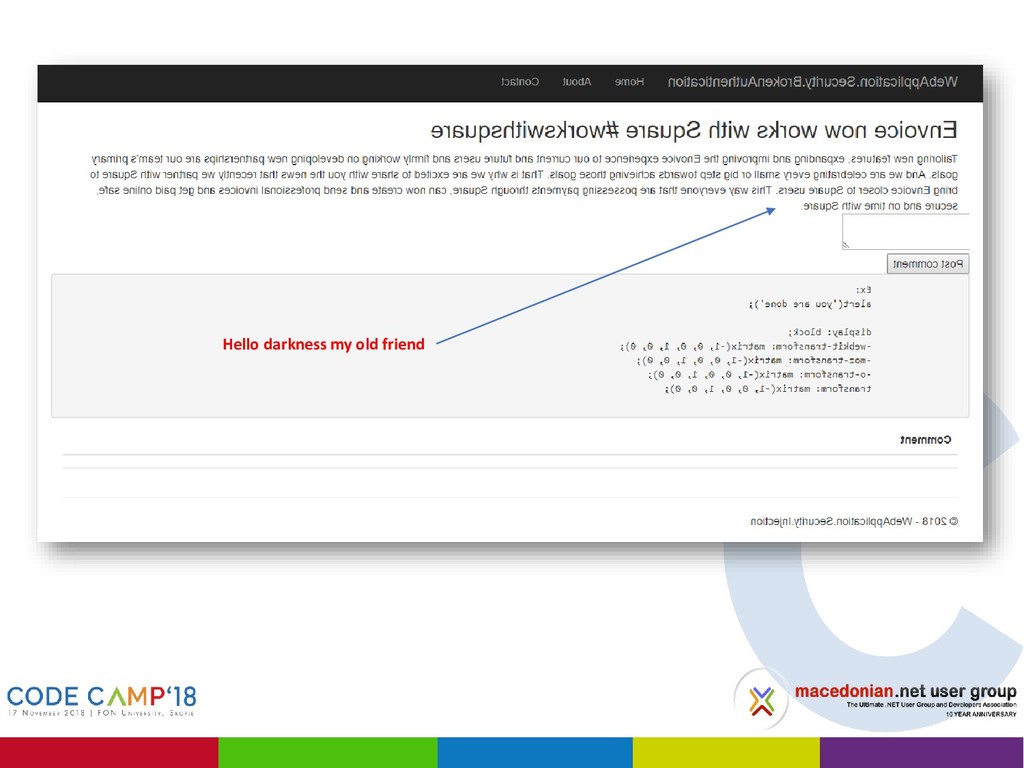
  11. Common scenarios @Case The QA guy reports you a bug

    that & is rendered as & You think about it, hey this is easy-peasy let’s just use Html.Raw – YOLO! _____________ • Keep an eye when playing around with raw data: • Sanitize using AntiXSS as default encode; • Never ever trust the incoming data; • Whitelist what type of tags you support by default;
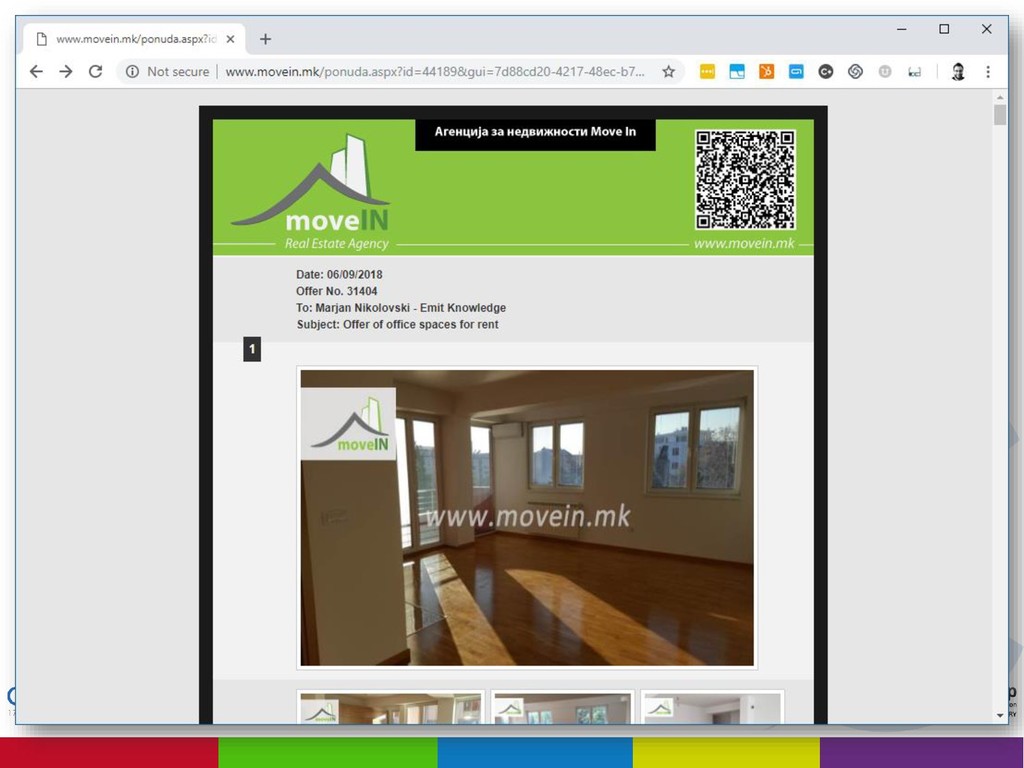
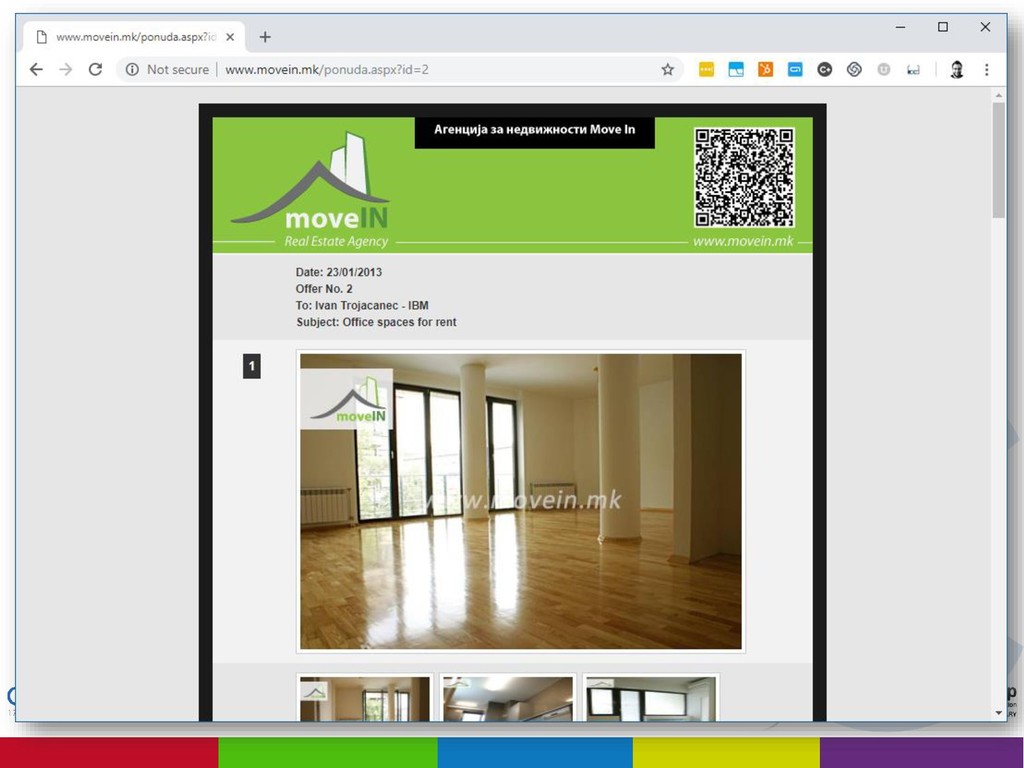
  12. Insecure Direct Object Reference • There can be many variables

    in the application such as “id”, “pid”, “uid”. Although these values are often seen as HTTP parameters, they can be found in headers and cookies. The attacker can access, edit or delete any of other users’ objects by changing the values. This vulnerability is called IDOR.
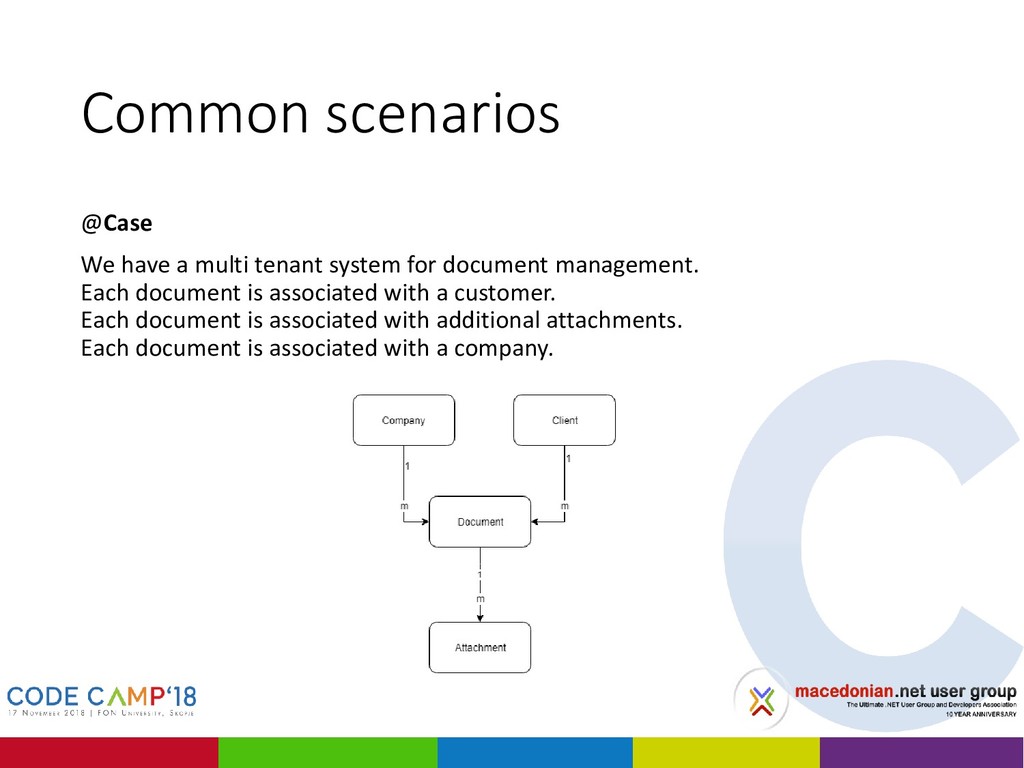
  13. Common scenarios @Case We have a multi tenant system for

    document management. Each document is associated with a customer. Each document is associated with additional attachments. Each document is associated with a company.
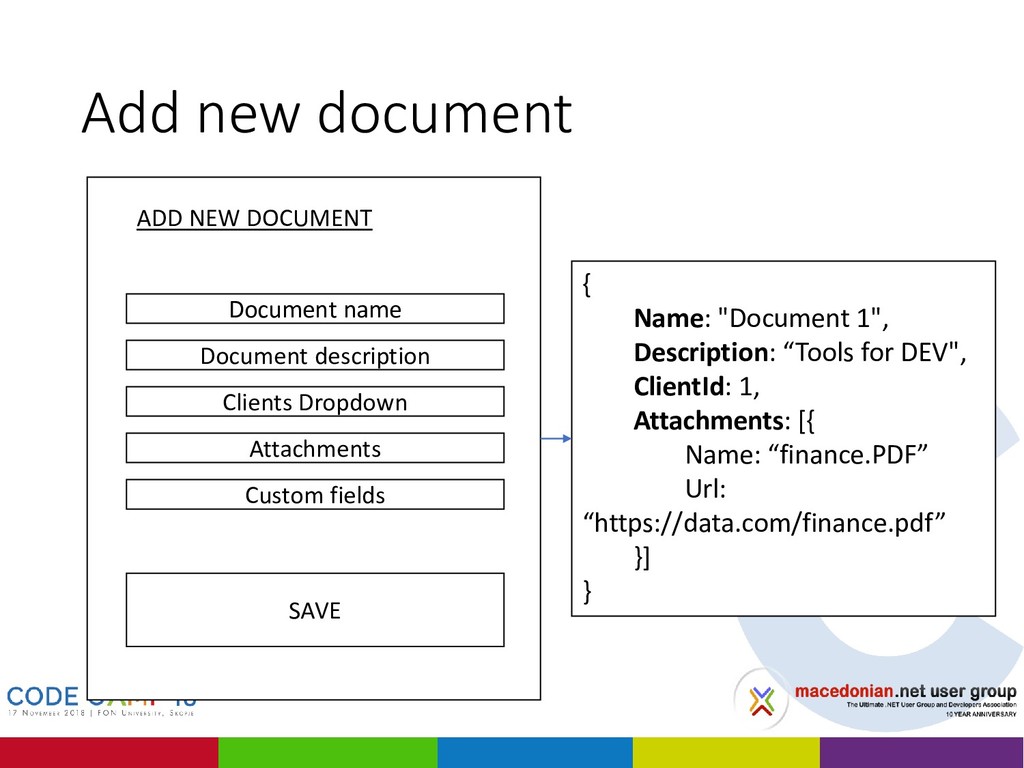
  14. Document name Document description Clients Dropdown Attachments Custom fields SAVE

    ADD NEW DOCUMENT { Name: "Document 1", Description: “Tools for DEV", ClientId: 1, Attachments: [{ Name: “finance.PDF” Url: “https://data.com/finance.pdf” }] } Add new document
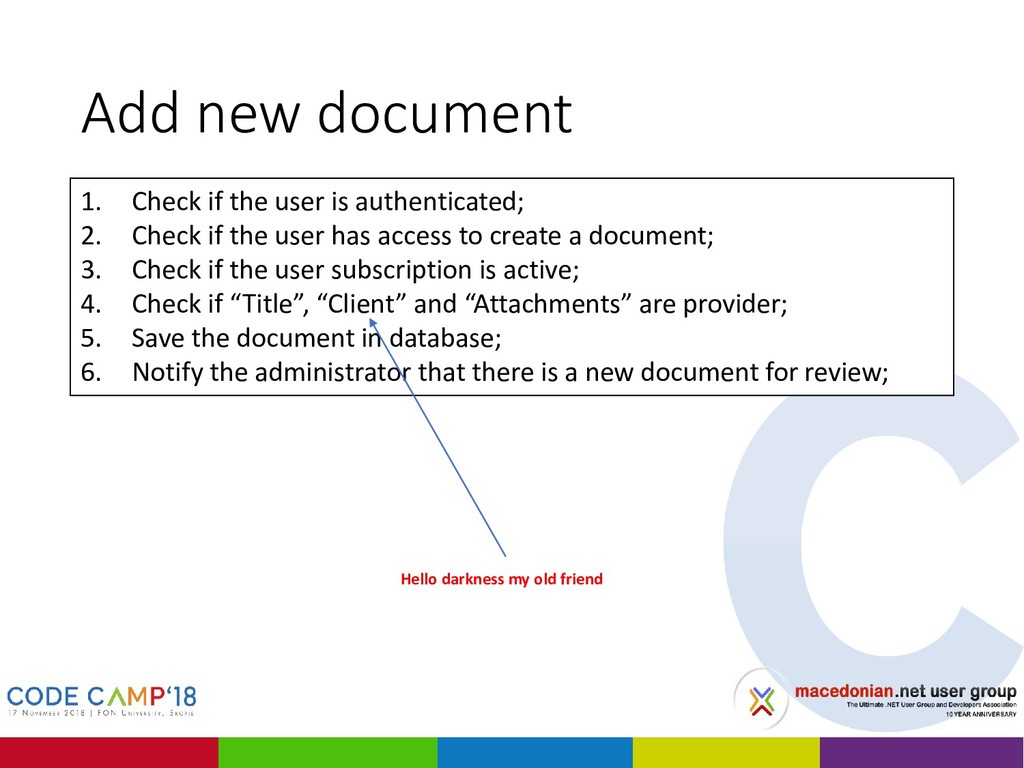
  15. 1. Check if the user is authenticated; 2. Check if

    the user has access to create a document; 3. Check if the user subscription is active; 4. Check if “Title”, “Client” and “Attachments” are provider; 5. Save the document in database; 6. Notify the administrator that there is a new document for review; Add new document Hello darkness my old friend
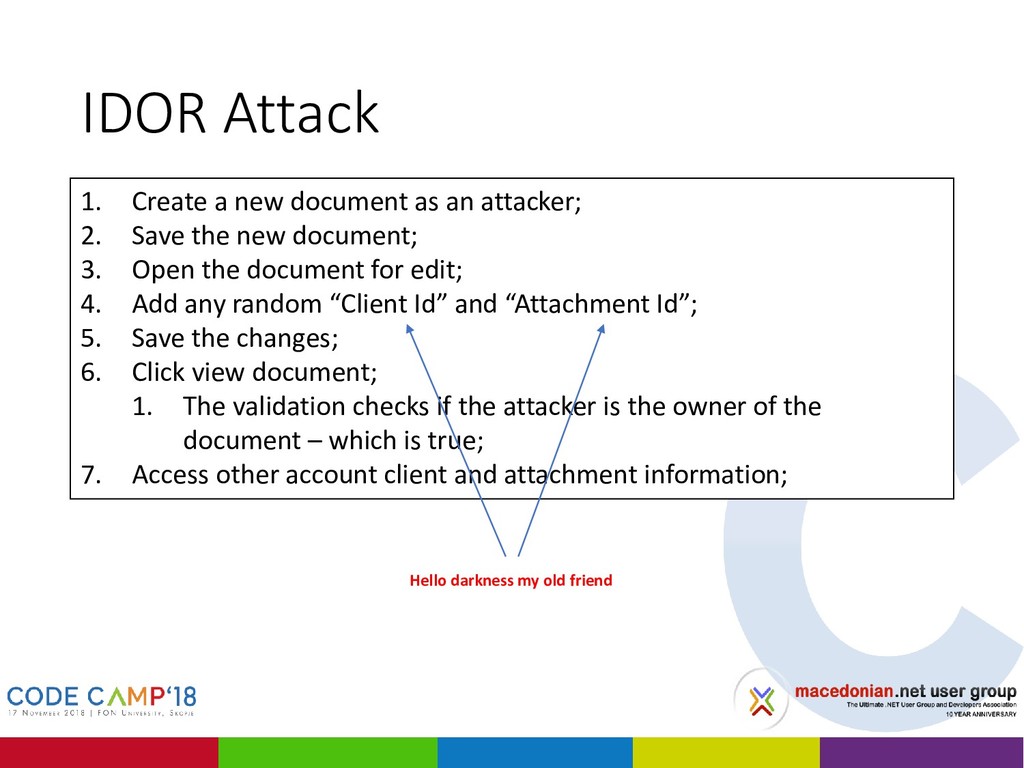
  16. 1. Create a new document as an attacker; 2. Save

    the new document; 3. Open the document for edit; 4. Add any random “Client Id” and “Attachment Id”; 5. Save the changes; 6. Click view document; 1. The validation checks if the attacker is the owner of the document – which is true; 7. Access other account client and attachment information; IDOR Attack Hello darkness my old friend
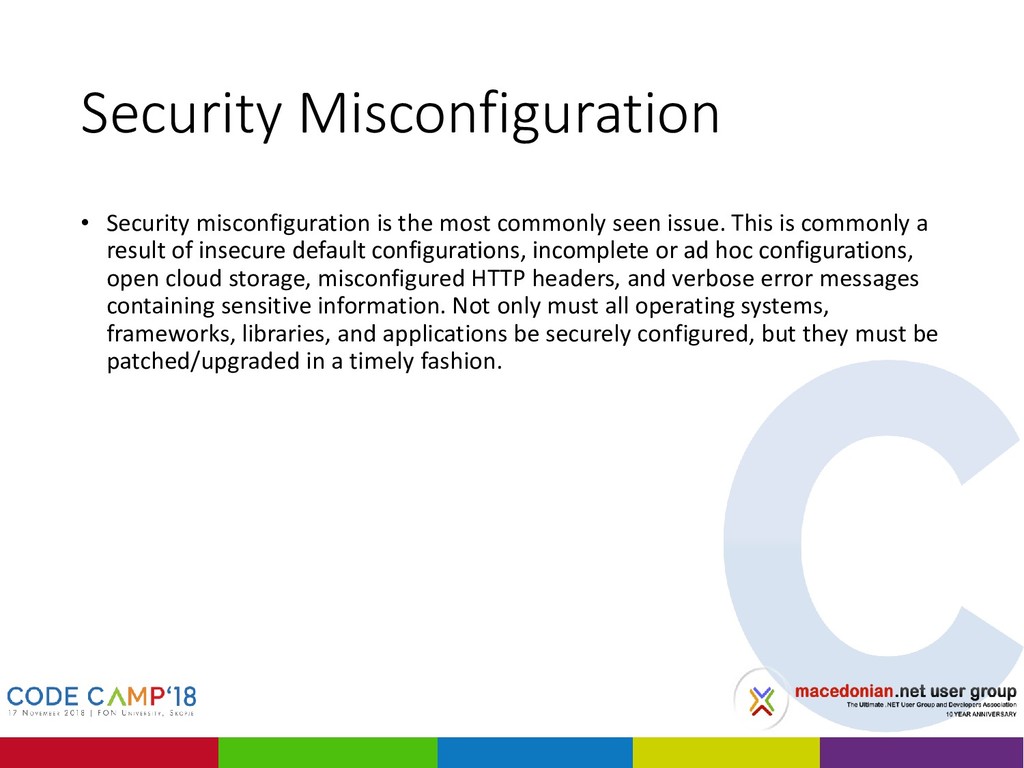
  17. Security Misconfiguration • Security misconfiguration is the most commonly seen

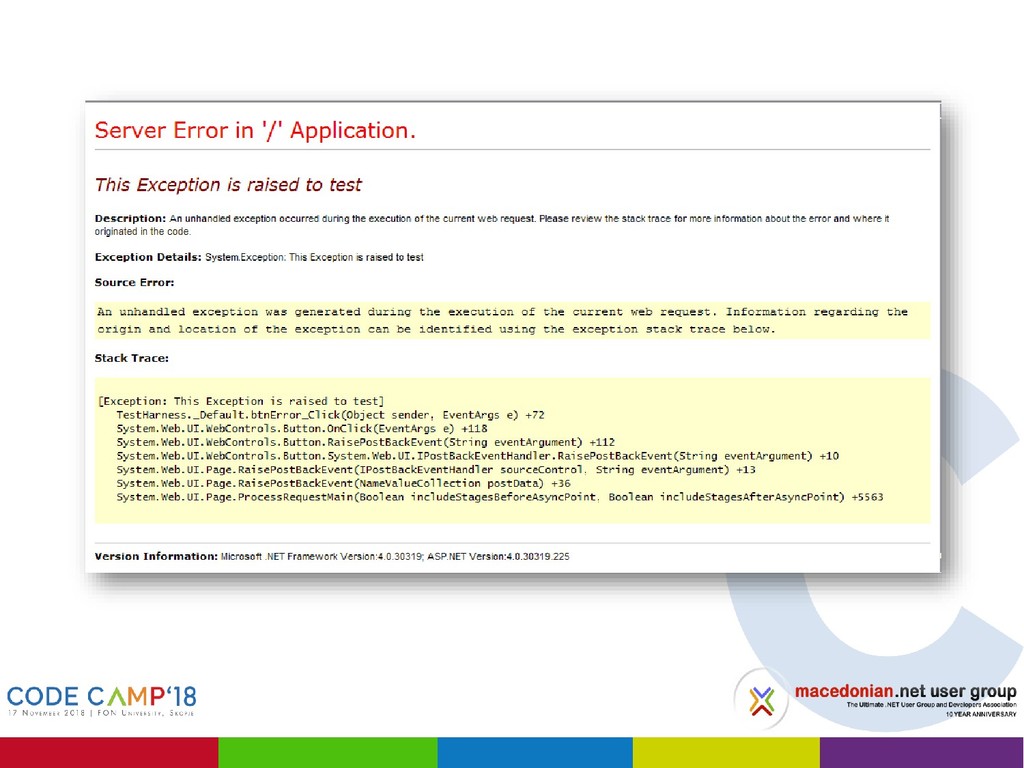
    issue. This is commonly a result of insecure default configurations, incomplete or ad hoc configurations, open cloud storage, misconfigured HTTP headers, and verbose error messages containing sensitive information. Not only must all operating systems, frameworks, libraries, and applications be securely configured, but they must be patched/upgraded in a timely fashion.
  18. Common scenarios @Case You start learning a technology from MSDN/Youtube

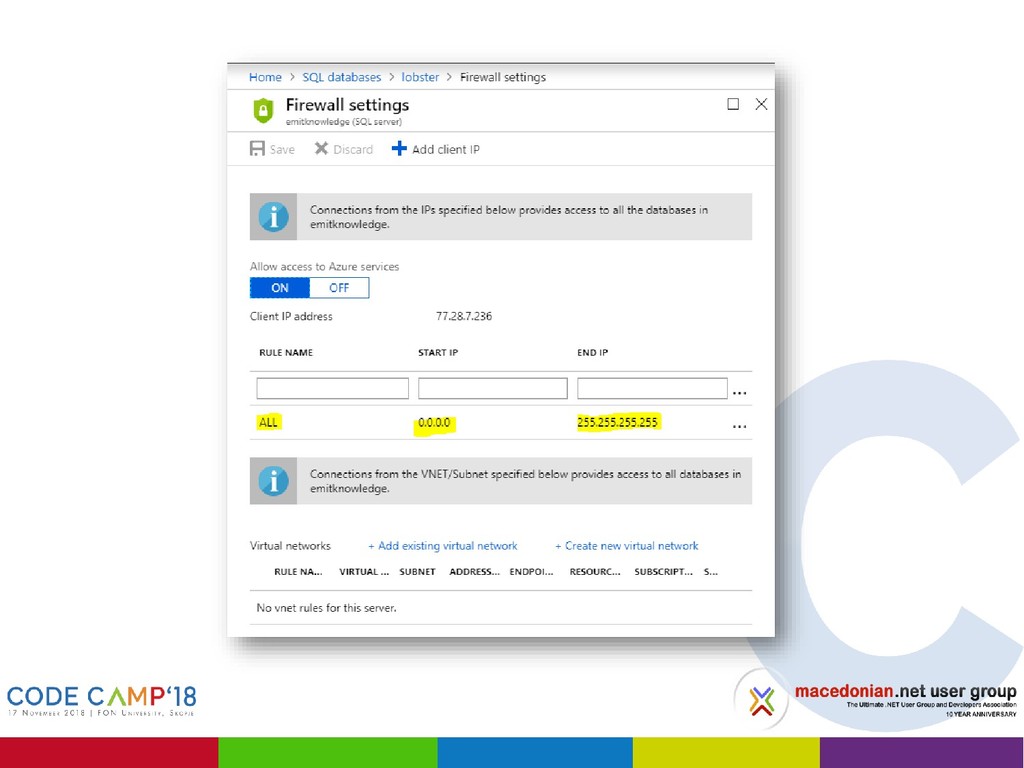
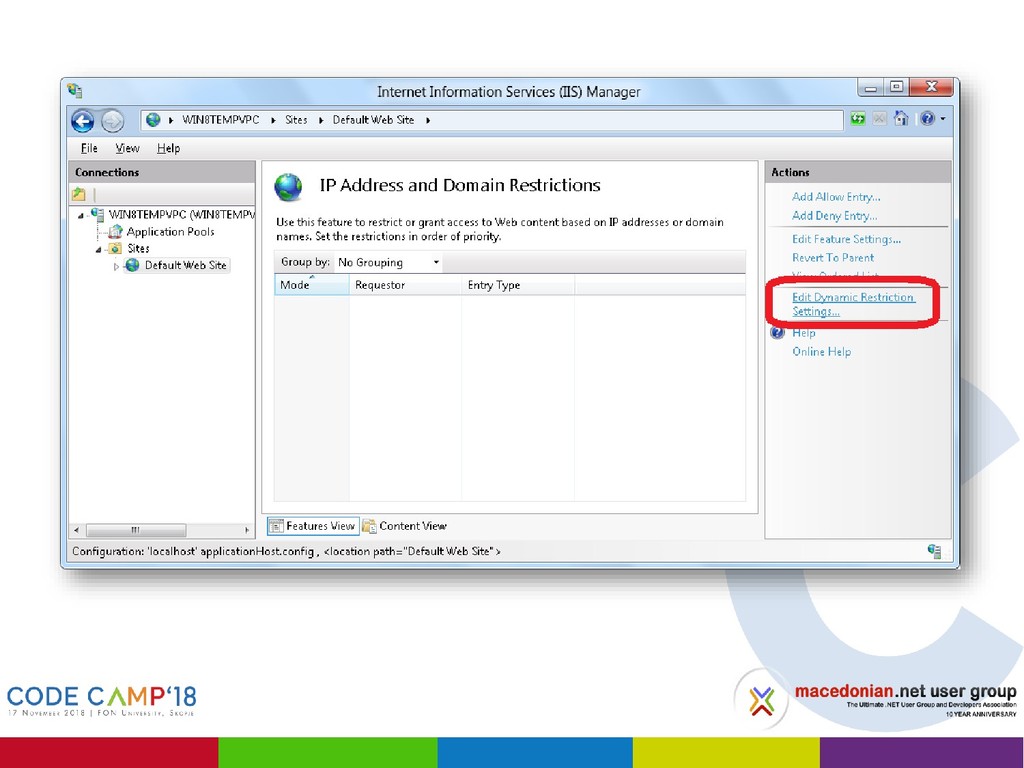
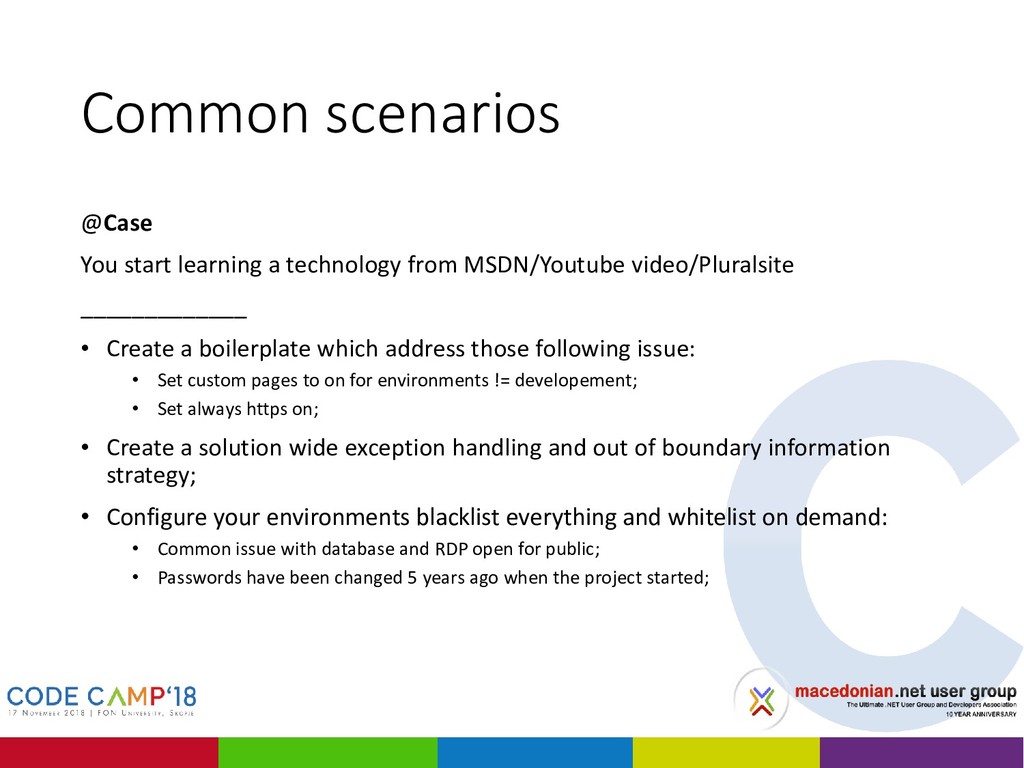
    video/Pluralsite _____________ • Create a boilerplate which address those following issue: • Set custom pages to on for environments != developement; • Set always https on; • Create a solution wide exception handling and out of boundary information strategy; • Configure your environments blacklist everything and whitelist on demand: • Common issue with database and RDP open for public; • Passwords have been changed 5 years ago when the project started;
  19. Additional eastern eggs • Set X-Frame-Options := DENY • Set

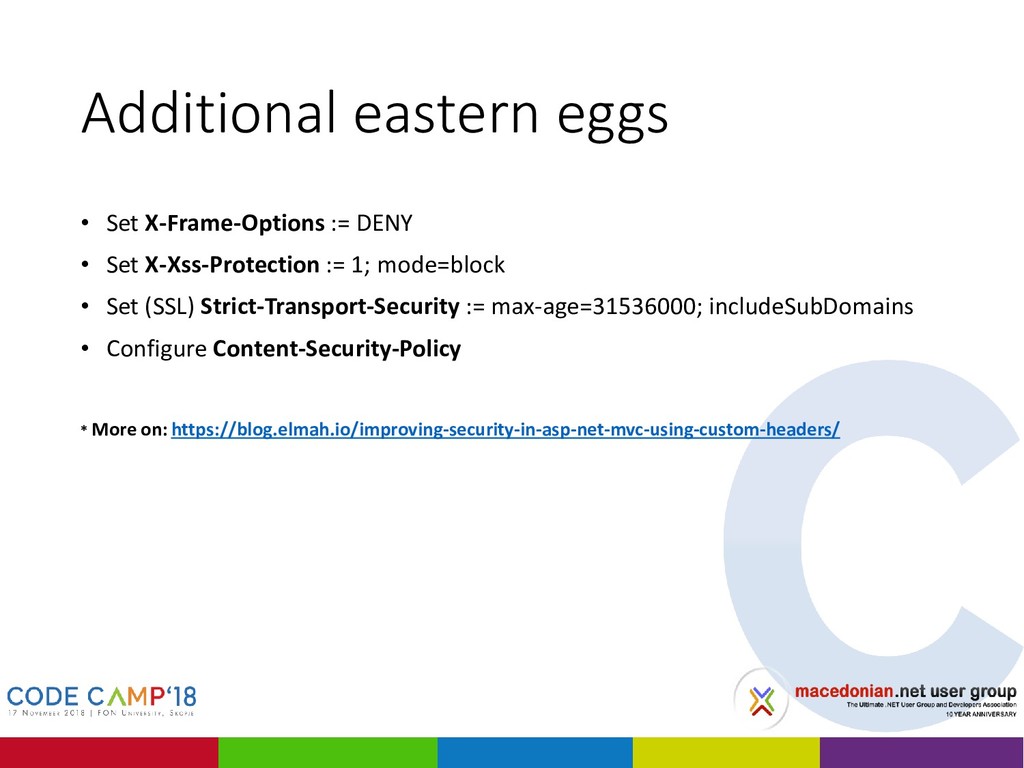
    X-Xss-Protection := 1; mode=block • Set (SSL) Strict-Transport-Security := max-age=31536000; includeSubDomains • Configure Content-Security-Policy * More on: https://blog.elmah.io/improving-security-in-asp-net-mvc-using-custom-headers/
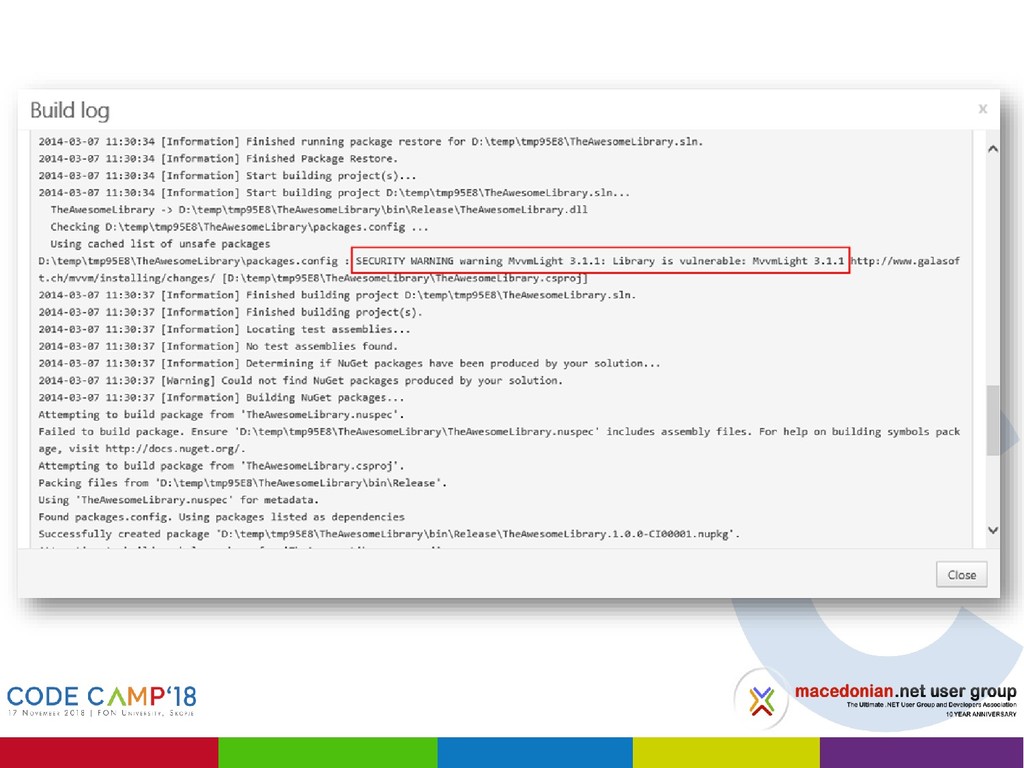
  20. Using Components with Known Vulnerabilities • Components, such as libraries,

    frameworks, and other software modules, run with the same privileges as the application. If a vulnerable component is exploited, such an attack can facilitate serious data loss or server takeover. Applications and APIs using components with known vulnerabilities may undermine application defenses and enable various attacks and impacts.
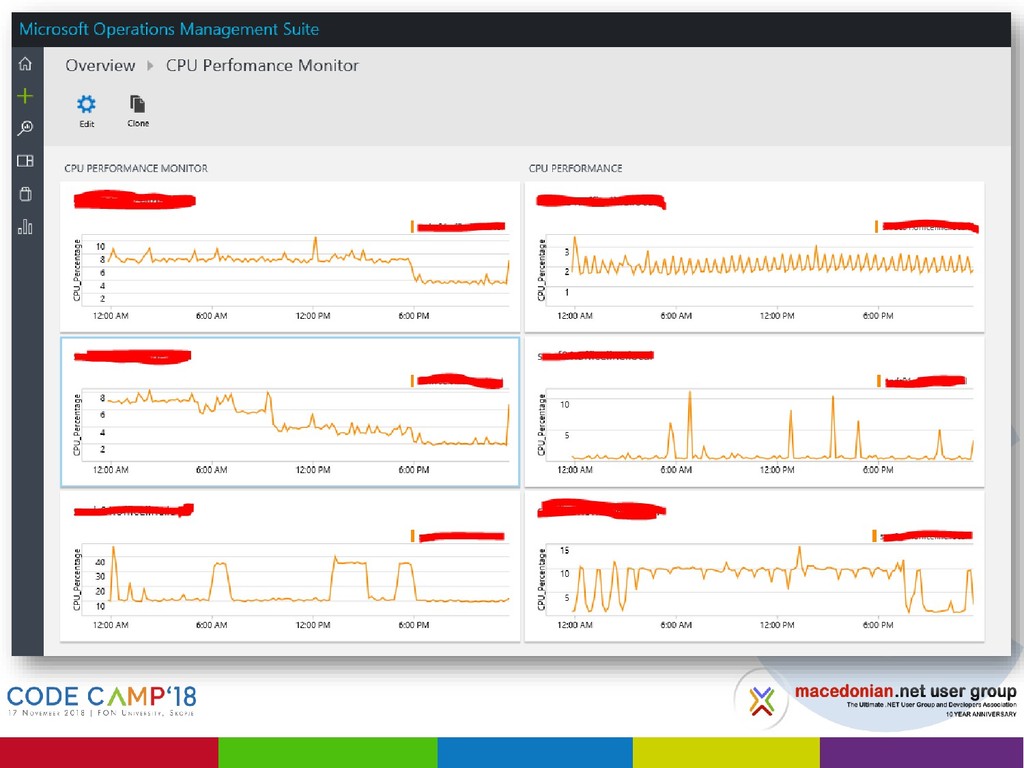
  21. Insufficient Logging and Monitoring • Insufficient logging and monitoring, coupled

    with missing or ineffective integration with incident response, allows attackers to further attack systems, maintain persistence, pivot to more systems, and tamper, extract, or destroy data. Most breach studies show time to detect a breach is over 200 days, typically detected by external parties rather than internal processes or monitoring.
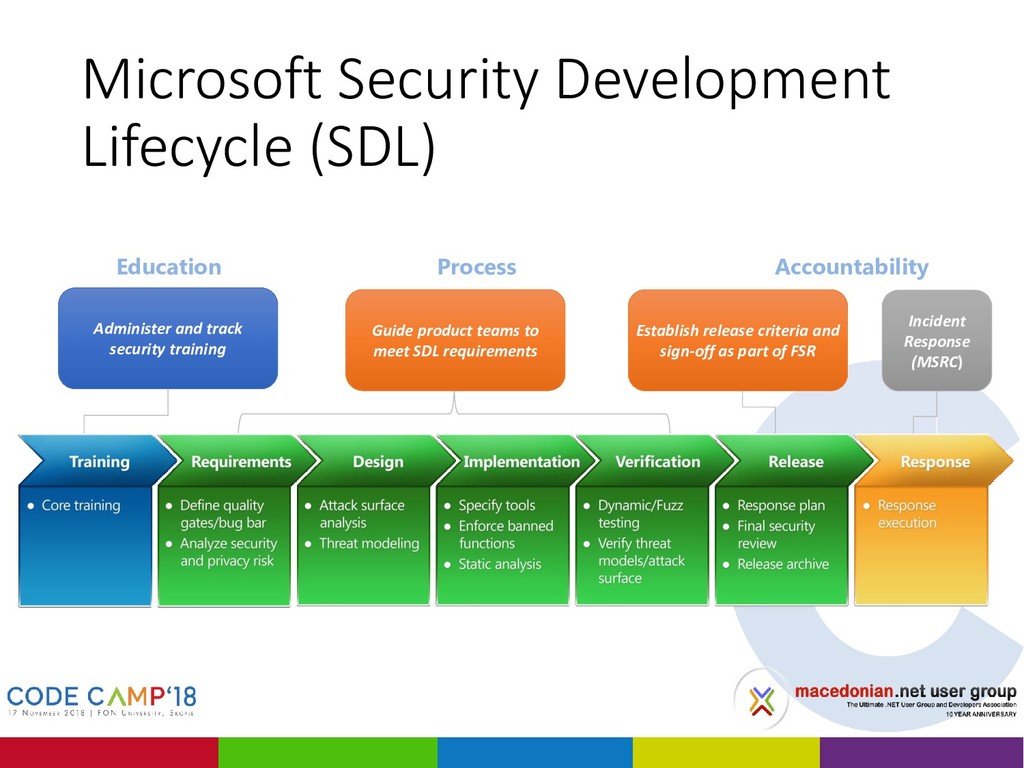
  22. Microsoft Security Development Lifecycle (SDL) Education Accountability Administer and track

    security training Incident Response (MSRC) Establish release criteria and sign-off as part of FSR Process Guide product teams to meet SDL requirements
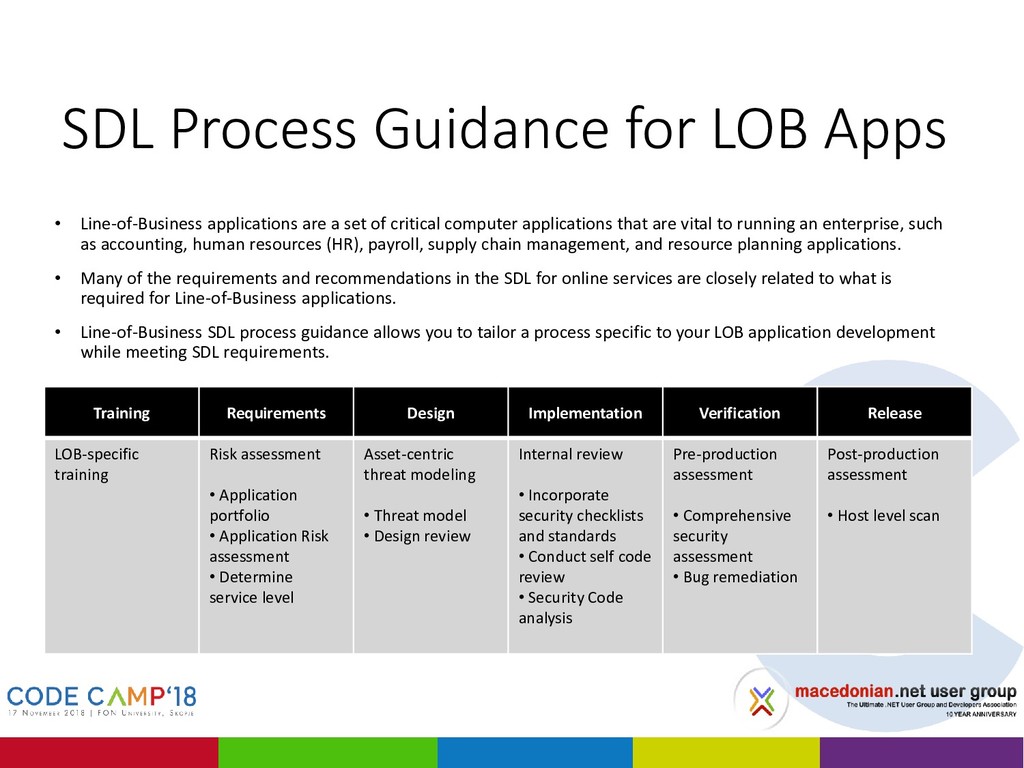
  23. Training Requirements Design Implementation Verification Release LOB-specific training Risk assessment

    • Application portfolio • Application Risk assessment • Determine service level Asset-centric threat modeling • Threat model • Design review Internal review • Incorporate security checklists and standards • Conduct self code review • Security Code analysis Pre-production assessment • Comprehensive security assessment • Bug remediation Post-production assessment • Host level scan SDL Process Guidance for LOB Apps • Line-of-Business applications are a set of critical computer applications that are vital to running an enterprise, such as accounting, human resources (HR), payroll, supply chain management, and resource planning applications. • Many of the requirements and recommendations in the SDL for online services are closely related to what is required for Line-of-Business applications. • Line-of-Business SDL process guidance allows you to tailor a process specific to your LOB application development while meeting SDL requirements.
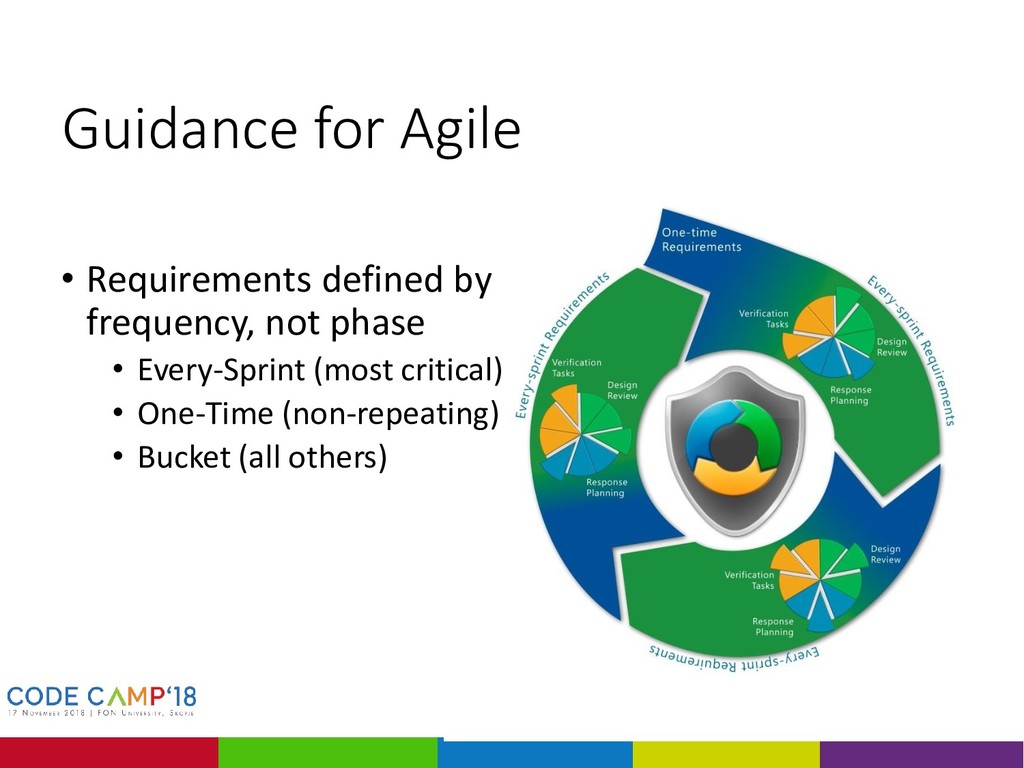
  24. Guidance for Agile • Requirements defined by frequency, not phase

    • Every-Sprint (most critical) • One-Time (non-repeating) • Bucket (all others)
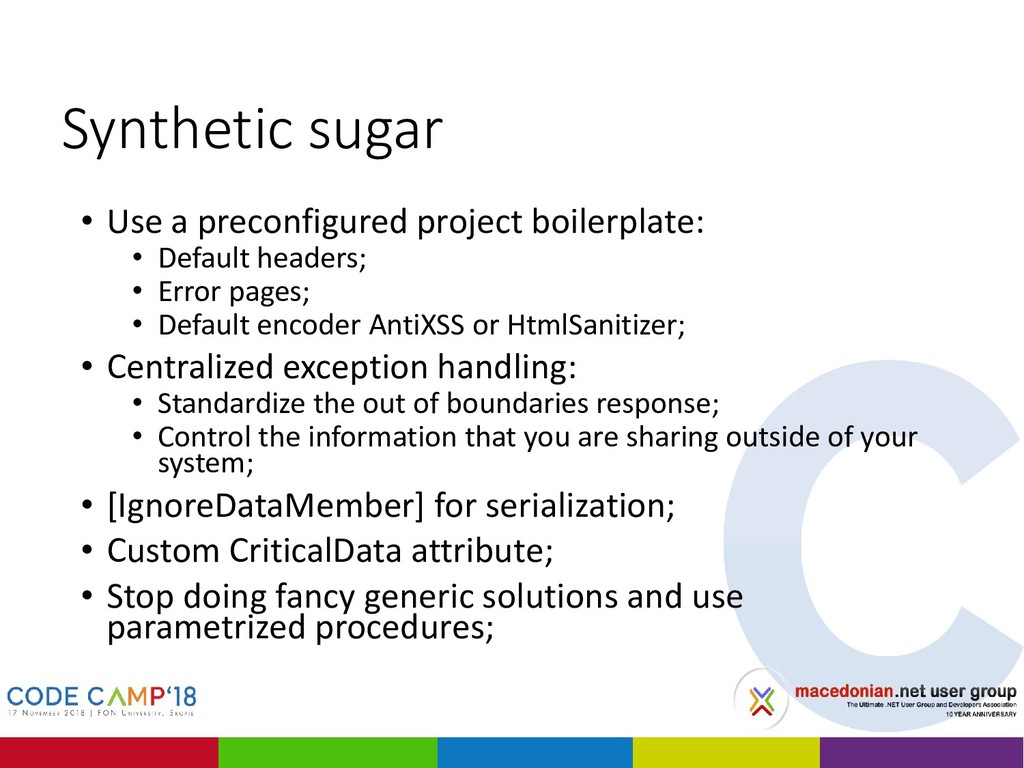
  25. Synthetic sugar • Use a preconfigured project boilerplate: • Default

    headers; • Error pages; • Default encoder AntiXSS or HtmlSanitizer; • Centralized exception handling: • Standardize the out of boundaries response; • Control the information that you are sharing outside of your system; • [IgnoreDataMember] for serialization; • Custom CriticalData attribute; • Stop doing fancy generic solutions and use parametrized procedures;