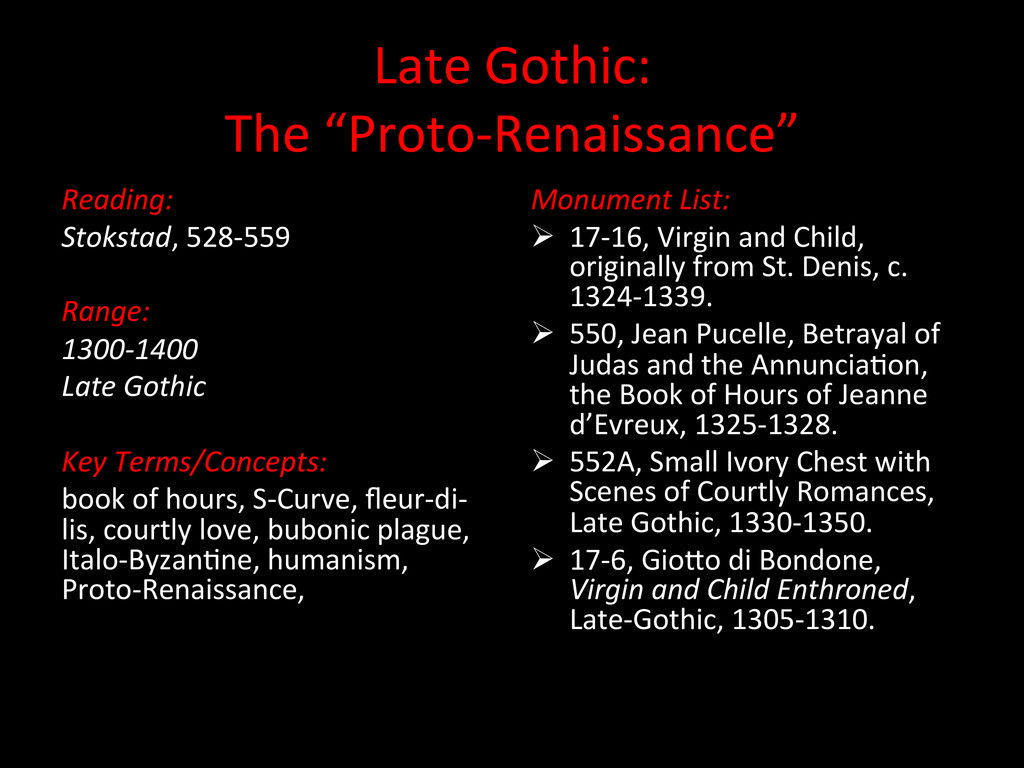
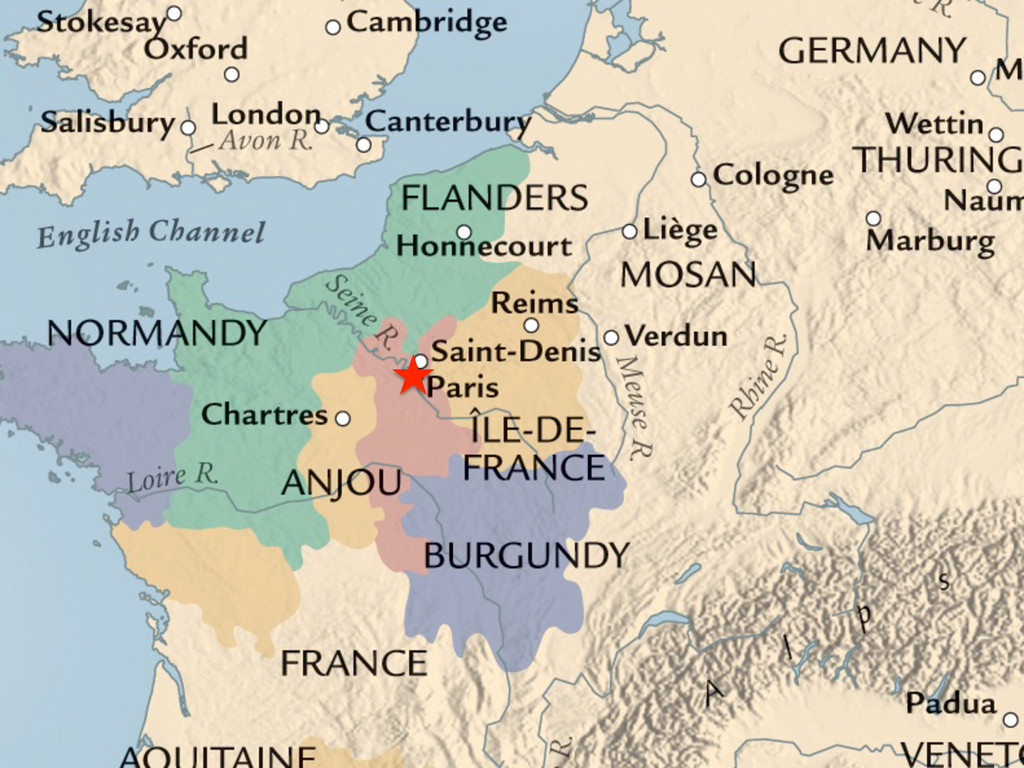
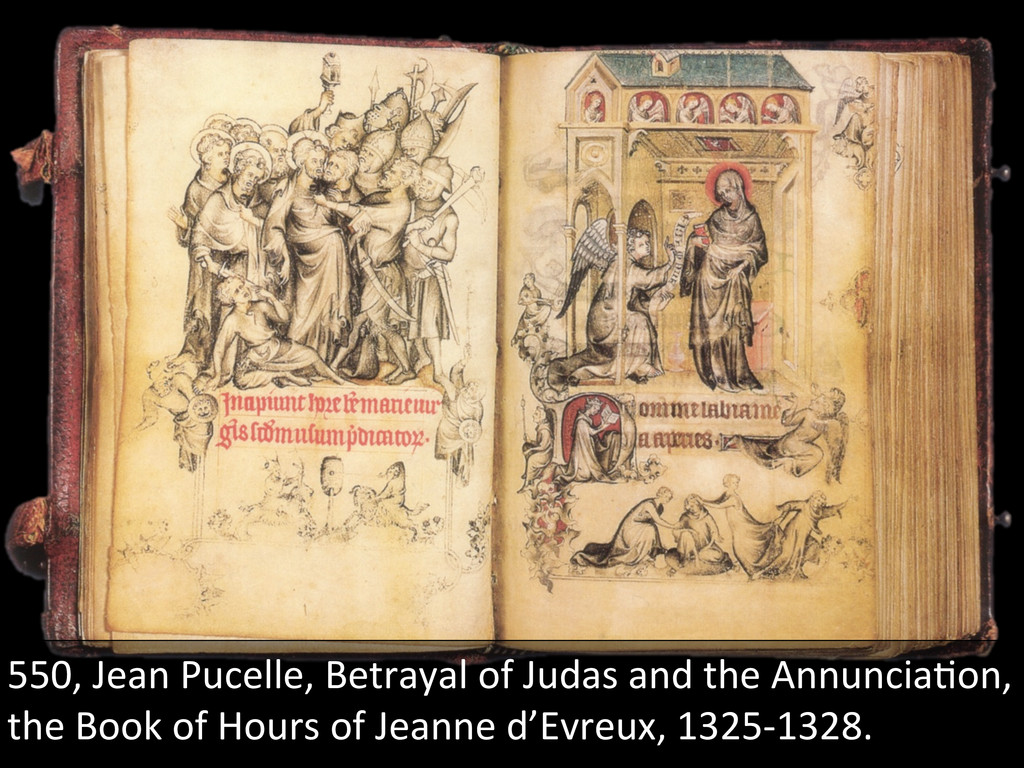
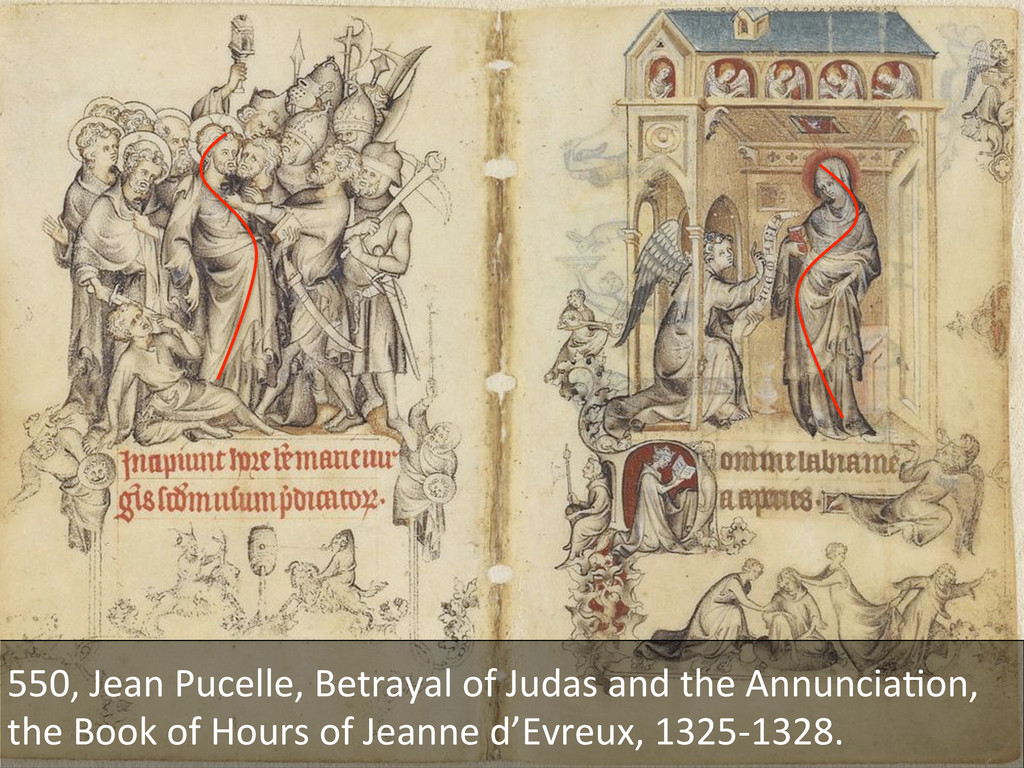
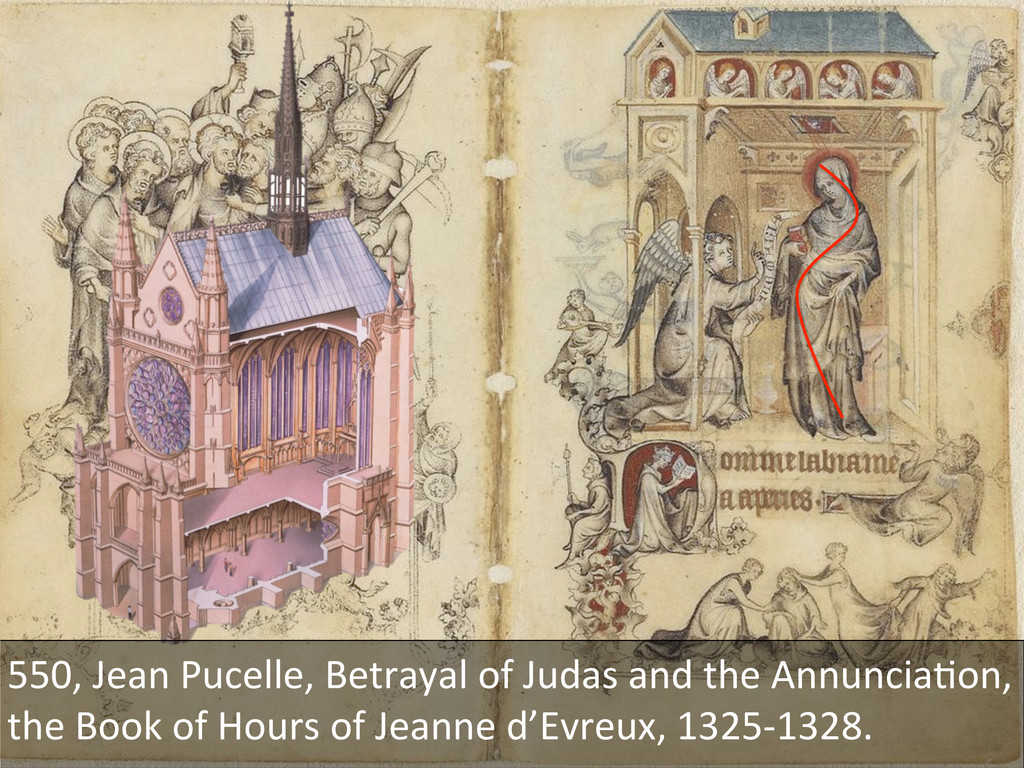
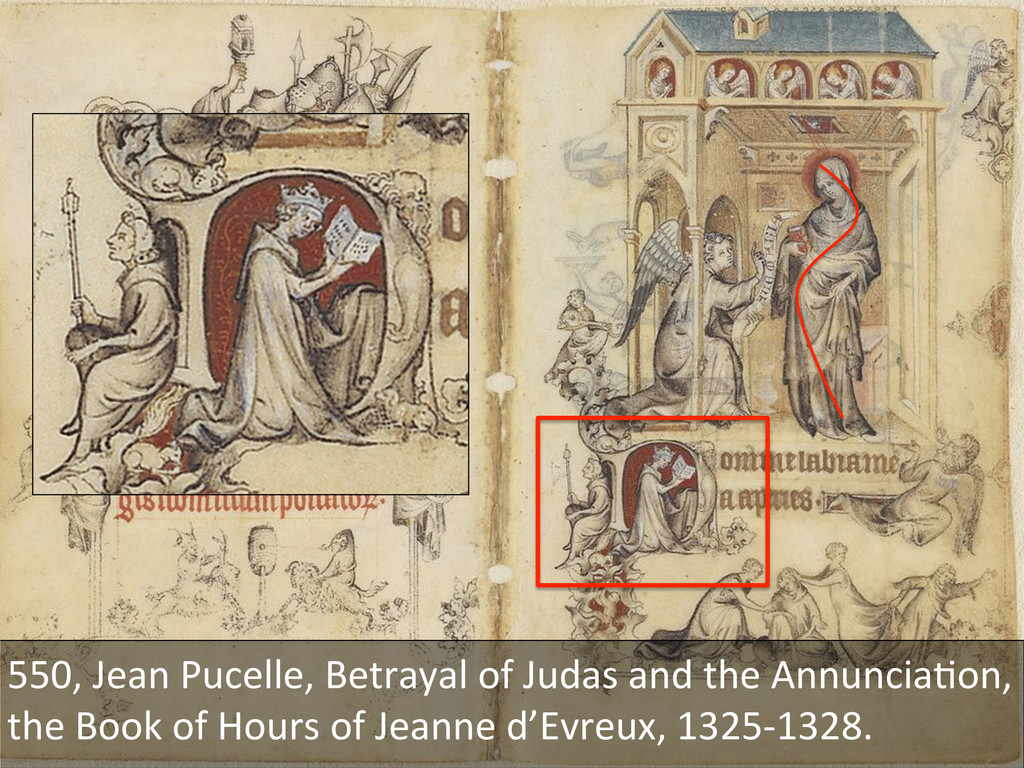
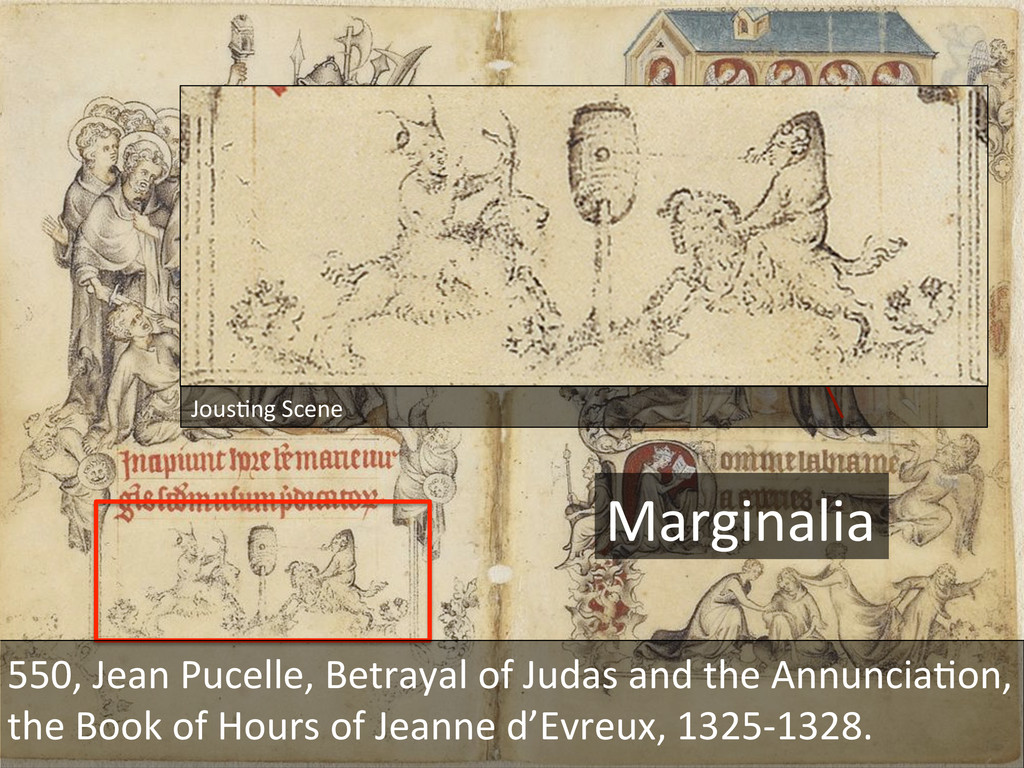
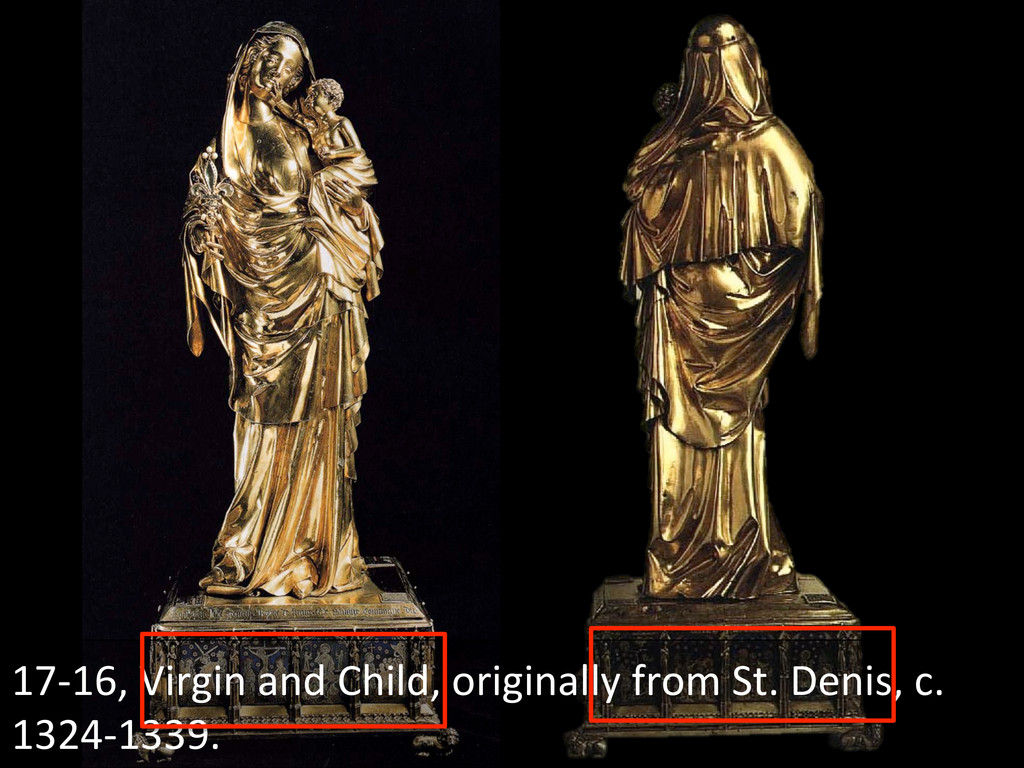
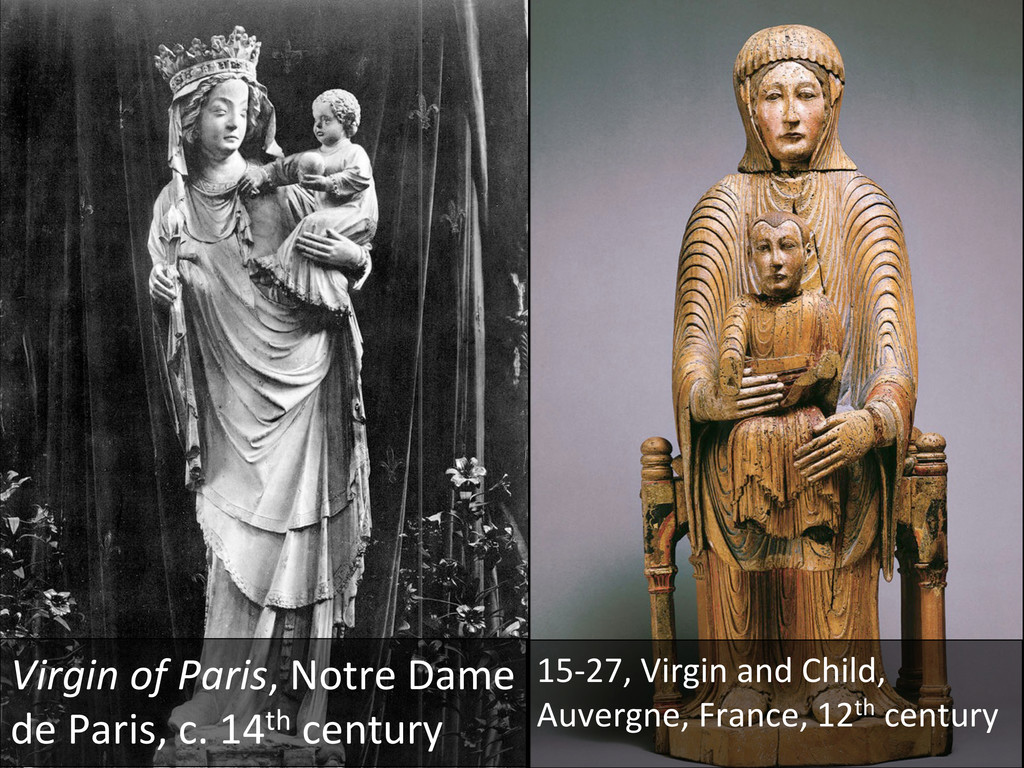
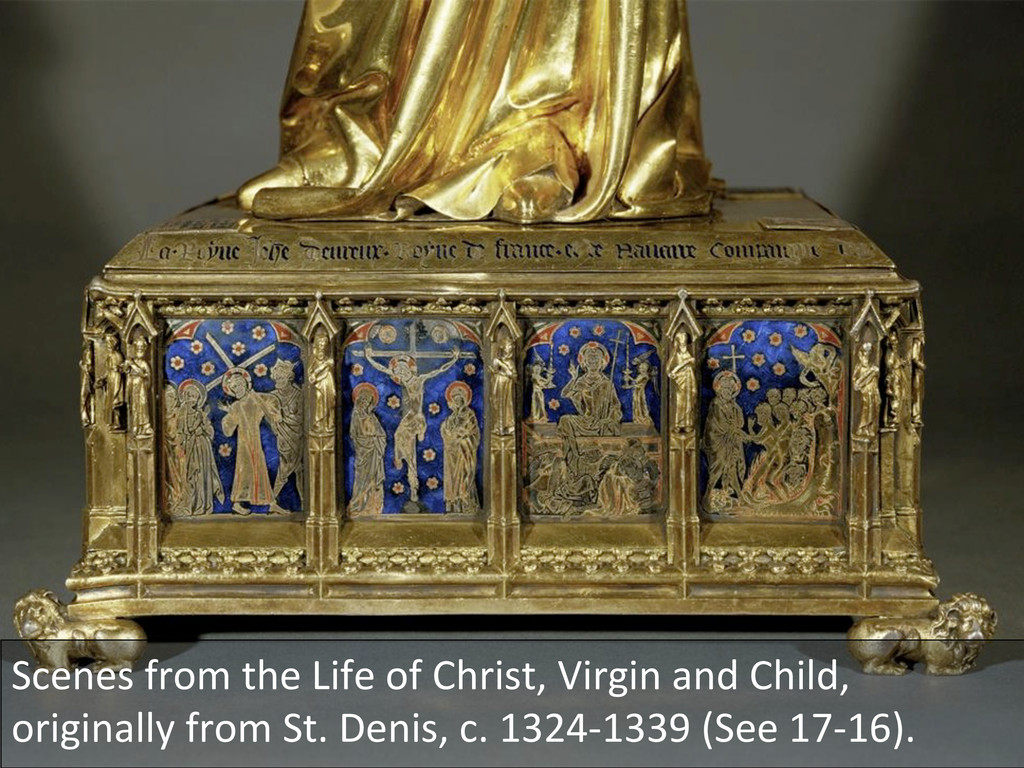
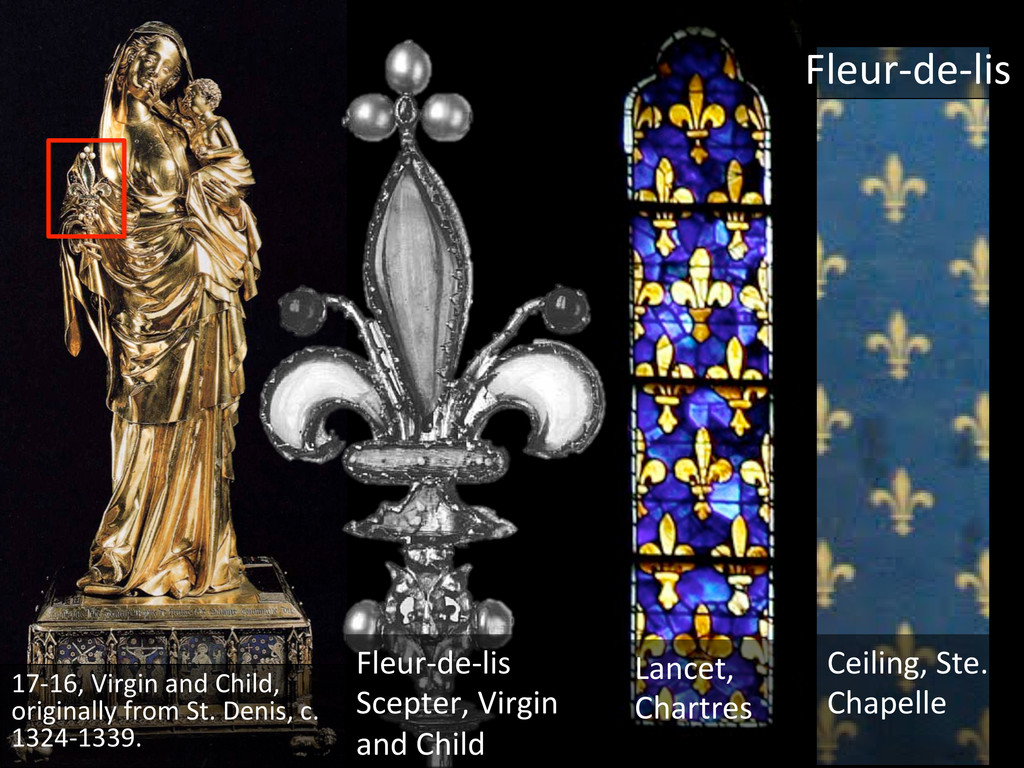
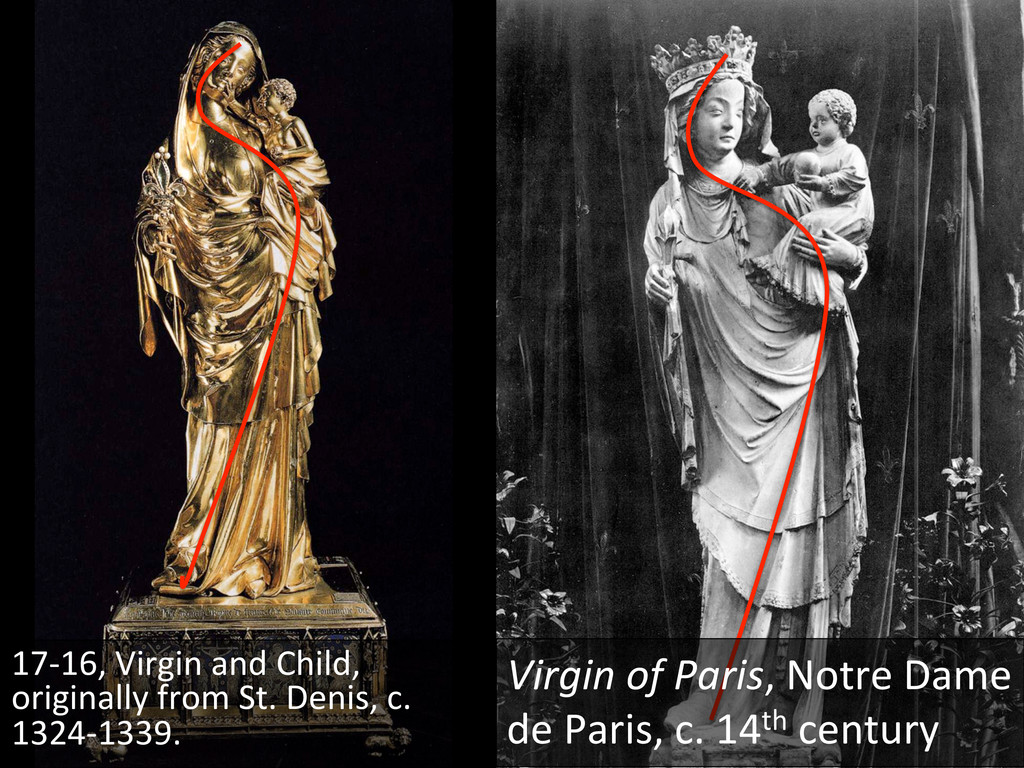
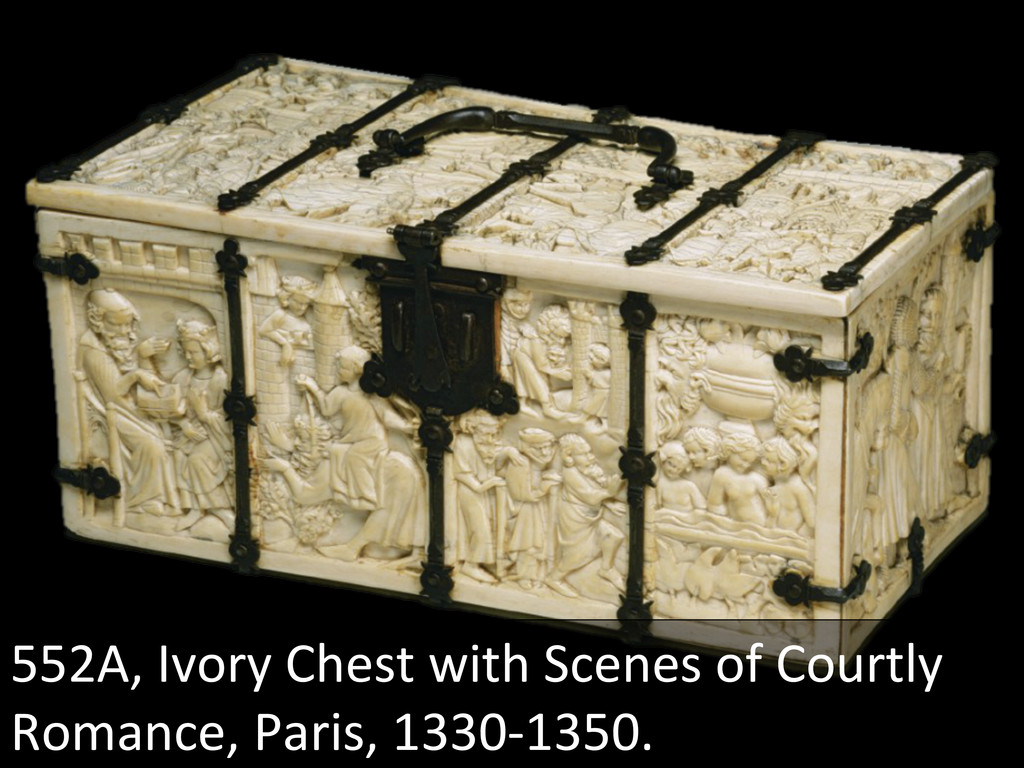
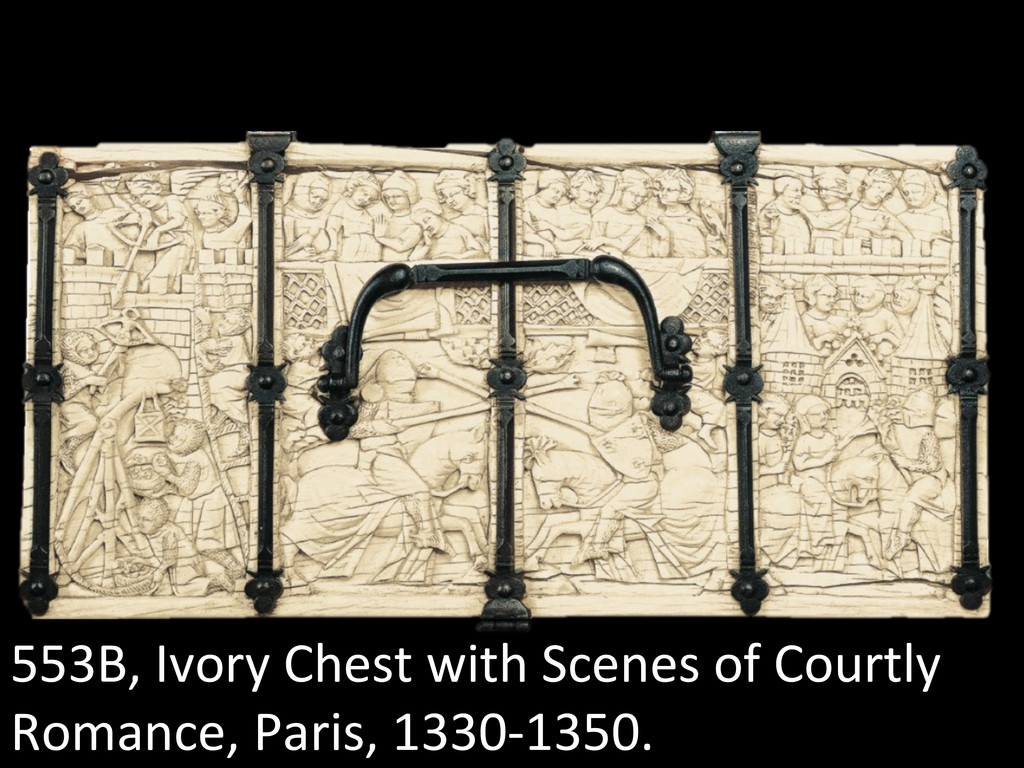
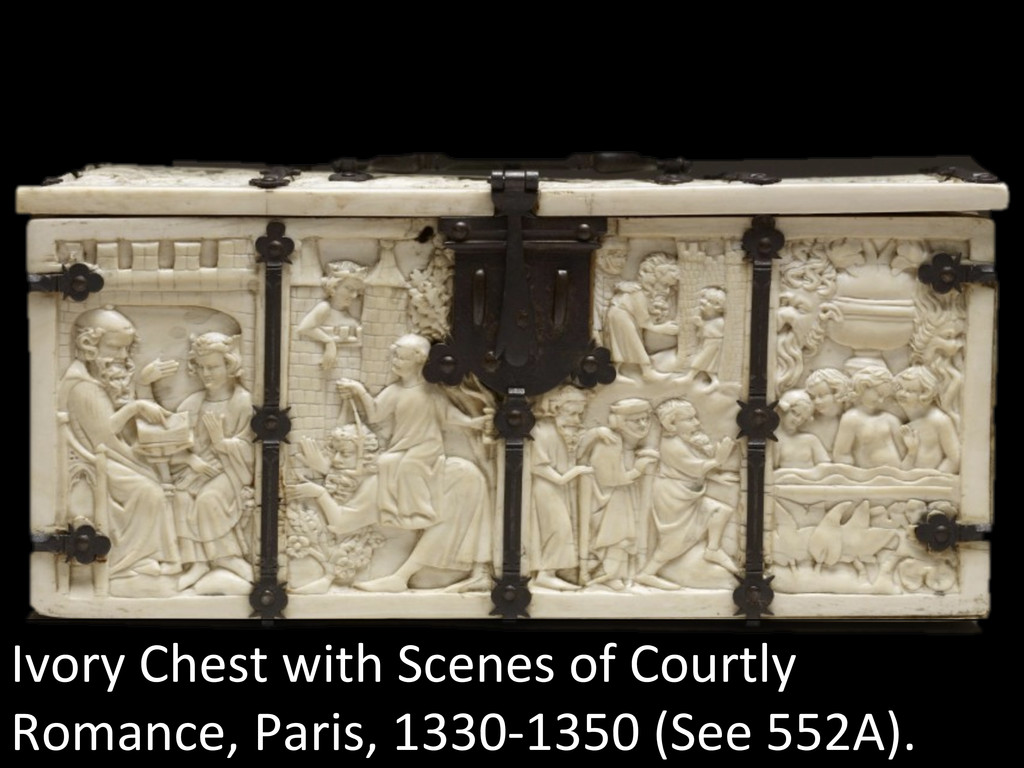
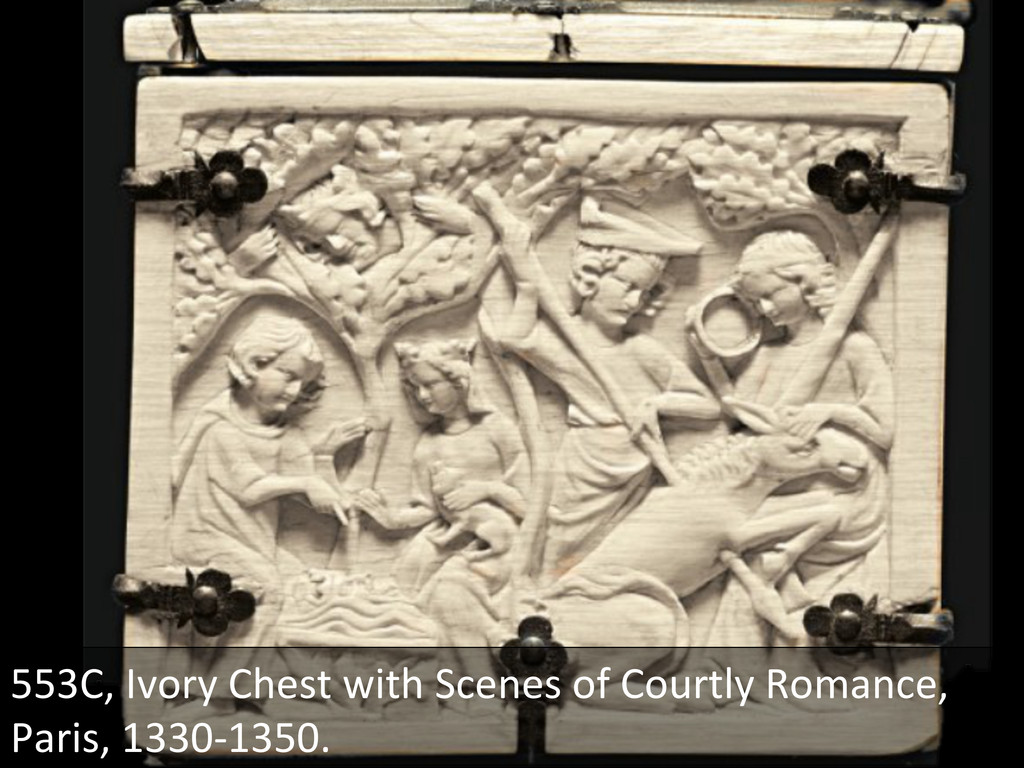
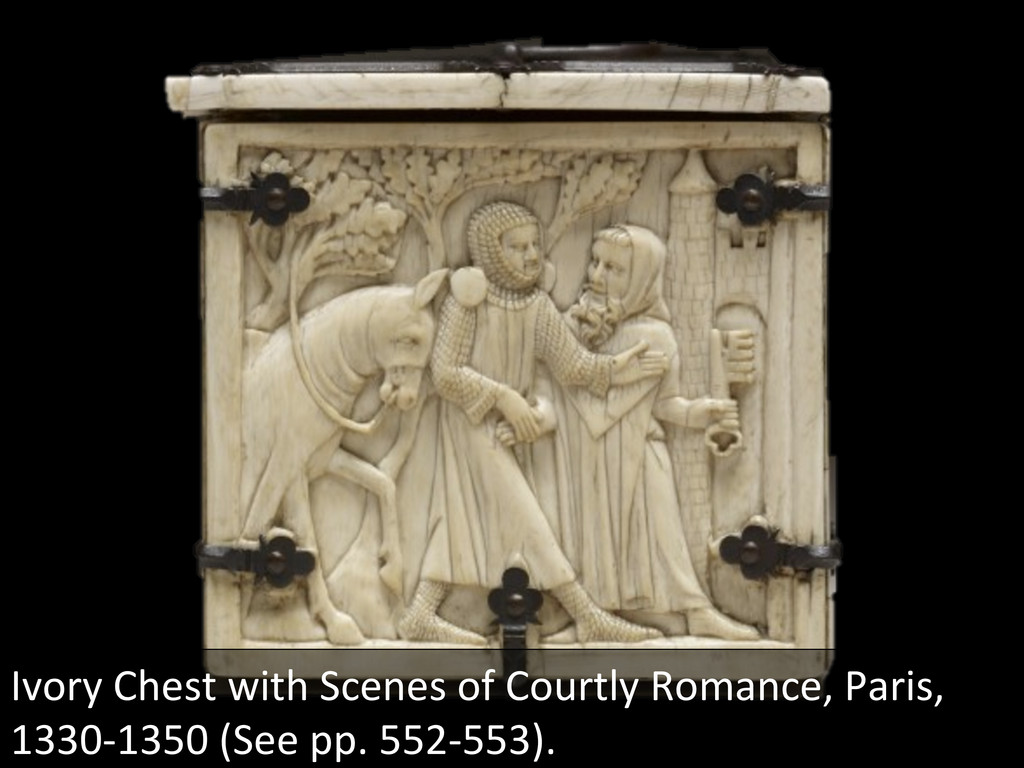
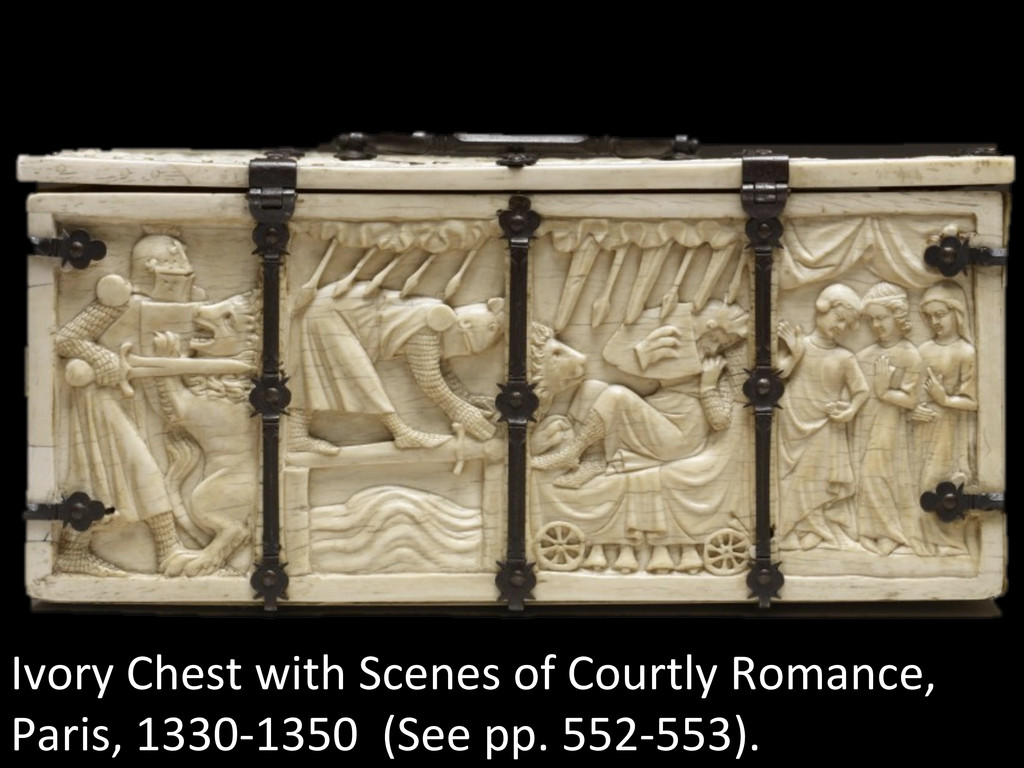
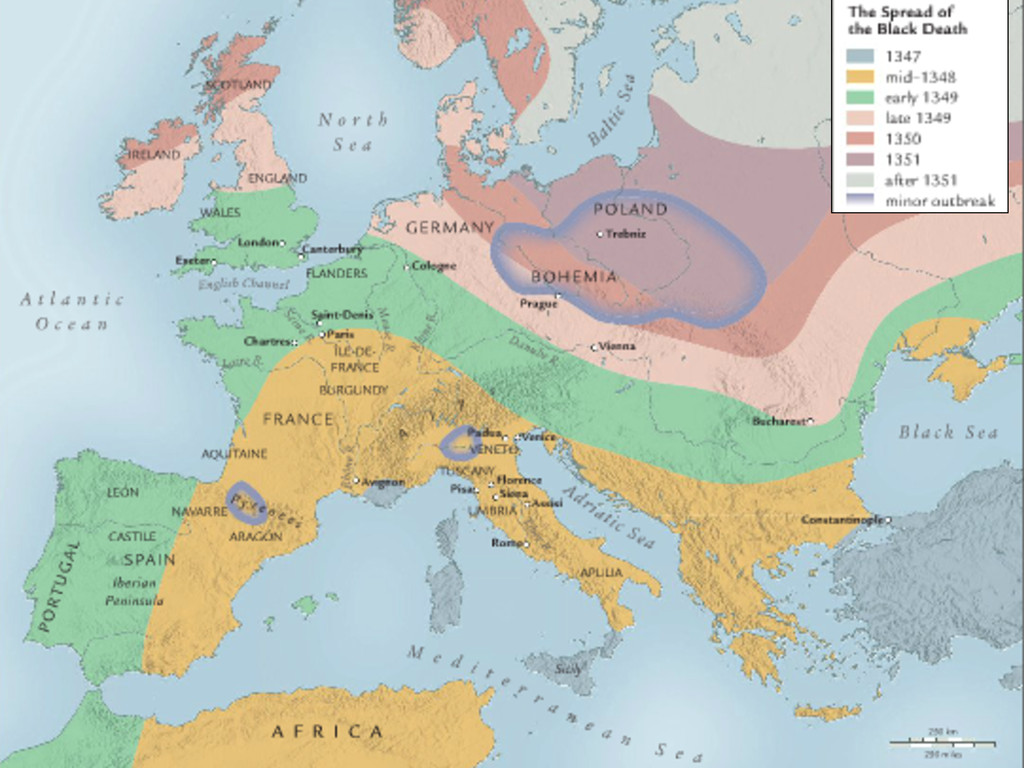
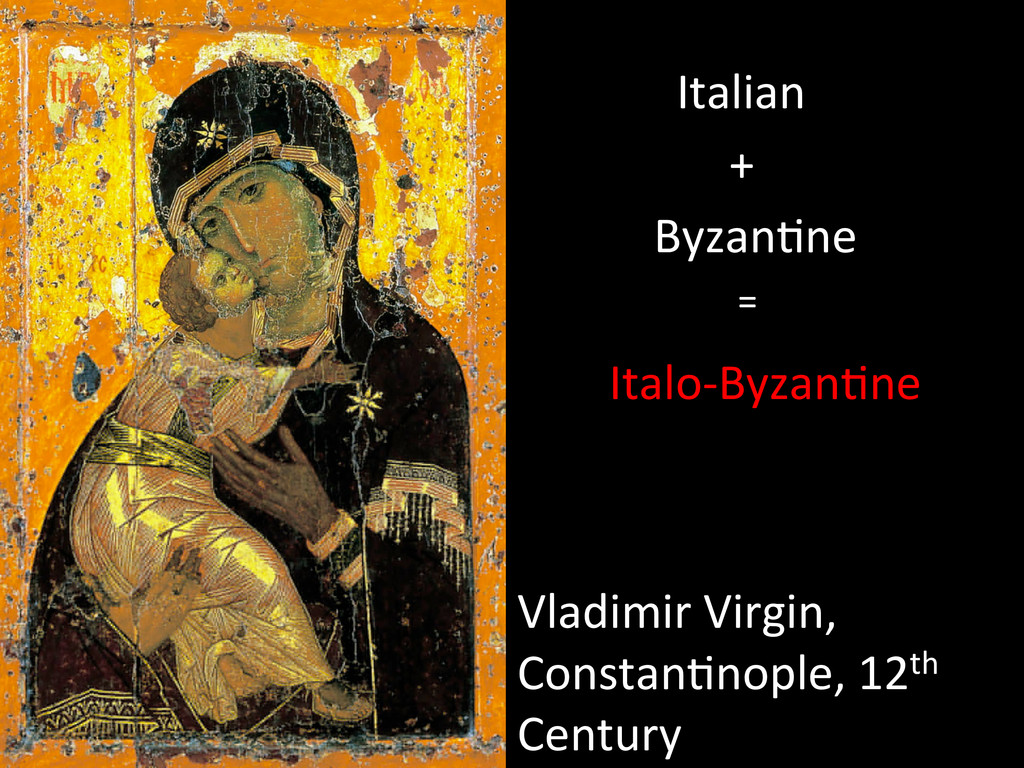
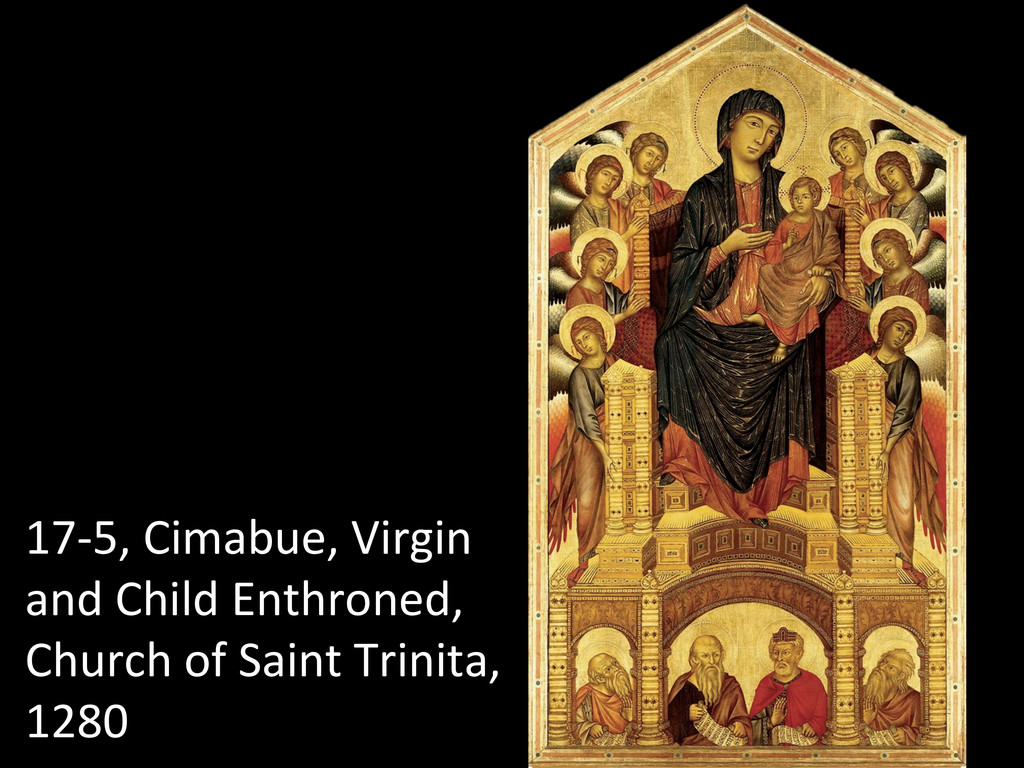
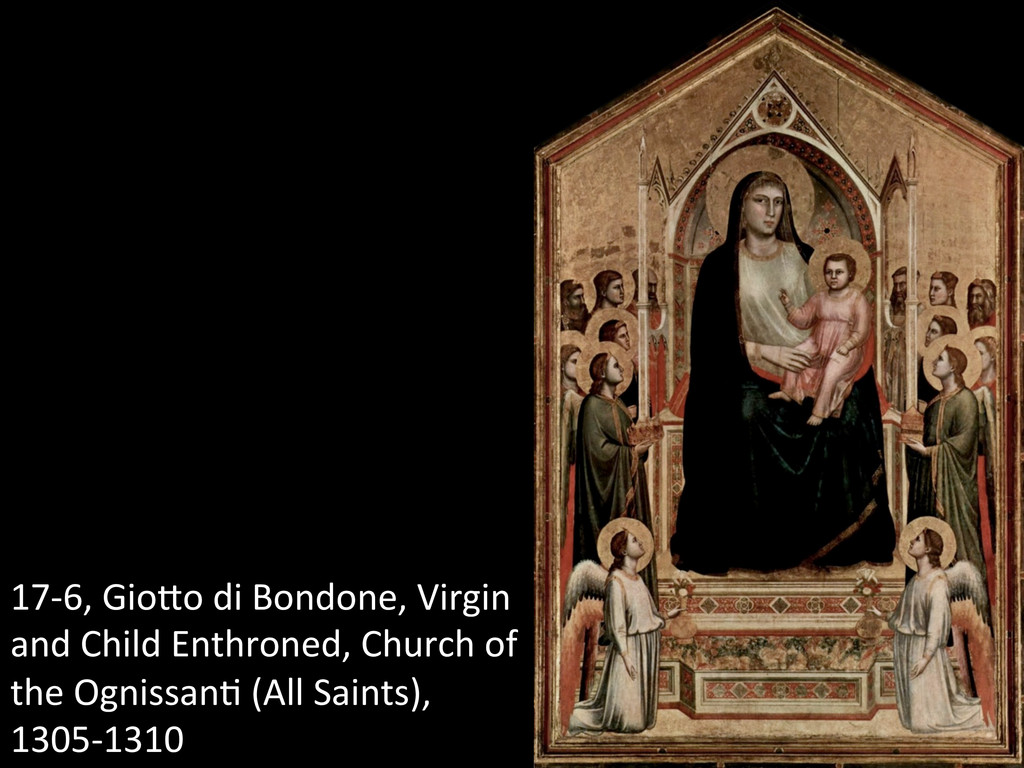
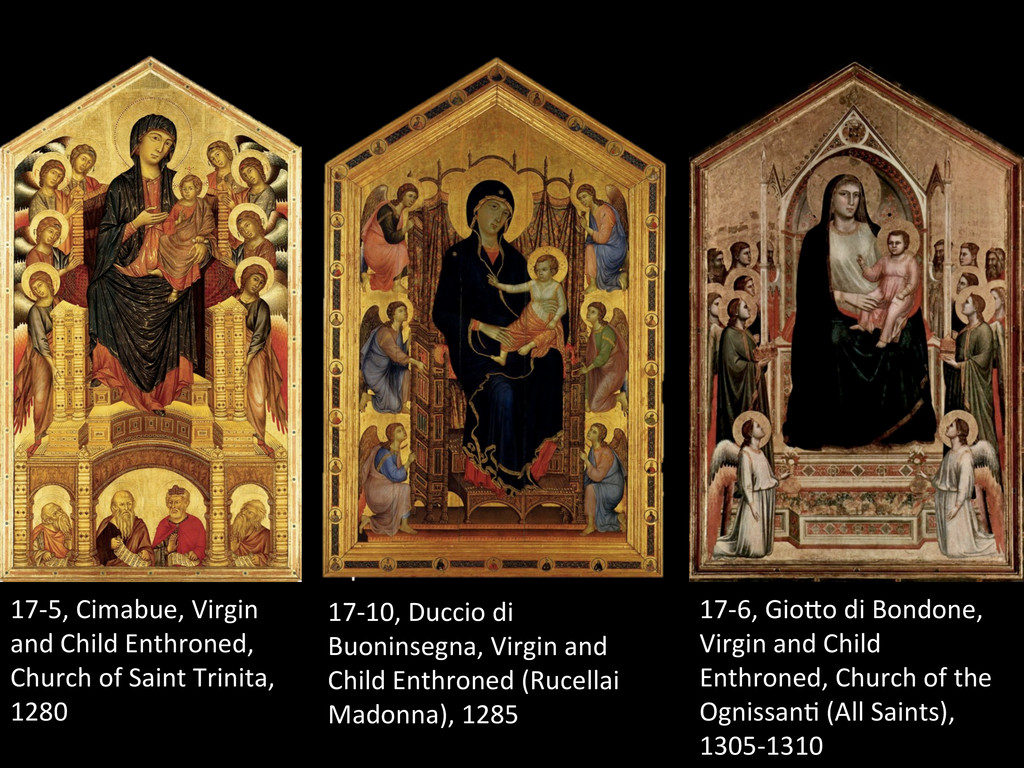
Range: 1300-‐1400 Late Gothic Key Terms/Concepts: book of hours, S-‐Curve, fleur-‐di-‐ lis, courtly love, bubonic plague, Italo-‐ByzanJne, humanism, Proto-‐Renaissance, Monument List: 17-‐16, Virgin and Child, originally from St. Denis, c. 1324-‐1339. 550, Jean Pucelle, Betrayal of Judas and the AnnunciaJon, the Book of Hours of Jeanne d’Evreux, 1325-‐1328. 552A, Small Ivory Chest with Scenes of Courtly Romances, Late Gothic, 1330-‐1350. 17-‐6, Gio\o di Bondone, Virgin and Child Enthroned, Late-‐Gothic, 1305-‐1310.
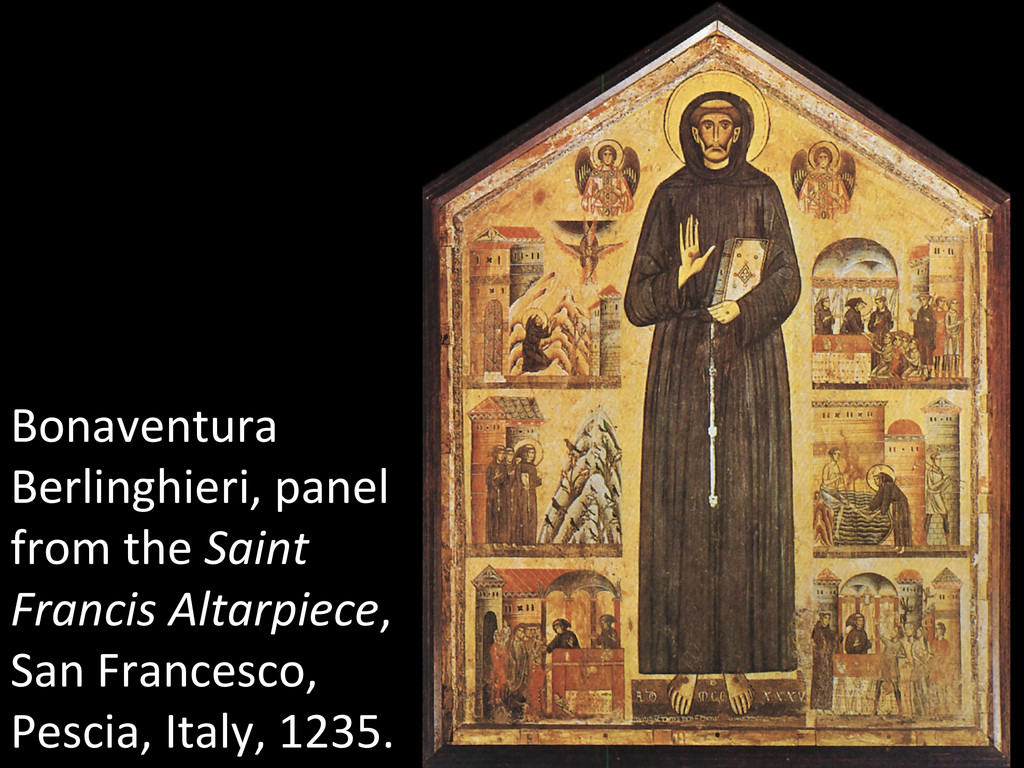
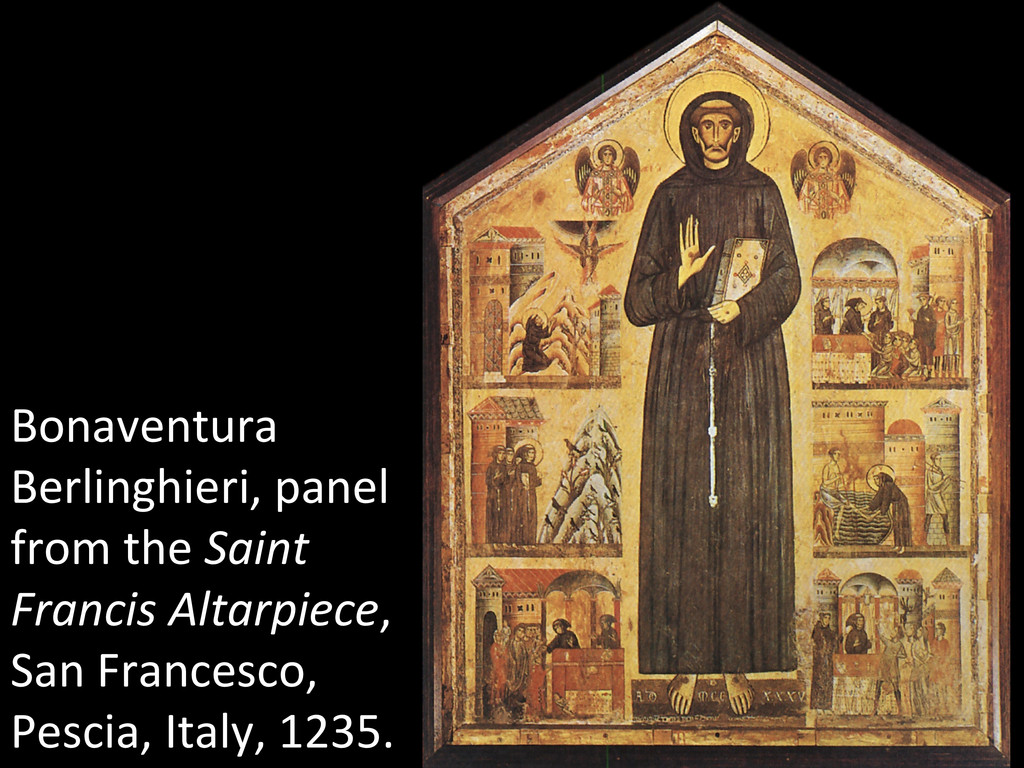
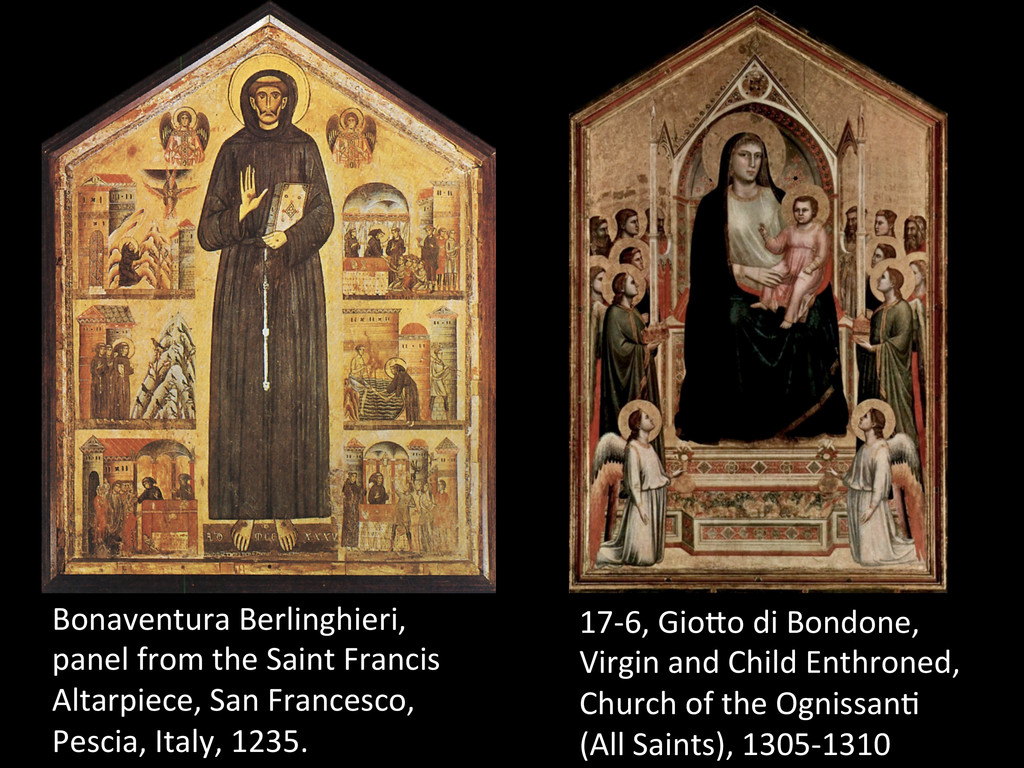
Church of the OgnissanJ (All Saints), 1305-‐1310 Bonaventura Berlinghieri, panel from the Saint Francis Altarpiece, San Francesco, Pescia, Italy, 1235.
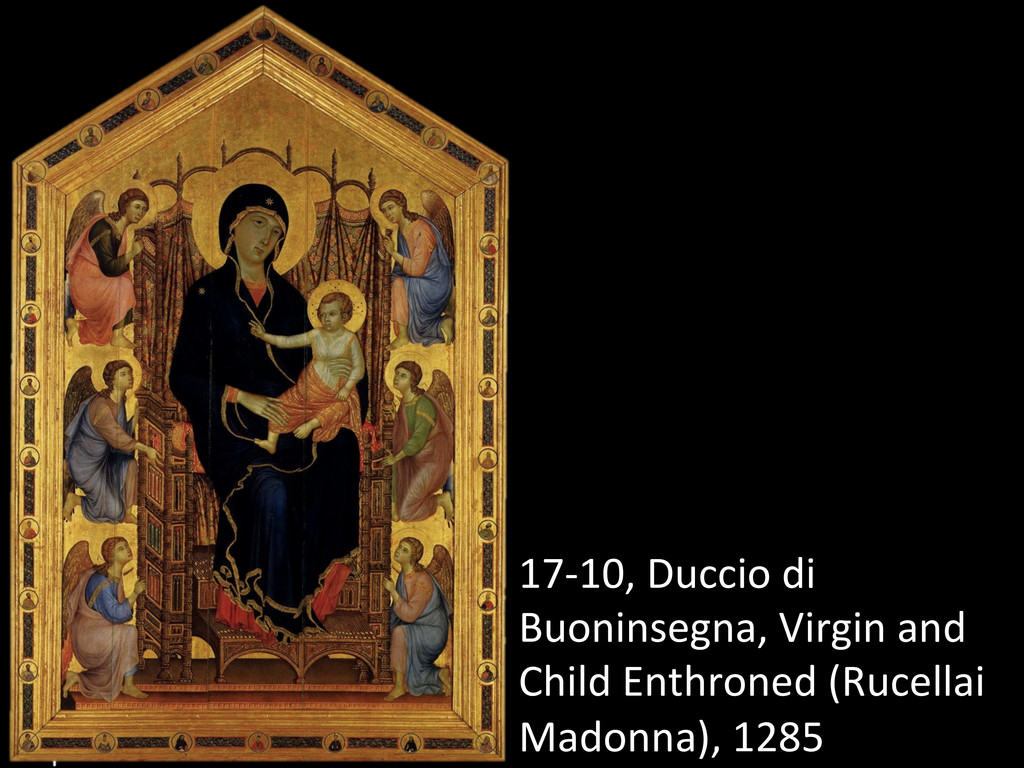
Saint Trinita, 1280 17-‐10, Duccio di Buoninsegna, Virgin and Child Enthroned (Rucellai Madonna), 1285 17-‐6, Gio\o di Bondone, Virgin and Child Enthroned, Church of the OgnissanJ (All Saints), 1305-‐1310
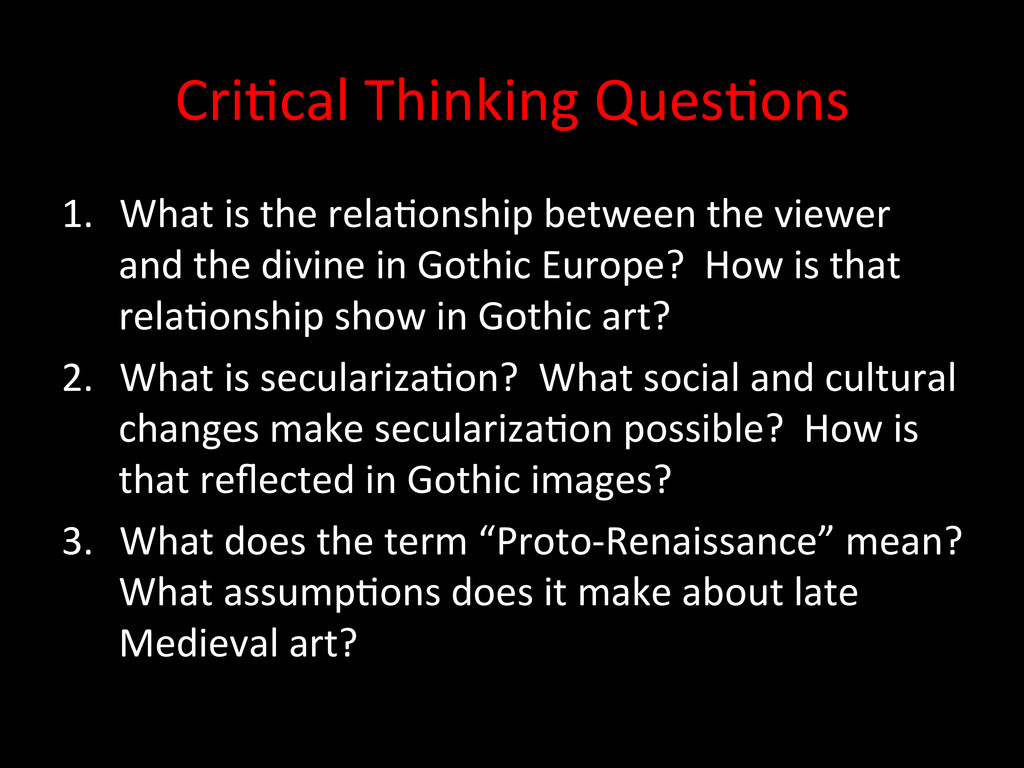
the viewer and the divine in Gothic Europe? How is that relaJonship show in Gothic art? 2. What is secularizaJon? What social and cultural changes make secularizaJon possible? How is that reflected in Gothic images? 3. What does the term “Proto-‐Renaissance” mean? What assumpJons does it make about late Medieval art?


 nichsara
 aleyda
 stephaniewalter
 csswizardry
 productmarketing
 addyosmani
 soysaucechin
 hannesfritz
 eileencodes
 jonoalderson
 marcduiker
 greggifford