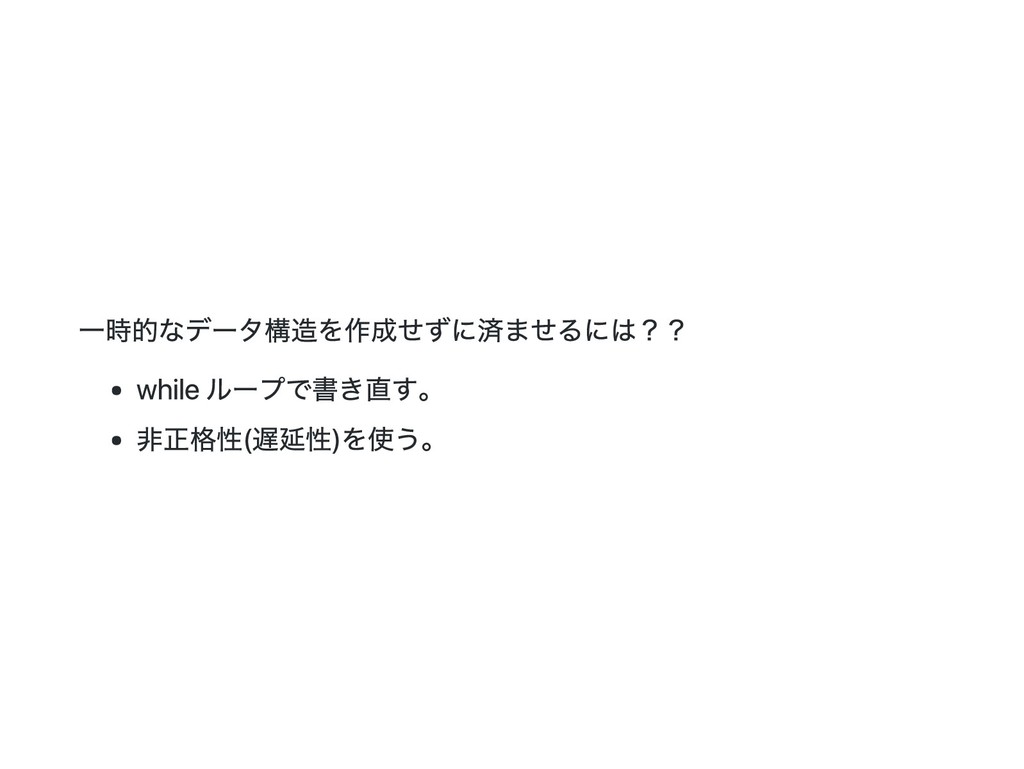
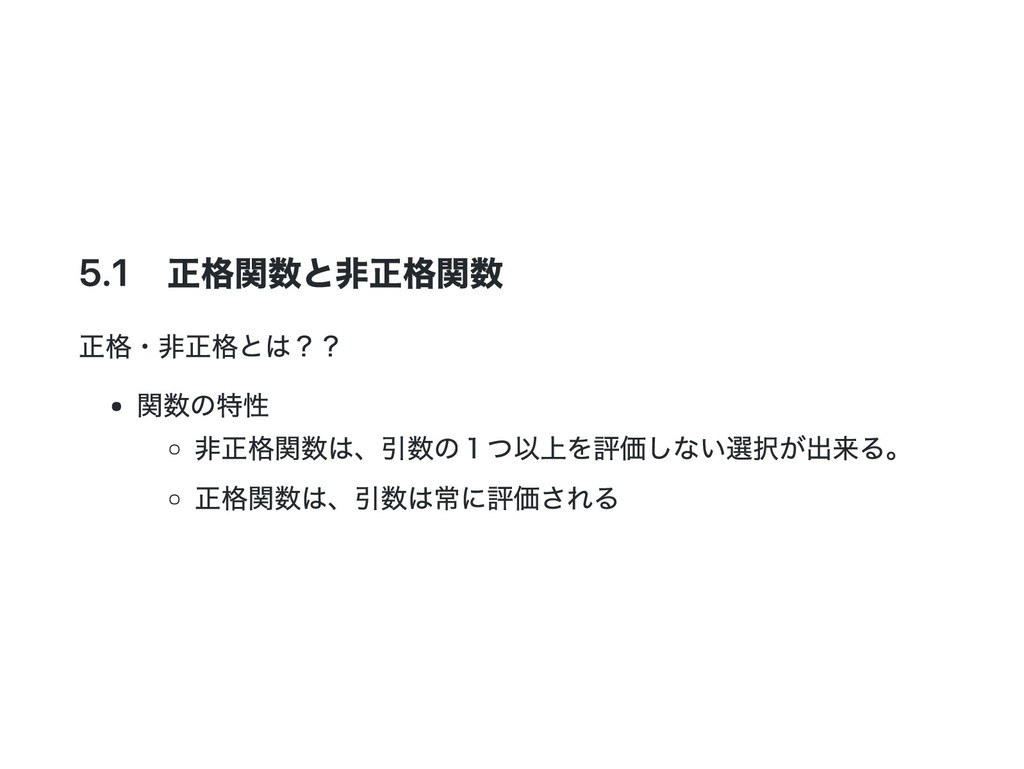
i = i if (b) j + j else 0 } val x = maybeTwice2(true, {println("hi"); 1 +41}) // hi // x: Int = 84 lazy val にすると最初に参照された時に、 初めて評価されて結果がキャッシュされる。 Scala の非正格関数は引数を値渡しではなく、名前渡しで受け取る。
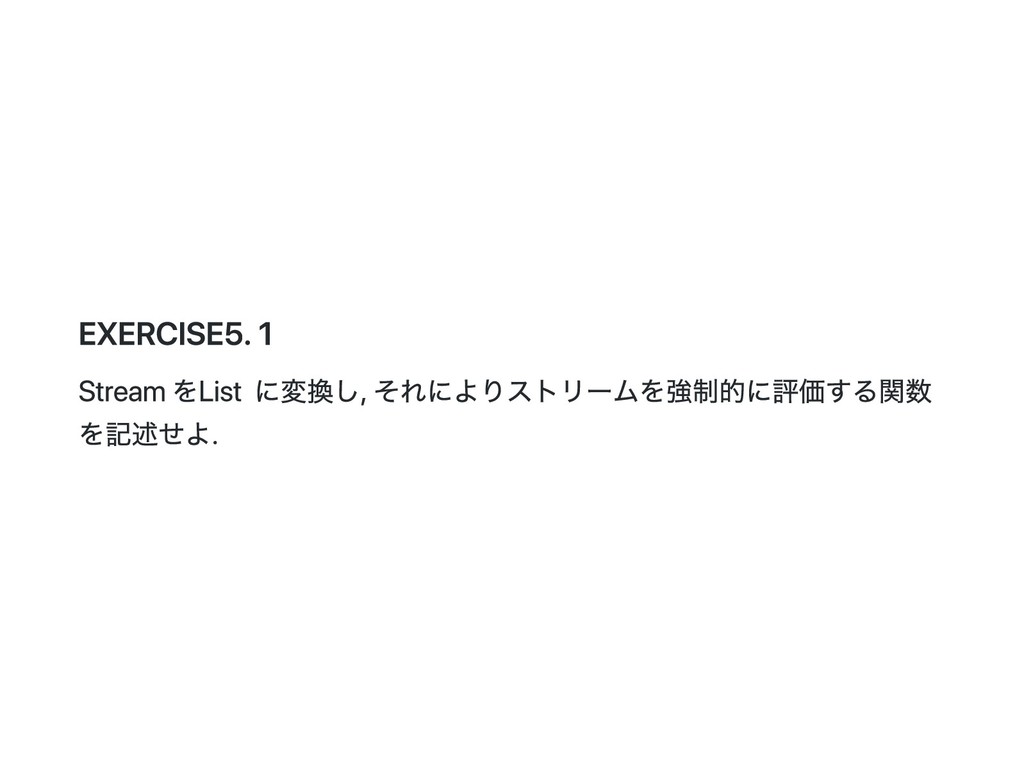
{ val buf = new collection.mutable.ListBuffer[A] @annotation.tailrec def go(s: Stream[A]): List[A] = s match { case Cons(h,t) => buf += h() go(t()) case _ => buf.toList } go(this) }
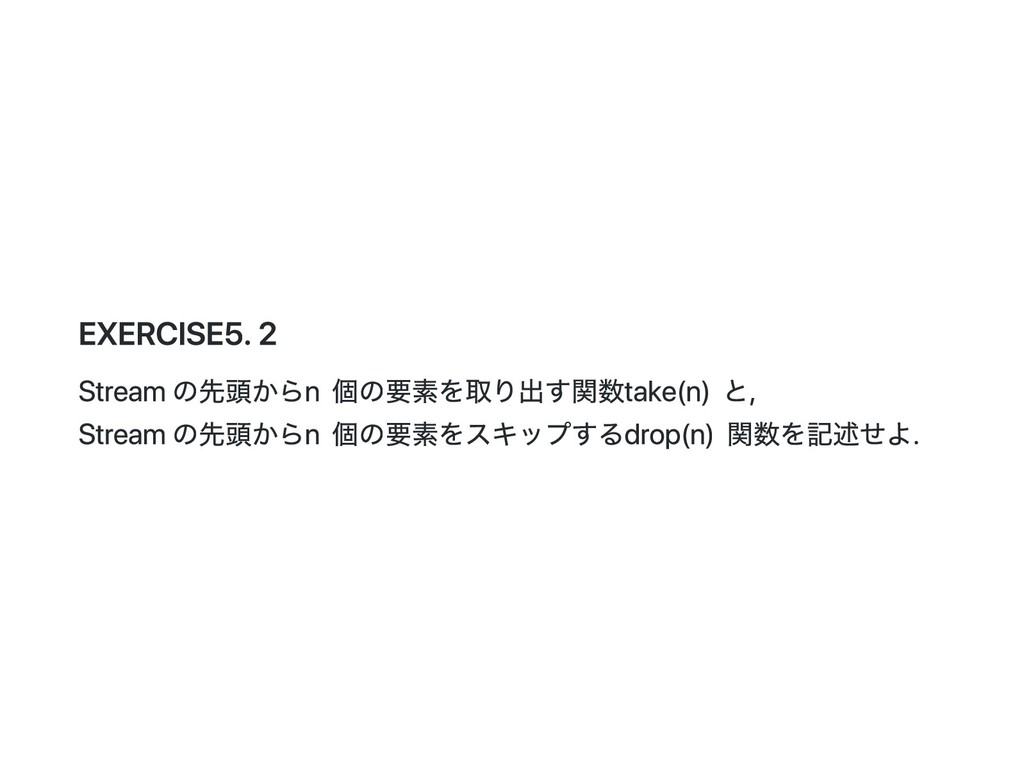
Cons(h, t) if 0 < n => cons(h(), t().take(n - 1)) case _ => empty } 公式の答え. n == 1 のときは empty を詰めるようにすると t() を評価しないで済むた め?? def take(n: Int): Stream[A] = this match { case Cons(h, t) if n > 1 => cons(h(), t().take(n - 1)) case Cons(h, _) if n == 1 => cons(h(), empty) case _ => empty } @annotation.tailrec final def drop(n: Int): Stream[A] = this match { case Cons(_, t) if n > 0 => t().drop(n - 1) case _ => this }
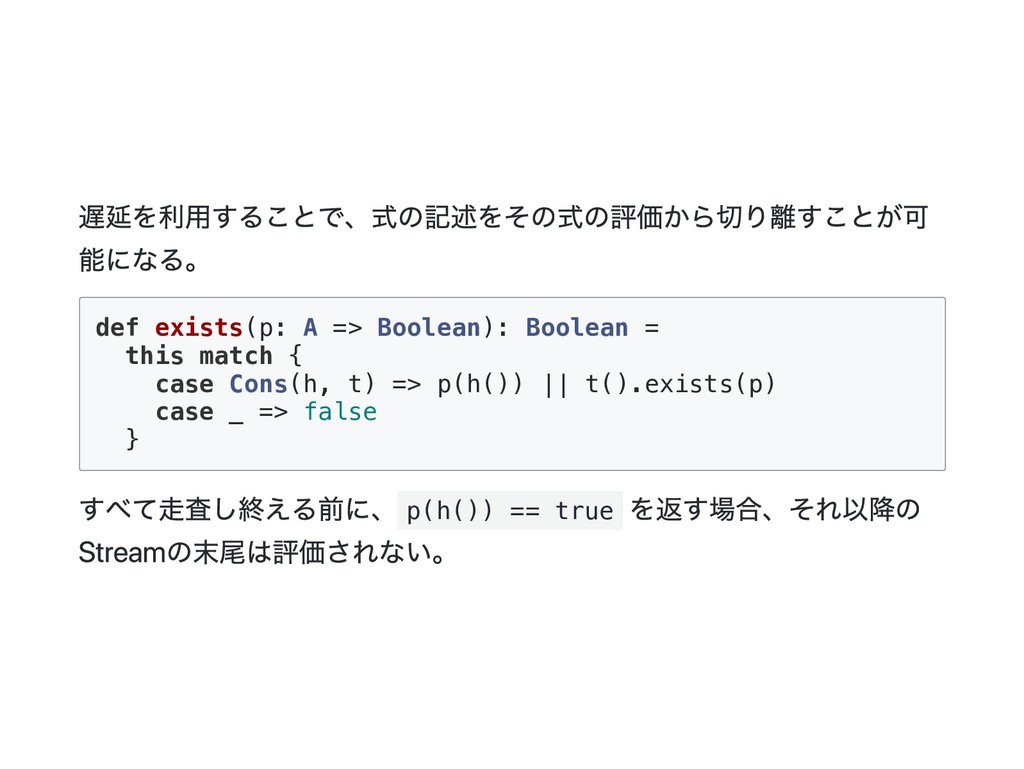
=> B) = this match { case Cons(h, t) => f(h(), t().foldRight(z)(f)) case _ => z } f に渡される二番目の引数が非正格になっているのがポイント。 def exists(p: A => Boolean): Boolean = foldRight(false)((a, b) => p(a) || b) p(a) が true になった場合、b は評価されないで計算が終了する。

 SiteGround - Reliable hosting with speed, security, and support you can count on.


 satoshi256kbyte
 akase244
 findyinc
 seike460
 mixplace
 suneo3476
 ichirokano2
 florets1
 kmars0605
 irinanazarova
 lef237
 uyuki234
 destraynor
 rasagy
 bcantrill
 reverentgeek
 cromwellryan
 mayatellez
 62gerente
 rmw
rmw
 hannesfritz
 nonsquared
 427marketing
 asonas
![List(1,2,3,4).map(_+10).filter(_%2==0).map(_*3) // res0: List[Int] = List(36,42) Scala では関数がリストを生成して次の関数に渡される。 トレースすると・・・ List(1,2,3,4).map(_+10).filter(_%2==0).map(_*3)](https://files.speakerdeck.com/presentations/130c9b2e4ac847e3a433025c7ef537bd/slide_1.jpg)
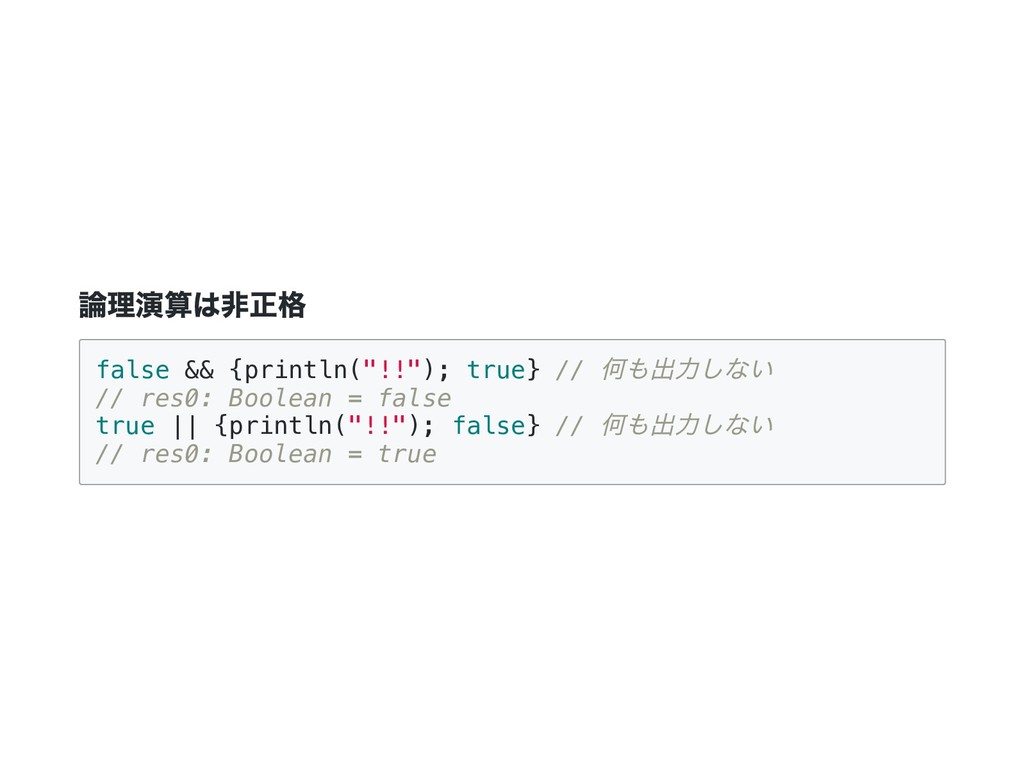
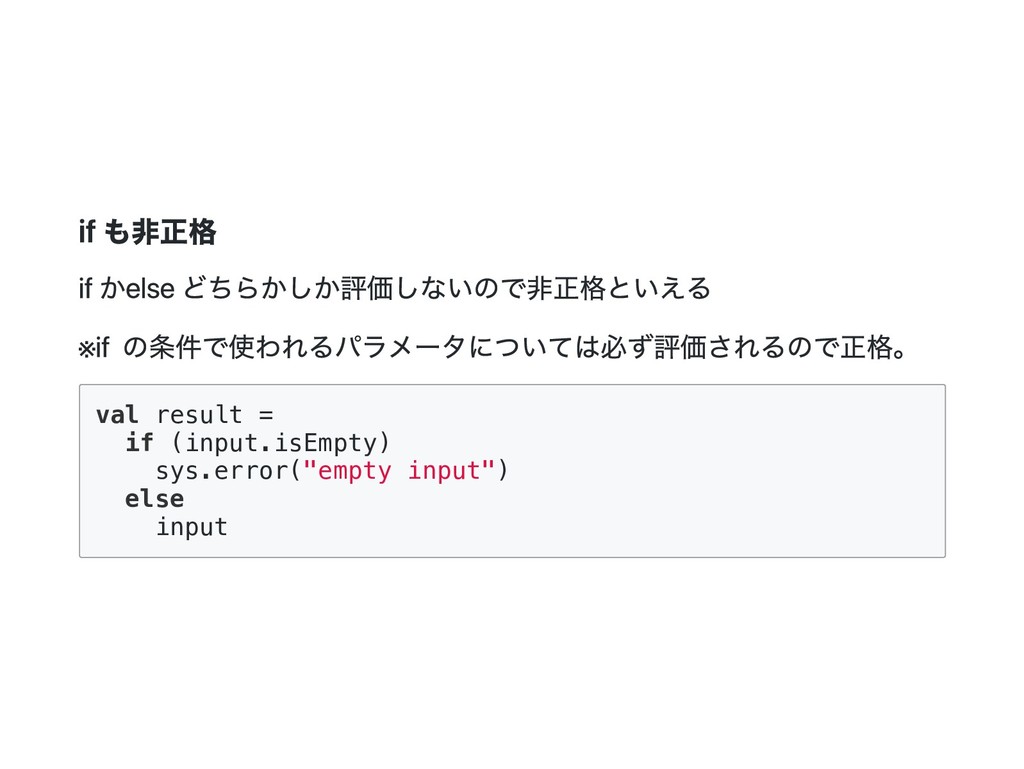
 => A,](https://files.speakerdeck.com/presentations/130c9b2e4ac847e3a433025c7ef537bd/slide_6.jpg)
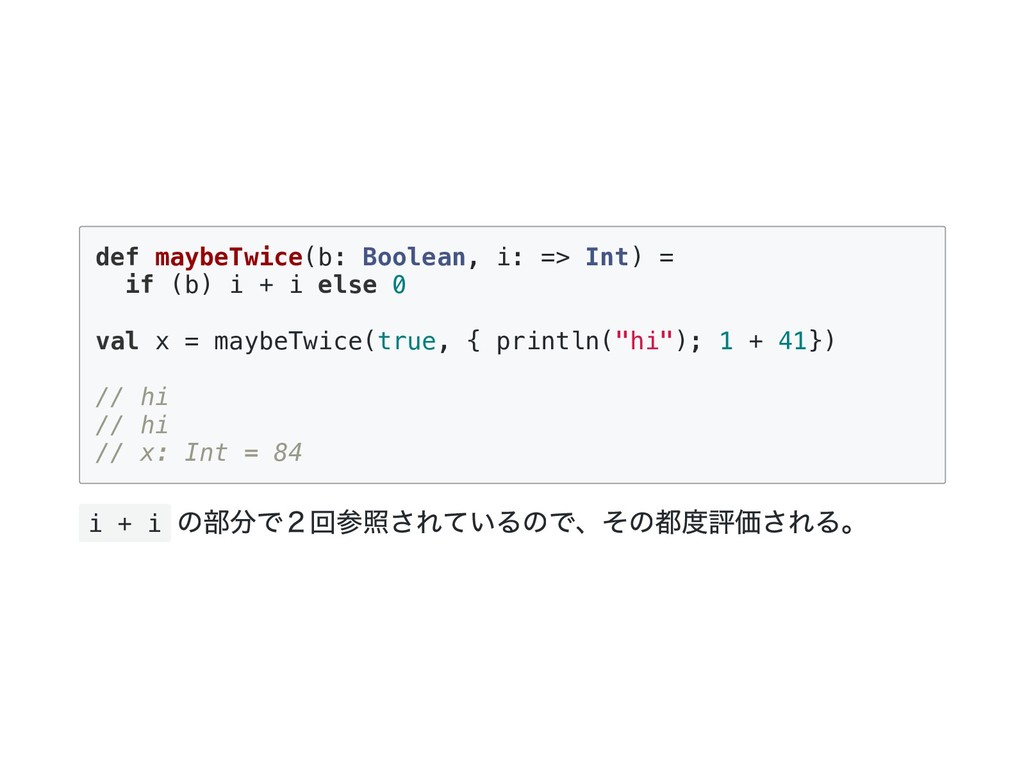
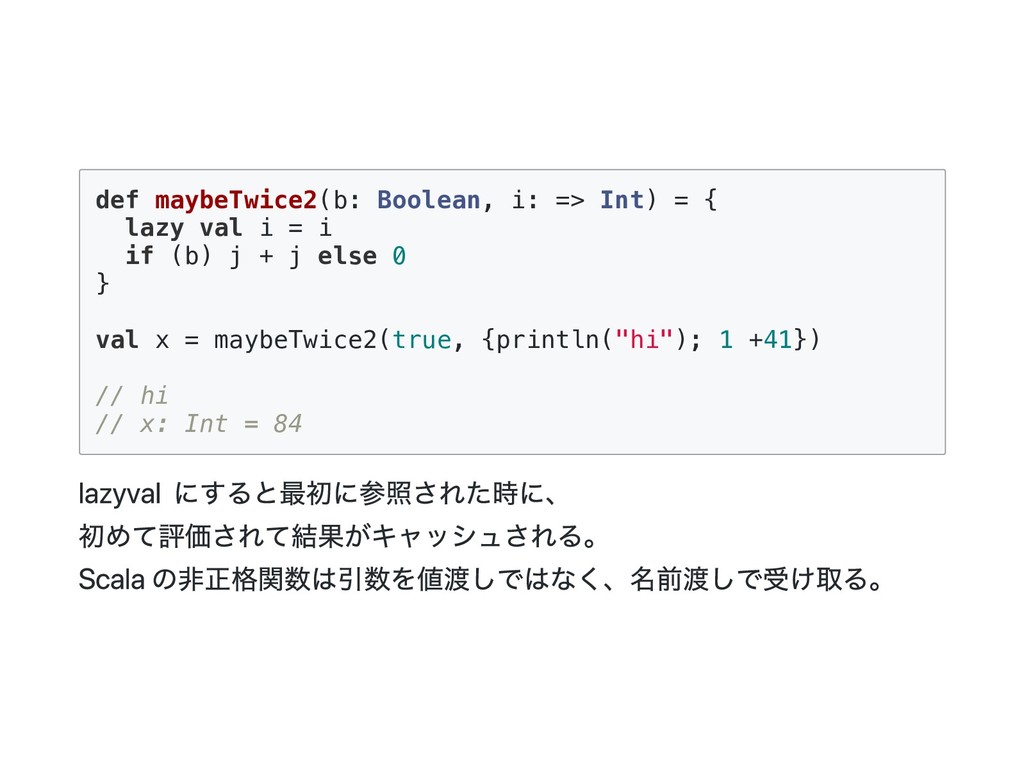
![リスト 5‑2 trait Stream[+A] case object Empty extends Stream[Nothing] case](https://files.speakerdeck.com/presentations/130c9b2e4ac847e3a433025c7ef537bd/slide_11.jpg)
![関数の作成例 def headOption: Option[A] = this match { case Empty](https://files.speakerdeck.com/presentations/130c9b2e4ac847e3a433025c7ef537bd/slide_12.jpg)
: Stream[A] = {](https://files.speakerdeck.com/presentations/130c9b2e4ac847e3a433025c7ef537bd/slide_15.jpg)
![def toListRecursive: List[A] = this match { case Cons(h,t) =>](https://files.speakerdeck.com/presentations/130c9b2e4ac847e3a433025c7ef537bd/slide_18.jpg)
![最後に reverse するのを避けるために局所的な副作用コーディングをし て高速化 ver (関数に閉じているので、純粋性は保たれている。) def toListFast: List[A] =](https://files.speakerdeck.com/presentations/130c9b2e4ac847e3a433025c7ef537bd/slide_19.jpg)
![自分の答え. def take(n: Int): Stream[A] = this match { case](https://files.speakerdeck.com/presentations/130c9b2e4ac847e3a433025c7ef537bd/slide_21.jpg)
(f: (A, => B)](https://files.speakerdeck.com/presentations/130c9b2e4ac847e3a433025c7ef537bd/slide_25.jpg)
![EXERCISE 5.6 foldRight を使って headOption を実装せよ. def headOption: Option[A] =](https://files.speakerdeck.com/presentations/130c9b2e4ac847e3a433025c7ef537bd/slide_28.jpg)
: Stream[B] = foldRight(empty[B])((h, t) =>](https://files.speakerdeck.com/presentations/130c9b2e4ac847e3a433025c7ef537bd/slide_30.jpg)
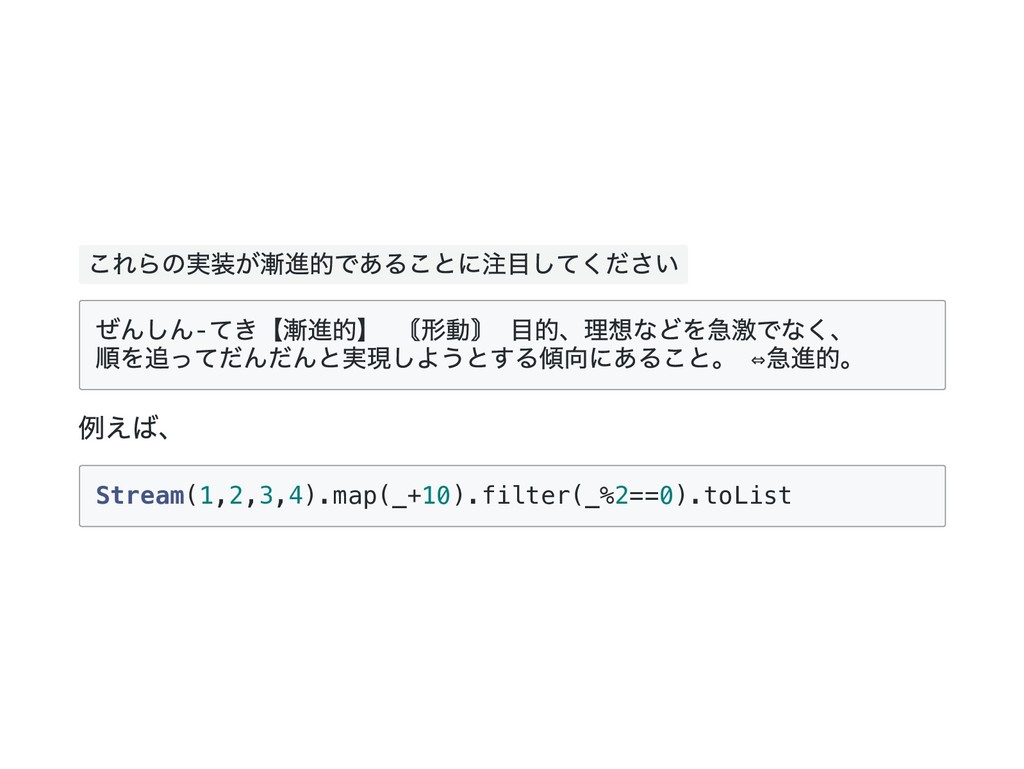
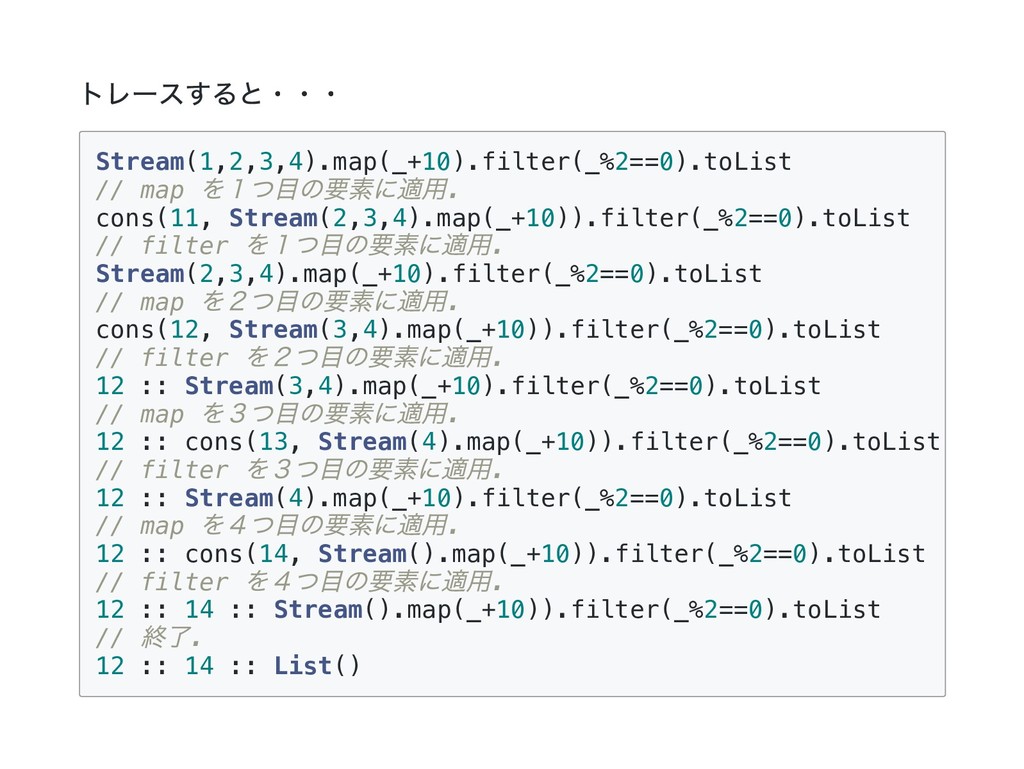
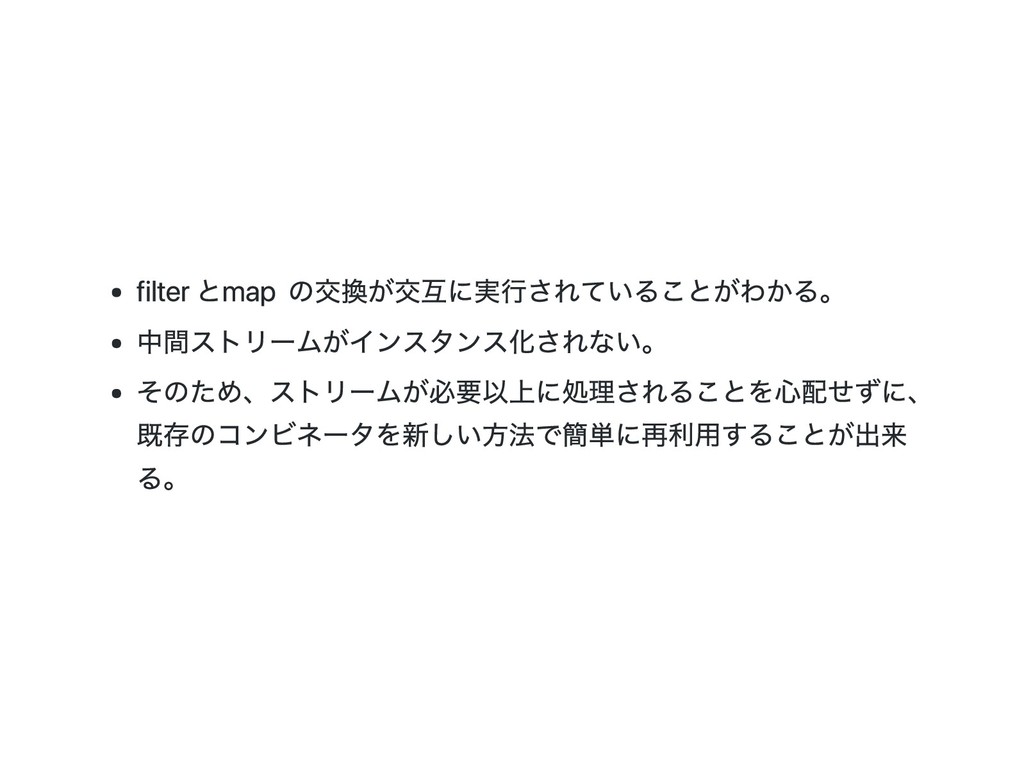
![def find(p: A => Boolean): Option[A] = filter(p).headOption filter はストリーム全体を変換するが、遅延式なので、find](https://files.speakerdeck.com/presentations/130c9b2e4ac847e3a433025c7ef537bd/slide_34.jpg)
![不要と判断された時点でメモリを開放できるので、 無限ストリームを使った処理を書くことが出来る。 val ones: Stream[Int] = Stream.cons(1, ones) ones.take(5).toList //](https://files.speakerdeck.com/presentations/130c9b2e4ac847e3a433025c7ef537bd/slide_36.jpg)

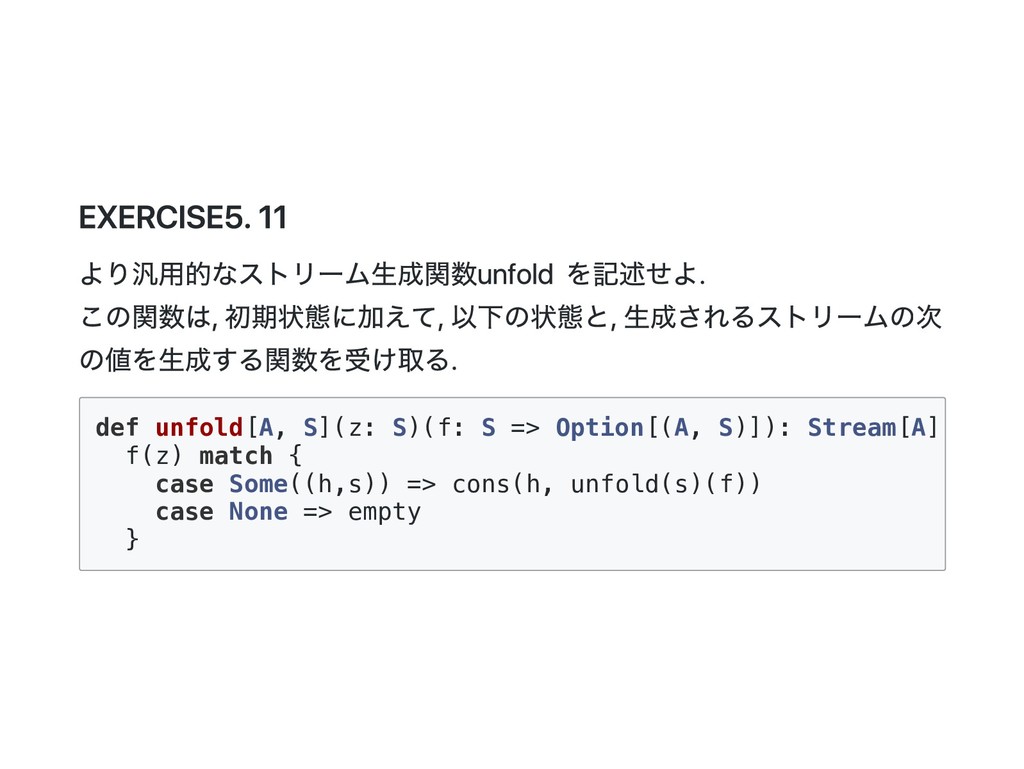
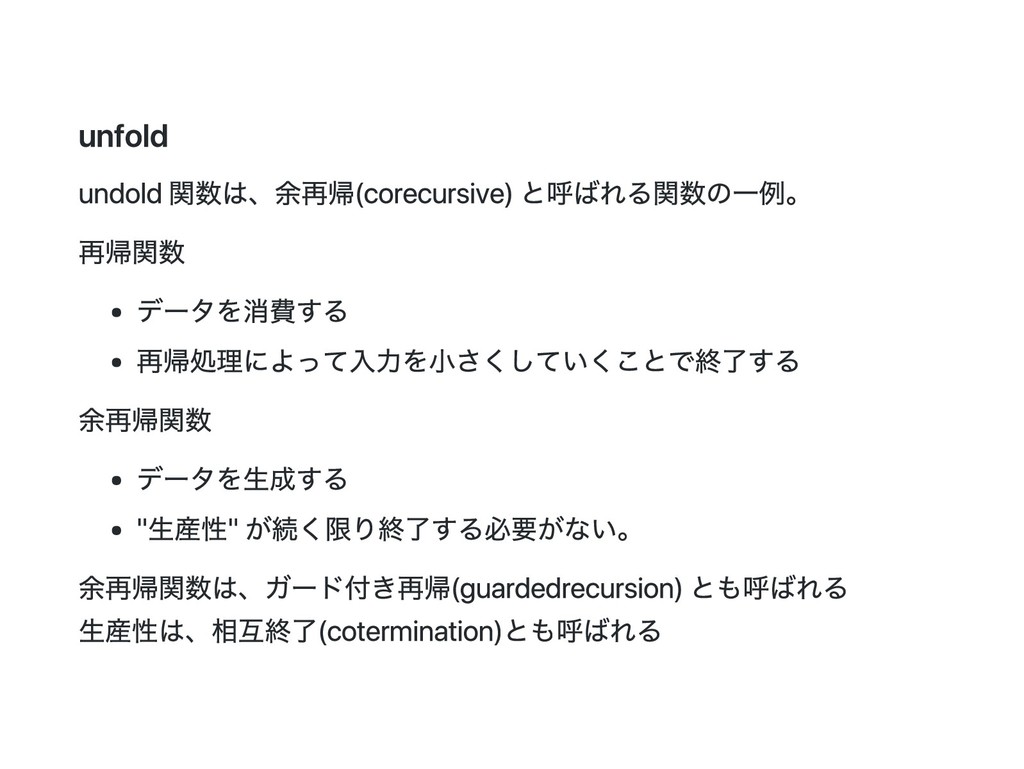
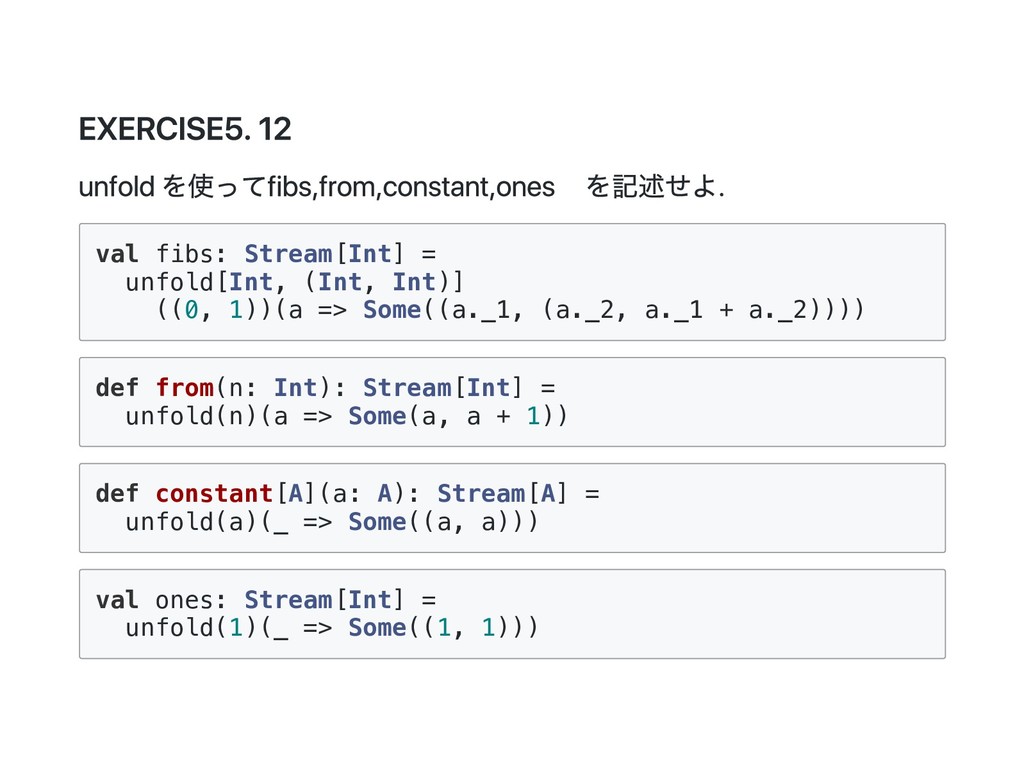
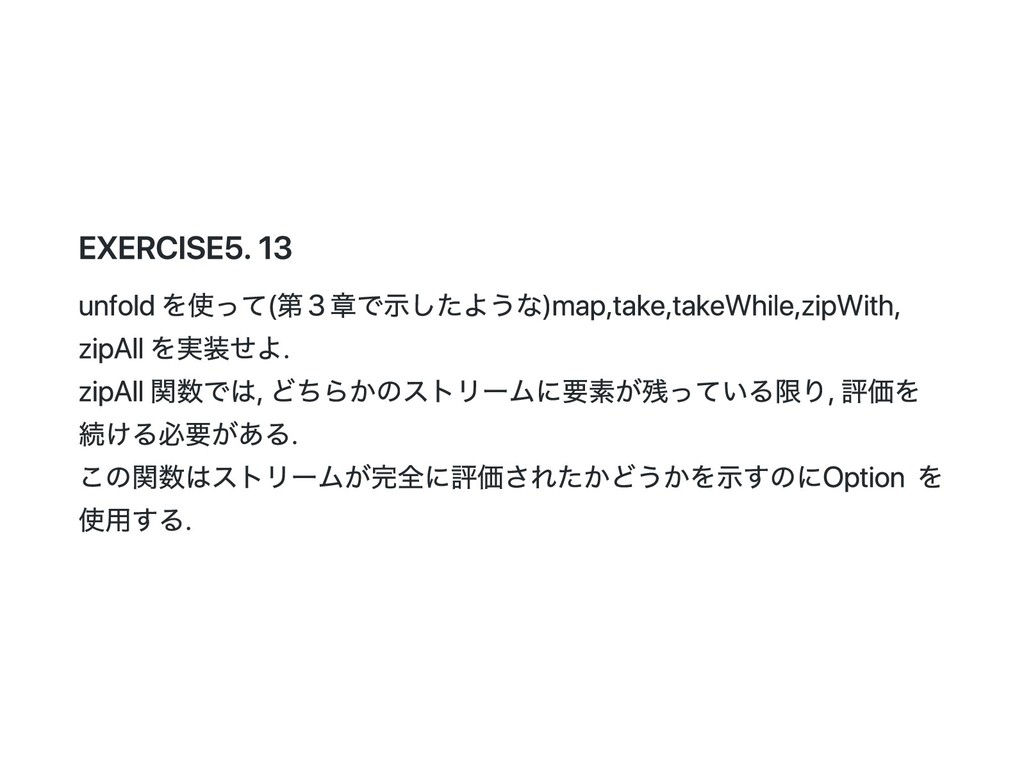
: Stream[B] = unfold(this) { case](https://files.speakerdeck.com/presentations/130c9b2e4ac847e3a433025c7ef537bd/slide_44.jpg)
(f:(A,B)=>B): Stream[B] = unfold((this, s)) { case (Cons(x, xs),](https://files.speakerdeck.com/presentations/130c9b2e4ac847e3a433025c7ef537bd/slide_45.jpg)
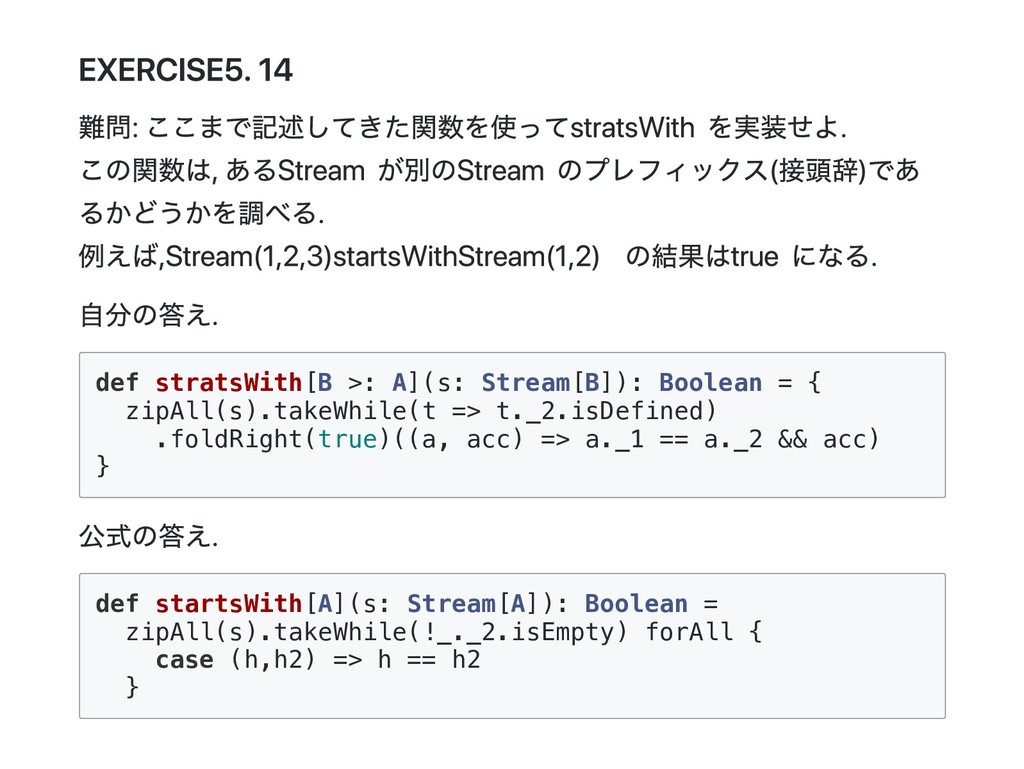
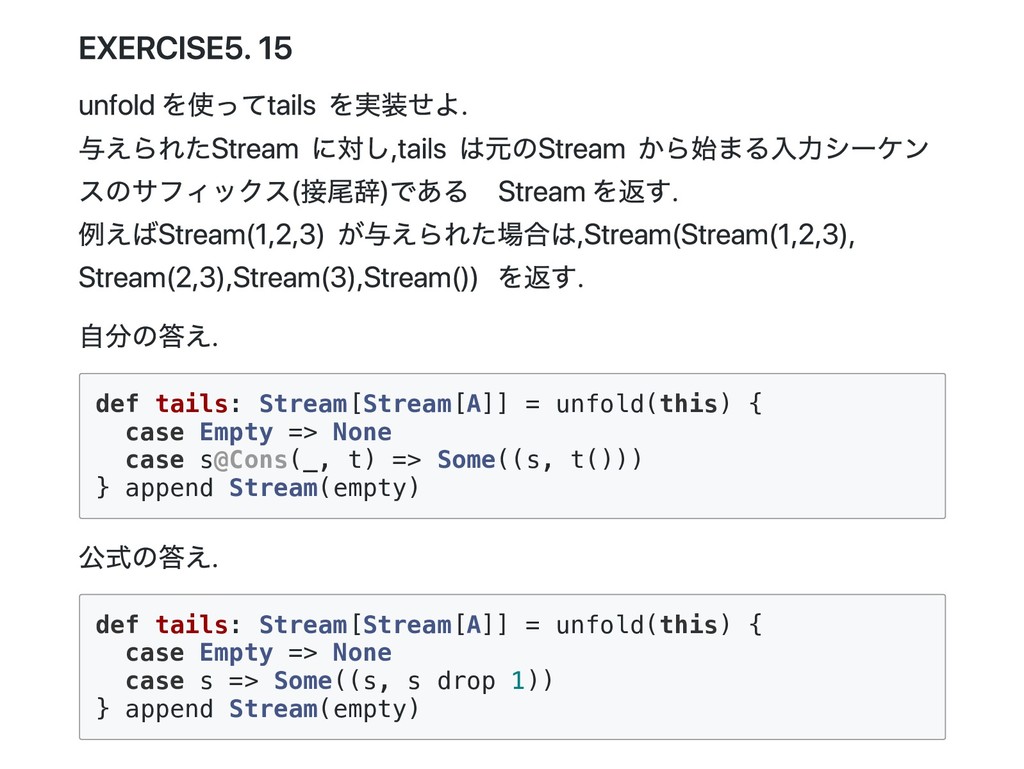
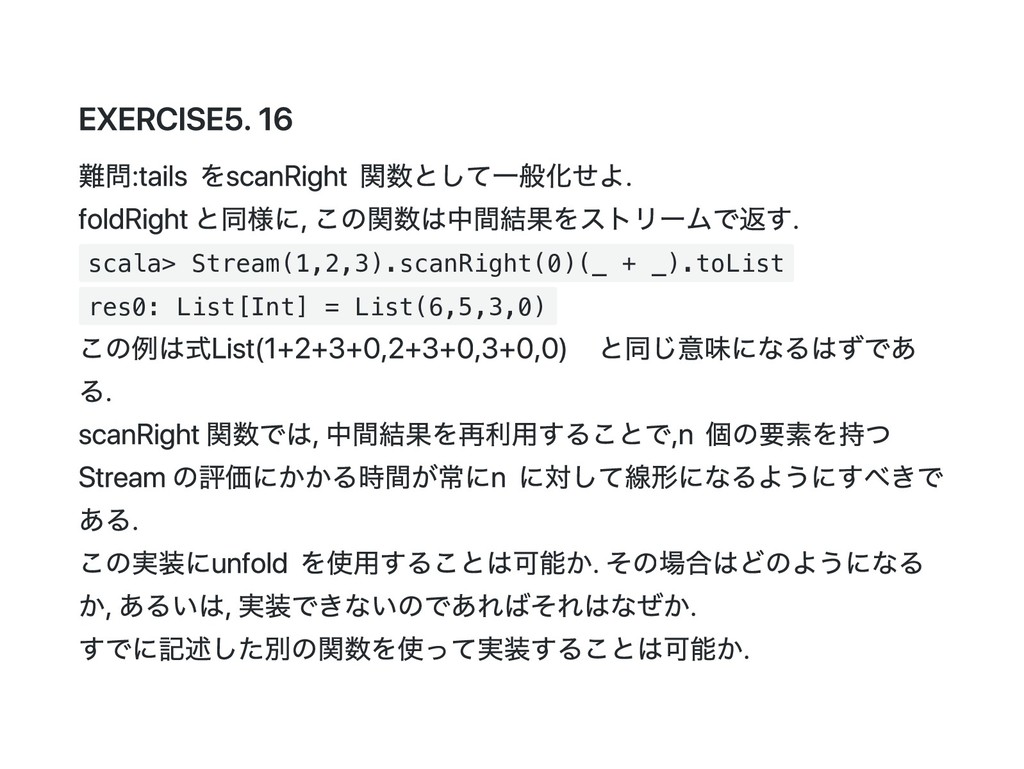
(f:(A,=>B)=>B):Stream[B] = unfold((this, z)) { case (_this@Cons(_,](https://files.speakerdeck.com/presentations/130c9b2e4ac847e3a433025c7ef537bd/slide_49.jpg)
(f: (A, => B) => B): Stream[B]](https://files.speakerdeck.com/presentations/130c9b2e4ac847e3a433025c7ef537bd/slide_50.jpg)