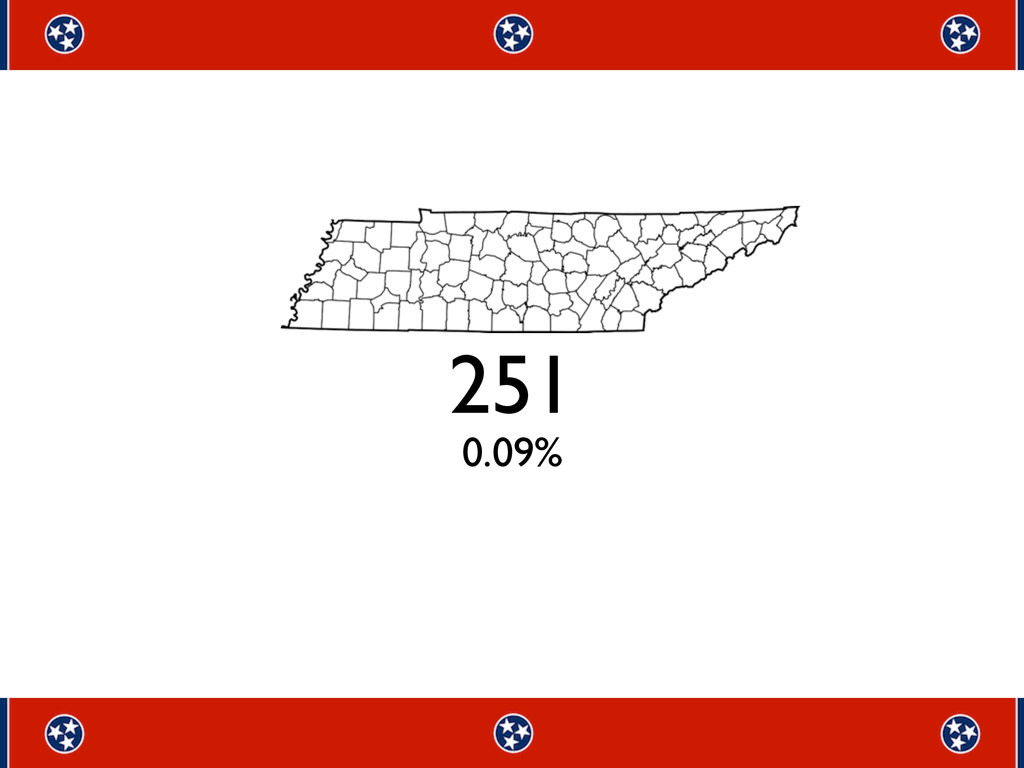
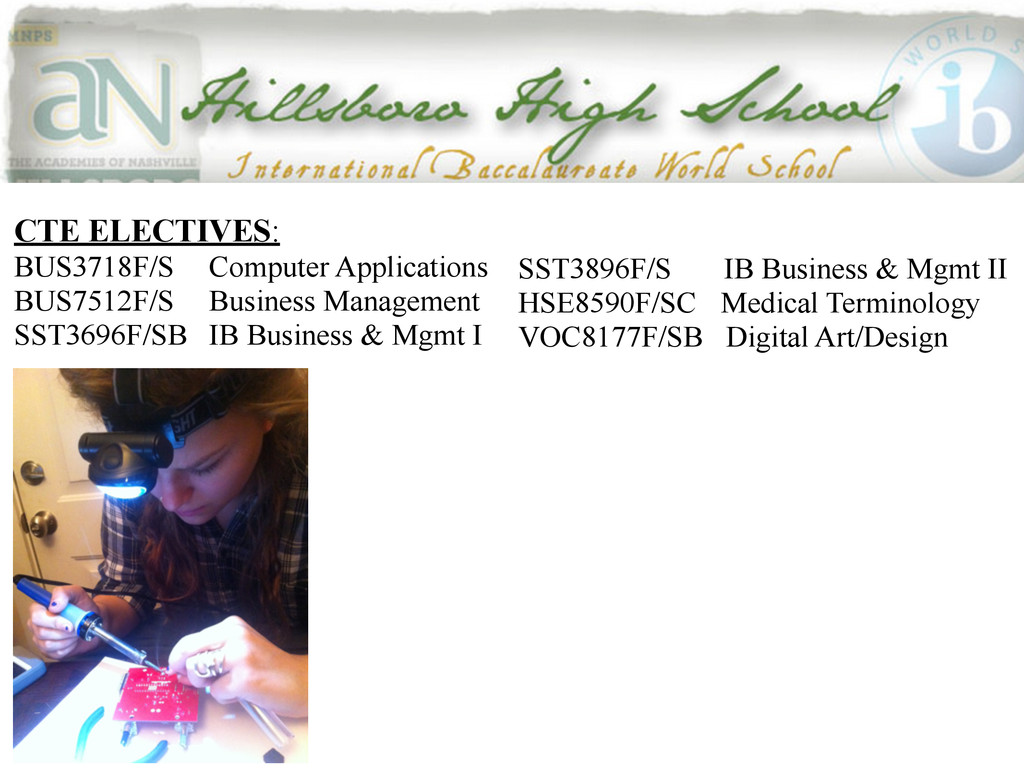
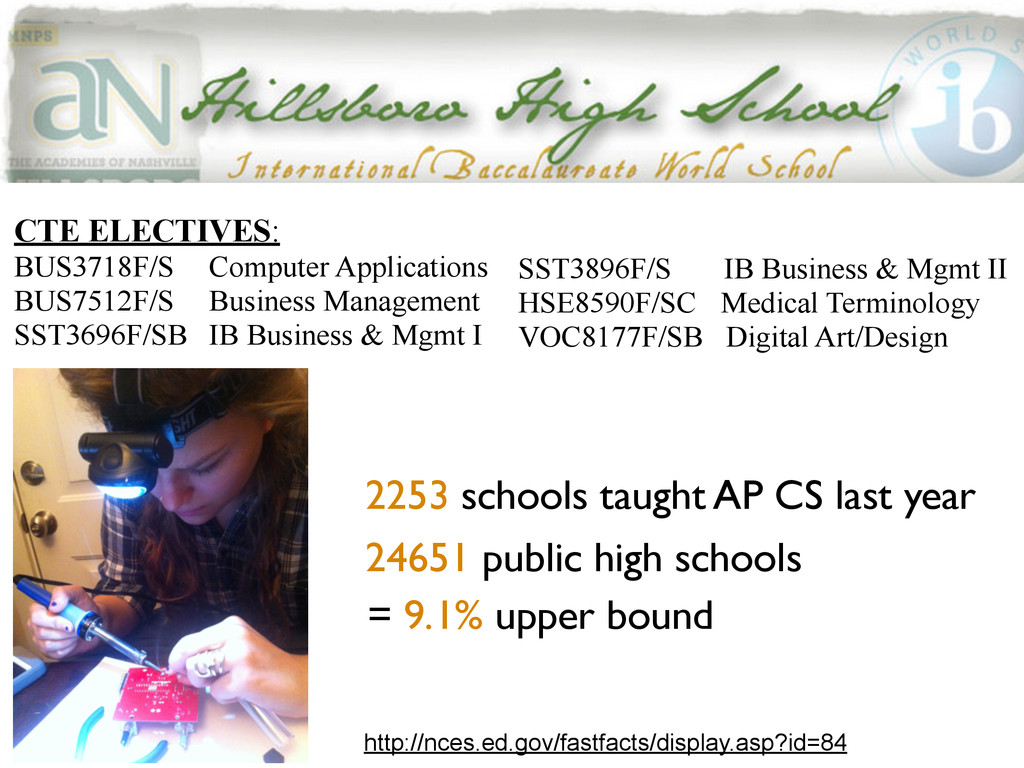
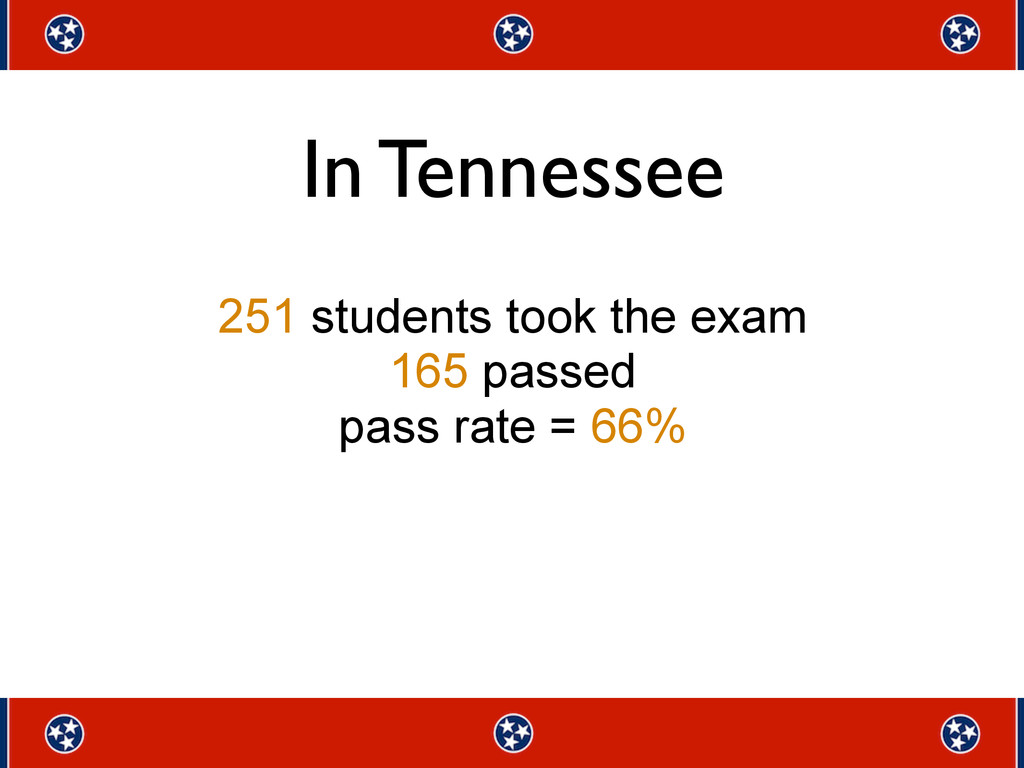
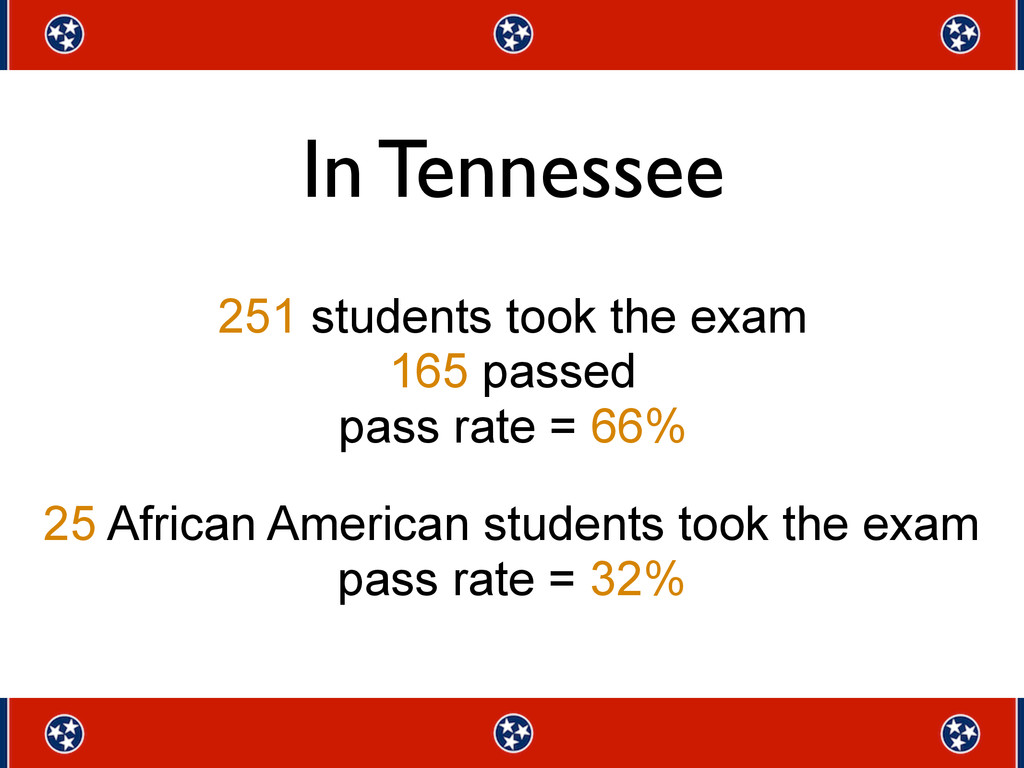
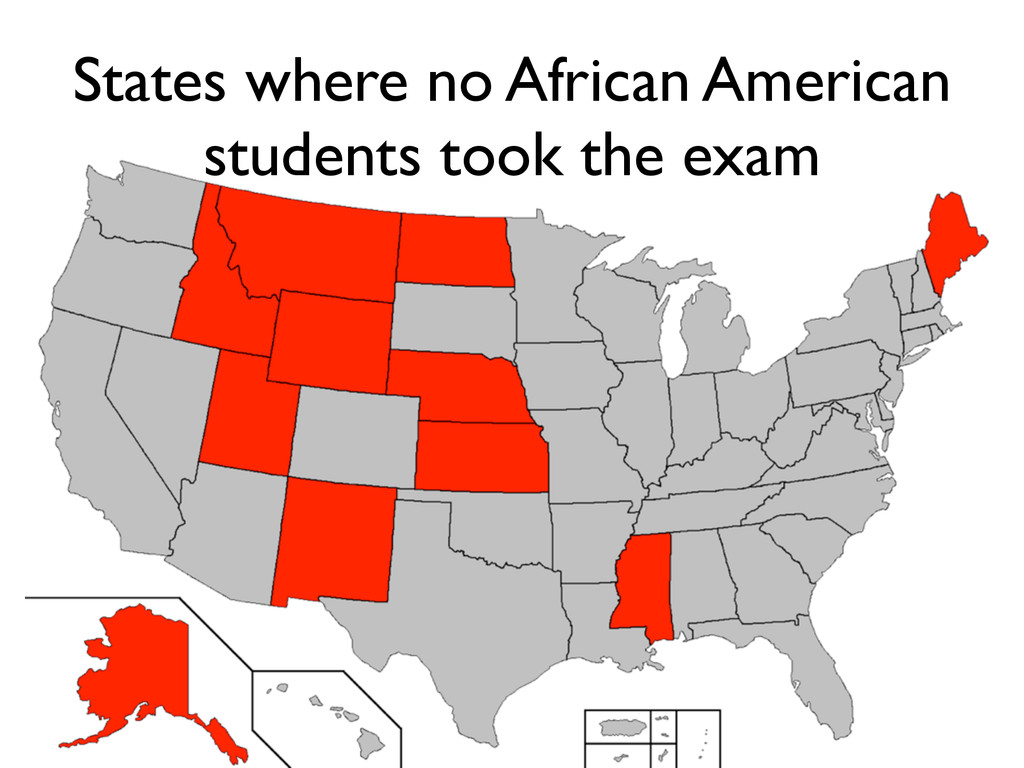
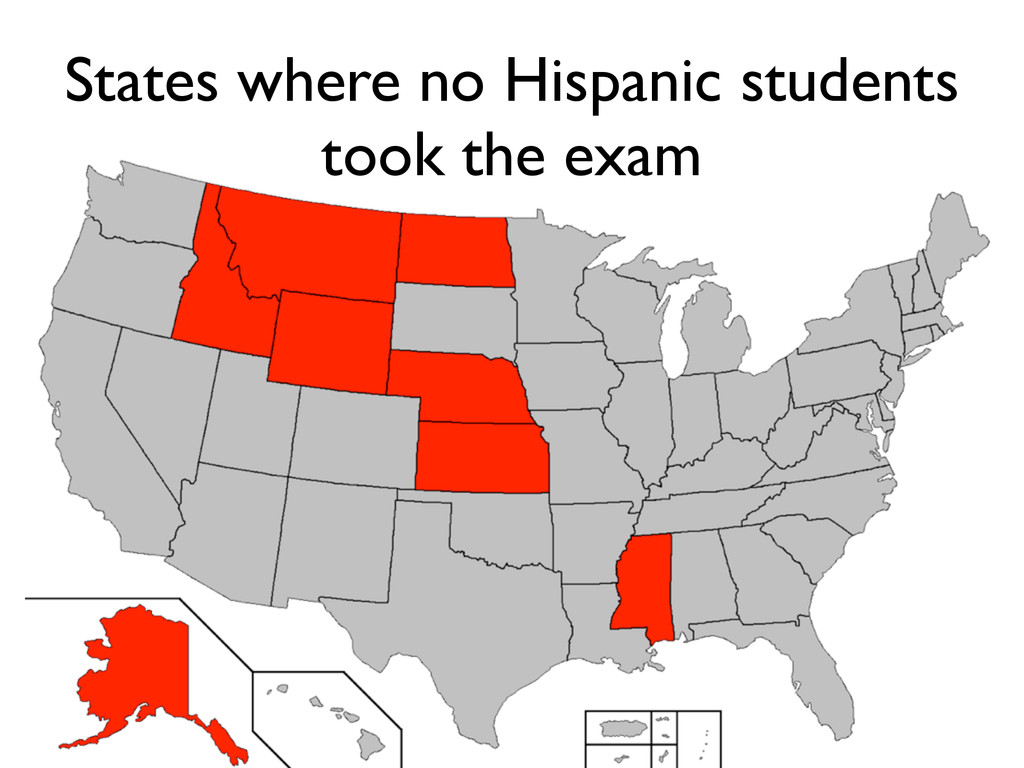
schools = 9.1% upper bound http://nces.ed.gov/fastfacts/display.asp?id=84 CTE ELECTIVES: BUS3718F/S Computer Applications BUS7512F/S Business Management SST3696F/SB IB Business & Mgmt I SST3896F/S IB Business & Mgmt II HSE8590F/SC Medical Terminology VOC8177F/SB Digital Art/Design
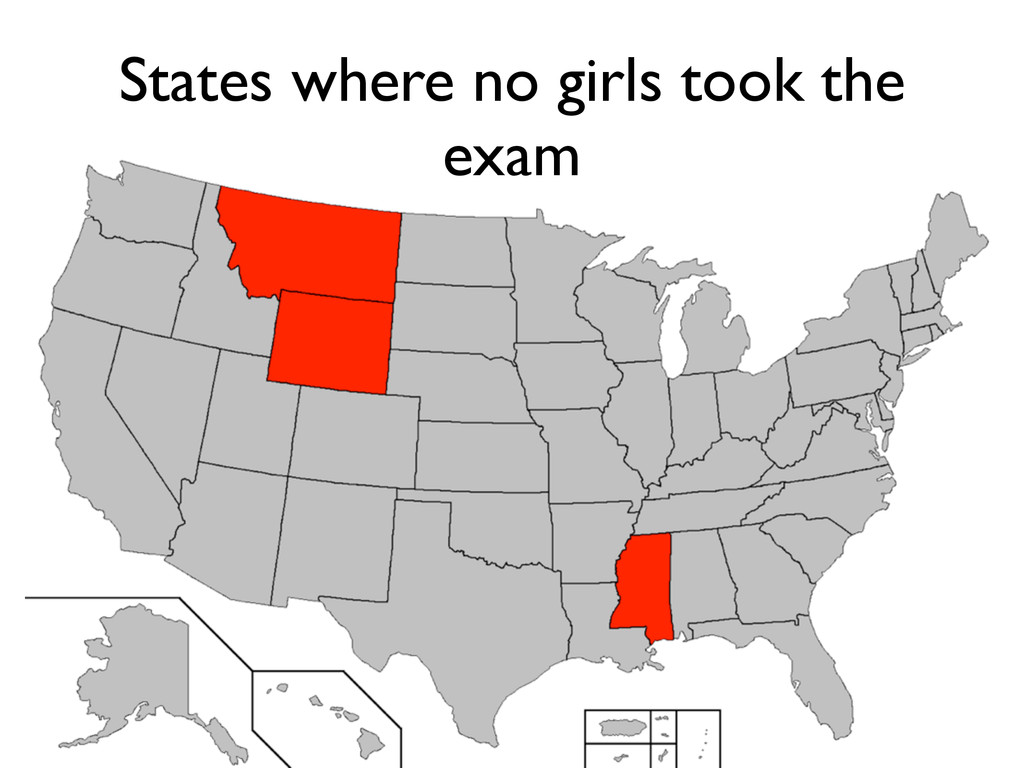
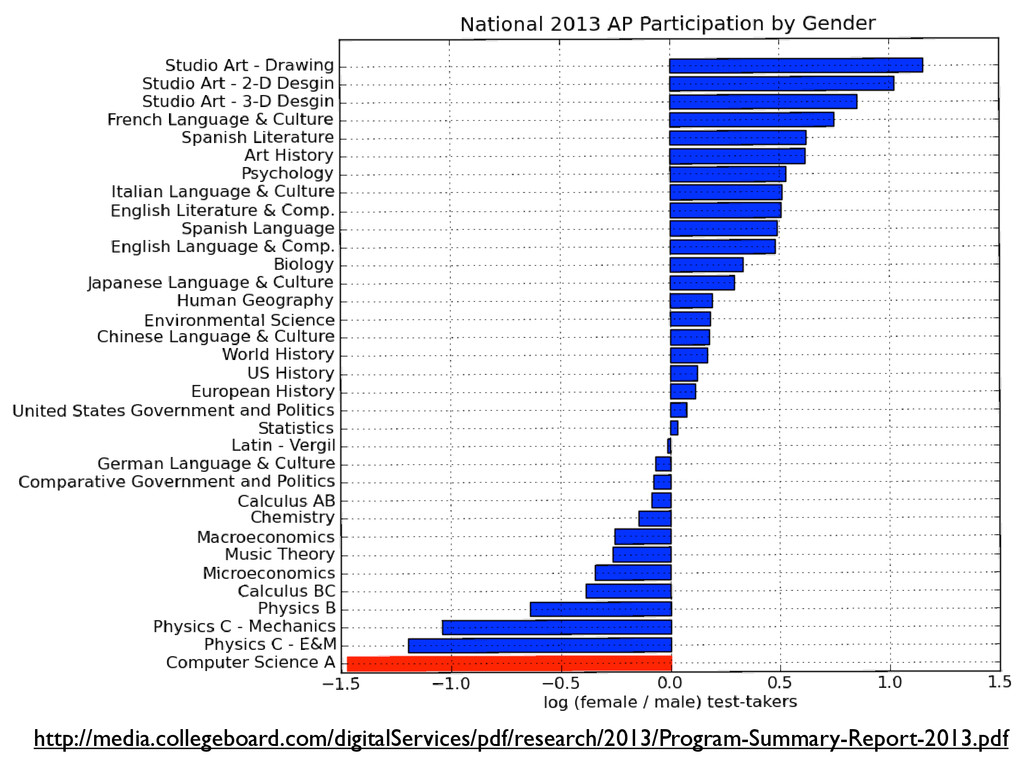
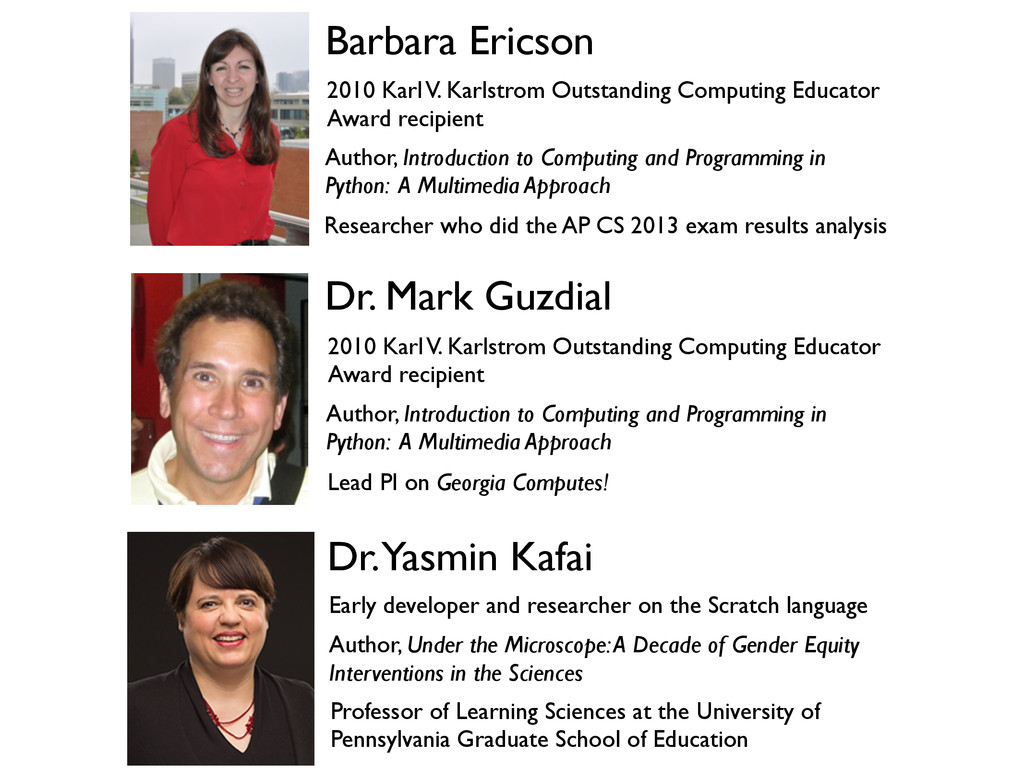
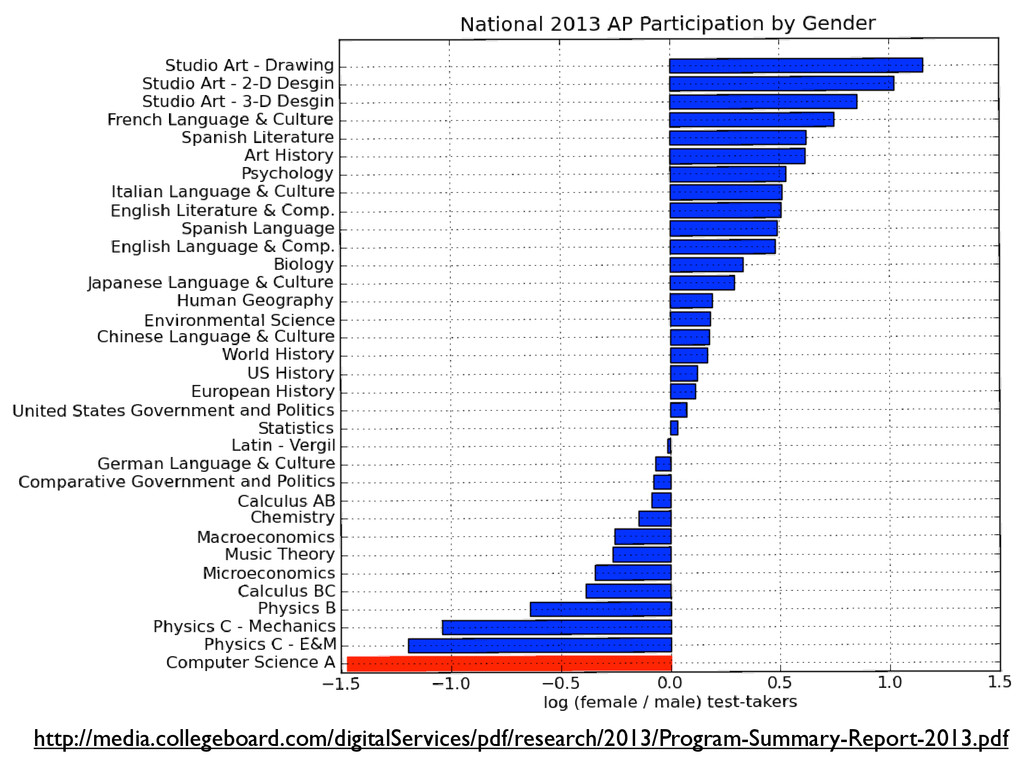
recipient Author, Introduction to Computing and Programming in Python: A Multimedia Approach Researcher who did the AP CS 2013 exam results analysis Dr. Mark Guzdial 2010 Karl V. Karlstrom Outstanding Computing Educator Award recipient Author, Introduction to Computing and Programming in Python: A Multimedia Approach Lead PI on Georgia Computes! Dr. Yasmin Kafai Early developer and researcher on the Scratch language Author, Under the Microscope: A Decade of Gender Equity Interventions in the Sciences Professor of Learning Sciences at the University of Pennsylvania Graduate School of Education
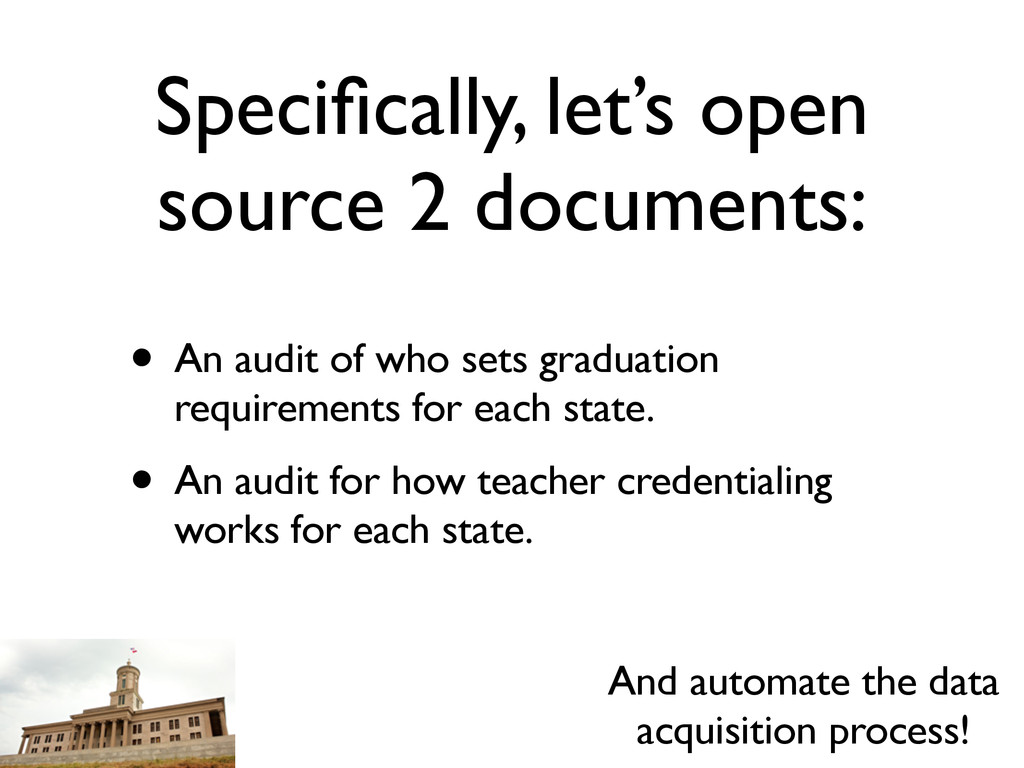
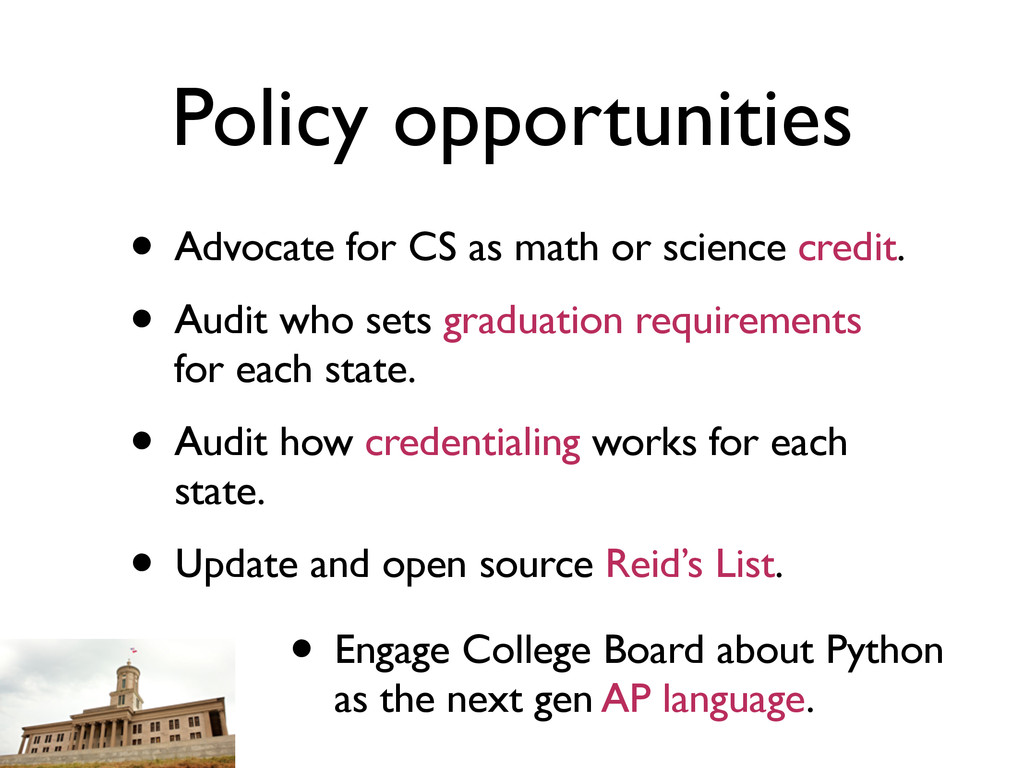
who sets graduation requirements for each state. • An audit for how teacher credentialing works for each state. And automate the data acquisition process!
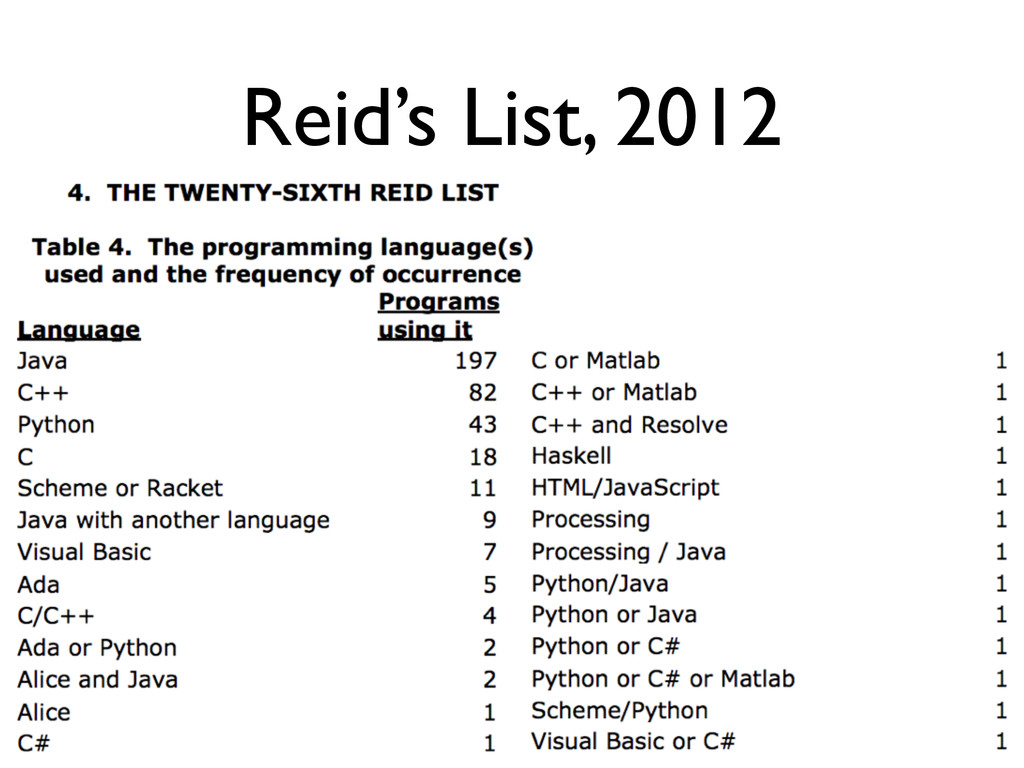
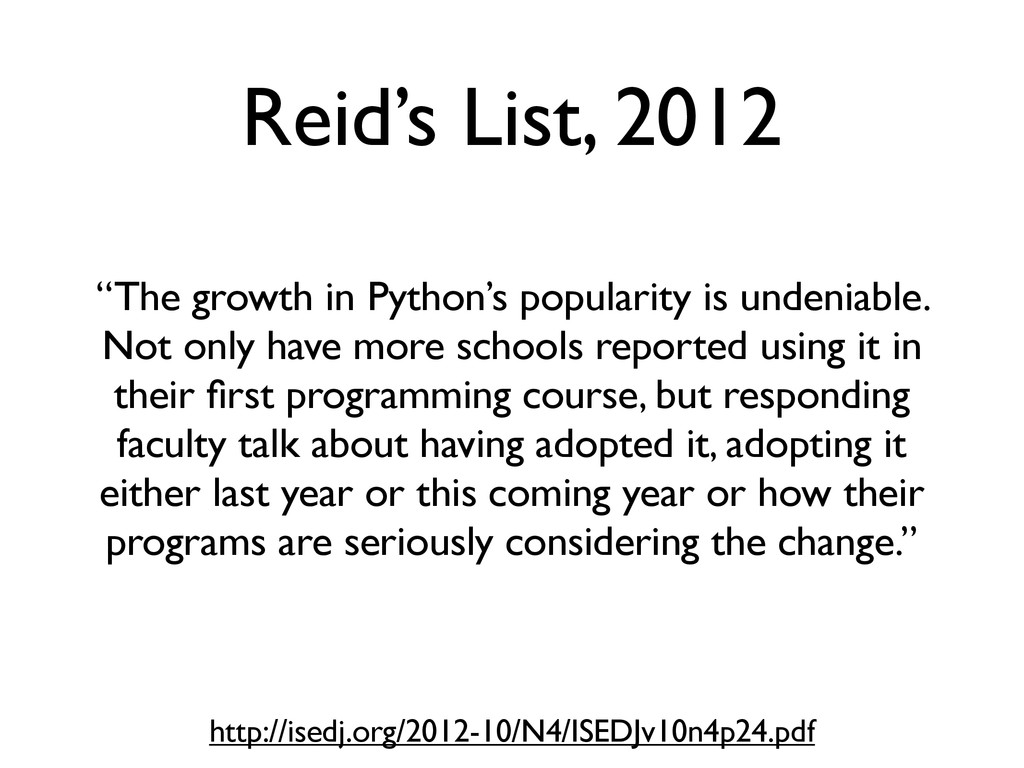
Not only have more schools reported using it in their first programming course, but responding faculty talk about having adopted it, adopting it either last year or this coming year or how their programs are seriously considering the change.” http://isedj.org/2012-10/N4/ISEDJv10n4p24.pdf
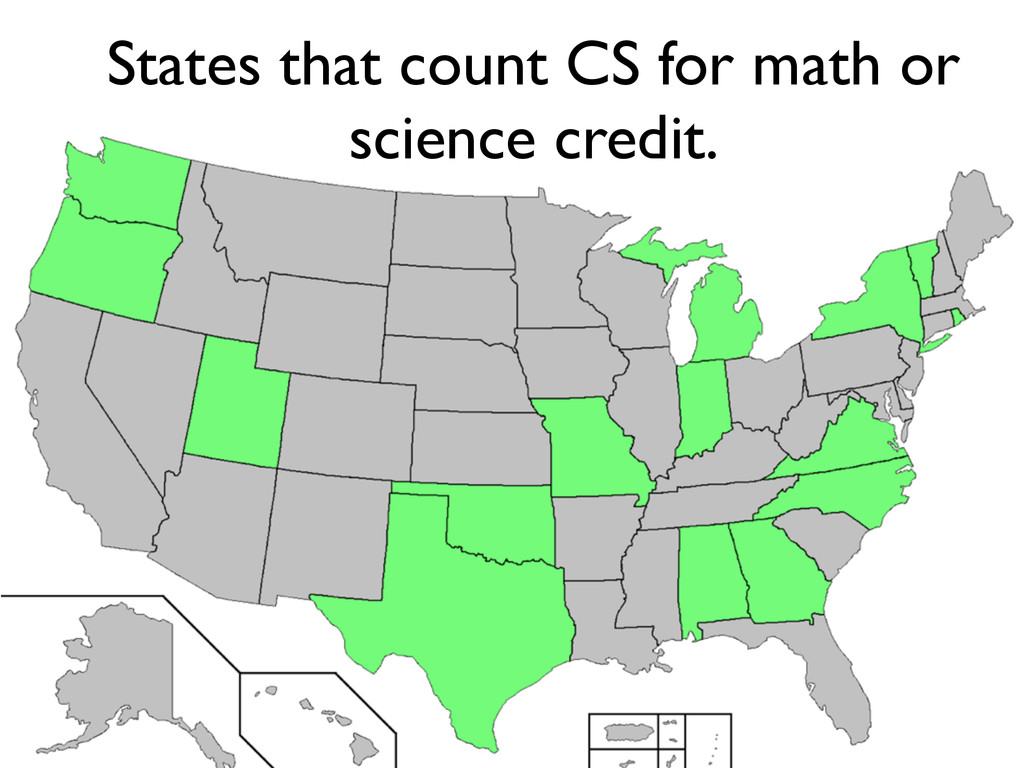
credit. • Audit who sets graduation requirements for each state. • Audit how credentialing works for each state. • Update and open source Reid’s List. • Engage College Board about Python as the next gen AP language.
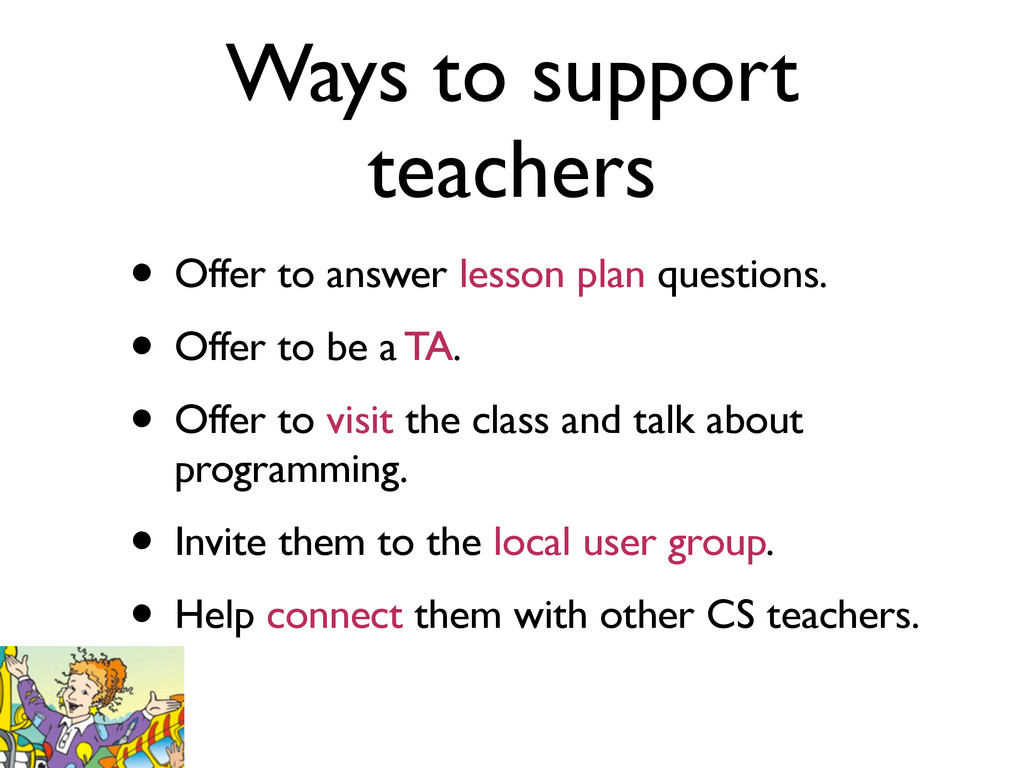
questions. • Offer to be a TA. • Offer to visit the class and talk about programming. • Invite them to the local user group. • Help connect them with other CS teachers.
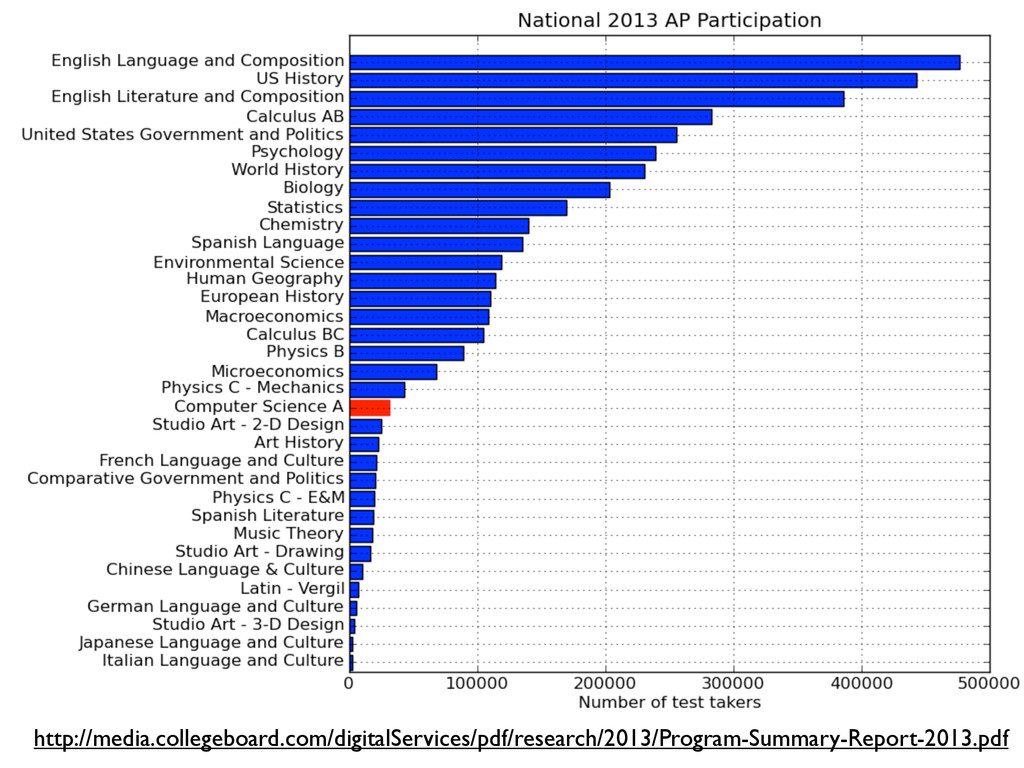
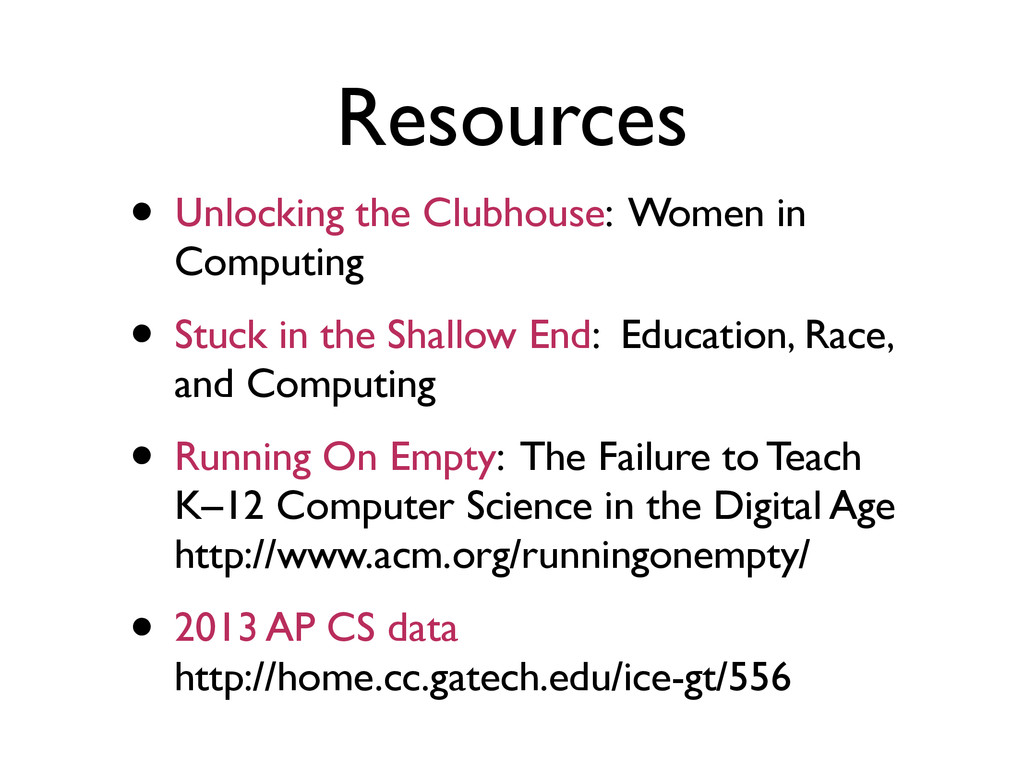
in the Shallow End: Education, Race, and Computing • Running On Empty: The Failure to Teach K–12 Computer Science in the Digital Age http://www.acm.org/runningonempty/ • 2013 AP CS data http://home.cc.gatech.edu/ice-gt/556


 pycon2014
 holman
 marketingsoph
 mkilby
 iamctodd
 deanohume
 inesmontani
 addyosmani
 tammyeverts
 tmiket
.png) helenjbeal
helenjbeal
 chriscoyier
 jonrohan