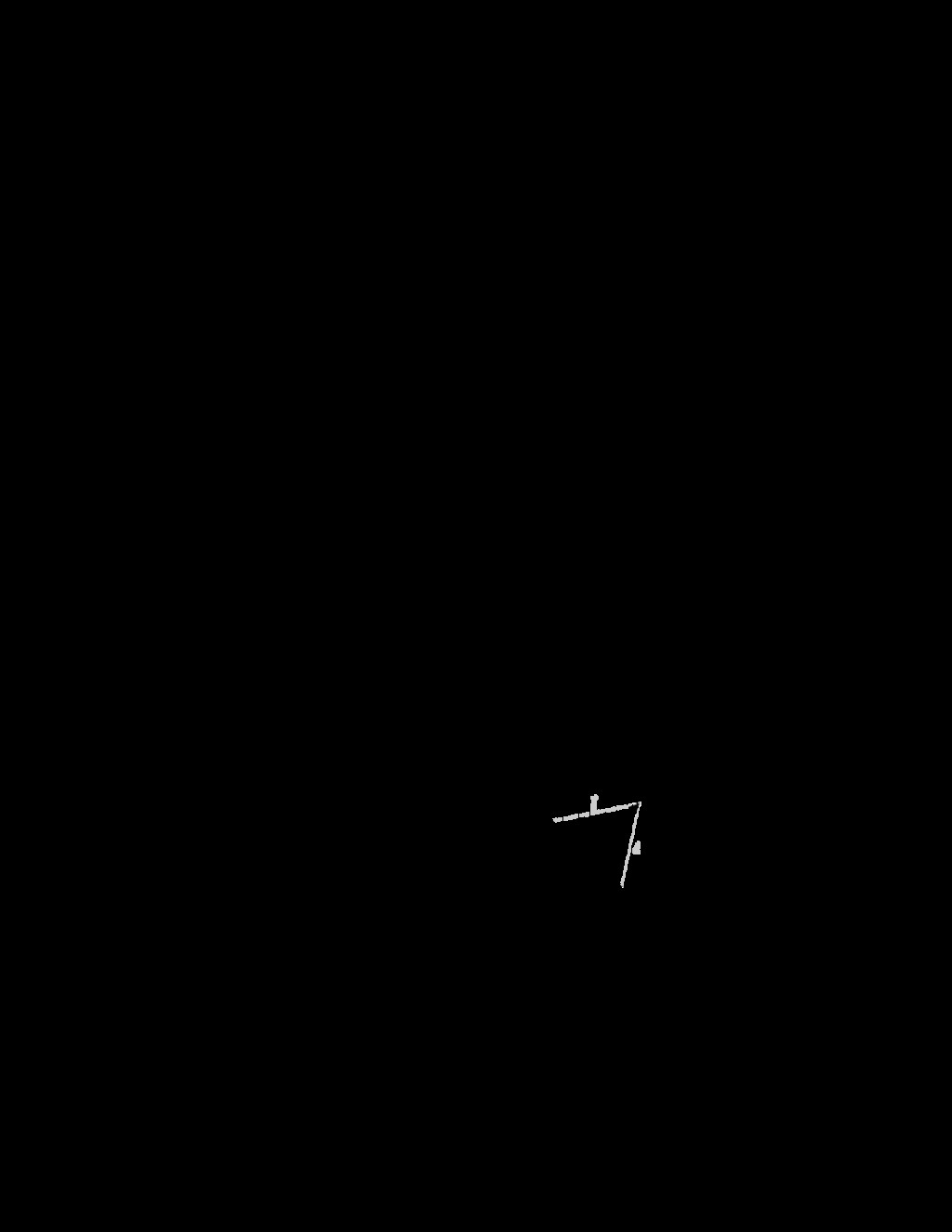
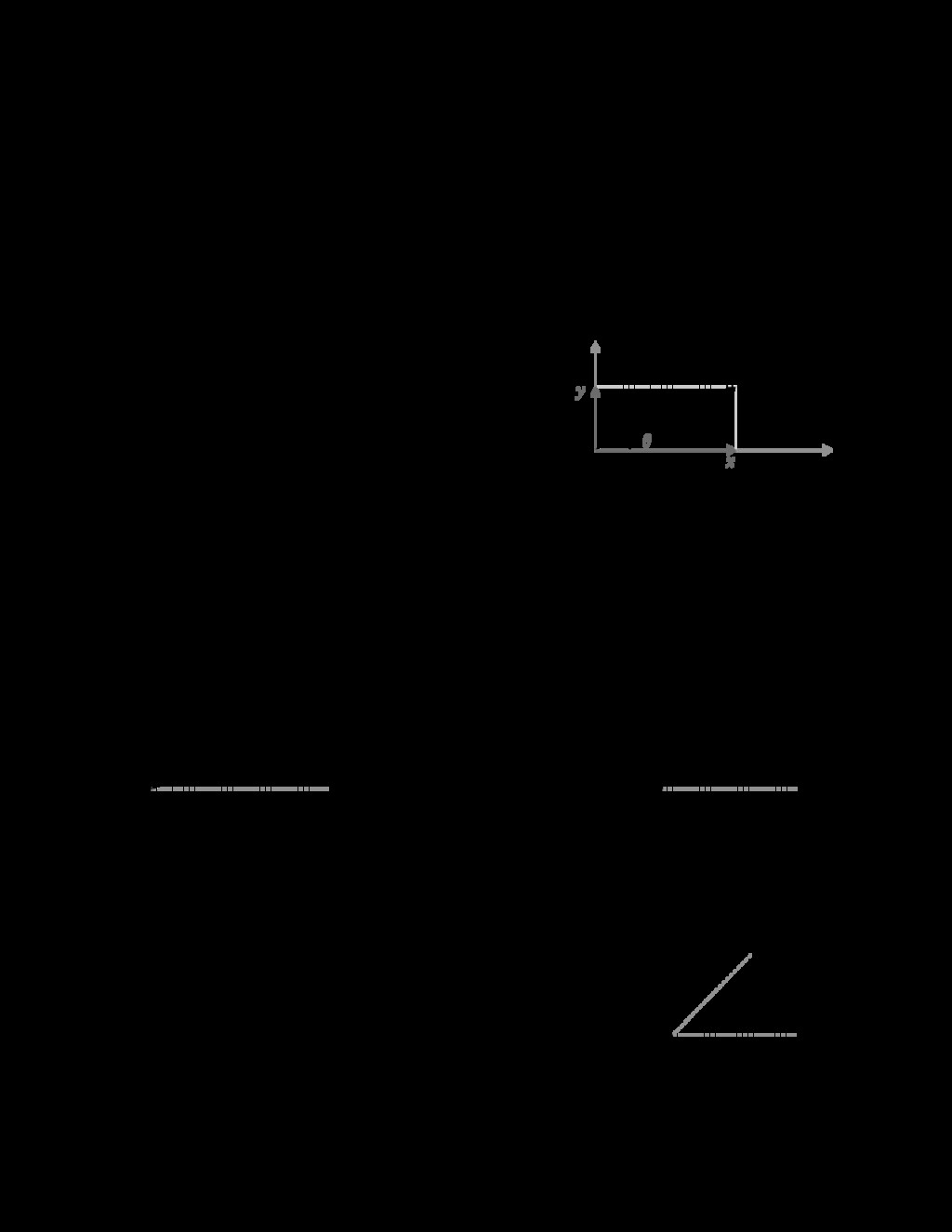
any direction. 1, -10, 9.8, 2.71, 3.14, 1.6180, 100 … any number Line: a straight route of narrow mark with zero width that has length ( ره میقتسم ریسم دشاب هزادنا یاراد هک رفص ضرع اب ). Vector: a straight route of narrow mark with zero width that has length and direction ( ره ریسم و هزادنا یاراد هک رفص ضرع اب میقتسم تهج دشاب ). Vectors can be shown by a set of two numbers. Like ⃗ = (2, −3). That is, 2 units in direction and −3 units in direction as shown below: The vector can be written as: ⃗ = 2 − 3 ; shows and shows Vector summation: Two vectors: ⃗ = (1,2) , ⃗ = + 2 ; ⃗⃗ = (3, −1) , ⃗⃗ = 3 − The summation of these two vectors is: ⃗ + ⃗⃗ = (1 + 3) + (2 − 1) More than two vector ⃗ = 2 + 2 ; ⃗⃗ = 3 + 2 ; ⃗ = −5 − 3 ; ⃗ = 0 − ⃗ + ⃗⃗ + ⃗ + ⃗ = (2 + 3 − 5 + 0) + (2 + 2 − 3 − 1) = 0 − 0 = 0 1. Parallelogram (عالضالا یزاوتم) law: The main diagonal of the parallelogram is the sum vector (تسا رادربود دنیارب ربارب رادرب ود اب هدش هتخاس عالضالا یزاوتم گرزب رطق) 2. Triangle law (ثلثم نوناق): The summation of two vectors starts from the tail of the first vector connected to the head of last vector (دیآ یم تسد هب رادرب نیرخآ یاهتنا هب رادرب نیلوا یادتبا لاصتا زا ثلثم شوررد رادرب ود دنیارب) 2 −3 ⃗ 1 1 3 3 ⃗ ⃗⃗ ⃗⃗ 4 4 ⃗⃗ ⃗ 1 3 4 4 “Nothing happens until something moves.” –Albert Einstein
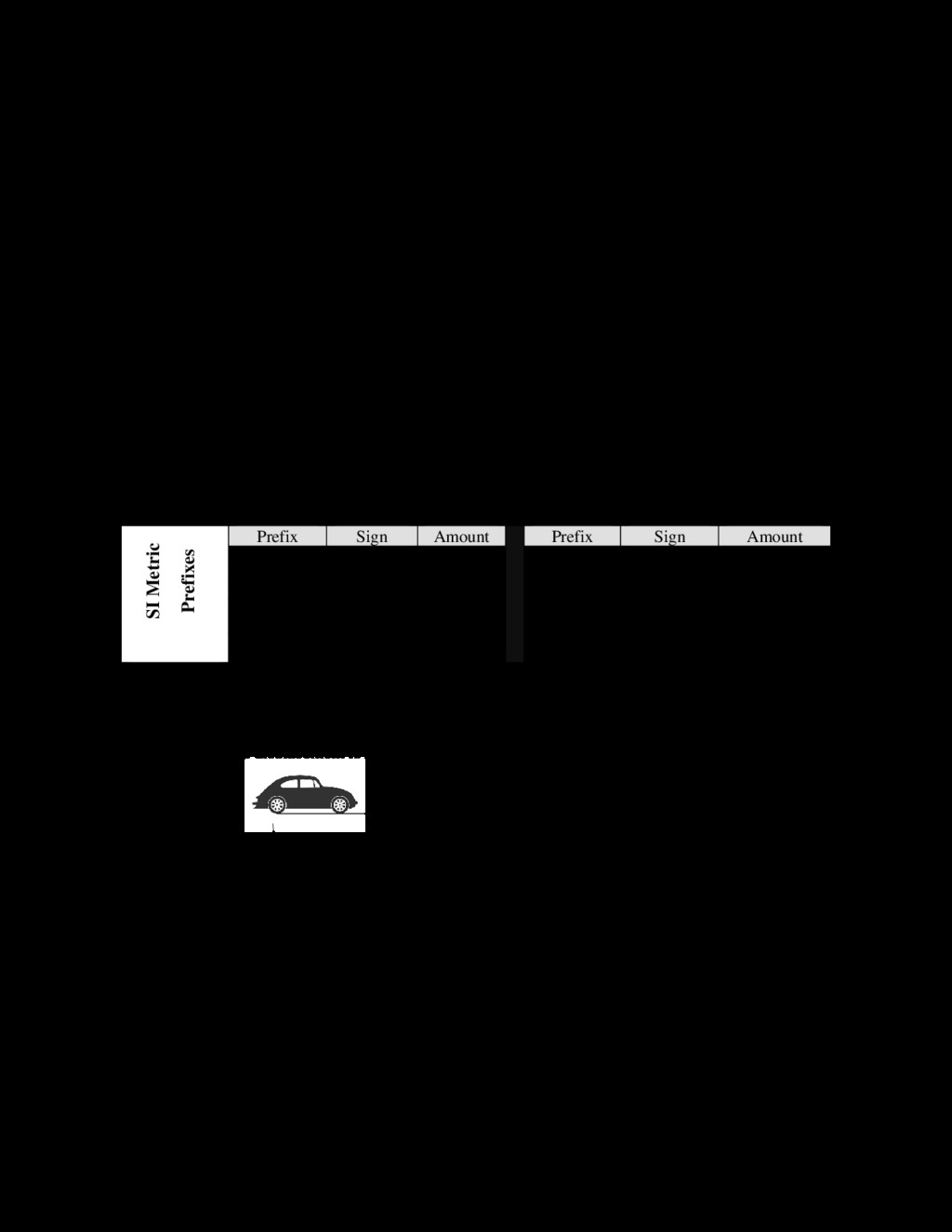
phenomenon, substance, or energy that is measureable. Every physical quantity own some units which are scales to measure that quantity. ( ریگ هزادنا لباق هک ،یژرنا ای ،هدام ،هدیدپ کی هب طوبرم یکیزیف تیصاخ ره دشاب ی تیمک ره .تسا یکیزیف تیمک یکیزیف تیمک نا یریگ هزادنا یارب تسا یسایقم هک دشابیم دحاو ای اکی یاراد یکیزیف ). 1. Scalar quantities (یددع یاهتیمک): quantities that only have magnitude but no direction. They are simply numbers. Like length, mass, energy, time… (دنرادن تهج و اتسار و هدوب هزادنا یاراد طقف هک یکیزیف یاه تیمک) 2. Vector quantities (یرادرب یاه تیمک): these quantities require direction as well as magnitude to be specified. Like displacement, velocity, acceleration, force… (دنراد زاین تهج هب نینچمه و اتسار هب هزادنا رب هوالع ندش صخشم یارب اه تیمک نیا) Physical quantities can be divided into two main categories from the aspect of independency: 1. Base quantities (یلصا یاه تیمک): quantities that own an independent unit of measurement. The international system of units (SI) specify 7 quantities as base. These are: Length, mass, time, electrical current, temperature, amount of substance and luminous intensity. 2. Derived quantities (یعرف یاه تیمک): quantities that do not own independent unit. Their units are made up of base quantities. Like velocity (, ℎ , ) Prefix Sign Amount Prefix Sign Amount Desi 10−1 Deca 101 Centi 10−2 Hecto ℎ 102 Milli 10−3 Kilo 103 Micro µ 10−6 Mega 106 Nano 10−9 Giga 109 Pico 10−12 Tera 1012 One dimensional motion: Displacement (ییاجباج): the difference in the initial and final position in a motion. Displacement is a vector. The standard unit of displacement is meter. It is denoted by ∆. Distance traveled (تفاسم): the total distance that an object travelled. Average velocity (طسوتم تعرس): the average speed of an object is defined as the displacement divided by the time elapsed (تکرح نامز تدم رب میسقت ییاج هباج زا تسا ترابع طسوتم تعرس). ̅ = ∆ ∆ Instantaneous velocity (یا هظحل تعرس): the speed of an object in any instant of time. = 1 ∆ ⃗⃗⃗⃗⃗ = 2 − 1 2 SI Metric Prefixes
is as follows: = + 0 , 0 is the initial position of motion The average velocity is equal to instantaneous velocity in uniform motion. The positive direction of motion is rightward (دشابیم تسار تهج رد تکرح تبثم یاتسار). Position-time (-) diagram: The (-) diagram of uniform motion is a straight line in which the slope of the line is the velocity (دشابیم تعرس ربارب نآ بیش هک تسا تسار طخ کی تخاونکی تکرح نامز تعرس رادومن). = + 0 = ̅ = − 0 Velocity-time (-) diagram: the (-) diagram of uniform motion is a flat straight line. (تسا رفص بیش اب فلص طخ ککی تخاونکی تکرح نامز تعرس رادومن) Ex: The initial position of an object is = 2 and the position at = 2 is = 6. a) Determine the displacement of the object from = 0 to = 5. b) Determine the position of the moving object at = 3. c) What is the motion equation of the object? d) Draw the (-) and (-) diagrams. 0 Slope = (بیش) Slope = 0 “Truth is ever to be found in simplicity, and not in the multiplicity and confusion of things.” –Isaac Newton
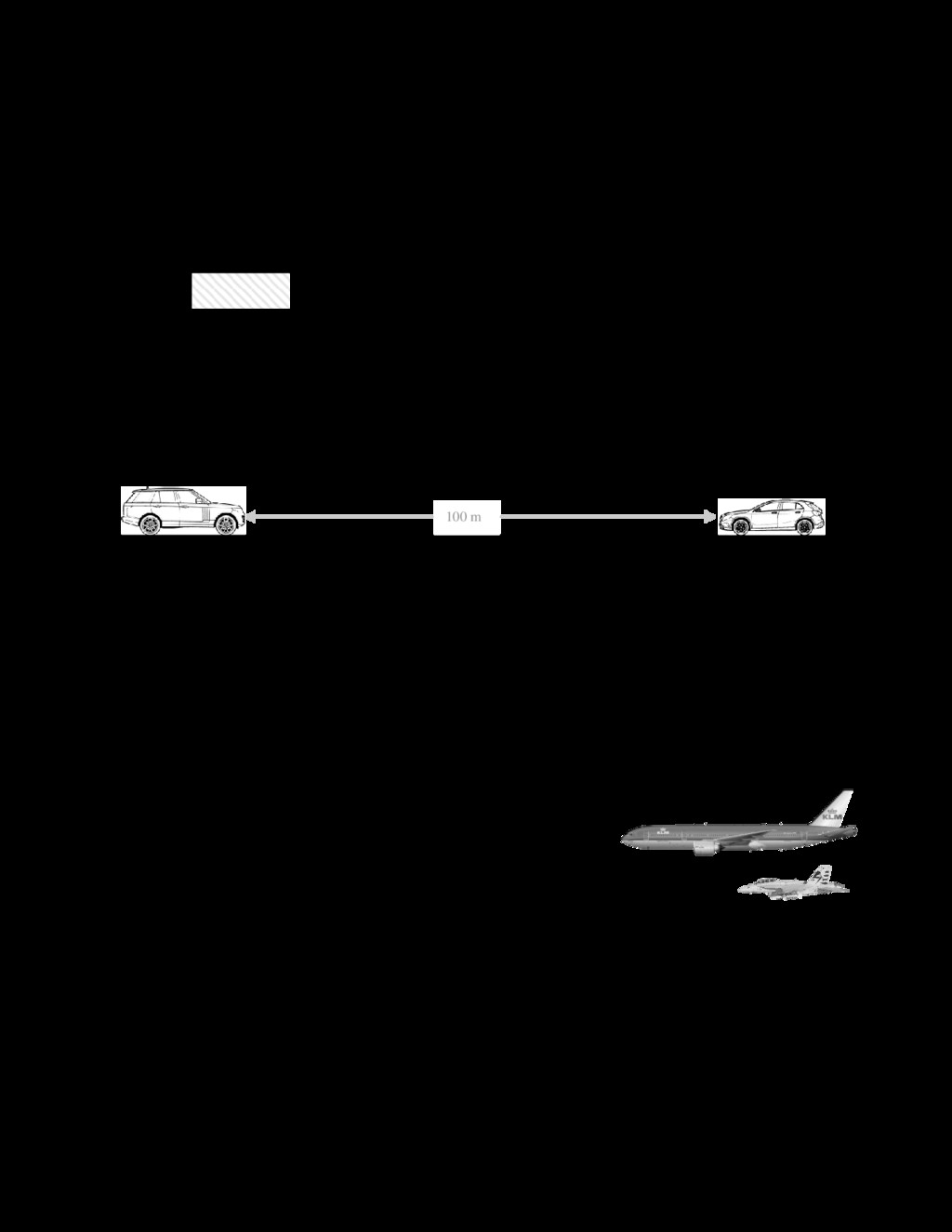
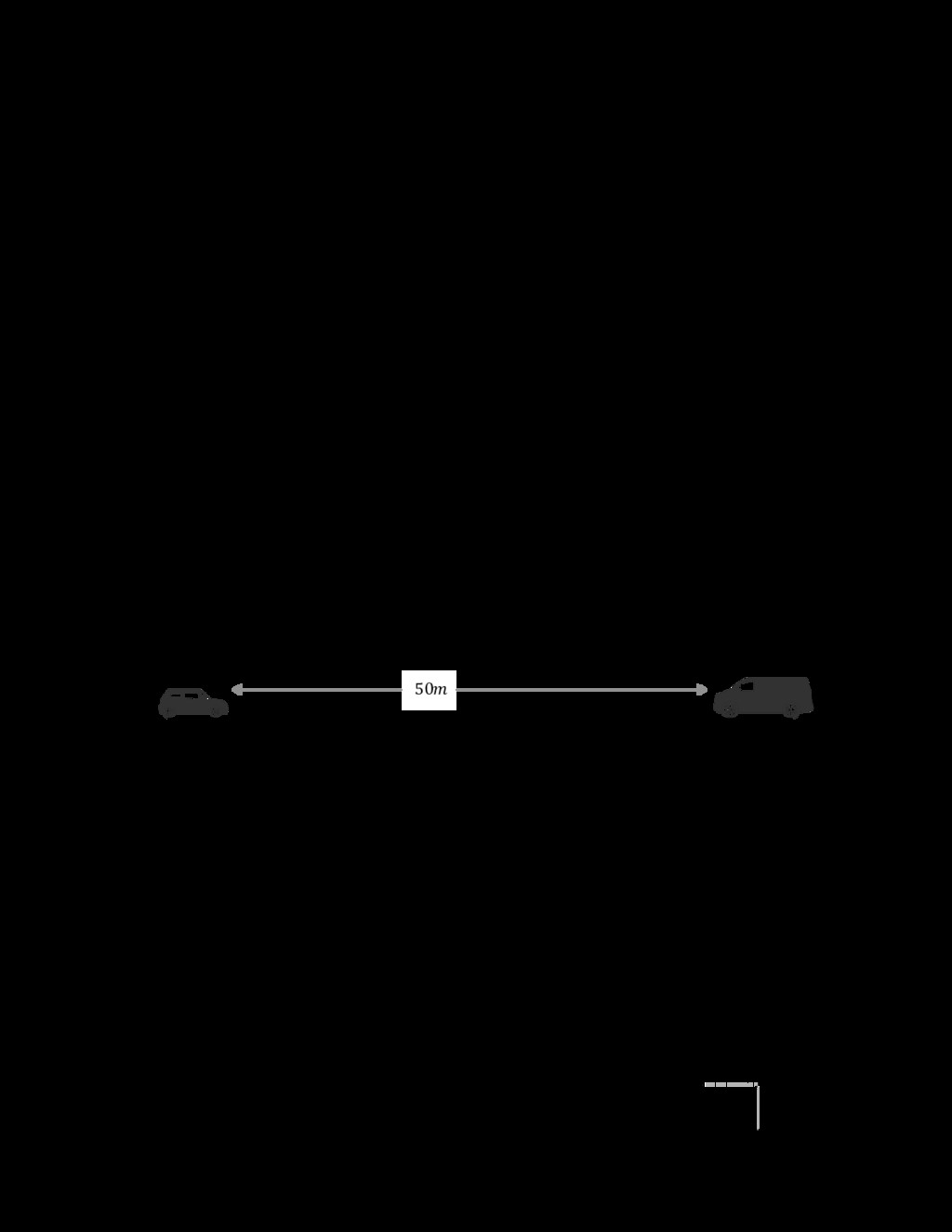
the displacement. As you see in the previous example (تسا ییاج هباج ربارب رادومن ریز تحاسم): The area under the (-) diagram is equal to ∆. In the first section of last example: ∆ = 2 ∗ 5 = 10 Ex: two cars are moving toward each other from a distance of 100 meters. The velocity of the car A is 20 and the velocity of the car B is 15 . a) When the two cars pass each other? b) When the two cars reach each other, what are the distances that each one have been travelled? Ex: An airplane and a fighter jet are moving toward west. The speed of airplane is 950 ℎ , while the fighter jet is flying with the speed of 3000 ℎ . What is the distance of the two airplanes after 10 minutes? Note that, = 3.6 ℎ Proof (تابثا): ℎ = 1000 3600 = 1 3.6 yields → = 3.6 ℎ A B 100 m 5 2
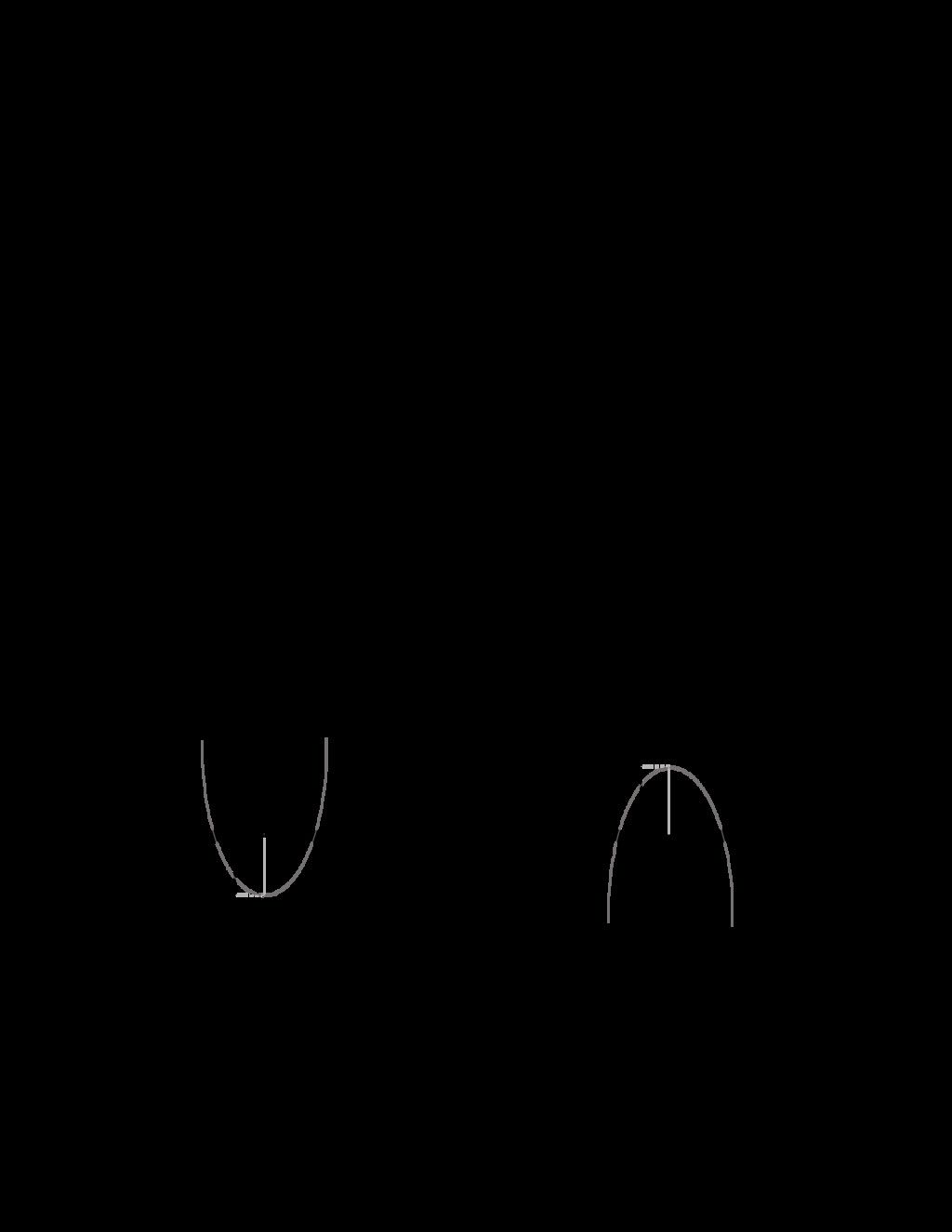
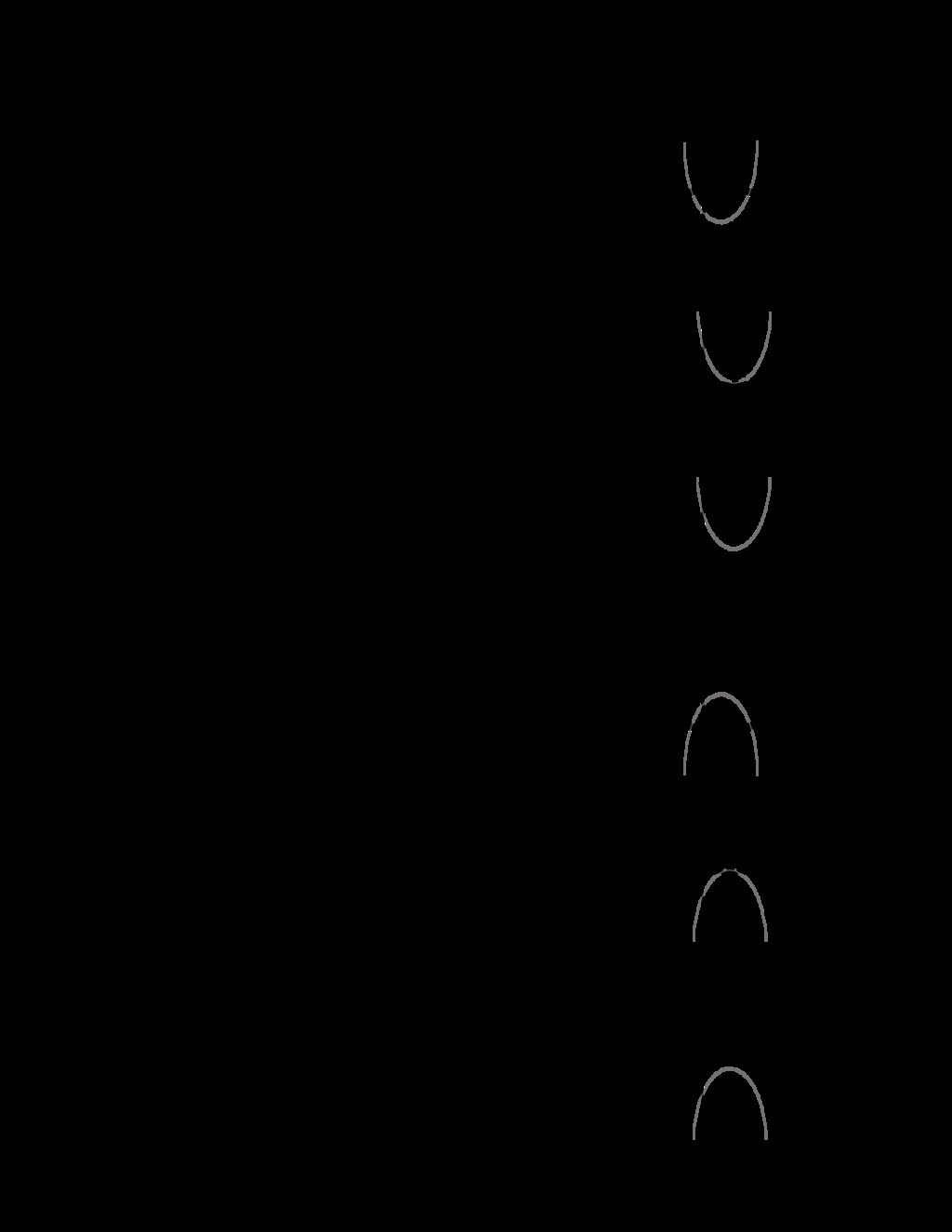
هجرد زا یا هلمج دنچ کی 2 دشابیم ). Parabola is of the form 2 + + . Parabola can be in six types in the Cartesian coordinate ( دناوتیم یمهس 3 هشاب هتشاد تاصتخم روحم رد فلتخم تلاح ). The roots of a parabola: = 2 + + 1,2 = − ± √∆ 2 ; ∆= 2 − 4 The derivative a parabola is: (2 + + ) = 2 + The derivative of the parabola at vertex (سار) is zero; So the vertex (سار) of the parabola: (2 + + ) = 0 → = − 2 At = − 2 = (2 + + ) = −∆ 4 The curves in the next page show the six types of parabola 1 2 1 2 > 0 < 0 − 2 − 2 −∆ 4 −∆ 4 “Imagination is more important than knowledge.” –Albert Einstein
( یاراد یمهس 2 هشیر ): 2) > 0 and ∆= 0: Parabola has one root (تسا هشیر کی یاراد یمهس): 1 = − 2 3) > 0 and ∆< 0: Parabola has no roots (درادن هشیر یمهس): Because the root square of a negative number does not exist. (درادن دوجو یفنم ددع مود ی هشیر). 4) < 0 and ∆> 0: Parabola has two roots: 5) < 0 and ∆= 0: Parabola has one root: 6) < 0 and ∆< 0: Parabola does not have a root: 1 2 1 1 2 1
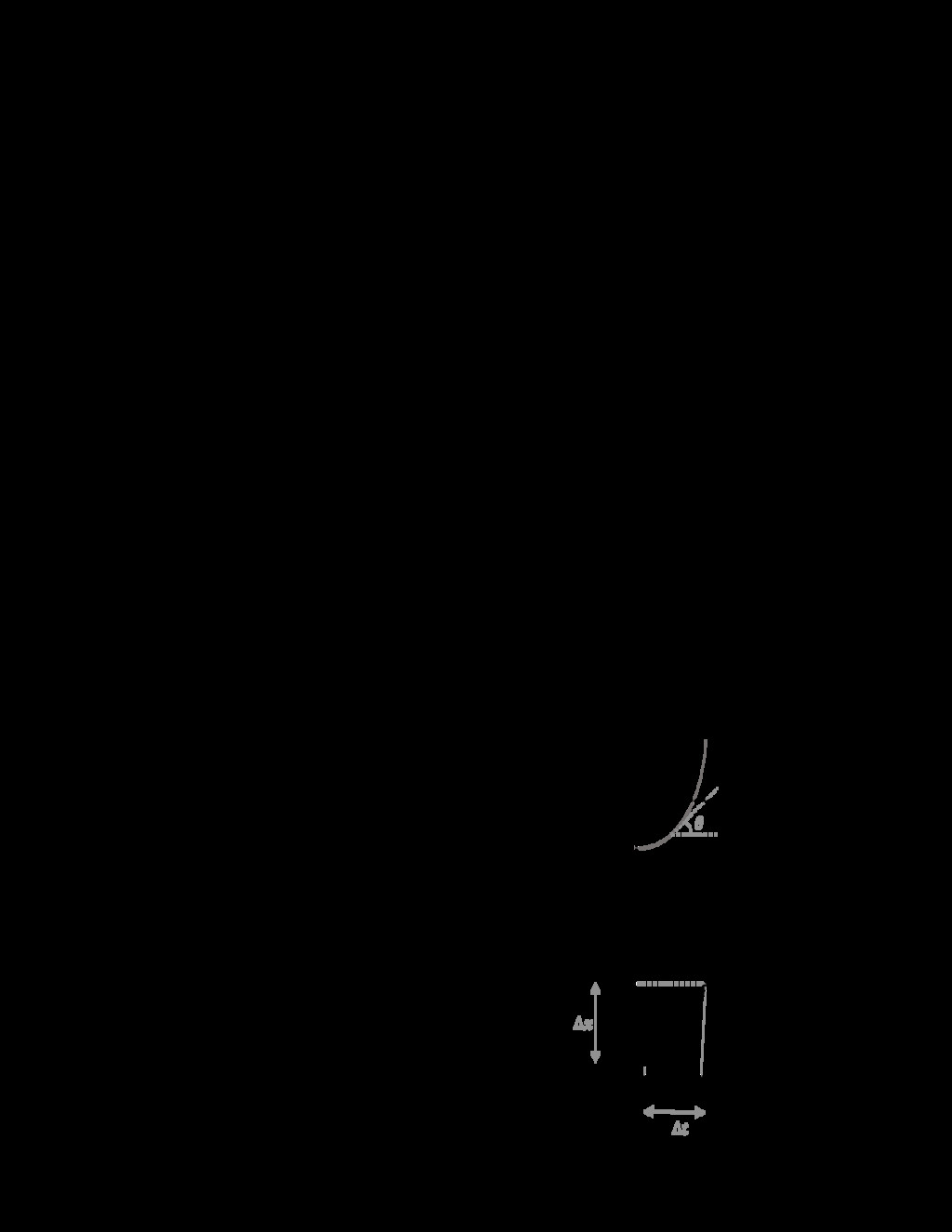
as follows: = 1 2 2 + 0 + 0 ; { 0 initial Position 0 initial velocity As always the positive direction of the motion is rightward. Acceleration: The rate of change of the velocity in a period of time. ( یغت تبسن زا تسا ترابع باتش نامز تارییغت هب تعرس تاری ). = ∆ ∆ ; Unit = 2 = + 0 If the speed is increasing the acceleration is positive and vice versa (سکعرب و تسا تبثم باتش دشاب شیازفا لاحرد تعرس رگا). Ex. From rest, a car accelerated at 8 2 for 10 seconds. a) What is the position of the car at the end of the 10 seconds? b) What is the velocity of the car at the end of the 10 seconds? The (-) diagram: the (-) diagram of this motion is a parabola ( ناکم رادومن - تسا یمهس کی رادباتش تکرح نامز ): The slope of the tangent line (derivative) of curve at any time shows the instantaneous velocity: ( بیش سامم طخ دهدیم ناشن ار یا هظحل تعرس هظحل ره رد رادومن نیا قتشم ای ) = 1 2 2 + 0 + 0 The convexity (رعقت) of the (-) diagram is acceleration The convexity of the (-) diagram is calculated by the second derivative. The slope of the straight line between two points is the average velocity during that time. ( ناکم رادومن زا هطقنود نیب لصاو طخ بیش - ربارب نامز هطقن ود نآ نیب طسوتم تعرس اب تسا ). Average velocity between 1 and 2 ̅ = ∆ ∆ 0 1 2 ∆ 1 2 ∆
a straight line in which the slope of the line is the acceleration ( ومن تعرس راد - نآ بیش هک تسا طخ کی رادباتش تکرح رد نامز دشابیم باتش رگنایب ). = + 0 As we know the area under the (-) diagram is ∆. The slope of the (-) diagram is acceleration. Ex: the equation of a moving object with uniform acceleration on a straight line is = 22 − 8 + 4. a) Draw the (-) diagram. b) Draw the (-) diagram. c) Find the displacement of the object in the first 4 seconds. The (-) diagram: the (-) diagram of the object moving with uniform acceleration is a flat straight line with zero slope (تسا رفص بیش اب یقفا و فاص یطخ دنکیم تکرح میقتسم ریسم رد تباث باتش اب هک یکرحتم نامز بتش رادومن). The area under the (-) diagram is the change of velocity. Ex: the equation of the motion of a moving object is = 32 − 2 + 1. a) Find the change of the speed in the third 2 seconds. b) Draw the (-) and (-) diagram 0 Slope = 0 Slope = 0 1 2 ∆ = = 0 (2 − 1 )
without initial speed. The equation of the acceleration is = 3 2 . What is the average velocity from = 0 until = 5? 2. A car starts from rest and accelerates uniformly over a time of 5 seconds for a distance of 110 m. Determine the acceleration of the car. 3. A van starts moving towards west with the equation = 1 2 2 + 2. After 2 seconds another car initiates its path towards east with a uniform speed = 5 . a) Determine at which point the two cars meet? b) Draw the (-) diagram of the two cars. 4. The (-) diagram of a moving object is as follows (0 = 0). Draw the (-) diagram. 50 −2 3 2 3 3
2 2 + 0 + 0 = + 0 → − 0 = → = − 0 = 1 2 ( − 0 ) 2 + 0 ( − 0 ) + 0 → 2∆ = 2 − 20 + 0 2 + 20 − 20 2 2∆ = 2 − 0 2 This equation is not dependent to time (تسا لقتسم نامز زا هلداعم نیا). Ex: An automobile initiates to move on a straight line with the acceleration = 2( 2 ). What is the speed of the car after travelling 25 meters? Diagram analyzation (رادومن زیلانآ): First it is important to determine that the motion is uniform or accelerated. (رادباتش ای تسا تباث تعرس تکرح هک میهد صیخشت ار تکرح عون دیاب لوا ی هجرد رد). I. If the (-) diagram is a line, motion is uniform. (تسا تباث تعرس اب تکرح دشاب طخ نامز ناکم رادومن رگا). If the (-) diagram is parabola, motion is accelerated. (تسا رادباتش تکرح دشاب یمهس نامز ناکم رادومن رگا). II. If the (-) diagram is a flat line with zero slope, the motion is uniform. (تسا تخاونکی تکرح تروصنآ رد دشاب رفص بیش اب یقفا فاص طخ نامز تعرس رادومن رگا). If the (-) diagram is a line with nonzero slope, then the motion is accelerated. ( تعرس رادومن رگا تسا رادباتش تکرح تروصنآرد دشاب رفص ریغ بیش اب یطخ نامز ). III. If the (-) diagram is a flat line on zero, then the motion is uniform. (تسا تخاونکی تکرح دشاب رفص یور فاص یطخ نامز باتش رادومن رگا). If the (-) diagram is a flat nonzero line, then the motion is accelerated. (تسا رادباتش تکرح دشاب رفص ریغ و یقفا یطخ نامز باتش رادومن رگا). “The smaller your reality, the more convinced you are that you know everything.” –Thomas Campbell
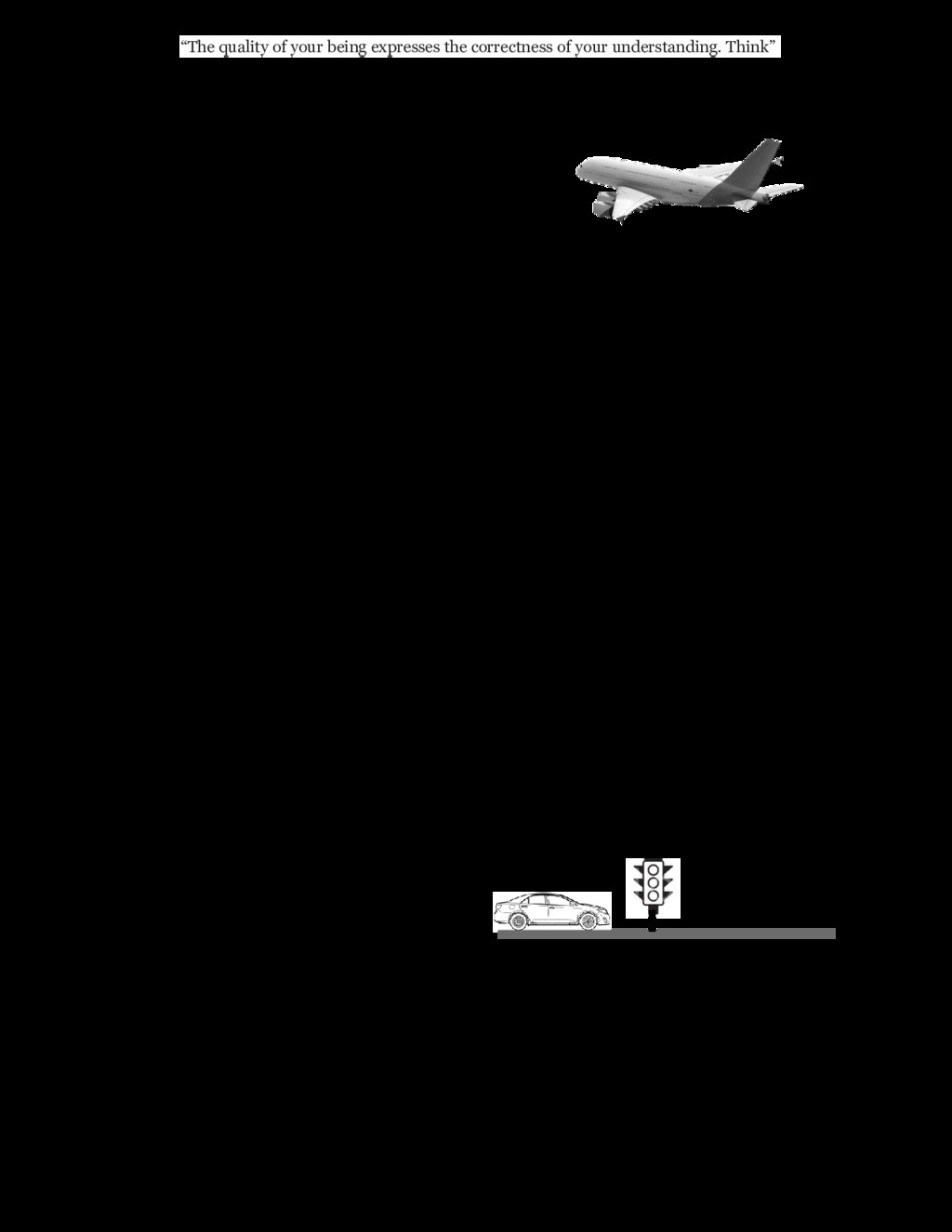
= 1 2 2 + 3 + 1. a) Draw the (-) diagram. b) Draw the (-) diagram. c) Draw the (-) diagram. Ex: the (-) diagram of a moving object is as follows: a) What is the average velocity in the first 3 seconds? b) Describe the motion in every section of the diagram. Ex: Ben is waiting at a stoplight. When the light finally turns green, Ben accelerated from rest at a rate of = 6 2 for a time of 4.10 seconds. Determine the displacement of Ben's car during this time period. −2 3 1 2 “The quality of your being expresses the correctness of your understanding. Think” –Thomas Campbell. My Big T.O.E
نونکات): Uniform motion: = + 0 ̅ = ∆ ∆ Accelerated motion: = 1 2 2 + 0 + 0 = + 0 2∆ = 2 − 0 2 ̅ = ∆ ∆ Ex: a moving object initiates from the rest. The (-) diagram of the motion is like the below. a) What is the total displacement of the object in 10 seconds? b) Draw the (-) diagram ( at = 2 is 2). c) Describe the motion. Vertical motion (یدومع یاتسار رد تکرح): This motion is always an accelerated motion in which the acceleration is a constant equal to the earth gravitational acceleration. (دشابیم نیمز ی هبذاج باتش ربارب تکرح باتش نآ رد هک هدوب رادباتش تکرح کی تکرح نیا). The direction of the acceleration vector is downward. Thus, acceleration is always negative. (تسا یفنم باتش هراومه نیاربانب .هدوب نییاپ تمس هب هشیمه باتش رادرب تهج). = −9.8 2 If the motion is upward, then the velocity and displacement vectors are positive. ( رگا دنا تبثم ییاج هباج و تعرس رادرب دشاب الاب هبور تکرح تهج ). If the motion is downward, then the velocity and displacement vectors are negative. (دنا یفنم ییاج هباج و تعرس رادرب دشاب نییاپ هبور تکرح تهج رگا). 3 3 6 8 ⃗ > 0 ∆ ⃗⃗⃗⃗⃗ > 0 = −9.8 2 ⃗ < 0 ∆ ⃗⃗⃗⃗⃗ < 0 = −9.8 2 “The quality of your being expresses the correctness of your understanding. Think” –Thomas Campbell. My Big T.O.E
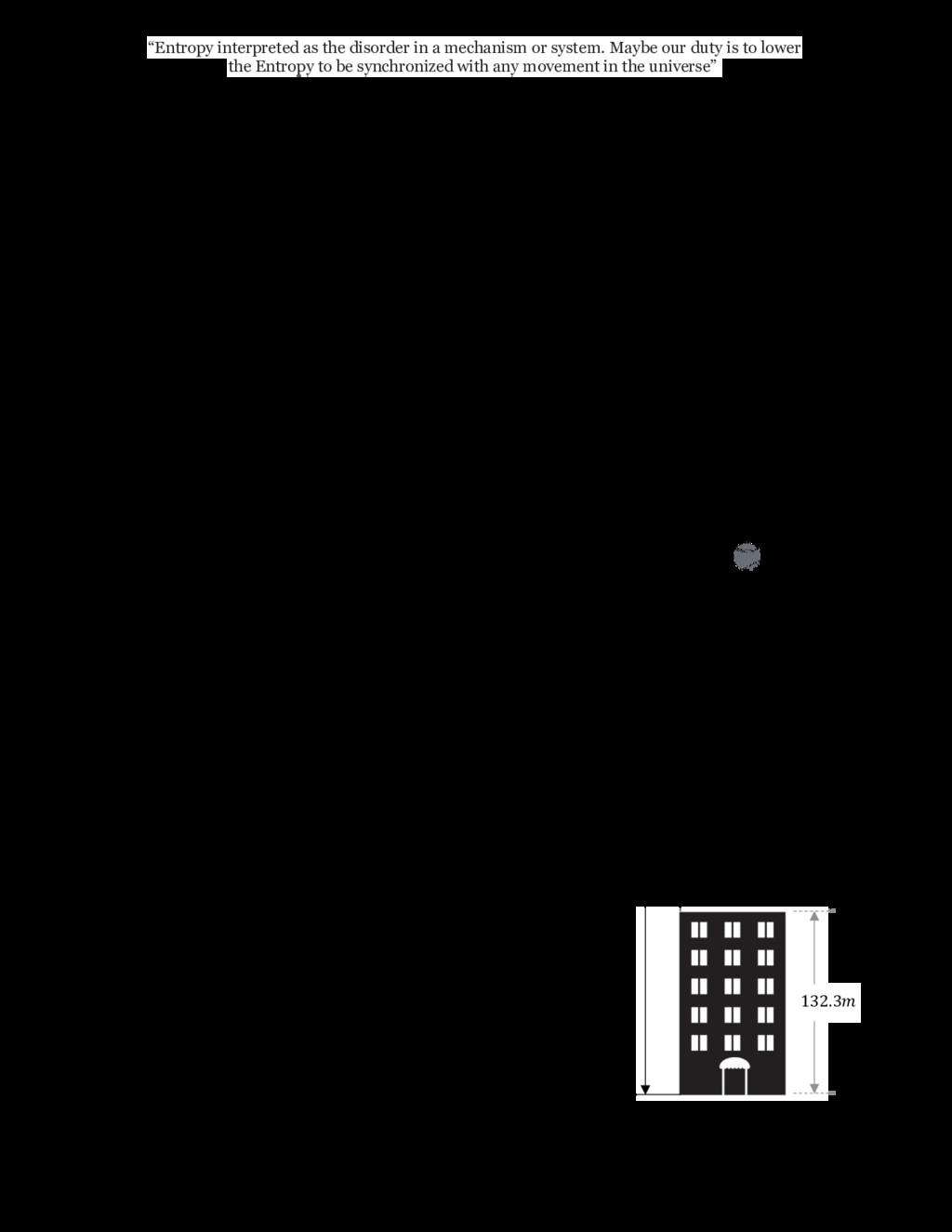
(یدومع تکرح یاه هلداعم ندروآ تسد هب یارب): 1- Change to ℎ 2- Change to = + 0 ℎ = 1 2 2 + 0 + ℎ0 2∆ℎ = 2 − 0 2 ̅ = ∆ℎ ∆ Ex: Tom hit a baseball straight up into the air. The baseball is hit with the initial vertical velocity of 98 . a) What is the height of the baseball at most? b) How many seconds does it takes for the baseball to reach the highest point? c) How many times does the ball reach the height of 49? The speed of the object in the highest elevation in one dimensional motion is zero. (تسا رفص ربارب باترپ ی هطقن نیرتالاب رد کرحتم تعرس). The object meet every point two times within its path. (دنکیم روبع رابود شتکرح ریسم زا هطقنره زا کرحتم). Ex: Glen hit a ball straight up into the air from the roof of a building with the initial speed of 29.4 . What is the time of the collision with the ground? 132.3 “Entropy interpreted as the disorder in a mechanism or system. Maybe our duty is to lower the Entropy to be synchronized with any movement in the universe”
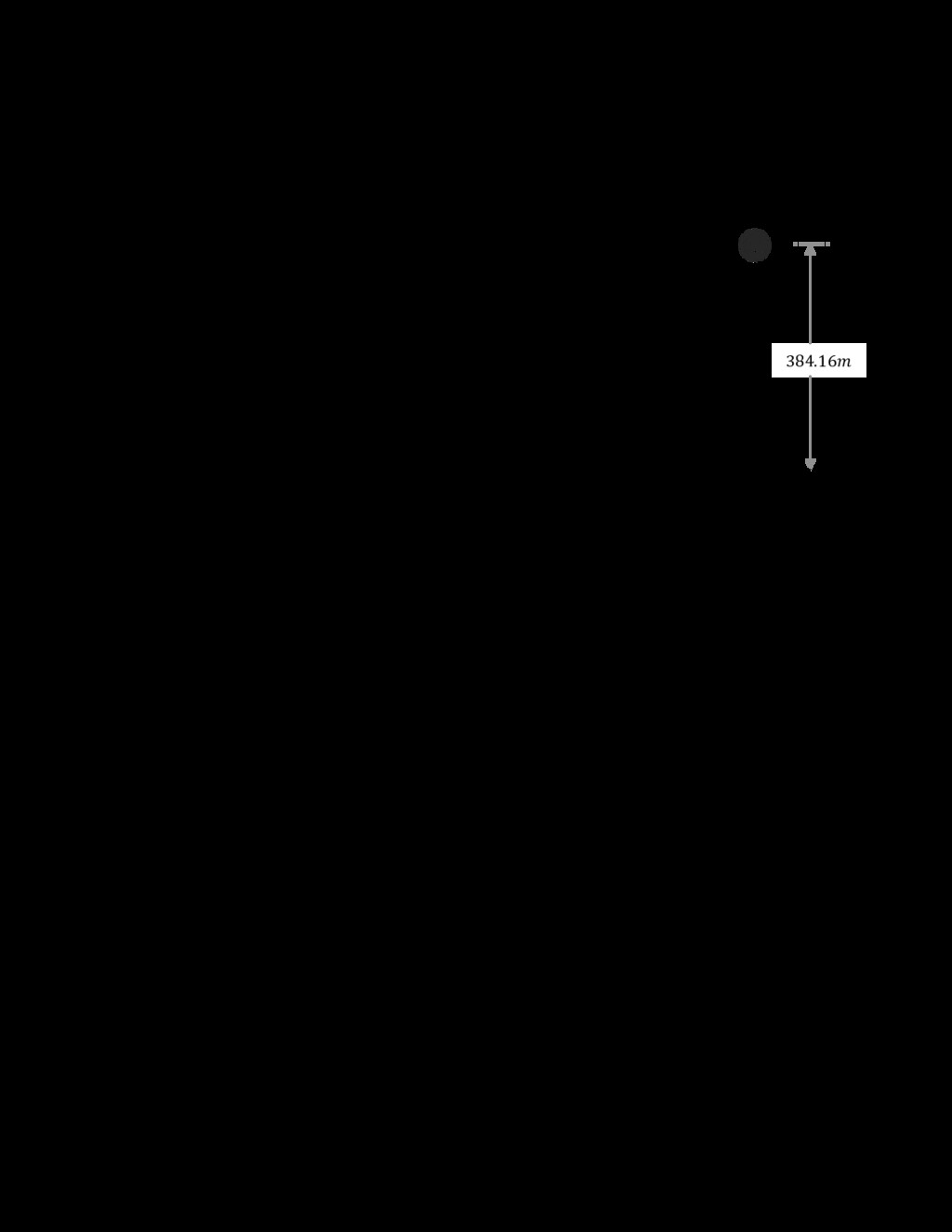
without initial speed. It happens when an object releases from an elevation ( هیلوا تعرس نودب کرحتم نآ رد هک تسا نییاپ هبور یتکرح دازآ طوقس اهر تسا هدش ). The initial speed in free fall is zero. Ex: a basketball releases from 384.16 above the ground. a) What is the velocity of the ball at the time it reaches the ground? b) What is the time of the collision? Ex: Sara throw a ball upward from the roof of her house. If it takes 2 for the ball to reach the highest elevation, what is the speed of the object when hitting the ground? (The height of the house is 58.8 ) Ex: a ball is thrown downward from the elevation ℎ = 50 above the ground with initial speed = 3 . What is the duration of the motion? 384.16
m/s from the ground. 1. What is the initial velocity of the ball? 2. What is the acceleration of the ball? 3. What is the ball’s velocity after 2 seconds? 4. What is the ball’s velocity after 4 seconds? 5. What is the maximum height of the ball? 6. How long until the ball hits the ground? 7. When is the magnitude of the velocity 5 m/s? 8. What distance has the ball travelled after 5 seconds? 9. What is the average velocity of the ball after 5 seconds? 10. Another ball is thrown one second later. What speed does it need to hit the ground simultaneously with the first ball? 2. The (-) diagram of an object is as follows. Draw the (-) diagram. 3 3 6
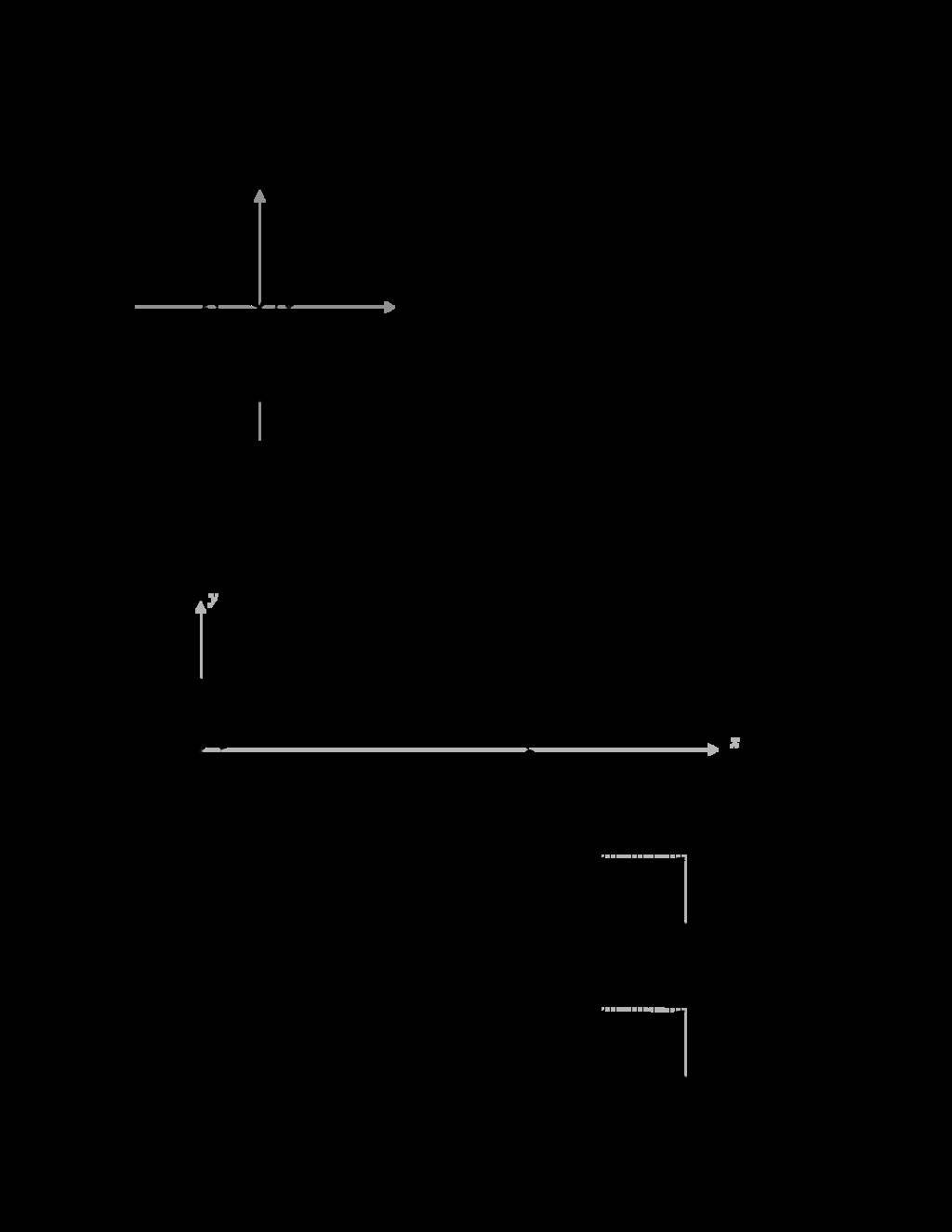
Motion (یدعب ود تکرح): Every 2–D (2–Dimensional) motion is a combination of two motions, one in the horizontal direction ( axis) and one in the vertical direction ( axis). ( تکرح ره 2 کی تکرح ود زا یدعب یدومع یاتسار رد تکرح کی و یقفا یاتسار رد تکرح کی .تسا هدش لیکشت یدعب ) a) Horizontal motion is always a uniform motion (تسا تخاونکی تکرح هشیمه یقفا یاتسار رد تکرح): So in direction motion is uniform Velocity is constant Acceleration is zero = 0 × cos () = + 0 = 0 b) Vertical motion is always an accelerated motion (تسا رادباتش تکرح هشیمه یدومع یاتسار رد تکرح): So in direction motion is accelerated Acceleration is = 0 × sin() − = 1 2 2 + + 0 3 6 ⃗ = 2 ⃗⃗ = 4 ⃗ = 5 0 = 0 × () 0 = 0 × () −


 saeedsj
 akiraasano
 jdbedics
 bvr7352
 juanmartin2026
 pawan_pharm
 drpoonamkc
 frievea
 hiola
 sciencetokyo
 kekekenta
 moriyuya
 baasie
 aleyda
 427marketing
 carmenintech
 holman
 reverentgeek
 garrettdimon
 gurzu
 ryanjones
 chrisshort
 tmiket