Upgrade to Pro — share decks privately, control downloads, hide ads and more …

General Introduction, Composition, Chemistry & ...

General Introduction, Composition, Chemistry & Chemical Classes, Biosources, Therapeutic uses and Commercial Application of Secondary Metabolites.

Alkaloids: Vinca, Rauwolfia, Belladonna, Opium,
Phenylpropanoids and Flavonoids: Lignans, Tea, Ruta
Steroids, Cardiac Glycosides & Triterpenoids: Liquorice, Dioscorea, Digitalis
Volatile oils: Mentha, Clove, Cinnamon, Fennel, Coriander,
Tannins: Catechu, Pterocarpus
Resins: Benzoin, Guggul, Ginger, Asafoetida, Myrrh, Colophony
Glycosides: Senna, Aloes, Bitter Almond
Iridoids, Other terpenoids & Naphthaquinones: Gentian, Artemisia, taxus, carotenoids

Avatar for Dr Poonam Chougule

Dr Poonam Chougule

September 20, 2026

More Decks by Dr Poonam Chougule

Other Decks in Education

Transcript

  1. UNIT NO.- 2 General Introduction, Composition, Chemistry & Chemical Classes,

    Biosources, Therapeutic uses and Commercial Application of Secondary Metabolites. Presented ByDr. Poonam N. Chougule Pharmacognosy Department DYP Kolhapur.
  2. Syllabus• Alkaloids: Vinca, Rauwolfia, Belladonna, Opium, • Phenylpropanoids and Flavonoids:

    Lignans, Tea, Ruta • Steroids, Cardiac Glycosides & Triterpenoids: Liquorice, Dioscorea, Digitalis • Volatile oils: Mentha, Clove, Cinnamon, Fennel, Coriander, • Tannins: Catechu, Pterocarpus • Resins: Benzoin, Guggul, Ginger, Asafoetida, Myrrh, Colophony • Glycosides: Senna, Aloes, Bitter Almond • Iridoids, Other terpenoids & Naphthaquinones: Gentian, Artemisia, taxus, carotenoids
  3. Alkaloids • Alkaloids are an important class of naturally occurring

    compounds, mainly obtained from plants. Plants containing alkaloids exhibit a wide range of therapeutic and pharmacological effects. Alkaloids represent one of the largest groups of phytoconstituents, with more than 6,500 alkaloids reported so far. • Alkaloids are a chemically diverse and heterogeneous group of compounds, making it difficult to provide a single definition that applies to all of them. The term alkaloid is derived from the word “alkali-like,” referring to their generally basic nature. The term was originally used to describe basic compounds of plant origin. • Several definitions of alkaloids have been proposed over the years. However, each definition has certain limitations and exceptions because some compounds do not completely fulfill all the characteristics traditionally associated with alkaloids.
  4. • Definition of Alkaloids • Alkaloids can be generally defined

    as naturally occurring, basic, nitrogen-containing organic compounds, mainly of plant origin, that possess significant physiological and pharmacological activities. • Most alkaloids contain one or more nitrogen atoms, usually present as a part of a heterocyclic ring system. However, this characteristic is not common to all alkaloids. For example, ephedrine and mescaline contain nitrogen in an acyclic (nonheterocyclic) form. • Colchicine is an important exception because, although it is classified as an alkaloid, it is not basic in nature. Therefore, no single definition completely describes all alkaloids.
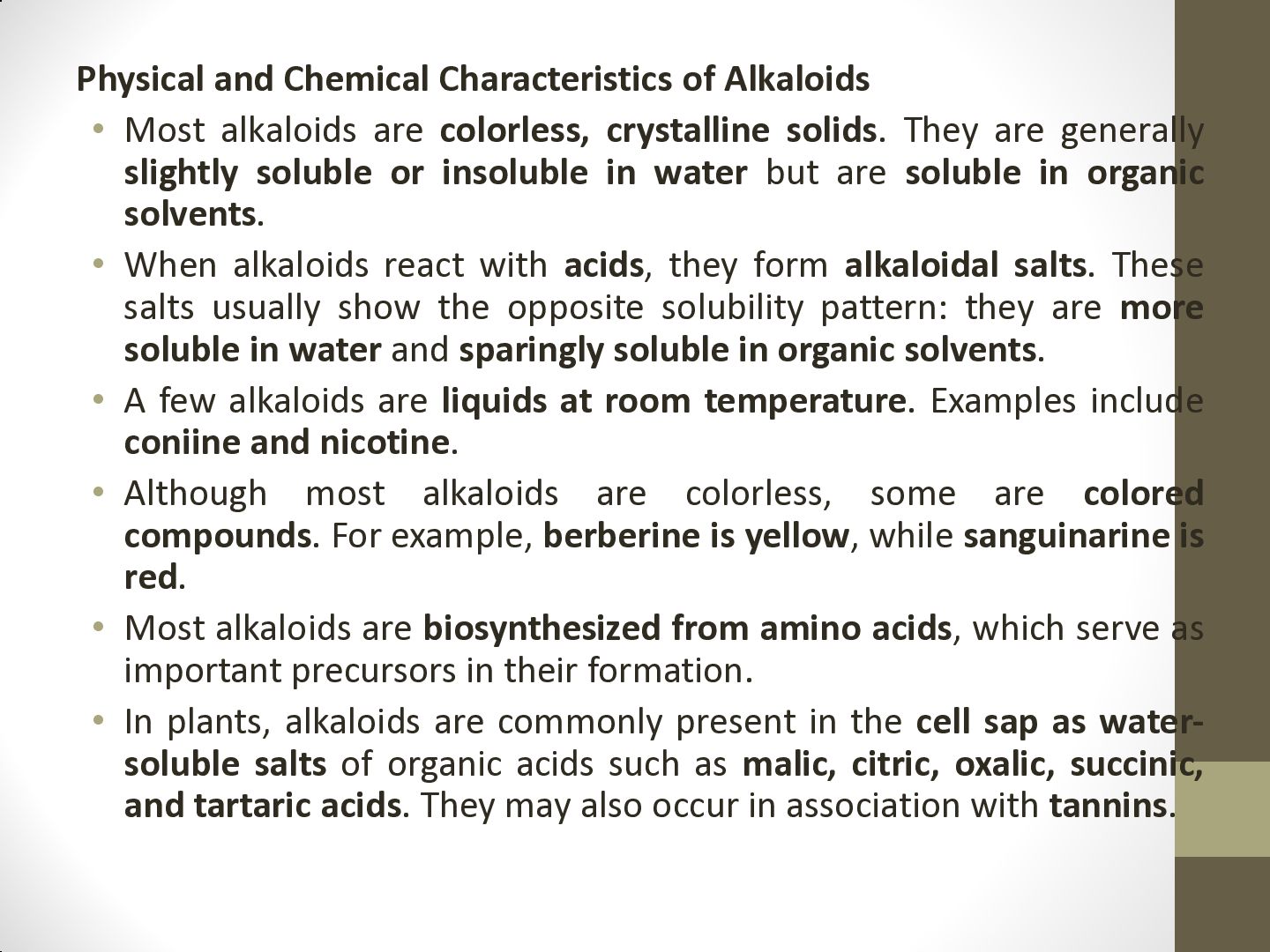
  5. Physical and Chemical Characteristics of Alkaloids • Most alkaloids are

    colorless, crystalline solids. They are generally slightly soluble or insoluble in water but are soluble in organic solvents. • When alkaloids react with acids, they form alkaloidal salts. These salts usually show the opposite solubility pattern: they are more soluble in water and sparingly soluble in organic solvents. • A few alkaloids are liquids at room temperature. Examples include coniine and nicotine. • Although most alkaloids are colorless, some are colored compounds. For example, berberine is yellow, while sanguinarine is red. • Most alkaloids are biosynthesized from amino acids, which serve as important precursors in their formation. • In plants, alkaloids are commonly present in the cell sap as watersoluble salts of organic acids such as malic, citric, oxalic, succinic, and tartaric acids. They may also occur in association with tannins.
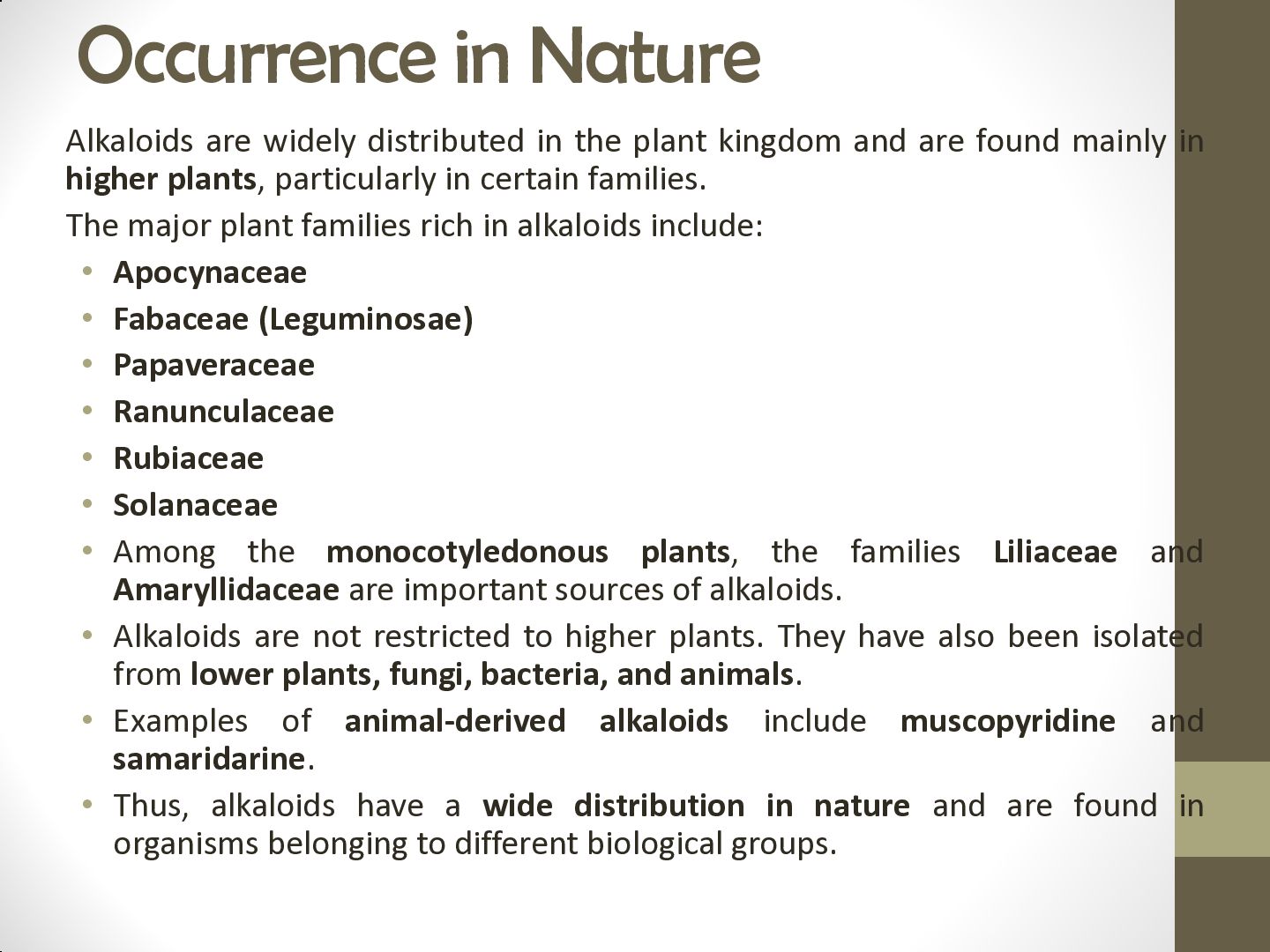
  6. Occurrence in Nature Alkaloids are widely distributed in the plant

    kingdom and are found mainly in higher plants, particularly in certain families. The major plant families rich in alkaloids include: • Apocynaceae • Fabaceae (Leguminosae) • Papaveraceae • Ranunculaceae • Rubiaceae • Solanaceae • Among the monocotyledonous plants, the families Liliaceae and Amaryllidaceae are important sources of alkaloids. • Alkaloids are not restricted to higher plants. They have also been isolated from lower plants, fungi, bacteria, and animals. • Examples of animal-derived alkaloids include muscopyridine and samaridarine. • Thus, alkaloids have a wide distribution in nature and are found in organisms belonging to different biological groups.
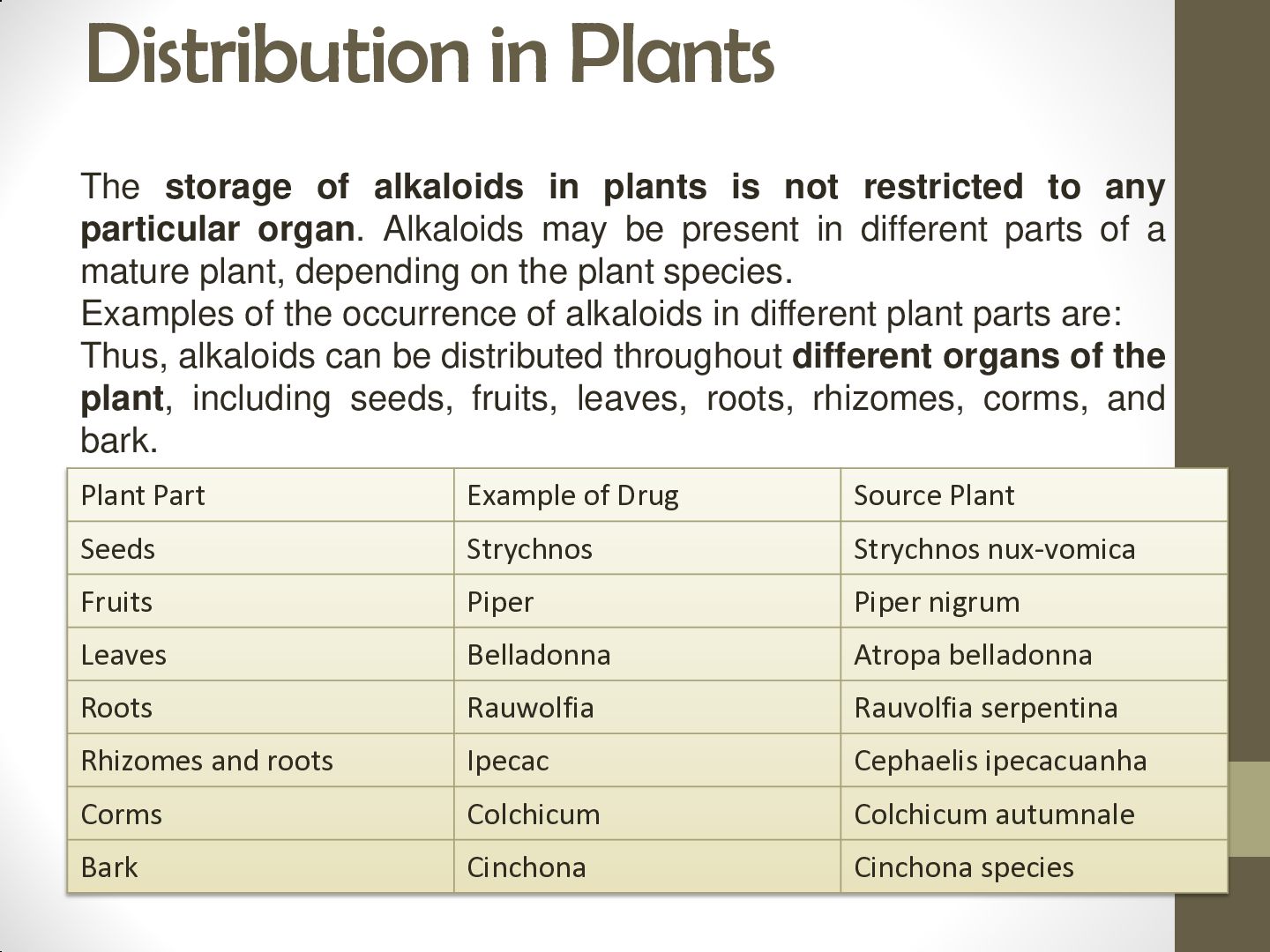
  7. Distribution in Plants The storage of alkaloids in plants is

    not restricted to any particular organ. Alkaloids may be present in different parts of a mature plant, depending on the plant species. Examples of the occurrence of alkaloids in different plant parts are: Thus, alkaloids can be distributed throughout different organs of the plant, including seeds, fruits, leaves, roots, rhizomes, corms, and bark. Plant Part Example of Drug Source Plant Seeds Strychnos Strychnos nux-vomica Fruits Piper Piper nigrum Leaves Belladonna Atropa belladonna Roots Rauwolfia Rauvolfia serpentina Rhizomes and roots Ipecac Cephaelis ipecacuanha Corms Colchicum Colchicum autumnale Bark Cinchona Cinchona species
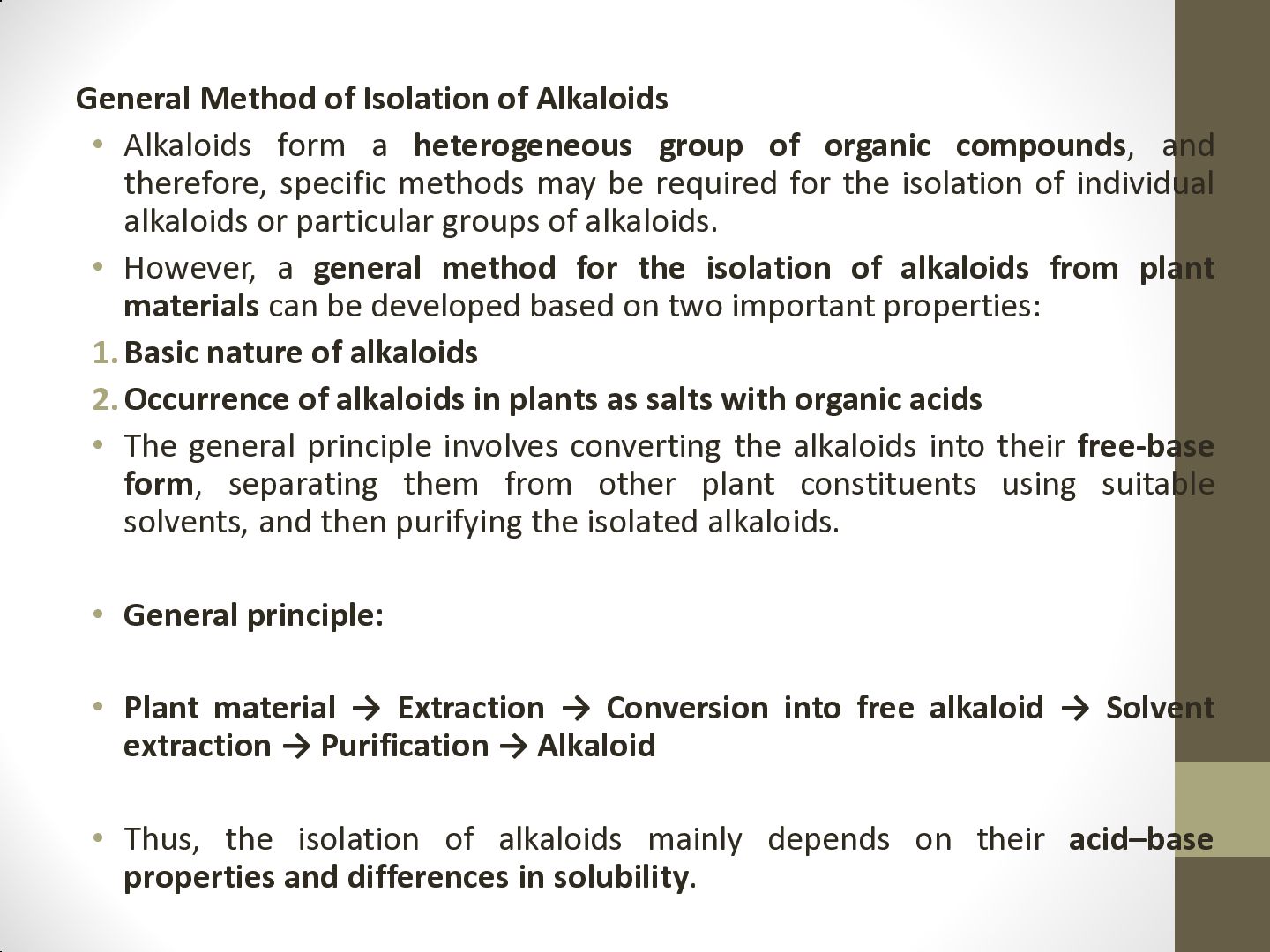
  8. General Method of Isolation of Alkaloids • Alkaloids form a

    heterogeneous group of organic compounds, and therefore, specific methods may be required for the isolation of individual alkaloids or particular groups of alkaloids. • However, a general method for the isolation of alkaloids from plant materials can be developed based on two important properties: 1. Basic nature of alkaloids 2. Occurrence of alkaloids in plants as salts with organic acids • The general principle involves converting the alkaloids into their free-base form, separating them from other plant constituents using suitable solvents, and then purifying the isolated alkaloids. • General principle: • Plant material → Extraction → Conversion into free alkaloid → Solvent extraction → Purification → Alkaloid • Thus, the isolation of alkaloids mainly depends on their acid–base properties and differences in solubility.
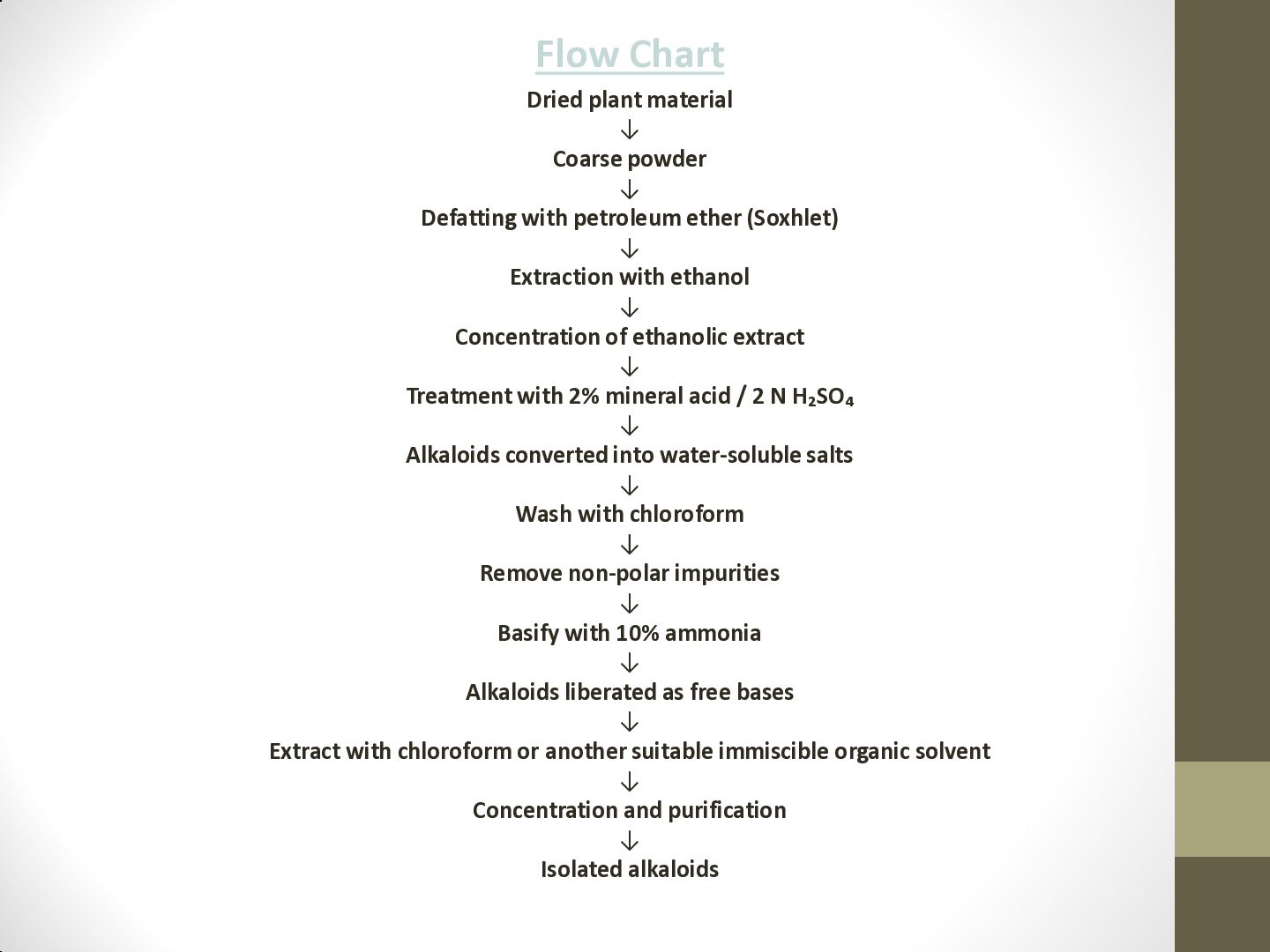
  9. Flow Chart Dried plant material ↓ Coarse powder ↓ Defatting

    with petroleum ether (Soxhlet) ↓ Extraction with ethanol ↓ Concentration of ethanolic extract ↓ Treatment with 2% mineral acid / 2 N H₂SO₄ ↓ Alkaloids converted into water-soluble salts ↓ Wash with chloroform ↓ Remove non-polar impurities ↓ Basify with 10% ammonia ↓ Alkaloids liberated as free bases ↓ Extract with chloroform or another suitable immiscible organic solvent ↓ Concentration and purification ↓ Isolated alkaloids
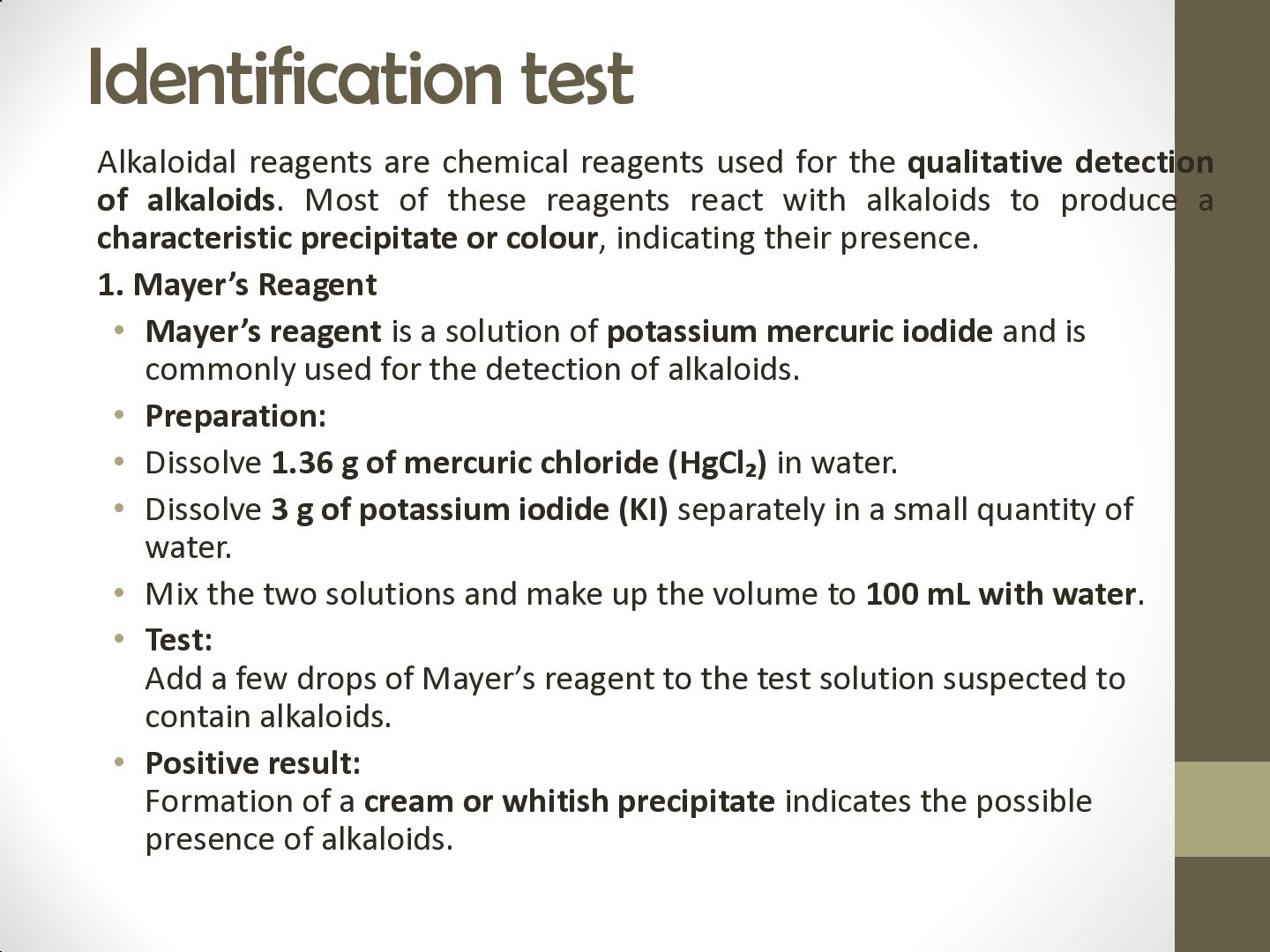
  10. Identification test Alkaloidal reagents are chemical reagents used for the

    qualitative detection of alkaloids. Most of these reagents react with alkaloids to produce a characteristic precipitate or colour, indicating their presence. 1. Mayer’s Reagent • Mayer’s reagent is a solution of potassium mercuric iodide and is commonly used for the detection of alkaloids. • Preparation: • Dissolve 1.36 g of mercuric chloride (HgCl₂) in water. • Dissolve 3 g of potassium iodide (KI) separately in a small quantity of water. • Mix the two solutions and make up the volume to 100 mL with water. • Test: Add a few drops of Mayer’s reagent to the test solution suspected to contain alkaloids. • Positive result: Formation of a cream or whitish precipitate indicates the possible presence of alkaloids.
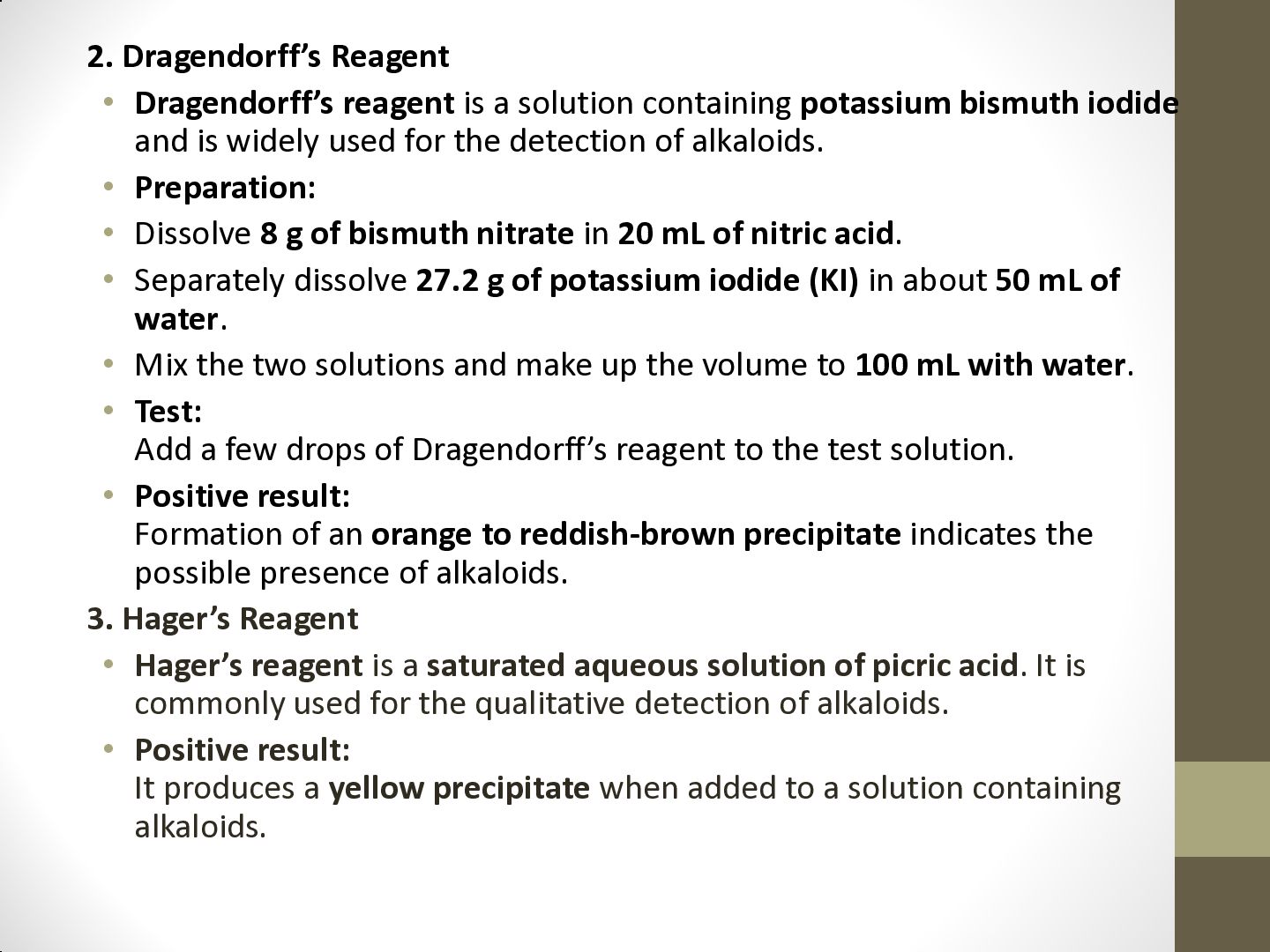
  11. 2. Dragendorff’s Reagent • Dragendorff’s reagent is a solution containing

    potassium bismuth iodide and is widely used for the detection of alkaloids. • Preparation: • Dissolve 8 g of bismuth nitrate in 20 mL of nitric acid. • Separately dissolve 27.2 g of potassium iodide (KI) in about 50 mL of water. • Mix the two solutions and make up the volume to 100 mL with water. • Test: Add a few drops of Dragendorff’s reagent to the test solution. • Positive result: Formation of an orange to reddish-brown precipitate indicates the possible presence of alkaloids. 3. Hager’s Reagent • Hager’s reagent is a saturated aqueous solution of picric acid. It is commonly used for the qualitative detection of alkaloids. • Positive result: It produces a yellow precipitate when added to a solution containing alkaloids.
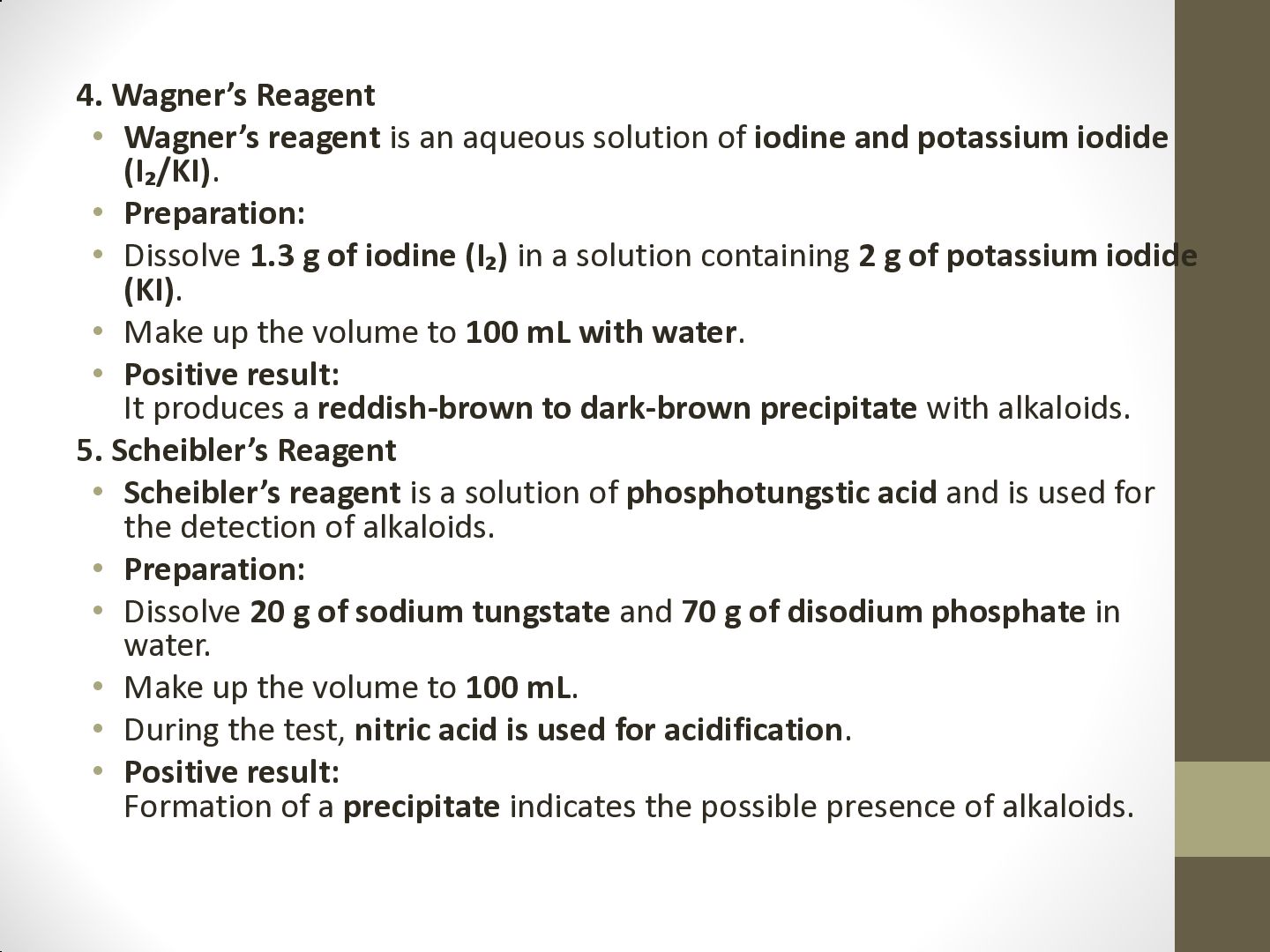
  12. 4. Wagner’s Reagent • Wagner’s reagent is an aqueous solution

    of iodine and potassium iodide (I₂/KI). • Preparation: • Dissolve 1.3 g of iodine (I₂) in a solution containing 2 g of potassium iodide (KI). • Make up the volume to 100 mL with water. • Positive result: It produces a reddish-brown to dark-brown precipitate with alkaloids. 5. Scheibler’s Reagent • Scheibler’s reagent is a solution of phosphotungstic acid and is used for the detection of alkaloids. • Preparation: • Dissolve 20 g of sodium tungstate and 70 g of disodium phosphate in water. • Make up the volume to 100 mL. • During the test, nitric acid is used for acidification. • Positive result: Formation of a precipitate indicates the possible presence of alkaloids.
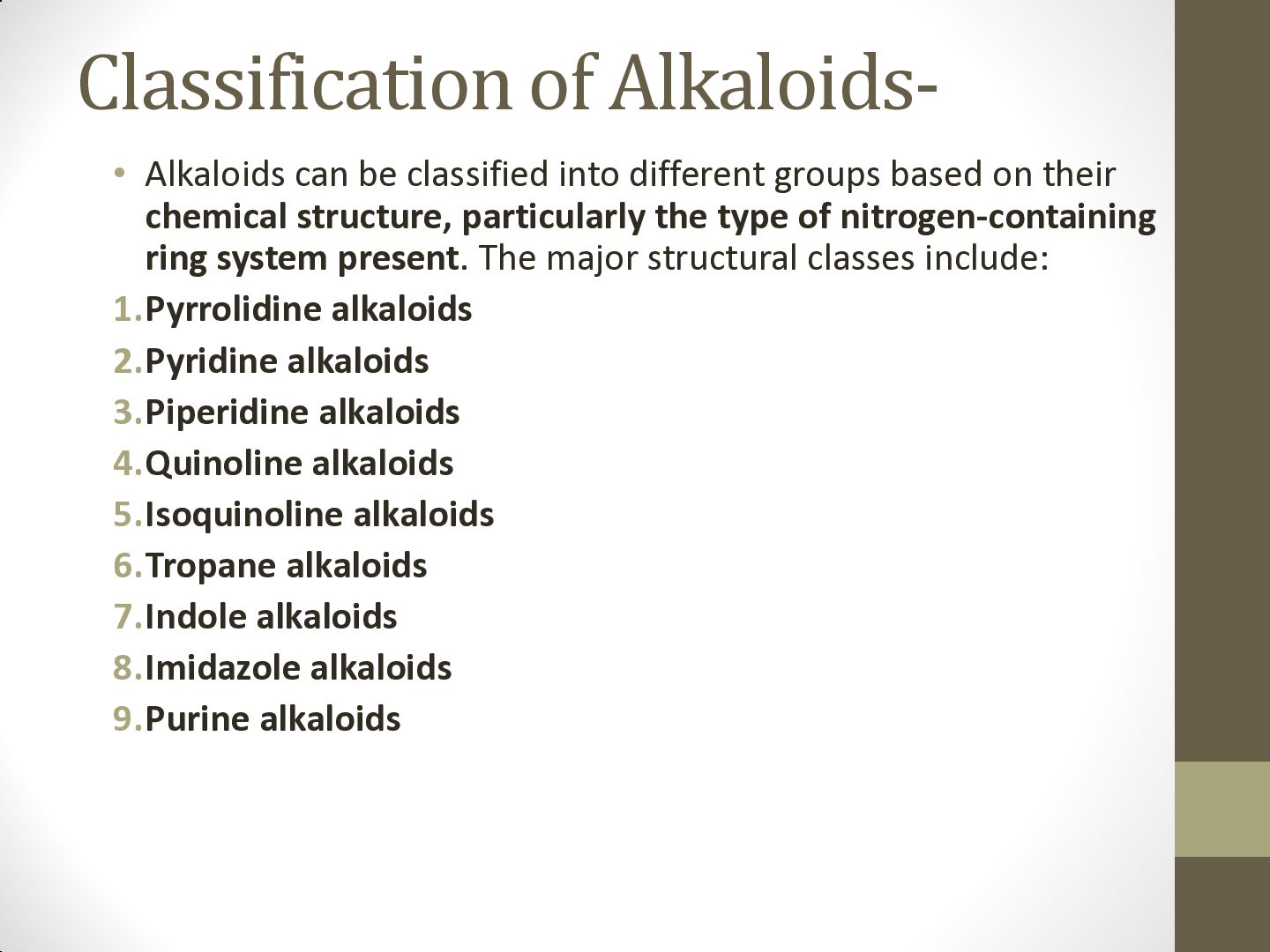
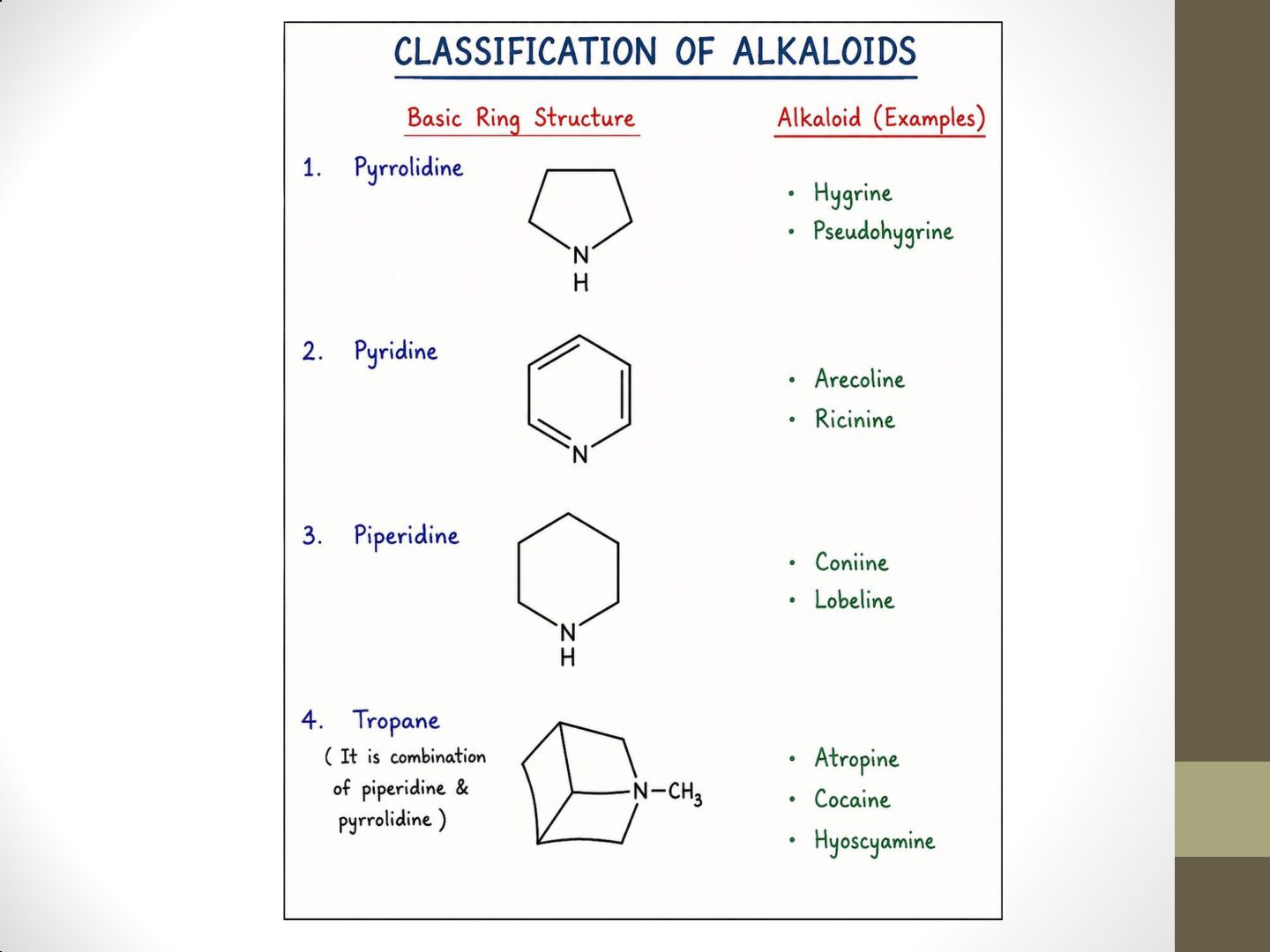
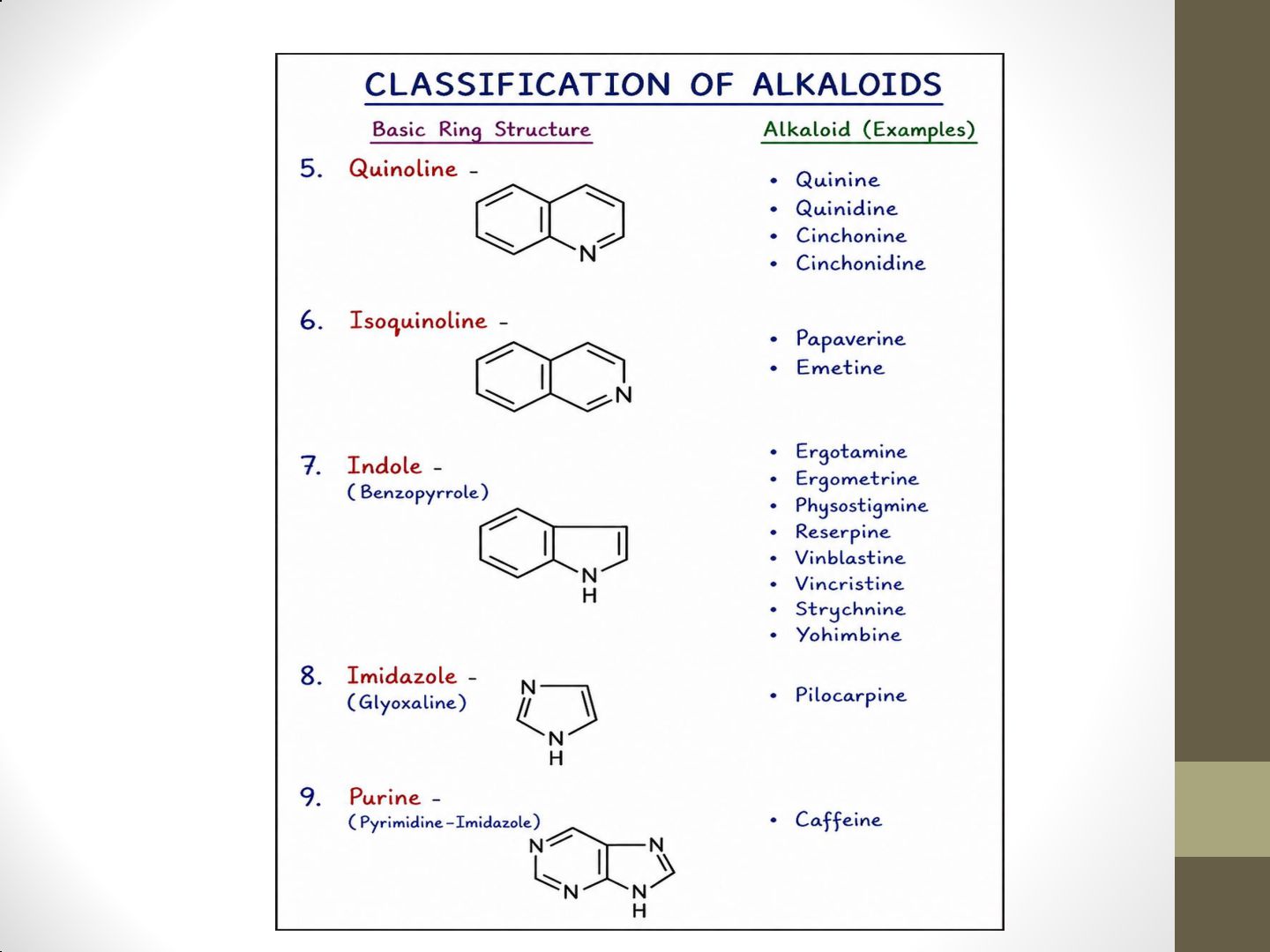
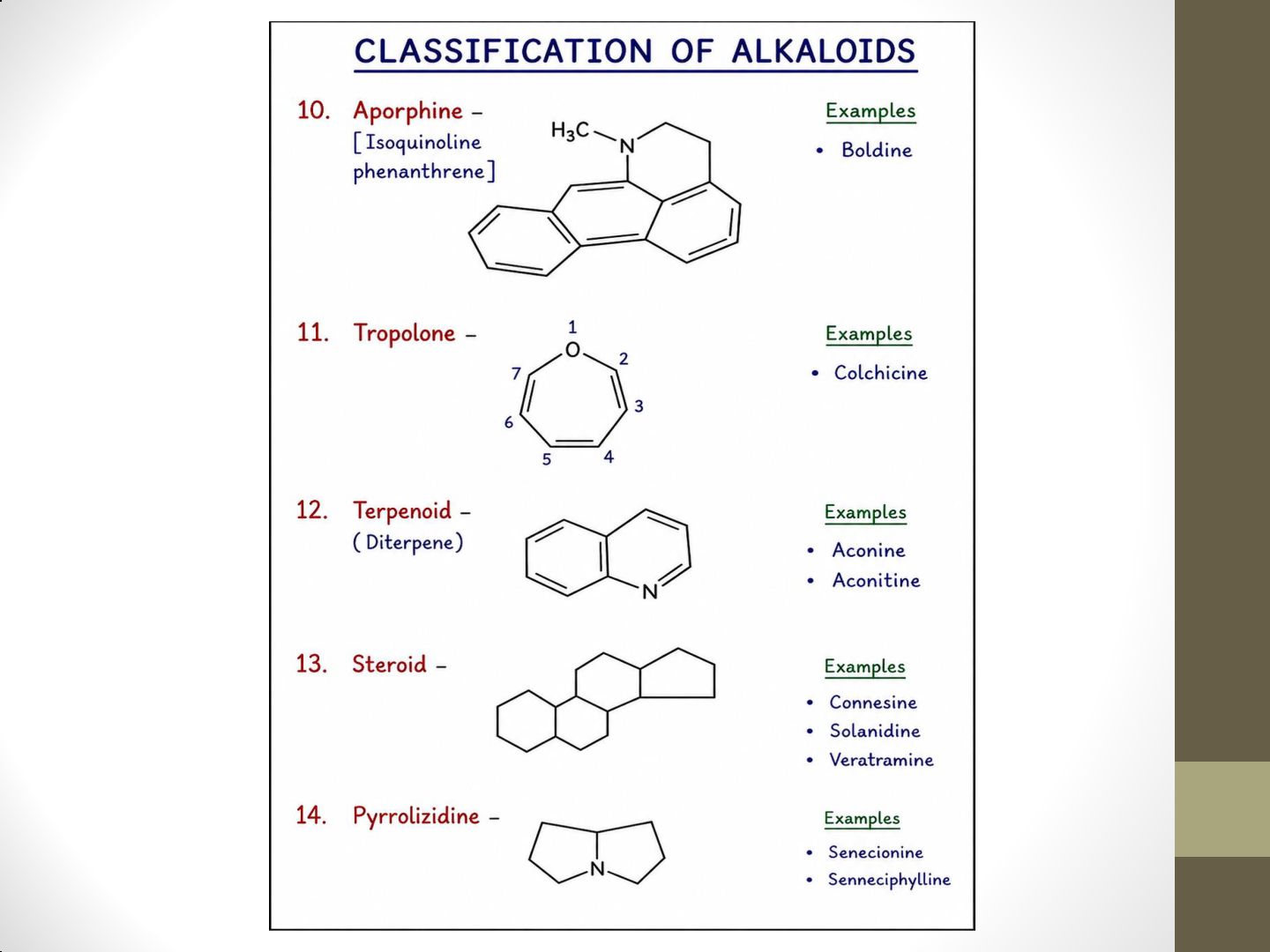
  13. Classification of Alkaloids• Alkaloids can be classified into different groups

    based on their chemical structure, particularly the type of nitrogen-containing ring system present. The major structural classes include: 1.Pyrrolidine alkaloids 2.Pyridine alkaloids 3.Piperidine alkaloids 4.Quinoline alkaloids 5.Isoquinoline alkaloids 6.Tropane alkaloids 7.Indole alkaloids 8.Imidazole alkaloids 9.Purine alkaloids
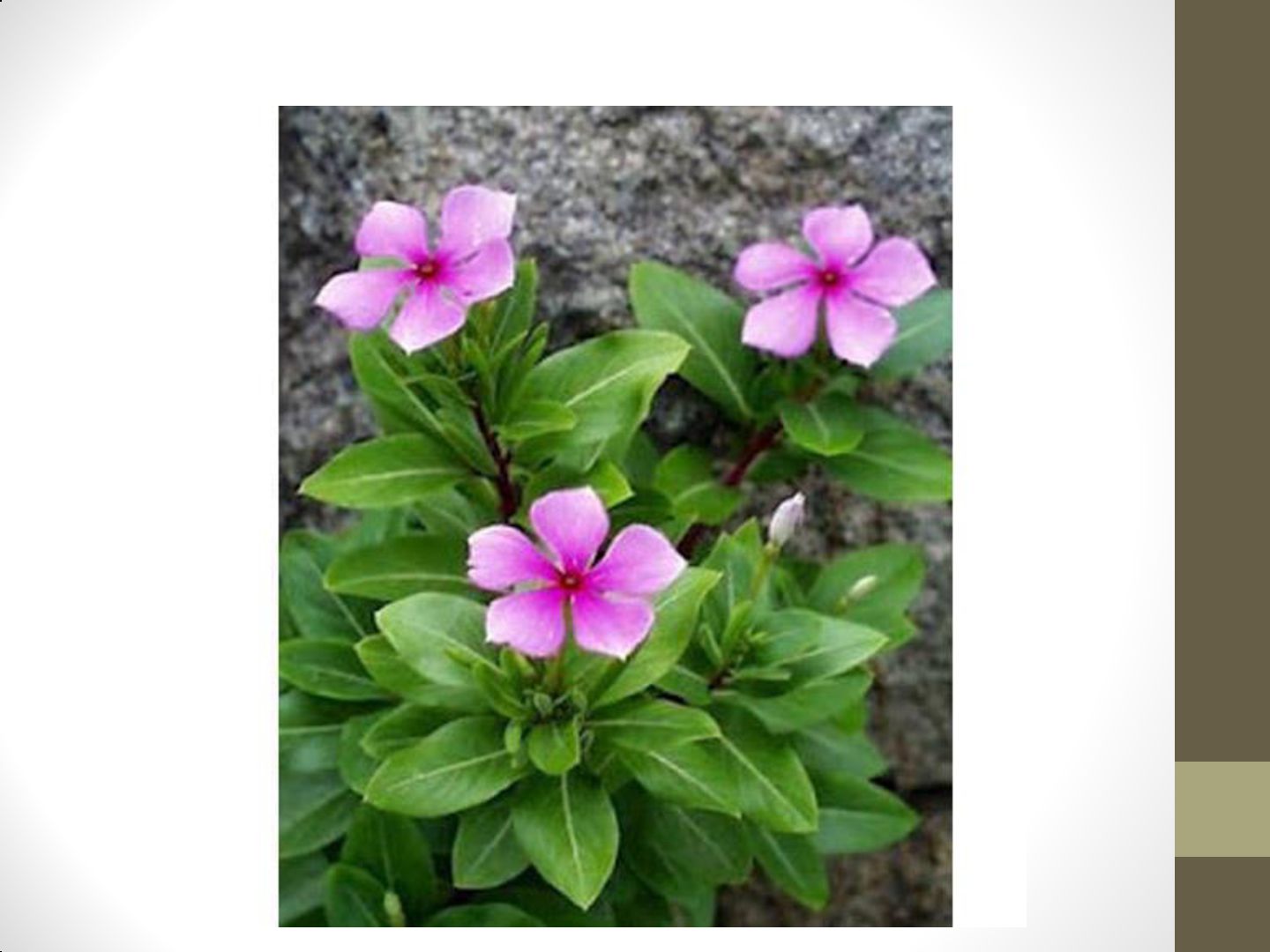
  14. Vinca • Catharanthus (Periwinkle) • Synonyms: Catharanthus, Periwinkle, Vinca rosea

    • Biological Source: It consists of the dried whole plant of Catharanthus roseus (L.) G. Don, belonging to the family Apocynaceae. It was formerly known as Vinca rosea. • Geographical Source: Catharanthus roseus is probably indigenous to Madagascar. It is widely cultivated in India, South Africa, USA, Europe, Australia, and the Caribbean Islands, both as an ornamental plant and for its medicinal importance.
  15. • Chemical Constituents – Catharanthus roseus • Catharanthus roseus contains

    a large number of indole alkaloids. • About 20 dimeric indole–dihydroindole alkaloids exhibit antineoplastic (oncolytic) activity. • The most important alkaloids are: • Vincristine • Vinblastine • Vinblastine is composed of two alkaloidal moieties: • Catharanthine – indole alkaloid moiety • Vindoline – dihydroindole alkaloid moiety • Other important alkaloids: Ajmalicine, Ajmaline, Lochnerine, Serpentine, and Tetrahydroalstonine. • Vincristine occurs in extremely low concentration (~0.0002%), making its extraction very difficult and expensive. • Approximately 500 kg of crude plant material/extract may be required to obtain about 1 g of vincristine. • Due to their very low natural abundance and high cost, considerable efforts have been made toward their chemical synthesis and semi-synthetic production.
  16. Uses• Uses of Catharanthus roseus (Vinca) • Catharanthus roseus is

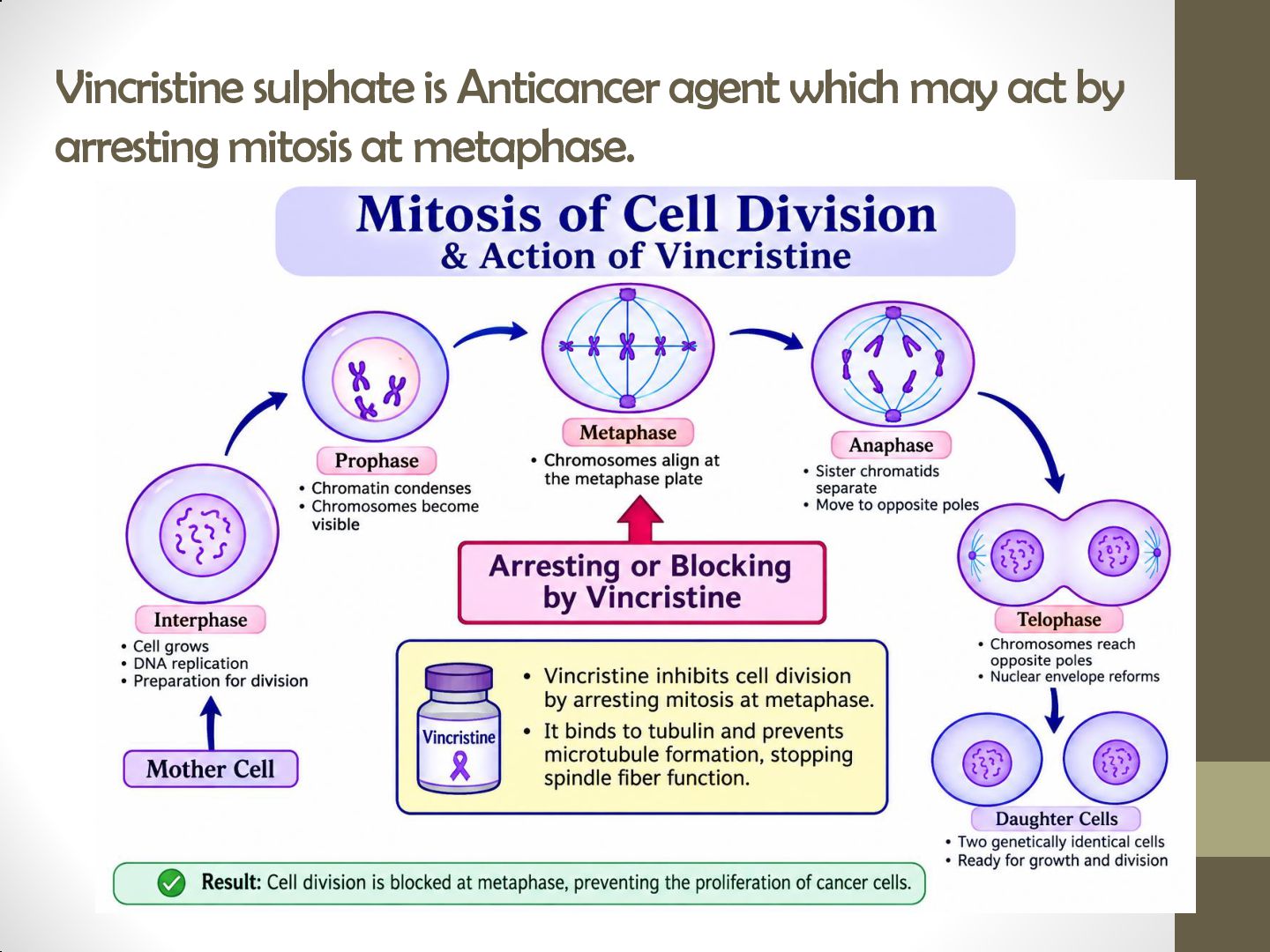
    an important source of vincristine, vinblastine, and ajmalicine. • Vincristine sulfate is a potent antineoplastic agent that inhibits cell division by arresting mitosis at metaphase. • It is administered intravenously and is used in the treatment of acute leukemia, particularly in children, as well as Hodgkin’s disease, lymphomas, and other malignancies. • Vinblastine sulfate is an antineoplastic agent that inhibits mitosis, primarily by disrupting microtubule formation. • It is mainly used in the treatment of Hodgkin’s disease and other lymphomas, and certain other cancers such as choriocarcinoma. • Ajmalicine has been investigated for its antihypertensive activity. • Catharanthus roseus also possesses antidiabetic potential, although these effects are mainly associated with experimental/traditional studies.
  17. Dose• Vincristine sulphate 10 to 30 microgram per kg of

    body weight intravenously what maximum up to 2 mg, • Vinblastine sulphate 100 microgram per kg body weight intravenously.
  18. Rauwolfia • Synonym- Rauwolfia root, Serpentina root, Chhotachand, Sarpgandha. •

    Biological Source- It consist of dried roots of plant known as Rauwolfia serpentina, belonging to family Apocynaceae. Serpentina contains not less than 0.15% of reserpine and ajmalicine. • Geographical Source- Several species of Rauwolfia are found distributed in the tropical region of Asia, America and Africa. • Commercially it is produced in India, Sri Lanka, Myanmar, Thailand and America. • In India it is cultivated in Uttar Pradesh, Bihar, Orissa, Tamil Nadu, West Bengal, Karnataka, Maharashtra and Gujarat.
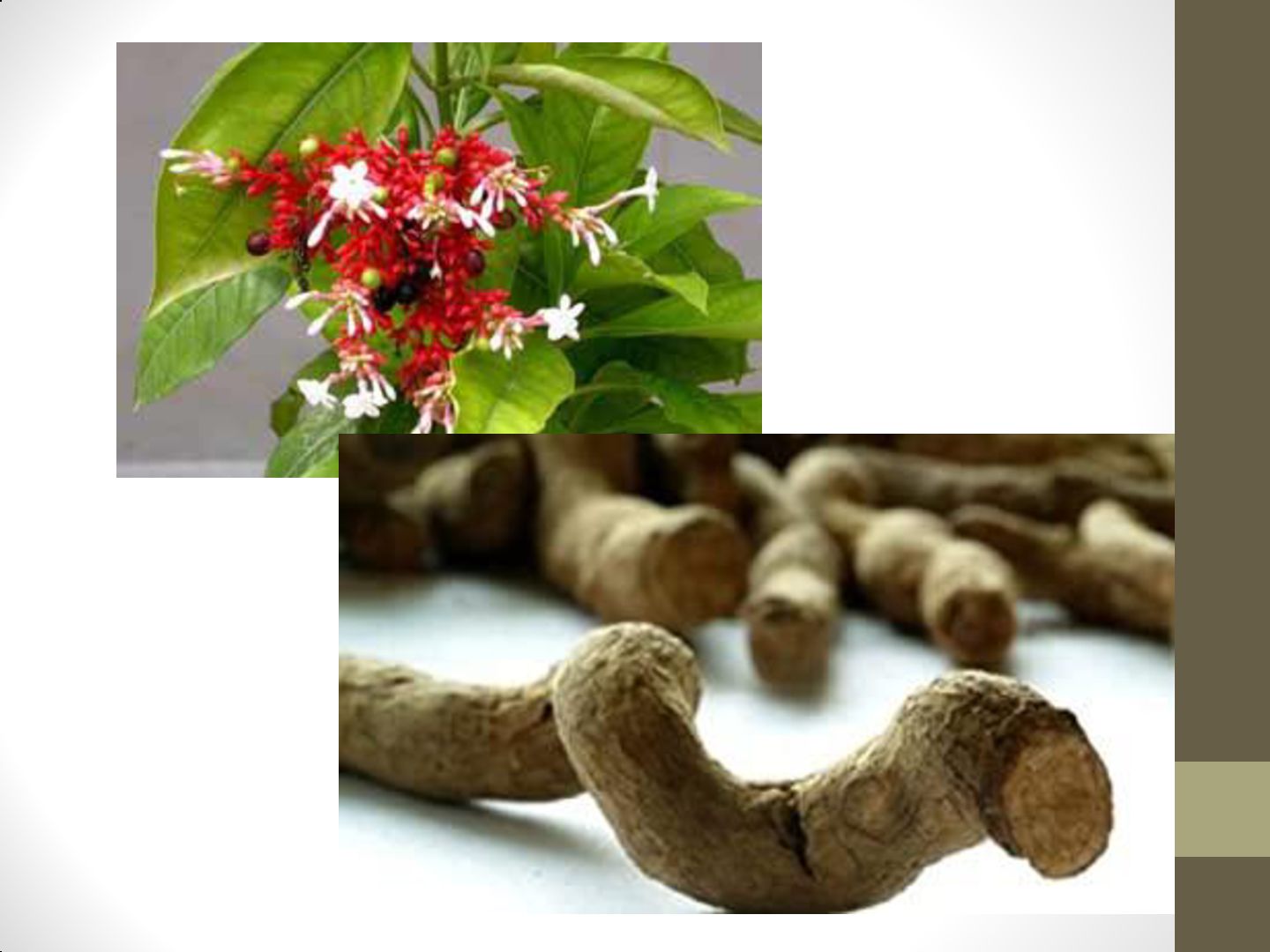
  19. • Morphology- • Color- root bark is grayish yellow to

    Brown and wood pale yellow • Odor – odorless • Taste- bitter • Size- 10 to 18 cm long and from 1 to 3 cm in diameter • Shape- roots are sub cylindrical slightly tapering and irregular fracture
  20. • Chemical ConstituentsAbout 30 indole alkaloids have been reported in

    drug and total alkaloidal content of rauwolfia root ranges from 0.7 to 3% depending upon the source of alkaloids are concentrated mostly in the bark of the roots. Alkaloids of Rauwolfia are classified into following types indole alkaloids, indoline alkaloids, indolenine alkaloids, oxyindole alkaloids and psuedo indoxyl alkaloids. The important alkaloid of rauwolfia is Reserpine apart from alkaloids it also contains oleo resin , phytosterol, fatty acids, alcohol and sugars. Other alkaloids are Ajmaline, Ajmalicine, Rauwolfinne, Rescinnamine, Reserpine, Yohimbine, Serpentine and Serpentinine.
  21. • Uses• Rauwolfia is Antihypertensive activity, the various alkaloids of

    Rauwolfia Reserpine, Rescinnamine and Ajmalicine are clinically important it lowers the blood pressure by the depleting stores of catecholamine at the nerve endings. • Rescinnamine is also used as a antihypertensive but it causes mental depression in higher doses. • Dose – Rauwolfia- 100- 150 mg orally twice daily Reserpine- Initially dose 250 microgram once a day, maintenance dose 100 to 250 microgram once a day. Rescinnamine- 500 microgram orally twice a day.
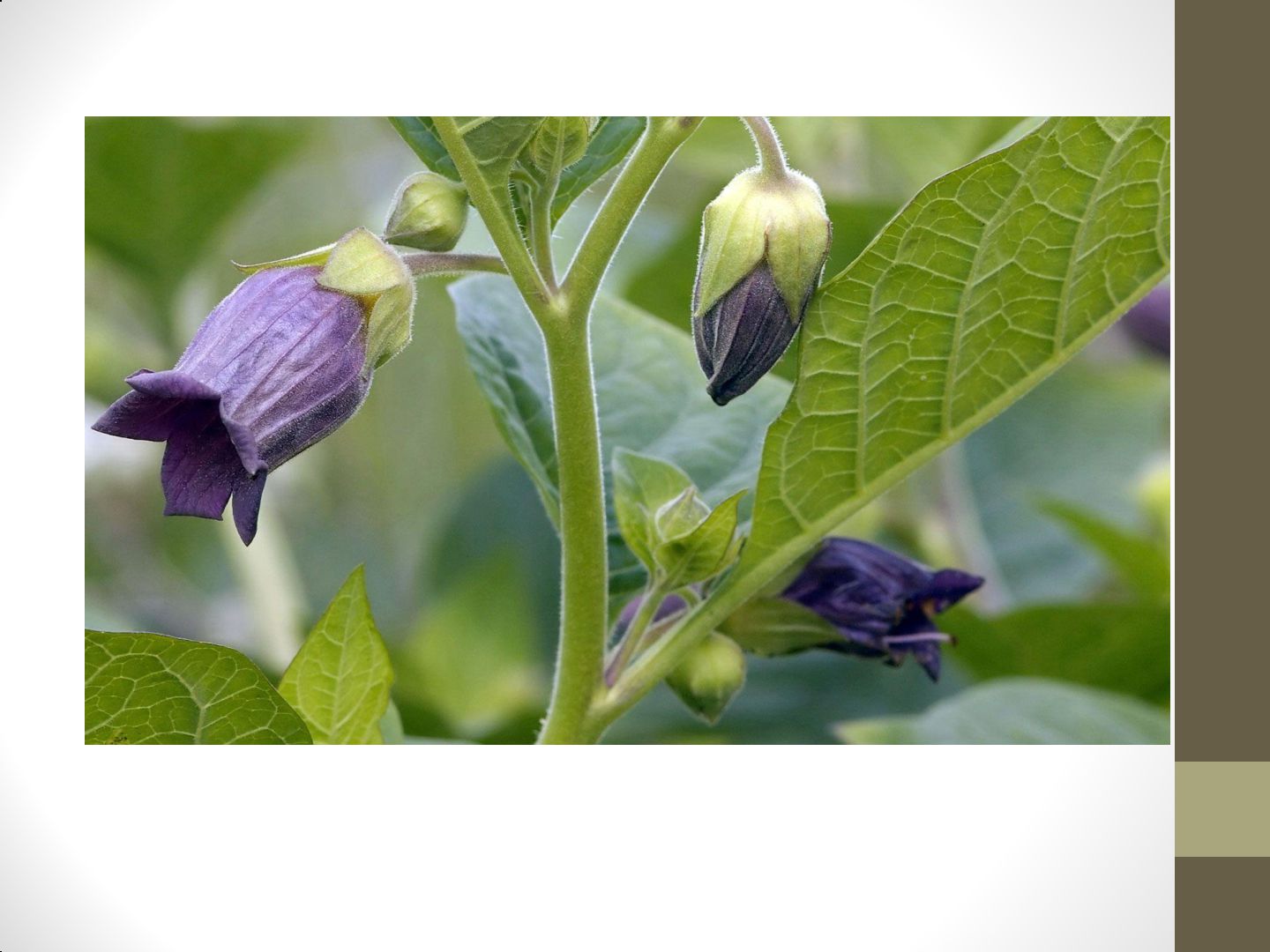
  22. Belladonna • SynonymBelladonna leaf, Belladonna folium, Deadly nightshade leaf, European

    belladonna. • Biological sourceBelladonna herb consists of dried leaves and other aerial part of Atropa belladonna belonging to family Solanaceae, it contains not less than 0.3 % of the alkaloids of belladonna herb as Hyoscimine.
  23. • Geographical sourceit is indigenous and cultivated in England and

    other European countries in India it is found in western Himalayas from Shimla to Kashmir and Himachal Pradesh. • MorphologyoColour- green to brownish Green, flower purple to yellowish Brown, fruits green to Brown. oOdour- slight and characteristic, oTaste- bitter and acreed oSize- leaves are 5- 25 cm long and 2.5 to 12 cm wide oShape- ovate and broadly ovate with acuminate apex entire margin transversely broken.
  24. • Chemical constituentsThe total alkaloid contain of drug is 0.4

    to 1% the different parts of plant roots 0.6%, stem 0.05%, leaves 0.4% and unripe ripe berries 0.19 -0.21%. The main alkaloids Hyoscyamine and racemic of atropine, it also contains belladonnine, scopoletin, hyoscine, pyridine and n-methyl pyrroline. Homatropine is synthetic compound and is preferred in medical profession as the synthetic process of atropine and Hyoscyamine is very costly.
  25. • Uses• It is used as parasympatholytic drugs with anticholinergic

    property, it is used to reduce the secretion such as sweat, saliva and gastric juice and also reduce spasm in cases of intestinal gripping due to the strong purgatives. • It is also used as antidote in opium and chloral hydrate poisoning. • Dose- 0.6 -1 ml in the form of belladonna tincture, 4 times a day.
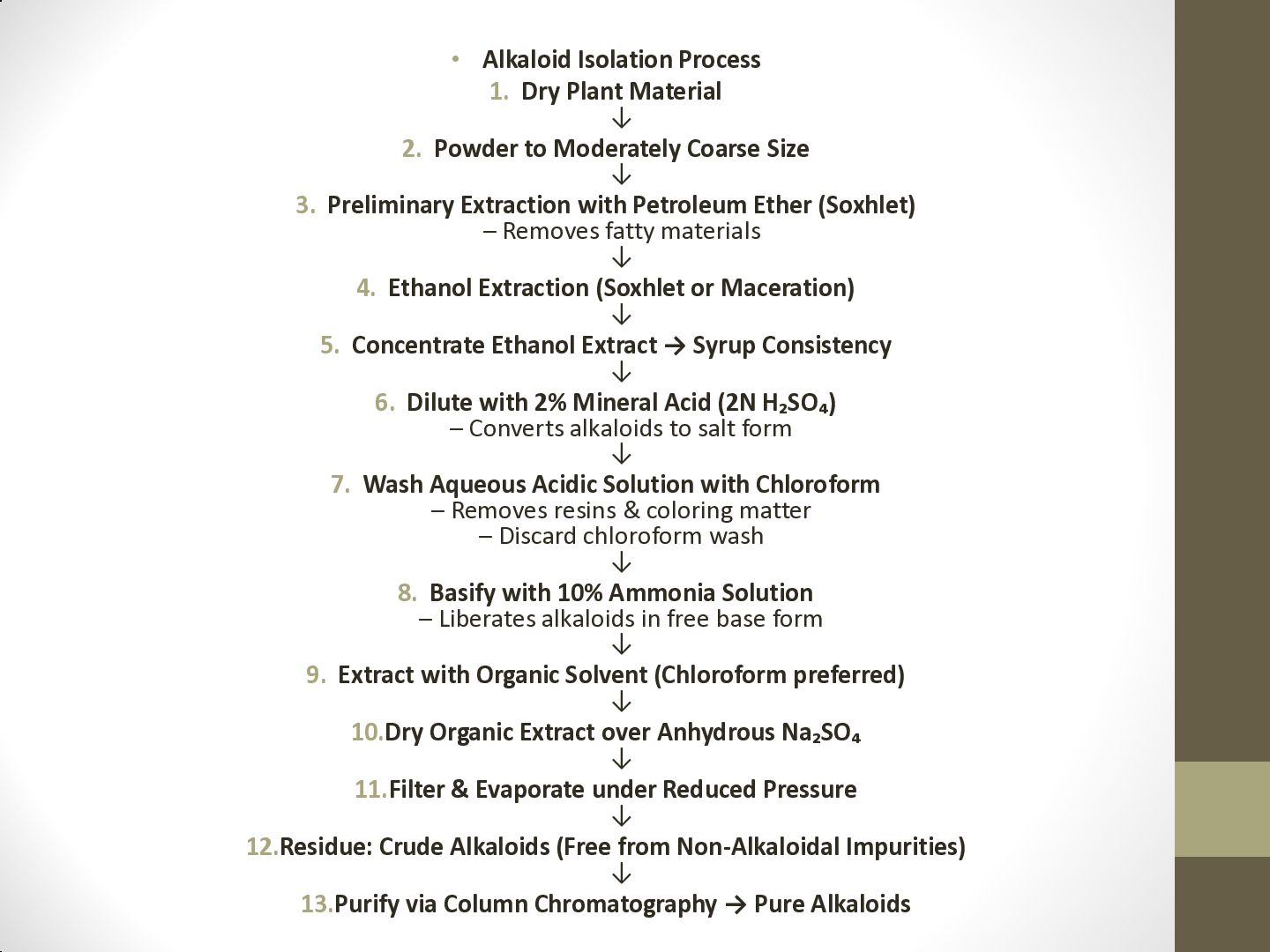
  26. • Alkaloid Isolation Process 1. Dry Plant Material ↓ 2.

    Powder to Moderately Coarse Size ↓ 3. Preliminary Extraction with Petroleum Ether (Soxhlet) – Removes fatty materials ↓ 4. Ethanol Extraction (Soxhlet or Maceration) ↓ 5. Concentrate Ethanol Extract → Syrup Consistency ↓ 6. Dilute with 2% Mineral Acid (2N H₂SO₄) – Converts alkaloids to salt form ↓ 7. Wash Aqueous Acidic Solution with Chloroform – Removes resins & coloring matter – Discard chloroform wash ↓ 8. Basify with 10% Ammonia Solution – Liberates alkaloids in free base form ↓ 9. Extract with Organic Solvent (Chloroform preferred) ↓ 10.Dry Organic Extract over Anhydrous Na₂SO₄ ↓ 11.Filter & Evaporate under Reduced Pressure ↓ 12.Residue: Crude Alkaloids (Free from Non-Alkaloidal Impurities) ↓ 13.Purify via Column Chromatography → Pure Alkaloids
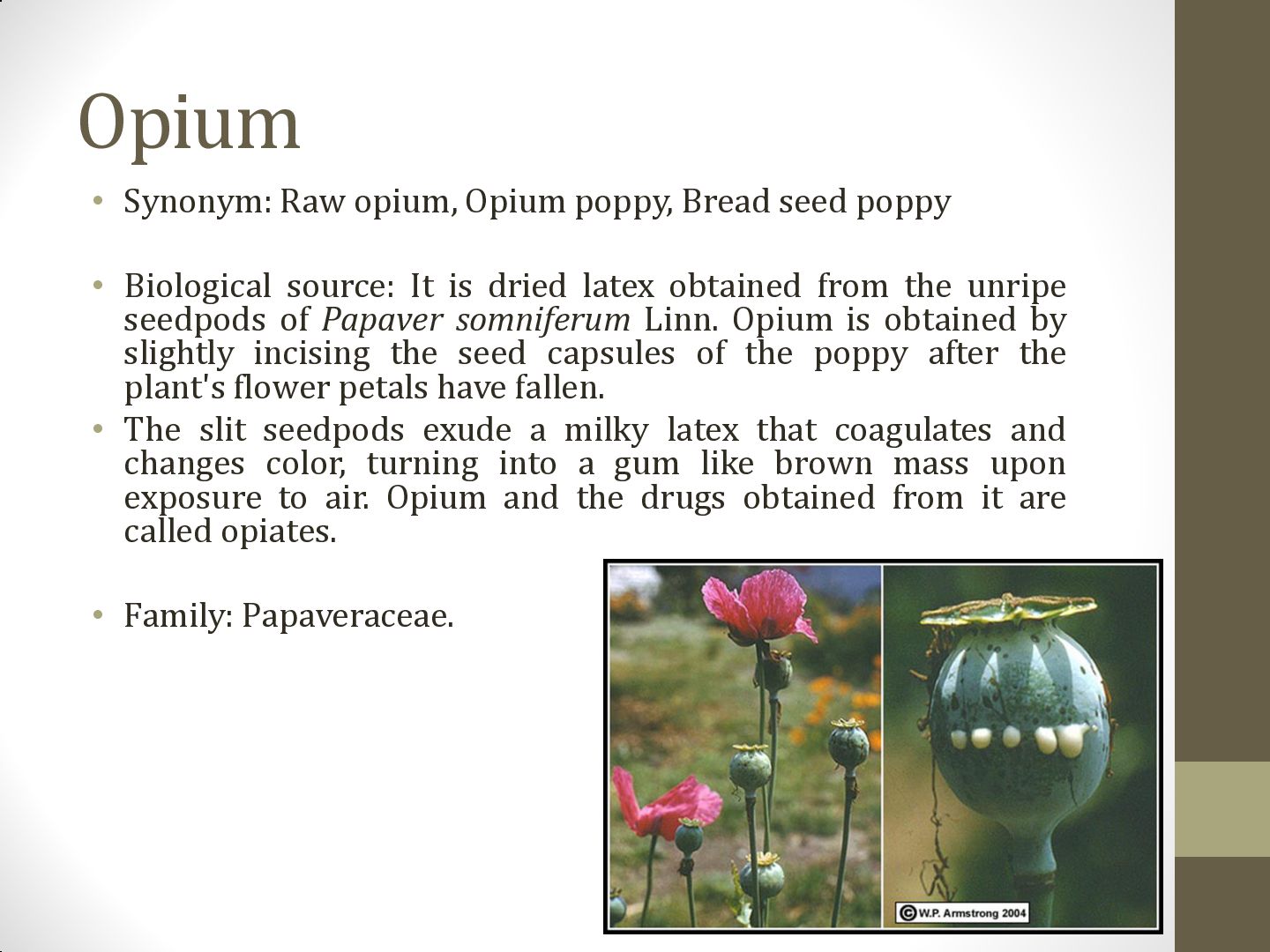
  27. Opium • Synonym: Raw opium, Opium poppy, Bread seed poppy

    • Biological source: It is dried latex obtained from the unripe seedpods of Papaver somniferum Linn. Opium is obtained by slightly incising the seed capsules of the poppy after the plant's flower petals have fallen. • The slit seedpods exude a milky latex that coagulates and changes color, turning into a gum like brown mass upon exposure to air. Opium and the drugs obtained from it are called opiates. • Family: Papaveraceae.
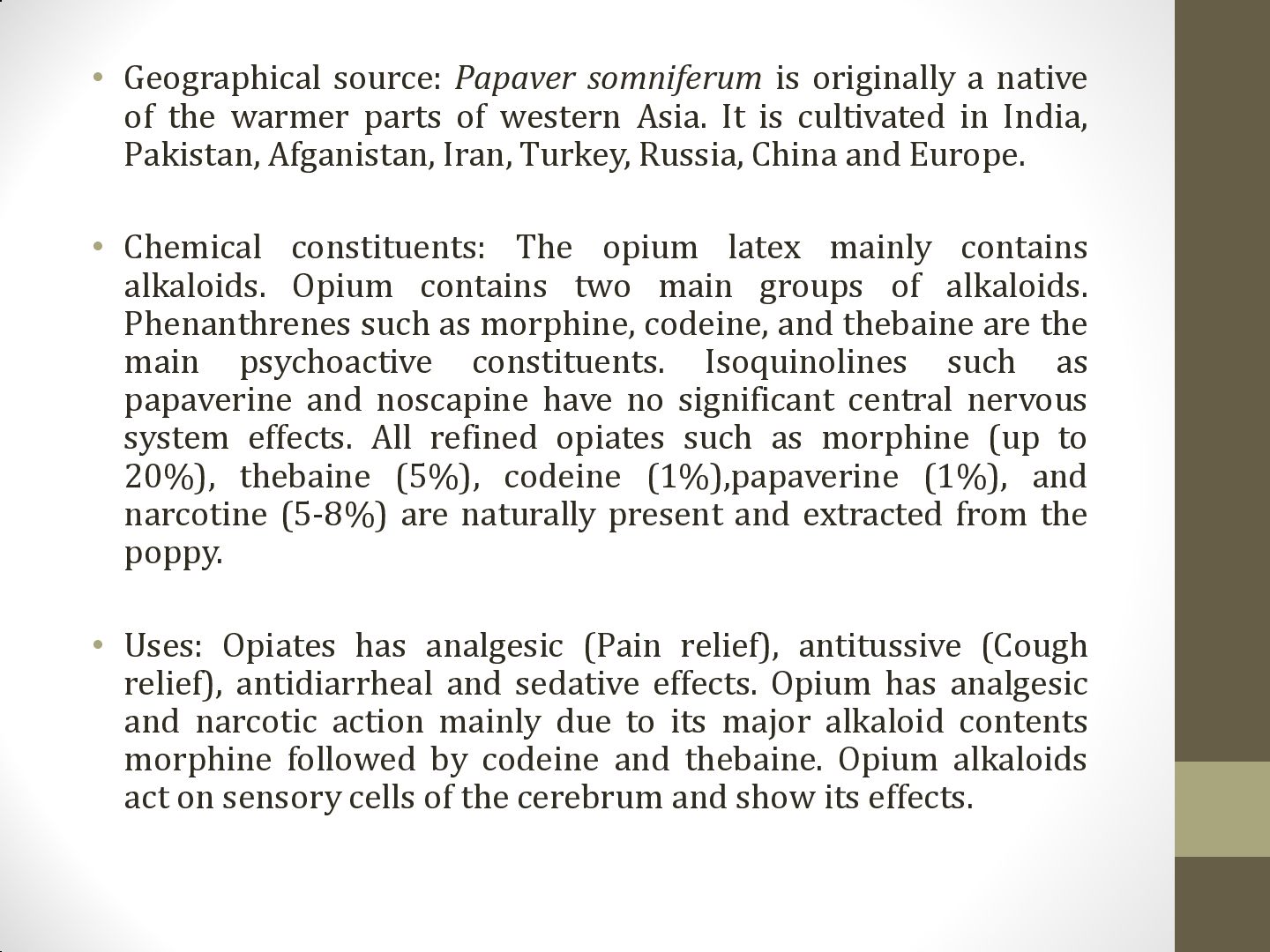
  28. • Geographical source: Papaver somniferum is originally a native of

    the warmer parts of western Asia. It is cultivated in India, Pakistan, Afganistan, Iran, Turkey, Russia, China and Europe. • Chemical constituents: The opium latex mainly contains alkaloids. Opium contains two main groups of alkaloids. Phenanthrenes such as morphine, codeine, and thebaine are the main psychoactive constituents. Isoquinolines such as papaverine and noscapine have no significant central nervous system effects. All refined opiates such as morphine (up to 20%), thebaine (5%), codeine (1%),papaverine (1%), and narcotine (5-8%) are naturally present and extracted from the poppy. • Uses: Opiates has analgesic (Pain relief), antitussive (Cough relief), antidiarrheal and sedative effects. Opium has analgesic and narcotic action mainly due to its major alkaloid contents morphine followed by codeine and thebaine. Opium alkaloids act on sensory cells of the cerebrum and show its effects.
  29. 2. Phenylpropanoids • These are the group of organic compounds

    with six- carbon, aromatic phenyl group. • They are synthesized by plants from amino acids – phenylalanine and tyrosine by shikimic acid pathways. • They are ingredients of essential oils such as cinnamon bark, clove, coriander and used for fragrances and aromatherapy. Classified in to1. Simple PhenylpropanoidsCinnamaldehyde, Cinnamic acids, Cinnamyl alcohols. 2. Complex PhenylpropanoidsPhenylpropanoid glycosides, Lignoids, lignans. 3. Biogenetically related Phenylpropanoids- Flavonoids, coumarins.
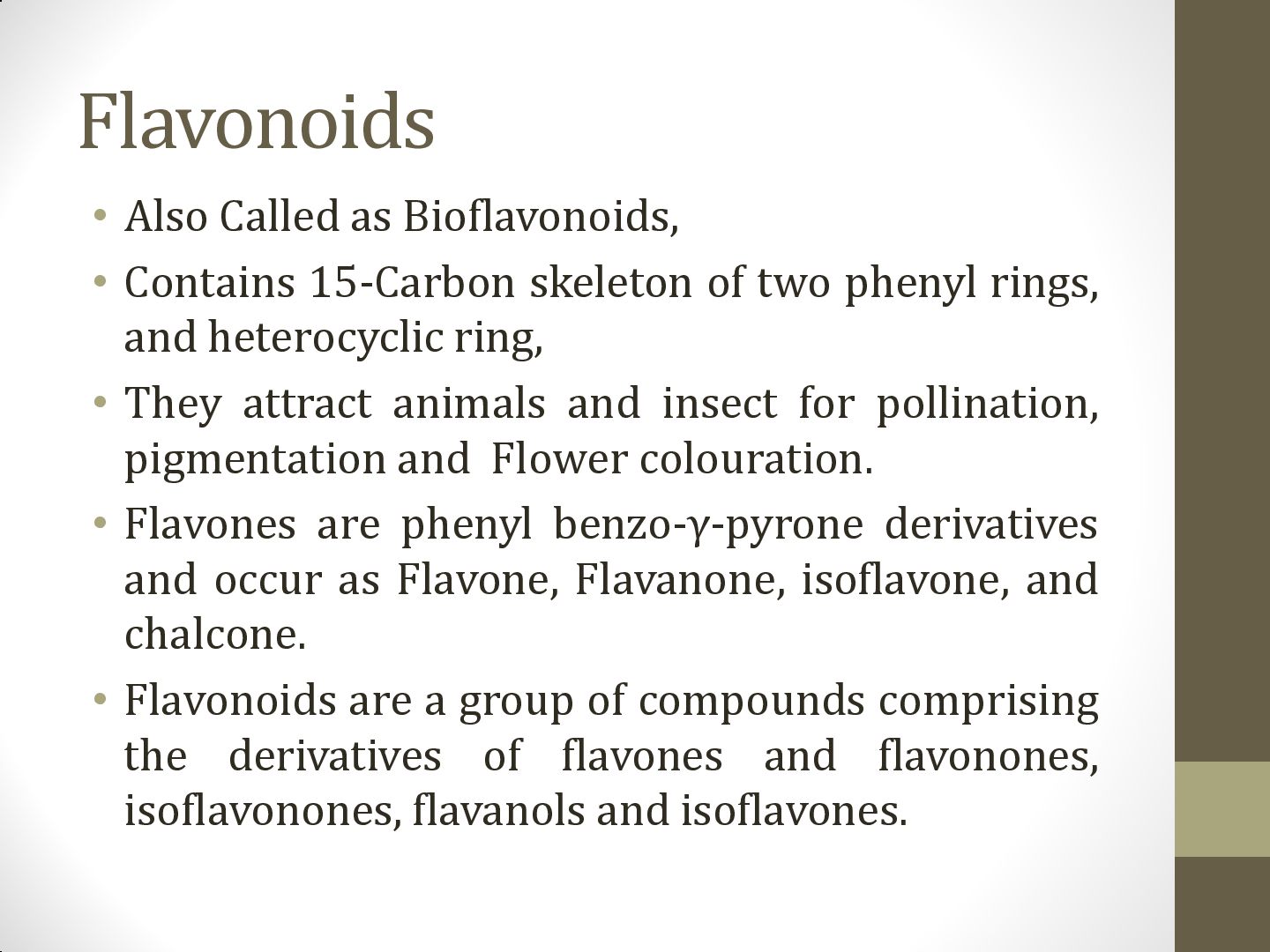
  30. Flavonoids • Also Called as Bioflavonoids, • Contains 15-Carbon skeleton

    of two phenyl rings, and heterocyclic ring, • They attract animals and insect for pollination, pigmentation and Flower colouration. • Flavones are phenyl benzo-γ-pyrone derivatives and occur as Flavone, Flavanone, isoflavone, and chalcone. • Flavonoids are a group of compounds comprising the derivatives of flavones and flavonones, isoflavonones, flavanols and isoflavones.
  31. Lignans • Lignans are a type of plant Non-flavonoid compound

    known as polyphenols. • Lignans are phytonutrients that have both soluble and insoluble fiber. • Lignans are antioxidants that may also support to immune system. • Lignans are excellent for balancing hormone levels in the body. • Lignan precursors are most abundants in flaxseeds, they are also found in other seeds (like Sesame seeds), berries, fruits, vegetables, and whole grains.
  32. • In women they helps balance estrogen levels. Lignans have

    ability to block the effects of estrogen could potentially help to reduce the risk of hormone associated cancers (Breast, uterine, ovarian and prostate). • Postmenopausal women who have high intake of dietary lignans have 15% lower risk of breast cancer compared to those with a low intake. • Eating a diet which rich in plant Lignans may lower risk of heart disease. • In men they helps to balance the testosterone- DHT relationship and inhibit certain enzymes needed to convert testosterone to Dihydrotestosterone. This results lower DHT levels which may improve prostate health and may help maintain testosterone levels.
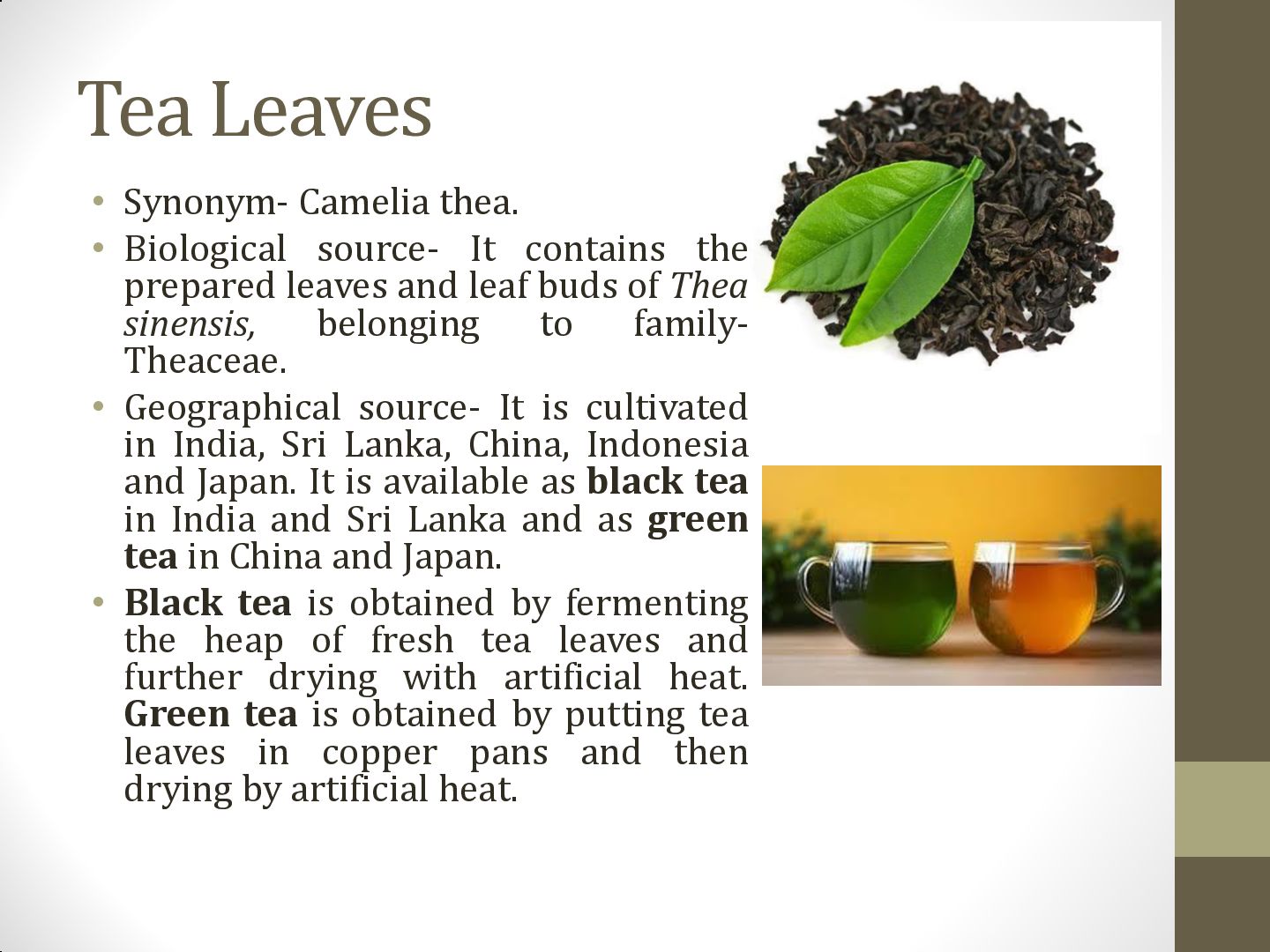
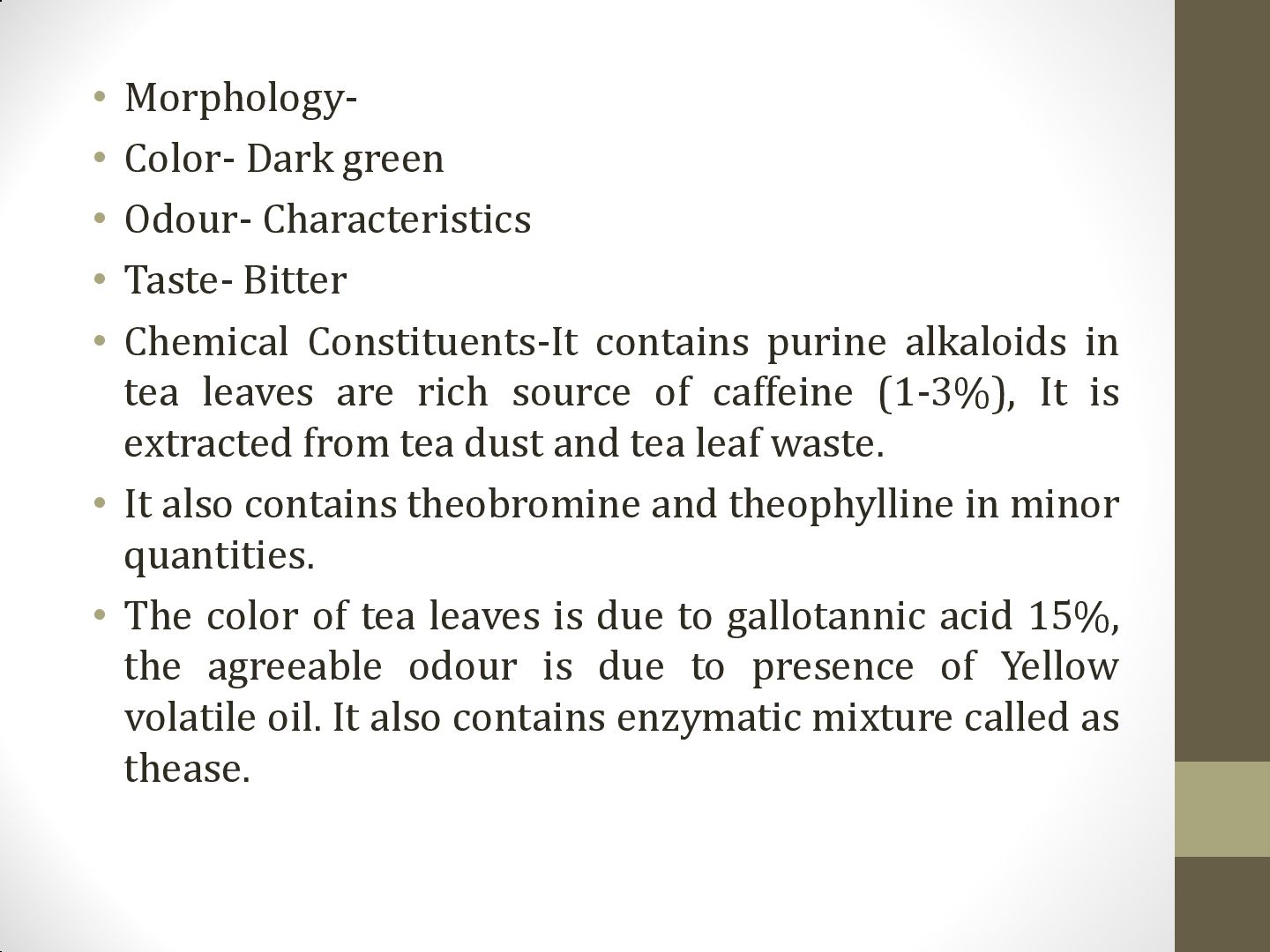
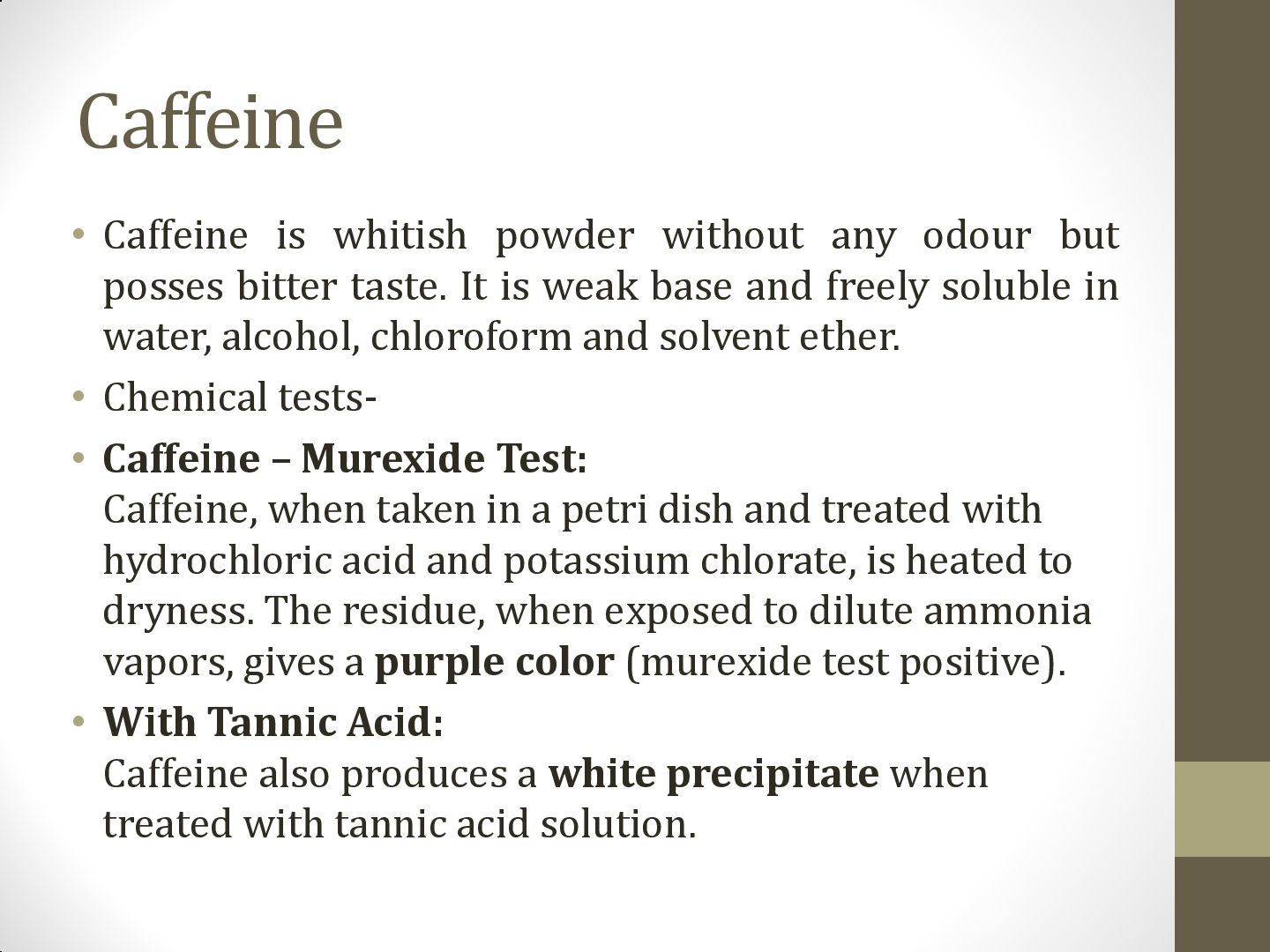
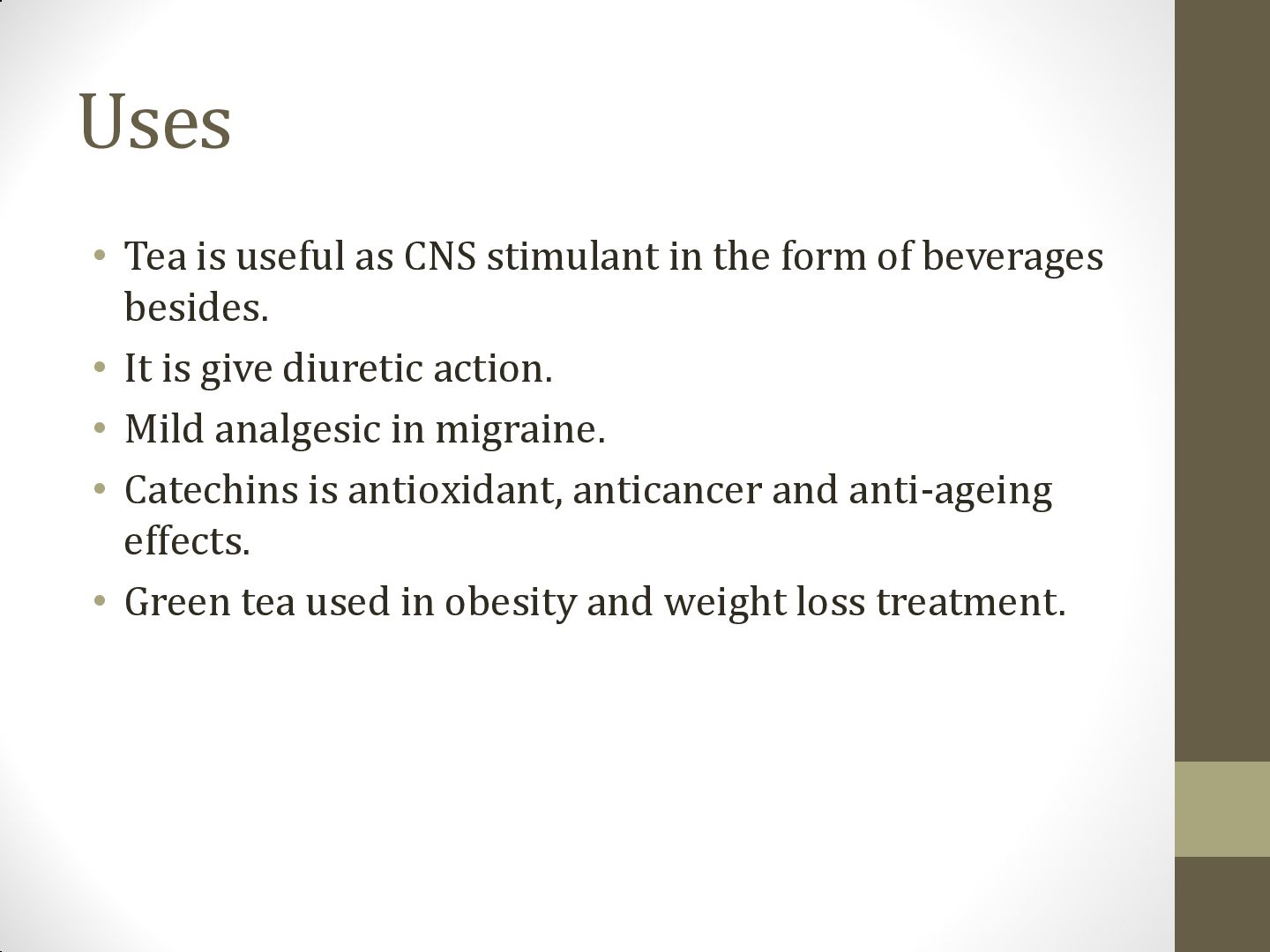
  33. Tea Leaves • Synonym- Camelia thea. • Biological source- It

    contains the prepared leaves and leaf buds of Thea sinensis, belonging to familyTheaceae. • Geographical source- It is cultivated in India, Sri Lanka, China, Indonesia and Japan. It is available as black tea in India and Sri Lanka and as green tea in China and Japan. • Black tea is obtained by fermenting the heap of fresh tea leaves and further drying with artificial heat. Green tea is obtained by putting tea leaves in copper pans and then drying by artificial heat.
  34. • Morphology• Color- Dark green • Odour- Characteristics • Taste-

    Bitter • Chemical Constituents-It contains purine alkaloids in tea leaves are rich source of caffeine (1-3%), It is extracted from tea dust and tea leaf waste. • It also contains theobromine and theophylline in minor quantities. • The color of tea leaves is due to gallotannic acid 15%, the agreeable odour is due to presence of Yellow volatile oil. It also contains enzymatic mixture called as thease.
  35. Caffeine • Caffeine is whitish powder without any odour but

    posses bitter taste. It is weak base and freely soluble in water, alcohol, chloroform and solvent ether. • Chemical tests• Caffeine – Murexide Test: Caffeine, when taken in a petri dish and treated with hydrochloric acid and potassium chlorate, is heated to dryness. The residue, when exposed to dilute ammonia vapors, gives a purple color (murexide test positive). • With Tannic Acid: Caffeine also produces a white precipitate when treated with tannic acid solution.
  36. Uses • Tea is useful as CNS stimulant in the

    form of beverages besides. • It is give diuretic action. • Mild analgesic in migraine. • Catechins is antioxidant, anticancer and anti-ageing effects. • Green tea used in obesity and weight loss treatment.
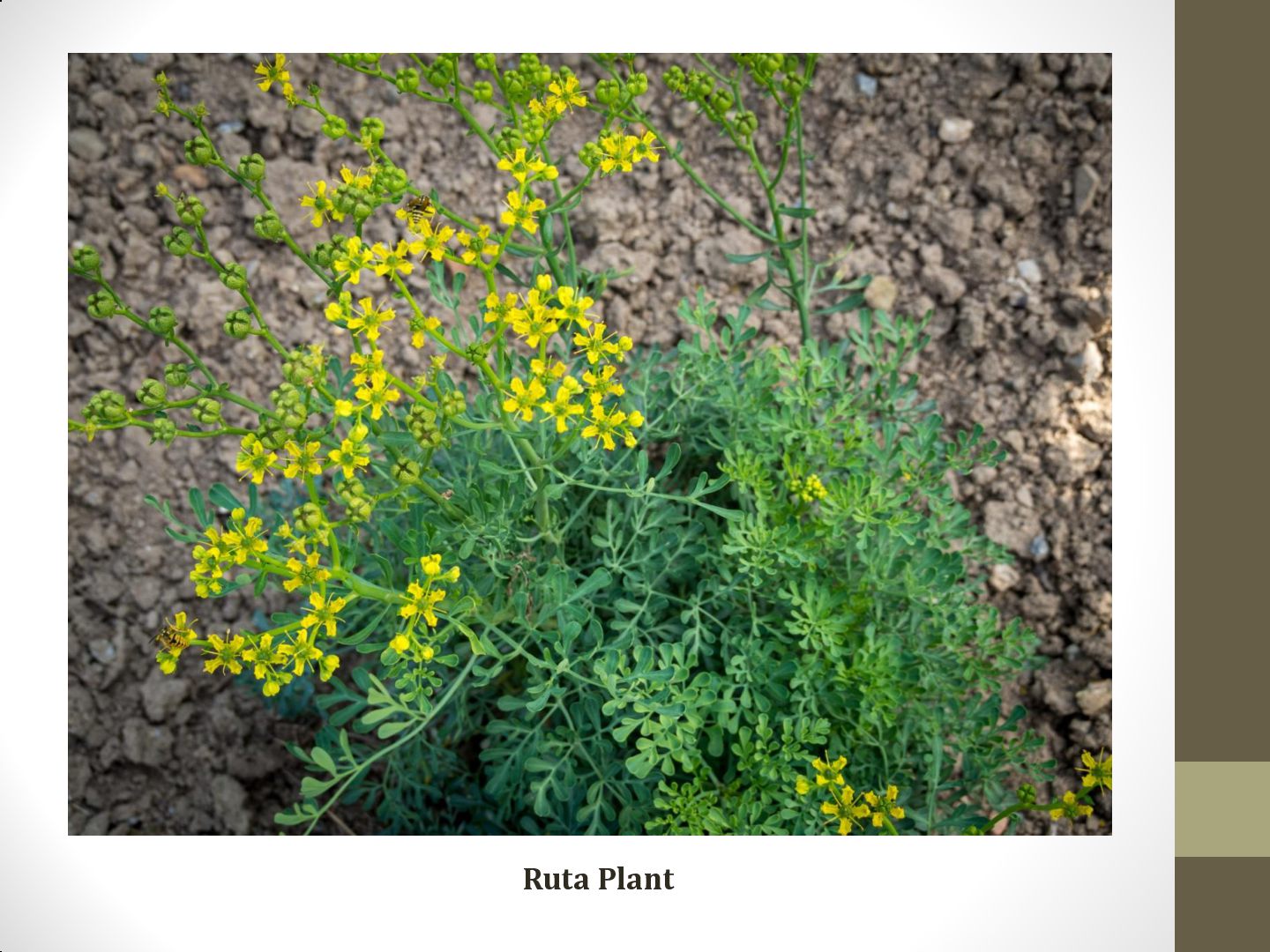
  37. Ruta • Synonym- Garden rue, Herby grass, Ruta graveolens. •

    Biological Source- It consist of dried herb of Ruta graveolens, belonging to family Rutaceae. • Geographical source- The plant is indigenous to South Europe, and cultivated in Britain and Indian gardens. • MorphologyColour- Leaves are blue –green Odour- Characteristic and strongly aromatic. Taste- Pungent
  38. • Chemical constituents• Ruta contains various types of chemicals like

    Glycosides, Alkaloids, Volatile oils, Fixed oils. • Mainly it contains Rutin 2.0%, psoralin, bergaptin, graveolin, rutarin. • Rutin is flavonoidal Glycoside pale yellow crystalline compound. • The alkaloids are rutalinium, dictamine, rutamine, rubalinium. • Fixed oils are linoleic, stearic and palmitic acid. • Volatile oils are Limonene, cineole, ethyl valerate, methyl salicylate, caryophylline and myrecine.
  39. Uses • Rutin is used as capillary protectant therapeutically. •

    Used in painful conditions of headache, arthritis, cramps, muscle spasms. • Rutin have Antitussive and Spasmolytic properties, • It is used as emmenagogue in form of infusion. • Also used as sedative , uterine stimulant, and aphrodisiac. • This drug is official in British Herbal Pharmacopoeia 1983.
  40. 3. Steroids, Cardiac glycosides and Triterpenoids 1. Steroids/Steroidal Glycosides/SapogeninsChemically it

    contains sapogenins with cyclopentano- phenanthrene nucleus. It is linked with sugars. They are distributed in plant families Leguminosea, Solanaceae, Apocynaceae, Liliaceae, Discoreaceae, Amaryllidaceae. Uses- They are used to synthesis of steroids like vitamin D, Cardiac Glycosides, Corticoids, Sex harmones. Example- Diosgenin from Dioscorea, Hecogenin from Safed musali.
  41. 2. Sterol/ Cardiac GlycosideIn glycoside the aglycone part is steroidal

    molecule. They are either C23 or C24 containing steroids Because of five and six member lactone ring respectively. Glycoside with five member lactone ring is called as Cardenolides, and while with six member lactone ring is called as bufadienolides. The sugar part is attached through C-3 , β-linkage. Sugars like glucose, fructose, rhamnose, digitoxose etc present in cardiac glycosides. These cardiac glycosides have cardiac action and are used to treatment of Cardiac arrhythmia, Congestive heart failure. Examples- Purpurea Glycoside from Digitalis, Thevetin from Thevetia, Scillarin from Squill.
  42. 3. Triterpenoid GlycosideChemically this group contains sapogenin with pentacyclic triterpenoid

    nucleus. It is linked with sugars or uronic acids. They occurs in plant families Polygonaceae, Berberidaceae, Umbellifarae, Rubiaceae. Mostly they are used as Anti-inflammatory. Examples- Glycyrrhiza from Liquorice, Asiaticoside from Bramhi.
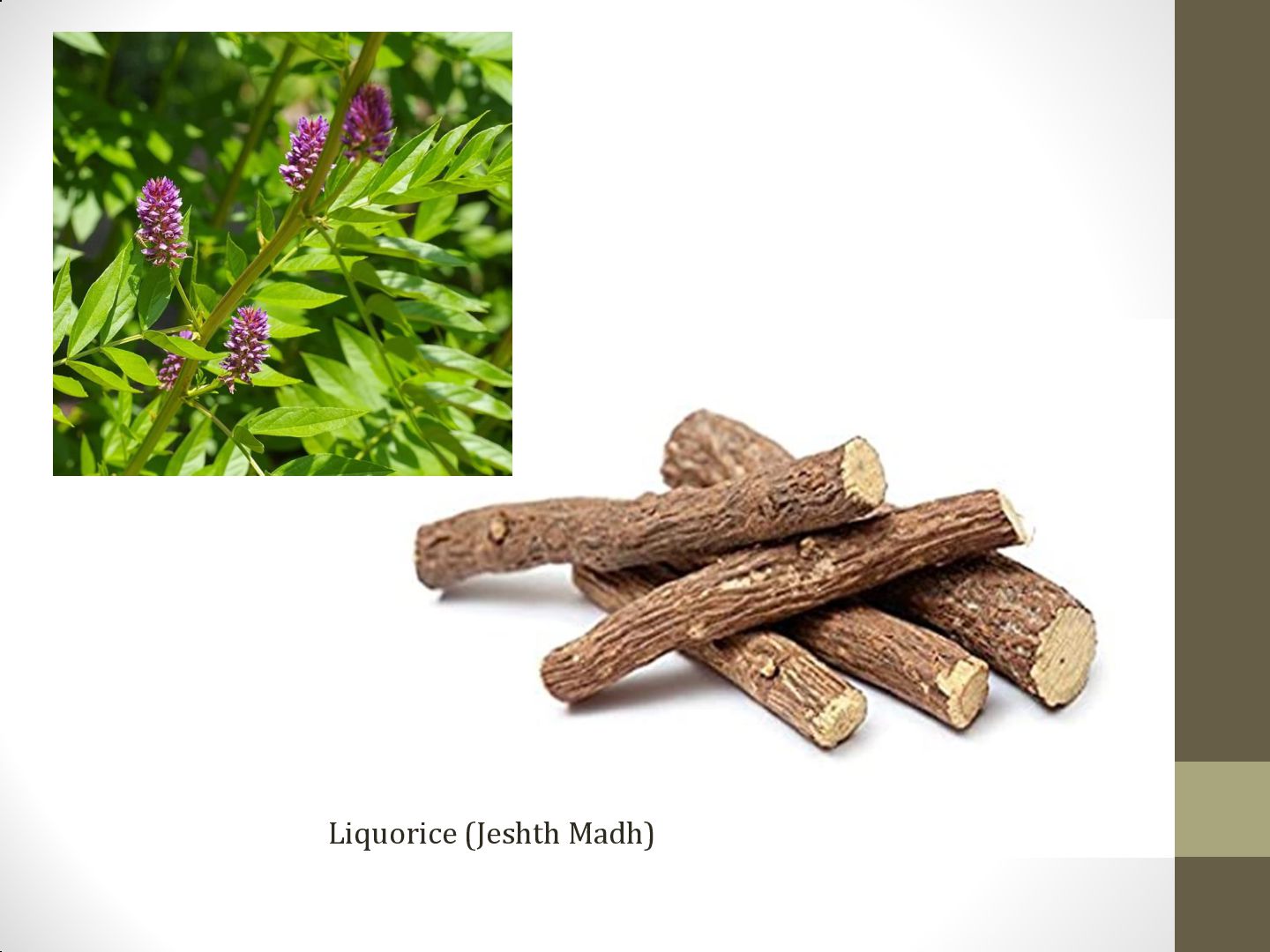
  43. Liquorice • SynonymGlycyrrhiza, Liquorice root, Glycyrrhizae radix, Mulethi, Jeshthmadh. •

    Biological Source- It Consist of dried, peeled or unpeeled, root, rhizome or stolen of Glycyrrhiza glabra, belonging to Leguminosae. Liquorice contains NLT 3.0% of glycyrrhinic acid. • Geographical source- It is commercially cultivated on a large scale in Spain, Sicily, England. Also grows in Russia and Iran.
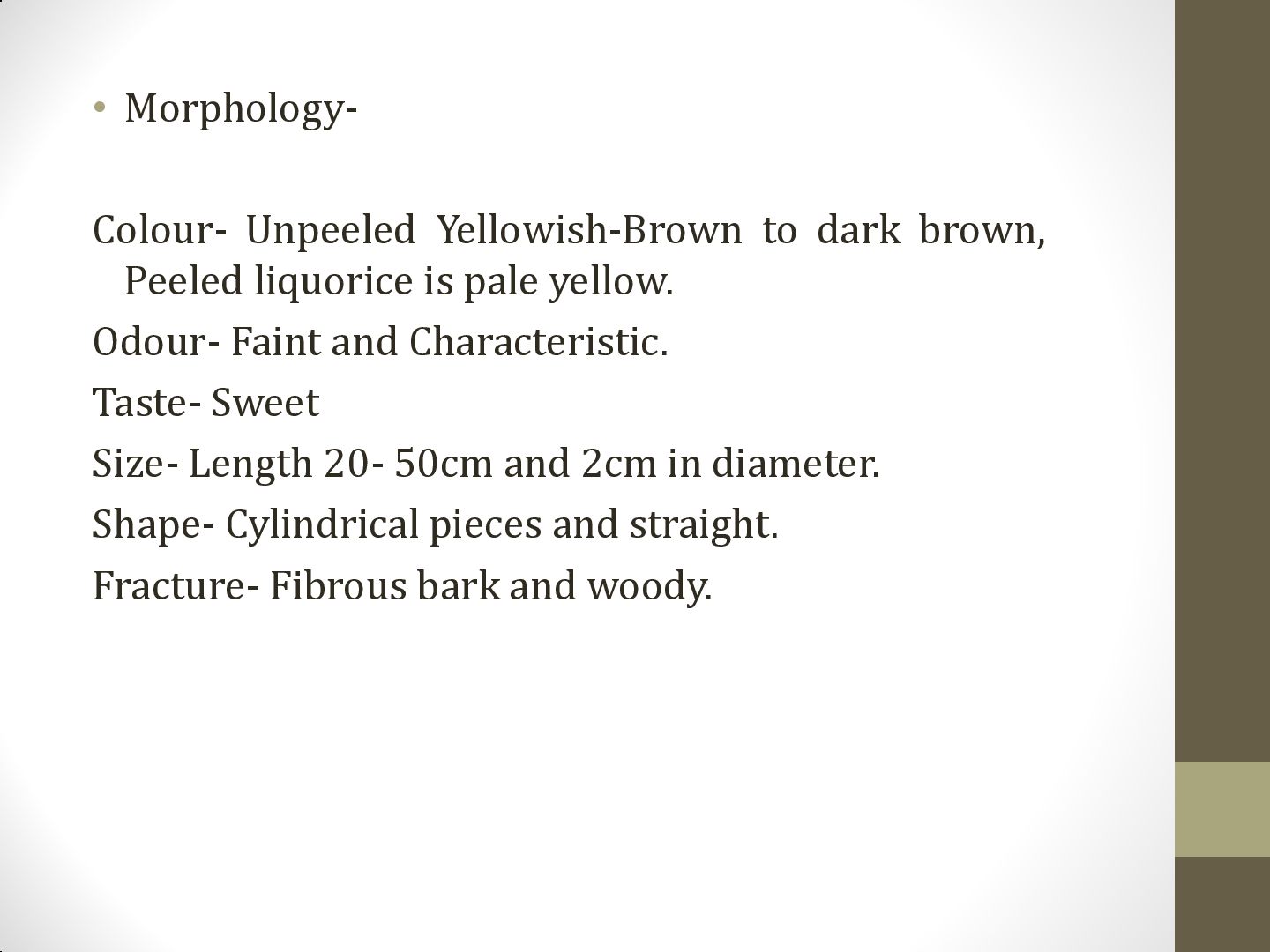
  44. • MorphologyColour- Unpeeled Yellowish-Brown to dark brown, Peeled liquorice is

    pale yellow. Odour- Faint and Characteristic. Taste- Sweet Size- Length 20- 50cm and 2cm in diameter. Shape- Cylindrical pieces and straight. Fracture- Fibrous bark and woody.
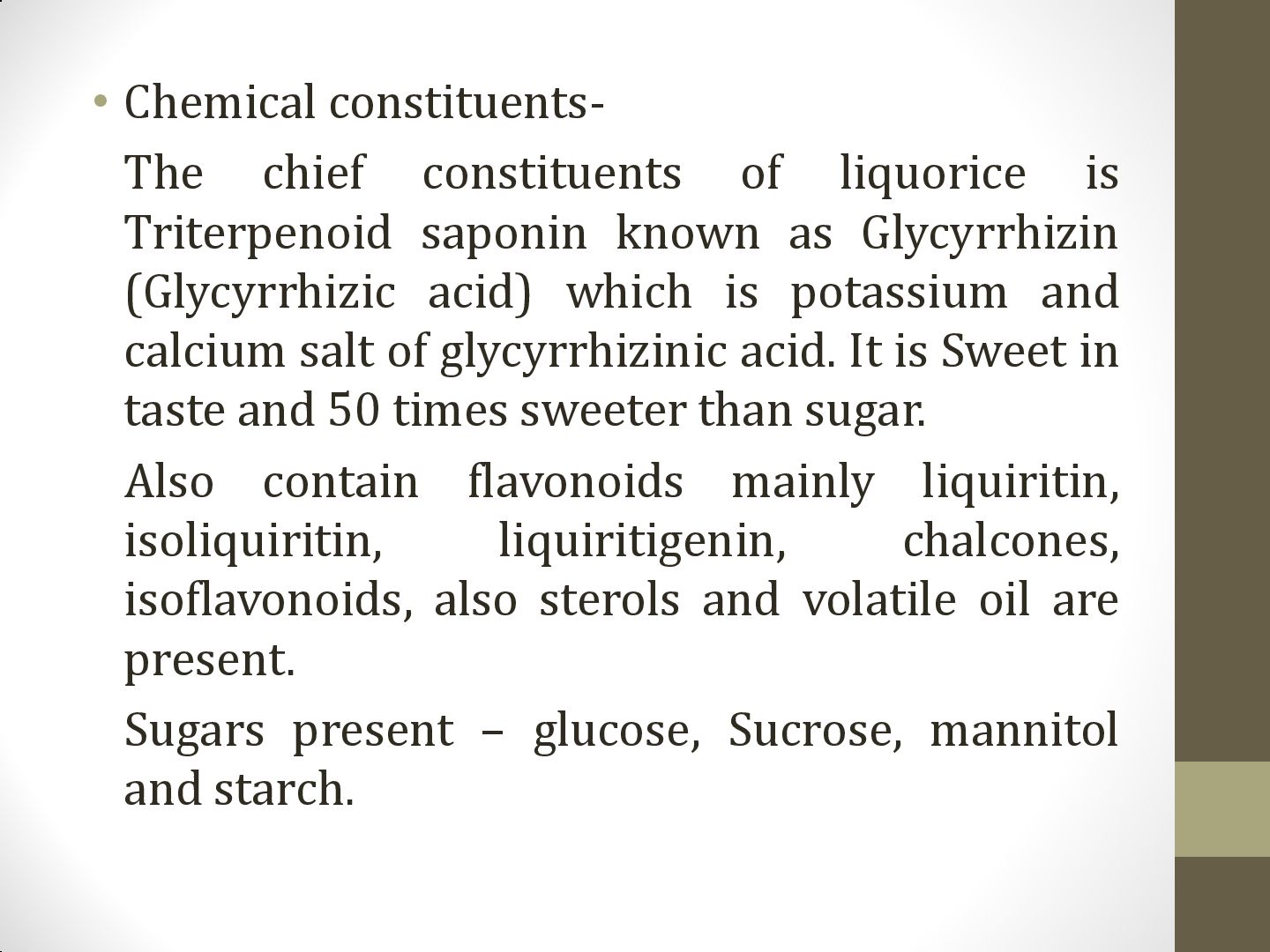
  45. • Chemical constituentsThe chief constituents of liquorice is Triterpenoid saponin

    known as Glycyrrhizin (Glycyrrhizic acid) which is potassium and calcium salt of glycyrrhizinic acid. It is Sweet in taste and 50 times sweeter than sugar. Also contain flavonoids mainly liquiritin, isoliquiritin, liquiritigenin, chalcones, isoflavonoids, also sterols and volatile oil are present. Sugars present – glucose, Sucrose, mannitol and starch.
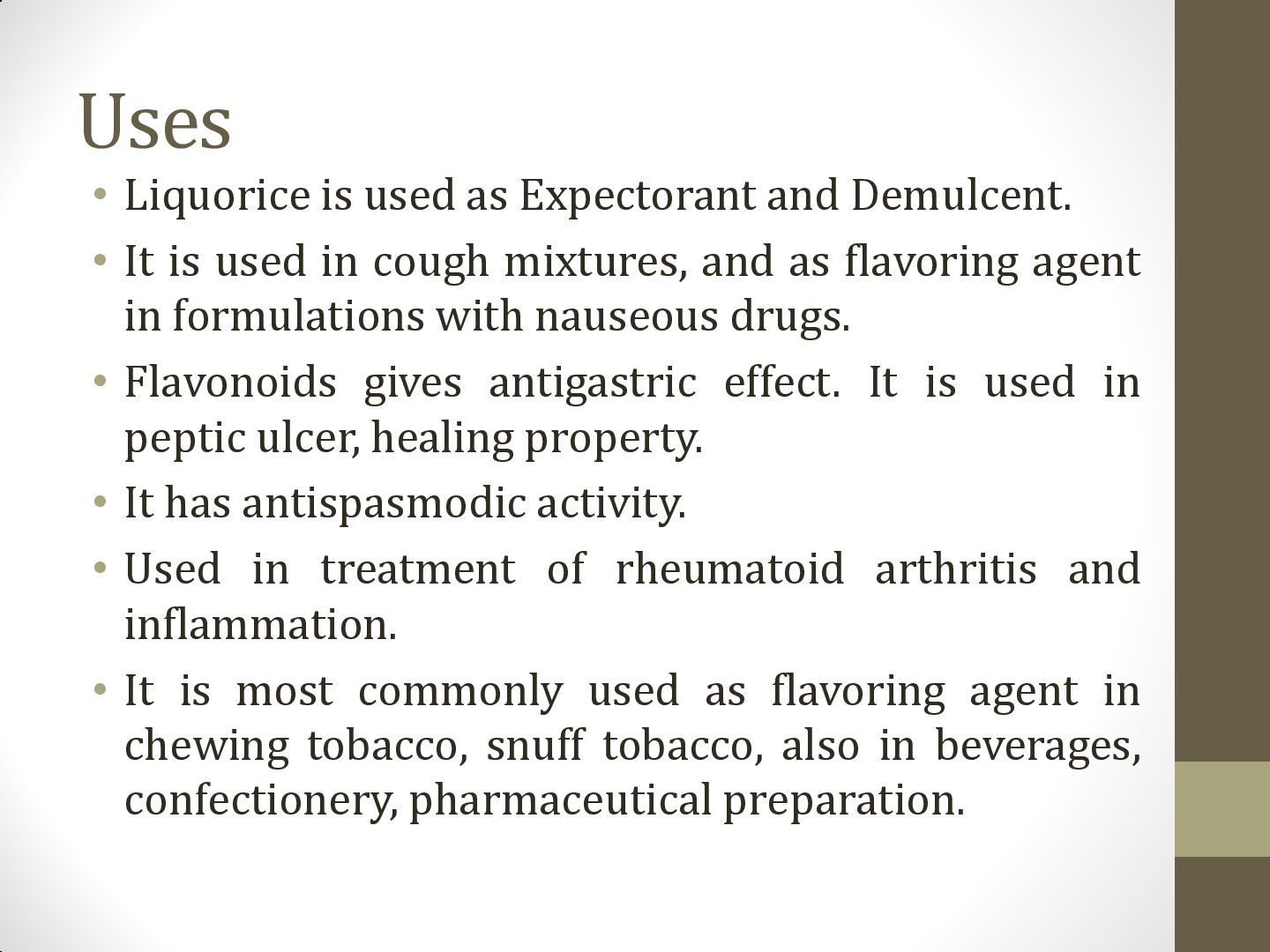
  46. Uses • Liquorice is used as Expectorant and Demulcent. •

    It is used in cough mixtures, and as flavoring agent in formulations with nauseous drugs. • Flavonoids gives antigastric effect. It is used in peptic ulcer, healing property. • It has antispasmodic activity. • Used in treatment of rheumatoid arthritis and inflammation. • It is most commonly used as flavoring agent in chewing tobacco, snuff tobacco, also in beverages, confectionery, pharmaceutical preparation.
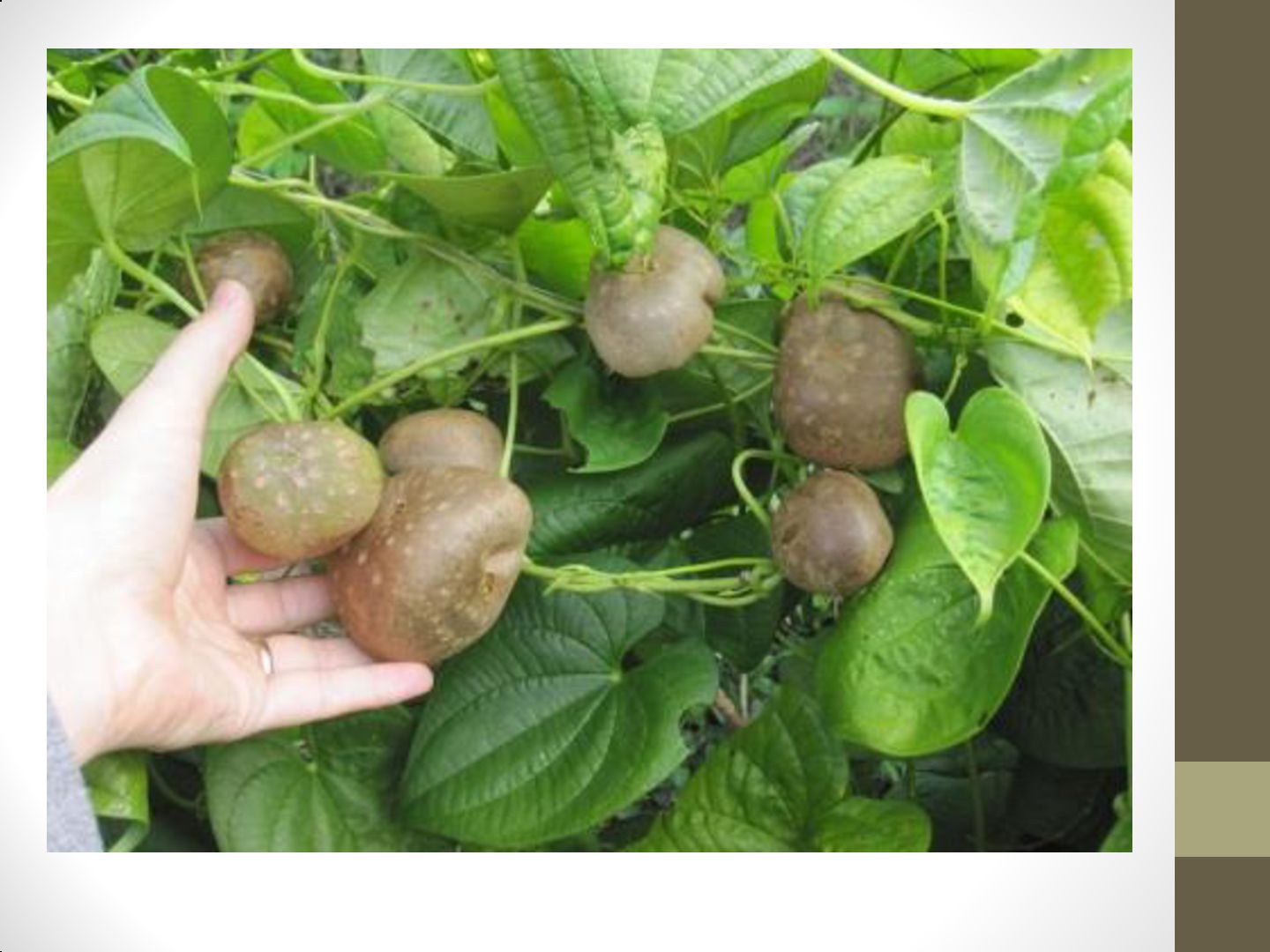
  47. Dioscorea • Synonym- Yam, Rheumatism root • Biological Source- Dioscorea

    consists of the dried tubers of Dioscorea deltoidea, Dioscorea compositae and Dioscorea floribunda which belonging to Dioscoreaceae. • Geographical source- it is found, grown in North western Himalayas from Kashmir and Punjab to Nepal and China. • It is cultivated in Jammu and Kashmir and in part of Himachal Pradesh. • It is also cultivated in USA and Mexico.
  48. • MorphologyColour- Slidhtly brown Odour- Odourless Taste- Bitter Size- Varies

    depending upon age of rhizome. • Chemical constituentsIt is chiefly contains steroidal sapogenin glycosides Dioscin and its aglycone part is Diosgenin, smilagenin, epismilagenin and β-isomer yammogenin. It contains 75% starch, and small portion of Hecogenin. Also contains Resin- Botagenin, Alkaloid- Dioscorine, Sterol- Cholesterol, Stigmasterol, P-sitosterol, and Enzyme- Sapogenase.
  49. Uses • Diosgenin is used as a precursor for the

    synthesis of many steroidal drugs like corticosteroids, sex hormones, oral contraceptives. • It is also used in Rheumatism. • Starch also isolate from dioscorea but in rare. • In modern medicine widely used to manufacture progesterone and other steroid drugs.
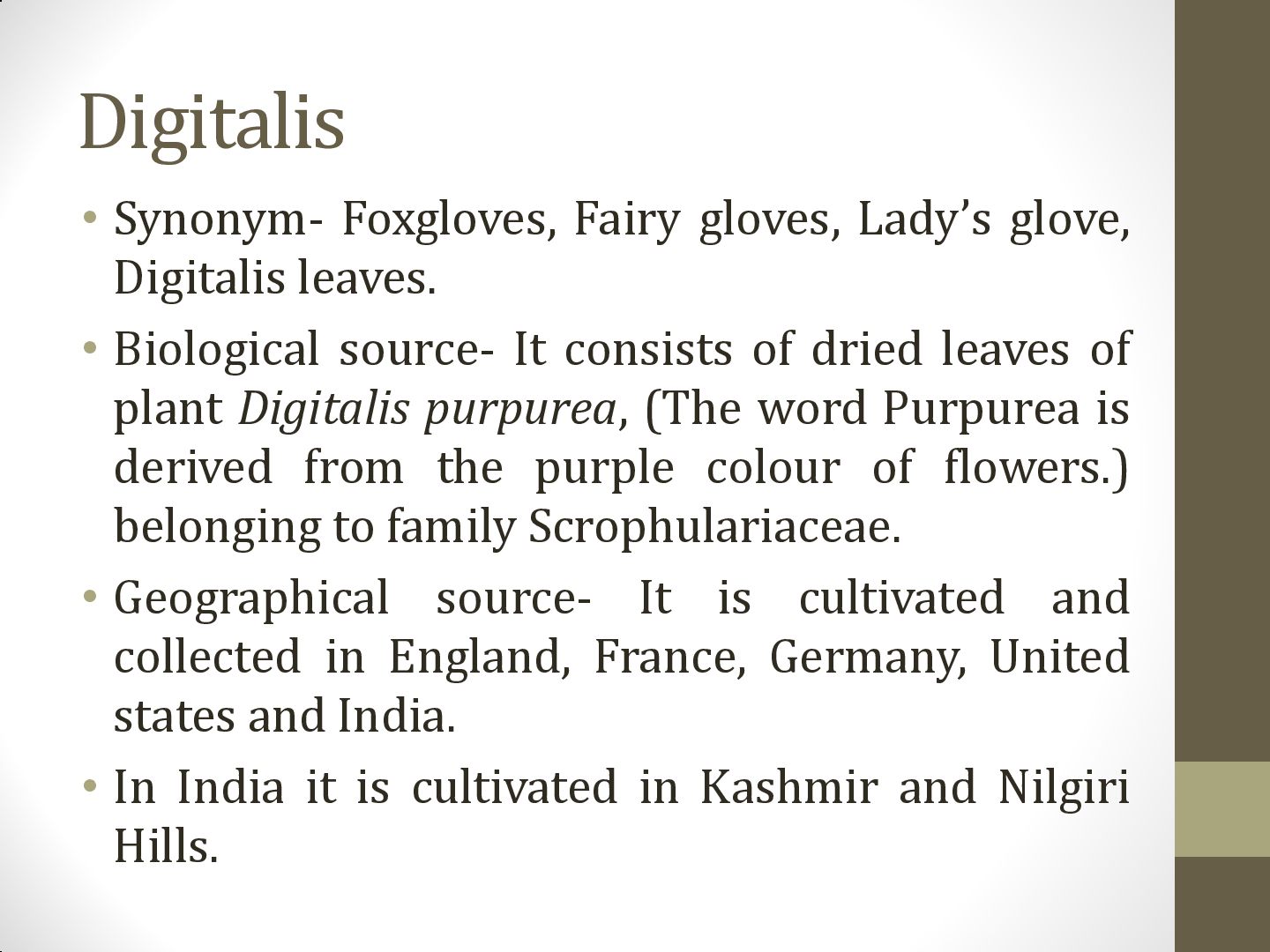
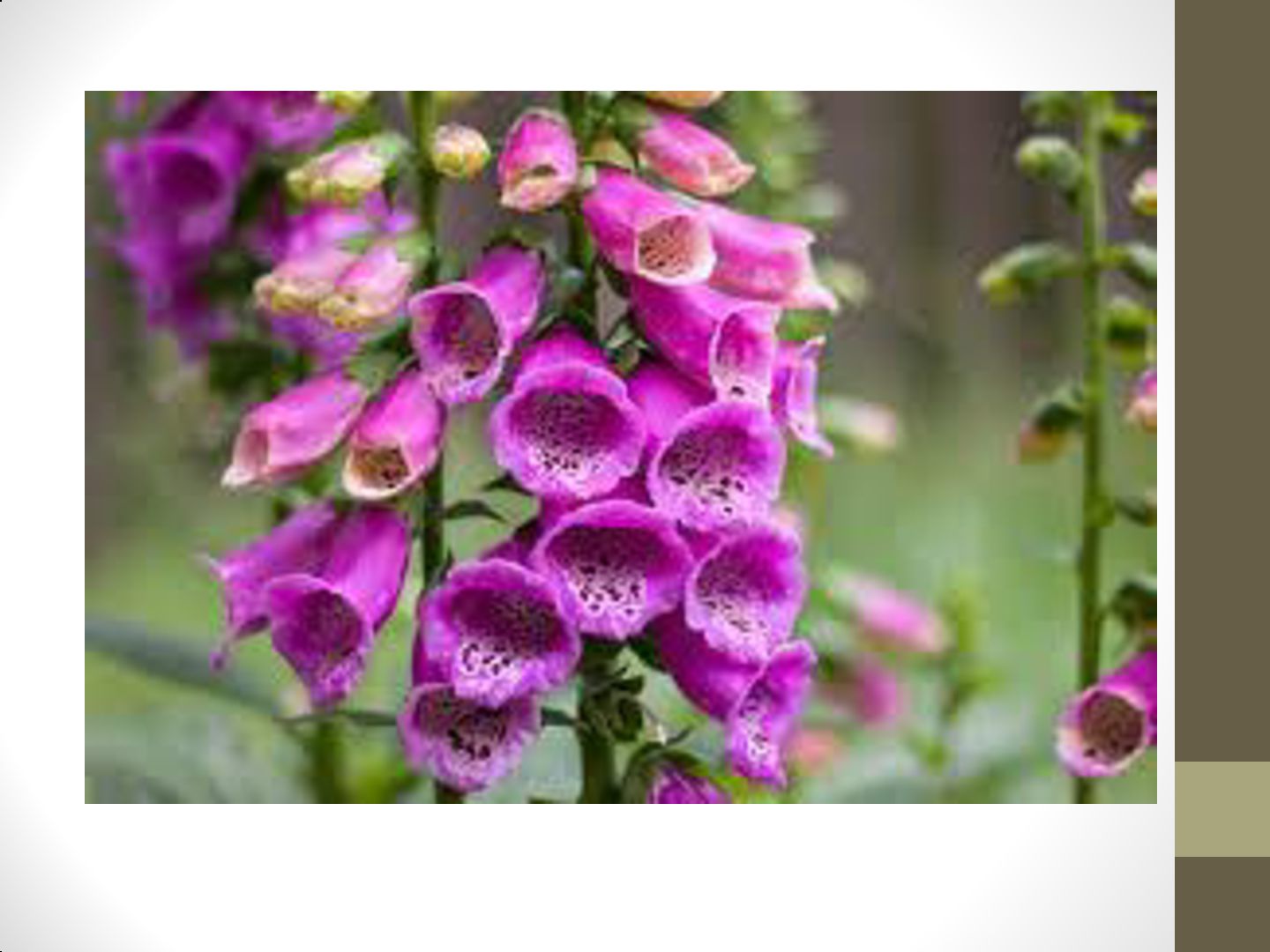
  50. Digitalis • Synonym- Foxgloves, Fairy gloves, Lady’s glove, Digitalis leaves.

    • Biological source- It consists of dried leaves of plant Digitalis purpurea, (The word Purpurea is derived from the purple colour of flowers.) belonging to family Scrophulariaceae. • Geographical source- It is cultivated and collected in England, France, Germany, United states and India. • In India it is cultivated in Kashmir and Nilgiri Hills.
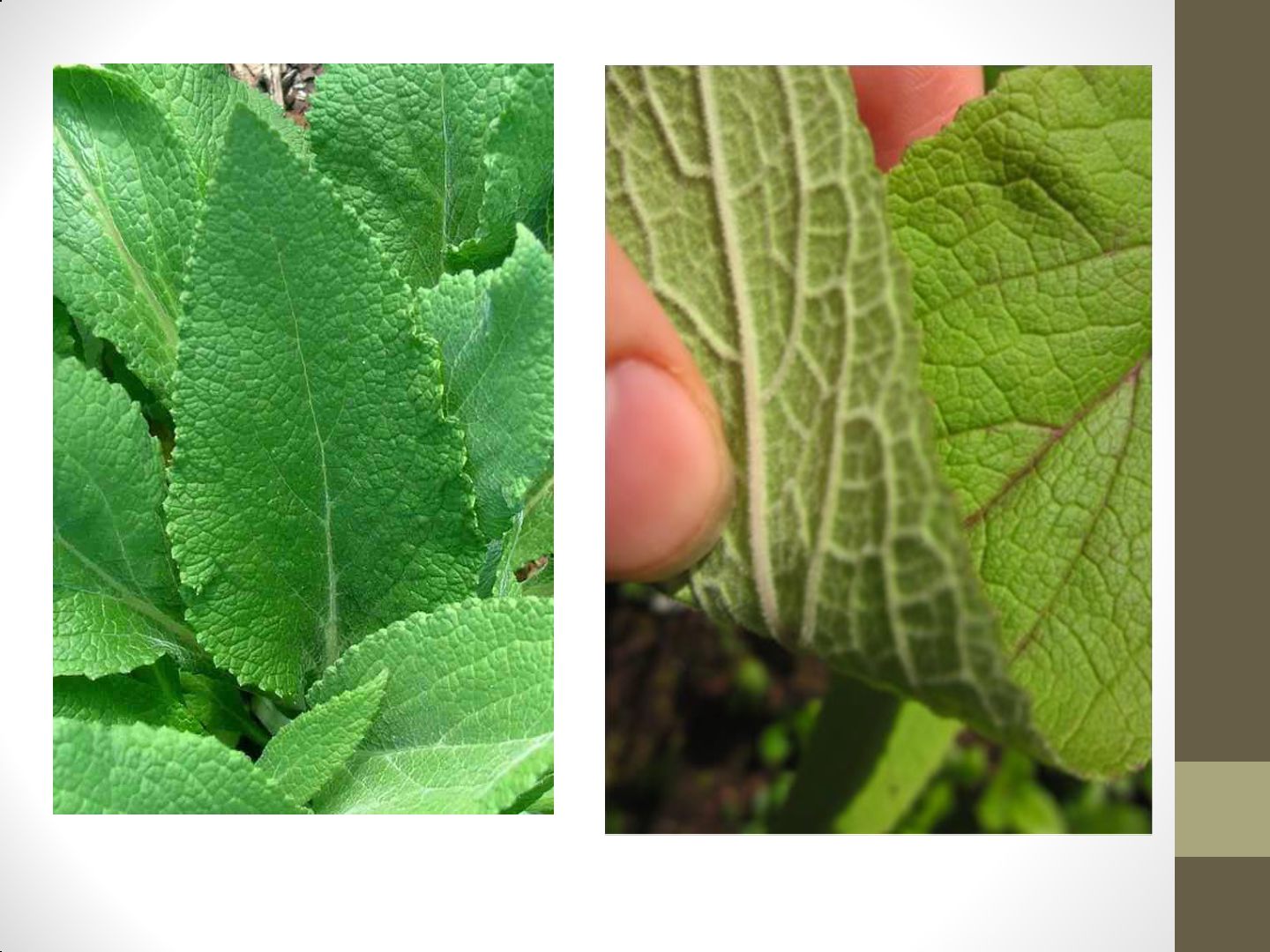
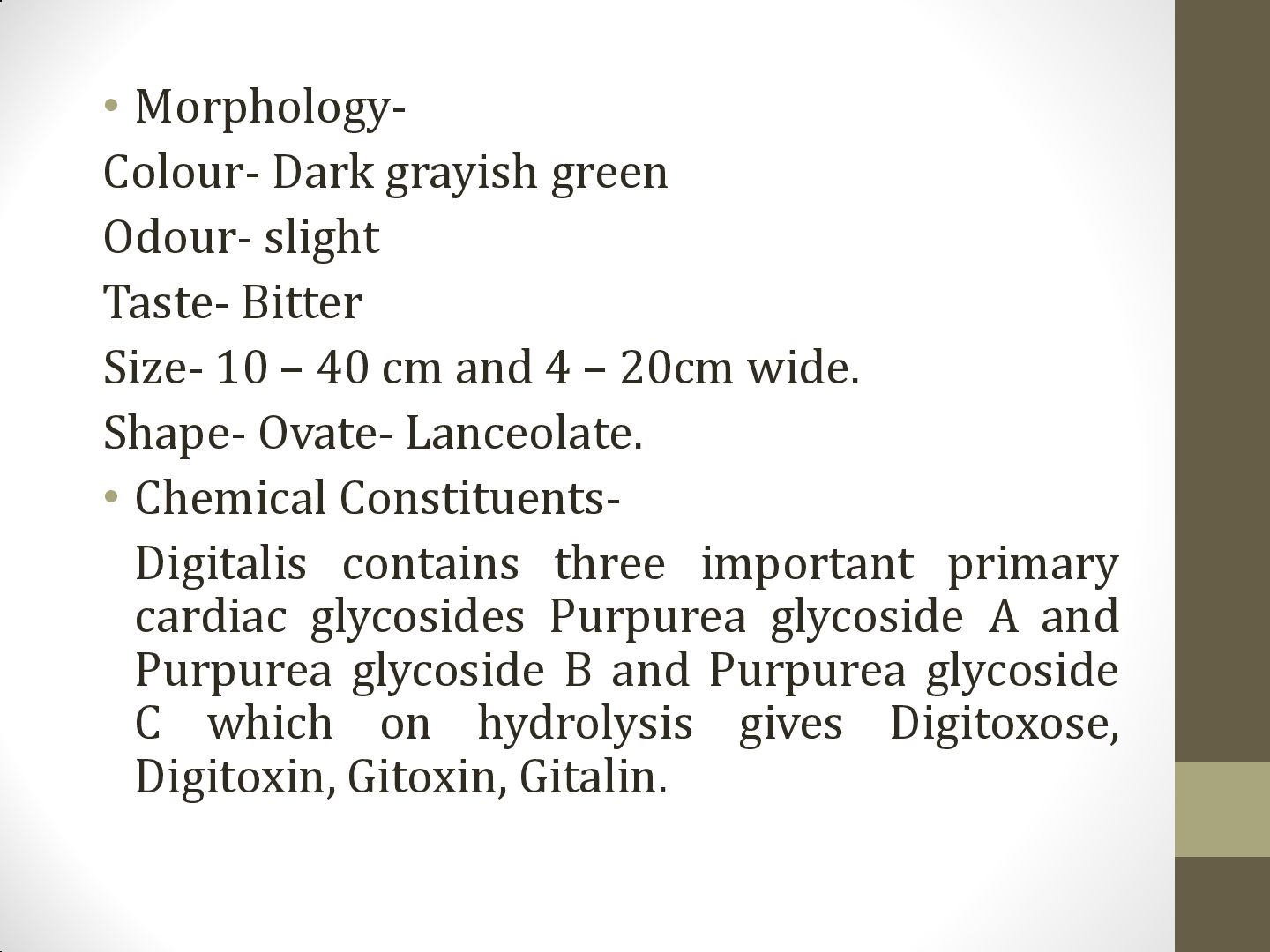
  51. • MorphologyColour- Dark grayish green Odour- slight Taste- Bitter Size-

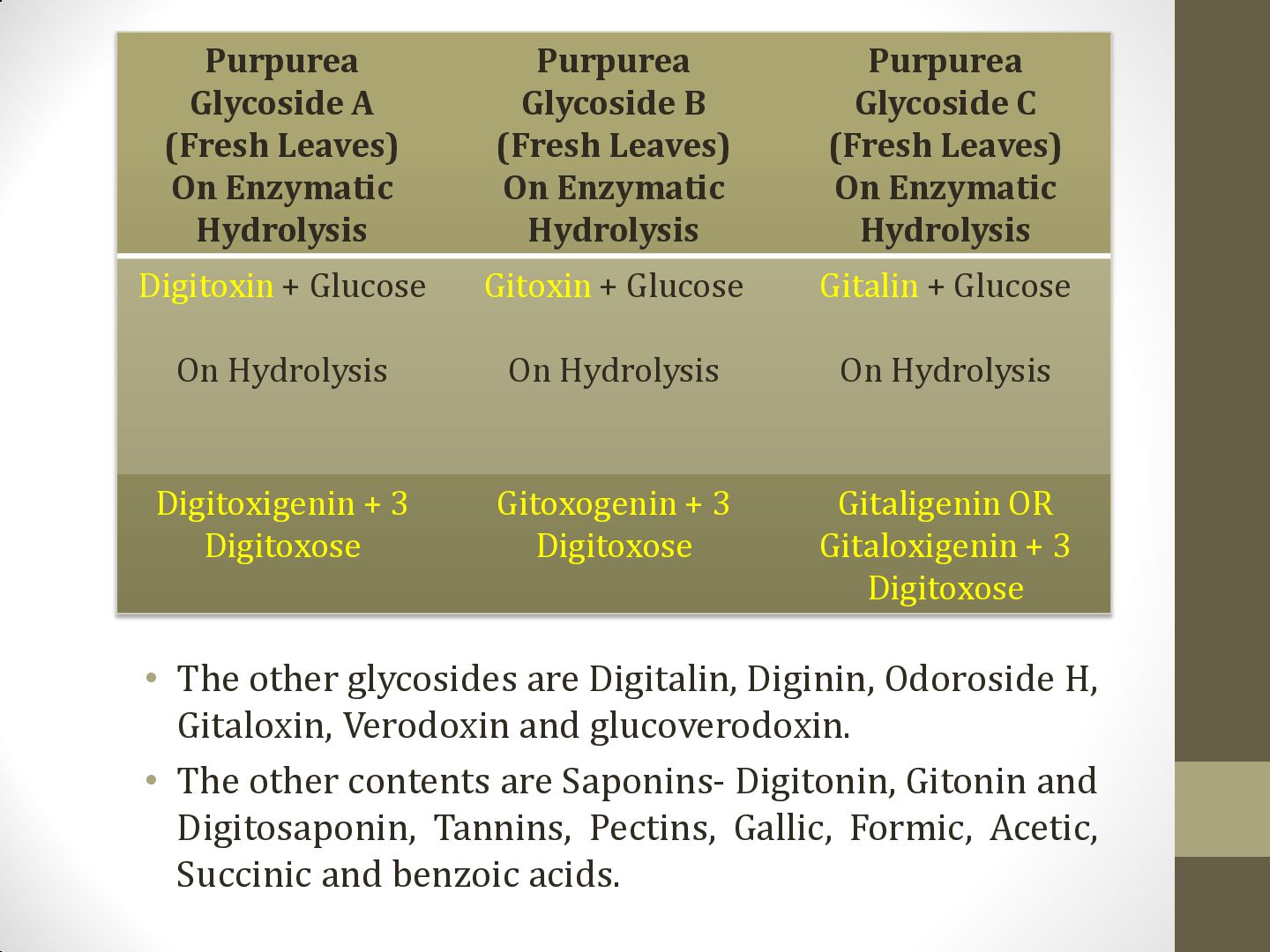
    10 – 40 cm and 4 – 20cm wide. Shape- Ovate- Lanceolate. • Chemical ConstituentsDigitalis contains three important primary cardiac glycosides Purpurea glycoside A and Purpurea glycoside B and Purpurea glycoside C which on hydrolysis gives Digitoxose, Digitoxin, Gitoxin, Gitalin.
  52. Purpurea Glycoside A (Fresh Leaves) On Enzymatic Hydrolysis Purpurea Glycoside

    B (Fresh Leaves) On Enzymatic Hydrolysis Purpurea Glycoside C (Fresh Leaves) On Enzymatic Hydrolysis Digitoxin + Glucose Gitoxin + Glucose Gitalin + Glucose On Hydrolysis On Hydrolysis On Hydrolysis Digitoxigenin + 3 Digitoxose Gitoxogenin + 3 Digitoxose Gitaligenin OR Gitaloxigenin + 3 Digitoxose • The other glycosides are Digitalin, Diginin, Odoroside H, Gitaloxin, Verodoxin and glucoverodoxin. • The other contents are Saponins- Digitonin, Gitonin and Digitosaponin, Tannins, Pectins, Gallic, Formic, Acetic, Succinic and benzoic acids.
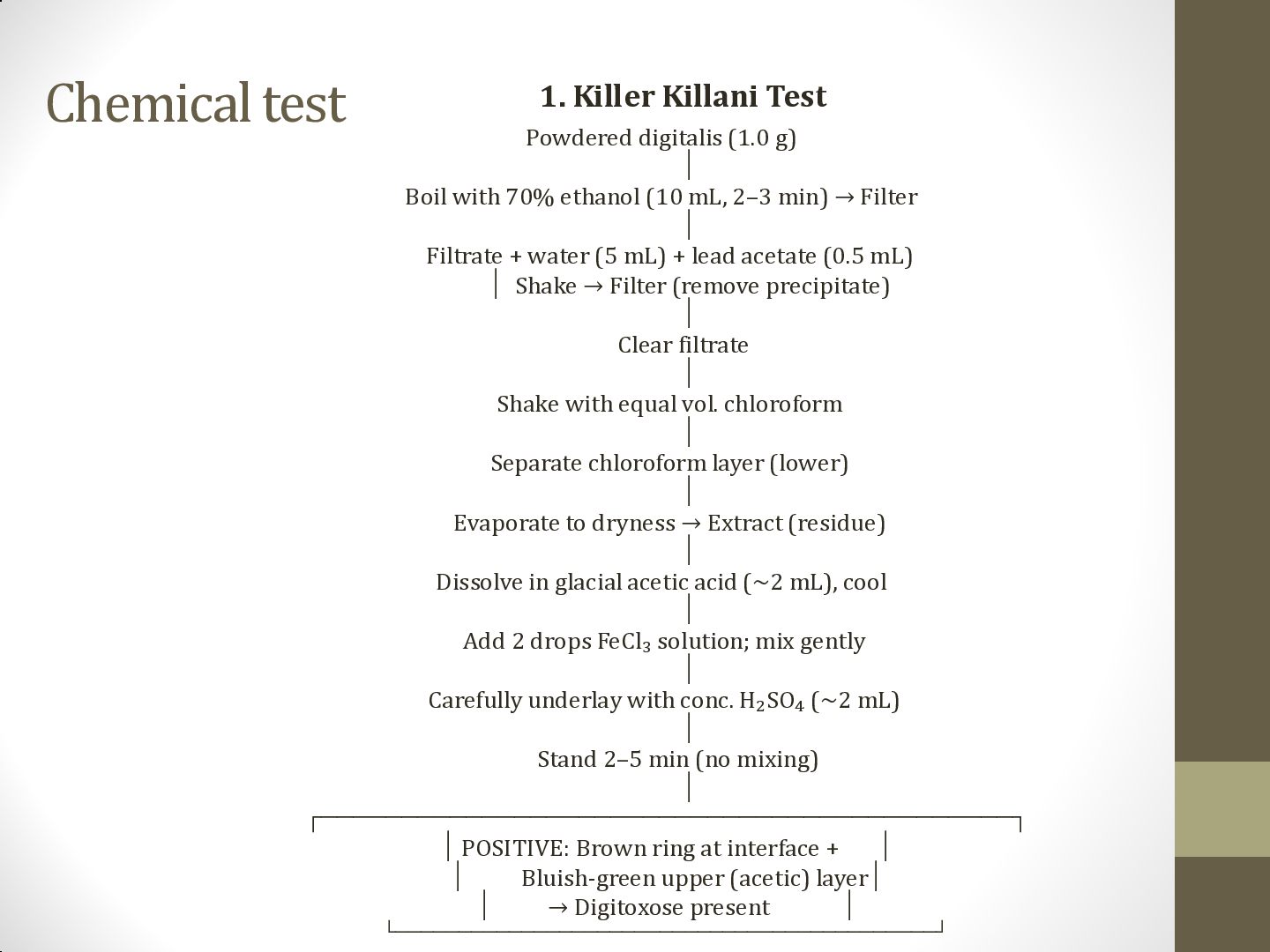
  53. Chemical test 1. Killer Killani Test Powdered digitalis (1.0 g)

    │ Boil with 70% ethanol (10 mL, 2–3 min) → Filter │ Filtrate + water (5 mL) + lead acetate (0.5 mL) │ Shake → Filter (remove precipitate) │ Clear filtrate │ Shake with equal vol. chloroform │ Separate chloroform layer (lower) │ Evaporate to dryness → Extract (residue) │ Dissolve in glacial acetic acid (~2 mL), cool │ Add 2 drops FeCl₃ solution; mix gently │ Carefully underlay with conc. H₂SO₄ (~2 mL) │ Stand 2–5 min (no mixing) │ ┌───────────────────────────────────────────┐ │ POSITIVE: Brown ring at interface + │ │ Bluish-green upper (acetic) layer│ │ → Digitoxose present │ └───────────────────────────────────────────┘
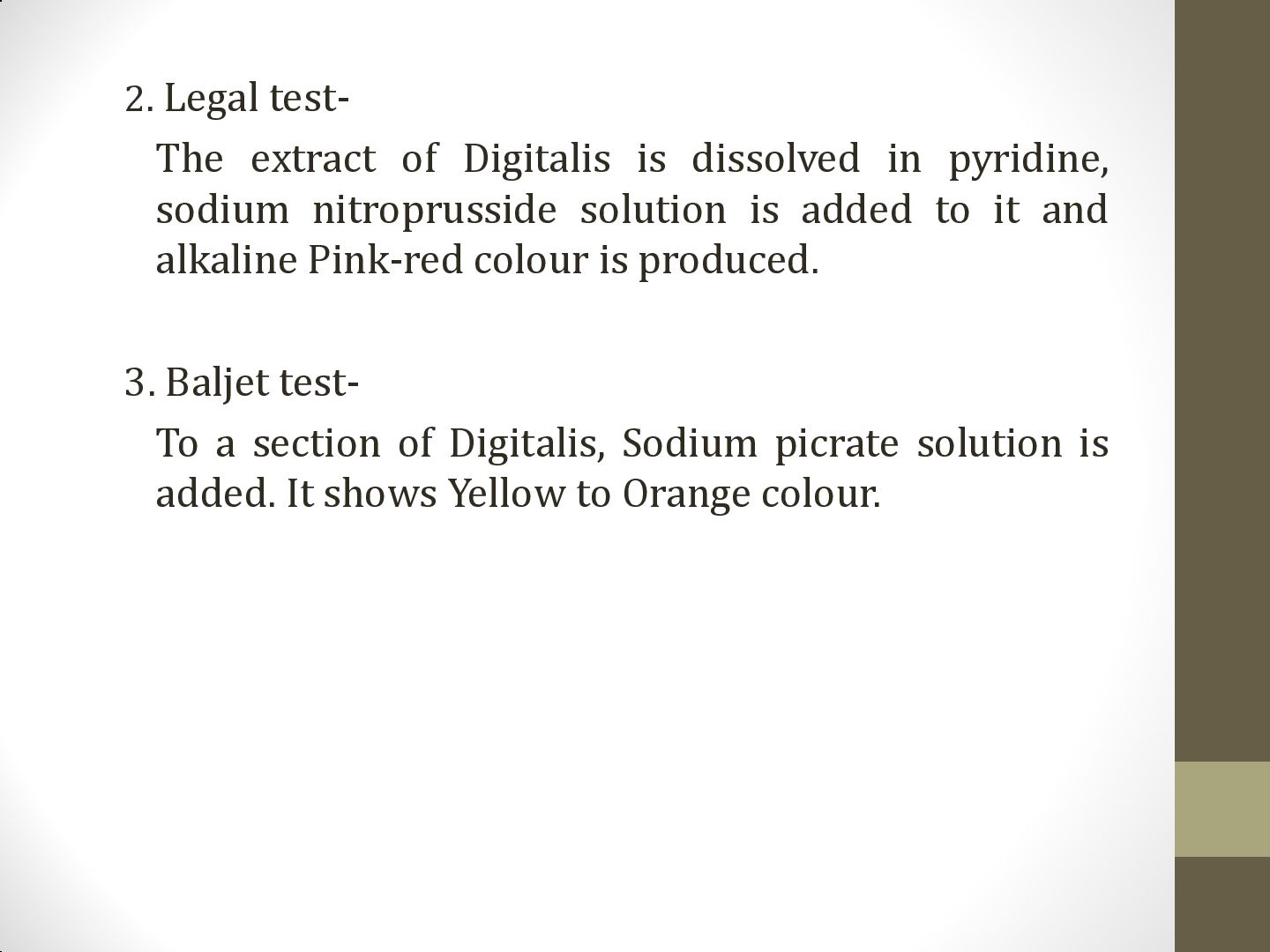
  54. 2. Legal test- The extract of Digitalis is dissolved in

    pyridine, sodium nitroprusside solution is added to it and alkaline Pink-red colour is produced. 3. Baljet testTo a section of Digitalis, Sodium picrate solution is added. It shows Yellow to Orange colour.
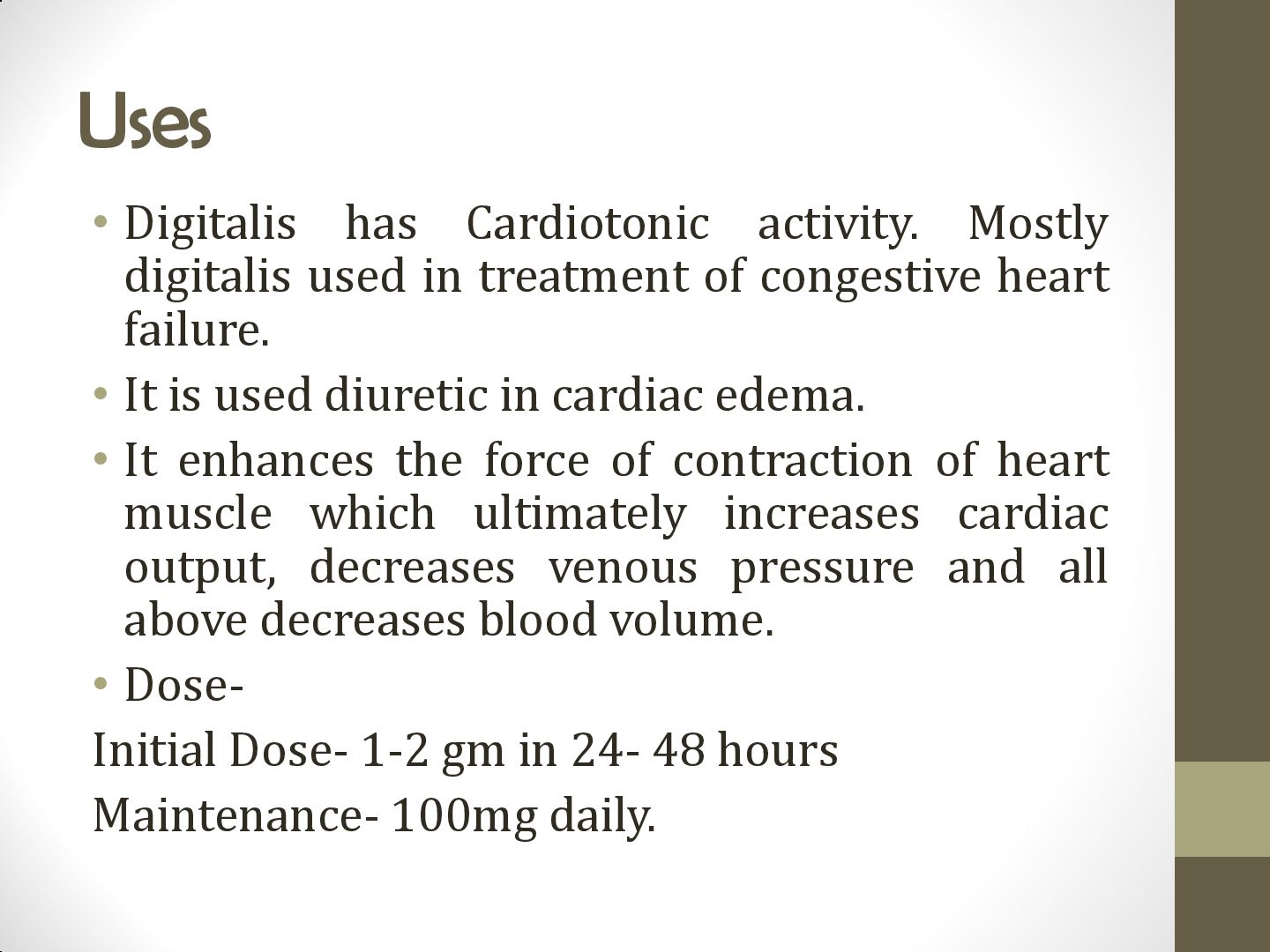
  55. Uses • Digitalis has Cardiotonic activity. Mostly digitalis used in

    treatment of congestive heart failure. • It is used diuretic in cardiac edema. • It enhances the force of contraction of heart muscle which ultimately increases cardiac output, decreases venous pressure and all above decreases blood volume. • DoseInitial Dose- 1-2 gm in 24- 48 hours Maintenance- 100mg daily.
  56. 4. Volatile Oil • The odorous volatile principles of plant

    and animal origin are called as “Volatile Oils”. • Volatile oils evaporate on exposure to air at ordinary temperature and odorous constituents, they are also called as “Ethereal Oils”. • As volatile oil oils are responsible for the essence or odor of the plant they are also known as “Essential Oils”.
  57. • Chemically volatile oils are mixture of hydrocarbon terpenes, sesquiterpenes

    and polyterpenes and their oxygenated derivatives obtained from various parts of the plant. • Volatile oils are made up of isoprene units (C5H8). • Function in plants1. Odor of flowers probably acting as attractants for certain insects. To attract pollinators. 2. To serve as defense compounds against insects and other animals, need to protect themselves from various types of predators.
  58. • Identification test for Volatile Oil1. To thin section of

    drug + drop of Alcoholic Sudan red III it gives Red color globules. 2. To thin section of drug + drop of tincture alkane gives Red color globules. 3. Place a drop of volatile oil on filter paper and observe after 5mins, no translucent spot. 4. Salkowaski Reaction- (Test for terpenoids) 2 ml extract + 2 ml chloroform + 2 ml Concentrated Sulphuric acid. Shake well. The acid layer shows greenish color while chloroform layer shows red color due volatile oil. 5. Liebermenn reaction3 ml extract + 3 ml acetic anhydride, heat and cool. To this add drop of concentrated Sulphuric acid it gives blue color due to volatile oil.
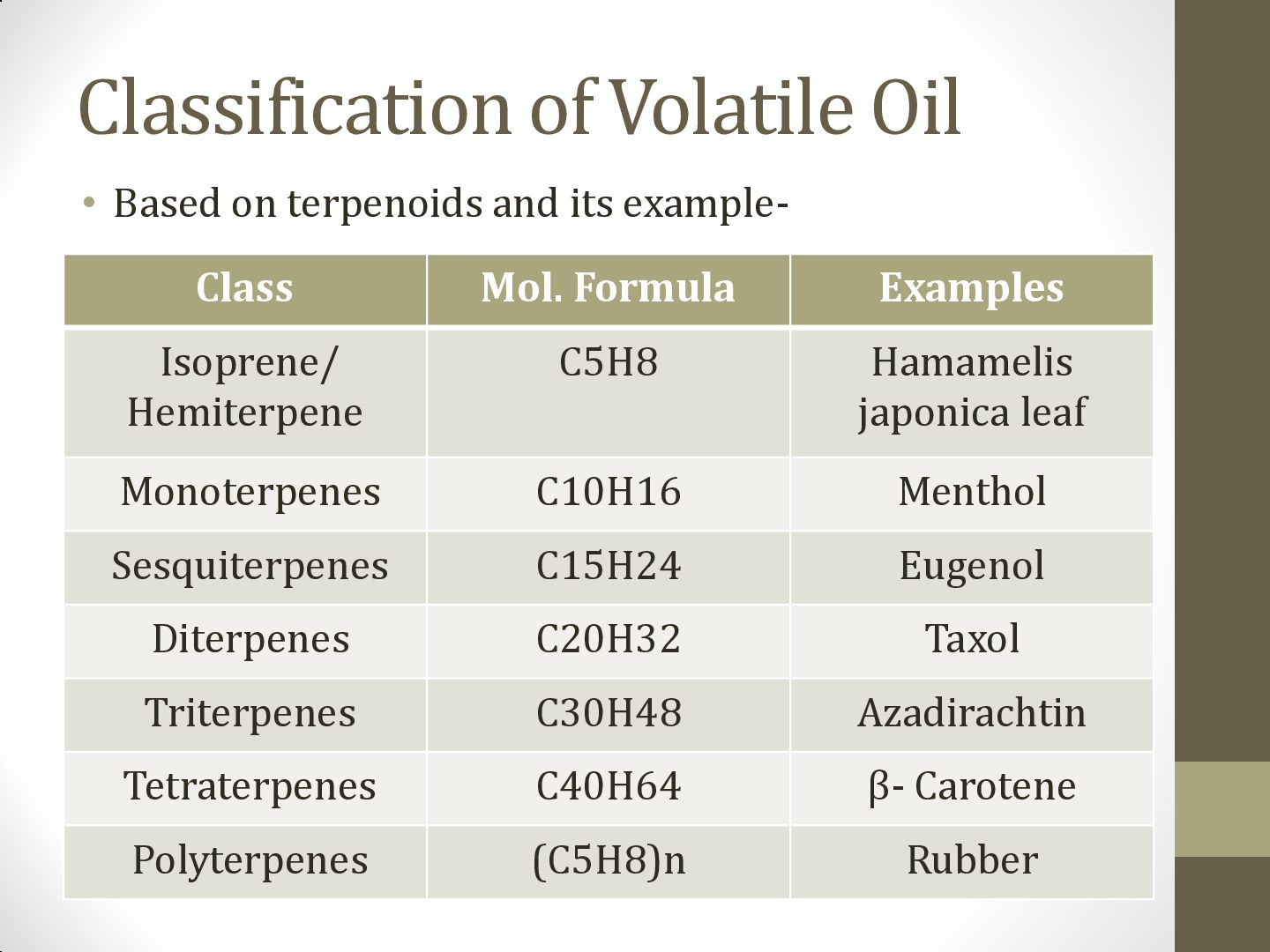
  59. Classification of Volatile Oil • Based on terpenoids and its

    exampleClass Mol. Formula Examples Isoprene/ Hemiterpene C5H8 Hamamelis japonica leaf Monoterpenes C10H16 Menthol Sesquiterpenes C15H24 Eugenol Diterpenes C20H32 Taxol Triterpenes C30H48 Azadirachtin Tetraterpenes C40H64 β- Carotene Polyterpenes (C5H8)n Rubber
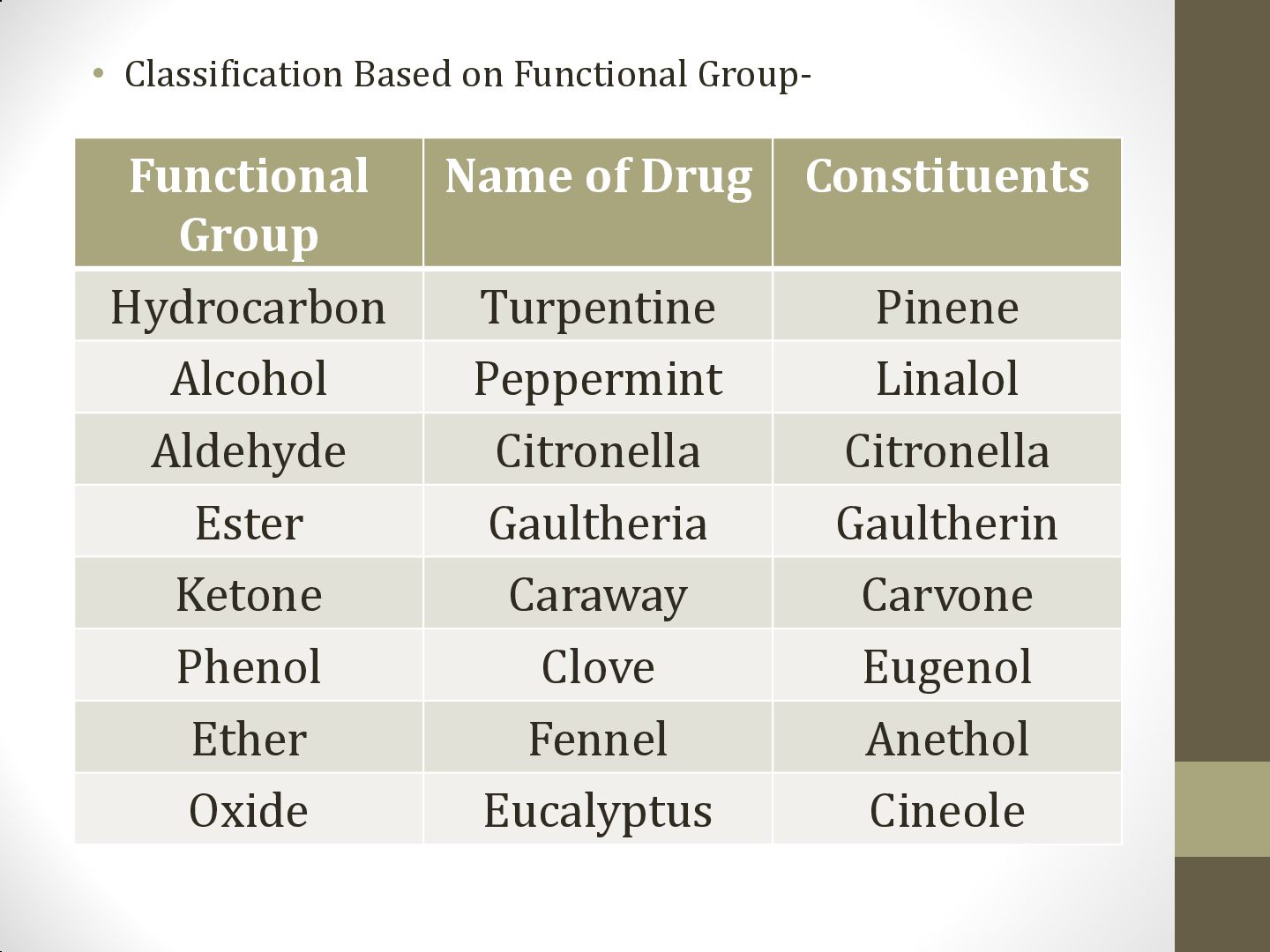
  60. • Classification Based on Functional Group- Functional Group Hydrocarbon Alcohol

    Aldehyde Ester Ketone Phenol Ether Oxide Name of Drug Constituents Turpentine Peppermint Citronella Gaultheria Caraway Clove Fennel Eucalyptus Pinene Linalol Citronella Gaultherin Carvone Eugenol Anethol Cineole
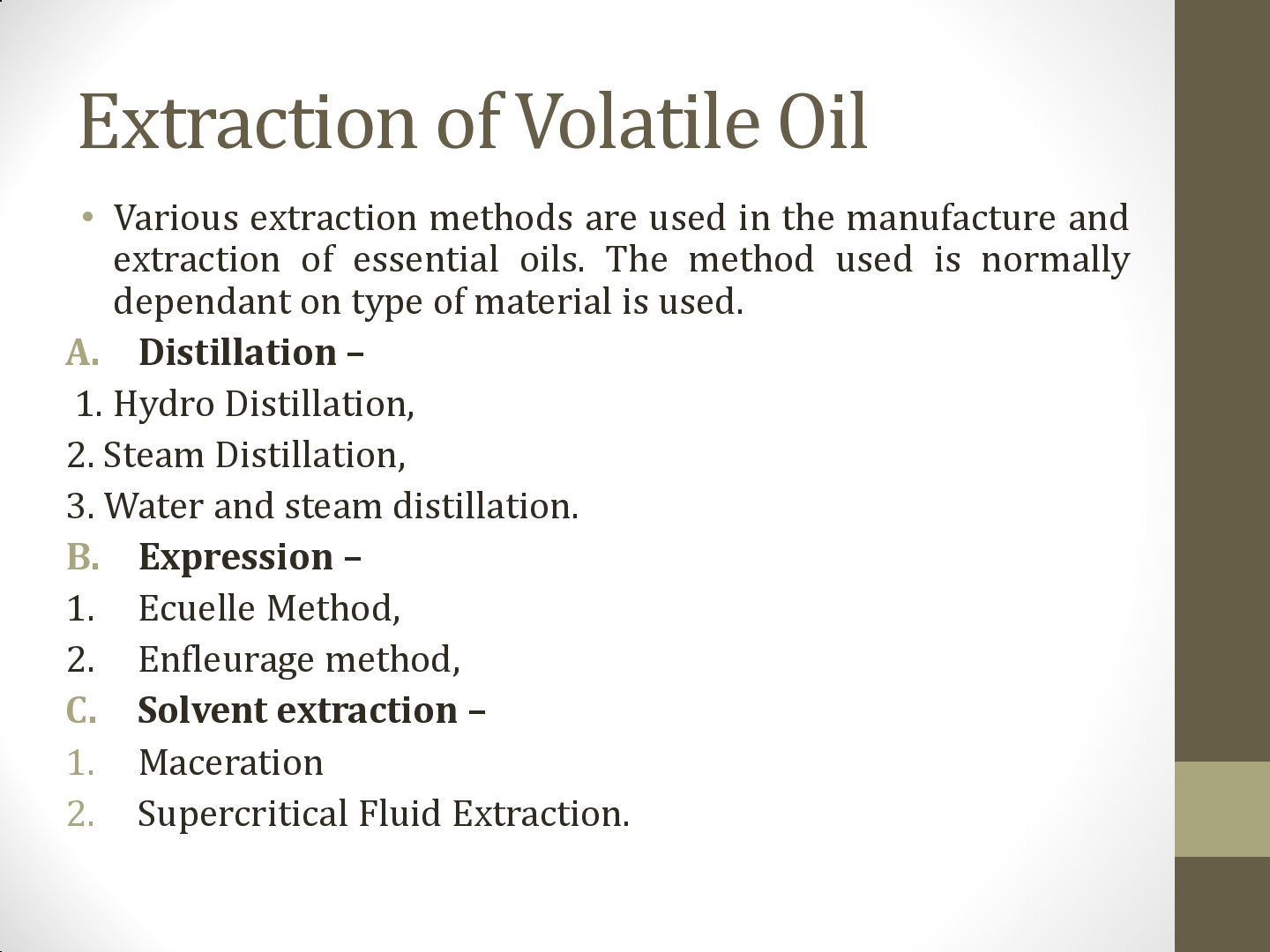
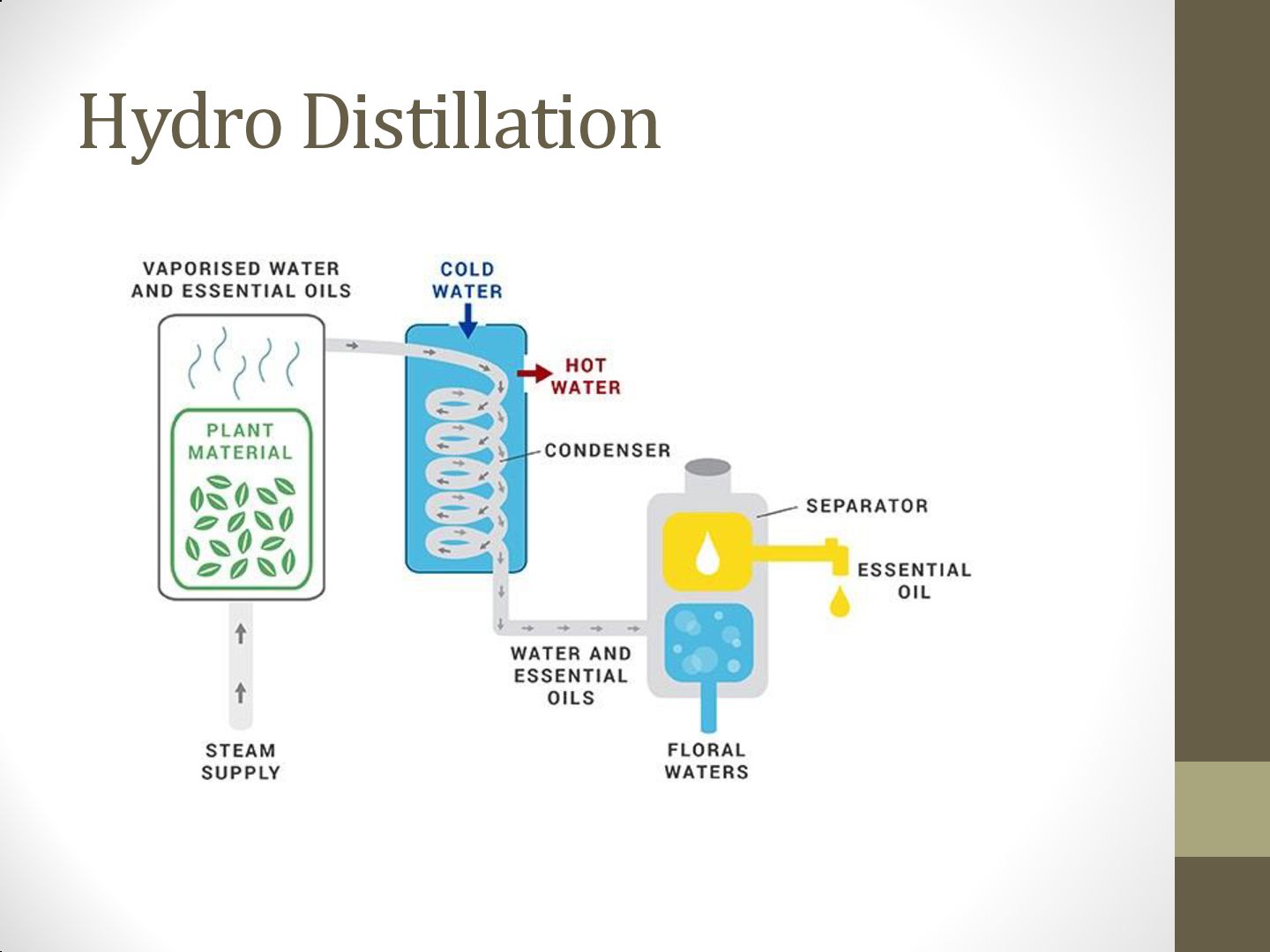
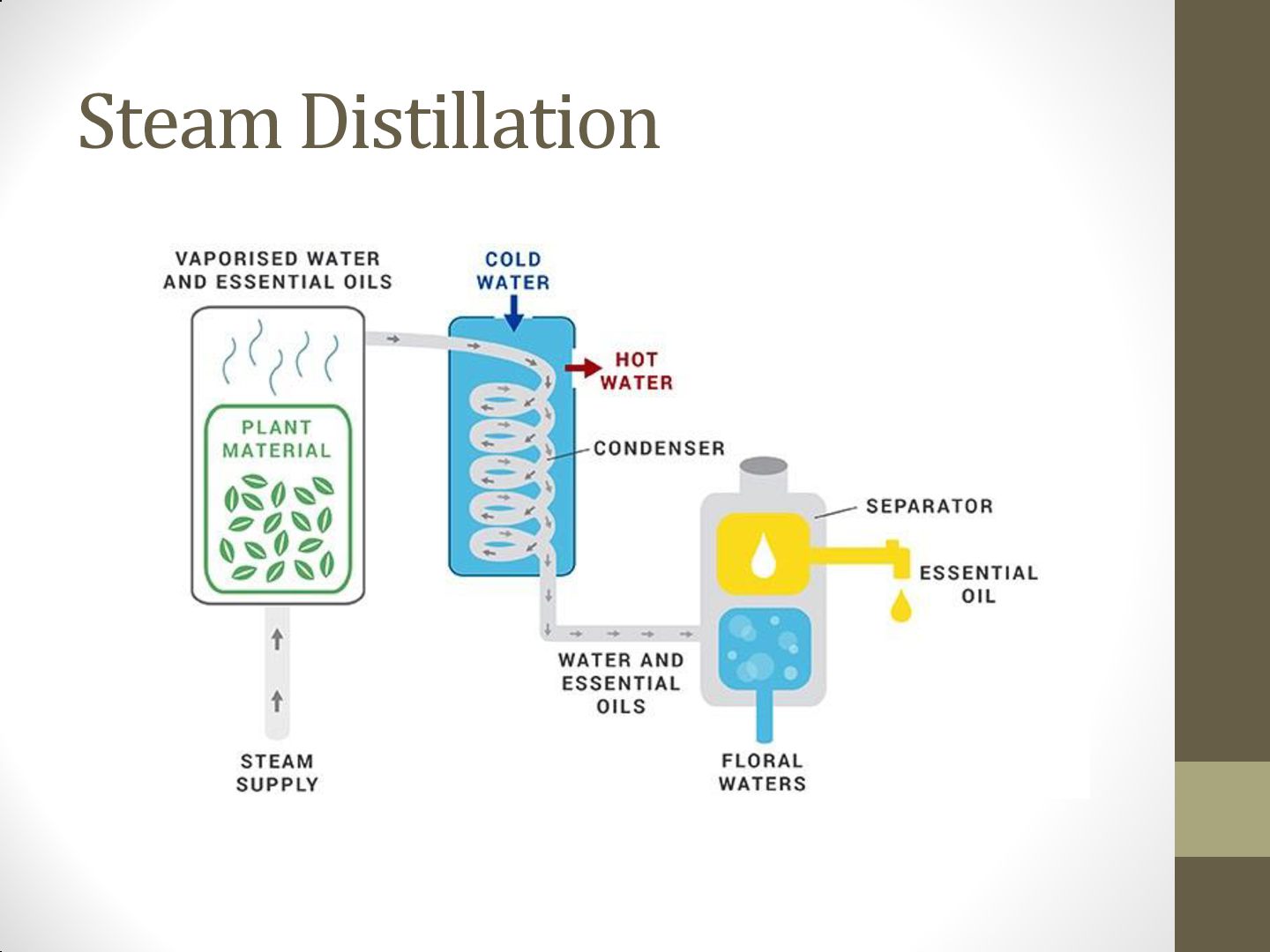
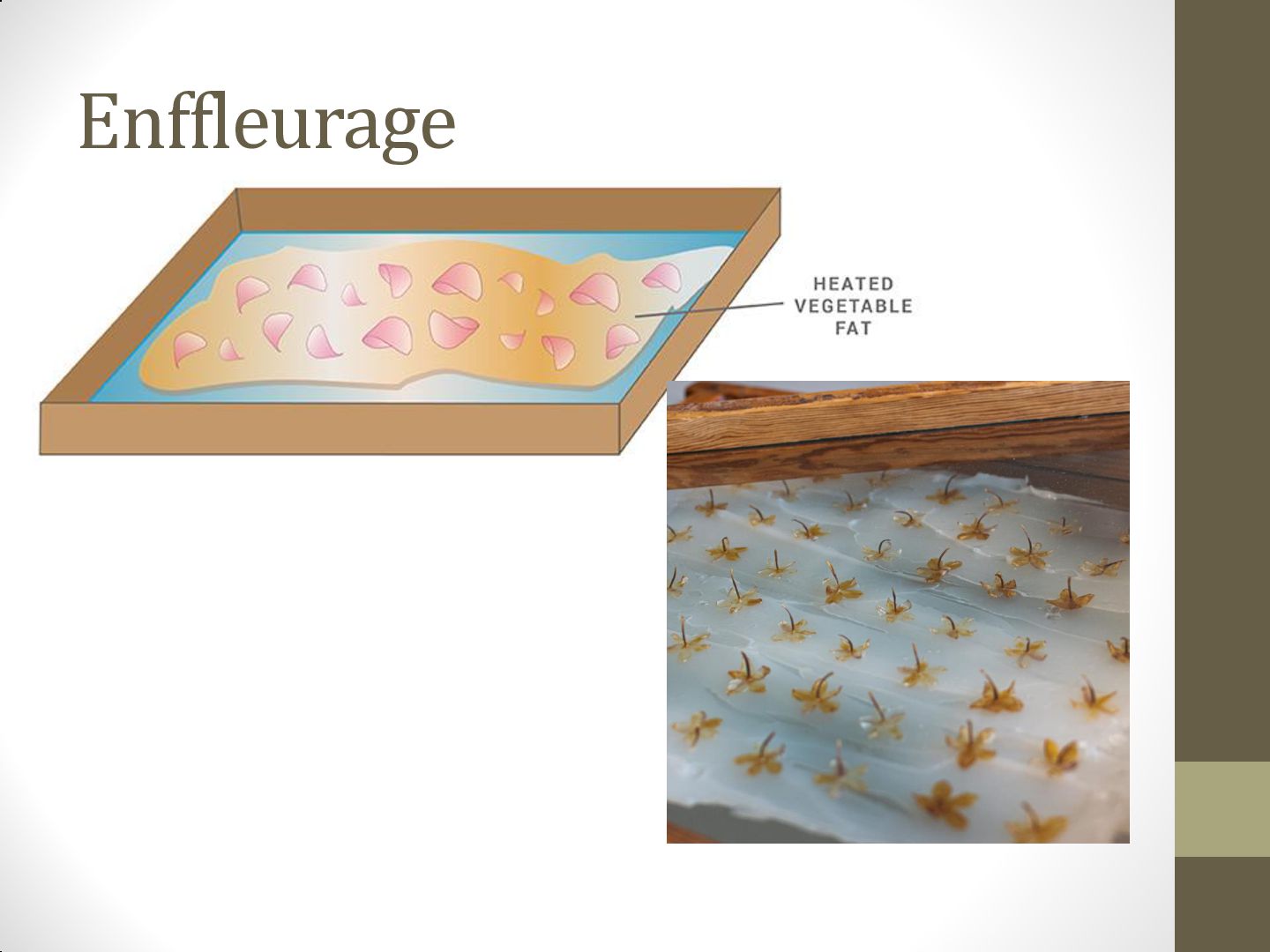
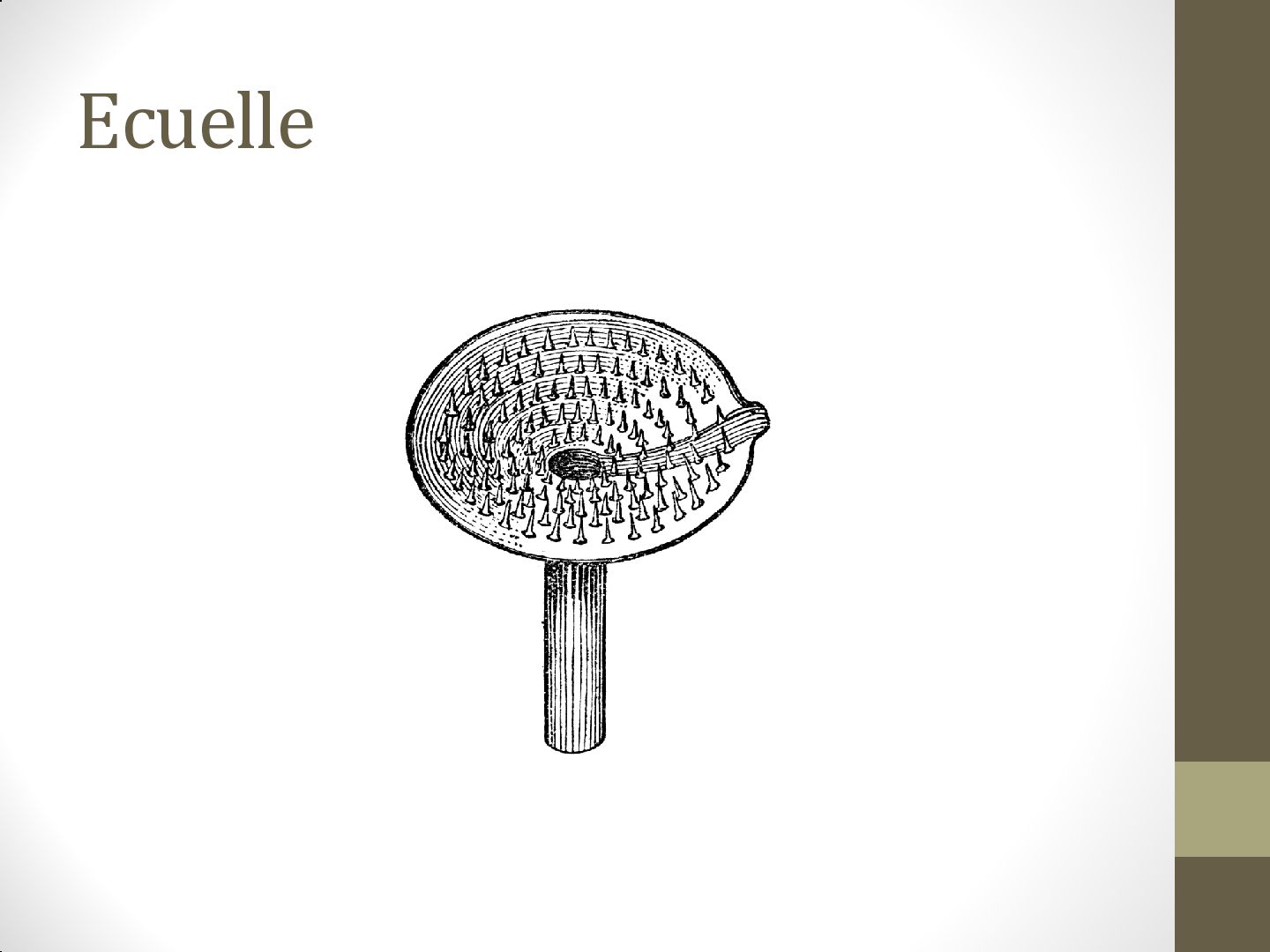
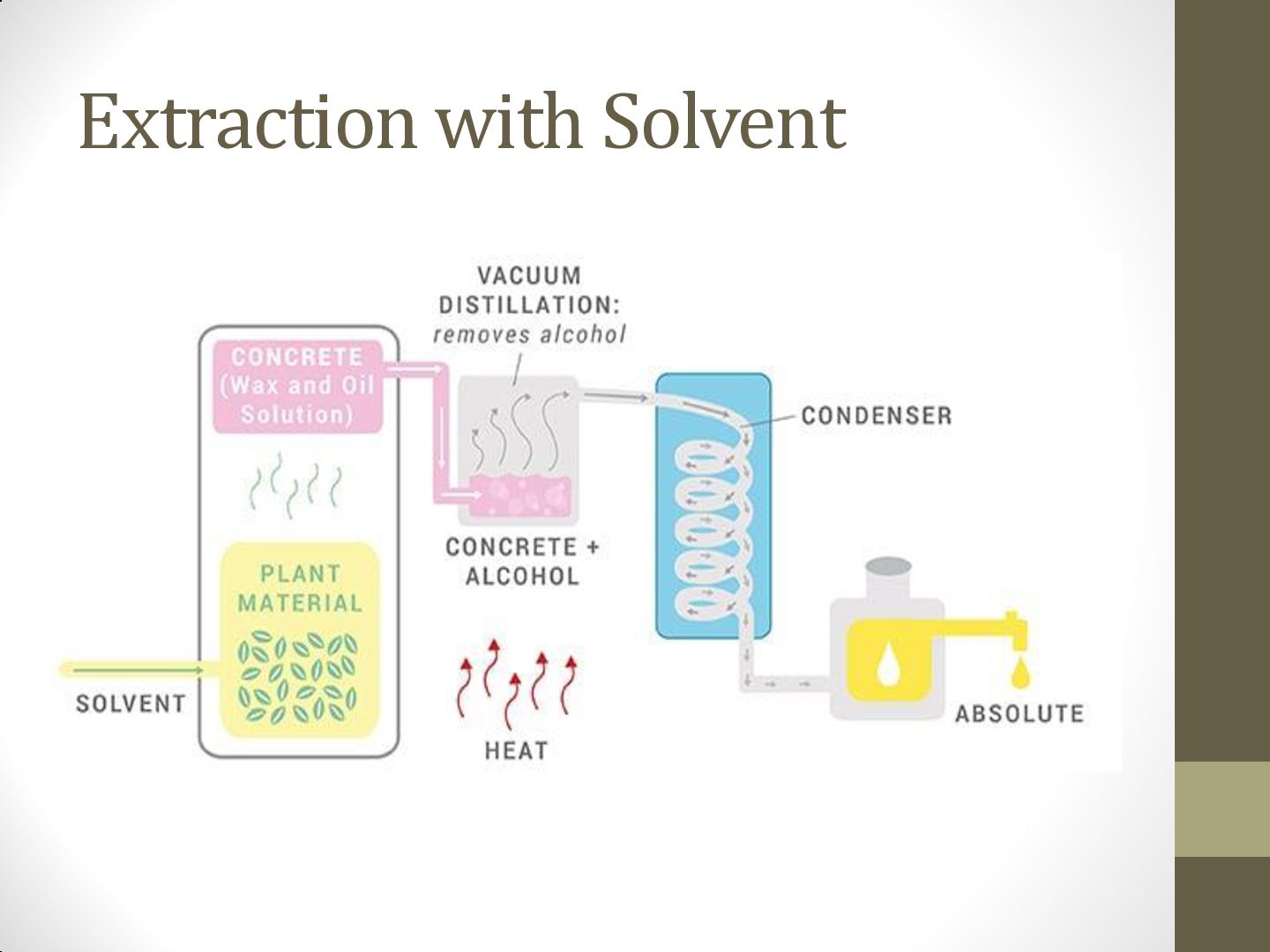
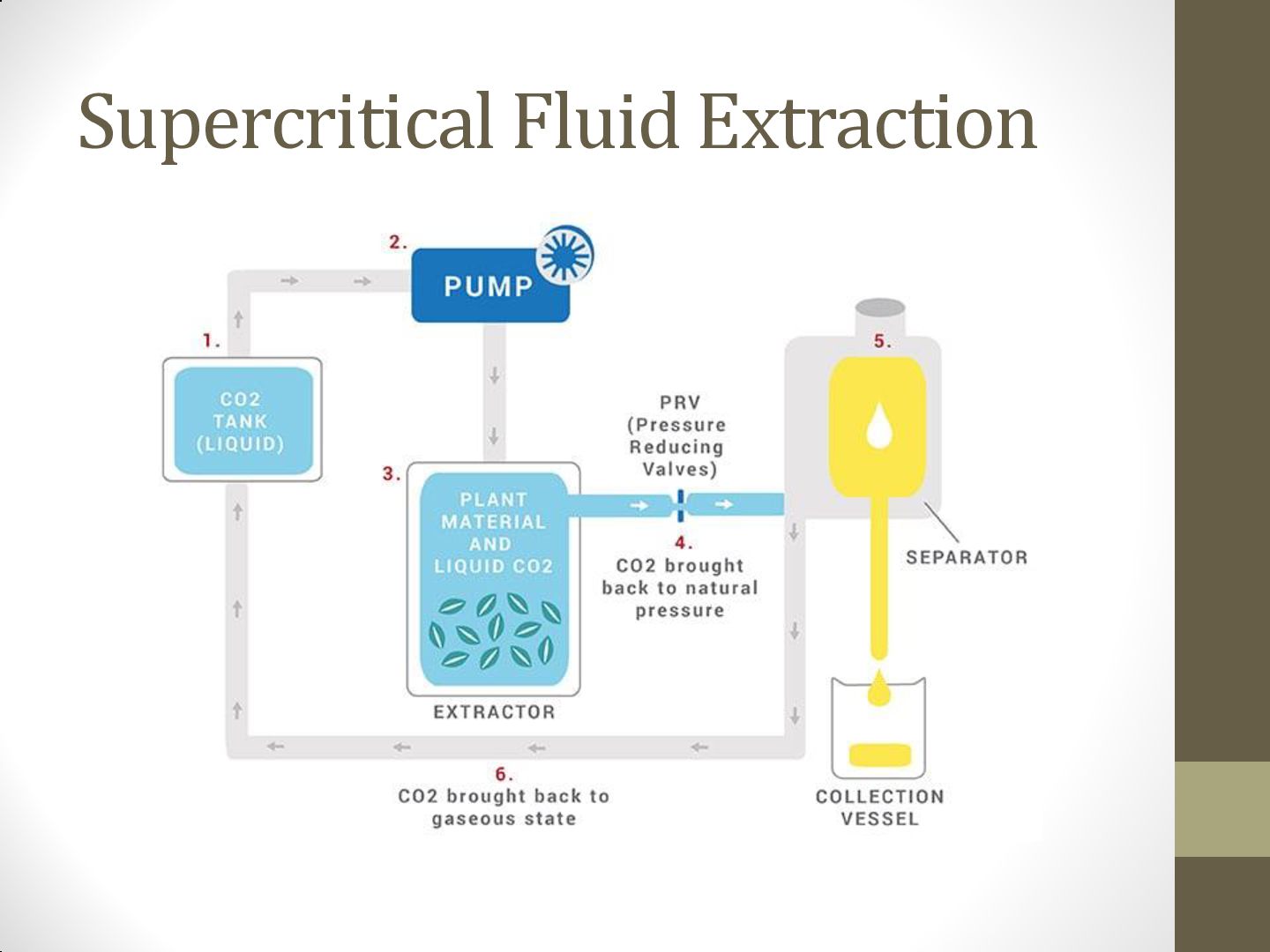
  61. Extraction of Volatile Oil • Various extraction methods are used

    in the manufacture and extraction of essential oils. The method used is normally dependant on type of material is used. A. Distillation – 1. Hydro Distillation, 2. Steam Distillation, 3. Water and steam distillation. B. Expression – 1. Ecuelle Method, 2. Enfleurage method, C. Solvent extraction – 1. Maceration 2. Supercritical Fluid Extraction.
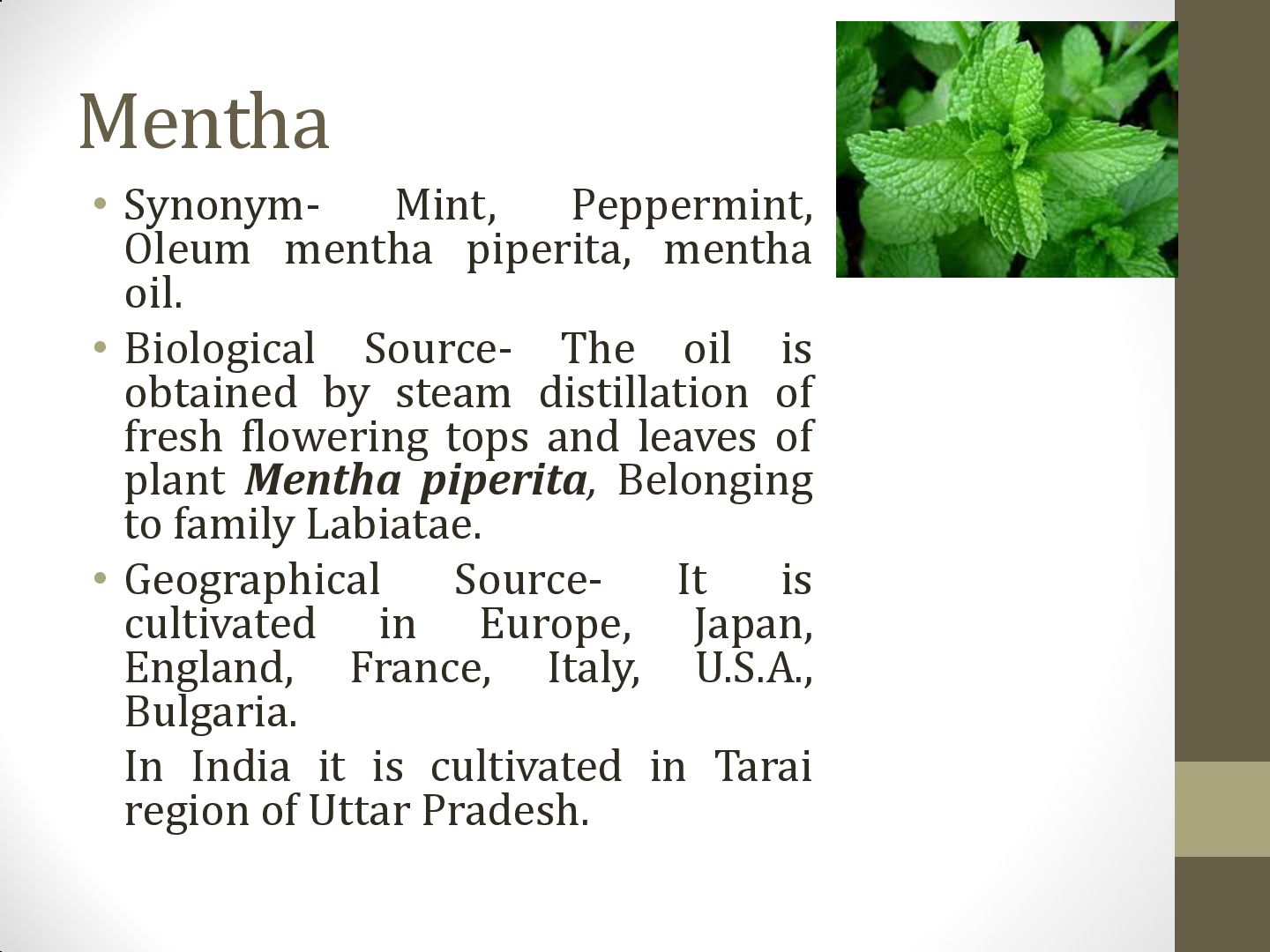
  62. Mentha • SynonymMint, Peppermint, Oleum mentha piperita, mentha oil. •

    Biological Source- The oil is obtained by steam distillation of fresh flowering tops and leaves of plant Mentha piperita, Belonging to family Labiatae. • Geographical SourceIt is cultivated in Europe, Japan, England, France, Italy, U.S.A., Bulgaria. In India it is cultivated in Tarai region of Uttar Pradesh.
  63. • Chemical ConstituentsVolatile oil of Mentha contains Menthol (upto 60%),

    Menthone(30%) isomenthone, Cineol, Methyl acetate, Menthofuran, Limonene, β- Myrecene, β- caryophyllene, and Carvone. The other terpene are neomenthol, carvomenthone, pCymene, Phellandrene, Pipertone, pinene, Carvacrol. Uses- 1. Mentha oil is used as Antispasmodic, Carminative, Antiseptic, Anti-inflammatory, Stomachic, and in Ulcer and Stomach Problem. 2. It is used as flavouring agent. 3. It is used in toothpaste, tooth powders, Shaving Cream and other pharmaceutical products. 4. It is also consumed in Chewing Gum, Candies, Jellies.
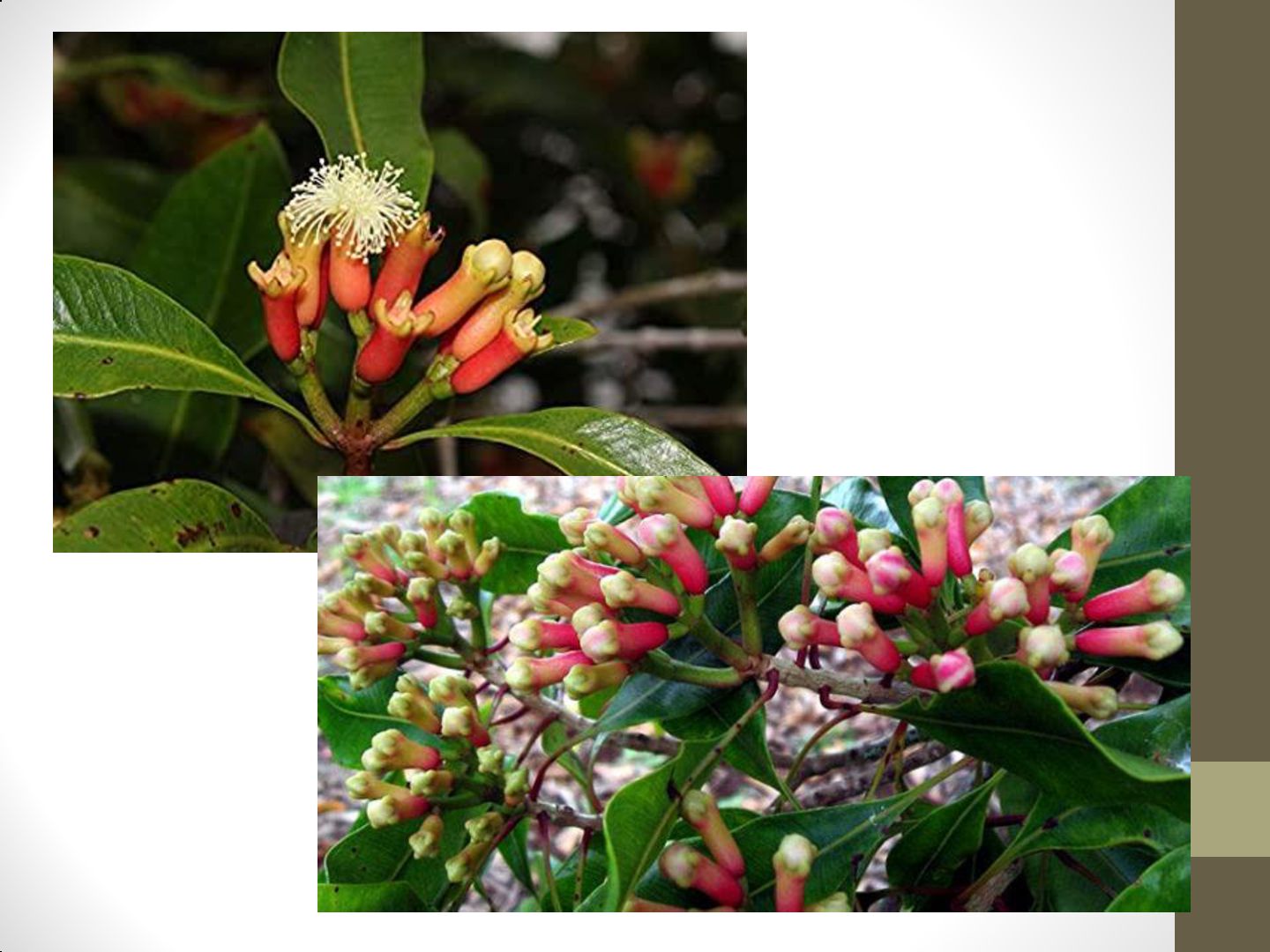
  64. Clove • Synonym- Caryophyllum, Clove flower, Clove buds. • Biological

    source- It consist of flower buds of Eugenia caryophyllus, belonging to Myrtaceae. It contains NLT 7.0% of eugenol. • Geographical source- It is cultivated chiefly in Zanziber, Pemba, Madagascar, Sri Lanka and India. in India cloves are grown in Nilgiri, Tenkasihills and in Kanyakumari district of Tamilnadu. It is also cultivated in Kottayam and Quilon district of kerala.
  65. • MorphologyColour- Crimson to dark brown Odour- Slightly aromatic Taste-

    Pungent and aromatic followed by numbness. Size- About 10 to 17.5 mm length, 4mm width and 2mm thick. • Chemical ConstituentsClove contains 15 to 20 % of volatile oil, 10% to 13% of tannins, resins, chromone and eugenin. The tannin is known as Gallotannic acid and The main volatile is known as Eugenol 70-90%, eugenol acetate, Caryophyllenes, and small quantities of esters, ketones and alcohols. The oil of clove is colourless to pale yellow in colour.
  66. Uses • Clove is used as dental analgesic • Carminative,

    Aromatic, Stimulant, stomachic and in other GI disorders. • Flavoring agent and Antiseptic. • It is used in the preparation of cigarettes. • The oil is used in perfumery and in manufacturing of Vanillin.
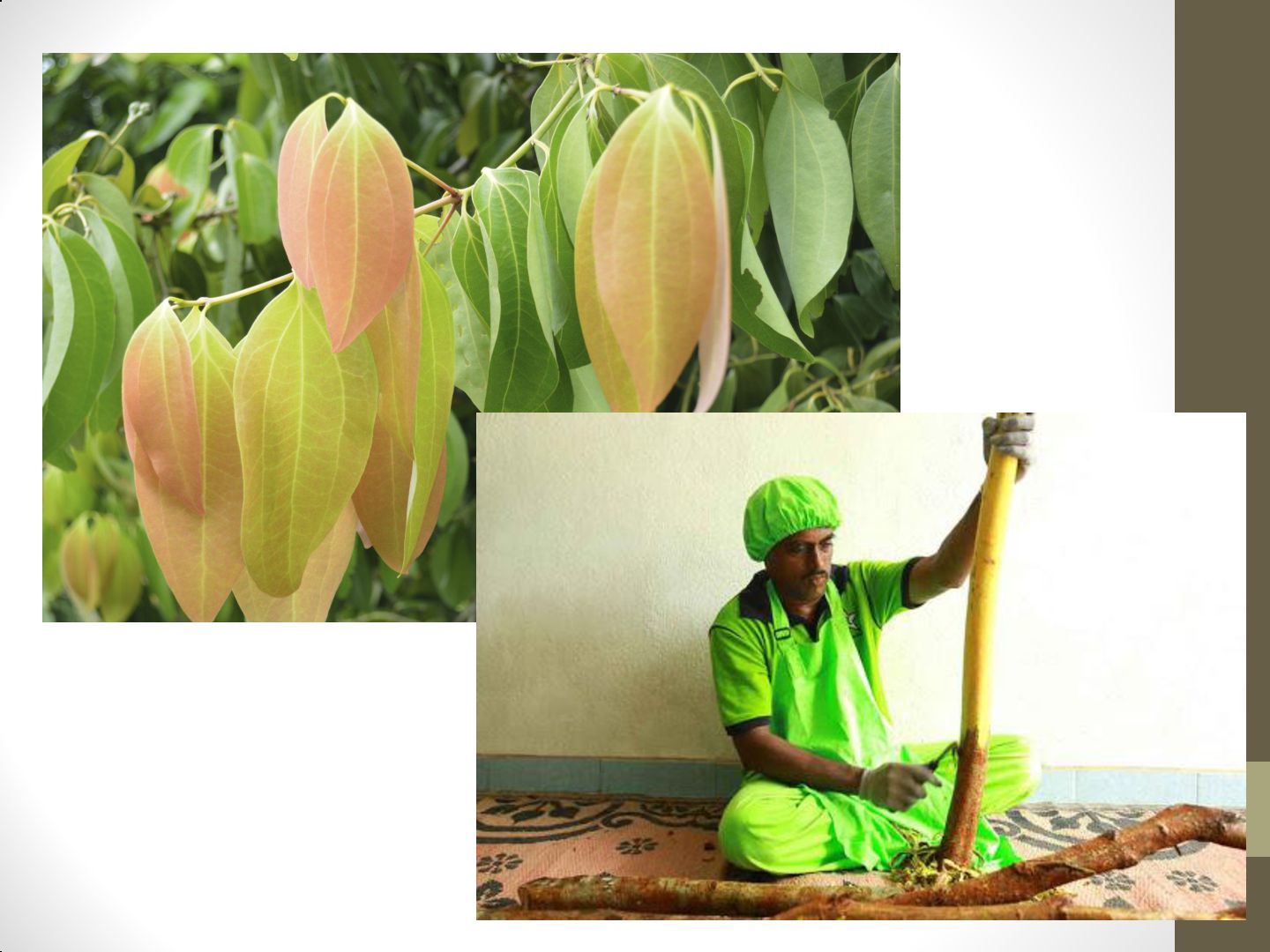
  67. Cinnamon • Synonym- Cinnamon bark, Kalmi-Dalchini, Ceylon cinnamon. • Biological

    source- It consist of the dried inner bark of the shoots of coppiced trees of Cinnamomum zeylenicum, belonging to Lauraceae. It should contains NLT 1.0% of volatile oil. • Geograhical source- It is native plant occur in Sri lanka, Malabar coast of India, It is also found in Jamaica and Brazil.
  68. • MorphologyColour- The outer surface is dull yellowish-brown, while inner

    surface is dark yellowish brown. Odour- fragrant Taste- Aromatic and Sweet followed by warm sensation. Size- About 1m in length, 1cm in diameter, and thickness is 0.5 mm. Shape- Found in the form of compound Quills. • Chemical ConstituentsCinnamon bark contains about 0.5 to 1.0 % of Volatile oil, 1.2 % of tannins known as Phlobatannin, Mucilage, calcium oxalate, starch and sweet substance known as mannitol. Cinnamon oil contains 60-70 % of cinnamaldehyde, 5 to 10% eugenol, benzaldehyde, cuminaldehyde. the other terpenes are phellandrene, pinene, cymene, caryophyllene.
  69. Uses • It is used as Carminative, Aromatic, stimulant, stomachic

    and mild astringent. • It is also used as flavouring agent. • It gives Antiseptic and antibacterial activity. • Commercially it is used as spice and condiment, and • Also in the preparation of candy, dentifrices and perfumes.
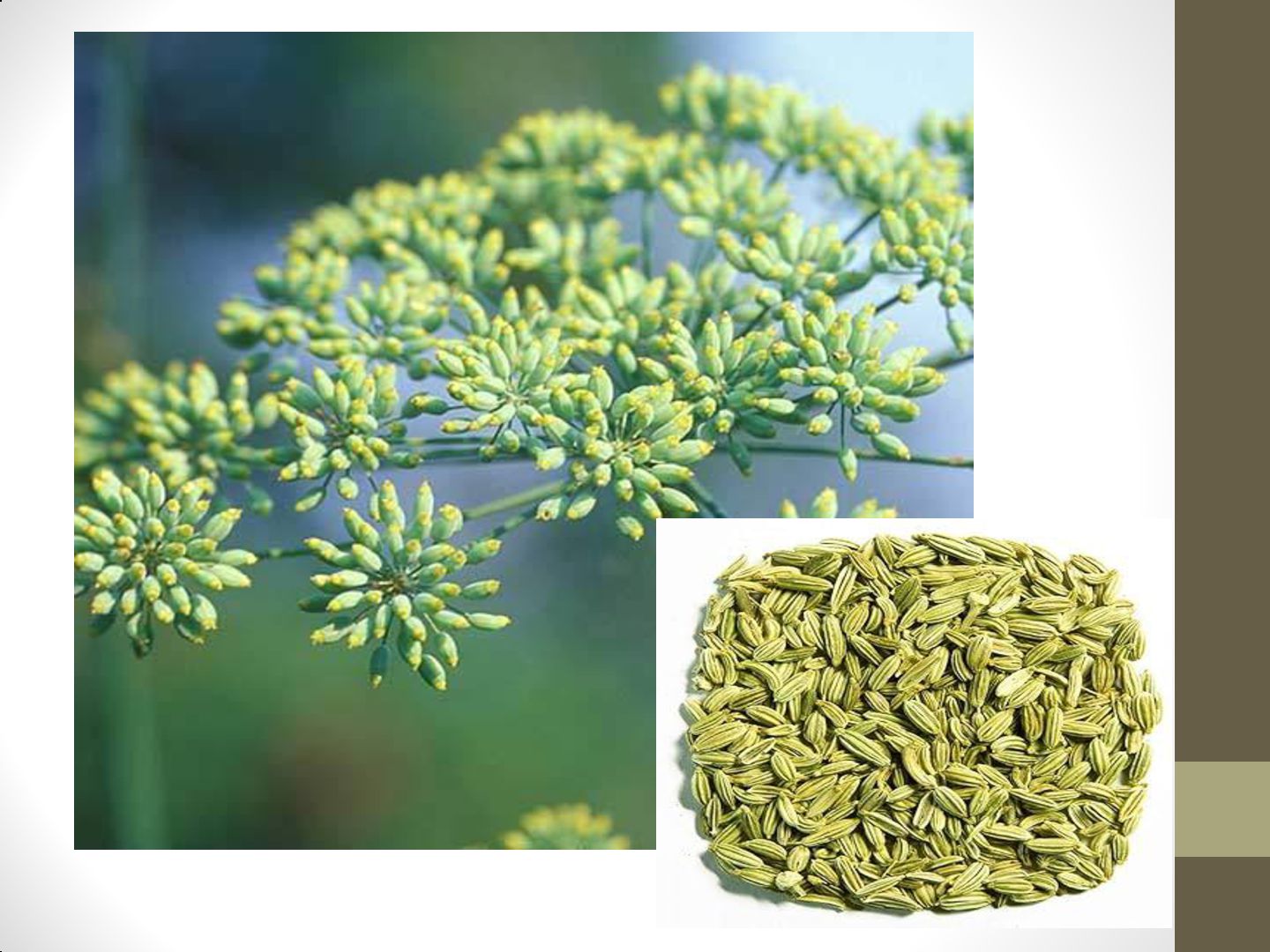
  70. Fennel • Synonym- Fennel fruits, Fructus foeniculum, Saunf, Badishep. •

    Biological source- It consist of dried ripe fruits of the plant Foeniculum vulgare, belonging to family Umbellifarae. • It should contain NLT 0.6% Anethole. • Geographical source- it is indigenous and largely cultivated in Romania, Russia, Germany, France, India and Japan. • In India it is cultivated in Gujrat, Punjab, Maharashtra, Rajasthan, Uttar Pradesh and West Bengal.
  71. • MorphologyColour- Green to yellowish brown. Odour- Sweet Aromatic Taste-

    Strongly Aromatic Size- 5 to 10 mm length and 2 to 4 mm width. Shape- Straight or Slightly curved. • Chemical constituents- It consist of 3 to 7% of volatile oil, 20% protein and fixed oil. The active chief constituents of the volatile oil is ketone and fenchone(20%), A phenolic ether anthole(50%). It also contains Phellandrene, Limonene, Methyl chavicol, anisic aldehyde. Fenchone is colourless pungent liquid with aromatic odour. And anethol is sweet in taste.
  72. Uses • It is used as a Carminative, Stimulant, Aromatic,

    Stomachic. • It is also used as an Expectorant. • Pharmaceutically, It is used as flavoring agent.
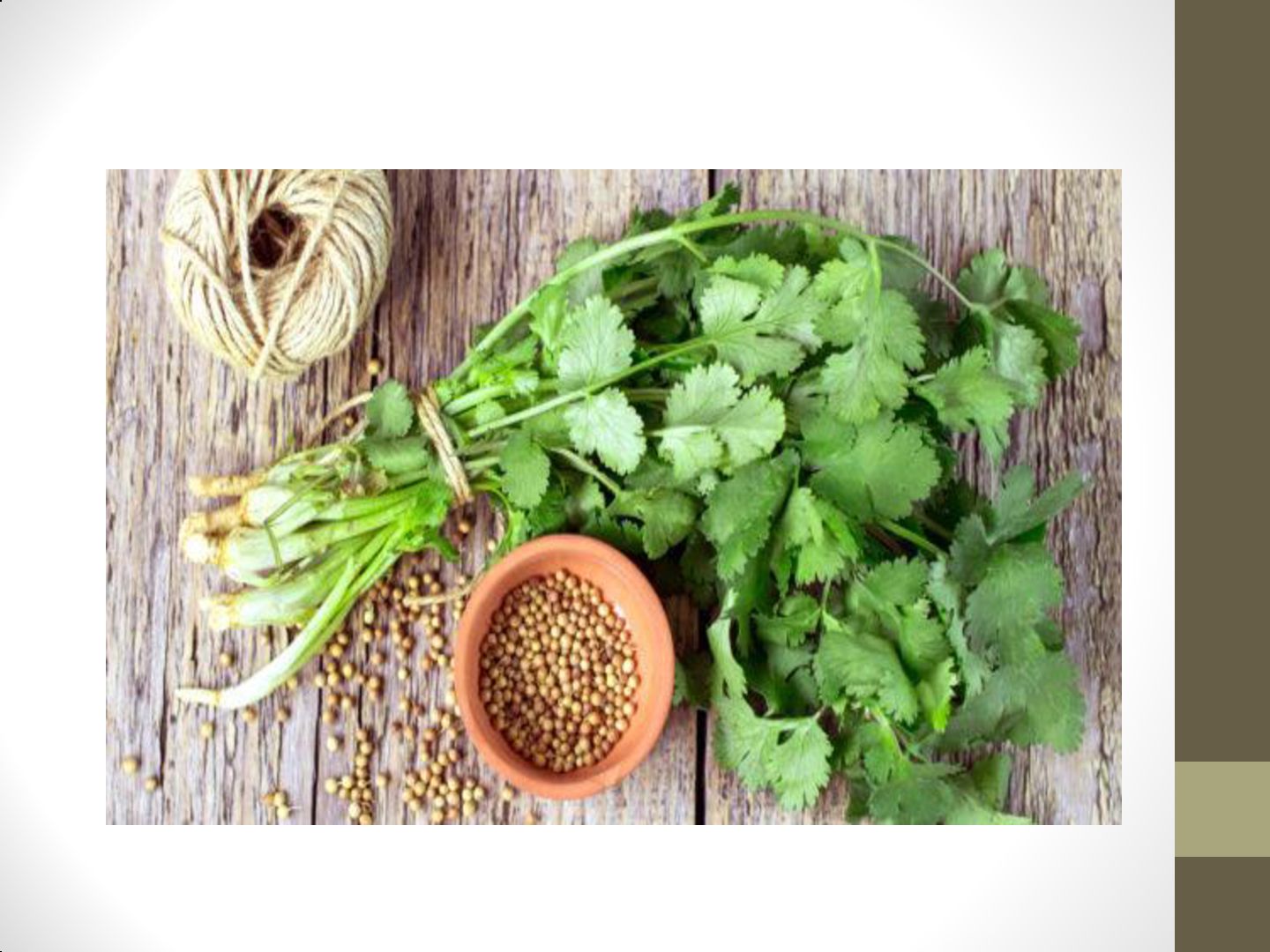
  73. Coriander • Synonym- Coriander fruits, Dhane, Dhania • Biological Source-

    It consist of dried ripe fruits of plant known as Coriandrum sativum, belonging to Family Umbellifarae. The fruits should contains NLT 0.3% of Volatile oil. • Geographical source- It is cultivated in European countries, Russia, Hungery And Holland. It is also cultivated in India, Egypt and Morocco. In India it is widely cultivated in Andhra Pradesh (In Guntur and Anantpur), in Maharashtra (Jalgoan and Satara), In West Bengal (Hawrah and 24-Paragana districts), Uttar Pradesh, Rajasthan, Jammu and Kashmir.
  74. • MorphologyColour- Yellowish brown to brown Odour- Aromatic Taste- Spicy

    and Characteristic Size- 2- 4mm in diameter, 4-30mm in Length Shape- Sub-Globular cremocarpous fruit. • Chemical Constituents- Coriander contains 0.3-1% of volatile oil, Fixed oil 13%, proteins 20%. The volatile oil of the drug contains 90% of D-Linalool, It is also called as Coriandrol and coriandryl acetate, and small quantities of L-borneol, geraniol and pinene. Coriander leaves contains rich source of Vitamin A.
  75. Uses • The fruits as well as volatile oil are

    used as an Aromatic, Carminative, stimulant, stomachic and flavouring agent. • Coriander oil is used along with purgatives to prevent gripping.
  76. Tannins • Tannins are naturally occurring complex organic compounds possessing

    nitrogen free polyphenols of high molecular weight. • They are found in many plants as Secondary metabolites. • Tannins binds to proteins, amino acid and alkaloids and precipitated them, by showing Astringent activity. • Tannins have molecular weight ranging from 500 to over 3000 and up to 20000. • They forms colloidal solution with water and giving acid reactions. When applied on wound or any injury, tannins forms protective coating so as to prevent irritation and promotes healing. • They are used as strong astringent, mild antiseptic, treatment of diarrhea, haemostatic, burns and scars of the skin. • Industrially it is used to production of wines and beers, and also for tanning leather, making dyes and in textile industry.
  77. • Function in plantsThey protects plants from predators. (including pesticides)

    They might helps in regulating plant growth. • Classification-Tannins are Classified depending on their chemical structure• Hydrolysable tannins- these are hydrolysed by acids and enzymes and produecs Gallic and Ellagic acids. Chemically they are ester of phenolic acids. Eg. Rhubarb, Clove • Condensed tannins- These are resistant to hydrolysis so they are called as non-hydrolysable tannins. They are derived fron flavonoids. Eg. Cinchona bark, Areca seeds • Psuedo Tannins- These tannins are phenolic compounds of Low molecular weight. Eg. Catechu, Ipecac.
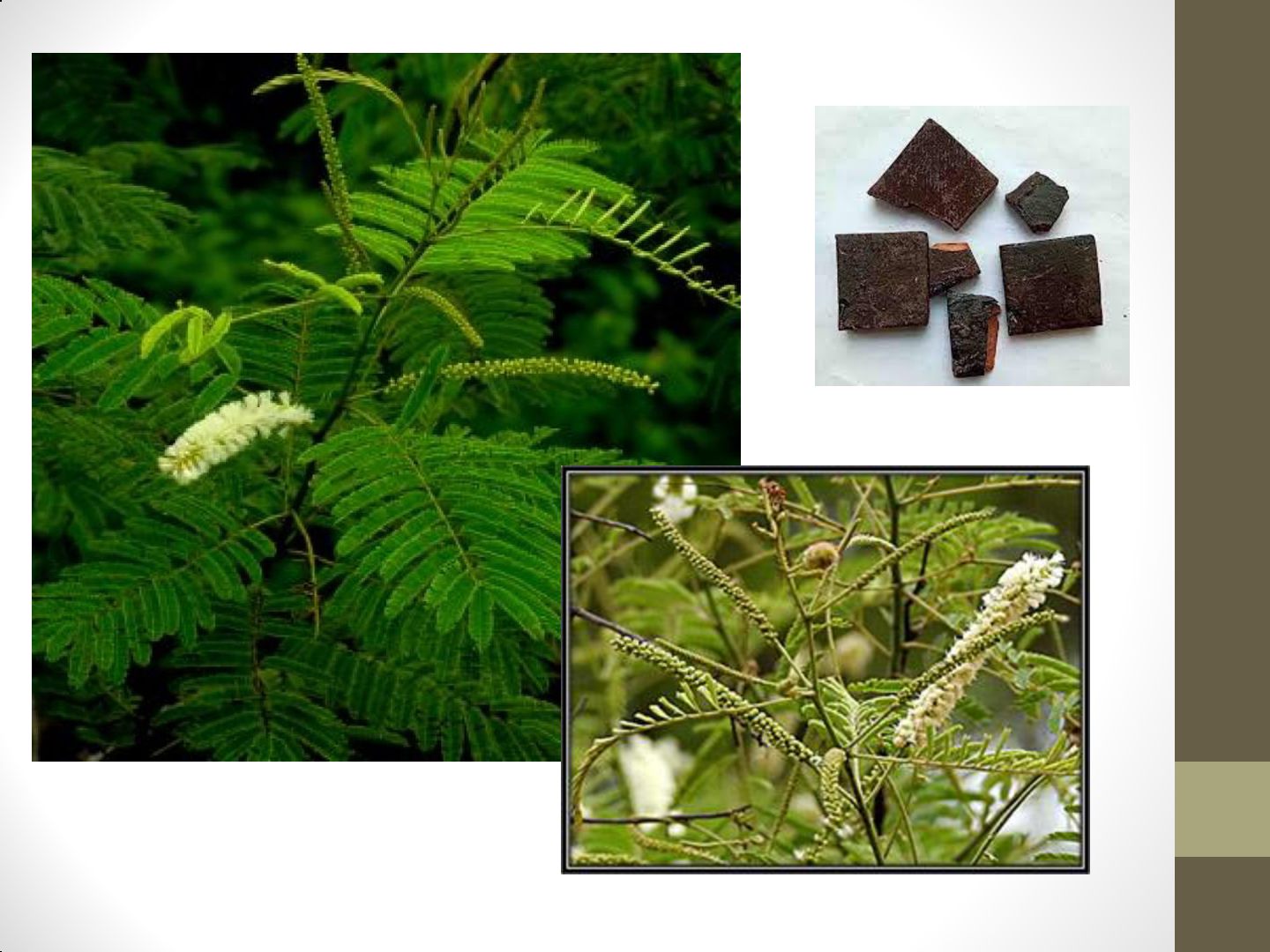
  78. Black Catechu • Synonym- Kattha, Cutch, Khadir-catechu, Catechu. • Biological

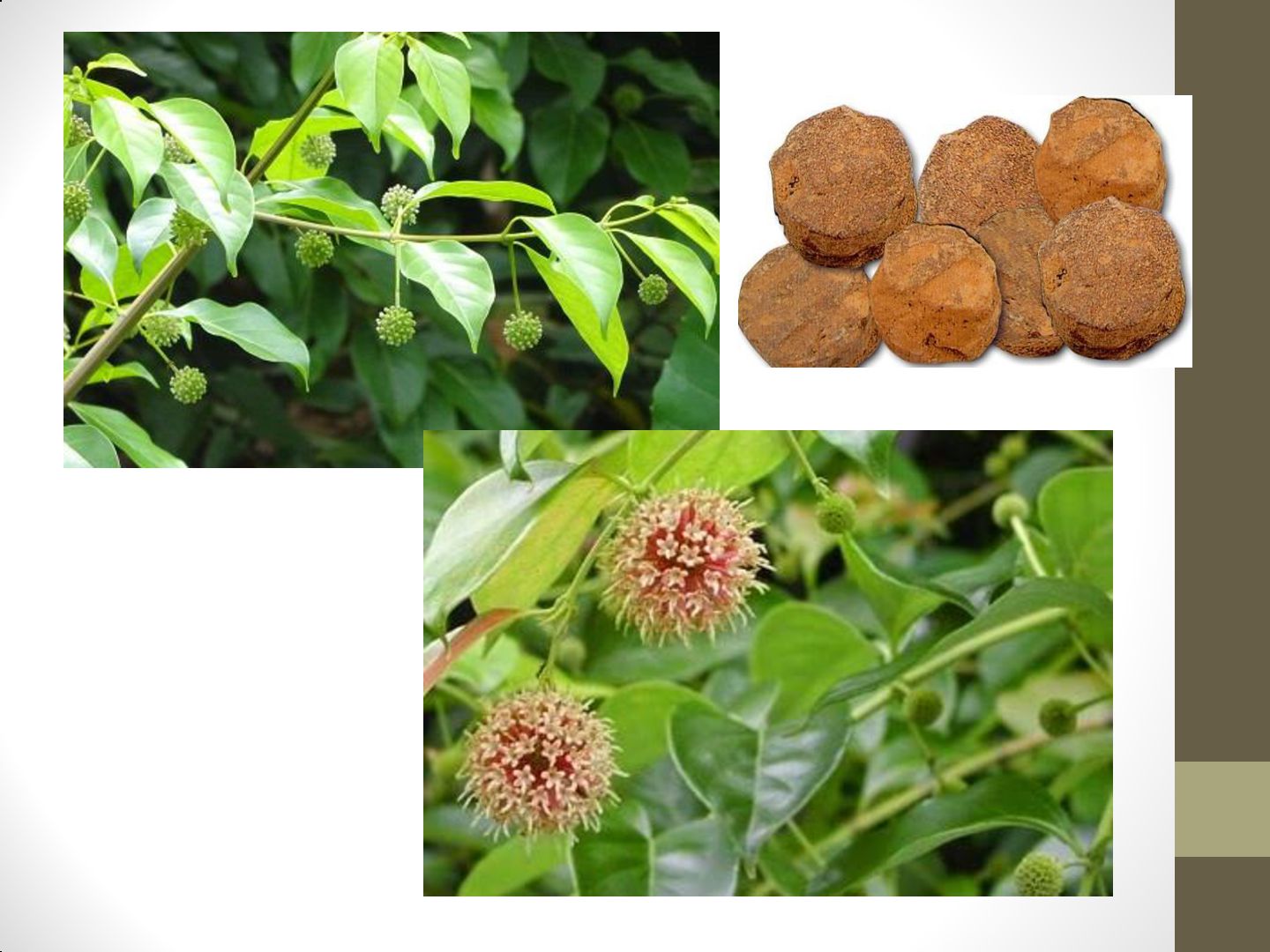
    Source- It consist of dried aqueous extract prepared from heartwood of plant Acacia catechu, which belonging to family Leguminosae. • Geographical source- Plants used for preperation of catechu are grown in India and Myanmar. • MorphologyColour- Light brown to black Odour- None Taste- Very Astringent Size- About 2.5-5 cm Shape- Cubes or irregular broken pieces
  79. • Chemical ConstituentsBlack catechu contains about 10% of Acacatechin. It

    is also known as Acacia catechin. It undergoes oxidation to catechutannic acid in presence of water. The other contents of black catechu are catechu red, quercetin, gum and quercitrin, Black catechu dose not contains chlorophyll and also flurescent substance present in pale catechu. • Chemical tests1. Ferric chloride testAlcoholic extract of drug + 1% Fecl3 solution it gives brownish green colour due to tannins. 2. Gelatin testAqueuous solution of drug + 1% gelatin solution + 10% NaCl it gives white buff coloured precipitate forms by tannins.
  80. 3. Vanillin Hcl test1gm vanillin +10ml alcohol + 10 ml

    conentrated Hcl + drug it gives Red to pink colur appeared by tannins. 4. Match stick test- (Catechin test) Matchstick is dipped in aqueous plants extract, dry it + again moistend with concentrated Hydrochloric acid and warm by near to flame. Matchstick wood turns to pink or red due to tannins. 5. Gold beater skin test- (Ox intestine) A small piece of goldbeater skin + soaked in 20% Hcl + rinse with water + placed in drug solution for 5mins, skin pieces washed with water + Kept in ferrous sulphate solution. It produces a brown or black colour appear on Skin by tannins.
  81. Uses • Catechu used externally as astringent for boils, skin

    eruption and ulcers. • Acacia Catechu is well known for its Astringent property. • It has cooling effect and digestive properties. • It is also used in cough and diarrhea. • Kattha widely used in many breath freshning mixtures. • Catechu used for other purpose like dyeing, colouring, water softening and manufacturing of ion-exchange resins.
  82. Pale Catechu • Synonym- Catechu, Gambier • Biological source- It

    consist of dried aqueous extract of leaves and young shoots of plant Uncaria gambier, belonging to Rubiaceae. • Geographical source- the plant is indigenous to South East Asian region, it is cultivated in Malaysia, Singapore and Indonesia. • Chemical consituents- It consists of condensed tannins in the form of Catechin(7-33%), Catechutannic acid(22-50%), and Catechu red. Other contents are pyrogallol, fixed oil, gum, quercetin and gambier fluroscence.
  83. Uses • It has externally astringent effect, cooling effect and

    digestive properties. • It is used in treatment of throat, mouth and gums. • It is also used in dyeing and tanning industry. • It is used for the Diarrhea and in preparation of lozzenges.
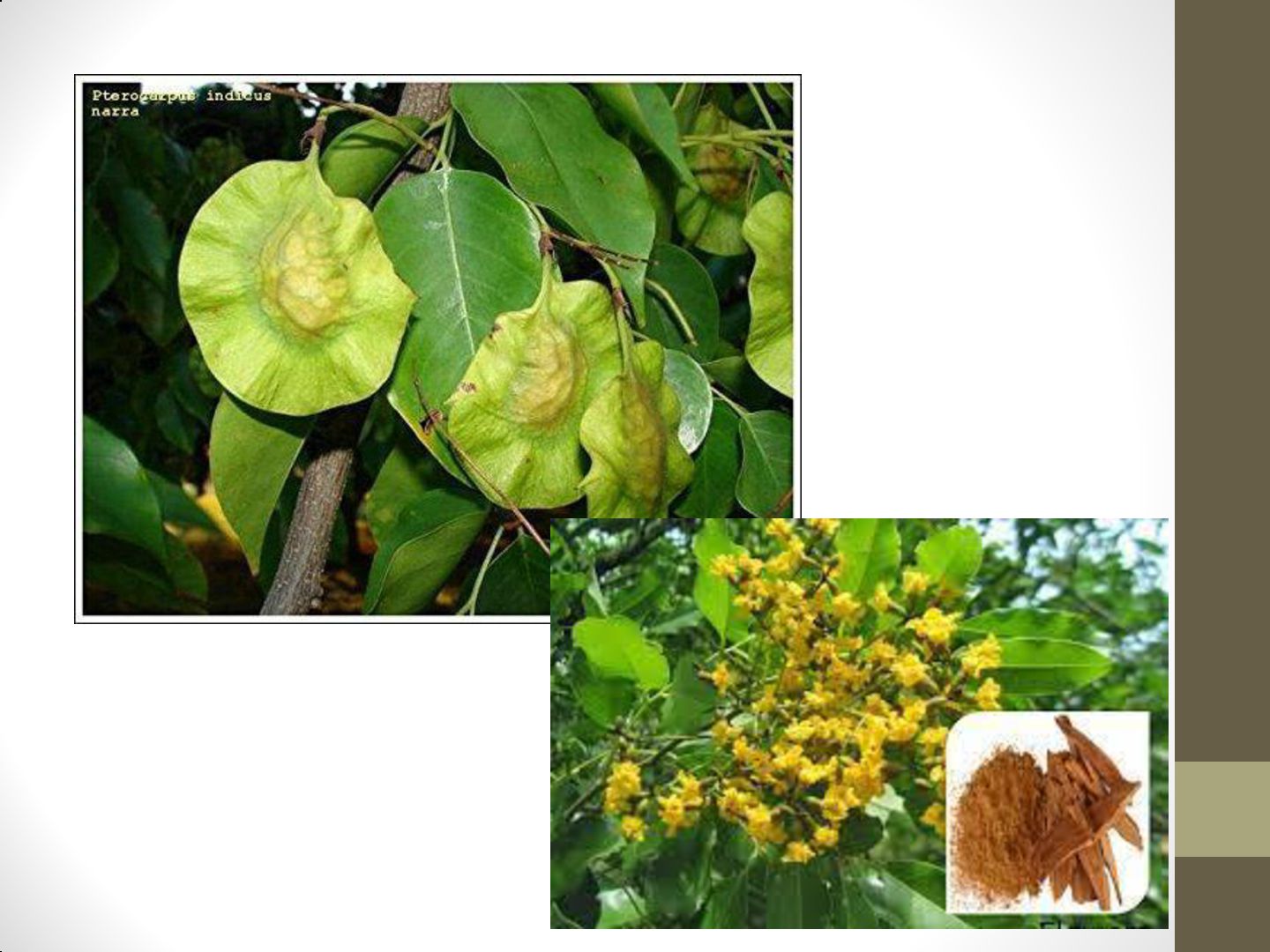
  84. Pterocarpus • Synonym- Indian kino tree, Malabar kino tree, Kino,

    Bijasal, Bibla • Biological source- It consist of dried juice of plant Pterocarpus marsupium, belonging to family Leguminosae. • Geographical source- It is found in Gujrat, Uttar Pradesh, Madhya Pradesh, Bihar, Orissa, Kerala. • Chemical ConstituentsMain chemical component is Kinotannic Acid (70-80%), other contents are Liquiritigenin, isoliquiritigenin, pterosupin, epicatechin, pterostilbene, Betaeudesmol, marsupol, carpusin, marsupinol, kinoin and kino-red.
  85. Uses • The kino is used as powerful astringent, bitter

    acrid, anti-inflammatory, Anthelmintic, in treatment of passive haemorrhage. • It is considered as magical for Diabetis. • It is good for elephantiasis, leucoderma, diarrhea, dysentery, rectalgia and cough. • The bark is used as an astringent and in toothache. • The bruised leaves are considered as external application for boils, sores and skin diseases. • It is used in dyeing, tanning and printing.
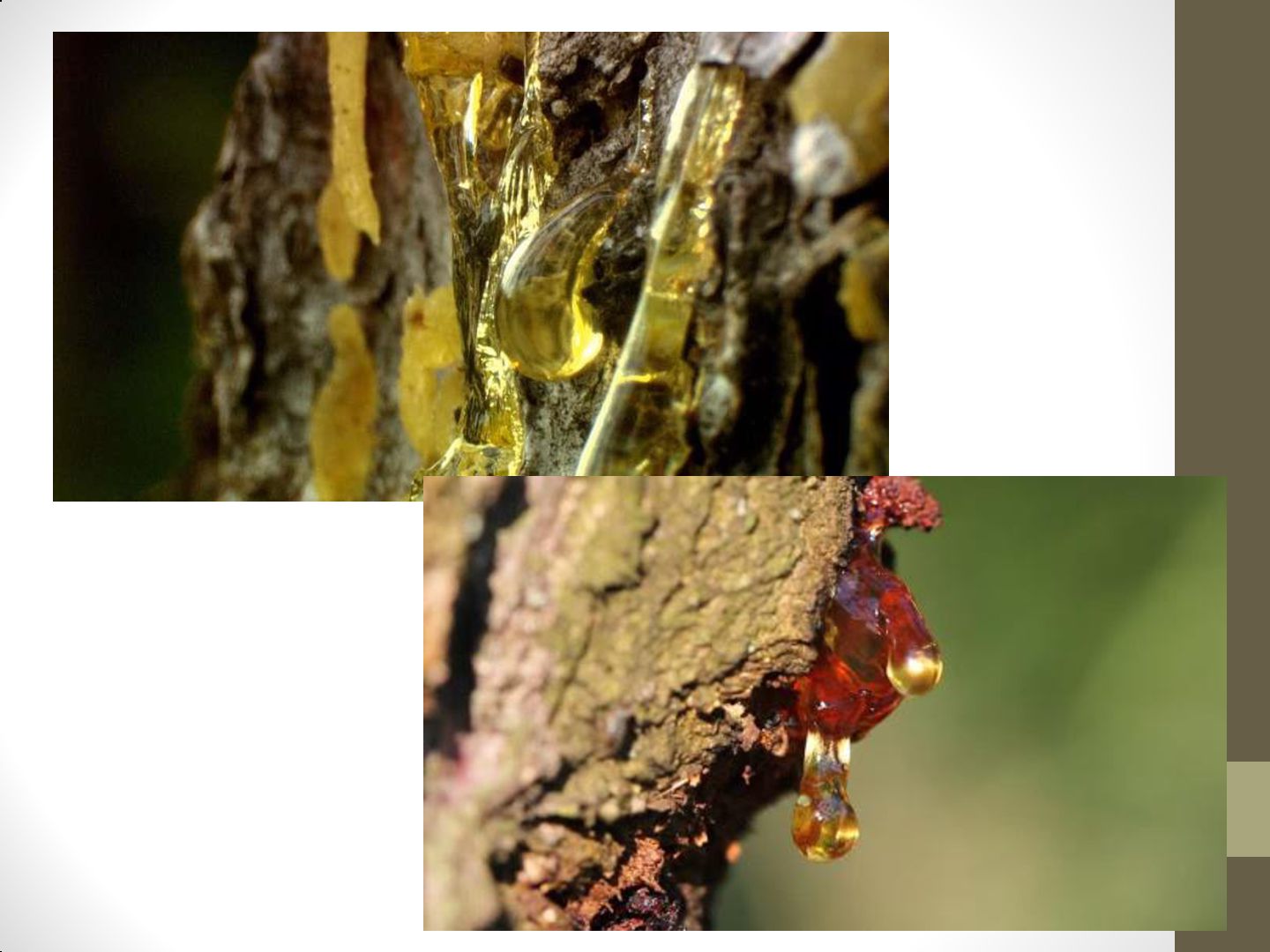
  86. Resins • Resins are amorphous product of complex nature. These

    are amorphous mixtures of essential oils, oxygenated products of terpene and carboxylic acids found as exudations from the trunk of various trees. • They are transparent and translucent solid, semi-solids or liquid substances containing large number of hydrocarbon atoms. • They are formed in Schizogenous or Schizolysigenous cavities or ducts. • Chemically, they contains organic acids, alcohols, esters and neutral resins.
  87. Functions of Resins • Resins have high antiseptic property, protect

    plant from invading insects and pathogens. • They also lower the amount of water lost from the plant tissues. • Volatile phenolic attract predators of the herbivores that attack the plant. • Toxic resins amaze insects, pathogens and herbivores.
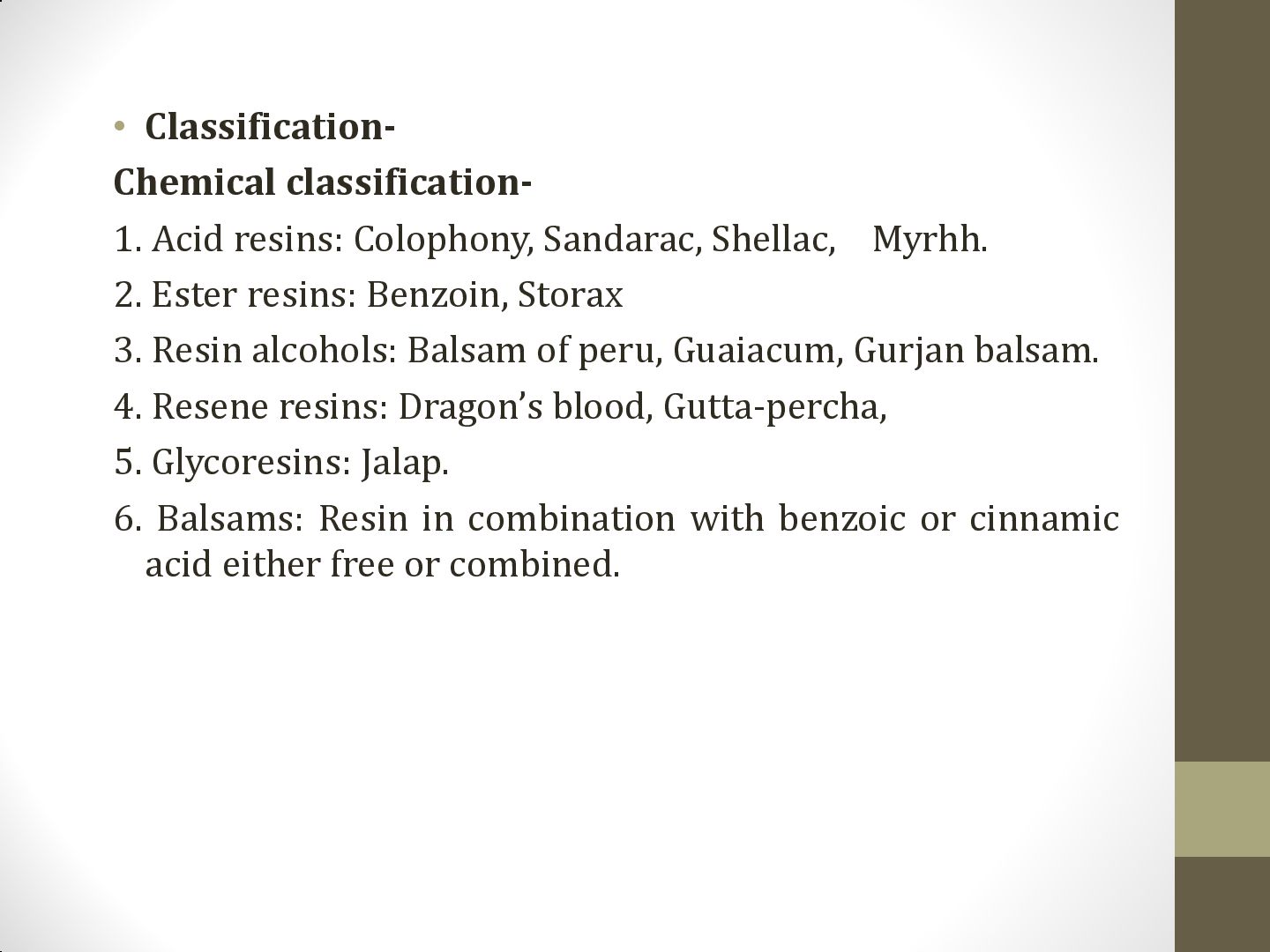
  88. • ClassificationChemical classification1. Acid resins: Colophony, Sandarac, Shellac, Myrhh. 2.

    Ester resins: Benzoin, Storax 3. Resin alcohols: Balsam of peru, Guaiacum, Gurjan balsam. 4. Resene resins: Dragon’s blood, Gutta-percha, 5. Glycoresins: Jalap. 6. Balsams: Resin in combination with benzoic or cinnamic acid either free or combined.
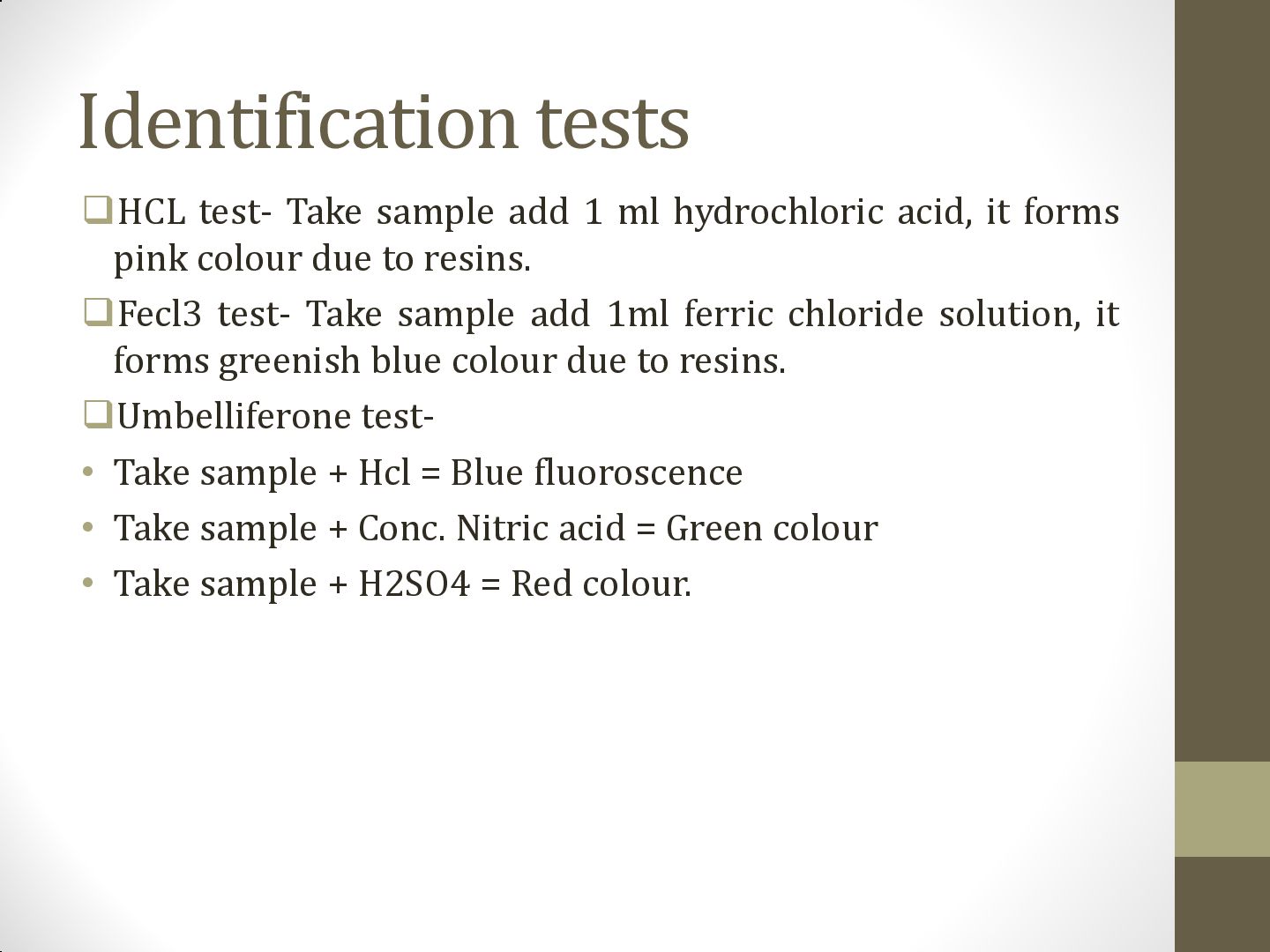
  89. Identification tests HCL test- Take sample add 1 ml hydrochloric

    acid, it forms pink colour due to resins. Fecl3 test- Take sample add 1ml ferric chloride solution, it forms greenish blue colour due to resins. Umbelliferone test• Take sample + Hcl = Blue fluoroscence • Take sample + Conc. Nitric acid = Green colour • Take sample + H2SO4 = Red colour.
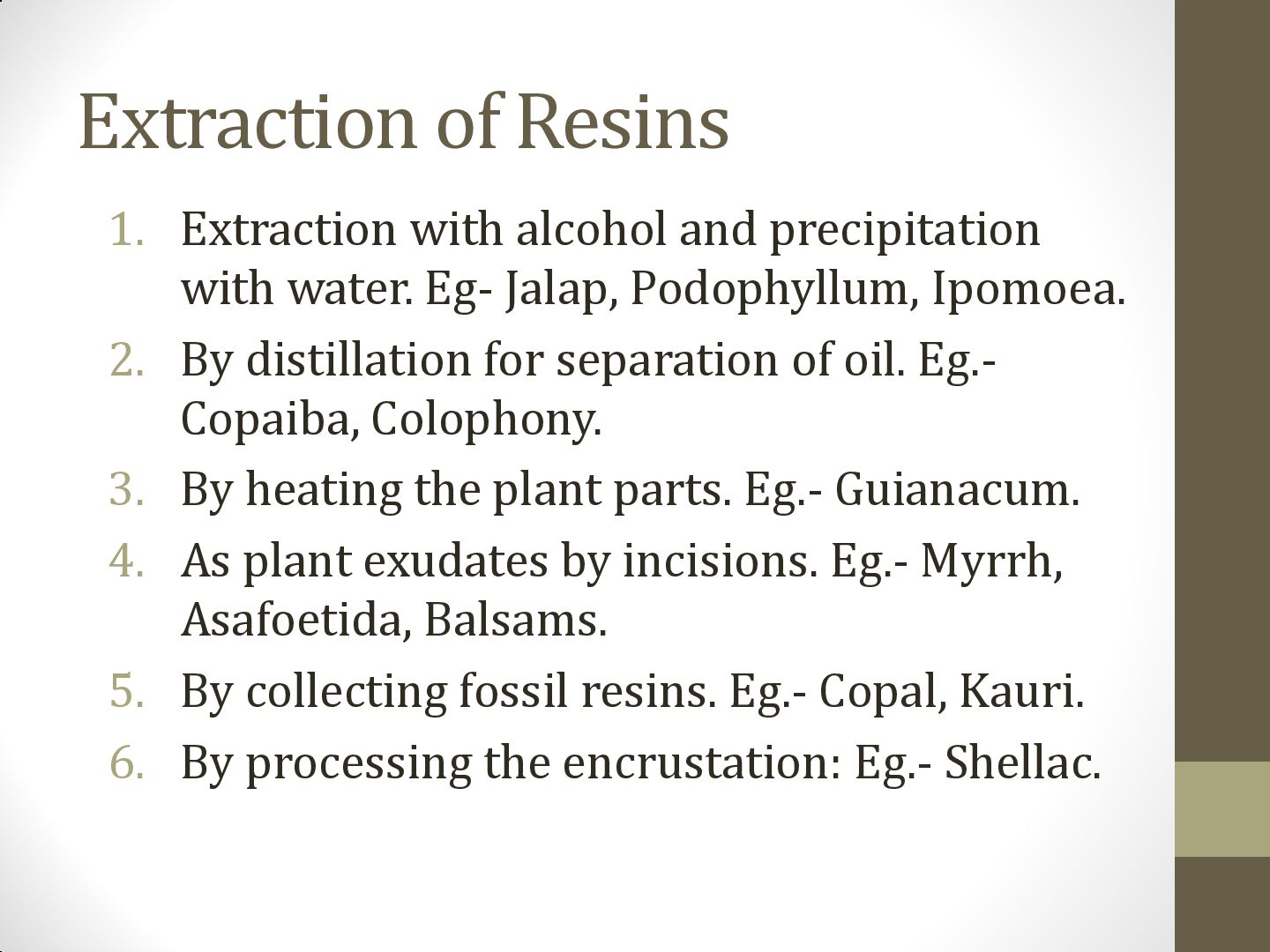
  90. Extraction of Resins 1. Extraction with alcohol and precipitation with

    water. Eg- Jalap, Podophyllum, Ipomoea. 2. By distillation for separation of oil. Eg.Copaiba, Colophony. 3. By heating the plant parts. Eg.- Guianacum. 4. As plant exudates by incisions. Eg.- Myrrh, Asafoetida, Balsams. 5. By collecting fossil resins. Eg.- Copal, Kauri. 6. By processing the encrustation: Eg.- Shellac.
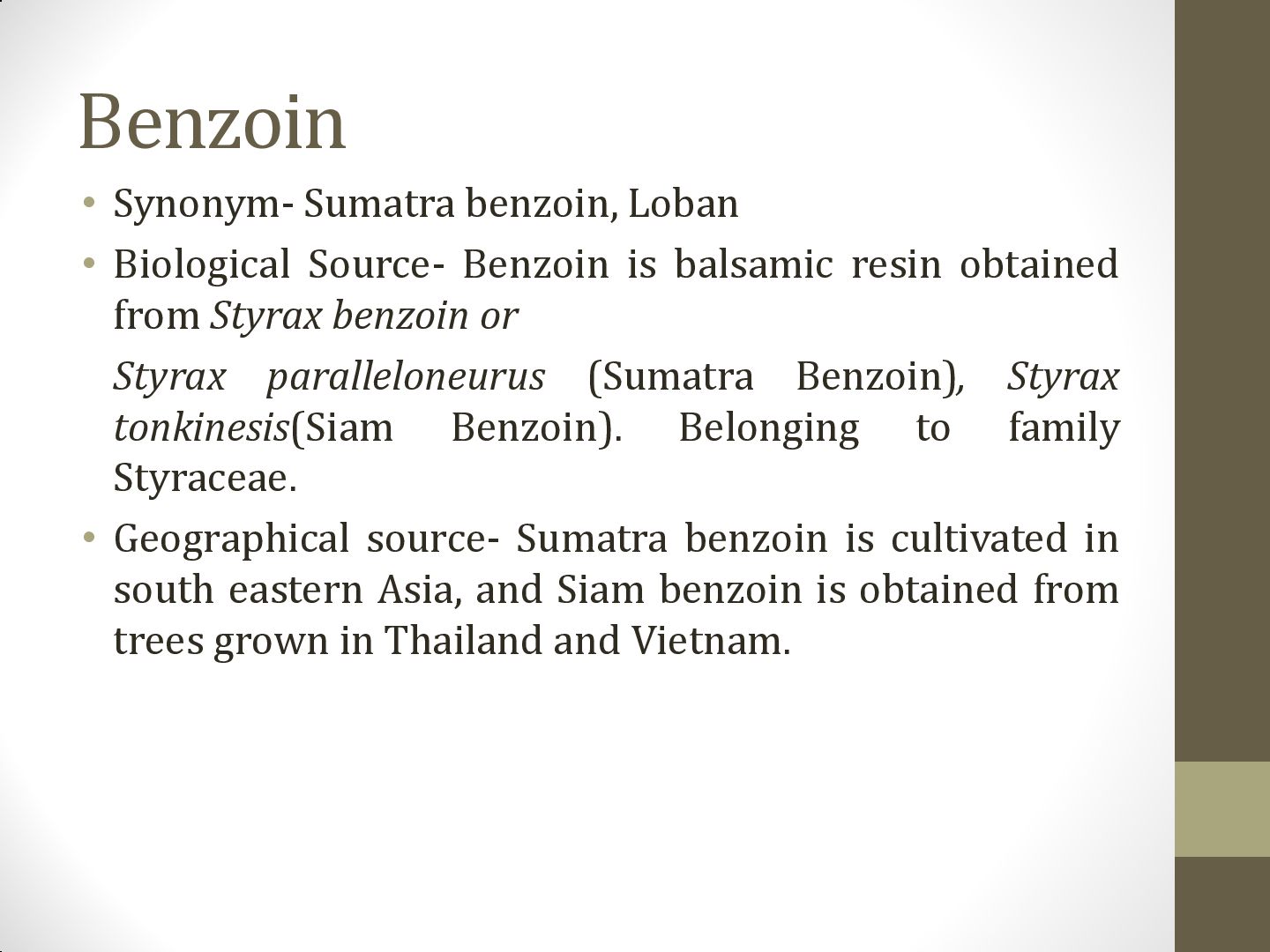
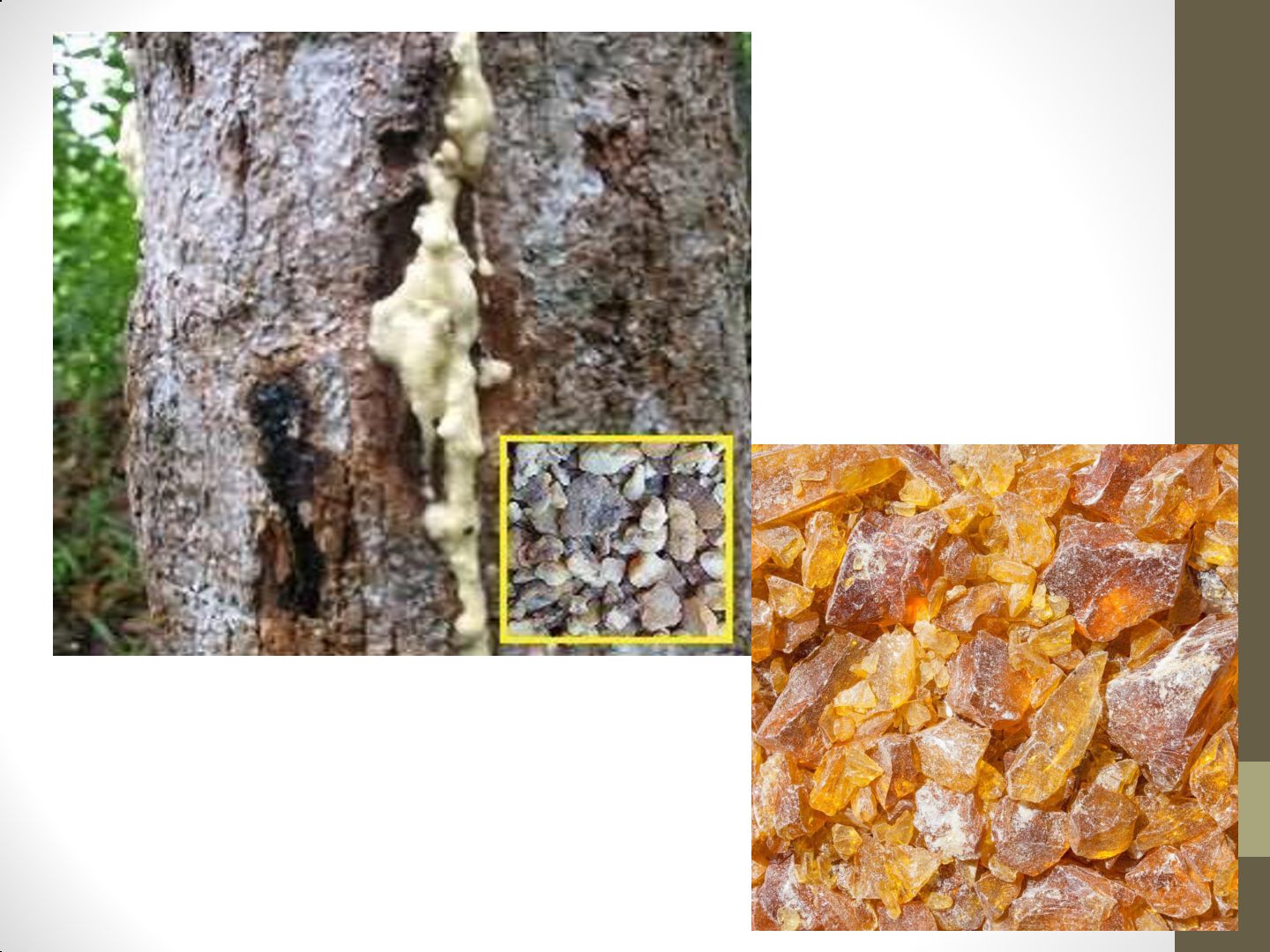
  91. Benzoin • Synonym- Sumatra benzoin, Loban • Biological Source- Benzoin

    is balsamic resin obtained from Styrax benzoin or Styrax paralleloneurus (Sumatra Benzoin), Styrax tonkinesis(Siam Benzoin). Belonging to family Styraceae. • Geographical source- Sumatra benzoin is cultivated in south eastern Asia, and Siam benzoin is obtained from trees grown in Thailand and Vietnam.
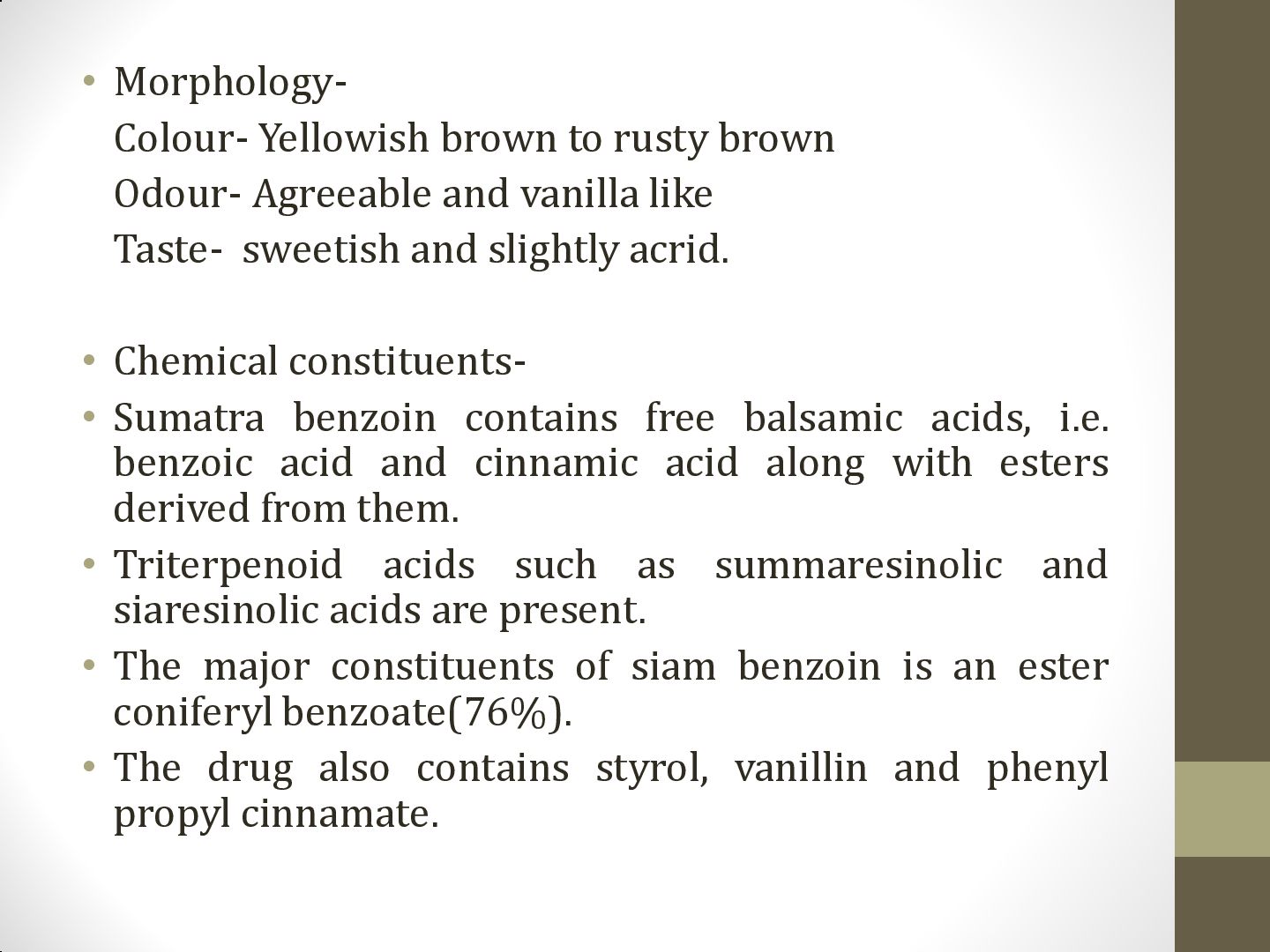
  92. • MorphologyColour- Yellowish brown to rusty brown Odour- Agreeable and

    vanilla like Taste- sweetish and slightly acrid. • Chemical constituents• Sumatra benzoin contains free balsamic acids, i.e. benzoic acid and cinnamic acid along with esters derived from them. • Triterpenoid acids such as summaresinolic and siaresinolic acids are present. • The major constituents of siam benzoin is an ester coniferyl benzoate(76%). • The drug also contains styrol, vanillin and phenyl propyl cinnamate.
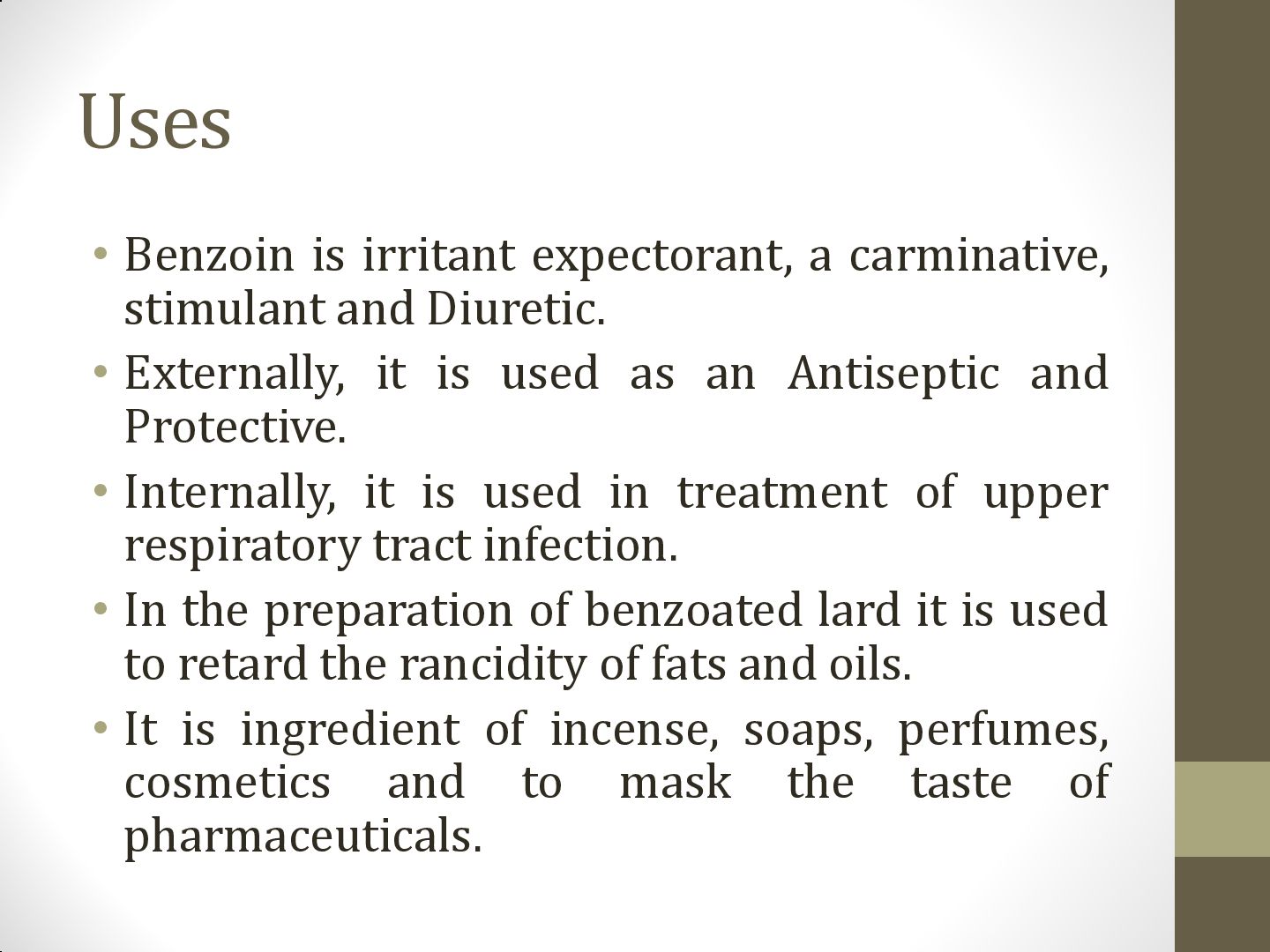
  93. Uses • Benzoin is irritant expectorant, a carminative, stimulant and

    Diuretic. • Externally, it is used as an Antiseptic and Protective. • Internally, it is used in treatment of upper respiratory tract infection. • In the preparation of benzoated lard it is used to retard the rancidity of fats and oils. • It is ingredient of incense, soaps, perfumes, cosmetics and to mask the taste of pharmaceuticals.
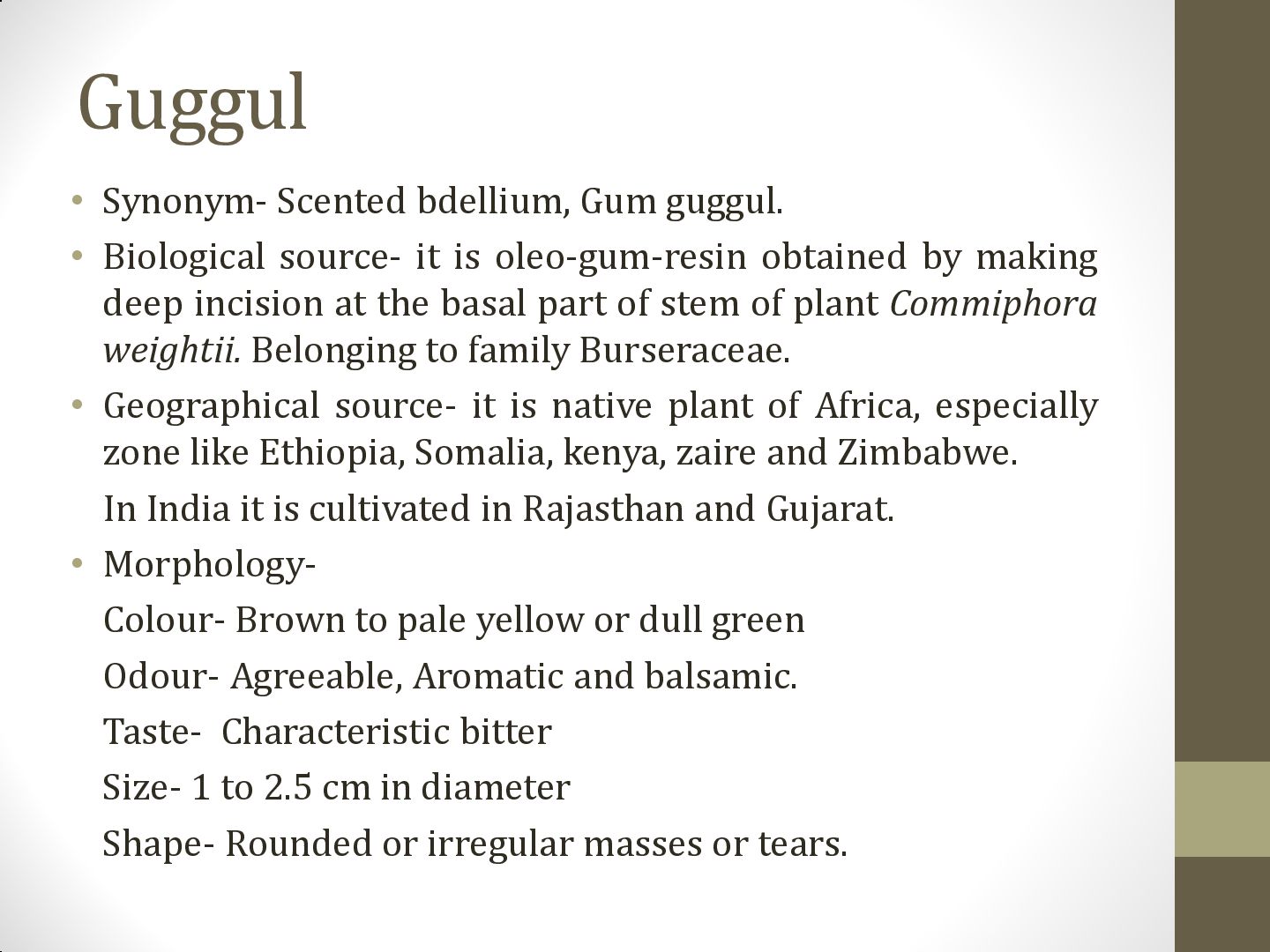
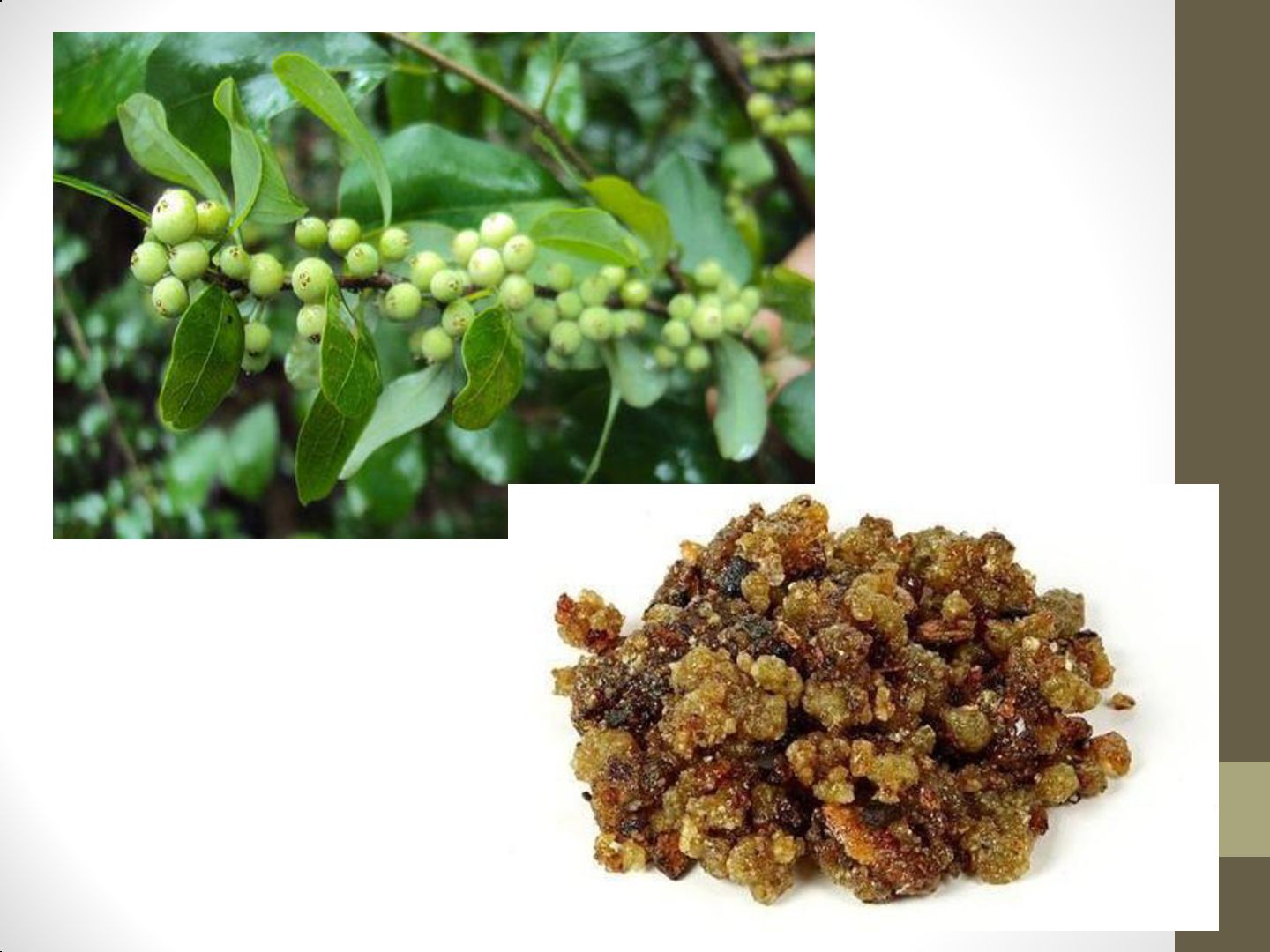
  94. Guggul • Synonym- Scented bdellium, Gum guggul. • Biological source-

    it is oleo-gum-resin obtained by making deep incision at the basal part of stem of plant Commiphora weightii. Belonging to family Burseraceae. • Geographical source- it is native plant of Africa, especially zone like Ethiopia, Somalia, kenya, zaire and Zimbabwe. In India it is cultivated in Rajasthan and Gujarat. • MorphologyColour- Brown to pale yellow or dull green Odour- Agreeable, Aromatic and balsamic. Taste- Characteristic bitter Size- 1 to 2.5 cm in diameter Shape- Rounded or irregular masses or tears.
  95. • Chemical constituents• The gum resin of Guggul contains steroids,

    diterpenoids, carbohydrates and aliphatic esters. • The purified gum gives pentosan, pentose and furfural. • The pale yellow volatile oil containing terpenes like myrecene and Caryophylline. • Guggul contains Z- guggulosterone, Eguggulosterone, and three new sterols i.e. guggulosterol I, II and III.
  96. Uses • It is used as Anti-inflammatory, • Anti-rheumatic, •

    Hypolipidemic and • Hypocholesteromic drug. • It lowers low density lipoproteins, and support weight contract.
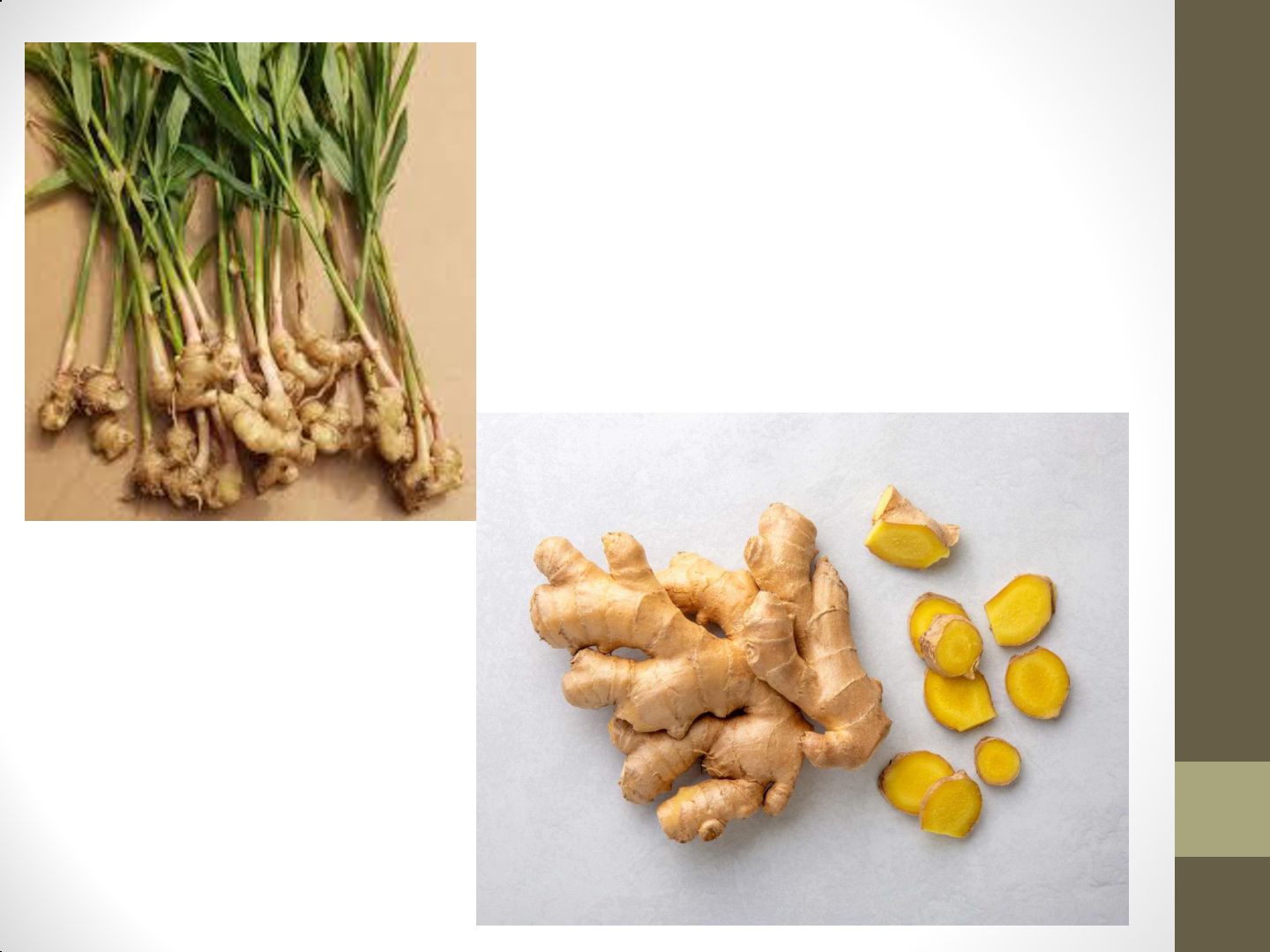
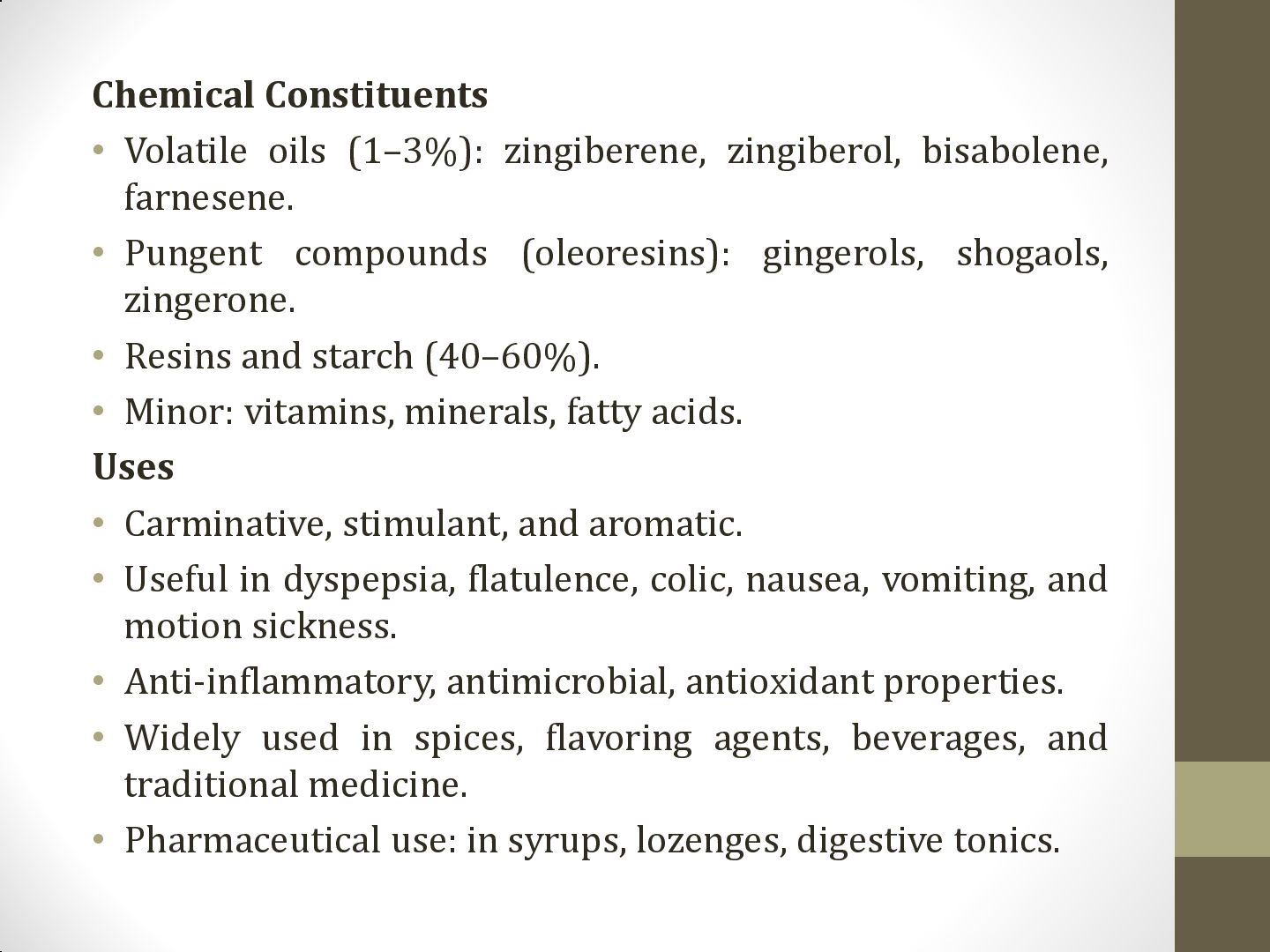
  97. Ginger Synonym • Zingiber • Adrak (Hindi) • Shunthi (Ayurveda

    – for dried rhizome) Biological Source • Dried rhizomes of Zingiber officinale Roscoe, • Family: Zingiberaceae. Geographical Source • Cultivated in India, China, Jamaica, Nigeria, Japan, Taiwan, Bangladesh, and Sri Lanka. • India is one of the largest producers and exporters, especially Kerala, Karnataka, and Northeast states. Morphological Characteristics • Rhizome: • Laterally compressed, branched pieces, 5–15 cm long. • Outer surface buff-colored with striations. • Fracture: short and fibrous. • Internal surface: yellowish with oil cells and vascular bundles. • Odor: distinct, aromatic. • Taste: spicy, pungent, warm.
  98. Chemical Constituents • Volatile oils (1–3%): zingiberene, zingiberol, bisabolene, farnesene.

    • Pungent compounds (oleoresins): gingerols, shogaols, zingerone. • Resins and starch (40–60%). • Minor: vitamins, minerals, fatty acids. Uses • Carminative, stimulant, and aromatic. • Useful in dyspepsia, flatulence, colic, nausea, vomiting, and motion sickness. • Anti-inflammatory, antimicrobial, antioxidant properties. • Widely used in spices, flavoring agents, beverages, and traditional medicine. • Pharmaceutical use: in syrups, lozenges, digestive tonics.
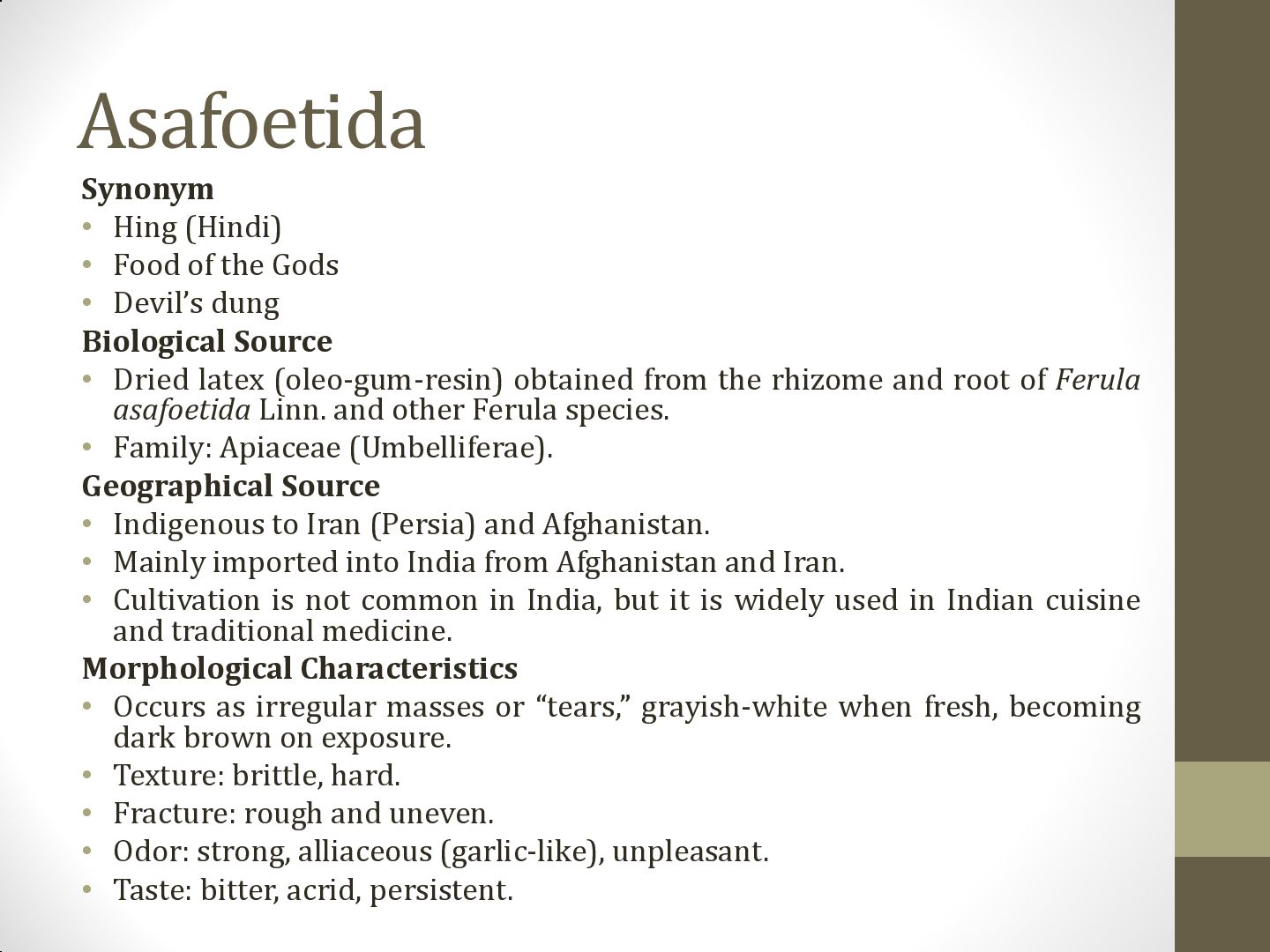
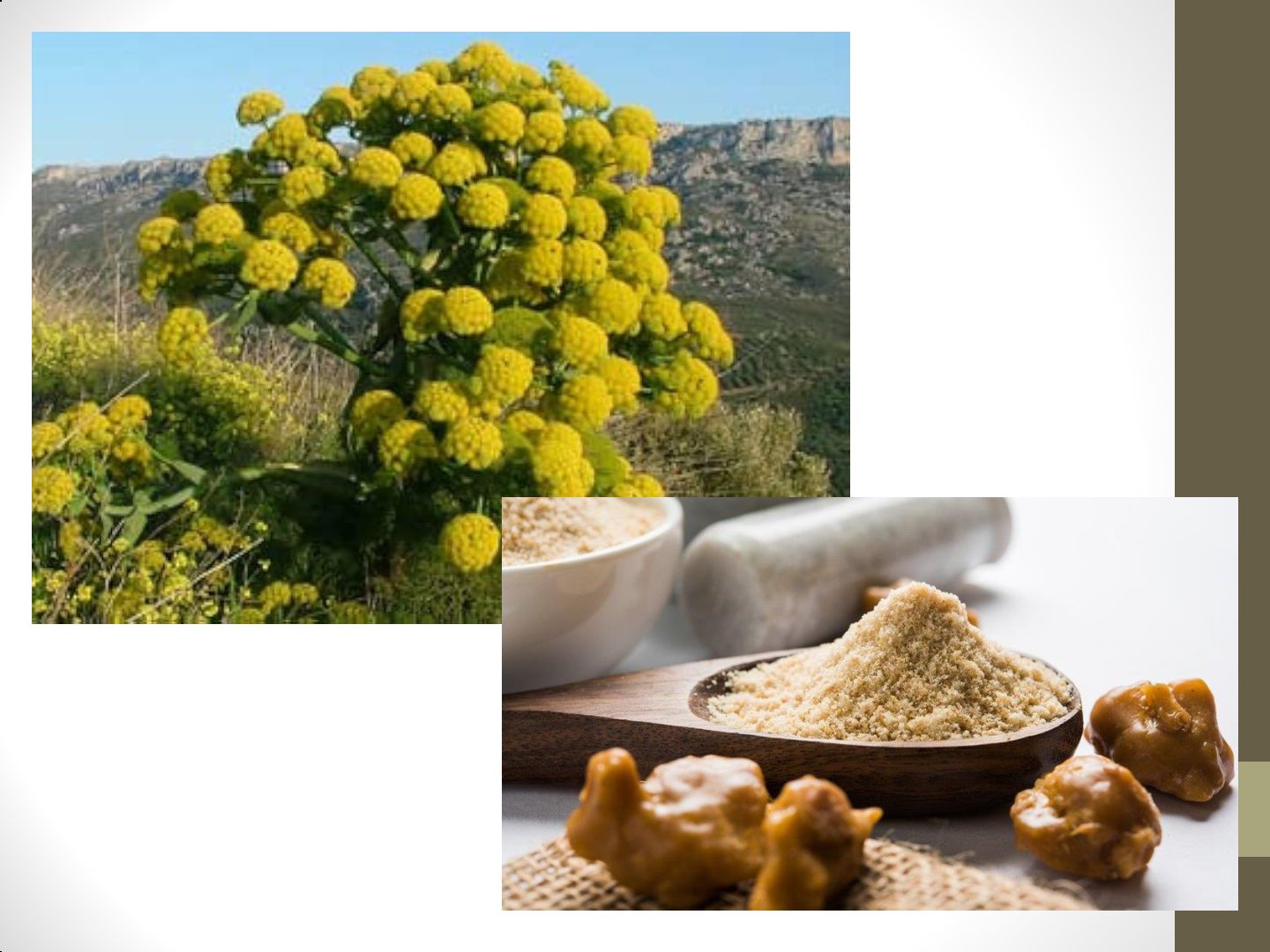
  99. Asafoetida Synonym • Hing (Hindi) • Food of the Gods

    • Devil’s dung Biological Source • Dried latex (oleo-gum-resin) obtained from the rhizome and root of Ferula asafoetida Linn. and other Ferula species. • Family: Apiaceae (Umbelliferae). Geographical Source • Indigenous to Iran (Persia) and Afghanistan. • Mainly imported into India from Afghanistan and Iran. • Cultivation is not common in India, but it is widely used in Indian cuisine and traditional medicine. Morphological Characteristics • Occurs as irregular masses or “tears,” grayish-white when fresh, becoming dark brown on exposure. • Texture: brittle, hard. • Fracture: rough and uneven. • Odor: strong, alliaceous (garlic-like), unpleasant. • Taste: bitter, acrid, persistent.
  100. Chemical Constituents • Oleo-gum-resin contains: • Volatile oil (4–20%): mainly

    sulfur-containing compounds (disulfides, trisulfides) → responsible for strong odor. • Resin (40–64%): ferulic acid ester, umbelliferone. • Gum (up to 25%): arabinose, galactose, rhamnose, glucuronic acid. • Trace: sesquiterpene coumarins, asaresinotannols. Uses • Carminative, antispasmodic, expectorant. • Used in flatulence, colic, whooping cough, asthma, chronic bronchitis. • Antimicrobial and antiviral properties. • Commonly used as spice and condiment in Indian cooking (especially vegetarian dishes). • In Ayurveda: believed to enhance digestion and relieve nervous disorders.
  101. Myrrh Synonym • Gum Myrrh • Heerabol Myrrh • Bol

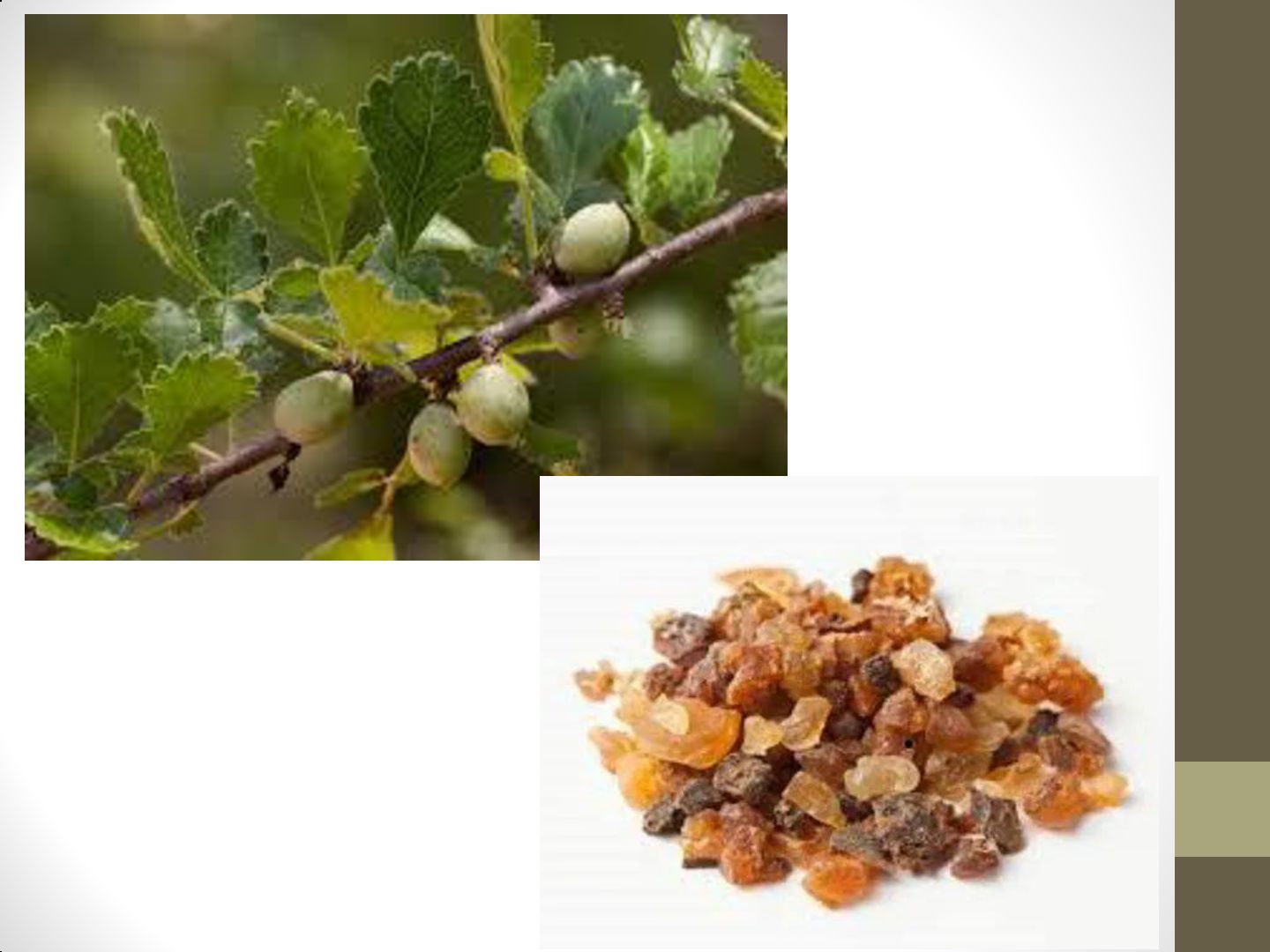
    Biological Source • Oleogum-resin obtained from the stem of Commiphora myrrha (Nees) Engl. and other species of Commiphora. • Family: Burseraceae. Geographical Source • Native to Northeast Africa and Arabian Peninsula. • Chiefly obtained from Somalia, Ethiopia, Sudan, Arabia, and Kenya. • Exported worldwide, especially to India and Europe. Morphological Characteristics • Occurs as tears or irregular masses, yellowish-brown to reddish-brown. • Surface: rough, powdery due to fine cracks. • Fracture: granular, irregular, sometimes waxy. • Odor: aromatic, balsamic. • Taste: bitter, acrid, aromatic.
  102. Chemical Constituents Volatile oil (2–8%): mainly sesquiterpenes (furanoeudesma-1,3-diene, curzerene). Resin

    (25–40%): contains commiphoric acids, heeraboresene. Gum (30–60%): composed of arabinose, galactose, glucuronic acid. Bitter principles: heerabolin, limonene derivatives. Uses Stimulant, expectorant, carminative. Used in treatment of dyspepsia, catarrh, cough, and bronchial conditions. Applied topically in mouth ulcers, gingivitis, and throat infections (as gargles). Used in tooth powders, mouthwashes, and incense preparations. In Ayurveda and Unani: considered antiseptic, antiinflammatory, and wound healing.
  103. Colophony Synonym • Rosin • Greek pitch • Gum rosin

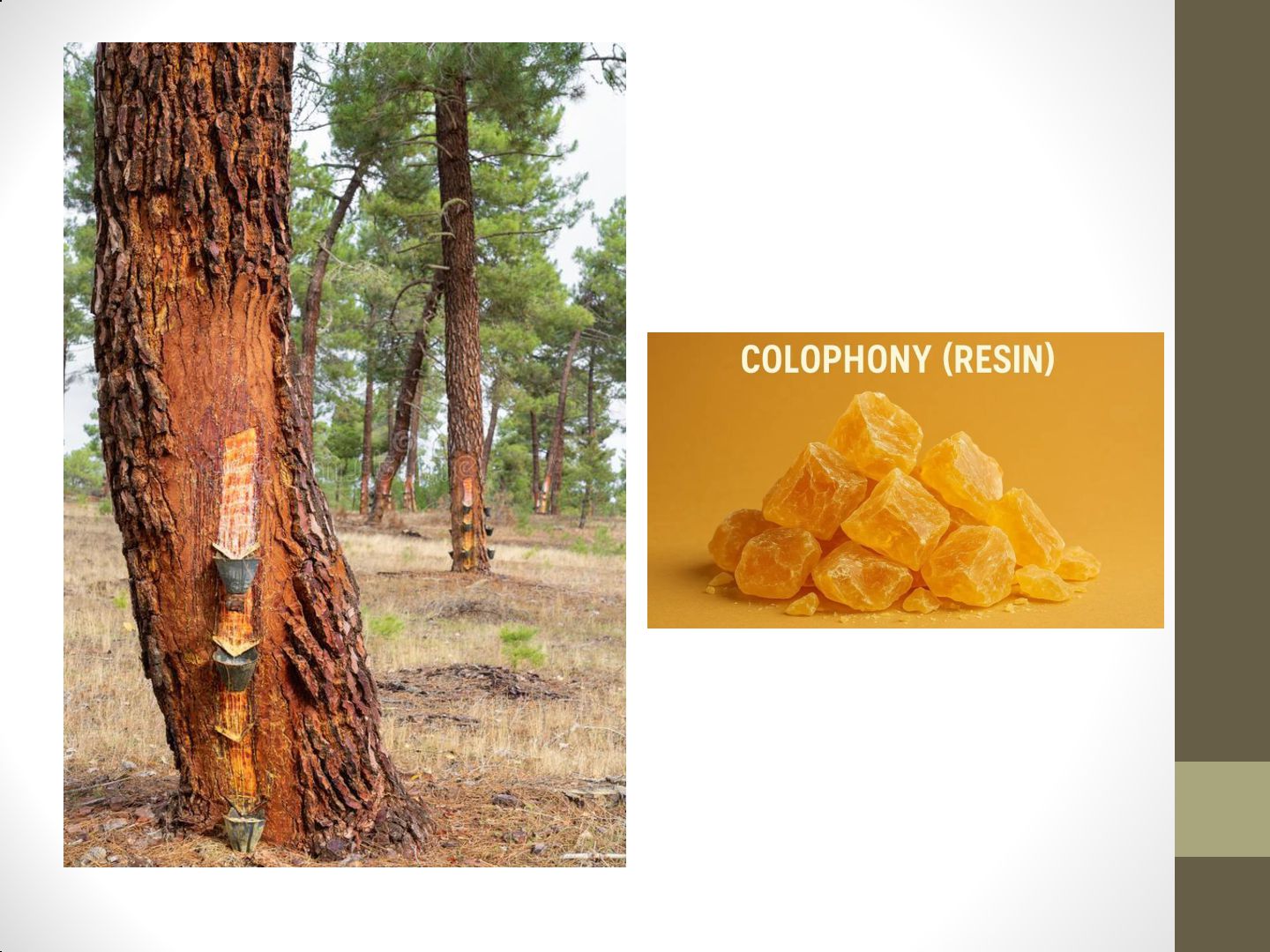
    Biological Source • Oleoresin (resin after distillation of volatile oil turpentine) obtained from the trunk of Pinus roxburghii, Pinus palustris, and other species of Pinus. • Family: Pinaceae. Geographical Source • Widely obtained from India (Himalayan regions – Himachal Pradesh, Uttarakhand). • Also produced in USA, France, Portugal, and Spain. • India mainly uses Pinus roxburghii (Chir pine).
  104. Morphological Characteristics • Occurs as brittle, translucent, glassy, amber-colored masses.

    • Fracture: glossy. • Odor: faint, pine-like. • Taste: slightly bitter, irritating, acrid. • Solubility: insoluble in water, soluble in alcohol, ether, and many organic solvents. Chemical Constituents • Contains about 90% resin acids (mainly abietic acid, pimaric acid, sylvic acid). • Small quantity of neutral substances (resenes). • Traces of volatile oil may remain. Uses • Pharmaceutical: • Used in plasters, ointments, cerates as a base. • Component of sealing wax, varnishes, and adhesives. • Increases adhesive property of plasters. • Industrial: used in soap making, paper sizing, and rubber industry. • Medicinal: Mildly stimulant and irritant, sometimes used externally for counter-irritant action.
  105. Glycosides Definition • Glycosides are naturally occurring organic compounds in

    which a sugar moiety (glycone) is linked to a non-sugar moiety (aglycone or genin) through a glycosidic bond. • On hydrolysis → they yield sugar + aglycone. • Aglycone is responsible for pharmacological action; sugar influences solubility and absorption. Classification • Glycosides are classified based on the nature of aglycone: • Anthraquinone glycosides • • e.g., Senna, Aloe, Rhubarb Use: Laxatives • Cardiac glycosides • • e.g., Digitalis, Strophanthus, Squill Use: Congestive heart failure, arrhythmias • Cyanogenetic glycosides • • e.g., Bitter Almond (Amygdalin), Cherry Laurel Release hydrocyanic acid; use: antitussive, flavoring (with caution)
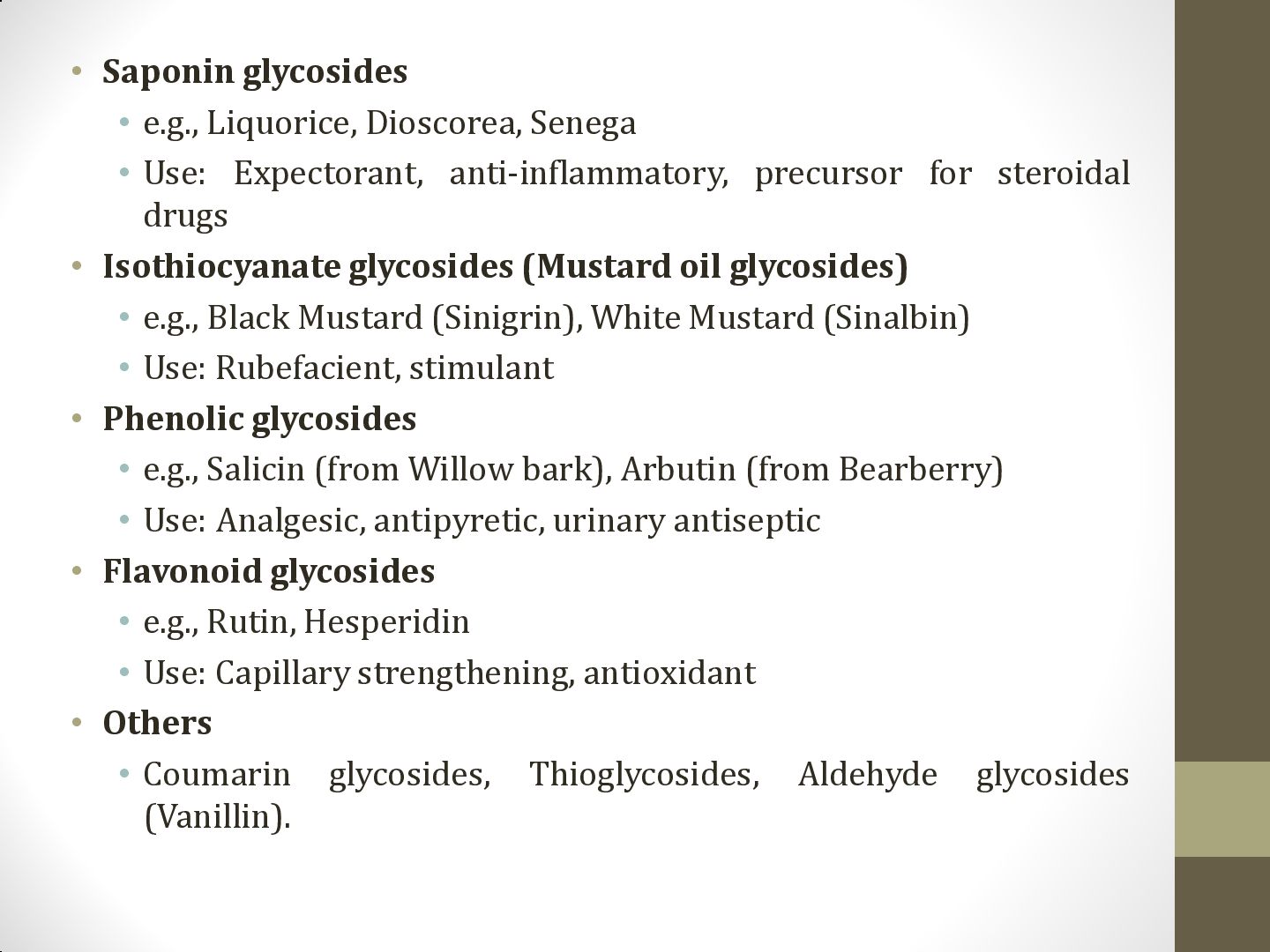
  106. • Saponin glycosides • e.g., Liquorice, Dioscorea, Senega • Use:

    Expectorant, anti-inflammatory, precursor for steroidal drugs • Isothiocyanate glycosides (Mustard oil glycosides) • e.g., Black Mustard (Sinigrin), White Mustard (Sinalbin) • Use: Rubefacient, stimulant • Phenolic glycosides • e.g., Salicin (from Willow bark), Arbutin (from Bearberry) • Use: Analgesic, antipyretic, urinary antiseptic • Flavonoid glycosides • e.g., Rutin, Hesperidin • Use: Capillary strengthening, antioxidant • Others • Coumarin glycosides, Thioglycosides, Aldehyde glycosides (Vanillin).
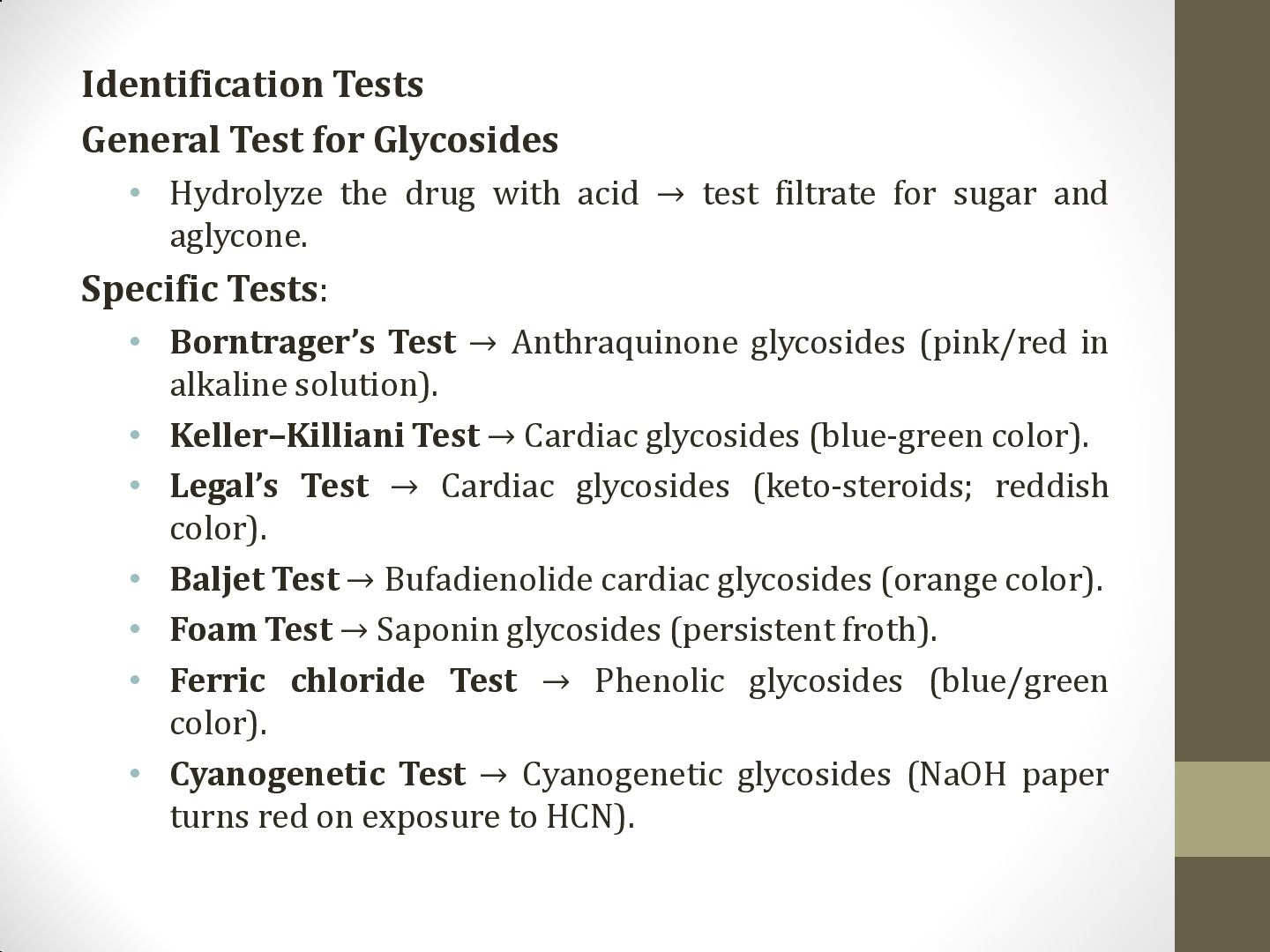
  107. Identification Tests General Test for Glycosides • Hydrolyze the drug

    with acid → test filtrate for sugar and aglycone. Specific Tests: • Borntrager’s Test → Anthraquinone glycosides (pink/red in alkaline solution). • Keller–Killiani Test → Cardiac glycosides (blue-green color). • Legal’s Test → Cardiac glycosides (keto-steroids; reddish color). • Baljet Test → Bufadienolide cardiac glycosides (orange color). • Foam Test → Saponin glycosides (persistent froth). • Ferric chloride Test → Phenolic glycosides (blue/green color). • Cyanogenetic Test → Cyanogenetic glycosides (NaOH paper turns red on exposure to HCN).
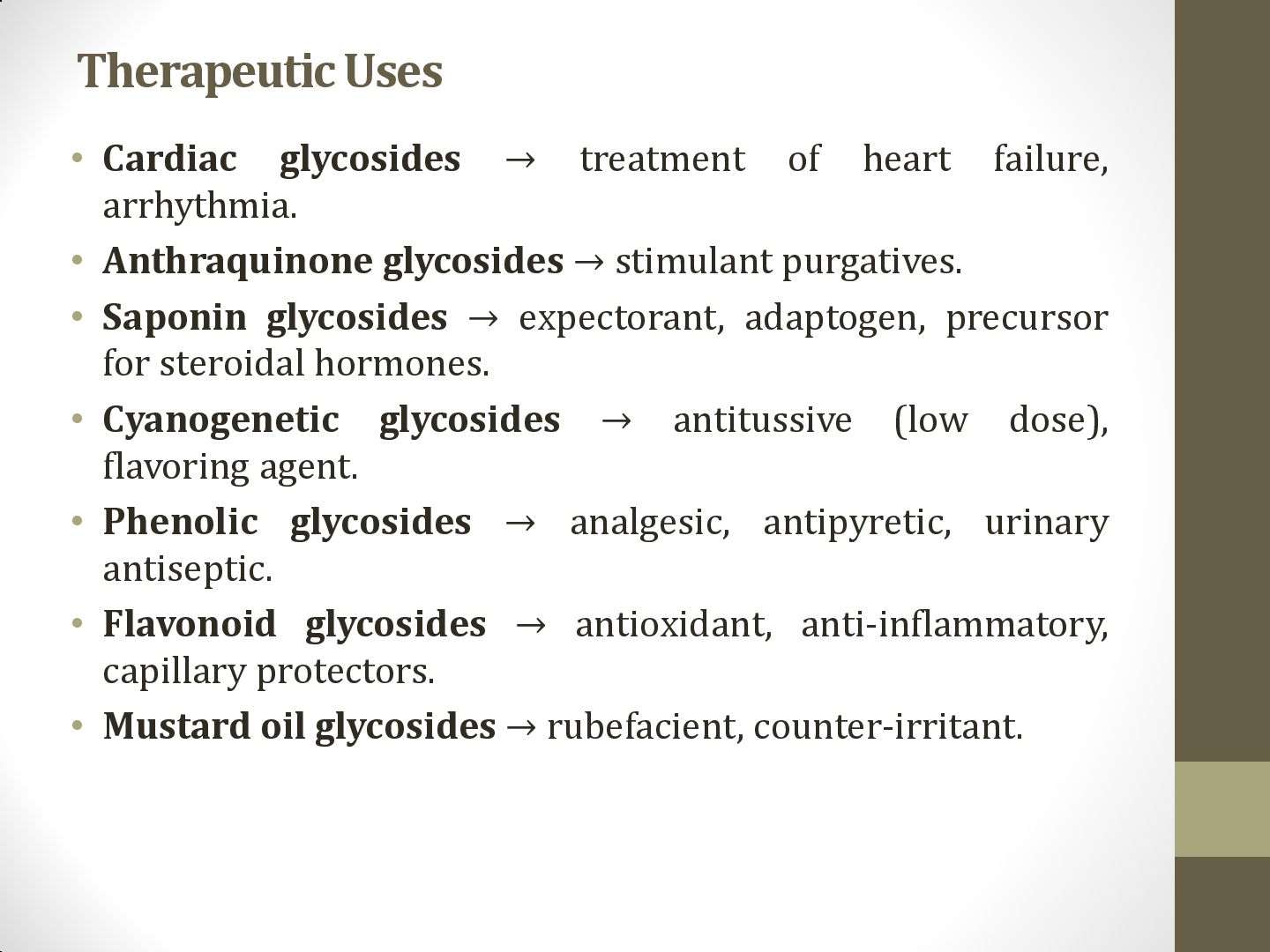
  108. Therapeutic Uses • Cardiac glycosides → treatment of heart failure,

    arrhythmia. • Anthraquinone glycosides → stimulant purgatives. • Saponin glycosides → expectorant, adaptogen, precursor for steroidal hormones. • Cyanogenetic glycosides → antitussive (low dose), flavoring agent. • Phenolic glycosides → analgesic, antipyretic, urinary antiseptic. • Flavonoid glycosides → antioxidant, anti-inflammatory, capillary protectors. • Mustard oil glycosides → rubefacient, counter-irritant.
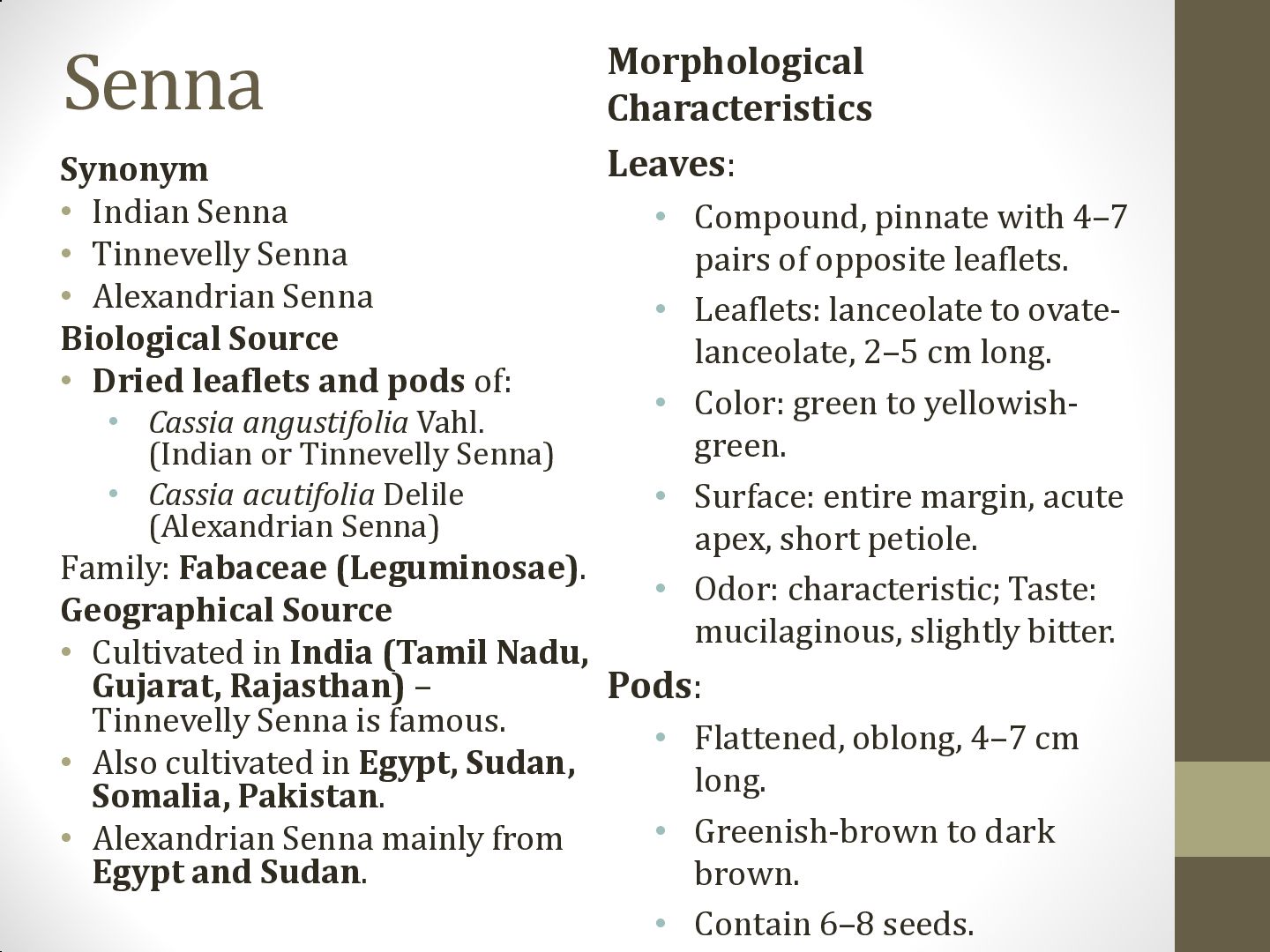
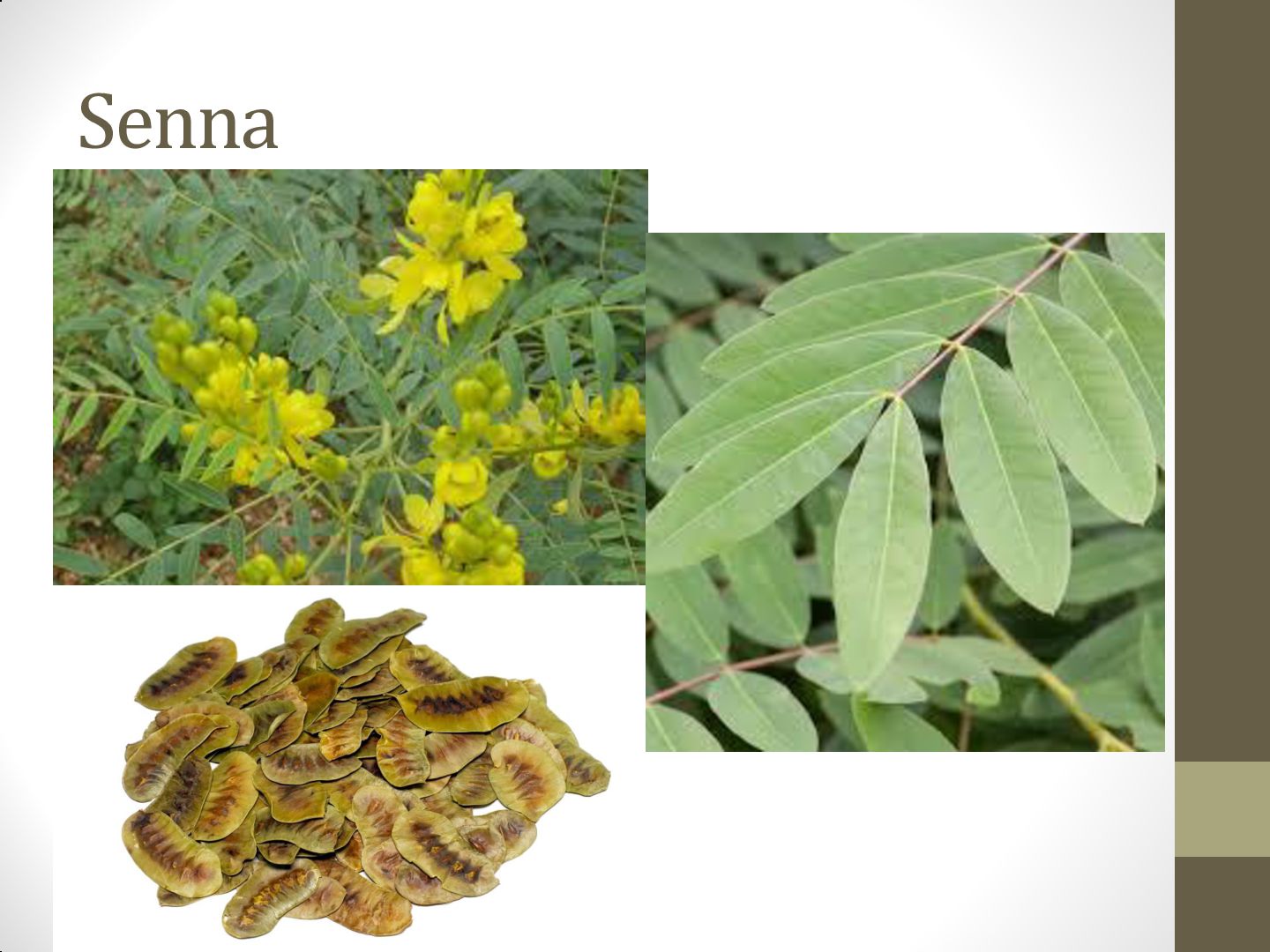
  109. Senna Synonym • Indian Senna • Tinnevelly Senna • Alexandrian

    Senna Biological Source • Dried leaflets and pods of: • Cassia angustifolia Vahl. (Indian or Tinnevelly Senna) • Cassia acutifolia Delile (Alexandrian Senna) Morphological Characteristics Leaves: • Compound, pinnate with 4–7 pairs of opposite leaflets. • Leaflets: lanceolate to ovatelanceolate, 2–5 cm long. • Color: green to yellowishgreen. • Surface: entire margin, acute apex, short petiole. • Odor: characteristic; Taste: mucilaginous, slightly bitter. Family: Fabaceae (Leguminosae). Geographical Source • Cultivated in India (Tamil Nadu, Gujarat, Rajasthan) – Pods: Tinnevelly Senna is famous. • Flattened, oblong, 4–7 cm • Also cultivated in Egypt, Sudan, long. Somalia, Pakistan. • Greenish-brown to dark • Alexandrian Senna mainly from Egypt and Sudan. brown. • Contain 6–8 seeds.
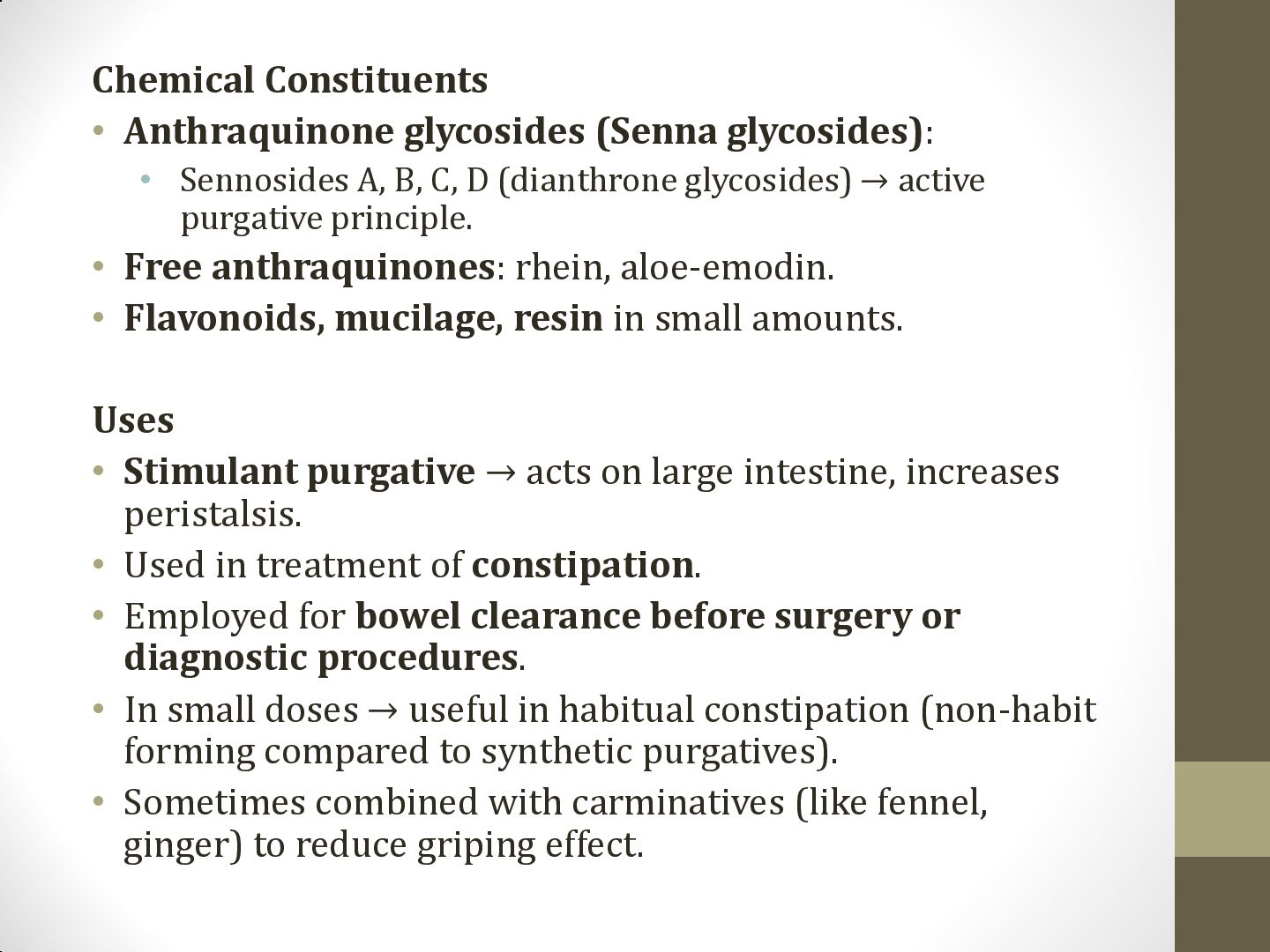
  110. Chemical Constituents • Anthraquinone glycosides (Senna glycosides): • Sennosides A,

    B, C, D (dianthrone glycosides) → active purgative principle. • Free anthraquinones: rhein, aloe-emodin. • Flavonoids, mucilage, resin in small amounts. Uses • Stimulant purgative → acts on large intestine, increases peristalsis. • Used in treatment of constipation. • Employed for bowel clearance before surgery or diagnostic procedures. • In small doses → useful in habitual constipation (non-habit forming compared to synthetic purgatives). • Sometimes combined with carminatives (like fennel, ginger) to reduce griping effect.
  111. Aloe vera Synonym • Kumari (Ayurveda) • Indian Aloe •

    Curacao Aloe • Cape Aloe • Barbados Aloe • Socotrine Aloe Biological Source • Dried latex (juice) obtained by transversely cutting the leaves of various Aloe species: • Aloe barbadensis (A. vera, Barbados Aloe) • Aloe perryi (Socotrine Aloe) • Aloe ferox and hybrids (Cape Aloe) • Family: Liliaceae (now Asphodelaceae).
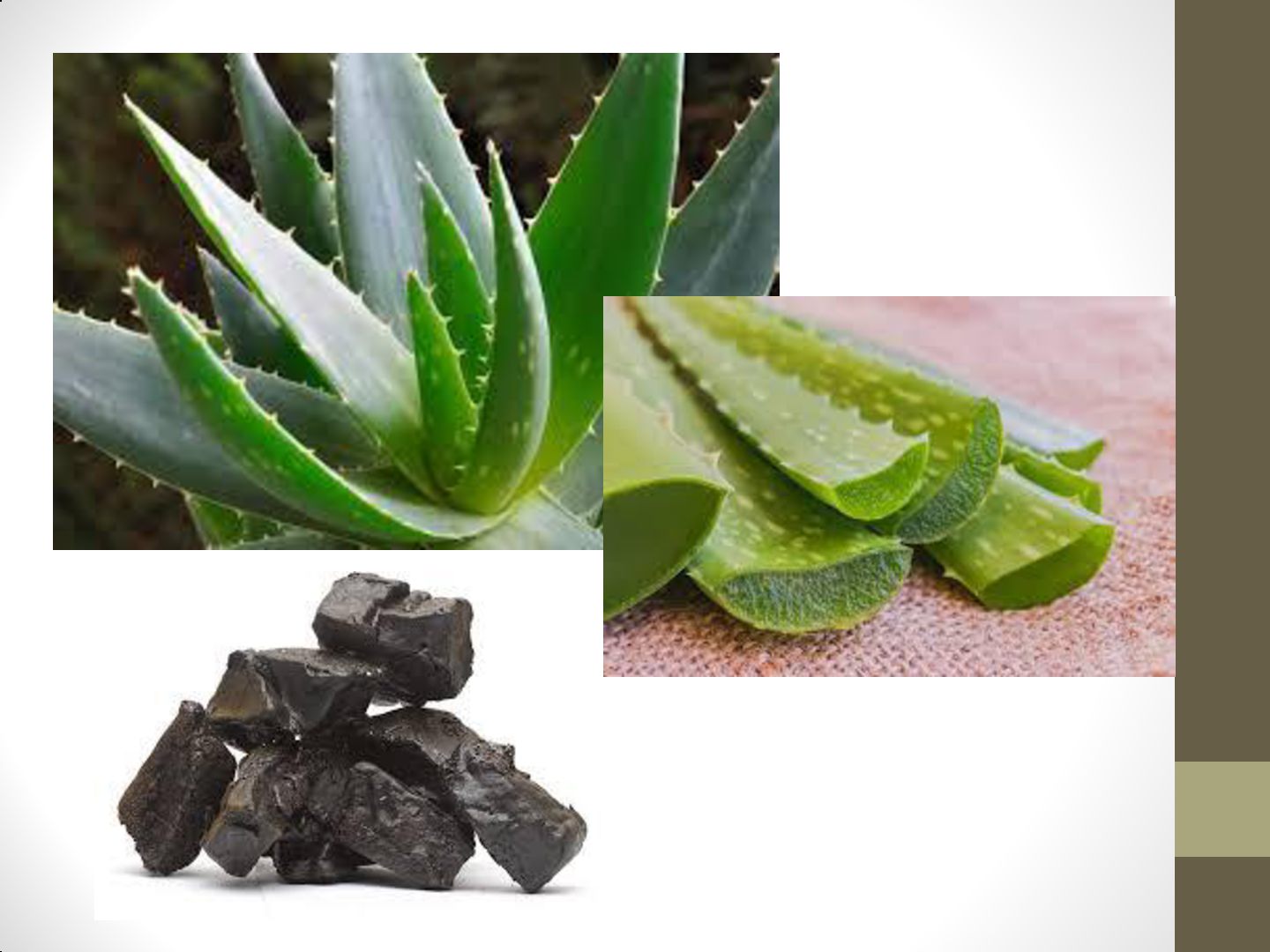
  112. Geographical Source • Cultivated in India (Rajasthan, Andhra Pradesh, Gujarat,

    Maharashtra, Tamil Nadu). • Also grown in South Africa, Socotra (Yemen), West Indies, and Mediterranean regions. • India is a leading cultivator of Aloe Vera. Morphological Characteristics • Leaves: • Succulent, thick, fleshy, 30–60 cm long. • Green to grey-green, with spiny margins. • Drug (Aloe juice/latex): • • • • Dark brown to blackish mass, translucent when fresh. Fracture: brittle, irregular. Odor: characteristic, unpleasant. Taste: intensely bitter.
  113. Chemical Constituents • Anthraquinone glycosides (barbaloin, isobarbaloin, aloin). • Aloe-emodin

    and other anthraquinones. • Resins and trace of volatile oil. • Fresh gel (not latex) contains polysaccharides (acemannan, glucomannan), vitamins, amino acids, enzymes. Uses • Latex (drug form): • Potent stimulant purgative, used in constipation. • Acts on large intestine, increases peristalsis. • Gel (fresh pulp of leaves): • Used as soothing, emollient, wound-healing agent. • Widely used in cosmetics and dermatological preparations. • Anti-inflammatory, moisturizing, antioxidant properties. • Other: used in ulcers, burns, skin diseases, digestive tonics.
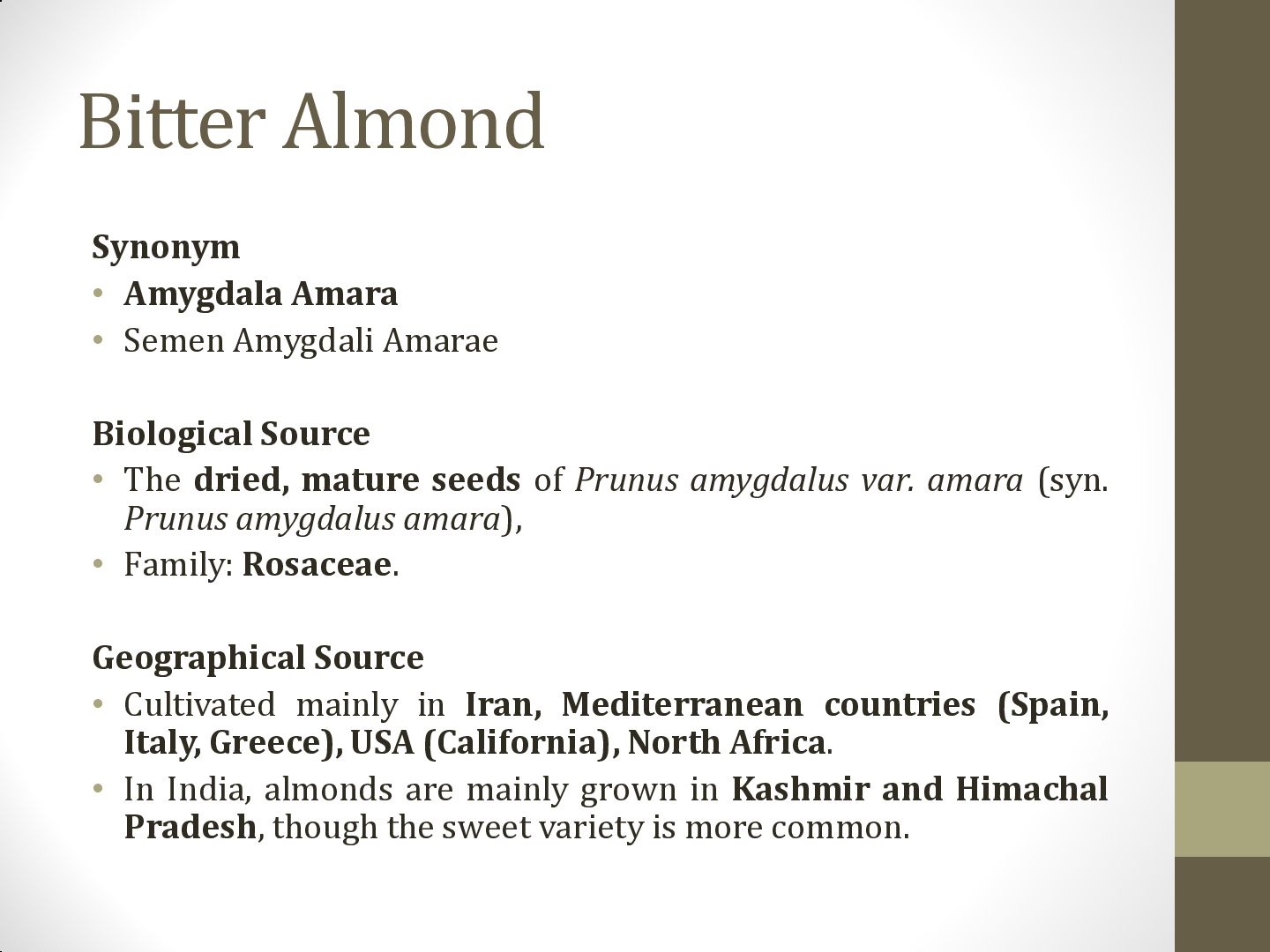
  114. Bitter Almond Synonym • Amygdala Amara • Semen Amygdali Amarae

    Biological Source • The dried, mature seeds of Prunus amygdalus var. amara (syn. Prunus amygdalus amara), • Family: Rosaceae. Geographical Source • Cultivated mainly in Iran, Mediterranean countries (Spain, Italy, Greece), USA (California), North Africa. • In India, almonds are mainly grown in Kashmir and Himachal Pradesh, though the sweet variety is more common.
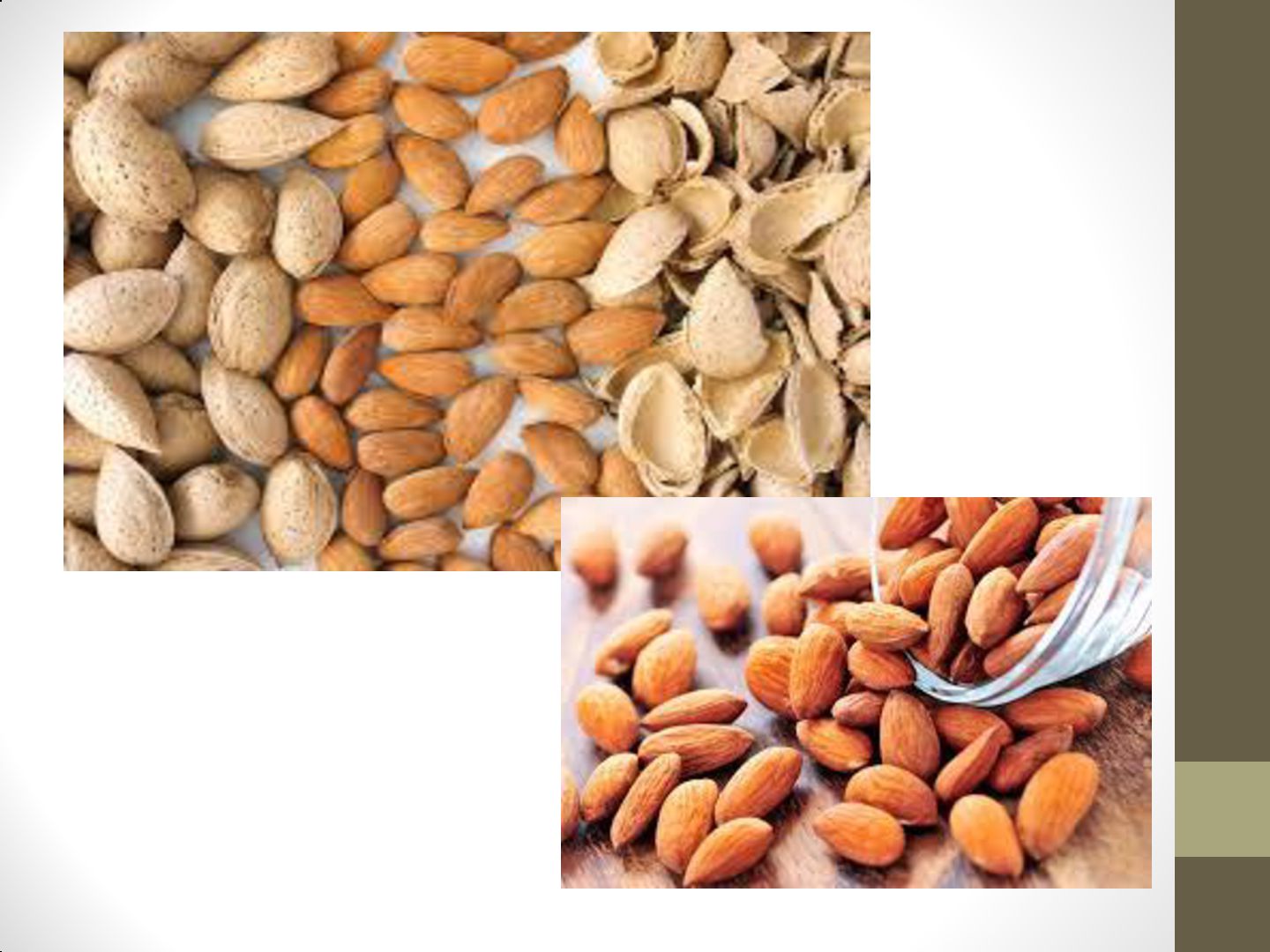
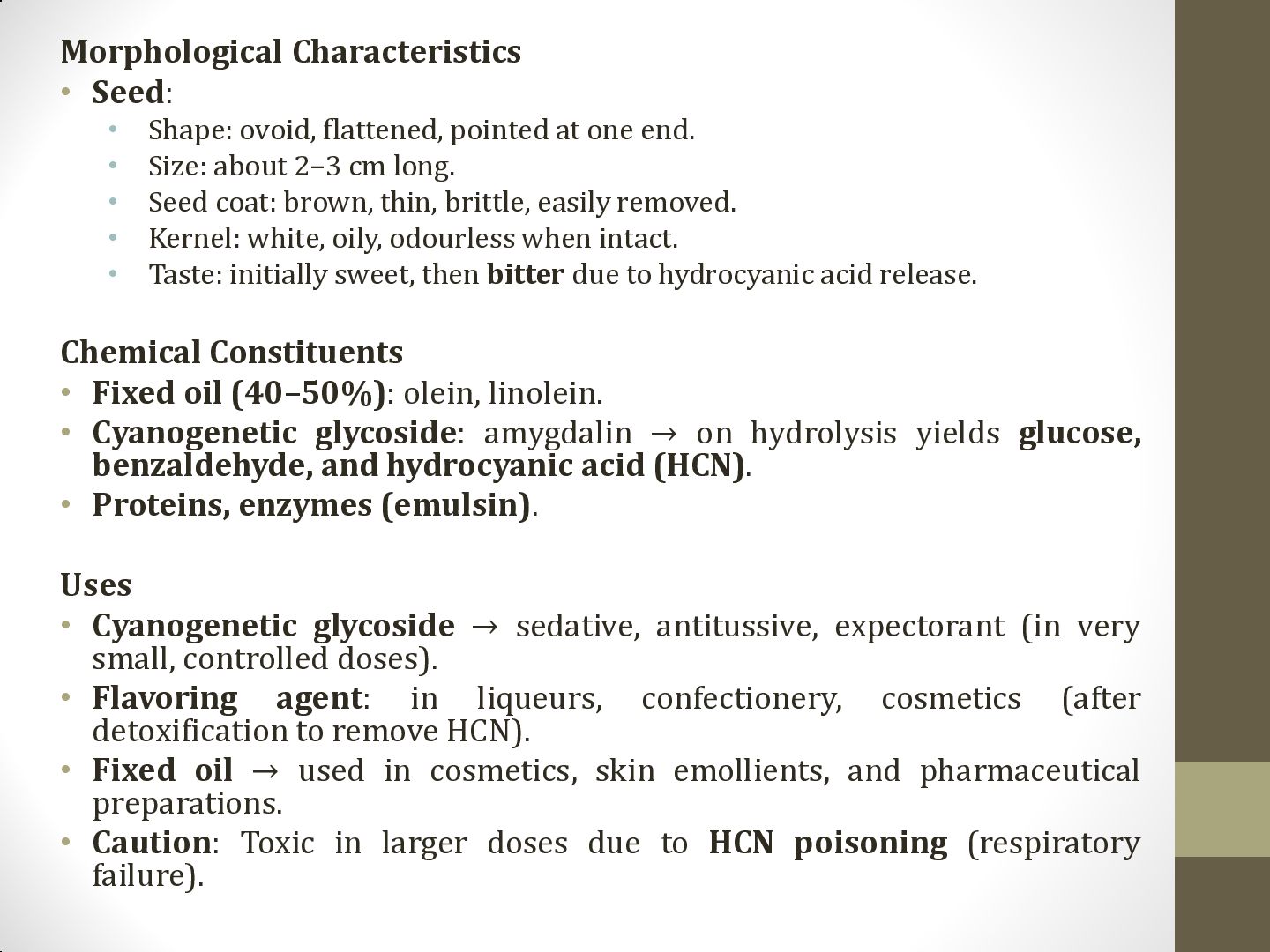
  115. Morphological Characteristics • Seed: • • • • • Shape:

    ovoid, flattened, pointed at one end. Size: about 2–3 cm long. Seed coat: brown, thin, brittle, easily removed. Kernel: white, oily, odourless when intact. Taste: initially sweet, then bitter due to hydrocyanic acid release. Chemical Constituents • Fixed oil (40–50%): olein, linolein. • Cyanogenetic glycoside: amygdalin → on hydrolysis yields glucose, benzaldehyde, and hydrocyanic acid (HCN). • Proteins, enzymes (emulsin). Uses • Cyanogenetic glycoside → sedative, antitussive, expectorant (in very small, controlled doses). • Flavoring agent: in liqueurs, confectionery, cosmetics (after detoxification to remove HCN). • Fixed oil → used in cosmetics, skin emollients, and pharmaceutical preparations. • Caution: Toxic in larger doses due to HCN poisoning (respiratory failure).
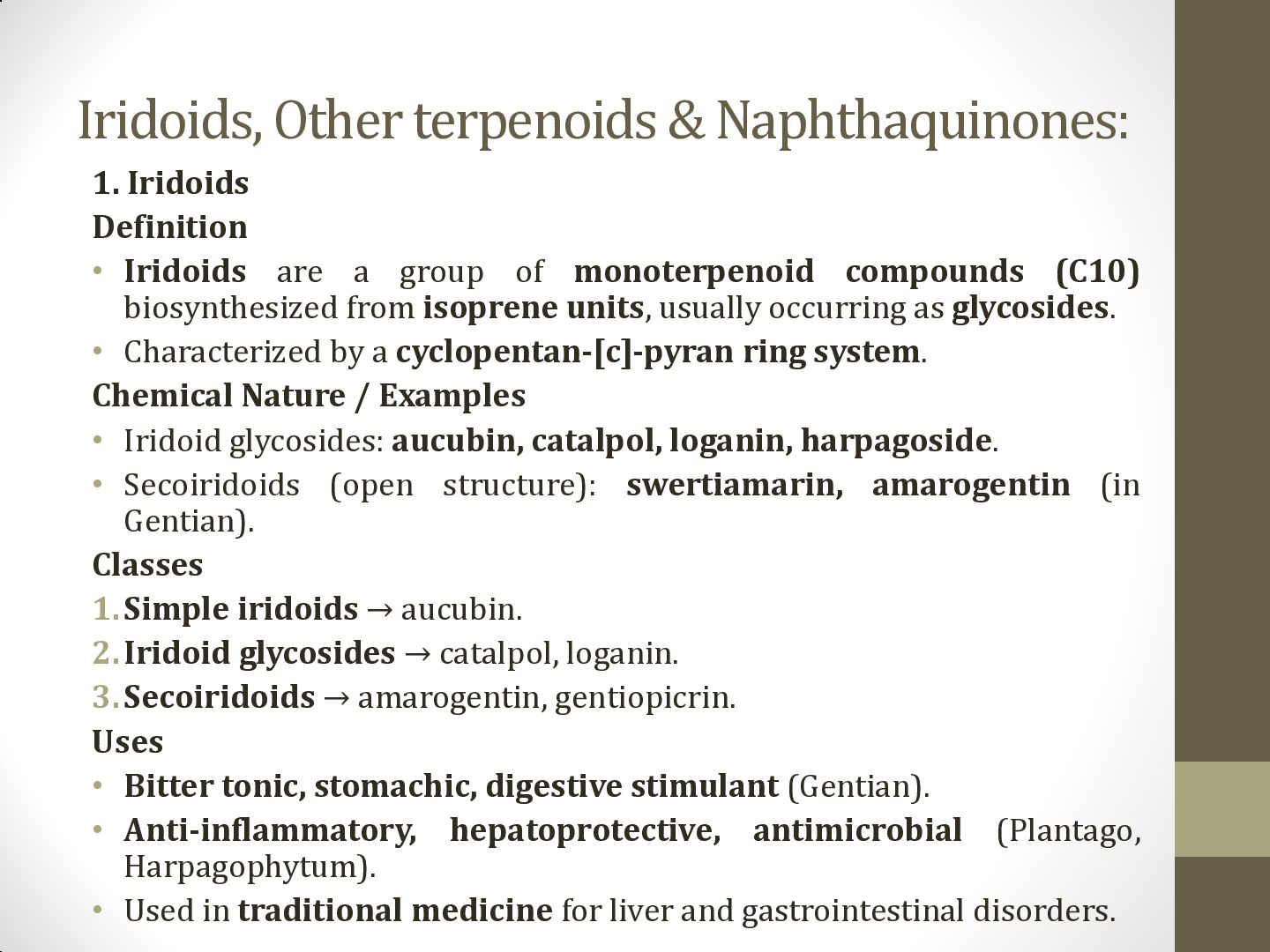
  116. Iridoids, Other terpenoids & Naphthaquinones: 1. Iridoids Definition • Iridoids

    are a group of monoterpenoid compounds (C10) biosynthesized from isoprene units, usually occurring as glycosides. • Characterized by a cyclopentan-[c]-pyran ring system. Chemical Nature / Examples • Iridoid glycosides: aucubin, catalpol, loganin, harpagoside. • Secoiridoids (open structure): swertiamarin, amarogentin (in Gentian). Classes 1. Simple iridoids → aucubin. 2. Iridoid glycosides → catalpol, loganin. 3. Secoiridoids → amarogentin, gentiopicrin. Uses • Bitter tonic, stomachic, digestive stimulant (Gentian). • Anti-inflammatory, hepatoprotective, antimicrobial (Plantago, Harpagophytum). • Used in traditional medicine for liver and gastrointestinal disorders.
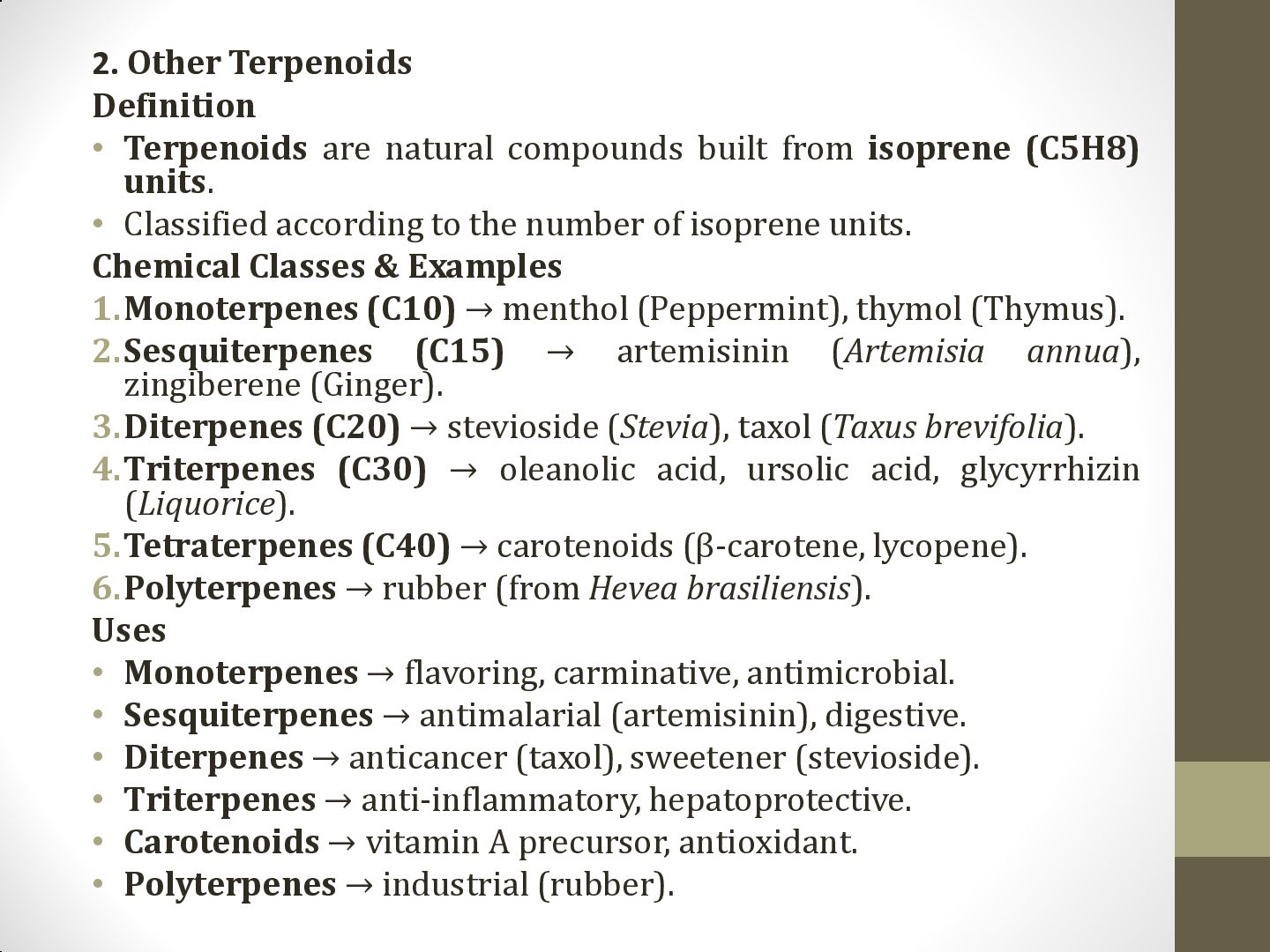
  117. 2. Other Terpenoids Definition • Terpenoids are natural compounds built

    from isoprene (C5H8) units. • Classified according to the number of isoprene units. Chemical Classes & Examples 1.Monoterpenes (C10) → menthol (Peppermint), thymol (Thymus). 2.Sesquiterpenes (C15) → artemisinin (Artemisia annua), zingiberene (Ginger). 3.Diterpenes (C20) → stevioside (Stevia), taxol (Taxus brevifolia). 4.Triterpenes (C30) → oleanolic acid, ursolic acid, glycyrrhizin (Liquorice). 5.Tetraterpenes (C40) → carotenoids (β-carotene, lycopene). 6.Polyterpenes → rubber (from Hevea brasiliensis). Uses • Monoterpenes → flavoring, carminative, antimicrobial. • Sesquiterpenes → antimalarial (artemisinin), digestive. • Diterpenes → anticancer (taxol), sweetener (stevioside). • Triterpenes → anti-inflammatory, hepatoprotective. • Carotenoids → vitamin A precursor, antioxidant. • Polyterpenes → industrial (rubber).
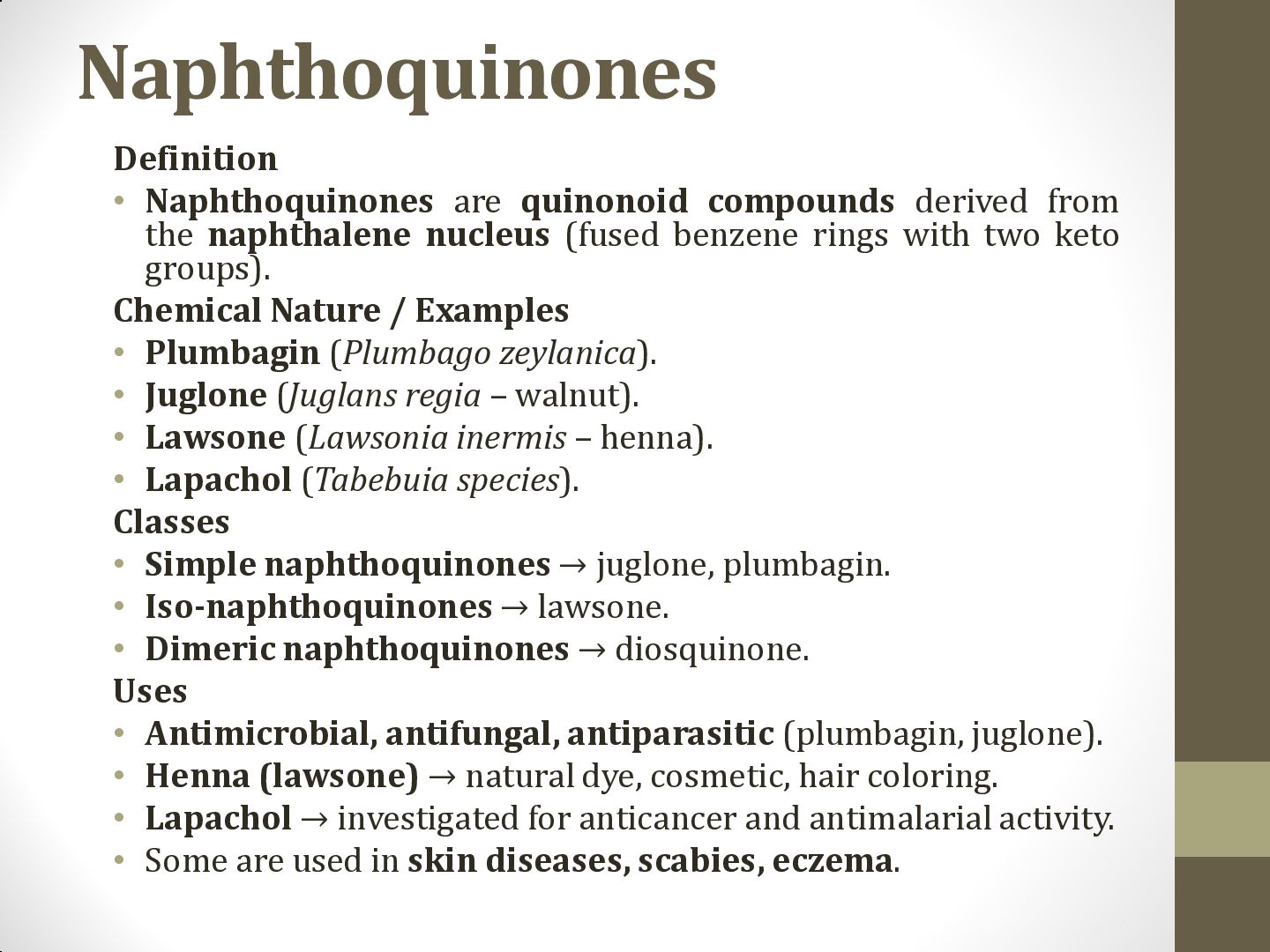
  118. Naphthoquinones Definition • Naphthoquinones are quinonoid compounds derived from the

    naphthalene nucleus (fused benzene rings with two keto groups). Chemical Nature / Examples • Plumbagin (Plumbago zeylanica). • Juglone (Juglans regia – walnut). • Lawsone (Lawsonia inermis – henna). • Lapachol (Tabebuia species). Classes • Simple naphthoquinones → juglone, plumbagin. • Iso-naphthoquinones → lawsone. • Dimeric naphthoquinones → diosquinone. Uses • Antimicrobial, antifungal, antiparasitic (plumbagin, juglone). • Henna (lawsone) → natural dye, cosmetic, hair coloring. • Lapachol → investigated for anticancer and antimalarial activity. • Some are used in skin diseases, scabies, eczema.
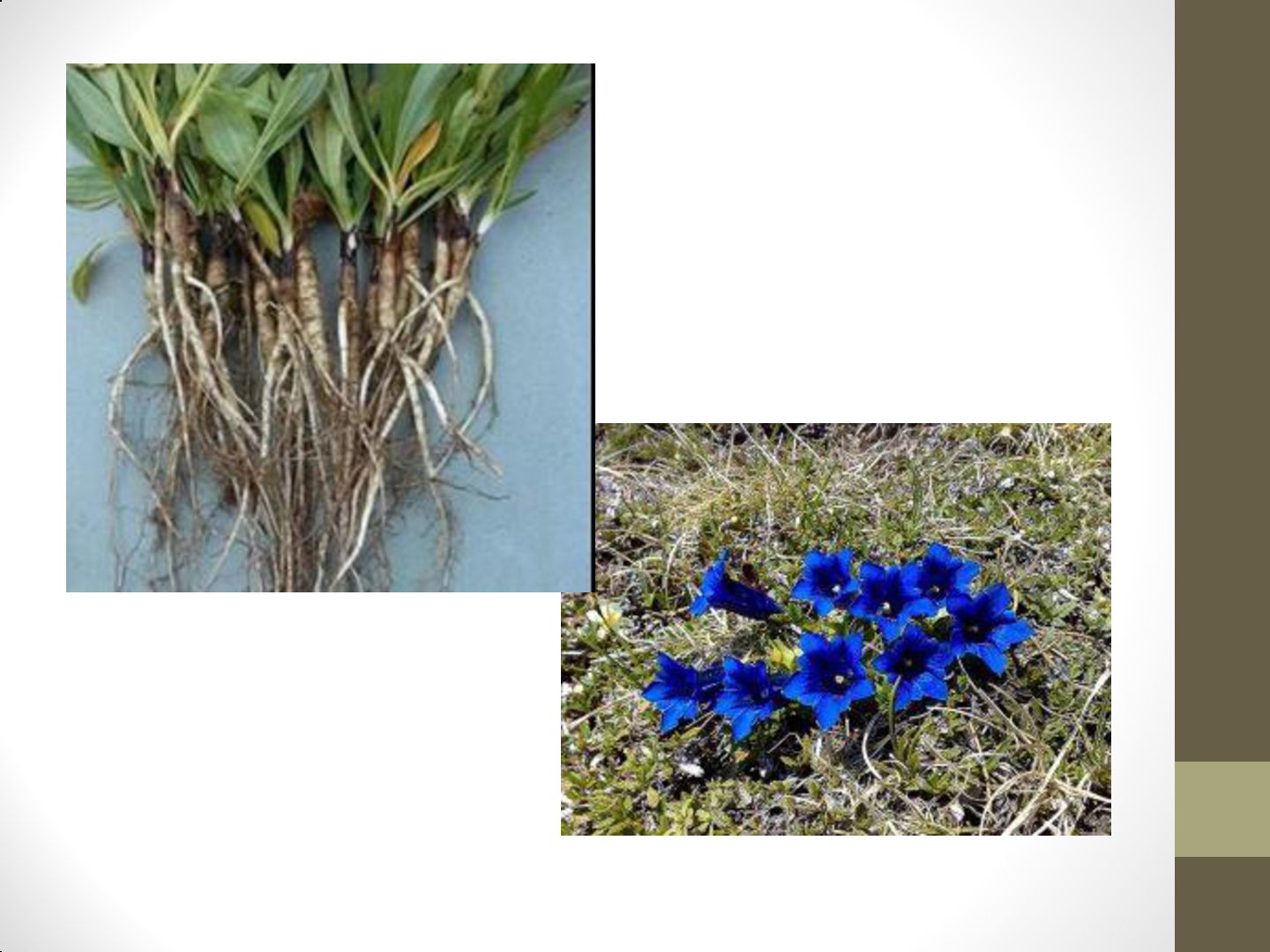
  119. Gentian • Synonym • Gentiana Root • Bitter Root Biological

    Source • Dried rhizomes and roots of Gentiana lutea Linn. • Family: Gentianaceae. Geographical Source • Native to the mountainous regions of Central and Southern Europe (Alps, Pyrenees, Balkans). • Mainly collected from France, Spain, Switzerland, Austria, and Germany. • Not cultivated much in India, but imported for medicinal use. Morphological Characteristics • Root: • Long, cylindrical, branched, up to 20–30 cm long and 1–5 cm thick. • Outer surface: yellowish-brown, wrinkled, with circular scars of rootlets. • Fracture: short, irregular. • Inner surface: yellow to orange-brown. • Odor: characteristic, faint. • Taste: intensely bitter, non-astringent (distinct from alkaloidal bitter drugs).
  120. Chemical Constituents • Iridoid glycosides (secoiridoids): gentiopicroside, amarogentin (one of

    the most bitter natural compounds). • Gentiamarin, swertiamarin. • Small amount of alkaloid: gentianine. • Sugars, pectin, and bitter principles. Uses • Bitter tonic, stomachic, appetizer, digestive stimulant (increases gastric secretion, improves appetite). • Used in dyspepsia, loss of appetite, flatulence. • Component of bitter tinctures and liqueurs. • Amarogentin is used in bitterness studies (standard bitter compound).
  121. Artemisia Synonym • Wormwood • Sweet Wormwood, Davana Biological Source

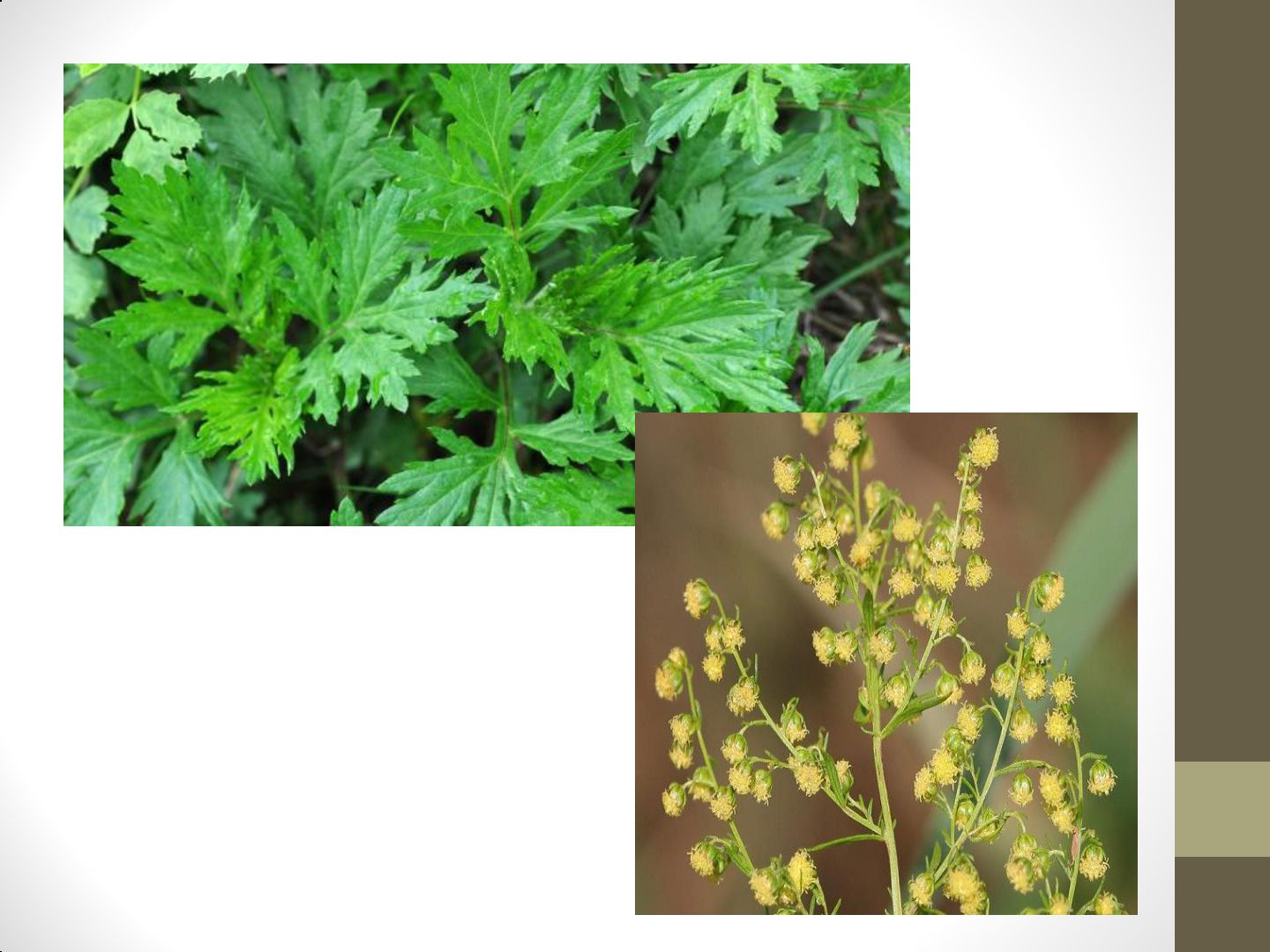
    • Dried aerial parts (leaves & flowering tops) of Artemisia annua Linn. • Family: Asteraceae (Compositae). Geographical Source • Native to China, Vietnam, and widely cultivated in Asia, Africa, Europe, and America. • In India, cultivated in Uttarakhand, Himachal Pradesh, and North-Eastern regions. • Traditional use recorded in Chinese medicine for >2000 years. Morphological Characteristics • Plant: erect annual herb, 1–2 m tall. • Leaves: green, feathery, alternate, strongly aromatic. • Flowers: small, yellow, arranged in panicles. • Drug material: dried leafy tops, light green, with strong aromatic odor and bitter taste.
  122. Chemical Constituents • Sesquiterpene lactones: Artemisinin (major), artesunate, artemether (semi-synthetic

    derivatives). • Essential oils: cineole, camphor, borneol. • Flavonoids: quercetin, luteolin. • Coumarins and phenolic compounds. Uses • Artemisinin & derivatives: potent antimalarial drugs (esp. against chloroquine-resistant Plasmodium falciparum). • Antipyretic, anti-inflammatory, antioxidant properties. • Used in traditional Chinese medicine for fevers and infections. • Essential oil → carminative, aromatic, antimicrobial.
  123. Taxus Taxus • Synonym • Yew Tree • Pacific Yew

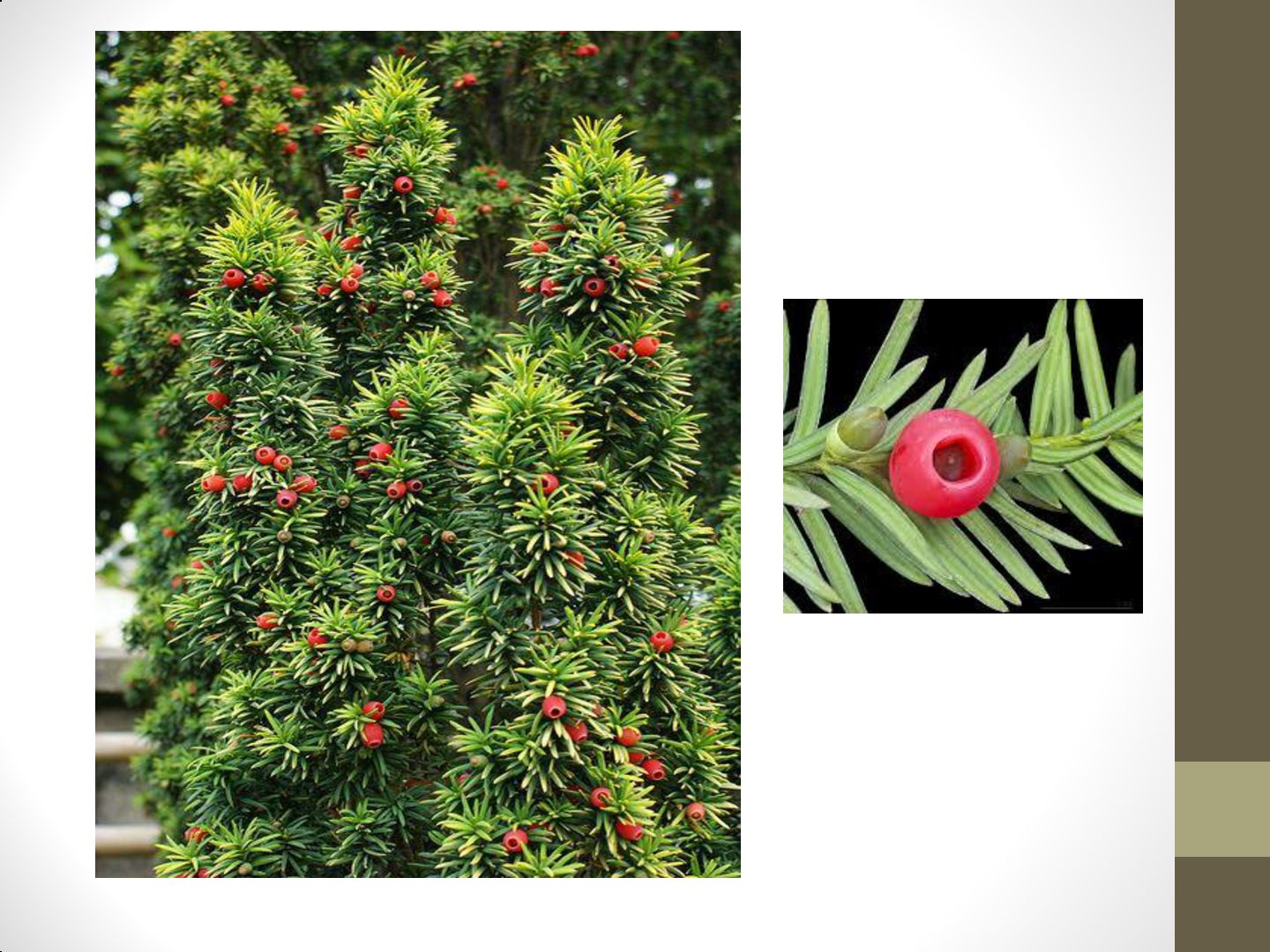
    (Taxus brevifolia) • Himalayan Yew (Taxus baccata, Taxus wallichiana) Biological Source • Leaves and bark of Taxus brevifolia Nutt., Taxus baccata Linn., and Taxus wallichiana Zucc. • Family: Taxaceae. Geographical Source • Taxus brevifolia → native to North America (Pacific Northwest). • Taxus baccata → found in Europe, North Africa, Western Asia. • Taxus wallichiana → distributed in Himalayan regions of India, Nepal, Bhutan. Morphological Characteristics • Tree: small to medium-sized evergreen, 10–20 m high. • Leaves: linear, flat, dark green above, pale beneath, spirally arranged but appearing two-ranked. • Bark: thin, reddish-brown, scaly. • Seeds: enclosed in a red fleshy aril (toxic if ingested). • Odor: faint; Taste: bitter, unpleasant.
  124. Morphological Characteristics • Tree: small to medium-sized evergreen, 10–20 m

    high. • Leaves: linear, flat, dark green above, pale beneath, spirally arranged but appearing two-ranked. • Bark: thin, reddish-brown, scaly. • Seeds: enclosed in a red fleshy aril (toxic if ingested). • Odor: faint; Taste: bitter, unpleasant. Chemical Constituents • Diterpenoid alkaloids: Paclitaxel (Taxol) – a complex diterpene with anticancer activity. • Baccatin III (precursor for semisynthetic derivatives like docetaxel). • Other lignans, flavonoids, and volatile oils. Uses • Paclitaxel (Taxol): • • Important anticancer agent, especially effective in ovarian, breast, lung cancers, and Kaposi’s sarcoma. Works as a mitotic inhibitor – stabilizes microtubules and prevents their depolymerization, arresting cell division. • Traditional medicine: in some regions, used for bronchitis, asthma, and rheumatism (with toxicity risk). • Note: Crude plant parts are toxic; only purified drug derivatives are used.
  125. Carotenoids Definition • Carotenoids are naturally occurring tetraterpenoid pigments (C40H56

    and derivatives) synthesized from isoprene units. • They are responsible for the yellow, orange, and red colors in plants, algae, and some microorganisms. • They may exist as hydrocarbons (carotenes) or oxygenated derivatives (xanthophylls). • Chemical Nature & Examples 1.Carotenes (hydrocarbons) 1. α-carotene 2. β-carotene (provitamin A) 3. Lycopene (tomato pigment) 2.Xanthophylls (oxygenated carotenoids) 1. Lutein 2. Zeaxanthin 3. Astaxanthin 4. Canthaxanthin
  126. Classes • Carotenes → purely hydrocarbons, no oxygen (e.g., β-carotene,

    lycopene). • Xanthophylls → contain oxygen (e.g., lutein, zeaxanthin, violaxanthin). Sources • Carrots, tomatoes, spinach, maize, green leafy vegetables, papaya, pumpkin, algae. • β-carotene is abundant in carrot & palm oil. • Lycopene in tomatoes, watermelon. • Lutein and zeaxanthin in green leafy vegetables, maize. Uses • Provitamin A activity: β-carotene converts into Vitamin A → essential for vision, growth, immune function. • Antioxidants: protect against oxidative stress, cardiovascular disease, and cancer. • Eye health: lutein & zeaxanthin → protect retina, prevent age-related macular degeneration (AMD). • Food industry: natural colorants. • Cosmetics: anti-aging formulations (antioxidant role).