Upgrade to Pro — share decks privately, control downloads, hide ads and more …

Seriously, do you still use MySQL?

Seriously, do you still use MySQL?

Presentation at the Web Engineering Düsseldorf Meetup about MySQL & Databases

Avatar for Wolfgang Gassler

Wolfgang Gassler

April 05, 2017

More Decks by Wolfgang Gassler

Other Decks in Programming

Transcript

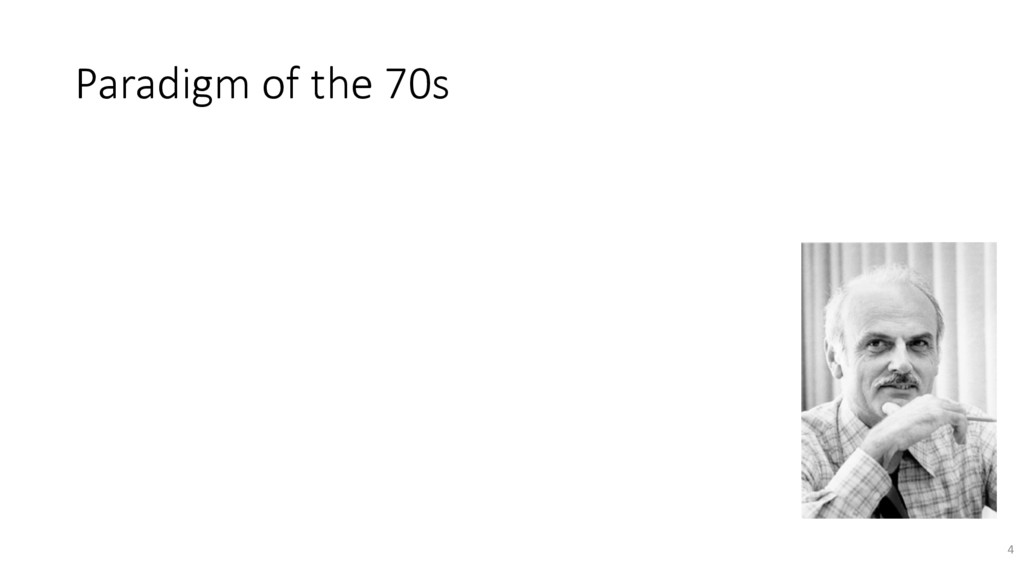
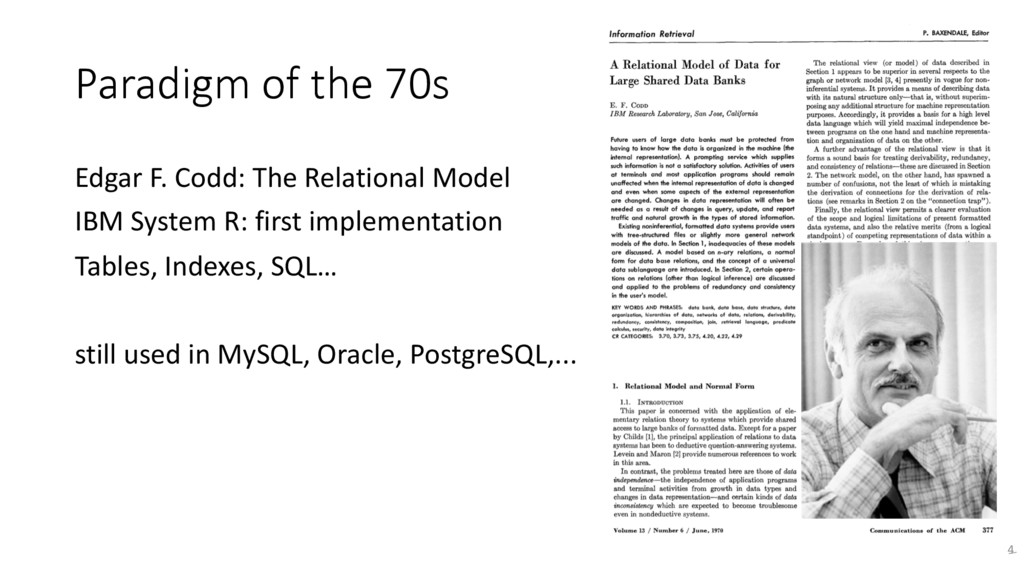
  1. Paradigm of the 70s Edgar F. Codd: The Relational Model

    IBM System R: first implementation Tables, Indexes, SQL… still used in MySQL, Oracle, PostgreSQL,... 4
  2. 5

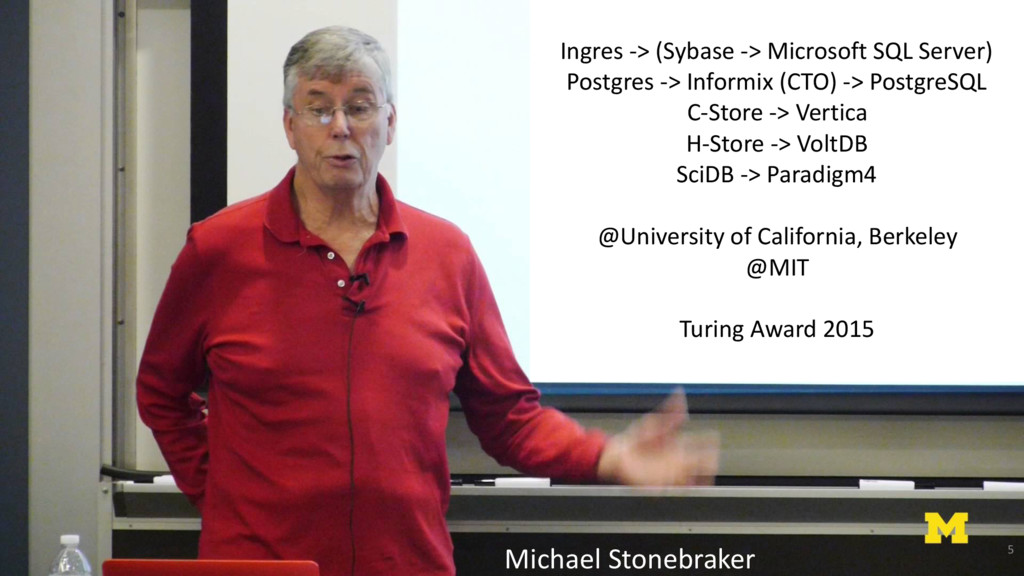
  3. Ingres -> (Sybase -> Microsoft SQL Server) Postgres -> Informix

    (CTO) -> PostgreSQL C-Store -> Vertica H-Store -> VoltDB SciDB -> Paradigm4 @University of California, Berkeley @MIT Turing Award 2015 Michael Stonebraker 5
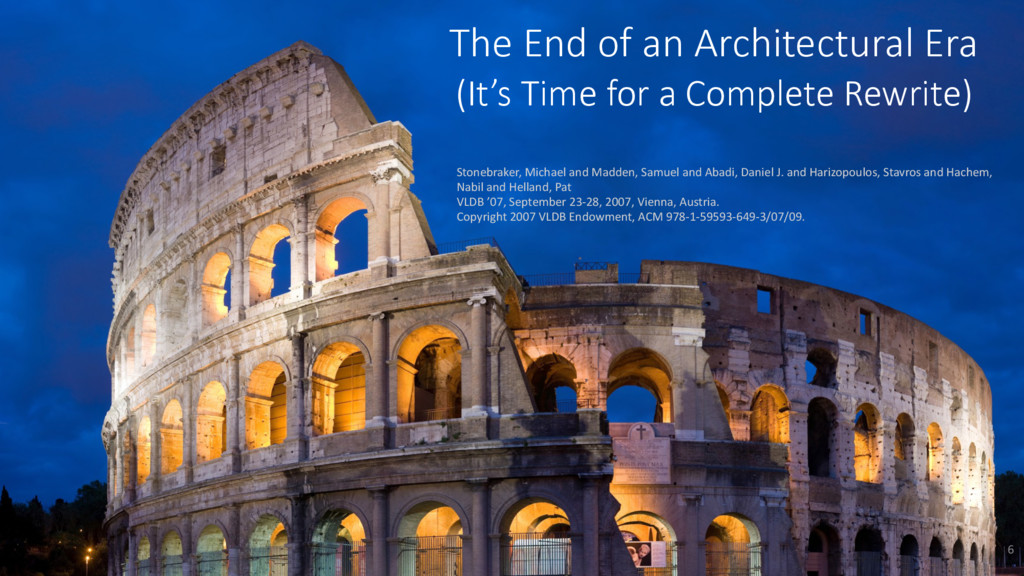
  4. The End of an Architectural Era
 (It’s Time for a

    Complete Rewrite)
 
 
 Stonebraker, Michael and Madden, Samuel and Abadi, Daniel J. and Harizopoulos, Stavros and Hachem, Nabil and Helland, Pat
 VLDB ’07, September 23-28, 2007, Vienna, Austria.
 Copyright 2007 VLDB Endowment, ACM 978-1-59593-649-3/07/09. 6
  5. One Size Does Not Fit All We conclude that the

    current RDBMS code lines, while attempting to be a “one size fits all” solution, in fact, excel at nothing. Hence, they are 25 year old legacy code lines that should be retired in favor of a collection of “from scratch” specialized engines. The DBMS vendors (and the research community) should start with a clean sheet of paper and design systems for tomorrow’s requirements, not continue to push code lines and architectures designed for yesterday’s needs. 7
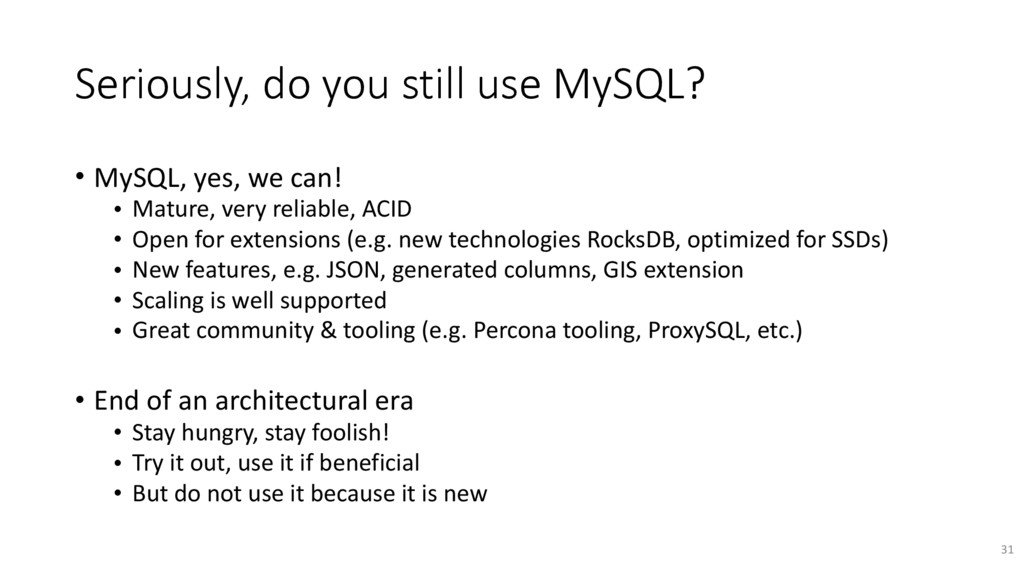
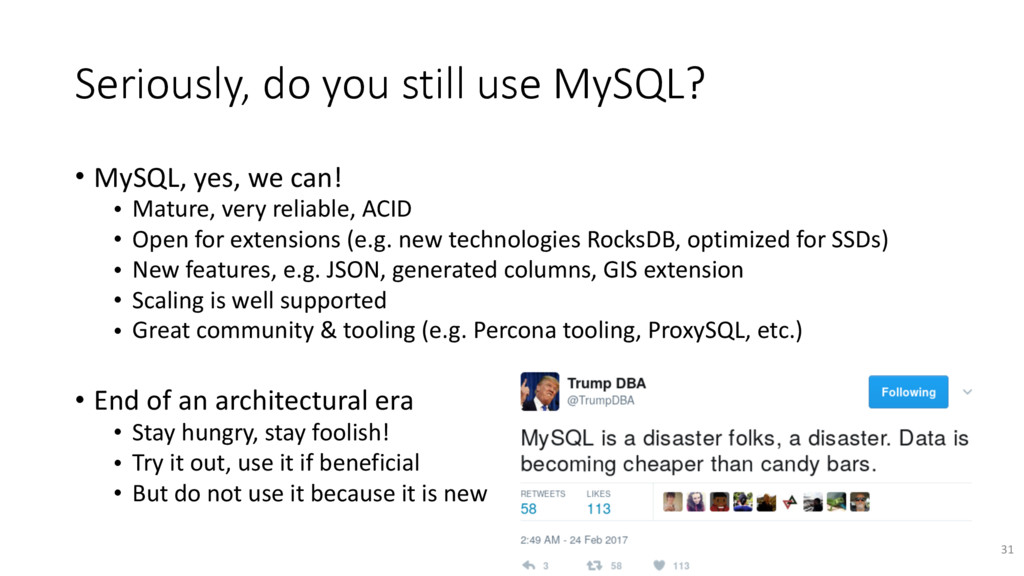
  6. One Size Does Not Fit All (Stonebraker) • Main Memory

    • Multi-threading, Multi-Core • Shared-nothing architecture/ grid-computing • High availability (single node architecture) • No knobs (personnel costs vs. hardware costs) • Transaction Management, Replication and Recovery (all needed?) 8
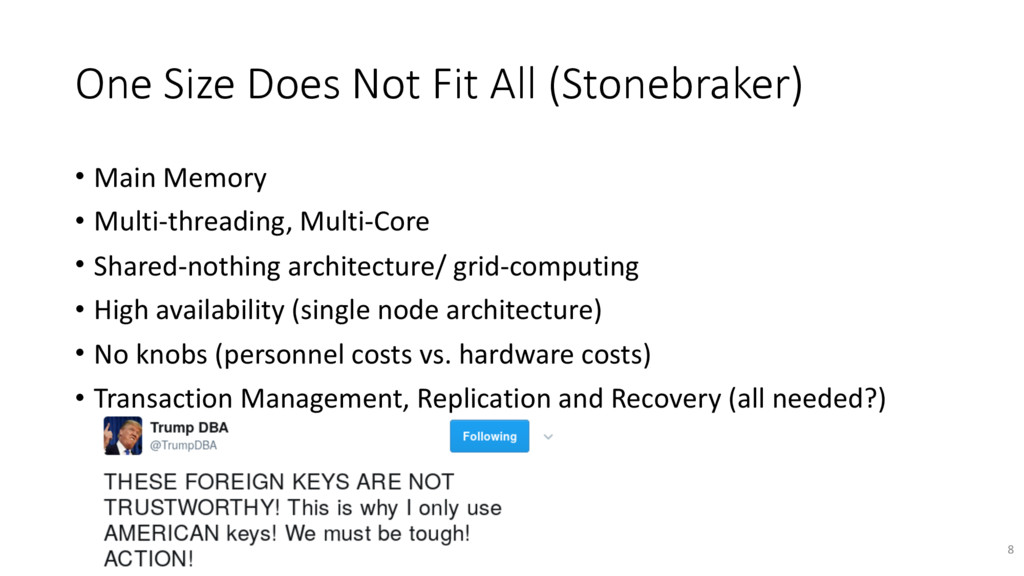
  7. One Size Does Not Fit All (Stonebraker) • Main Memory

    • Multi-threading, Multi-Core • Shared-nothing architecture/ grid-computing • High availability (single node architecture) • No knobs (personnel costs vs. hardware costs) • Transaction Management, Replication and Recovery (all needed?) 8
  8. MySQL is outdated… why NoSQL? • New hardware/paradigms • in

    memory • multi-core/performance • SSDs optimization • Maintenance/usage/happy admin • Schemaless • JSON • Simple configuration/no knobs 9
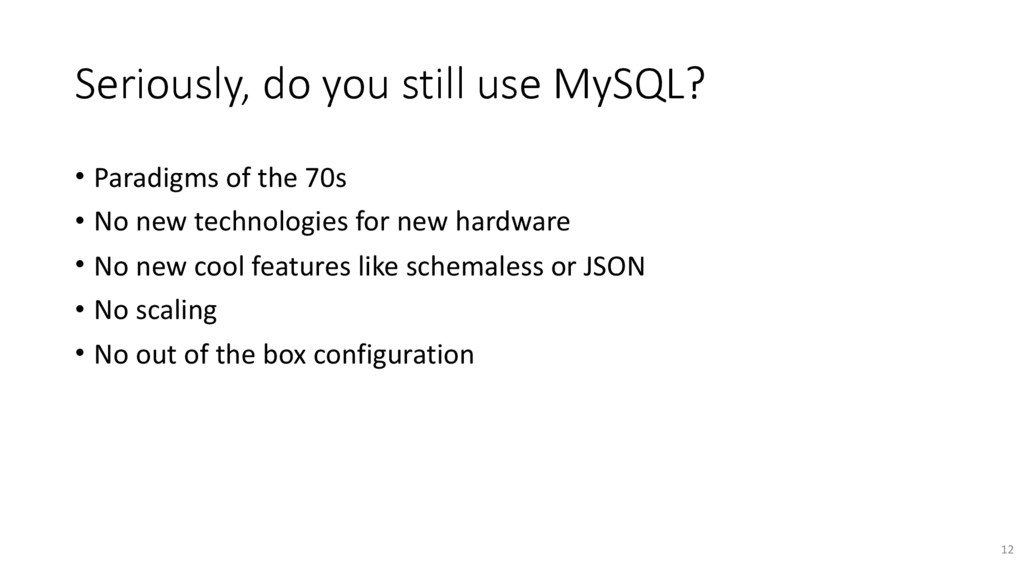
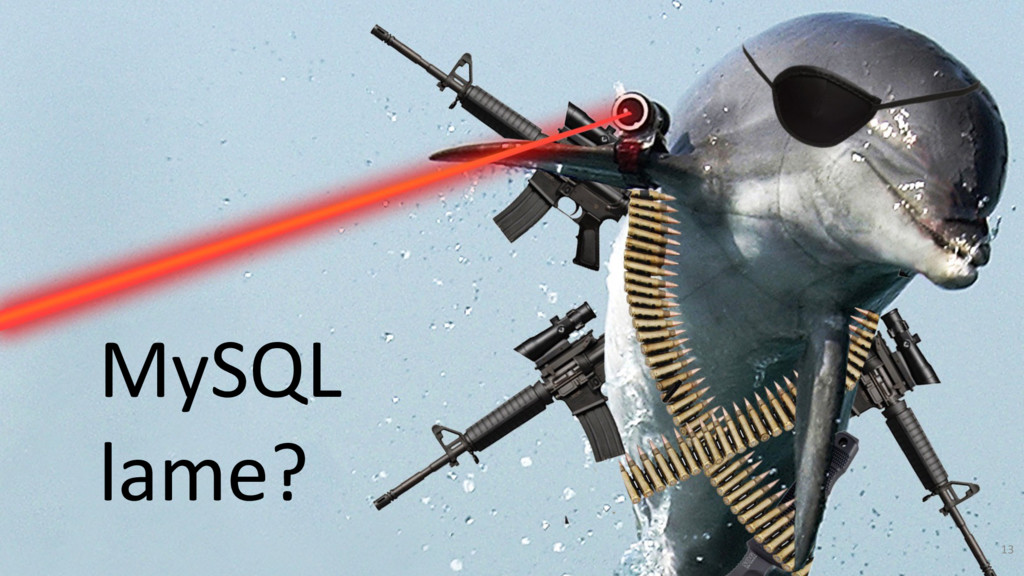
  9. Seriously, do you still use MySQL? • Paradigms of the

    70s • No new technologies for new hardware • No new cool features like schemaless or JSON • No scaling • No out of the box configuration 12
  10. Seriously, do you still use MySQL? • Paradigms of the

    70s • No new technologies for new hardware • No new cool features like schemaless or JSON • No scaling • No out of the box configuration 12
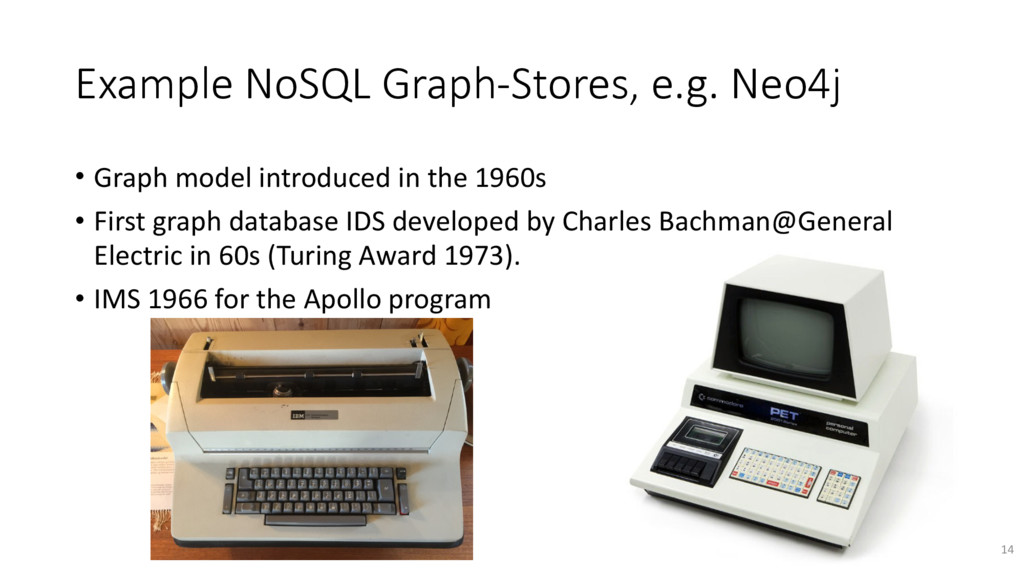
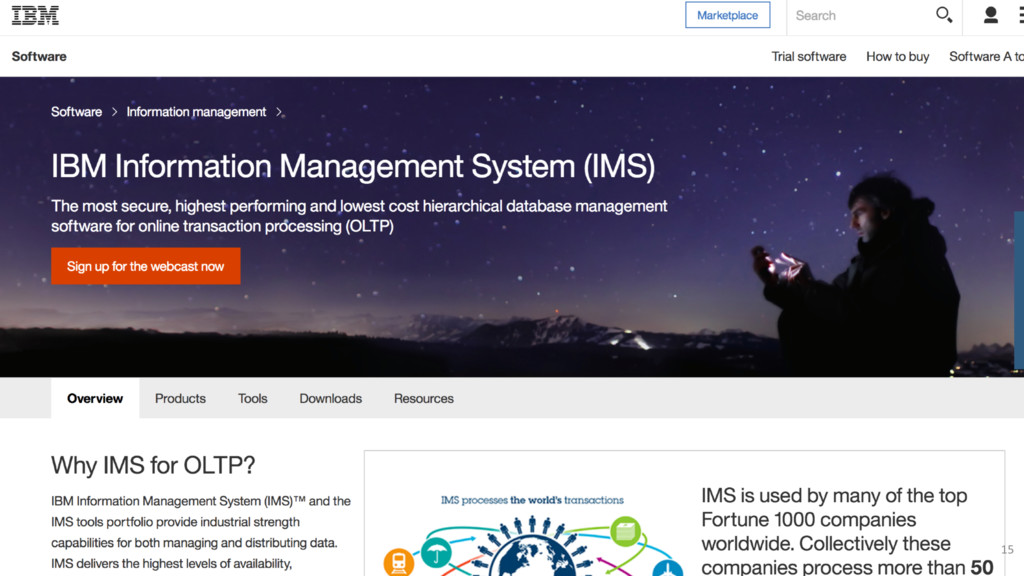
  11. Example NoSQL Graph-Stores, e.g. Neo4j • Graph model introduced in

    the 1960s • First graph database IDS developed by Charles Bachman@General Electric in 60s (Turing Award 1973). • IMS 1966 for the Apollo program 14
  12. Example NoSQL Graph-Stores, e.g. Neo4j • Graph model introduced in

    the 1960s • First graph database IDS developed by Charles Bachman@General Electric in 60s (Turing Award 1973). • IMS 1966 for the Apollo program 14
  13. 15

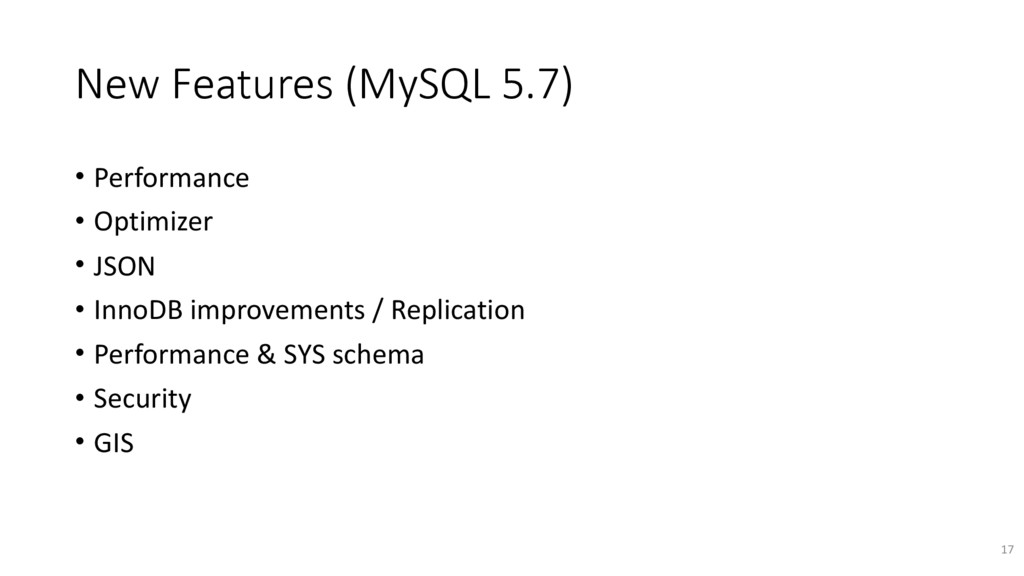
  14. New Features (MySQL 5.7) • Performance • Optimizer • JSON

    • InnoDB improvements / Replication • Performance & SYS schema • Security • GIS 17
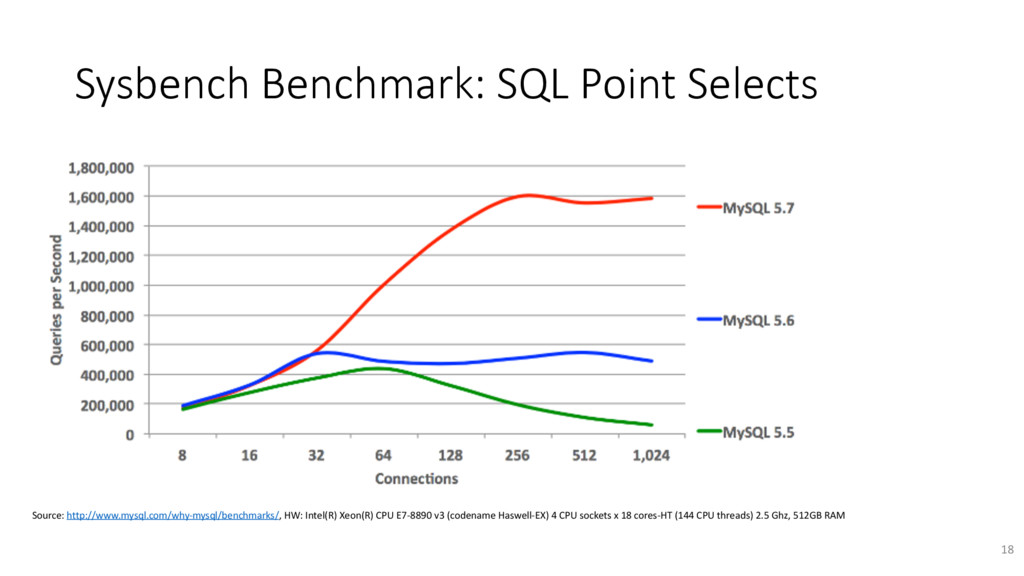
  15. Sysbench Benchmark: SQL Point Selects 18 Source: http://www.mysql.com/why-mysql/benchmarks/, HW: Intel(R)

    Xeon(R) CPU E7-8890 v3 (codename Haswell-EX) 4 CPU sockets x 18 cores-HT (144 CPU threads) 2.5 Ghz, 512GB RAM
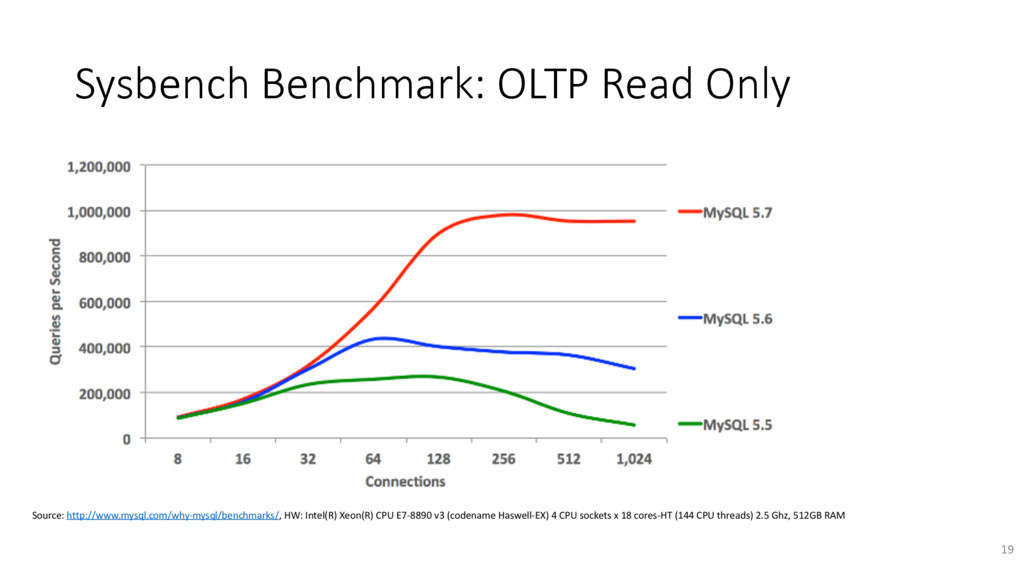
  16. Sysbench Benchmark: OLTP Read Only 19 Source: http://www.mysql.com/why-mysql/benchmarks/, HW: Intel(R)

    Xeon(R) CPU E7-8890 v3 (codename Haswell-EX) 4 CPU sockets x 18 cores-HT (144 CPU threads) 2.5 Ghz, 512GB RAM
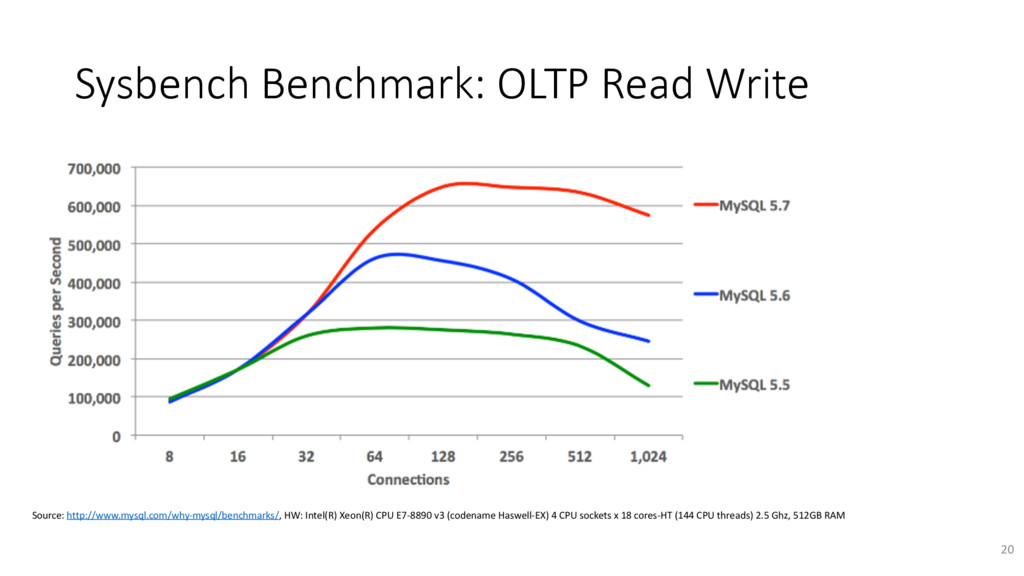
  17. Sysbench Benchmark: OLTP Read Write 20 Source: http://www.mysql.com/why-mysql/benchmarks/, HW: Intel(R)

    Xeon(R) CPU E7-8890 v3 (codename Haswell-EX) 4 CPU sockets x 18 cores-HT (144 CPU threads) 2.5 Ghz, 512GB RAM
  18. New features: e.g. JSON • Native JSON type • Parsed

    and validated during insertion/update • Binary format (read optimized) • Built-in JSON functions • JSON comparators for SQL • Indexes on JSON fields (generated columns) 21
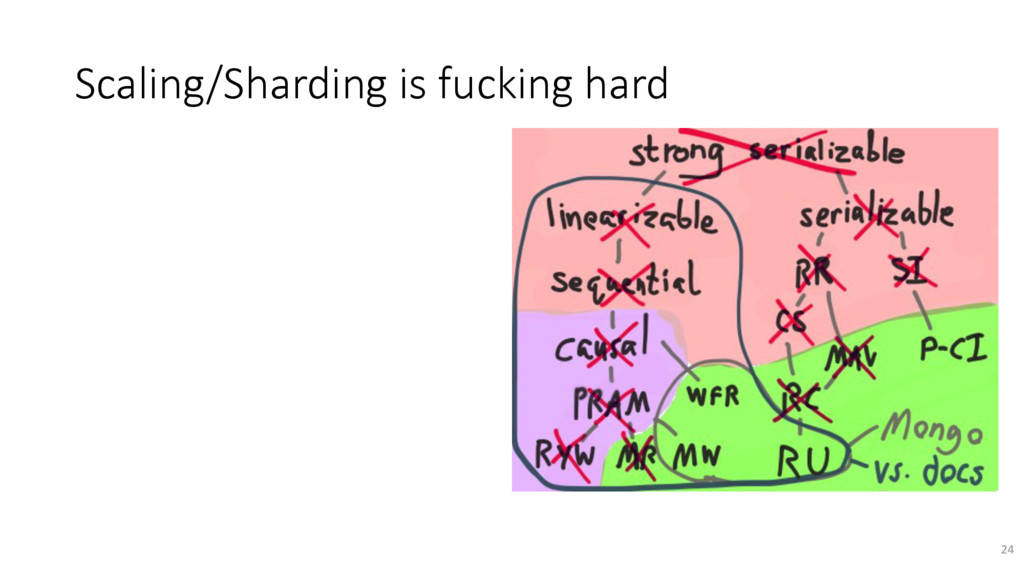
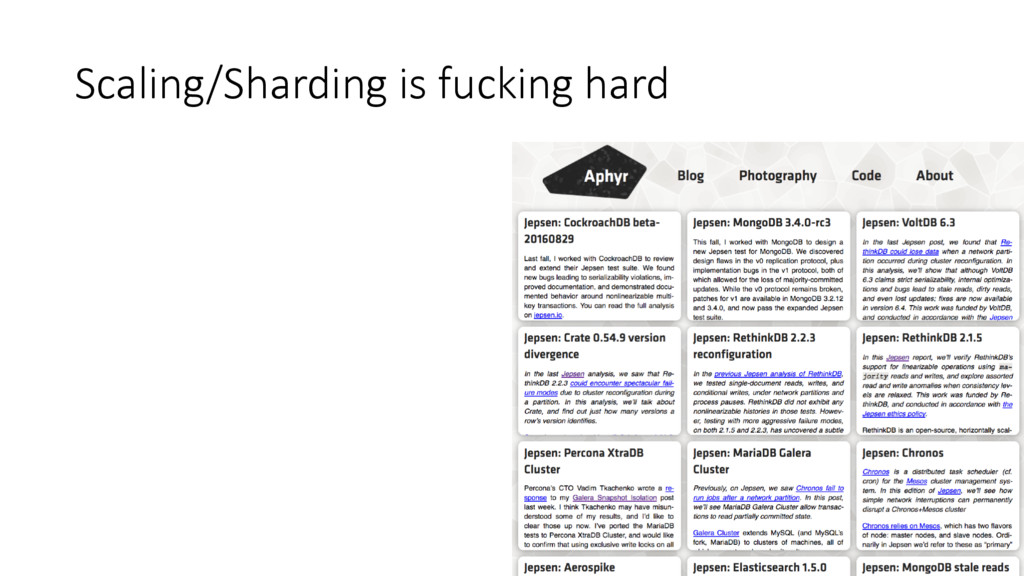
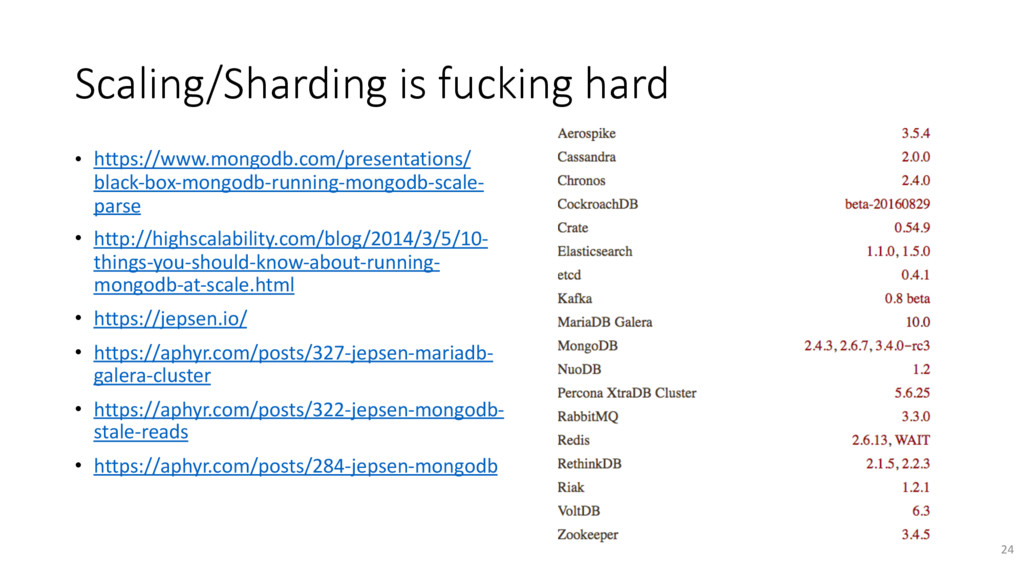
  19. Scaling/Sharding is fucking hard • https://www.mongodb.com/presentations/ black-box-mongodb-running-mongodb-scale- parse • http://highscalability.com/blog/2014/3/5/10-

    things-you-should-know-about-running- mongodb-at-scale.html • https://jepsen.io/ • https://aphyr.com/posts/327-jepsen-mariadb- galera-cluster • https://aphyr.com/posts/322-jepsen-mongodb- stale-reads • https://aphyr.com/posts/284-jepsen-mongodb 24
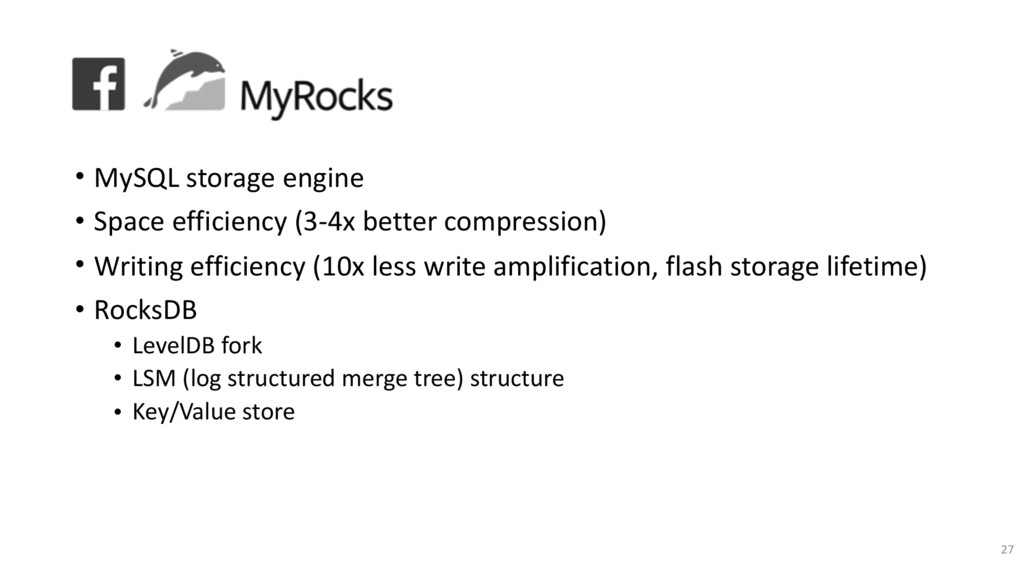
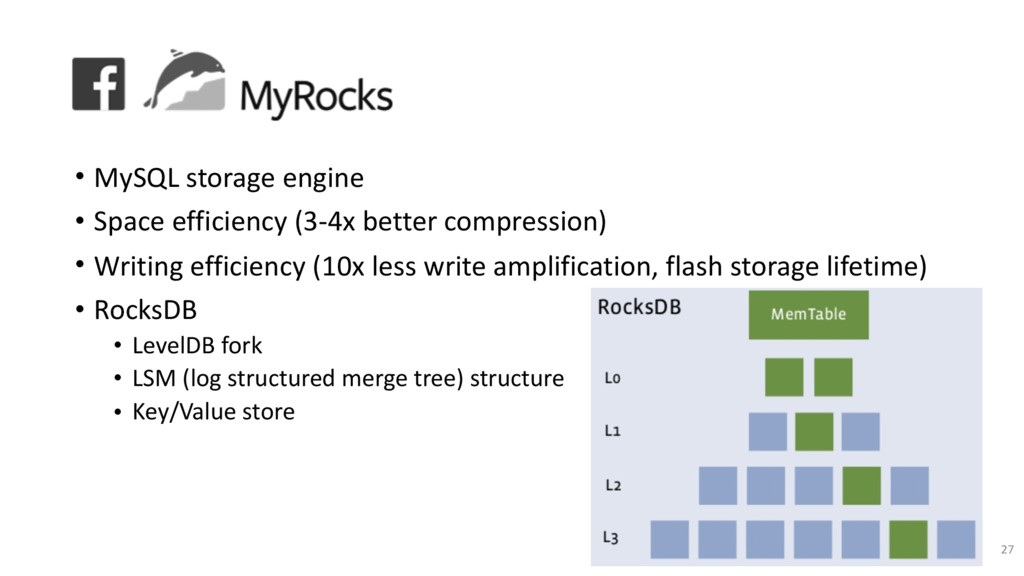
  20. • MySQL storage engine • Space efficiency (3-4x better compression)

    • Writing efficiency (10x less write amplification, flash storage lifetime) • RocksDB • LevelDB fork • LSM (log structured merge tree) structure • Key/Value store 27
  21. • MySQL storage engine • Space efficiency (3-4x better compression)

    • Writing efficiency (10x less write amplification, flash storage lifetime) • RocksDB • LevelDB fork • LSM (log structured merge tree) structure • Key/Value store 27
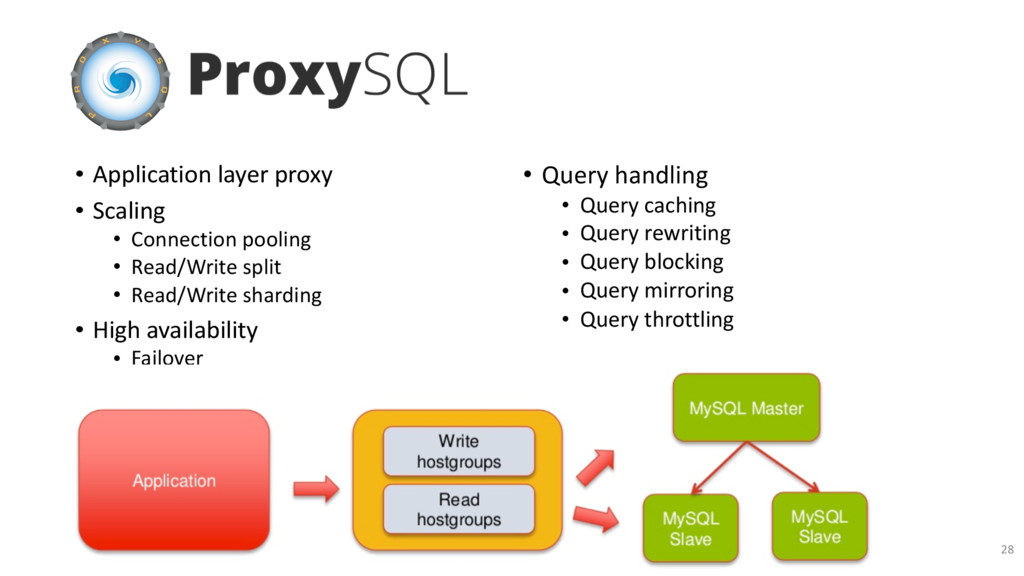
  22. • Application layer proxy • Scaling • Connection pooling •

    Read/Write split • Read/Write sharding • High availability • Failover • Load balancing • Query handling • Query caching • Query rewriting • Query blocking • Query mirroring • Query throttling 28
  23. Seriously, do you still use MySQL? • MySQL, yes, we

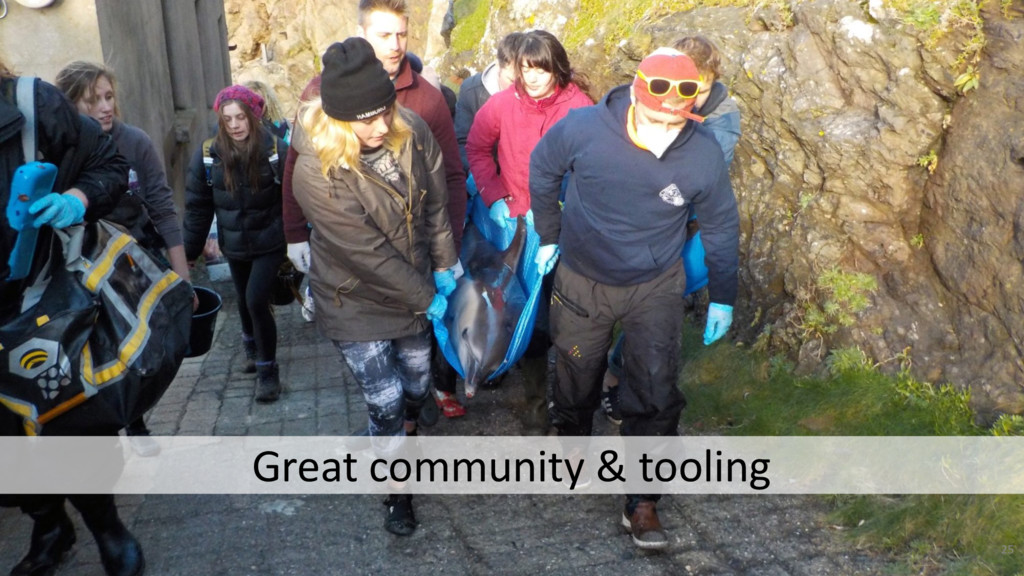
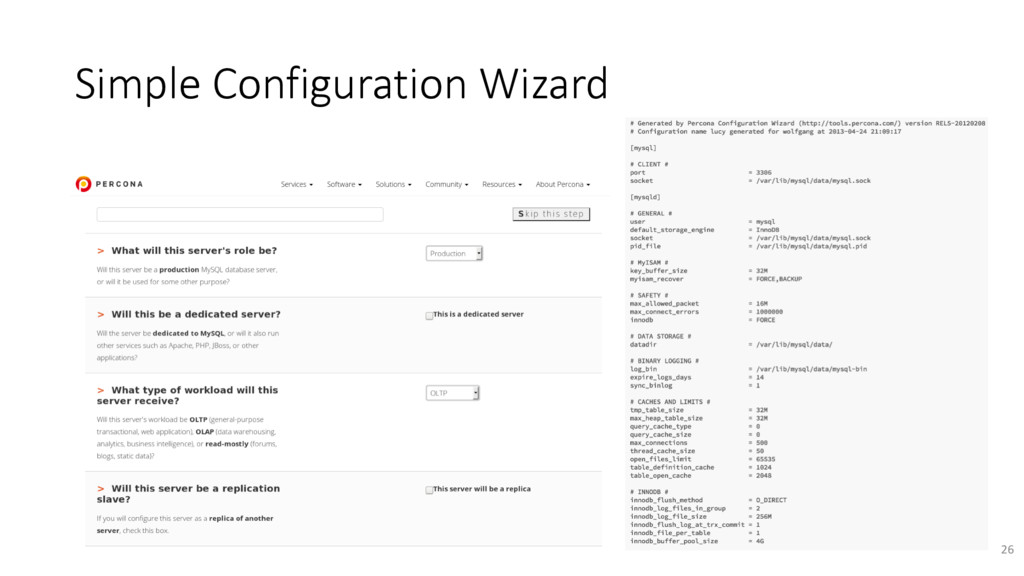
    can! • Mature, very reliable, ACID • Open for extensions (e.g. new technologies RocksDB, optimized for SSDs) • New features, e.g. JSON, generated columns, GIS extension • Scaling is well supported • Great community & tooling (e.g. Percona tooling, ProxySQL, etc.) • End of an architectural era • Stay hungry, stay foolish! • Try it out, use it if beneficial • But do not use it because it is new 31
  24. Seriously, do you still use MySQL? • MySQL, yes, we

    can! • Mature, very reliable, ACID • Open for extensions (e.g. new technologies RocksDB, optimized for SSDs) • New features, e.g. JSON, generated columns, GIS extension • Scaling is well supported • Great community & tooling (e.g. Percona tooling, ProxySQL, etc.) • End of an architectural era • Stay hungry, stay foolish! • Try it out, use it if beneficial • But do not use it because it is new 31
  25. Sources & Co • https://www.facebook.com/MySQLatFacebook/ • https://www.percona.com/live/data-performance-conference-2016/sessions/vitess-complete-story • http://vitess.io/overview/scaling-mysql.html •

    https://www.percona.com/live/data-performance-conference-2016/sessions/vitess-complete-story • http://lefred.be/content/ha-with-mysql-group-replication-and-proxysql/ • https://www.mongodb.com/presentations/black-box-mongodb-running-mongodb-scale-parse • http://highscalability.com/blog/2014/3/5/10-things-you-should-know-about-running-mongodb-at- scale.html • https://jepsen.io/ • https://aphyr.com/posts/327-jepsen-mariadb-galera-cluster • https://aphyr.com/posts/322-jepsen-mongodb-stale-reads • https://aphyr.com/posts/284-jepsen-mongodb 32