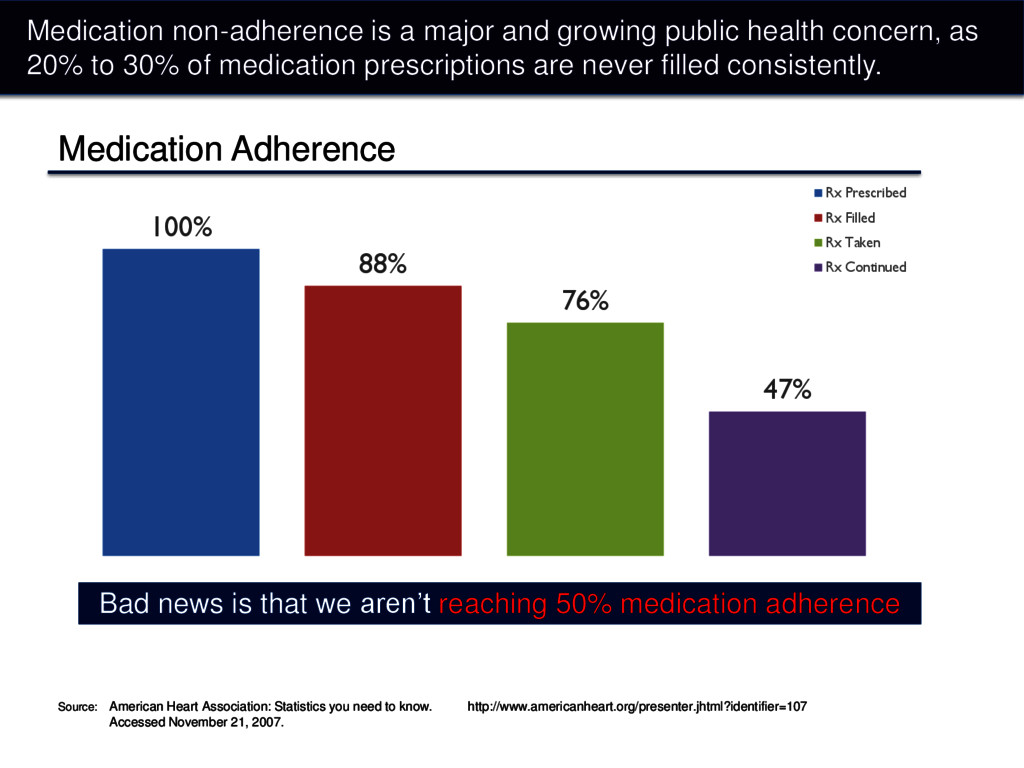
as 20% to 30% of medication prescriptions are never filled consistently. Bad news is that we aren’t reaching 50% medication adherence 100% 88% 76% 47% Rx Prescribed Rx Filled Rx Taken Rx Continued Medication Adherence Source: American Heart Association: Statistics you need to know. http://www.americanheart.org/presenter.jhtml?identifier=107 Accessed November 21, 2007.
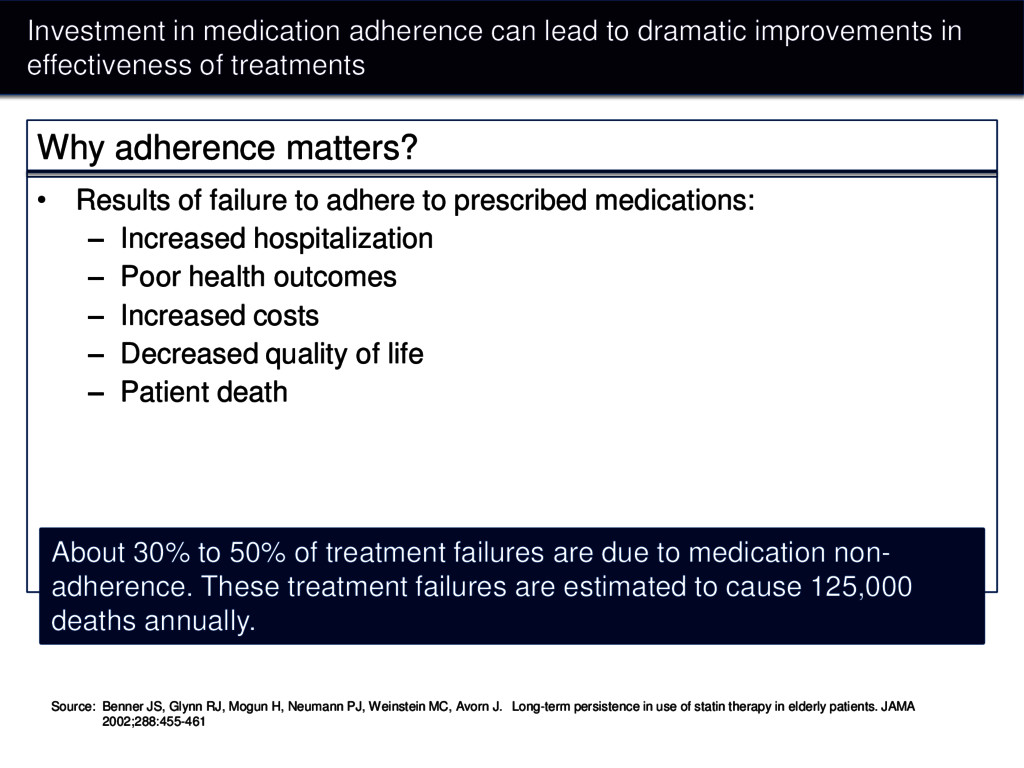
effectiveness of treatments Why adherence matters? • Results of failure to adhere to prescribed medications: – Increased hospitalization – Poor health outcomes – Increased costs – Decreased quality of life – Patient death About 30% to 50% of treatment failures are due to medication non- adherence. These treatment failures are estimated to cause 125,000 deaths annually. Source: Benner JS, Glynn RJ, Mogun H, Neumann PJ, Weinstein MC, Avorn J. Long-term persistence in use of statin therapy in elderly patients. JAMA 2002;288:455-461
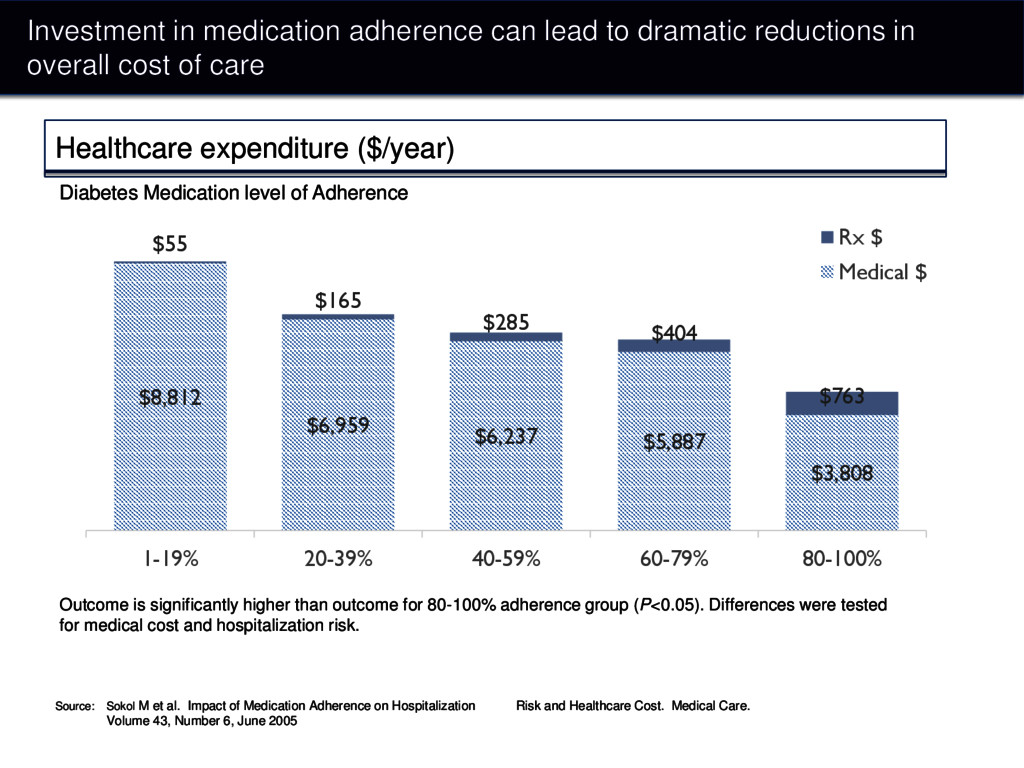
overall cost of care Diabetes Medication level of Adherence $8,812 $6,959 $6,237 $5,887 $3,808 $55 $165 $285 $404 $763 1-19% 20-39% 40-59% 60-79% 80-100% Rx $ Medical $ Healthcare expenditure ($/year) Outcome is significantly higher than outcome for 80-100% adherence group (P<0.05). Differences were tested for medical cost and hospitalization risk. Source: Sokol M et al. Impact of Medication Adherence on Hospitalization Risk and Healthcare Cost. Medical Care. Volume 43, Number 6, June 2005
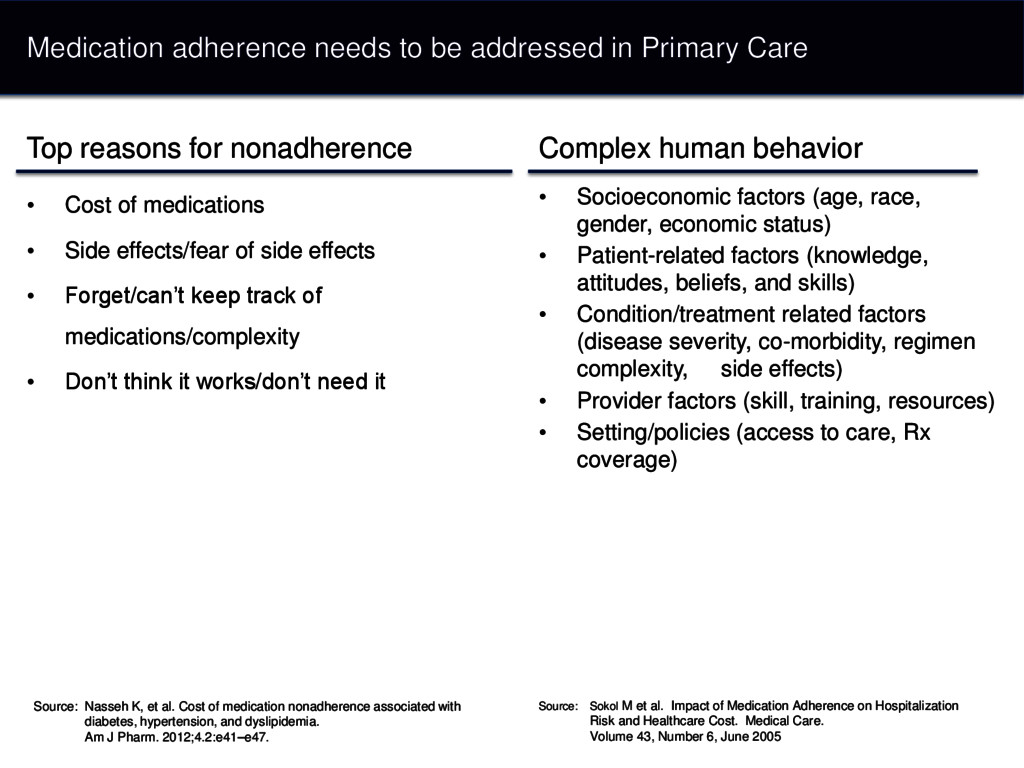
reasons for nonadherence • Cost of medications • Side effects/fear of side effects • Forget/can’t keep track of medications/complexity • Don’t think it works/don’t need it Complex human behavior Source: Sokol M et al. Impact of Medication Adherence on Hospitalization Risk and Healthcare Cost. Medical Care. Volume 43, Number 6, June 2005 Source: Nasseh K, et al. Cost of medication nonadherence associated with diabetes, hypertension, and dyslipidemia. Am J Pharm. 2012;4.2:e41–e47. • Socioeconomic factors (age, race, gender, economic status) • Patient-related factors (knowledge, attitudes, beliefs, and skills) • Condition/treatment related factors (disease severity, co-morbidity, regimen complexity, side effects) • Provider factors (skill, training, resources) • Setting/policies (access to care, Rx coverage)
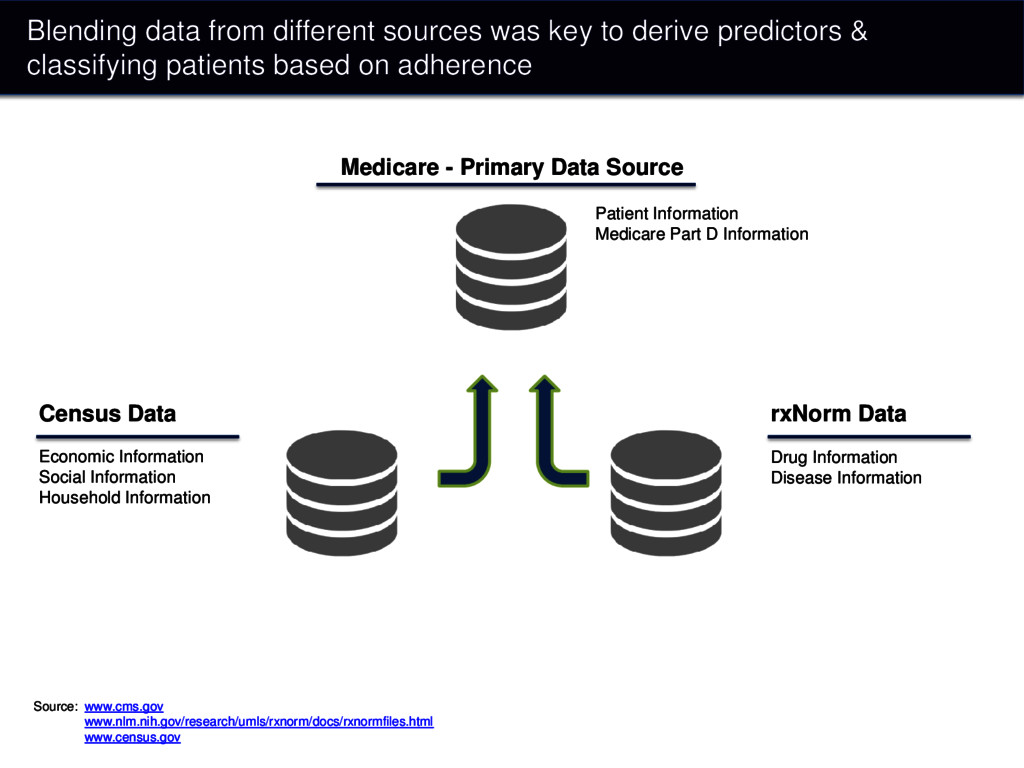
& classifying patients based on adherence Source: www.cms.gov www.nlm.nih.gov/research/umls/rxnorm/docs/rxnormfiles.html www.census.gov Medicare - Primary Data Source Drug Information Disease Information rxNorm Data Economic Information Social Information Household Information Census Data Patient Information Medicare Part D Information
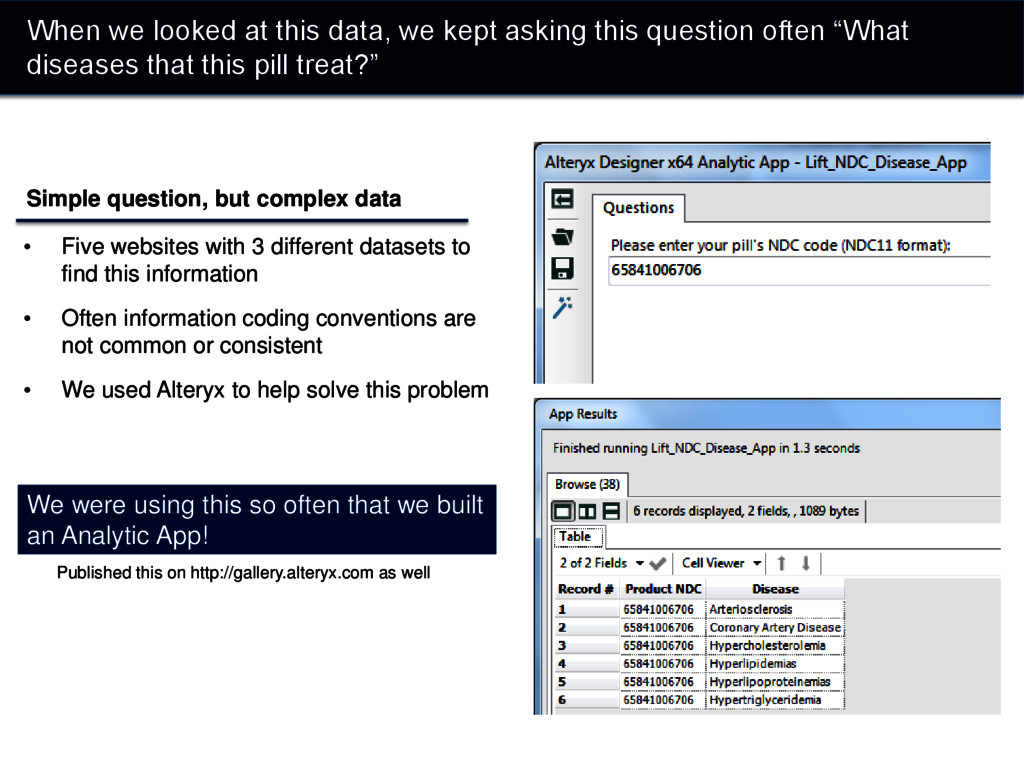
question often “What diseases that this pill treat?” • Five websites with 3 different datasets to find this information • Often information coding conventions are not common or consistent • We used Alteryx to help solve this problem Simple question, but complex data We were using this so often that we built an Analytic App! Published this on http://gallery.alteryx.com as well
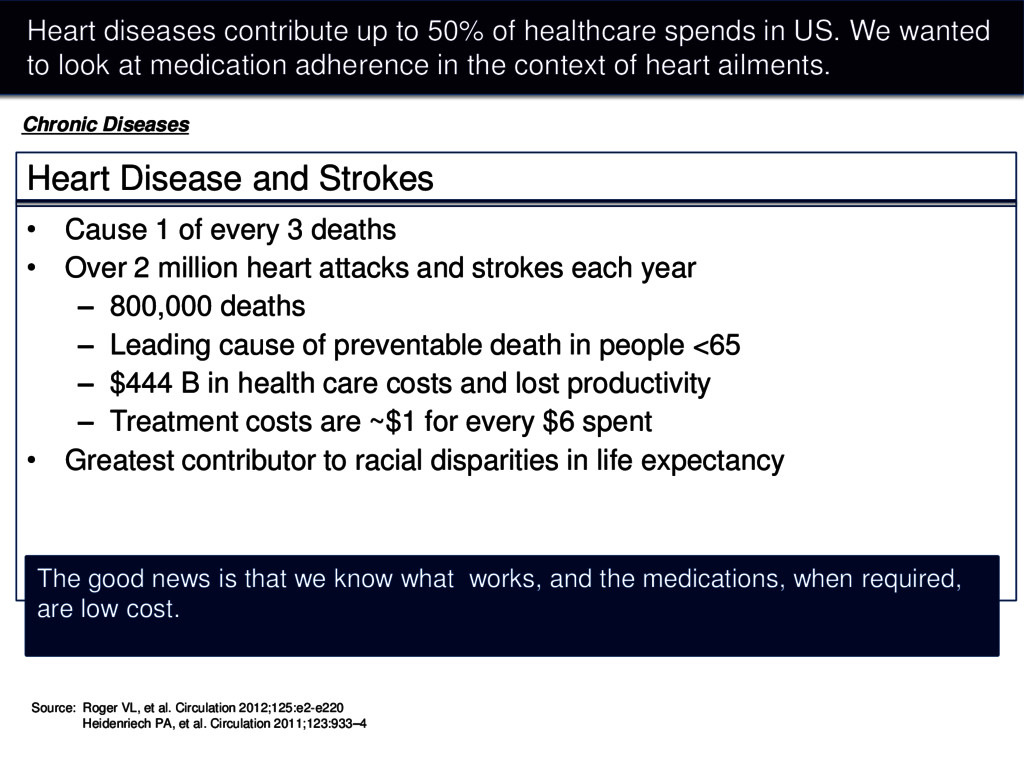
US. We wanted to look at medication adherence in the context of heart ailments. Heart Disease and Strokes • Cause 1 of every 3 deaths • Over 2 million heart attacks and strokes each year – 800,000 deaths – Leading cause of preventable death in people <65 – $444 B in health care costs and lost productivity – Treatment costs are ~$1 for every $6 spent • Greatest contributor to racial disparities in life expectancy The good news is that we know what works, and the medications, when required, are low cost. Source: Roger VL, et al. Circulation 2012;125:e2-e220 Heidenriech PA, et al. Circulation 2011;123:933–4 Chronic Diseases
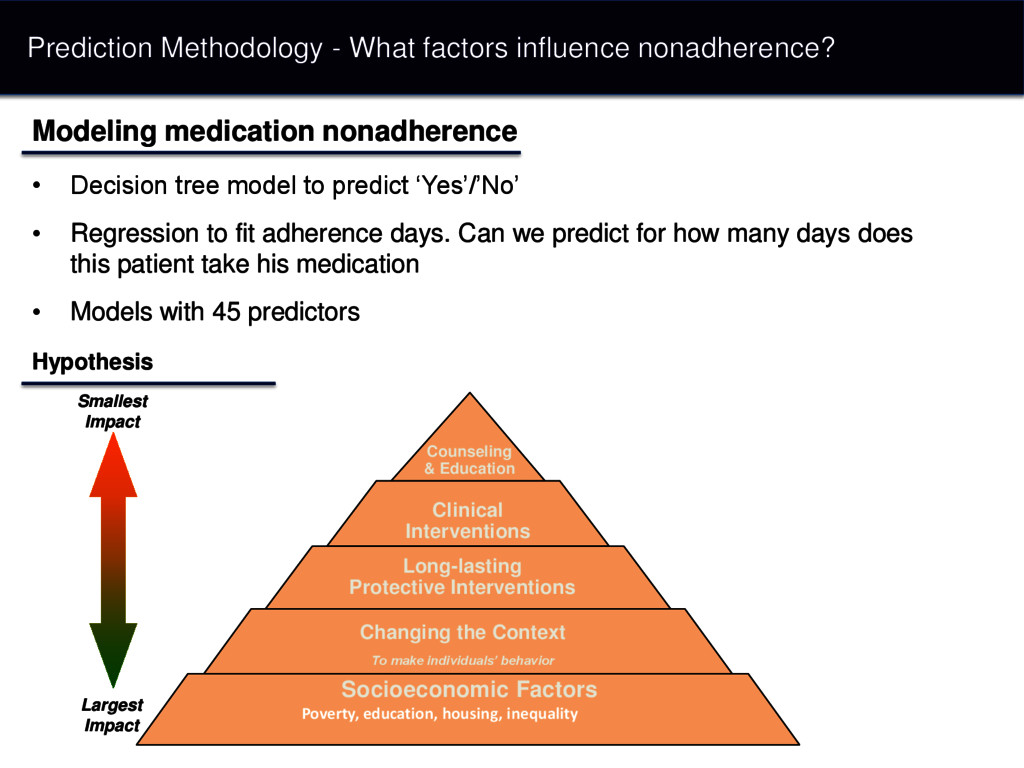
model to predict ‘Yes’/’No’ • Regression to fit adherence days. Can we predict for how many days does this patient take his medication • Models with 45 predictors Modeling medication nonadherence Socioeconomic Factors Changing the Context To make individuals’ behavior Long-lasting Protective Interventions Clinical Interventions Counseling & Education Largest Impact Smallest Impact Poverty, education, housing, inequality Hypothesis
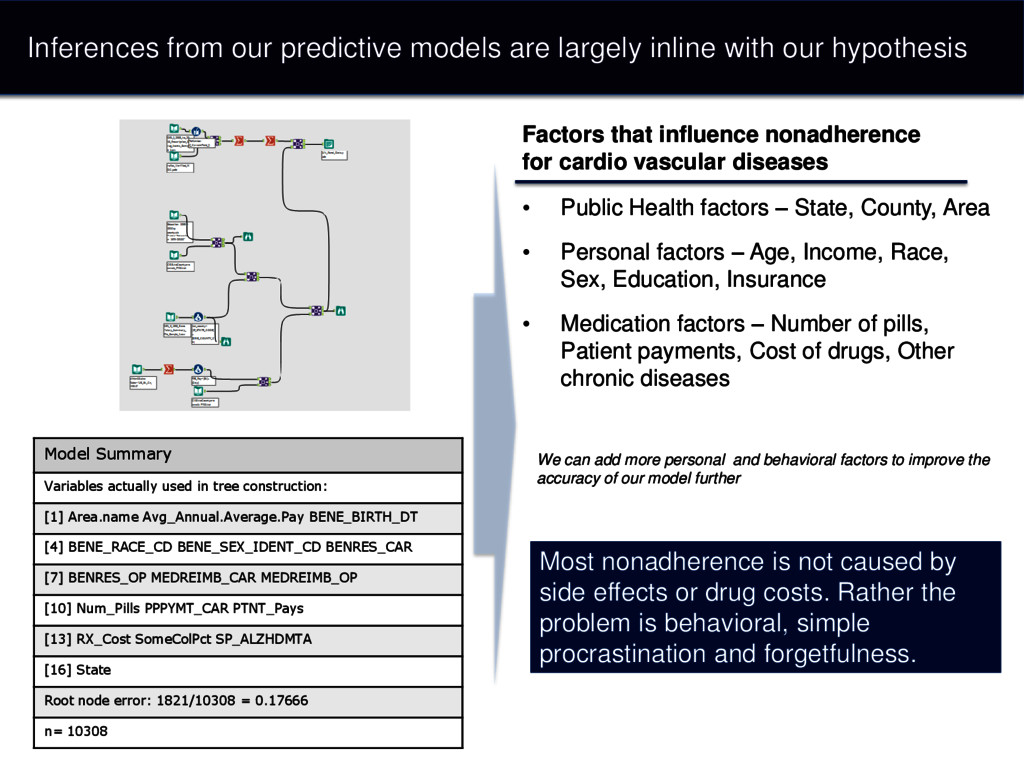
hypothesis • Public Health factors – State, County, Area • Personal factors – Age, Income, Race, Sex, Education, Insurance • Medication factors – Number of pills, Patient payments, Cost of drugs, Other chronic diseases Factors that influence nonadherence for cardio vascular diseases Model Summary Variables actually used in tree construction: [1] Area.name Avg_Annual.Average.Pay BENE_BIRTH_DT [4] BENE_RACE_CD BENE_SEX_IDENT_CD BENRES_CAR [7] BENRES_OP MEDREIMB_CAR MEDREIMB_OP [10] Num_Pills PPPYMT_CAR PTNT_Pays [13] RX_Cost SomeColPct SP_ALZHDMTA [16] State Root node error: 1821/10308 = 0.17666 n= 10308 We can add more personal and behavioral factors to improve the accuracy of our model further Most nonadherence is not caused by side effects or drug costs. Rather the problem is behavioral, simple procrastination and forgetfulness.
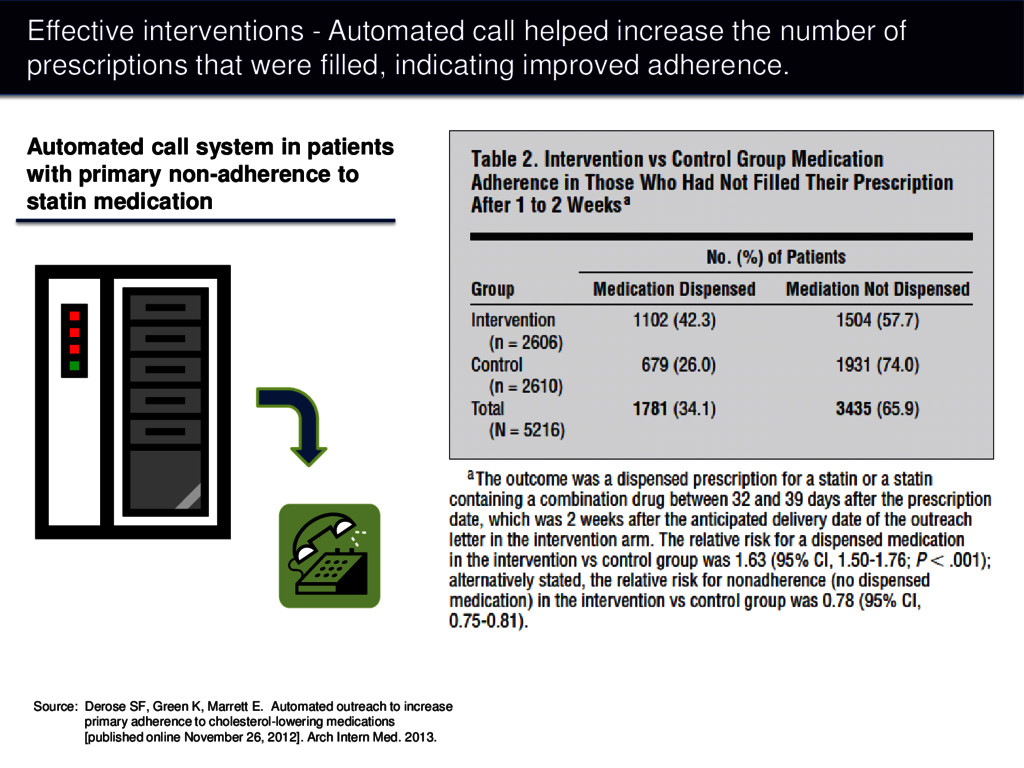
prescriptions that were filled, indicating improved adherence. Source: Derose SF, Green K, Marrett E. Automated outreach to increase primary adherence to cholesterol-lowering medications [published online November 26, 2012]. Arch Intern Med. 2013. Automated call system in patients with primary non-adherence to statin medication
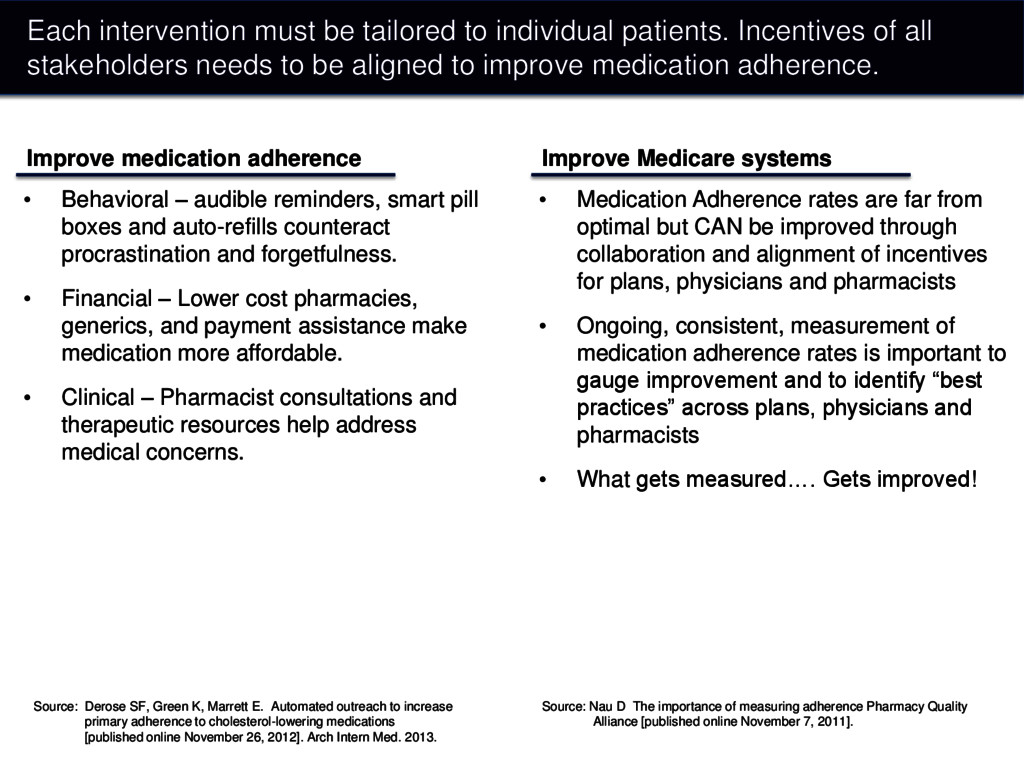
all stakeholders needs to be aligned to improve medication adherence. Source: Derose SF, Green K, Marrett E. Automated outreach to increase primary adherence to cholesterol-lowering medications [published online November 26, 2012]. Arch Intern Med. 2013. Improve medication adherence • Behavioral – audible reminders, smart pill boxes and auto-refills counteract procrastination and forgetfulness. • Financial – Lower cost pharmacies, generics, and payment assistance make medication more affordable. • Clinical – Pharmacist consultations and therapeutic resources help address medical concerns. Improve Medicare systems • Medication Adherence rates are far from optimal but CAN be improved through collaboration and alignment of incentives for plans, physicians and pharmacists • Ongoing, consistent, measurement of medication adherence rates is important to gauge improvement and to identify “best practices” across plans, physicians and pharmacists • What gets measured…. Gets improved! Source: Nau D The importance of measuring adherence Pharmacy Quality Alliance [published online November 7, 2011].

 SiteGround - Reliable hosting with speed, security, and support you can count on.


 taketakekaho
 terurou
 teamlab
 occhi
occhi
 shumei_ito
 shogo4131
 pfn
pfn
 tomokusaba
.png) yamad
yamad
 gogutan
 syuchimu
 ivry_presentationmaterials
 helmedeiros
 mongodb
 colly
colly
 badams
 danielanewman
 kimpetersen
 stuffmc
 ryanjones
 3n
3n
 aleyda
 tessaabrams
 frankvandijk