Upgrade to Pro — share decks privately, control downloads, hide ads and more …

Fundamentals of Software Engineering In the Age...

Fundamentals of Software Engineering In the Age of AI

Exploring the essential software engineering skills that remain critical as AI transforms the development workflow.

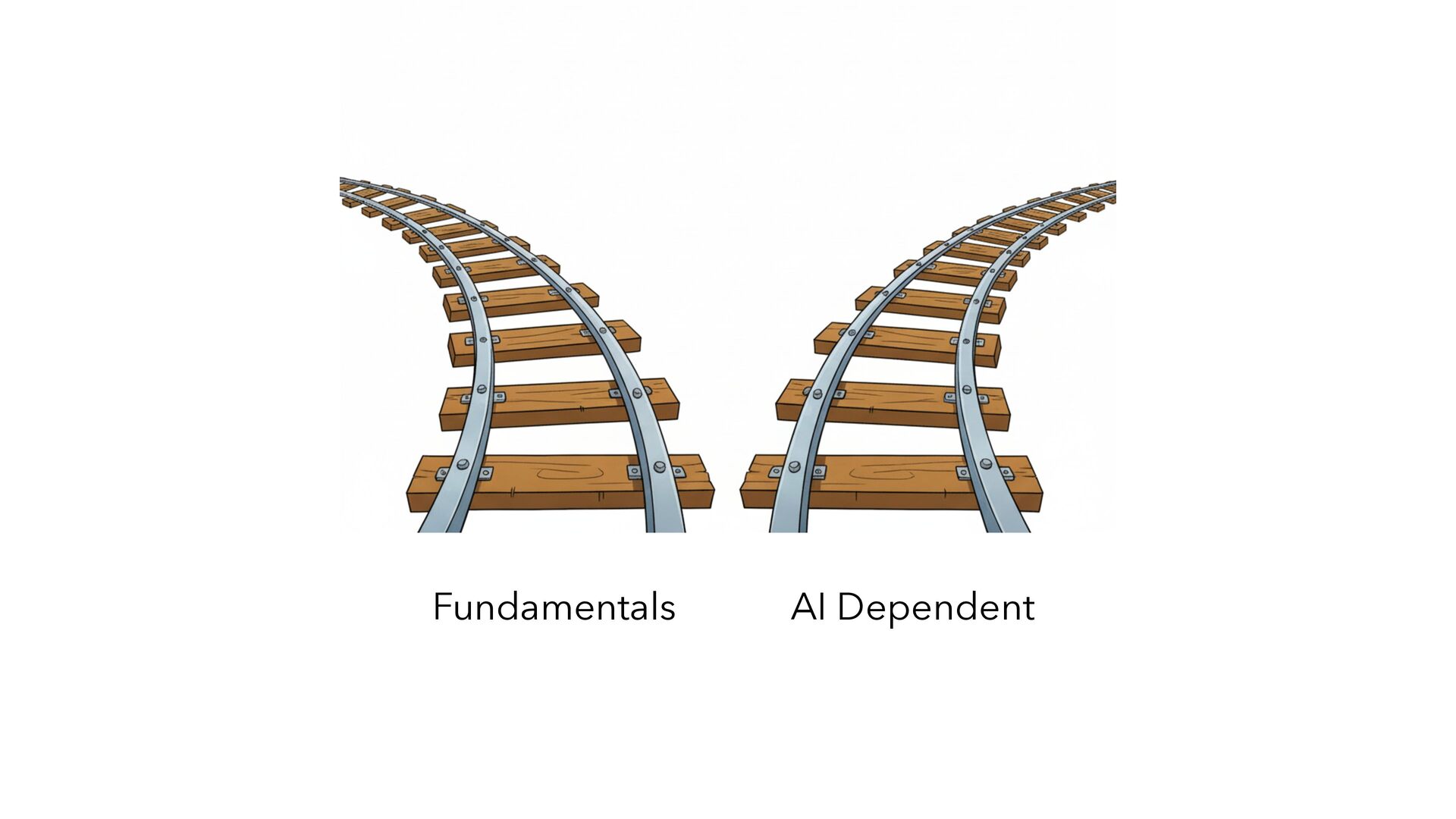
Agentic coding assistants and editor-based AI chat interfaces are altering the development workflow leading some to proclaim the end of software engineering. Is it time to explore other careers? Not so fast, the rumors of our demise are greatly exaggerated! While these tools can boost productivity, to be used effectively, developers still need to master the fundamentals of the software craft.

Modern software development demands more than just coding proficiency—it requires navigating an increasingly AI-augmented landscape. In this session, we'll explore what it truly means to be a software engineer today and why the fundamentals matter more than ever.

Avatar for Dan Vega

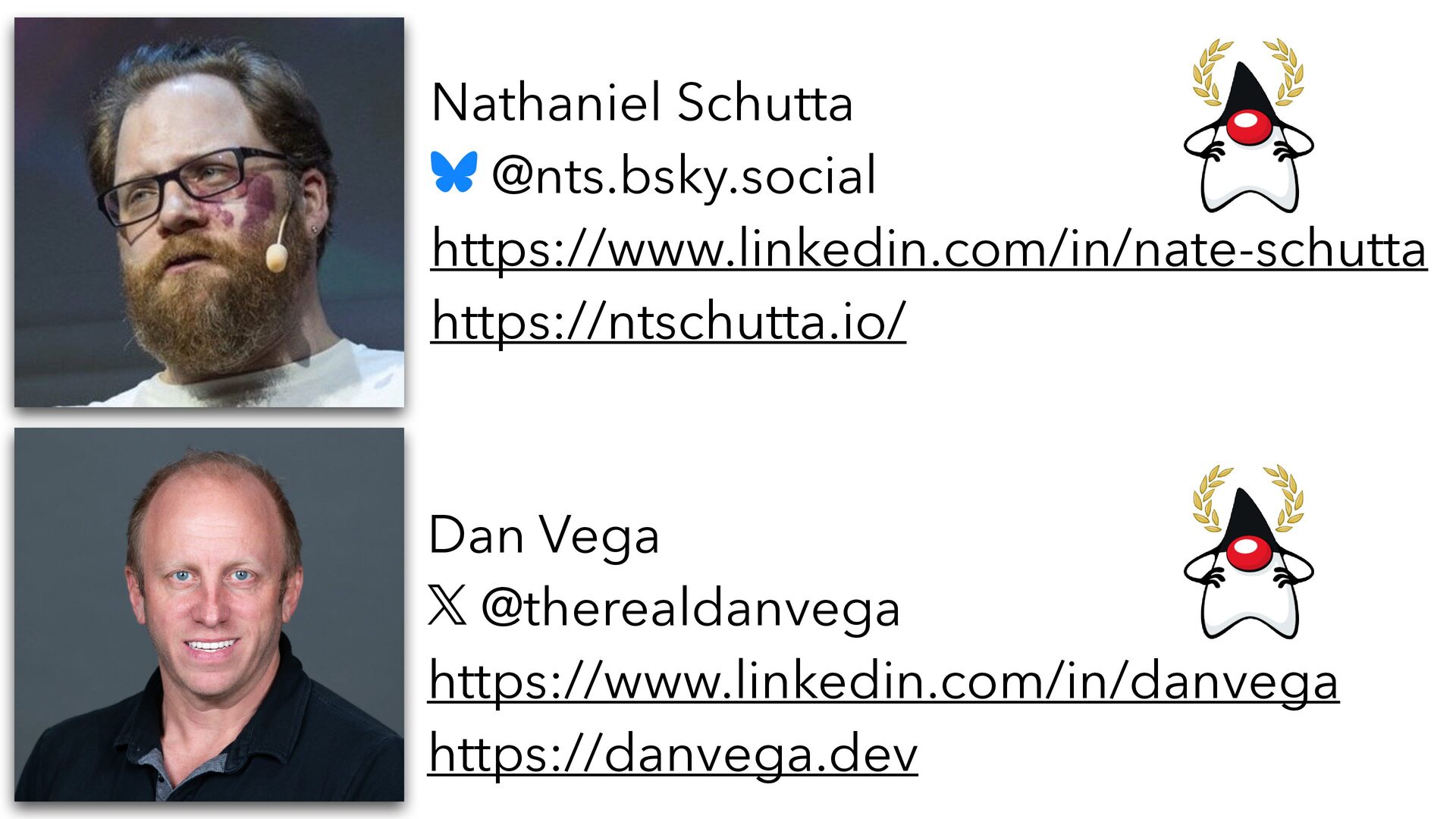
Dan Vega

March 05, 2026
Tweet

More Decks by Dan Vega

Other Decks in Programming

Transcript

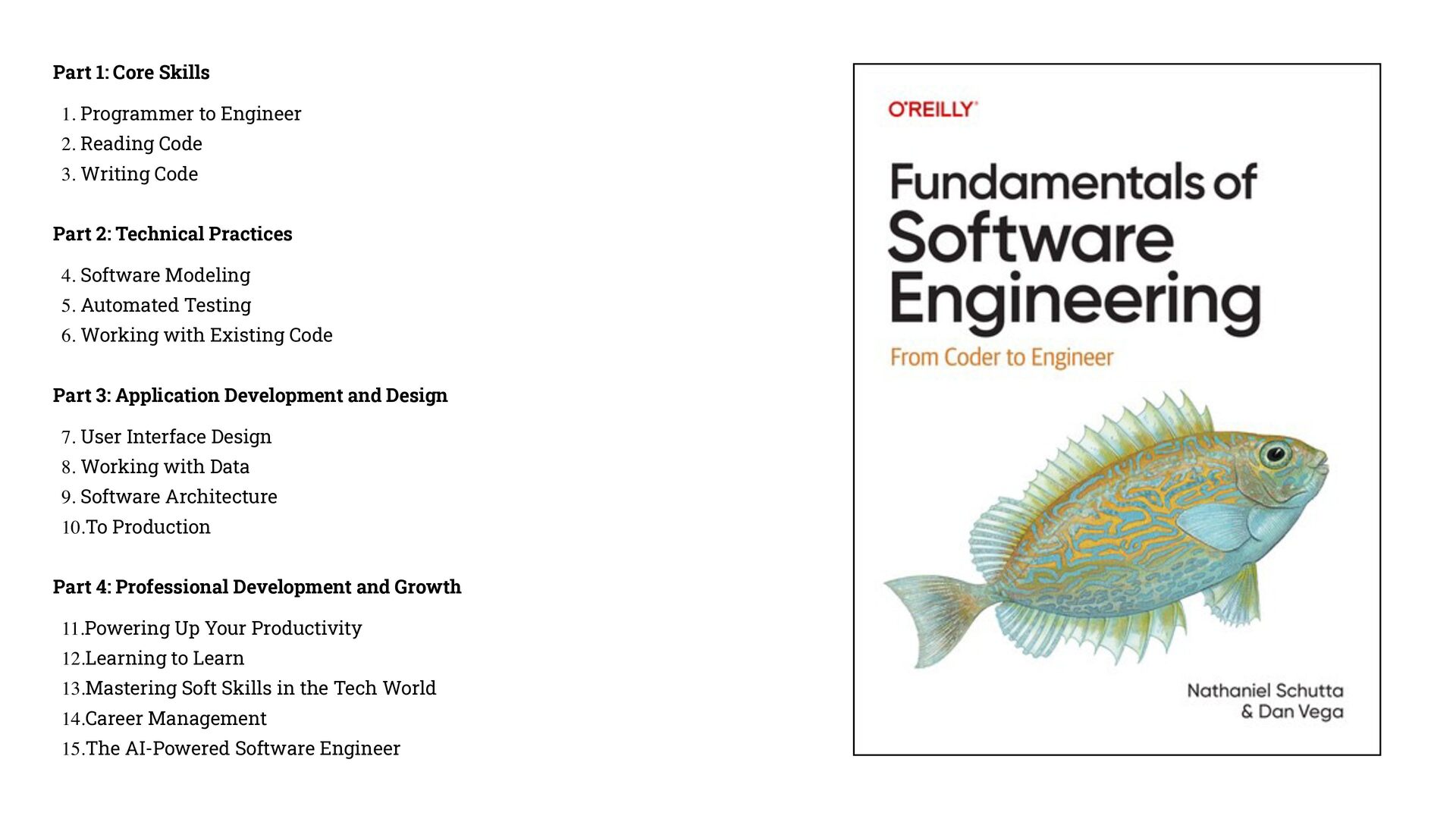
  1. Part 1: Core Skills 1. Programmer to Engineer 2. Reading

    Code 3. Writing Code Part 2: Technical Practices 4. Software Modeling 5. Automated Testing 6. Working with Existing Code Part 3: Application Development and Design 7. User Interface Design 8. Working with Data 9. Software Architecture 10.To Production Part 4: Professional Development and Growth 11.Powering Up Your Productivity 12.Learning to Learn 13.Mastering Soft Skills in the Tech World 14.Career Management 15.The AI-Powered Software Engineer
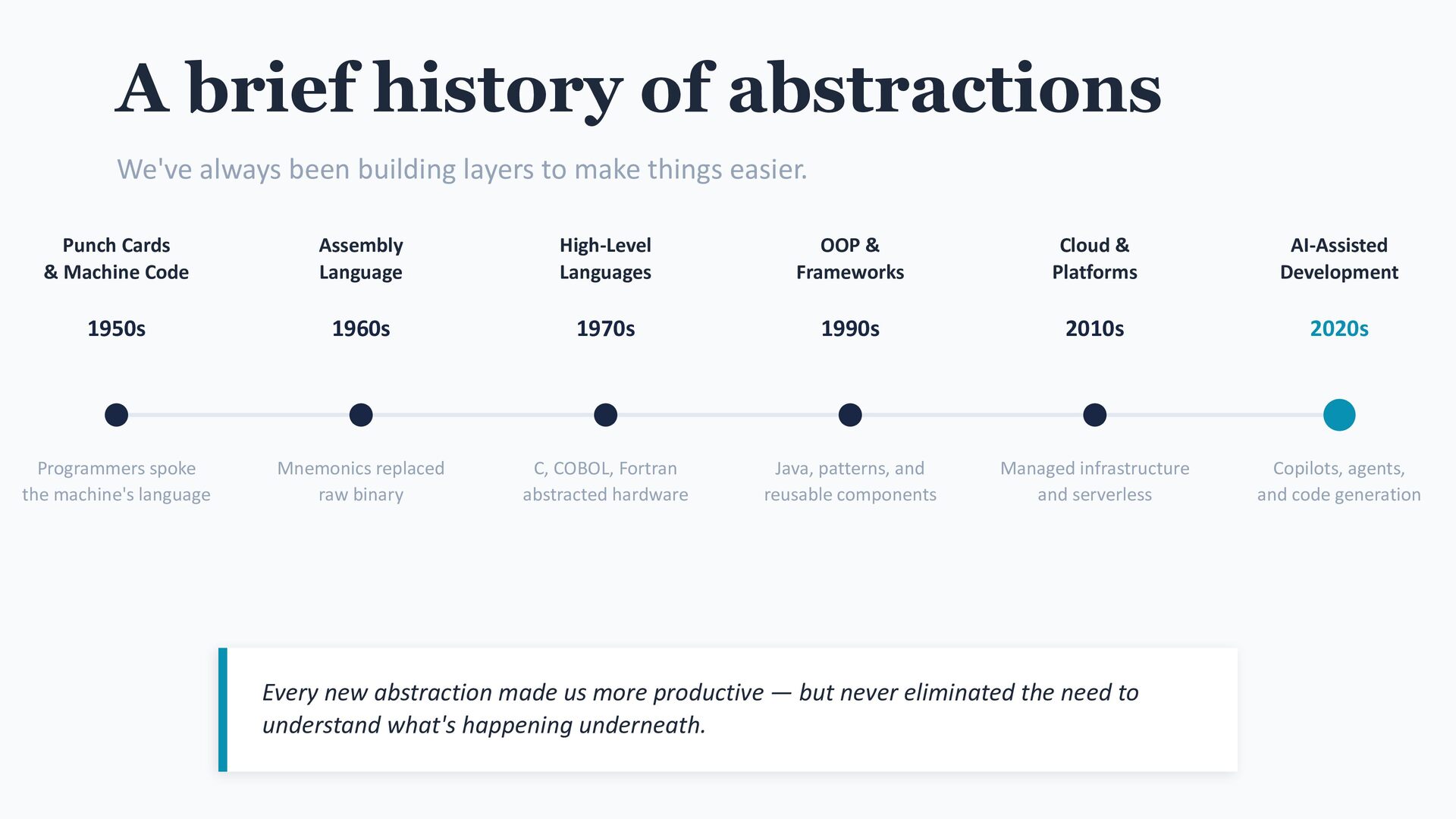
  2. A brief history of abstractions We've always been building layers

    to make things easier. 1950s Punch Cards & Machine Code Programmers spoke the machine's language 1960s Assembly Language Mnemonics replaced raw binary 1970s High-Level Languages C, COBOL, Fortran abstracted hardware 1990s OOP & Frameworks Java, patterns, and reusable components 2010s Cloud & Platforms Managed infrastructure and serverless 2020s AI-Assisted Development Copilots, agents, and code generation Every new abstraction made us more productive — but never eliminated the need to understand what's happening underneath.
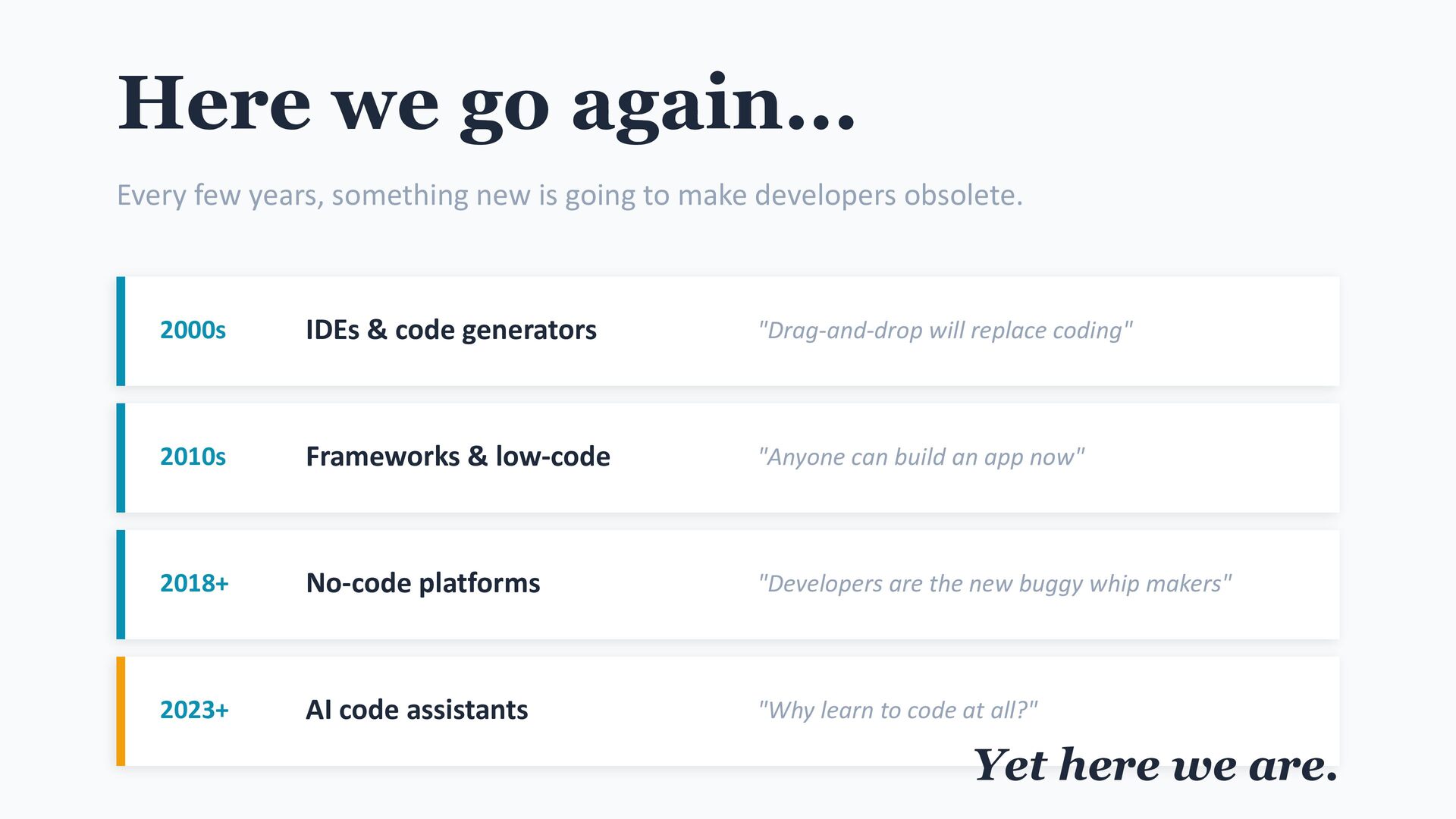
  3. Here we go again... Every few years, something new is

    going to make developers obsolete. 2000s IDEs & code generators "Drag-and-drop will replace coding" 2010s Frameworks & low-code "Anyone can build an app now" 2018+ No-code platforms "Developers are the new buggy whip makers" 2023+ AI code assistants "Why learn to code at all?" Yet here we are.
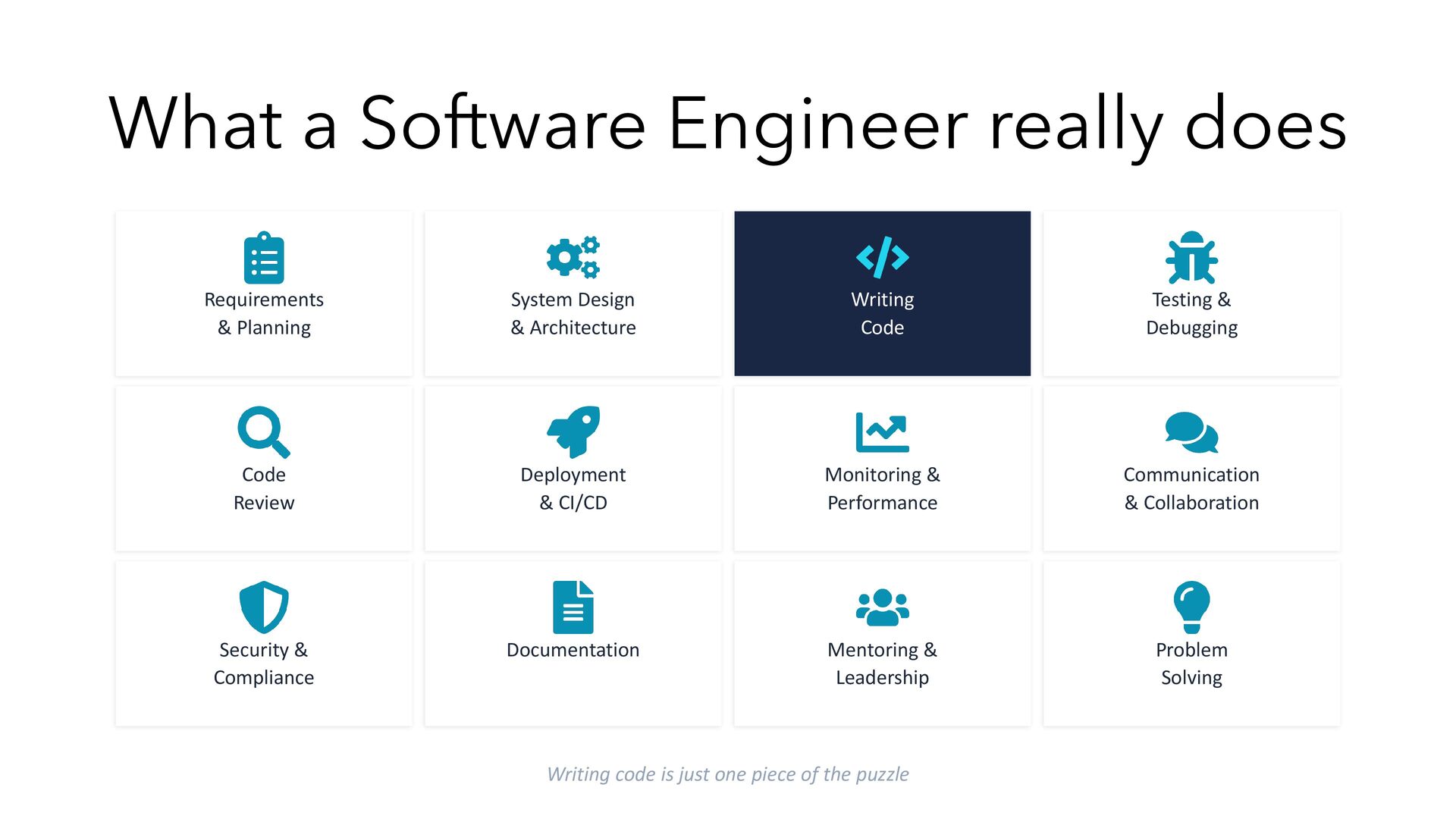
  4. What a Software Engineer really does Requirements & Planning System

    Design & Architecture Writing Code Testing & Debugging Code Review Deployment & CI/CD Monitoring & Performance Communication & Collaboration Security & Compliance Documentation Mentoring & Leadership Problem Solving Writing code is just one piece of the puzzle
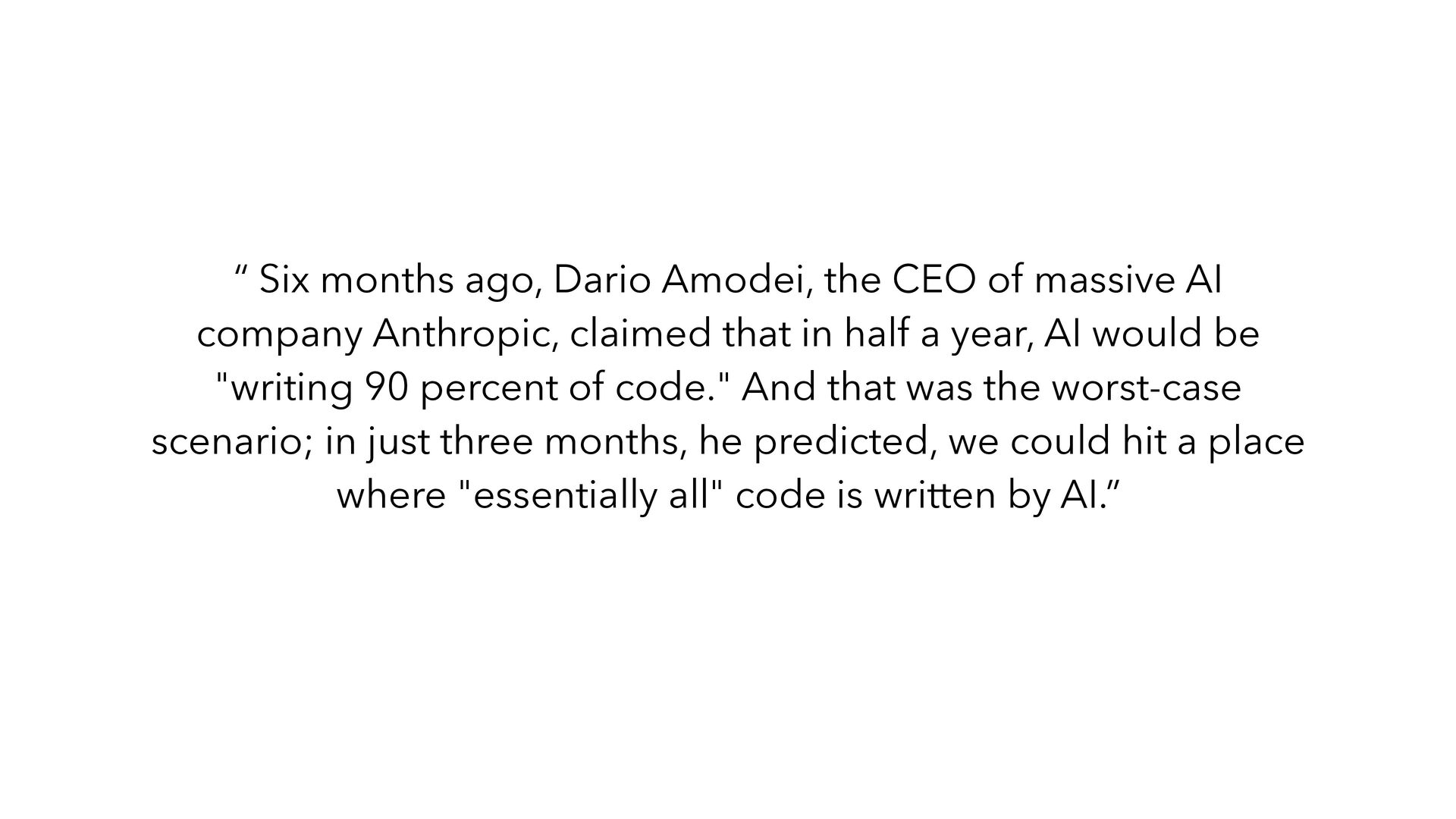
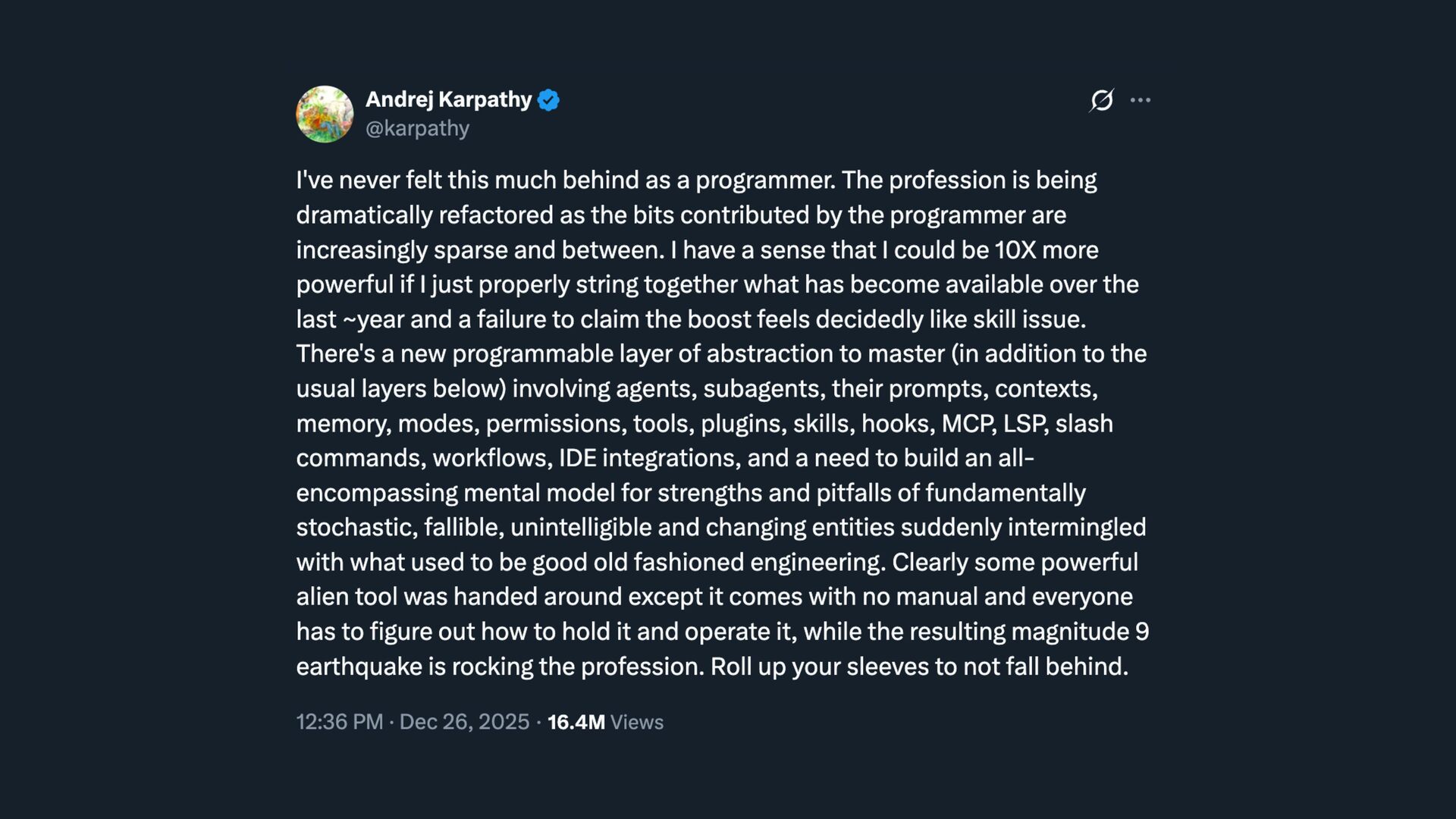
  5. “ Six months ago, Dario Amodei, the CEO of massive

    AI company Anthropic, claimed that in half a year, AI would be "writing 90 percent of code." And that was the worst-case scenario; in just three months, he predicted, we could hit a place where "essentially all" code is written by AI.”
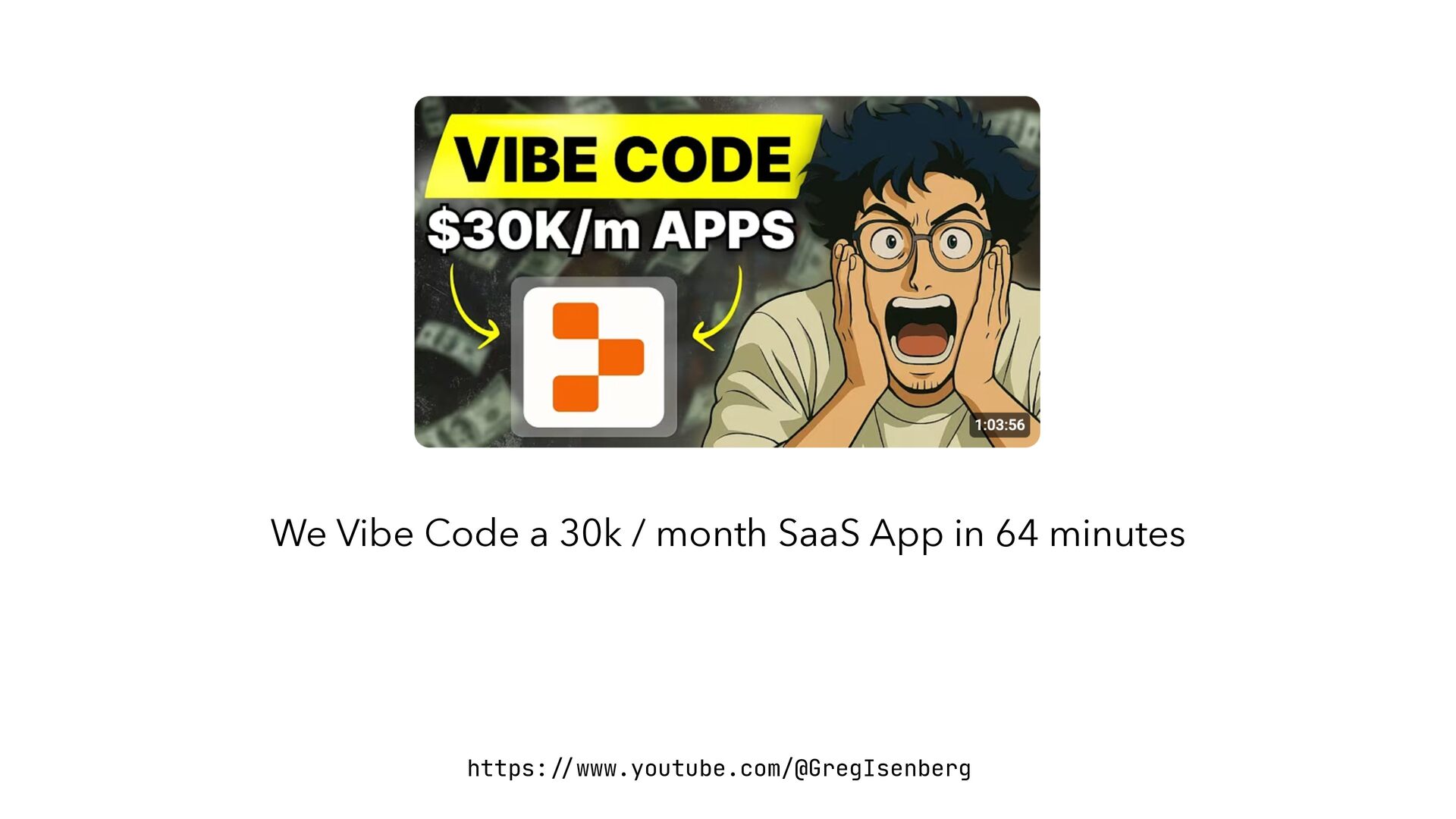
  6. We Vibe Code a 30k / month SaaS App in

    64 minutes https: // www.youtube.com/@GregIsenberg
  7. –Satya Nadella, Microsoft “I think what AI does quite frankly

    is reduce the fl oor and raise the ceiling for all of us.”
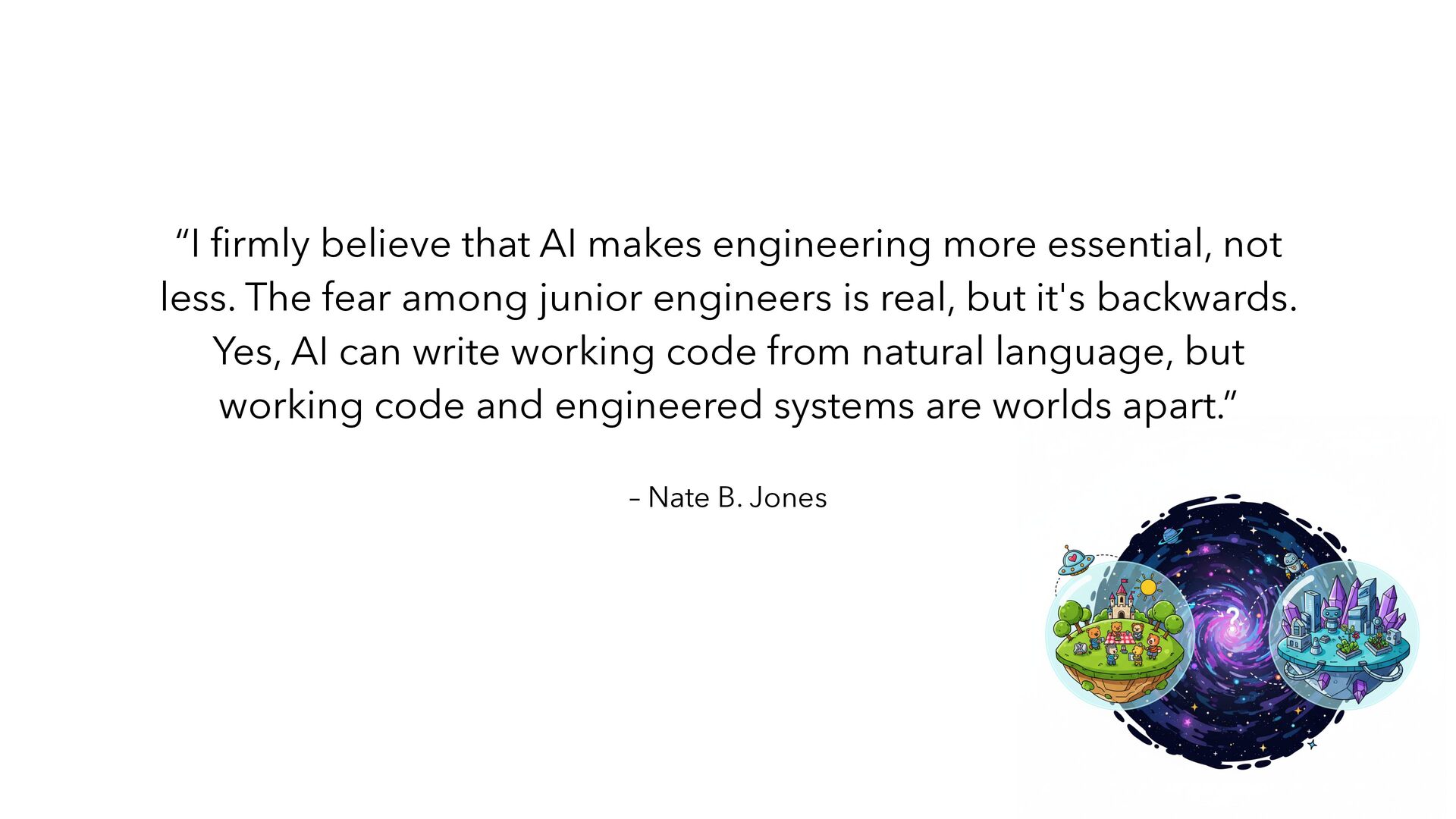
  8. – Nate B. Jones “I fi rmly believe that AI

    makes engineering more essential, not less. The fear among junior engineers is real, but it's backwards. Yes, AI can write working code from natural language, but working code and engineered systems are worlds apart.”
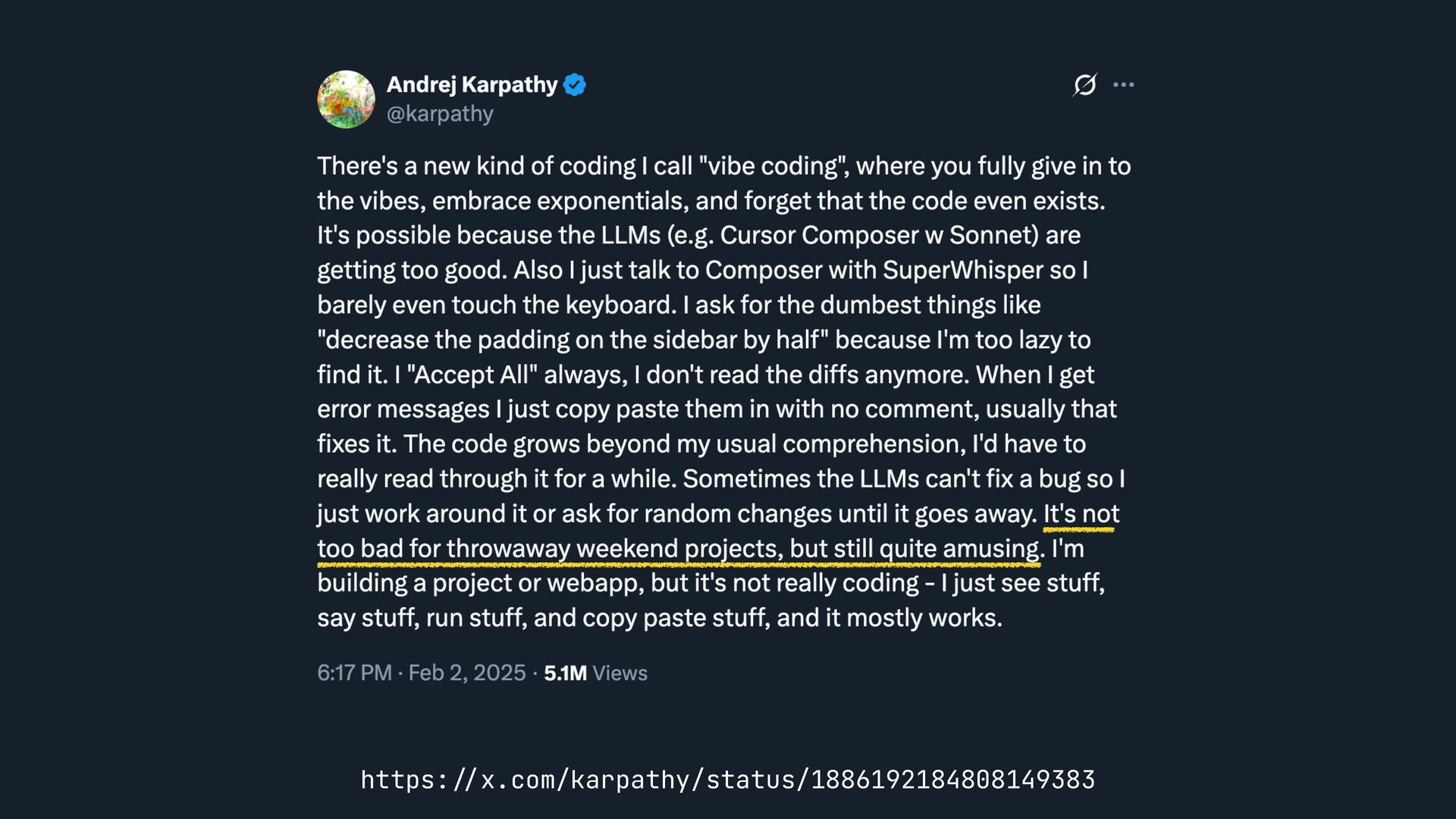
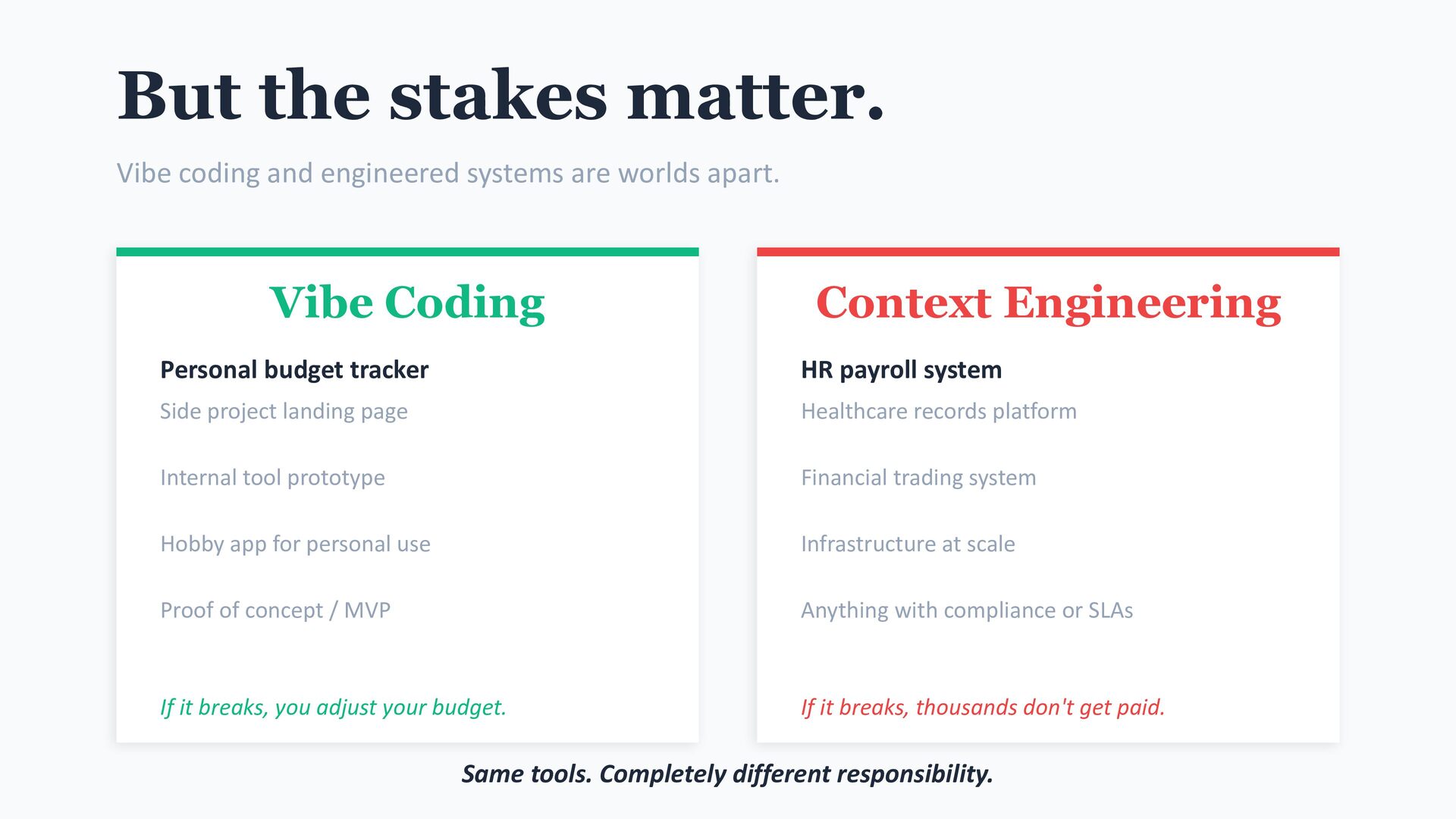
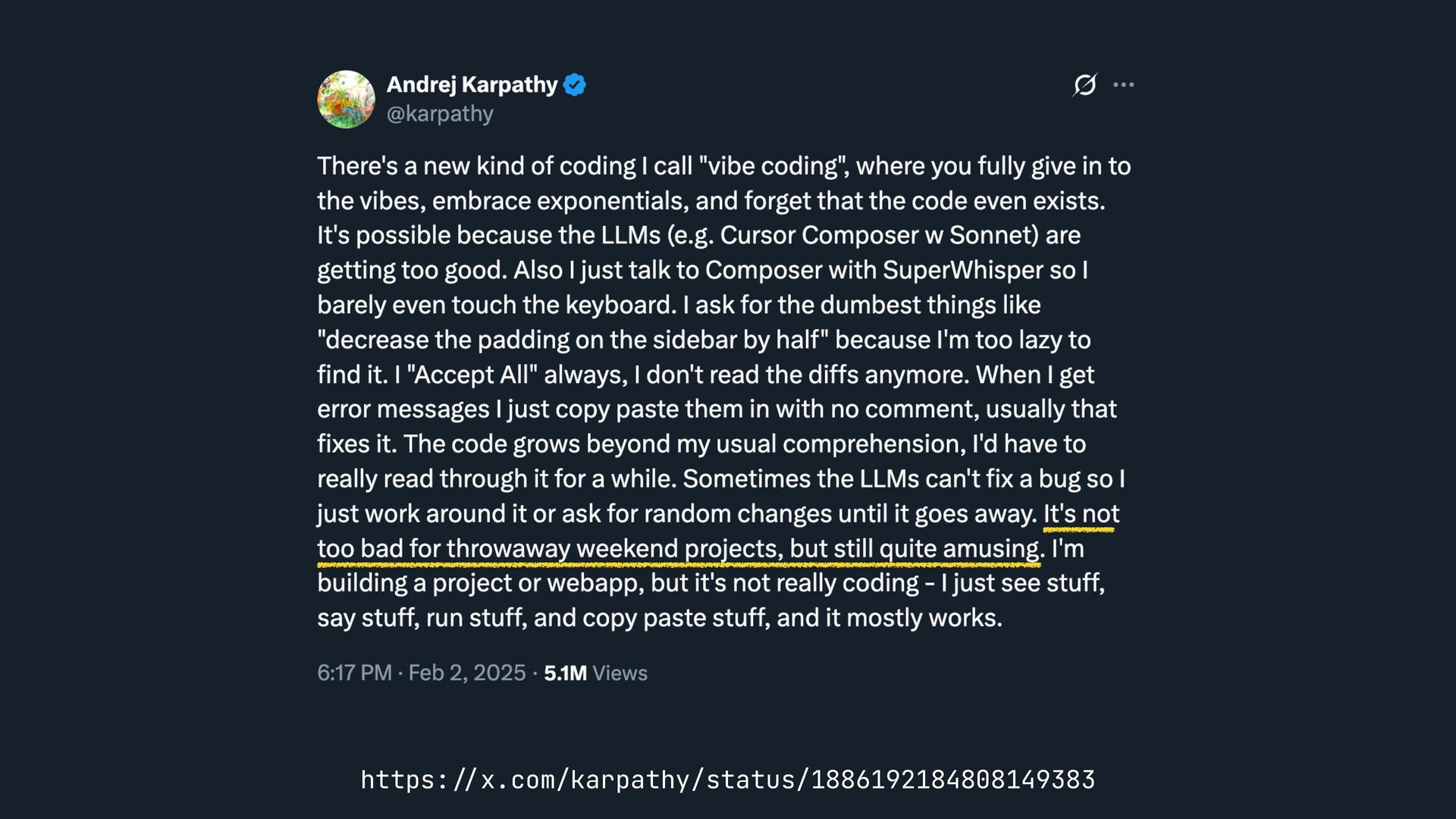
  9. But the stakes matter. Vibe coding and engineered systems are

    worlds apart. Vibe Coding Personal budget tracker Side project landing page Internal tool prototype Hobby app for personal use Proof of concept / MVP If it breaks, you adjust your budget. Context Engineering HR payroll system Healthcare records platform Financial trading system Infrastructure at scale Anything with compliance or SLAs If it breaks, thousands don't get paid. Same tools. Completely different responsibility.
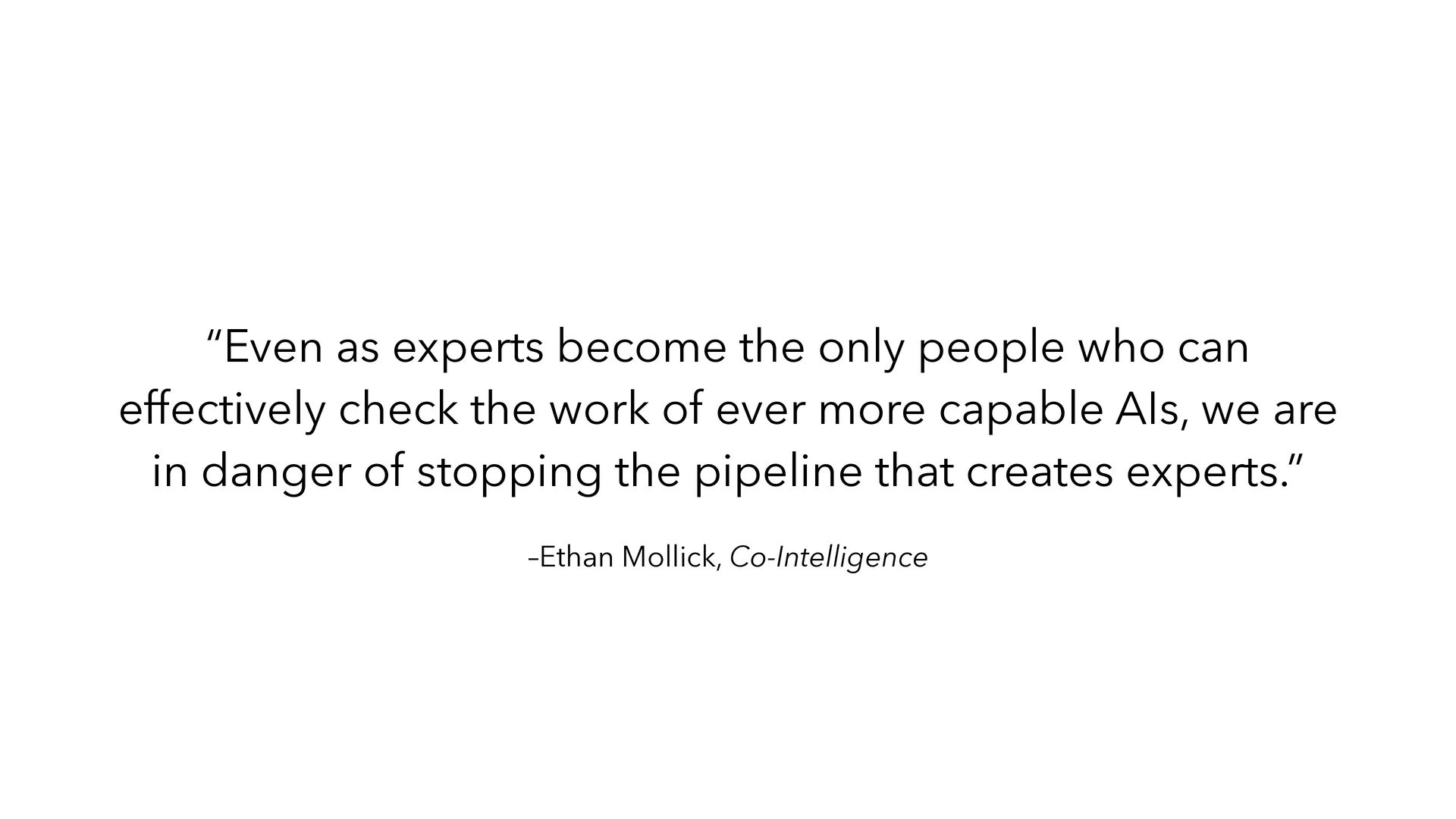
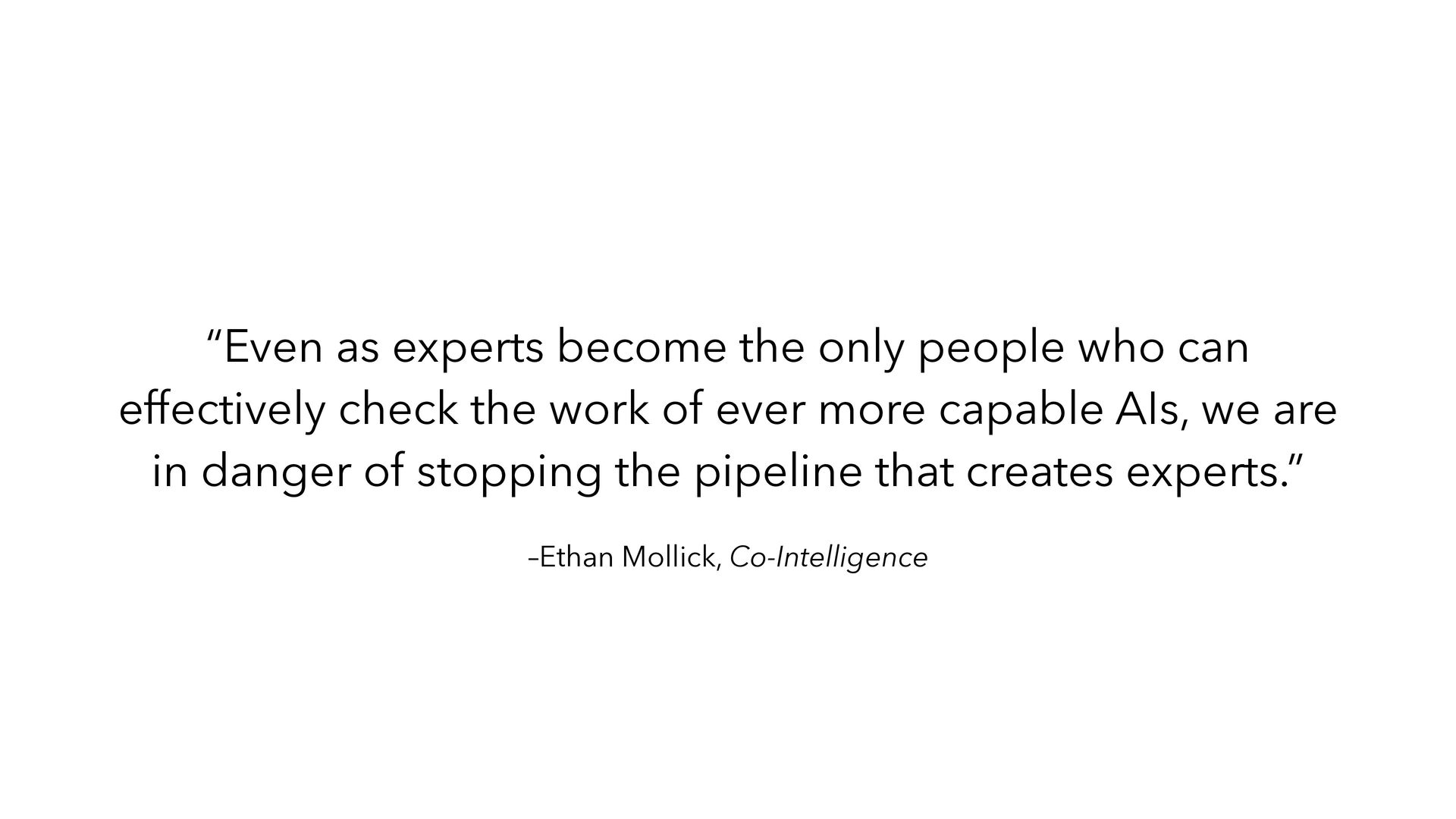
  10. –Ethan Mollick, Co-Intelligence “Even as experts become the only people

    who can effectively check the work of ever more capable AIs, we are in danger of stopping the pipeline that creates experts.”
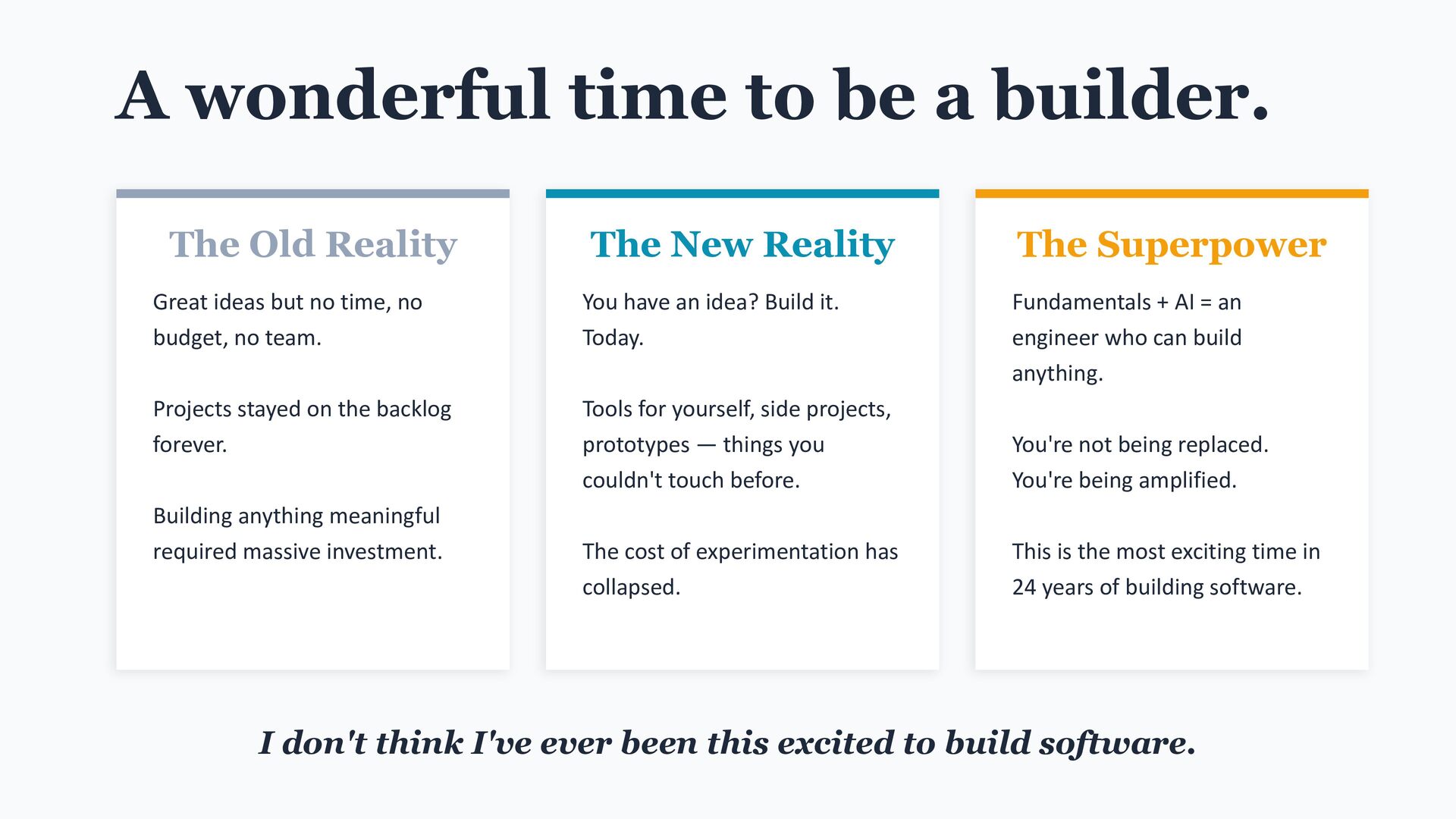
  11. A wonderful time to be a builder. The Old Reality

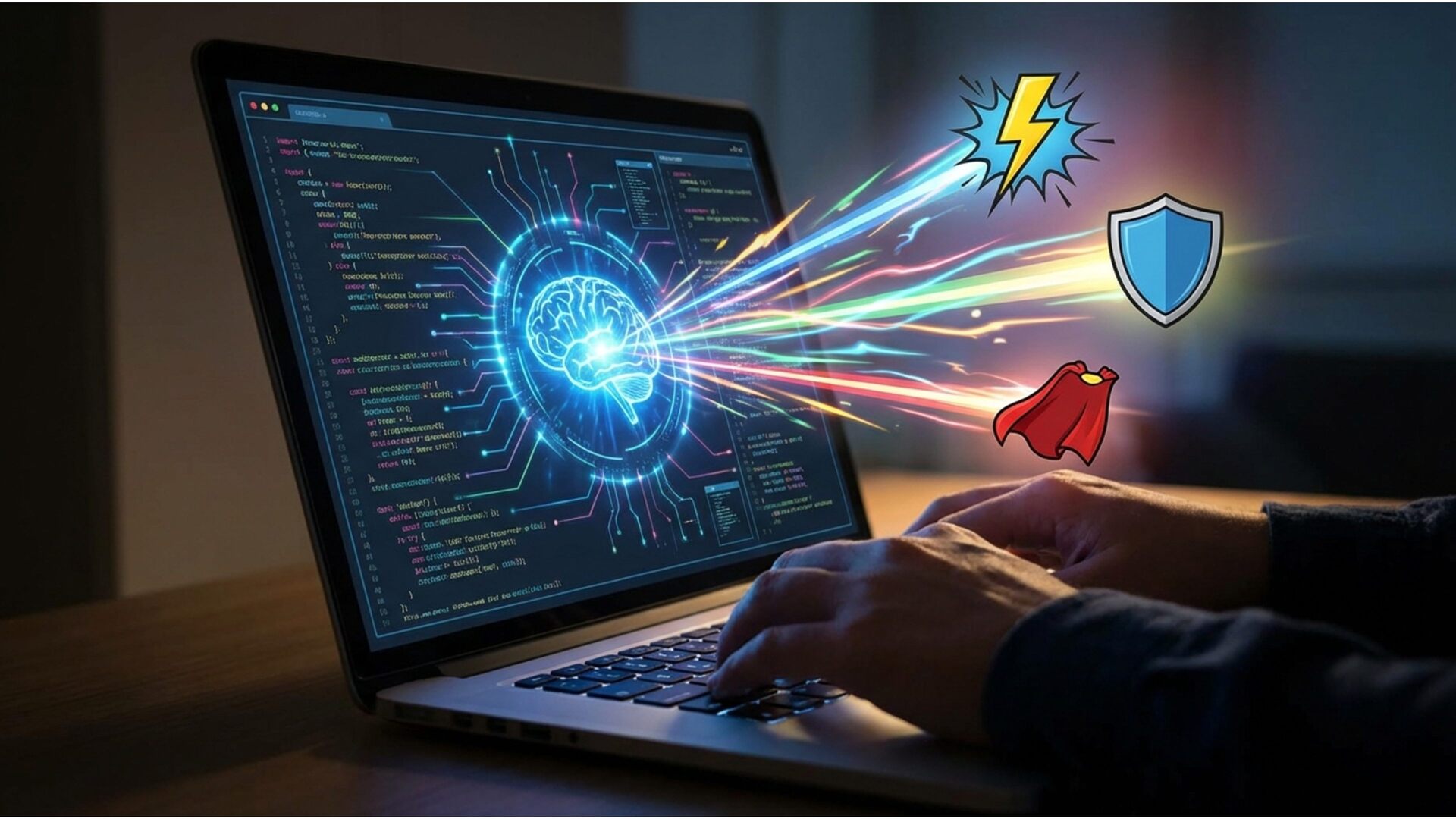
    Great ideas but no time, no budget, no team. Projects stayed on the backlog forever. Building anything meaningful required massive investment. The New Reality You have an idea? Build it. Today. Tools for yourself, side projects, prototypes — things you couldn't touch before. The cost of experimentation has collapsed. The Superpower Fundamentals + AI = an engineer who can build anything. You're not being replaced. You're being amplified. This is the most exciting time in 24 years of building software. I don't think I've ever been this excited to build software.
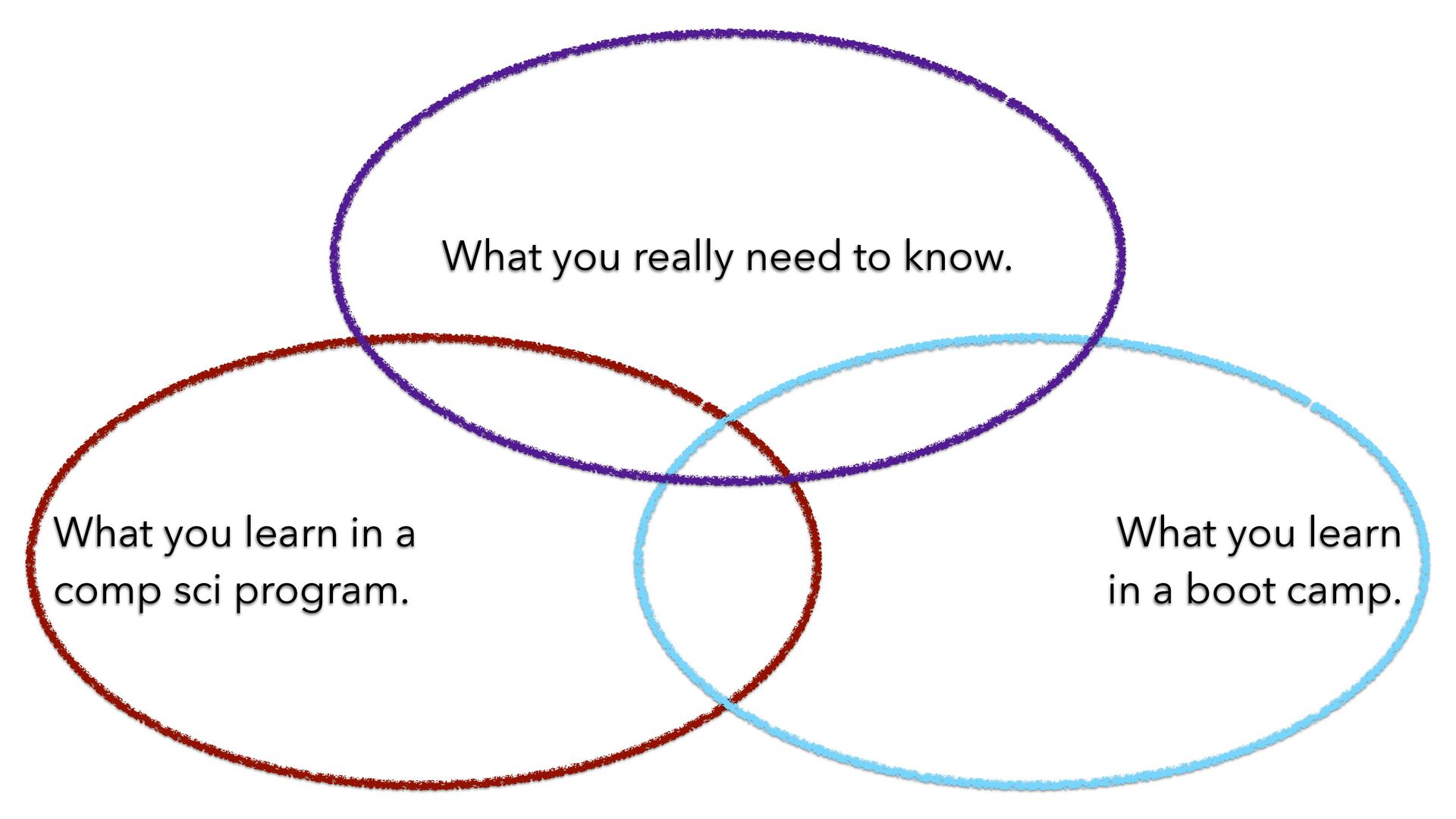
  12. What you learn in a comp sci program. What you

    learn in a boot camp. What you really need to know.
  13. –Ethan Mollick, Co-Intelligence “Even as experts become the only people

    who can effectively check the work of ever more capable AIs, we are in danger of stopping the pipeline that creates experts.”
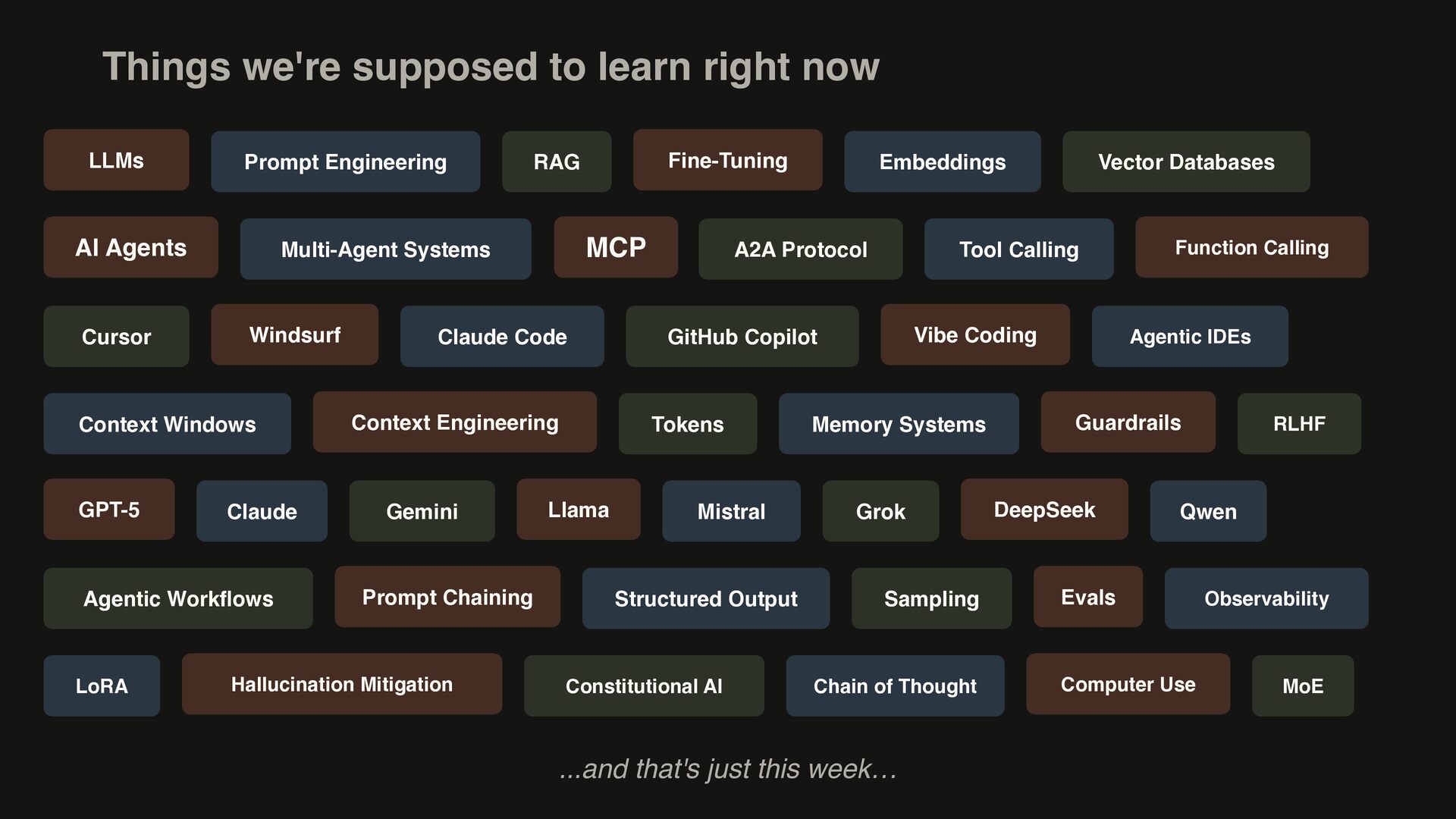
  14. Things we're supposed to learn right now Prompt Engineering Embeddings

    Multi-Agent Systems Tool Calling Claude Code Agentic IDEs Context Windows Memory Systems Claude Mistral Qwen Structured Output Observability LoRA Chain of Thought LLMs Fine-Tuning AI Agents MCP Function Calling Windsurf Vibe Coding Context Engineering Guardrails GPT-5 Llama DeepSeek Prompt Chaining Evals Hallucination Mitigation Computer Use RAG Vector Databases A2A Protocol Cursor GitHub Copilot Tokens RLHF Gemini Grok Agentic Workflows Sampling Constitutional AI MoE ...and that's just this week…
  15. The good news? You don't need to learn all of

    this. You need to understand the building blocks.
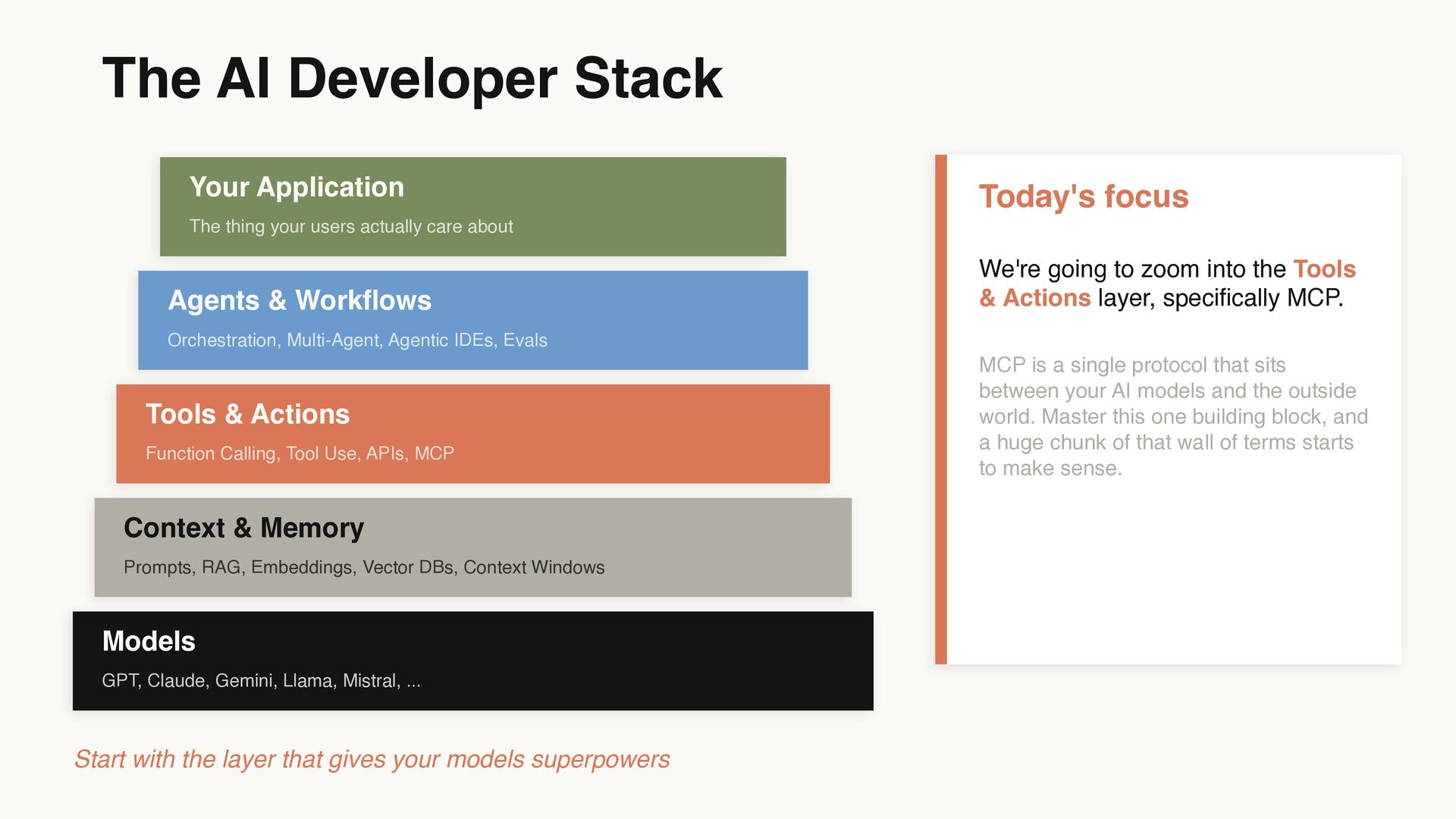
  16. The AI Developer Stack Models GPT, Claude, Gemini, Llama, Mistral,

    ... Context & Memory Prompts, RAG, Embeddings, Vector DBs, Context Windows Tools & Actions Function Calling, Tool Use, APIs, MCP Agents & Workflows Orchestration, Multi-Agent, Agentic IDEs, Evals Your Application The thing your users actually care about Today's focus We're going to zoom into the Tools & Actions layer, specifically MCP. MCP is a single protocol that sits between your AI models and the outside world. Master this one building block, and a huge chunk of that wall of terms starts to make sense. Start with the layer that gives your models superpowers
  17. –Jeff Atwood (attributed), software developer, author, blogger and entrepreneur “AI

    won’t replace developers, but developers who use AI will replace those who don’t.”
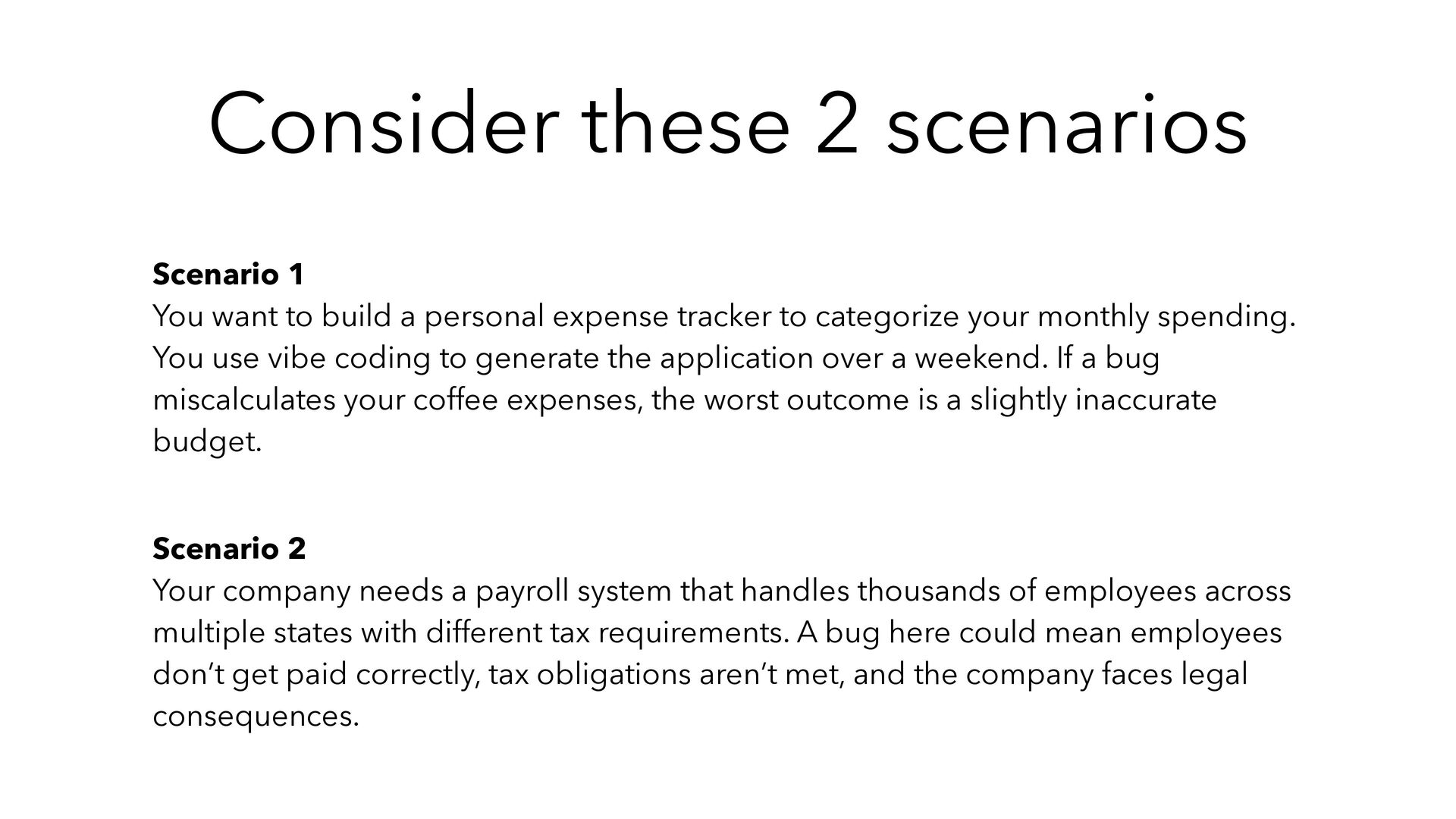
  18. Consider these 2 scenarios Scenario 1 You want to build

    a personal expense tracker to categorize your monthly spending. You use vibe coding to generate the application over a weekend. If a bug miscalculates your coffee expenses, the worst outcome is a slightly inaccurate budget. Scenario 2 Your company needs a payroll system that handles thousands of employees across multiple states with different tax requirements. A bug here could mean employees don’t get paid correctly, tax obligations aren’t met, and the company faces legal consequences.
  19. What is a Token? ~¾ of a word per token

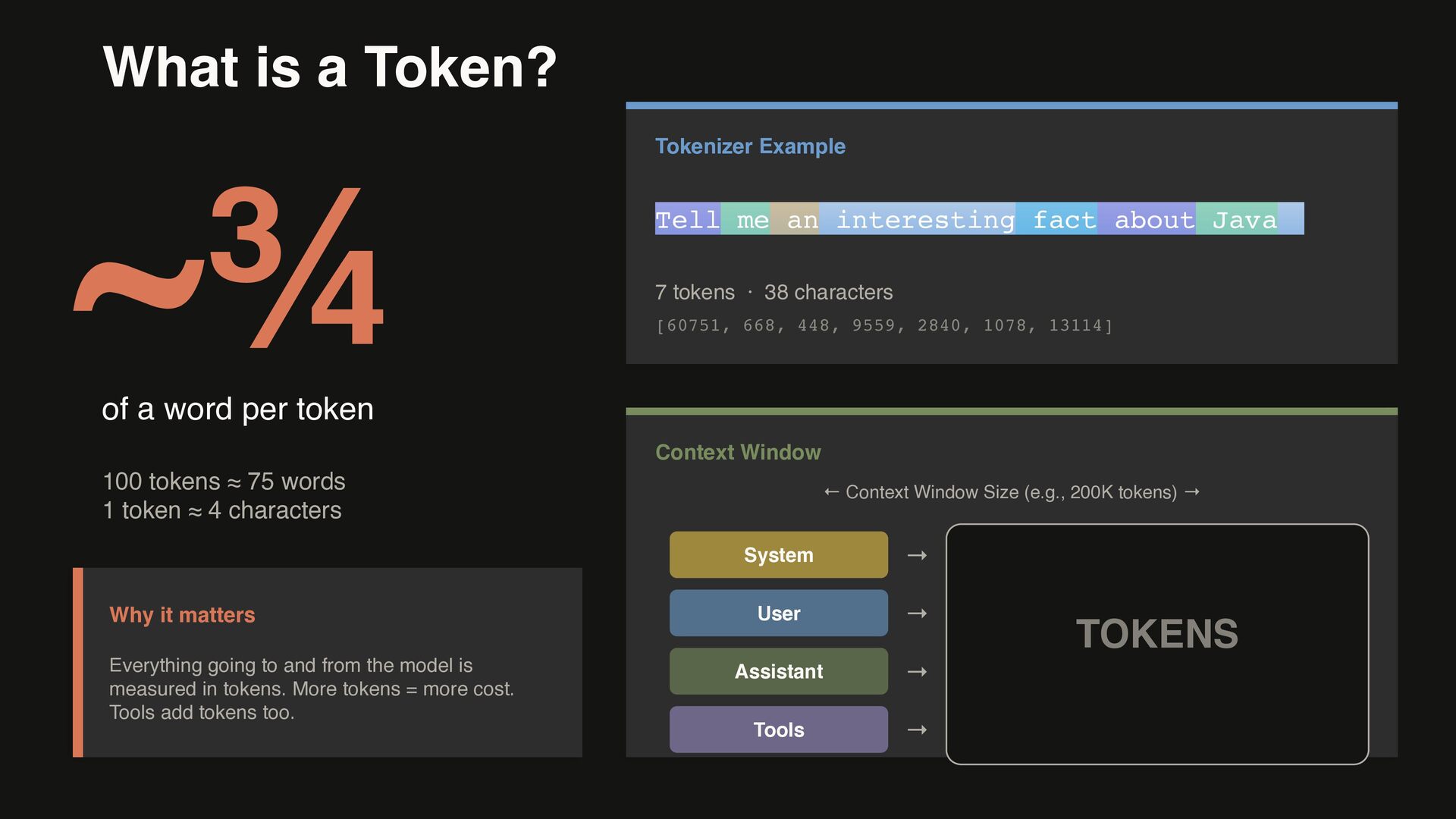
    100 tokens ≈ 75 words 1 token ≈ 4 characters Tokenizer Example Tell me an interesting fact about Java 7 tokens · 38 characters [60751, 668, 448, 9559, 2840, 1078, 13114] Context Window ← Context Window Size (e.g., 200K tokens) → System → User → Assistant → Tools → TOKENS Why it matters Everything going to and from the model is measured in tokens. More tokens = more cost. Tools add tokens too.
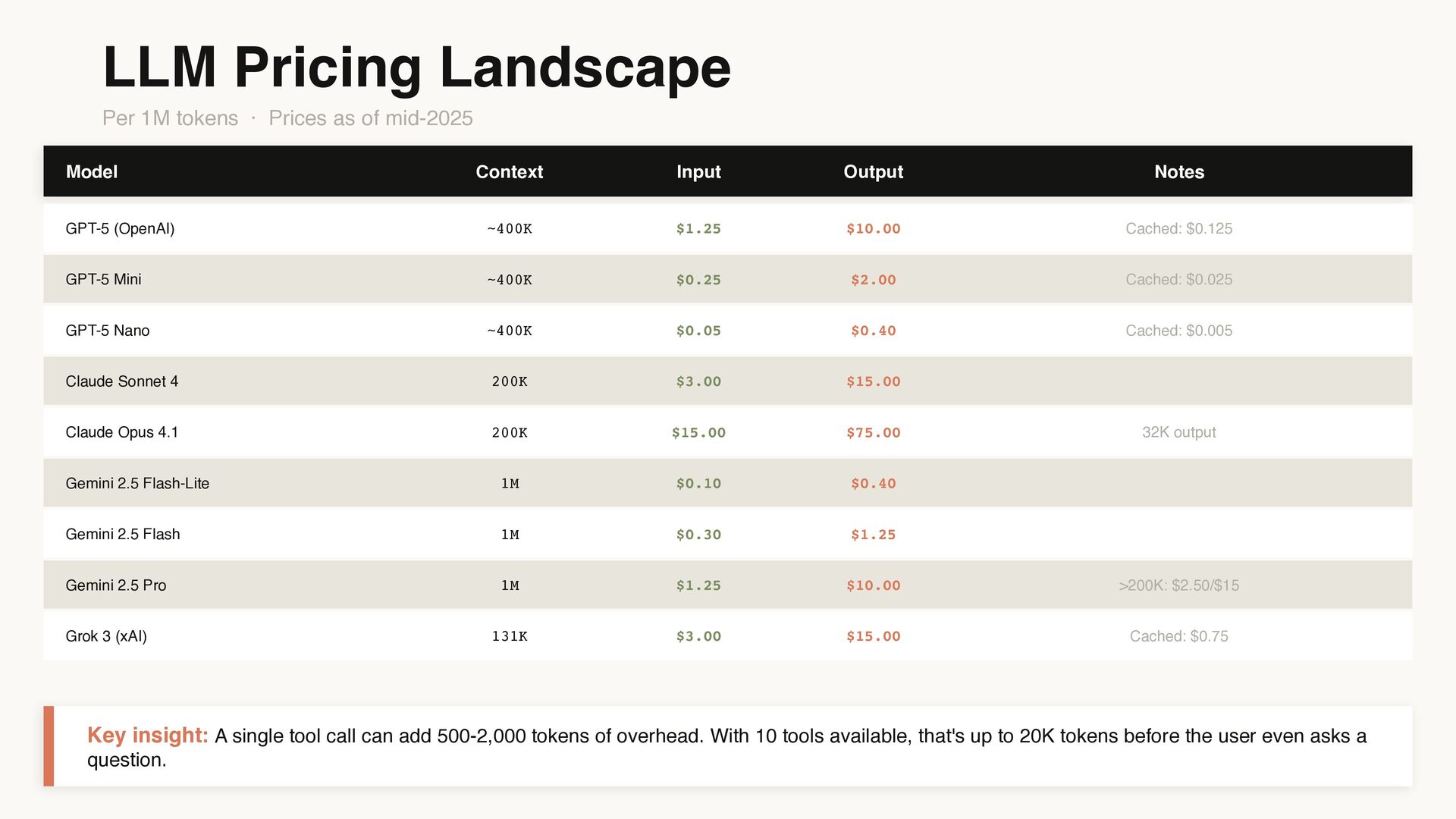
  20. LLM Pricing Landscape Per 1M tokens · Prices as of

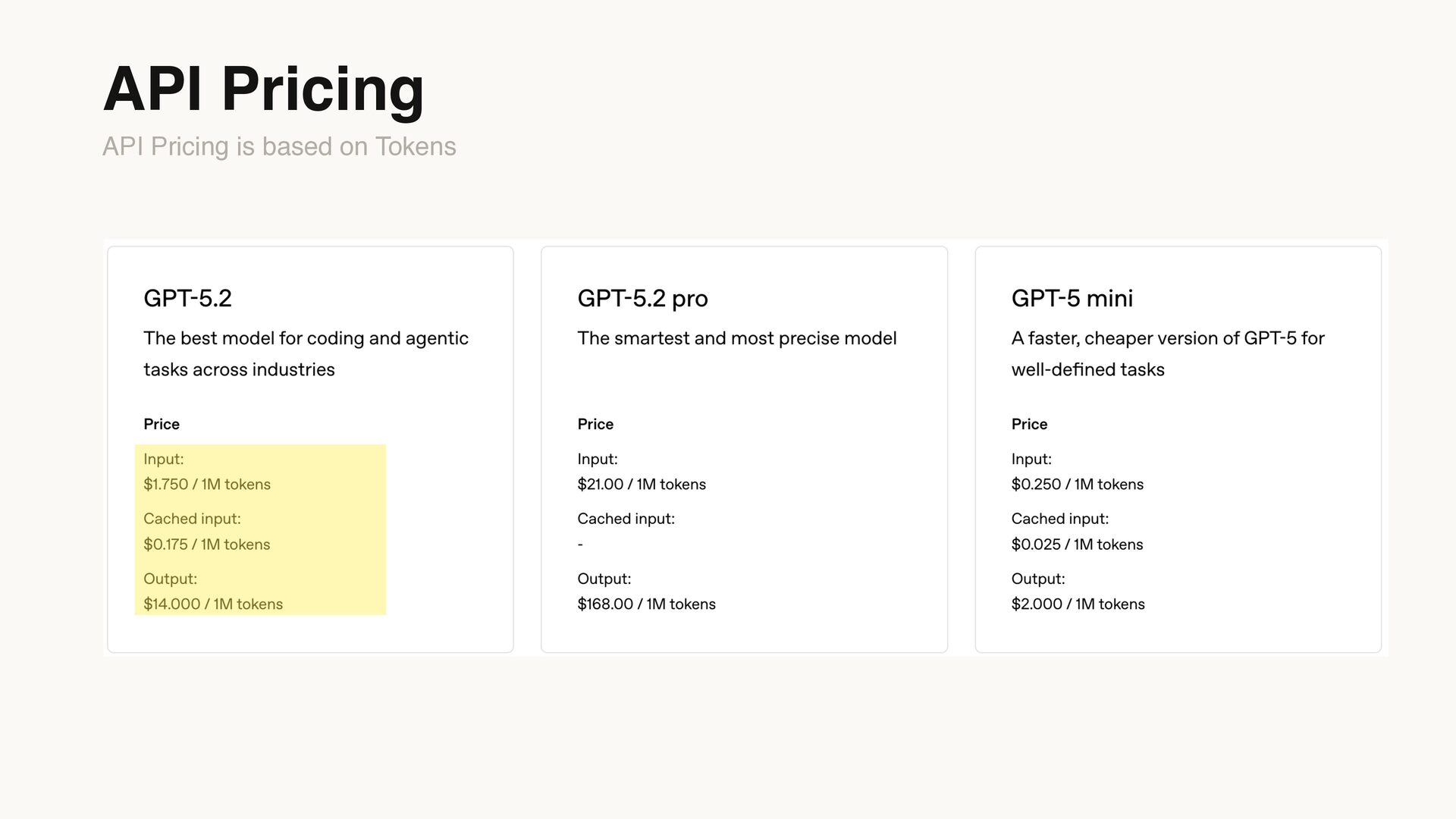
    mid-2025 Model Context Input Output Notes GPT-5 (OpenAI) ~400K $1.25 $10.00 Cached: $0.125 GPT-5 Mini ~400K $0.25 $2.00 Cached: $0.025 GPT-5 Nano ~400K $0.05 $0.40 Cached: $0.005 Claude Sonnet 4 200K $3.00 $15.00 Claude Opus 4.1 200K $15.00 $75.00 32K output Gemini 2.5 Flash-Lite 1M $0.10 $0.40 Gemini 2.5 Flash 1M $0.30 $1.25 Gemini 2.5 Pro 1M $1.25 $10.00 >200K: $2.50/$15 Grok 3 (xAI) 131K $3.00 $15.00 Cached: $0.75 Key insight: A single tool call can add 500-2,000 tokens of overhead. With 10 tools available, that's up to 20K tokens before the user even asks a question.
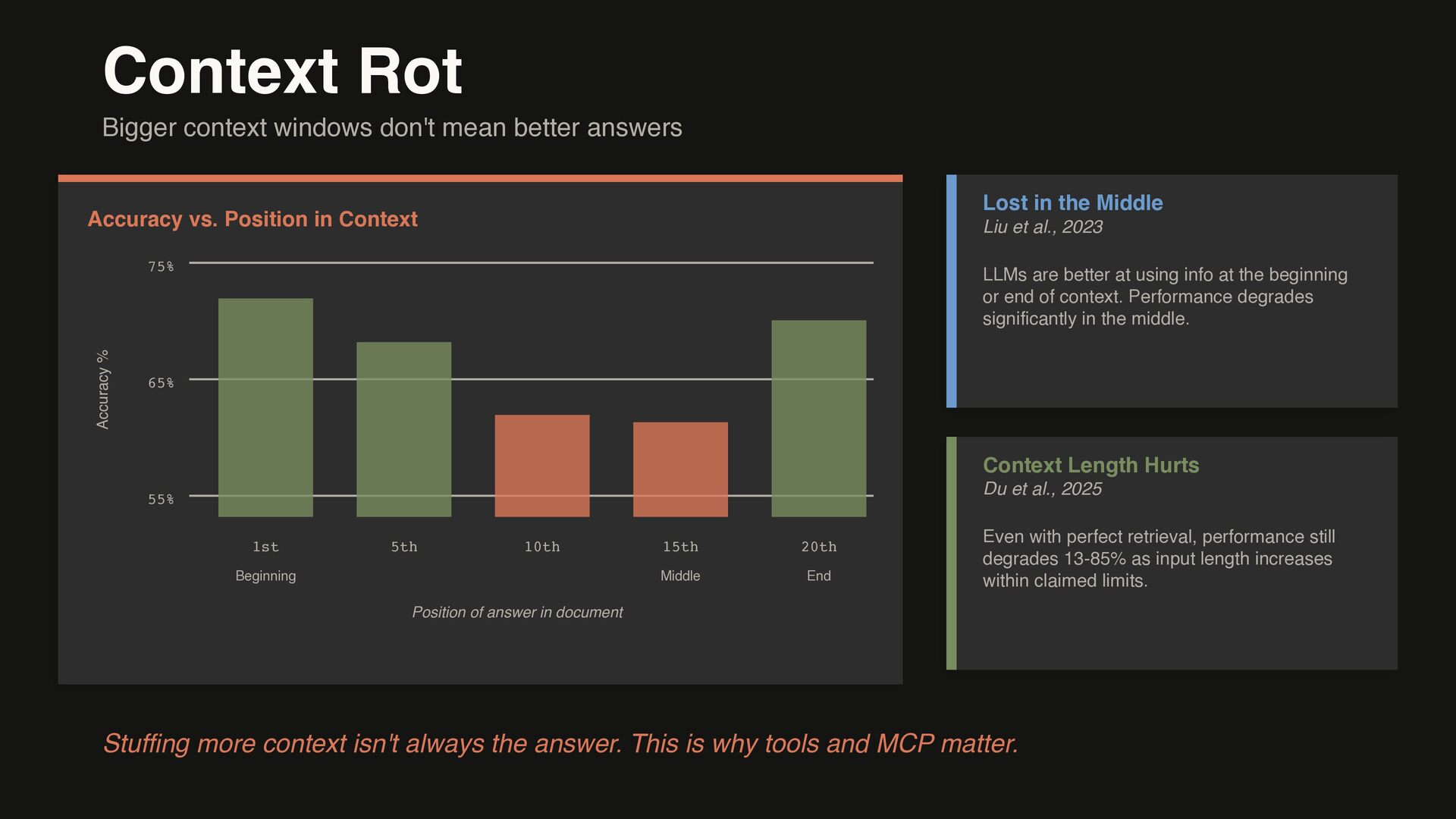
  21. Context Rot Bigger context windows don't mean better answers Accuracy

    vs. Position in Context Accuracy % 75% 65% 55% 1st Beginning 5th 10th 15th Middle 20th End Position of answer in document Lost in the Middle Liu et al., 2023 LLMs are better at using info at the beginning or end of context. Performance degrades significantly in the middle. Context Length Hurts Du et al., 2025 Even with perfect retrieval, performance still degrades 13-85% as input length increases within claimed limits. Stuffing more context isn't always the answer. This is why tools and MCP matter.
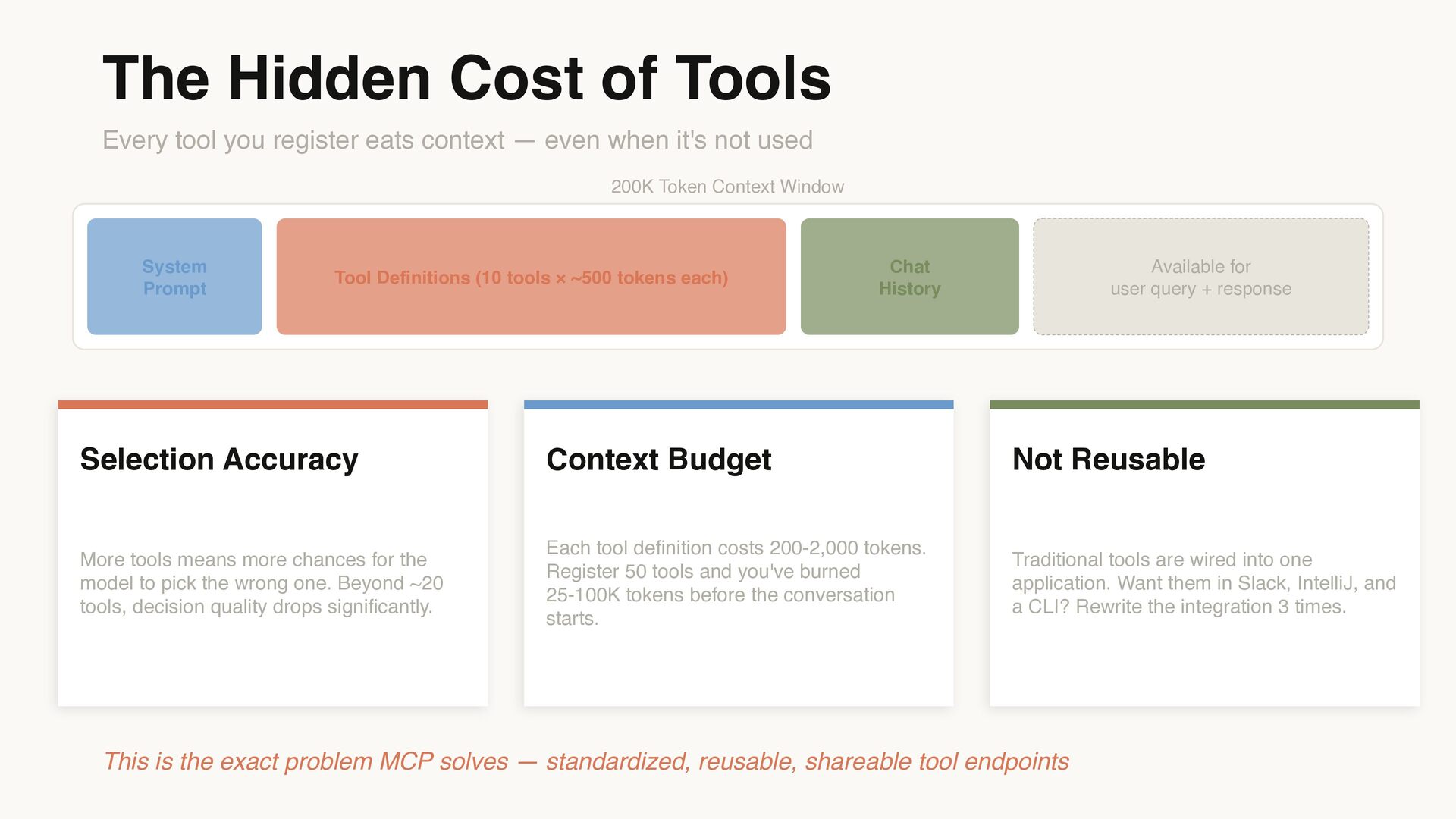
  22. The Hidden Cost of Tools Every tool you register eats

    context — even when it's not used 200K Token Context Window System Prompt Tool Definitions (10 tools × ~500 tokens each) Chat History Available for user query + response Selection Accuracy More tools means more chances for the model to pick the wrong one. Beyond ~20 tools, decision quality drops significantly. Context Budget Each tool definition costs 200-2,000 tokens. Register 50 tools and you've burned 25-100K tokens before the conversation starts. Not Reusable Traditional tools are wired into one application. Want them in Slack, IntelliJ, and a CLI? Rewrite the integration 3 times. This is the exact problem MCP solves — standardized, reusable, shareable tool endpoints