I have introduced on Twitter – Account:https://twitter.com/Yu_Ogihara – You can move to the original tweet from Twitter at the bottom right of each slide
on previous research on names and cultural changes, I propose six suggestions regarding Mignot (2022), which investigated historical changes in given names in France. Open Access https://doi.org/10.3897/popecon.10.e166362 Twitter Twitter
studies that examined temporal changes in the frequency of uncommon names. They increased in Germany, the U.S., the U.K., France, Japan, China, and Indonesia. Giving uncommon names is a more global trend. Open Access https://doi.org/10.1057/s41599-025-06156-1 Twitter Twitter
⇔ However, these findings have been reported separately by nation. • Unclear whether the phenomenon is observed more globally or more locally in some limited nations → Reviewing empirical studies that examined temporal changes in the frequency of (un)common names → Uncommon names increased in all the nations examined. • Germany, the U.S., the U.K., France, Japan, China, and Indonesia → The phenomenon is observed more generally. • Not locally in some limited nations • This trend has been found in diverse cultural zones: – European, American, and Asian cultures → Giving uncommon names is a more global trend.
examined temporal changes in the choice of dog types. We demonstrated that people in Japan increasingly sought unique dogs, suggesting that Japanese culture became more individualistic. Open Access https://doi.org/10.1016/j.actpsy.2024.104558 Twitter Twitter
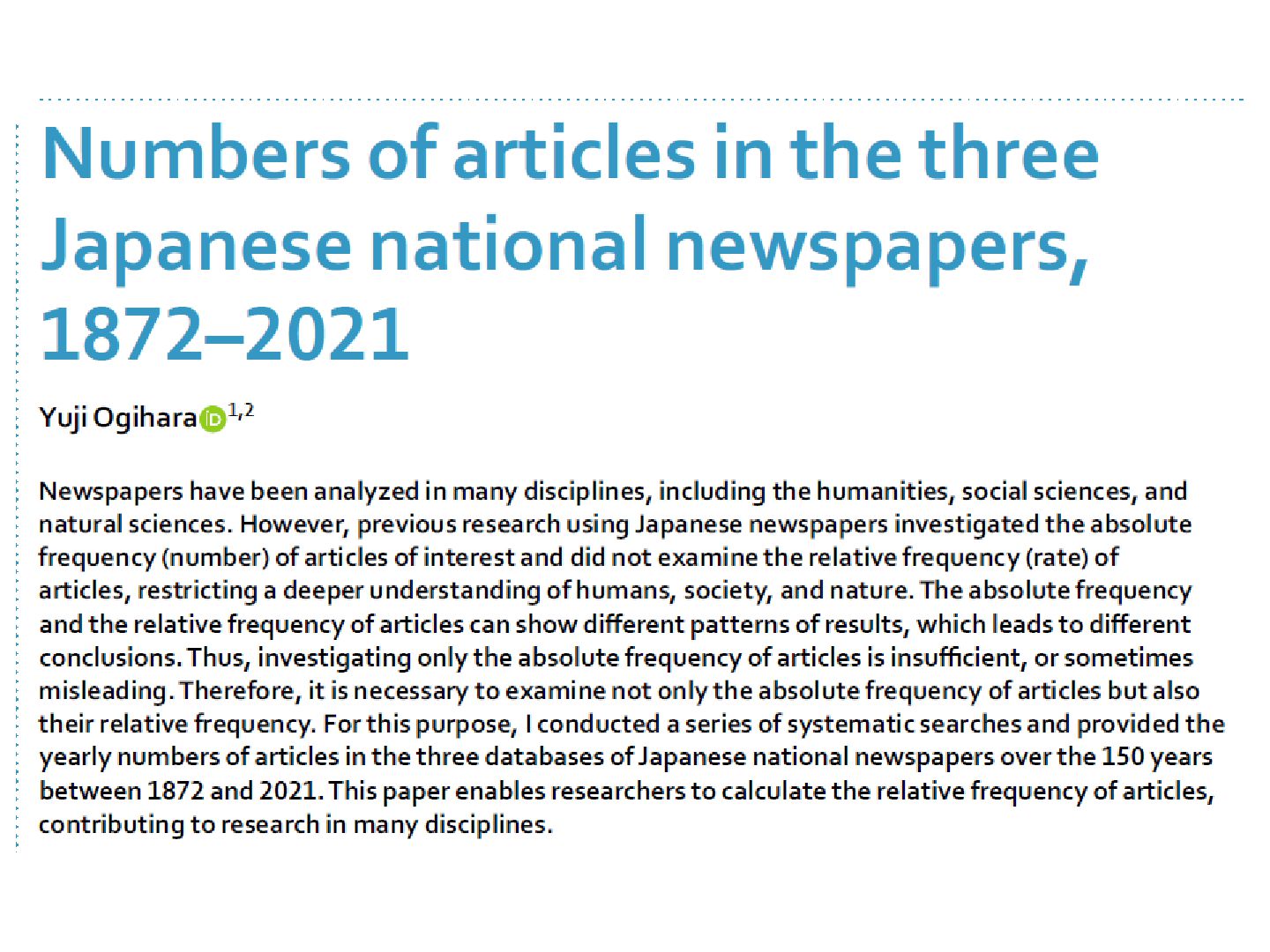
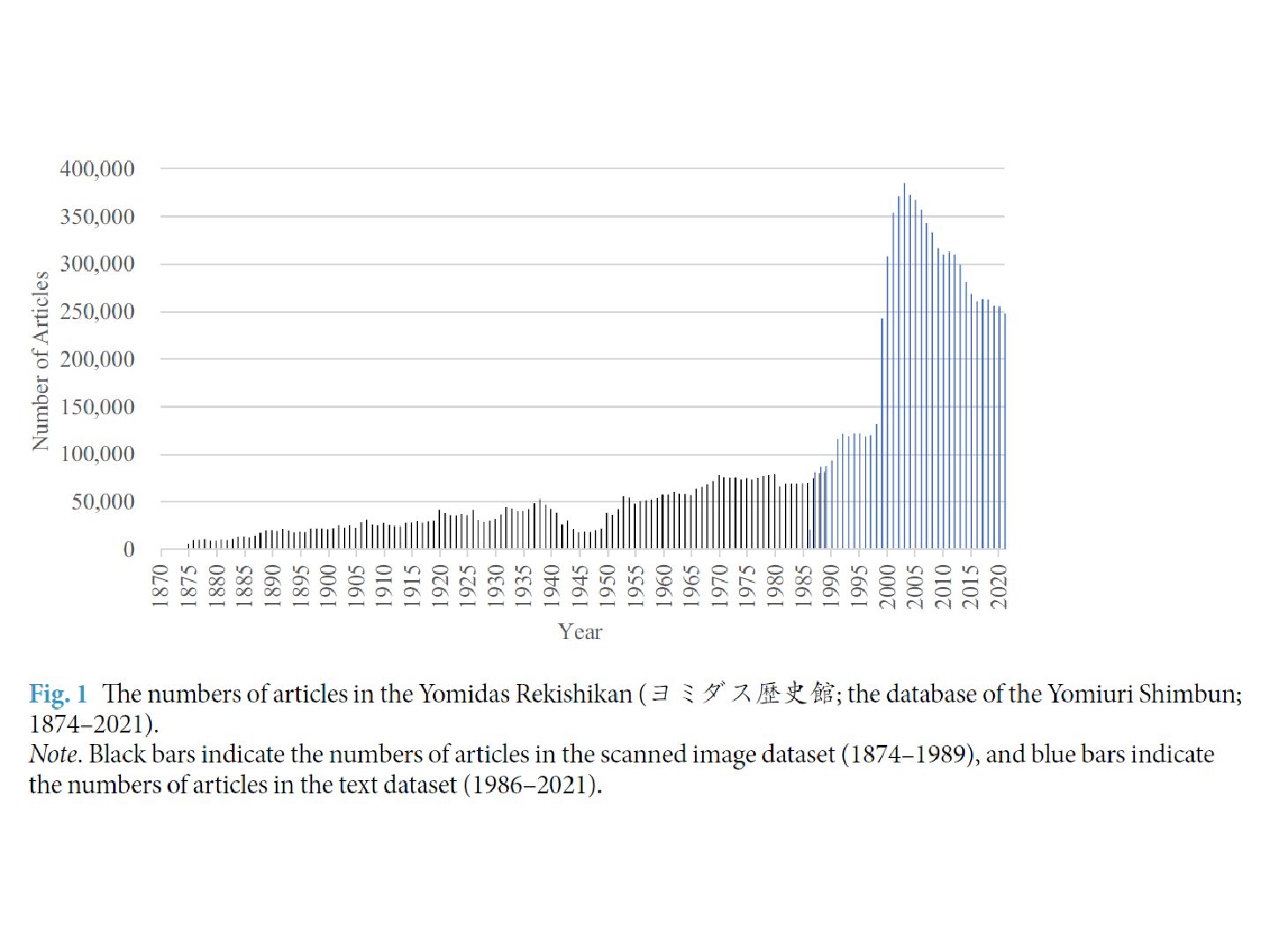
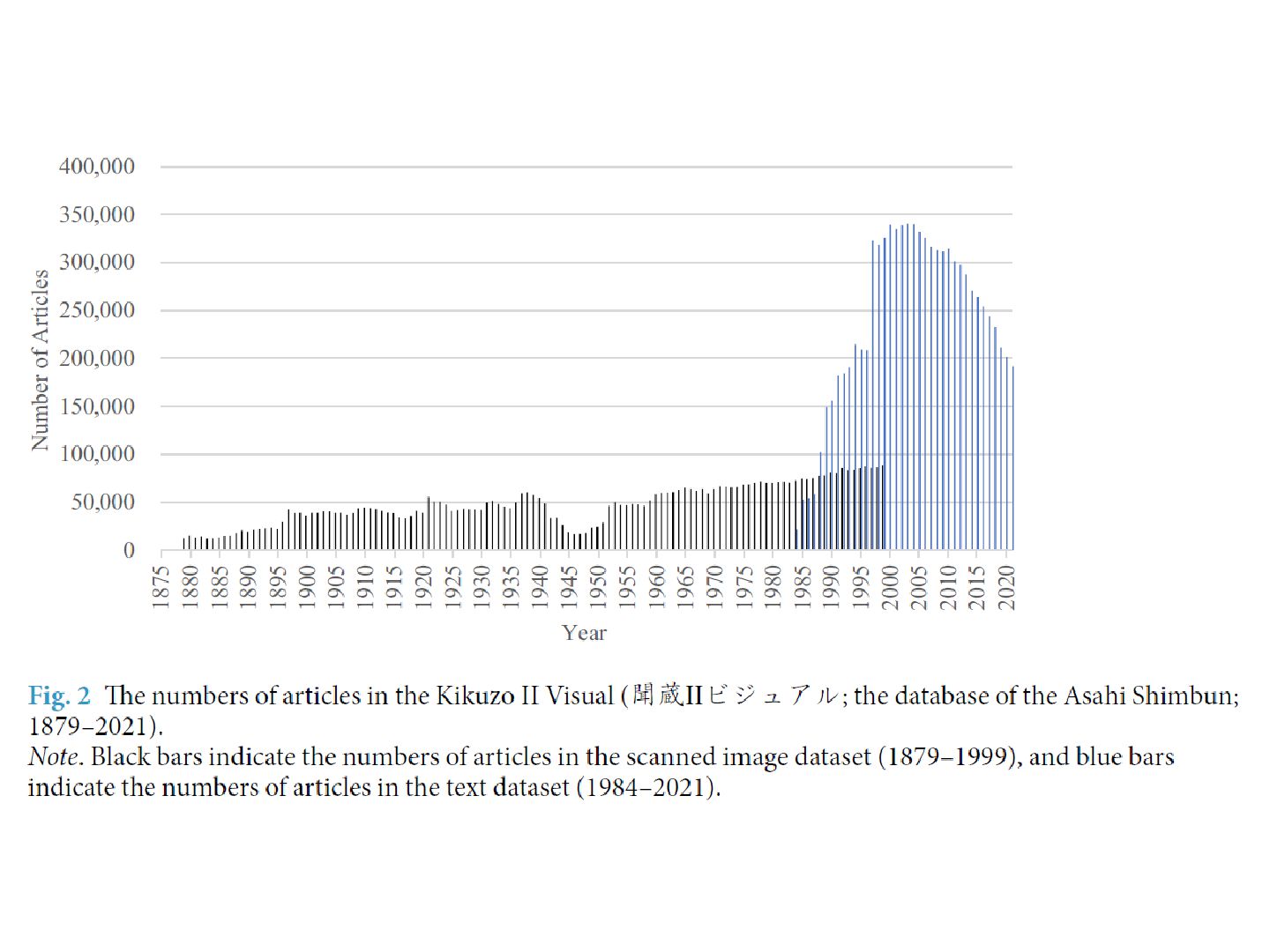
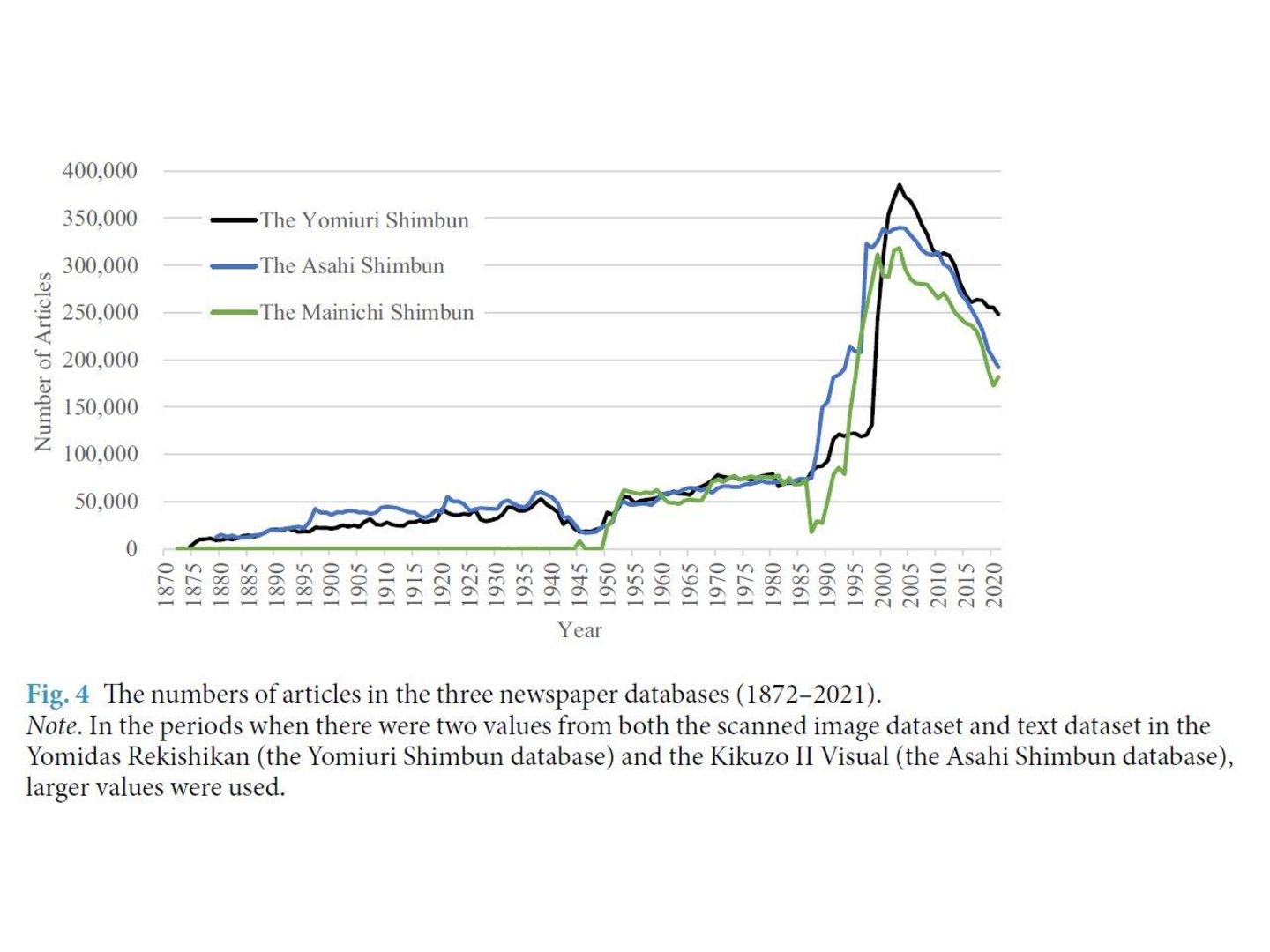
yearly numbers of articles in the three databases of Japanese national newspapers over the 150 years between 1872 and 2021. This enables researchers to calculate the relative frequency of articles. Open Access https://doi.org/10.1038/s41597-024- 03245-9 Twitter Twitter
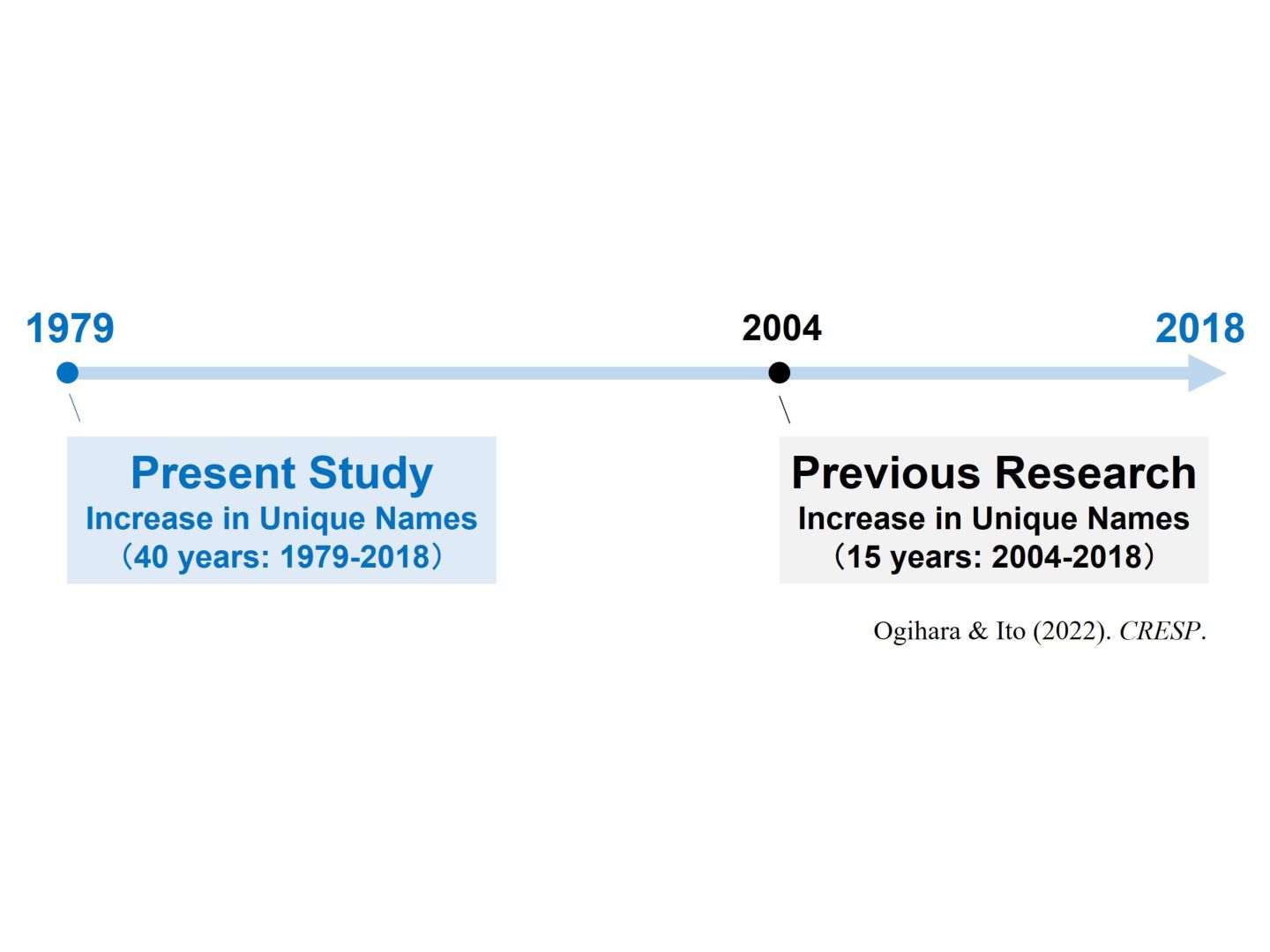
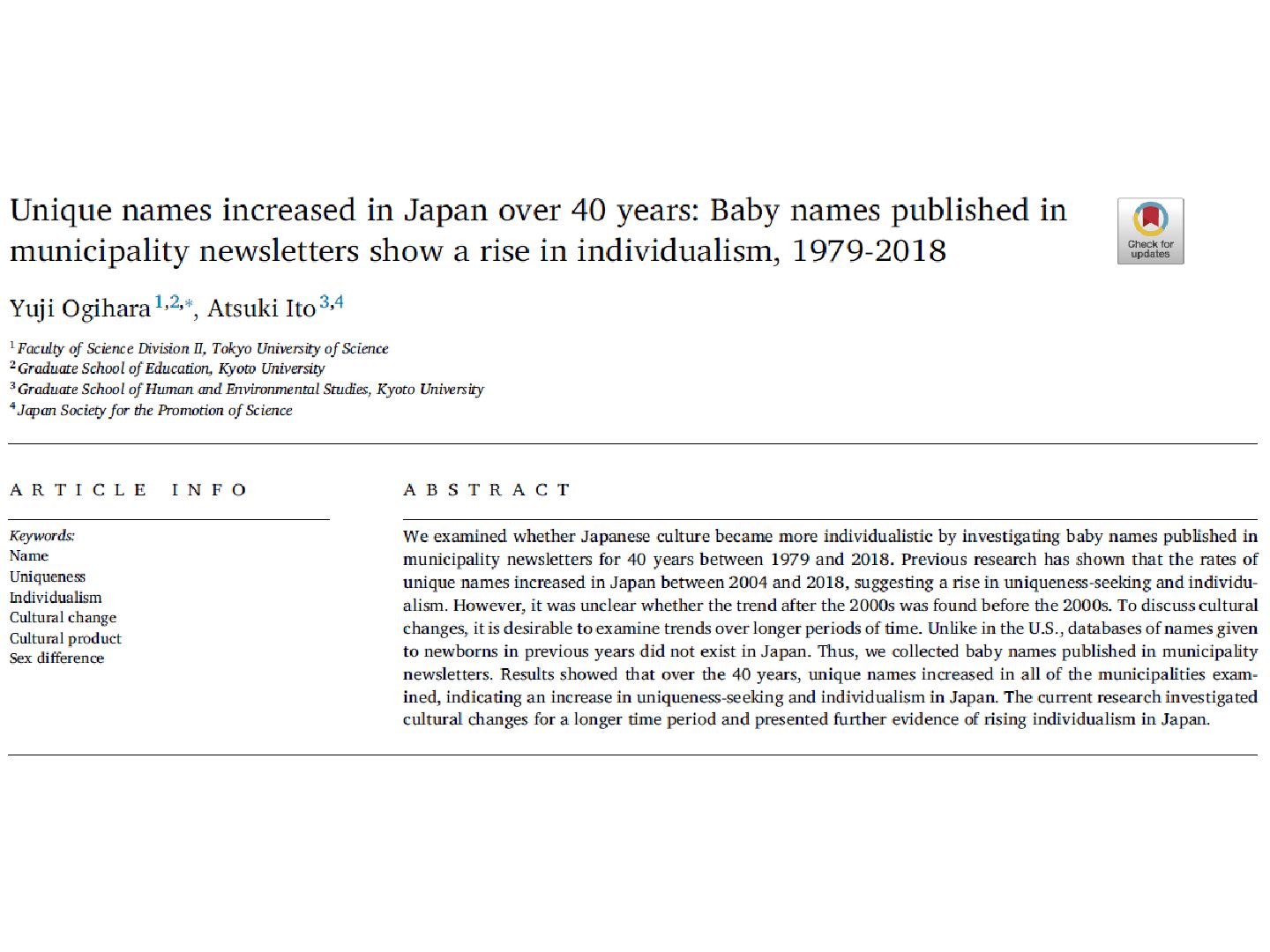
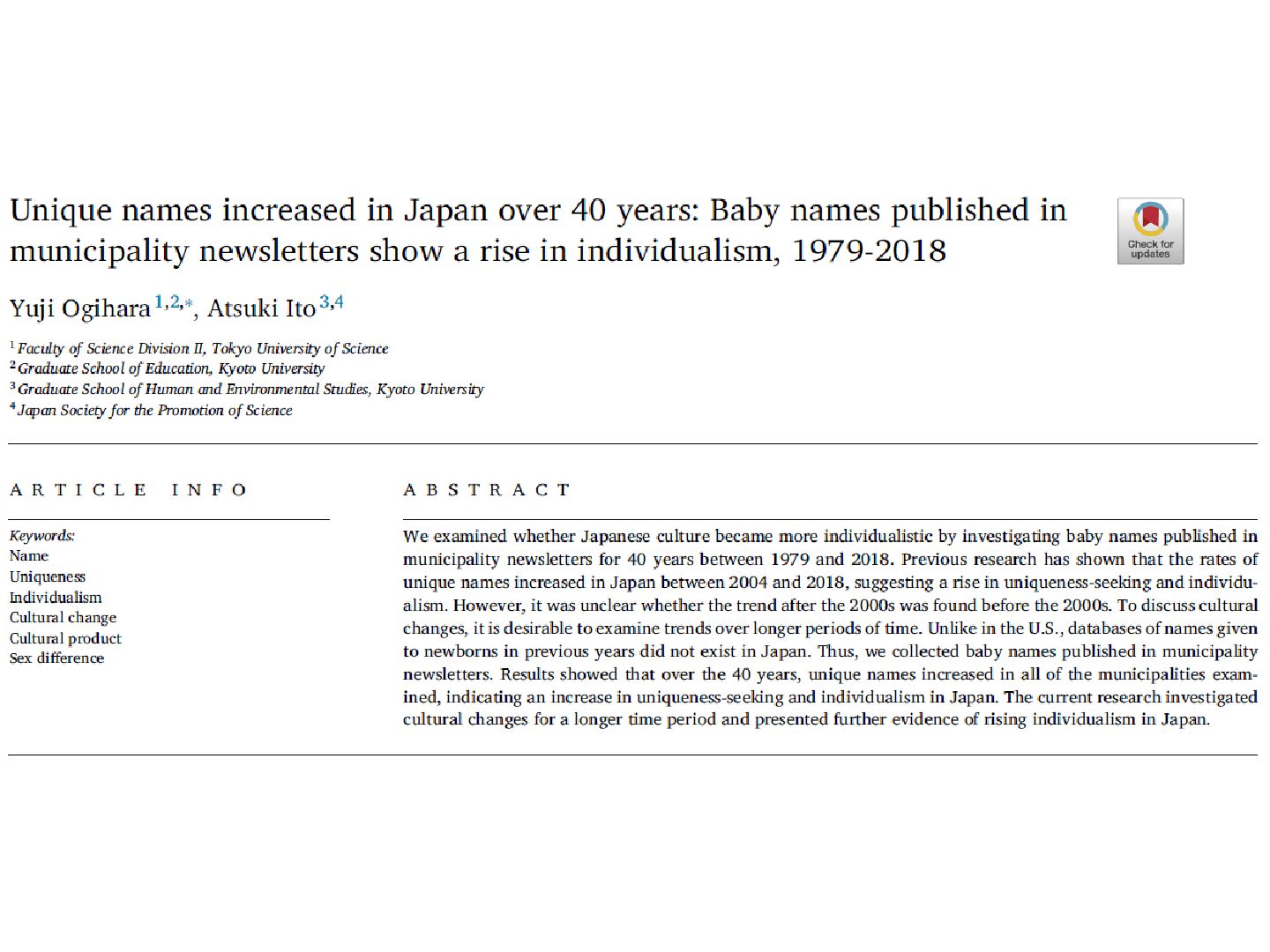
the rates of unique names in Japan between 1979 and 2018 has been published! It shows that over the 40 years the rates of unique names increased, suggesting a rise in uniqueness- seeking and individualism. Open Access https://doi.org/10.1016/j.cresp.2022.100046 Twitter Twitter
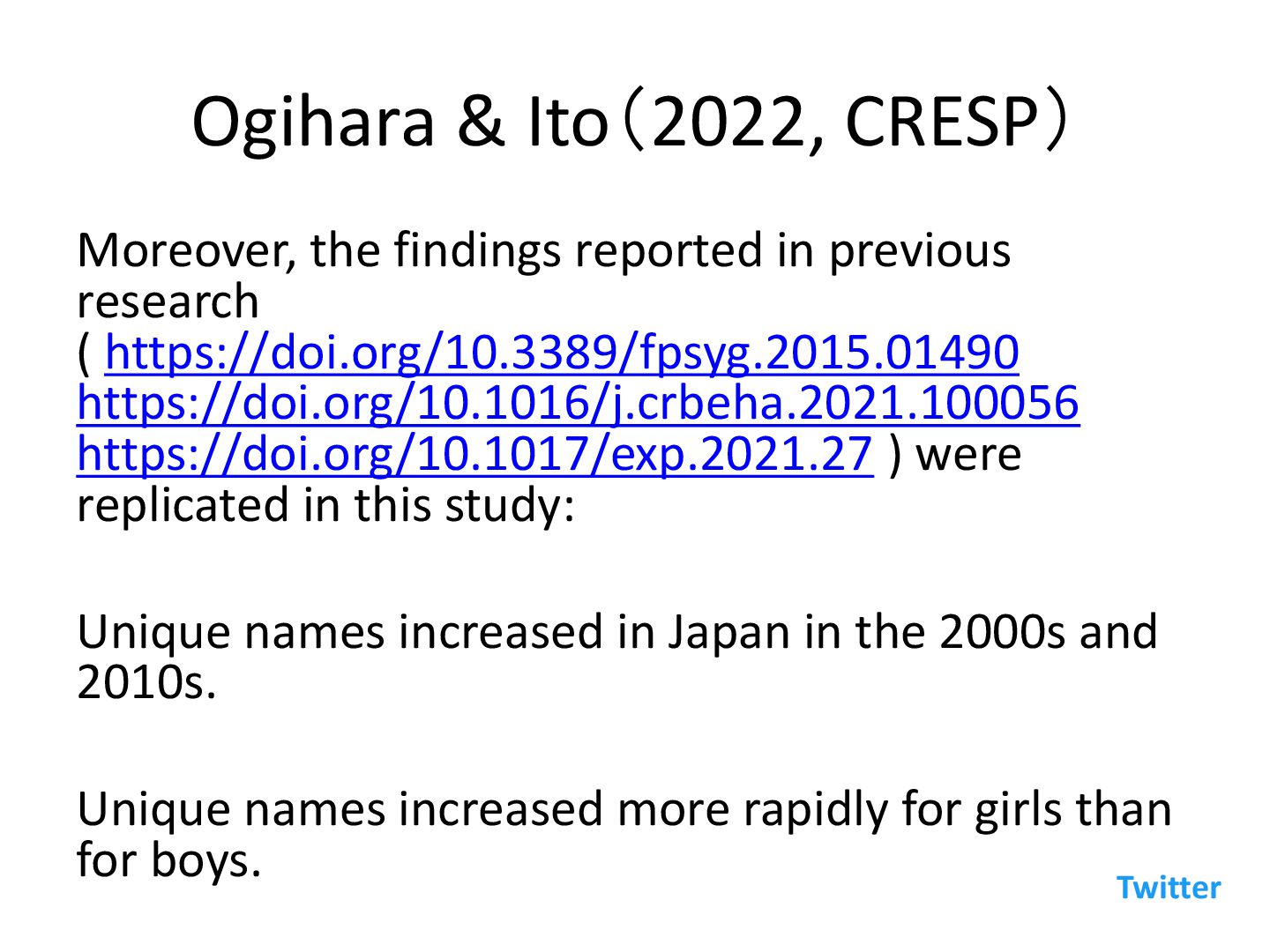
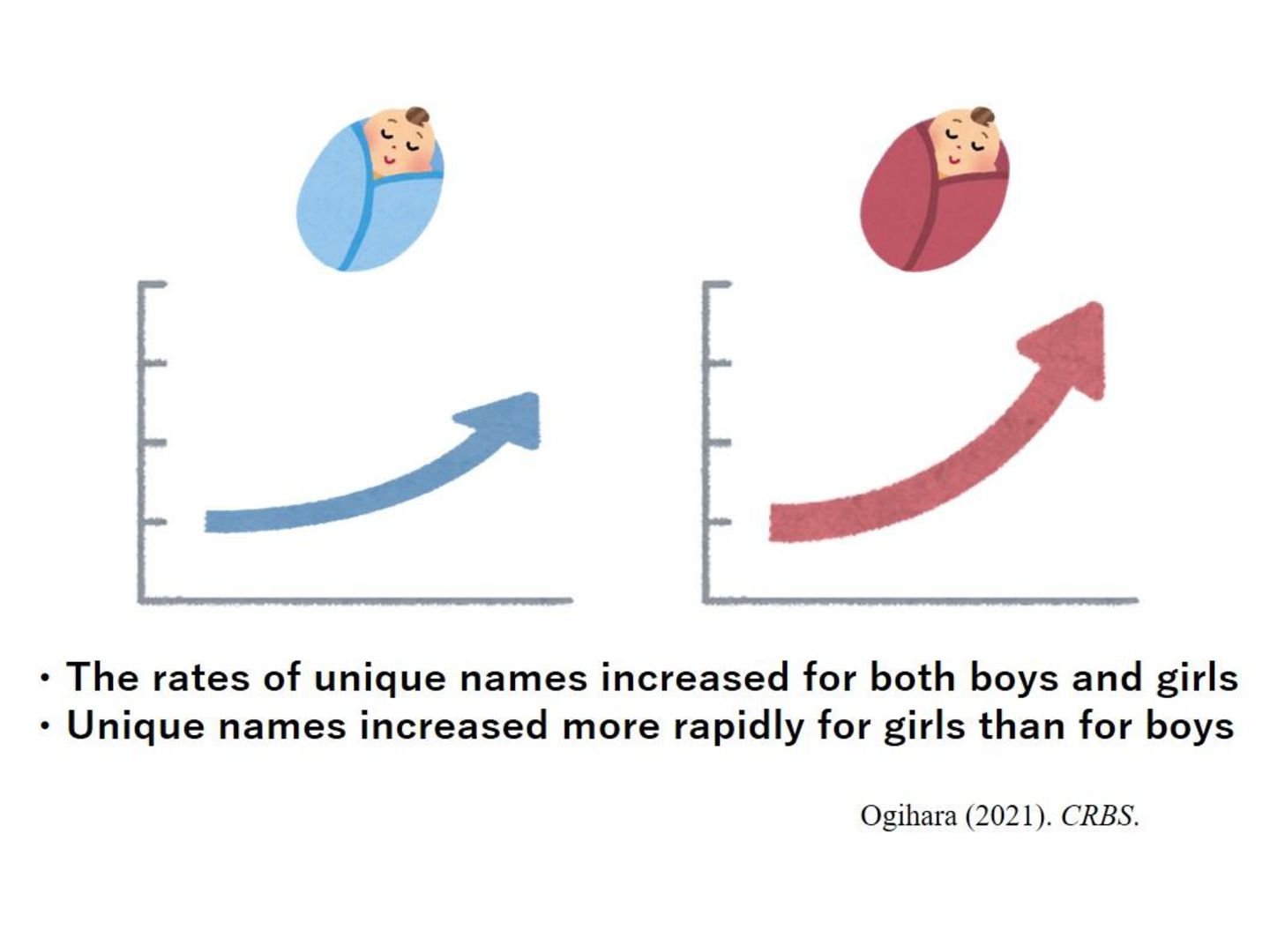
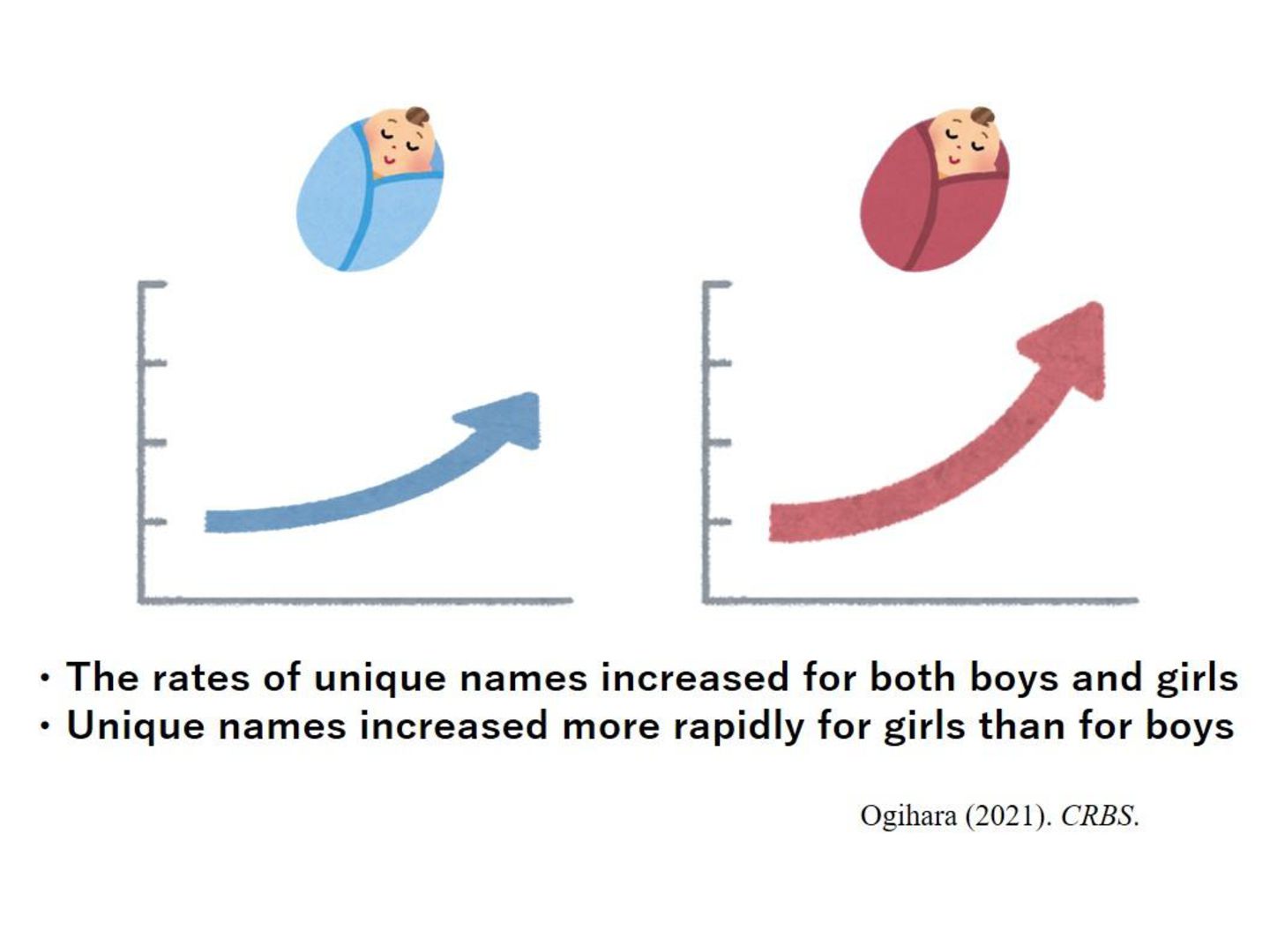
research ( https://doi.org/10.3389/fpsyg.2015.01490 https://doi.org/10.1016/j.crbeha.2021.100056 https://doi.org/10.1017/exp.2021.27 ) were replicated in this study: Unique names increased in Japan in the 2000s and 2010s. Unique names increased more rapidly for girls than for boys. Twitter Twitter


 trycycle
 sshimizu2006
 taka88
 nozakijcom
 neutron63zf
 rlifchitz
 tagtag
 thoeni
 hannesfritz
 speakerdeck
 rkaga
rkaga
 skipperchong
 lara
lara
 malarkey
 seathinner
 nikkihalliwell
 chriscoyier
 oripsolob
 ivargrimstad