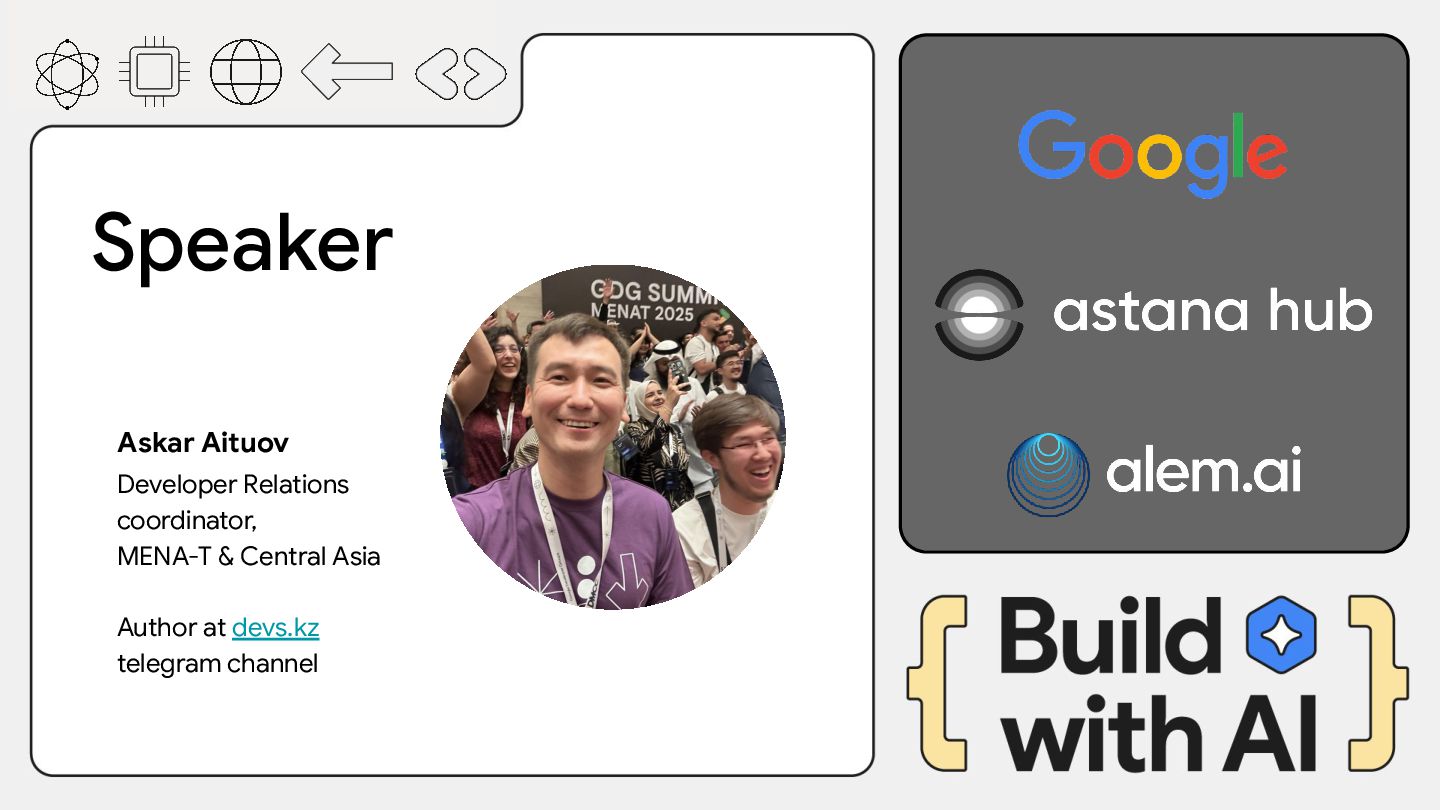
Askar Aituov // Tech Observer, Founder @ Devs.kz
While we’re stuck debating frameworks and arguing over the right way to run retrospectives, the global market is giving us a major reality check. The news from the last few weeks has been a total cold shower: layoffs at Amazon (cutting 10k people, including the very "gurus" who wrote the books we study), "optimizations" at Intel and Microsoft, and big telecom giants moving their HQ decision-making from our region to Dubai.
The era of "infinite hiring" and bloated headcounts is over. For Kazakhstan, this reveals a harsh truth: the Silicon Valley cargo cult is officially broken.
The "Innovation Theater" Trap
In his book TRANSFORM, Marty Cagan describes a phenomenon we see everywhere in Central Asia. Companies are just performing the rituals of successful SF startups—Agile, OKRs, endless syncs—but missing the actual point.
In the Valley, a startup can burn VC cash for a year trying to find Product-Market Fit. In Kazakhstan, we don't have that kind of runway. We don’t have "long money." We need revenue, like, yesterday.
But instead of shipping faster, we built a layer of "Post-it Note Managers." We split the process into the "thinkers" (Product Managers) and the "doers" (Developers). In 2025, that pipeline is way too long and way too expensive.
Digital Sovereignty: Where is our Booking.com?
While we’re building perfect processes for outsourcing, our own digital backyard is a total ghost town.
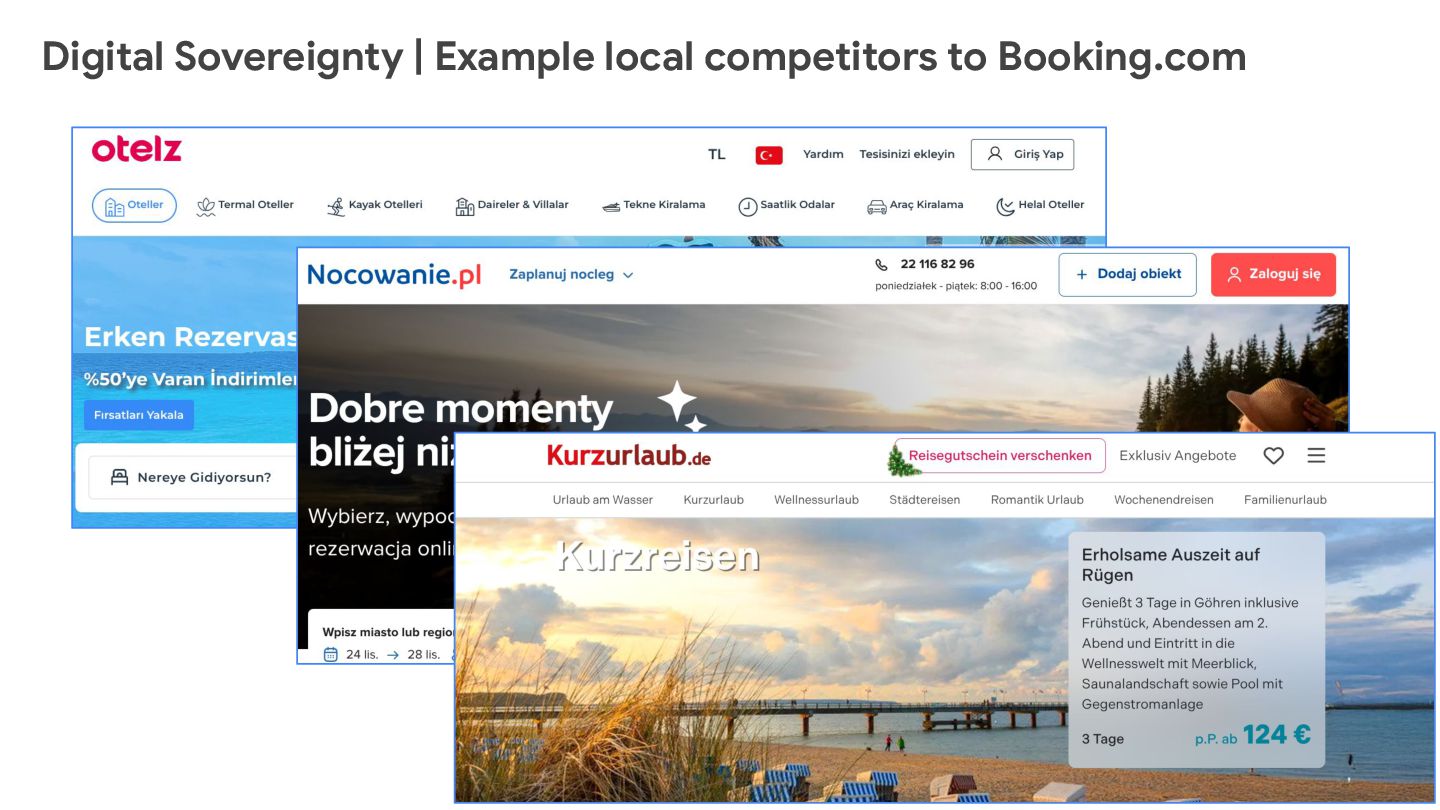
Look at countries with similar digital economies. They aren't waiting for global players to save them; they’re building their own alternatives:
Turkey: Otelz is successfully competing with the global booking giants.
Poland: Nocowanie.pl dominates the domestic market.
Germany: Kurzurlaub.de is thriving in the short-trip niche.
And Kazakhstan? In TravelTech—crickets. We ghosted the market and let the global platforms take over without a fight.
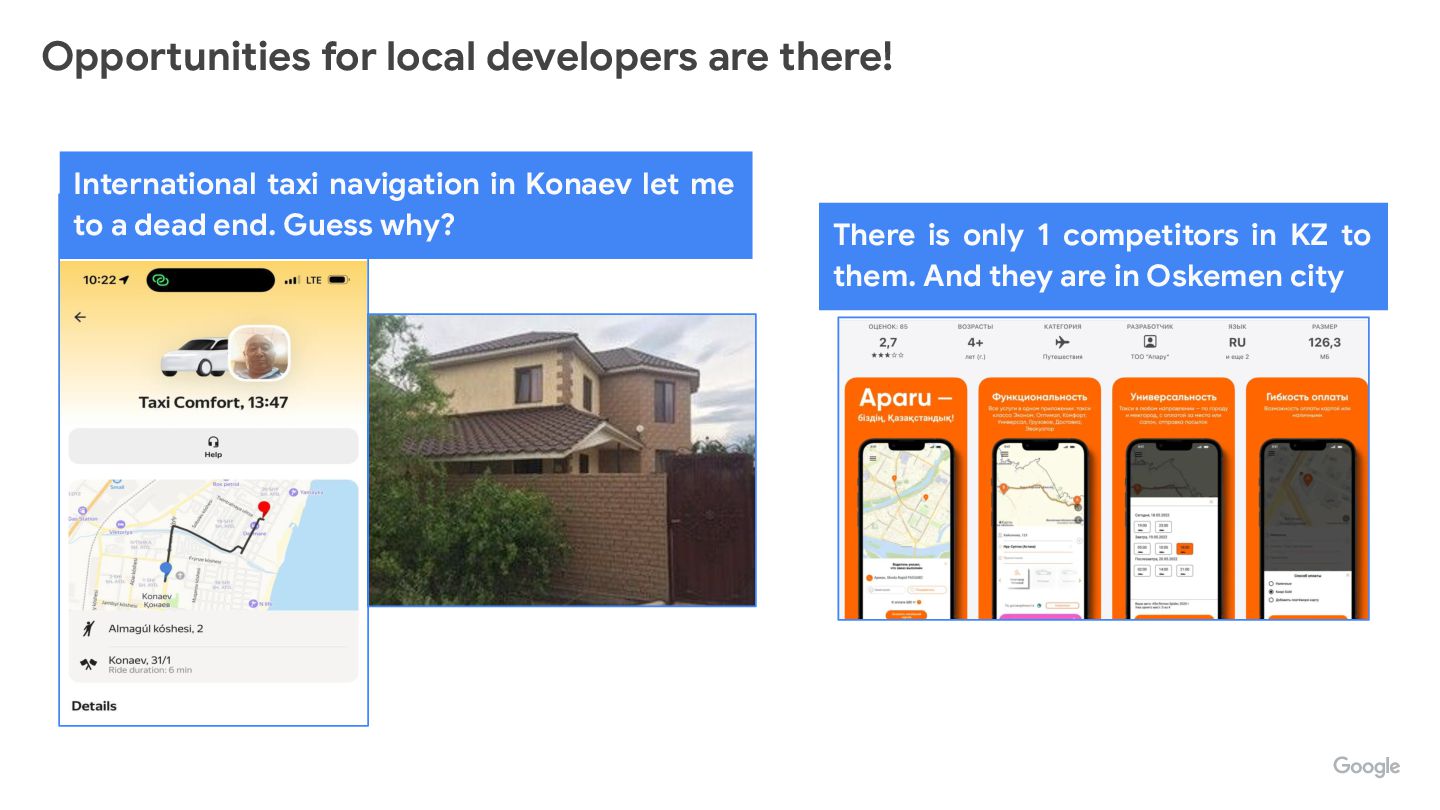
The only real fighter in the adjacent taxi niche is Aparu.kz. And it’s not just about patriotism. Local products always have better context. Global navigation apps will lead you into a dead end in the middle of Konaev because their maps are updated from space, not from the ground. We need home-grown solutions, but our best minds are too busy maintaining someone else’s infrastructure.
We Have the Hardware and the Brains. What’s Missing?
Here’s the tea: technically, Kazakhstan is more ready for a breakout than most.
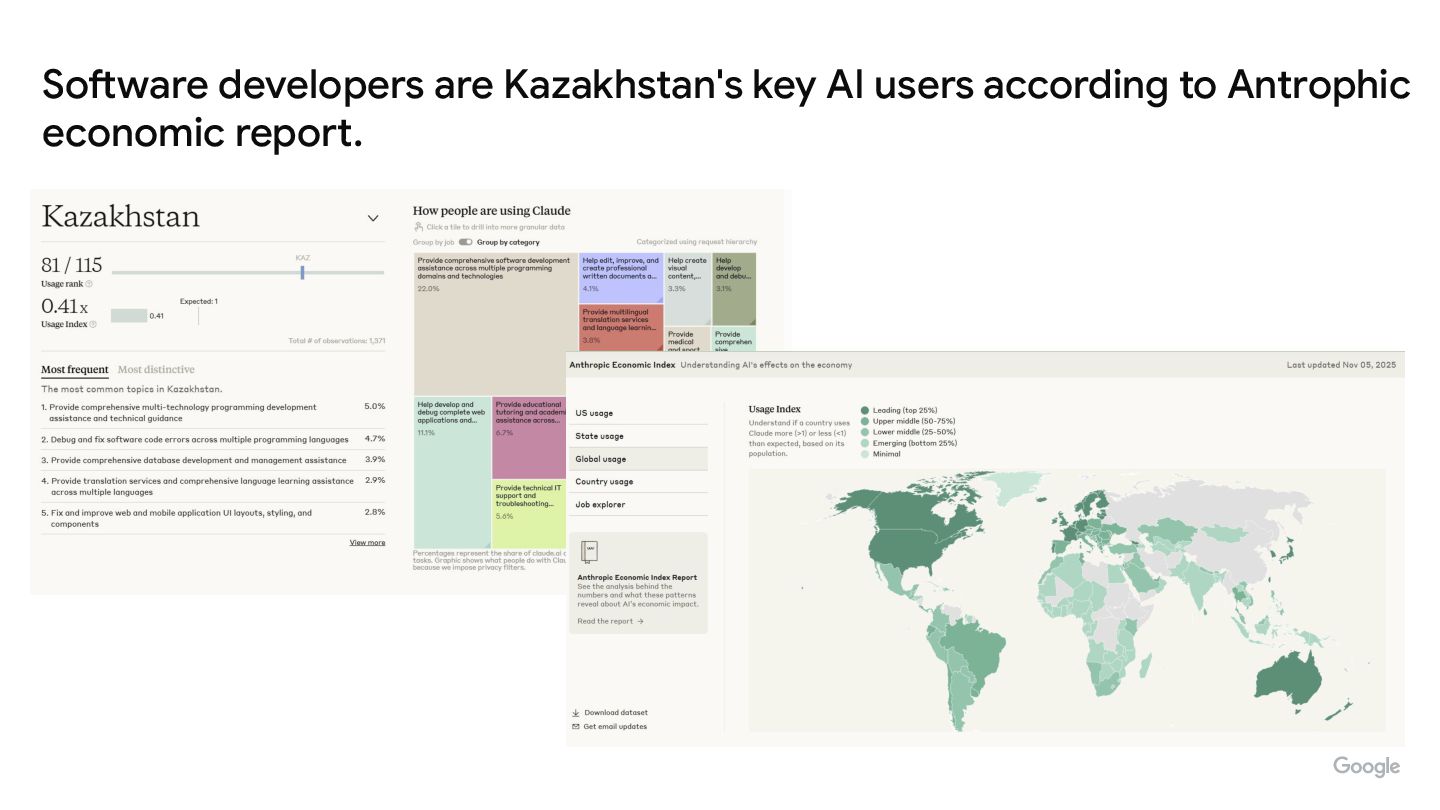
We are AI Power Users. According to the Anthropic index, Kazakhstan has an AI usage index of 0.41x, with devs being the main category. We’re already leveraging Gemini, Claude, and GPT to write code.
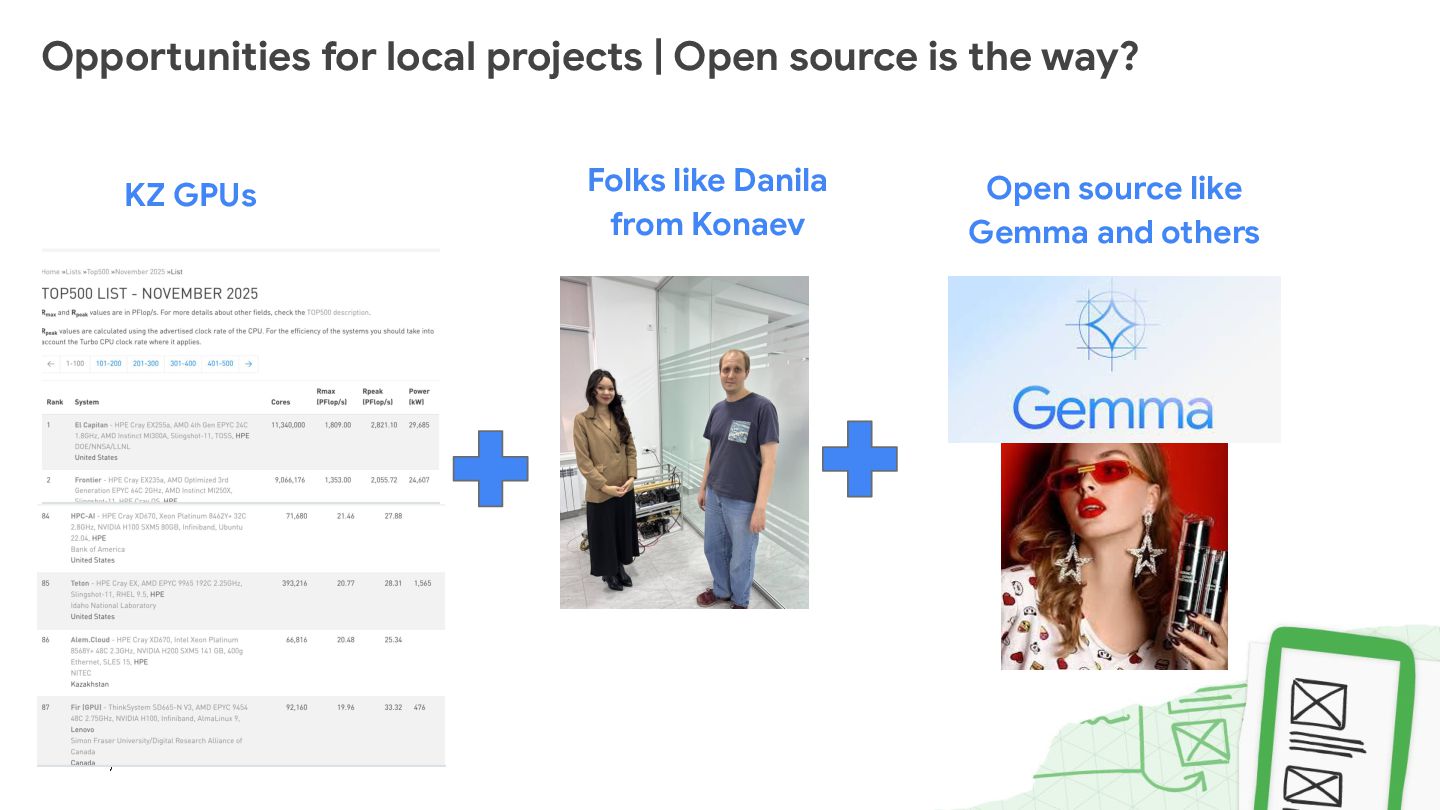
We have the heavy artillery. The Alem Cloud (Nitec) supercomputer is ranked 86th in the global top-500. That’s 20 PFlop/s of power available for training and fine-tuning models.
We’ve learned to code fast (thanks, AI) and we have the compute. But we keep falling into the "wrapper" trap—just reselling someone else’s API, sometimes forgetting to even clean the deepseek.py traces from the docs.
We need to pivot from consuming tech to actually engineering products.
The New Hero: The AI Product Engineer
The job market vibe has shifted. Pure "managers" and pure "ticket-closing coders" are becoming vulnerable. The future belongs to hybrids.
To answer this, at Devs.kz, Devs.bot and Devsmap.com, we’re introducing the concept of the AI Product Engineer. We’re launching a meetup series on this soon.
This isn’t about "prompt engineering." This is about returning to the roots of engineering, amplified by LLMs.
Product Skill: The ability to actually find the market gap (e.g., Why does KZ need its own Booking instead of another generic marketplace?).
Engineering Skill: The ability to ship an MVP over the weekend using RAG, agents, and local models on our hardware—without waiting to hire a 5-person team.
This is the evolution of the profession. AI allows one person to do the work of an entire 2020-era department.
Stop trying to be San Francisco. We have a different climate, a different economy, and different variables. The vacancy for building "Digital Kazakhstan" is open—and not in government reports, but in users' smartphones.
The tools are on the table (Open Source). The compute is humming in the server rooms (Alem Cloud).
It’s time to stop managing the process and start shipping the product.


 ivry_presentationmaterials
 tomokusaba
 ymotongpoo
 kash1064
 kakehashi
 recruitengineers
 teamlab
 yahonda
 mohab1
 oikon48
 keeg
 y0hgi
 csswizardry
 rkendrick25
 inesmontani
 quramy
 maltzj
 honzajavorek
 gurzu
 chrisshort
 baasie
 marktimemedia
 mclloyd
 popppiees