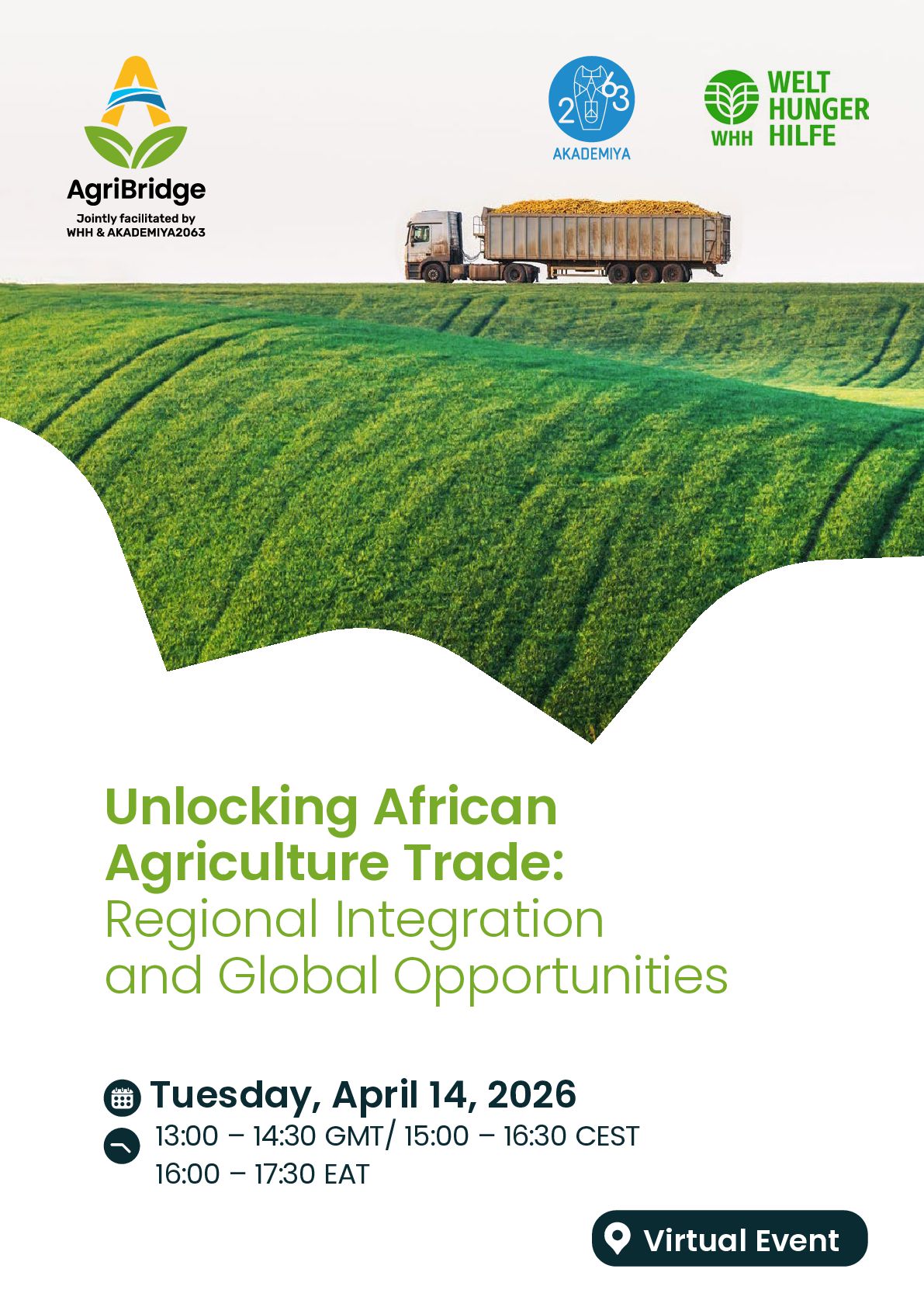
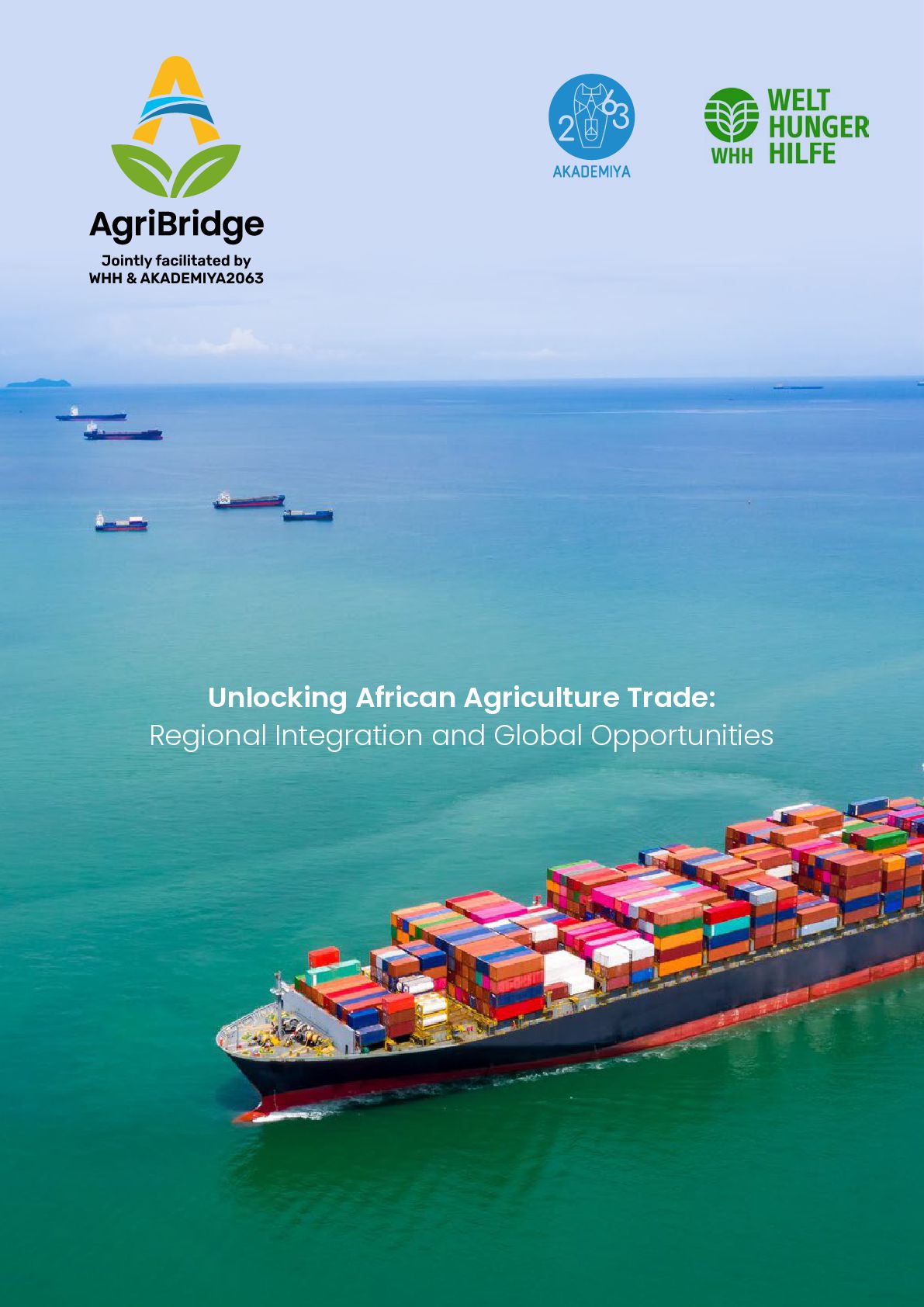
While intra- African agricultural trade has expanded significantly over the past two decades and demonstrated resilience during recent global shocks, the continent remains highly dependent on global imports for key food staples and agricultural inputs. High tariffs and non-tariff barriers, infrastructure gaps, and uneven implementation of trade agreements continue to constrain the contribution of trade to food security and economic resilience. The 2025 Africa Agriculture Trade Monitor (AATM), produced by AKADEMIYA2063 and the International Food Policy Research Institute (IFPRI), provides the latest evidence on trends in African agrifood trade, including intra-African and global trade patterns, the role of regional economic communities (RECs), and the implications of trade for food security. The report also assesses how the African Continental Free Trade Area (AfCFTA) is reshaping trade among regional economic communities (RECs), influencing market integration, and affecting Africa’s capacity to respond to food security shocks. In parallel, AgriBridge – an African-German policy network co-facilitated by Welthungerhilfe (WHH) and AKADEMIYA2063 – has produced AgriBridge Policy Note #1, which further underscores structural challenges in African agricultural trade, including limited regional integration, infrastructure barriers, and export compliance hurdles. It recommends actions to enhance Africa’s trade with strategic partners, such as Europe (e.g., Germany), through more balanced trade agreements, targeted infrastructure investments, and inclusive value-chain support that benefits smallholders, women, youth, and SMEs. Against this backdrop, this webinar will enable exchange among researchers, policymakers, development partners, and practitioners on how trade policy choices, regional integration efforts, and partnerships, including with Europe, can be better aligned to strengthen Africa’s agrifood trade performance, while supporting food security, resilience, and inclusive economic growth. Objectives The webinar aims to: • Provide an overview of recent trends in African agricultural trade flows, including intra- African versus extra-African trade patterns and selected commodity value chains (e.g., rice and fertilizers). • Discuss the role of the AfCFTA, tariff and non-tariff barriers, harmonization of standards, and trade facilitation in unlocking regional markets. • Focus on Africa-Europe agricultural trade, including opportunities for mutually beneficial partnerships, addressing standards and compliance challenges, and strengthening coherence between development and trade objectives. • Highlight policy and investment strategies that support value addition, agribusiness growth, SME participation, and climate-smart investments as pathways to enhanced trade competitiveness. JOIN US ONLINE 1


 akademiya2063
 cromwellryan
 jakevdp
 chriscoyier
 tammielis
 moore
moore
 garrettdimon
 jacobian
 deanohume
 palkan
 takai
takai
 mkilby
 scottboms