Upgrade to Pro — share decks privately, control downloads, hide ads and more …

Mental Models, Microinteractions & More

Sponsored · Your Podcast. Everywhere. Effortlessly. Share. Educate. Inspire. Entertain. You do you. We'll handle the rest. →
Avatar for Andrew Croce Andrew Croce
September 06, 2016

Mental Models, Microinteractions & More

A talk about interfaces, how people interpret them, and how we can improve them by focusing on small interactive details, or microinteractions.

Avatar for Andrew Croce

Andrew Croce

September 06, 2016

Other Decks in Design

Transcript

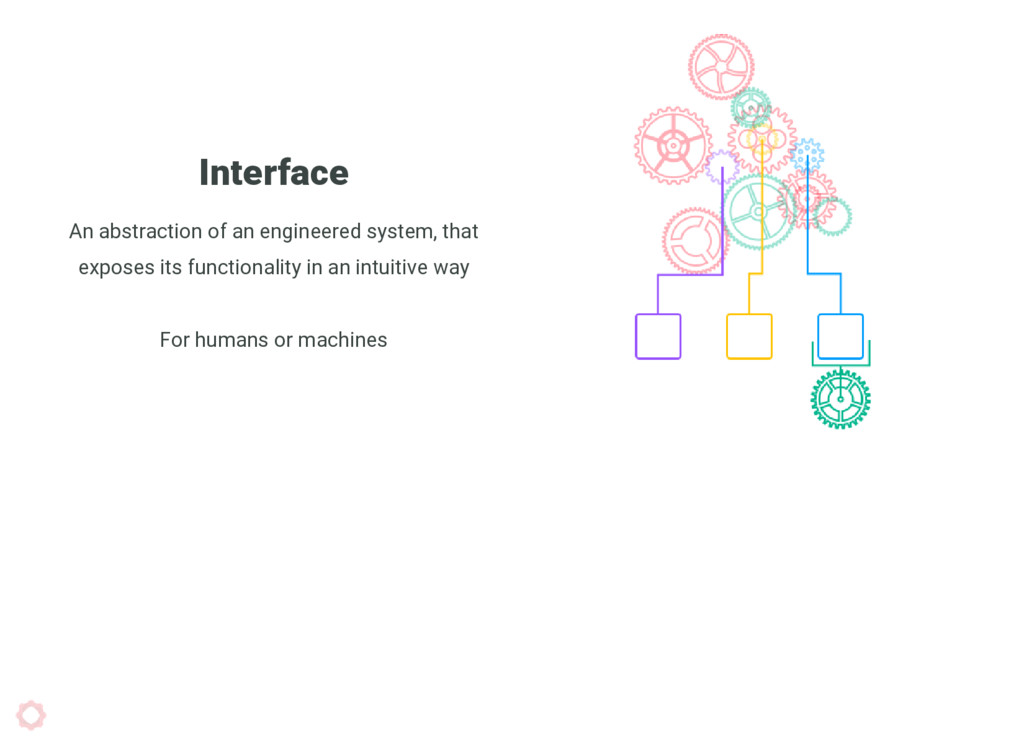
  1. Interface An abstraction of an engineered system, that exposes its

    functionality in an intuitive way For humans or machines
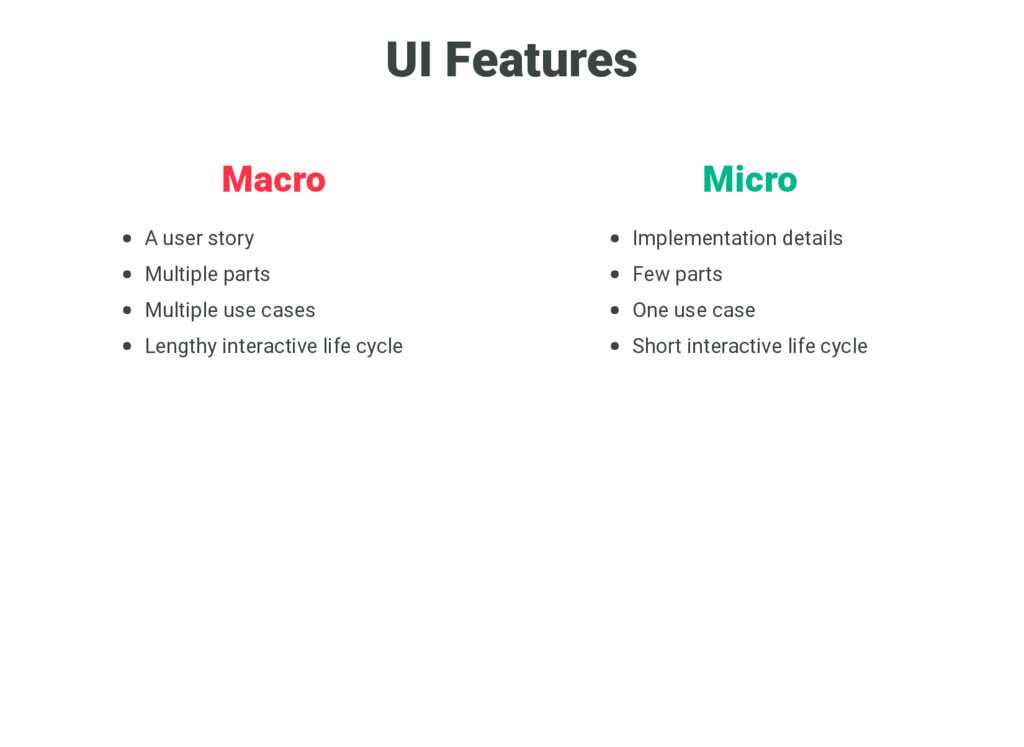
  2. UI Features Macro A user story Multiple parts Multiple use

    cases Lengthy interactive life cycle Micro Implementation details Few parts One use case Short interactive life cycle
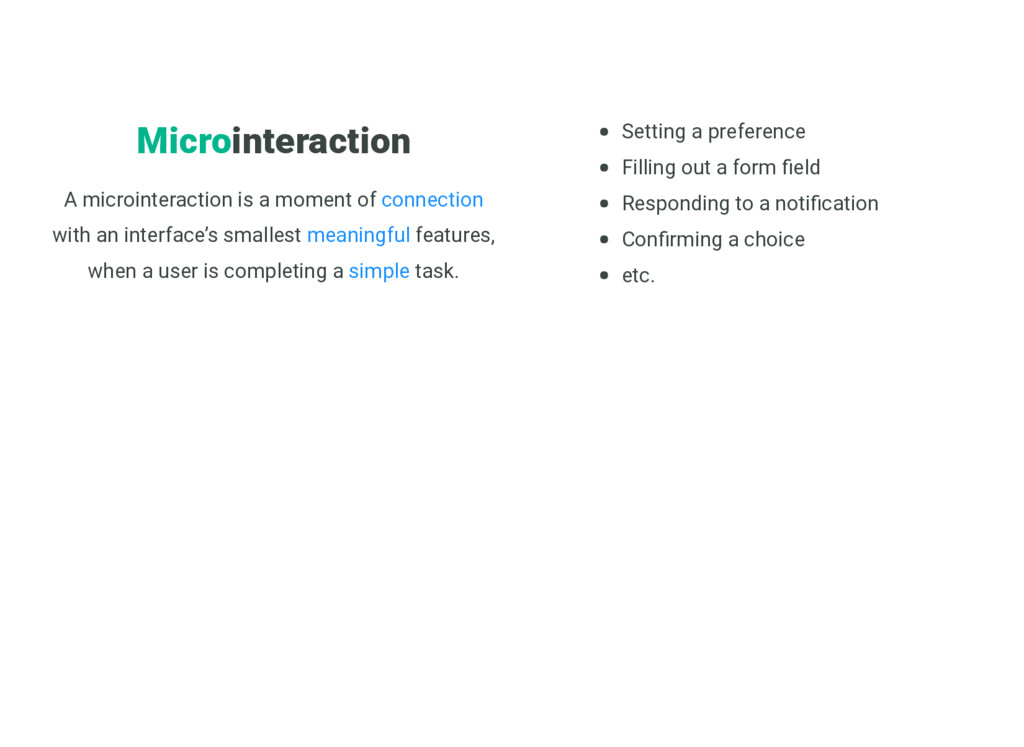
  3. Microinteraction A microinteraction is a moment of connection with an

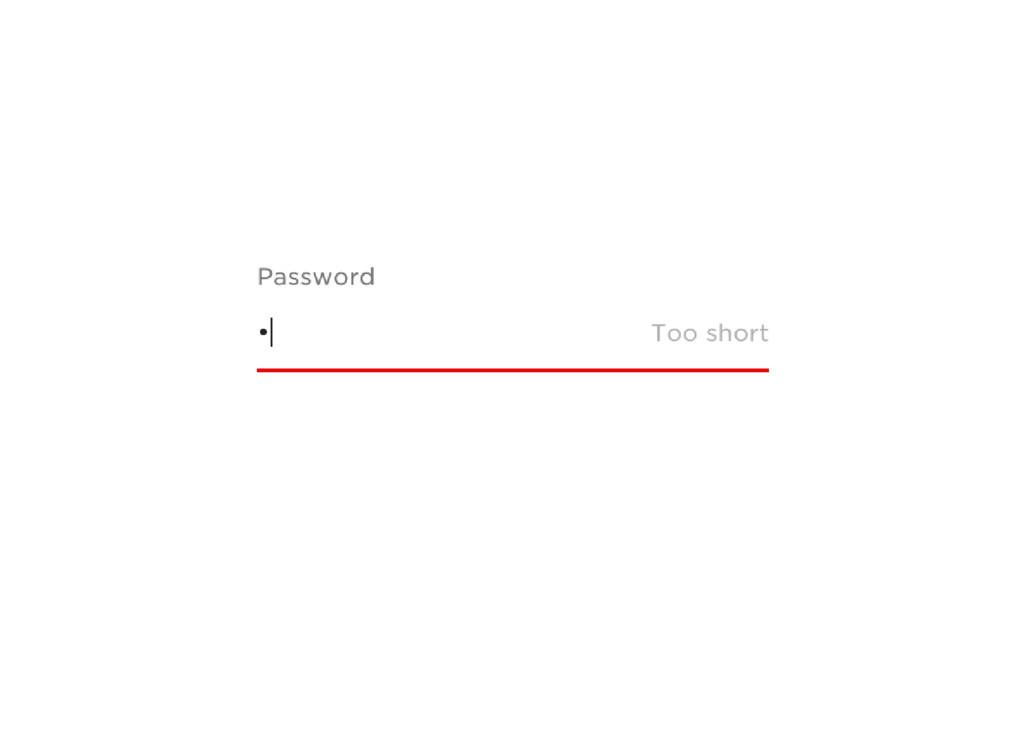
    interface’s smallest meaningful features, when a user is completing a simple task. Setting a preference Filling out a form field Responding to a notification Confirming a choice etc.
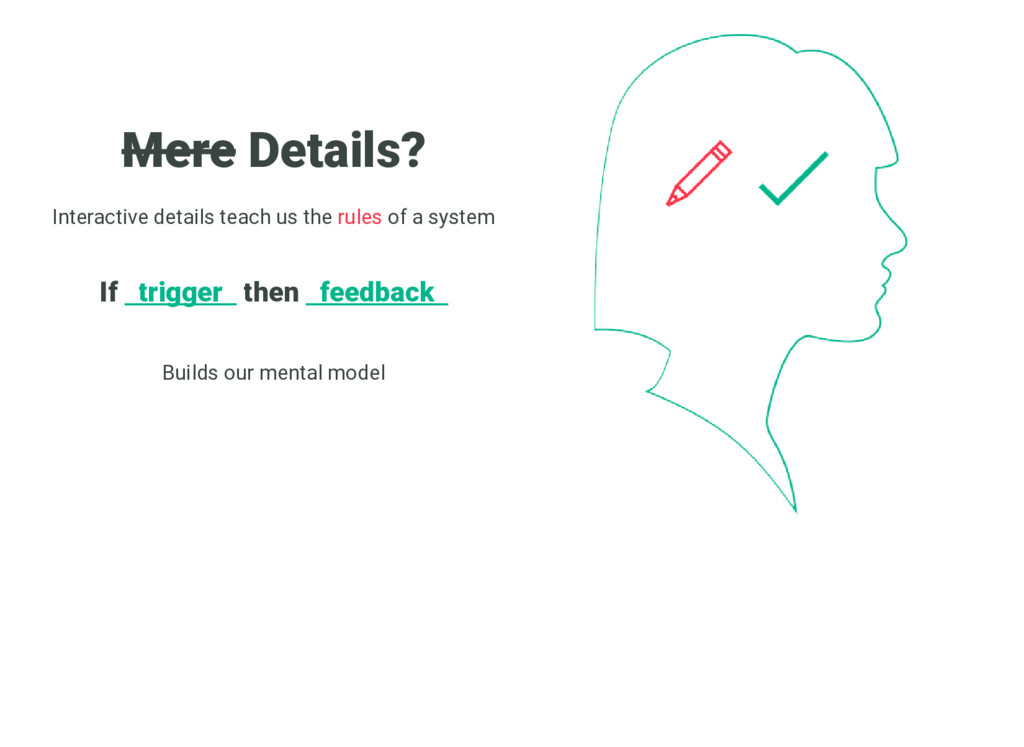
  4. Mere Details? Interactive details teach us the rules of a

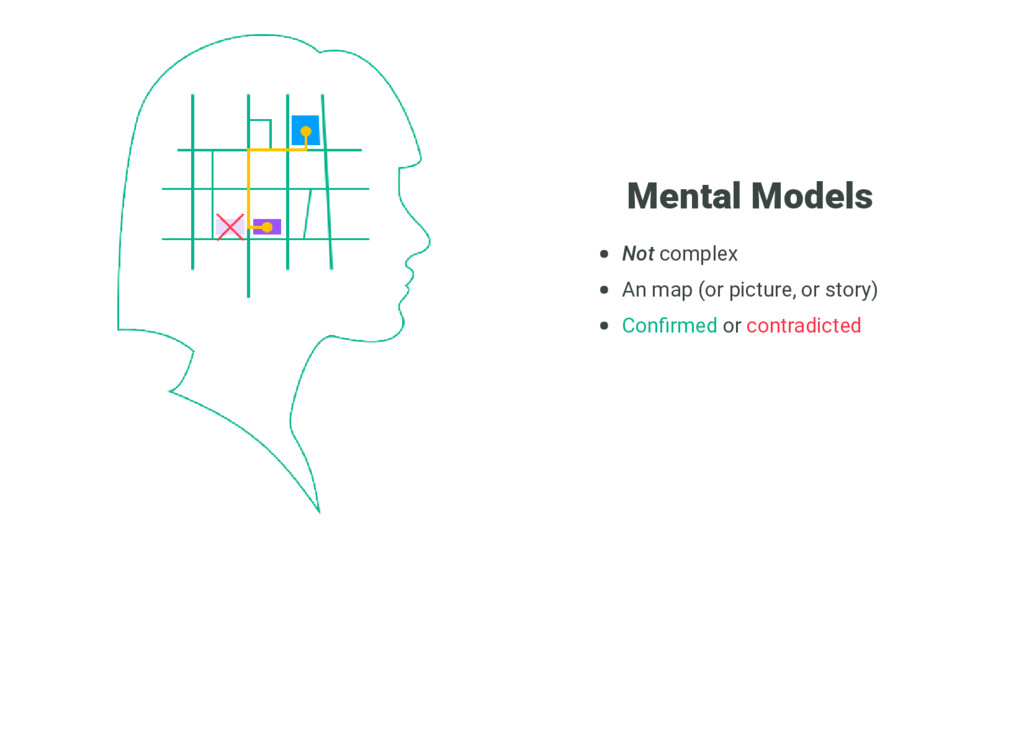
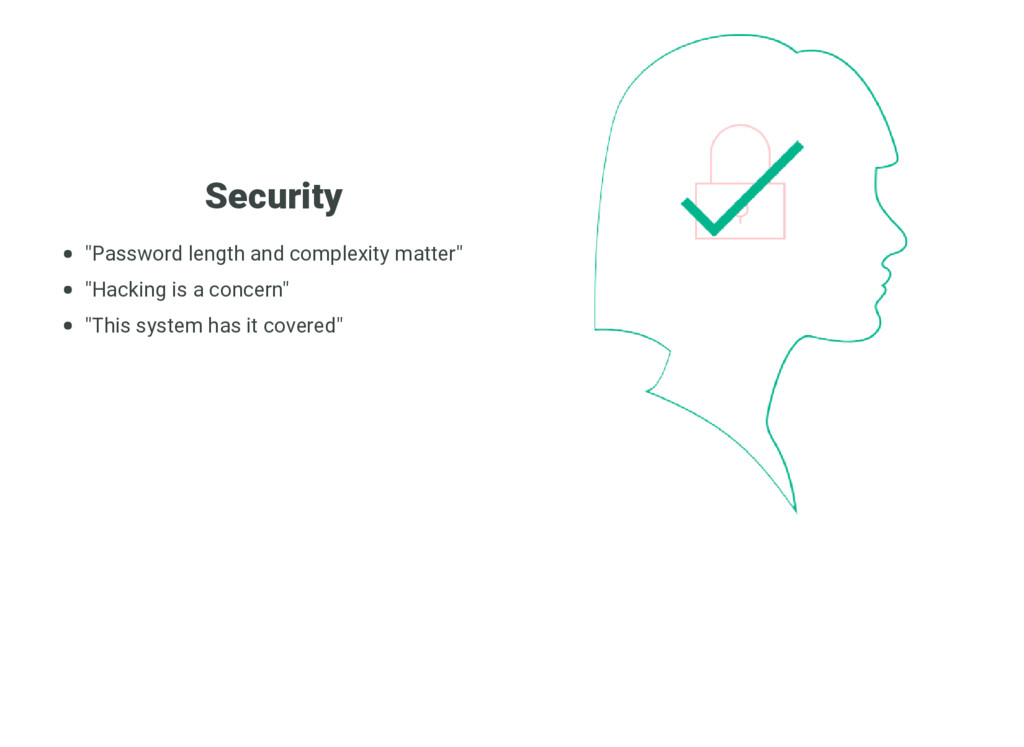
    system If trigger then feedback Builds our mental model
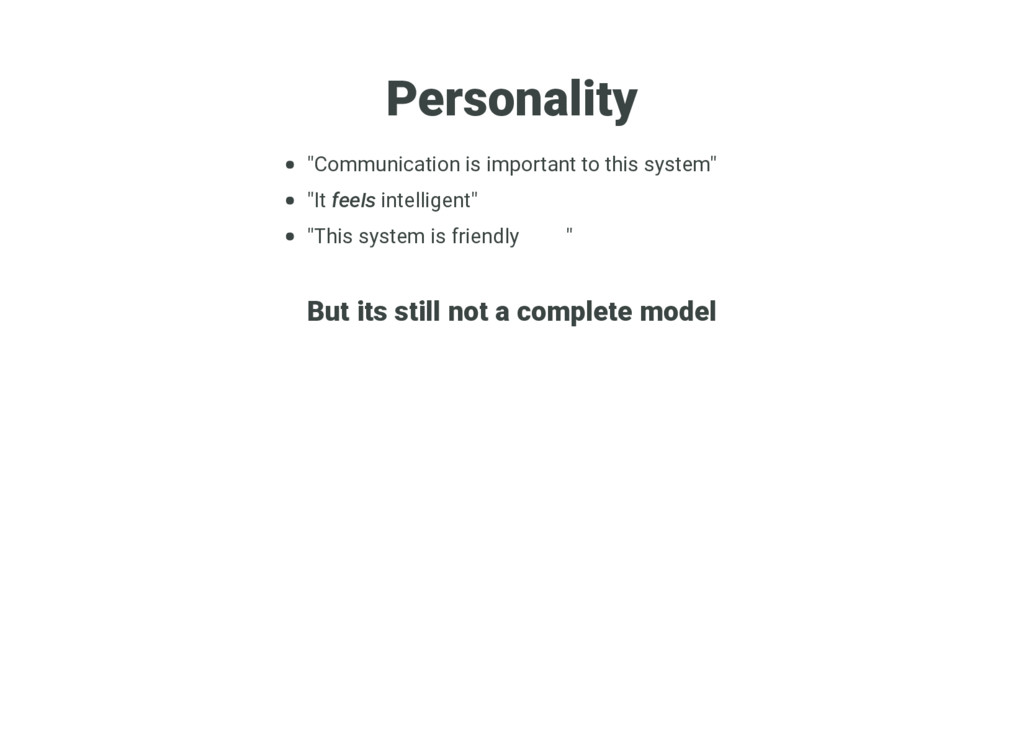
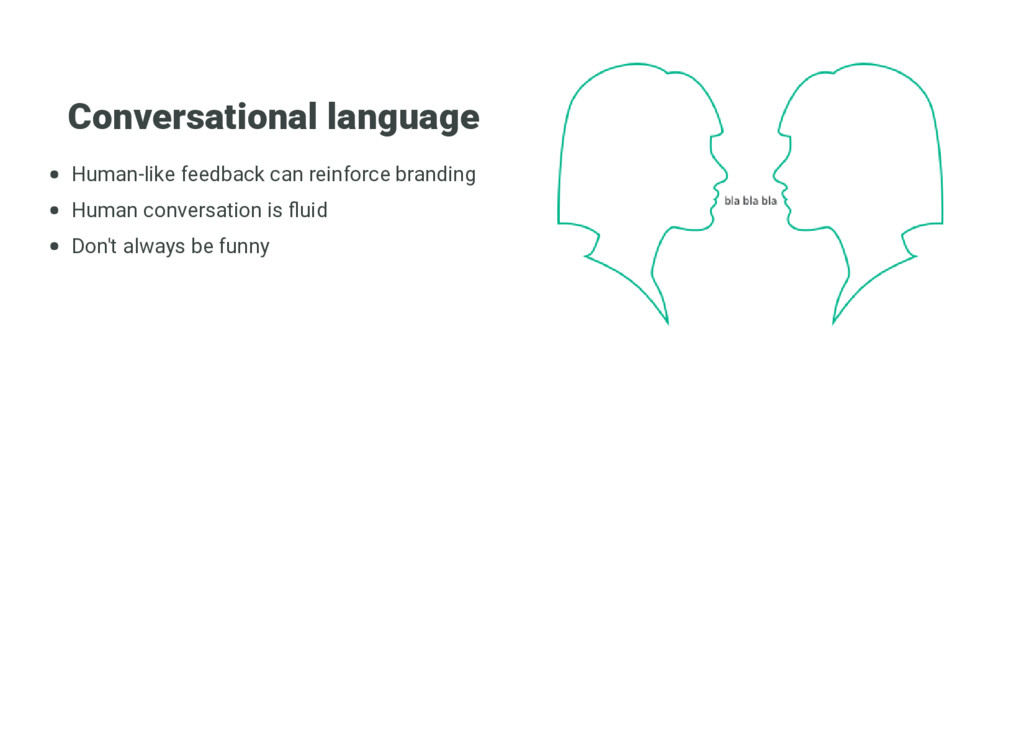
  5. Personality "Communication is important to this system" "It feels intelligent"

    "This system is friendly " But its still not a complete model
  6. Who fills in the blanks? The user! When gaps are

    present in a mental model, users will tend to fill them in with human characteristics and expectations of behavior. Nobody cares how it really works!
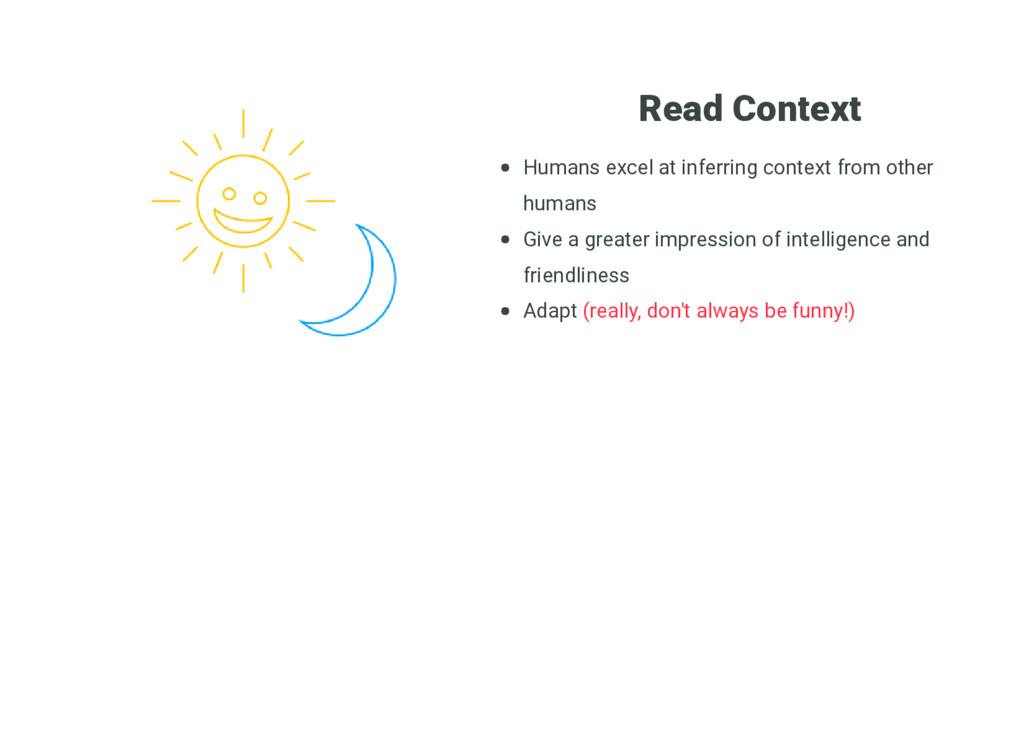
  7. Read Context Humans excel at inferring context from other humans

    Give a greater impression of intelligence and friendliness Adapt (really, don't always be funny!)
  8. Make Assumptions Humans make them all the time Based on

    profile Based on environment Based on previous behavior Don't start from zero
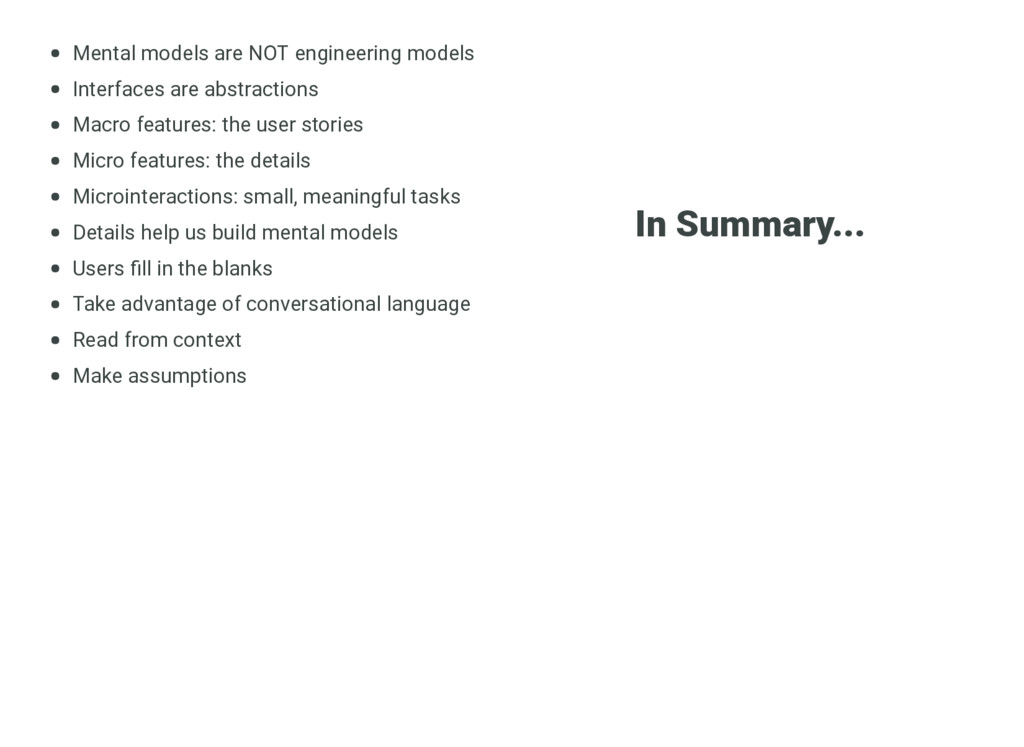
  9. Mental models are NOT engineering models Interfaces are abstractions Macro

    features: the user stories Micro features: the details Microinteractions: small, meaningful tasks Details help us build mental models Users fill in the blanks Take advantage of conversational language Read from context Make assumptions In Summary...
  10. References Karen Tang, "Designing the Details: How Micro-Interactions Can Elevate

    Your UX", Abstractions Conference, 18 Aug 2016, Pittsburgh, PA Brad Fults, "Interfaces: Building Worlds & Feeling Great", Abstractions Conference, 18 Aug 2016, Pittsburgh, PA Greg Nicholas, "Conversational User Interfaces: Let Apps Speak for Themselves" Abstractions Conference, 20 Aug 2016, Pittsburgh, PA Dan Saffer, "Microinteractions", O'Reilly, 2014