Upgrade to Pro — share decks privately, control downloads, hide ads and more …

Tales from the field: Elastic Stack and Hadoop

Avatar for Anoop Anoop
March 29, 2016

Tales from the field: Elastic Stack and Hadoop

Hadoop is a great platform for storing and processing massive amounts of data. Elasticsearch is an ideal solution for real-time analytics and visualization of the same data. Join us to learn how you can leverage the full power of both platforms to maximize the value of your data. Learn about the ES-Hadoop connector and some common design patterns from real-world implementations.

Avatar for Anoop

Anoop

March 29, 2016

More Decks by Anoop

Other Decks in Technology

Transcript

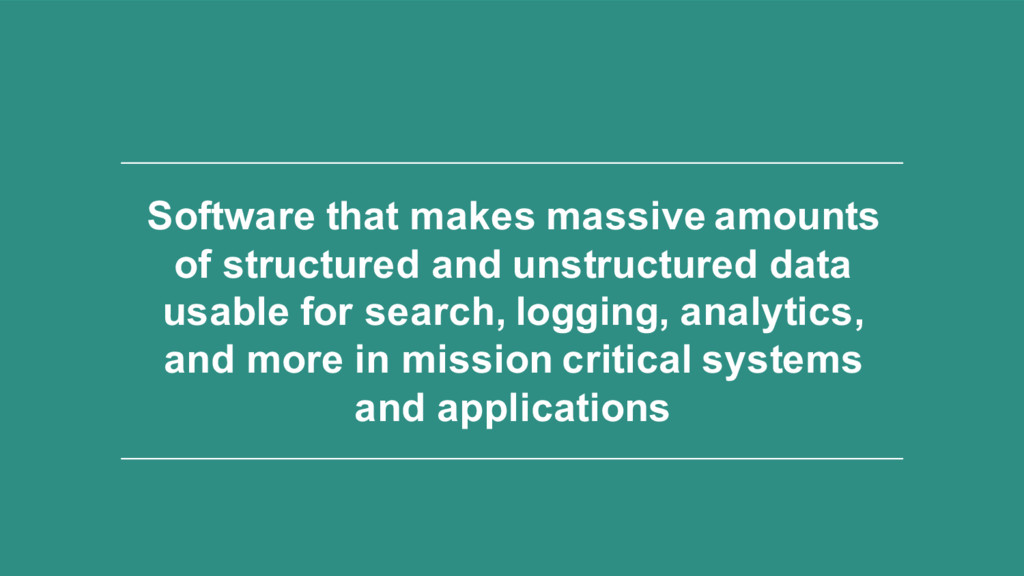
  1. 2 Software that makes massive amounts of structured and unstructured

    data usable for search, logging, analytics, and more in mission critical systems and applications
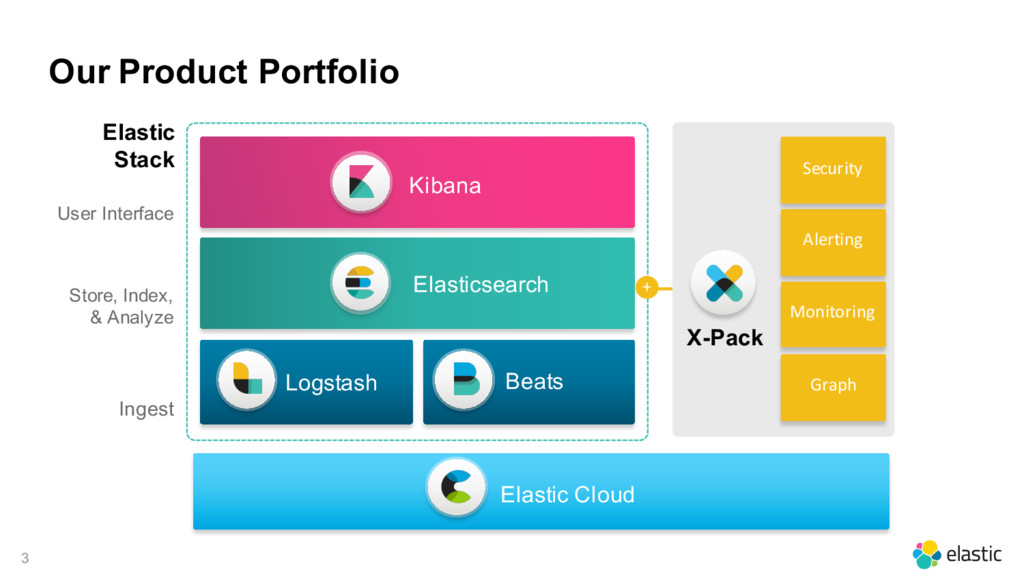
  2. 3 Elastic Cloud Security Monitoring Alerting Graph X-Pack Kibana User

    Interface Elasticsearch Store, Index, & Analyze Ingest Logstash Beats + Elastic Stack Our Product Portfolio
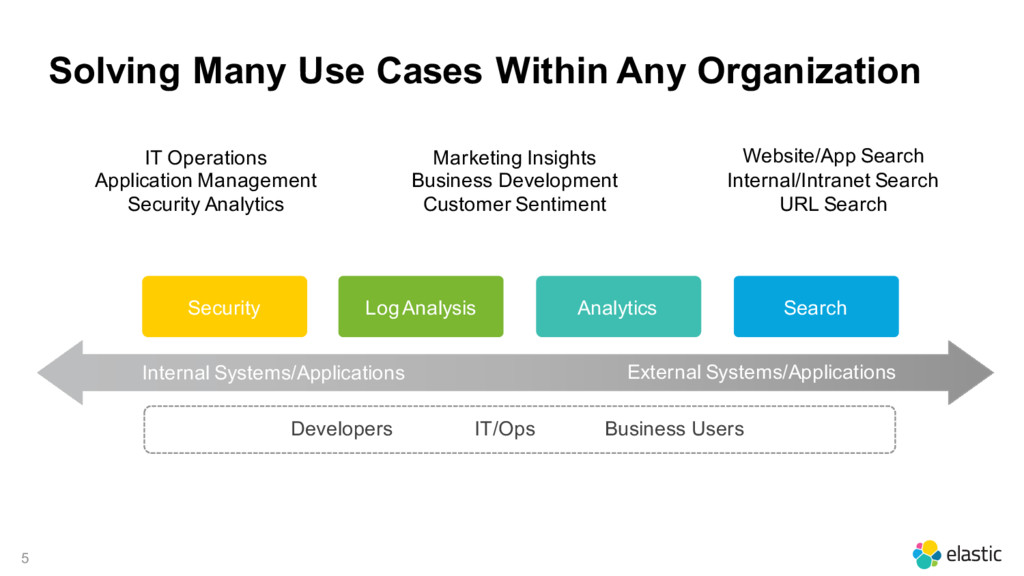
  3. 5 IT Operations Application Management Security Analytics Marketing Insights Business

    Development Customer Sentiment Website/App Search Internal/Intranet Search URL Search Internal Systems/Applications External Systems/Applications Developers IT/Ops Business Users Solving Many Use Cases Within Any Organization Log Analysis Analytics Search Security
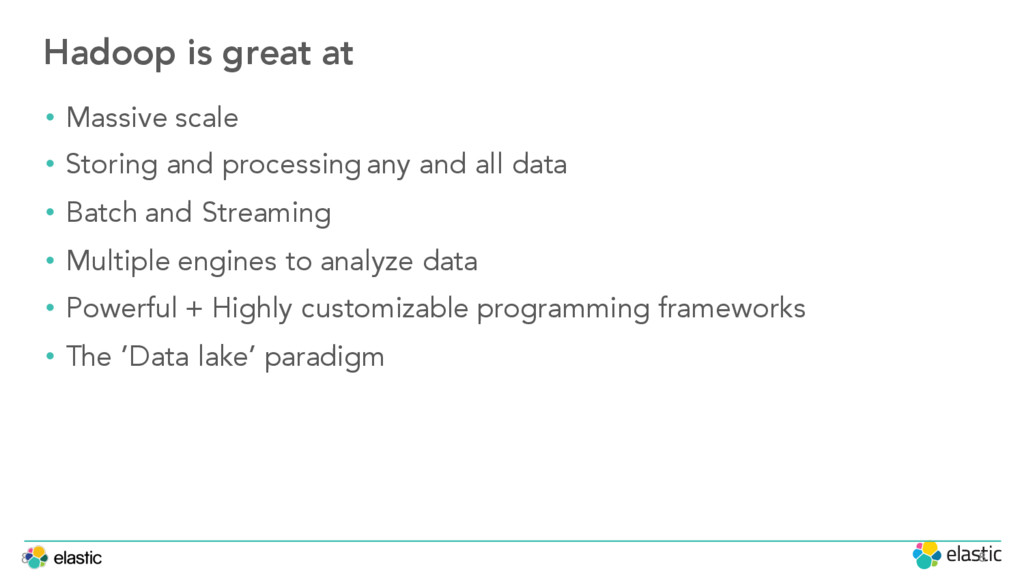
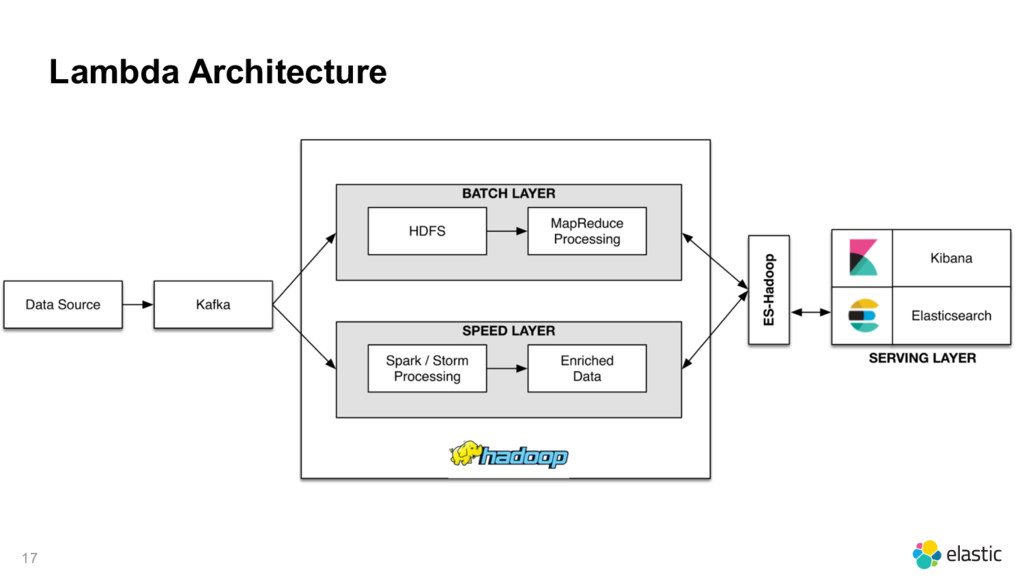
  4. 8 Hadoop is great at • Massive scale • Storing

    and processing any and all data • Batch and Streaming • Multiple engines to analyze data • Powerful + Highly customizable programming frameworks • The ’Data lake’ paradigm 8
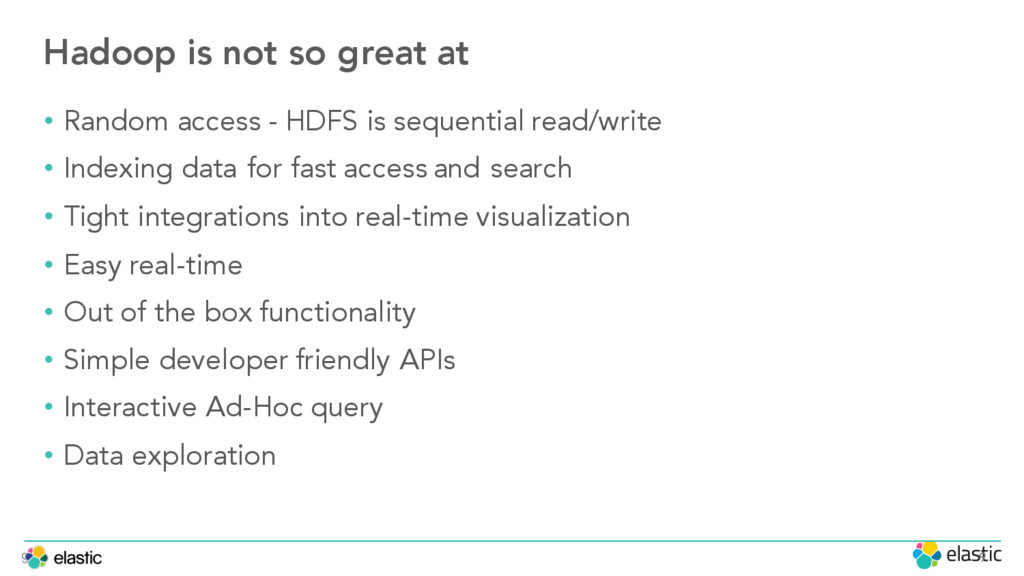
  5. 9 Hadoop is not so great at • Random access

    - HDFS is sequential read/write • Indexing data for fast access and search • Tight integrations into real-time visualization • Easy real-time • Out of the box functionality • Simple developer friendly APIs • Interactive Ad-Hoc query • Data exploration 9
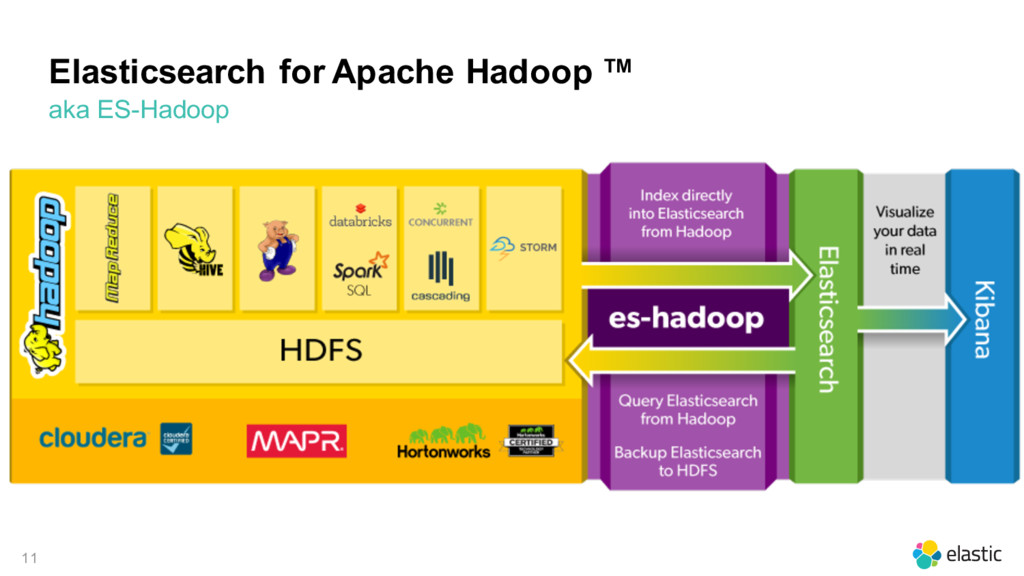
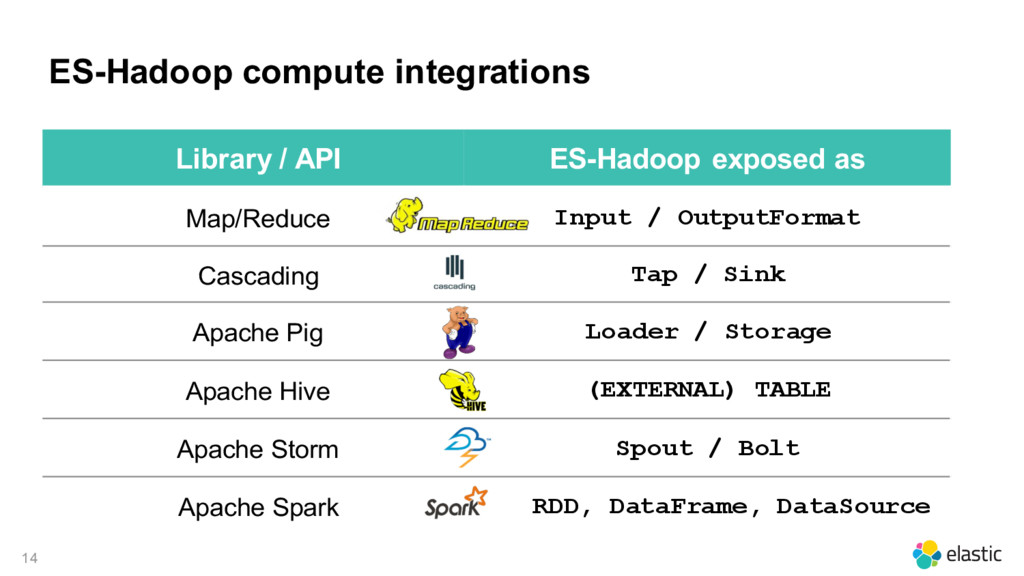
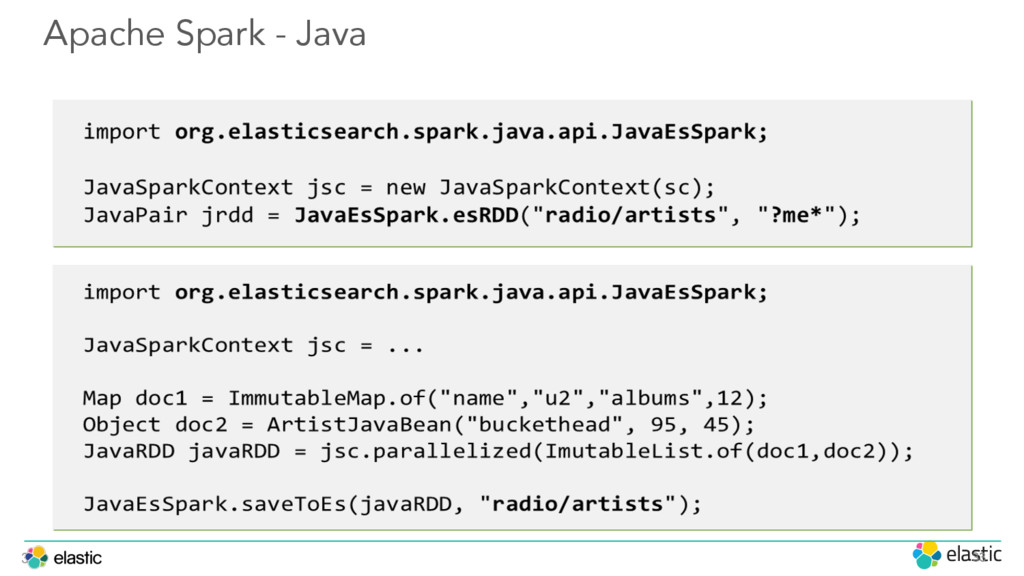
  6. 14 ES-Hadoop compute integrations Library / API ES-Hadoop exposed as

    Map/Reduce Input / OutputFormat Cascading Tap / Sink Apache Pig Loader / Storage Apache Hive (EXTERNAL) TABLE Apache Storm Spout / Bolt Apache Spark RDD, DataFrame, DataSource
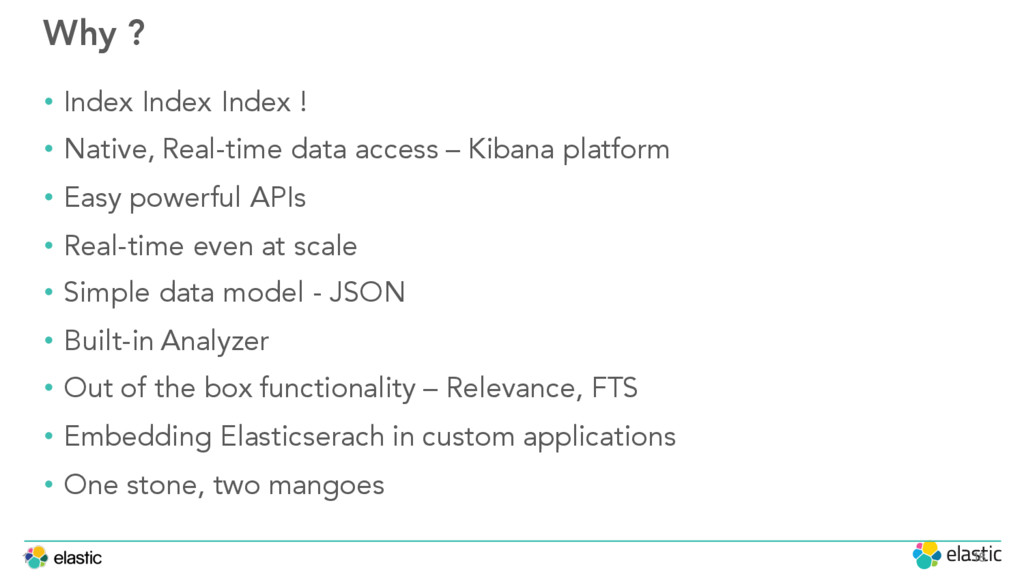
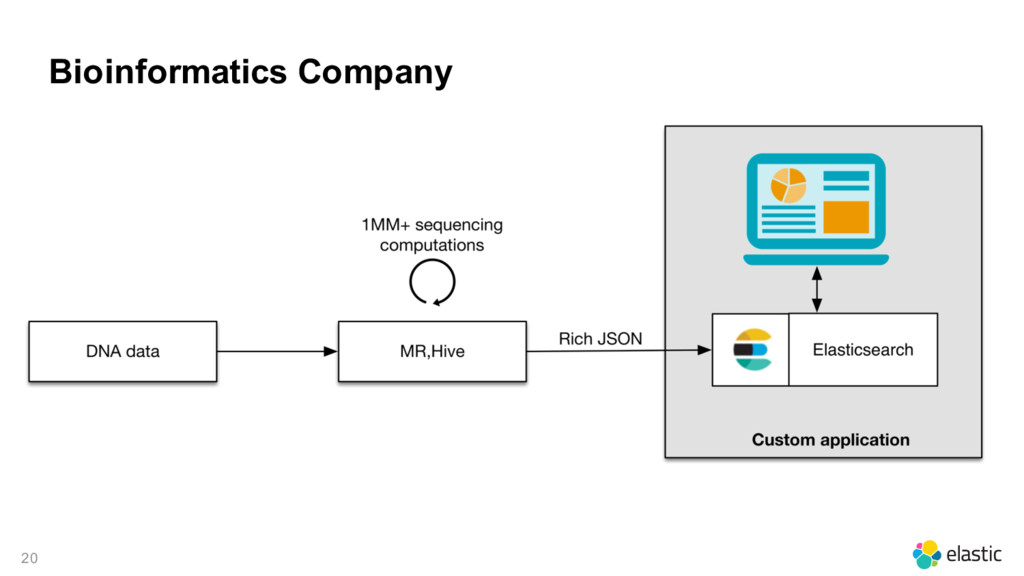
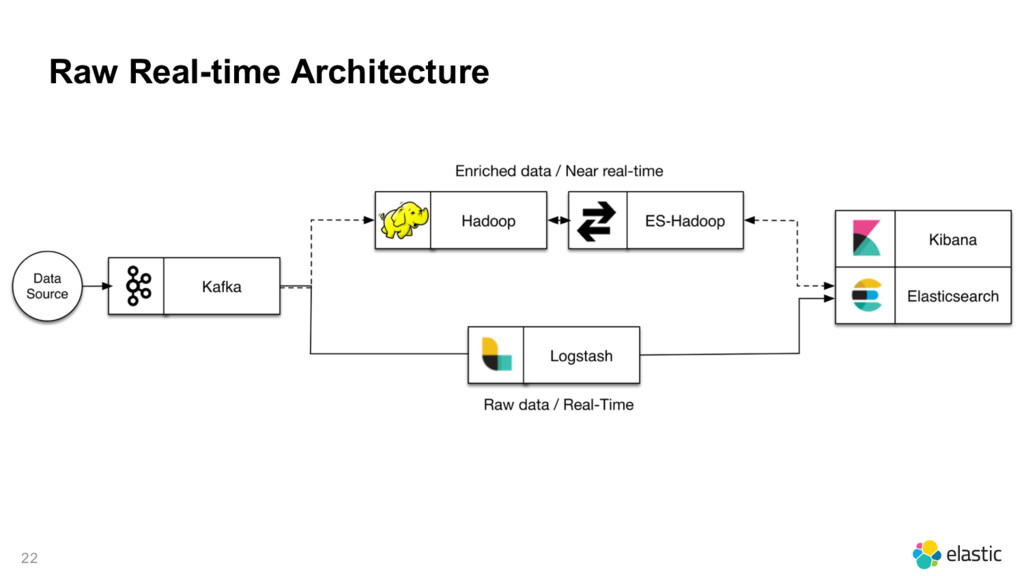
  7. 18 Why ? • Index Index Index ! • Native,

    Real-time data access – Kibana platform • Easy powerful APIs • Real-time even at scale • Simple data model - JSON • Built-in Analyzer • Out of the box functionality – Relevance, FTS • Embedding Elasticserach in custom applications • One stone, two mangoes 18
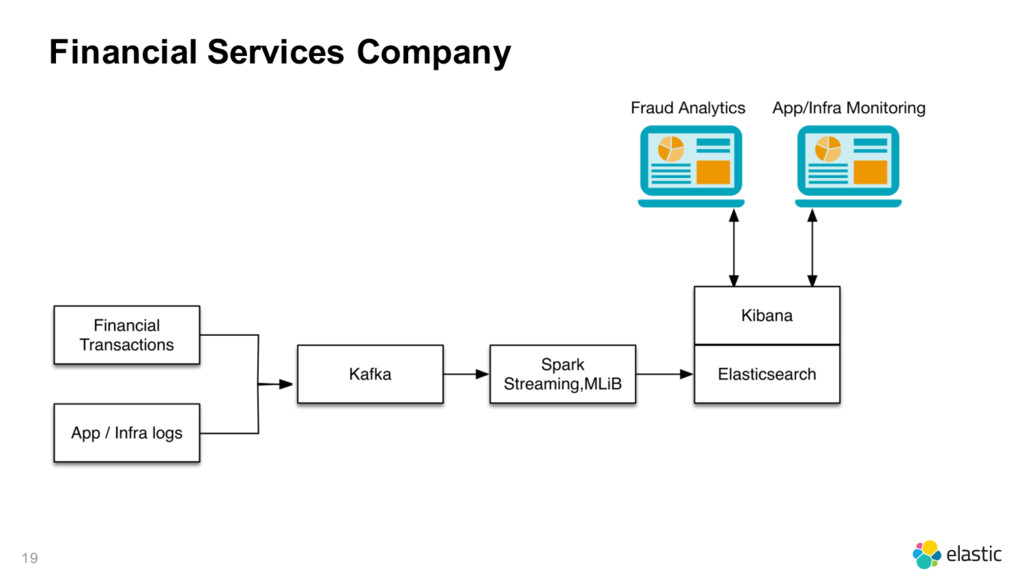
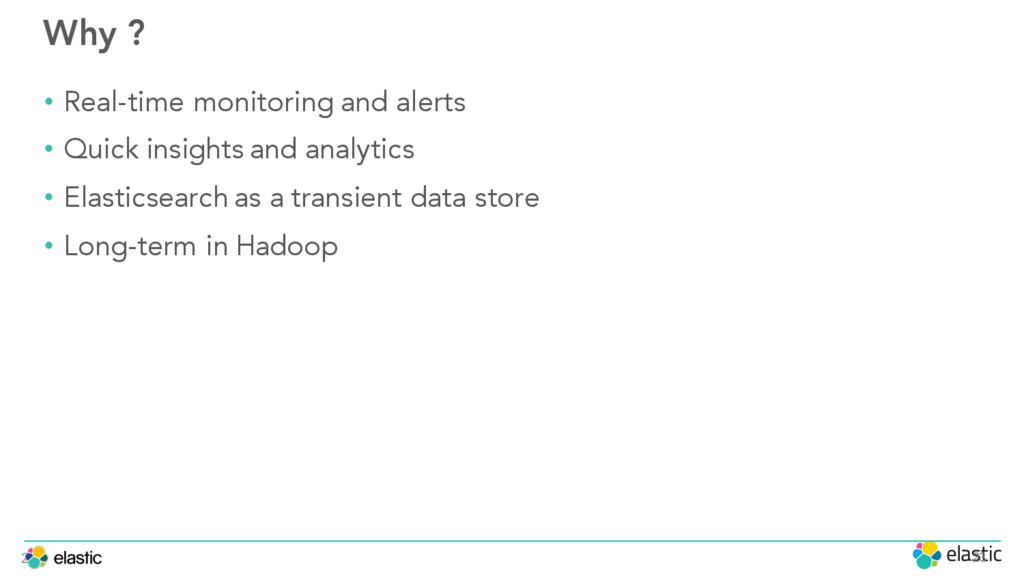
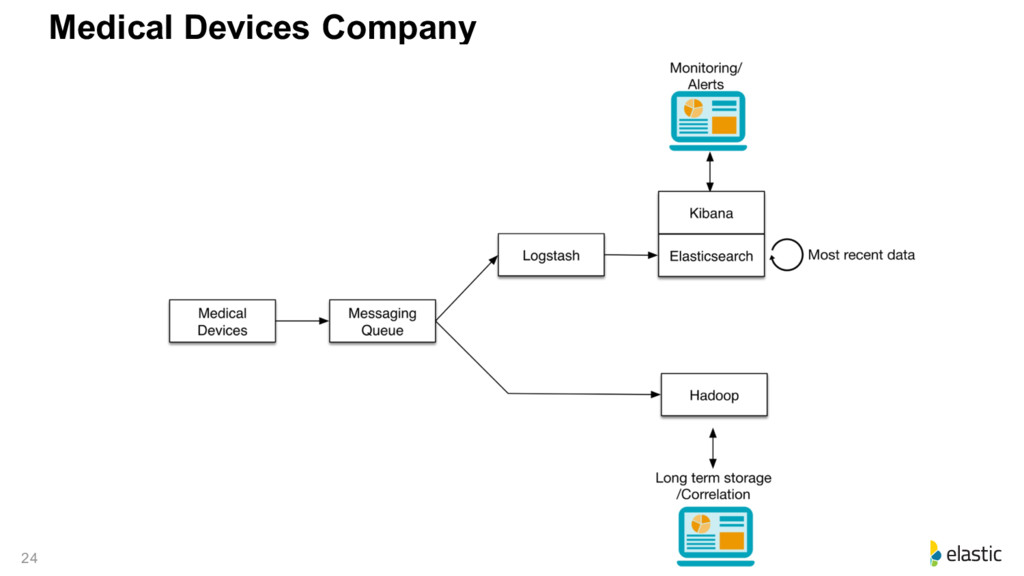
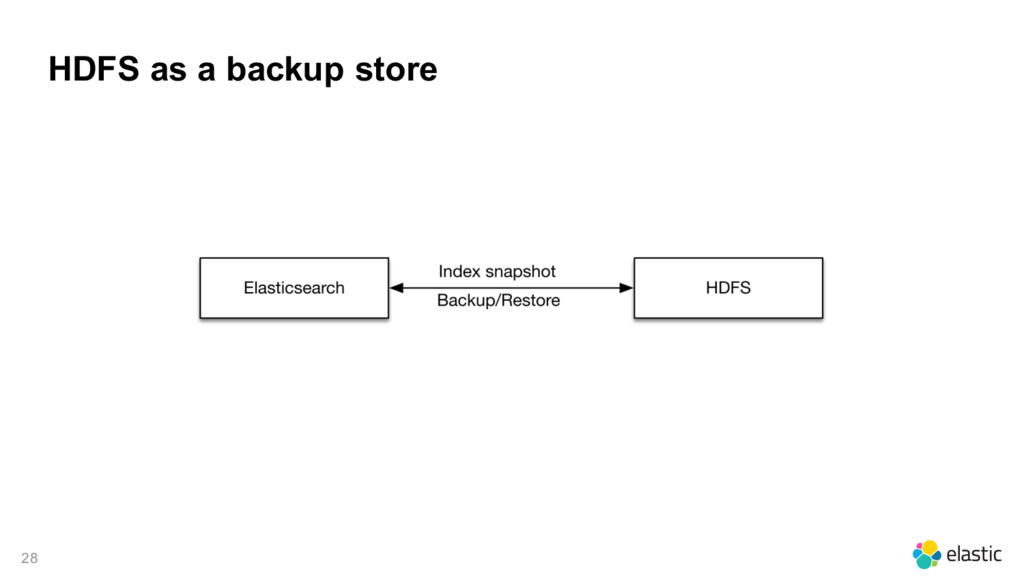
  8. 23 Why ? • Real-time monitoring and alerts • Quick

    insights and analytics • Elasticsearch as a transient data store • Long-term in Hadoop 23
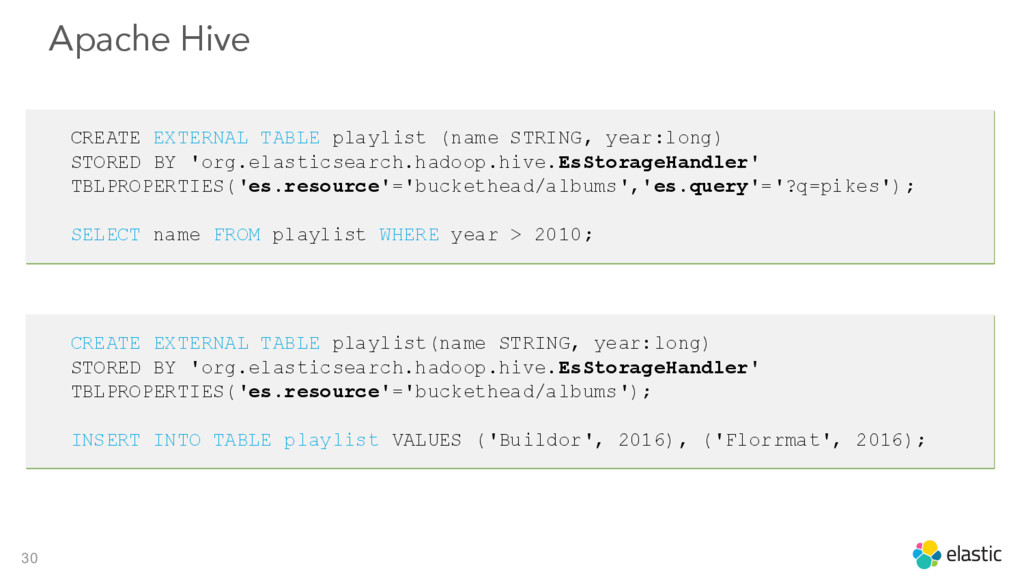
  9. 30 Apache Hive CREATE EXTERNAL TABLE playlist (name STRING, year:long)

    STORED BY 'org.elasticsearch.hadoop.hive.EsStorageHandler' TBLPROPERTIES('es.resource'='buckethead/albums','es.query'='?q=pikes'); SELECT name FROM playlist WHERE year > 2010; CREATE EXTERNAL TABLE playlist(name STRING, year:long) STORED BY 'org.elasticsearch.hadoop.hive.EsStorageHandler' TBLPROPERTIES('es.resource'='buckethead/albums'); INSERT INTO TABLE playlist VALUES ('Buildor', 2016), ('Florrmat', 2016);
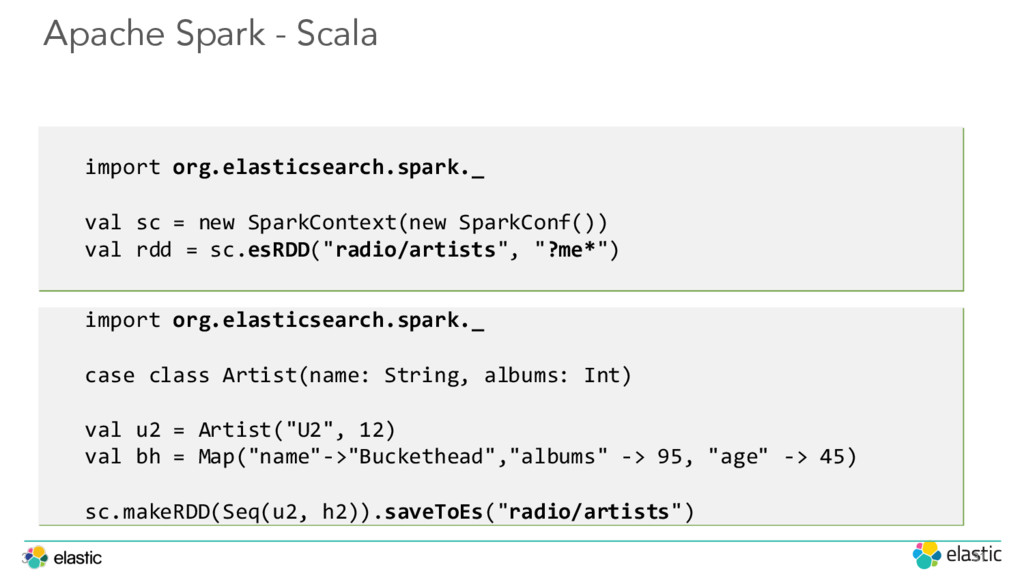
  10. 31 Apache Spark - Scala 31 import org.elasticsearch.spark._ val sc

    = new SparkContext(new SparkConf()) val rdd = sc.esRDD("radio/artists", "?me*") import org.elasticsearch.spark._ case class Artist(name: String, albums: Int) val u2 = Artist("U2", 12) val bh = Map("name"->"Buckethead","albums" -> 95, "age" -> 45) sc.makeRDD(Seq(u2, h2)).saveToEs("radio/artists")
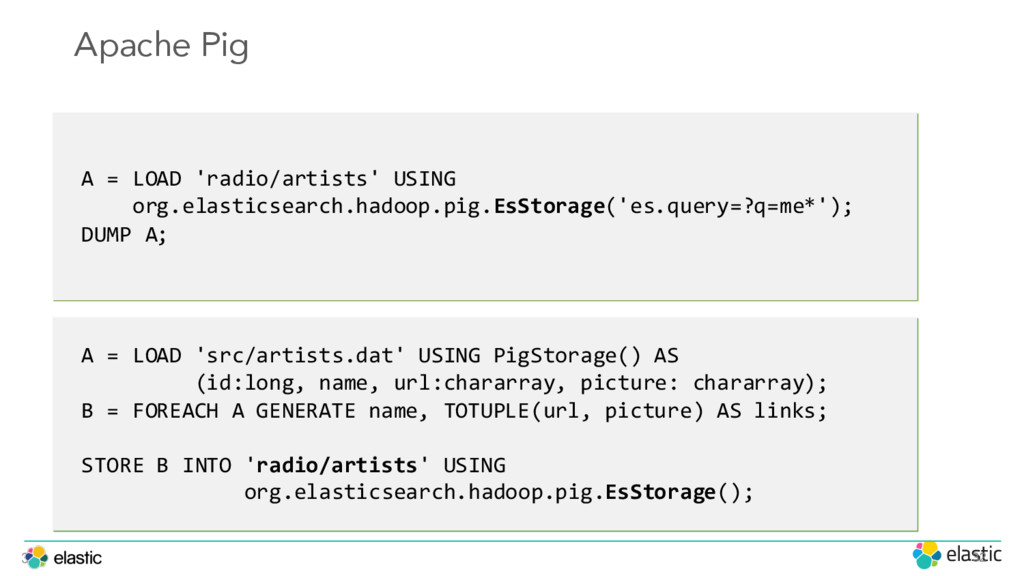
  11. 32 32 Apache Pig A = LOAD 'radio/artists' USING org.elasticsearch.hadoop.pig.EsStorage('es.query=?q=me*');

    DUMP A; A = LOAD 'src/artists.dat' USING PigStorage() AS (id:long, name, url:chararray, picture: chararray); B = FOREACH A GENERATE name, TOTUPLE(url, picture) AS links; STORE B INTO 'radio/artists' USING org.elasticsearch.hadoop.pig.EsStorage();