Upgrade to Pro — share decks privately, control downloads, hide ads and more …

Instructional Design for Hybrid Learning

Avatar for Asha Asha
September 26, 2019

Instructional Design for Hybrid Learning

A talk presented at the SDMS 2019 Annual Conference regarding The Use of Design Principles and Techniques to Improve and Enhance Education.

Avatar for Asha

Asha

September 26, 2019
Other Decks in Education
Transcript

  1. INSTRUCTIONAL DESIGN FOR HYBRID LEARNING: The Use of Design Principles

    and Techniques to Improve and Enhance Education
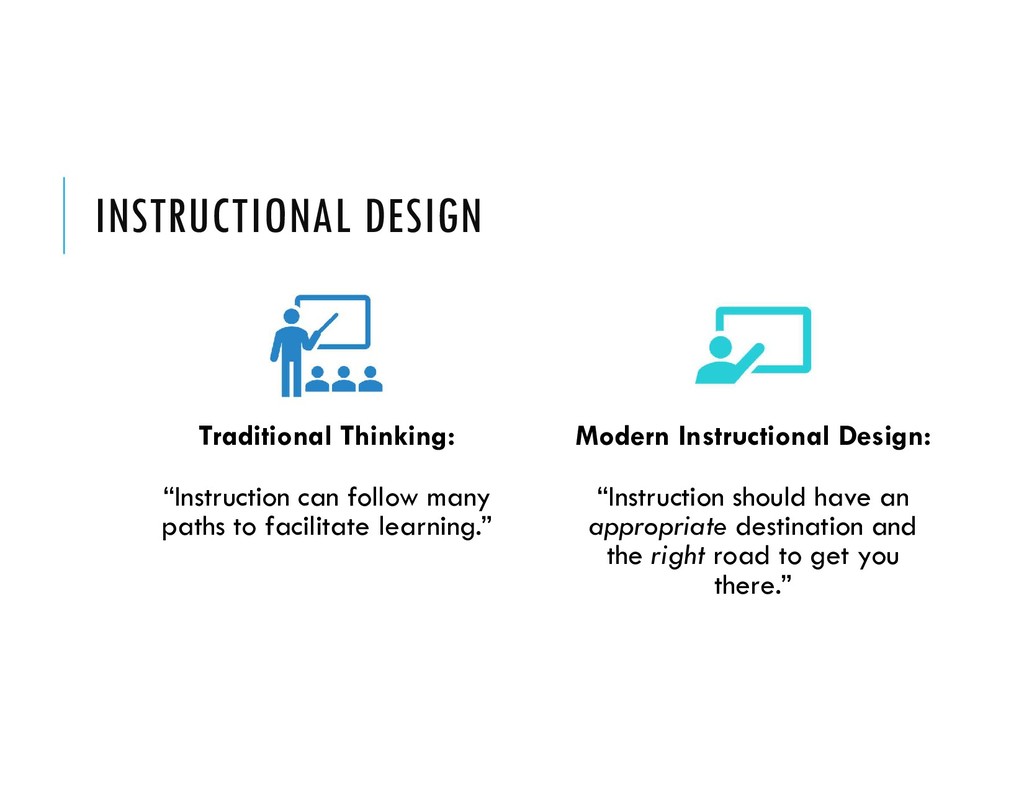
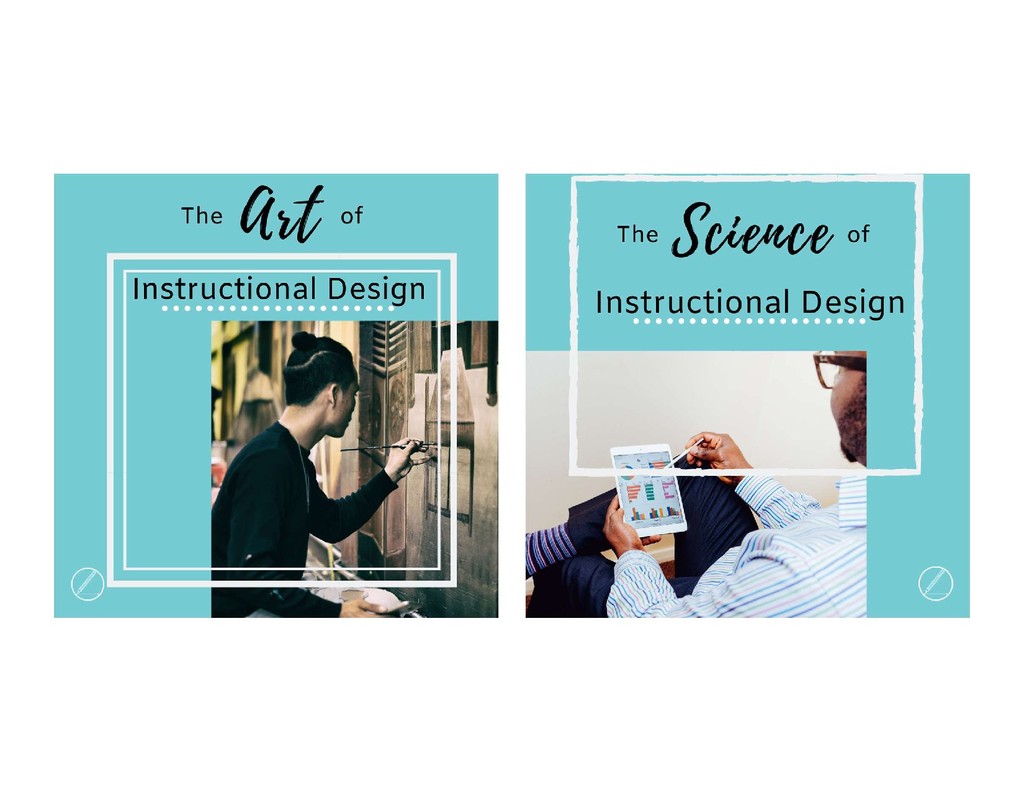
  2. INSTRUCTIONAL DESIGN Traditional Thinking: “Instruction can follow many paths to

    facilitate learning.” Modern Instructional Design: “Instruction should have an appropriate destination and the right road to get you there.”
  3. TRADITIONAL DESIGN • Complete and Accurate Information • Presentations that

    are clear as possible • Precise Assessments precise Focuses heavily on content
  4. MODERN INSTRUCTIONAL DESIGN Concerned about the learning experience Desires to

    make it: • Meaningful • Memorable • Motivational
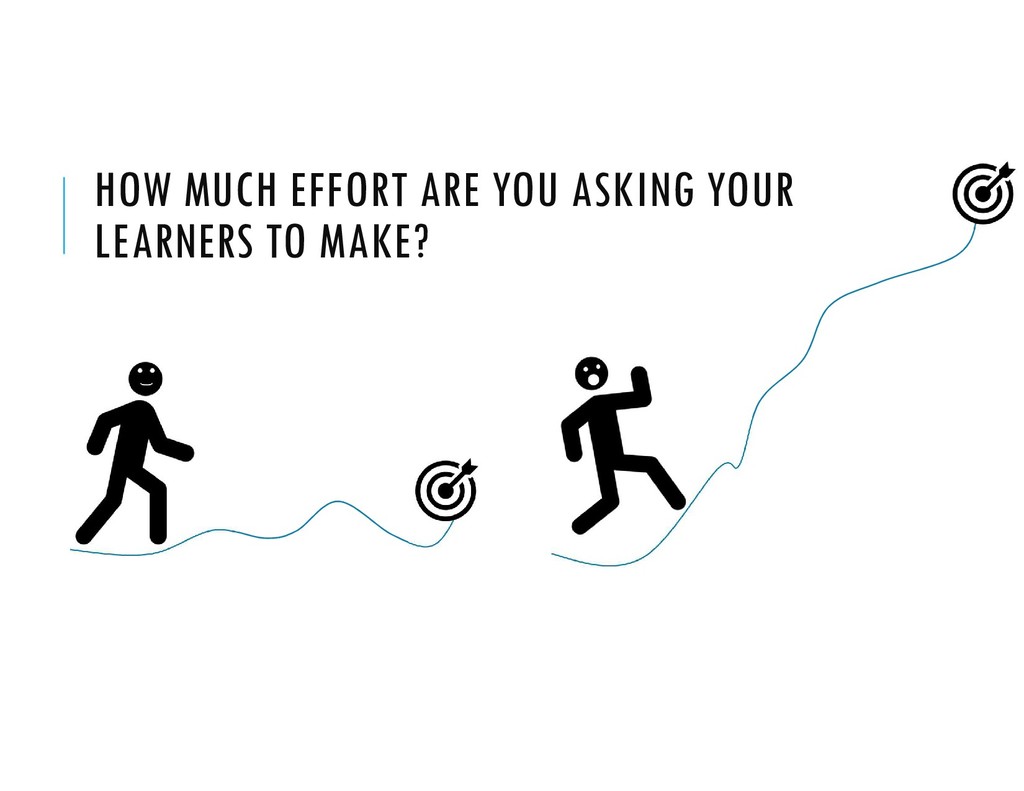
  5. WHAT IS THE GAP? There’s a gap between your learner’s

    current situation and where they need to be in order to be successful. If you can pinpoint the gaps, you can design a better learning experience.
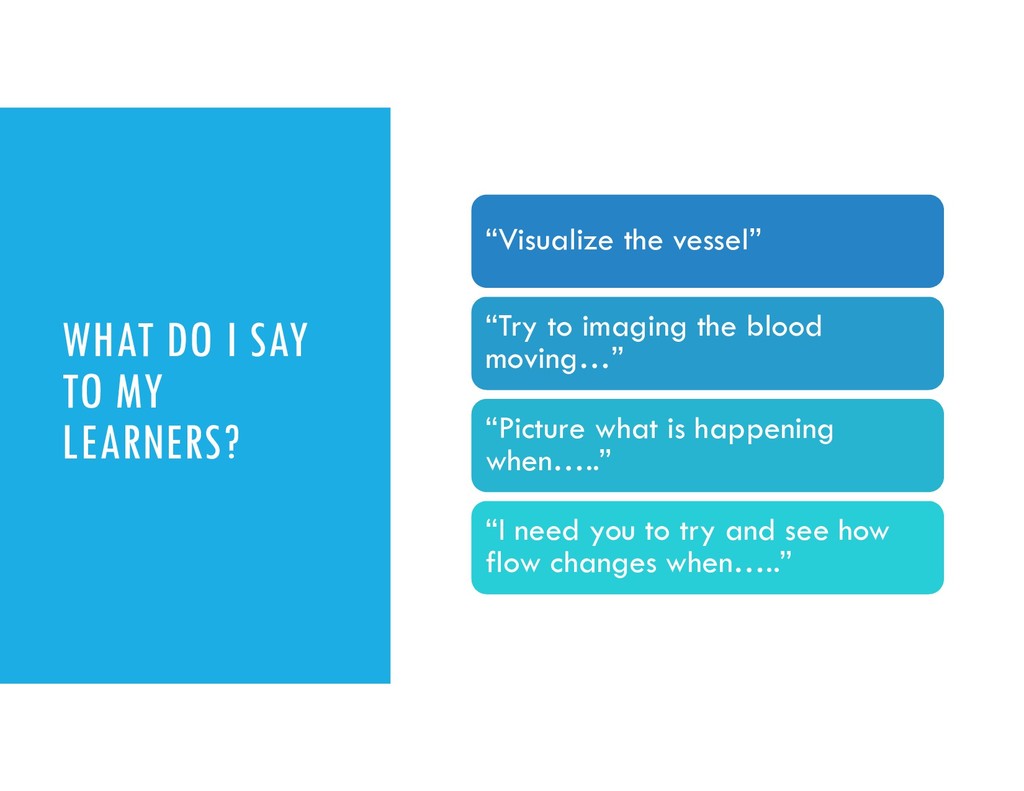
  6. WHAT DO I SAY TO MY LEARNERS? “Visualize the vessel”

    “Try to imaging the blood moving…” “Picture what is happening when…..” “I need you to try and see how flow changes when…..”
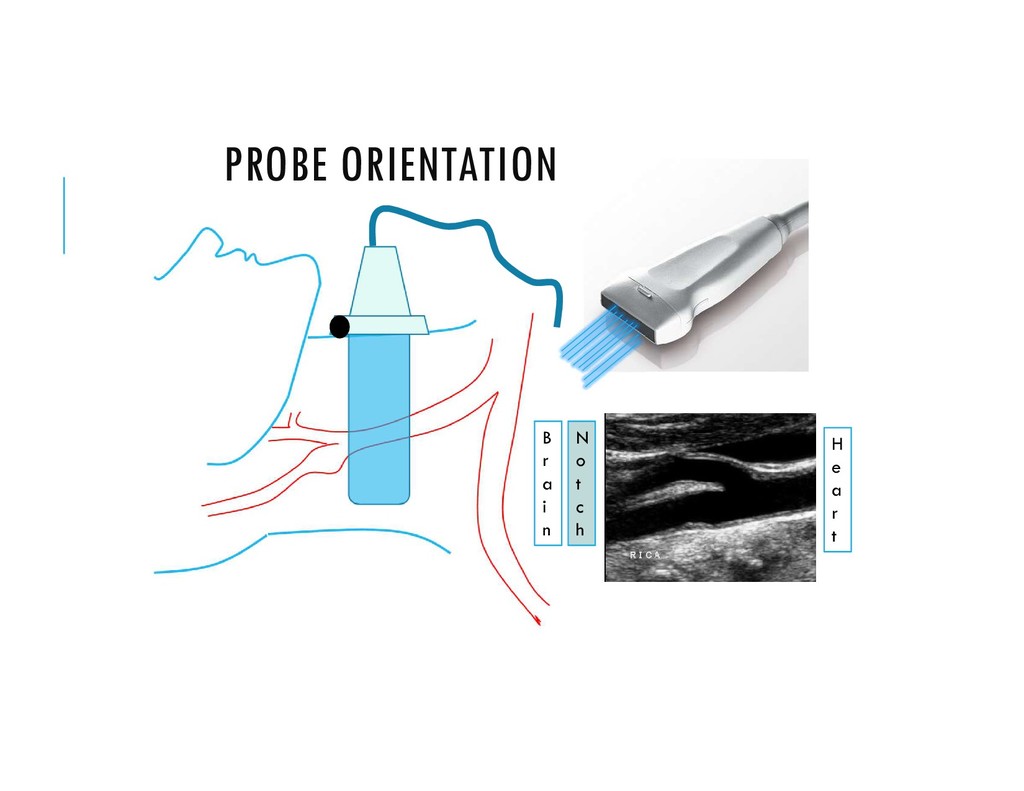
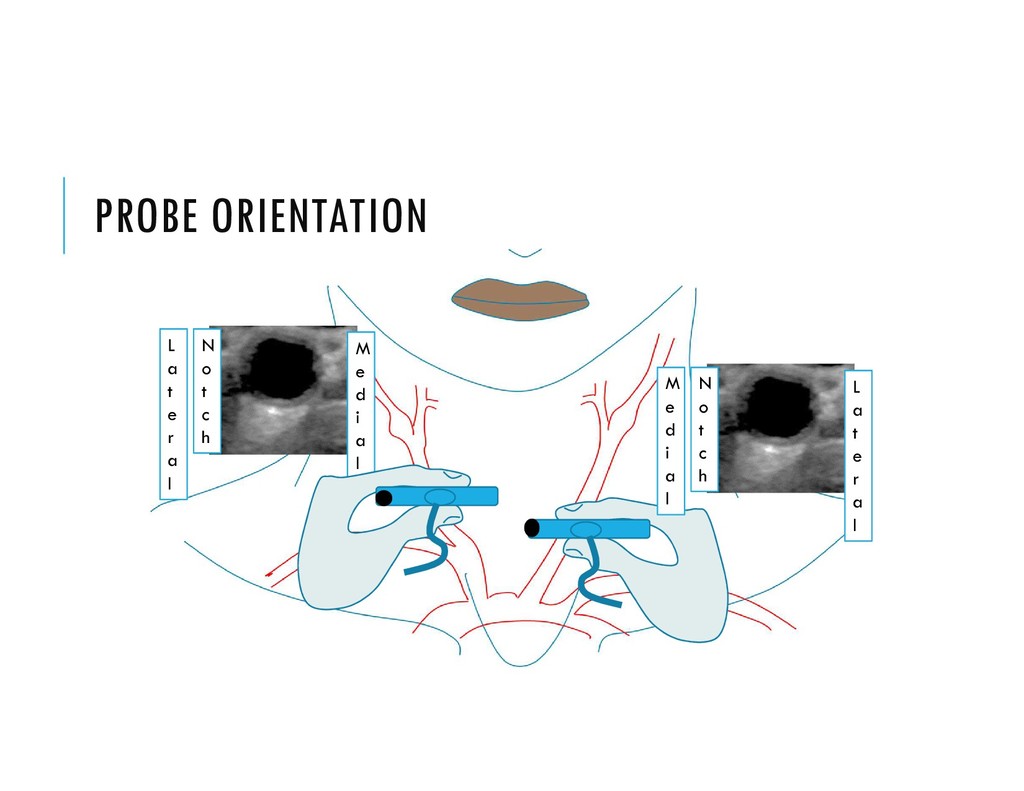
  7. N o t c h M e d i a

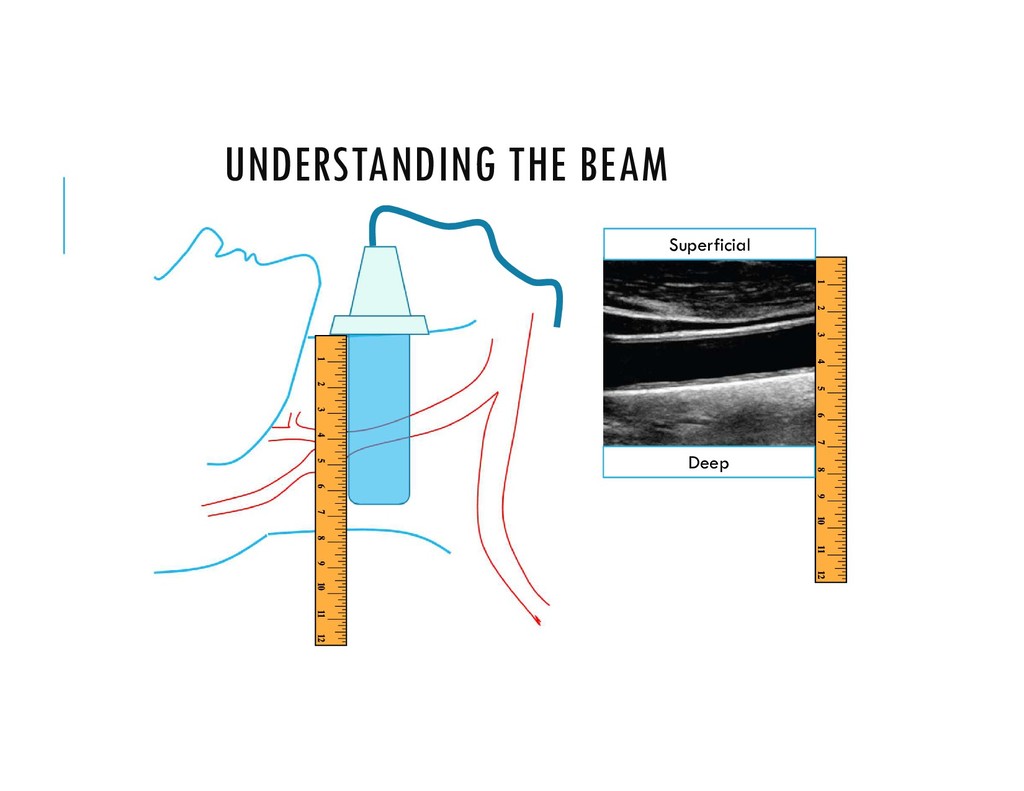
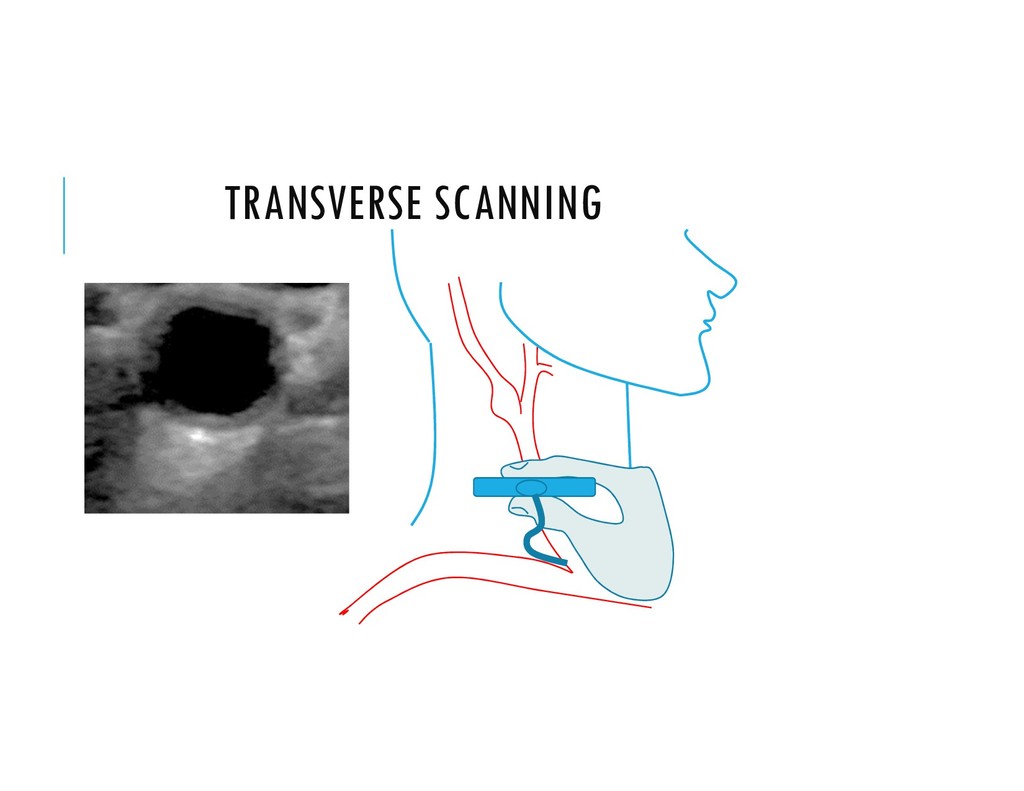
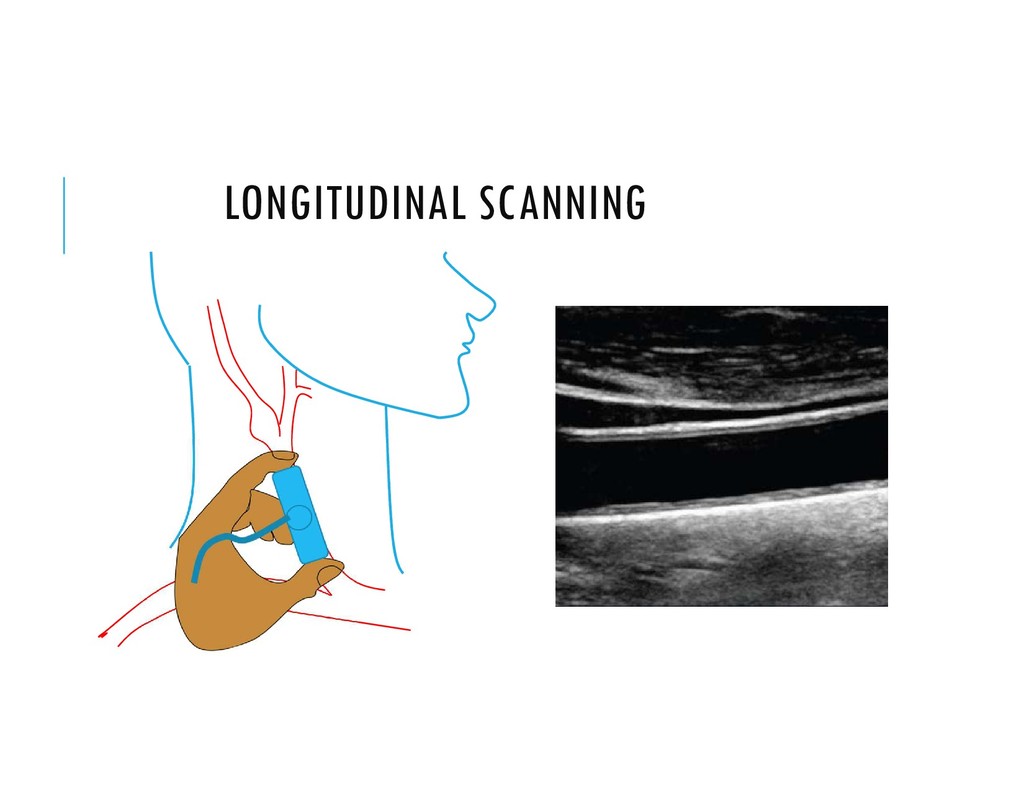
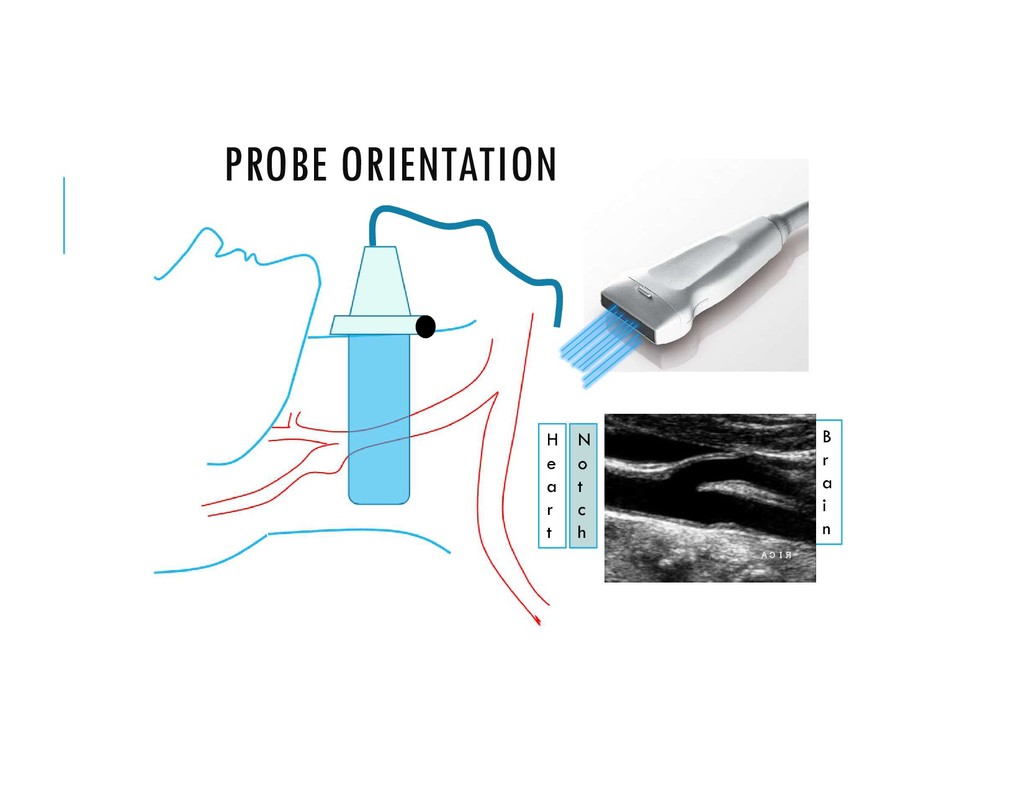
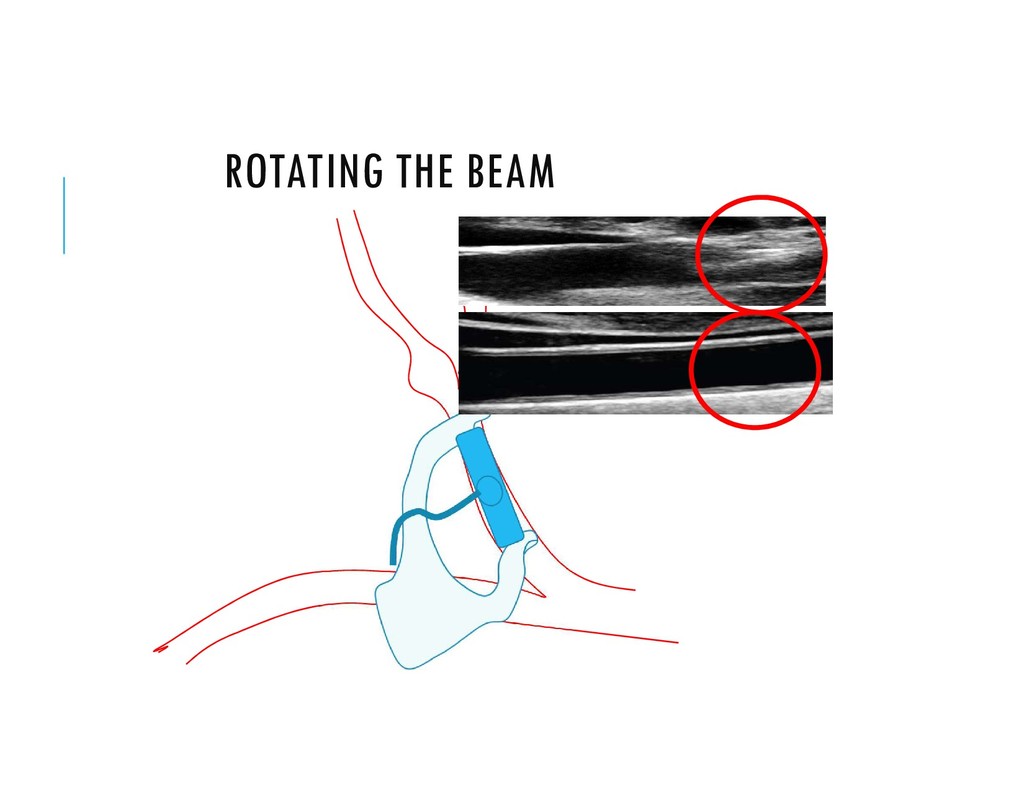
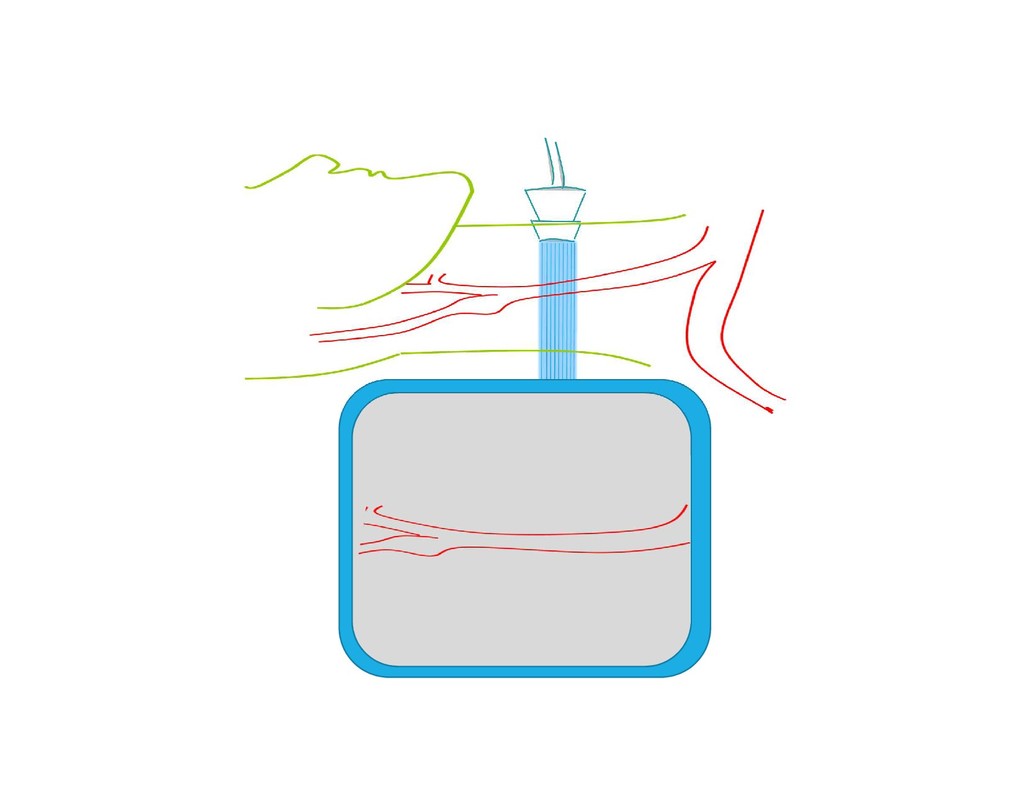
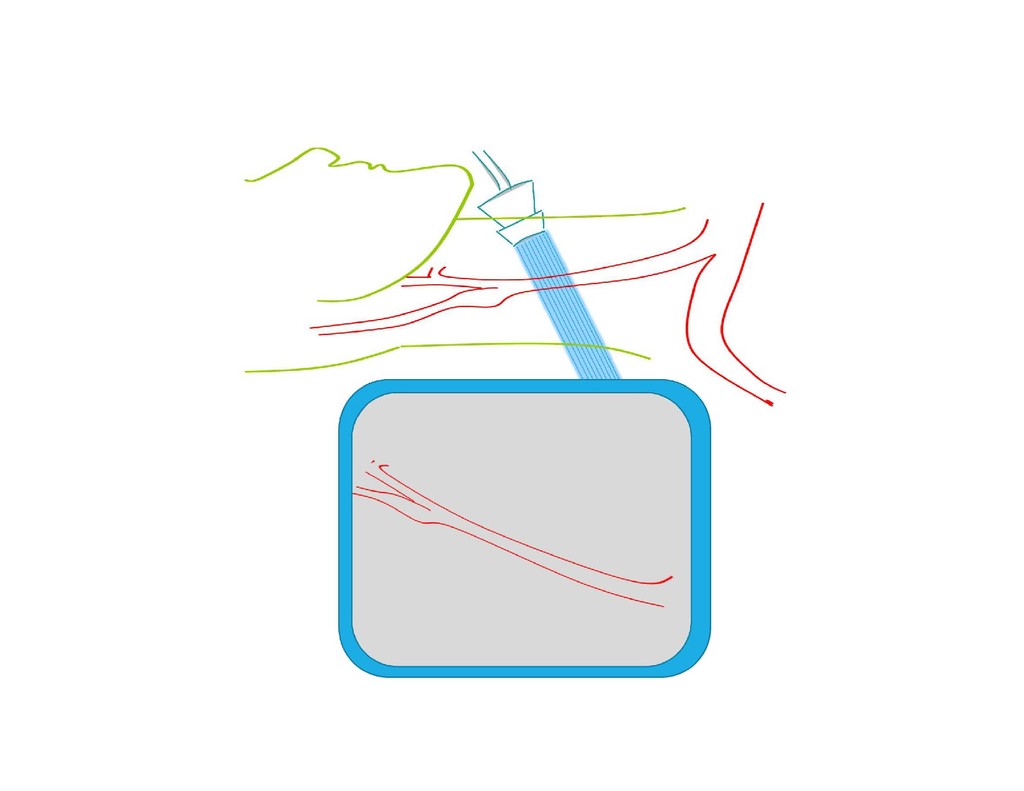
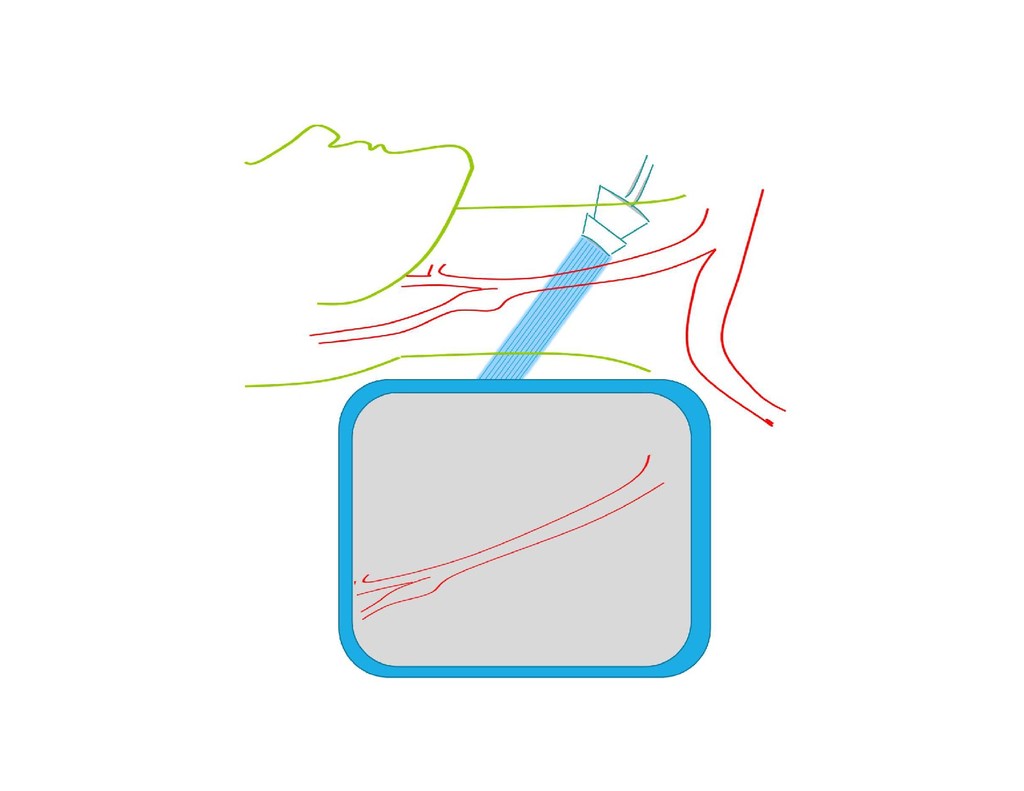
    l L a t e r a l N o t c h L a t e r a l M e d i a l PROBE ORIENTATION
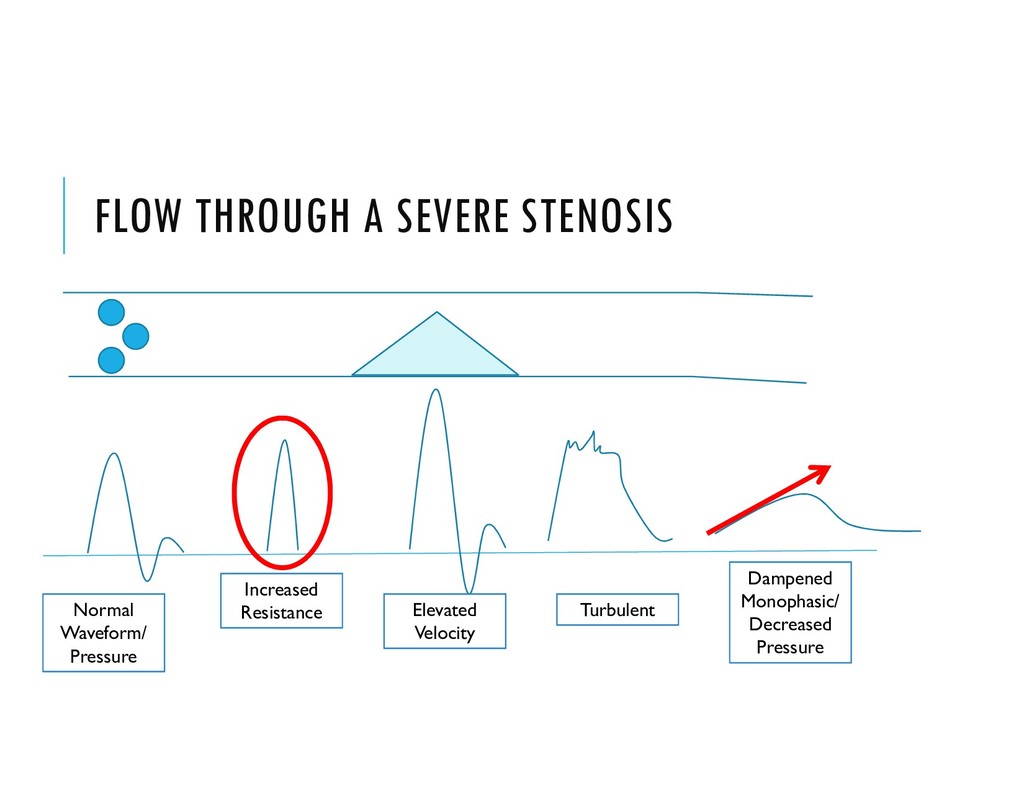
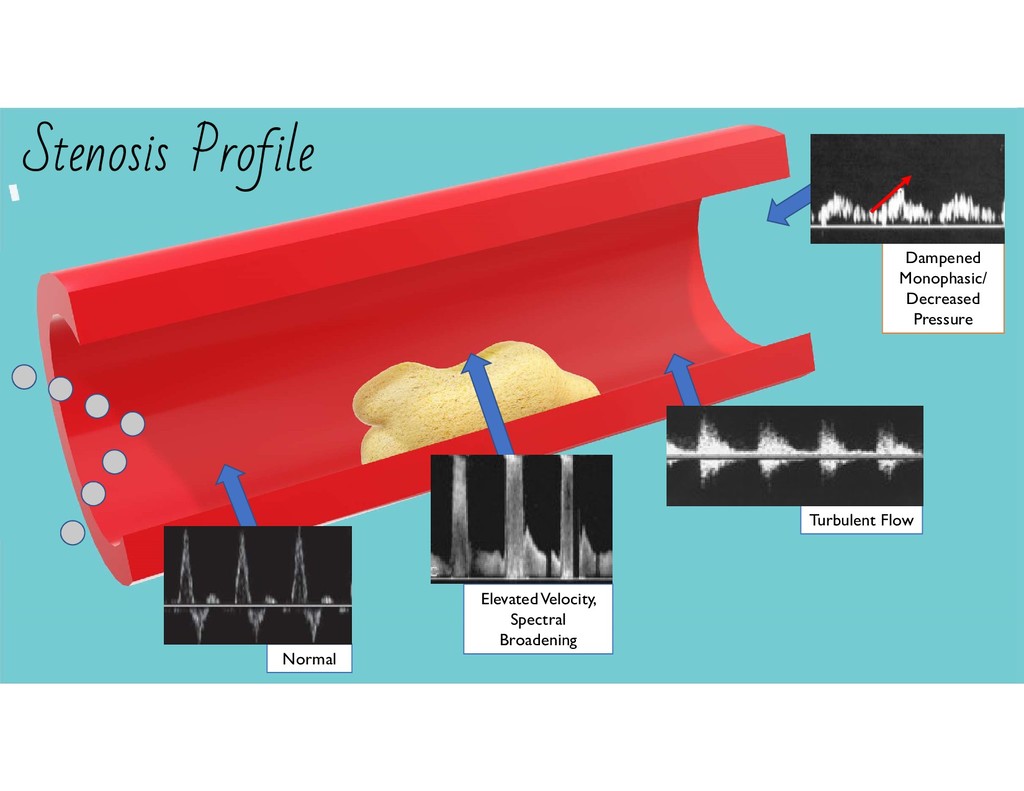
  8. FLOW THROUGH A SEVERE STENOSIS Normal Waveform/ Pressure Elevated Velocity

    Turbulent Dampened Monophasic/ Decreased Pressure Increased Resistance
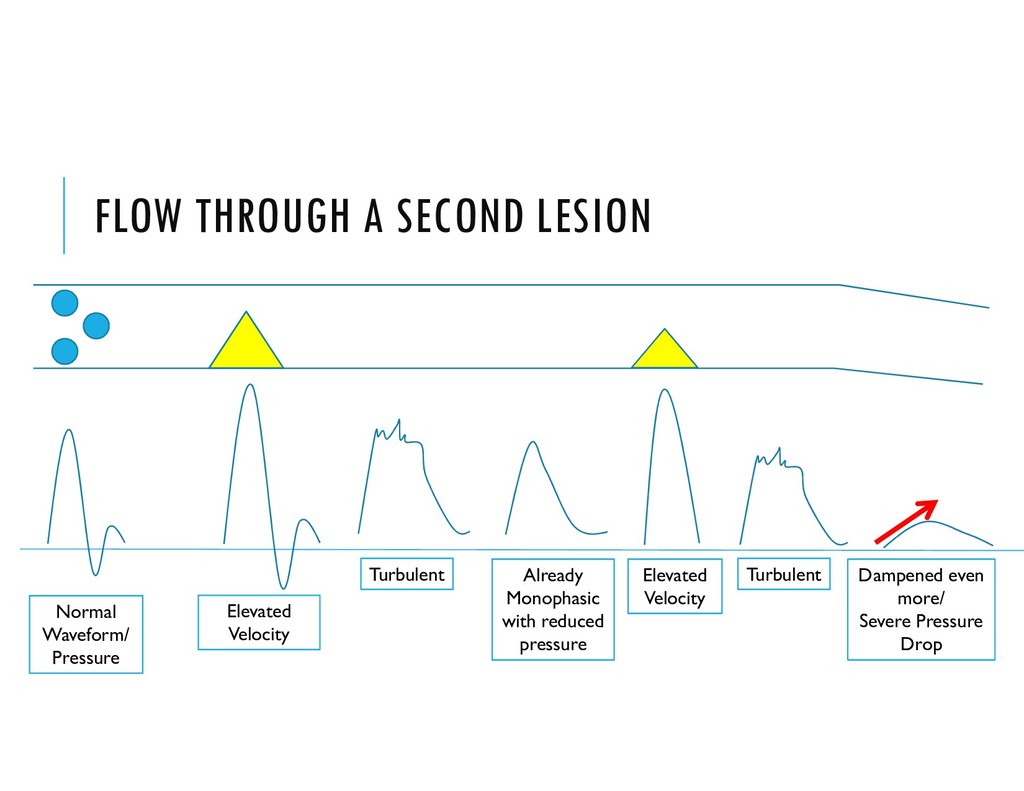
  9. FLOW THROUGH A SECOND LESION Already Monophasic with reduced pressure

    Elevated Velocity Turbulent Dampened even more/ Severe Pressure Drop Turbulent Normal Waveform/ Pressure Elevated Velocity
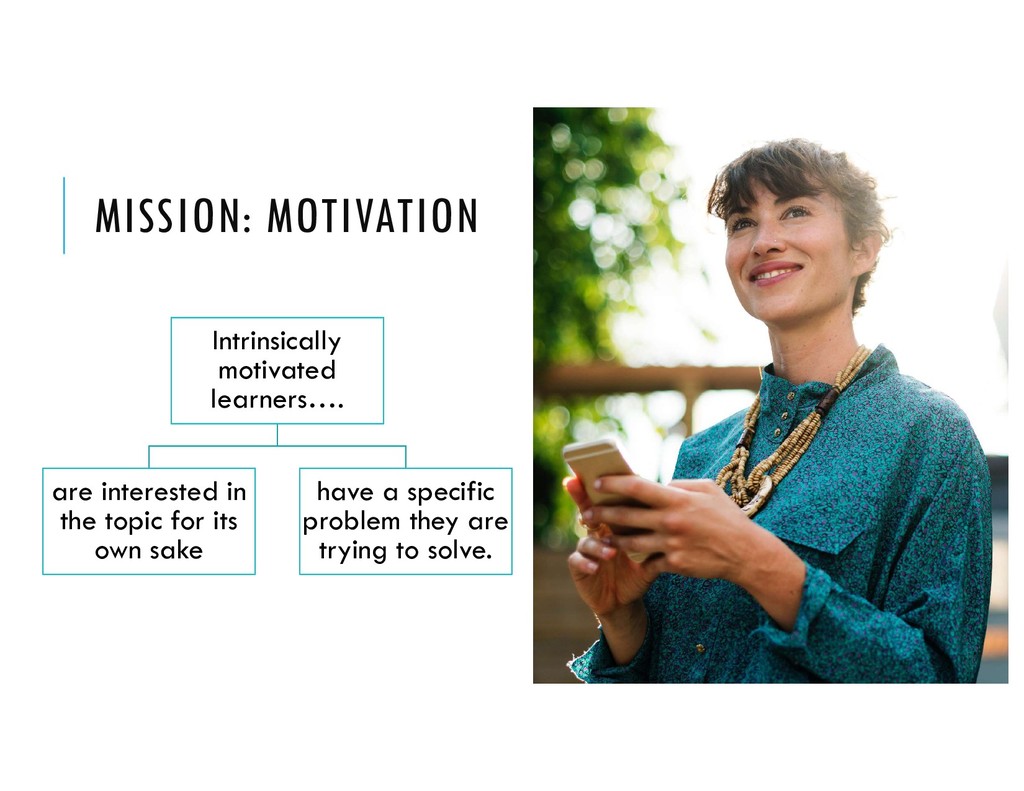
  10. MISSION: MOTIVATION Intrinsically motivated learners…. are interested in the topic

    for its own sake have a specific problem they are trying to solve.
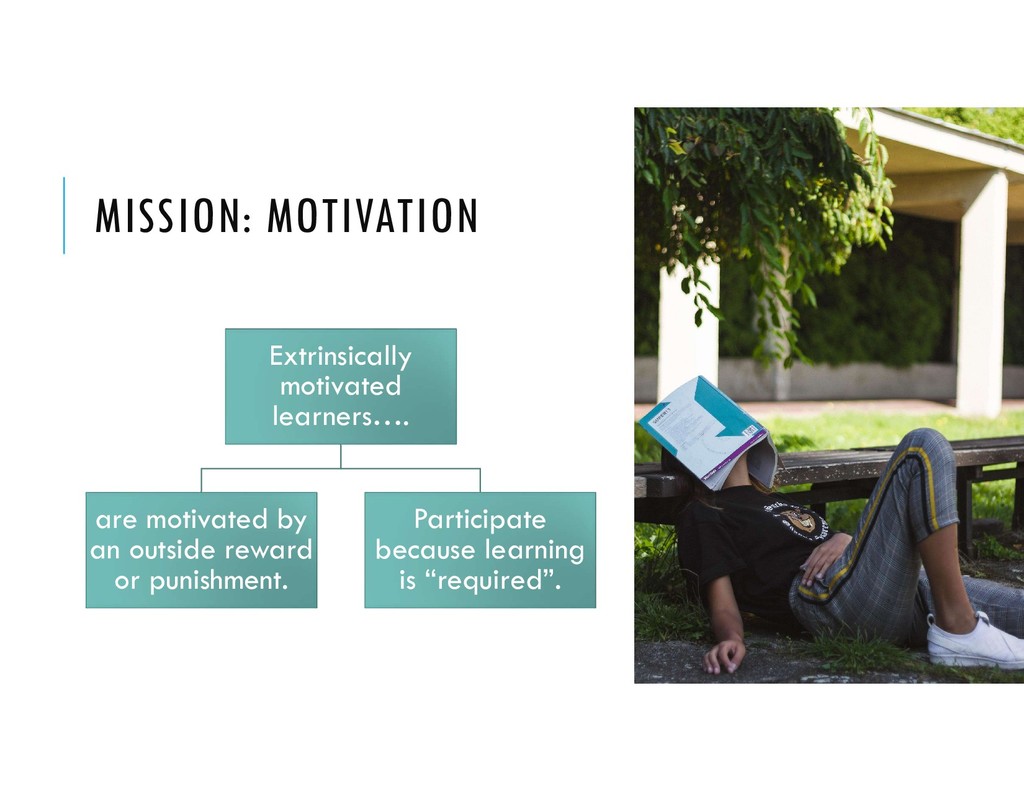
  11. MISSION: MOTIVATION Extrinsically motivated learners…. are motivated by an outside

    reward or punishment. Participate because learning is “required”.
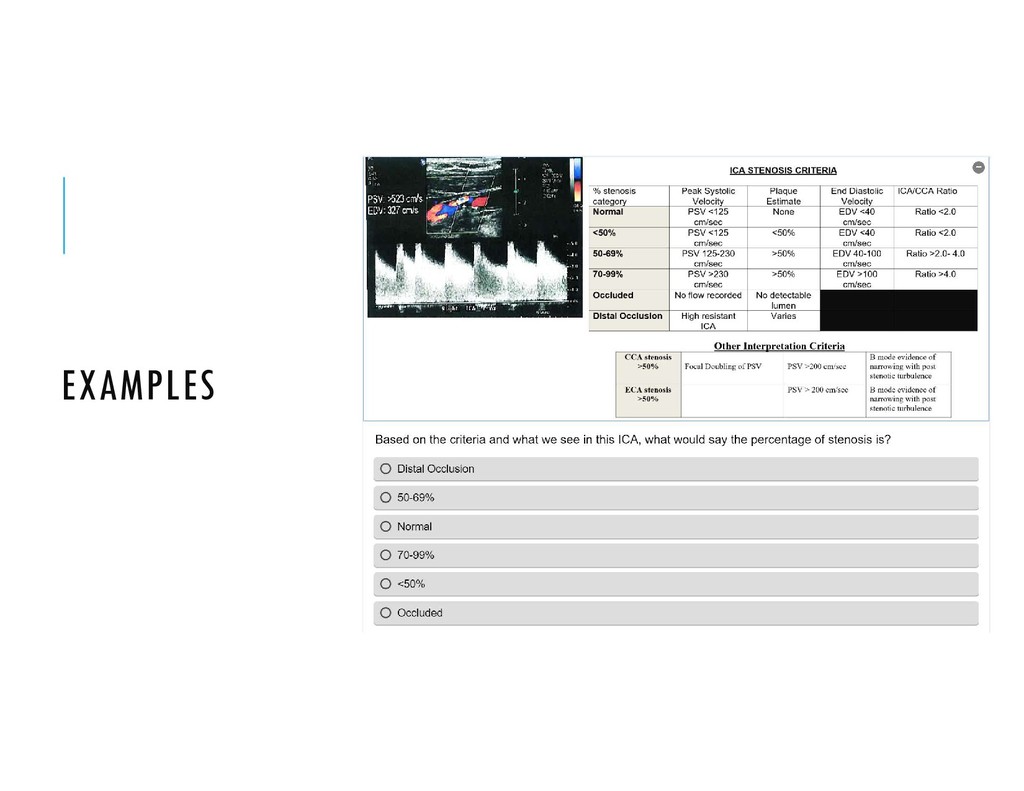
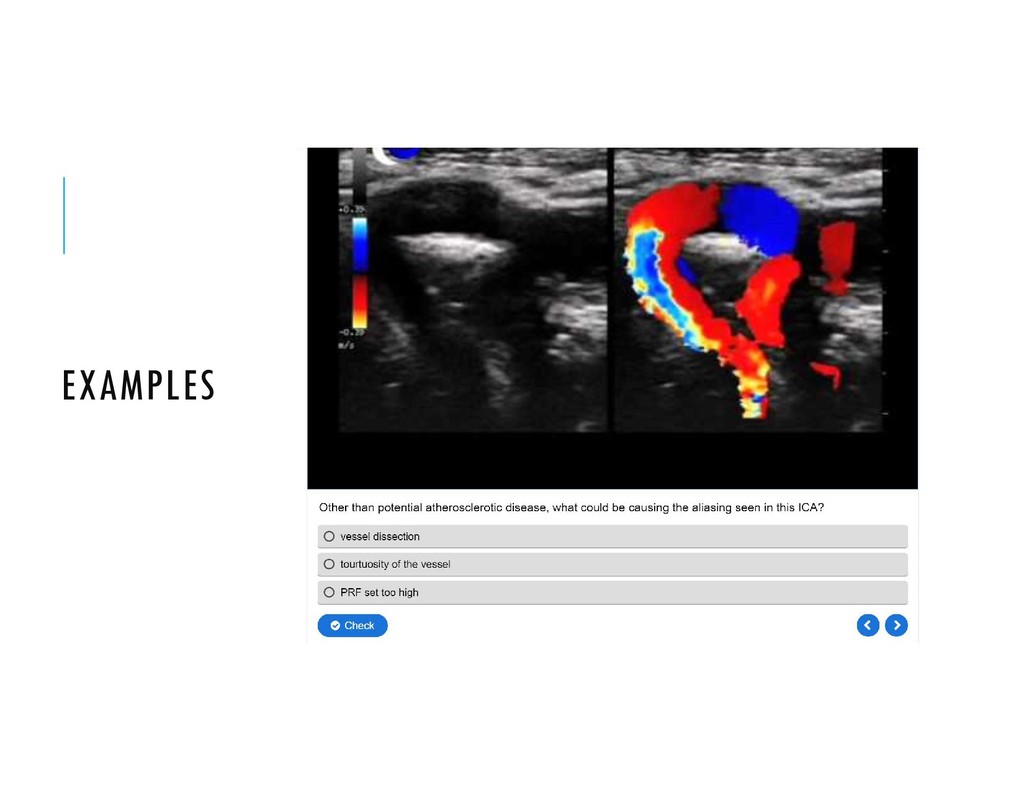
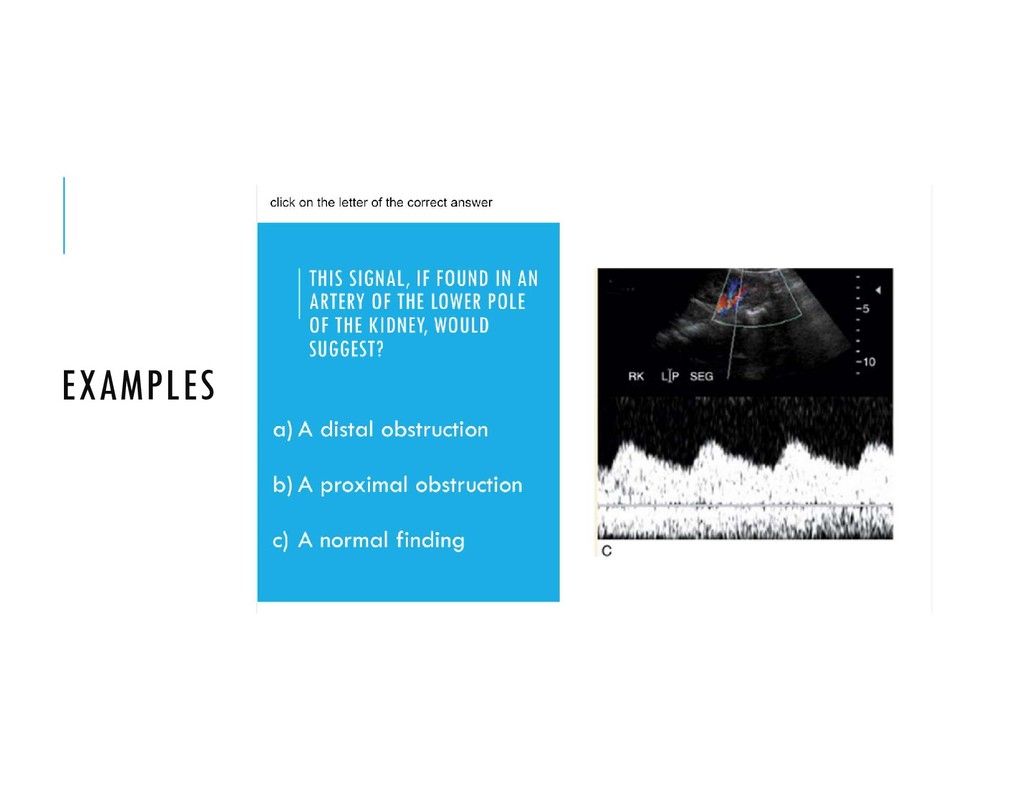
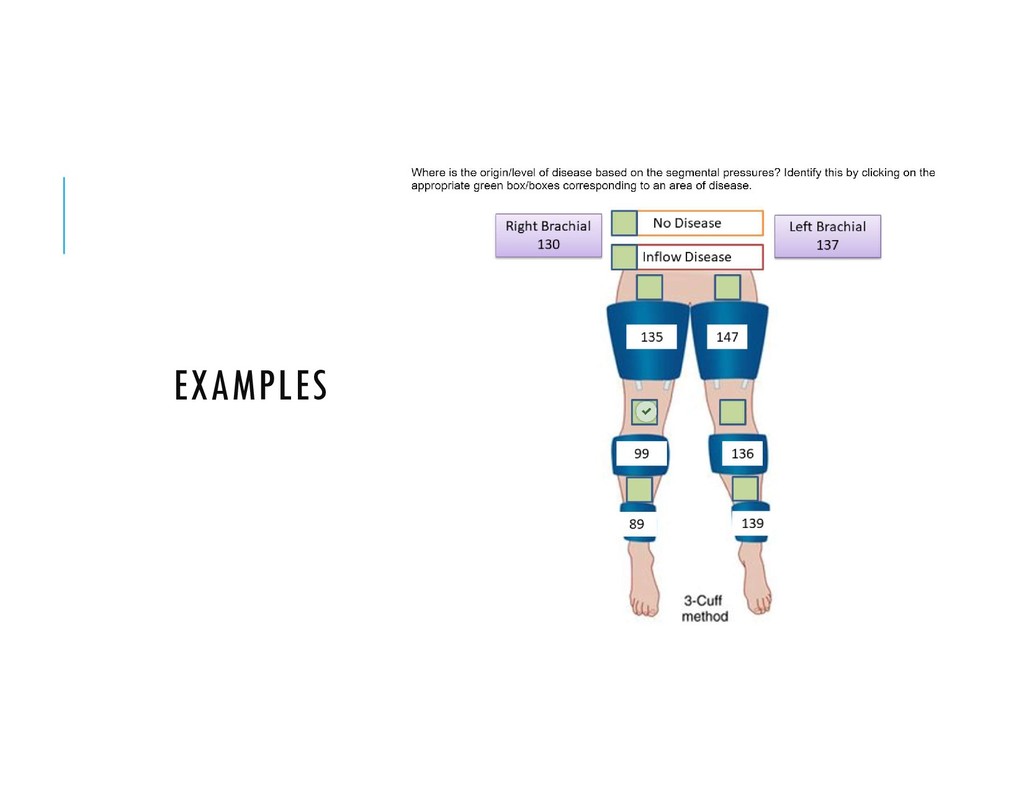
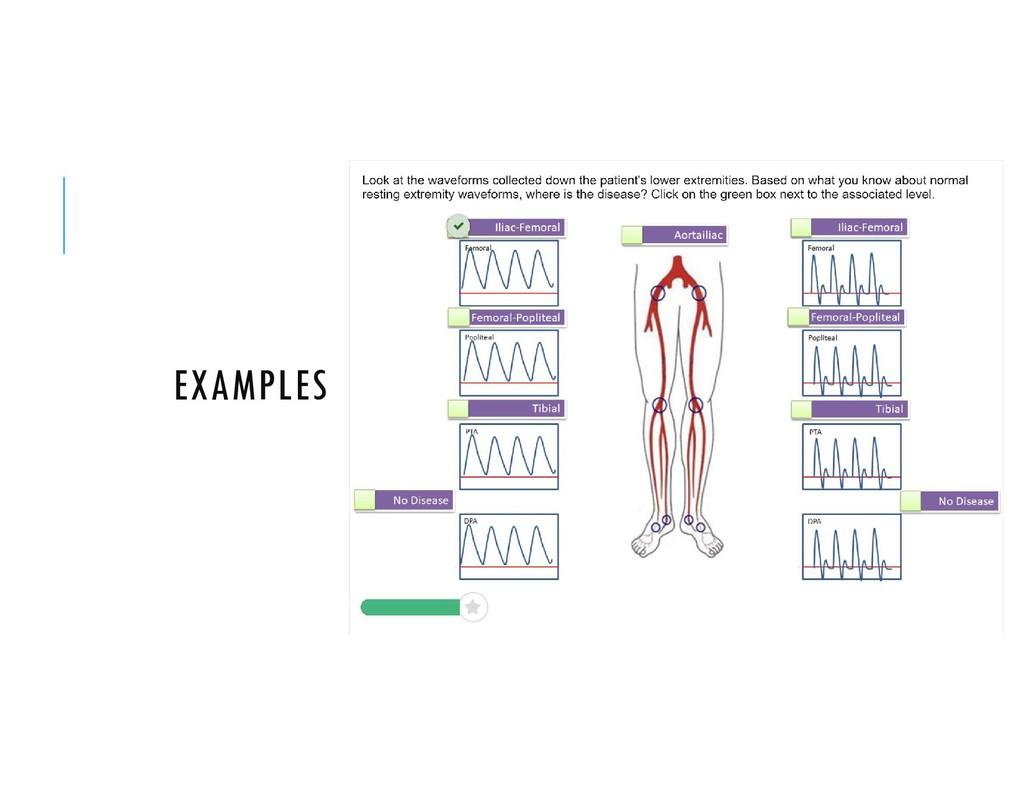
  12. APPLICATION ACTIVITIES Gives learners an opportunity to solve problems and

    test their knowledge in a grade free, penalty free environment
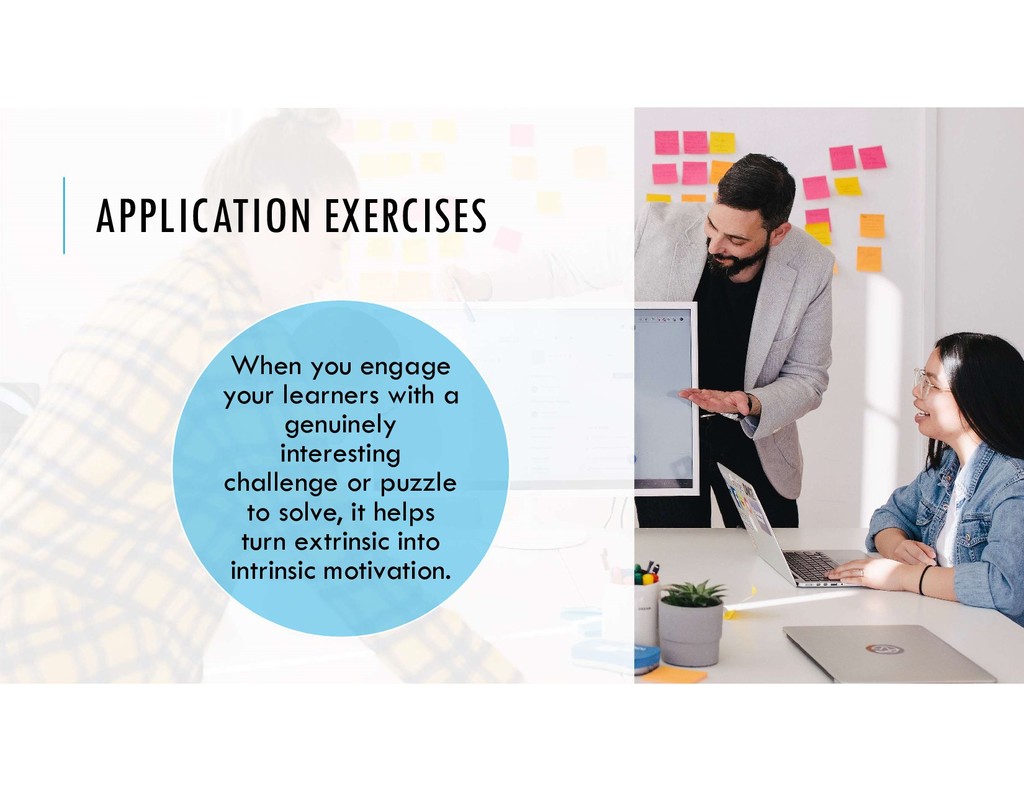
  13. APPLICATION EXERCISES When you engage your learners with a genuinely

    interesting challenge or puzzle to solve, it helps turn extrinsic into intrinsic motivation.
  14. TAKE-AWAYS…. Consider the content you teach Is there a topic

    your learners find hard to grasp? What do you want your learners to be able to do? Does the teaching method match the desired outcomes? Is there a better way?