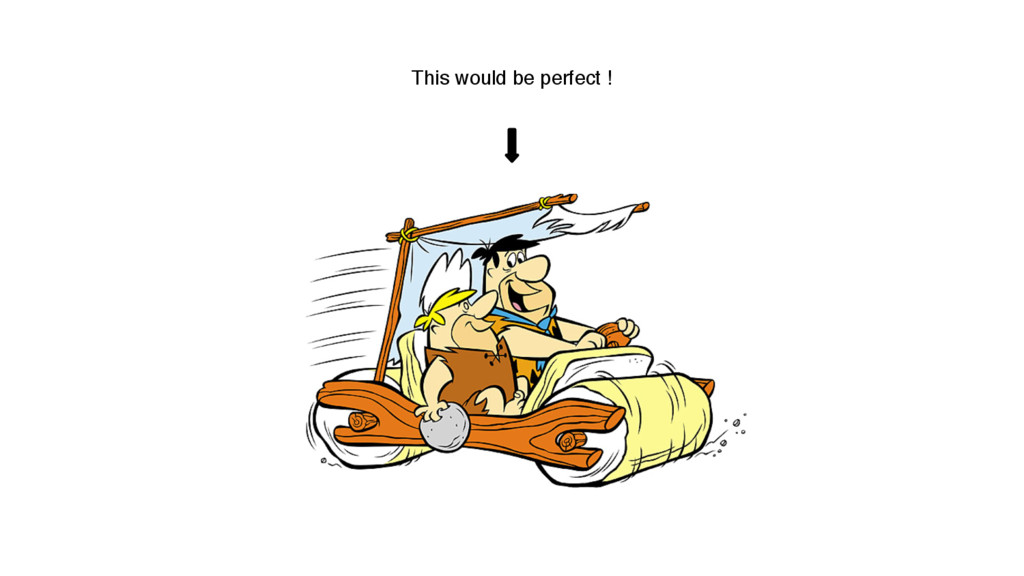
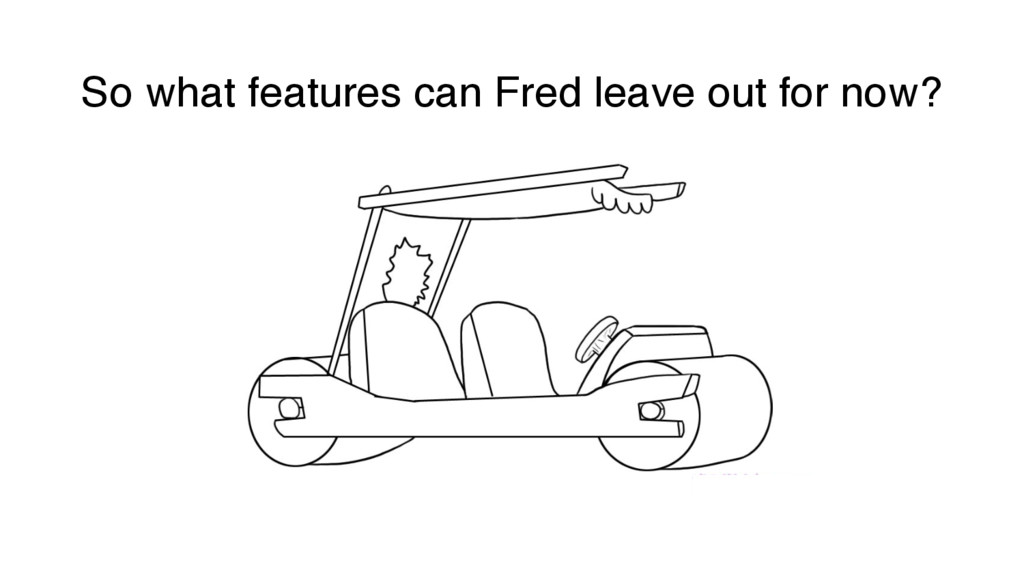
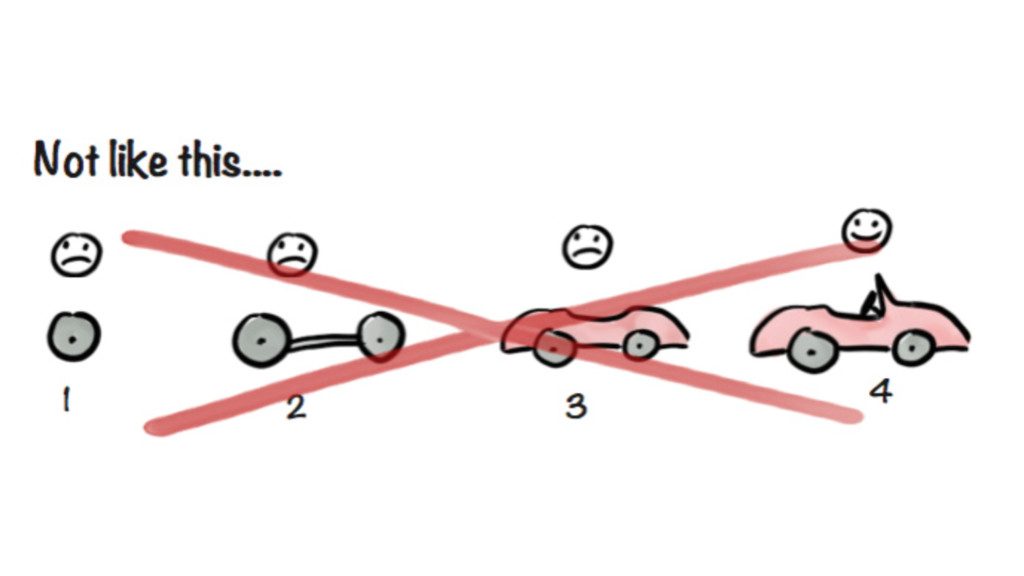
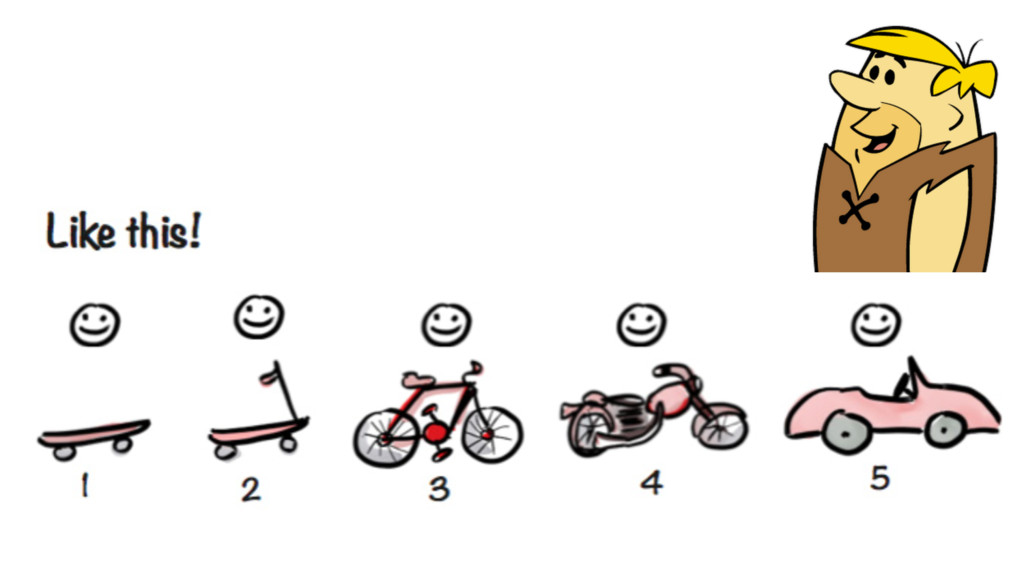
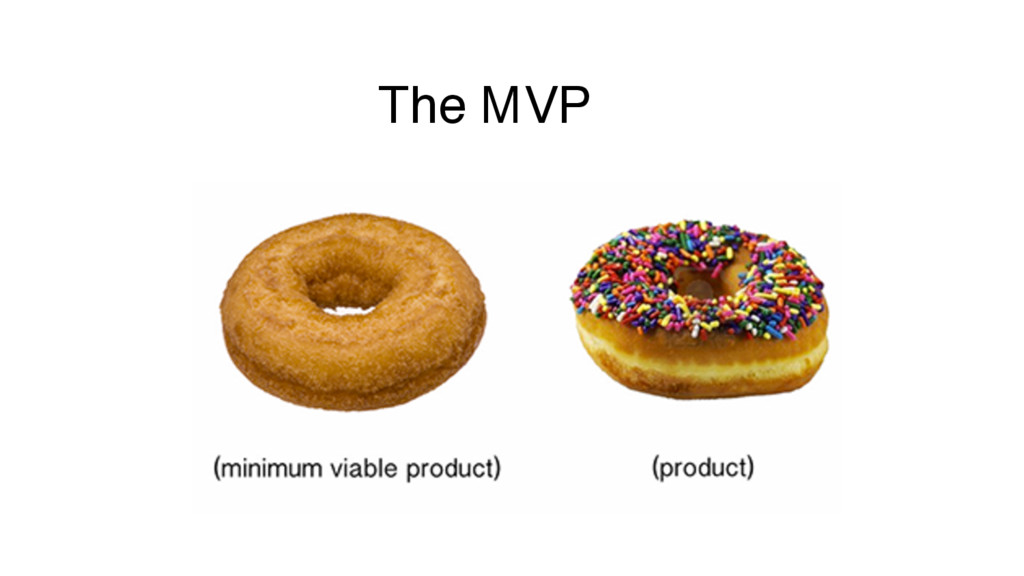
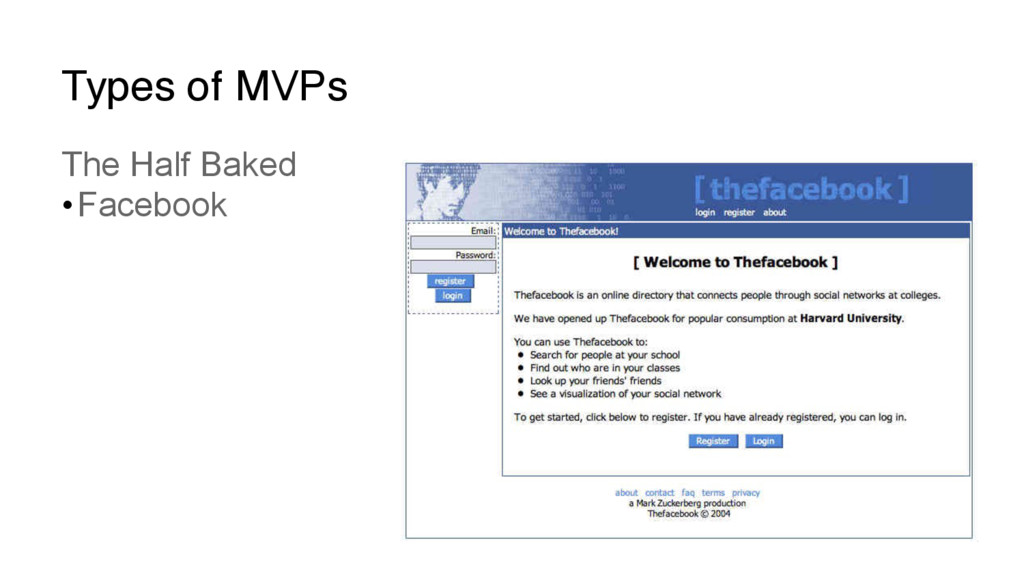
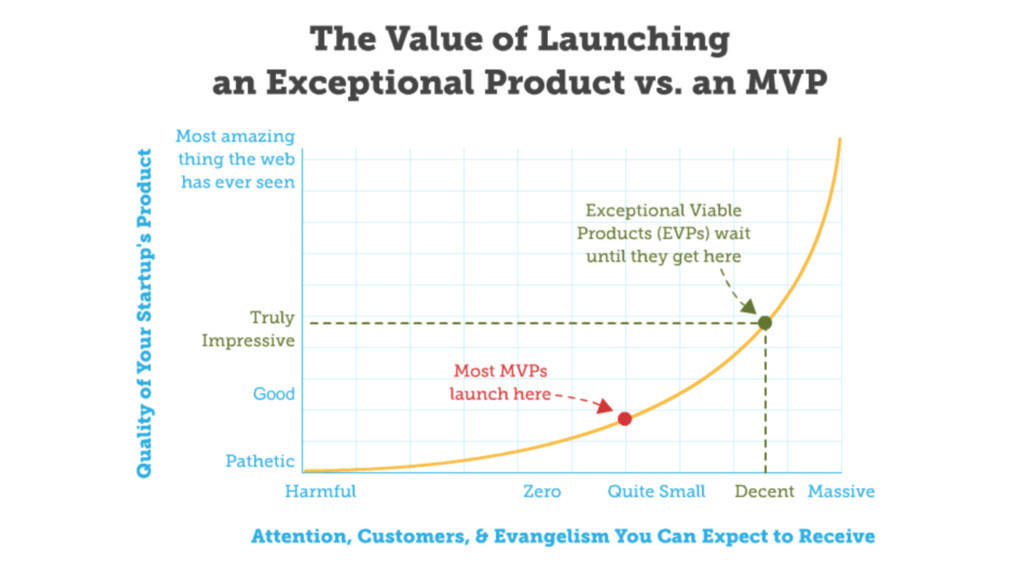
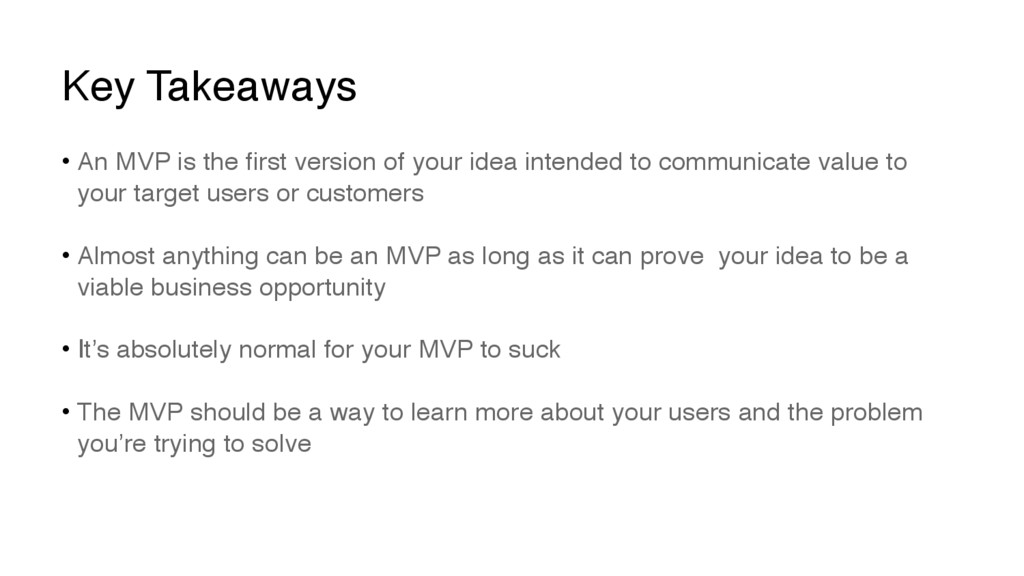
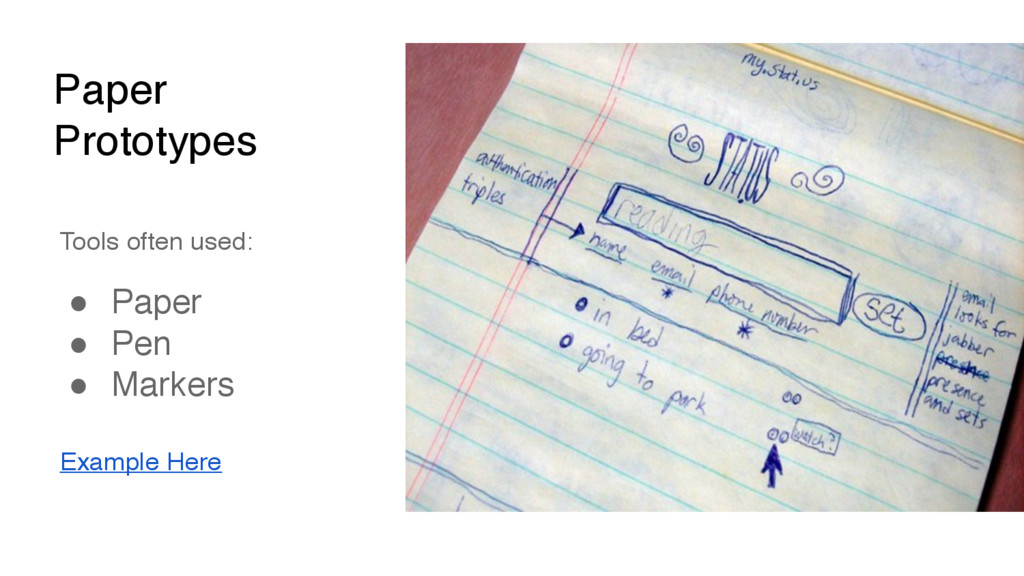
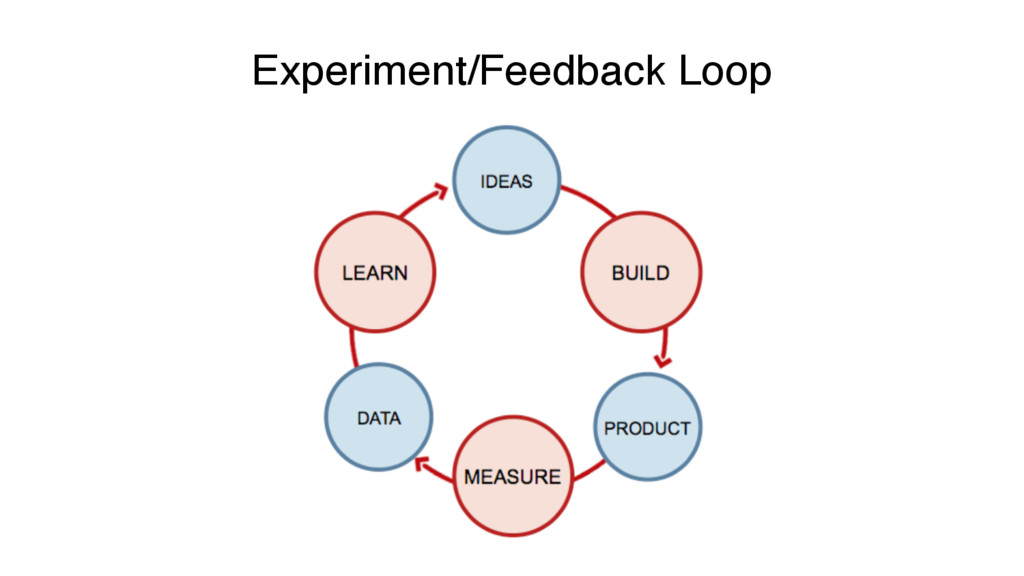
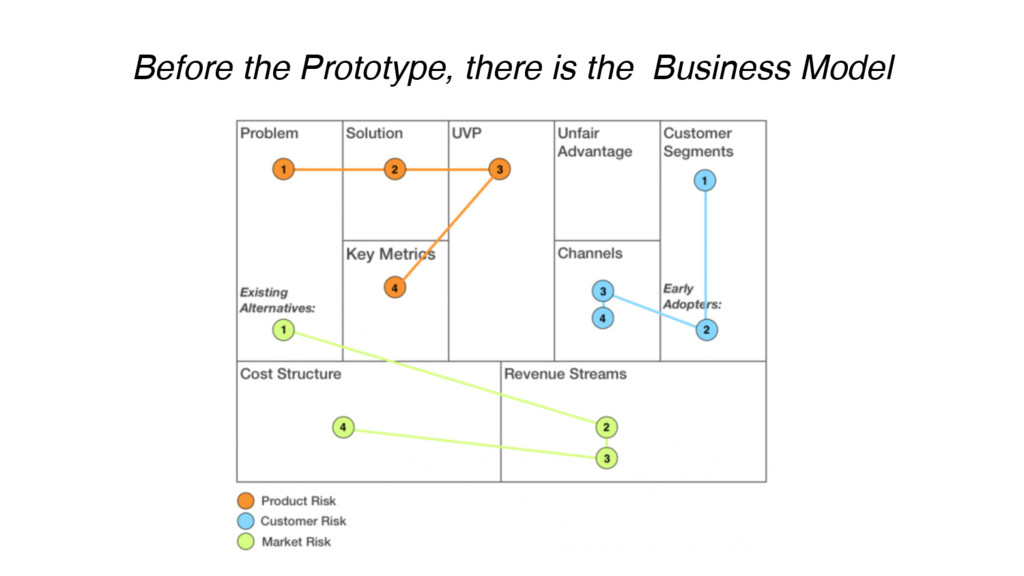
your idea intended to communicate value to your target users or customers • Almost anything can be an MVP as long as it can prove your idea to be a viable business opportunity • It’s absolutely normal for your MVP to suck • The MVP should be a way to learn more about your users and the problem you’re trying to solve
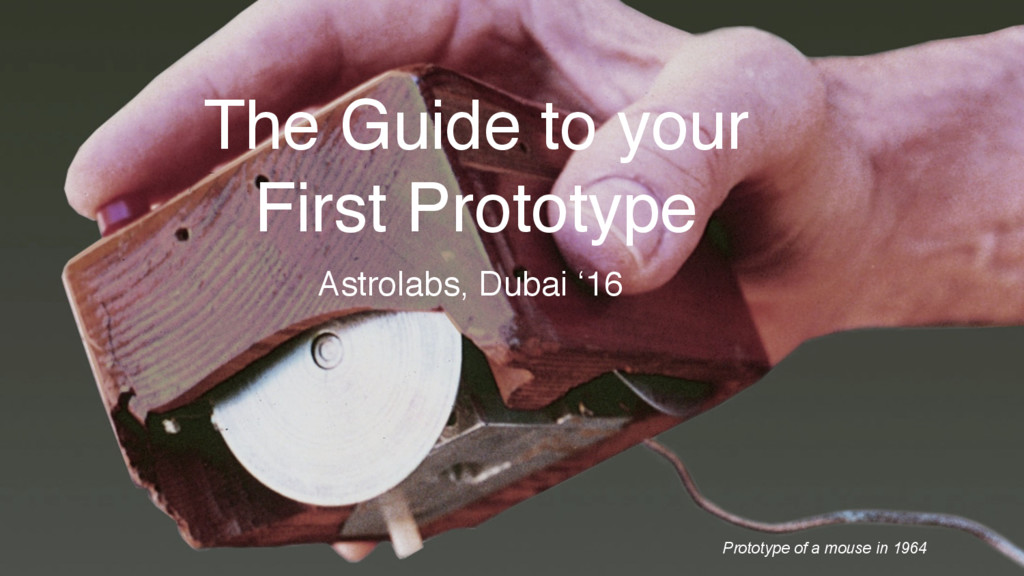
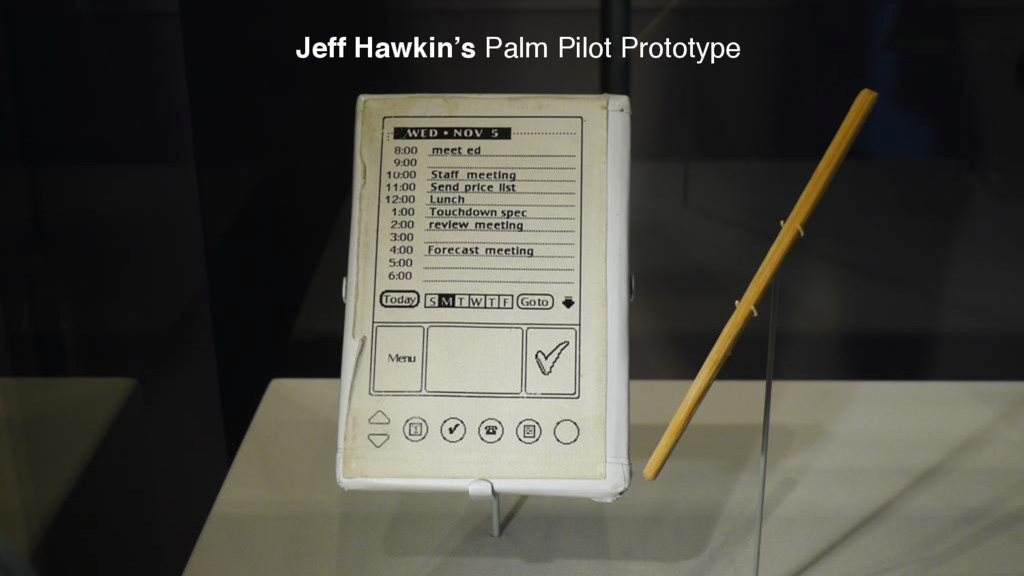
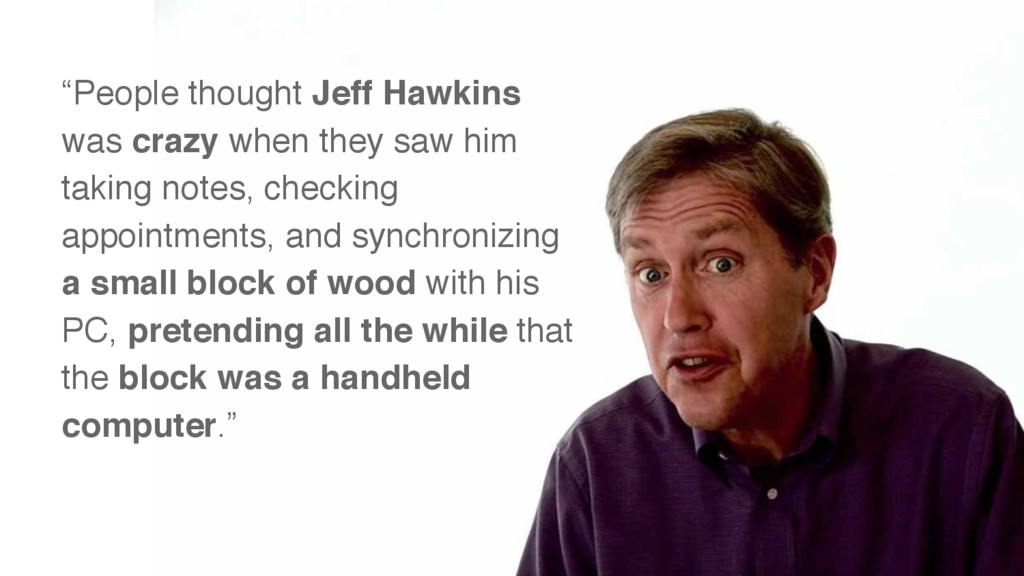
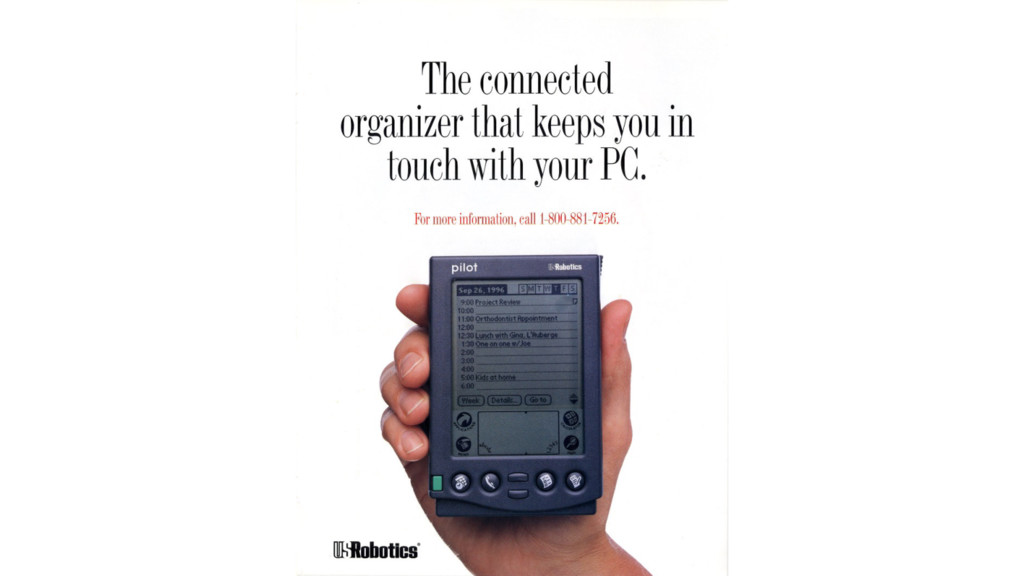
taking notes, checking appointments, and synchronizing a small block of wood with his PC, pretending all the while that the block was a handheld computer.”
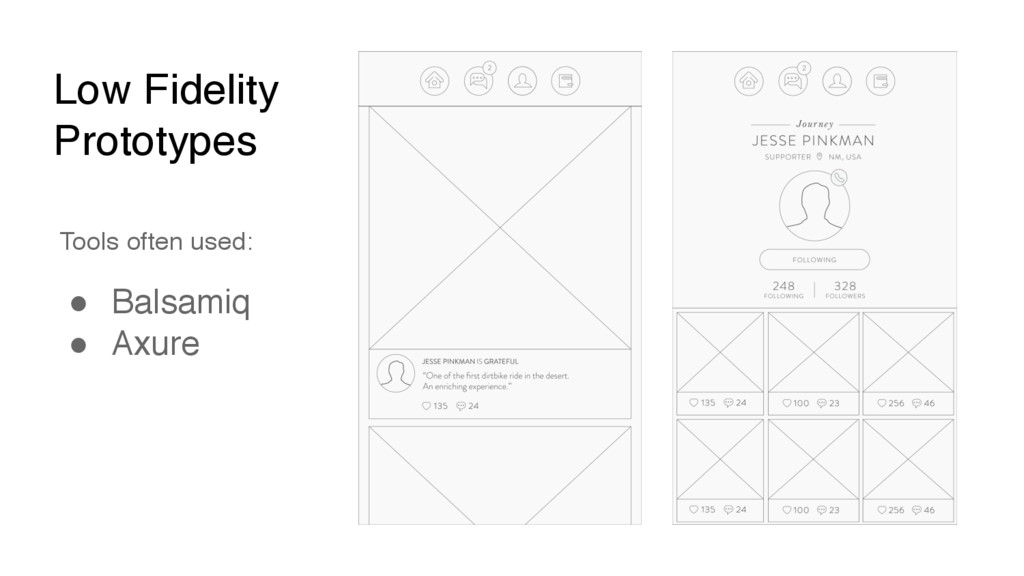
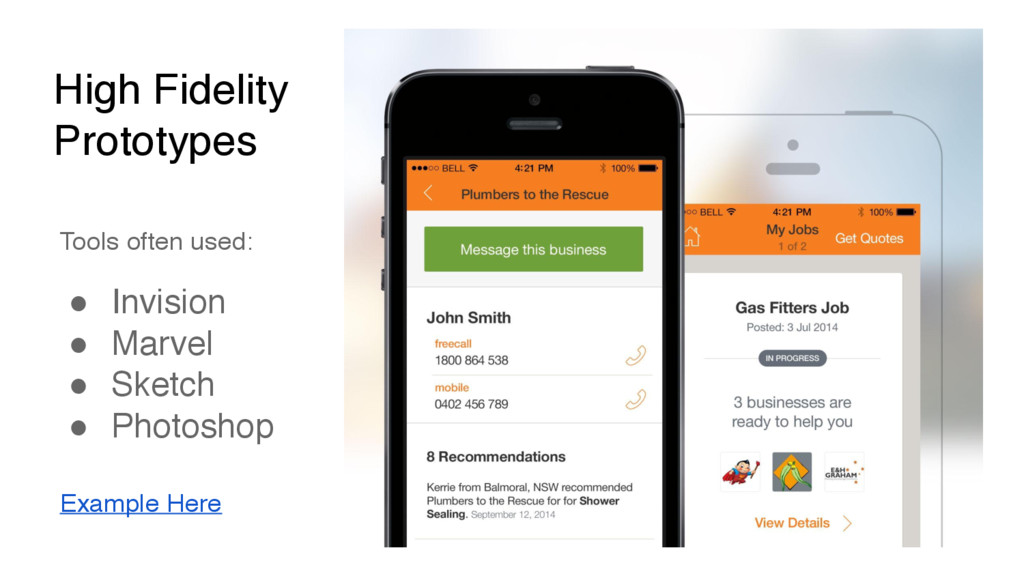
layouts and flows •Represents the look and feel of the real product •Can be used for user research as long as the app interactions are simple, minimal input fields, lots of button tapping
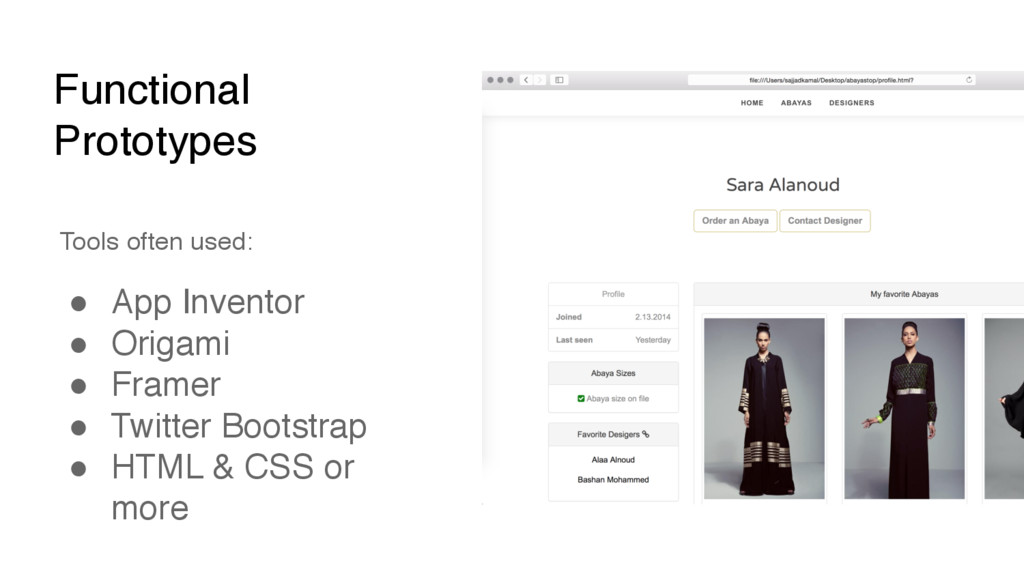
and flows •Represents the look and feel as well as the actual experience of the product •Can be used for user research and will product the best results
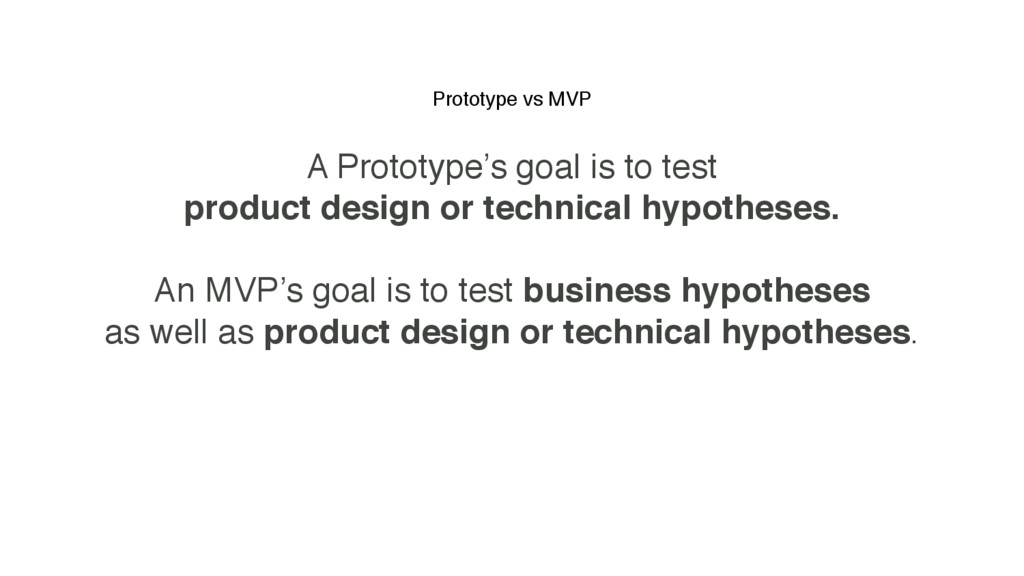
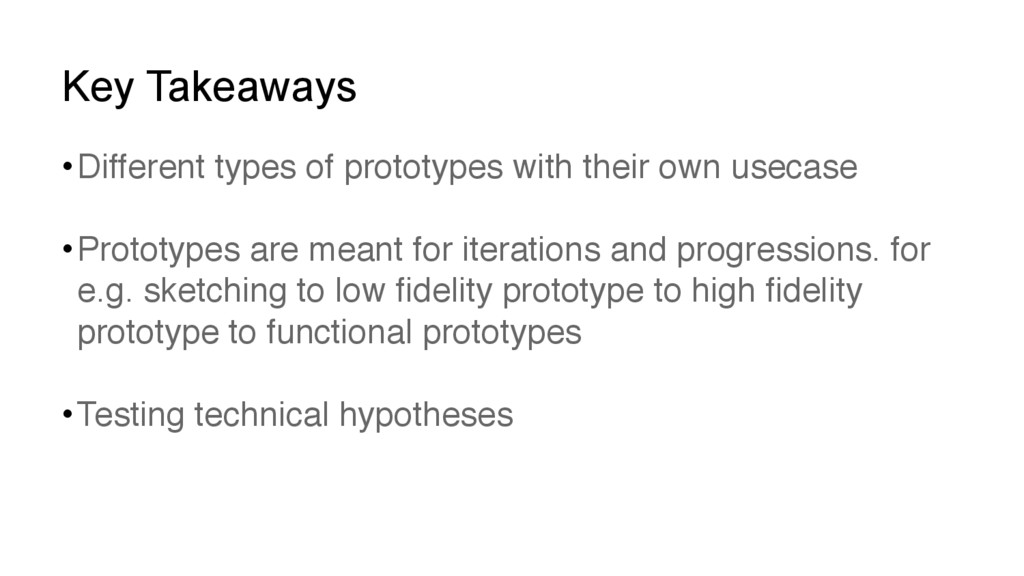
•Prototypes are meant for iterations and progressions. for e.g. sketching to low fidelity prototype to high fidelity prototype to functional prototypes •Testing technical hypotheses
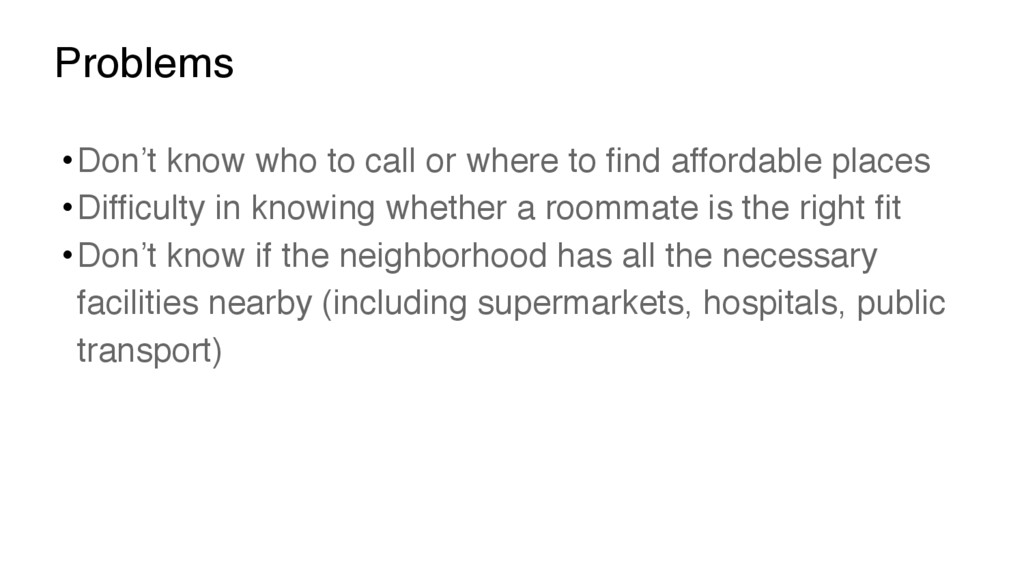
places •Difficulty in knowing whether a roommate is the right fit •Don’t know if the neighborhood has all the necessary facilities nearby (including supermarkets, hospitals, public transport) Problems
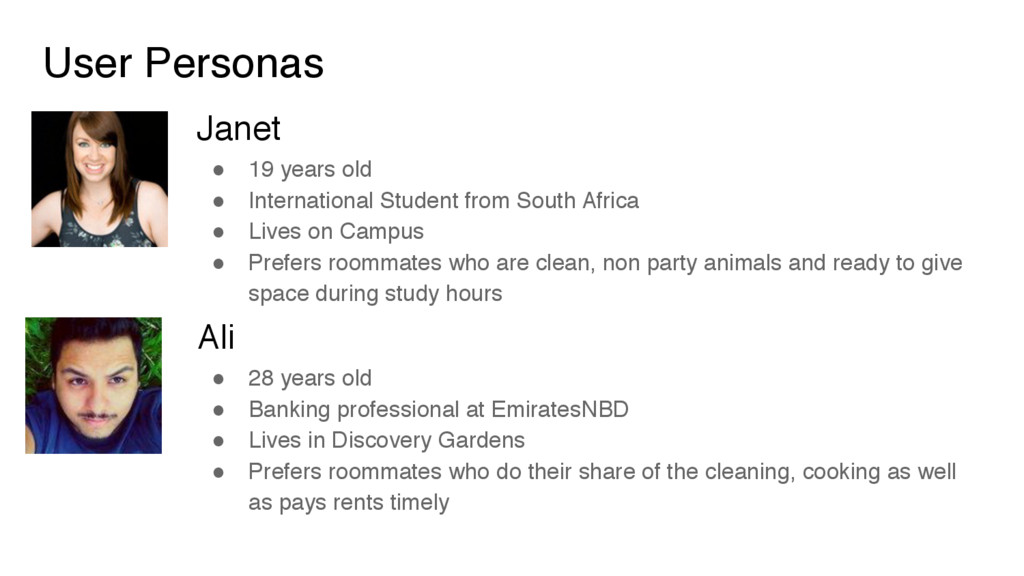
from South Africa " Lives on Campus " Prefers roommates who are clean, non party animals and ready to give space during study hours Ali " 28 years old " Banking professional at EmiratesNBD " Lives in Discovery Gardens " Prefers roommates who do their share of the cleaning, cooking as well as pays rents timely
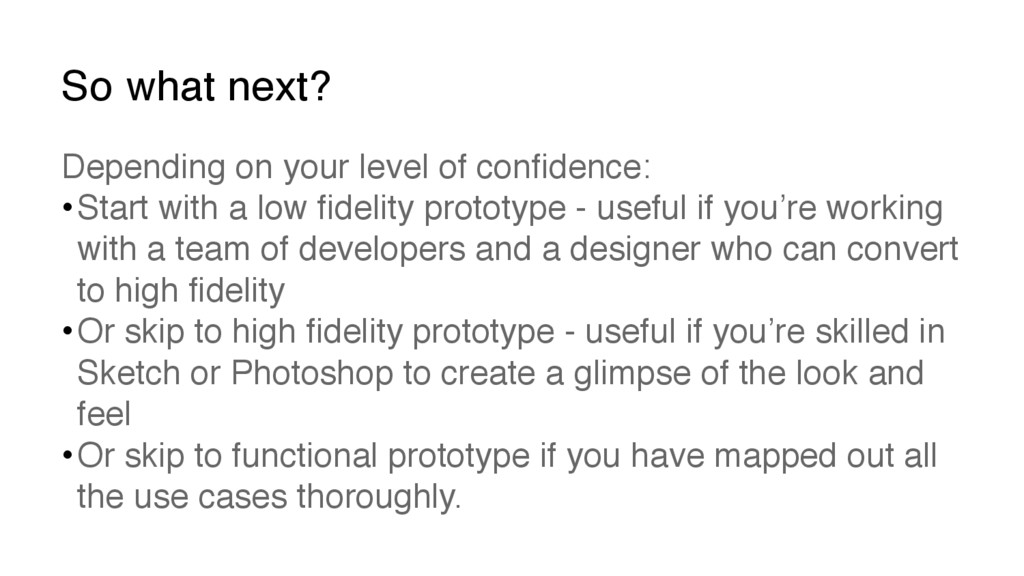
with a low fidelity prototype - useful if you’re working with a team of developers and a designer who can convert to high fidelity •Or skip to high fidelity prototype - useful if you’re skilled in Sketch or Photoshop to create a glimpse of the look and feel •Or skip to functional prototype if you have mapped out all the use cases thoroughly.

 SiteGround - Reliable hosting with speed, security, and support you can count on.


 terurou
 nealle
 ishikawa_satoru
 yu23ki14
 nttcom
 mohab1
 codmoninc
 teamlab
 takuroabe
 occhi
 daidaidai
 jozono
 inesmontani
 codingconduct
 maggiecrowley
 chriscoyier
 auna
 thoeni
 jonyablonski
 mkilby
 akosma
 matthewcrist
 baasie