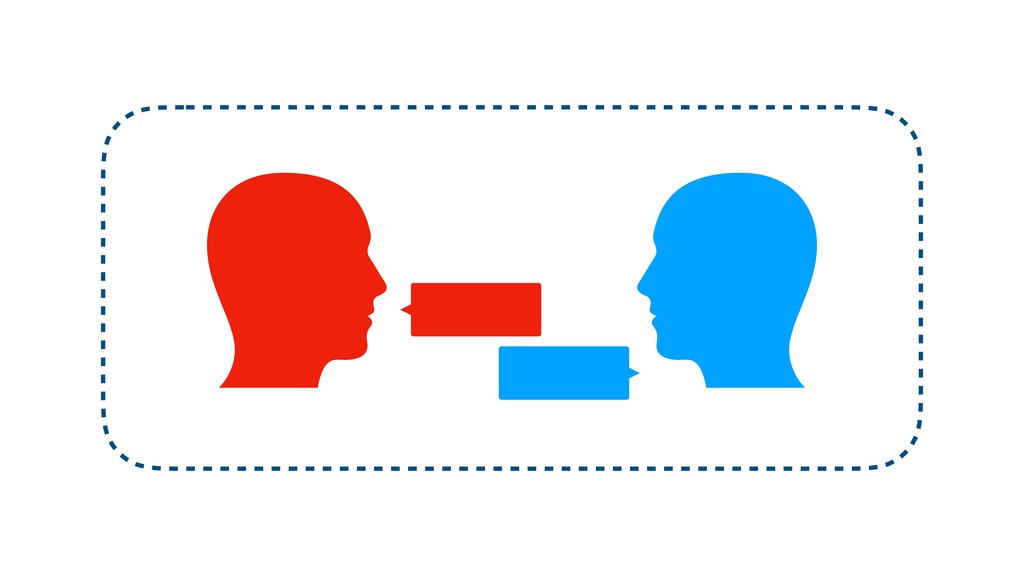
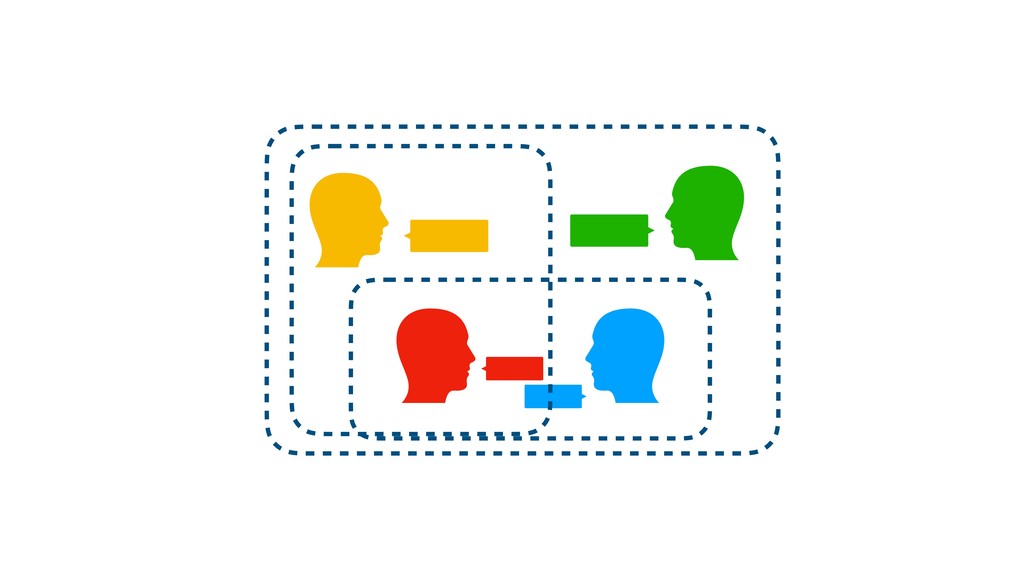
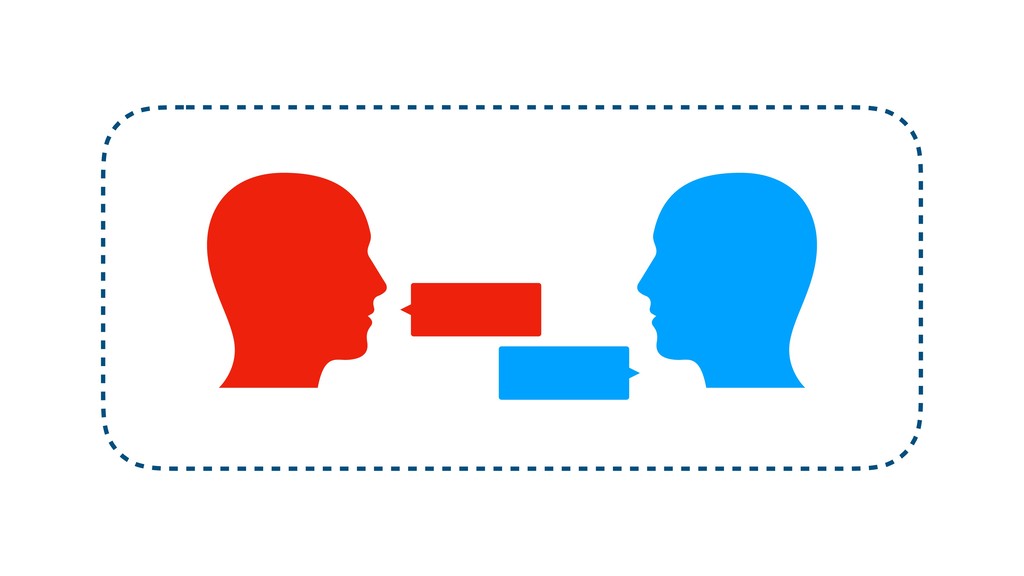
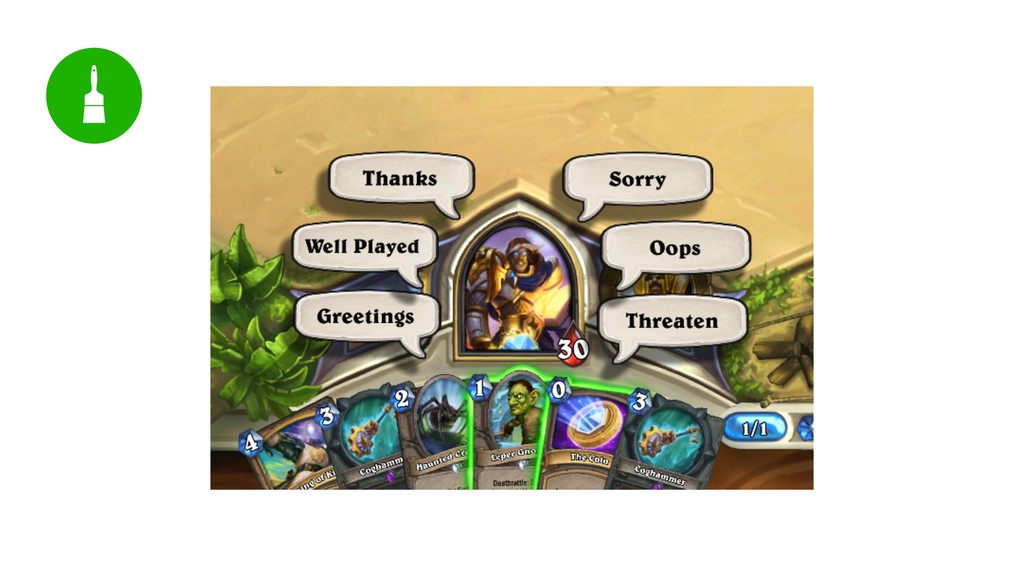
design responsibly, and we are professionally entitled to do so. Discourse is heavily influenced by its context. We are responsible for designing this context.
with known hate groups. The use of Slack by hate groups runs counter to everything we believe in at Slack and is not welcome on our platform. Slack is designed to help businesses communicate better and more collaboratively so people can do their best work. Using Slack to encourage or incite hatred and violence against groups or individuals because of who they are is antithetical to our values and the very purpose of Slack.”
this website hosts? “No, nor would it be right for us to monitor the content that flows through our network and make determinations on what is and what is not politically appropriate. Frankly, that would be creepy. The blogger may be confused about the nature of Cloudflare. We are not a hosting provider. Removing this, or any other site, from our network wouldn't remove the content from the Internet: it would simply slow its performance and make it more vulnerable to attack.” 3) What safeguards do you have in place to ensure that Cloudflare does not support illegal terrorist activity? “This question assumes the answer. A website is speech. It is not a bomb. There is no imminent danger it creates and no provider has an affirmative obligation to monitor and make determinations about the theoretically harmful nature of speech a site may contain.”
is the likelihood of the hazard occurring? How do you mitigate the hazard? How do you respond during an incident? How do you recover after an incident?
policies, we will stop serving the query, either temporarily or permanently. We started blocking certain searches related to vaccinations and cancer cures last year because results were leading to harmful misinformation.” “It’s better not to serve those results than to lead people down what is like a recommendation rabbit hole.” “We want Pinterest to be an inspiring place for people, and there’s nothing inspiring about misinformation.”
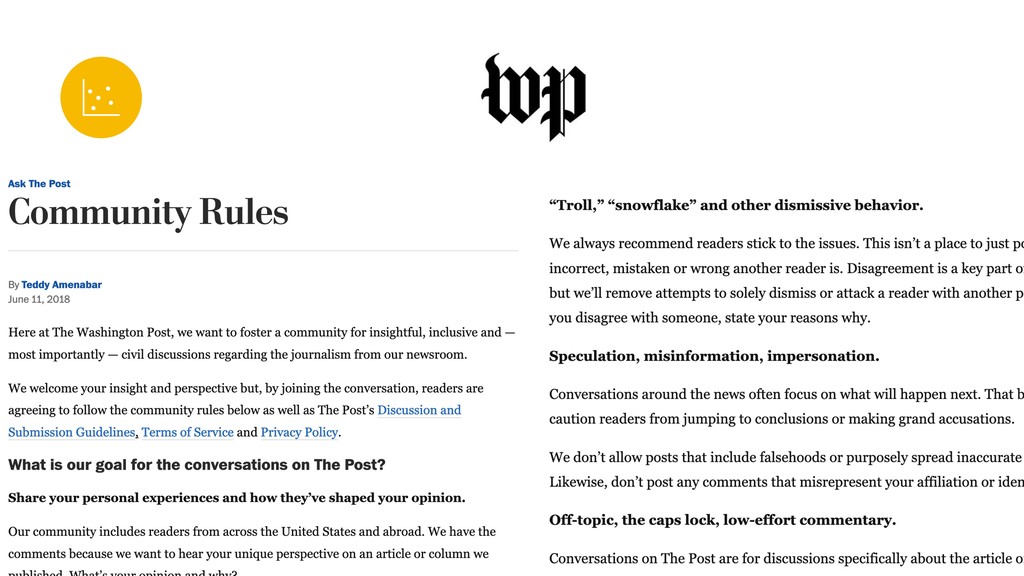
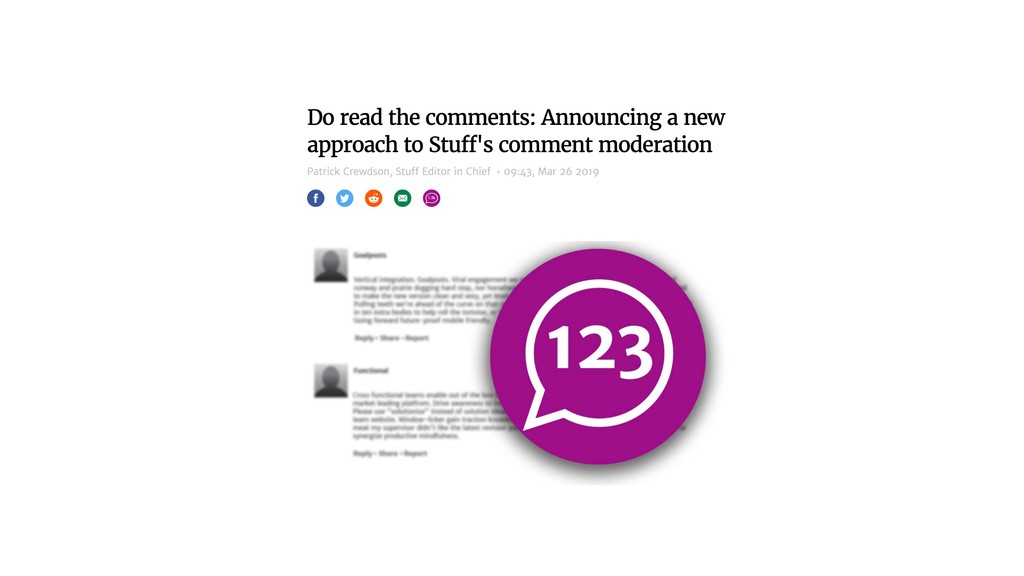
downvote comments. That feature too often led to the most divisive comments being promoted. You can say goodbye to the thumbs icons – now, comments will simply be displayed chronologically.” “And we've introduced an 'Editor's Pick' function to set a positive example by recognising the best comments. We hope that highlighting the most intelligent, wittiest and most constructive comments will start a virtuous circle.”
what may be surprising, alarming, or extremist views? Does this algorithm serve users as well as it serves the company? Can it be brought into better alignment?
society to design a safe, secure places. You have the right and the obligation as professionals to challenge the design of the system beyond merely technical considerations. Be smart about how you broach the subject and start the conversation – understand all points of view, present risks, costs, and benefits in a way that everyone can grasp. Use these tools to guide a productive conversation that leads to a beneficial outcome for for your users and your organisation.


 aupajo
 teamlab
 occhi
occhi
 jozono
 satoshi7
 yazm
yazm
 gogutan
 sudoakiy
 takanorip
 prog893
 kaminashi
 syuchimu
 ezaki
ezaki
 cassininazir
 baasie
 lara
lara
 zakiyama
 kastner
 codingconduct
 bkeepers
 aleyda
 akosma
 reverentgeek
 jcasabona
 marktimemedia