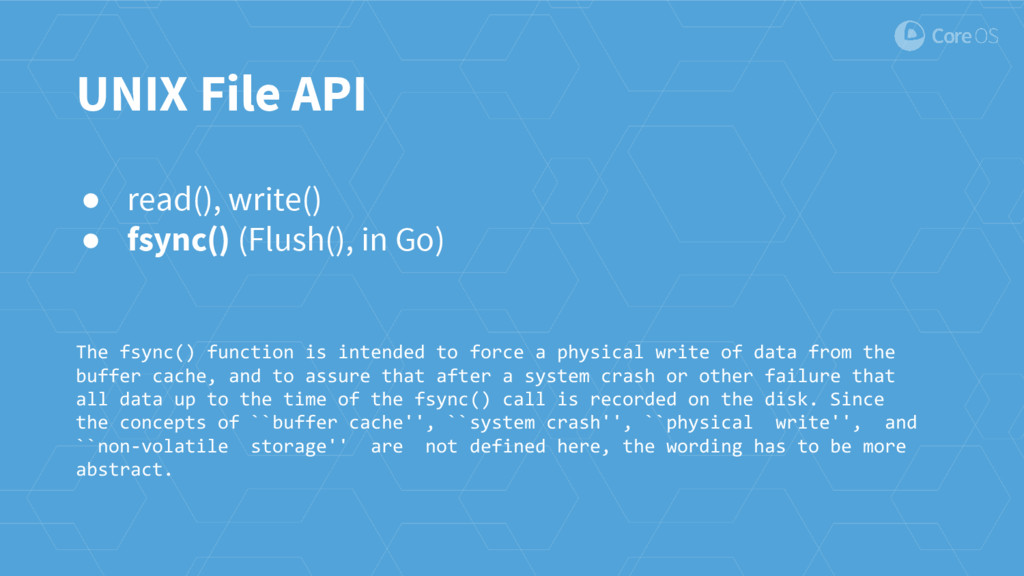
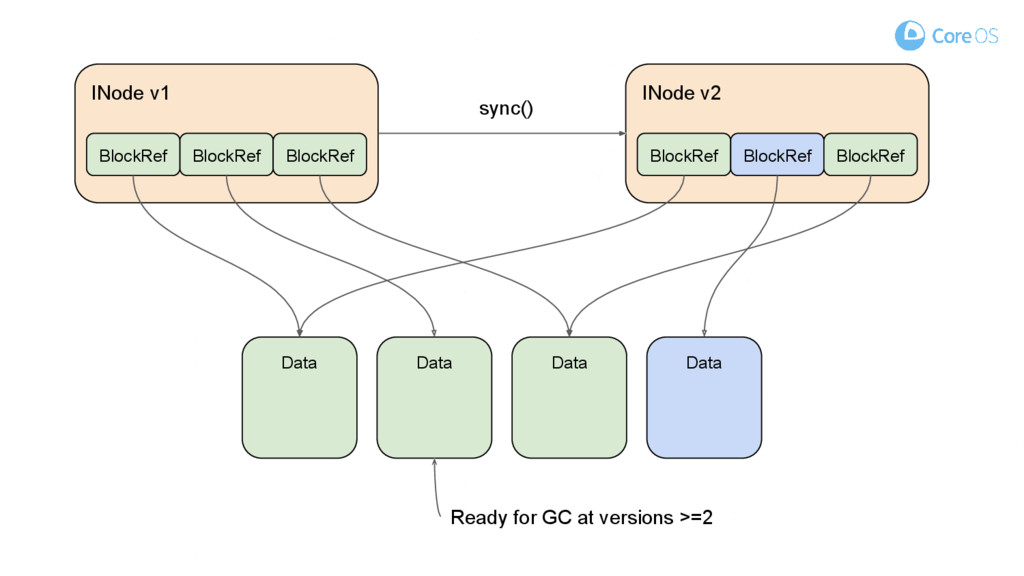
Go) The fsync() function is intended to force a physical write of data from the buffer cache, and to assure that after a system crash or other failure that all data up to the time of the fsync() call is recorded on the disk. Since the concepts of ``buffer cache'', ``system crash'', ``physical write'', and ``non-volatile storage'' are not defined here, the wording has to be more abstract.
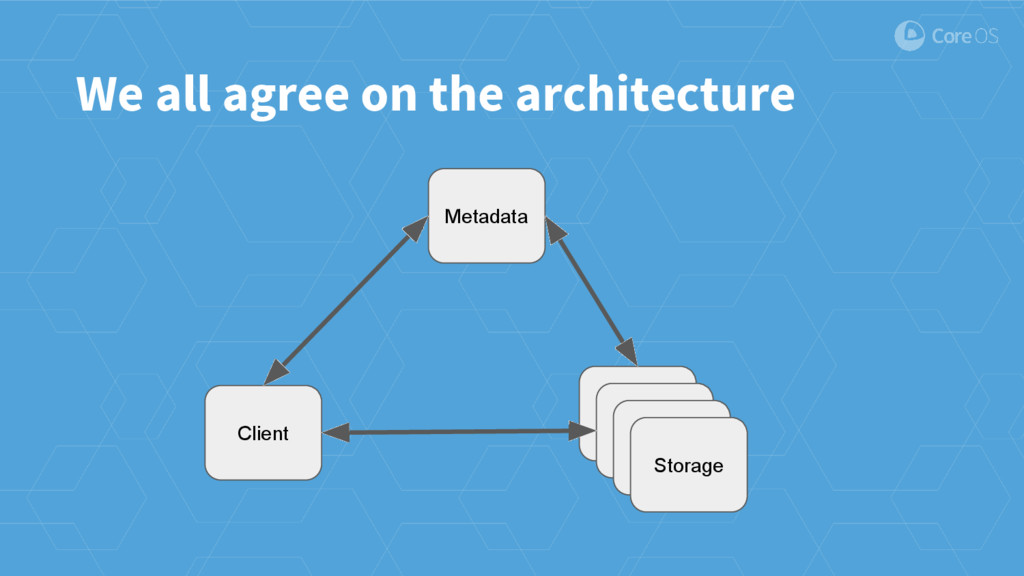
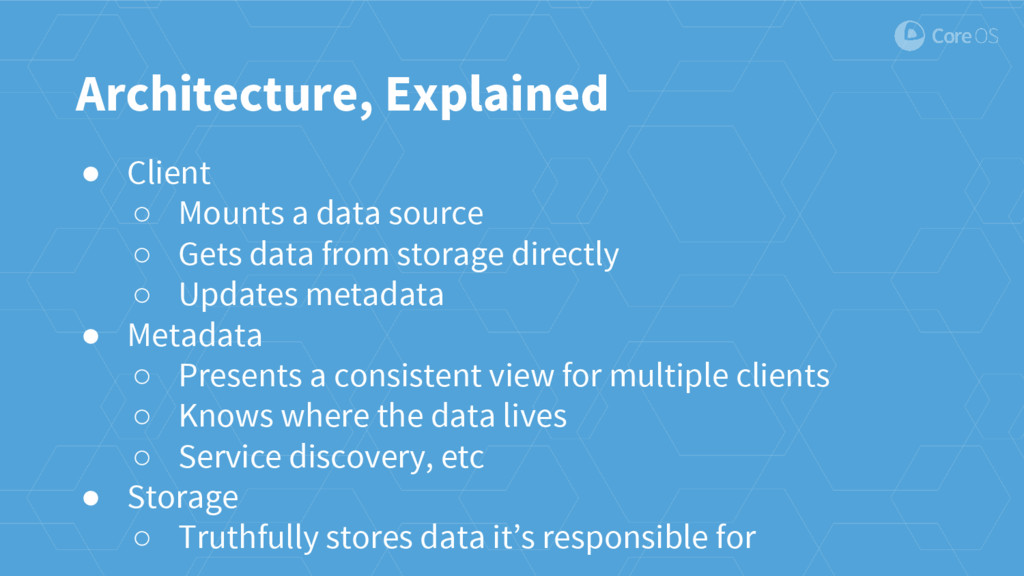
Gets data from storage directly ◦ Updates metadata • Metadata ◦ Presents a consistent view for multiple clients ◦ Knows where the data lives ◦ Service discovery, etc • Storage ◦ Truthfully stores data it’s responsible for
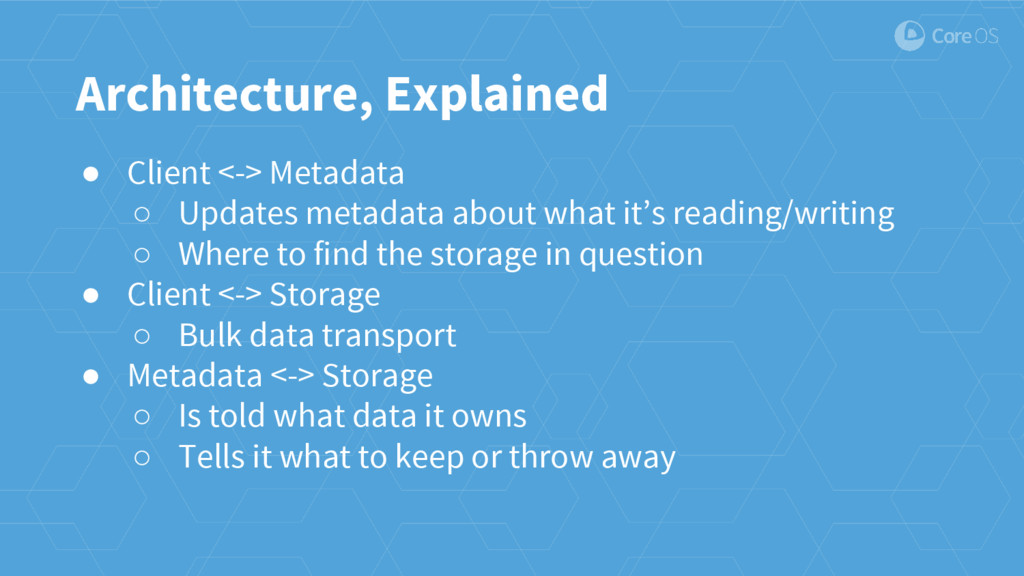
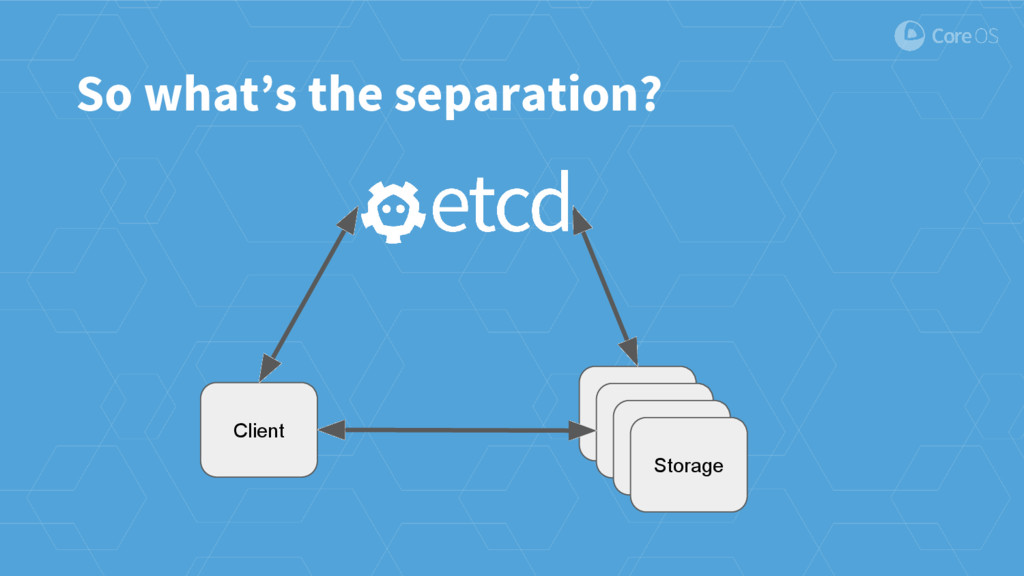
what it’s reading/writing ◦ Where to find the storage in question • Client <-> Storage ◦ Bulk data transport • Metadata <-> Storage ◦ Is told what data it owns ◦ Tells it what to keep or throw away
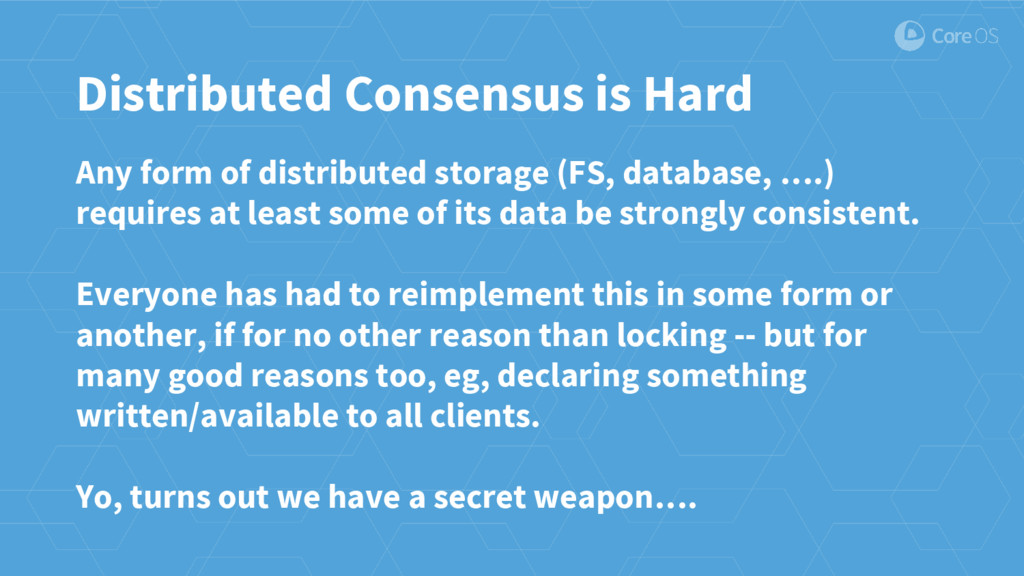
database, ….) requires at least some of its data be strongly consistent. Everyone has had to reimplement this in some form or another, if for no other reason than locking -- but for many good reasons too, eg, declaring something written/available to all clients. Yo, turns out we have a secret weapon….
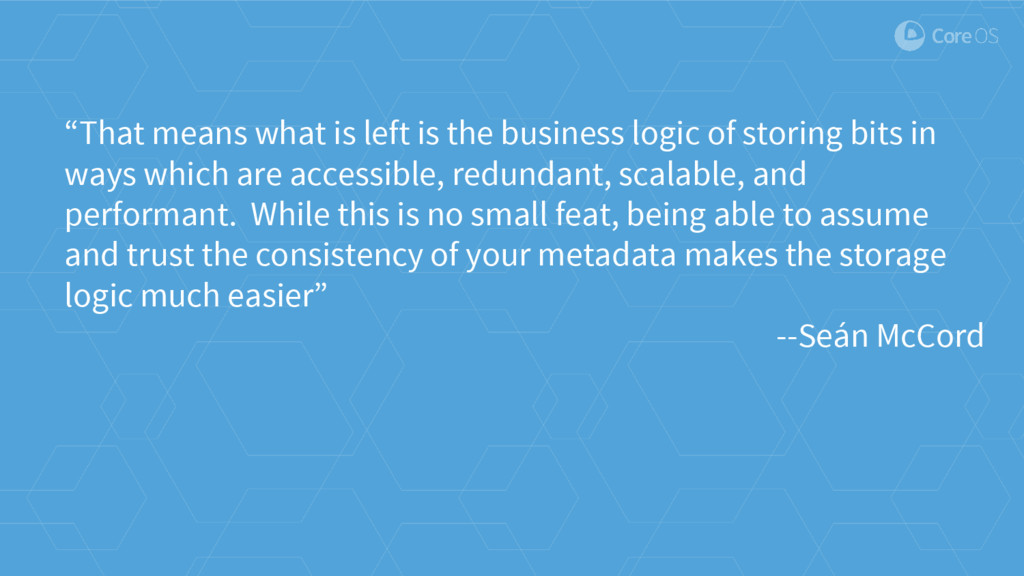
storing bits in ways which are accessible, redundant, scalable, and performant. While this is no small feat, being able to assume and trust the consistency of your metadata makes the storage logic much easier” --Seán McCord
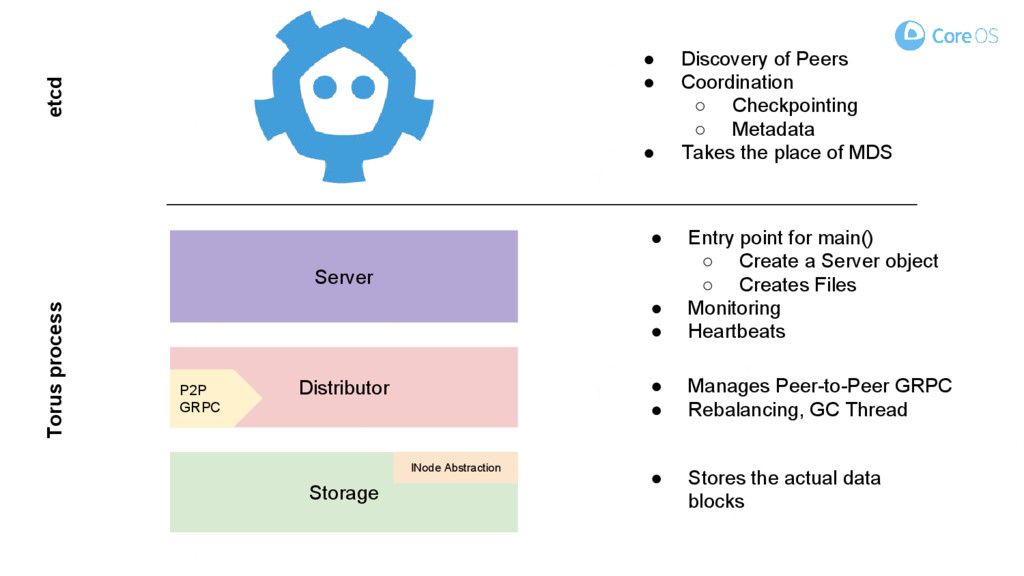
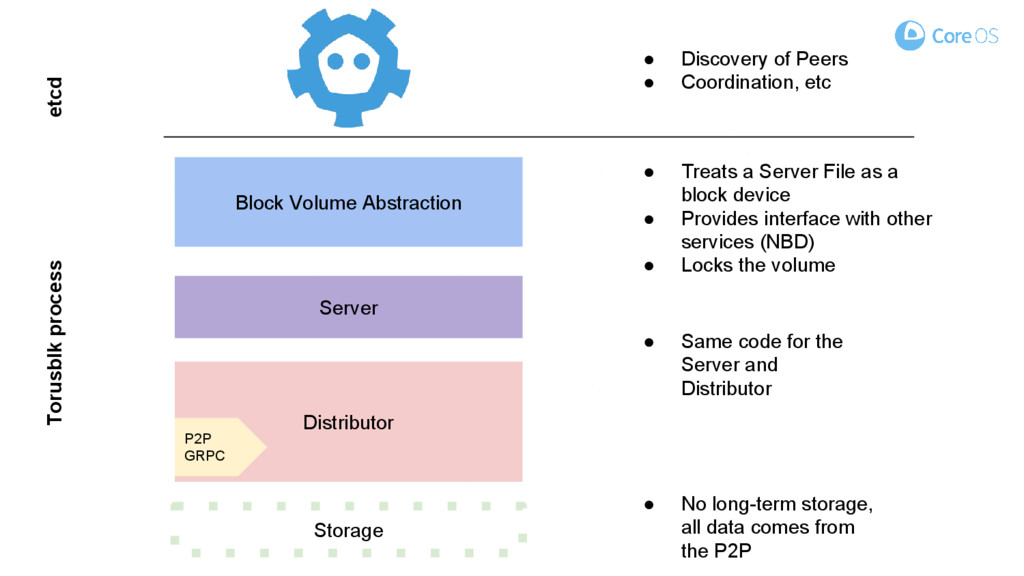
• Takes the place of MDS Server • Entry point for main() ◦ Create a Server object ◦ Creates Files • Monitoring • Heartbeats Distributor P2P GRPC Storage INode Abstraction • Manages Peer-to-Peer GRPC • Rebalancing, GC Thread • Stores the actual data blocks Torus process etcd
GRPC Storage • No long-term storage, all data comes from the P2P Torusblk process etcd Block Volume Abstraction • Treats a Server File as a block device • Provides interface with other services (NBD) • Locks the volume • Same code for the Server and Distributor
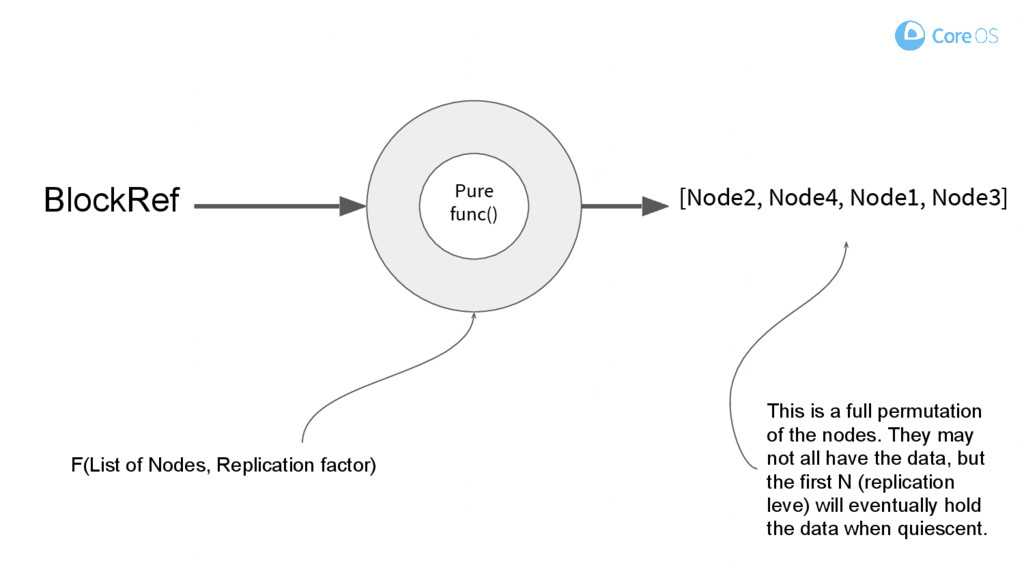
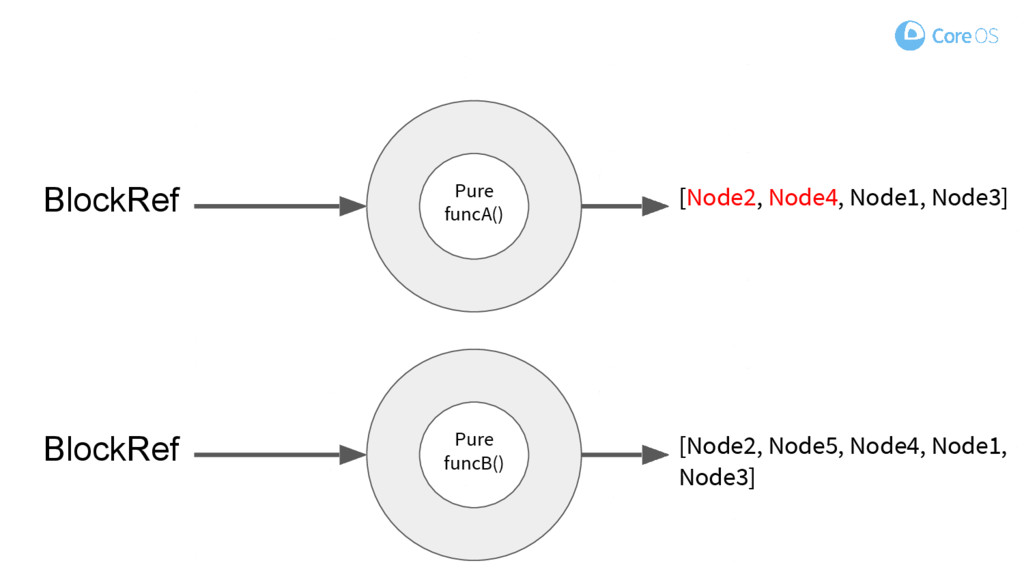
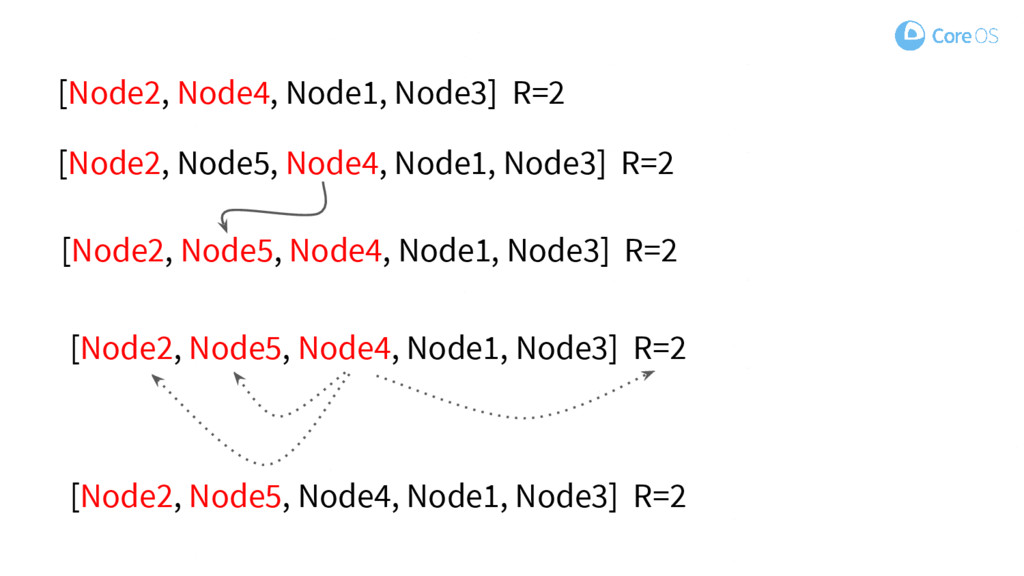
full permutation of the nodes. They may not all have the data, but the first N (replication leve) will eventually hold the data when quiescent. F(List of Nodes, Replication factor)
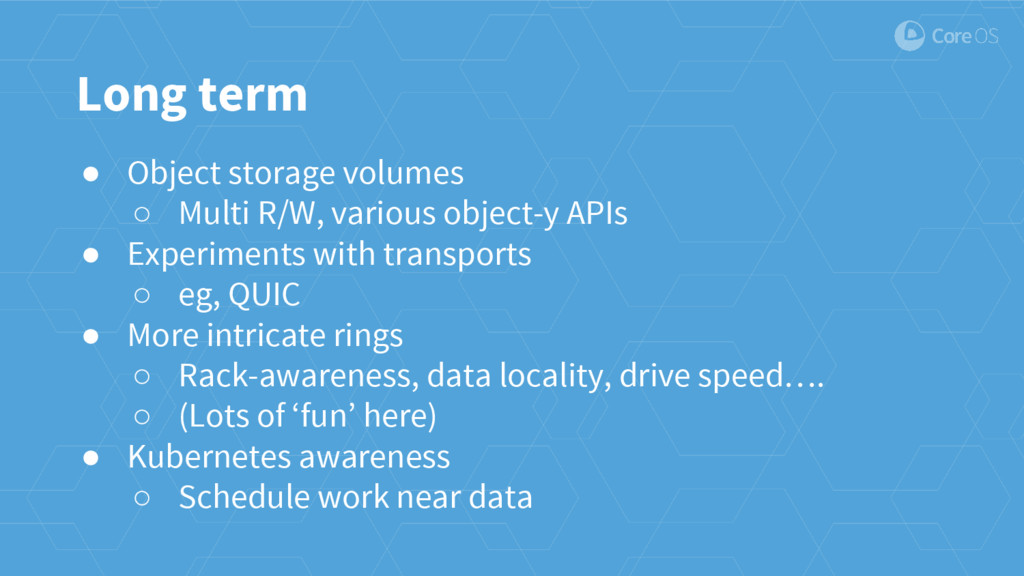
object-y APIs • Experiments with transports ◦ eg, QUIC • More intricate rings ◦ Rack-awareness, data locality, drive speed…. ◦ (Lots of ‘fun’ here) • Kubernetes awareness ◦ Schedule work near data
90+ Projects on GitHub, 1,000+ Contributors OPEN SOURCE CoreOS.com - @coreoslinux - github/coreos Secure solutions, support plans, training + more ENTERPRISE [email protected] - tectonic.com - quay.io CoreOS is Running the World’s Containers

 SiteGround - Reliable hosting with speed, security, and support you can count on.


 palkan
 rshindo
 deka_morita
 rkaga
 minodriven
 naokihaba
 timakin
 morizo_1984
 neuecc
 satoshi256kbyte
 marcoroth
 iwiwi
 chriscoyier
 geoffreycrofte
 portentint
 jacobian
 addyosmani
 sferik
 takai
 schroneko
 leimatthew05
 coloredviolet
 soudai