Upgrade to Pro — share decks privately, control downloads, hide ads and more …

Introduction to Primary and Secondary Metabolit...

Sponsored · Your Podcast. Everywhere. Effortlessly. Share. Educate. Inspire. Entertain. You do you. We'll handle the rest. →

Introduction to Primary and Secondary Metabolites their Metabolic Pathways

Introduction –
Overview of Basic metabolic pathways
Role of Enzymes
Role of Co-enzymes
Shikmic acid pathway
Role of shikmic acid pathway
Acatate pathway
Amino acid pathway
Utilization of Radioactive isotopes in the investigation of biogenetic disease.

Avatar for Dr Poonam Chougule

Dr Poonam Chougule

September 20, 2026

More Decks by Dr Poonam Chougule

Other Decks in Education

Transcript

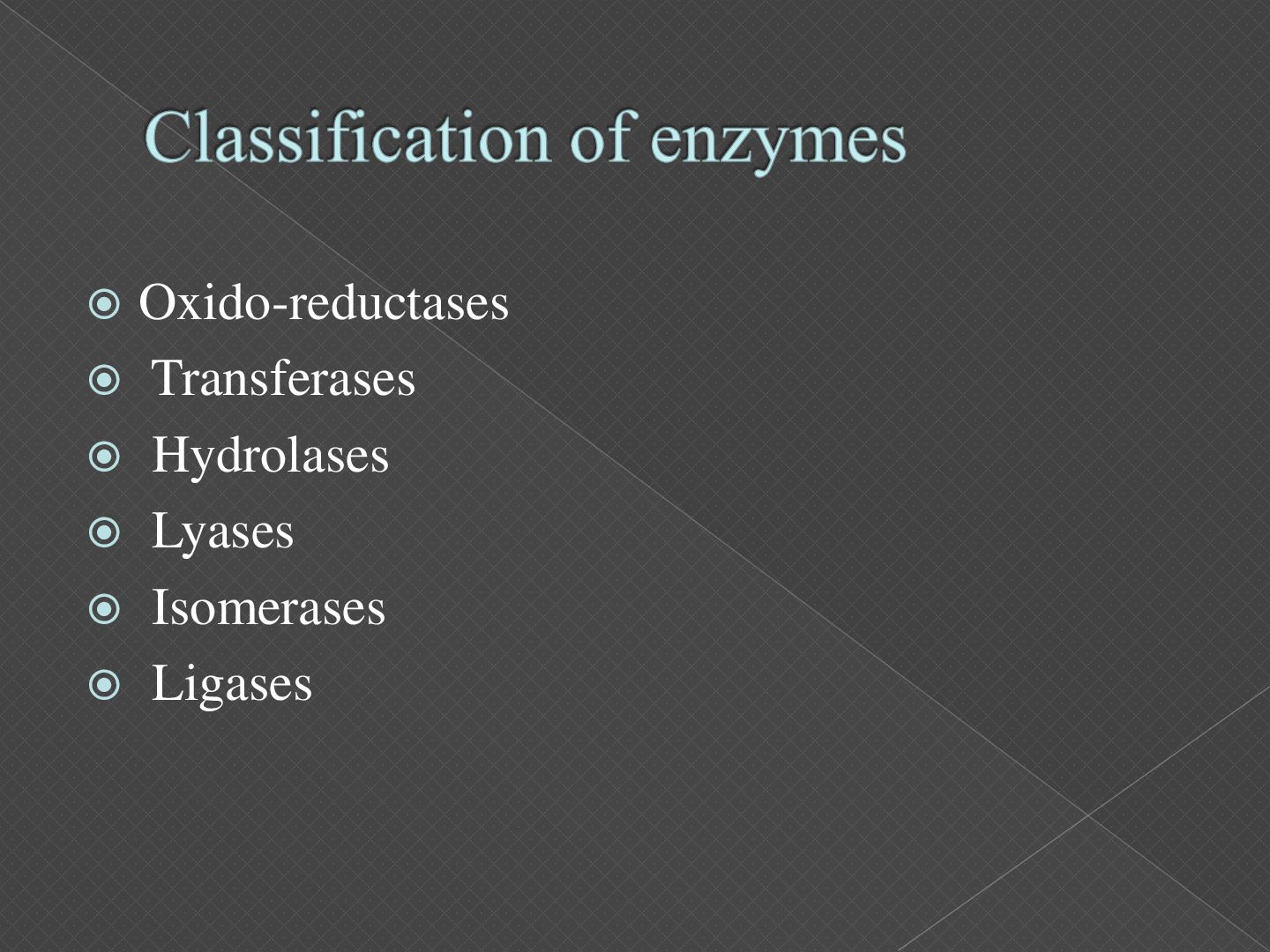
  1.  Introduction –  Overview of Basic metabolic pathways 

    Role of Enzymes  Role of Co-enzymes  Shikmic acid pathway  Role of shikmic acid pathway  Acatate pathway  Amino acid pathway  Utilization of Radioactive isotopes in the investigation of biogenetic disease.
  2.  Metabolic pathways: Metabolic pathway comprises of series of chemical

    reactions which occurs inside the cells. The reactants, products, and intermediates which are formed as a result of these enzymatic reactions are called as Metabolites. These enzymes typically need dietary minerals, vitamins, and different cofactors to perform.  There are two types of metabolites1. Primary plant metabolites. 2. Secondary plant metabolites.
  3. Primary plant metabolites- These are considered as basic plant constituents.

    They are simple in structure and they do not have biological and pharmacological activity associated with them. Primary metabolites are utilized by plants for building up their body and responsible for physiological functioning of the plant body. eg. Starch, Cellulose, Chlorophyll, Calcium oxalate crystals etc.  Degradation of carbohydrates and sugars which release energy from the organic compounds by oxidative reactions.  Oxidation of fatty acid from fats by β- oxidation also provides energy cell process.  Proteins taken via diet provide amino acid most organism can synthesize only proportion of amino acid they actually required for DNA/RNA synthesis,  those not synthesized they are called as essential amino acid obtained from external sources by soil and environment. 1.
  4.    Secondary metabolites are not essential for growth,

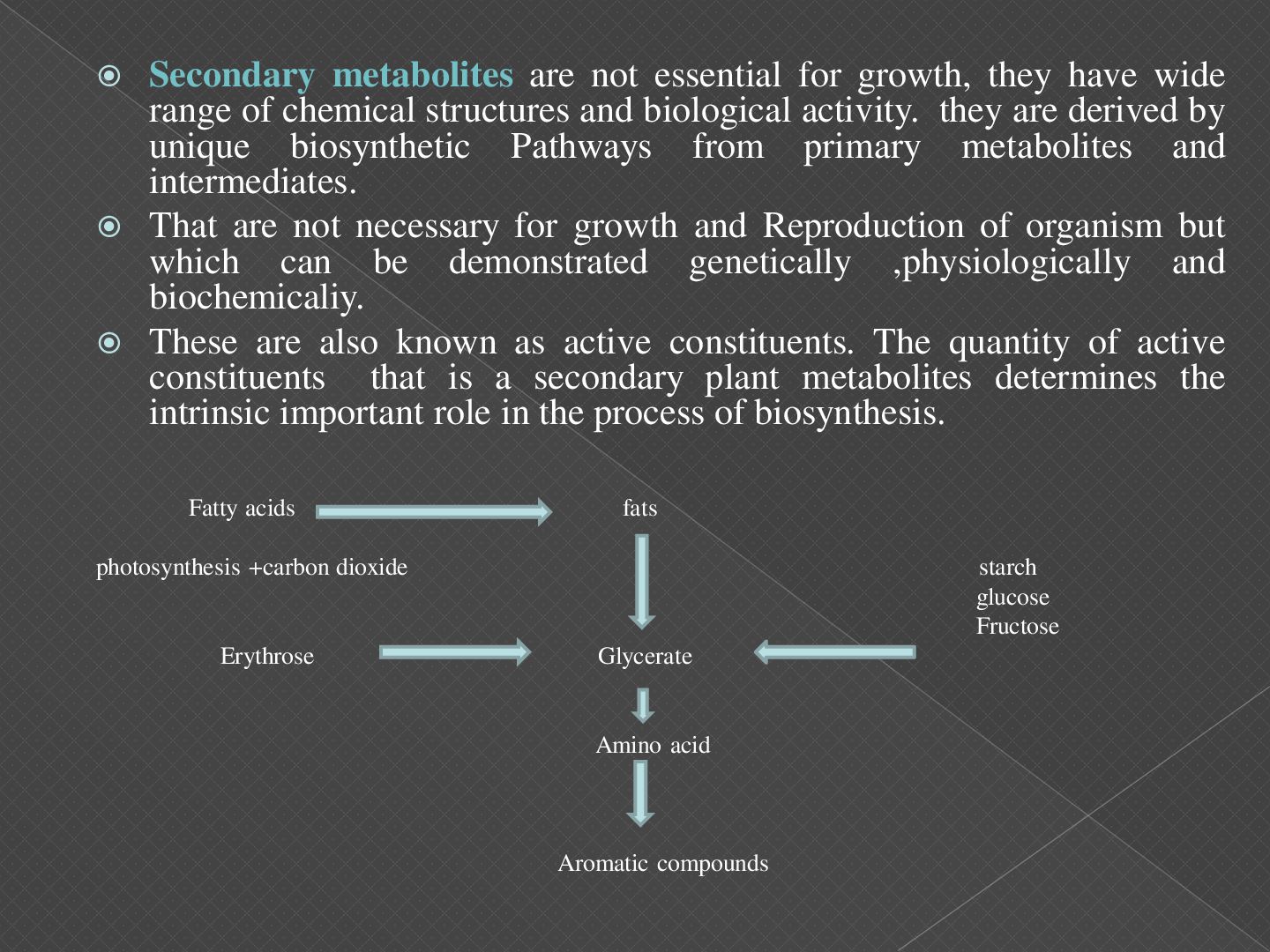
    they have wide range of chemical structures and biological activity. they are derived by unique biosynthetic Pathways from primary metabolites and intermediates. That are not necessary for growth and Reproduction of organism but which can be demonstrated genetically ,physiologically and biochemicaliy. These are also known as active constituents. The quantity of active constituents that is a secondary plant metabolites determines the intrinsic important role in the process of biosynthesis. Fatty acids fats photosynthesis +carbon dioxide Erythrose starch glucose Fructose Glycerate Amino acid Aromatic compounds
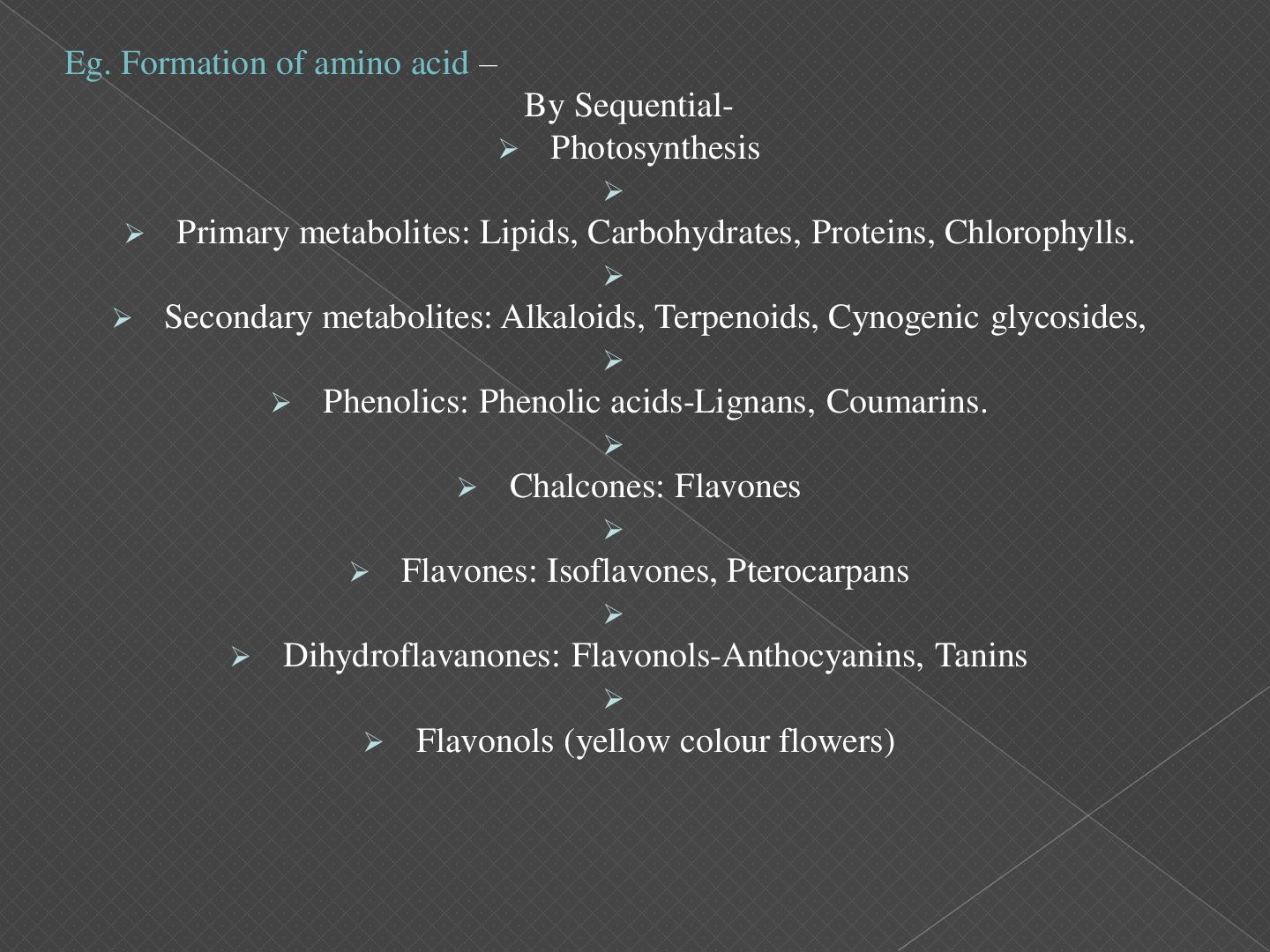
  5. Eg. Formation of amino acid – By Sequential Photosynthesis 

     Primary metabolites: Lipids, Carbohydrates, Proteins, Chlorophylls.   Secondary metabolites: Alkaloids, Terpenoids, Cynogenic glycosides,   Phenolics: Phenolic acids-Lignans, Coumarins.   Chalcones: Flavones   Flavones: Isoflavones, Pterocarpans   Dihydroflavanones: Flavonols-Anthocyanins, Tanins   Flavonols (yellow colour flowers)
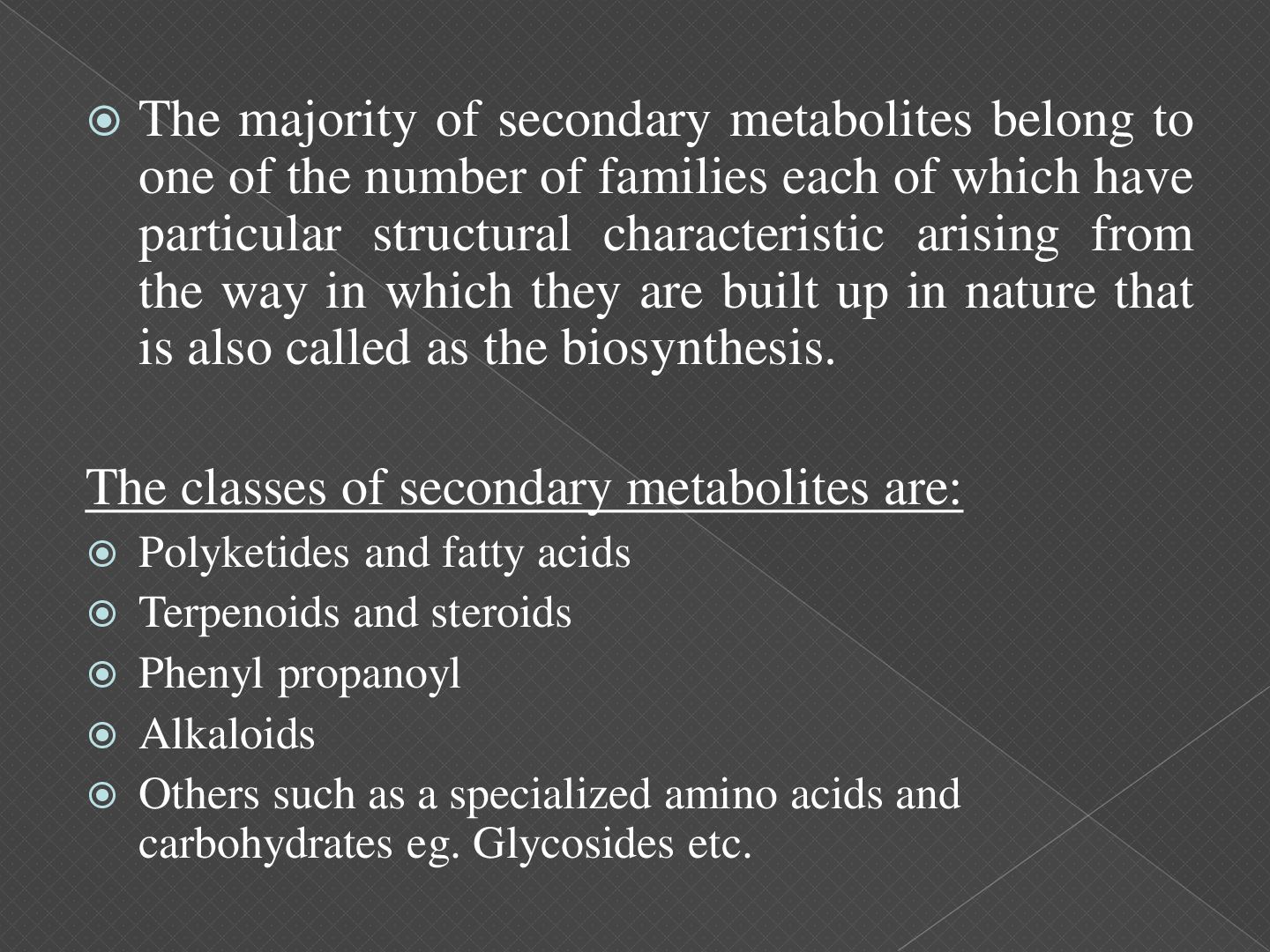
  6.  The majority of secondary metabolites belong to one of

    the number of families each of which have particular structural characteristic arising from the way in which they are built up in nature that is also called as the biosynthesis. The classes of secondary metabolites are:  Polyketides and fatty acids  Terpenoids and steroids  Phenyl propanoyl  Alkaloids  Others such as a specialized amino acids and carbohydrates eg. Glycosides etc.
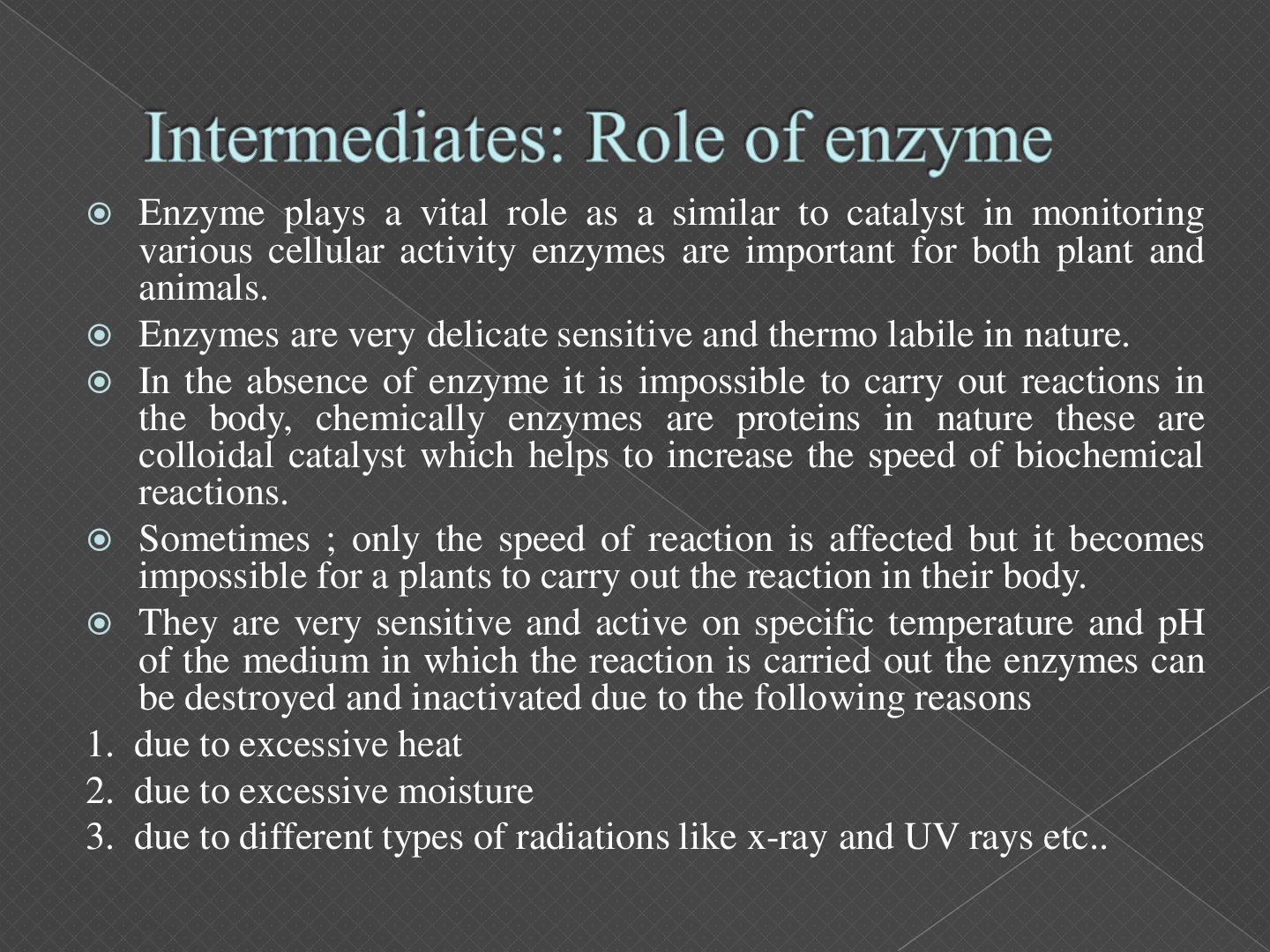
  7. Enzyme plays a vital role as a similar to catalyst

    in monitoring various cellular activity enzymes are important for both plant and animals.  Enzymes are very delicate sensitive and thermo labile in nature.  In the absence of enzyme it is impossible to carry out reactions in the body, chemically enzymes are proteins in nature these are colloidal catalyst which helps to increase the speed of biochemical reactions.  Sometimes ; only the speed of reaction is affected but it becomes impossible for a plants to carry out the reaction in their body.  They are very sensitive and active on specific temperature and pH of the medium in which the reaction is carried out the enzymes can be destroyed and inactivated due to the following reasons 1. due to excessive heat 2. due to excessive moisture 3. due to different types of radiations like x-ray and UV rays etc.. 
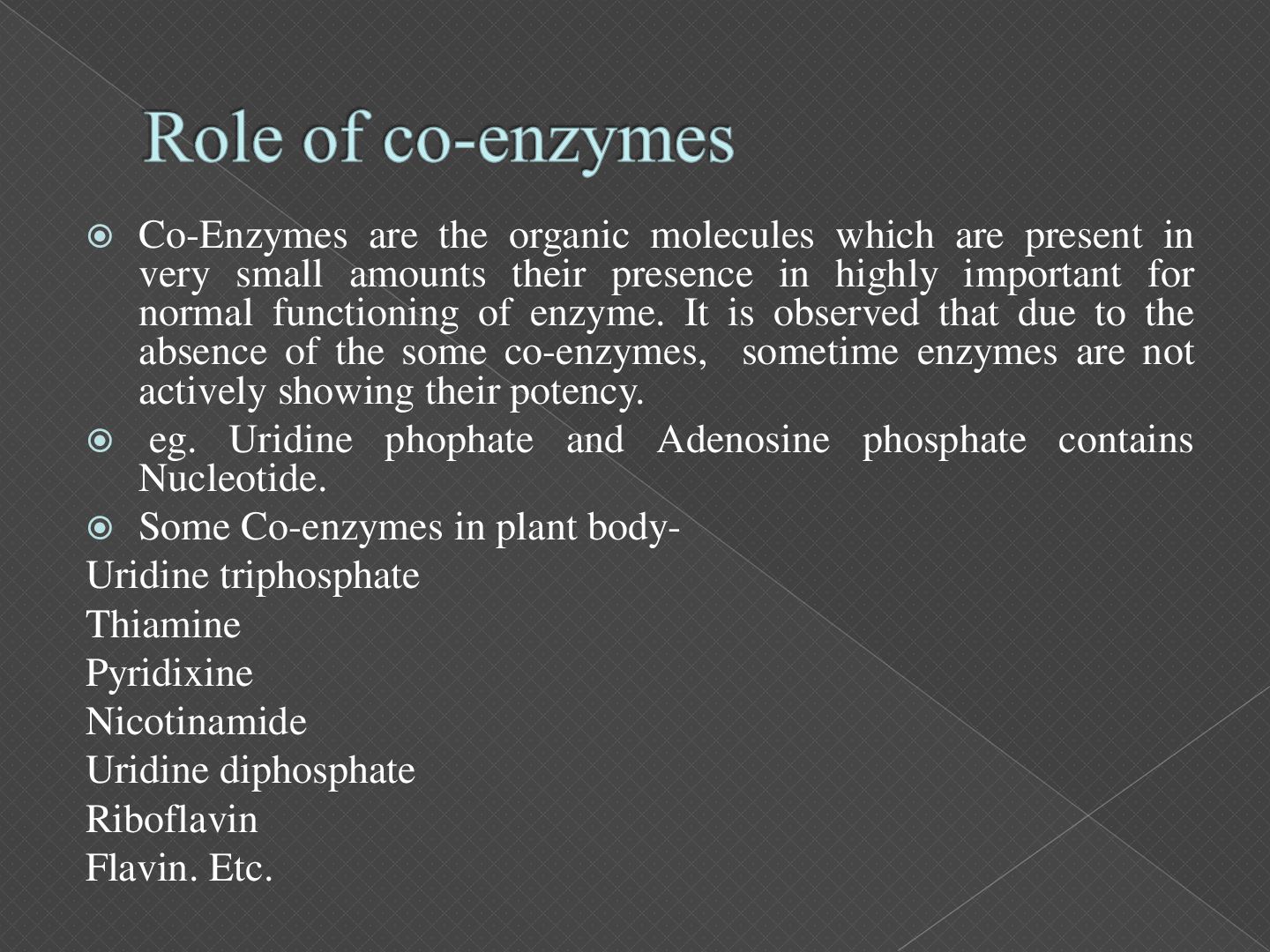
  8. Co-Enzymes are the organic molecules which are present in very

    small amounts their presence in highly important for normal functioning of enzyme. It is observed that due to the absence of the some co-enzymes, sometime enzymes are not actively showing their potency.  eg. Uridine phophate and Adenosine phosphate contains Nucleotide.  Some Co-enzymes in plant bodyUridine triphosphate Thiamine Pyridixine Nicotinamide Uridine diphosphate Riboflavin Flavin. Etc. 
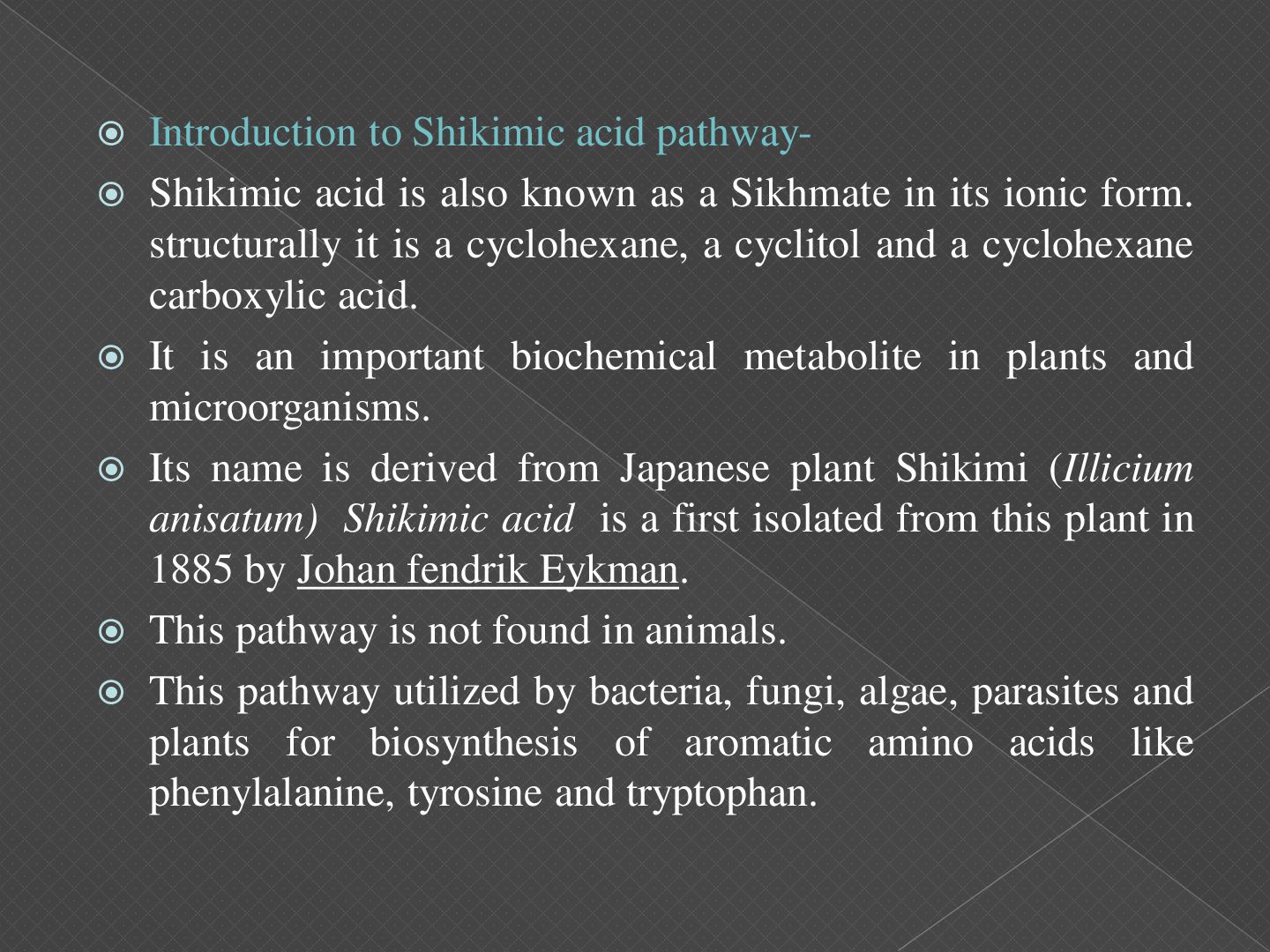
  9.  Introduction to Shikimic acid pathway Shikimic acid is also

    known as a Sikhmate in its ionic form. structurally it is a cyclohexane, a cyclitol and a cyclohexane carboxylic acid.  It is an important biochemical metabolite in plants and microorganisms.  Its name is derived from Japanese plant Shikimi (Illicium anisatum) Shikimic acid is a first isolated from this plant in 1885 by Johan fendrik Eykman.  This pathway is not found in animals.  This pathway utilized by bacteria, fungi, algae, parasites and plants for biosynthesis of aromatic amino acids like phenylalanine, tyrosine and tryptophan.
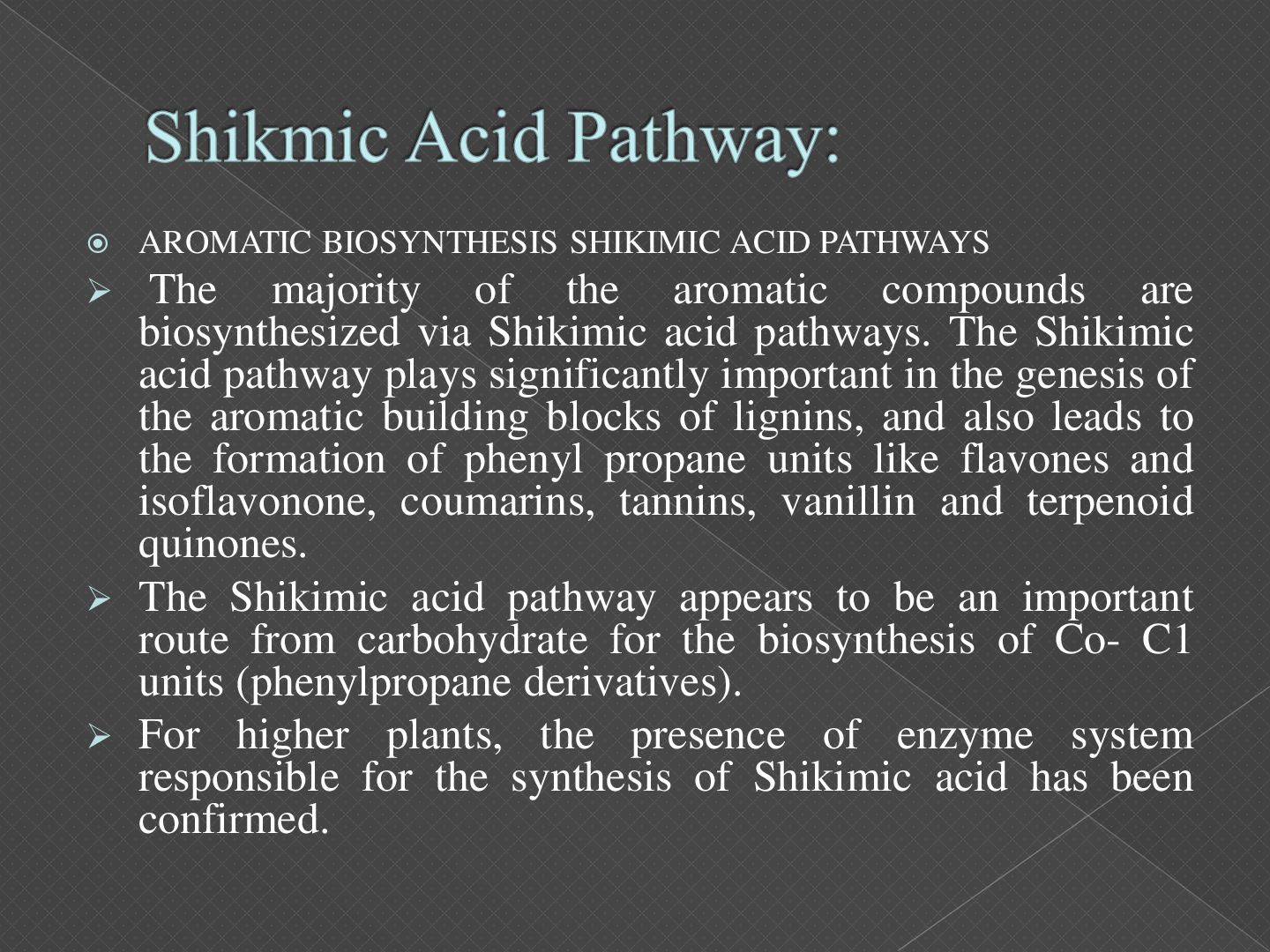
  10.   AROMATIC BIOSYNTHESIS SHIKIMIC ACID PATHWAYS The majority of

    the aromatic compounds are biosynthesized via Shikimic acid pathways. The Shikimic acid pathway plays significantly important in the genesis of the aromatic building blocks of lignins, and also leads to the formation of phenyl propane units like flavones and isoflavonone, coumarins, tannins, vanillin and terpenoid quinones.  The Shikimic acid pathway appears to be an important route from carbohydrate for the biosynthesis of Co- C1 units (phenylpropane derivatives).  For higher plants, the presence of enzyme system responsible for the synthesis of Shikimic acid has been confirmed.
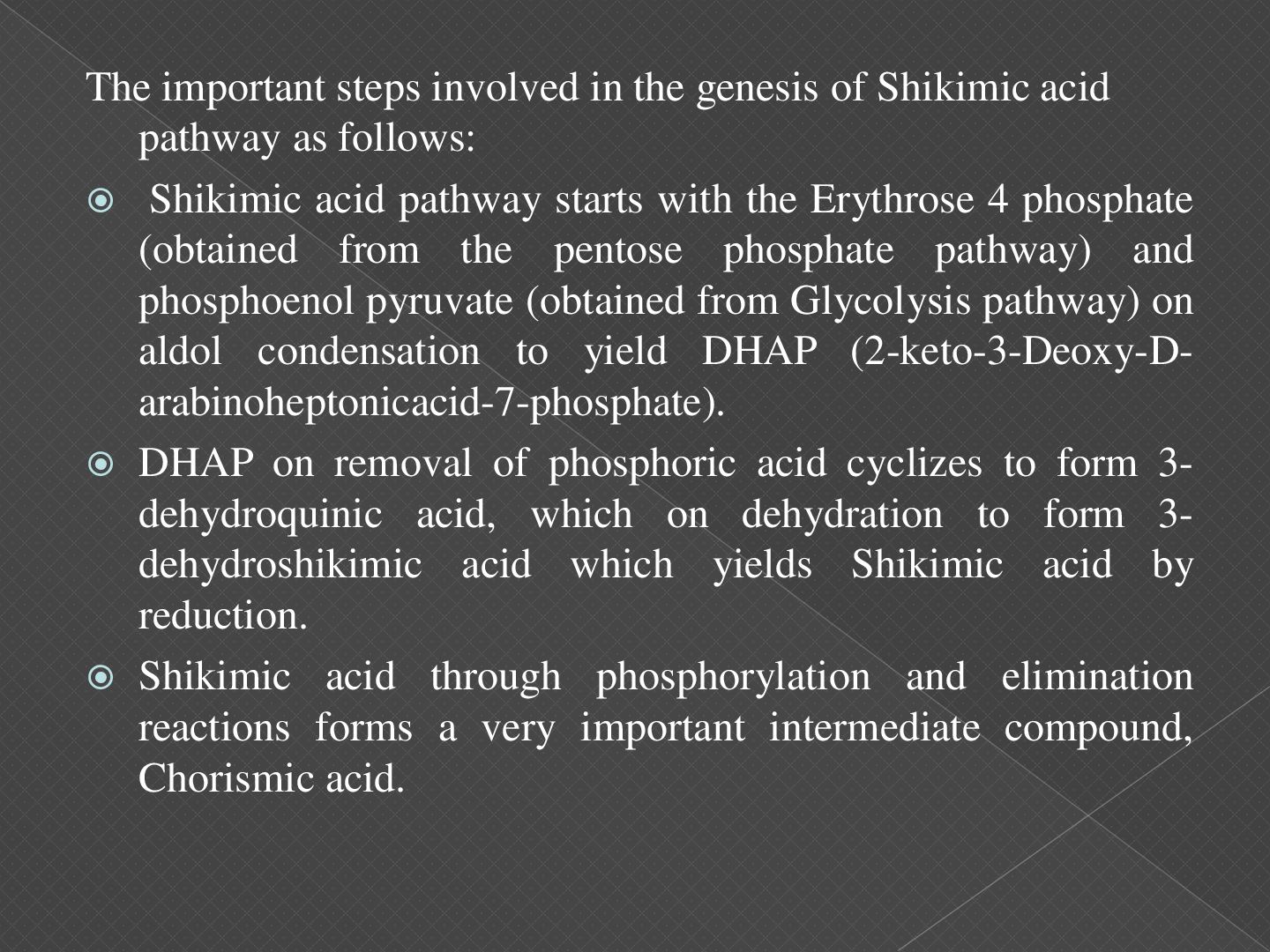
  11. The important steps involved in the genesis of Shikimic acid

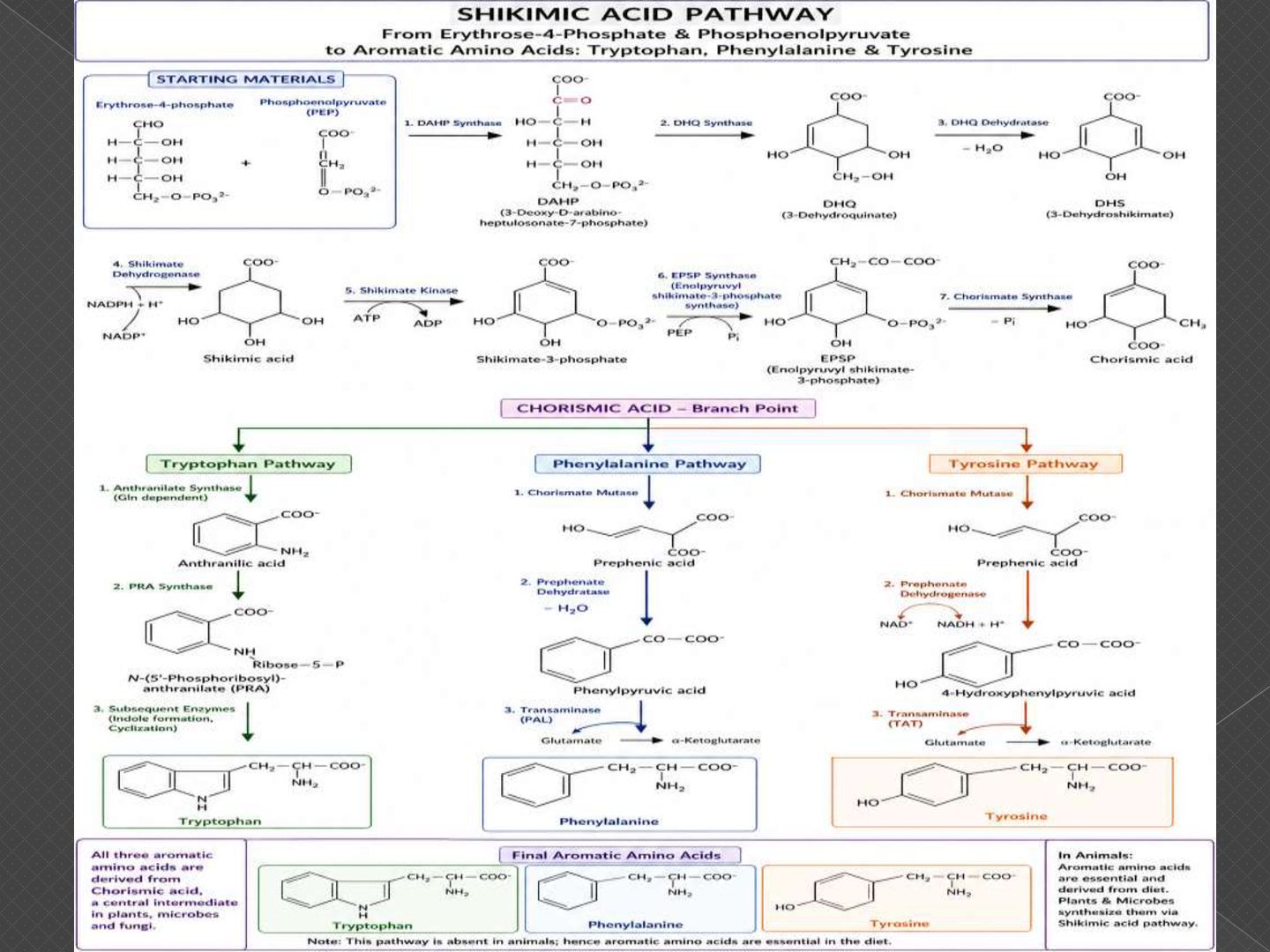
    pathway as follows:  Shikimic acid pathway starts with the Erythrose 4 phosphate (obtained from the pentose phosphate pathway) and phosphoenol pyruvate (obtained from Glycolysis pathway) on aldol condensation to yield DHAP (2-keto-3-Deoxy-Darabinoheptonicacid-7-phosphate).  DHAP on removal of phosphoric acid cyclizes to form 3dehydroquinic acid, which on dehydration to form 3dehydroshikimic acid which yields Shikimic acid by reduction.  Shikimic acid through phosphorylation and elimination reactions forms a very important intermediate compound, Chorismic acid.
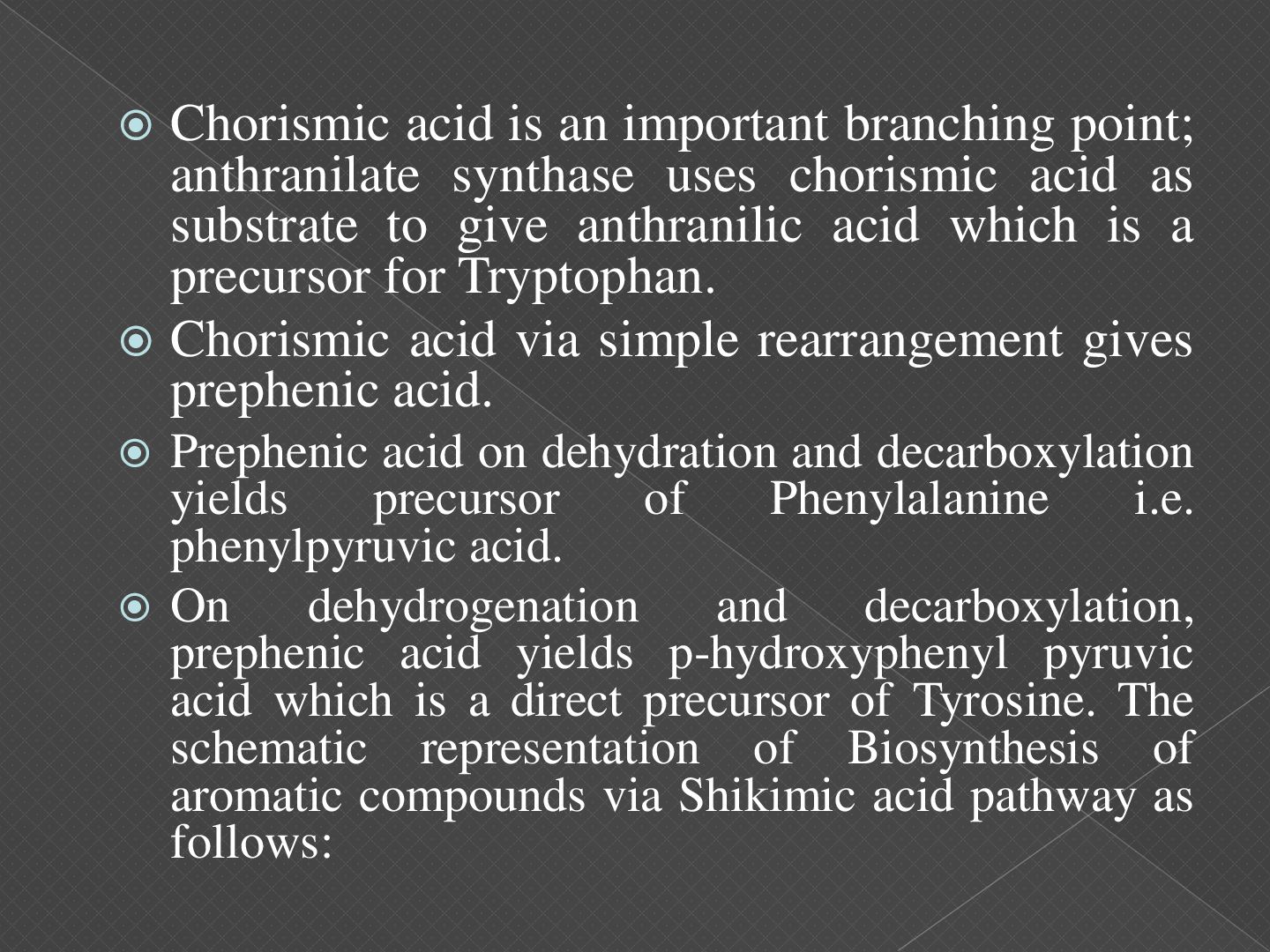
  12.  Chorismic acid is an important branching point; anthranilate synthase

    uses chorismic acid as substrate to give anthranilic acid which is a precursor for Tryptophan.  Chorismic acid via simple rearrangement gives prephenic acid.  Prephenic acid on dehydration and decarboxylation yields precursor of Phenylalanine i.e. phenylpyruvic acid.  On dehydrogenation and decarboxylation, prephenic acid yields p-hydroxyphenyl pyruvic acid which is a direct precursor of Tyrosine. The schematic representation of Biosynthesis of aromatic compounds via Shikimic acid pathway as follows:
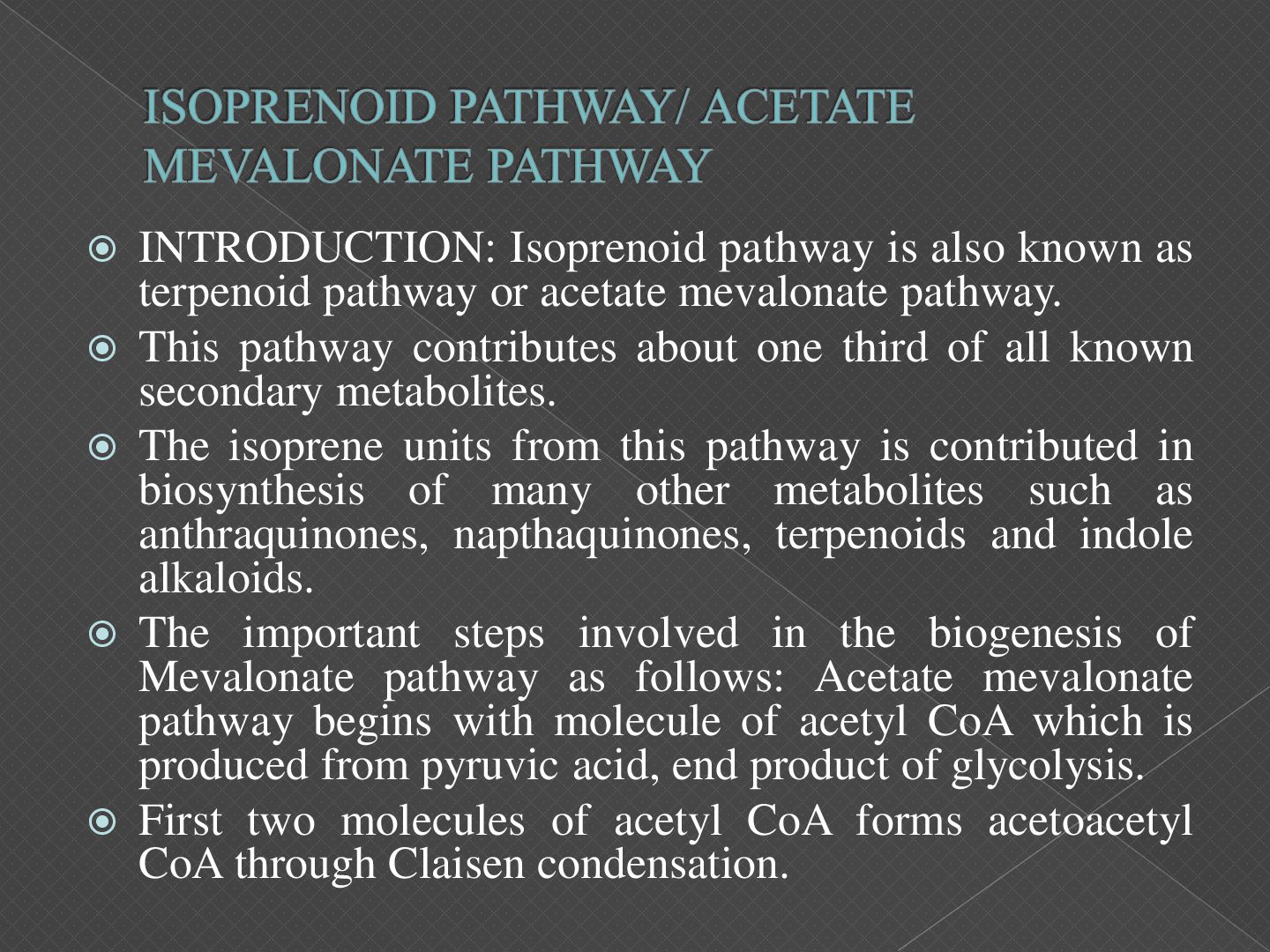
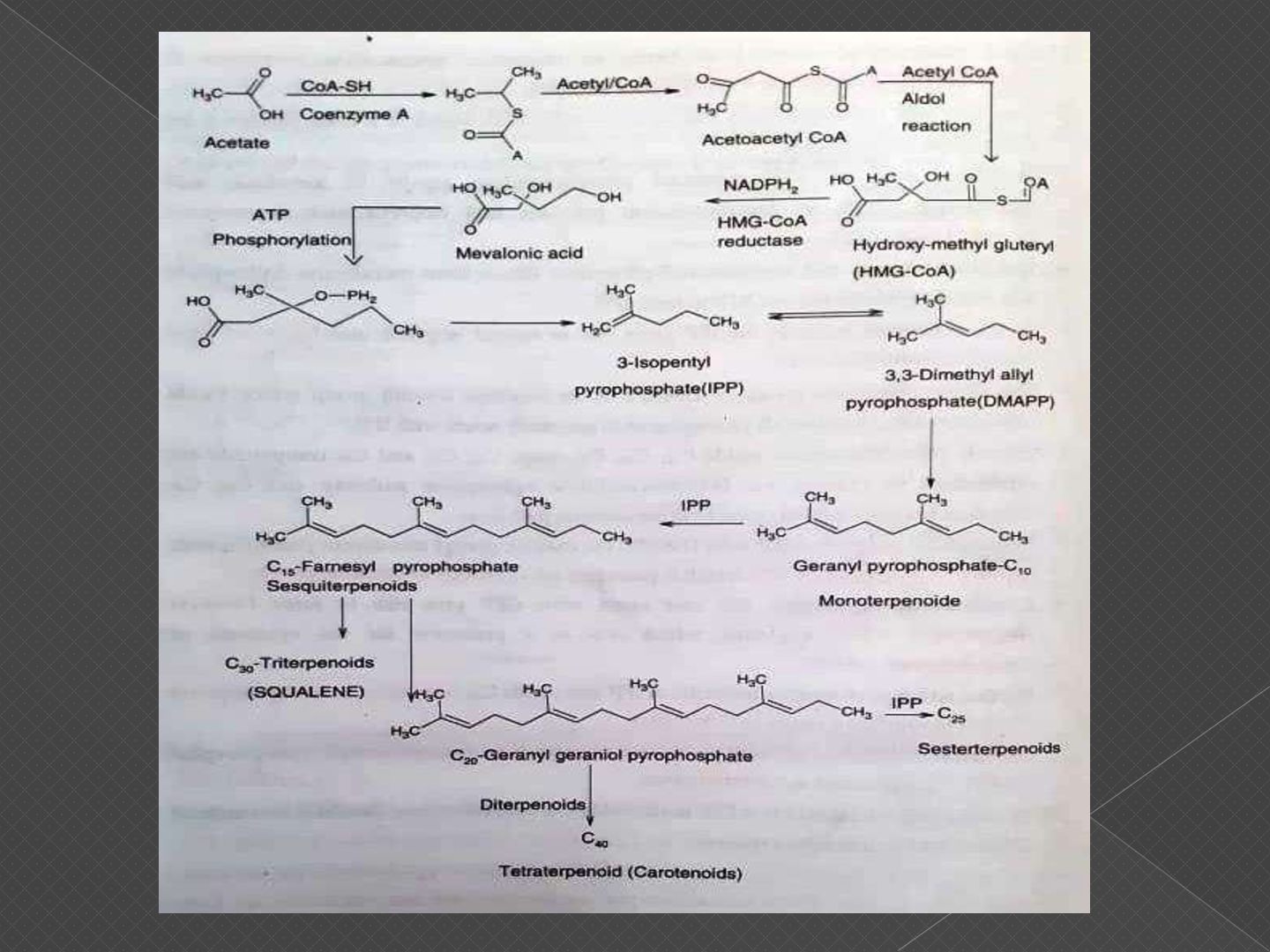
  13.  INTRODUCTION: Isoprenoid pathway is also known as terpenoid pathway

    or acetate mevalonate pathway.  This pathway contributes about one third of all known secondary metabolites.  The isoprene units from this pathway is contributed in biosynthesis of many other metabolites such as anthraquinones, napthaquinones, terpenoids and indole alkaloids.  The important steps involved in the biogenesis of Mevalonate pathway as follows: Acetate mevalonate pathway begins with molecule of acetyl CoA which is produced from pyruvic acid, end product of glycolysis.  First two molecules of acetyl CoA forms acetoacetyl CoA through Claisen condensation.
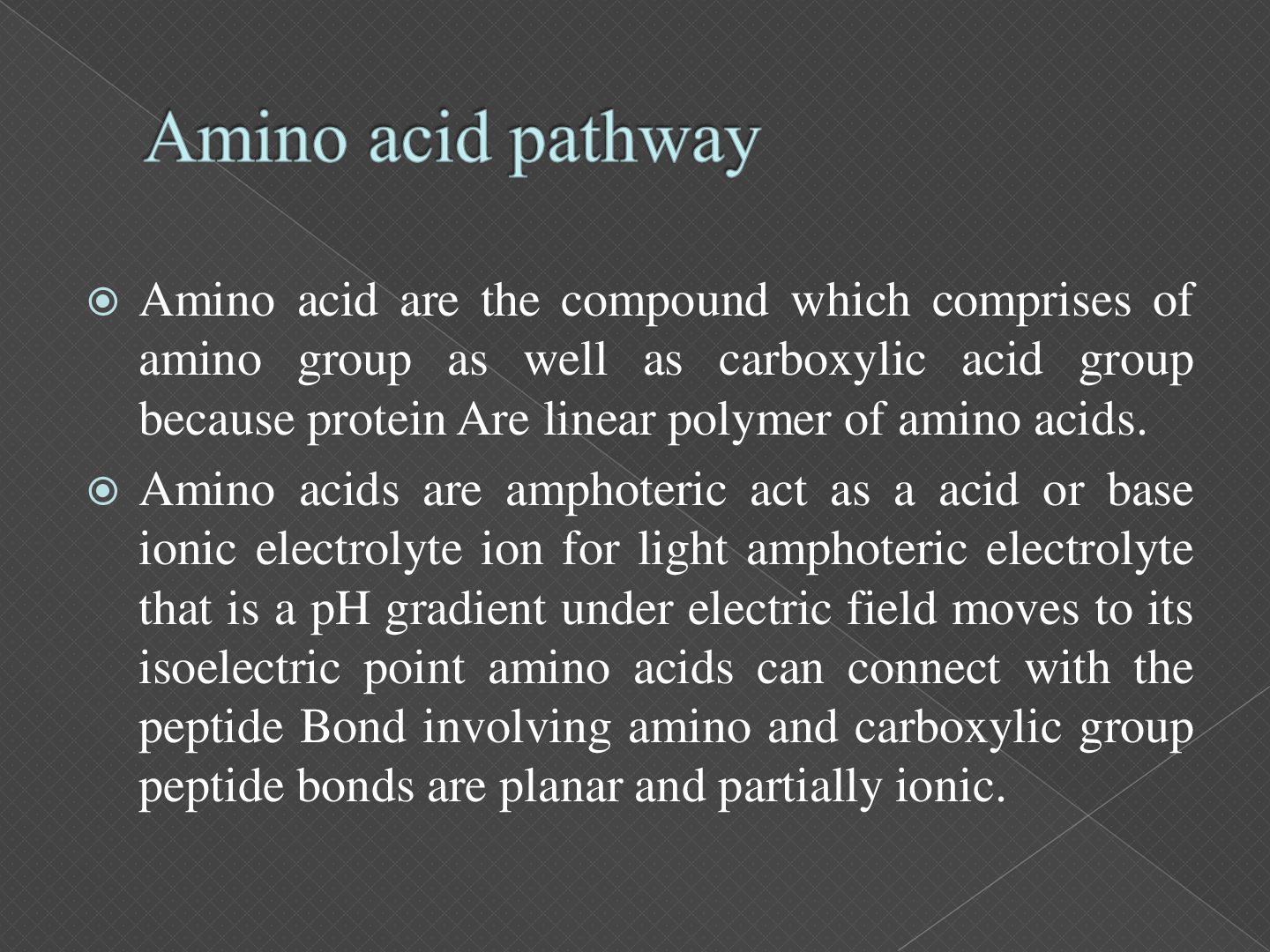
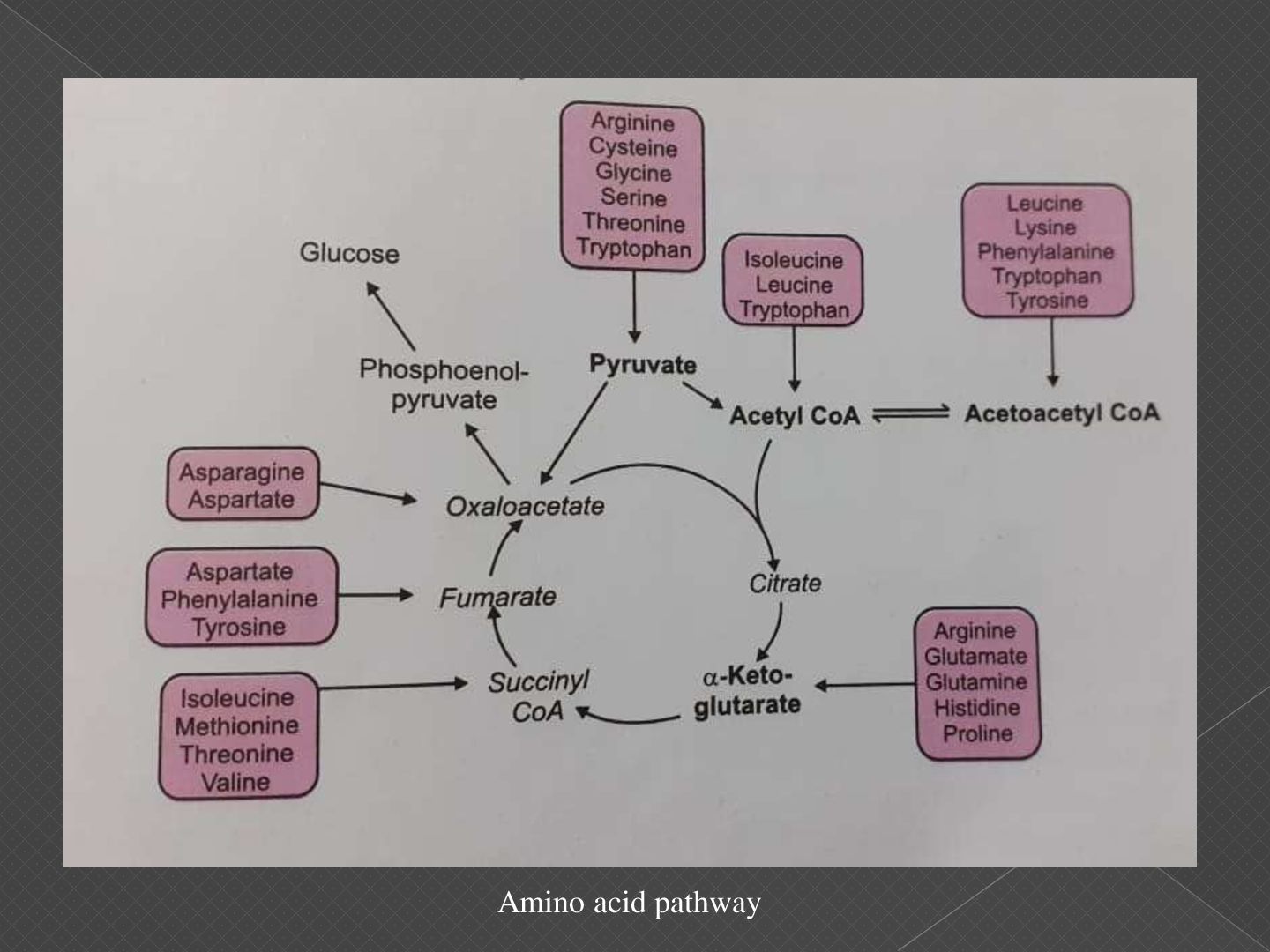
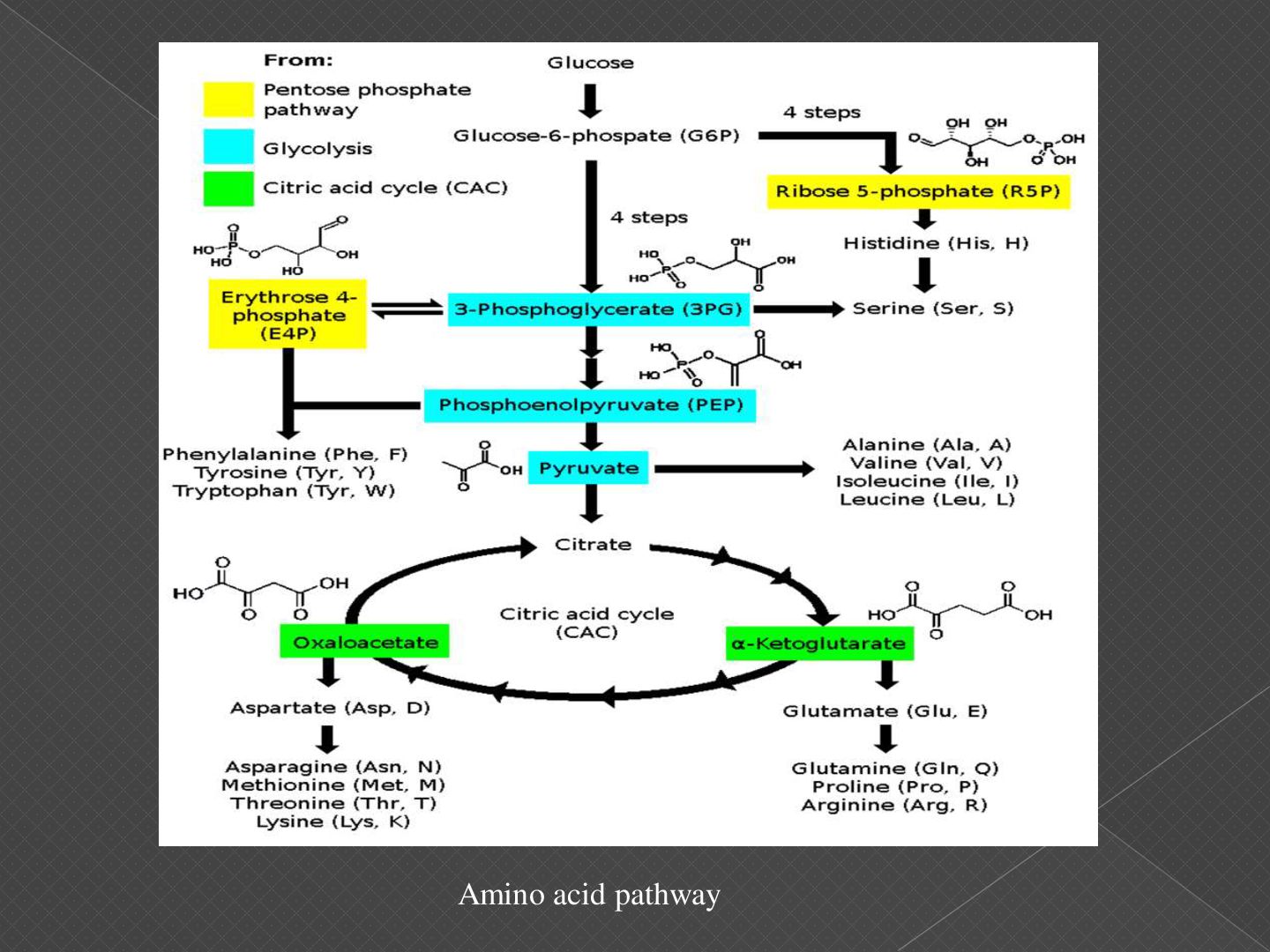
  14.  Amino acid are the compound which comprises of amino

    group as well as carboxylic acid group because protein Are linear polymer of amino acids.  Amino acids are amphoteric act as a acid or base ionic electrolyte ion for light amphoteric electrolyte that is a pH gradient under electric field moves to its isoelectric point amino acids can connect with the peptide Bond involving amino and carboxylic group peptide bonds are planar and partially ionic.
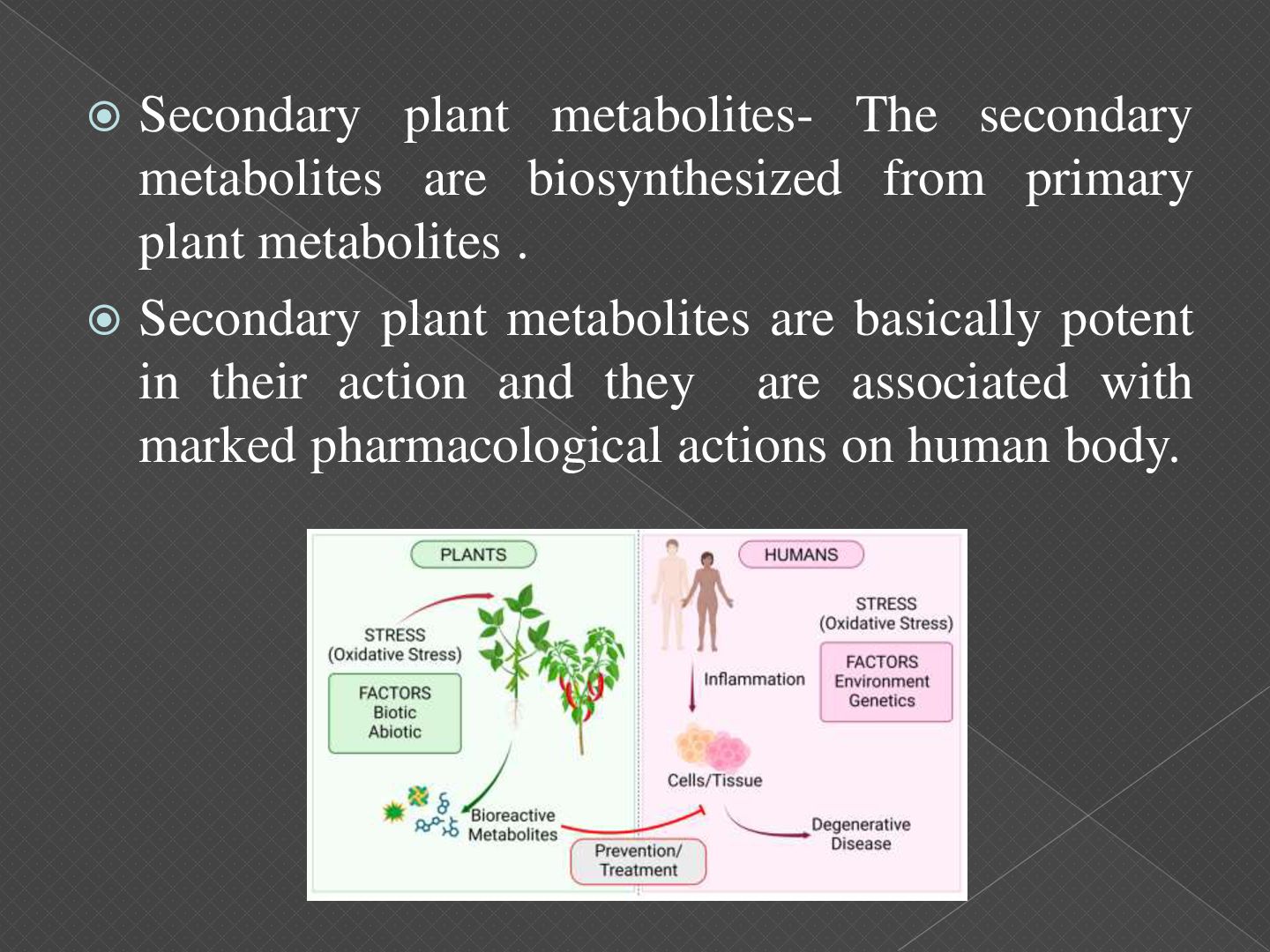
  15.  Secondary plant metabolites- The secondary metabolites are biosynthesized from

    primary plant metabolites .  Secondary plant metabolites are basically potent in their action and they are associated with marked pharmacological actions on human body.
  16.  Living plant may be considered as a biosynthetic laboratory

    not only for the primary metabolites like sugars, amino acids and fatty acids but also for a nucleotide secondary products of pharmaceutical significance such as glycosides, alkaloids, flavonoids, volatile oils etc. The various biosynthetic reaction occurring in plant cells are enzyme dependent which are reversible.
  17.       It is through the

    control of enzymatic activity that plant metabolism is directed into specific biosynthetic pathways. Biosynthesis: Formation of Chemical compounds by a living organism. Biogenesis: Production or generation of living organisms from other living organism. Primary Metabolite: Primary metabolites are required for general growth and physiological activity of plants because of their basic metabolism. Eg: Amino acid, fatty acid, Nucleic acid, Carbohydrate and protein Secondary Metabolite: Secondary metabolites are derived biosynthetically are from the primary metabolites but usually restricted to specific taxonomically group. They may represent chemical adaptations to environmental stresses or they may serve as defensive or protective against microorganism, insect and higher herbivorous predators. They are present in much smaller quantities. Eg: Alkaloids, Glycoside, Volatile oil, Flavonoid, lignin, Carotenoid etc.
  18.  Oxidation  Reduction  Condensation  Amination  Methylation

     Cyclization etc.  Basic metabolic pathways are: The production of secondary metabolites is mostly dependent on genetic make -up which are selectively excel in the fundamental process involved in their biosynthesis. These genetically controlled processes can be termed as basic metabolic pathways.
  19.         The understanding

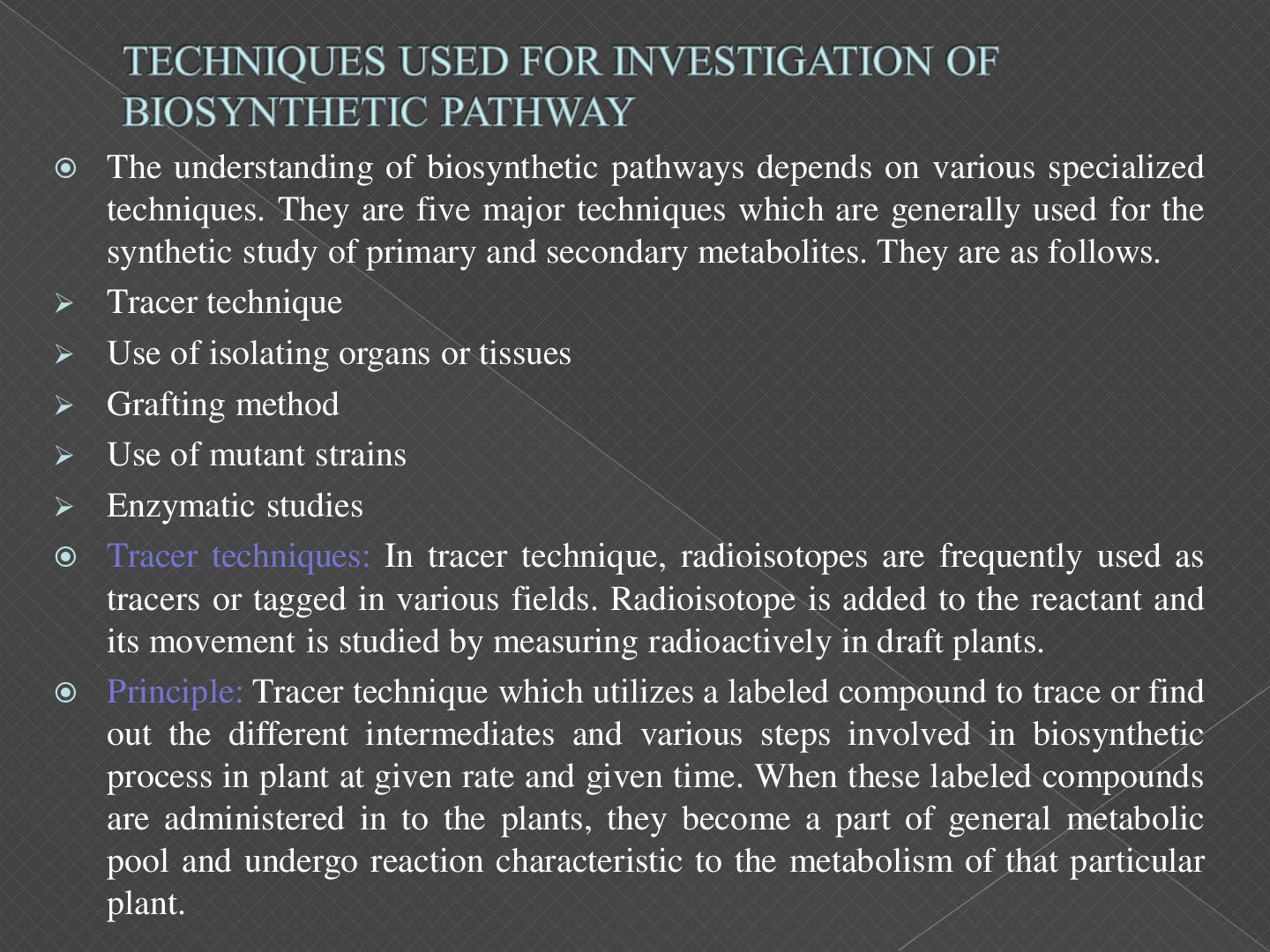
    of biosynthetic pathways depends on various specialized techniques. They are five major techniques which are generally used for the synthetic study of primary and secondary metabolites. They are as follows. Tracer technique Use of isolating organs or tissues Grafting method Use of mutant strains Enzymatic studies Tracer techniques: In tracer technique, radioisotopes are frequently used as tracers or tagged in various fields. Radioisotope is added to the reactant and its movement is studied by measuring radioactively in draft plants. Principle: Tracer technique which utilizes a labeled compound to trace or find out the different intermediates and various steps involved in biosynthetic process in plant at given rate and given time. When these labeled compounds are administered in to the plants, they become a part of general metabolic pool and undergo reaction characteristic to the metabolism of that particular plant.
  20. Introduction:  Elements that exhibit identical chemical properties but differ

    in atomic weight are termed isotopes. Isotopes may be stable (e.g., ²H, ¹³C) or unstable (e.g., ¹H, ¹⁴C), with the latter decaying through the emission of radiation. These isotopes can be detected using suitable analytical methods. They can also be incorporated into a presumed precursor of a plant constituent and used as markers in biogenetic experiments.  Significance of Tracer Techniques: Tracer techniques are used to study biosynthetic pathways by incorporating radioactive isotopes into a precursor or starting material. For example, by incorporating ¹⁴C into phenylalanine, the biosynthesis of the cyanogenetic glycoside prunasin can be traced. This approach also enables the determination of the location and quantity of the compound within a biological system.
  21. Different Tracer Elements for Various Studies:  For studies on

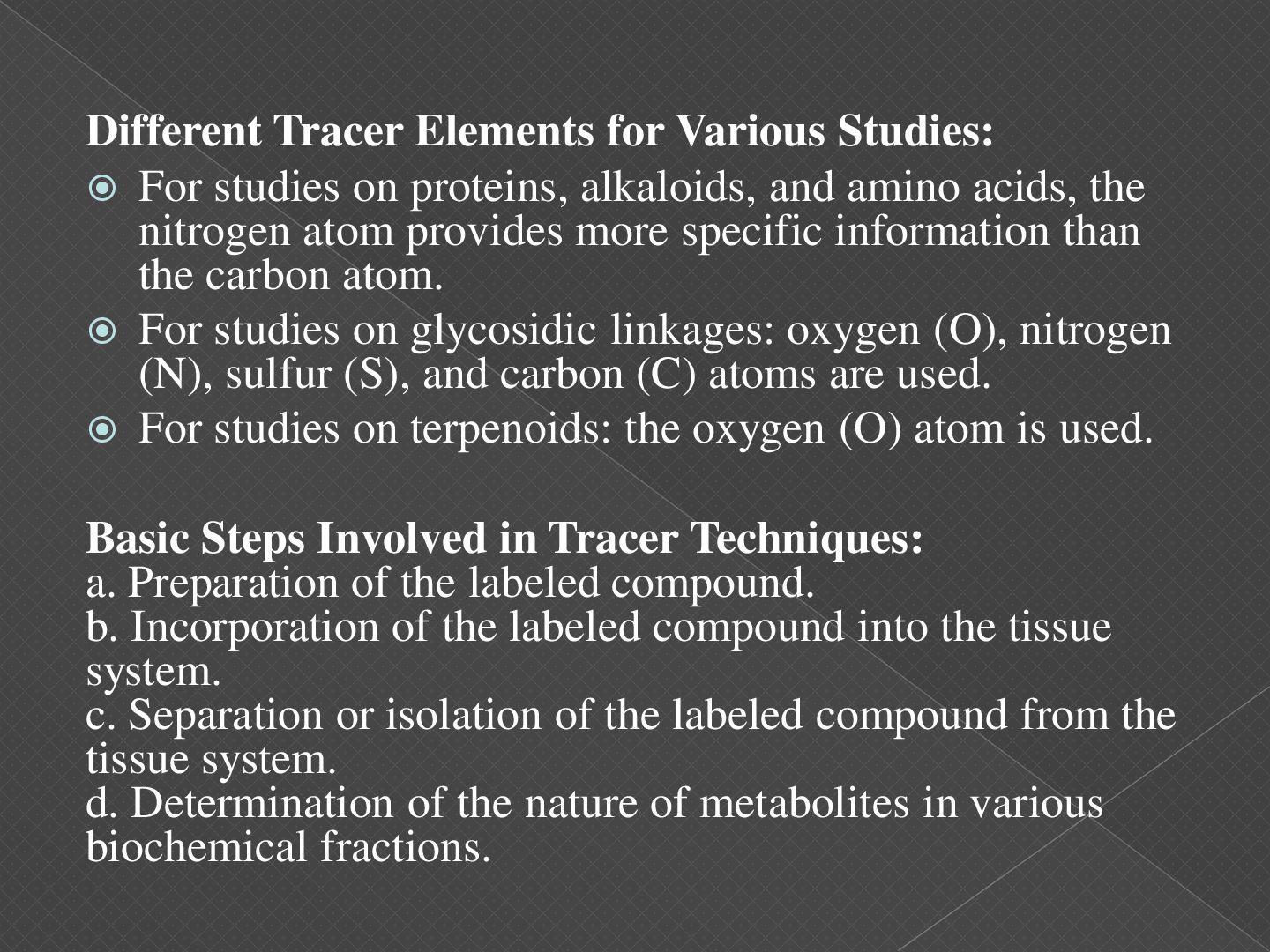
    proteins, alkaloids, and amino acids, the nitrogen atom provides more specific information than the carbon atom.  For studies on glycosidic linkages: oxygen (O), nitrogen (N), sulfur (S), and carbon (C) atoms are used.  For studies on terpenoids: the oxygen (O) atom is used. Basic Steps Involved in Tracer Techniques: a. Preparation of the labeled compound. b. Incorporation of the labeled compound into the tissue system. c. Separation or isolation of the labeled compound from the tissue system. d. Determination of the nature of metabolites in various biochemical fractions.
  22.  a) Precursor-product sequence  b) Competitive feeding  c)

    Sequential analysis  d) Use of stable isotopes
  23. Precursor–Product Sequences:  In this method, the constituent is labeled

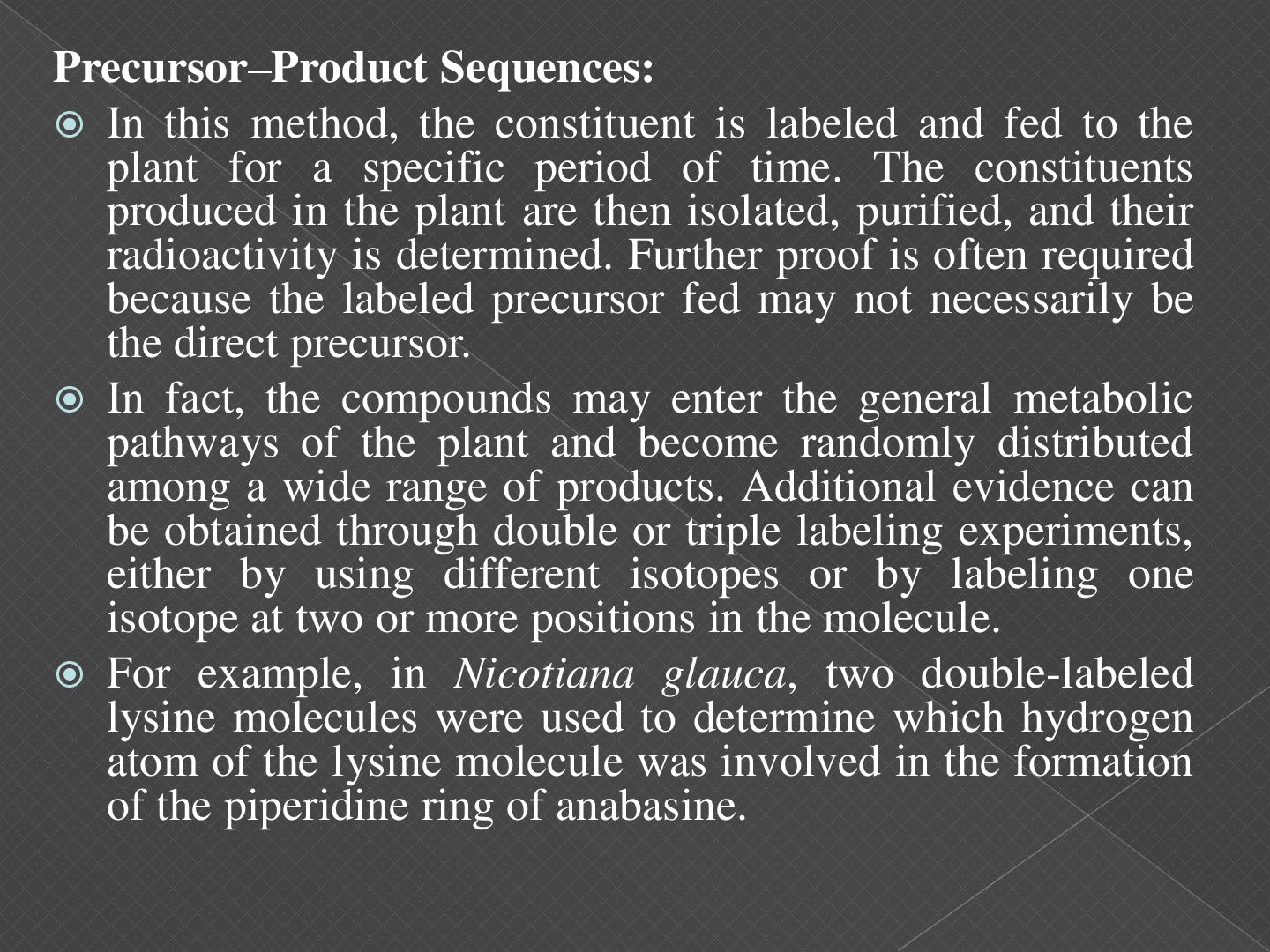
    and fed to the plant for a specific period of time. The constituents produced in the plant are then isolated, purified, and their radioactivity is determined. Further proof is often required because the labeled precursor fed may not necessarily be the direct precursor.  In fact, the compounds may enter the general metabolic pathways of the plant and become randomly distributed among a wide range of products. Additional evidence can be obtained through double or triple labeling experiments, either by using different isotopes or by labeling one isotope at two or more positions in the molecule.  For example, in Nicotiana glauca, two double-labeled lysine molecules were used to determine which hydrogen atom of the lysine molecule was involved in the formation of the piperidine ring of anabasine.
  24. Competitive Feeding:  In this method, the main value lies

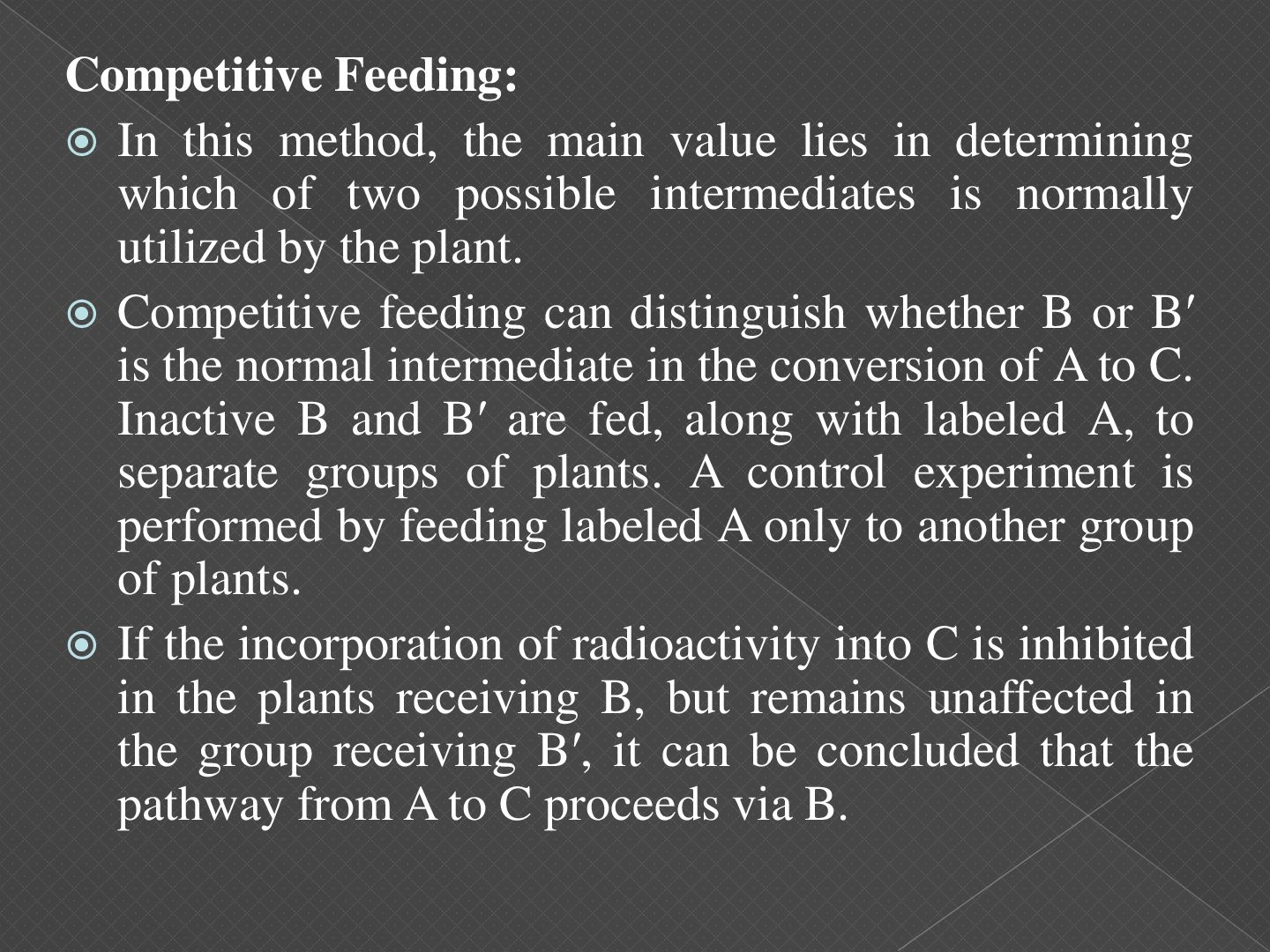
    in determining which of two possible intermediates is normally utilized by the plant.  Competitive feeding can distinguish whether B or B′ is the normal intermediate in the conversion of A to C. Inactive B and B′ are fed, along with labeled A, to separate groups of plants. A control experiment is performed by feeding labeled A only to another group of plants.  If the incorporation of radioactivity into C is inhibited in the plants receiving B, but remains unaffected in the group receiving B′, it can be concluded that the pathway from A to C proceeds via B.
  25. Sequential Analysis:  A method of investigation using ¹⁴C is

    to grow plants in an atmosphere containing ¹⁴CO₂ and, by analyzing the plants at specific time intervals, determine the sequence in which various related compounds become labeled. Degradation of the isolated radioactive compounds is important, as some units of the molecule may become labeled more rapidly than others.  This method has been successfully used to elucidate the pathway of carbon in photosynthesis and to determine the sequential formation of alkaloids in opium, hemlock, and tobacco. The exposure period of the plant can be as short as five minutes.  Example: Determination of the biosynthetic sequence in Mentha piperita.
  26.  Isolated Organs and Tissues: The cultivation of isolated organs

    and tissues of a plant eliminates interference from other parts of the plant that may cause secondary changes in the metabolites. This method is used for feeding experiments in conjunction with labeled compounds. It is also useful for determining the specific site of synthesis of particular compounds.
  27. Grafts:  Grafting techniques have been used in biosynthetic studies

    to determine the sites of primary and secondary metabolism of secondary plant products. Alkaloid formation in grafted plants has been extensively studied in Solanaceae species producing nicotine and tropane alkaloids.  Example: Tomato scions grafted onto Datura stocks accumulate tropane alkaloids, whereas Datura scions grafted onto tomato stocks contain only small amounts of tropane alkaloids. This indicates that the main site of alkaloid synthesis is the Datura species.
  28.  Determine biosynthetic pathways.  Identify sites of metabolite synthesis.

     Verify intermediates in metabolic routes.  Study transport of metabolites.  Aid in drug discovery and phytochemical research.  Support metabolic engineering for higher yields.