Upgrade to Pro — share decks privately, control downloads, hide ads and more …

AI Search for Freelancers

AI Search for Freelancers

'AI Search for Freelancers: How to optimise your clients' content (and your own!) for LLMs and AI Overviews.' A one-hour masterclass delivered by AI trainer Emily Hill. Advice for freelance writers, PRs and SEOs about how to approach the emerging discipline of AI search optimisation in order to create a paid client service.

Avatar for Emily Hill Training

Emily Hill Training

February 27, 2026

More Decks by Emily Hill Training

Other Decks in Marketing & SEO

Transcript

  1. AI Search for Freelancers: How to optimise your clients’ content

    (and your own!) for LLMs and AI Overviews 24th February 2026
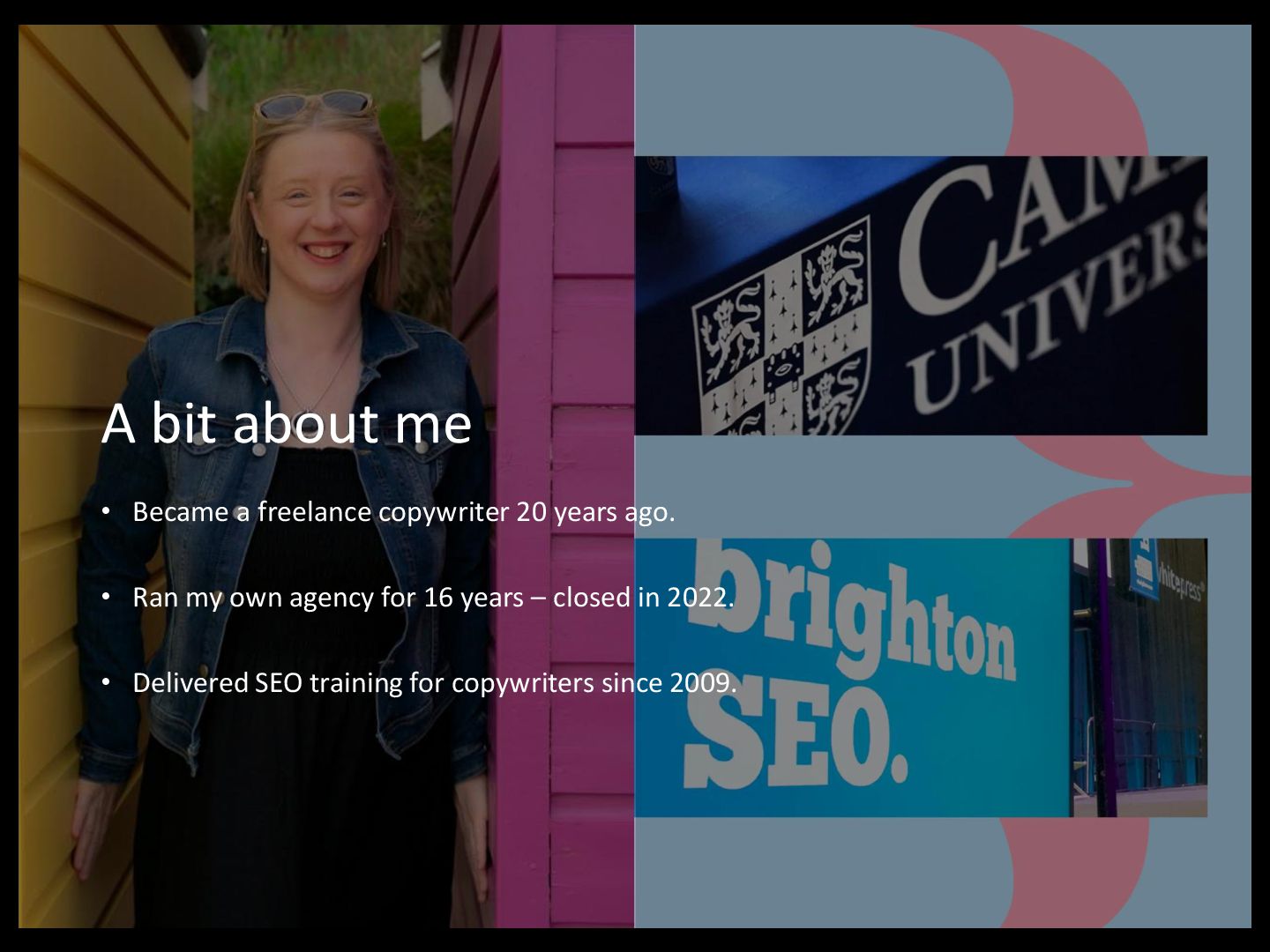
  2. A bit about me • Became a freelance copywriter 20

    years ago. • Ran my own agency for 16 years – closed in 2022. • Delivered SEO training for copywriters since 2009.
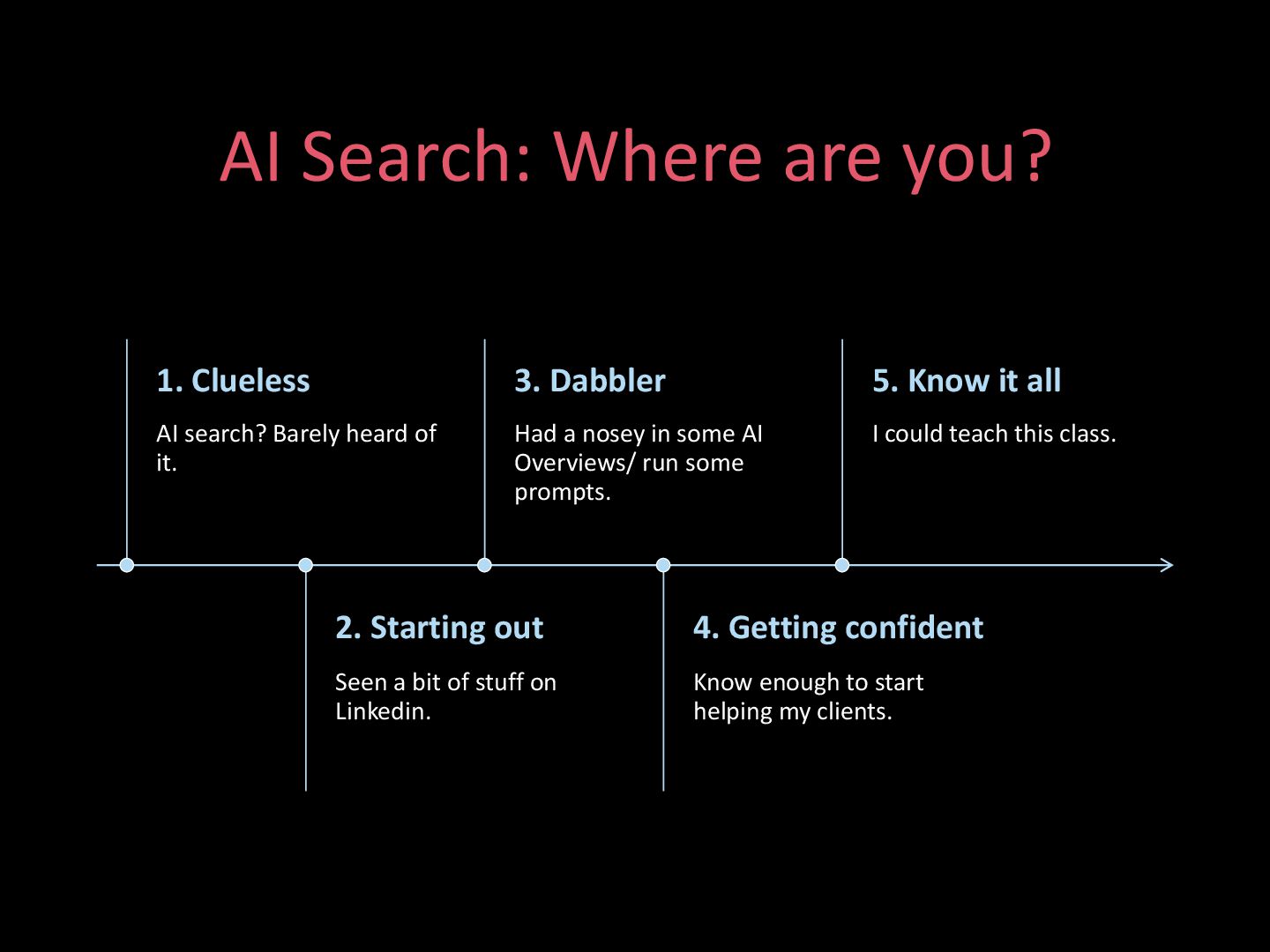
  3. AI Search: Where are you? AI search? Barely heard of

    it. 1. Clueless Seen a bit of stuff on Linkedin. 2. Starting out Had a nosey in some AI Overviews/ run some prompts. 3. Dabbler Know enough to start helping my clients. 4. Getting confident I could teach this class. 5. Know it all
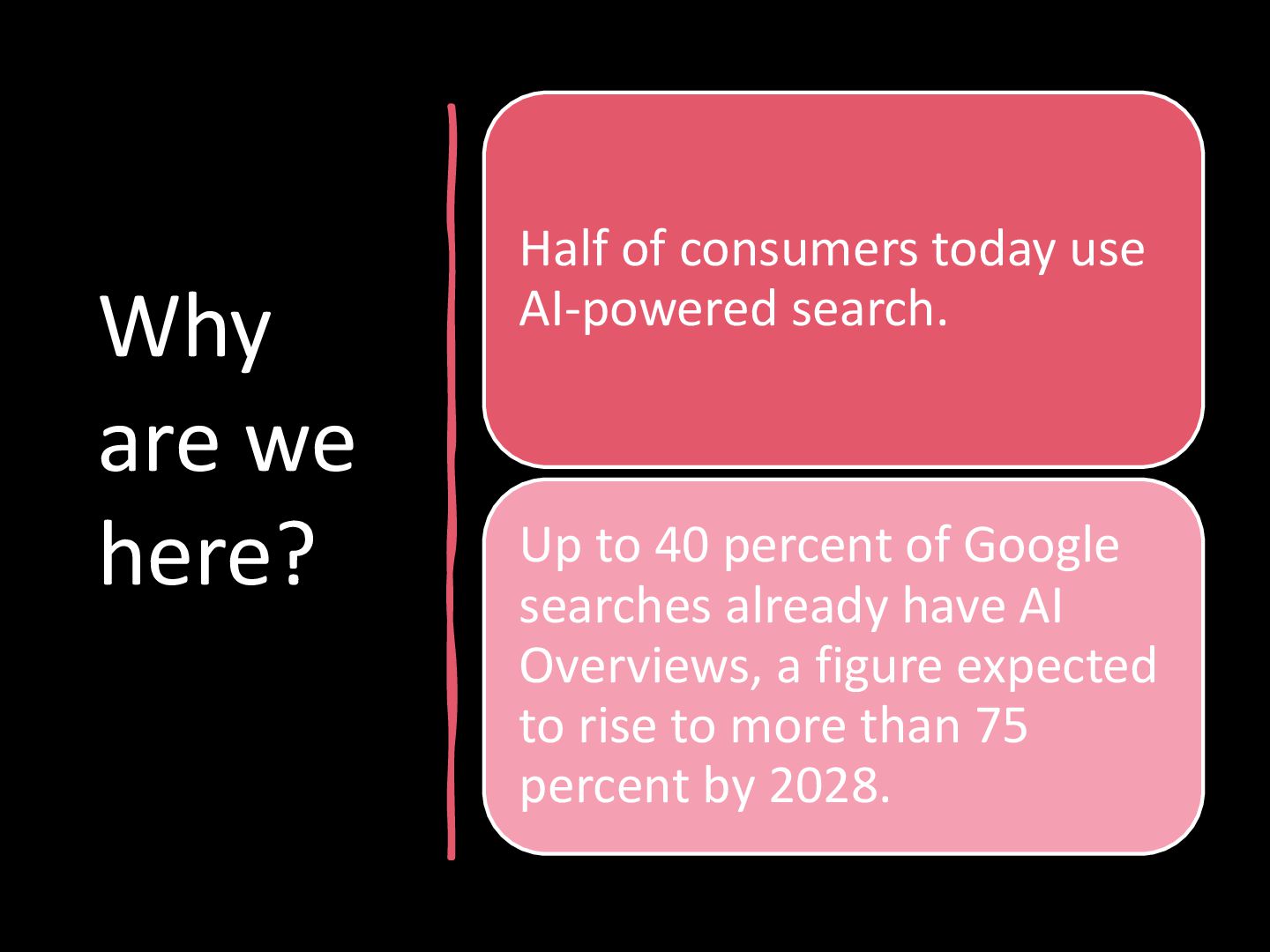
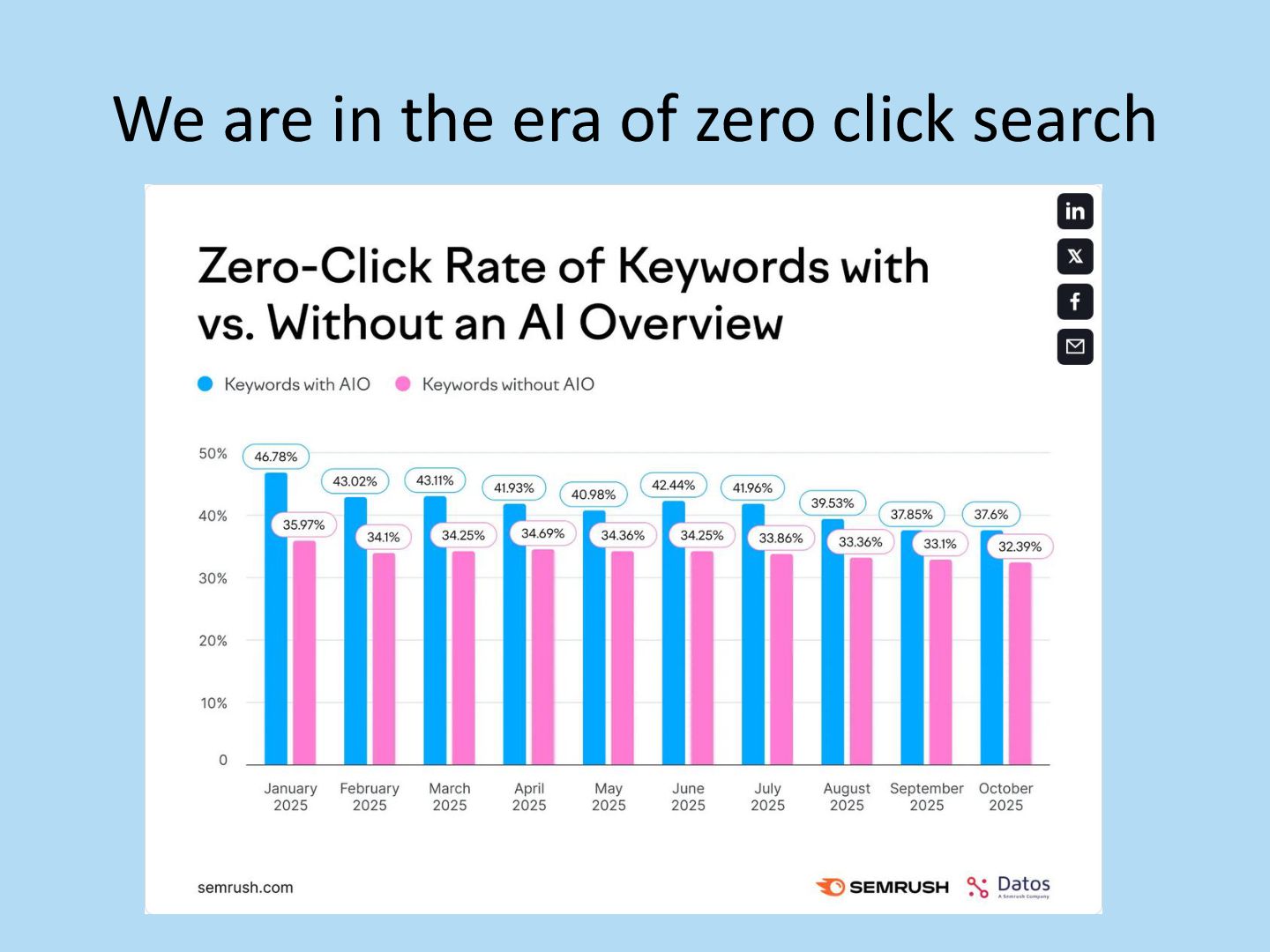
  4. Half of consumers today use AI-powered search. Up to 40

    percent of Google searches already have AI Overviews, a figure expected to rise to more than 75 percent by 2028. Why are we here?
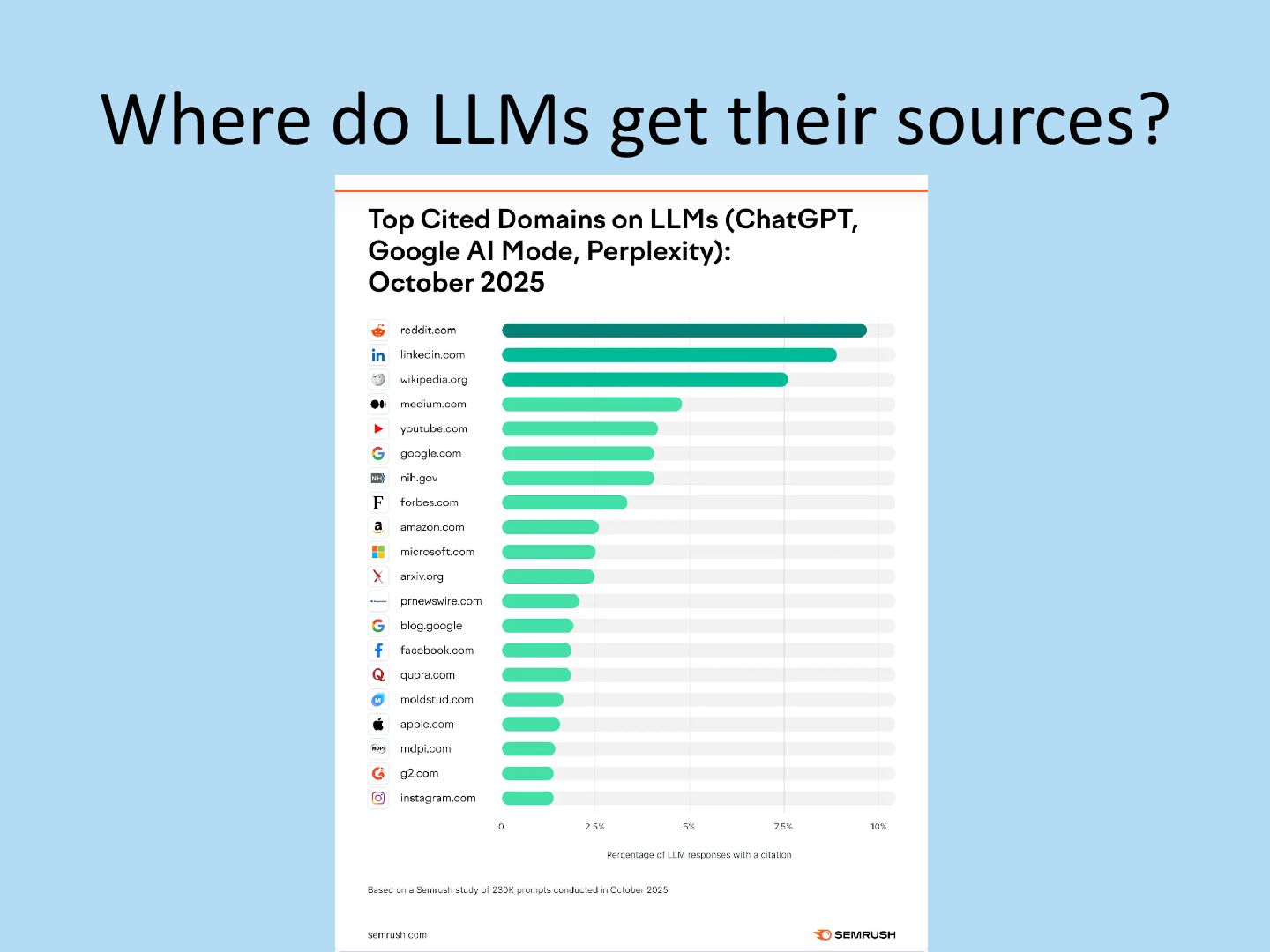
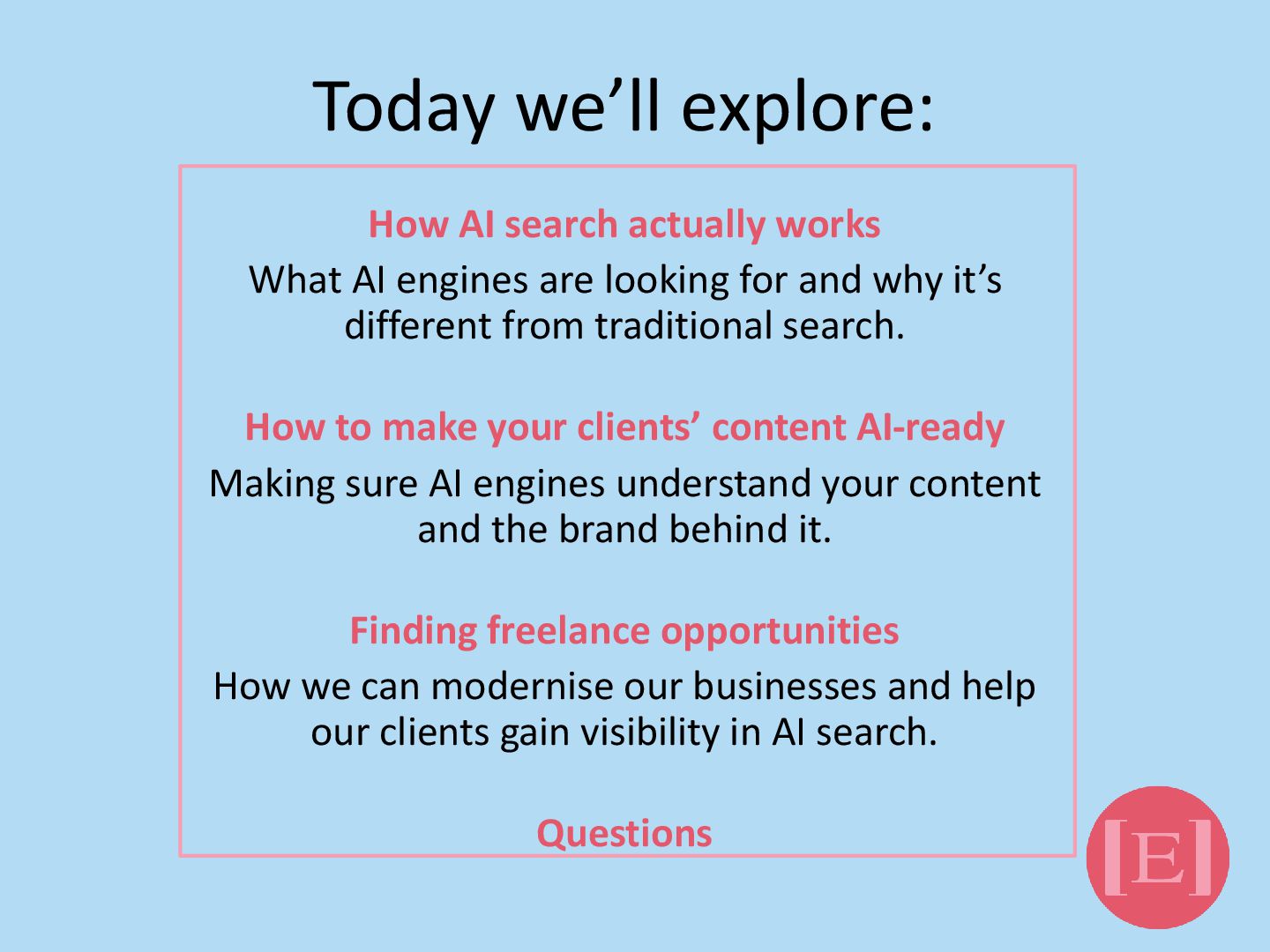
  5. Today we’ll explore: How AI search actually works What AI

    engines are looking for and why it’s different from traditional search. How to make your clients’ content AI-ready Making sure AI engines understand your content and the brand behind it. Finding freelance opportunities How we can modernise our businesses and help our clients gain visibility in AI search. Questions
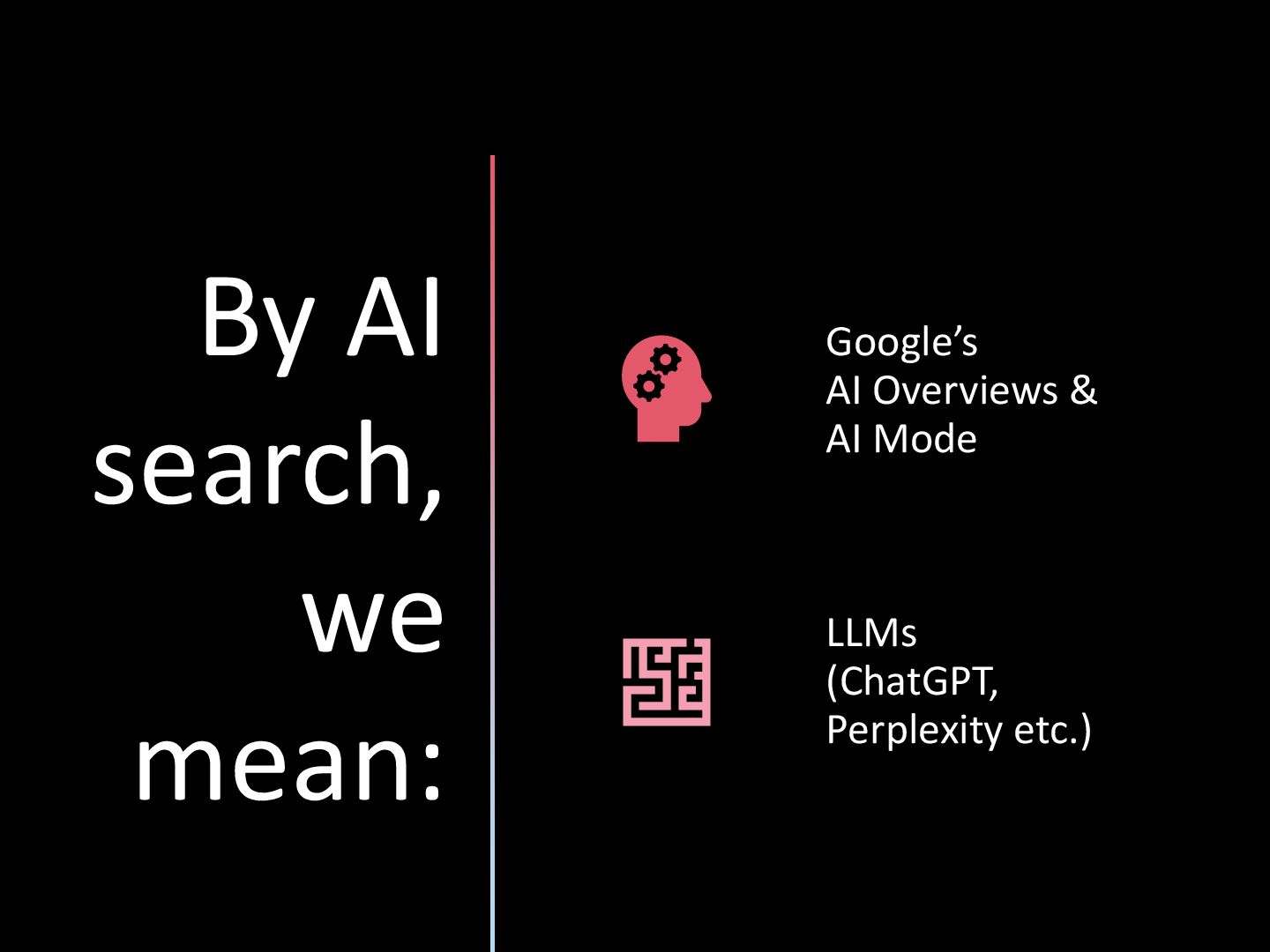
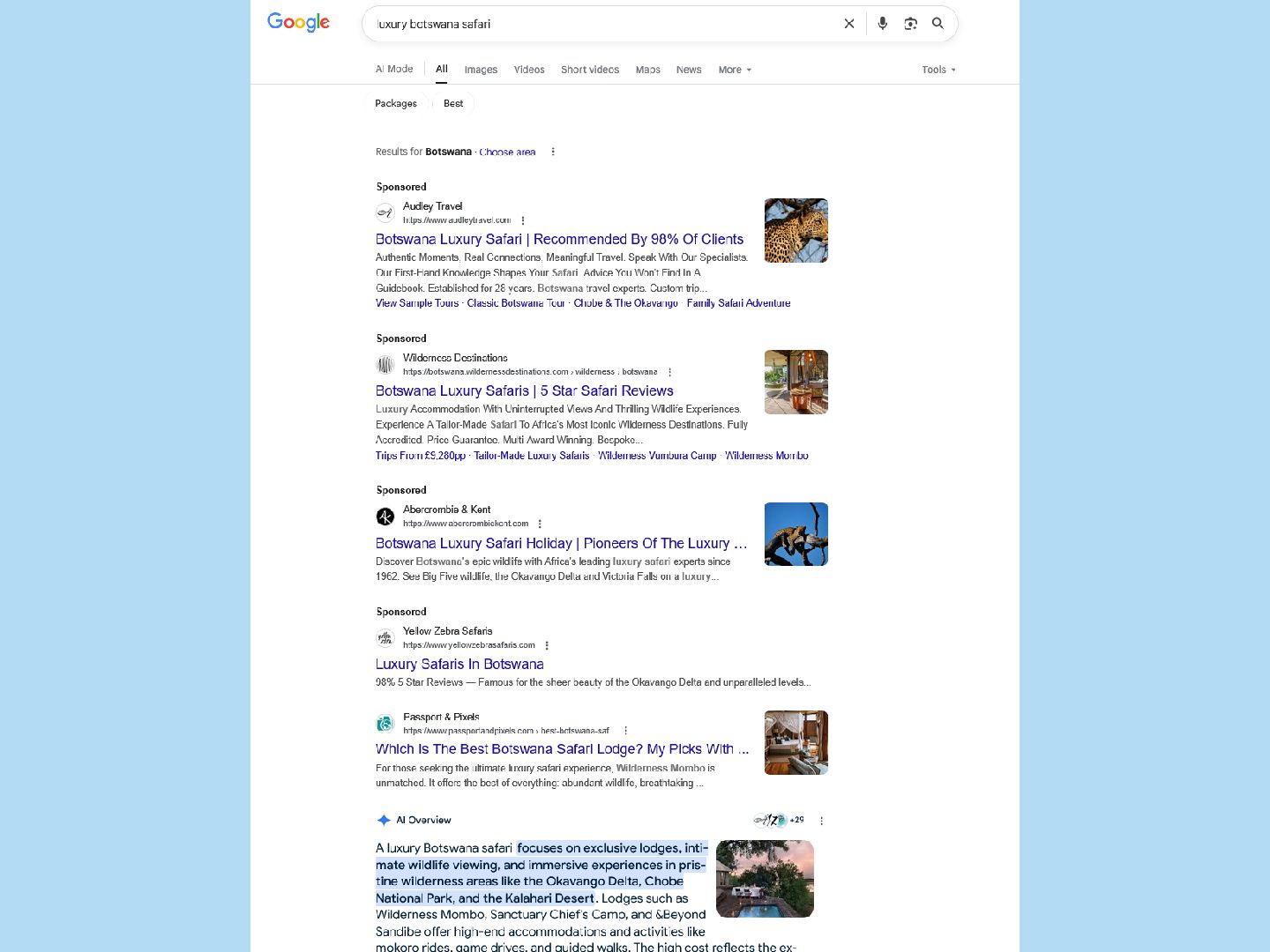
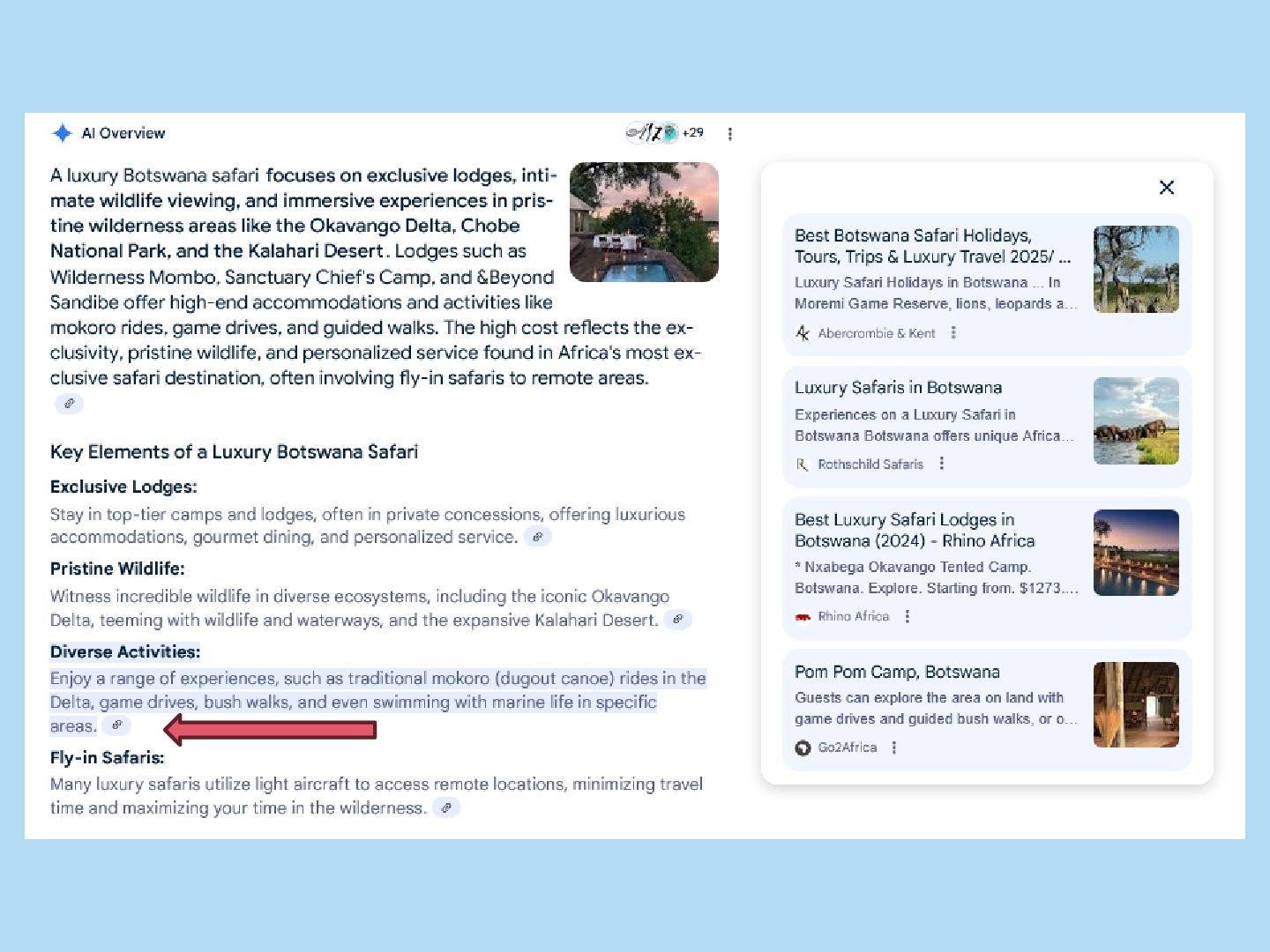
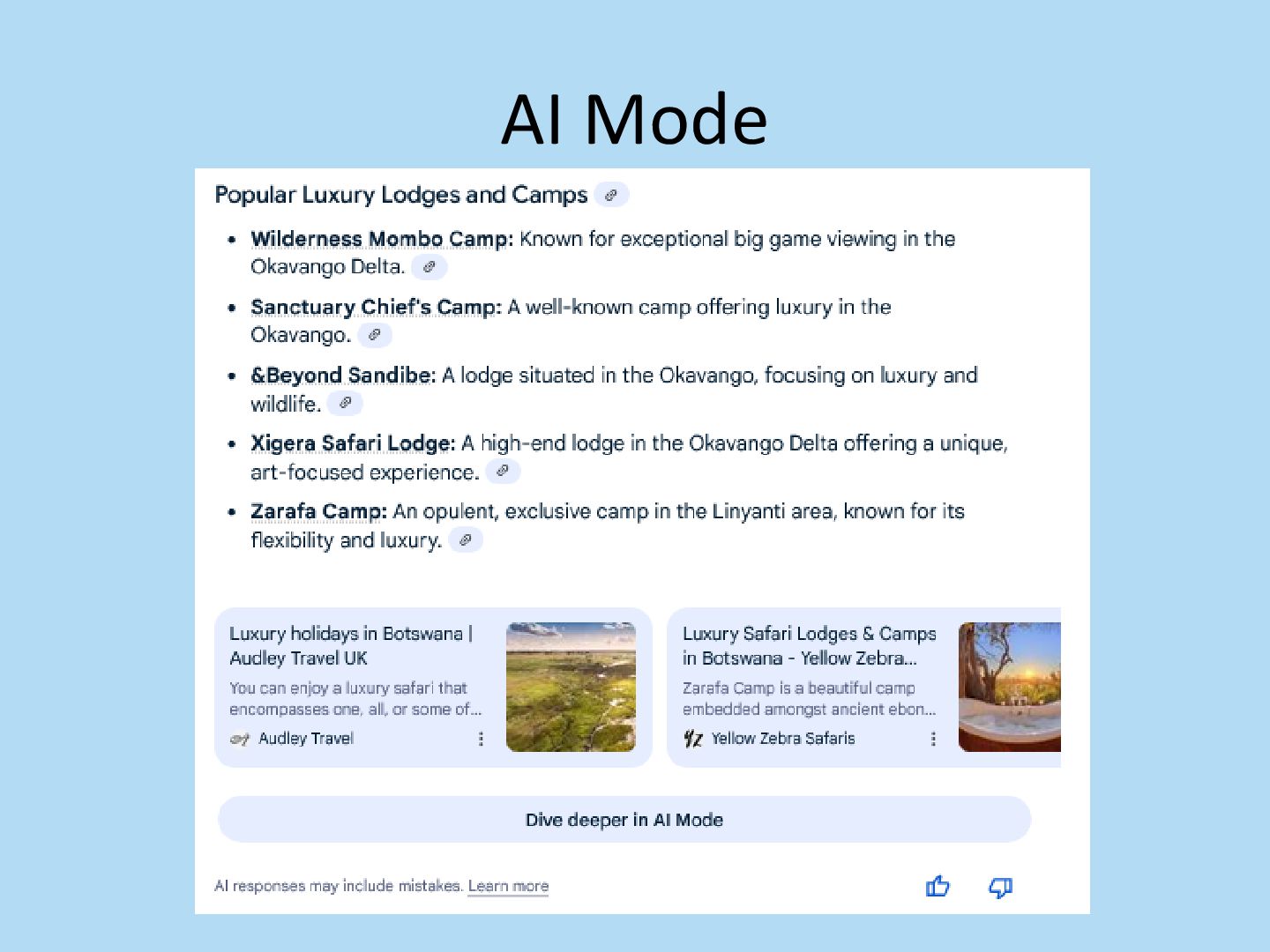
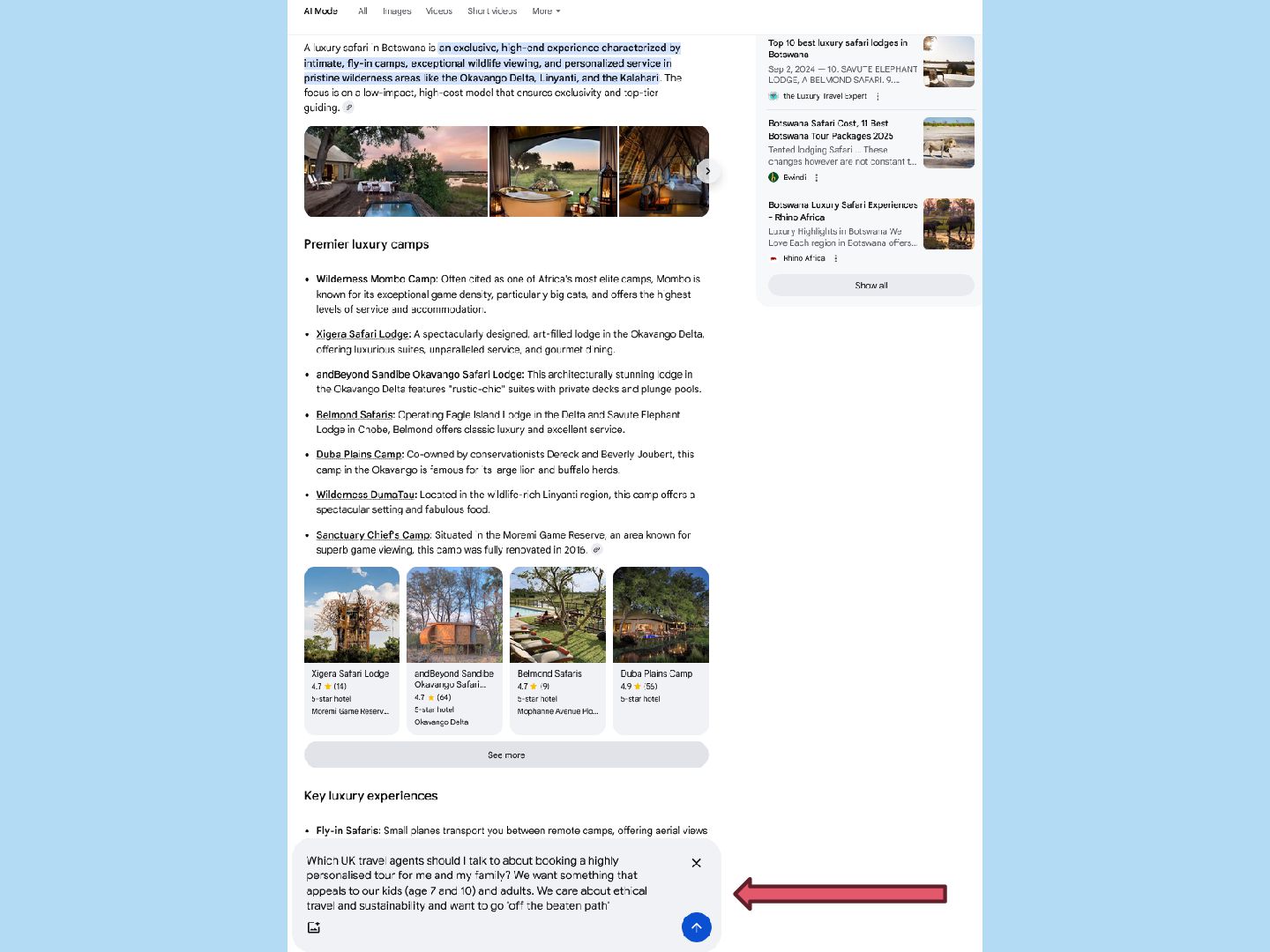
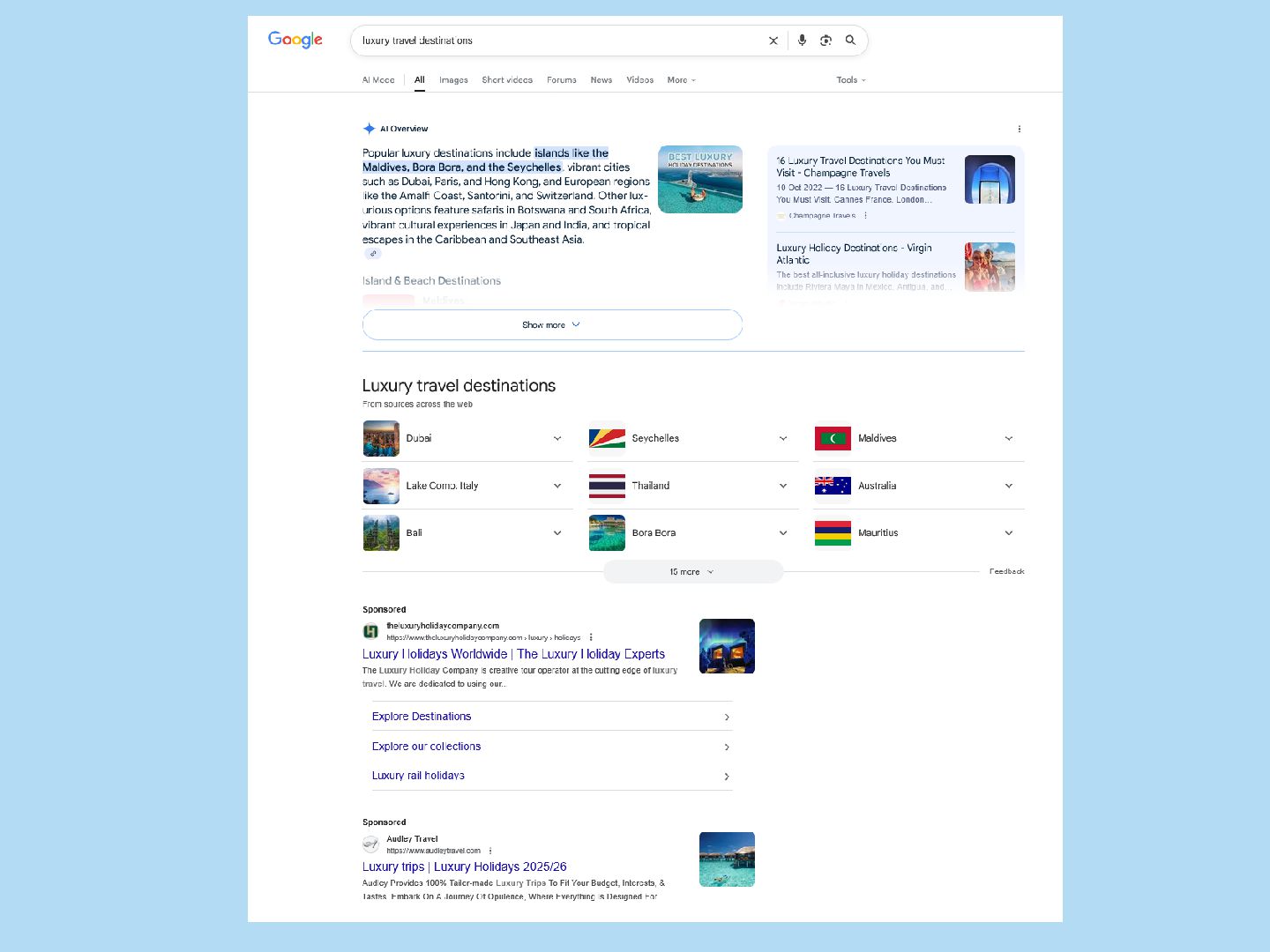
  6. By AI search, we mean: Google’s AI Overviews & AI

    Mode LLMs (ChatGPT, Perplexity etc.)
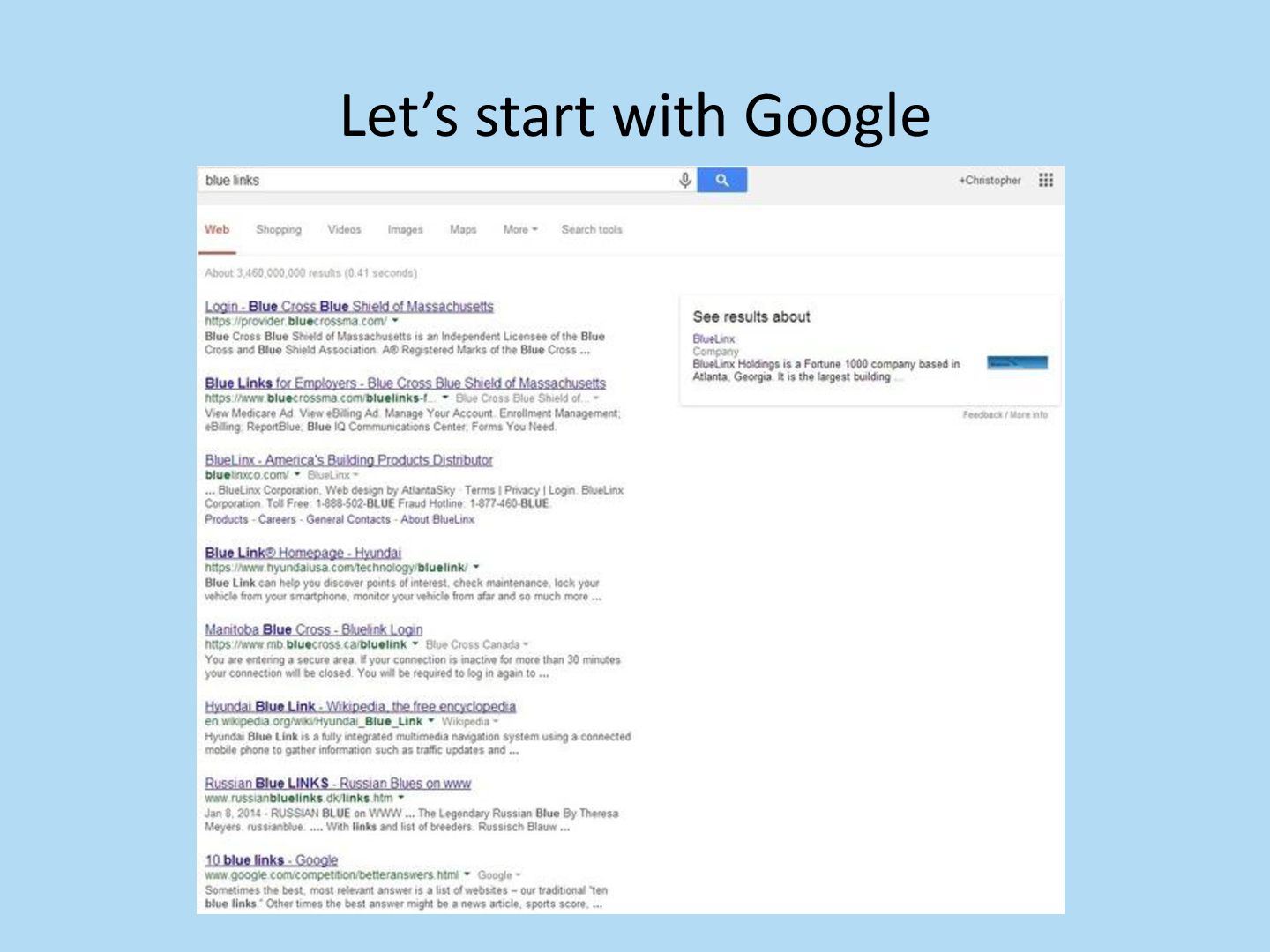
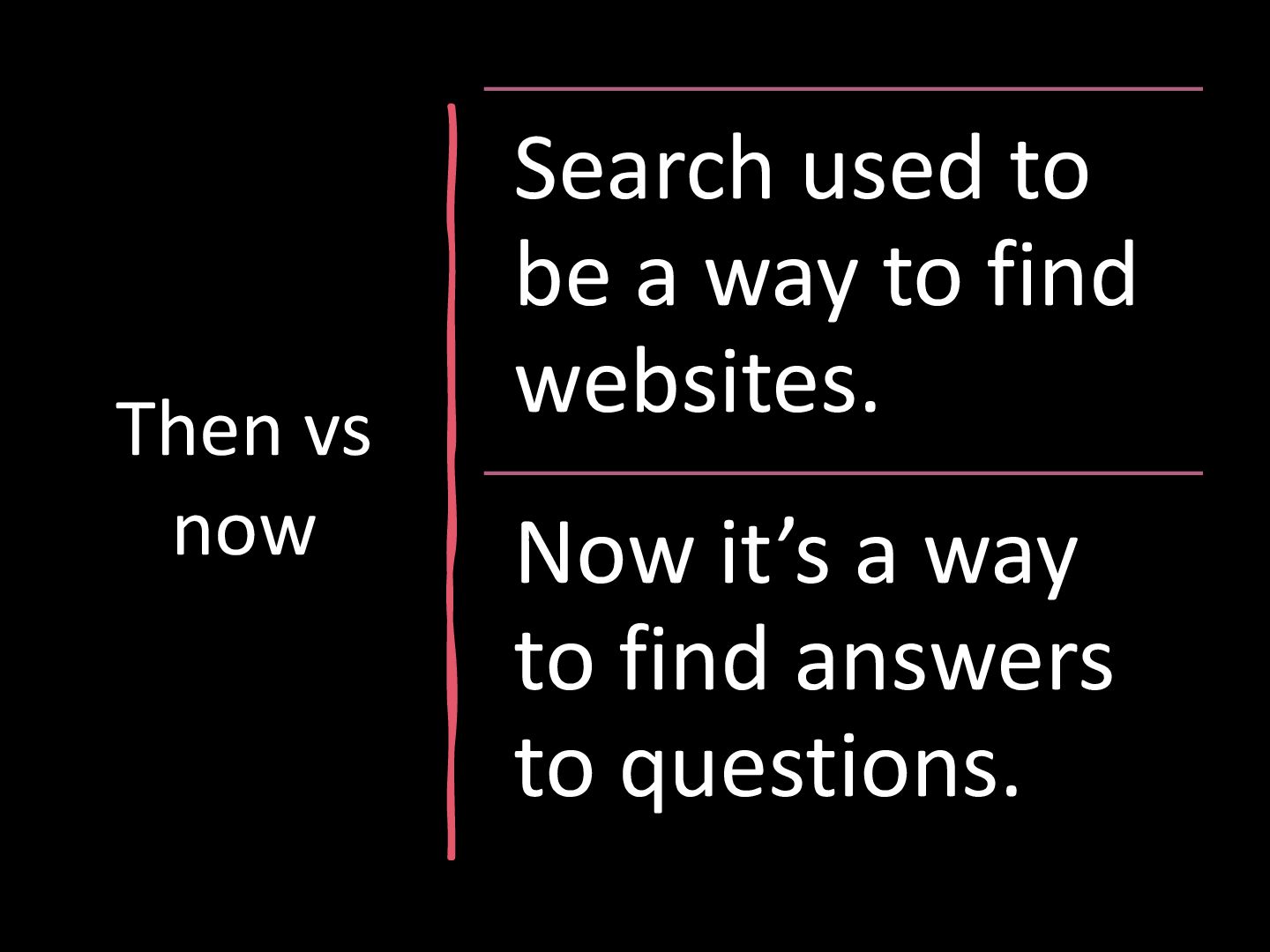
  7. Then vs now Search used to be a way to

    find websites. Now it’s a way to find answers to questions.
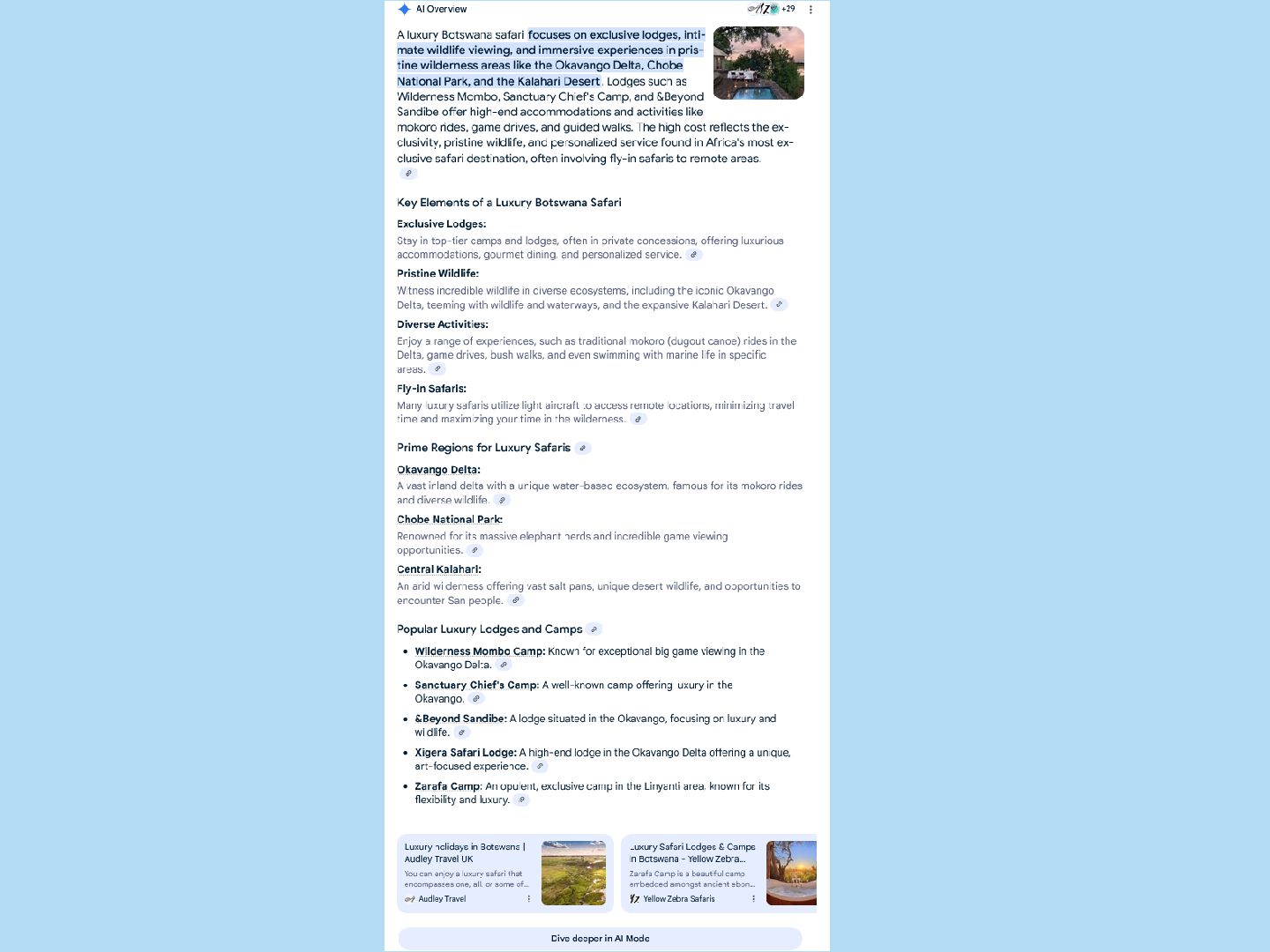
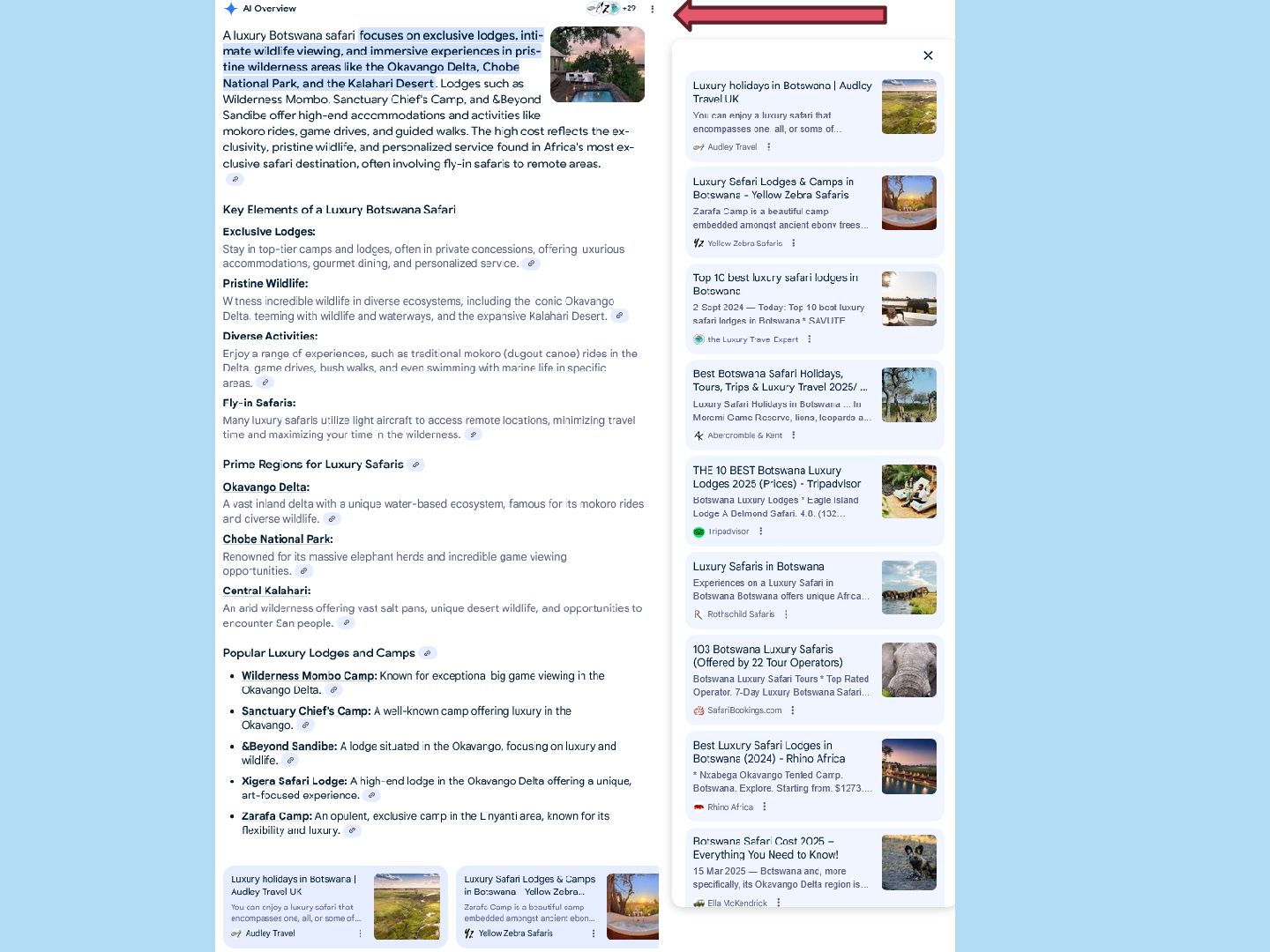
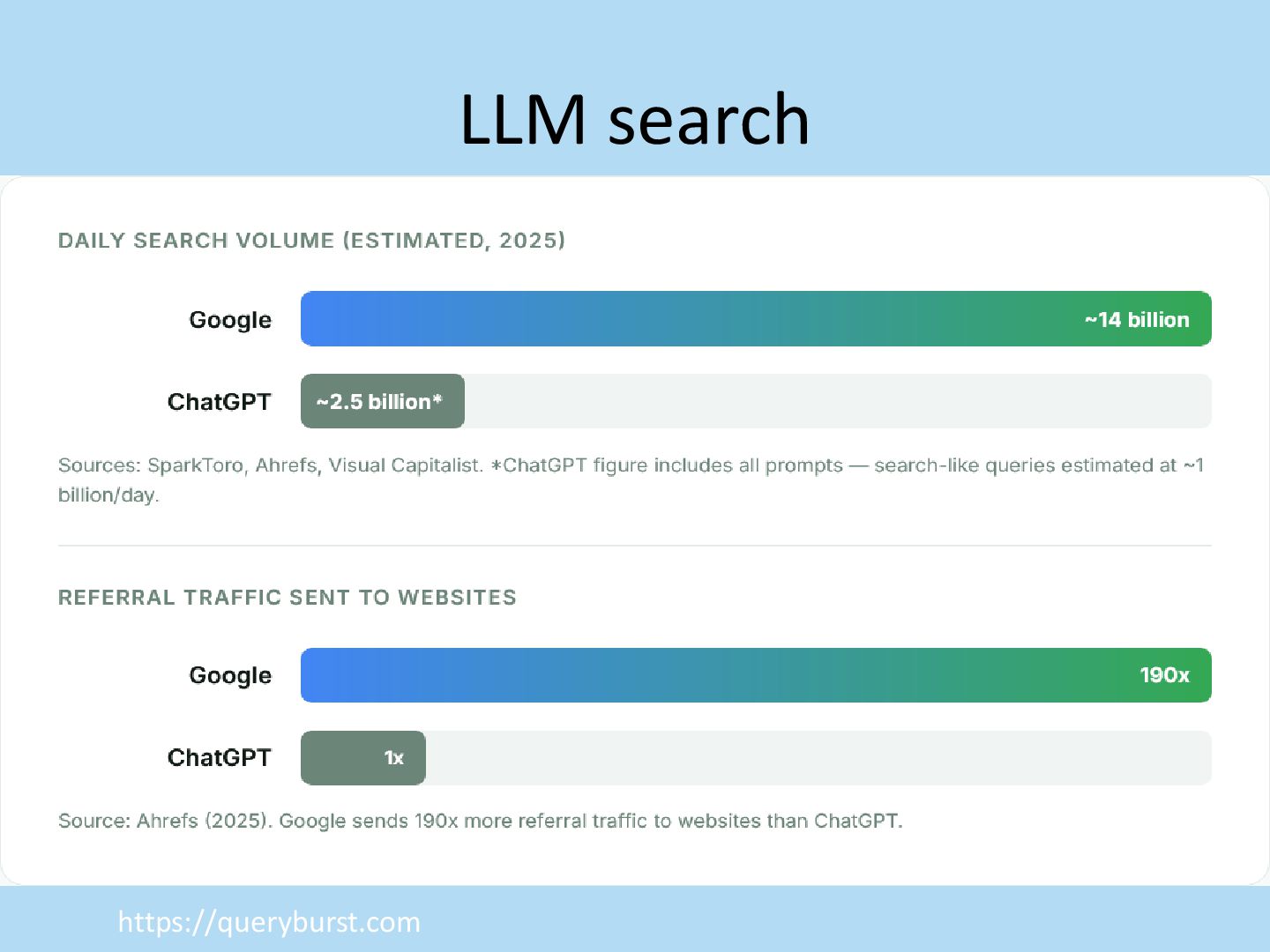
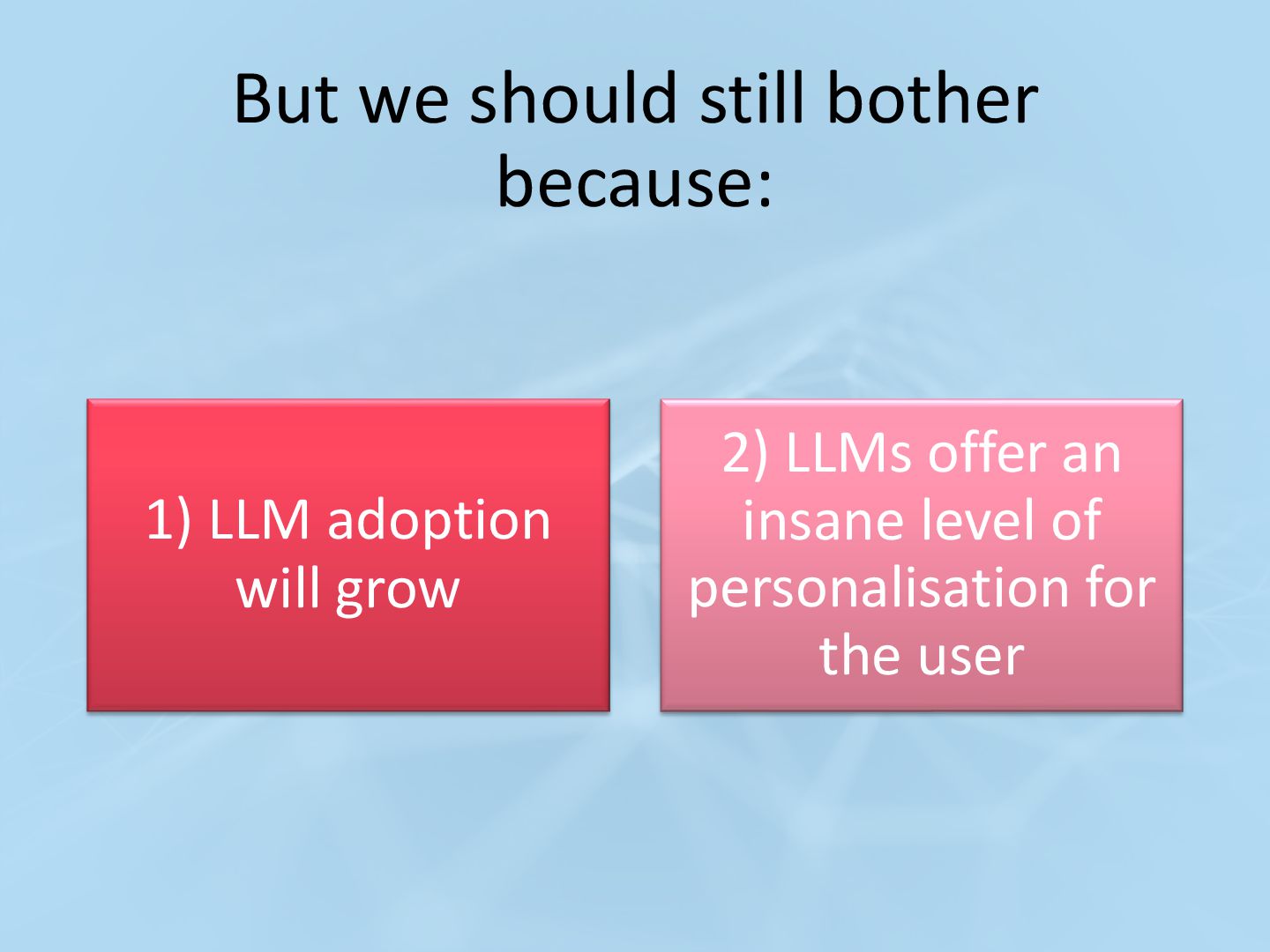
  8. But we should still bother because: 1) LLM adoption will

    grow 2) LLMs offer an insane level of personalisation for the user
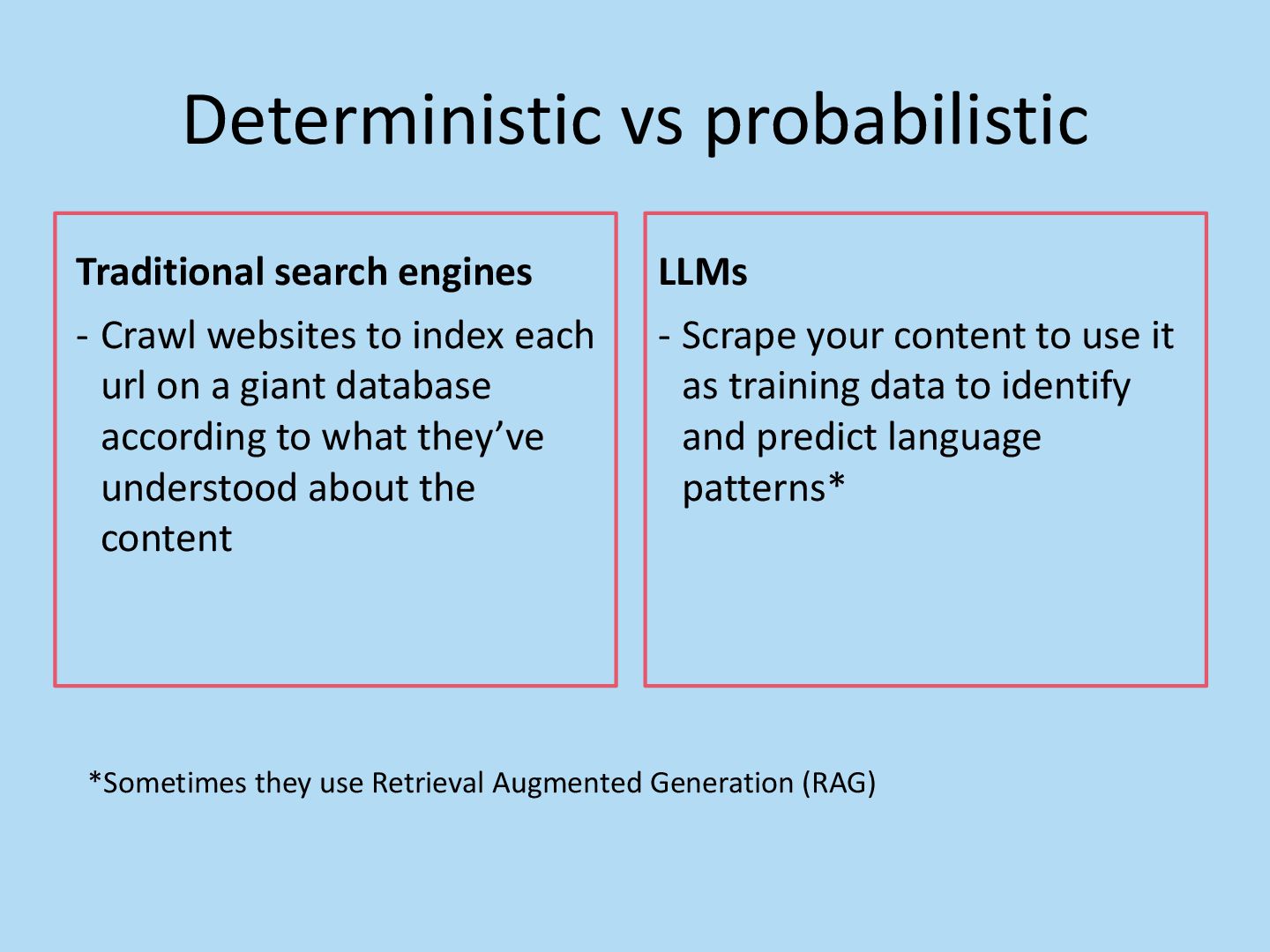
  9. Deterministic vs probabilistic Traditional search engines - Crawl websites to

    index each url on a giant database according to what they’ve understood about the content LLMs - Scrape your content to use it as training data to identify and predict language patterns* *Sometimes they use Retrieval Augmented Generation (RAG)
  10. Deterministic vs probabilistic Traditional search engines - Crawl websites to

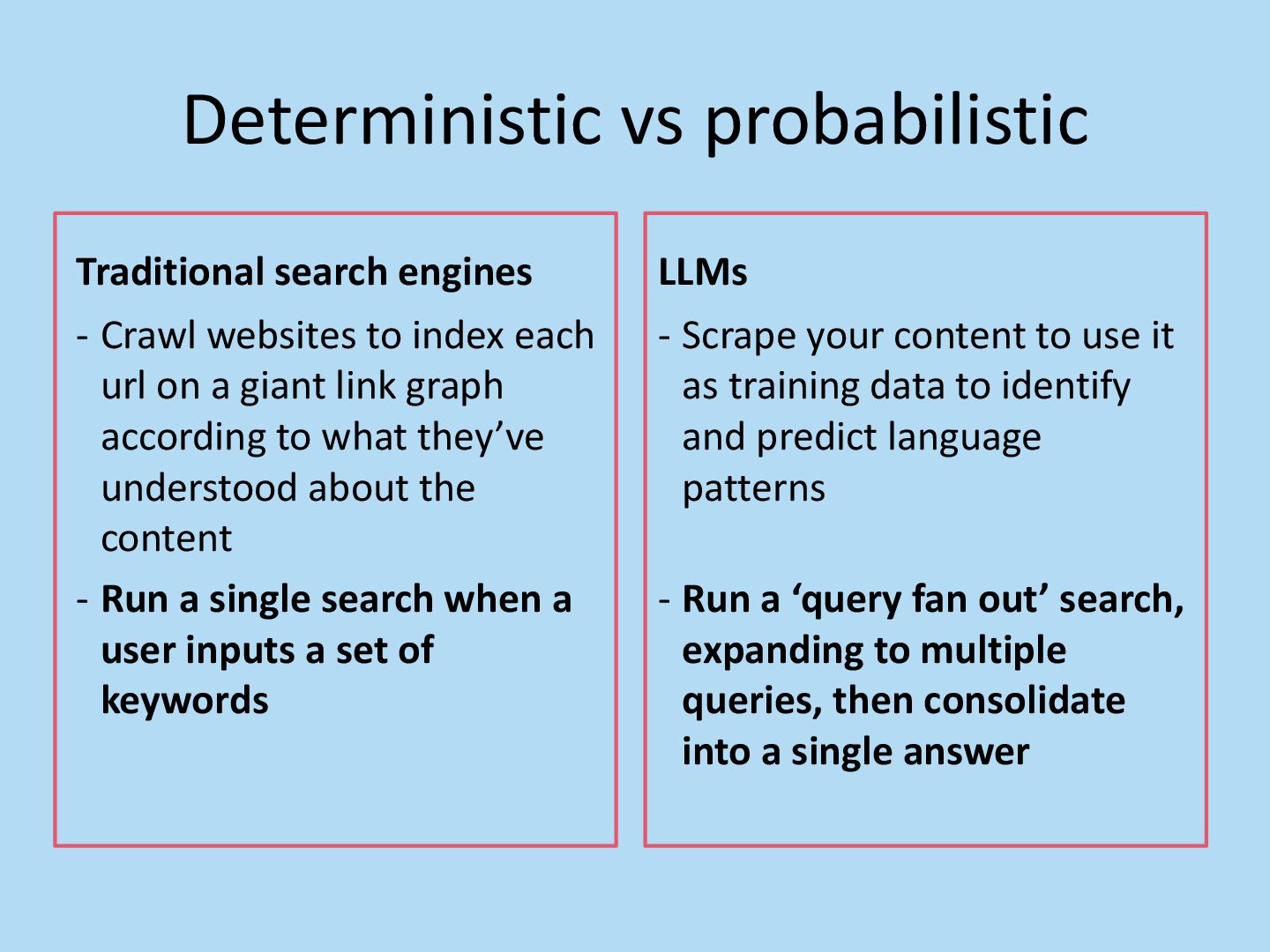
    index each url on a giant link graph according to what they’ve understood about the content - Run a single search when a user inputs a set of keywords LLMs - Scrape your content to use it as training data to identify and predict language patterns - Run a ‘query fan out’ search, expanding to multiple queries, then consolidate into a single answer
  11. Deterministic vs probabilistic Traditional search engines - Crawl websites to

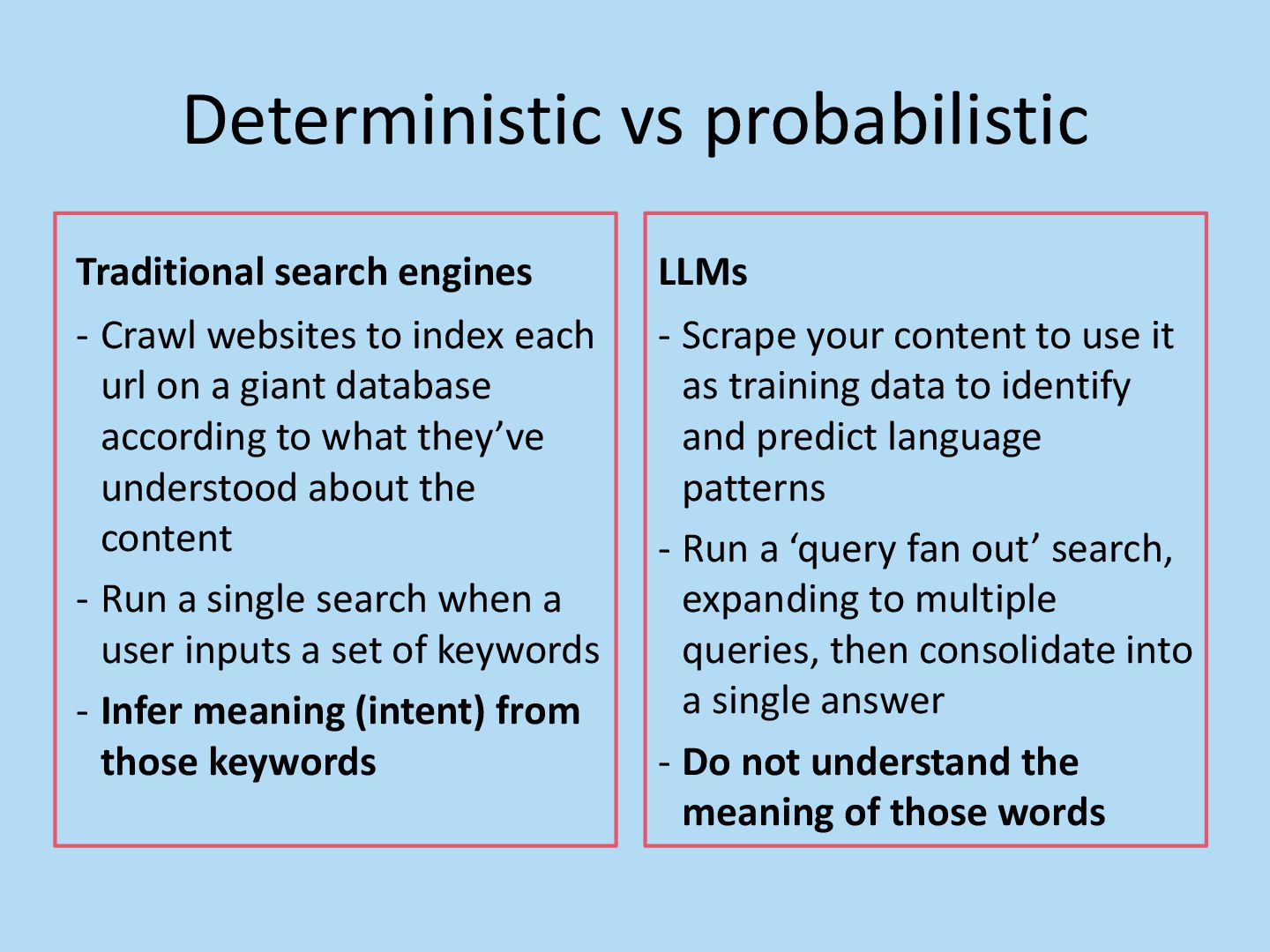
    index each url on a giant database according to what they’ve understood about the content - Run a single search when a user inputs a set of keywords - Infer meaning (intent) from those keywords LLMs - Scrape your content to use it as training data to identify and predict language patterns - Run a ‘query fan out’ search, expanding to multiple queries, then consolidate into a single answer - Do not understand the meaning of those words
  12. Deterministic vs probabilistic Traditional search engines - Crawl websites to

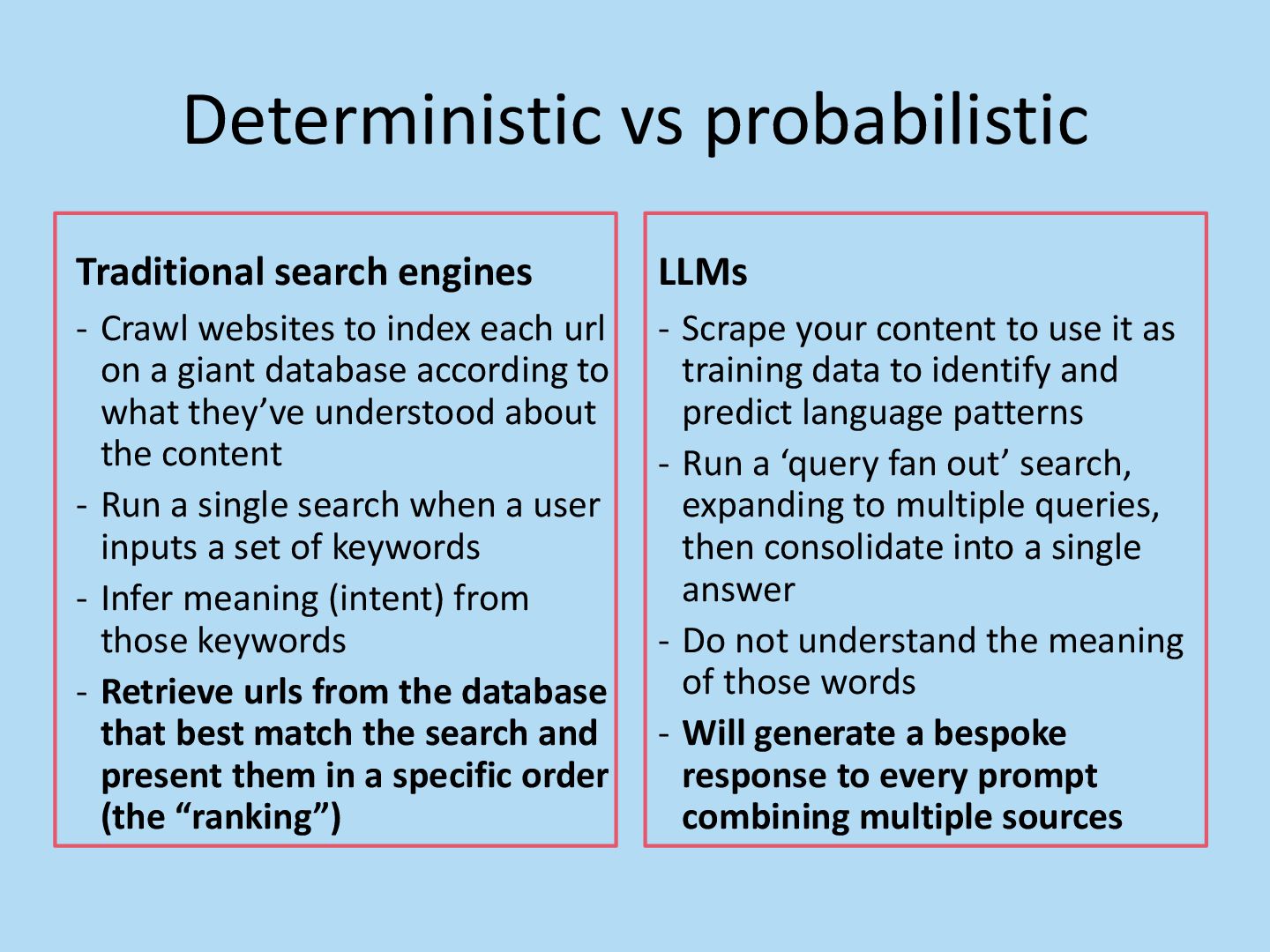
    index each url on a giant database according to what they’ve understood about the content - Run a single search when a user inputs a set of keywords - Infer meaning (intent) from those keywords - Retrieve urls from the database that best match the search and present them in a specific order (the “ranking”) LLMs - Scrape your content to use it as training data to identify and predict language patterns - Run a ‘query fan out’ search, expanding to multiple queries, then consolidate into a single answer - Do not understand the meaning of those words - Will generate a bespoke response to every prompt combining multiple sources
  13. Deterministic vs probabilistic Traditional search engines - Crawl websites to

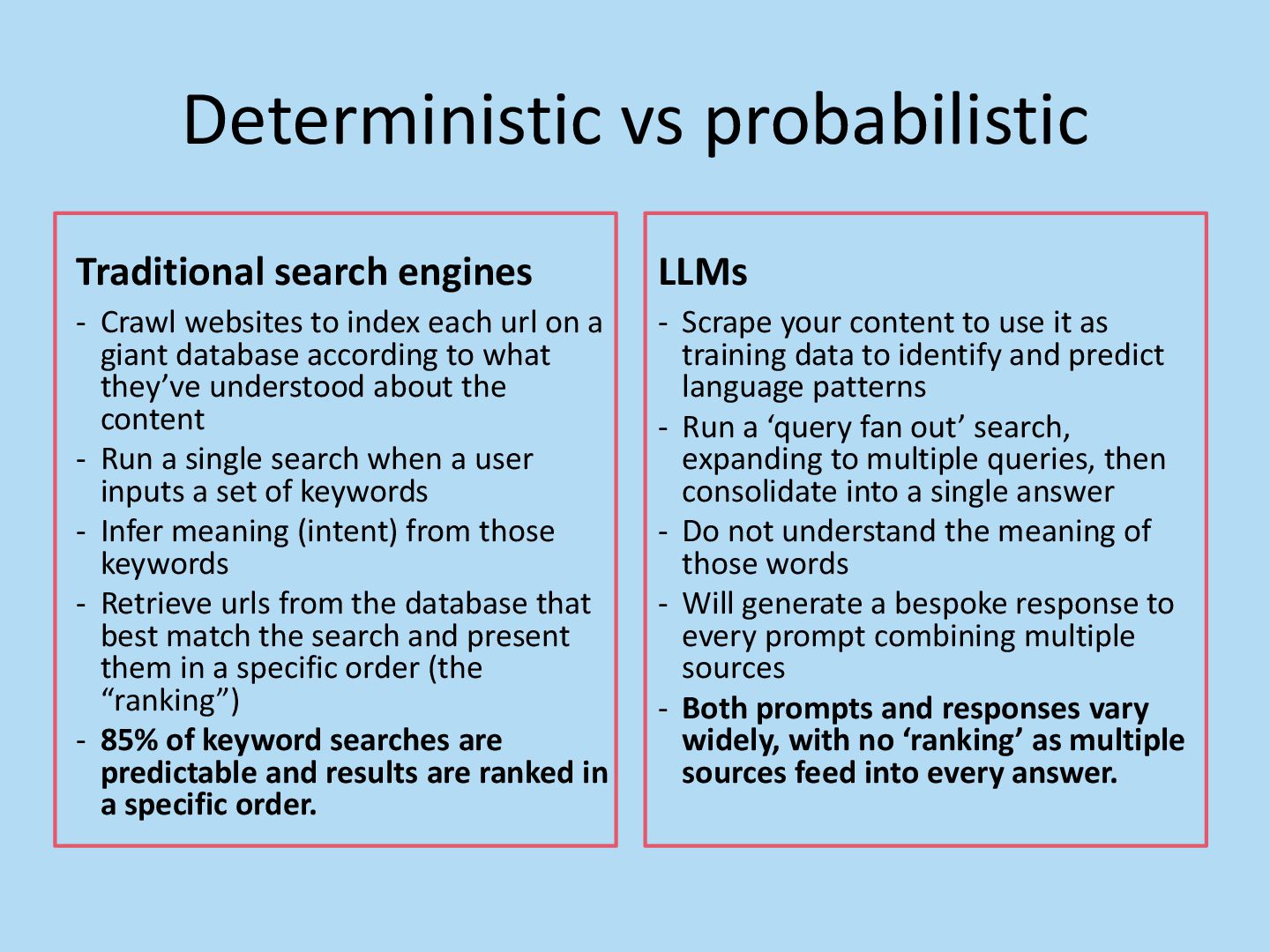
    index each url on a giant database according to what they’ve understood about the content - Run a single search when a user inputs a set of keywords - Infer meaning (intent) from those keywords - Retrieve urls from the database that best match the search and present them in a specific order (the “ranking”) - 85% of keyword searches are predictable and results are ranked in a specific order. LLMs - Scrape your content to use it as training data to identify and predict language patterns - Run a ‘query fan out’ search, expanding to multiple queries, then consolidate into a single answer - Do not understand the meaning of those words - Will generate a bespoke response to every prompt combining multiple sources - Both prompts and responses vary widely, with no ‘ranking’ as multiple sources feed into every answer.
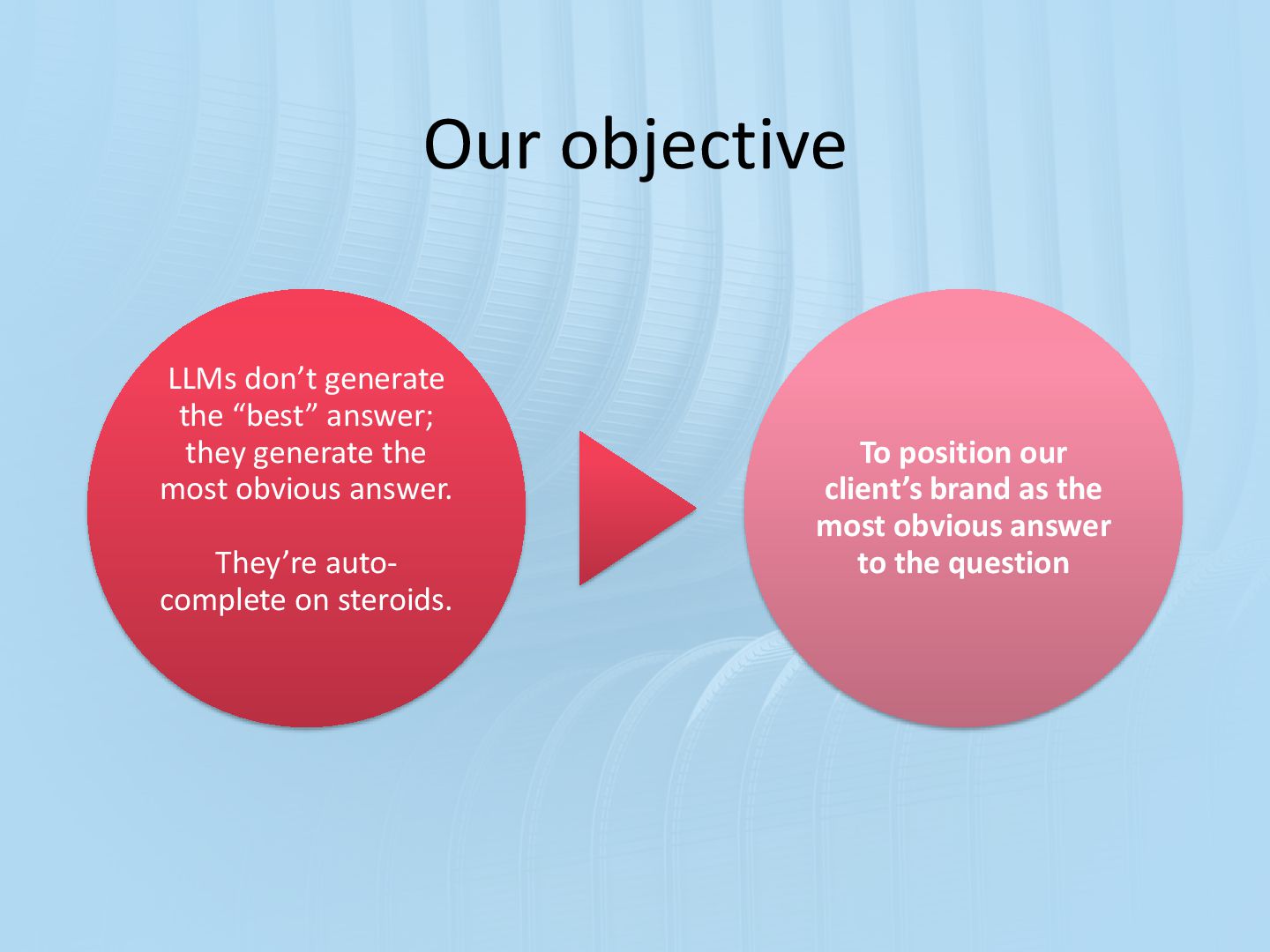
  14. Our objective LLMs don’t generate the “best” answer; they generate

    the most obvious answer. They’re auto- complete on steroids. To position our client’s brand as the most obvious answer to the question
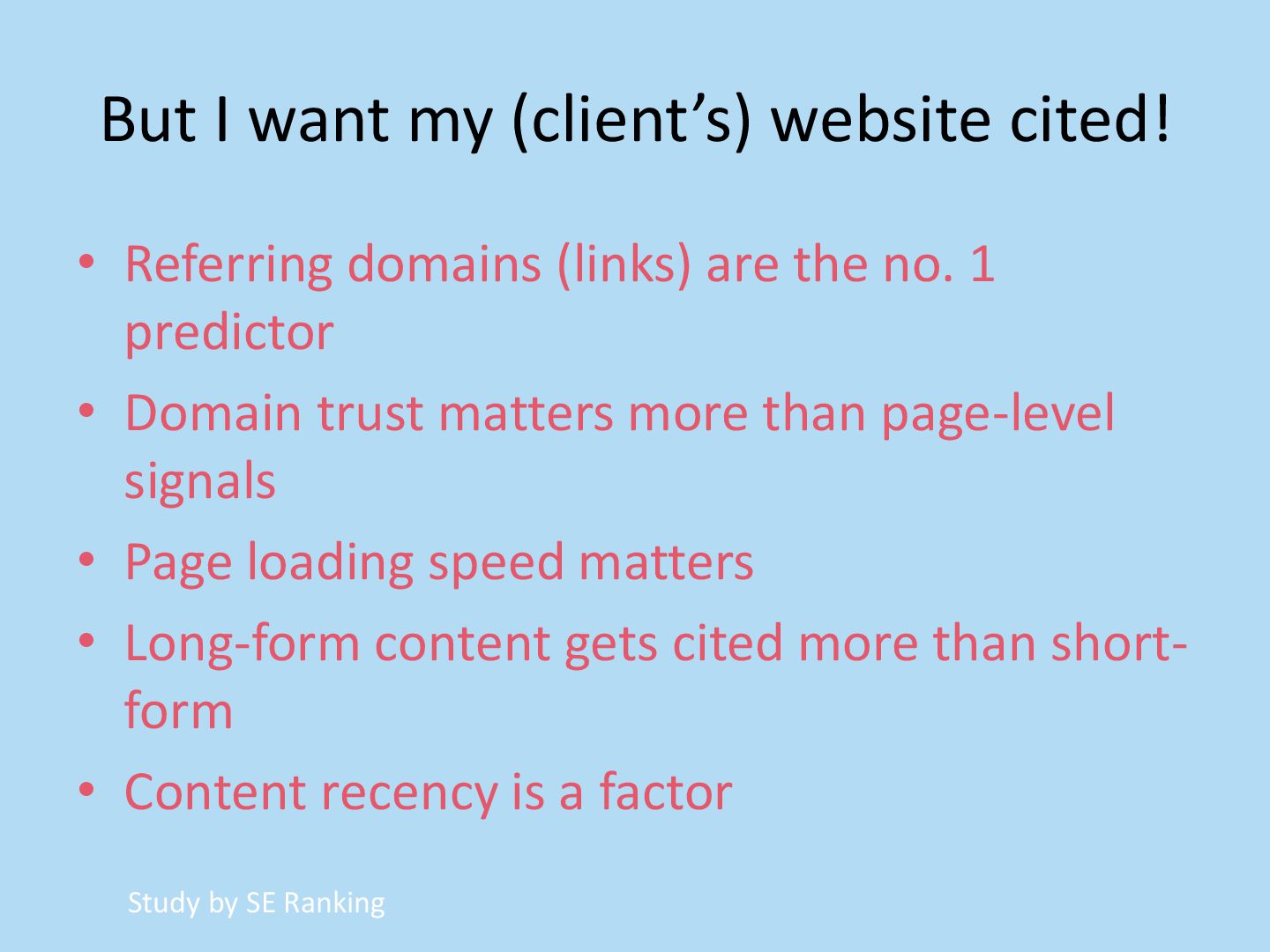
  15. But I want my (client’s) website cited! • Referring domains

    (links) are the no. 1 predictor • Domain trust matters more than page-level signals • Page loading speed matters • Long-form content gets cited more than short- form • Content recency is a factor Study by SE Ranking
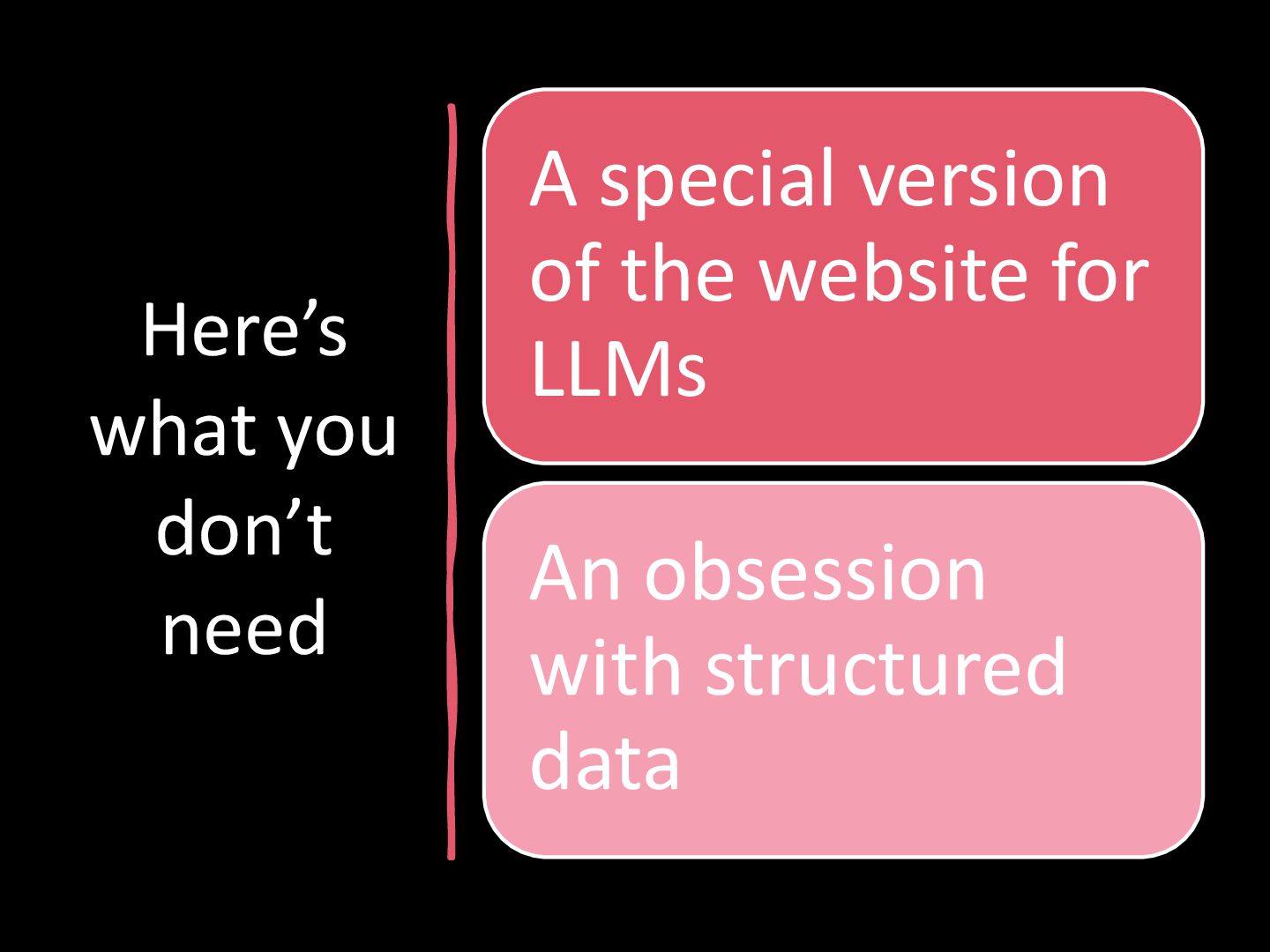
  16. Here’s what you don’t need A special version of the

    website for LLMs An obsession with structured data
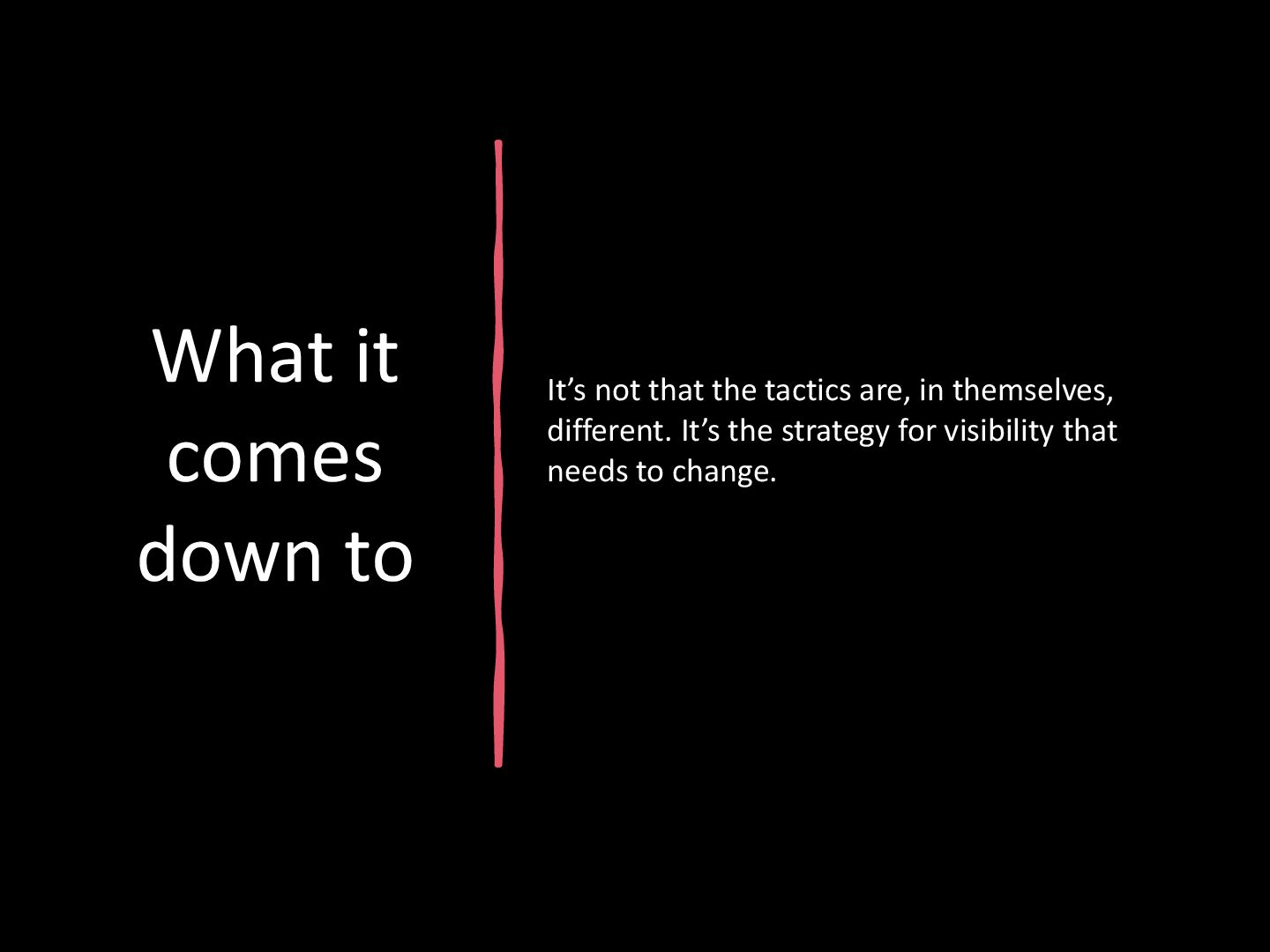
  17. What it comes down to It’s not that the tactics

    are, in themselves, different. It’s the strategy for visibility that needs to change.
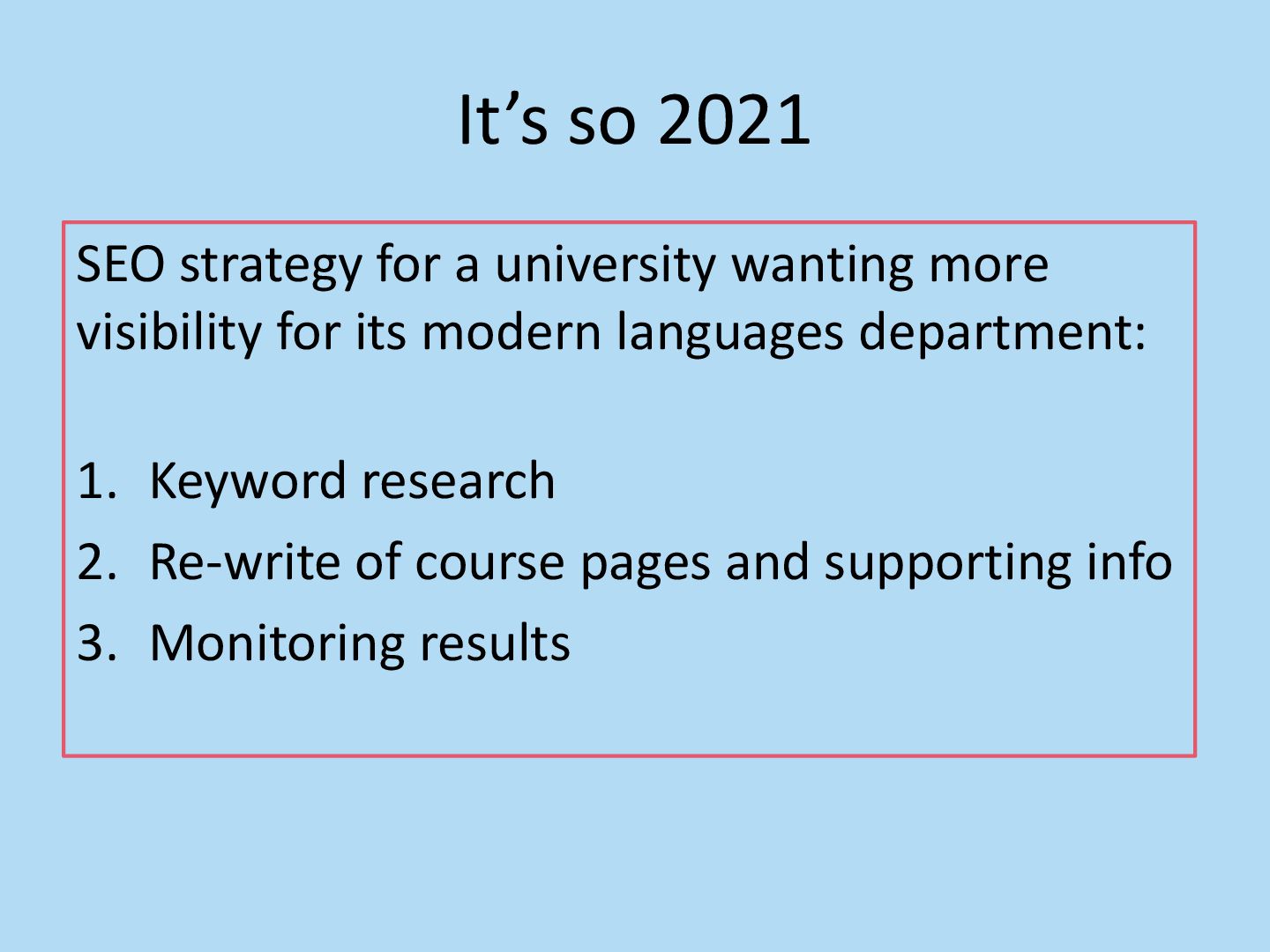
  18. It’s so 2021 SEO strategy for a university wanting more

    visibility for its modern languages department: 1. Keyword research 2. Re-write of course pages and supporting info 3. Monitoring results
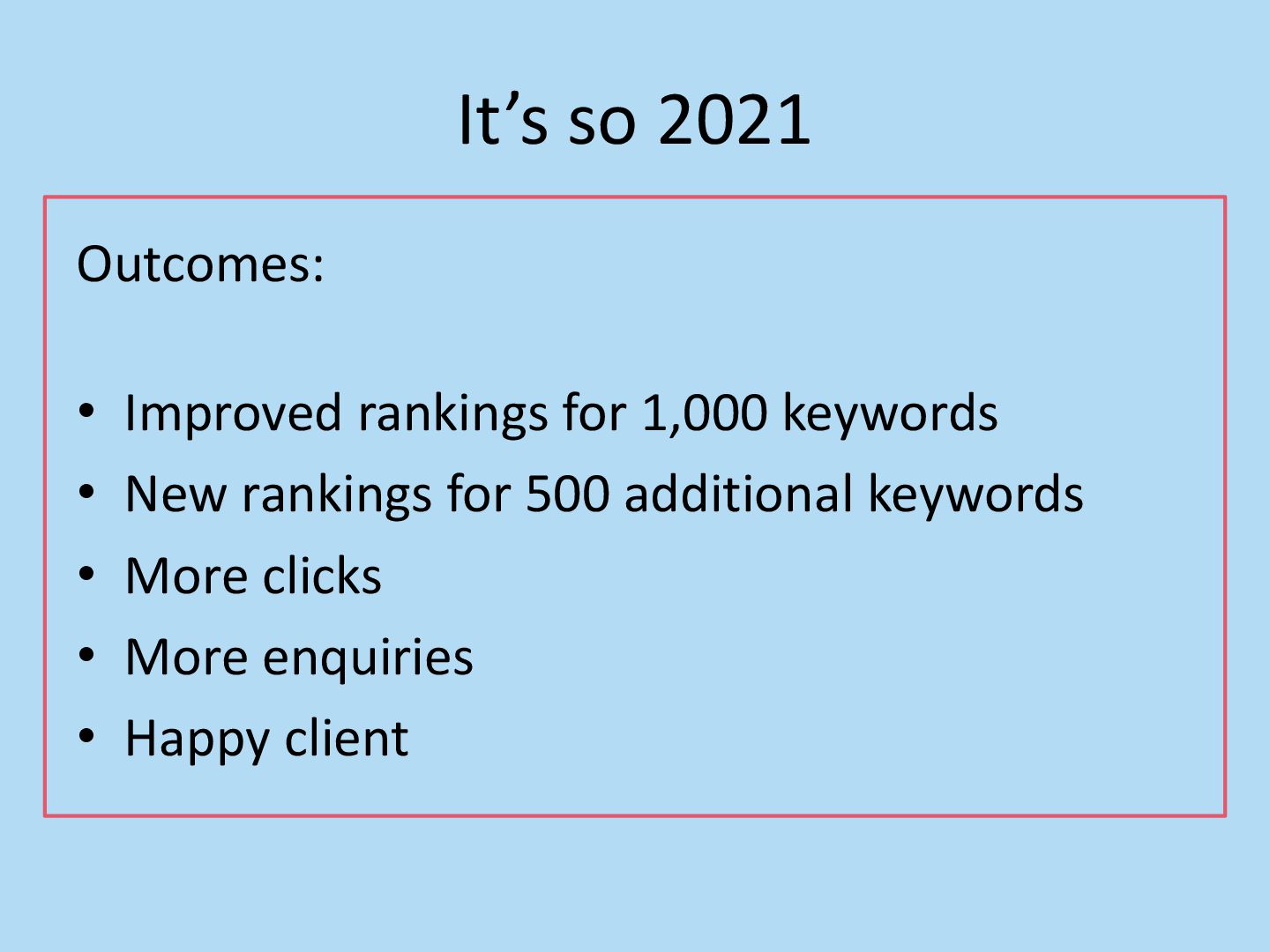
  19. It’s so 2021 Outcomes: • Improved rankings for 1,000 keywords

    • New rankings for 500 additional keywords • More clicks • More enquiries • Happy client
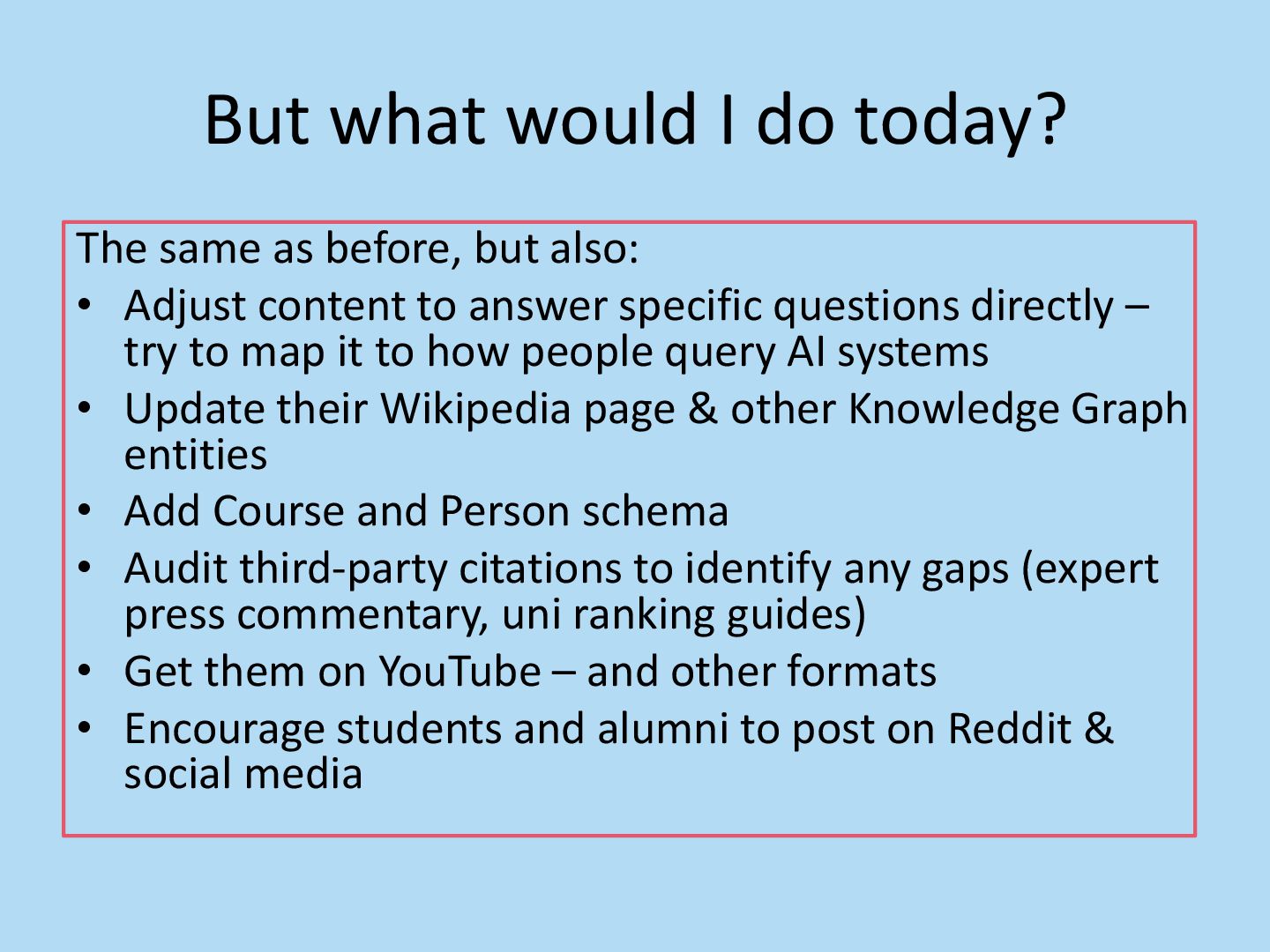
  20. But what would I do today? The same as before,

    but also: • Adjust content to answer specific questions directly – try to map it to how people query AI systems • Update their Wikipedia page & other Knowledge Graph entities • Add Course and Person schema • Audit third-party citations to identify any gaps (expert press commentary, uni ranking guides) • Get them on YouTube – and other formats • Encourage students and alumni to post on Reddit & social media
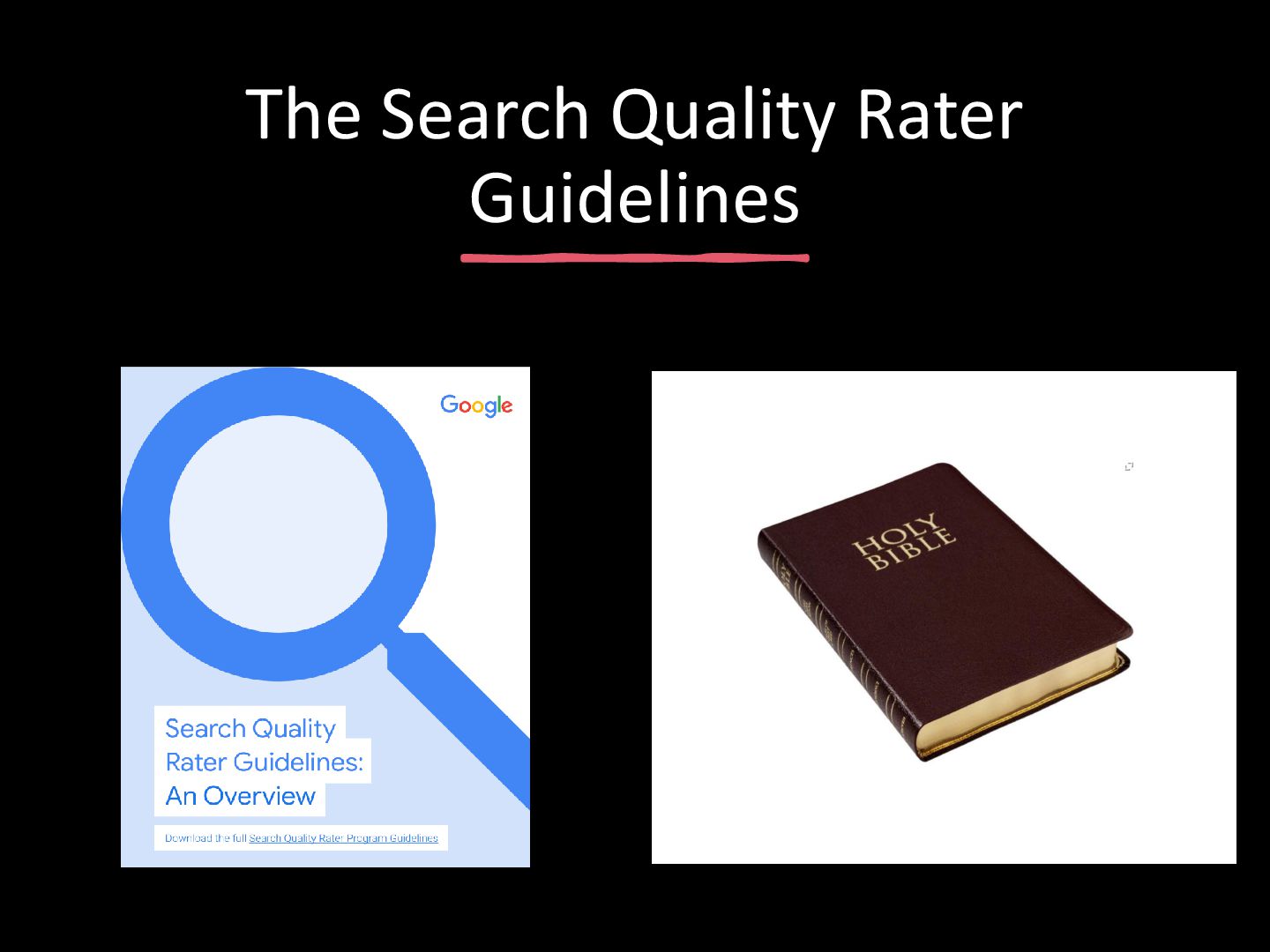
  21. AI Optimisation Checklist • Read the (Google) bible to learn

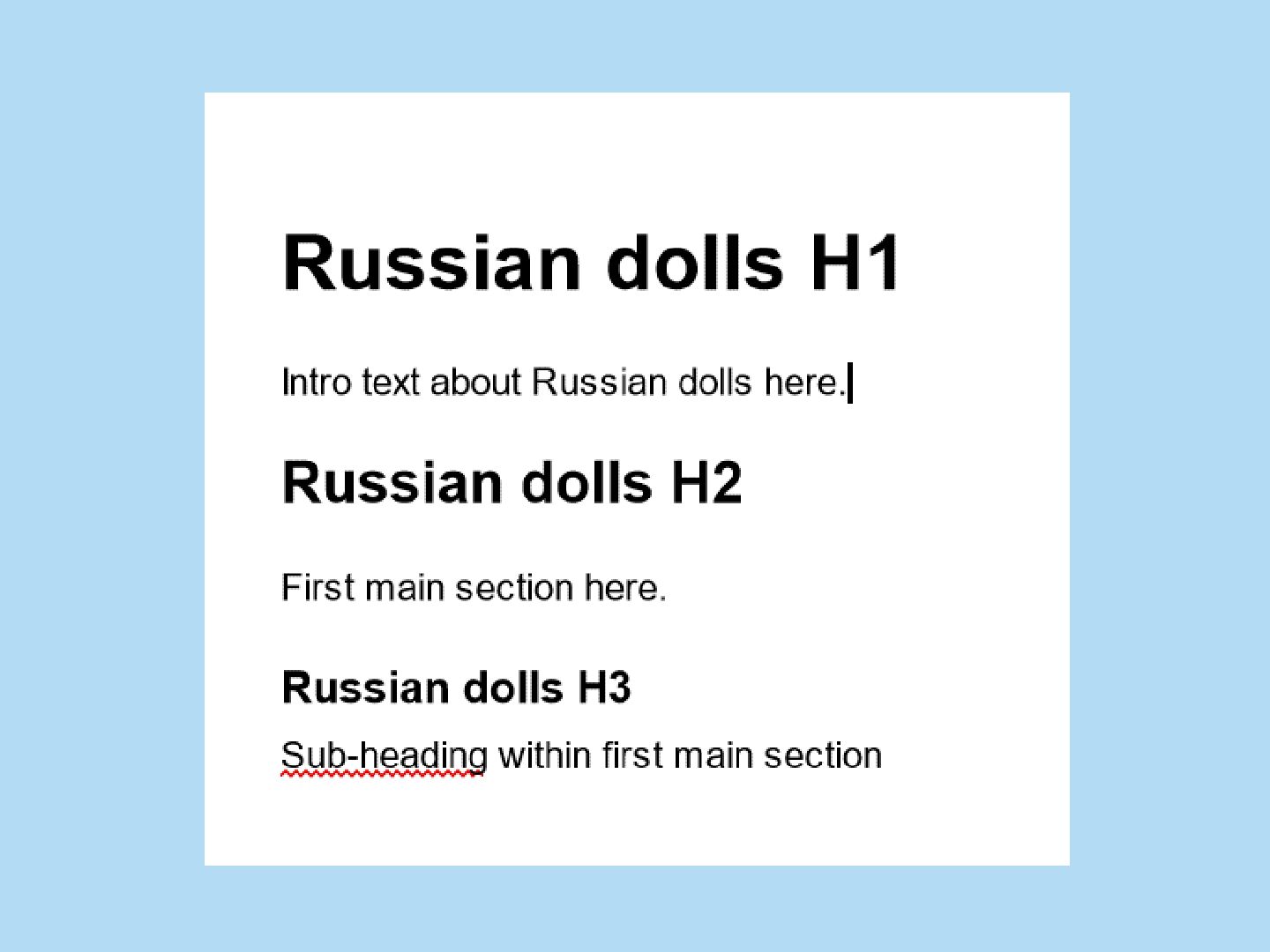
    SEO best practice • Chunk your content • Choose your words • Nest your headings • Optimise everywhere
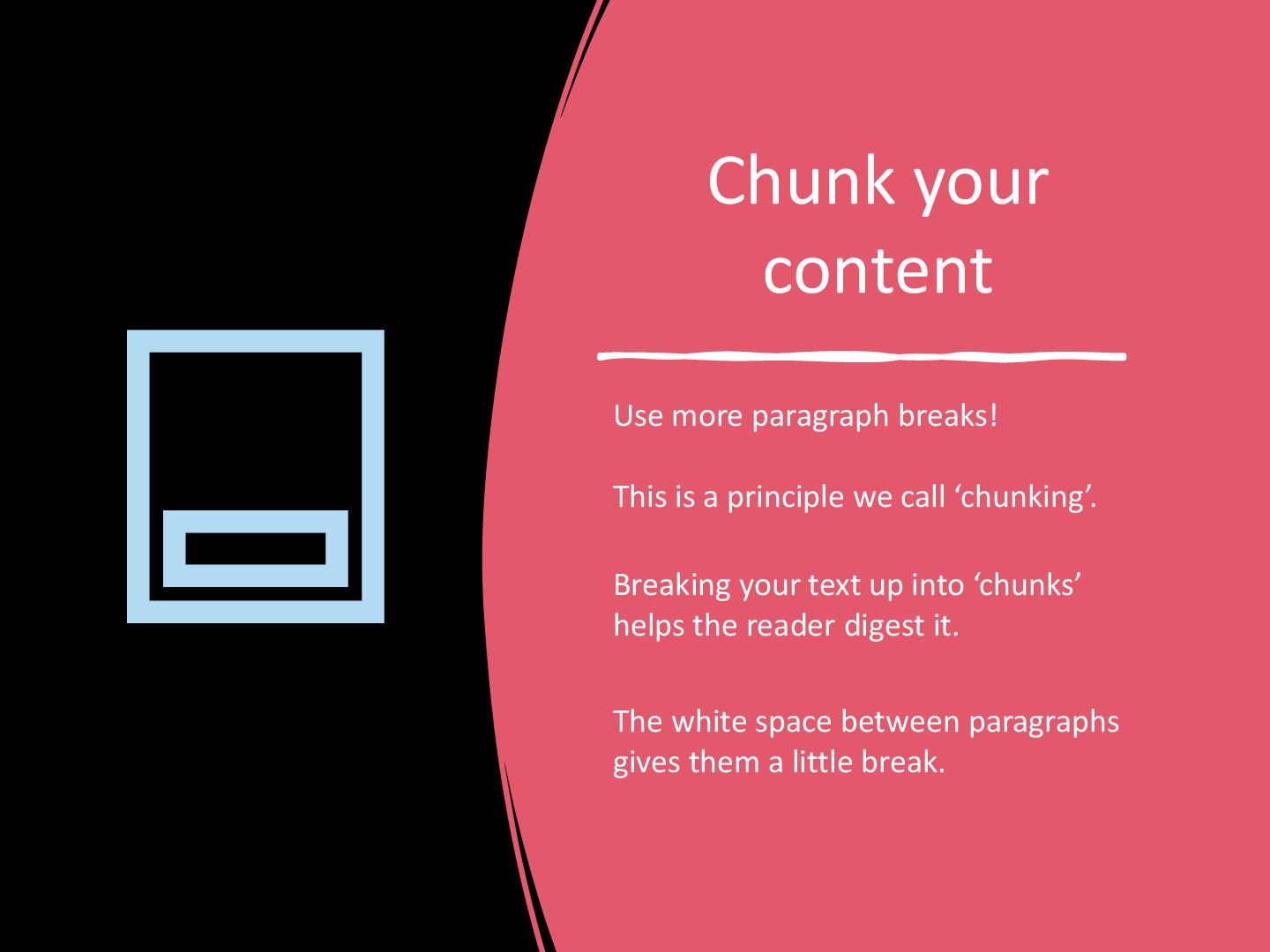
  22. Chunk your content Use more paragraph breaks! This is a

    principle we call ‘chunking’. Breaking your text up into ‘chunks’ helps the reader digest it. The white space between paragraphs gives them a little break.
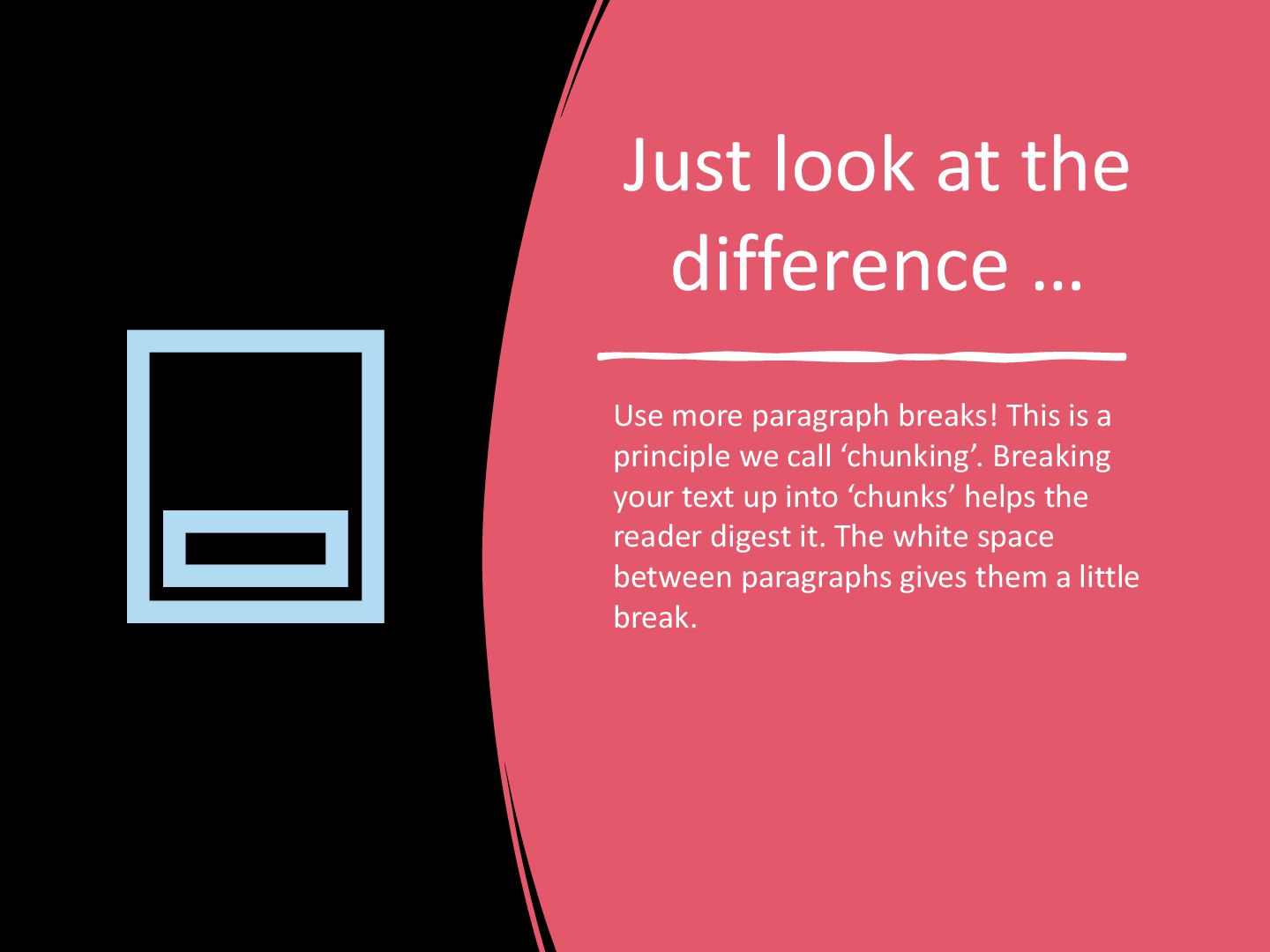
  23. Just look at the difference … Use more paragraph breaks!

    This is a principle we call ‘chunking’. Breaking your text up into ‘chunks’ helps the reader digest it. The white space between paragraphs gives them a little break.
  24. The importance of choosing your words carefully What parts of

    the text does AI cite and what parts does it skip?
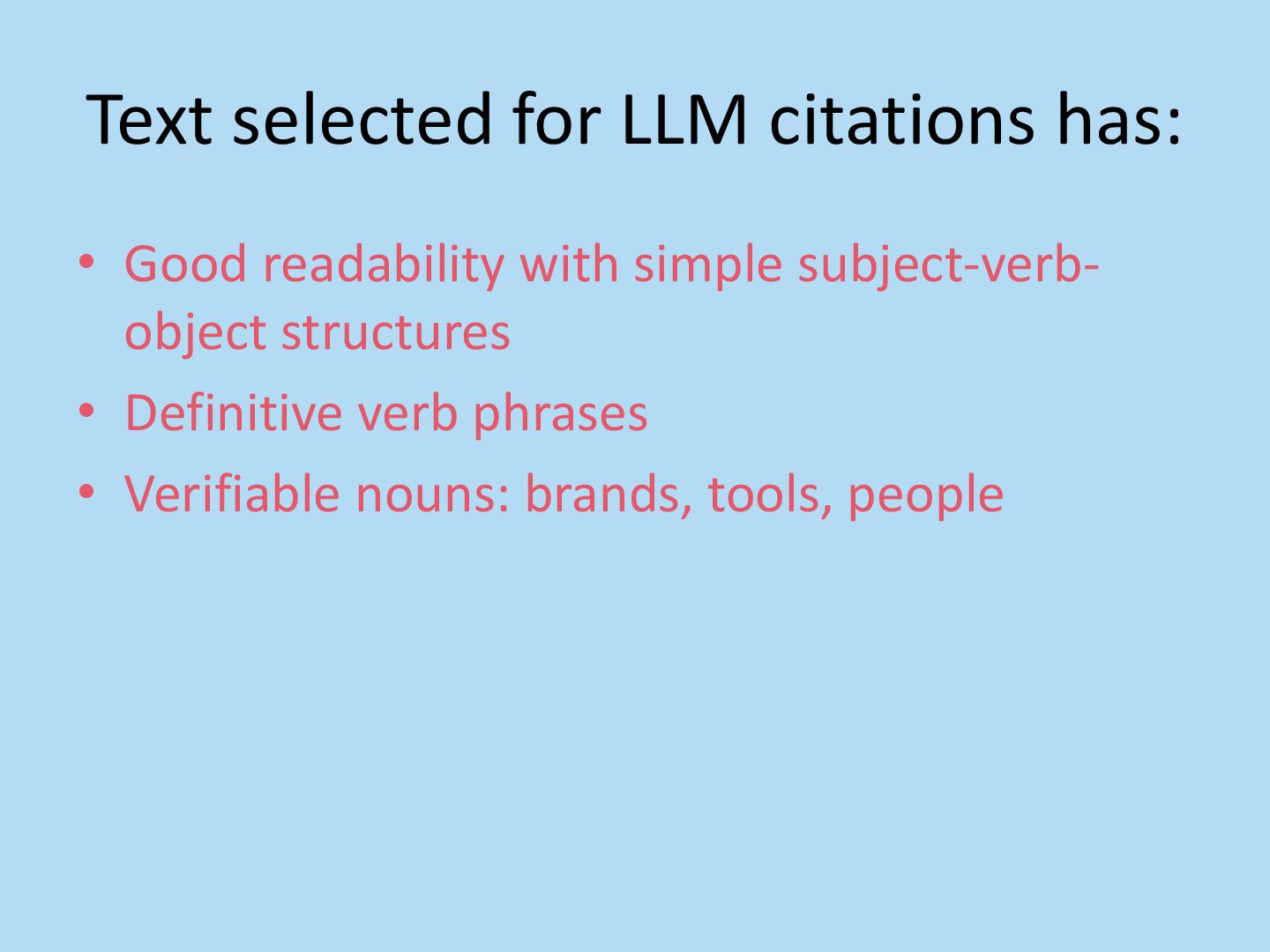
  25. Text selected for LLM citations has: • Good readability with

    simple subject-verb- object structures • Definitive verb phrases • Verifiable nouns: brands, tools, people
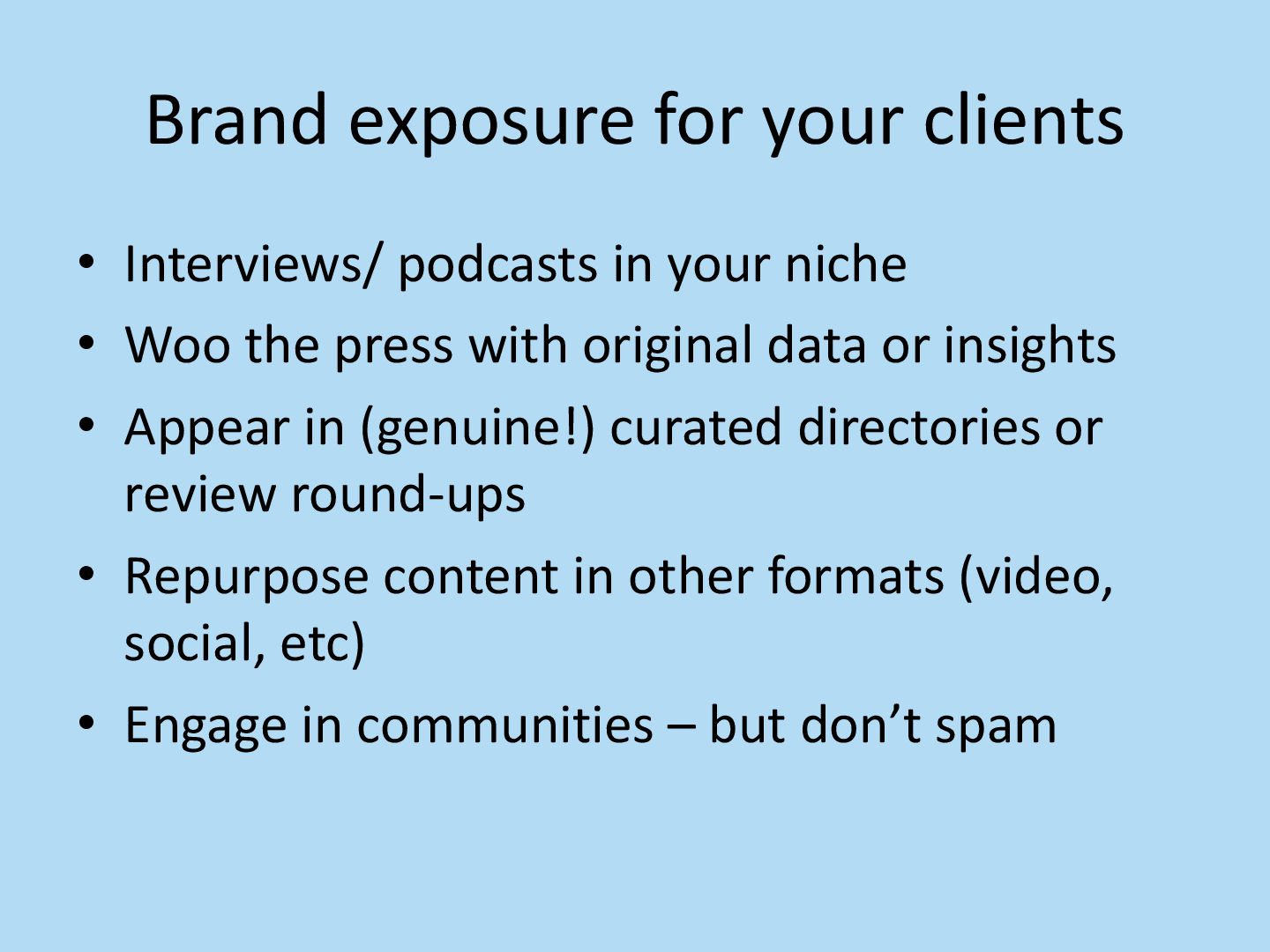
  26. Brand exposure for your clients • Interviews/ podcasts in your

    niche • Woo the press with original data or insights • Appear in (genuine!) curated directories or review round-ups • Repurpose content in other formats (video, social, etc) • Engage in communities – but don’t spam
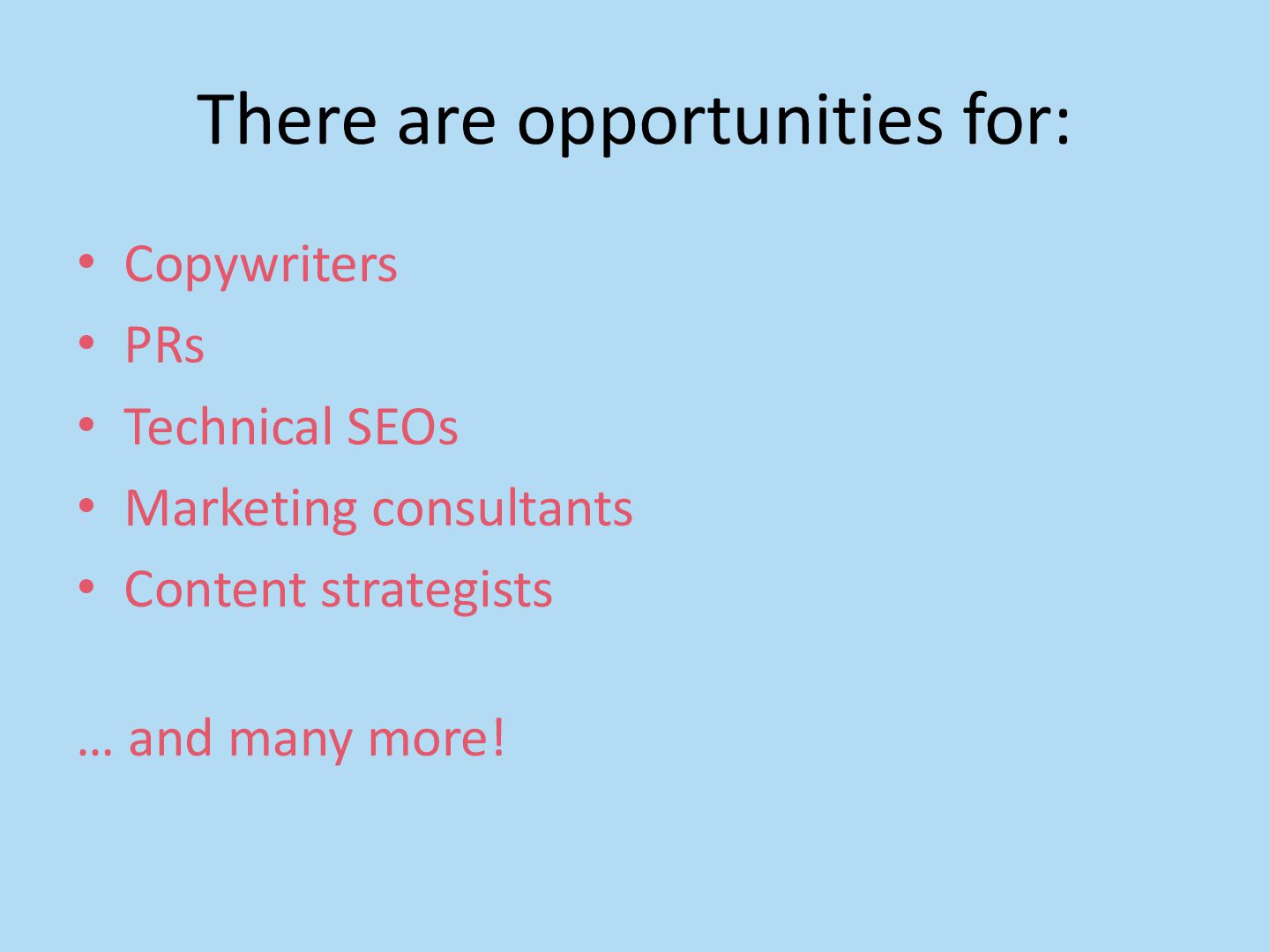
  27. There are opportunities for: • Copywriters • PRs • Technical

    SEOs • Marketing consultants • Content strategists … and many more!
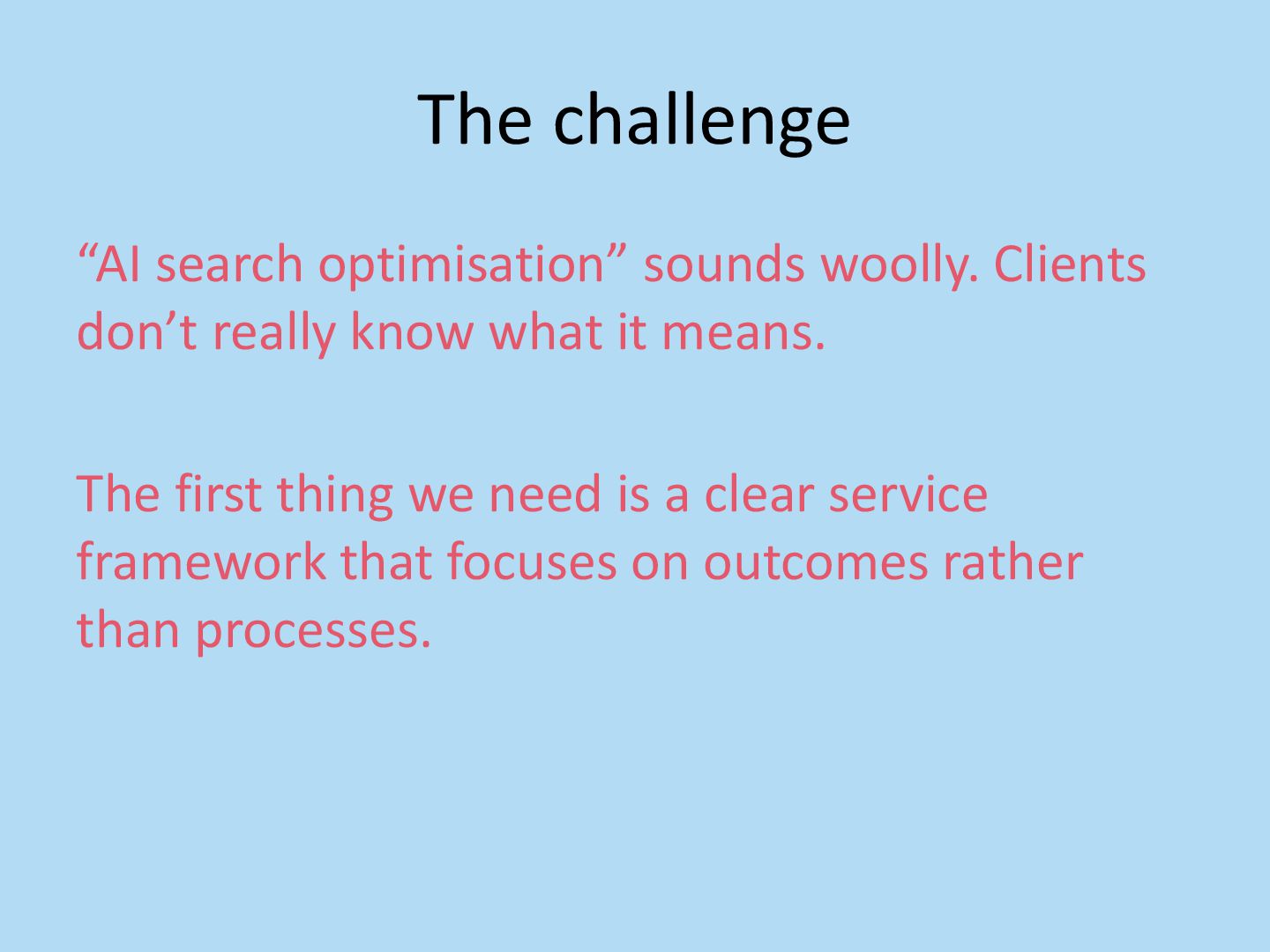
  28. The challenge “AI search optimisation” sounds woolly. Clients don’t really

    know what it means. The first thing we need is a clear service framework that focuses on outcomes rather than processes.
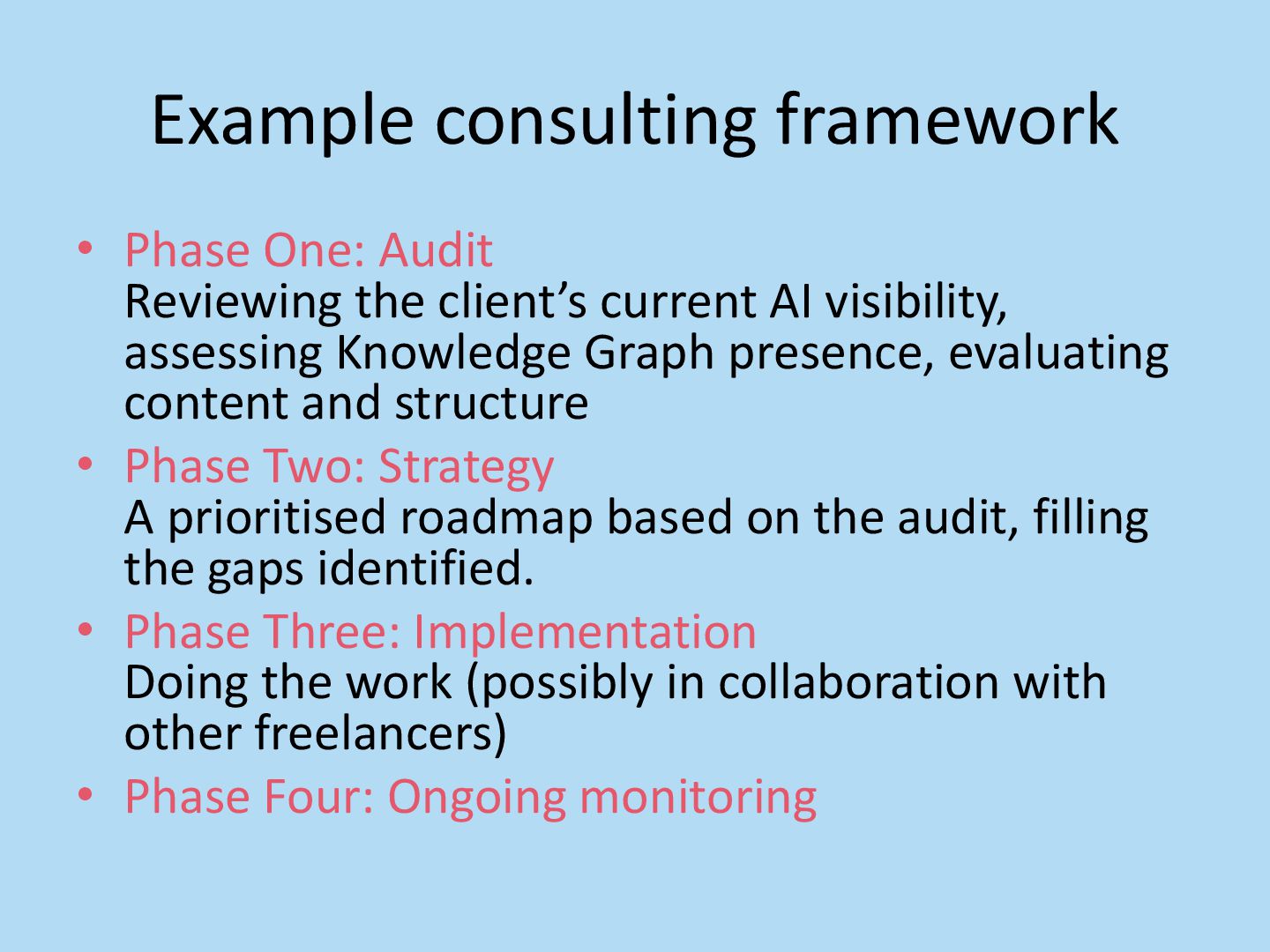
  29. Example consulting framework • Phase One: Audit Reviewing the client’s

    current AI visibility, assessing Knowledge Graph presence, evaluating content and structure • Phase Two: Strategy A prioritised roadmap based on the audit, filling the gaps identified. • Phase Three: Implementation Doing the work (possibly in collaboration with other freelancers) • Phase Four: Ongoing monitoring
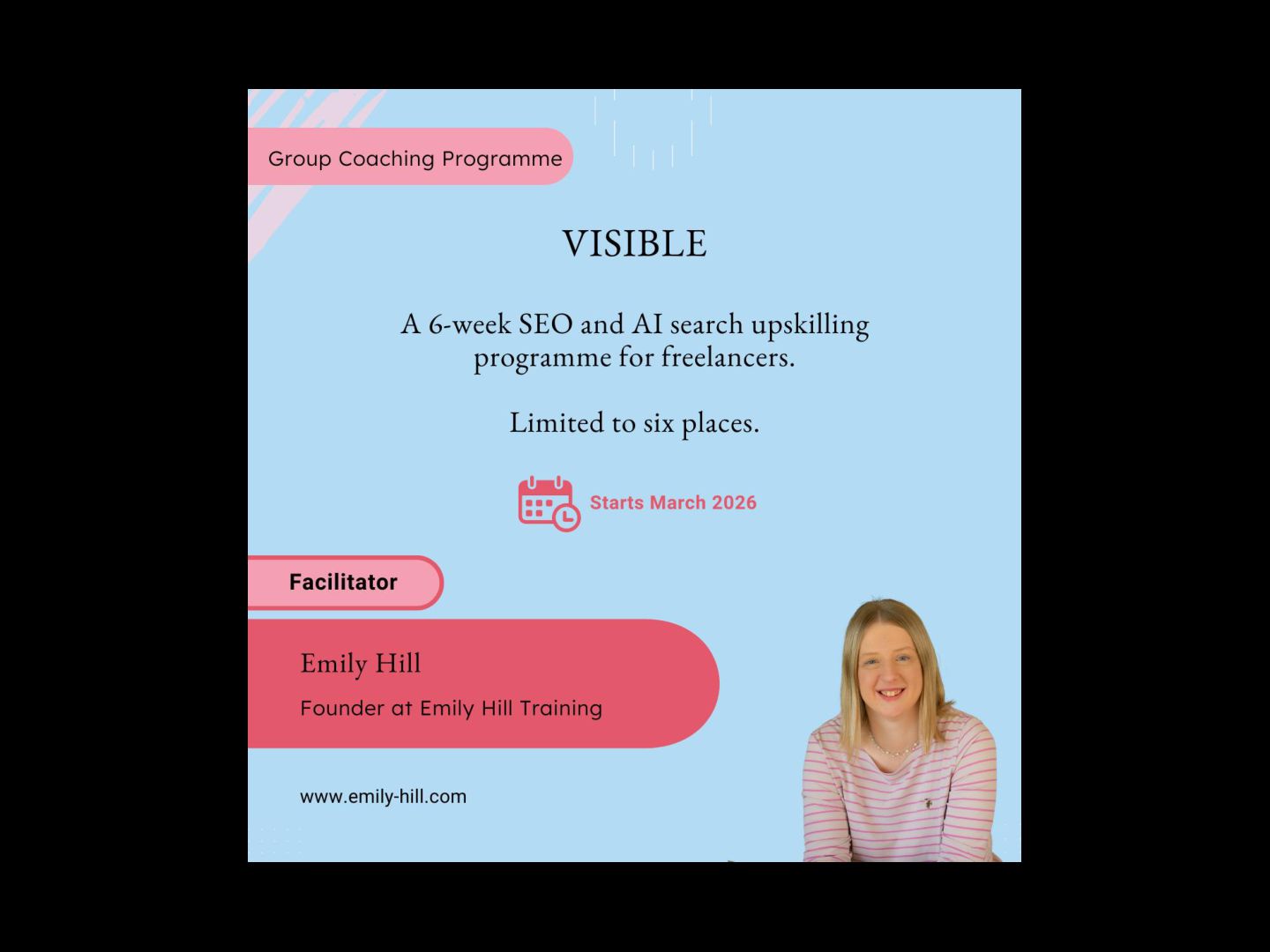
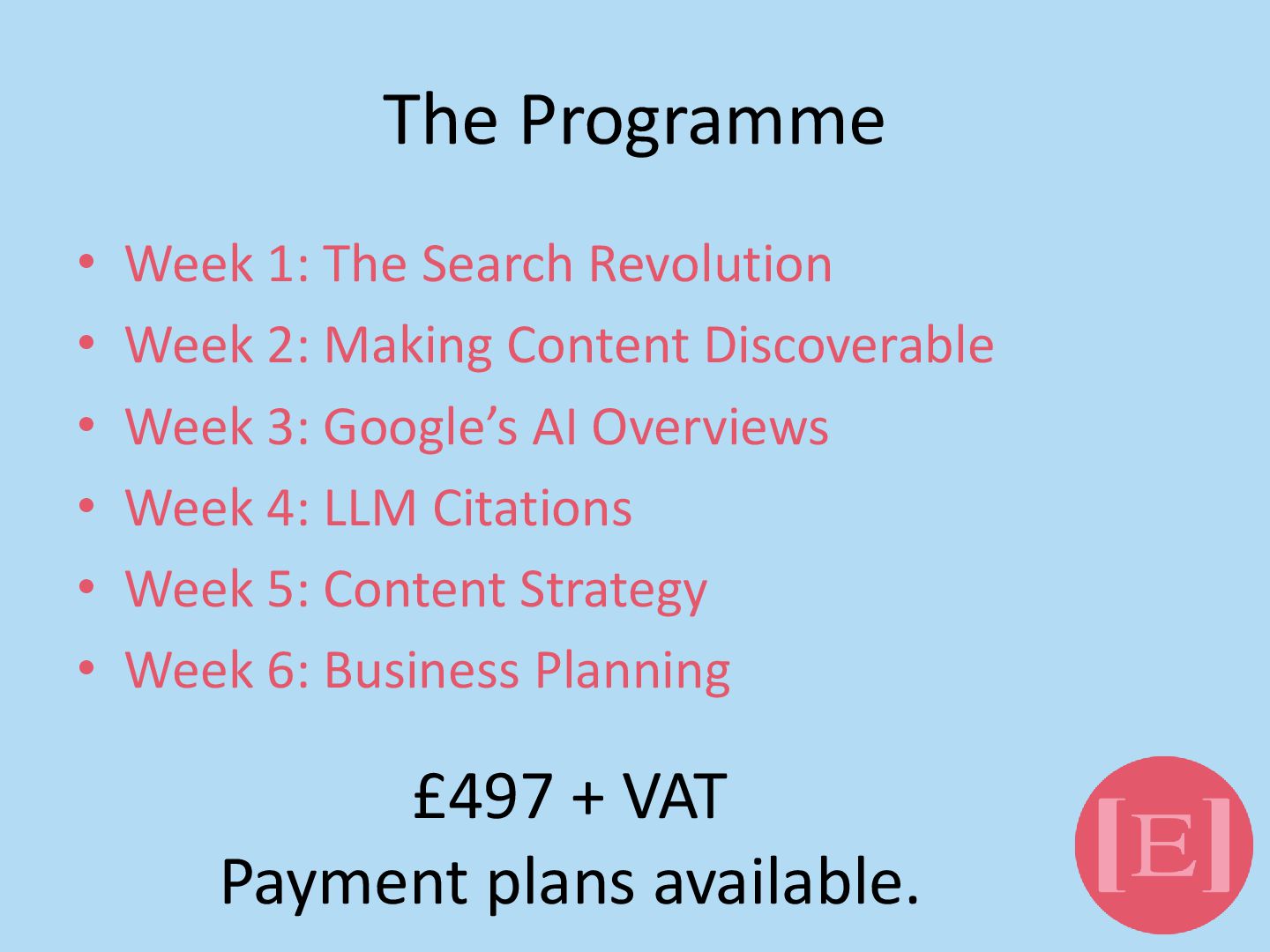
  30. The Programme • Week 1: The Search Revolution • Week

    2: Making Content Discoverable • Week 3: Google’s AI Overviews • Week 4: LLM Citations • Week 5: Content Strategy • Week 6: Business Planning £497 + VAT Payment plans available.
  31. • Book a 15 minute call calendly.com/emily-hill-training/visible-exploration-chat • More details

    here • emily-hill.com/seo-ai-search-training-freelancers/ Book by end of February for a FREE 60 minute 1-to-1 with me