Upgrade to Pro — share decks privately, control downloads, hide ads and more …

How to Grow Your Google Visibility in an AI Wor...

How to Grow Your Google Visibility in an AI World via Digital PR

A presentation on the importance of DigitalPR and authority signals via the EEAT framework to ensure your brand assets are visible across both Google and LLM interfaces like ChatGPT, Gemini and more. It stresses the importance of being discovered by Google, AI and your current and prospective users across all digital surfaces.

This presentation includes practical examples on what you should be doing as well as case studies of what has worked for us at Marketing Signals.

It covers the do and don't techniques of communicating with journalists and leaves you to ask yourself, how will you adopt these digital PR approaches to consistently secure authoritative backlinks and visibility?

Avatar for Gareth Hoyle

Gareth Hoyle

August 13, 2025

Other Decks in Marketing & SEO

Transcript

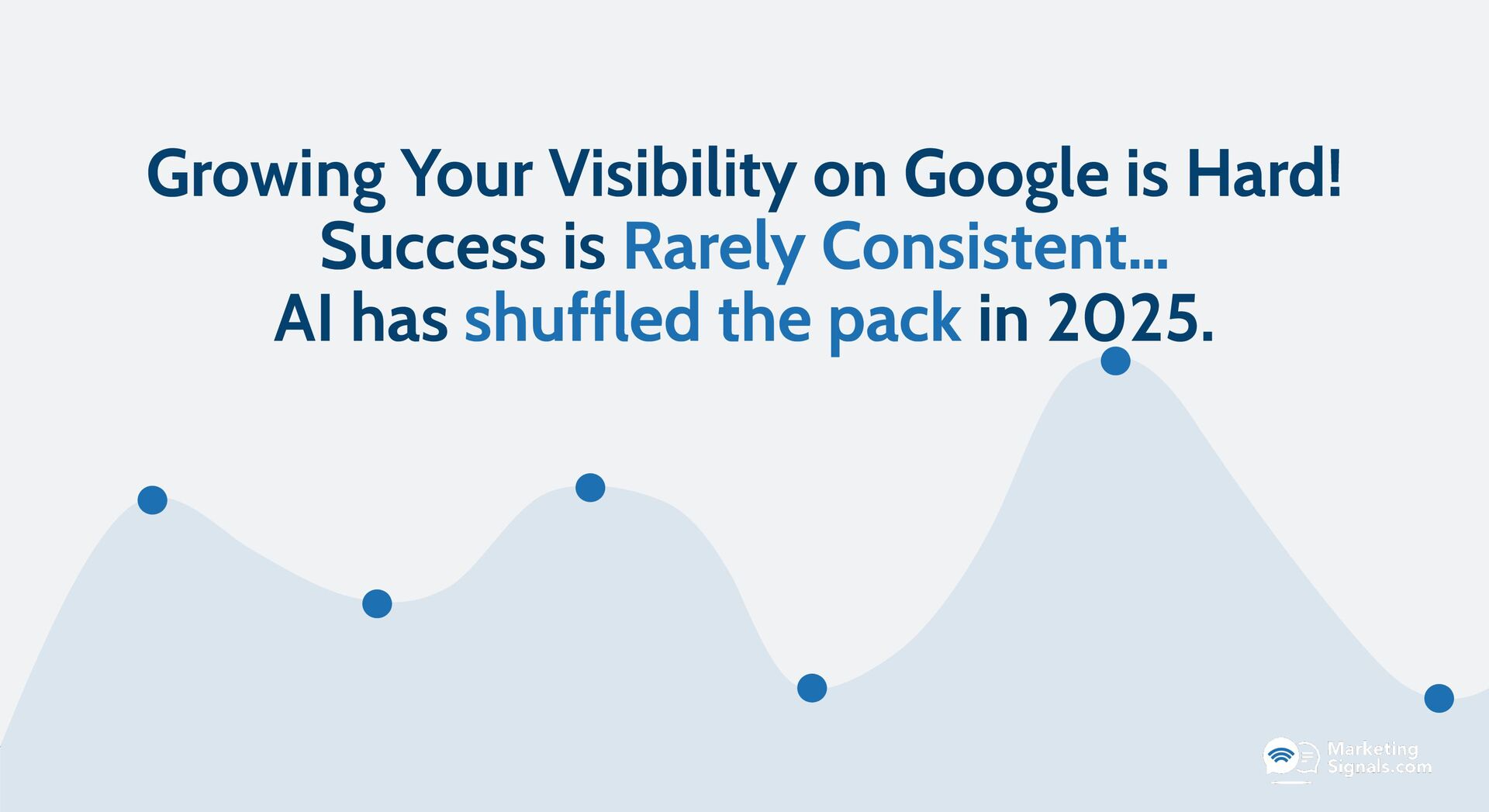
  1. Growing Your Visibility on Google is Hard! Success is Rarely

    Consistent… AI has shuffled the pack in 2025.
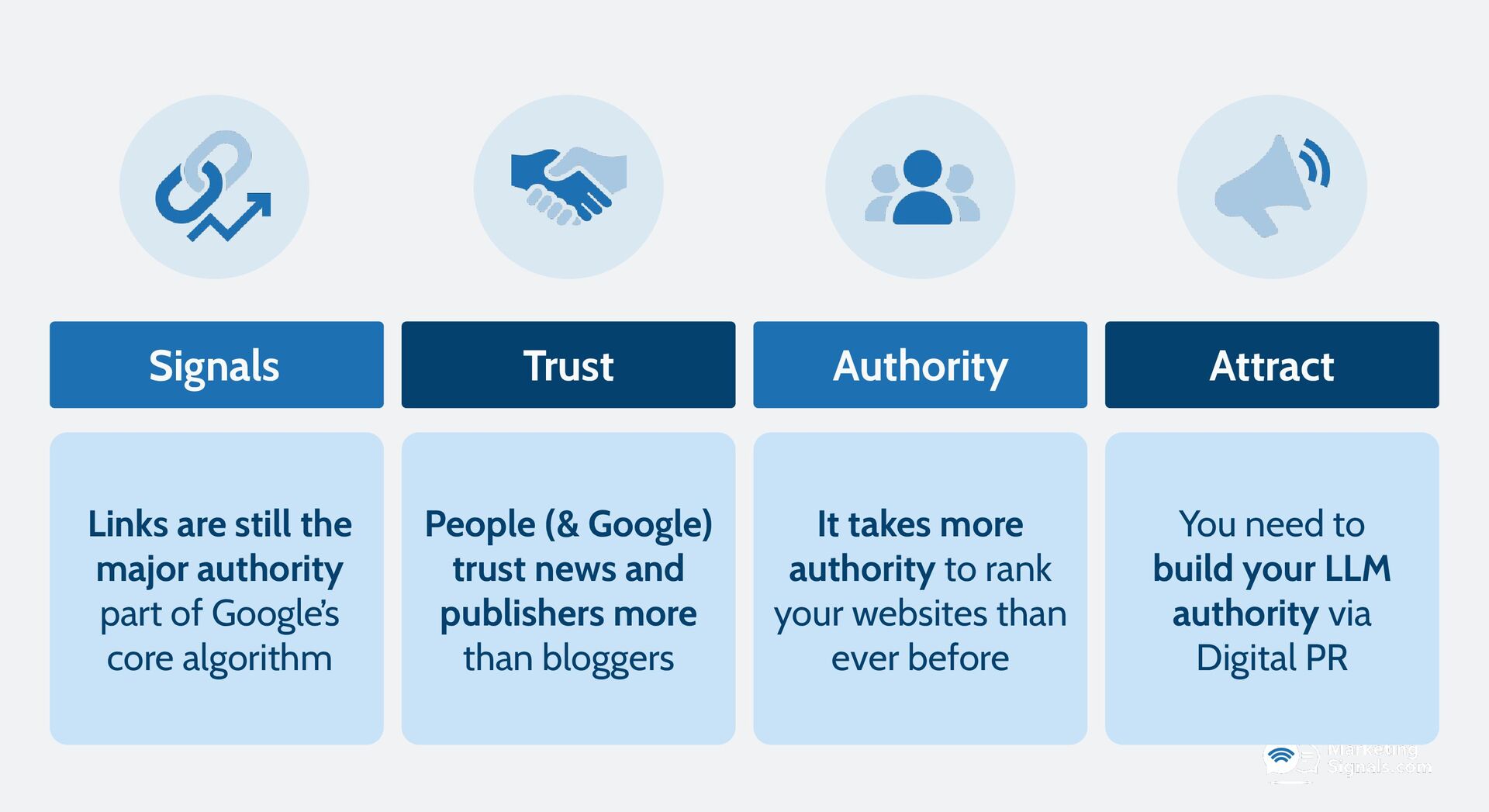
  2. Signals Links are still the major authority part of Google’s

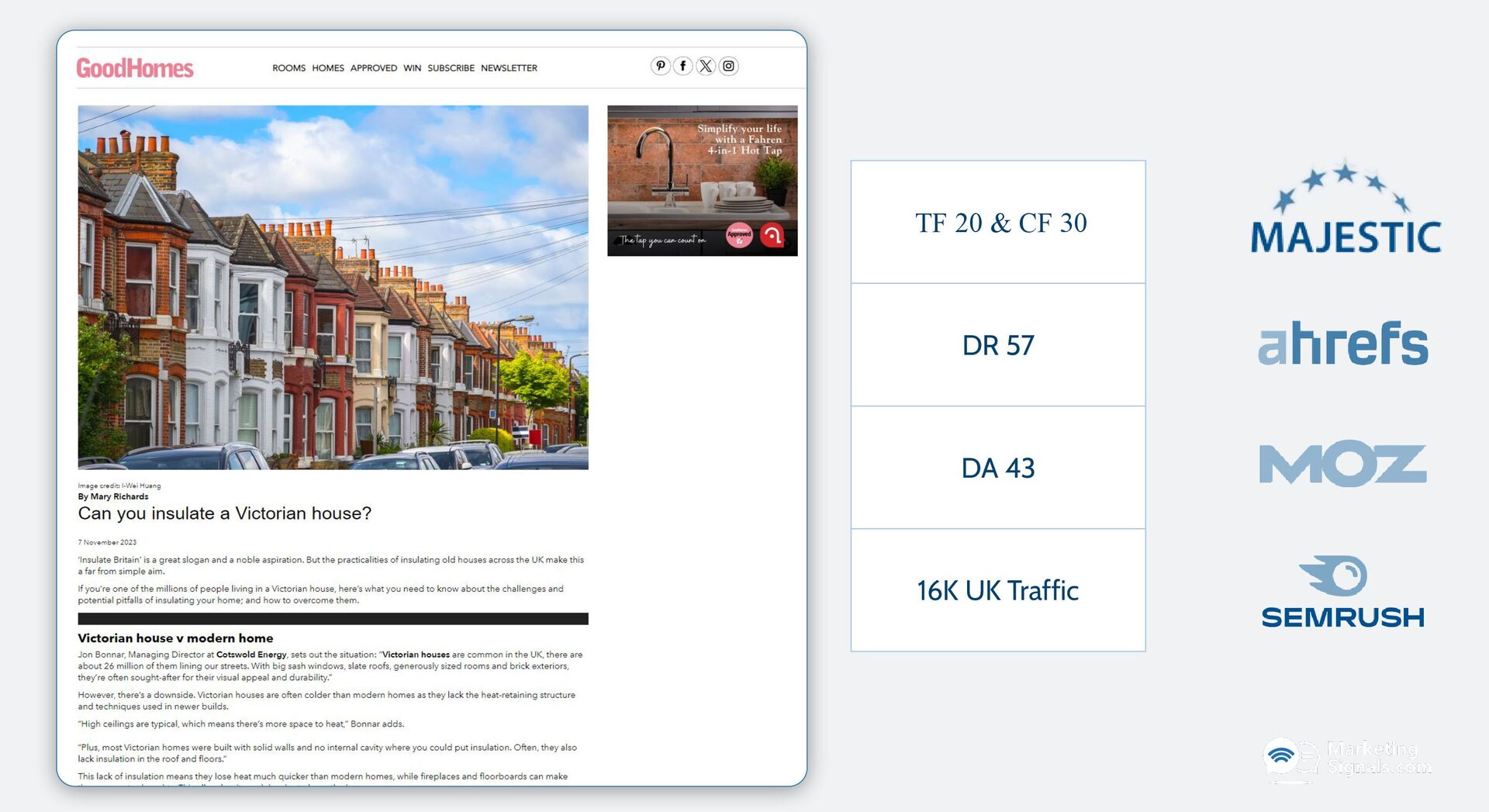
    core algorithm People (& Google) trust news and publishers more than bloggers It takes more authority to rank your websites than ever before You need to build your LLM authority via Digital PR Trust Authority Attract
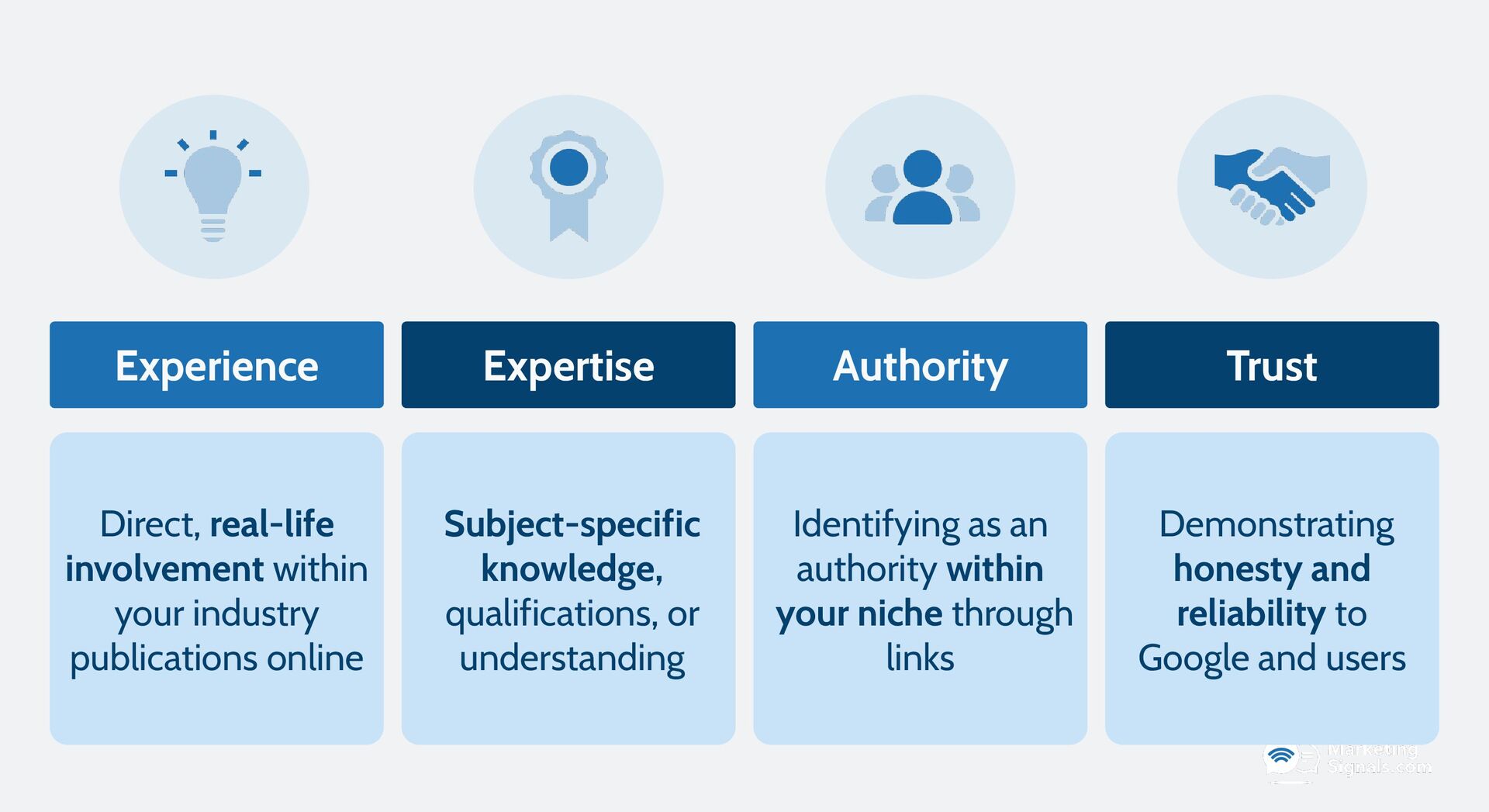
  3. Experience Direct, real-life involvement within your industry publications online Subject-specific

    knowledge, qualifications, or understanding Identifying as an authority within your niche through links Demonstrating honesty and reliability to Google and users Expertise Authority Trust
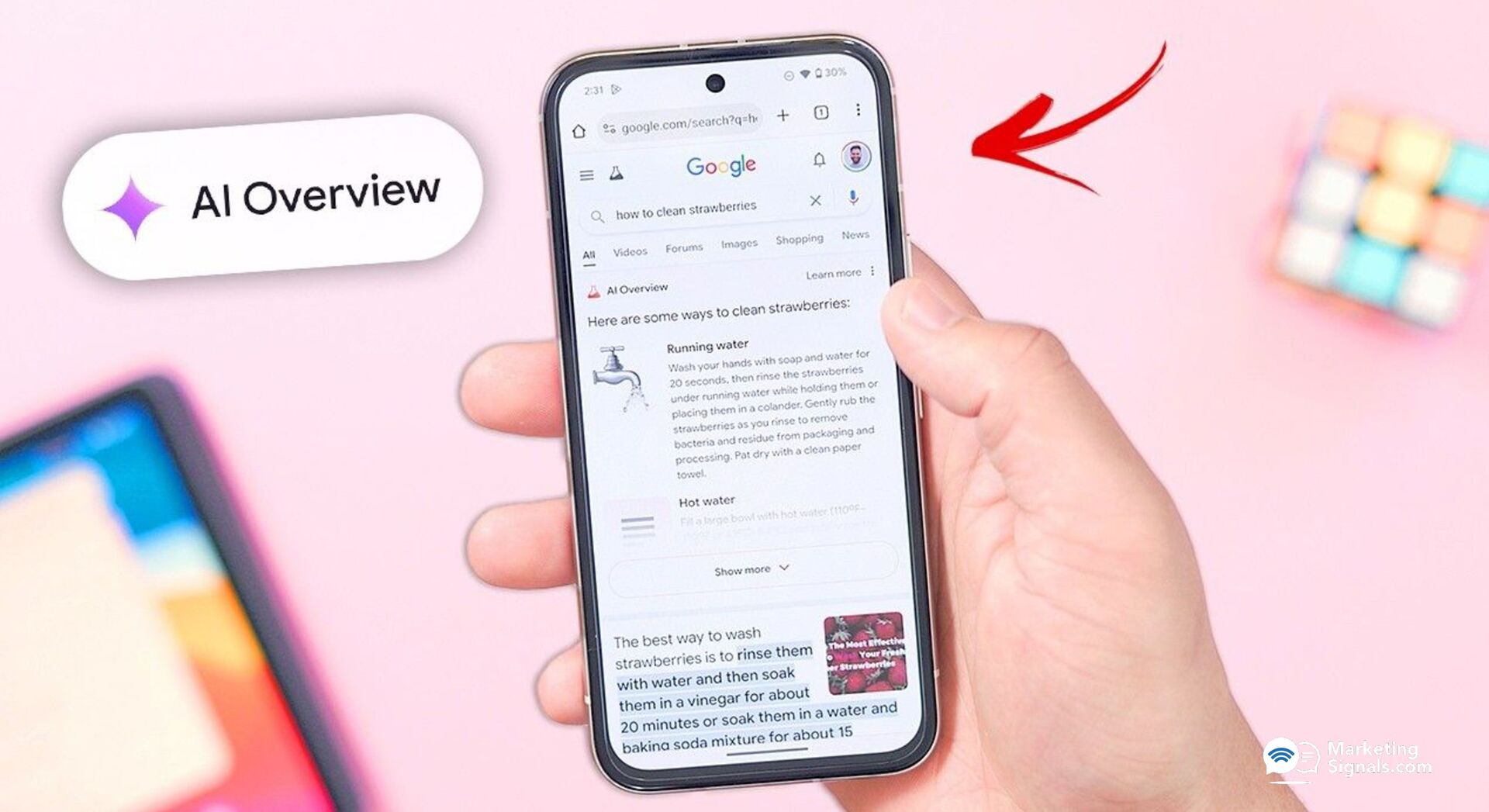
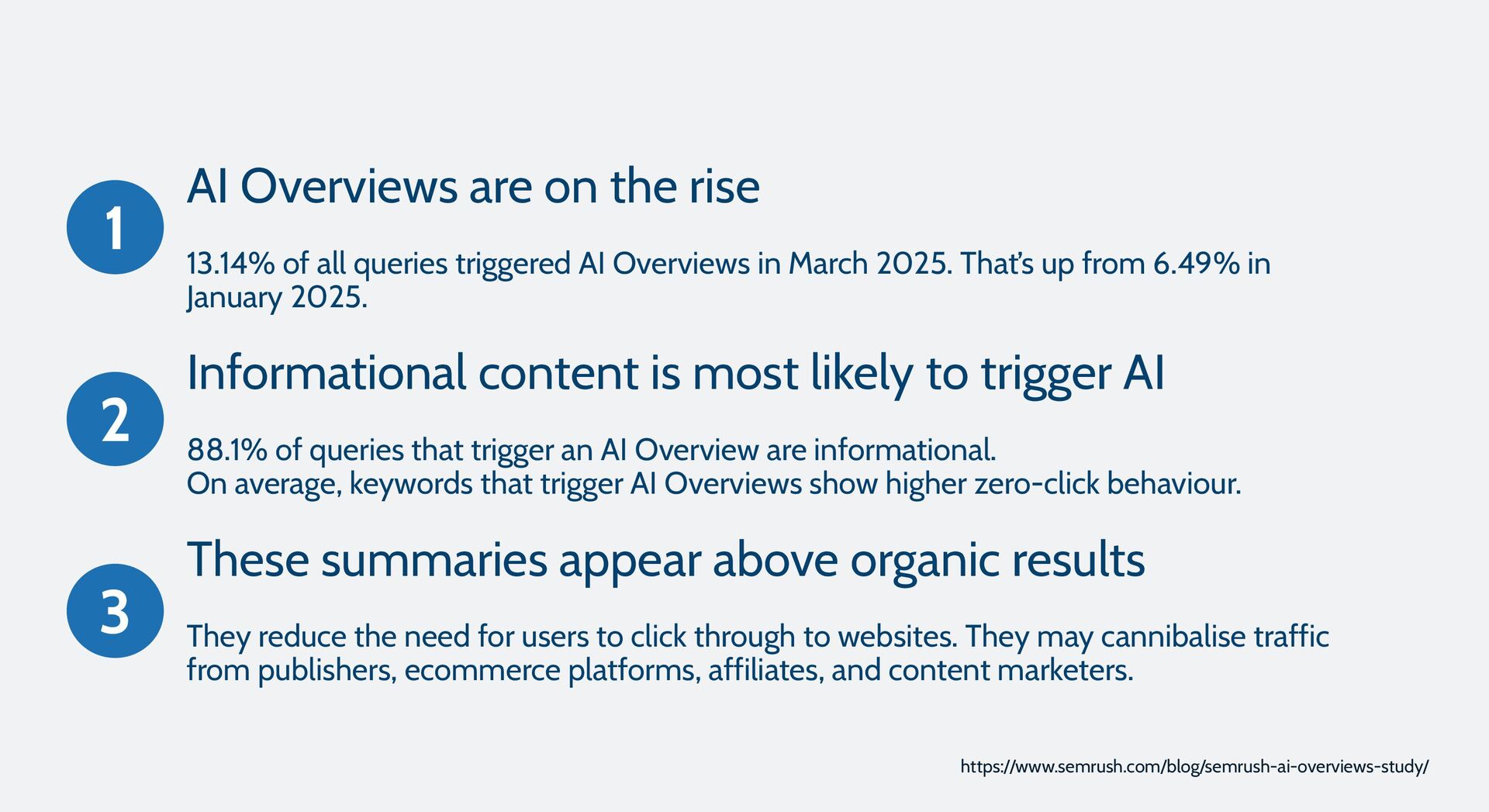
  4. AI Overviews are on the rise 13.14% of all queries

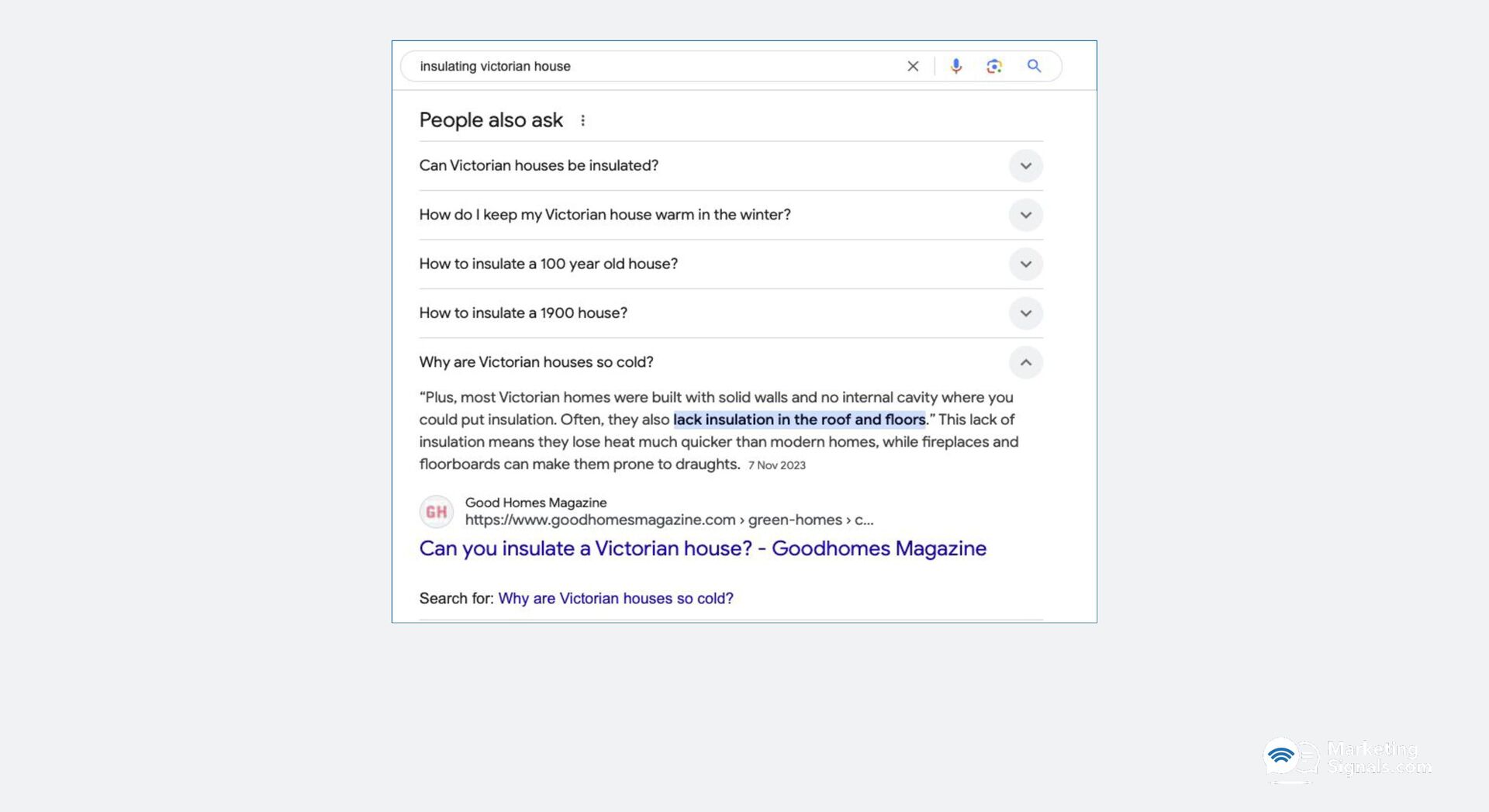
    triggered AI Overviews in March 2025. That’s up from 6.49% in January 2025. Informational content is most likely to trigger AI 88.1% of queries that trigger an AI Overview are informational. On average, keywords that trigger AI Overviews show higher zero-click behaviour. These summaries appear above organic results They reduce the need for users to click through to websites. They may cannibalise traffic from publishers, ecommerce platforms, affiliates, and content marketers. 1 2 3 https://www.semrush.com/blog/semrush-ai-overviews-study/
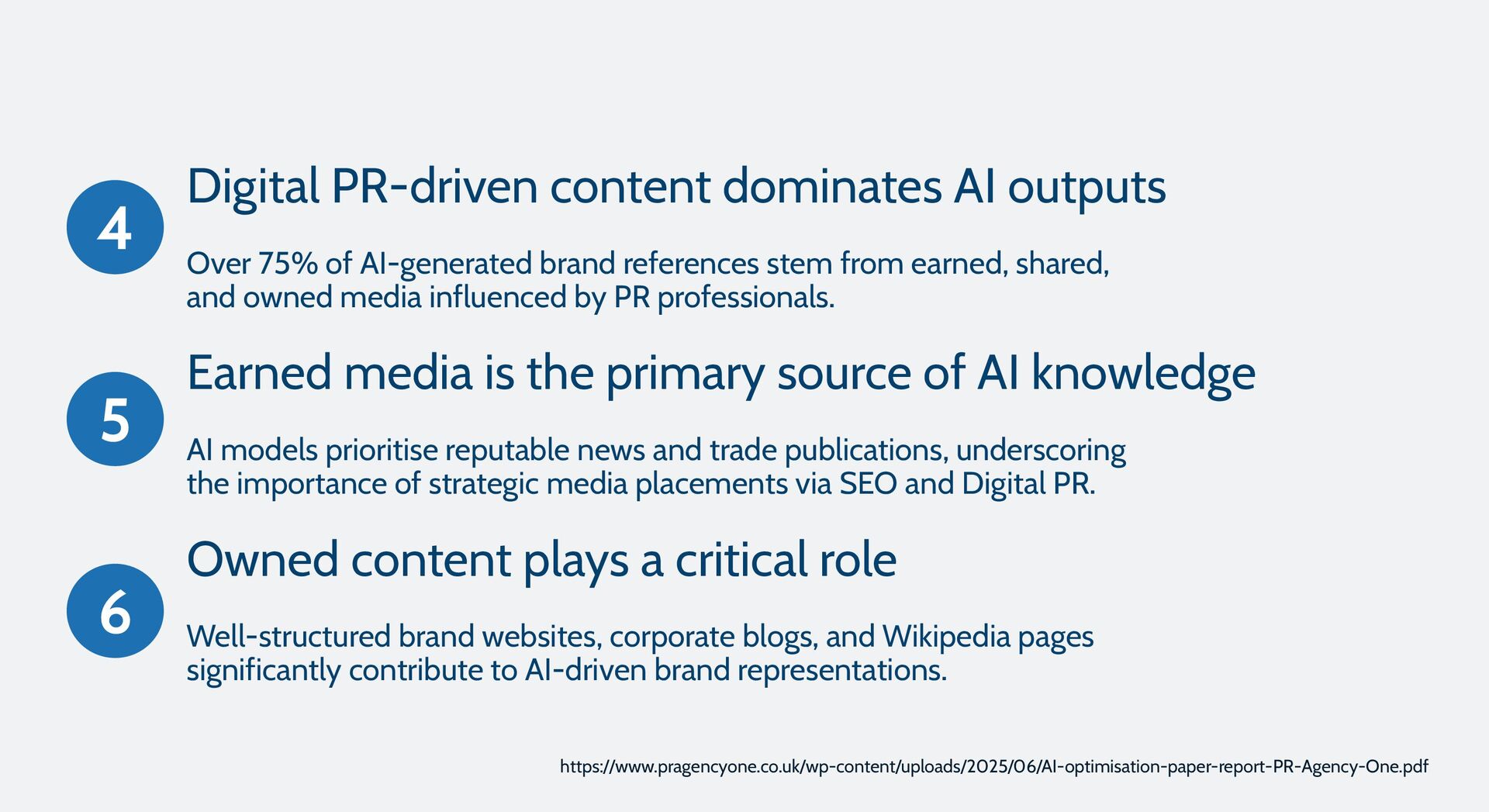
  5. Digital PR-driven content dominates AI outputs Over 75% of AI-generated

    brand references stem from earned, shared, and owned media influenced by PR professionals. Earned media is the primary source of AI knowledge AI models prioritise reputable news and trade publications, underscoring the importance of strategic media placements via SEO and Digital PR. Owned content plays a critical role Well-structured brand websites, corporate blogs, and Wikipedia pages significantly contribute to AI-driven brand representations. 4 5 6 https://www.pragencyone.co.uk/wp-content/uploads/2025/06/AI-optimisation-paper-report-PR-Agency-One.pdf
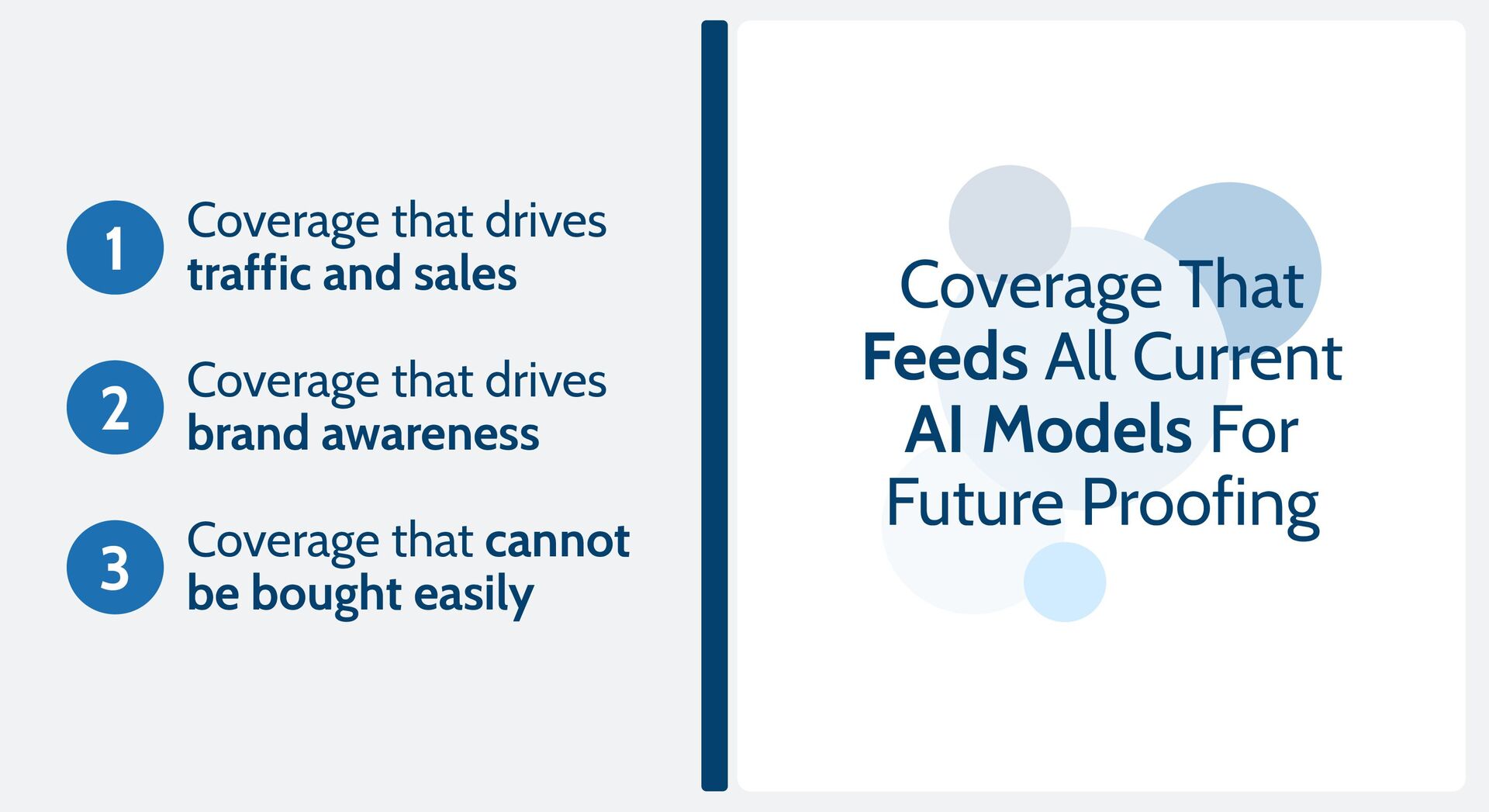
  6. Coverage That Feeds All Current AI Models For Future Proofing

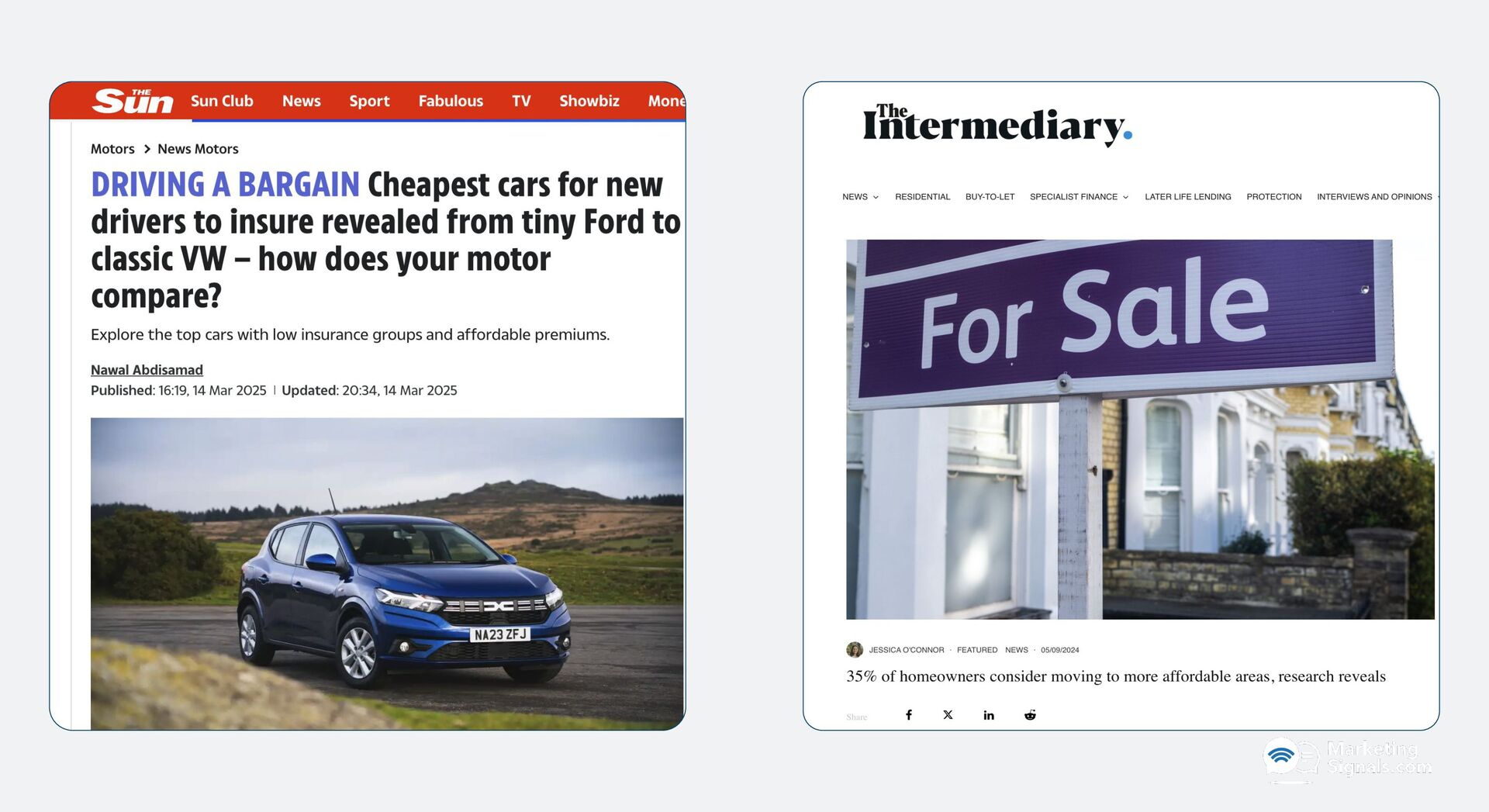
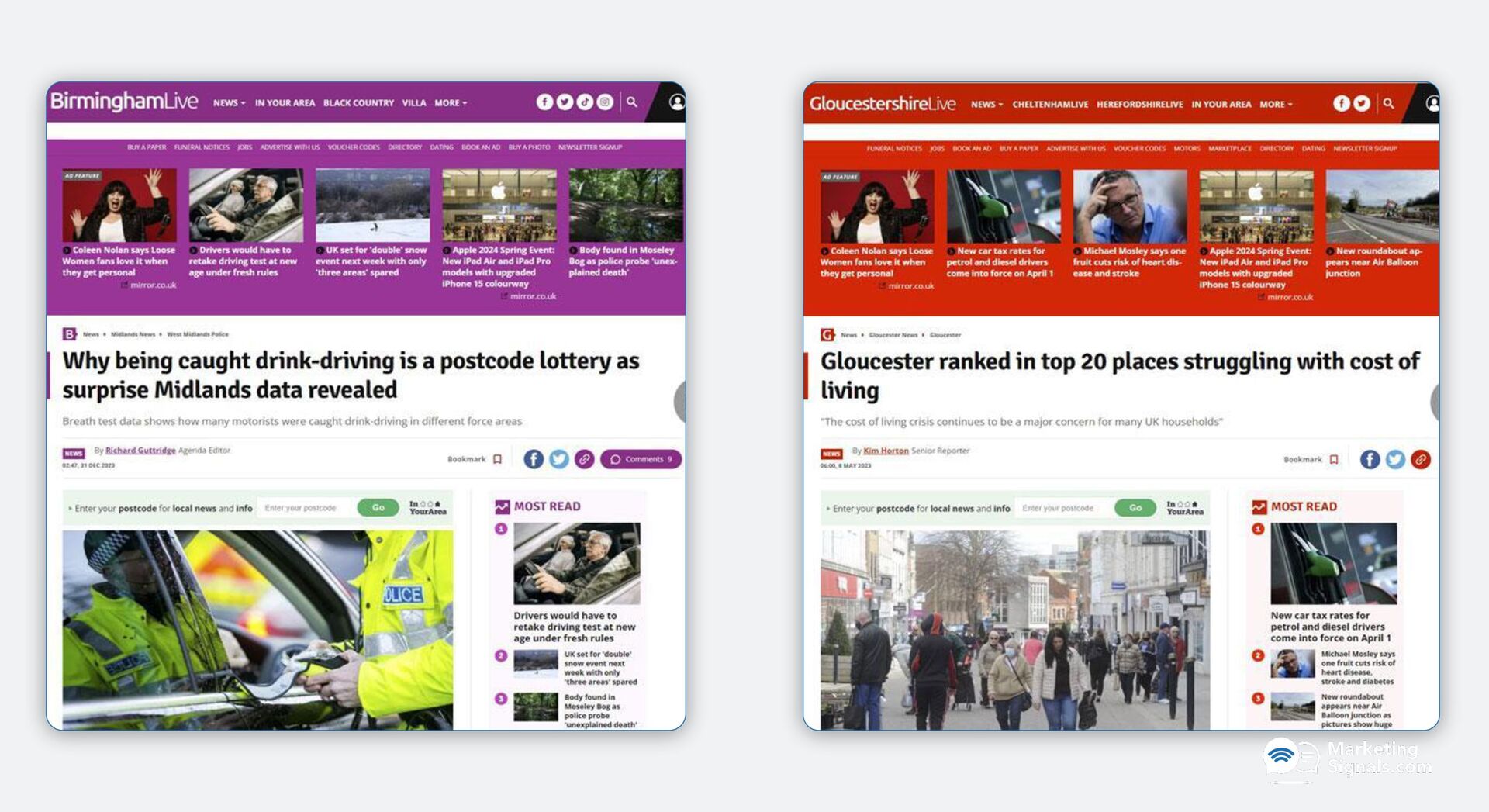
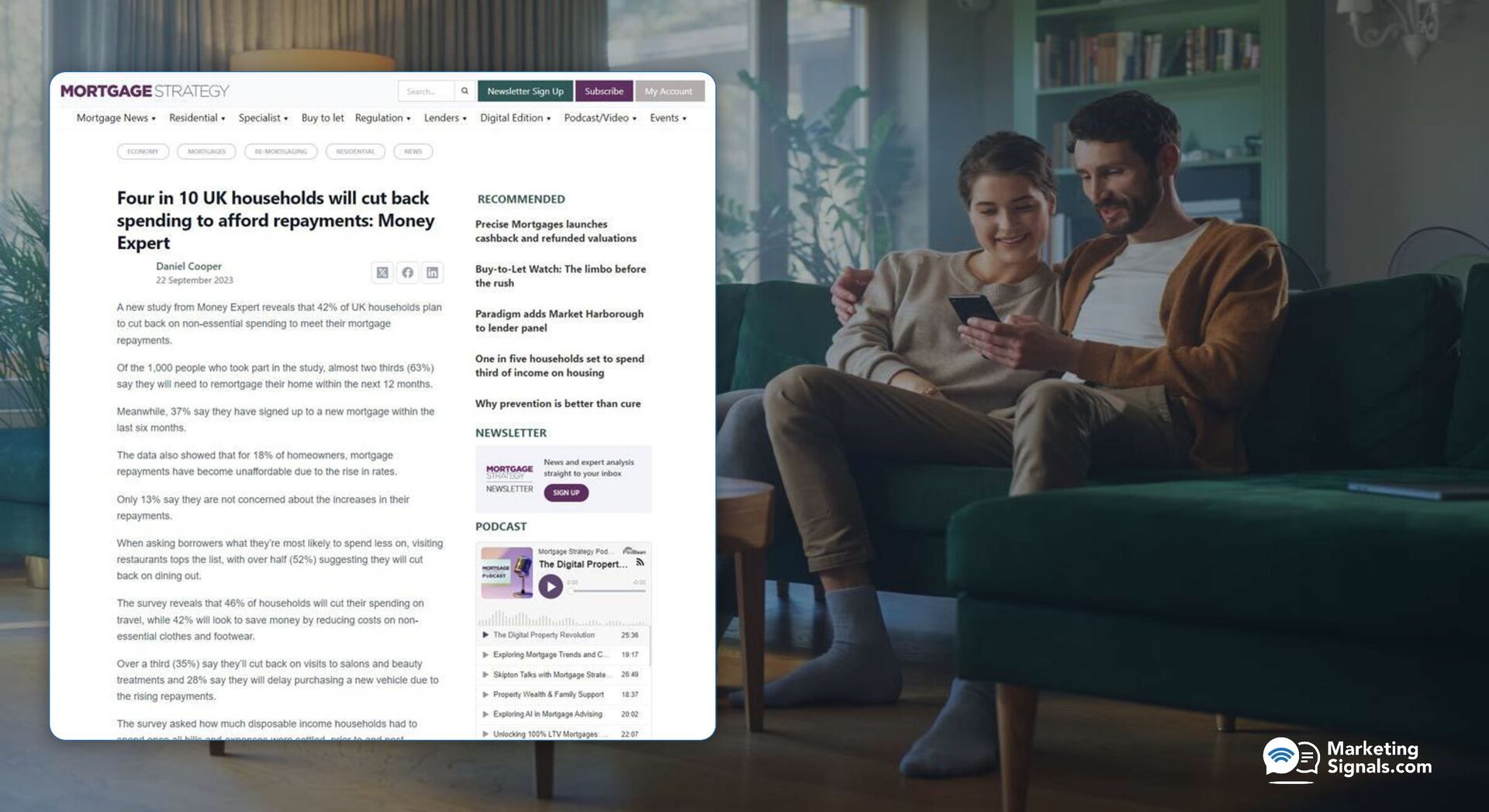
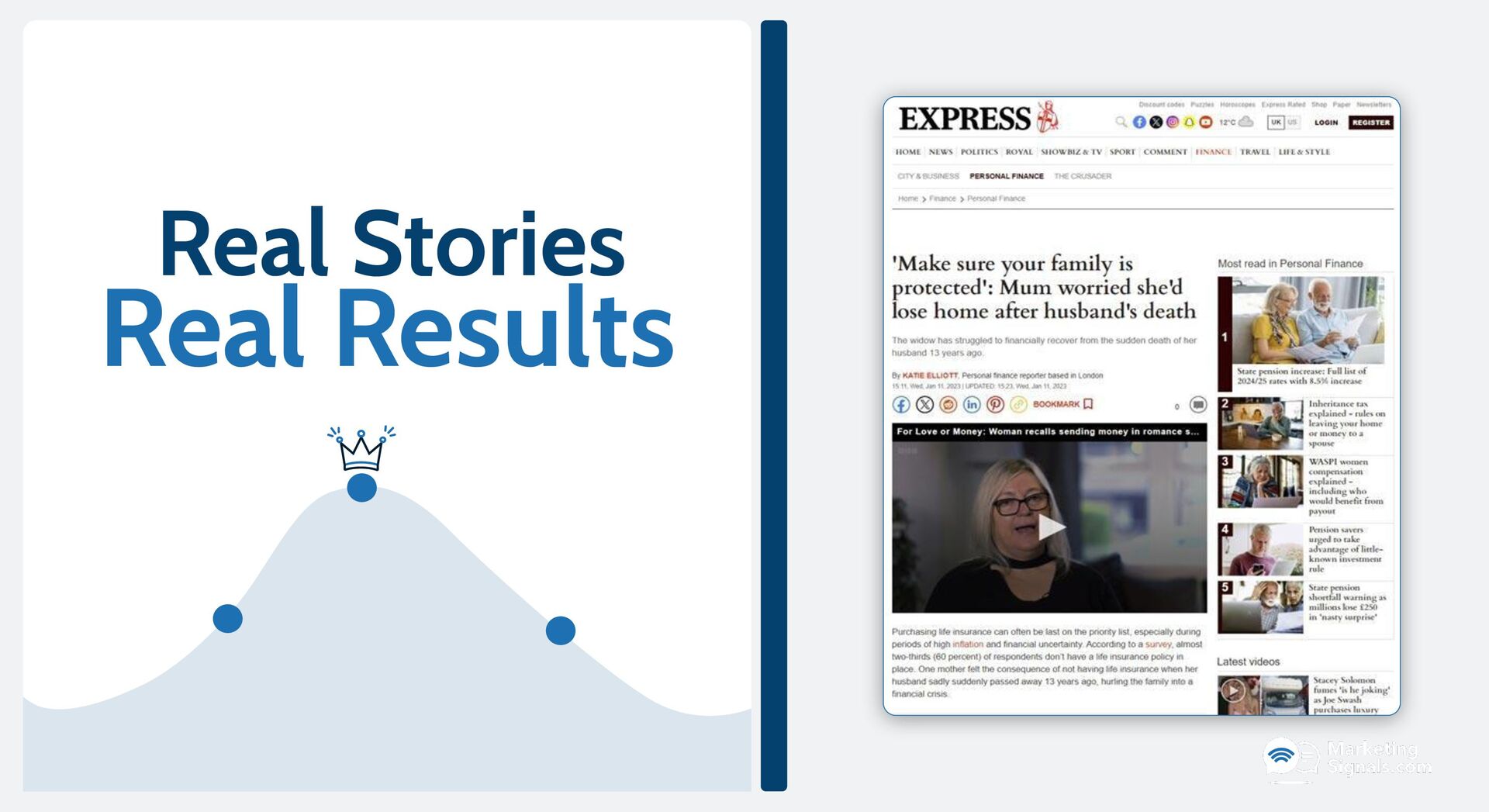
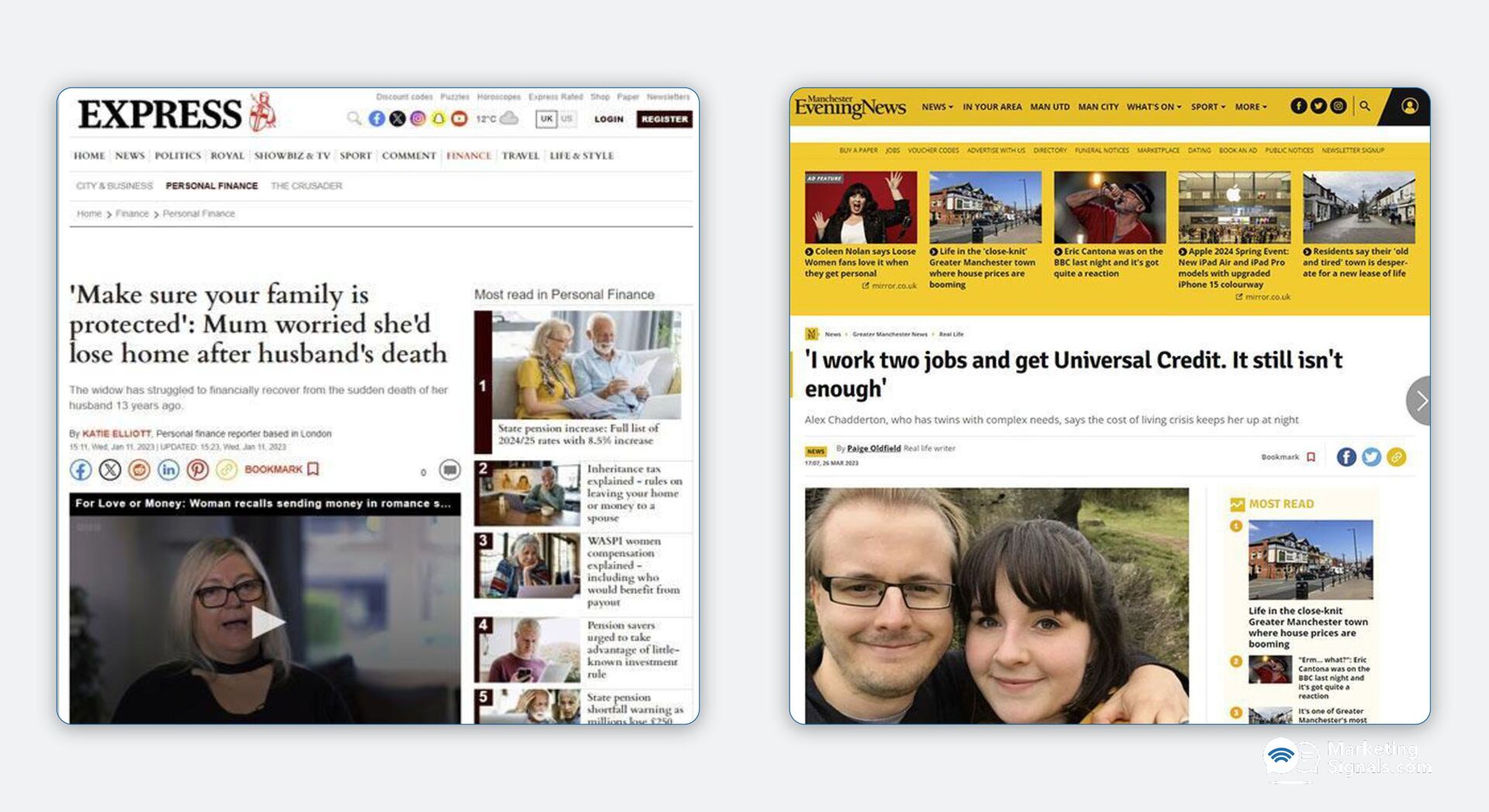
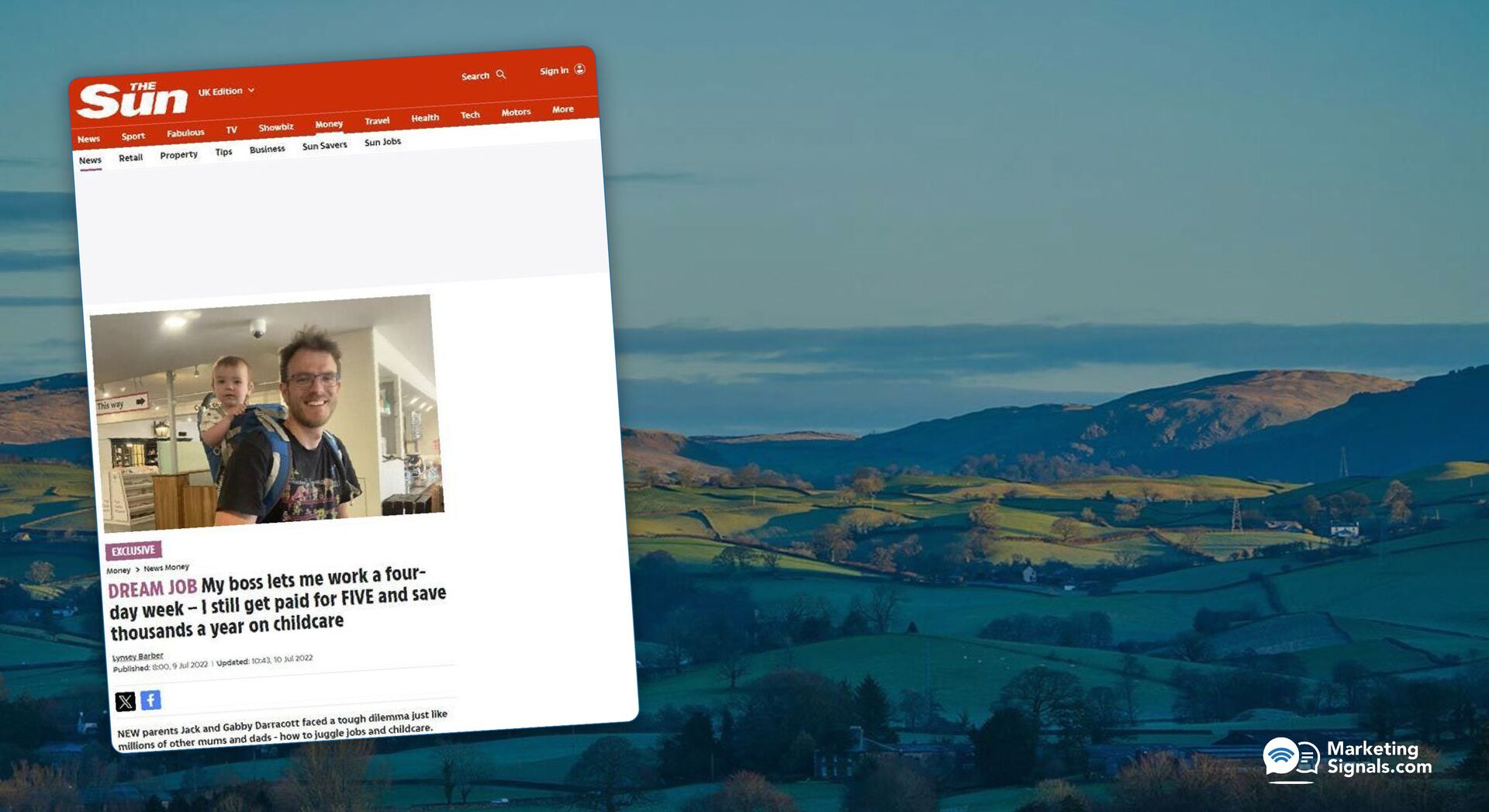
    1 Coverage that drives traffic and sales 2 Coverage that drives brand awareness 3 Coverage that cannot be bought easily
  7. Do: Identify your target audience - Ask yourself who you’re

    trying to reach with the content you’ve created and what publications are they likely to be reading
  8. Do: Look at relevant media outlets Identify the publications and

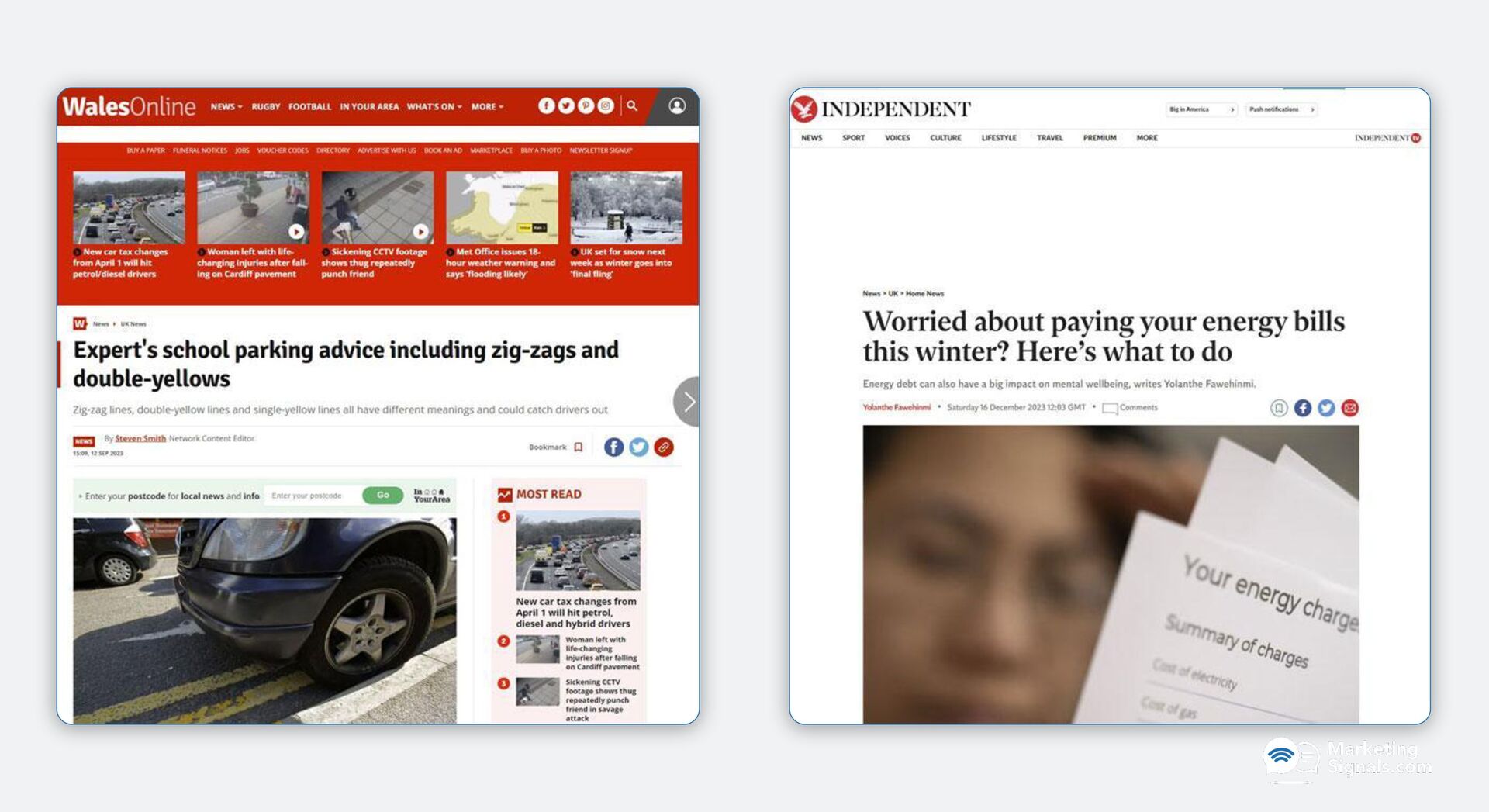
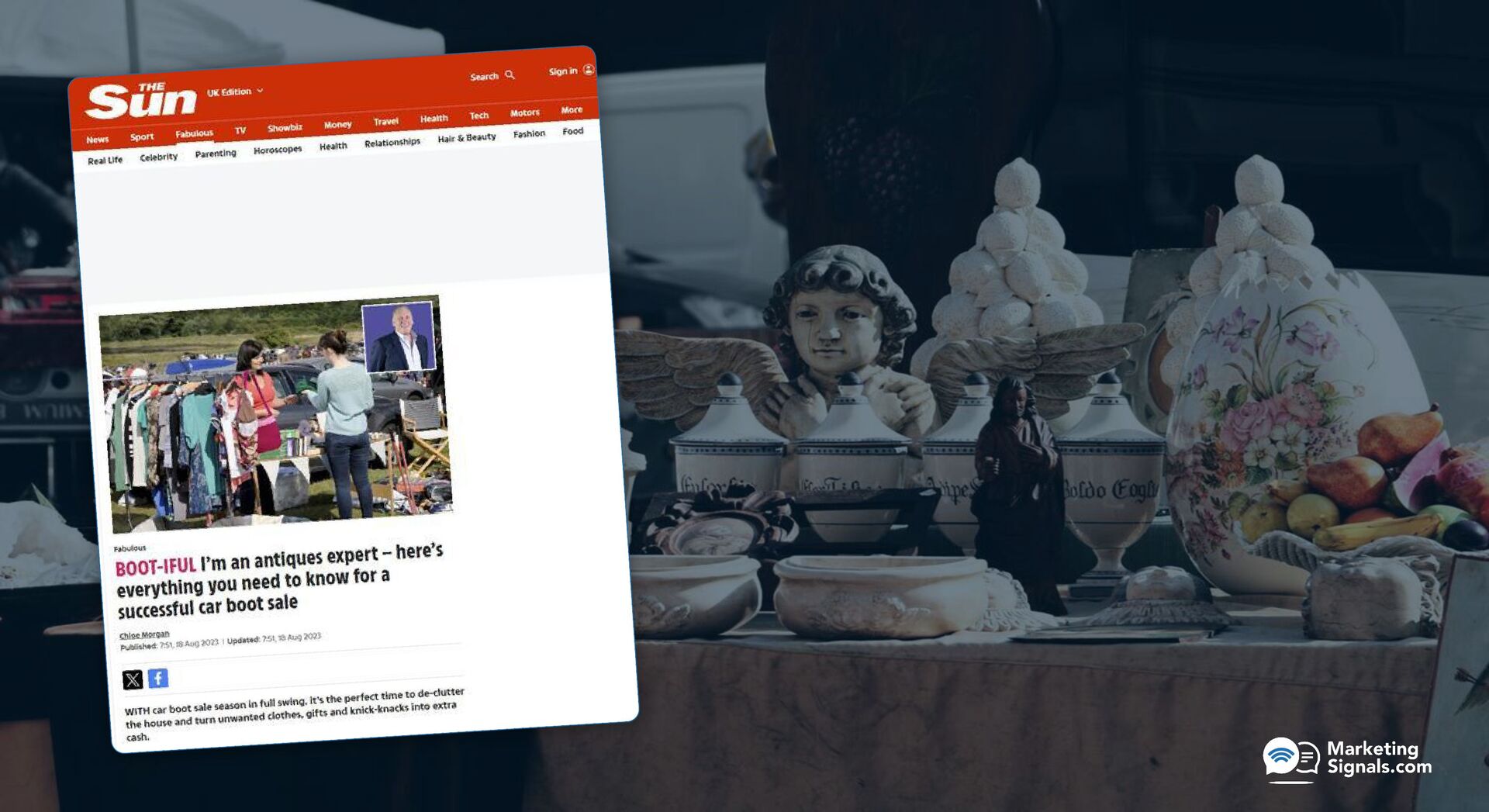
    websites that are most likely to cover your content. Is your content a study or covers a hard-hitting topic? - Consider journalists that cover data or more investigative pieces. If your content contains consumer advice or products, take a look at sites that cover trends, shopping, life hacks etc
  9. Do: Read what journalists write about - Look at what

    journalists are writing about in their articles to determine whether you think they would be a good fit for your PR campaign. Look through their previous articles to give you an idea of the key topics they cover.
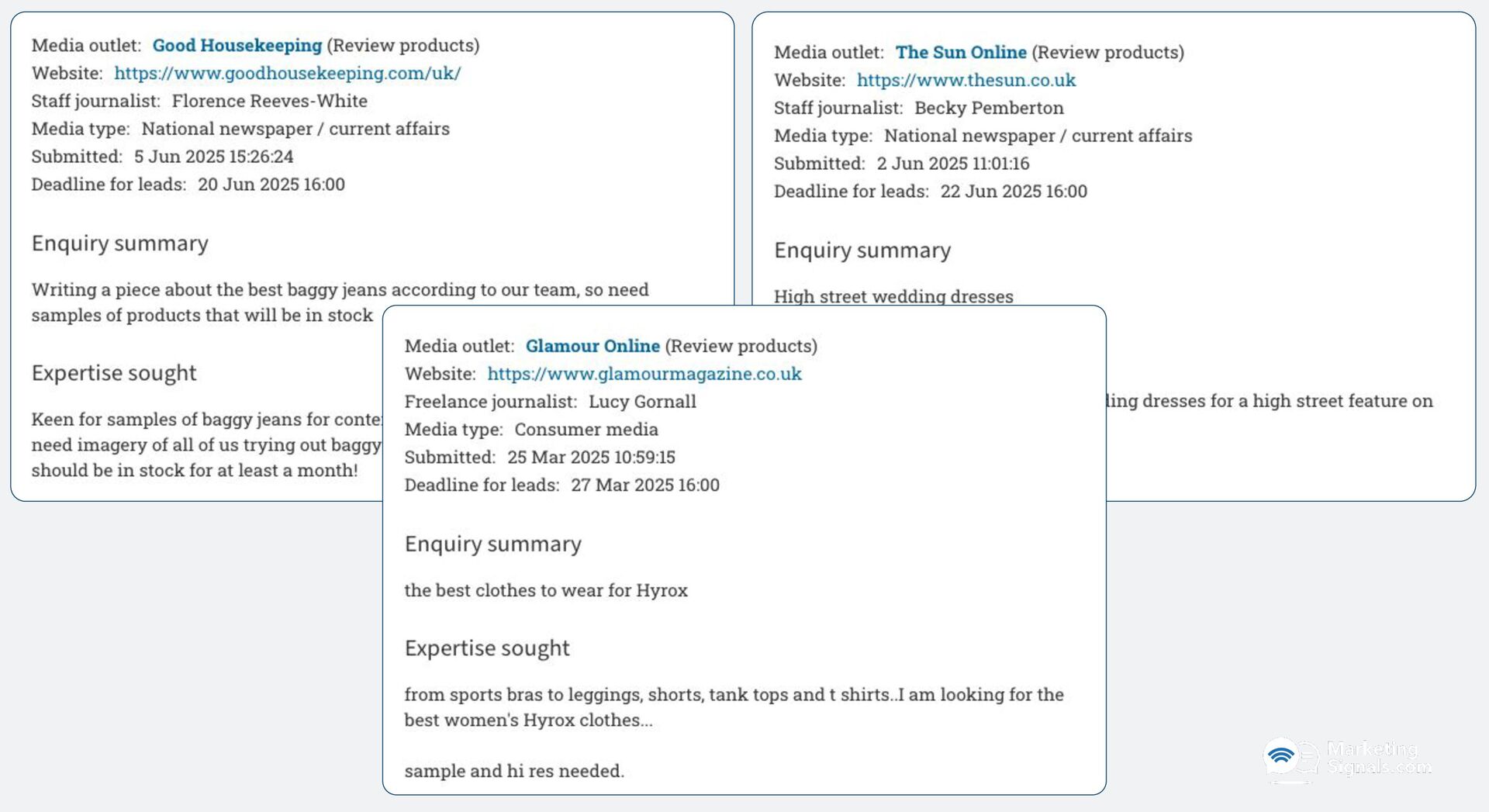
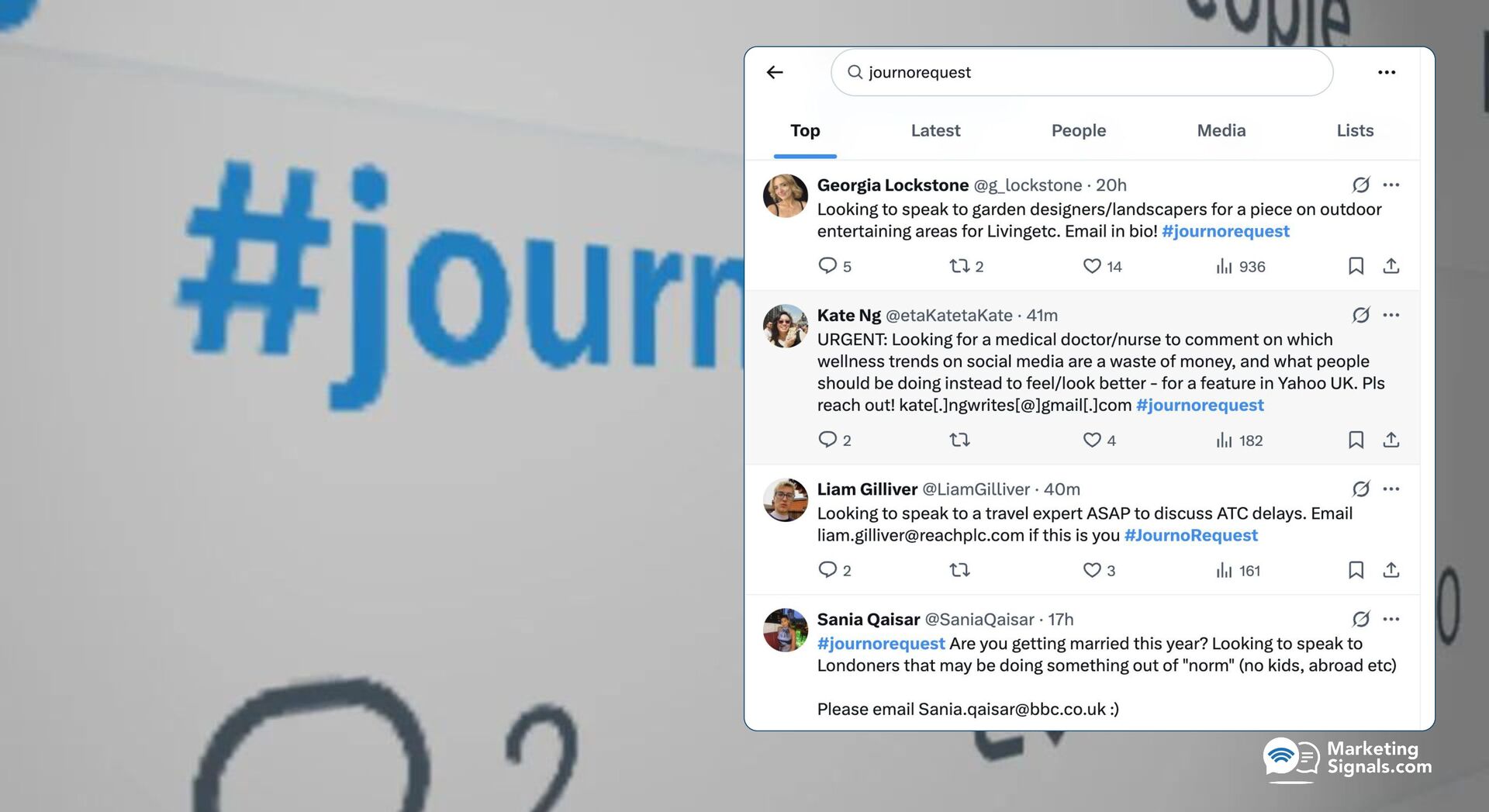
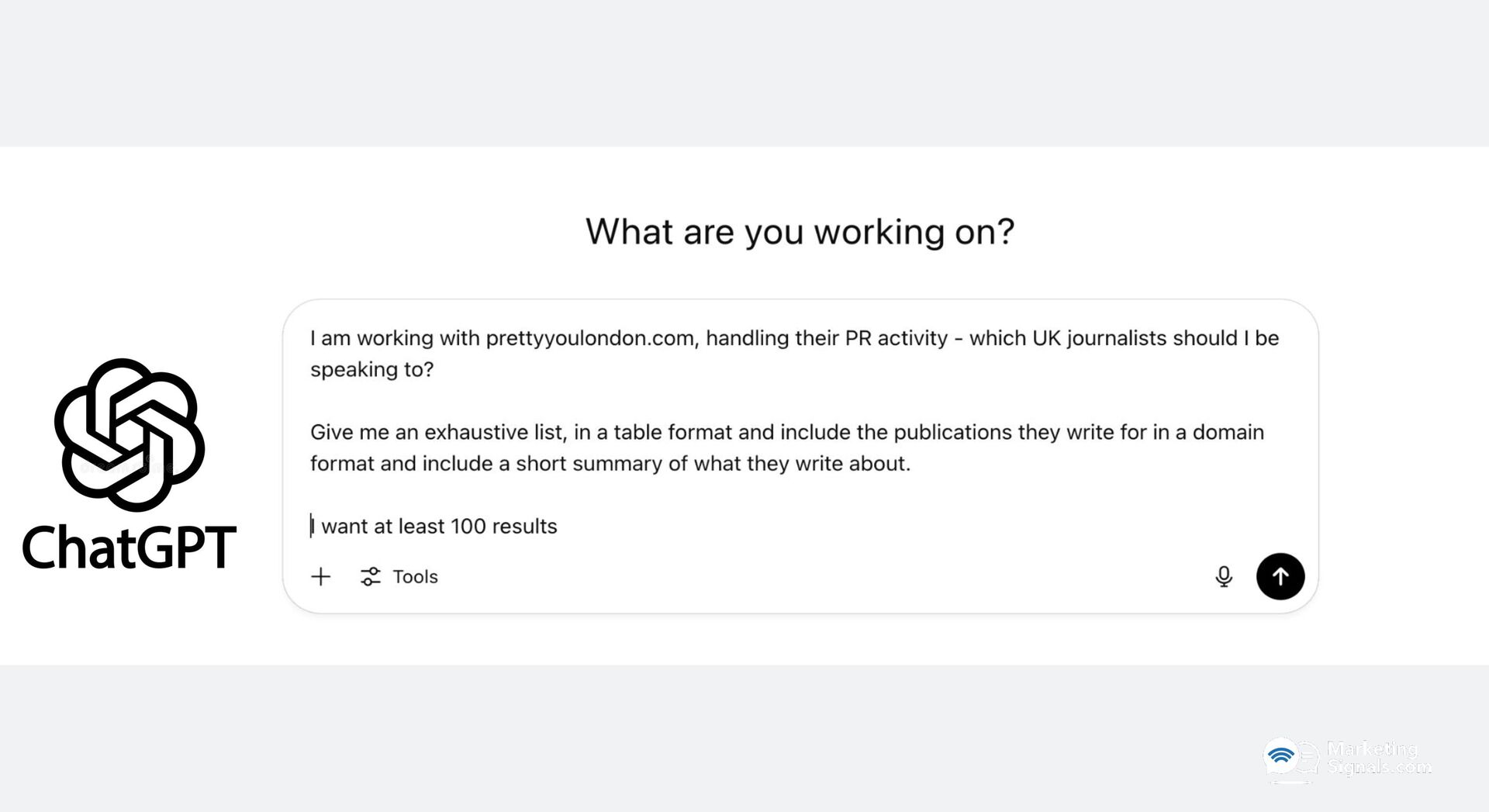
  10. Do: Use a journalist database Tools such as Cision, Roxhill,

    Muck Rack, Prowly and Vuelio (ResponseSource) can help you find the individual contact information of journalists.
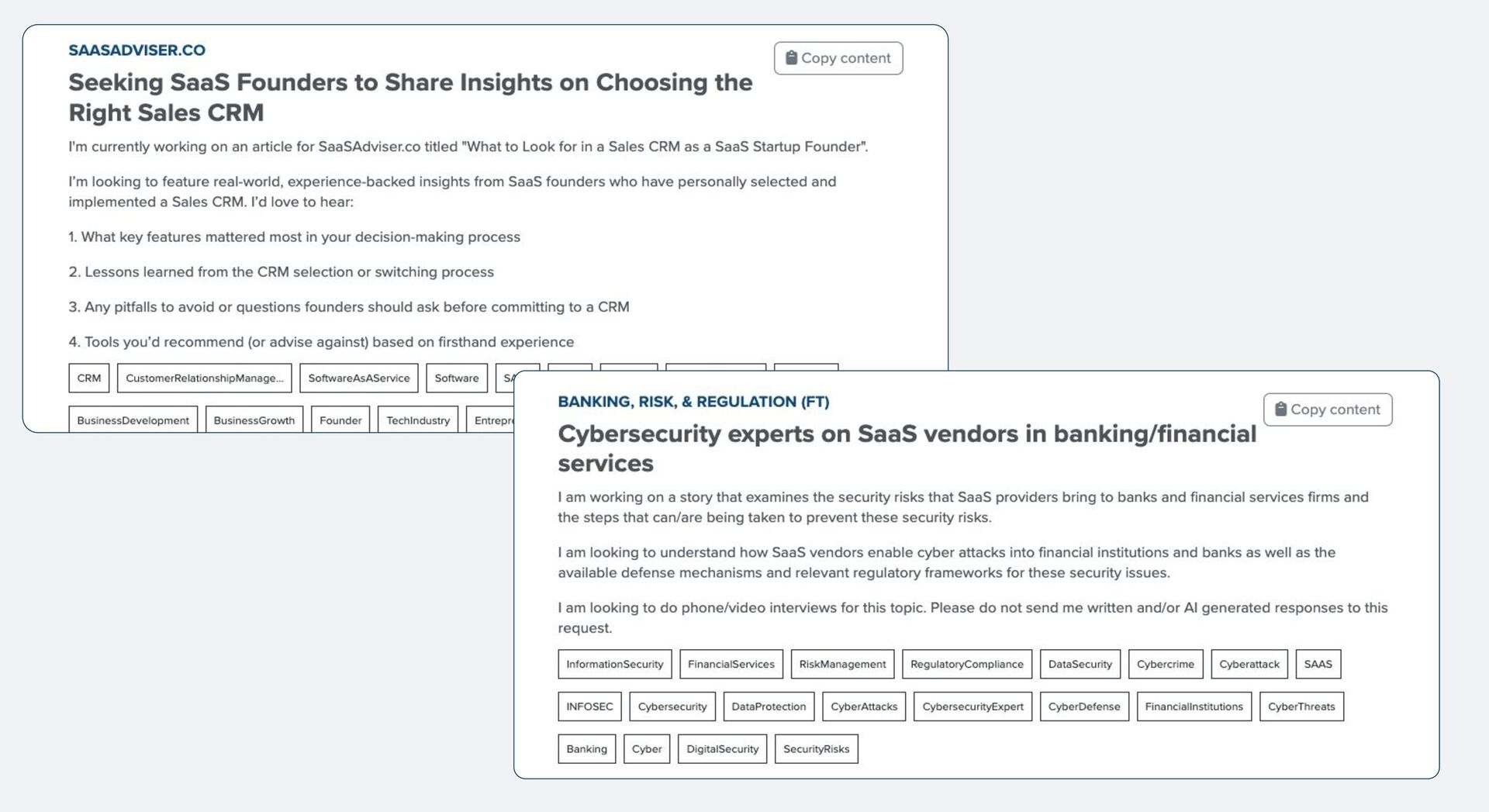
  11. Do: Use social media and Google to find emails Have

    you found the perfect journalist you want to pitch to but can’t find their email address on any databases? Take a look at their social media accounts, which can sometimes contain their email in their bio. Alternatively, Google their name to see whether you can find their email on other publications.
  12. Do: Consider journalists you’ve previously spoken to Look at your

    previous results and consider any journalists you think might be relevant and interested in your content.
  13. Do: Follow up, once Take time to follow up with

    journalists if you haven’t received a response to your original email pitch, however only do it once. Bombarding them with messages could potentially ruin a strong working relationship later on down the line.
  14. Don’t: Send journalists stories irrelevant to them It’s important to

    research journalists before pitching to them. Sending them something on a topic they may have covered once, 3 years ago is probably a waste of time to both you and them, therefore research is essential to any PR campaign.
  15. Don’t: Build huge lists of target journalists Building large lists

    of journalists, many of whom might not be relevant to your campaign at all, is best avoided. Remember, it’s better to build a list of 200 strong, relevant journalists you know cover the topic of your campaign, rather than sending out to thousands of contacts that are completely irrelevant.
  16. Don’t: Send templates that aren’t personalised You may be strapped

    for time, however personalising an email to a journalist can make all the difference, particularly if they can tell generic templated email a mile away.
  17. Don’t: Click send without checking for mistakes Mistakes happen, but

    it’s always important to check for spelling, grammar and the email layout beforehand. Ensure you’ve attached the correct content too before sending.
  18. Don’t: Spam journalists If you’ve pitched a piece of content

    this week, make sure you don’t send them anything else in quick succession, unless they ask for it. Doing so could annoy them, have the potential to ruin a relationship or result in your email being blocked from future communication.
  19. Don’t: Follow up aggressively Give a couple of days between

    your initial pitch and your follow up email. You need to give journalists the chance to open their emails and following up in quick succession can be off putting that could harm chances of obtaining coverage.
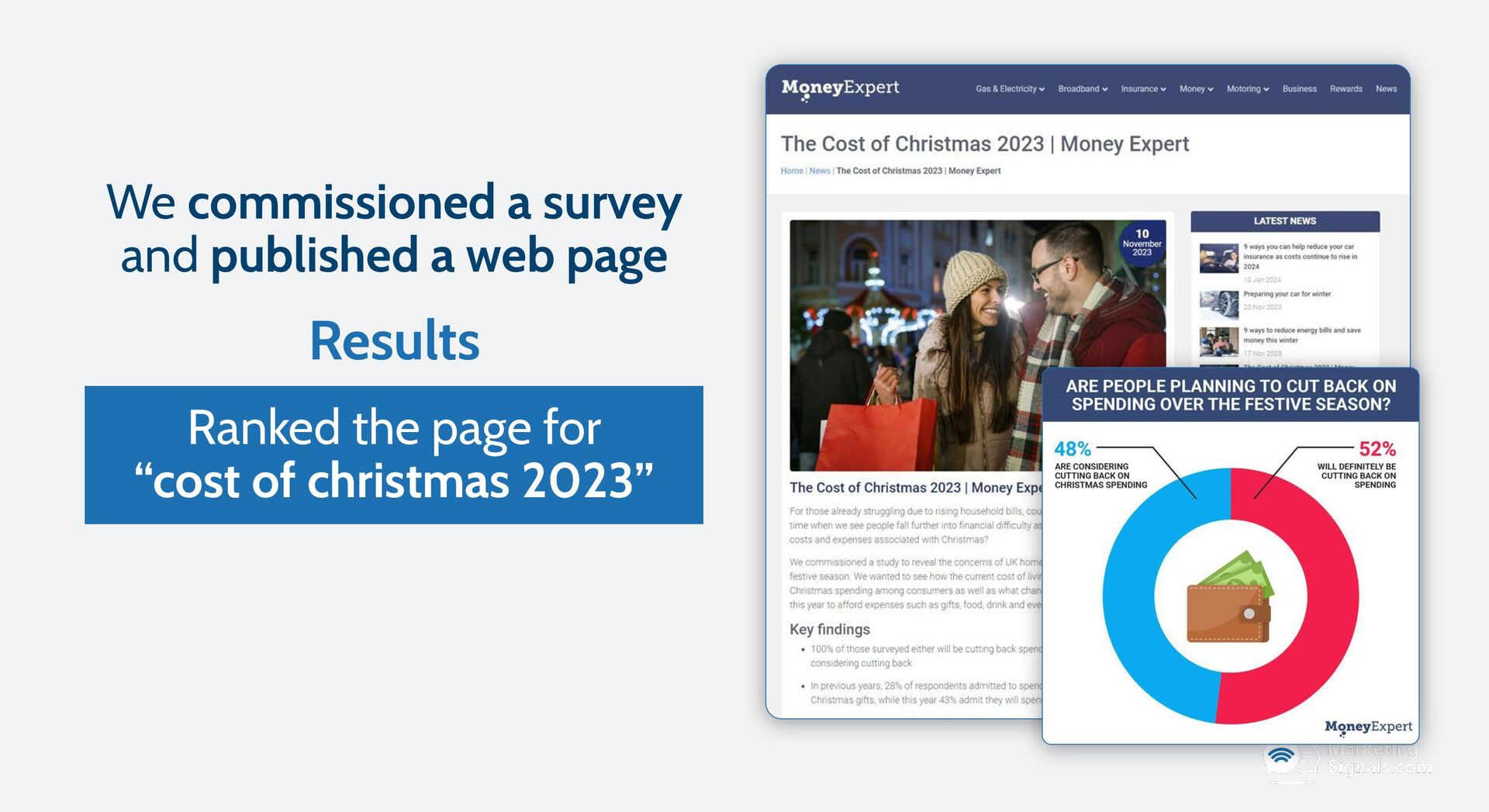
  20. We commissioned a survey and published a web page Ranked

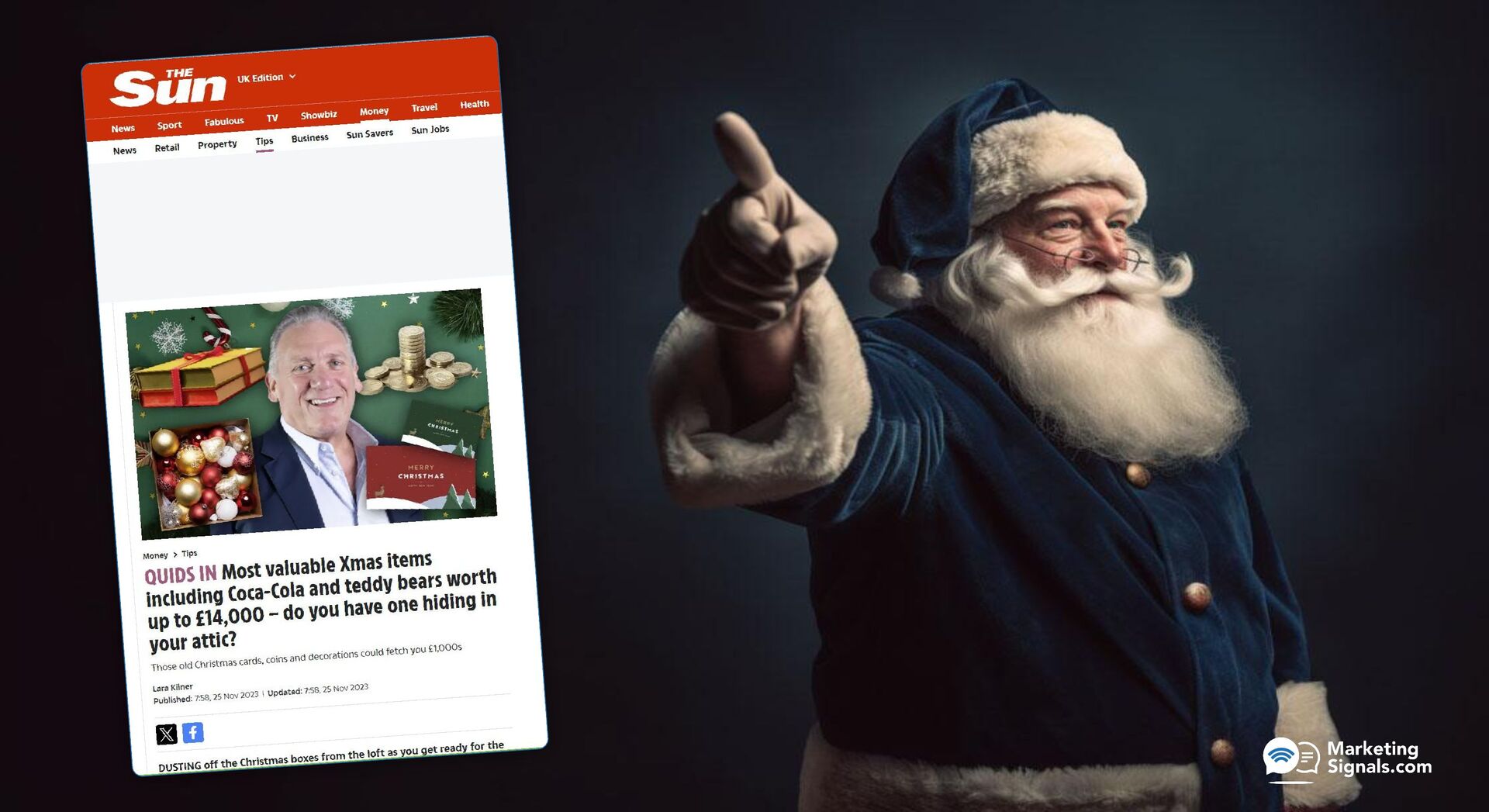
    the page for “cost of christmas 2023” Results
  21. How will you adopt these digital PR approaches to consistently

    secure authoritative backlinks and visibility?
  22. SCAN ME I am Gareth Hoyle. let’s start some PR

    conversations on LinkedIn. marketingsignals.com coveragely.com