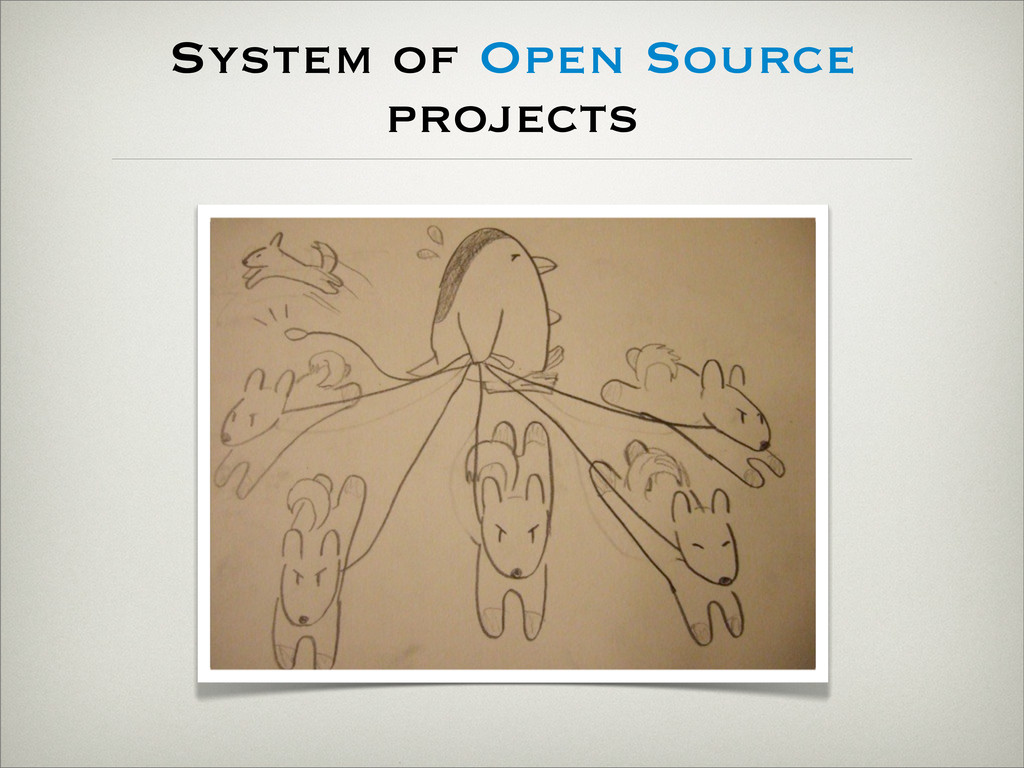
regardless of the scale and of the theme. Open Source projects, which do not quite fit the traditional and formal enterprise way (rules, forms, licenses ...), cannot be exceptions. Though sharing the same name, the role of project manager is totally different for enterprise and Open Source projects. The speaker is project manager of TOMOYO Linux, a security enhancement feature which was just merged in version 2.6.30. It was developed by one of the largest SI companies in Japan. The session reviews the project history and tries to summarize the differences between the enterprise and Open Source projects using TOMOYO Linux project as an example. This session is for project managers at enterprise, and kernel development experiences are absolutely not required.
one of the largest system integration company that has over 9000 (30000 as a group) employees in Japan • Being involved in Open Source projects management since 2003 • This presentation is based on my personal experience as project manager of TOMOYO Linux which has been merged in kernel 2.6.30
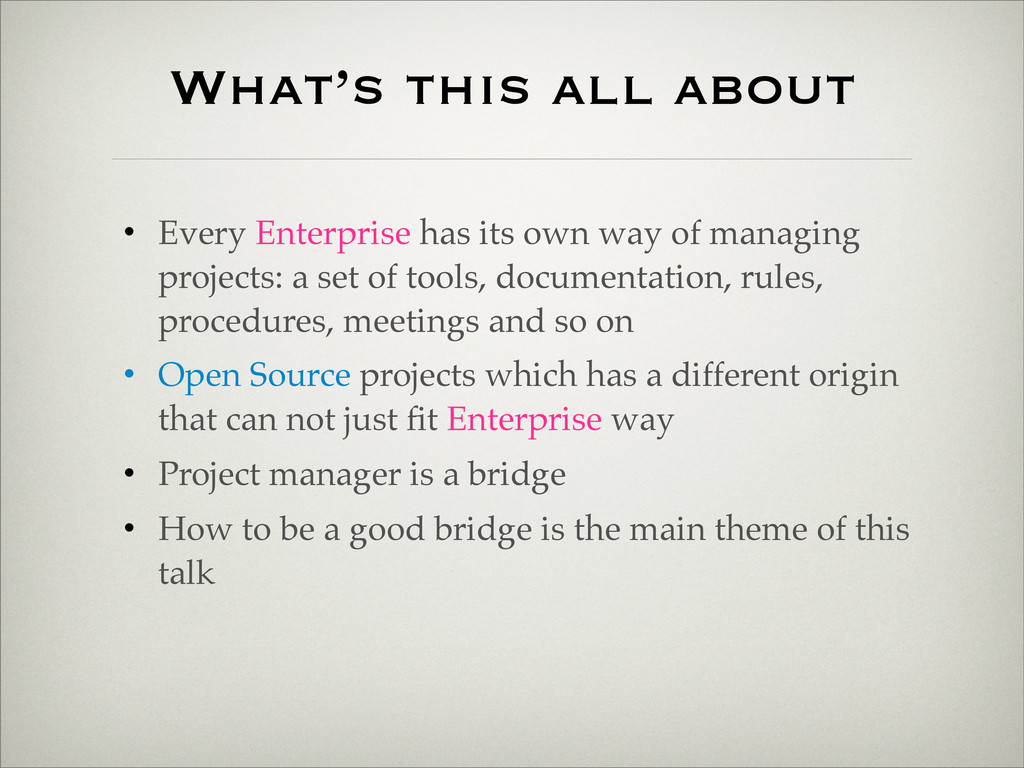
way of managing projects: a set of tools, documentation, rules, procedures, meetings and so on • Open Source projects which has a different origin that can not just fit Enterprise way • Project manager is a bridge • How to be a good bridge is the main theme of this talk
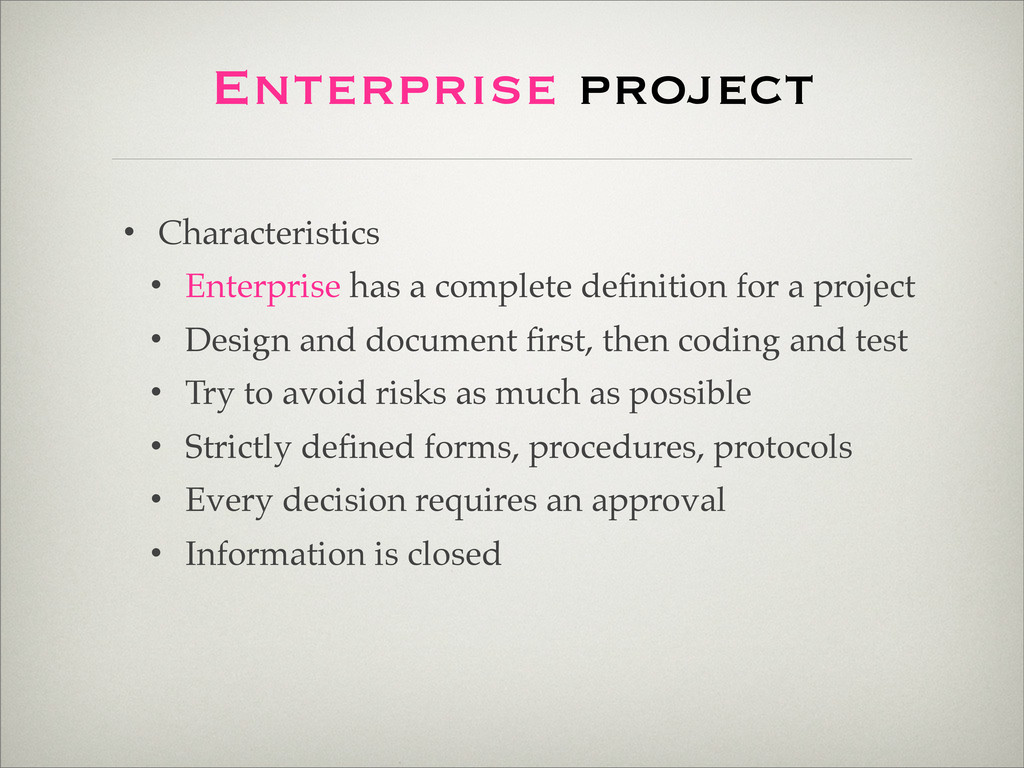
for a project • Design and document first, then coding and test • Try to avoid risks as much as possible • Strictly defined forms, procedures, protocols • Every decision requires an approval • Information is closed
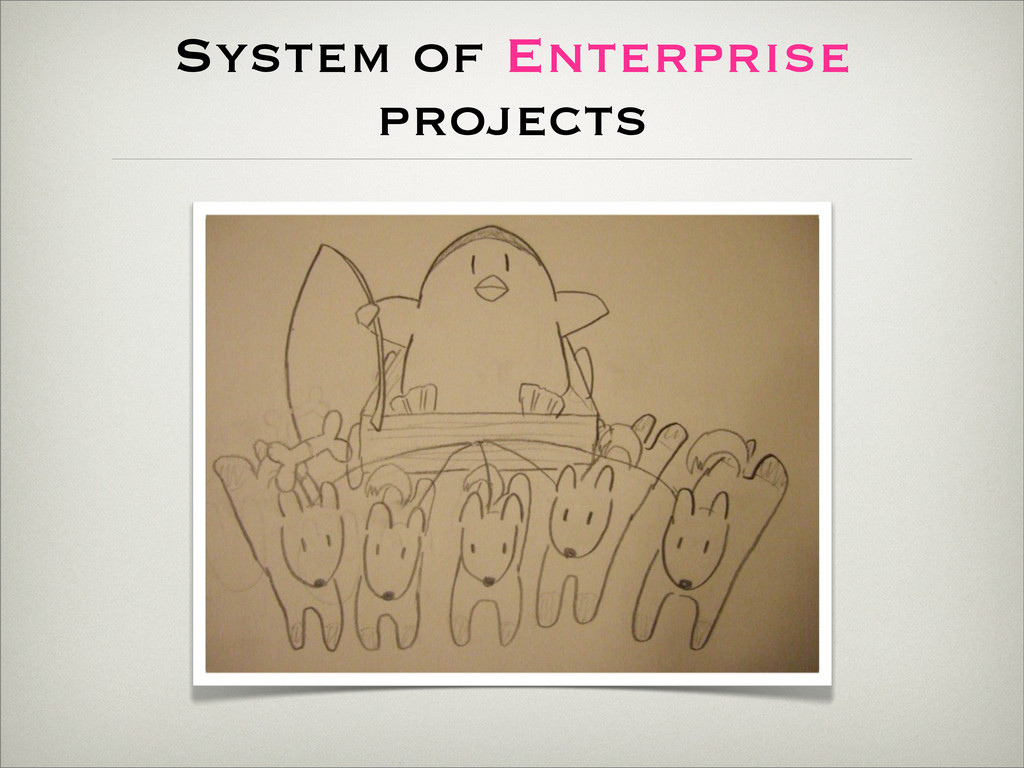
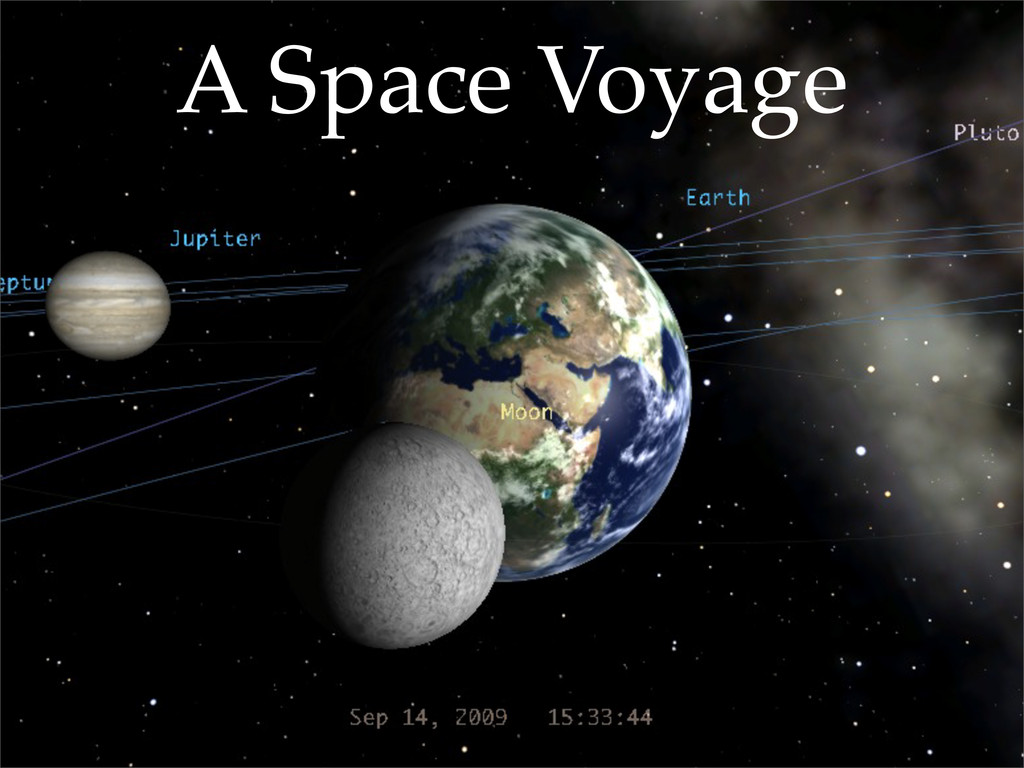
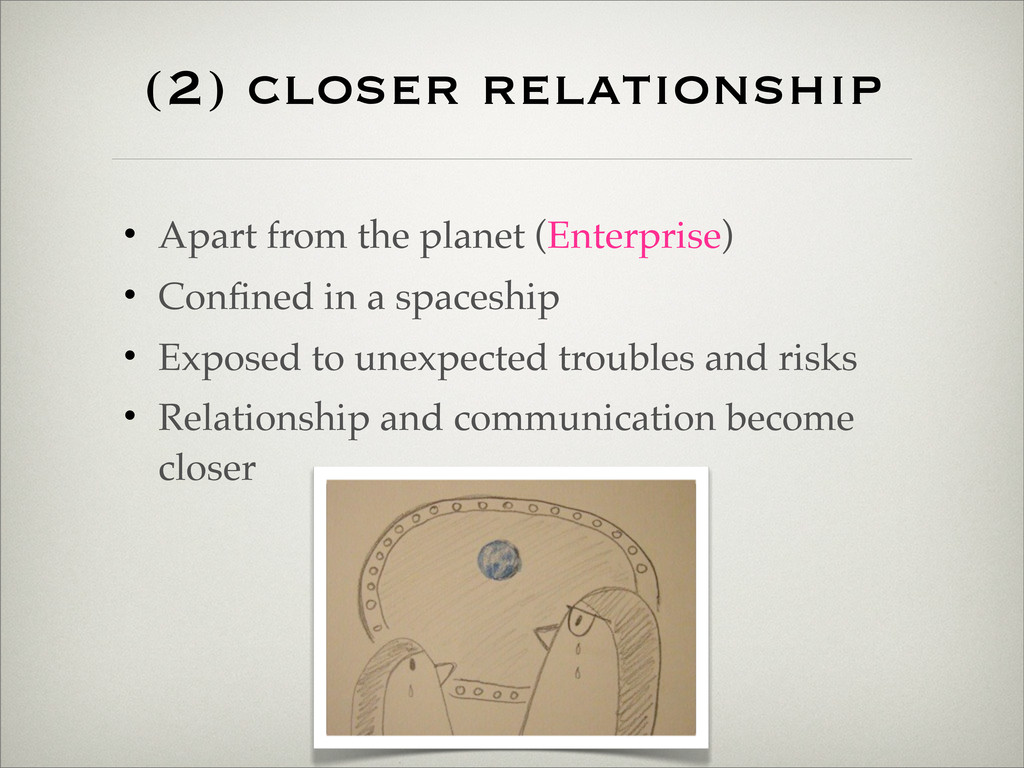
isolated in Enterprise • Physically exists, but logically invisible • Aims, status, progress, thoughts are sometimes hard to understand by outer (inner) people • Managing an Open Source project resembles a space voyage
member does not have to think every detail of one’s project • When in the space • each crew members recognize the spaceship is his own • roles are just guidelines
• Dedicated manager is not needed • Duty from Enterprise remains • Past experiences do not help • Project manager begin to ask himself, “who am I?” and “what shall I do?”
believe Open Source is a mutual benefit society, so I’ll share my six years experience as TOMOYO Linux project manager (I’m still in my voyage, though ;-)
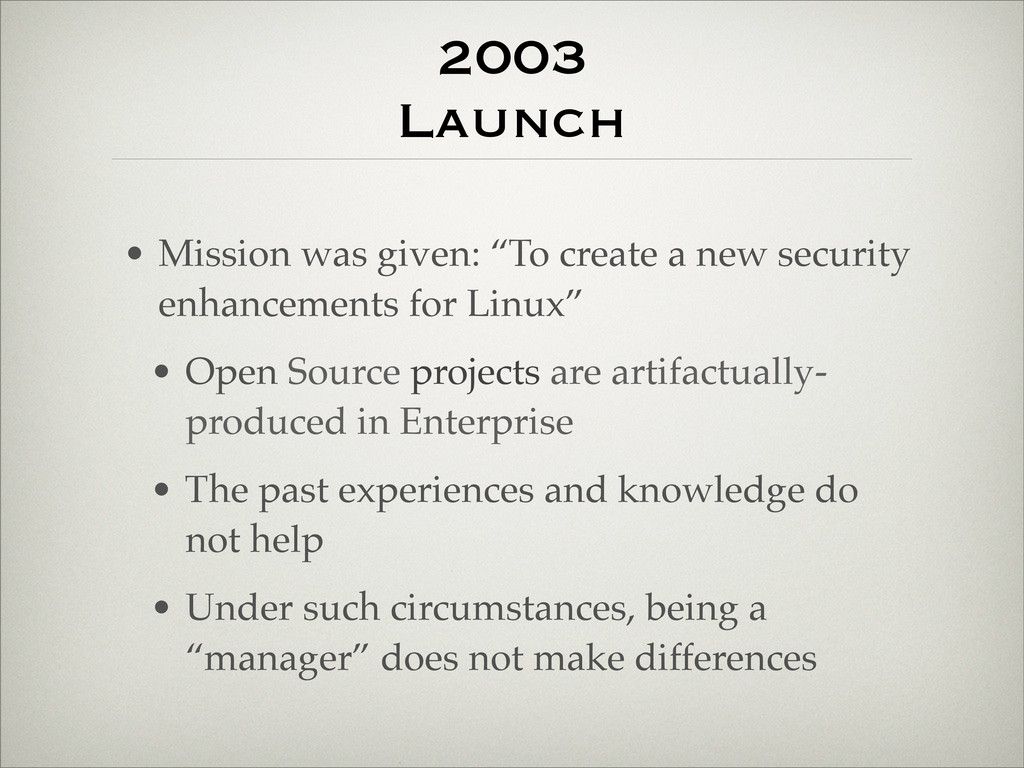
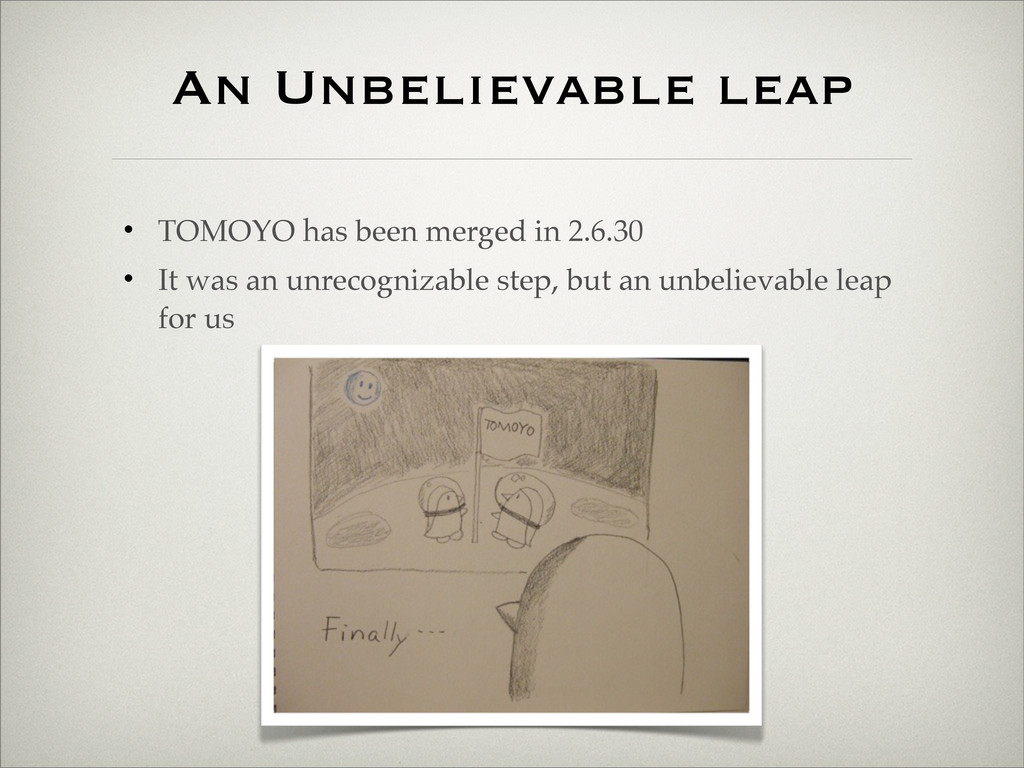
security enhancements for Linux” • Open Source projects are artifactually- produced in Enterprise • The past experiences and knowledge do not help • Under such circumstances, being a “manager” does not make differences
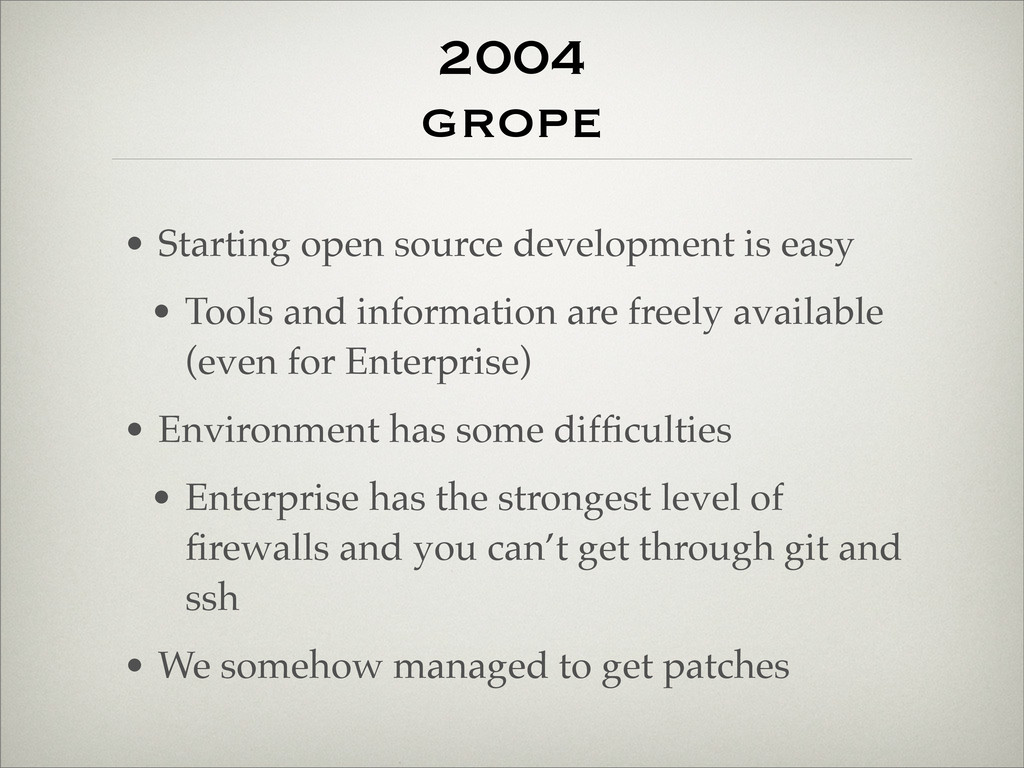
Tools and information are freely available (even for Enterprise) • Environment has some difficulties • Enterprise has the strongest level of firewalls and you can’t get through git and ssh • We somehow managed to get patches
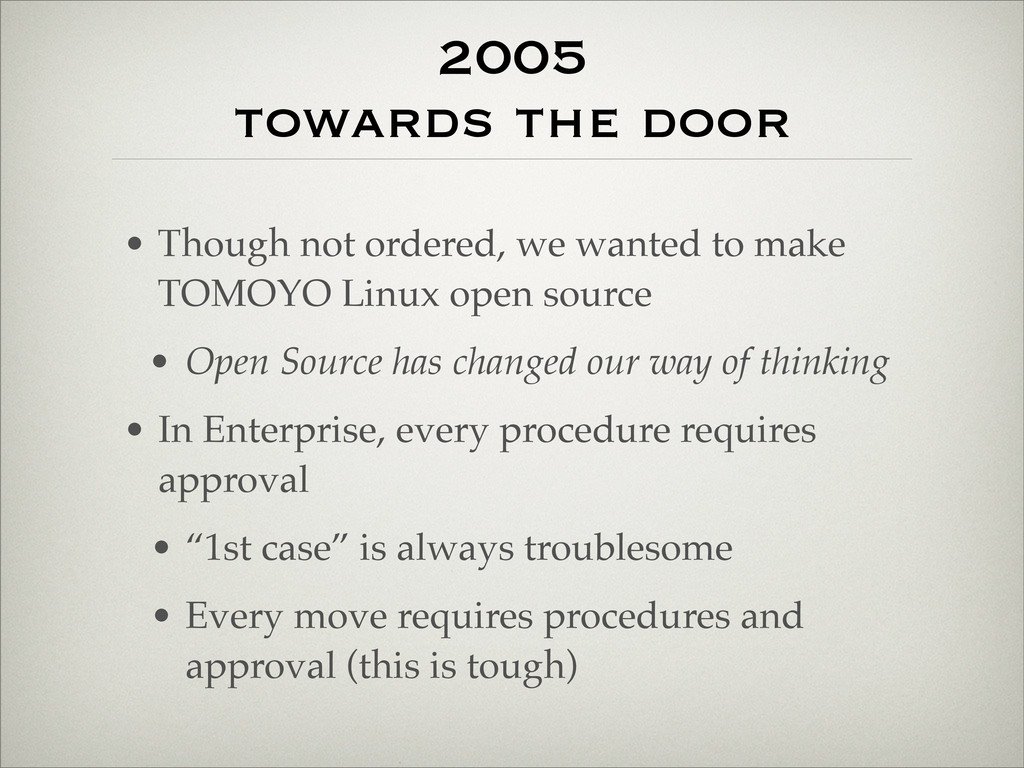
to make TOMOYO Linux open source • Open Source has changed our way of thinking • In Enterprise, every procedure requires approval • “1st case” is always troublesome • Every move requires procedures and approval (this is tough)
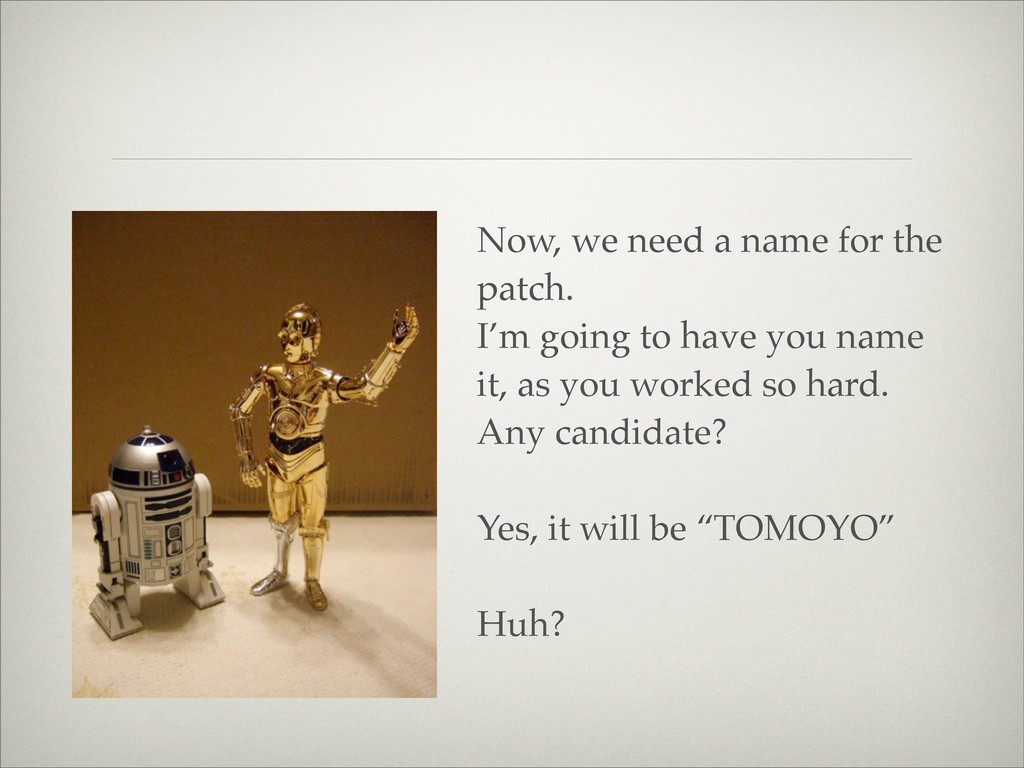
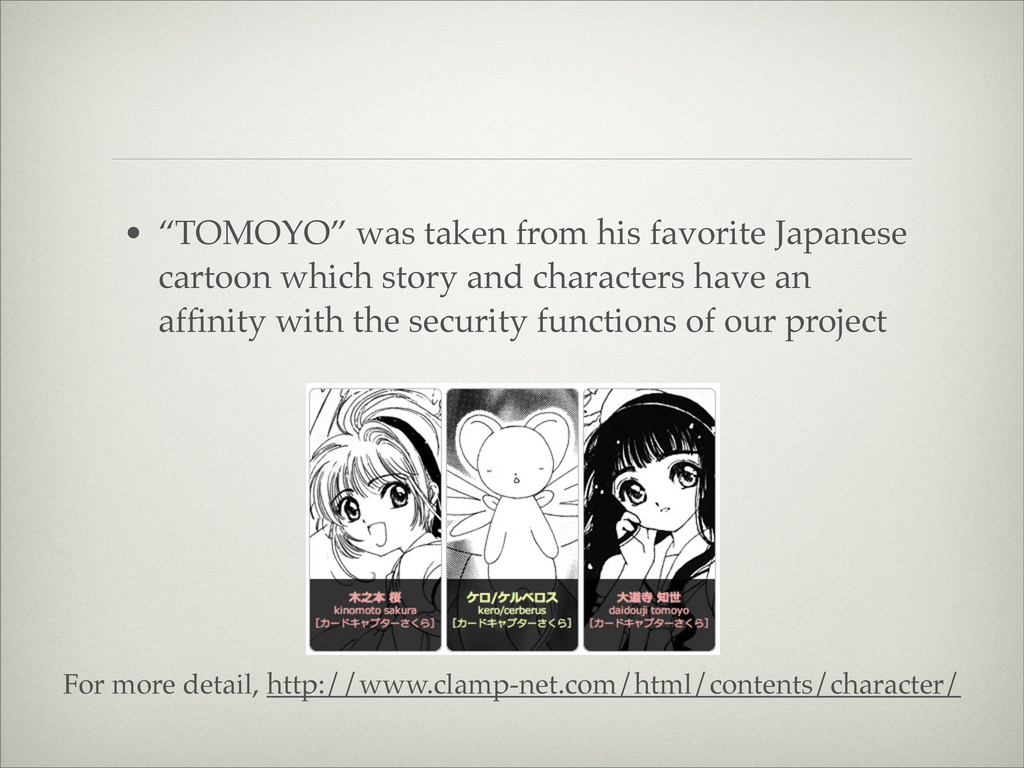
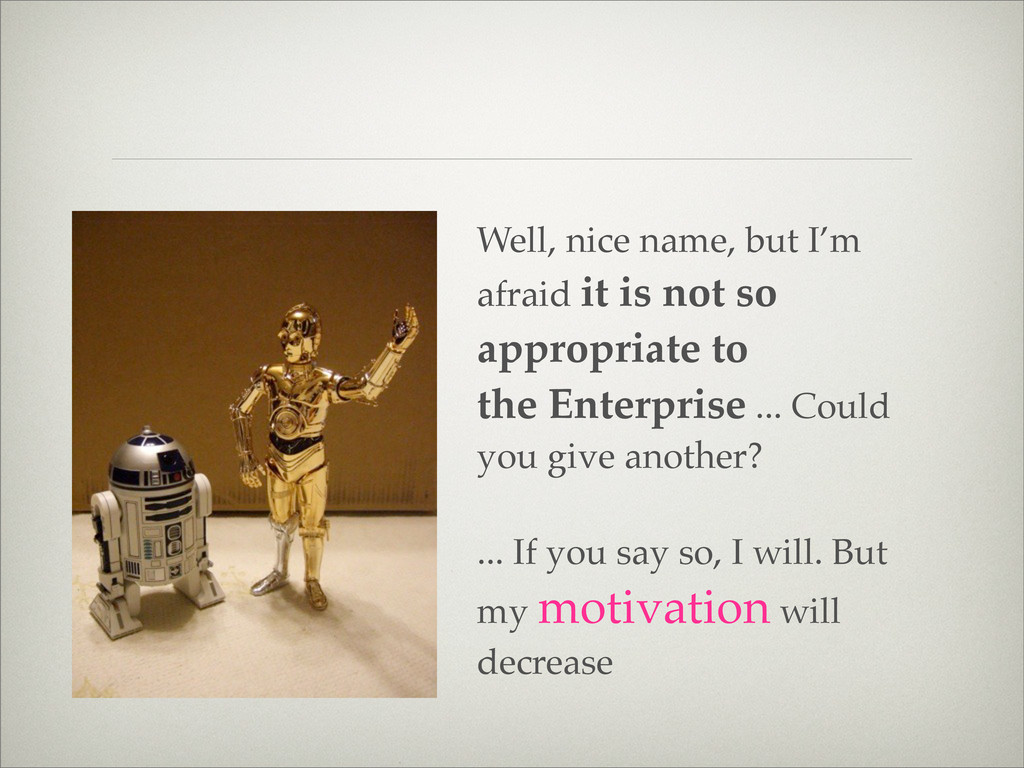
intuitively understood I should not force him to pick a name for my sake • Motivation is important for any projects, but it is crucial in Open Source project • Keeping motivation for each member is the most important job for manager • “How” is not documented, of course
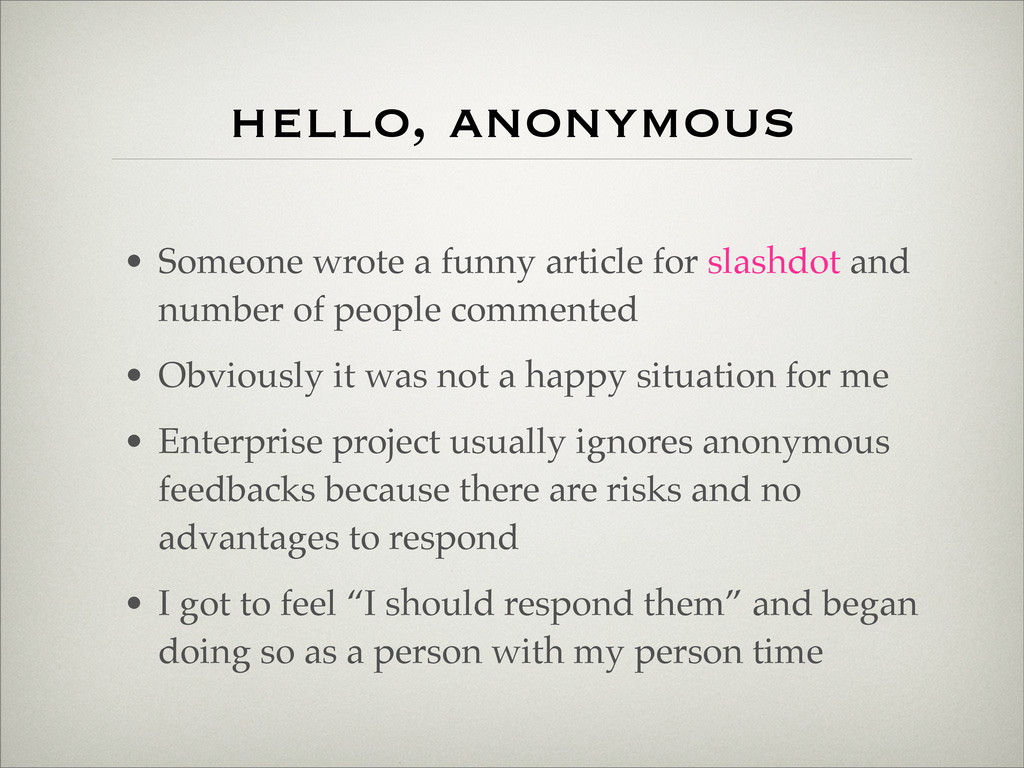
and number of people commented • Obviously it was not a happy situation for me • Enterprise project usually ignores anonymous feedbacks because there are risks and no advantages to respond • I got to feel “I should respond them” and began doing so as a person with my person time
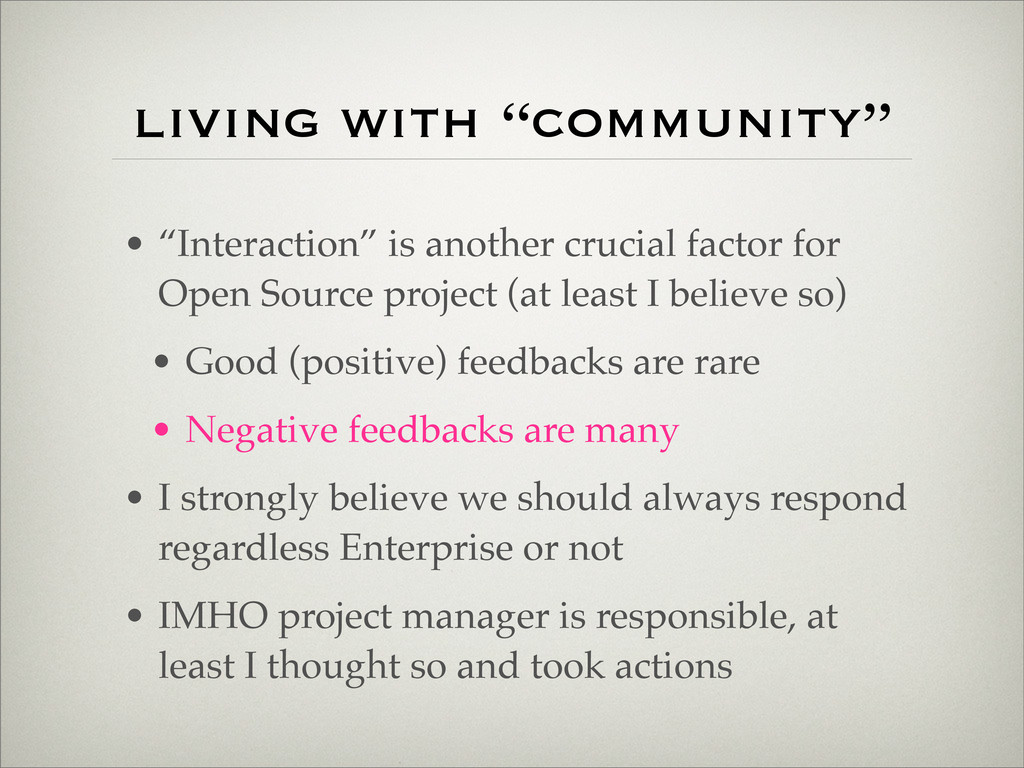
Open Source project (at least I believe so) • Good (positive) feedbacks are rare • Negative feedbacks are many • I strongly believe we should always respond regardless Enterprise or not • IMHO project manager is responsible, at least I thought so and took actions
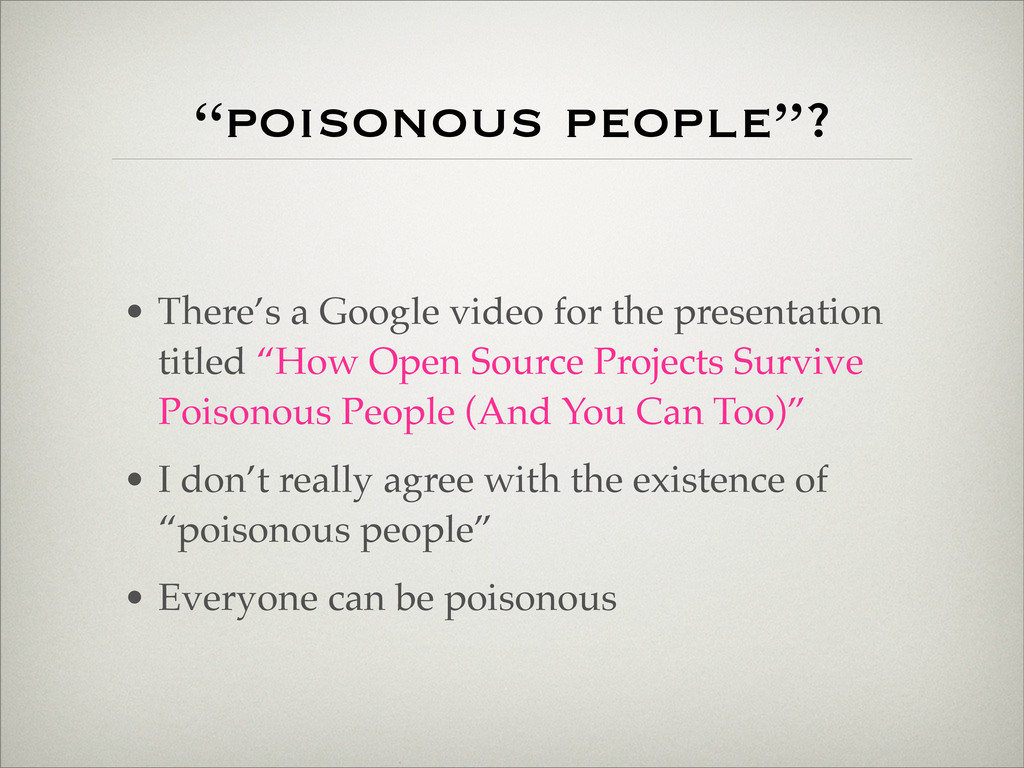
titled “How Open Source Projects Survive Poisonous People (And You Can Too)” • I don’t really agree with the existence of “poisonous people” • Everyone can be poisonous
line changed my way of thinking • I realized that I must not forget my role as Enterprise project manager • I’ve been standing between Enterprise and Open Source • From project point of view, I was a bridge
projects, we were working inside the company • We seldom went out and didn’t attend OSS events • One day, we showed demonstration at CE Linux Forum technical meeting and received astonishing response
group asked us to introduce TOMOYO • Over 60 people came and “scolded” us because we didn’t go out and try posting to the LKML • Some of them took their day off to tell that to us • I was uncomfortable and unhappy, but realized they were doing this for us
at ELC2007 and OLS2007 • We subscribed to LKML (ml spool exploded) • When we joined, AppArmor people were proposing (it was unfortunate for us ;-) • Our lives suddenly became hard and exciting
(feedback) { depressed; } else { depressed; } } •“code” belongs to the world of programming •“discuss” belongs to the world of human •“feedback” belongs to the world of God •“depressed” belongs to us •It is interesting that just a three men can hardly agree with things
hopeless, but we believed in what we were doing • We knew we were doing the right thing • Experiences were stored internally and invisibly • Human can learn from experiences and Open Source projects are full of opportunities
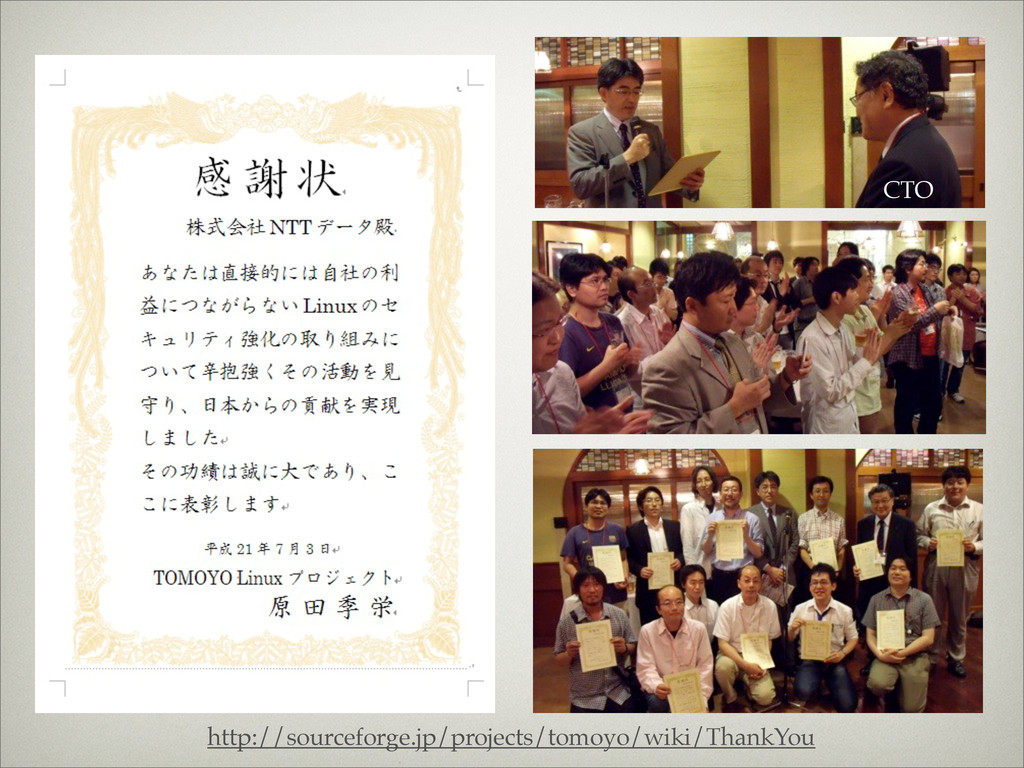
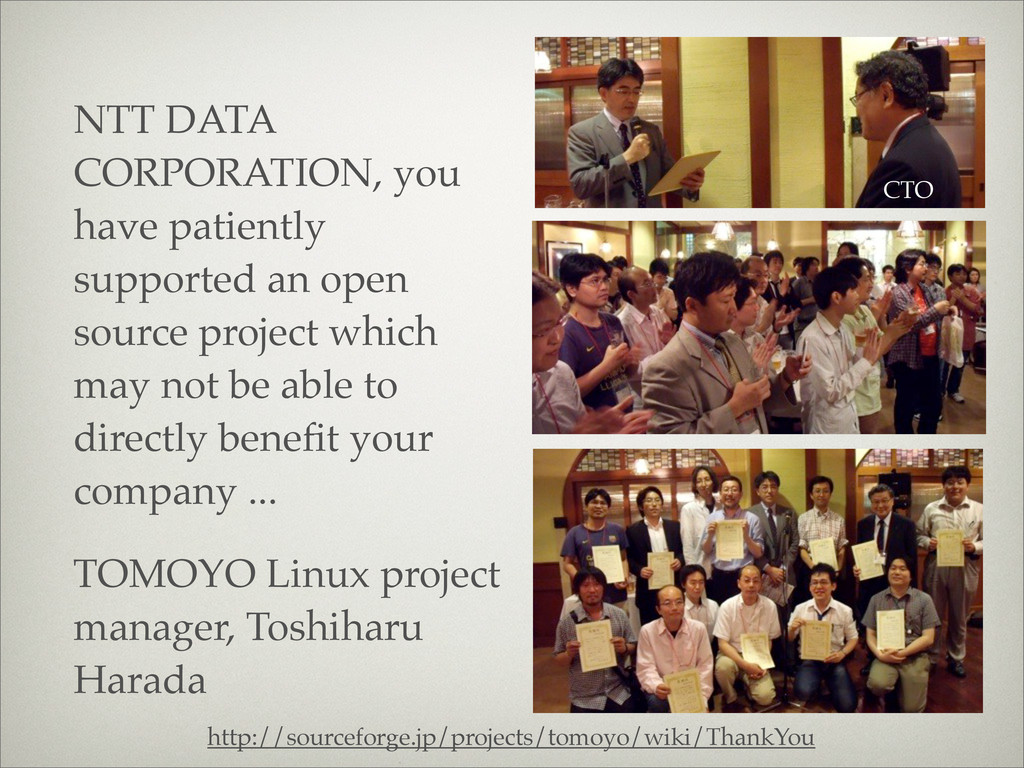
NTT DATA CORPORATION as I felt showing appreciation is so important • Without the support by the company, we could not develop TOMOYO Linux • I handed the certificate to the CTO of NTT DATA CORPORATION
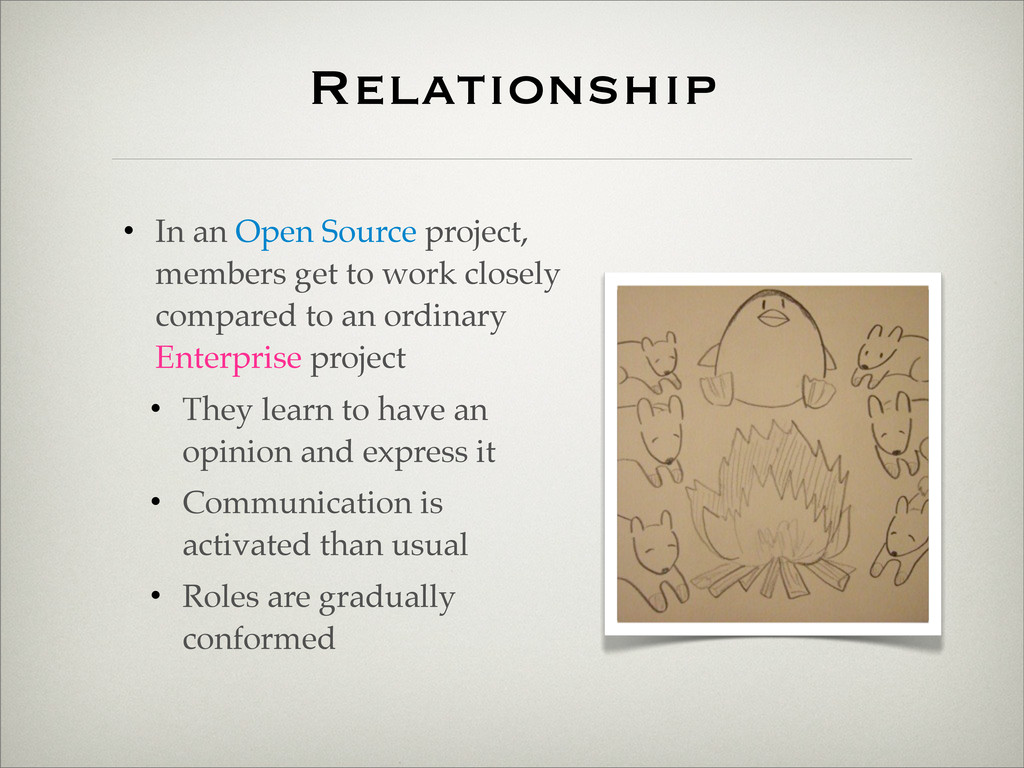
work closely compared to an ordinary Enterprise project • They learn to have an opinion and express it • Communication is activated than usual • Roles are gradually conformed
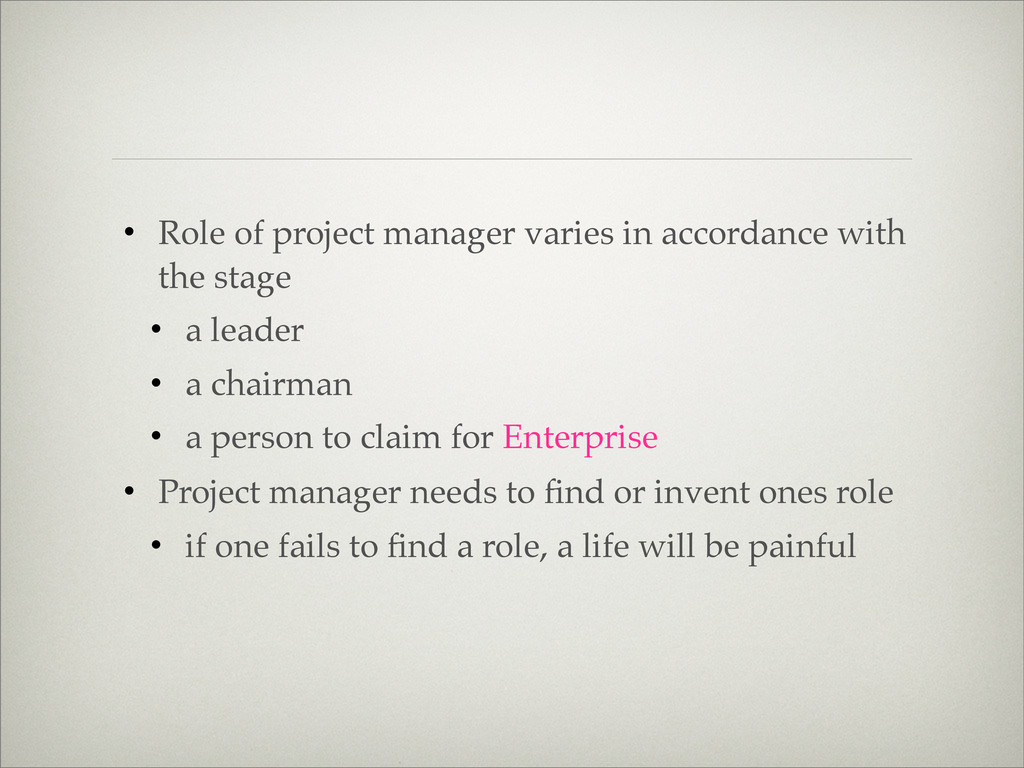
stage • a leader • a chairman • a person to claim for Enterprise • Project manager needs to find or invent ones role • if one fails to find a role, a life will be painful
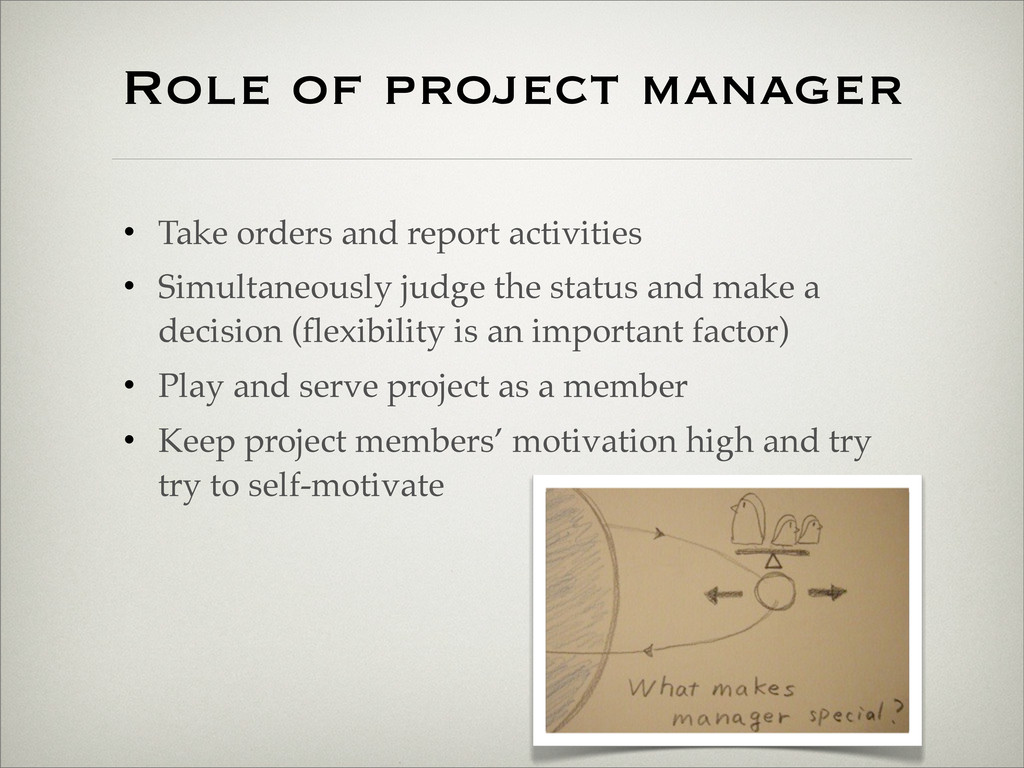
• Simultaneously judge the status and make a decision (flexibility is an important factor) • Play and serve project as a member • Keep project members’ motivation high and try try to self-motivate
the moon. We choose to go to the moon... (interrupted by applause) we choose to go to the moon in this decade and do the other things, not because they are easy, but because they are hard... -- John F. Kennedy
• True results are within each of “us” • The merge of TOMOYO was an accomplish, but it was not all • The project members and I are no longer the same before the project • Invisible and invaluable changes
wild jungle and it sure is • It is not a perfect world, but great treasures are hidden and wait for challengers • We are standing in the new era and Enterprise should make a “giant leap” • Welcome aboard
serenity to accept what cannot be changed, courage to change what should be changed, and wisdom to distinguish the one from the other. -- Reinhold Niebuhr
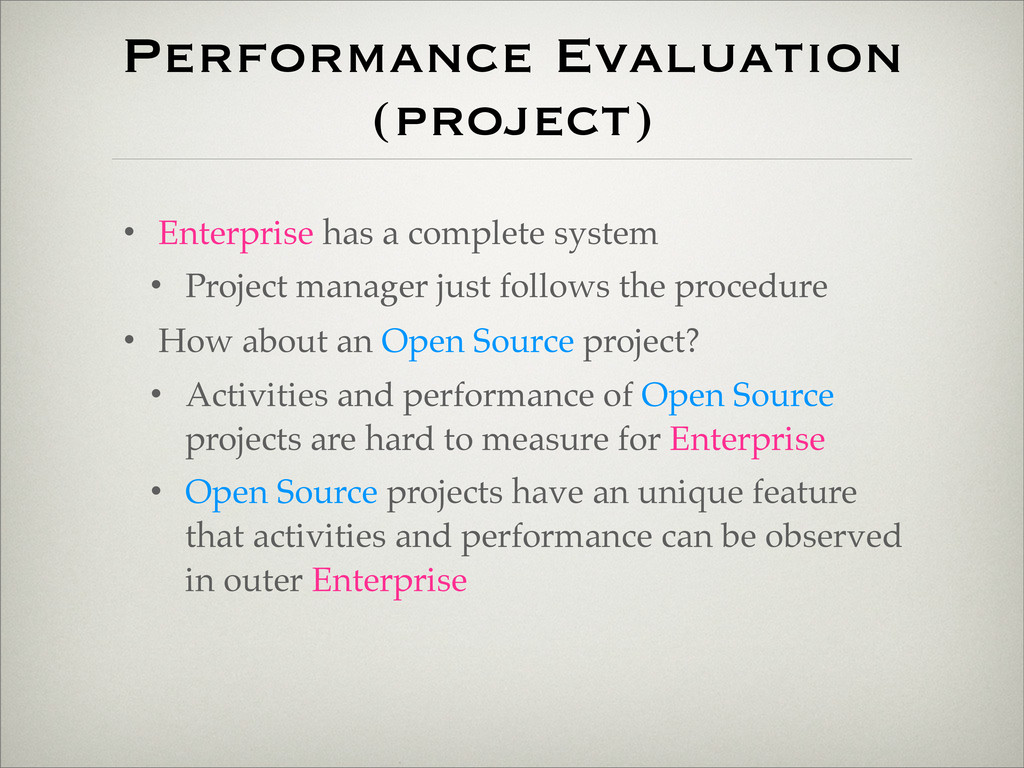
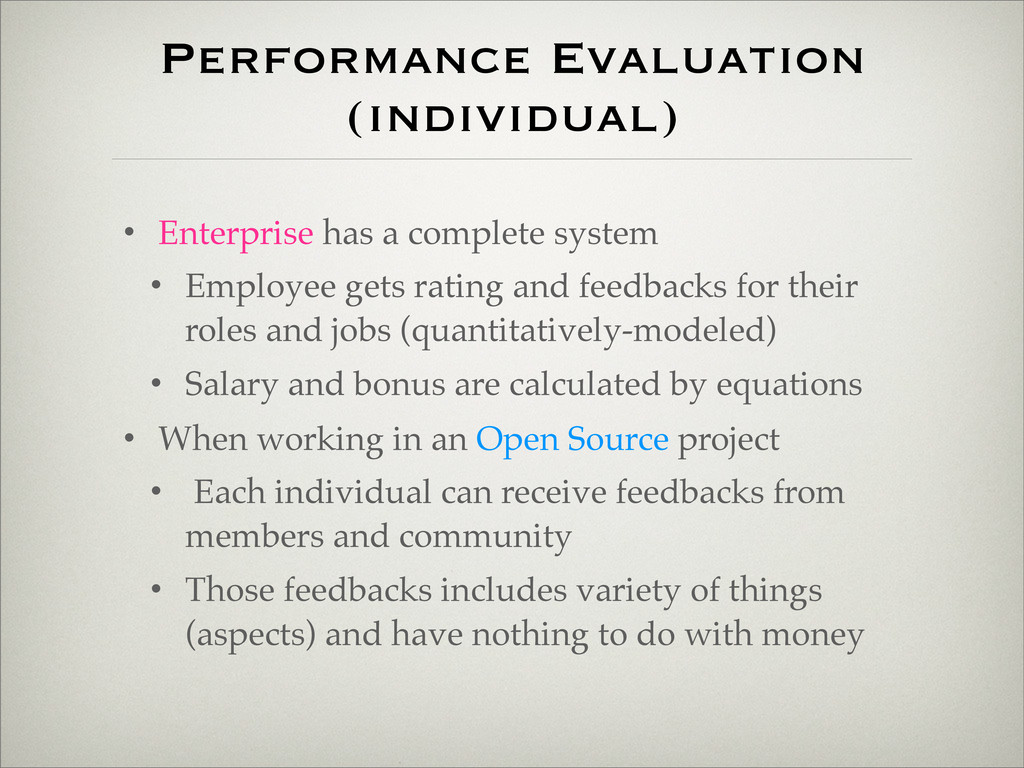
Project manager just follows the procedure • How about an Open Source project? • Activities and performance of Open Source projects are hard to measure for Enterprise • Open Source projects have an unique feature that activities and performance can be observed in outer Enterprise
Employee gets rating and feedbacks for their roles and jobs (quantitatively-modeled) • Salary and bonus are calculated by equations • When working in an Open Source project • Each individual can receive feedbacks from members and community • Those feedbacks includes variety of things (aspects) and have nothing to do with money
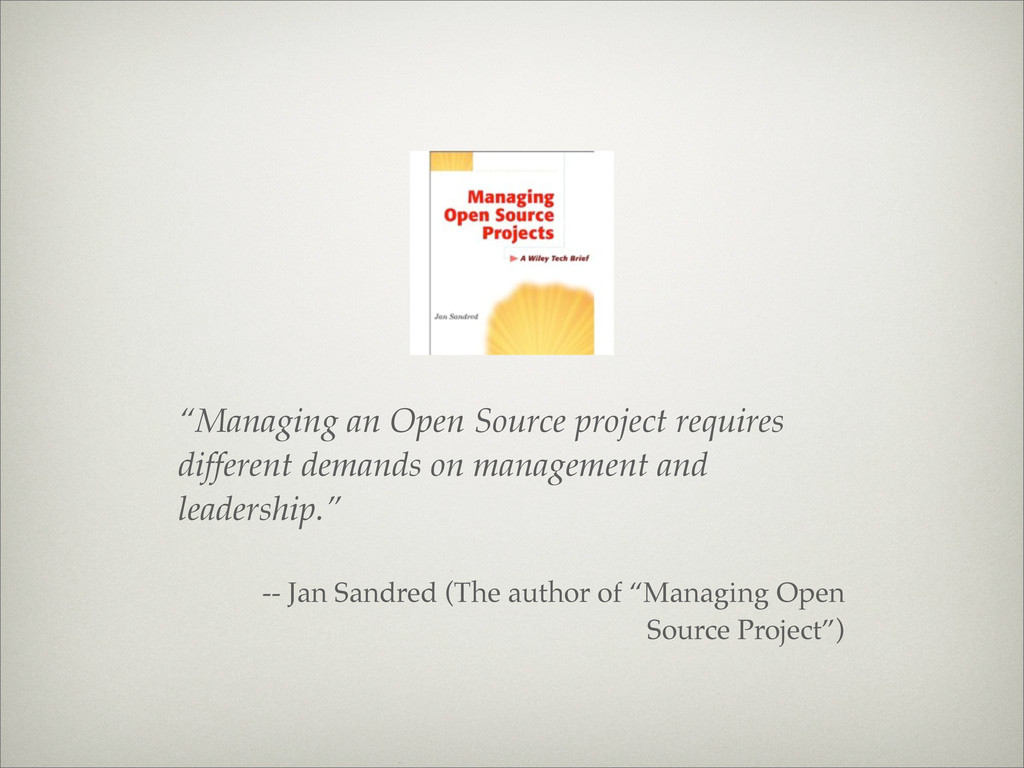
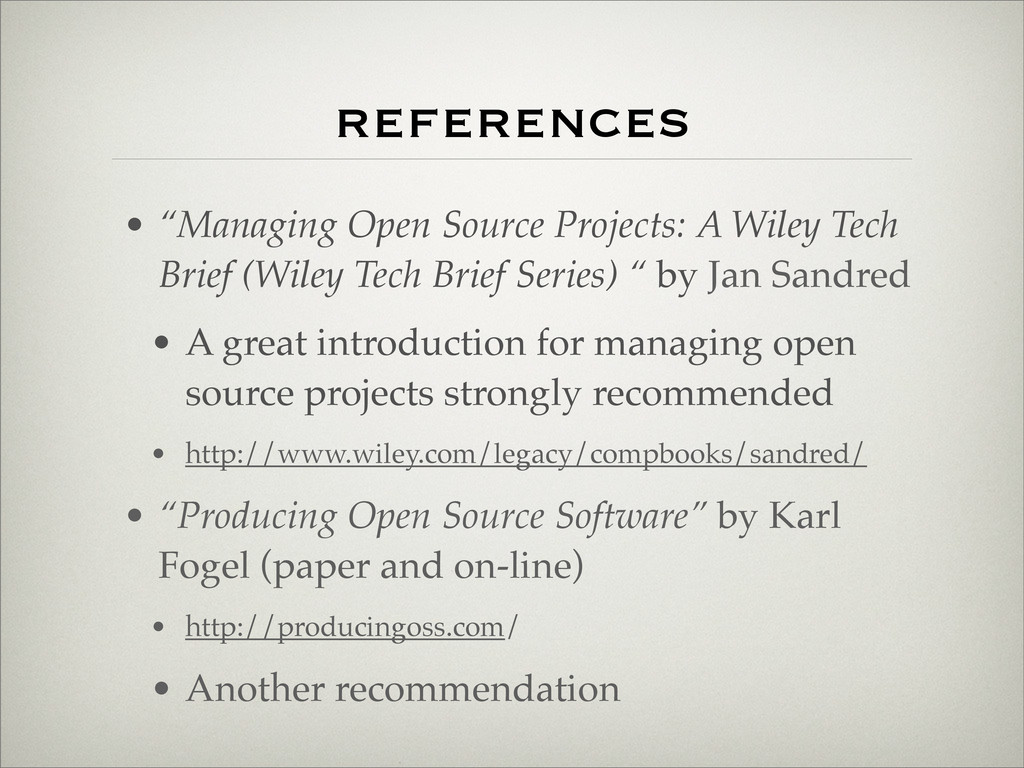
(Wiley Tech Brief Series) “ by Jan Sandred • A great introduction for managing open source projects strongly recommended • http://www.wiley.com/legacy/compbooks/sandred/ • “Producing Open Source Software” by Karl Fogel (paper and on-line) • http://producingoss.com/ • Another recommendation
from a program Mitaka plus which is an enhanced version of Mitaka. How wonderful it is to visit the space from my desktop! Please find a time to visit their web pages and see with your eyes. • http://4d2u.nao.ac.jp/english/index.html • http://orihalcon.jp/mitakaplus/index_e.html


 haradats
 hiola
hiola
 cbtlibrary
 eller86
 rashwhitman
 masakiokuda
 akiraasano
 signer
 doratex
 naochim2026
 gurzu
gurzu
 codingconduct
 andyhume
 konakalab
 reverentgeek
 aleyda
 rabernat
 michaelherold
 portentint
 inesmontani
 jakevdp