an NGO observer status with the UN. Maryknoll is present in 29 countries. In Cambodia, it is registered as international NGO. § Maryknoll Cambodia works in the area of deaf development, community development (BTP & AK), assistance to higher education, mental health, trafficked and vulnerable young women; and HIV/AIDS with about 200 staff. C A R I TA S AU S T R A L I A S U P P O R T E D PROJECTS: SEEDLING of HOPE (HIV/AIDS ADULTS & YOUTH ) DEAF DEVELOPMENT PROGRAM
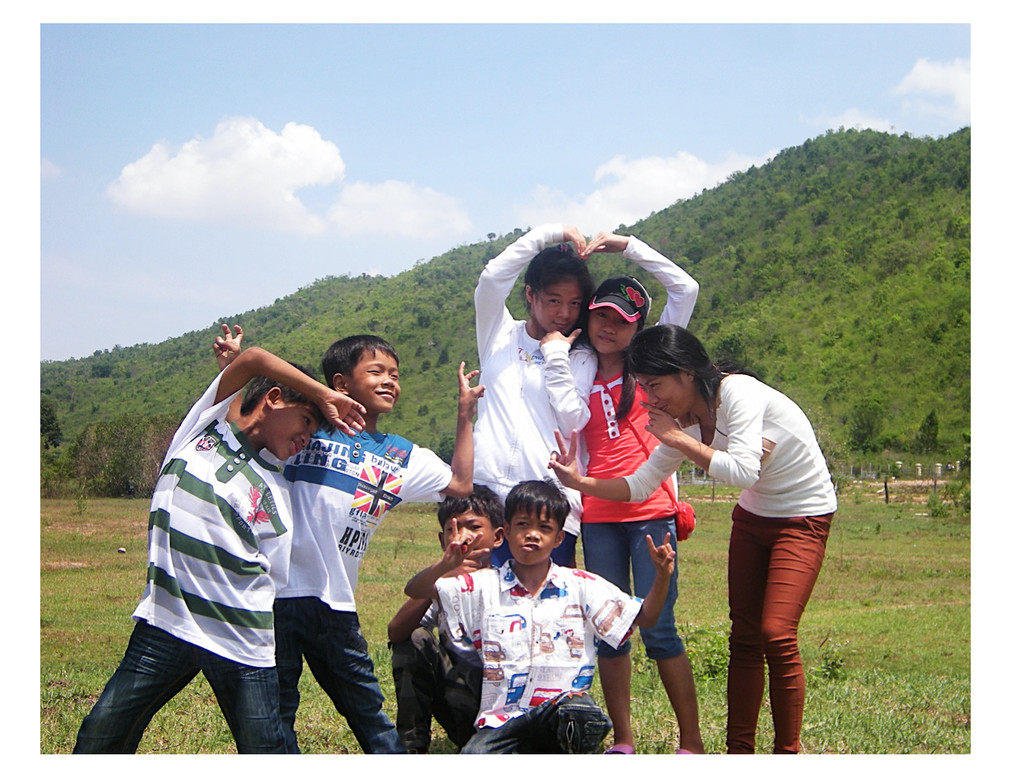
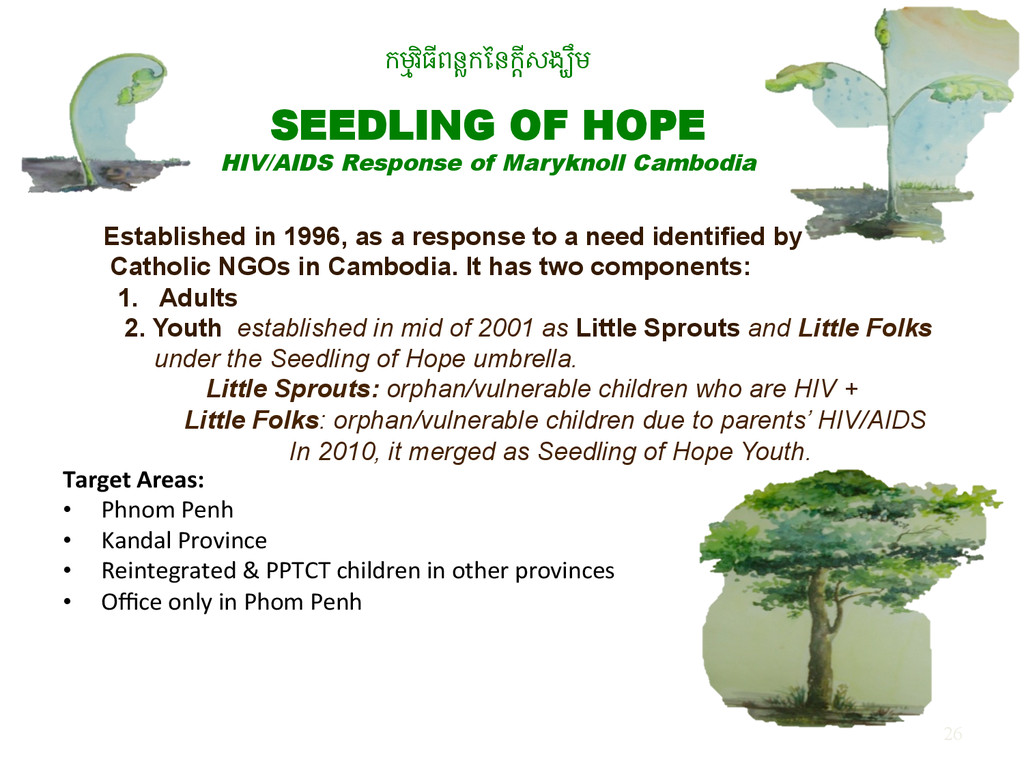
Established in 1996, as a response to a need identified by Catholic NGOs in Cambodia. It has two components: 1. Adults 2. Youth established in mid of 2001 as Little Sprouts and Little Folks under the Seedling of Hope umbrella. Little Sprouts: orphan/vulnerable children who are HIV + Little Folks: orphan/vulnerable children due to parents’ HIV/AIDS In 2010, it merged as Seedling of Hope Youth. Target Areas: • Phnom Penh • Kandal Province • Reintegrated & PPTCT children in other provinces • Office only in Phom Penh
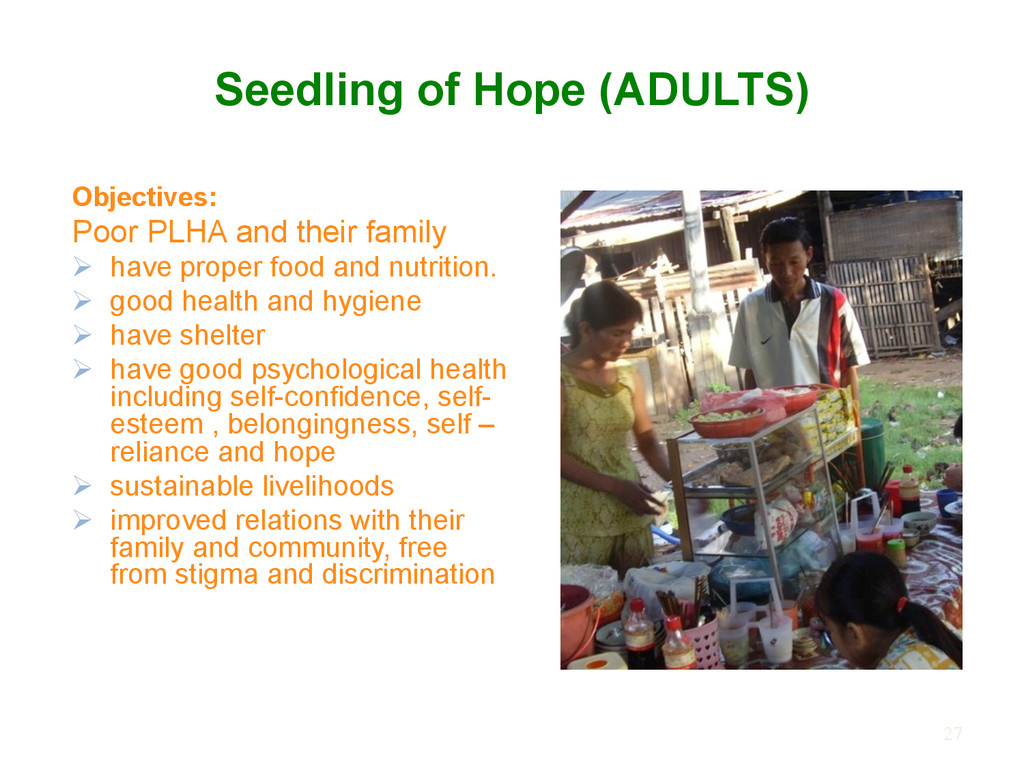
Ø have proper food and nutrition. Ø good health and hygiene Ø have shelter Ø have good psychological health including self-confidence, self- esteem , belongingness, self – reliance and hope Ø sustainable livelihoods Ø improved relations with their family and community, free from stigma and discrimination 27
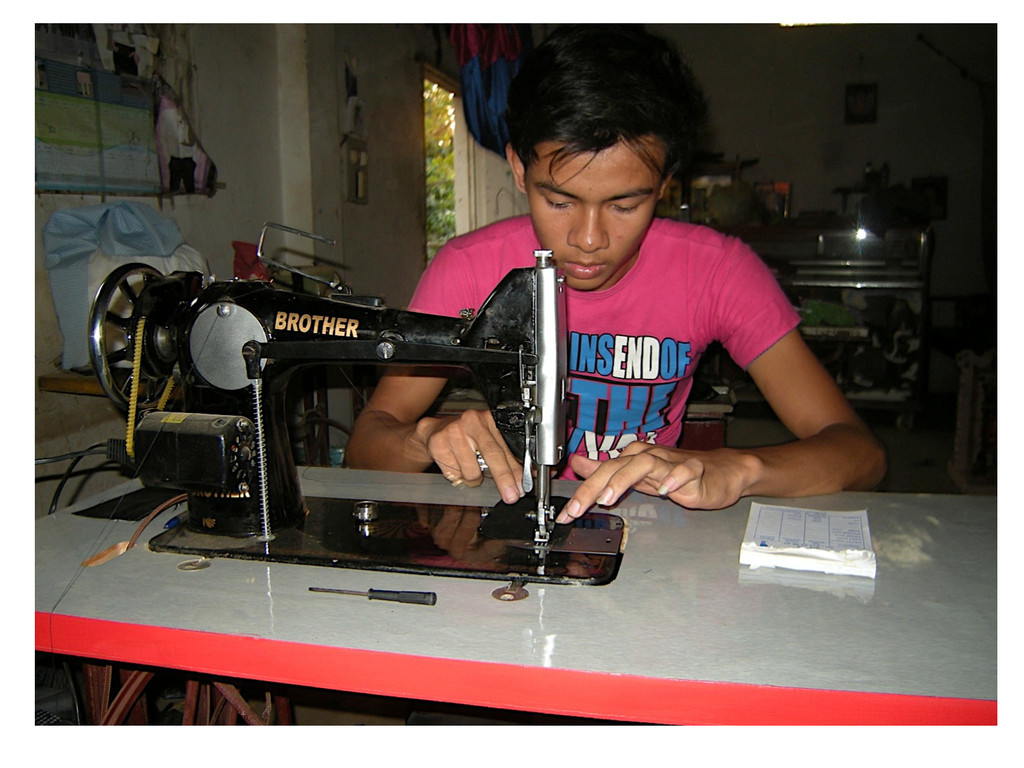
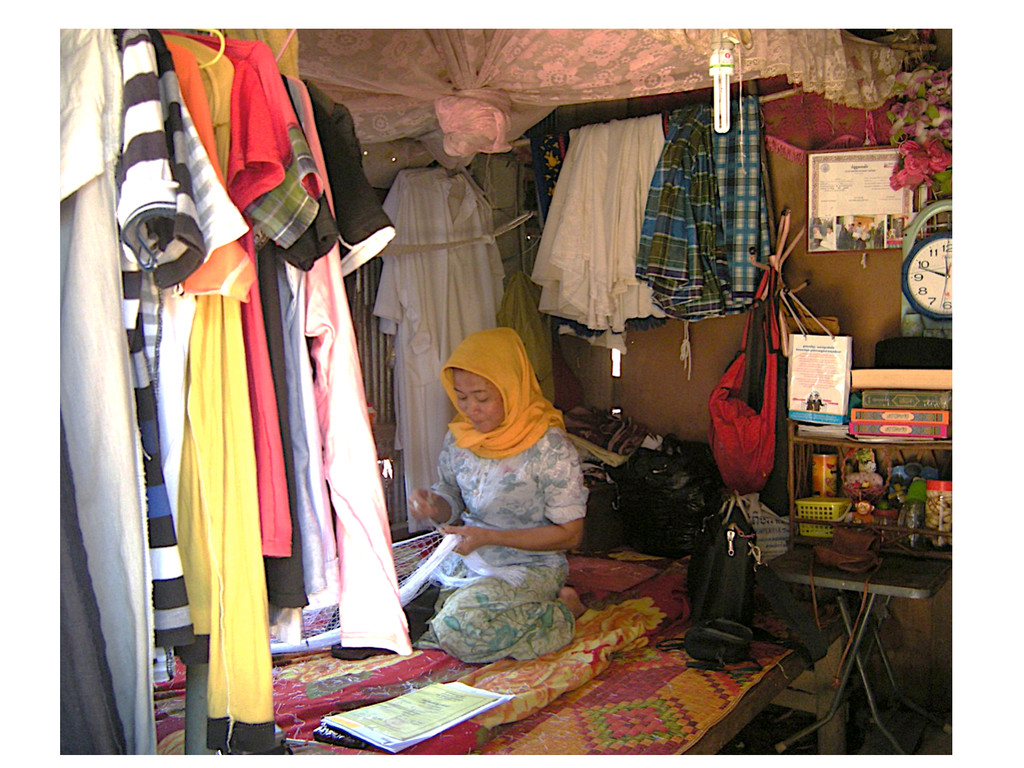
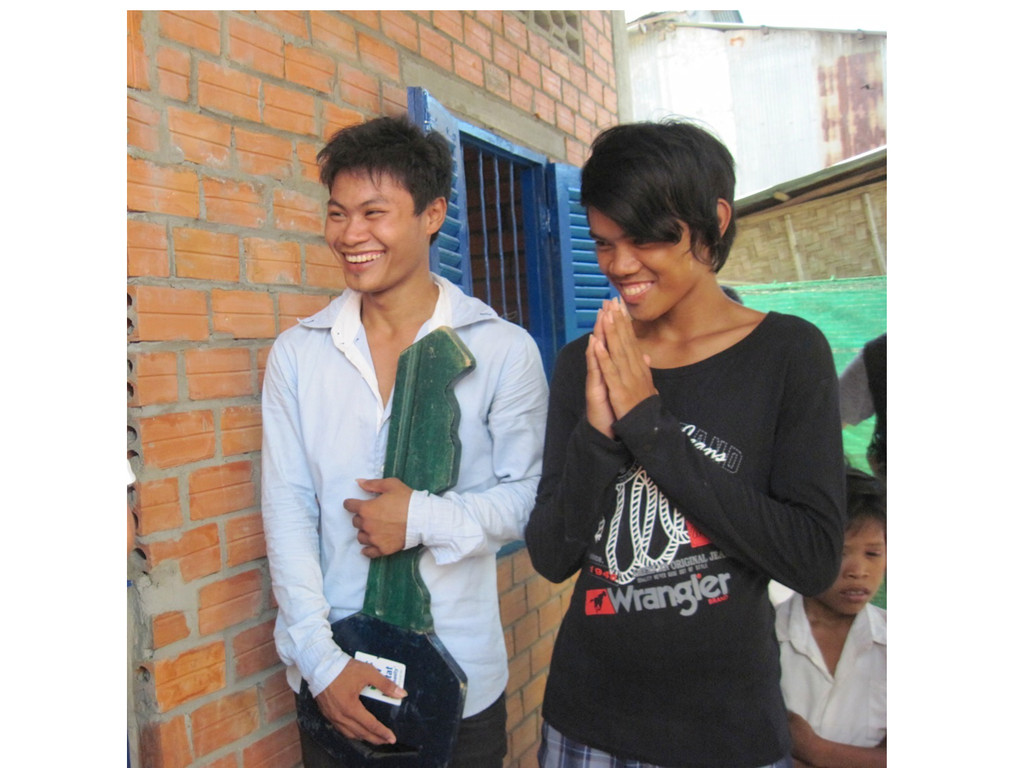
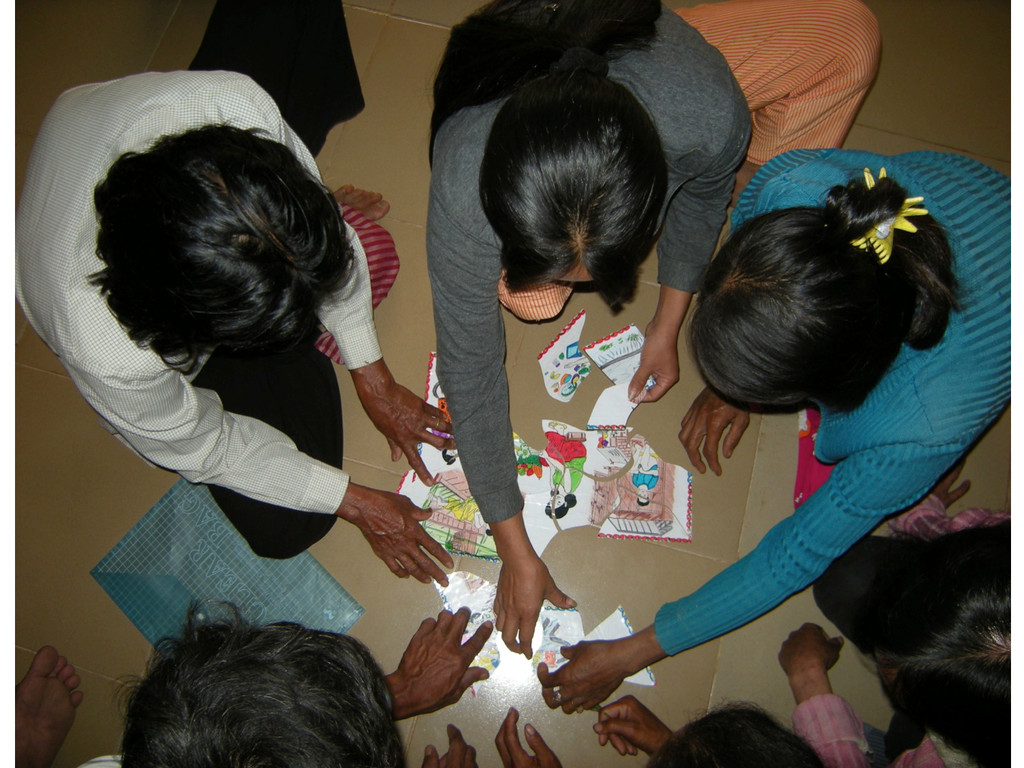
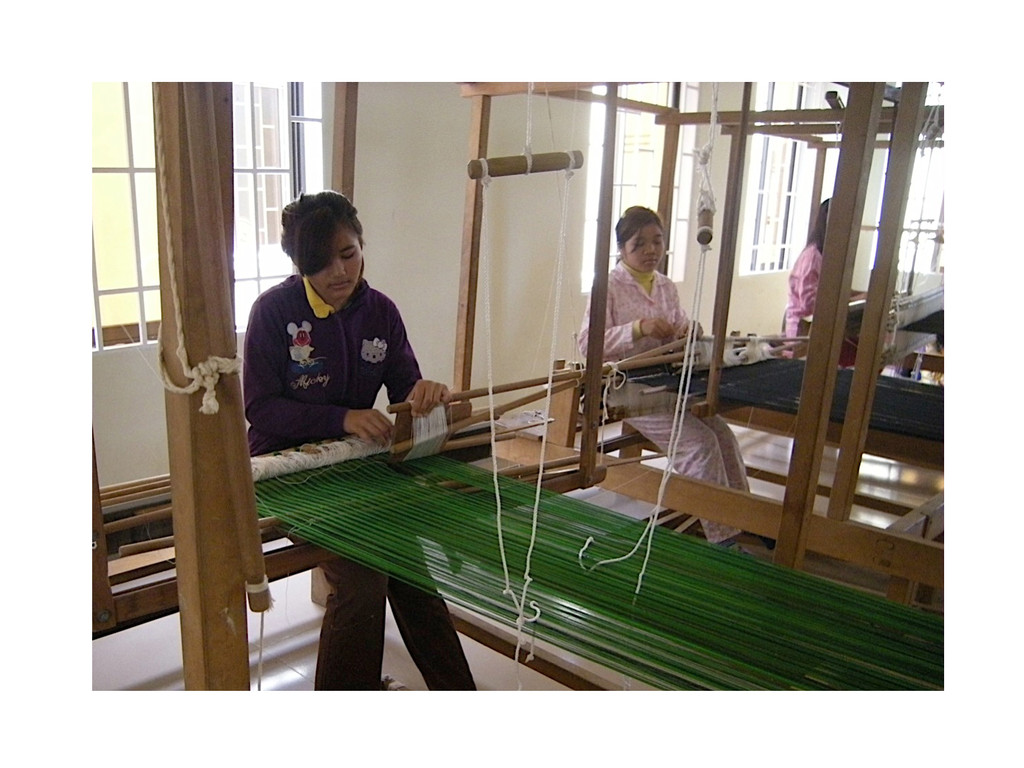
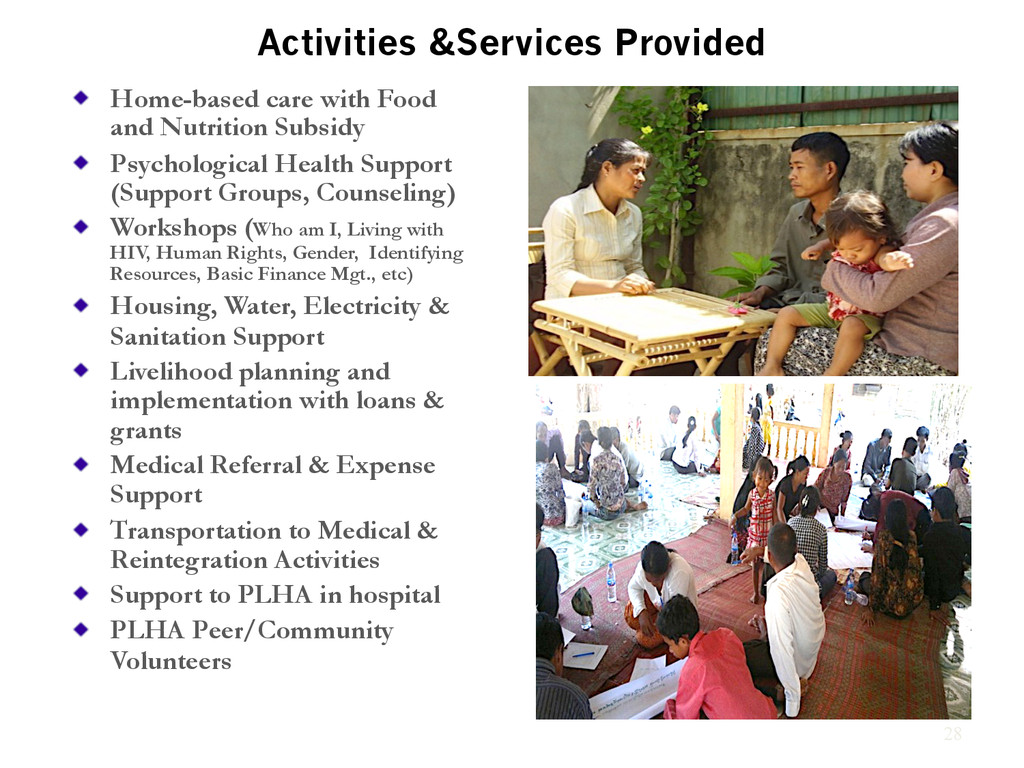
Subsidy " Psychological Health Support (Support Groups, Counseling) " Workshops (Who am I, Living with HIV, Human Rights, Gender, Identifying Resources, Basic Finance Mgt., etc) " Housing, Water, Electricity & Sanitation Support " Livelihood planning and implementation with loans & grants " Medical Referral & Expense Support " Transportation to Medical & Reintegration Activities " Support to PLHA in hospital " PLHA Peer/Community Volunteers 28
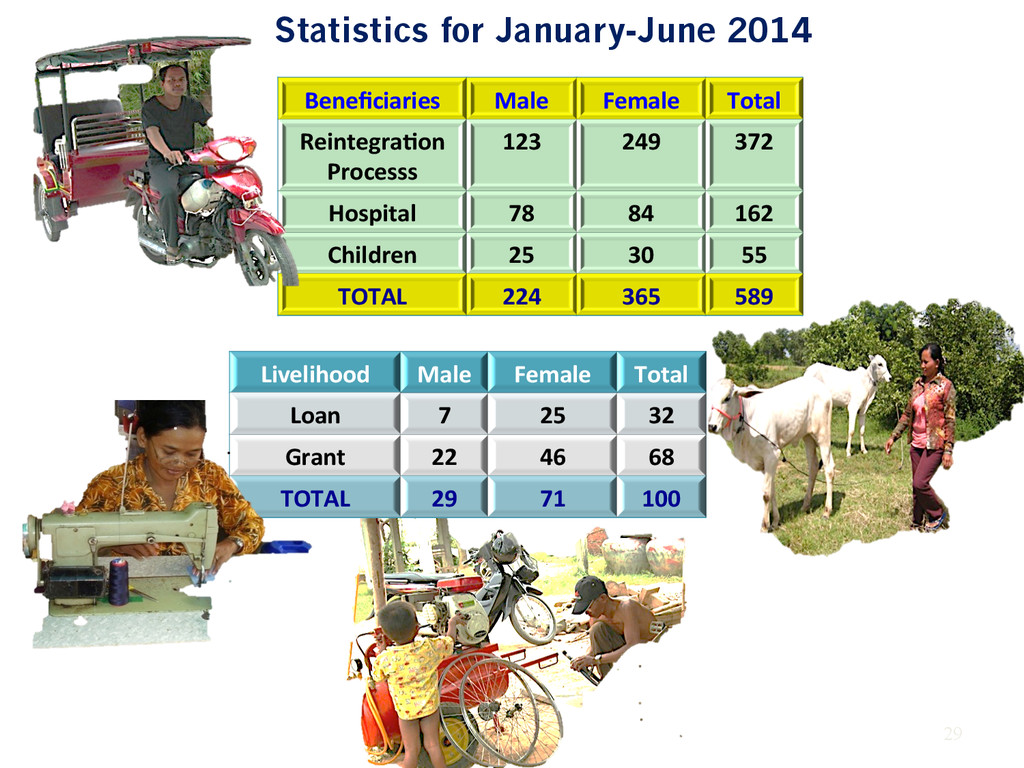
Total Loan 7 25 32 Grant 22 46 68 TOTAL 29 71 100 Beneficiaries Male Female Total ReintegraFon Processs 123 249 372 Hospital 78 84 162 Children 25 30 55 TOTAL 224 365 589
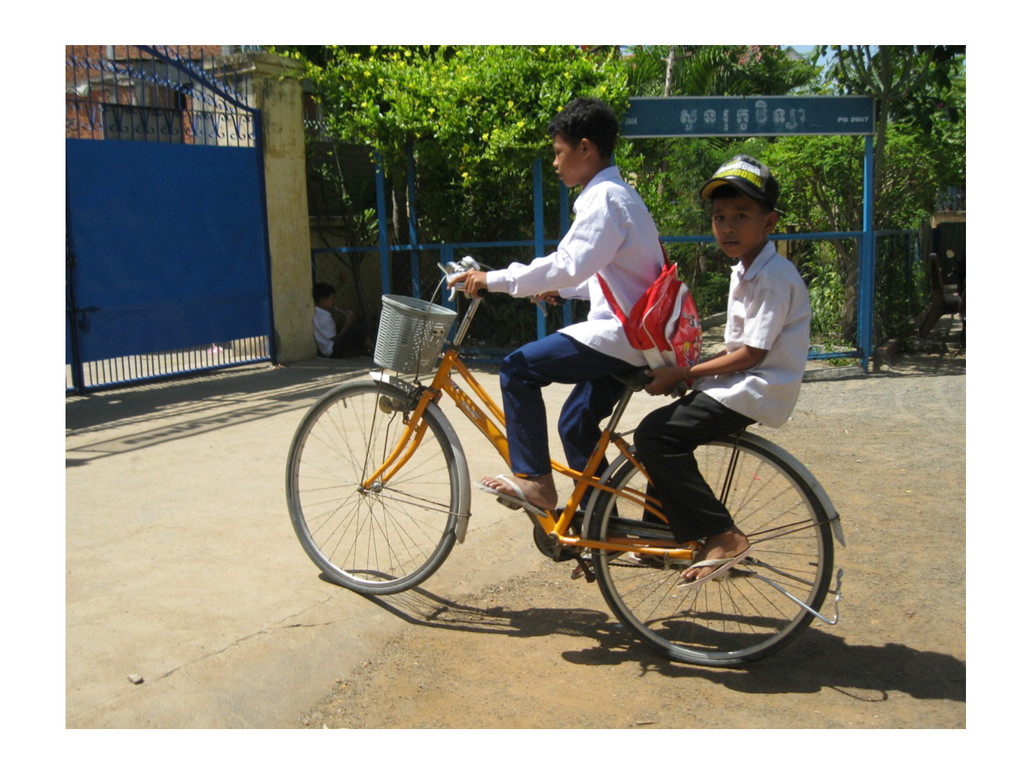
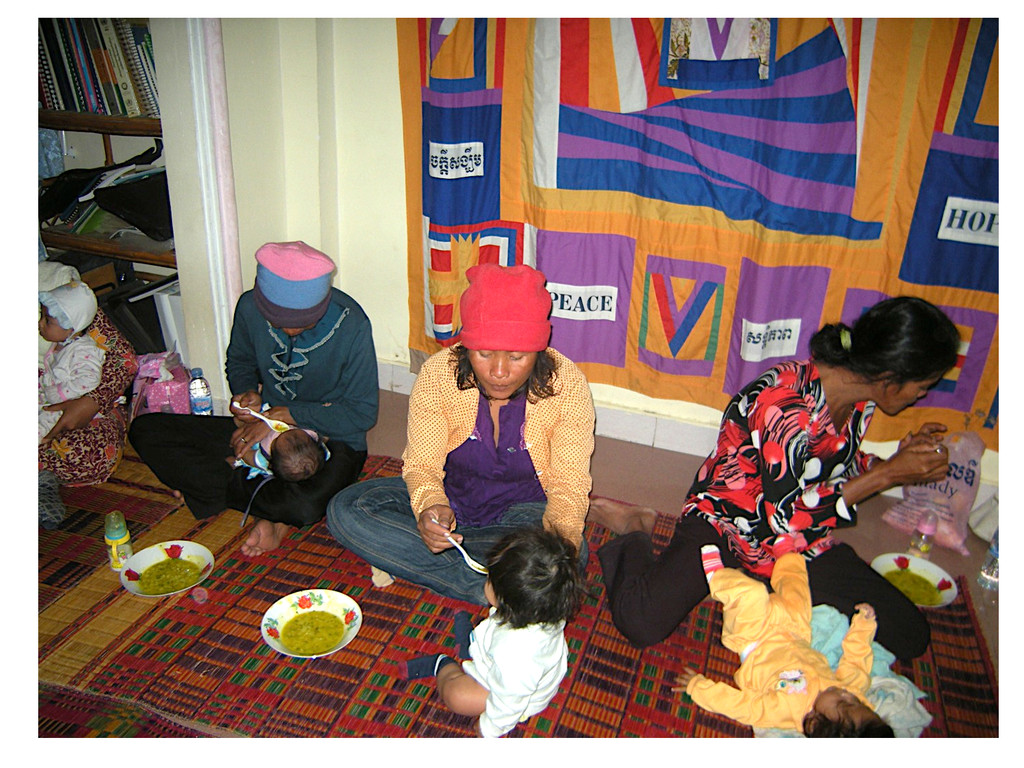
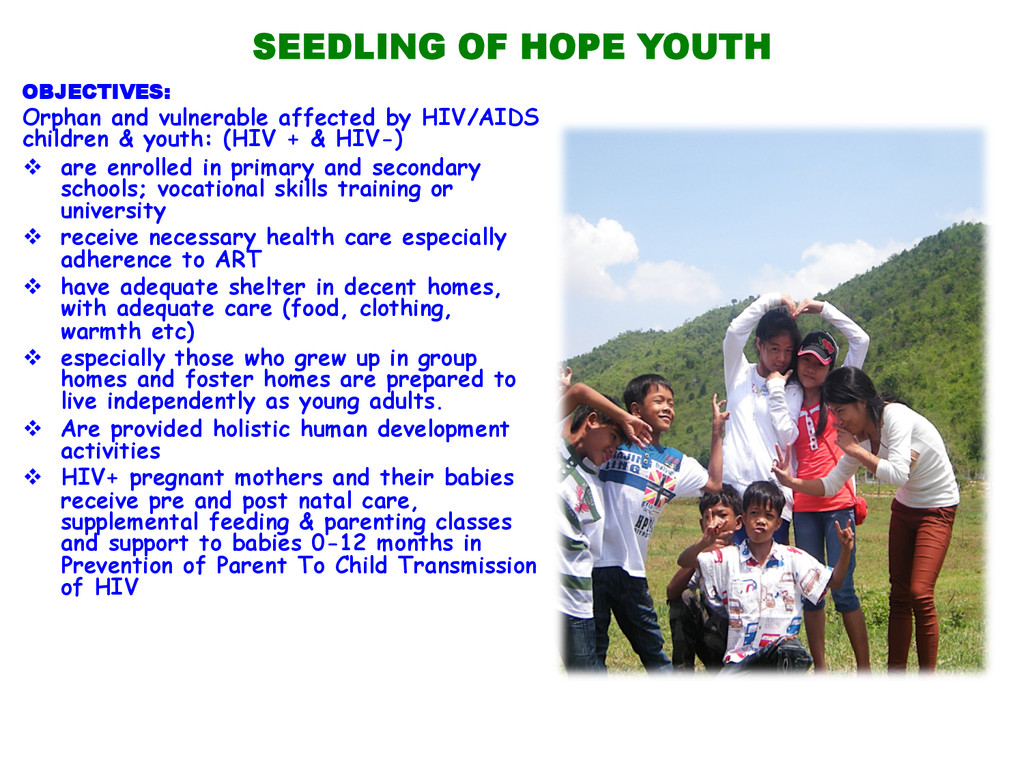
HIV/AIDS children & youth: (HIV + & HIV-) v are enrolled in primary and secondary schools; vocational skills training or university v receive necessary health care especially adherence to ART v have adequate shelter in decent homes, with adequate care (food, clothing, warmth etc) v especially those who grew up in group homes and foster homes are prepared to live independently as young adults. v Are provided holistic human development activities v HIV+ pregnant mothers and their babies receive pre and post natal care, supplemental feeding & parenting classes and support to babies 0-12 months in Prevention of Parent To Child Transmission of HIV 30
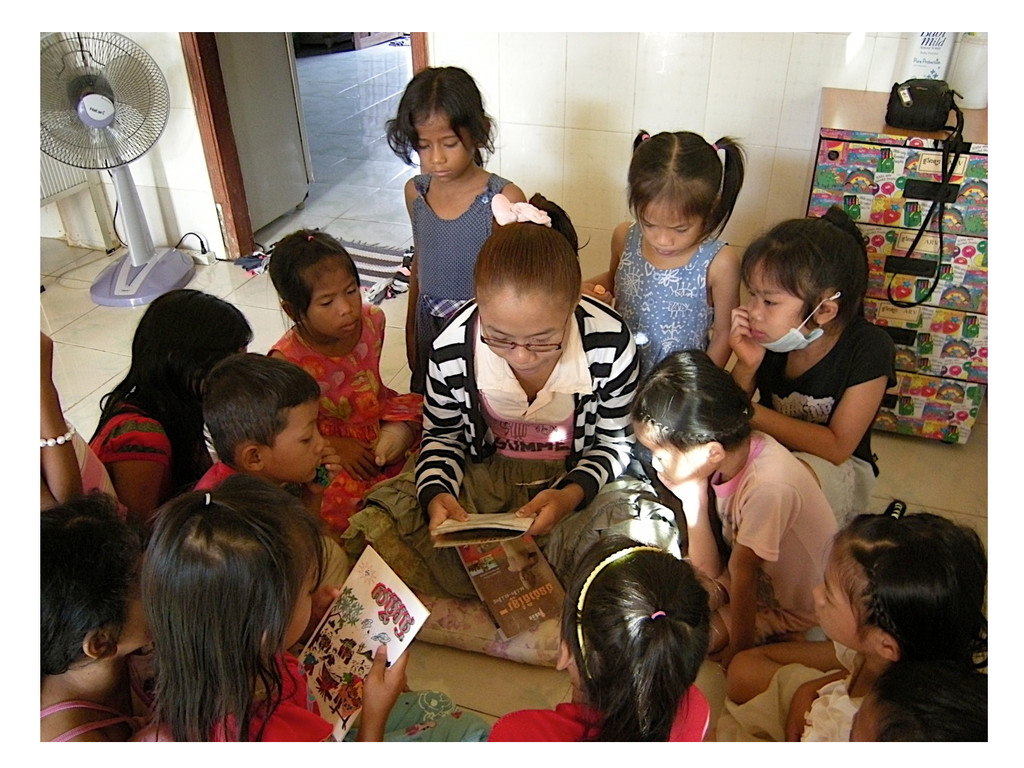
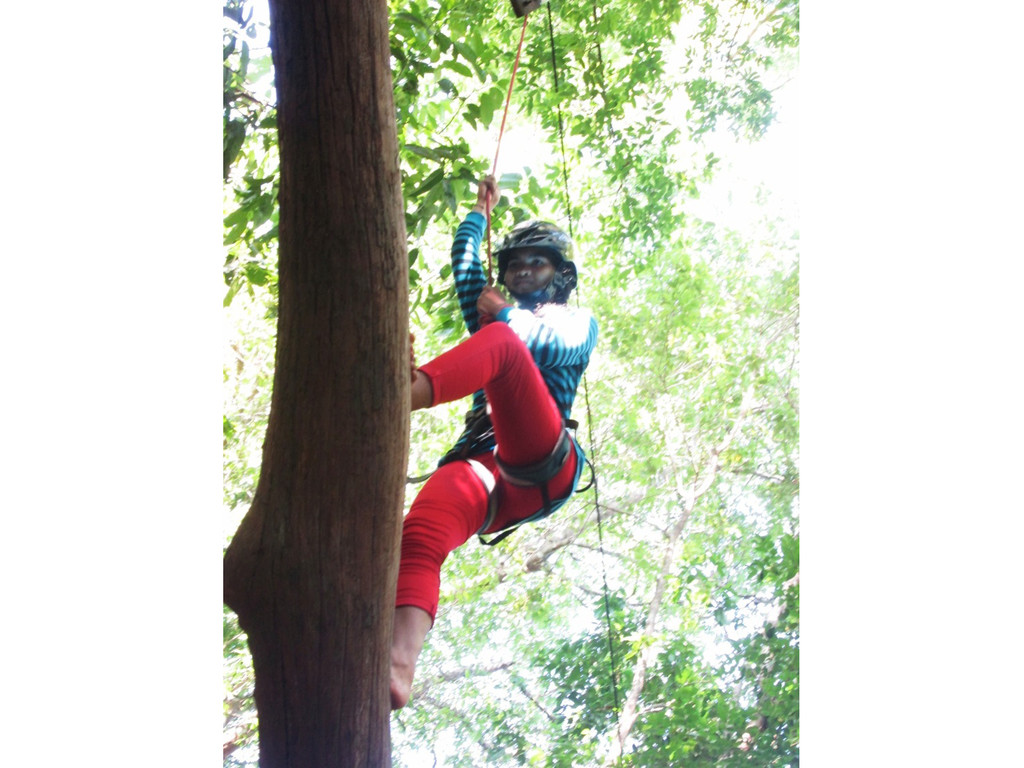
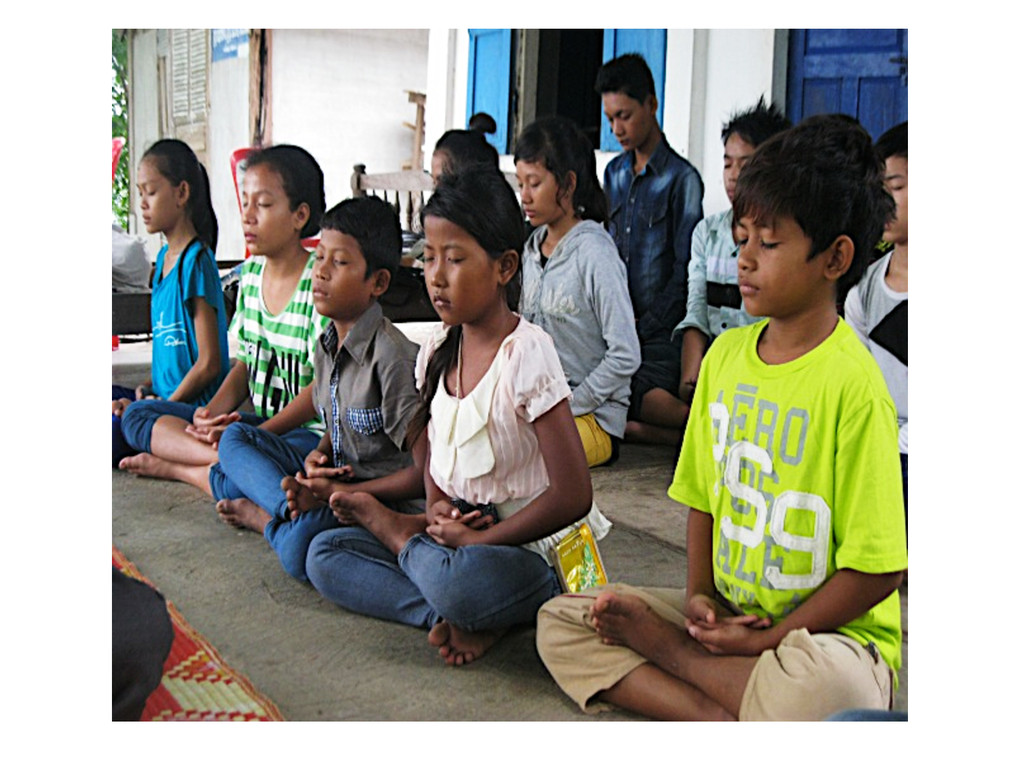
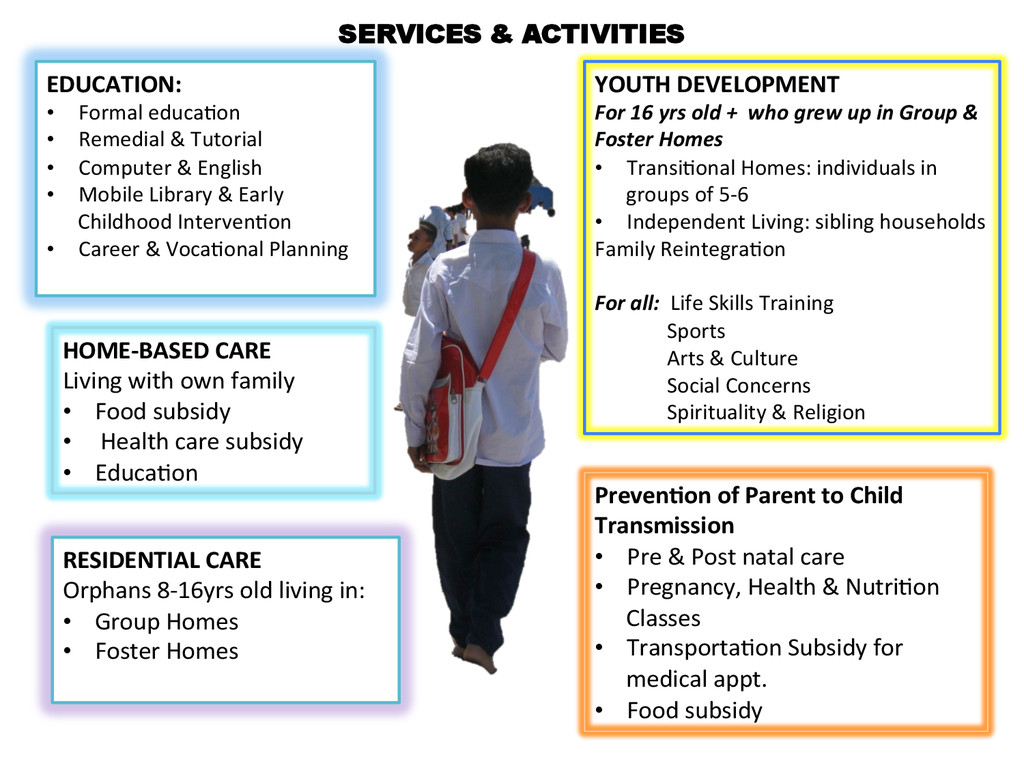
• Remedial & Tutorial • Computer & English • Mobile Library & Early Childhood Interven=on • Career & Voca=onal Planning HOME-‐BASED CARE Living with own family • Food subsidy • Health care subsidy • Educa=on RESIDENTIAL CARE Orphans 8-‐16yrs old living in: • Group Homes • Foster Homes YOUTH DEVELOPMENT For 16 yrs old + who grew up in Group & Foster Homes • Transi=onal Homes: individuals in groups of 5-‐6 • Independent Living: sibling households Family Reintegra=on For all: Life Skills Training Sports Arts & Culture Social Concerns Spirituality & Religion PrevenFon of Parent to Child Transmission • Pre & Post natal care • Pregnancy, Health & Nutri=on Classes • Transporta=on Subsidy for medical appt. • Food subsidy
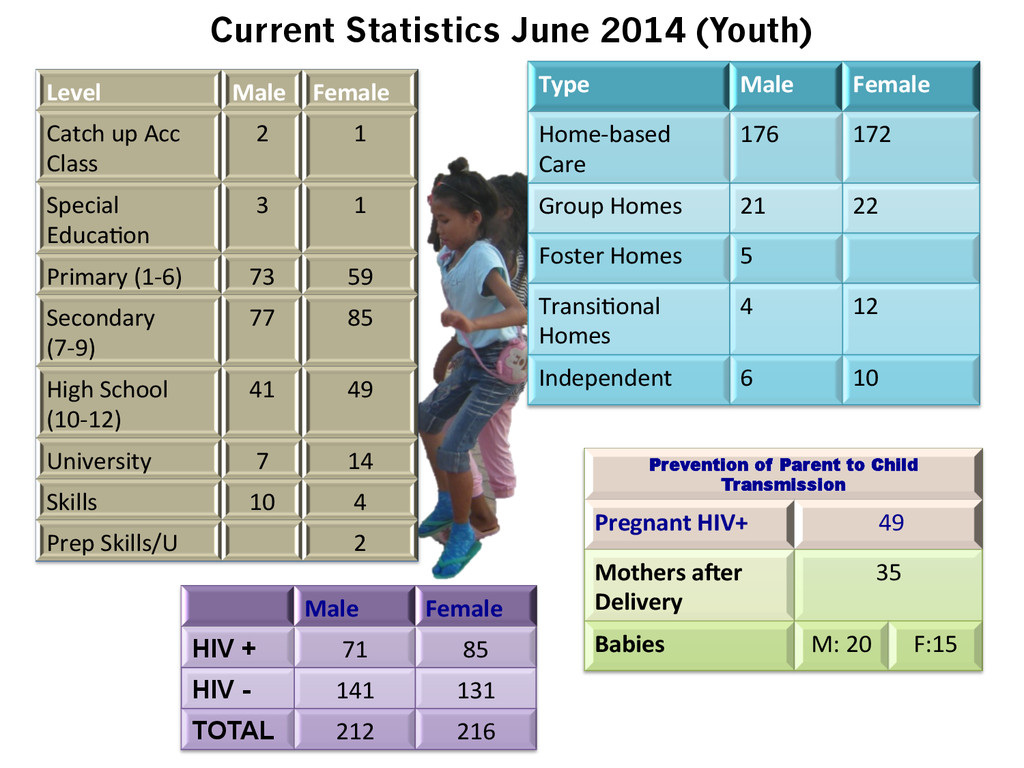
Female Catch up Acc Class 2 1 Special Educa=on 3 1 Primary (1-‐6) 73 59 Secondary (7-‐9) 77 85 High School (10-‐12) 41 49 University 7 14 Skills 10 4 Prep Skills/U 2 Type Male Female Home-‐based Care 176 172 Group Homes 21 22 Foster Homes 5 Transi=onal Homes 4 12 Independent 6 10 Male Female HIV + 71 85 HIV - 141 131 TOTAL 212 216 Prevention of Parent to Child Transmission Pregnant HIV+ 49 Mothers aWer Delivery 35 Babies M: 20 F:15
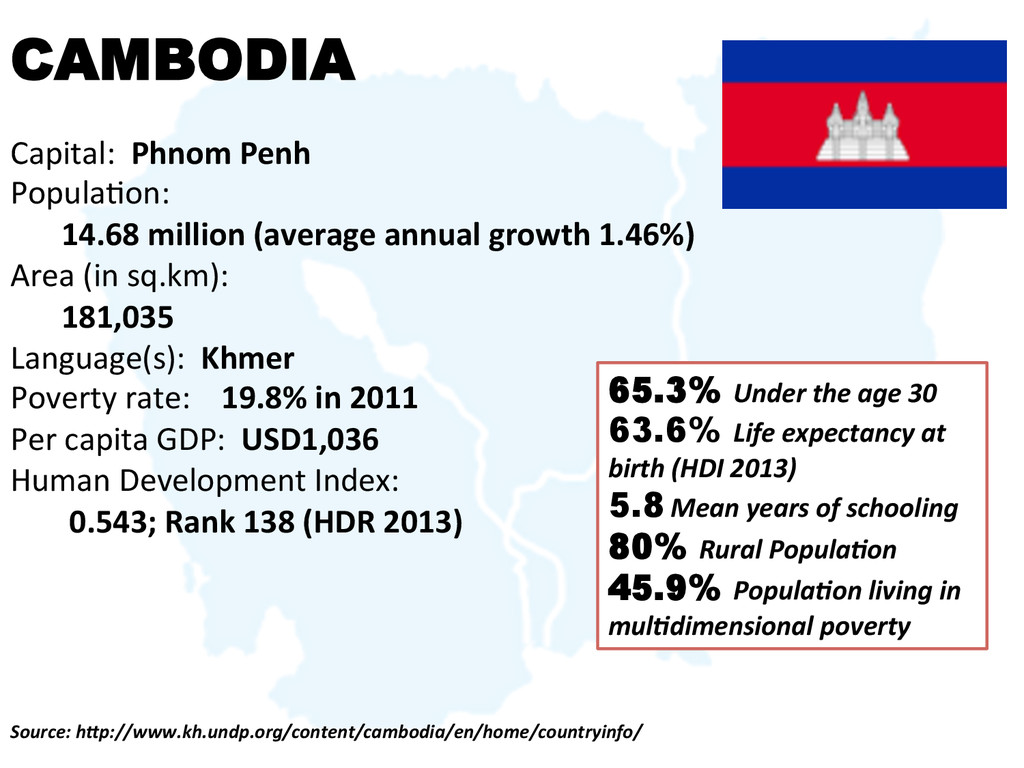
birth (HDI 2013) 5.8 Mean years of schooling 80% Rural PopulaKon 45.9% PopulaKon living in mulKdimensional poverty Capital: Phnom Penh Popula=on: 14.68 million (average annual growth 1.46%) Area (in sq.km): 181,035 Language(s): Khmer Poverty rate: 19.8% in 2011 Per capita GDP: USD1,036 Human Development Index: 0.543; Rank 138 (HDR 2013) Source: hNp://www.kh.undp.org/content/cambodia/en/home/countryinfo/ CAMBODIA
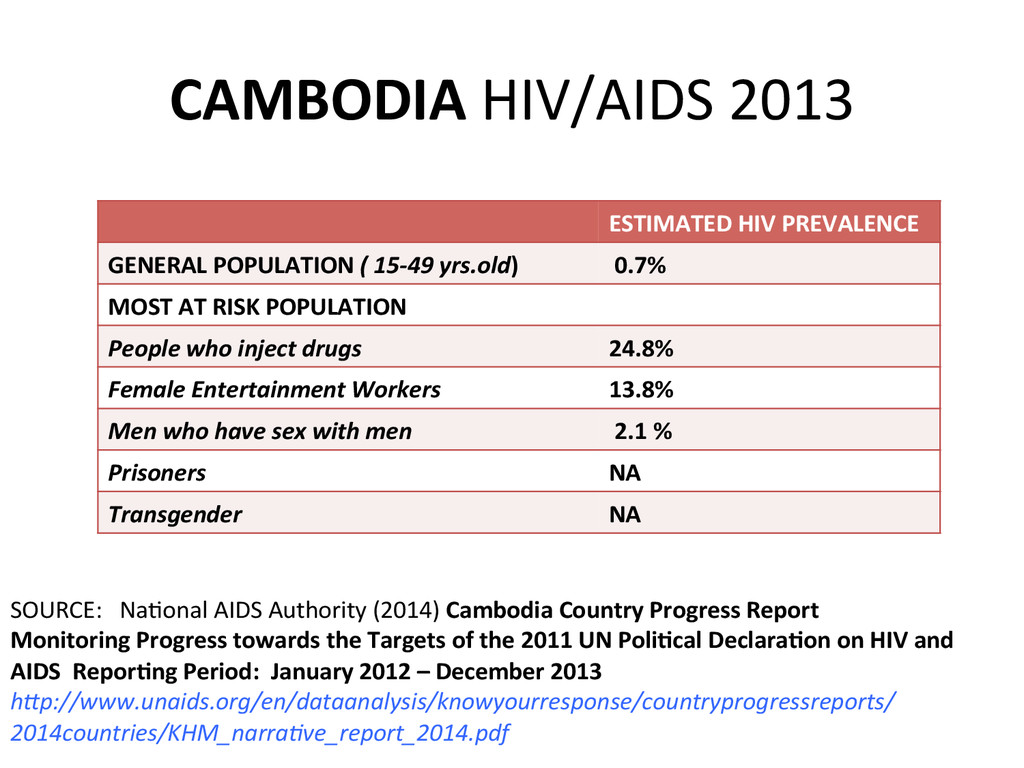
Report Monitoring Progress towards the Targets of the 2011 UN PoliFcal DeclaraFon on HIV and AIDS ReporFng Period: January 2012 – December 2013 h"p://www.unaids.org/en/dataanalysis/knowyourresponse/countryprogressreports/ 2014countries/KHM_narra?ve_report_2014.pdf CAMBODIA HIV/AIDS 2013 ESTIMATED HIV PREVALENCE GENERAL POPULATION ( 15-‐49 yrs.old) 0.7% MOST AT RISK POPULATION People who inject drugs 24.8% Female Entertainment Workers 13.8% Men who have sex with men 2.1 % Prisoners NA Transgender NA
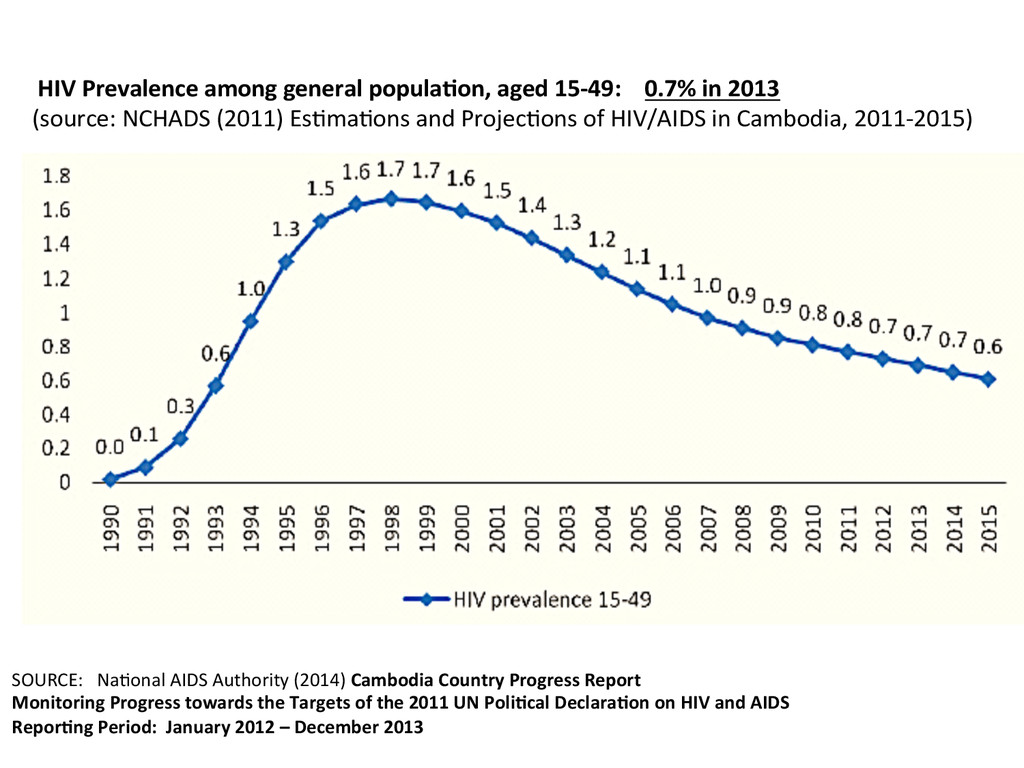
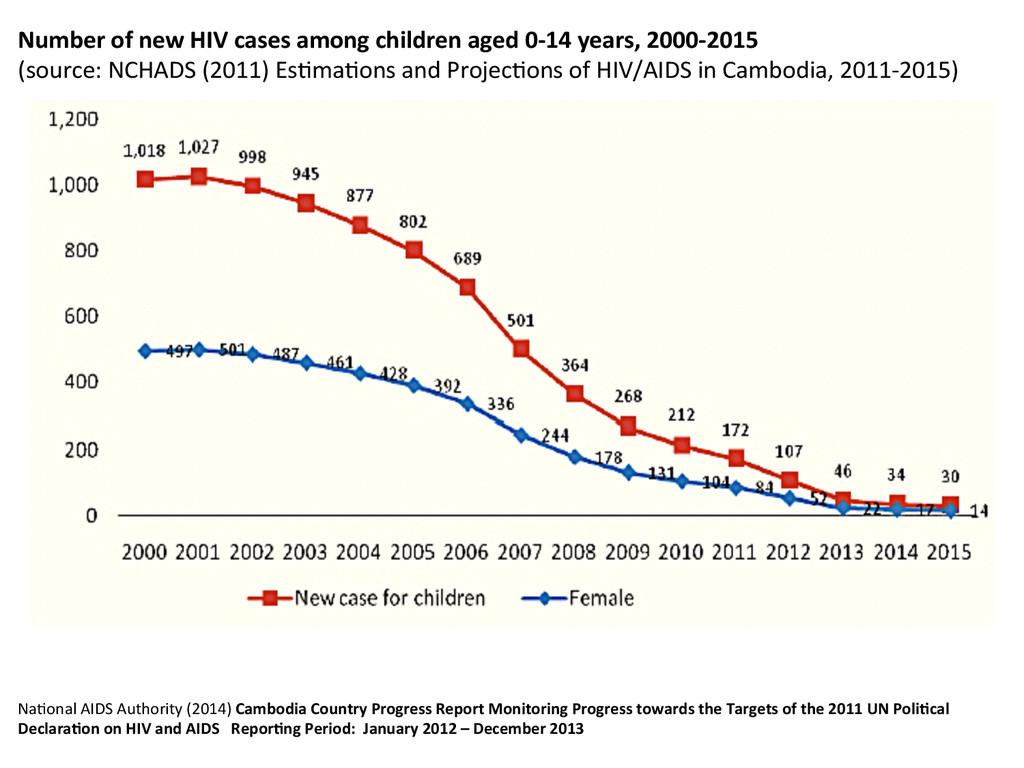
0.7% in 2013 (source: NCHADS (2011) Es=ma=ons and Projec=ons of HIV/AIDS in Cambodia, 2011-‐2015) SOURCE: Na=onal AIDS Authority (2014) Cambodia Country Progress Report Monitoring Progress towards the Targets of the 2011 UN PoliFcal DeclaraFon on HIV and AIDS ReporFng Period: January 2012 – December 2013
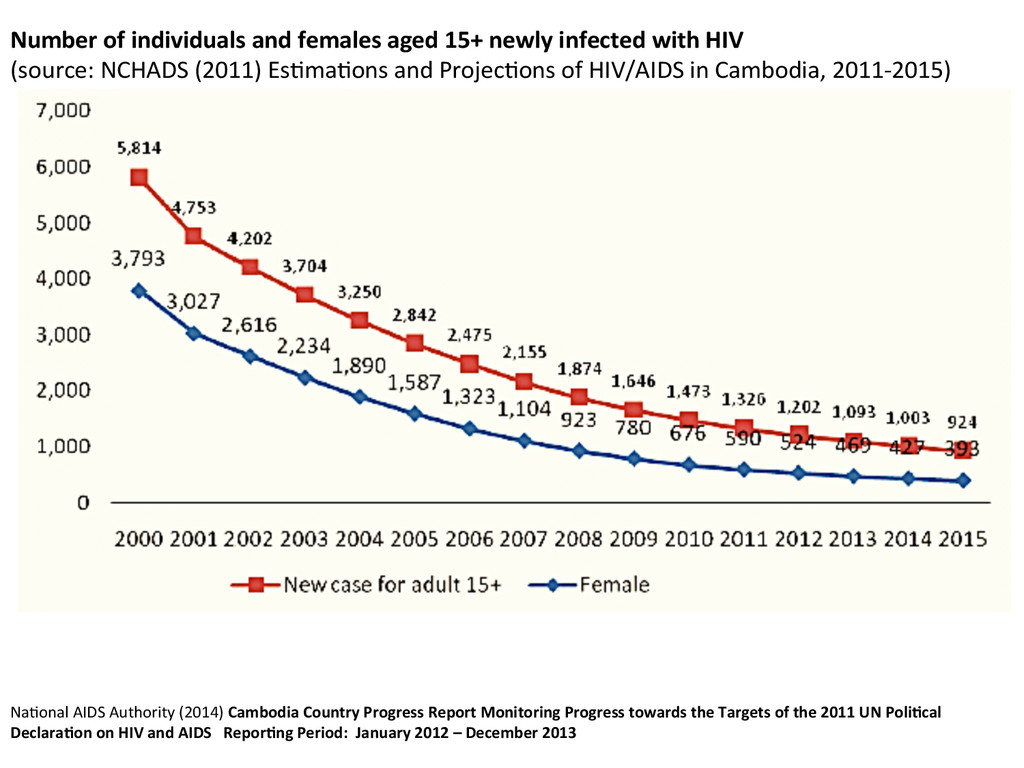
HIV (source: NCHADS (2011) Es=ma=ons and Projec=ons of HIV/AIDS in Cambodia, 2011-‐2015) Na=onal AIDS Authority (2014) Cambodia Country Progress Report Monitoring Progress towards the Targets of the 2011 UN PoliFcal DeclaraFon on HIV and AIDS ReporFng Period: January 2012 – December 2013
2000-‐2015 (source: NCHADS (2011) Es=ma=ons and Projec=ons of HIV/AIDS in Cambodia, 2011-‐2015) Na=onal AIDS Authority (2014) Cambodia Country Progress Report Monitoring Progress towards the Targets of the 2011 UN PoliFcal DeclaraFon on HIV and AIDS ReporFng Period: January 2012 – December 2013
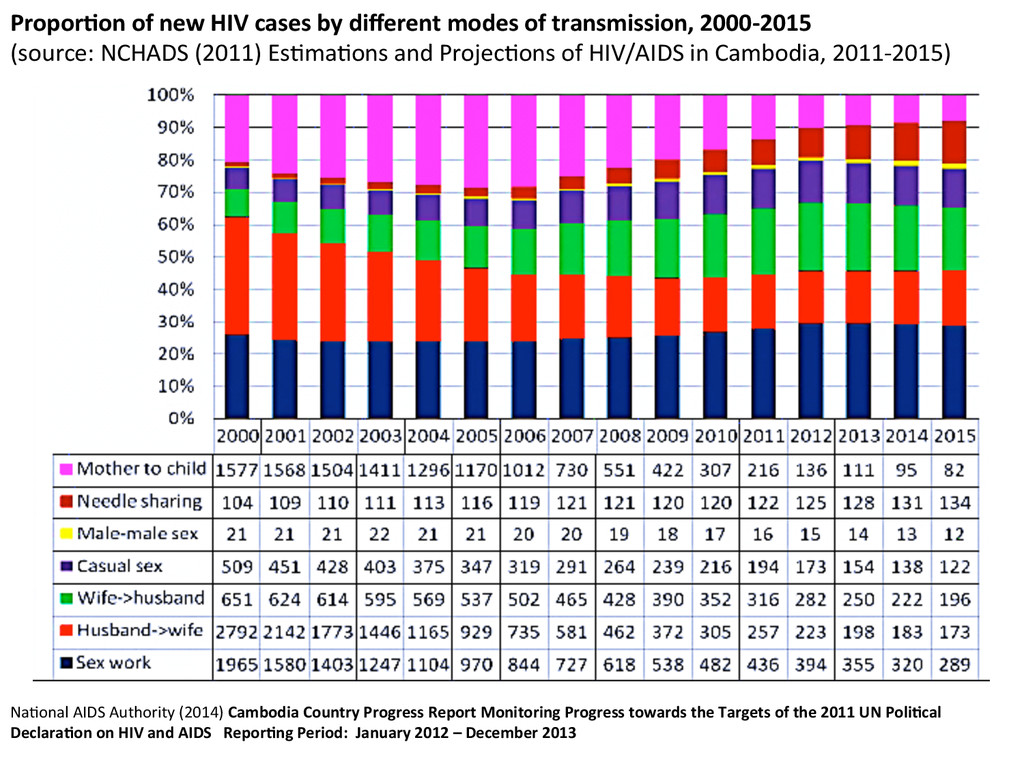
towards the Targets of the 2011 UN PoliFcal DeclaraFon on HIV and AIDS ReporFng Period: January 2012 – December 2013 ProporFon of new HIV cases by different modes of transmission, 2000-‐2015 (source: NCHADS (2011) Es=ma=ons and Projec=ons of HIV/AIDS in Cambodia, 2011-‐2015)
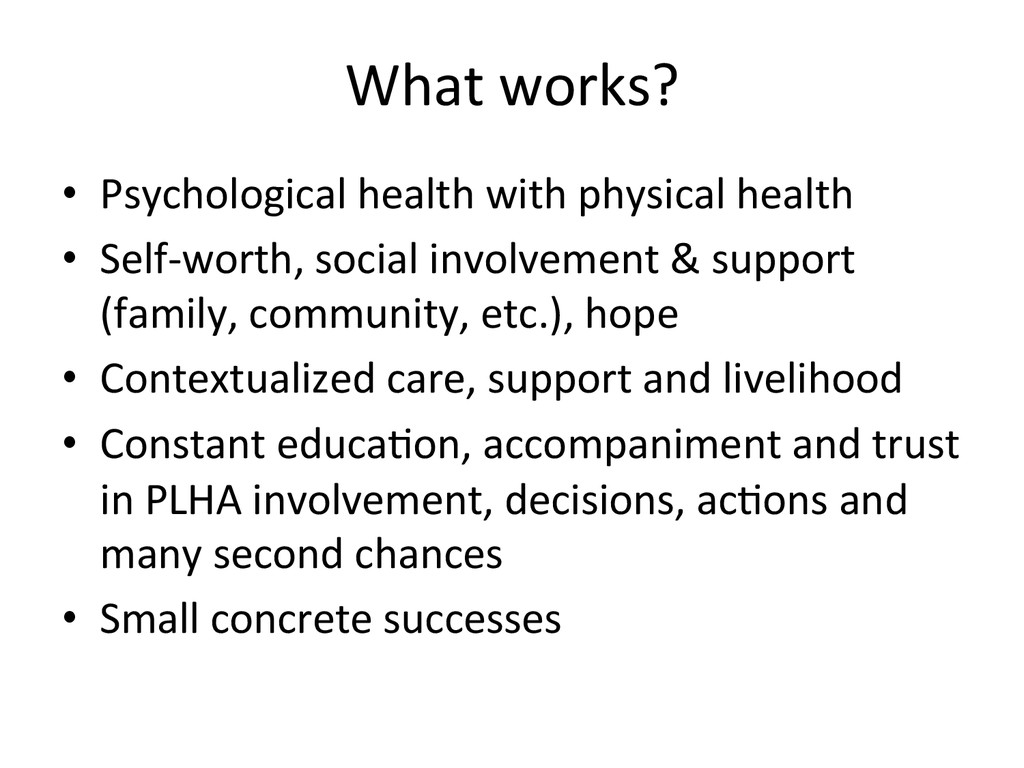
• Self-‐worth, social involvement & support (family, community, etc.), hope • Contextualized care, support and livelihood • Constant educa=on, accompaniment and trust in PLHA involvement, decisions, ac=ons and many second chances • Small concrete successes


 hivaidscathconf
 productmarketing
 iamctodd
 inesmontani
 jnunemaker
 tammyeverts
 pedronauck
 tmiket
 chriscoyier
 raygrieselhuber
 axbom
 davidcarrasco
 skipperchong