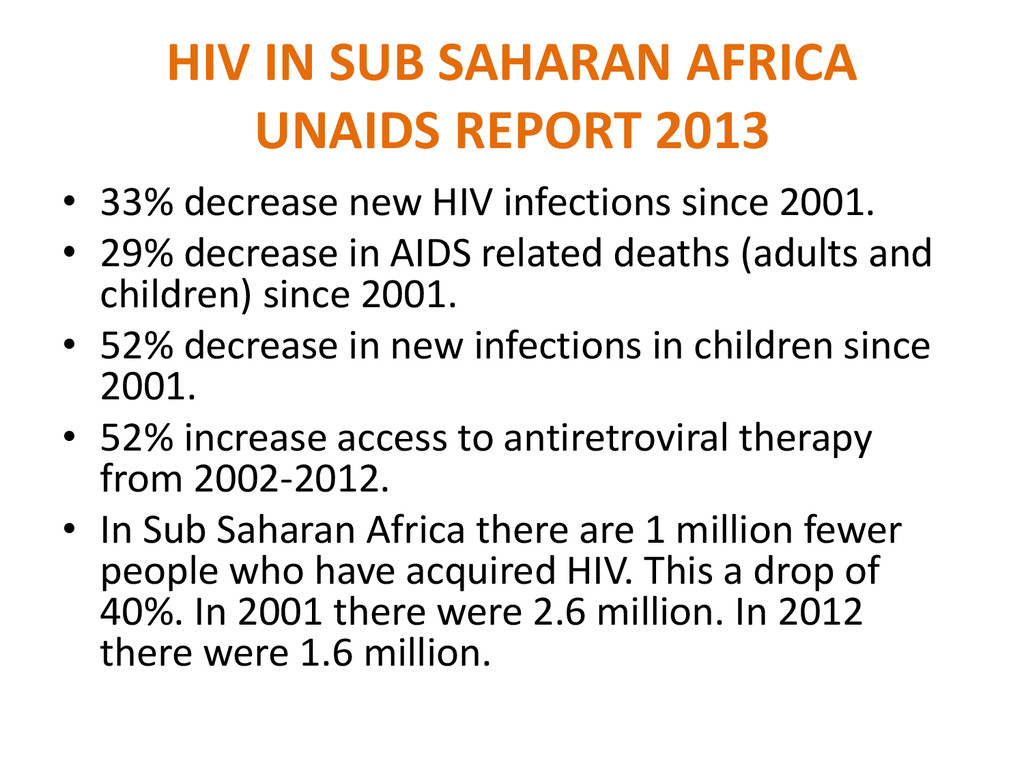
decrease new HIV infections since 2001. • 29% decrease in AIDS related deaths (adults and children) since 2001. • 52% decrease in new infections in children since 2001. • 52% increase access to antiretroviral therapy from 2002-2012. • In Sub Saharan Africa there are 1 million fewer people who have acquired HIV. This a drop of 40%. In 2001 there were 2.6 million. In 2012 there were 1.6 million.
millions of people throughout Africa who are living with HIV and AIDS? • What resources do we need to “step up the pace?” • What is Caritas Australia doing to “step up the pace?”
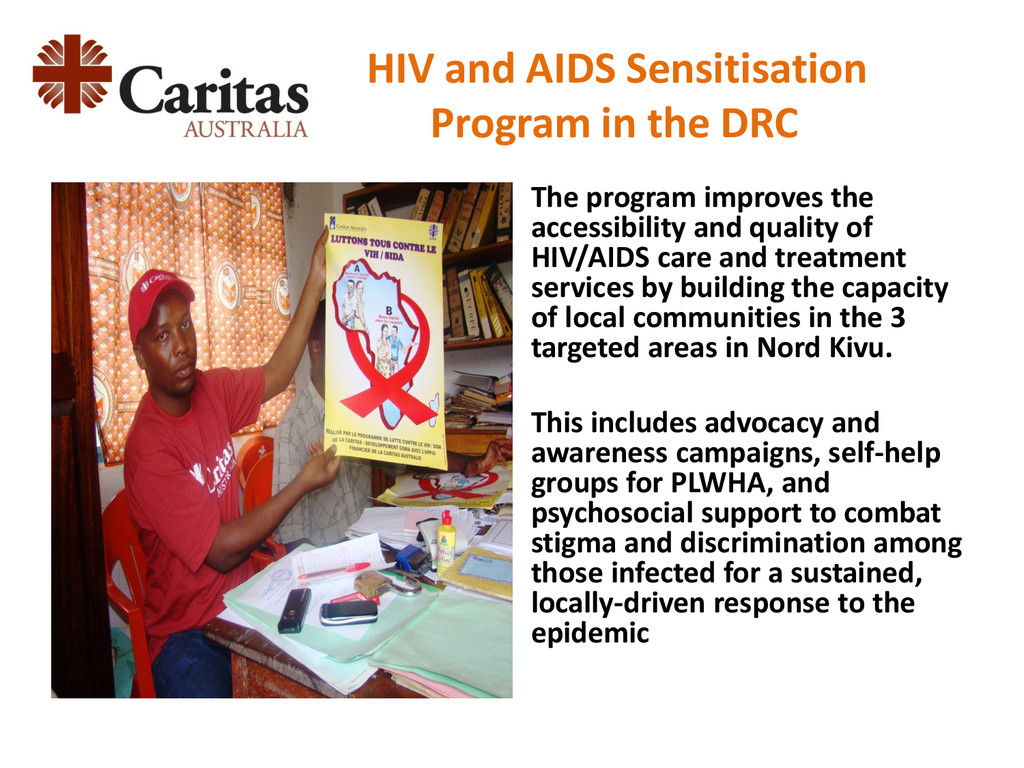
improves the accessibility and quality of HIV/AIDS care and treatment services by building the capacity of local communities in the 3 targeted areas in Nord Kivu. This includes advocacy and awareness campaigns, self-help groups for PLWHA, and psychosocial support to combat stigma and discrimination among those infected for a sustained, locally-driven response to the epidemic
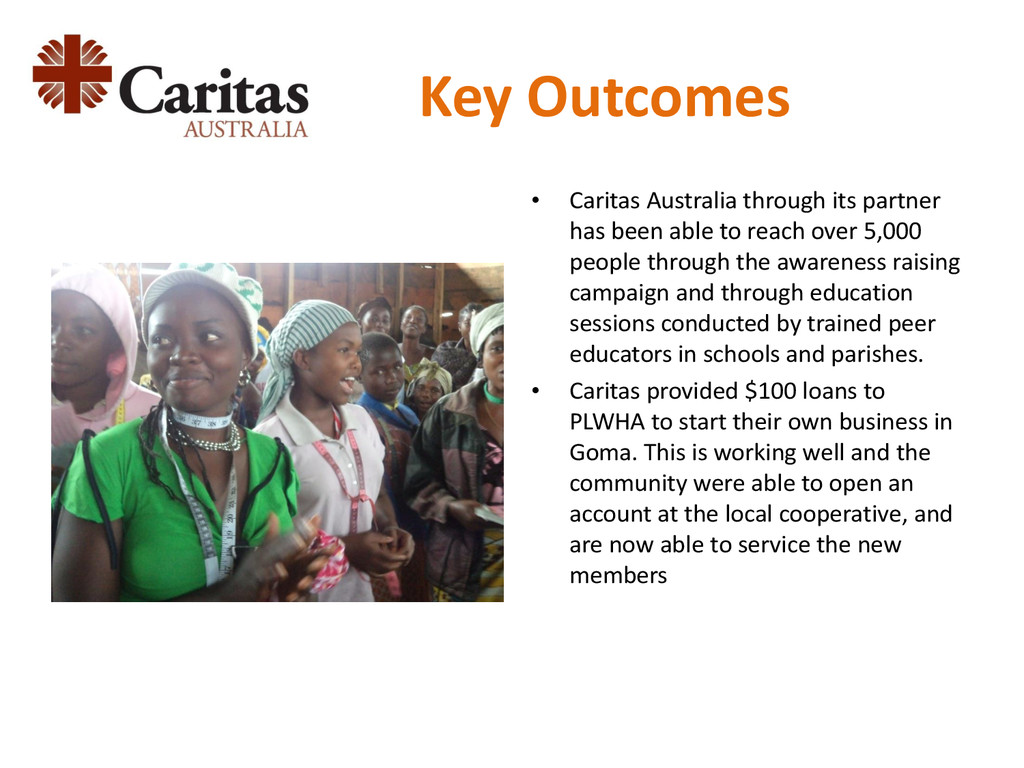
able to reach over 5,000 people through the awareness raising campaign and through education sessions conducted by trained peer educators in schools and parishes. • Caritas provided $100 loans to PLWHA to start their own business in Goma. This is working well and the community were able to open an account at the local cooperative, and are now able to service the new members
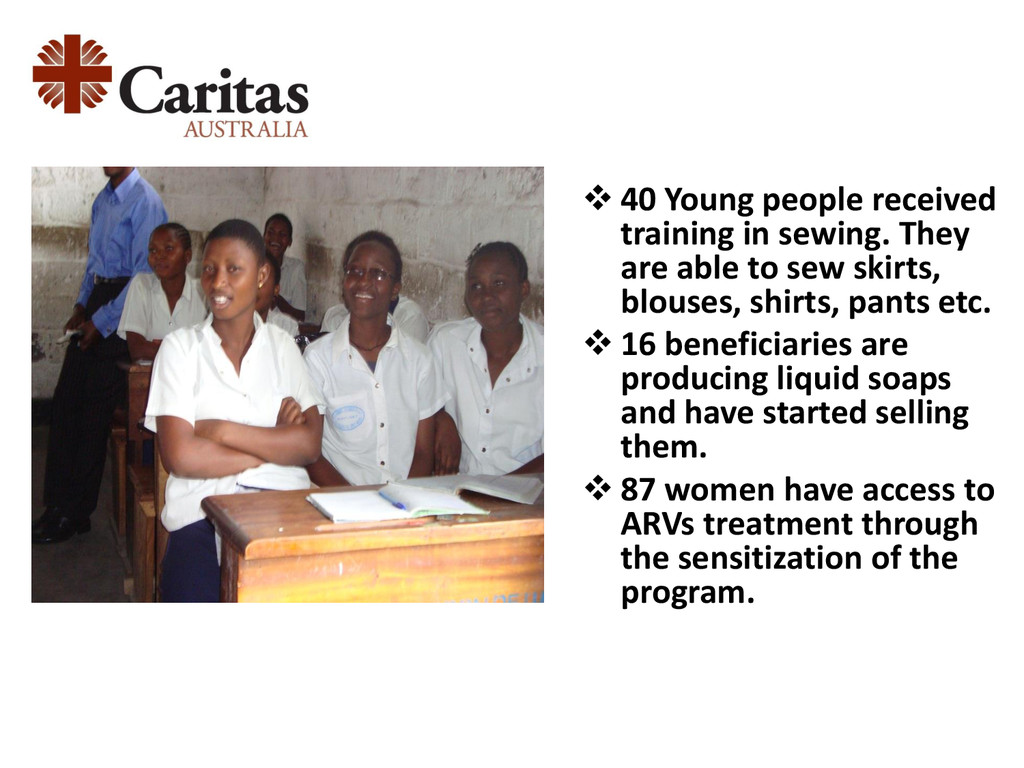
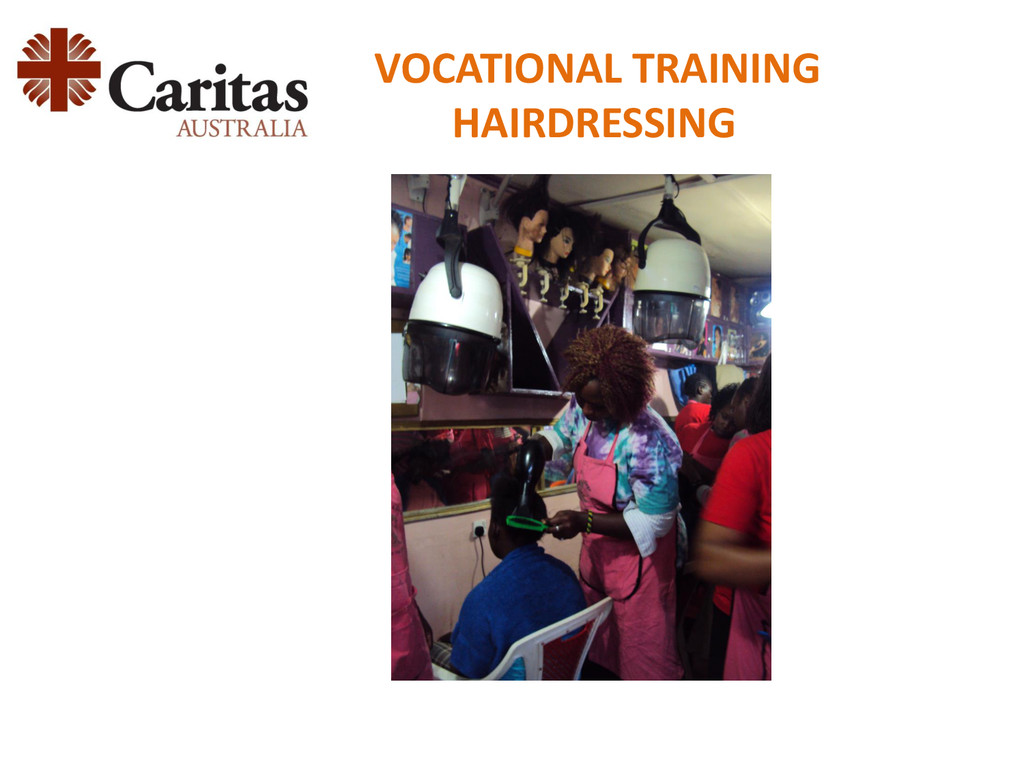
able to sew skirts, blouses, shirts, pants etc. 16 beneficiaries are producing liquid soaps and have started selling them. 87 women have access to ARVs treatment through the sensitization of the program.
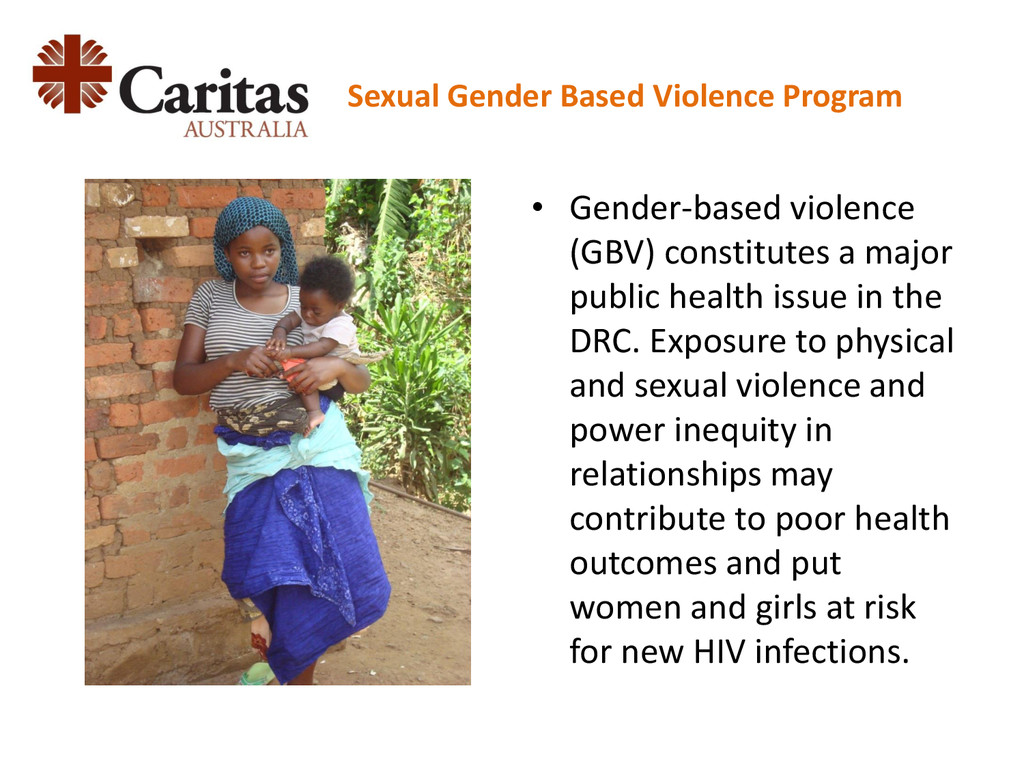
a major public health issue in the DRC. Exposure to physical and sexual violence and power inequity in relationships may contribute to poor health outcomes and put women and girls at risk for new HIV infections.
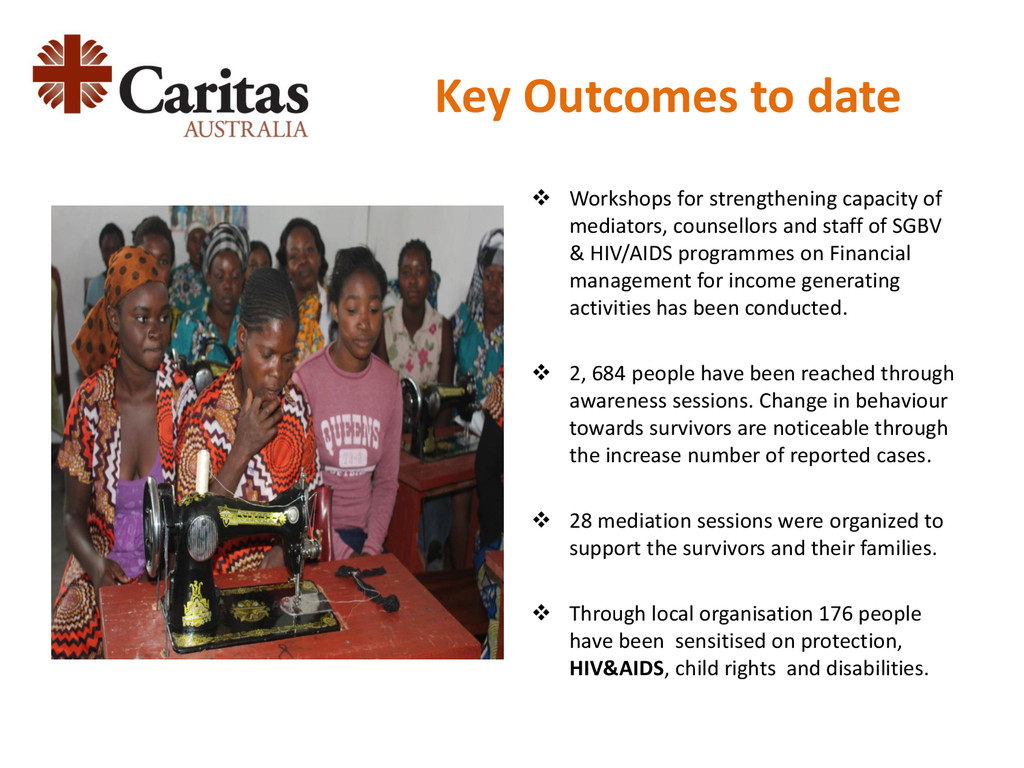
mediators, counsellors and staff of SGBV & HIV/AIDS programmes on Financial management for income generating activities has been conducted. 2, 684 people have been reached through awareness sessions. Change in behaviour towards survivors are noticeable through the increase number of reported cases. 28 mediation sessions were organized to support the survivors and their families. Through local organisation 176 people have been sensitised on protection, HIV&AIDS, child rights and disabilities.
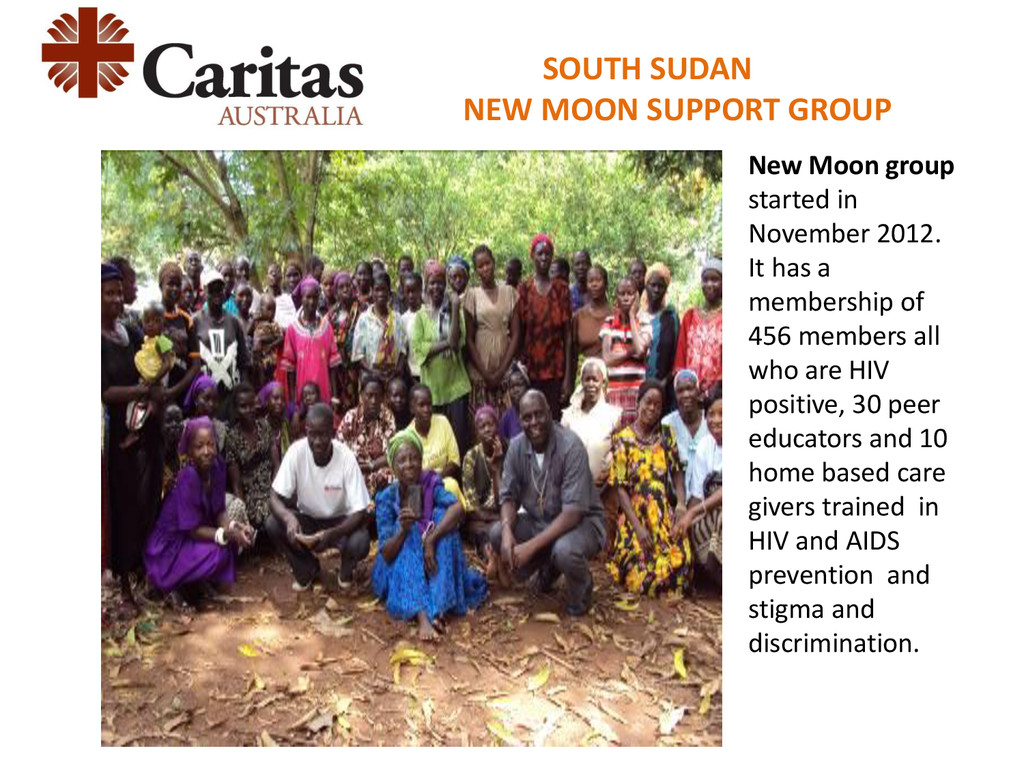
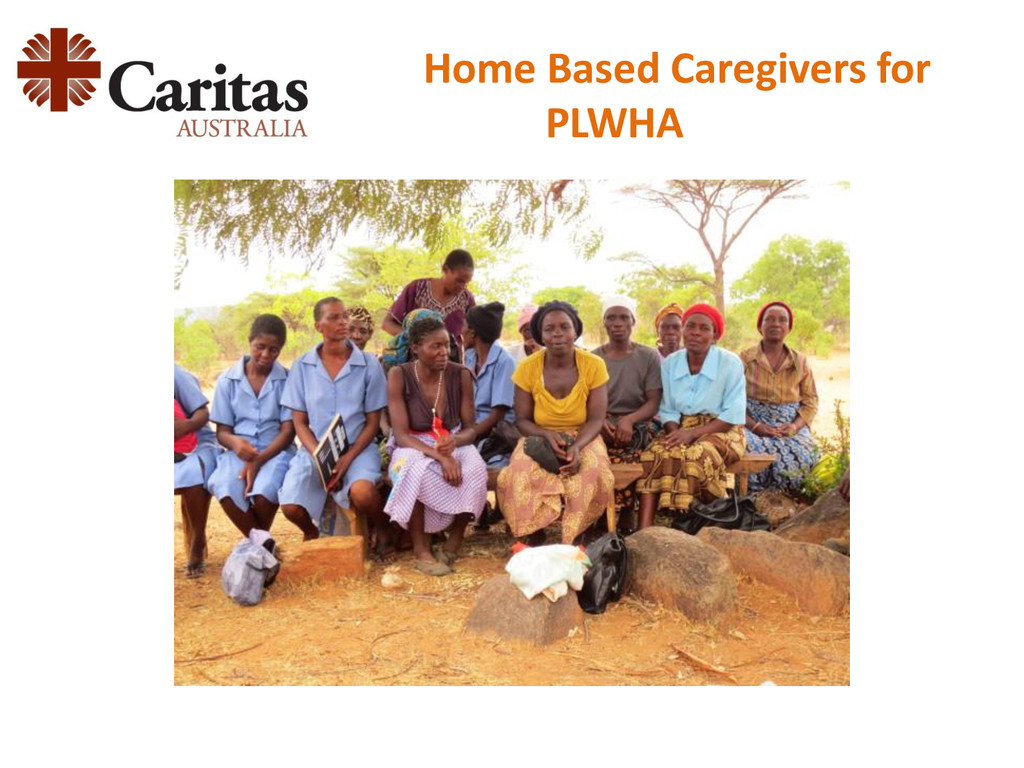
in November 2012. It has a membership of 456 members all who are HIV positive, 30 peer educators and 10 home based care givers trained in HIV and AIDS prevention and stigma and discrimination.
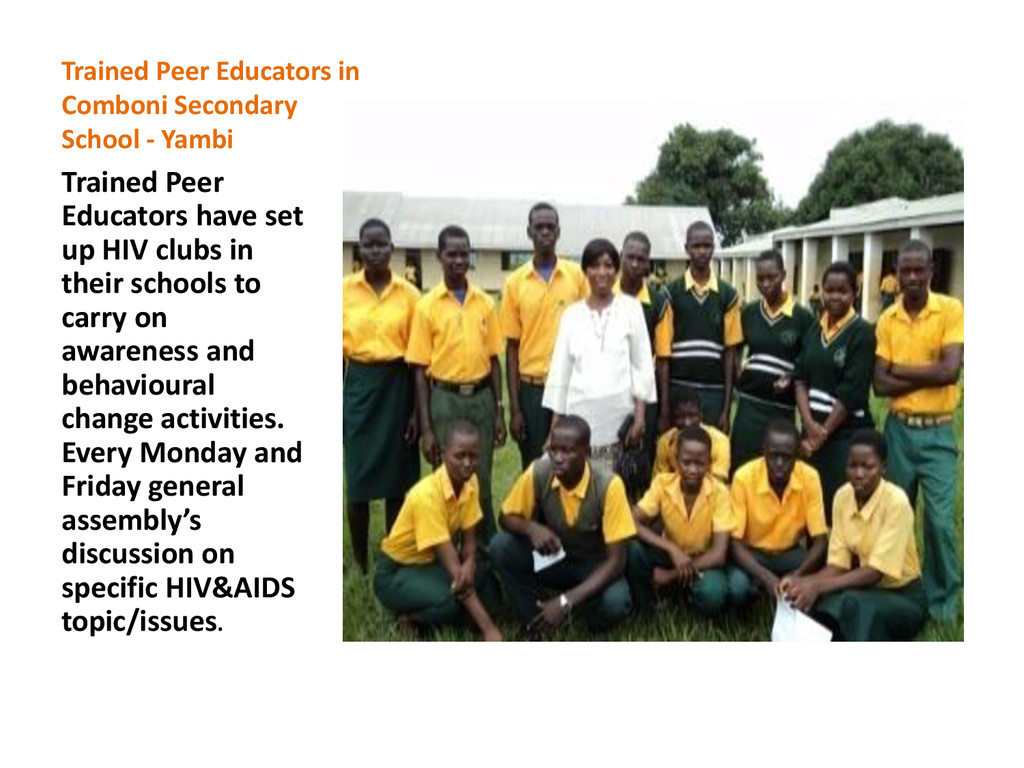
Peer Educators have set up HIV clubs in their schools to carry on awareness and behavioural change activities. Every Monday and Friday general assembly’s discussion on specific HIV&AIDS topic/issues.
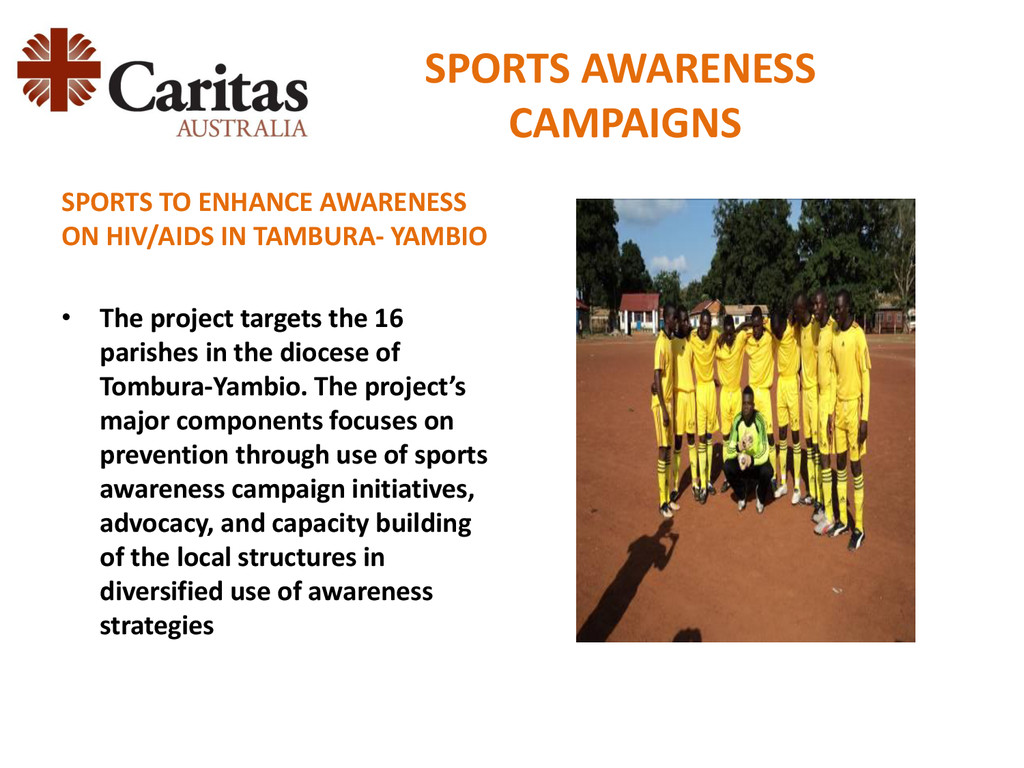
TAMBURA- YAMBIO • The project targets the 16 parishes in the diocese of Tombura-Yambio. The project’s major components focuses on prevention through use of sports awareness campaign initiatives, advocacy, and capacity building of the local structures in diversified use of awareness strategies
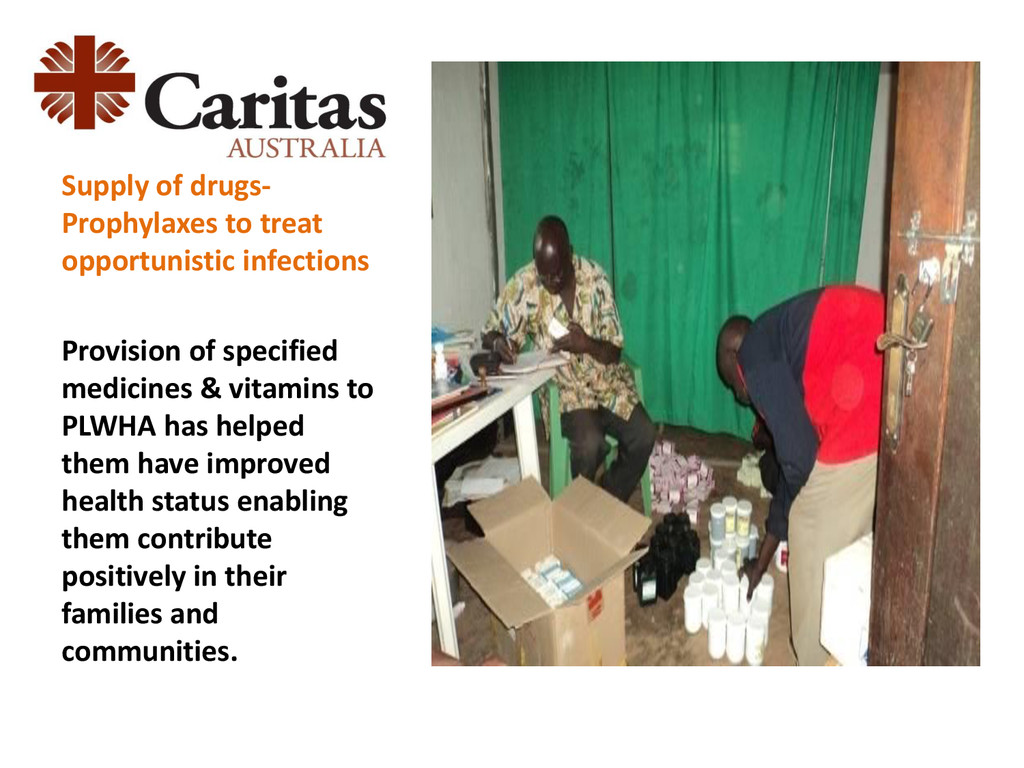
specified medicines & vitamins to PLWHA has helped them have improved health status enabling them contribute positively in their families and communities.
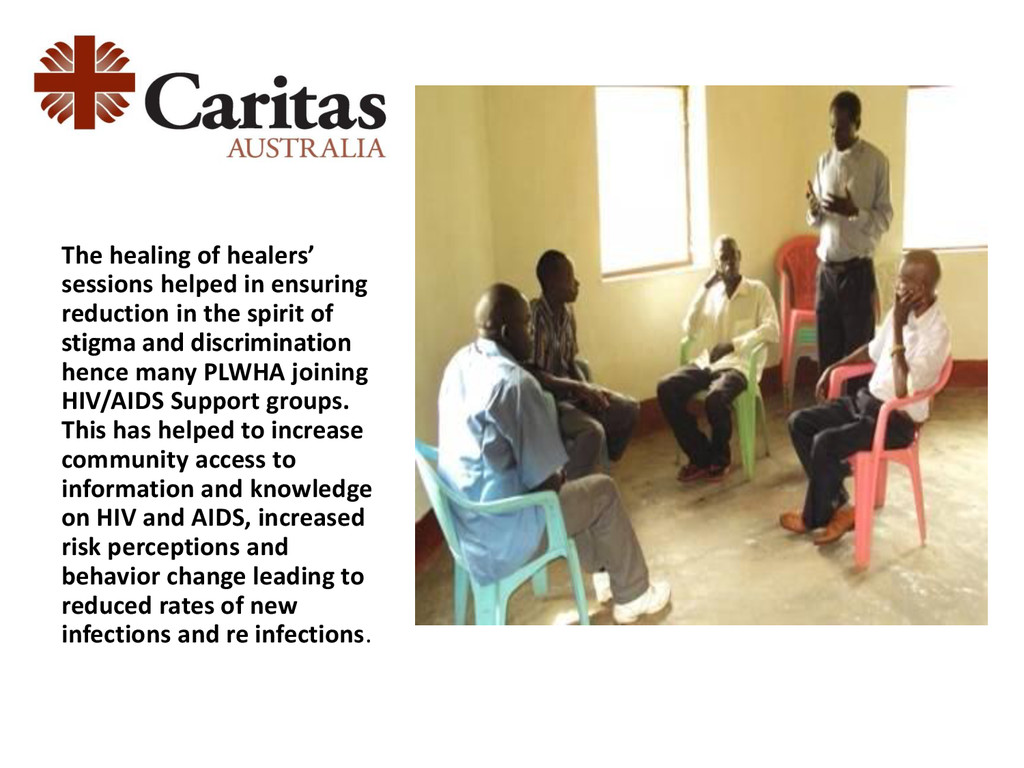
the spirit of stigma and discrimination hence many PLWHA joining HIV/AIDS Support groups. This has helped to increase community access to information and knowledge on HIV and AIDS, increased risk perceptions and behavior change leading to reduced rates of new infections and re infections.
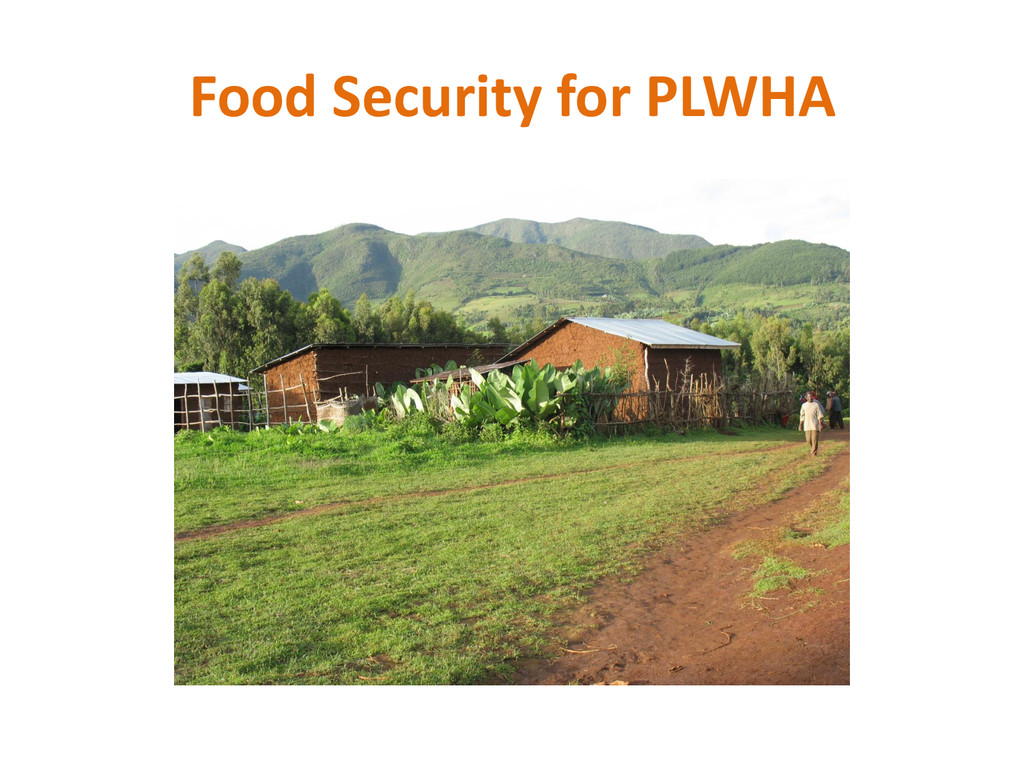
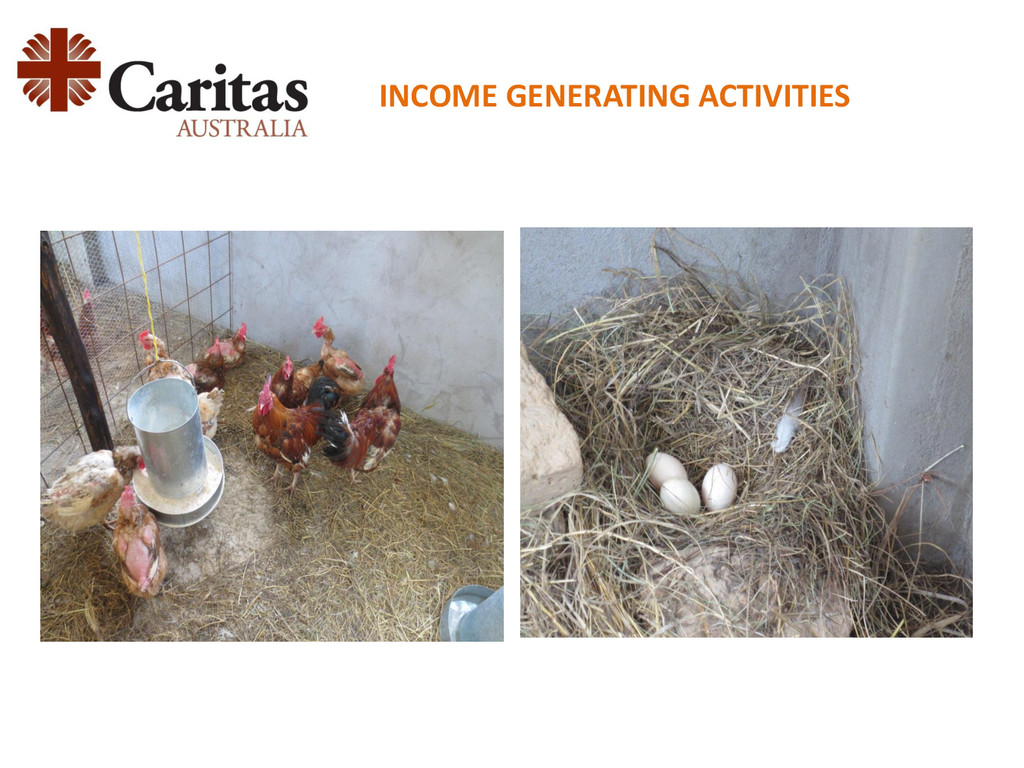
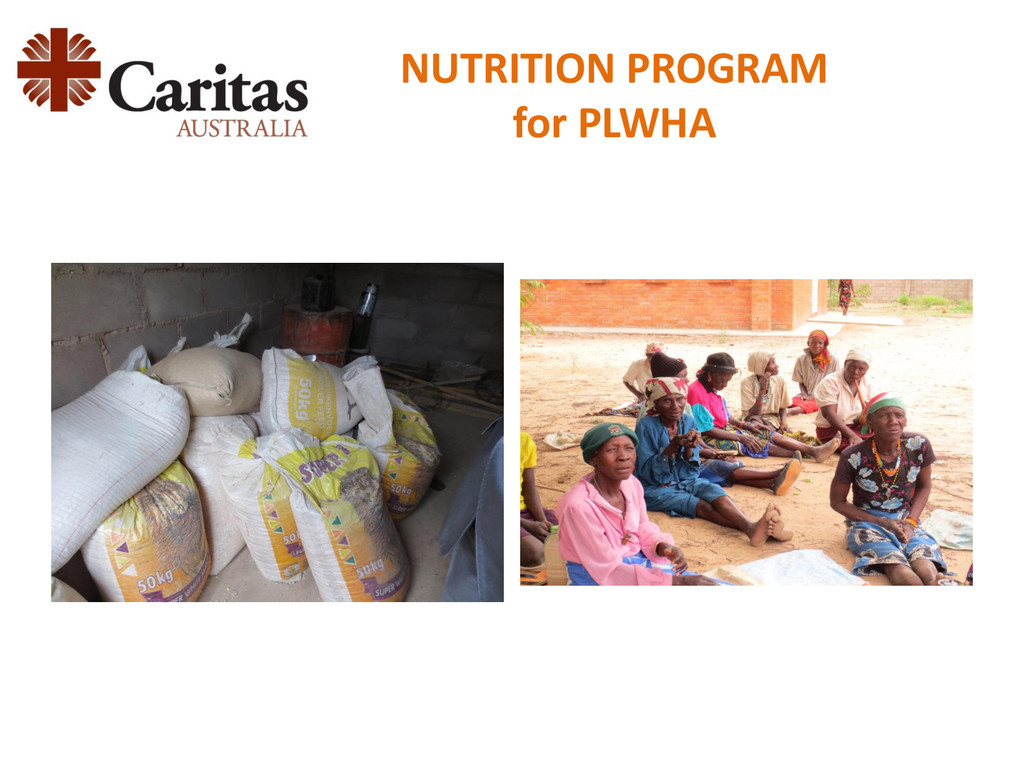
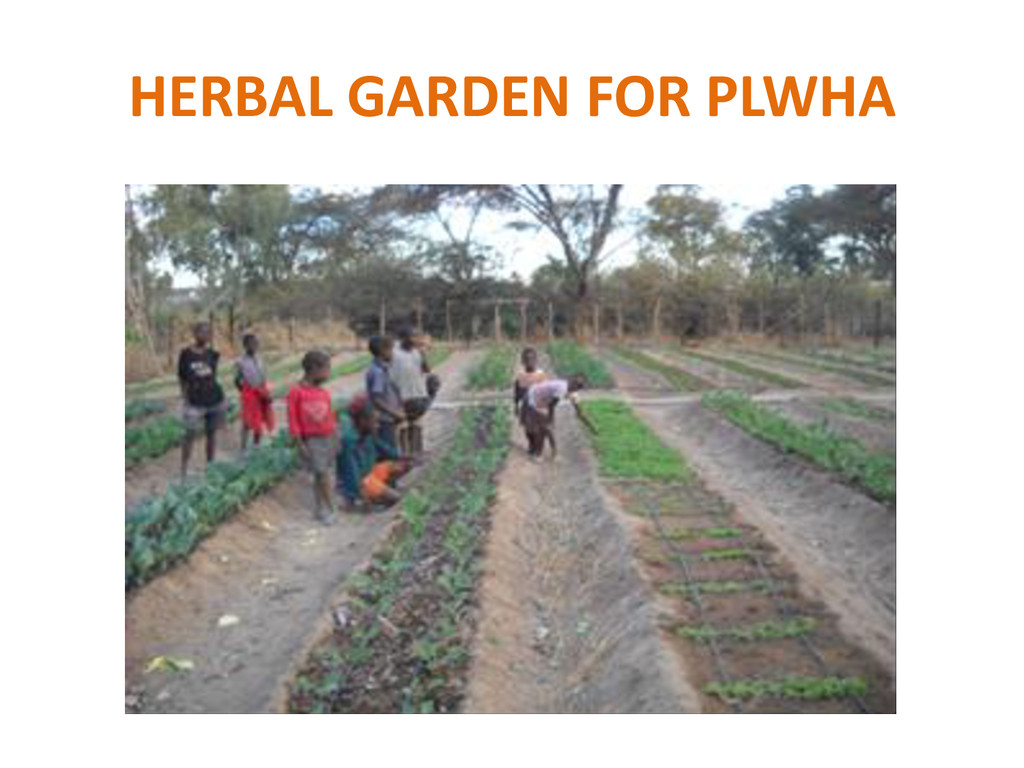
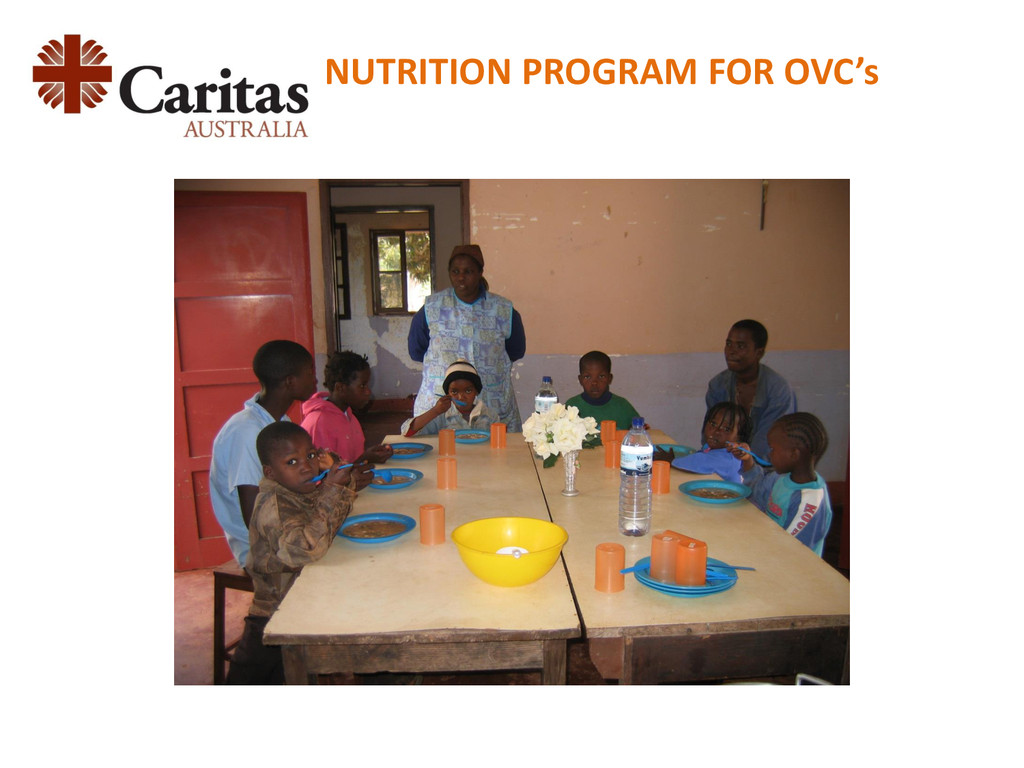
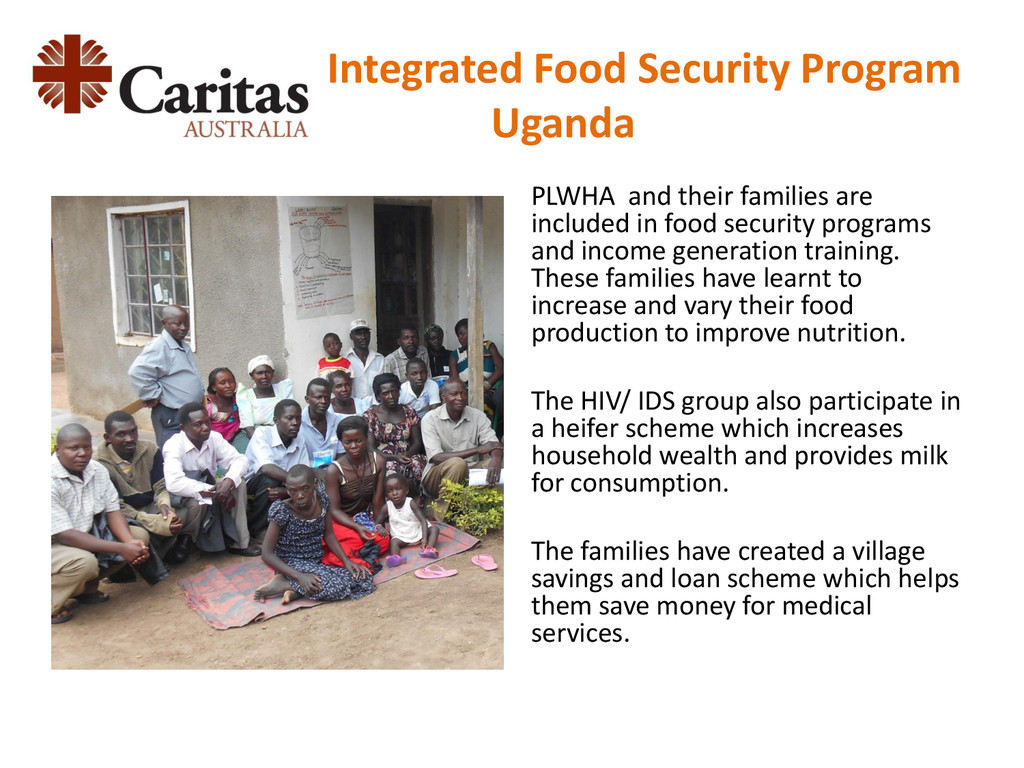
included in food security programs and income generation training. These families have learnt to increase and vary their food production to improve nutrition. The HIV/ IDS group also participate in a heifer scheme which increases household wealth and provides milk for consumption. The families have created a village savings and loan scheme which helps them save money for medical services.
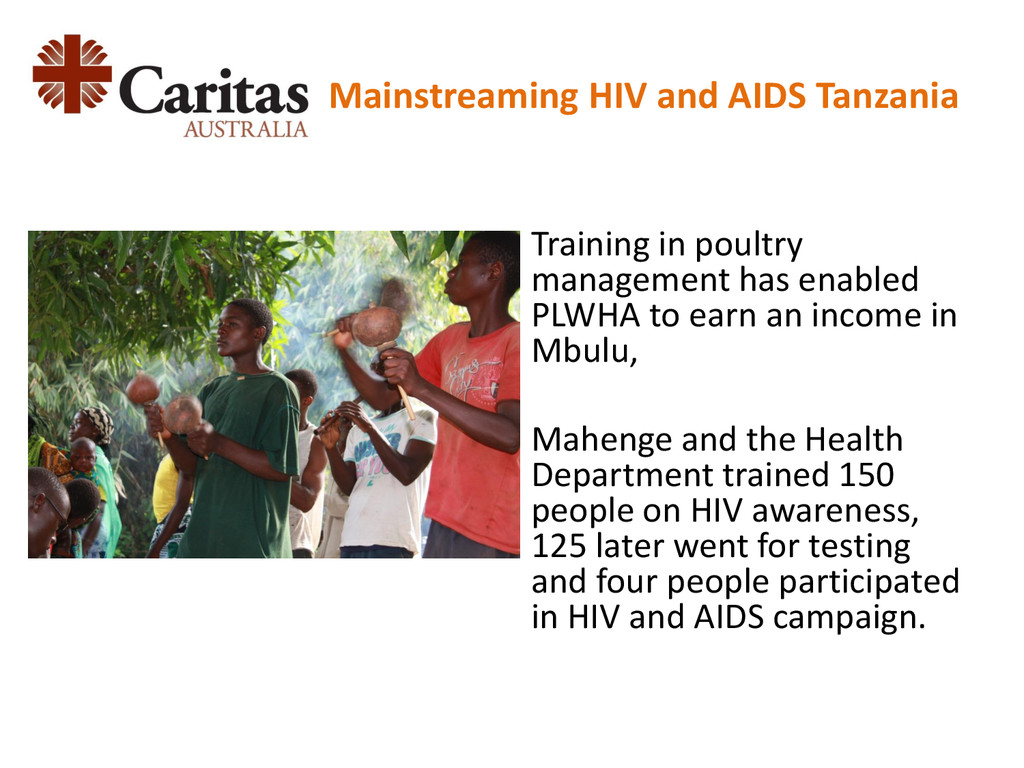
has enabled PLWHA to earn an income in Mbulu, Mahenge and the Health Department trained 150 people on HIV awareness, 125 later went for testing and four people participated in HIV and AIDS campaign.


 hivaidscathconf
 gr2m
 jacobtomlinson
 samanthasiow
 varn
 katarinadahlin
 jmmastey
 jnunemaker
 baasie
 thirion
 andyhume
 popppiees
 rasmusluckow