global apathy towards HIV/AIDS is a crime against humanity Robert Hogg, Pedro Cahn, Elly Katabira, Joep Lange, NM Samuel, Michael O’Shaughnessy, Stefano Vella, Mark Wainberg, Julio Montaner
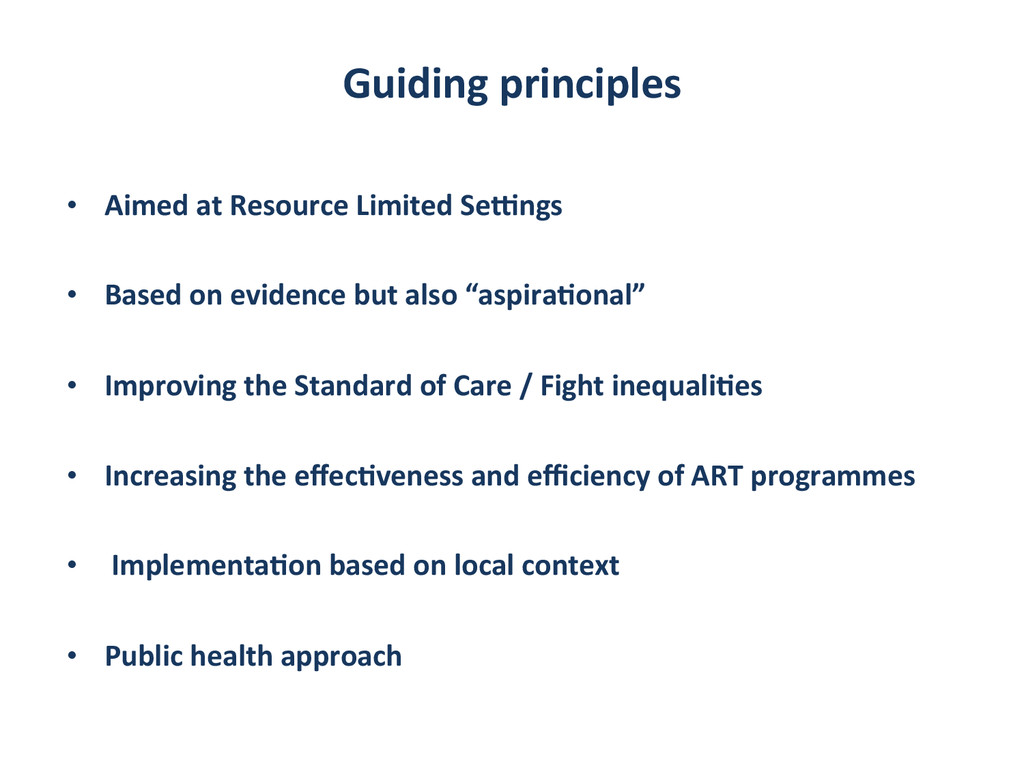
SeBngs • Based on evidence but also “aspira:onal” • Improving the Standard of Care / Fight inequali:es • Increasing the effec:veness and efficiency of ART programmes • Implementa:on based on local context • Public health approach
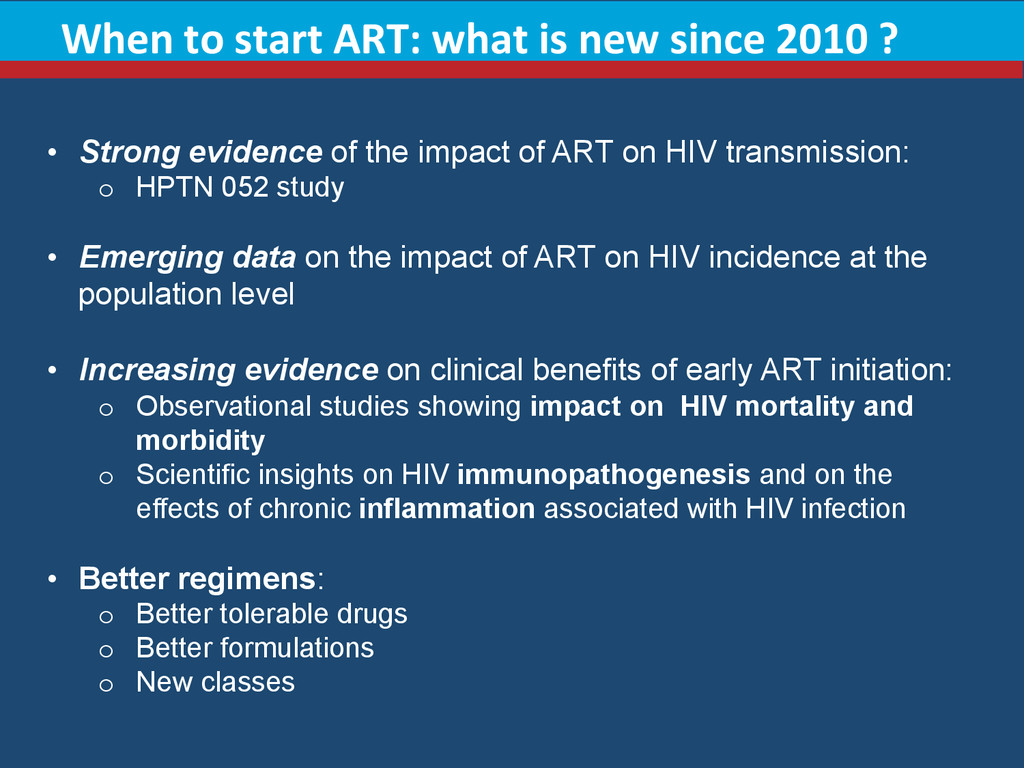
of ART on HIV transmission: o HPTN 052 study • Emerging data on the impact of ART on HIV incidence at the population level • Increasing evidence on clinical benefits of early ART initiation: o Observational studies showing impact on HIV mortality and morbidity o Scientific insights on HIV immunopathogenesis and on the effects of chronic inflammation associated with HIV infection • Better regimens: o Better tolerable drugs o Better formulations o New classes When to start ART: what is new since 2010 ?
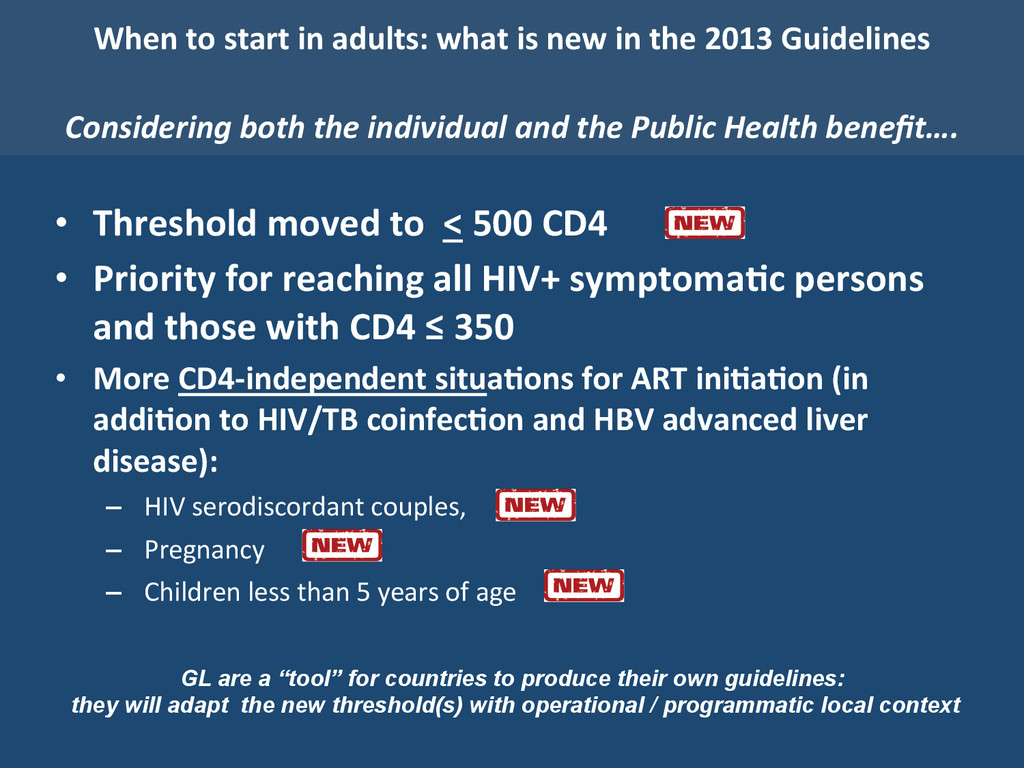
the 2013 Guidelines Considering both the individual and the Public Health benefit…. • Threshold moved to < 500 CD4 • Priority for reaching all HIV+ symptoma:c persons and those with CD4 ≤ 350 • More CD4-‐independent situa:ons for ART ini:a:on (in addi:on to HIV/TB coinfec:on and HBV advanced liver disease): – HIV serodiscordant couples, – Pregnancy – Children less than 5 years of age GL are a “tool” for countries to produce their own guidelines: they will adapt the new threshold(s) with operational / programmatic local context
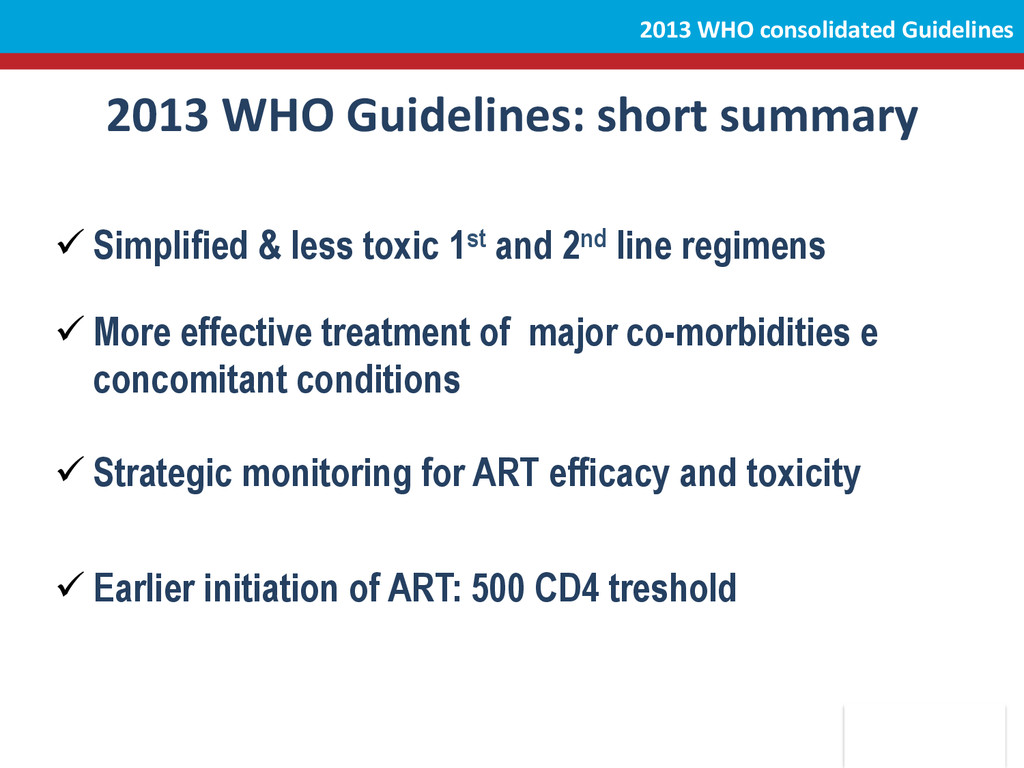
2013 WHO Guidelines: short summary ü Simplified & less toxic 1st and 2nd line regimens ü More effective treatment of major co-morbidities e concomitant conditions ü Strategic monitoring for ART efficacy and toxicity ü Earlier initiation of ART: 500 CD4 treshold
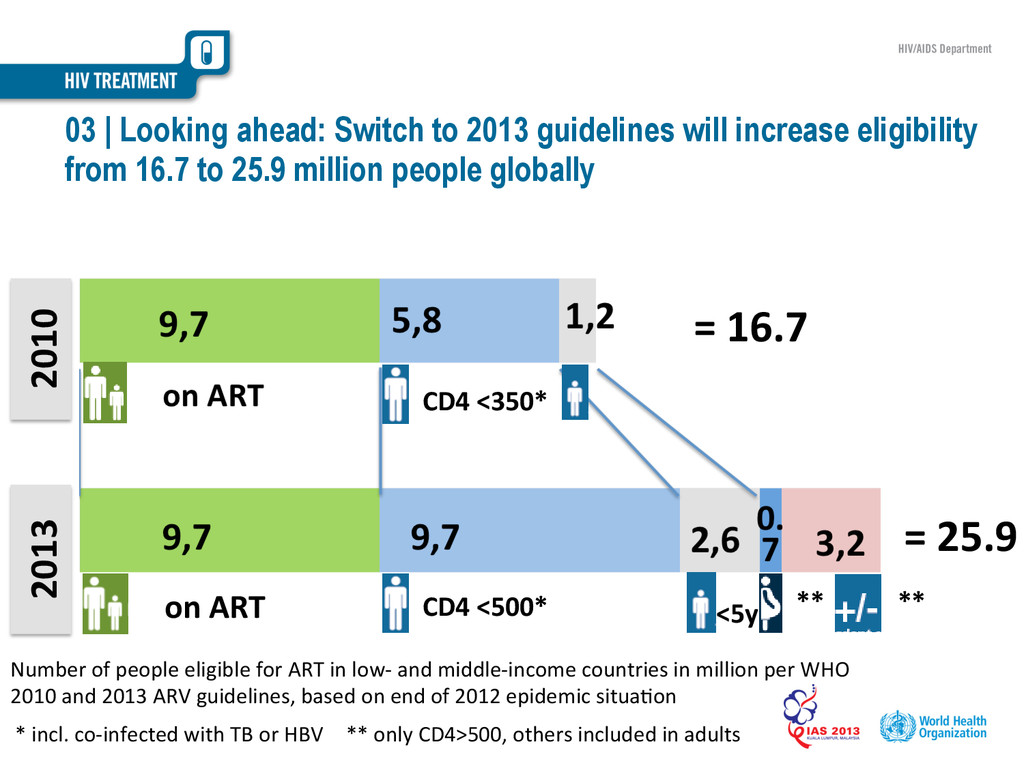
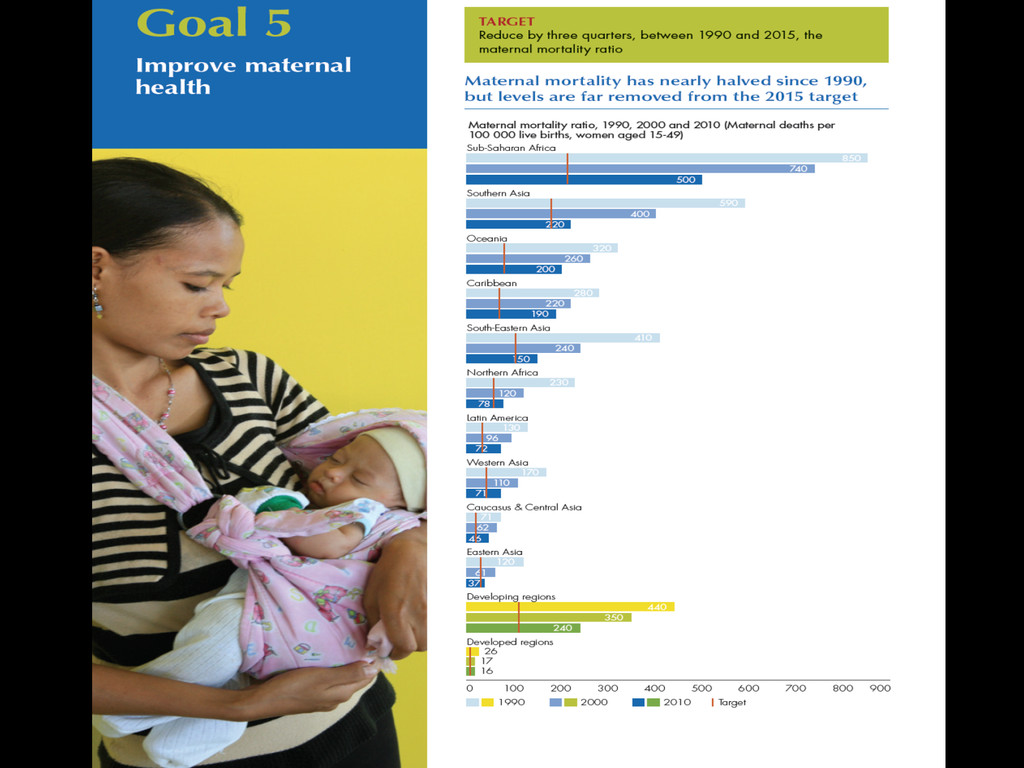
eligibility from 16.7 to 25.9 million people globally CD4 <350* on ART CD4 <500* <5y * incl. co-‐infected with TB or HBV ** ** ** only CD4>500, others included in adults = 16.7 = 25.9 2010 2013 Number of people eligible for ART in low-‐ and middle-‐income countries in million per WHO 2010 and 2013 ARV guidelines, based on end of 2012 epidemic situa4on
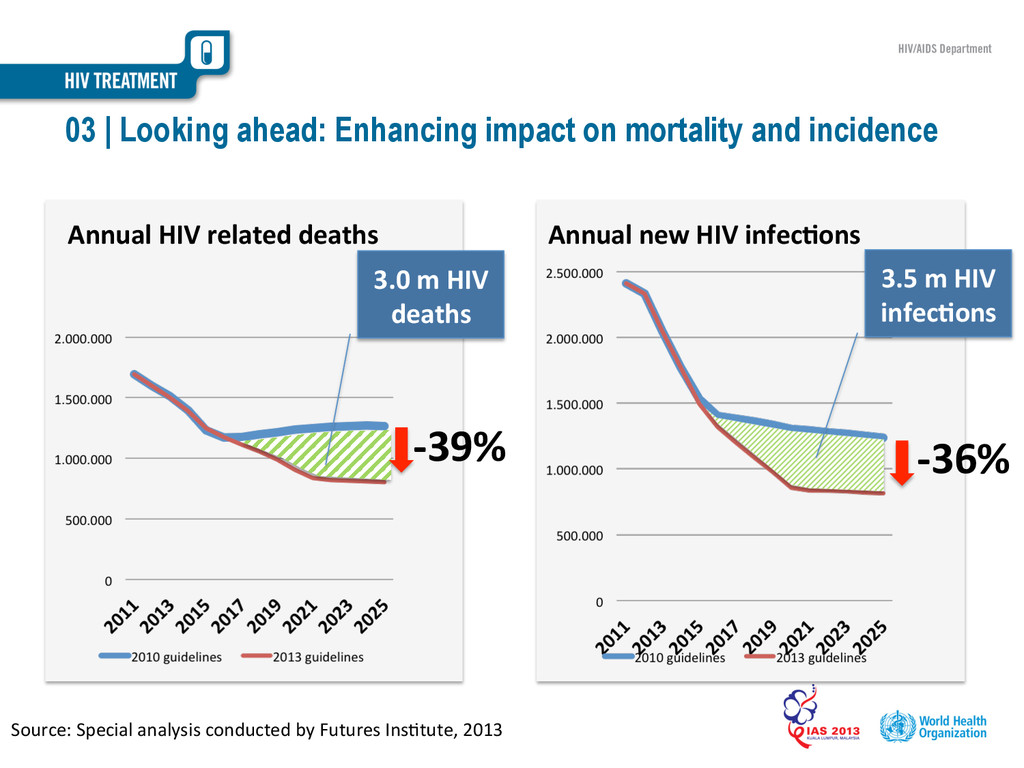
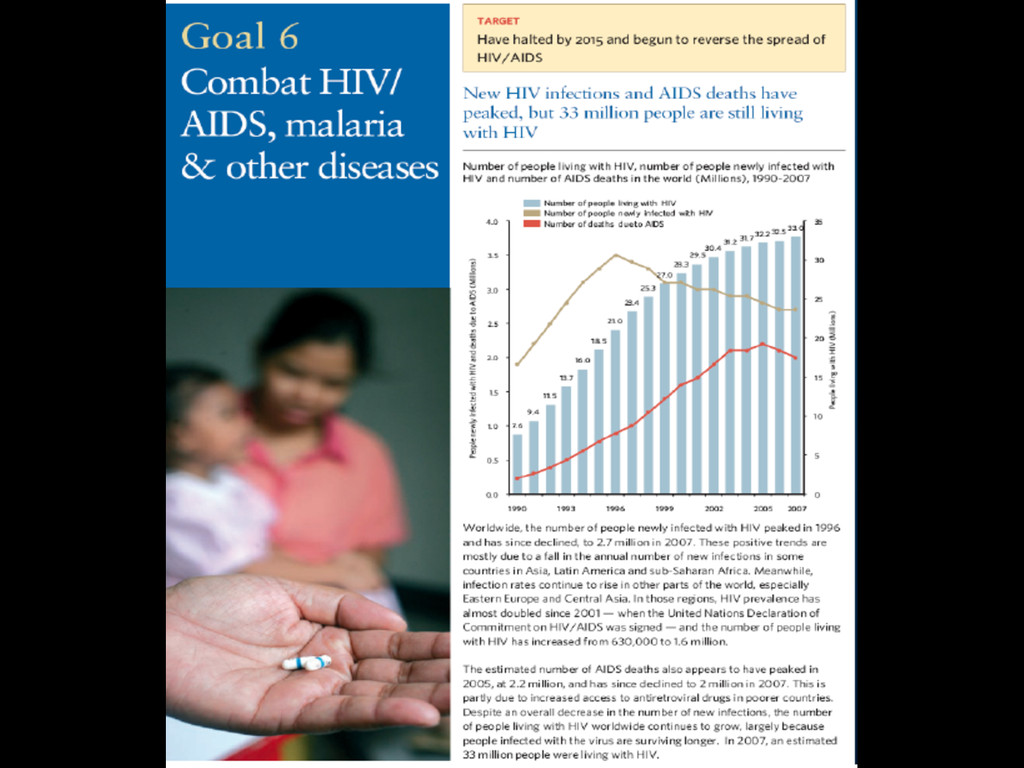
Annual new HIV infec:ons Annual HIV related deaths -‐36% -‐39% 3.5 m HIV infec:ons Source: Special analysis conducted by Futures Ins4tute, 2013 3.0 m HIV deaths
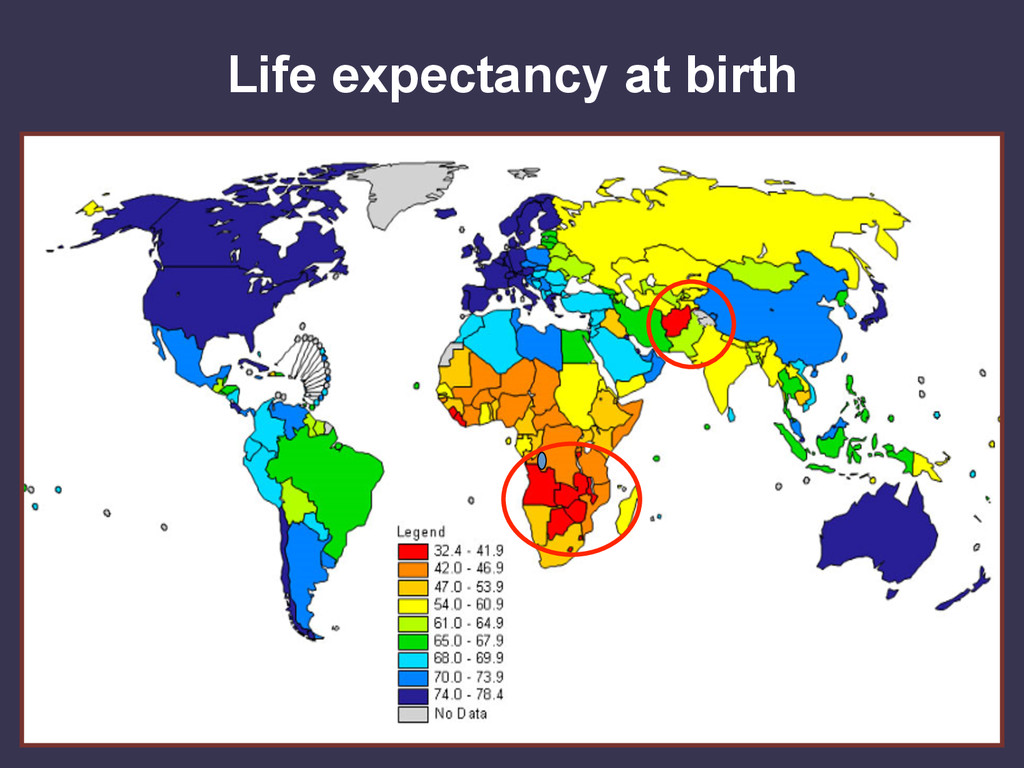
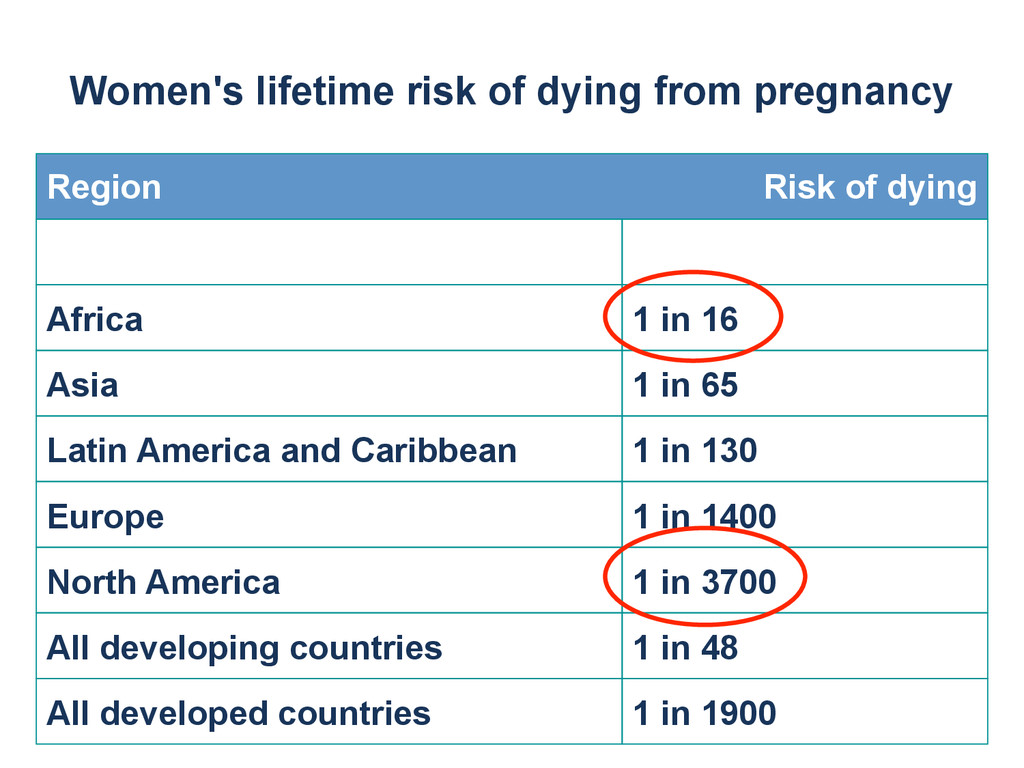
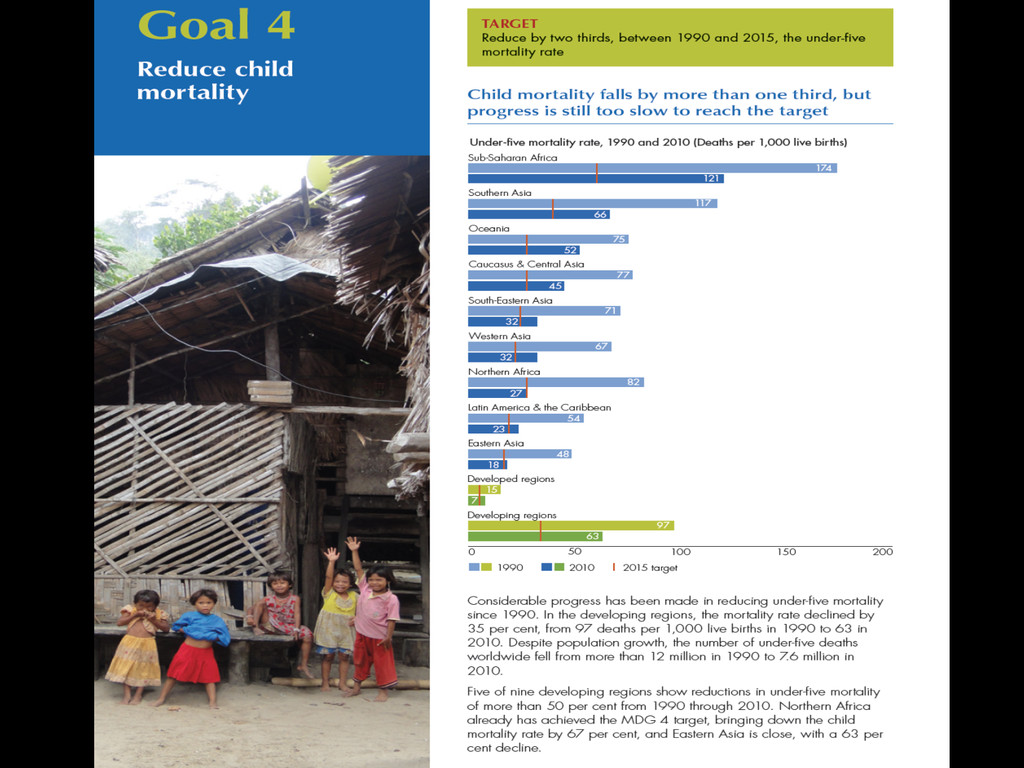
dying Africa 1 in 16 Asia 1 in 65 Latin America and Caribbean 1 in 130 Europe 1 in 1400 North America 1 in 3700 All developing countries 1 in 48 All developed countries 1 in 1900
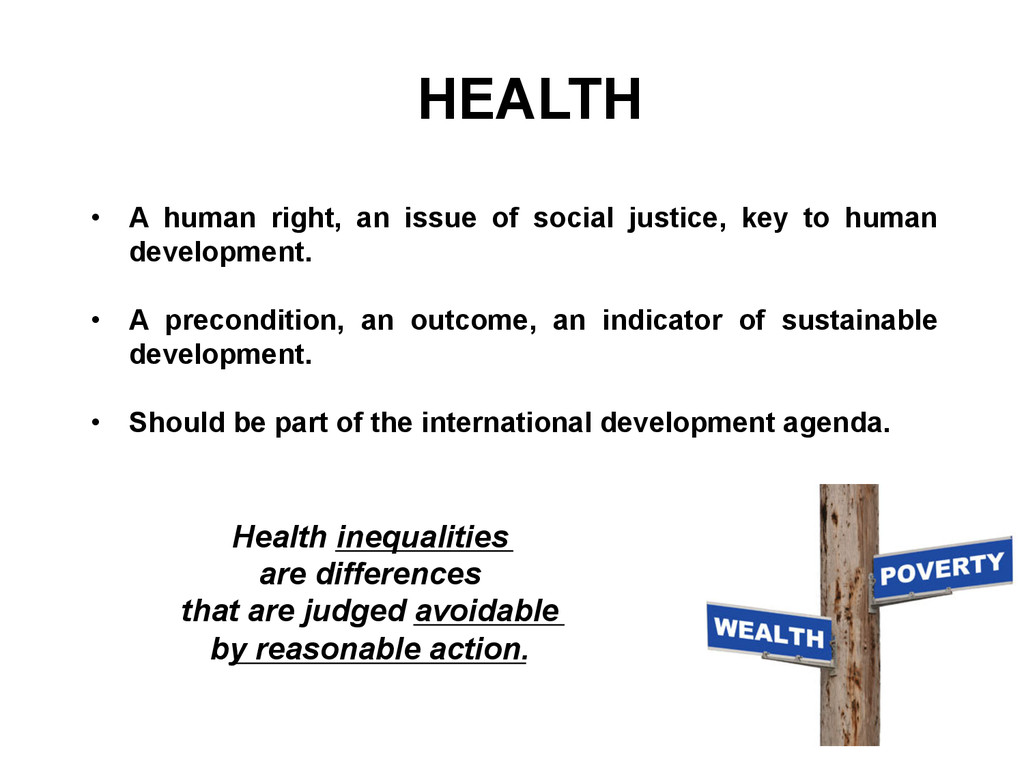
key to human development. • A precondition, an outcome, an indicator of sustainable development. • Should be part of the international development agenda. Health inequalities are differences that are judged avoidable by reasonable action.
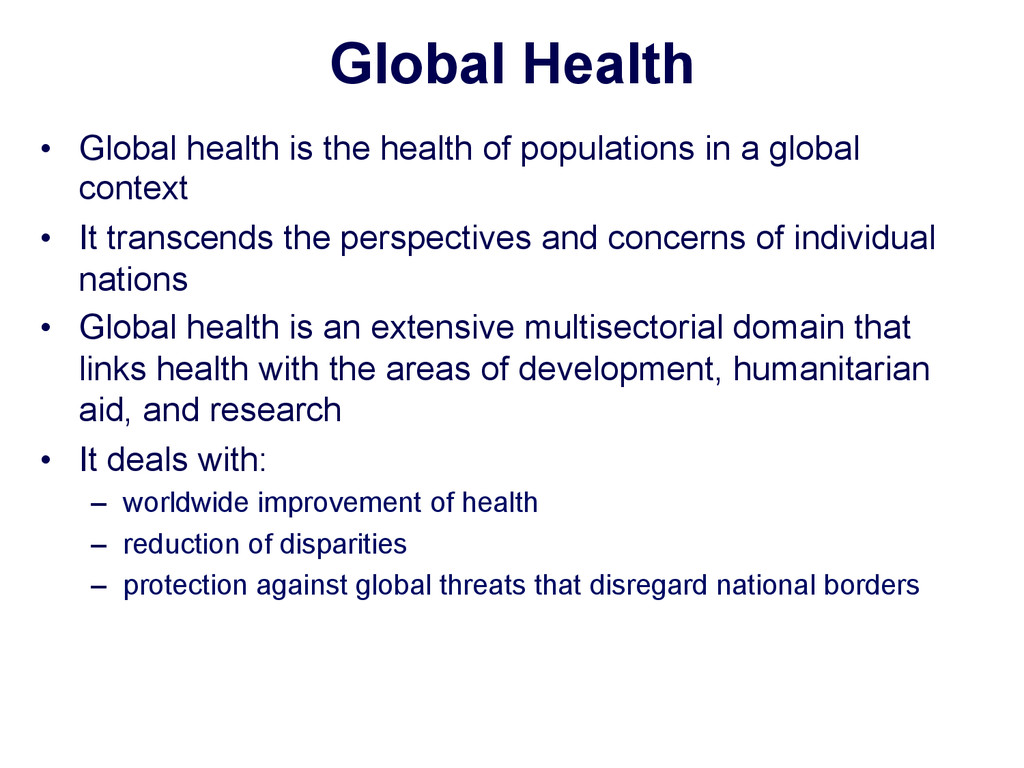
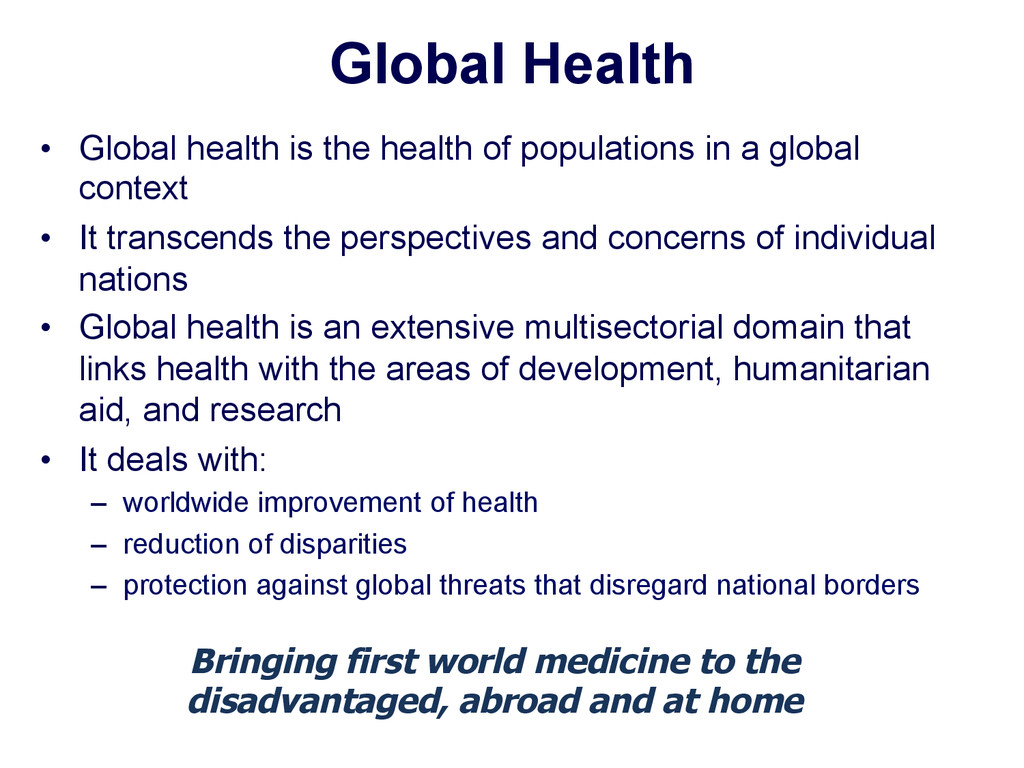
in a global context • It transcends the perspectives and concerns of individual nations • Global health is an extensive multisectorial domain that links health with the areas of development, humanitarian aid, and research • It deals with: – worldwide improvement of health – reduction of disparities – protection against global threats that disregard national borders
in a global context • It transcends the perspectives and concerns of individual nations • Global health is an extensive multisectorial domain that links health with the areas of development, humanitarian aid, and research • It deals with: – worldwide improvement of health – reduction of disparities – protection against global threats that disregard national borders Bringing first world medicine to the disadvantaged, abroad and at home
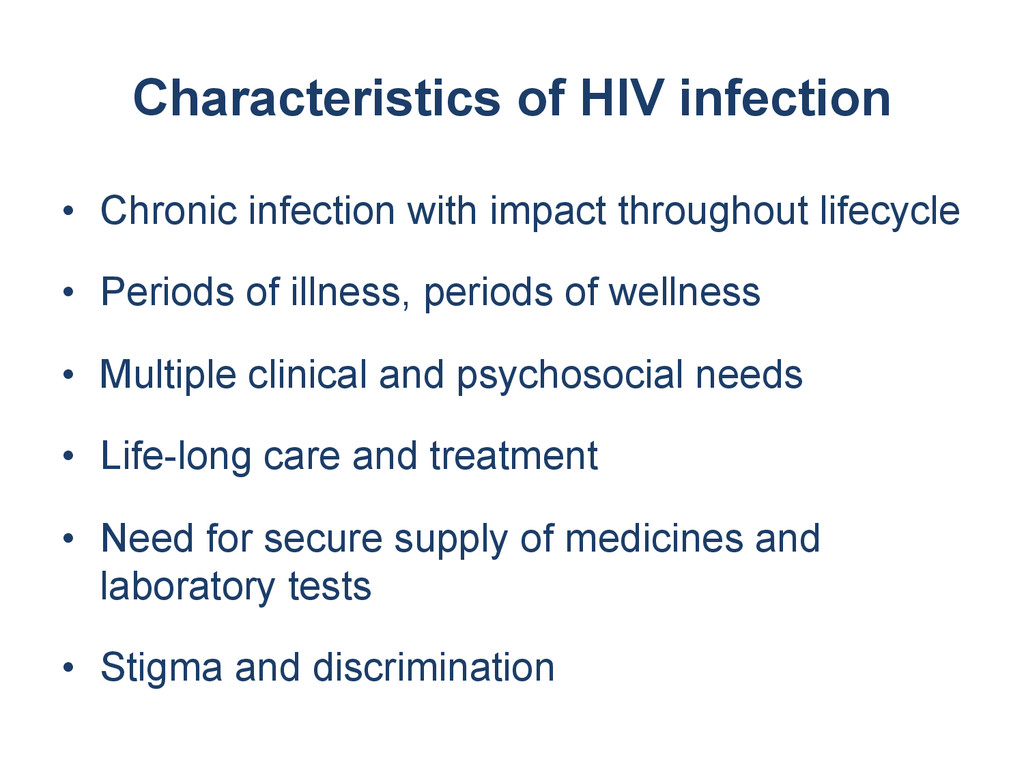
lifecycle • Periods of illness, periods of wellness • Multiple clinical and psychosocial needs • Life-long care and treatment • Need for secure supply of medicines and laboratory tests • Stigma and discrimination
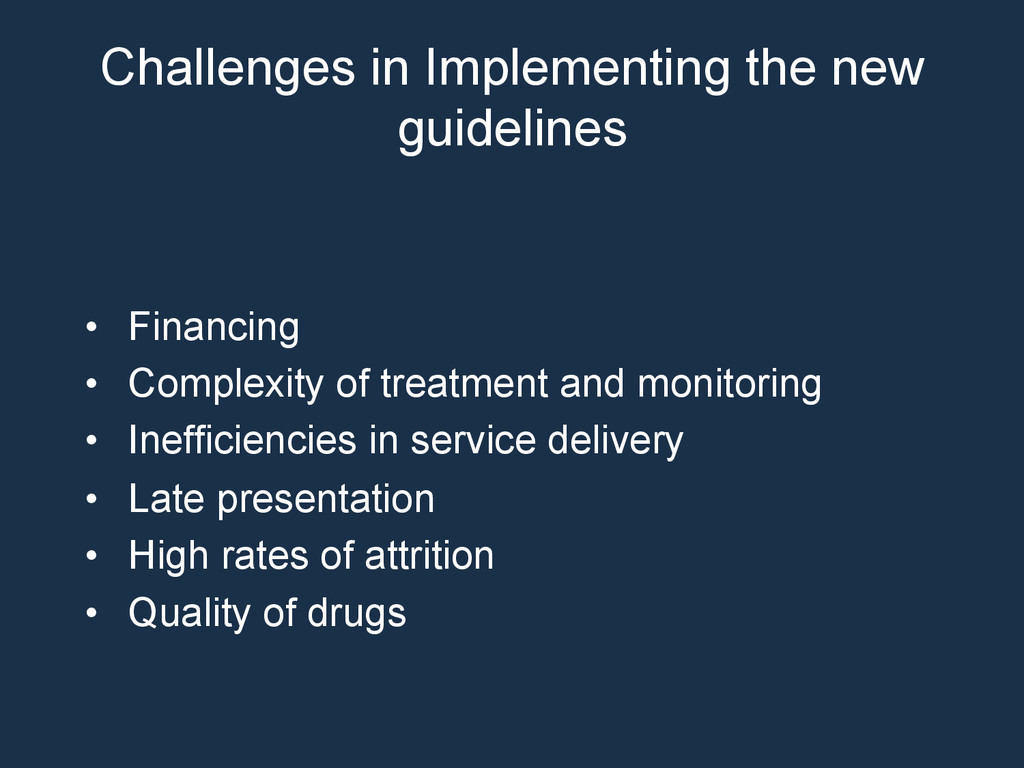
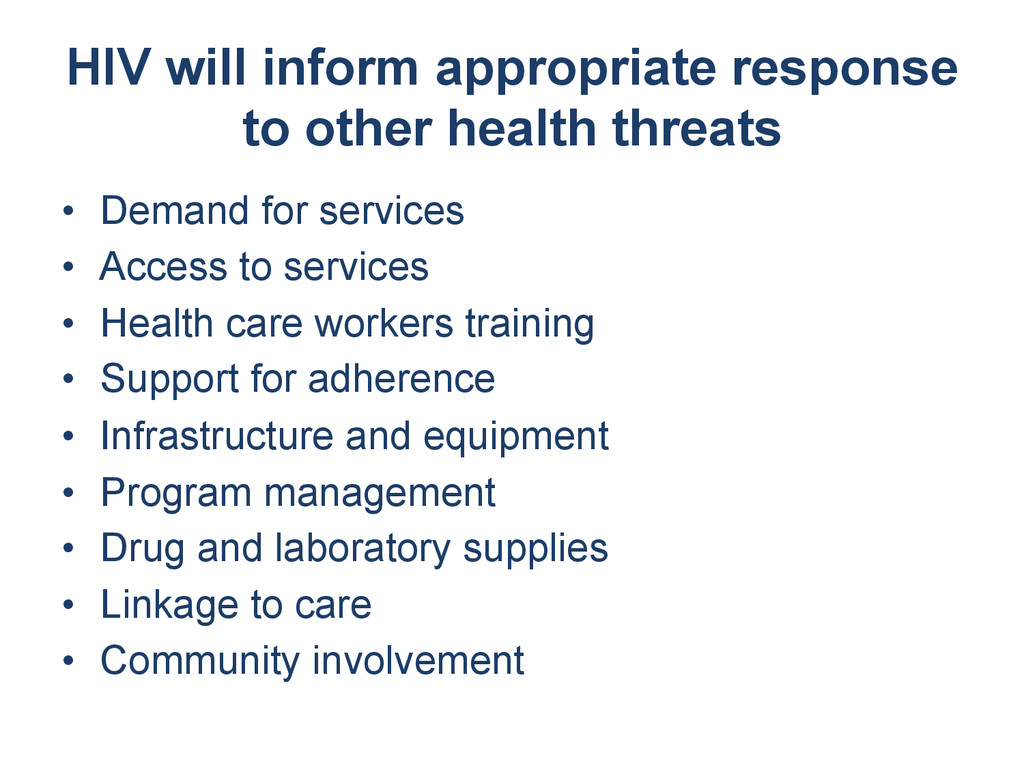
Demand for services • Access to services • Health care workers training • Support for adherence • Infrastructure and equipment • Program management • Drug and laboratory supplies • Linkage to care • Community involvement
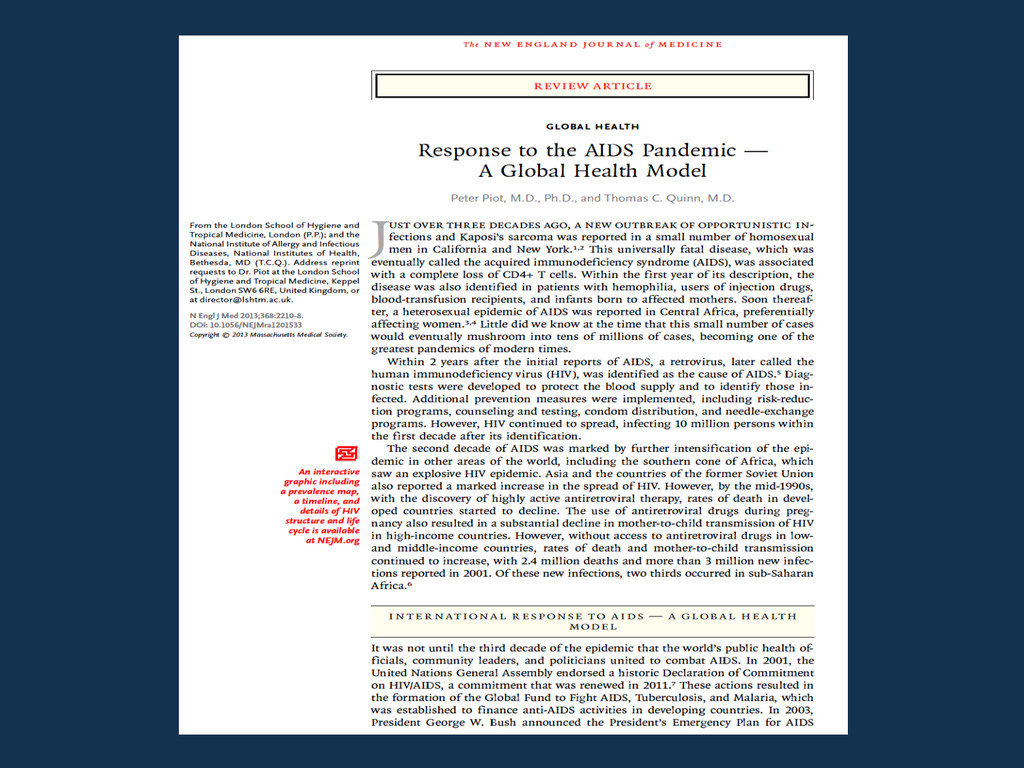
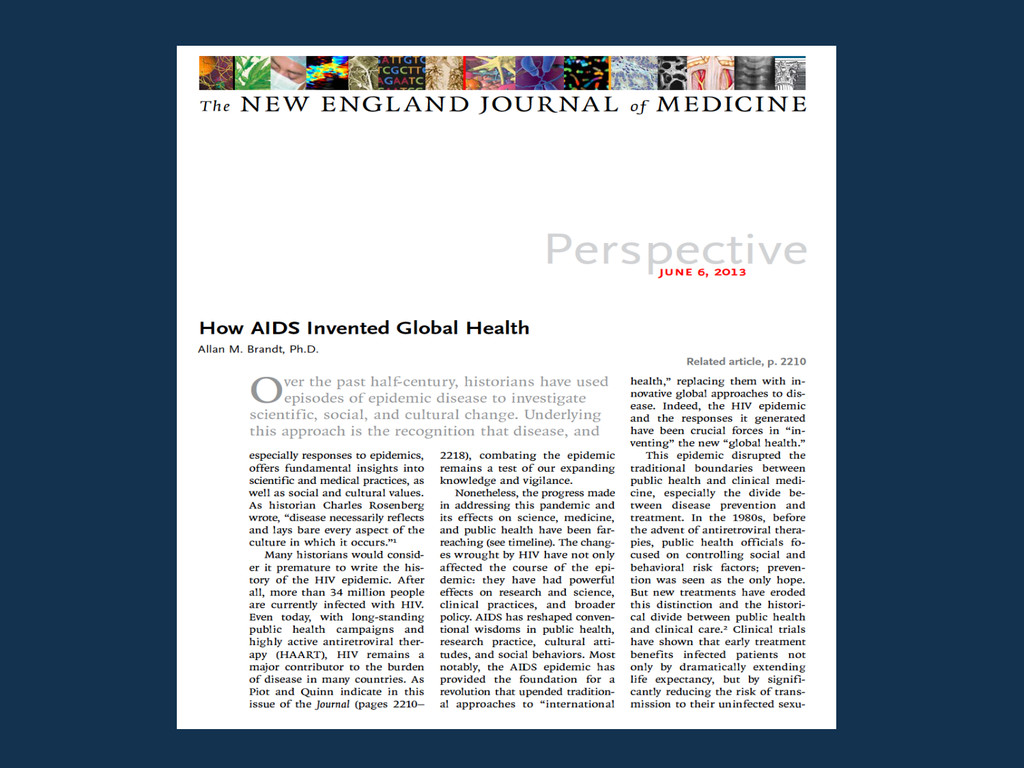
now call “global health” which has demonstrated its capacity to be far more integrative than traditional notions of international health. It draws together scientists, clinicians, public health officials, researchers, and patients, while relying on new sources of funding, expertise, and advocacy. This new formulation is distinct in that it recognizes the essential supranational character of problems of disease and their amelioration, and the fact that no individual country can adequately address diseases in the face of the movement of people, trade, microbes, and risks.”
disease to identify key health disparities and develop strategies for their reduction. Third, it recognizes that people affected by disease have a crucial role in the discovery and advocacy of new modes of treatment and prevention and their equitable access. Finally, it is based on ethical and moral values that recognize that equity and rights are central to the larger goals of preventing and treating diseases worldwide.”


 hivaidscathconf
 nwiizo
 popppiees
 eileencodes
 afnizarnur
 chikuwait
 tammyeverts
 axbom
 codingconduct
 sabderemane
 caitiem20
 sergeychernyshev
 mfonobong