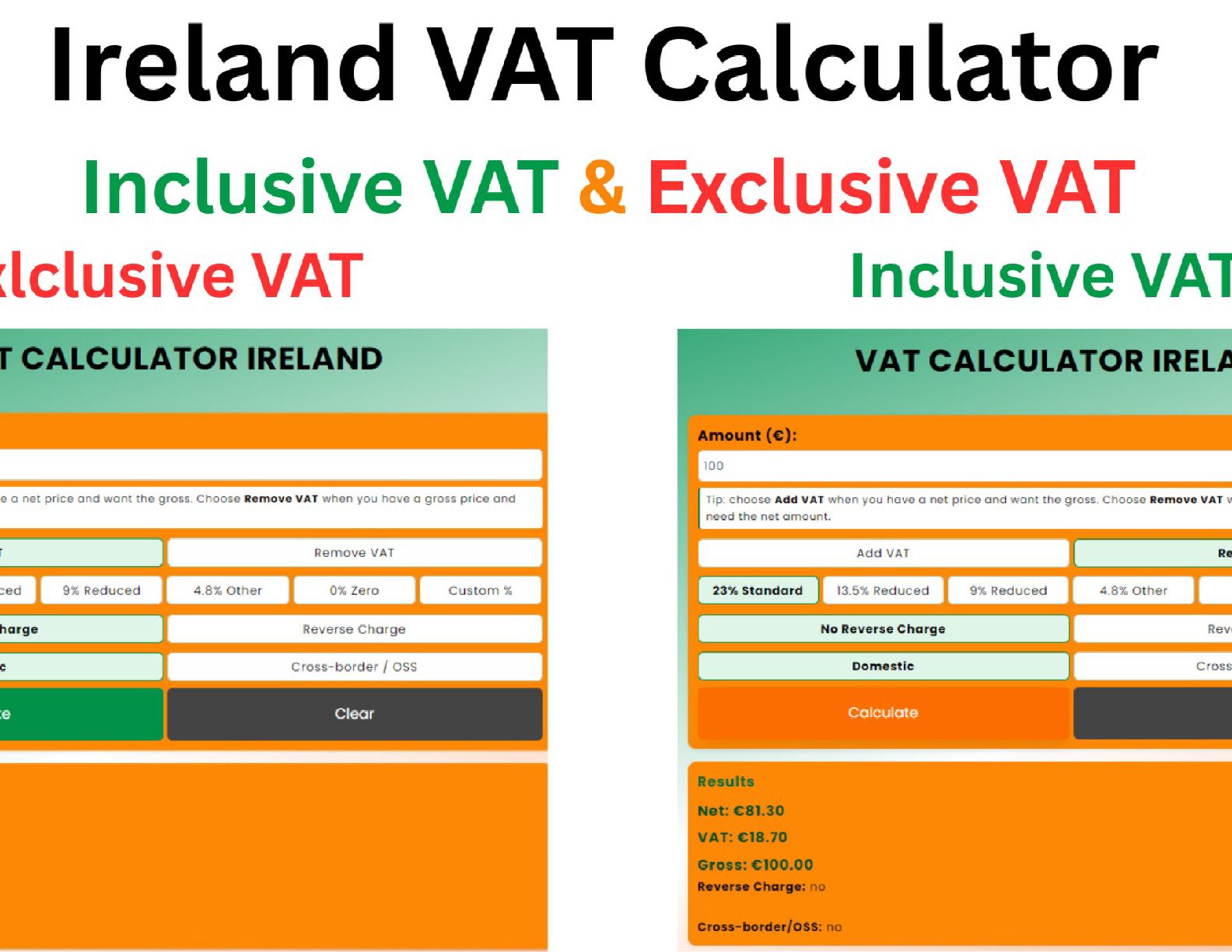
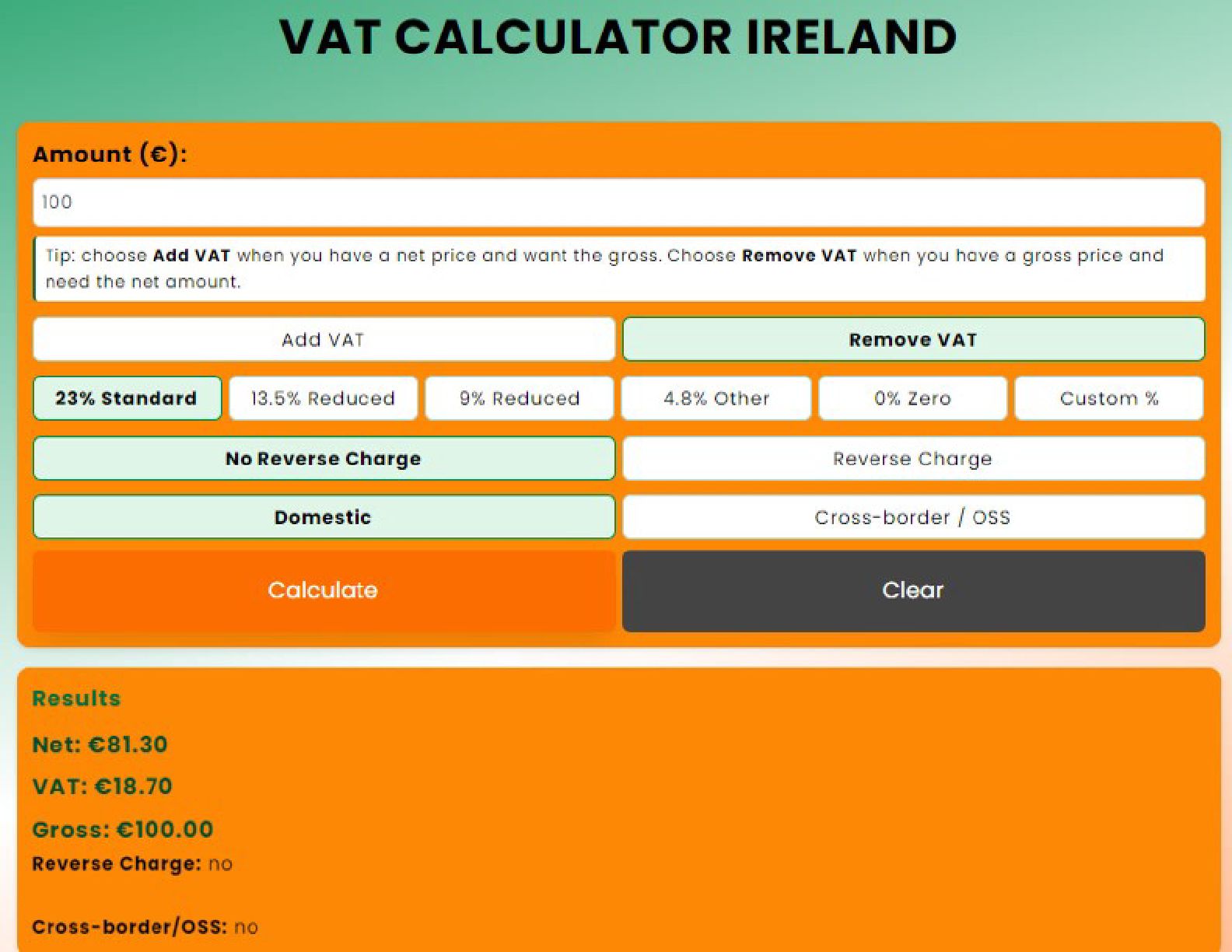
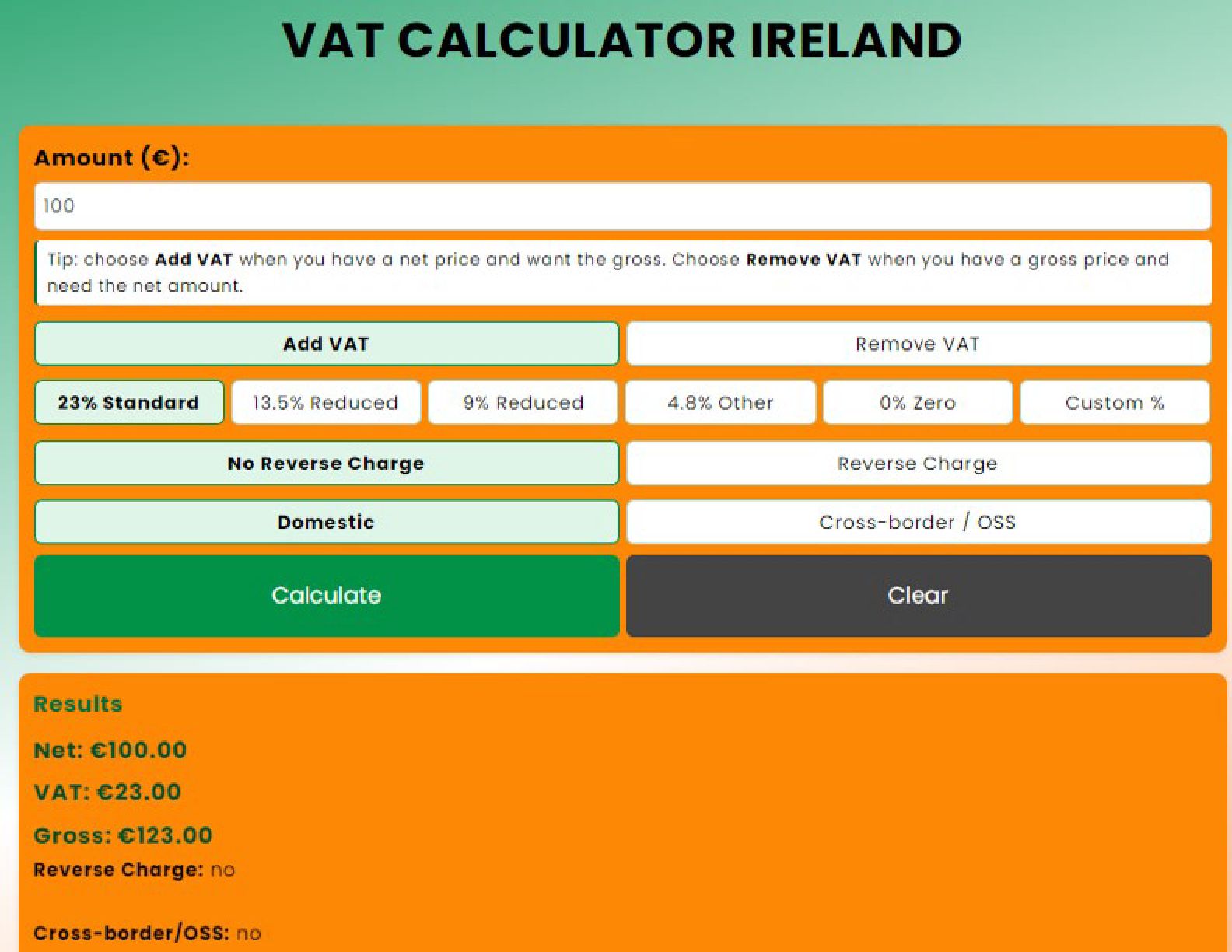
A Quick Guide to IE VAT Rates
Value-Added Tax (VAT) in Ireland is a tax applied to most goods and services sold or imported within the country. It plays a crucial role in funding public services and is regulated by the Irish Revenue Commissioners. While the standard VAT rate is well known, Ireland uses a multi-rate system to accommodate different sectors of the economy.
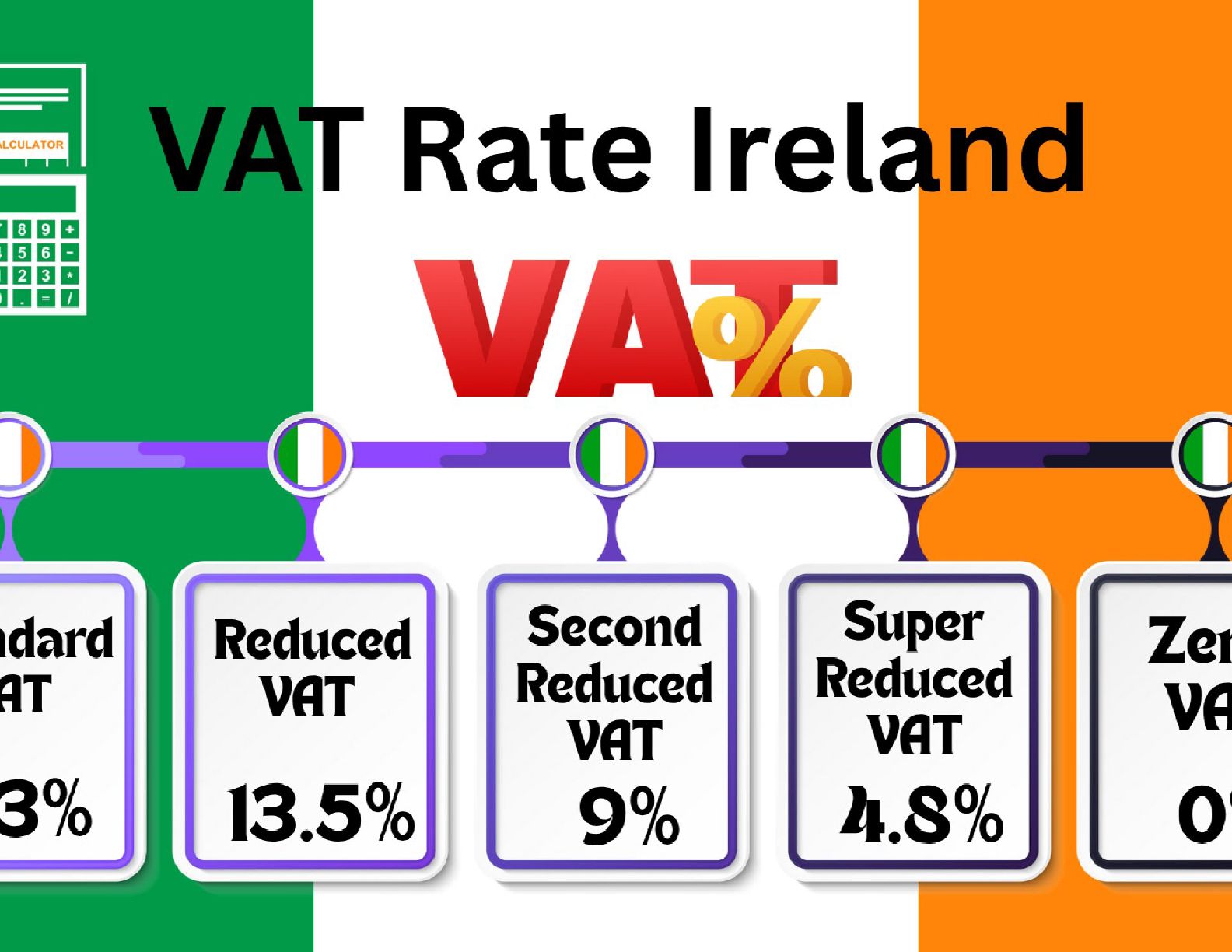
Overview of Irish VAT Rates:
Standard Rate – 23%
This rate is applied to the majority of goods and services, including electronics, cosmetics, and professional services.
Reduced Rate – 13.5%
Designed to support certain industries, this rate applies to items like fuel, construction services, and restaurant meals (excluding alcohol).
Lower Rate – 9%
A special rate for sectors such as tourism, hospitality, and newspapers. This rate is subject to change based on government policy and economic conditions.
Zero Rate – 0%
Essential items like most food products, children’s clothing, and some medical supplies fall under this rate. Businesses still reclaim VAT on their inputs even when selling zero-rated goods.
Exempt Services
Some services, including education, medical care, and financial transactions, are exempt from VAT altogether, meaning VAT is not charged or reclaimed.
Why It Matters
For consumers, VAT is typically included in the price of goods. For businesses, charging the correct VAT rate is critical for compliance and financial accuracy. Understanding Ireland’s VAT structure helps both buyers and sellers navigate the tax landscape more effectively.
In a nutshell, Ireland’s VAT system is designed to be both flexible and fair, ensuring that essential goods remain affordable while still supporting the country’s fiscal needs.


 signer
 2720japanoke
 matleenalaakso
 pawan_pharm
 ainischool
 ytapples613
 cbtlibrary
 frievea
 bvr7352
 kaityo256
 charlesmeaden
 techseoconnect
 mraible
 sarafernandez
 deanohume
 jonoalderson
 kastner
 kevinliebholz
 csswizardry
 codingconduct
 michaelherold
 axbom
axbom