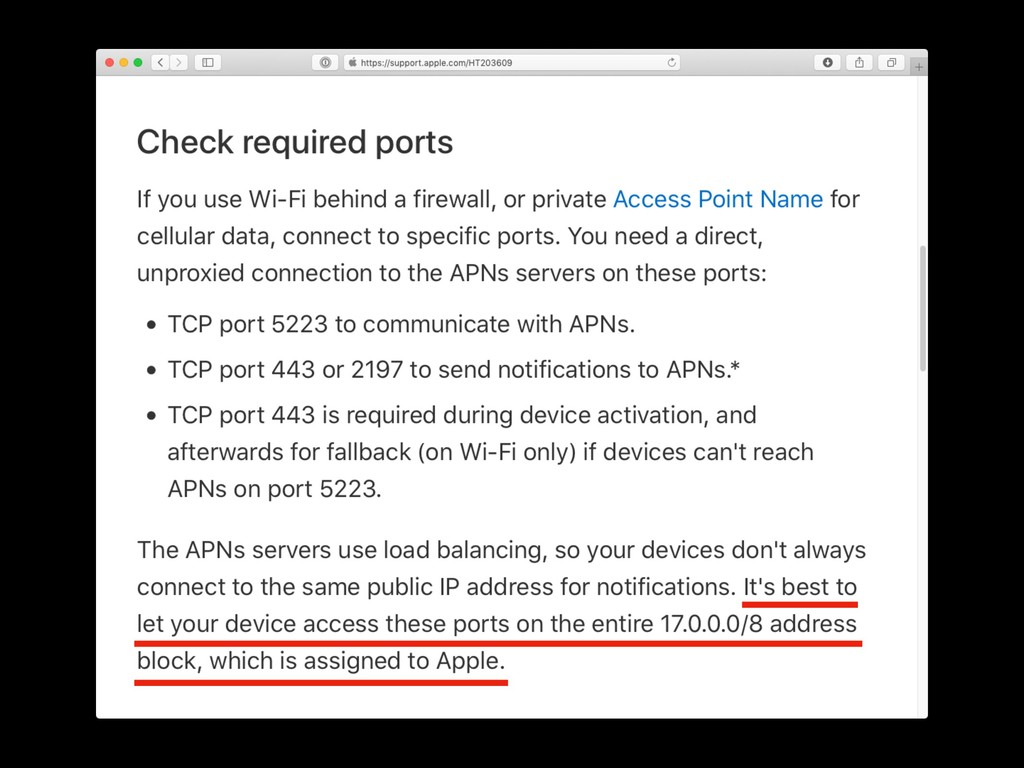
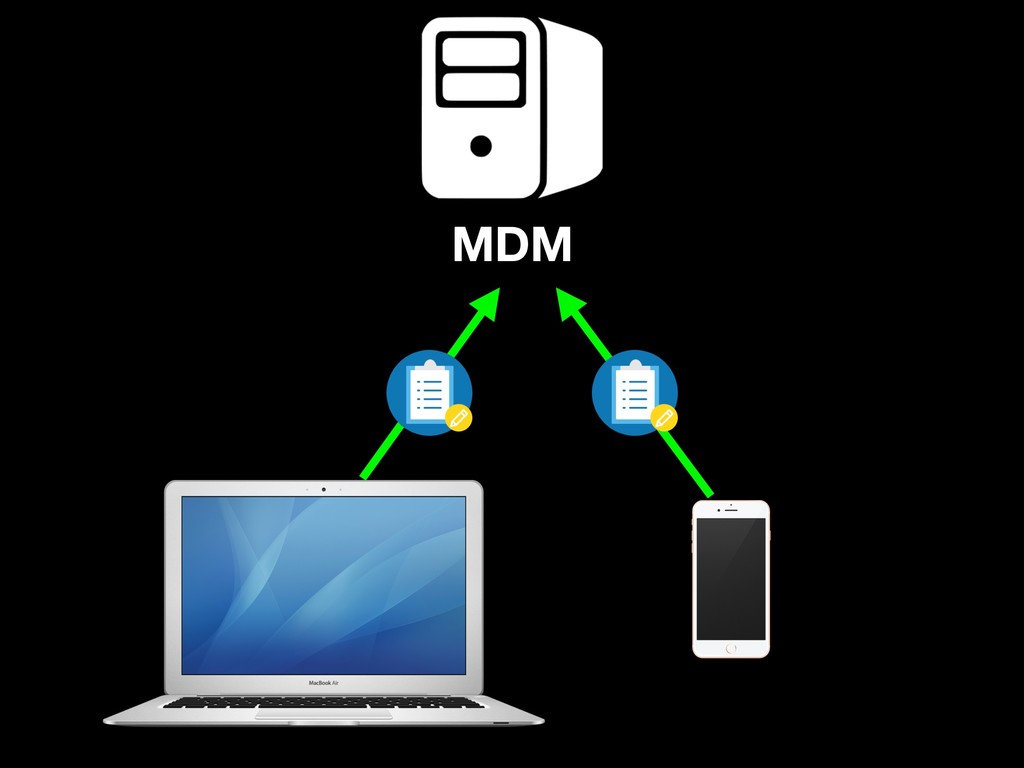
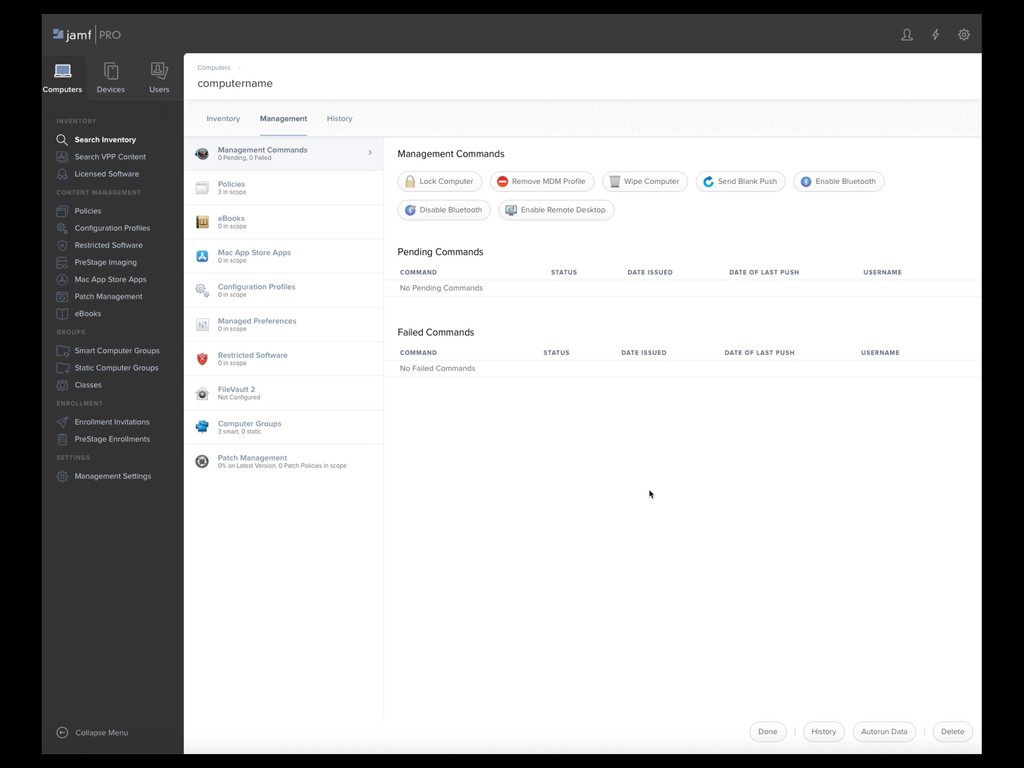
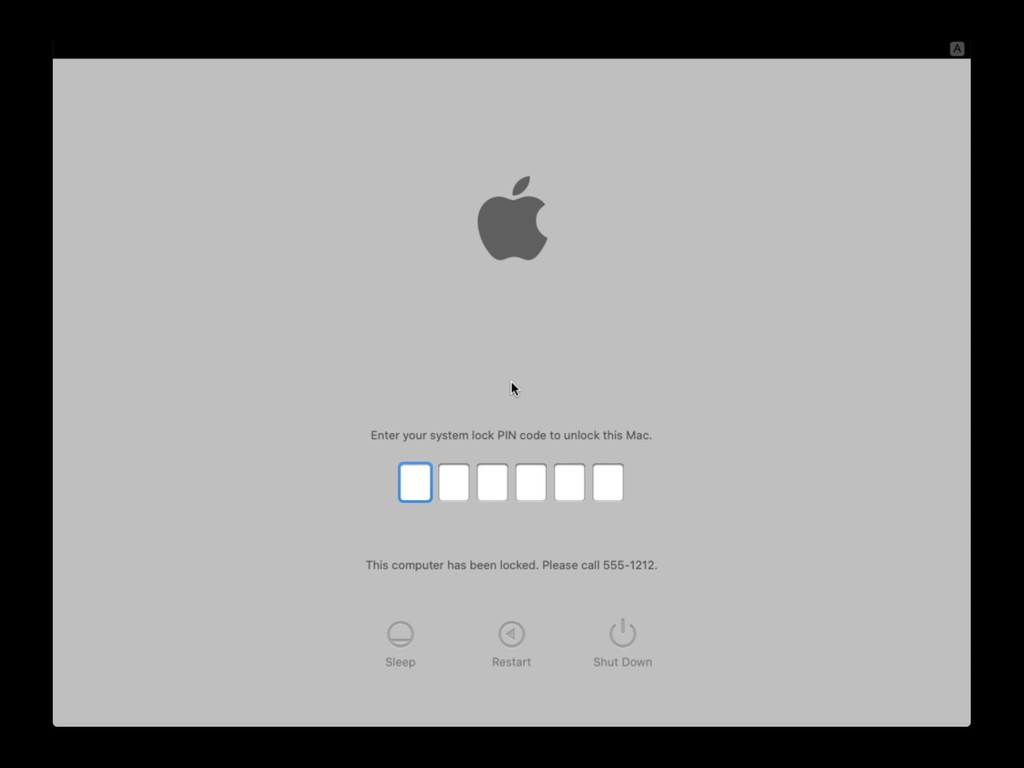
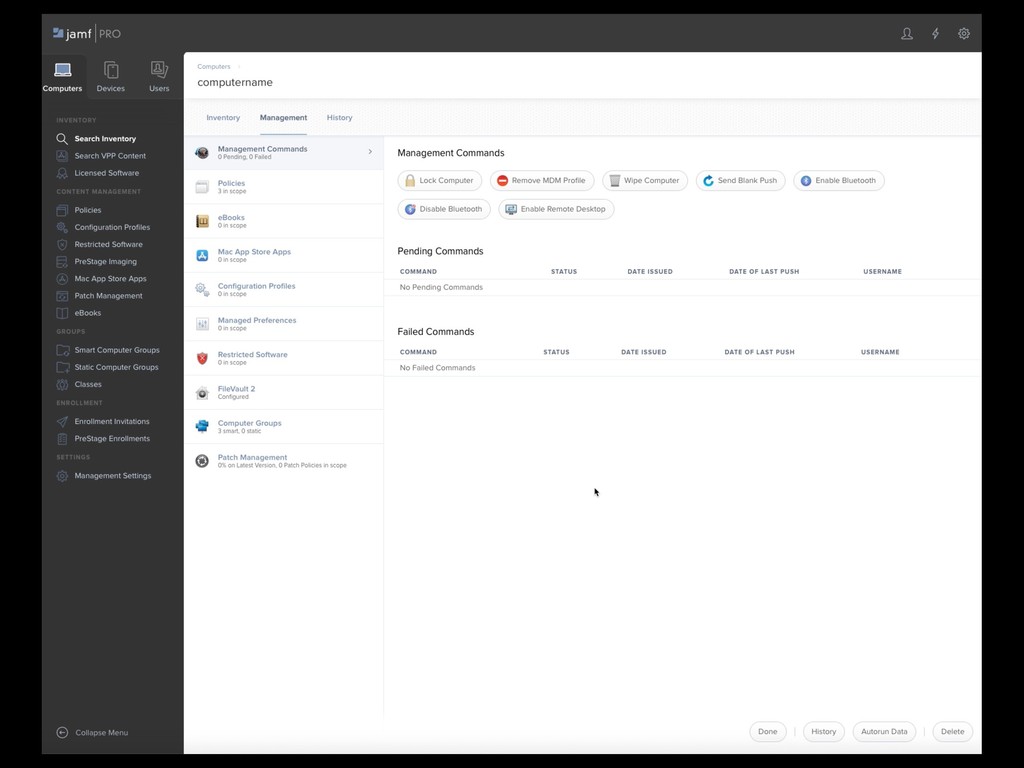
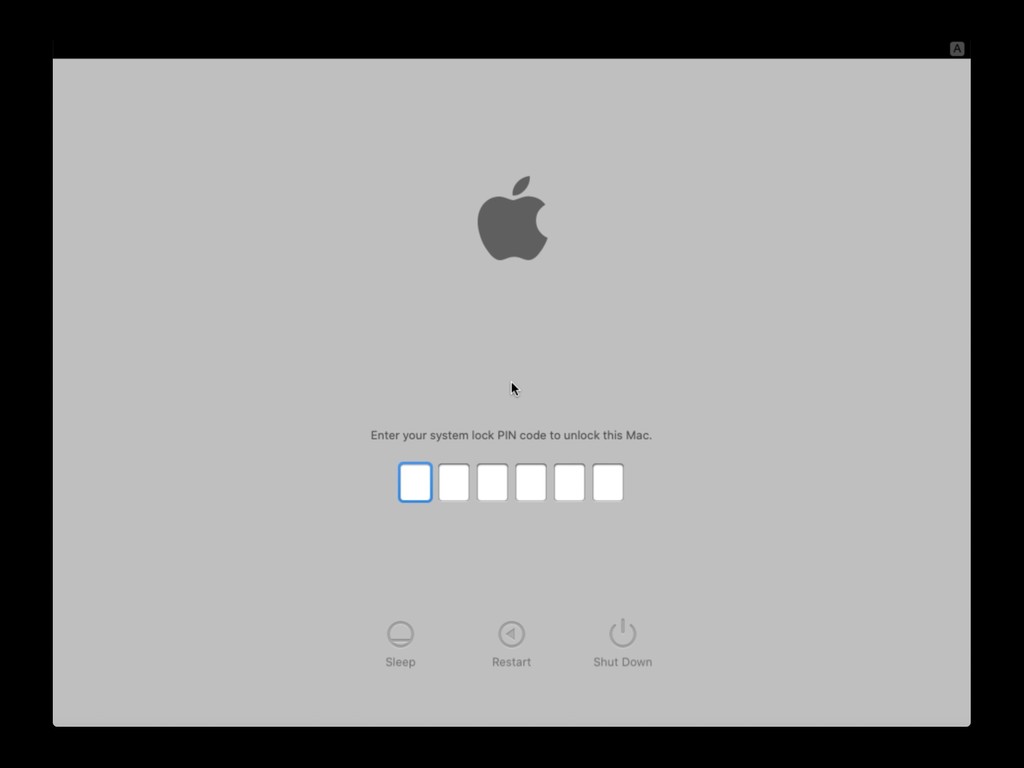
usable on iOS 4.x and later. • For macOS, usable on 10.7.x and later. • For tvOS, usable on tvOS 10.x and later. • Not all MDM commands are backwards-compatible
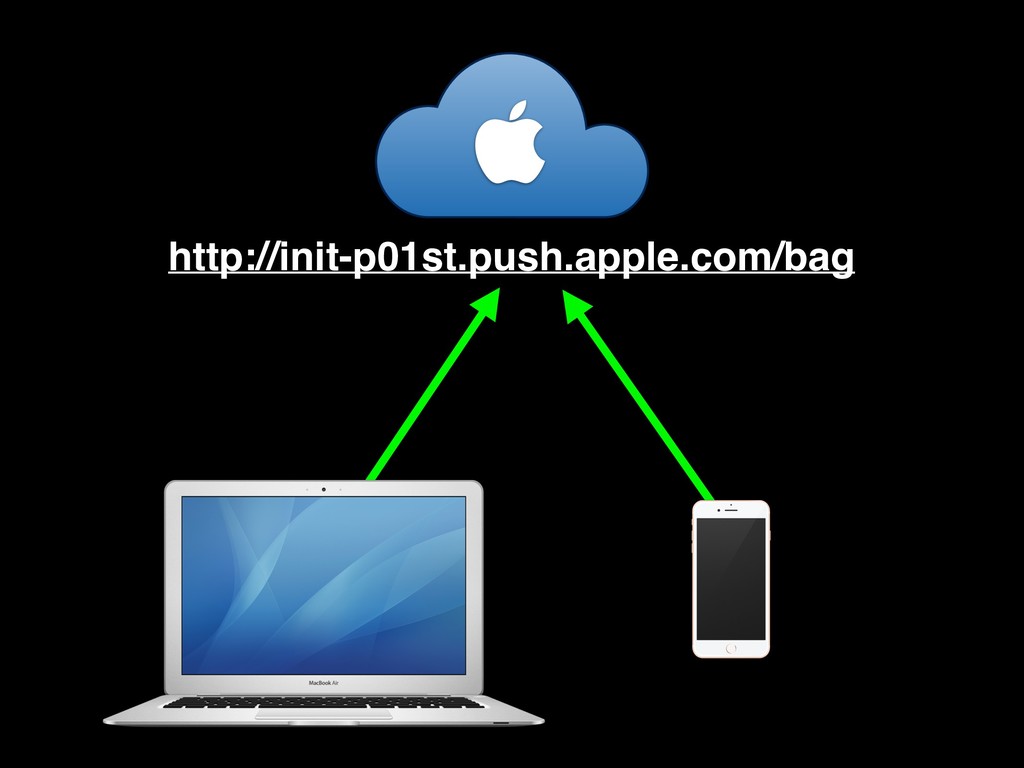
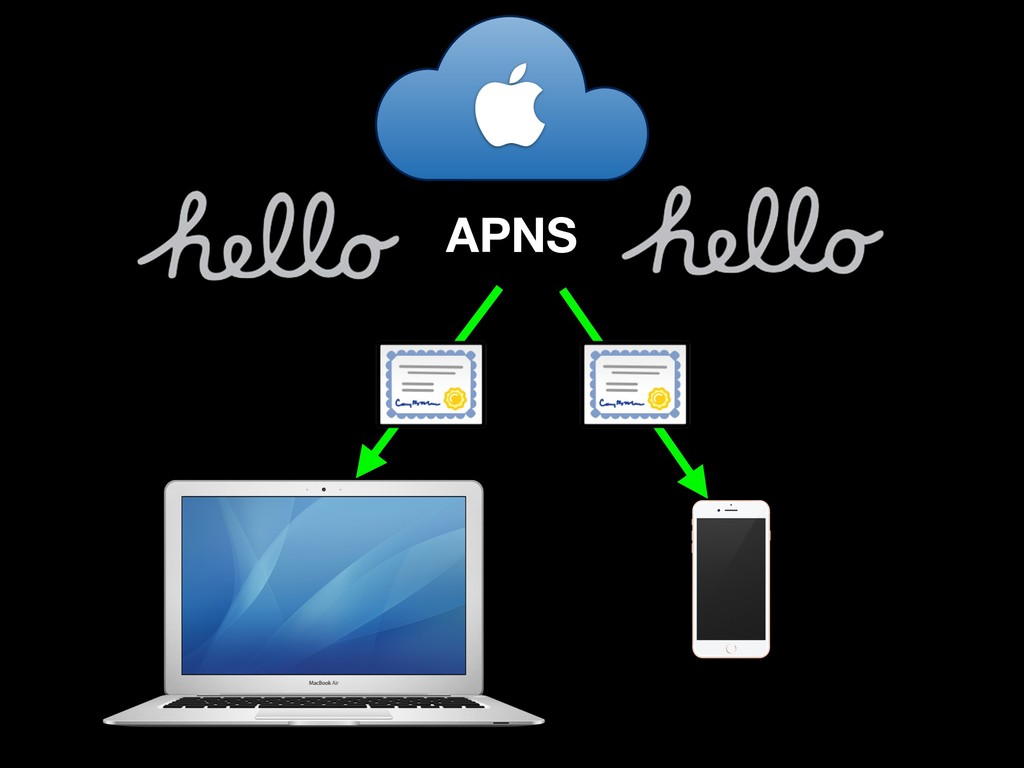
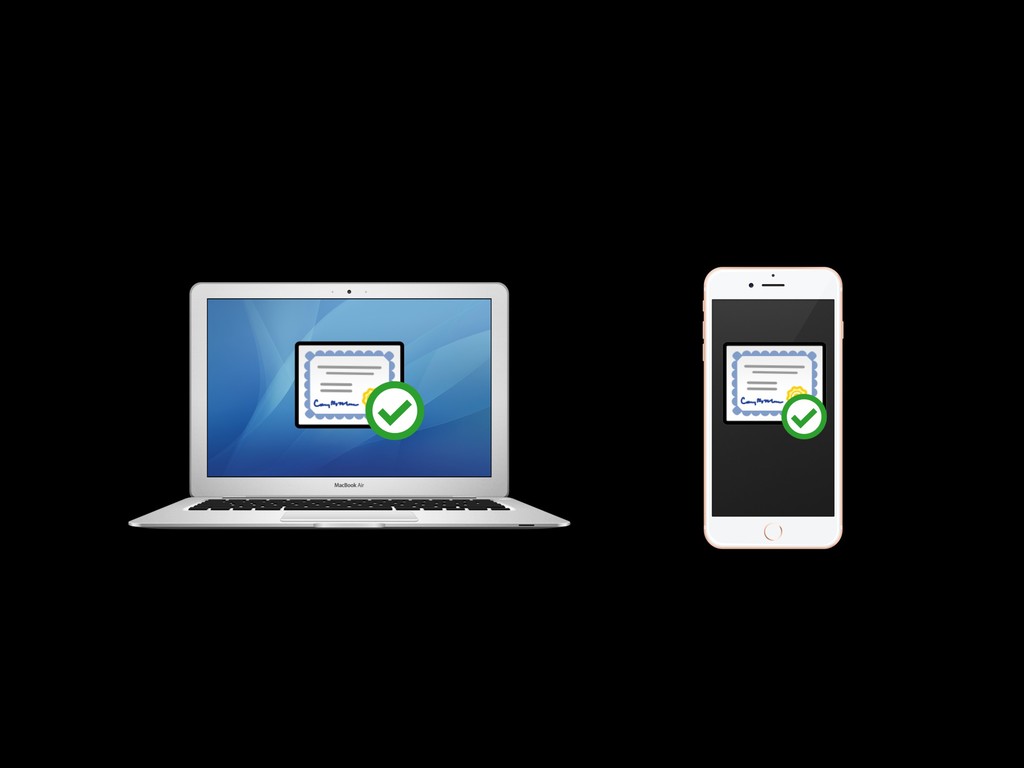
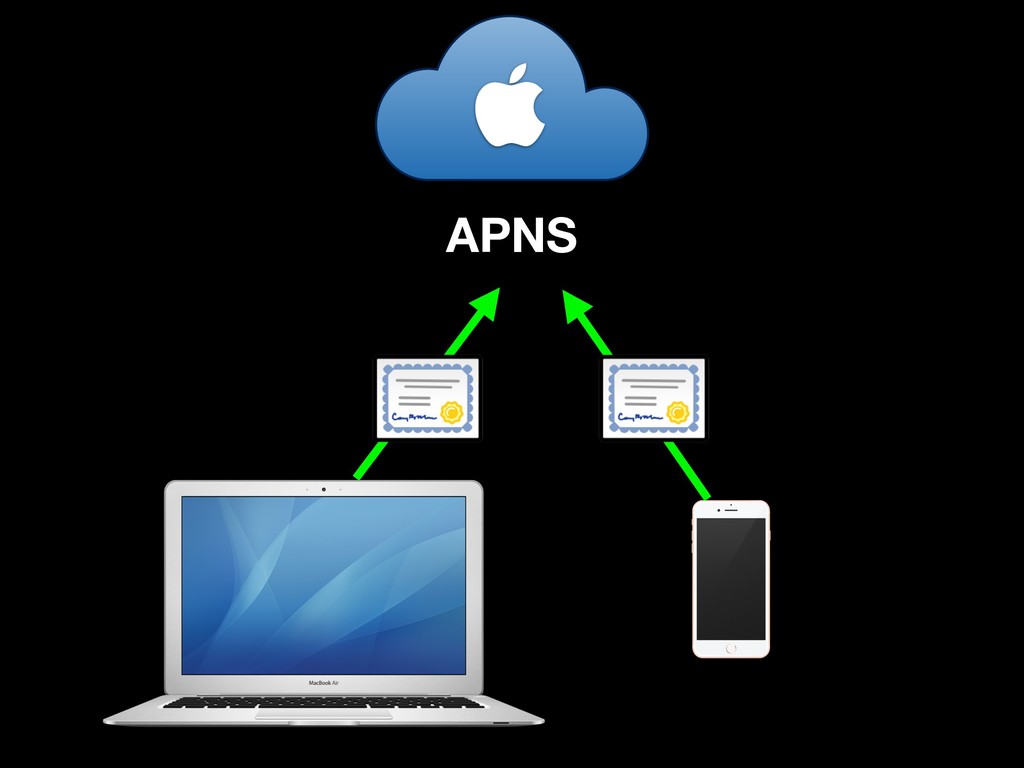
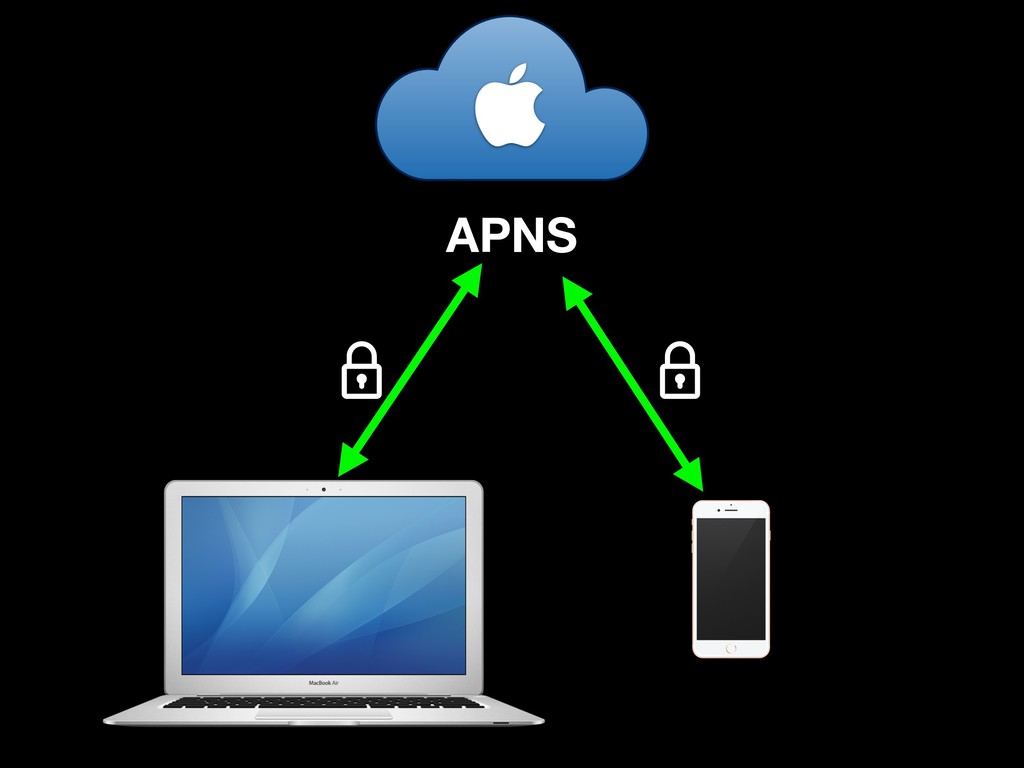
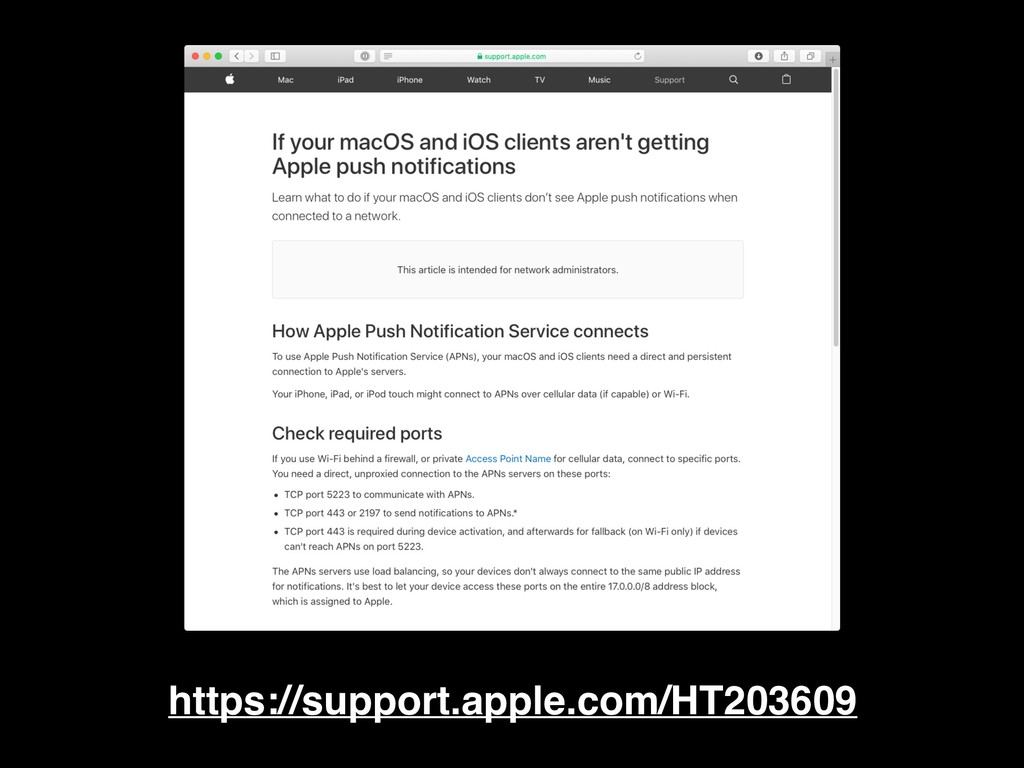
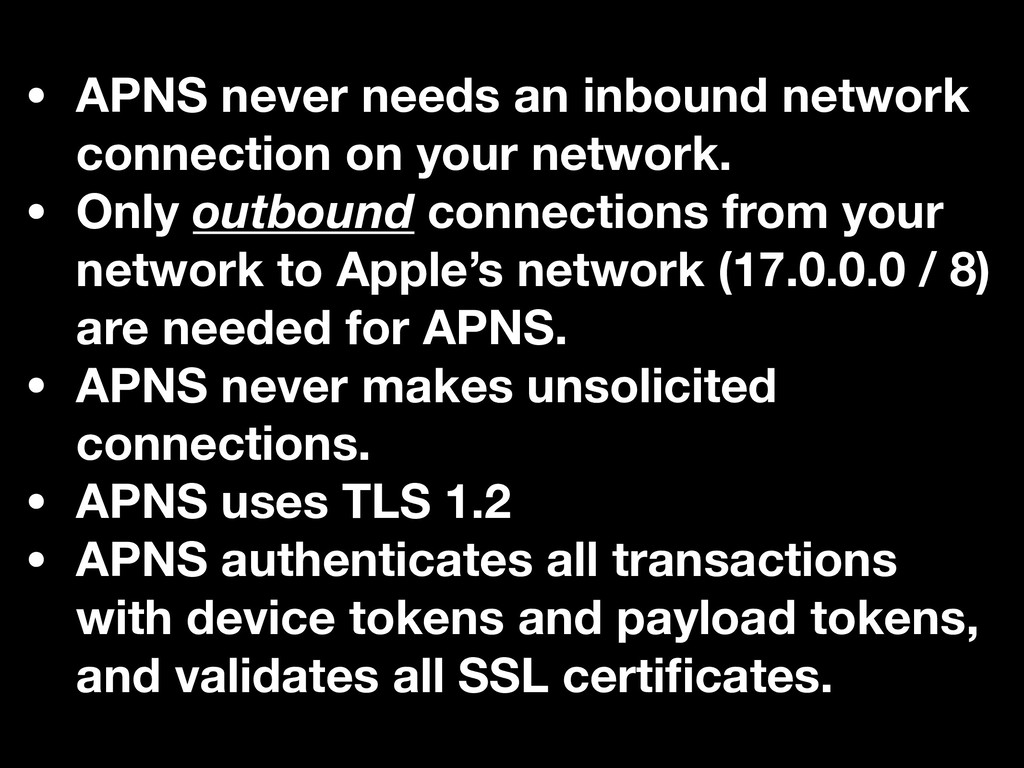
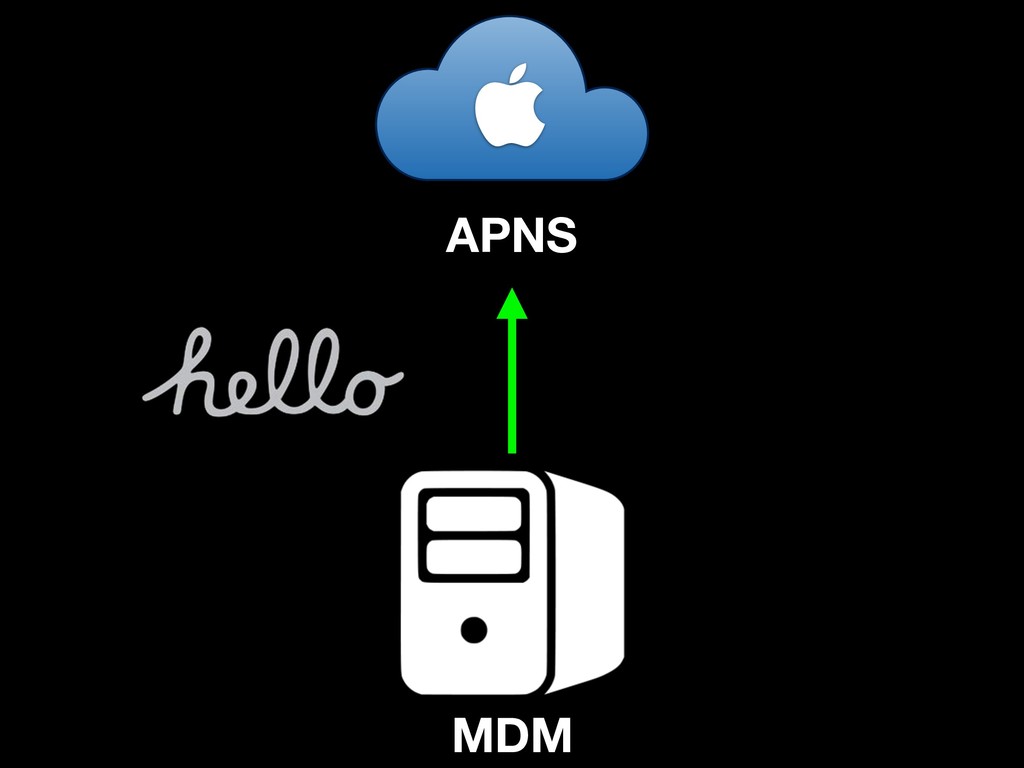
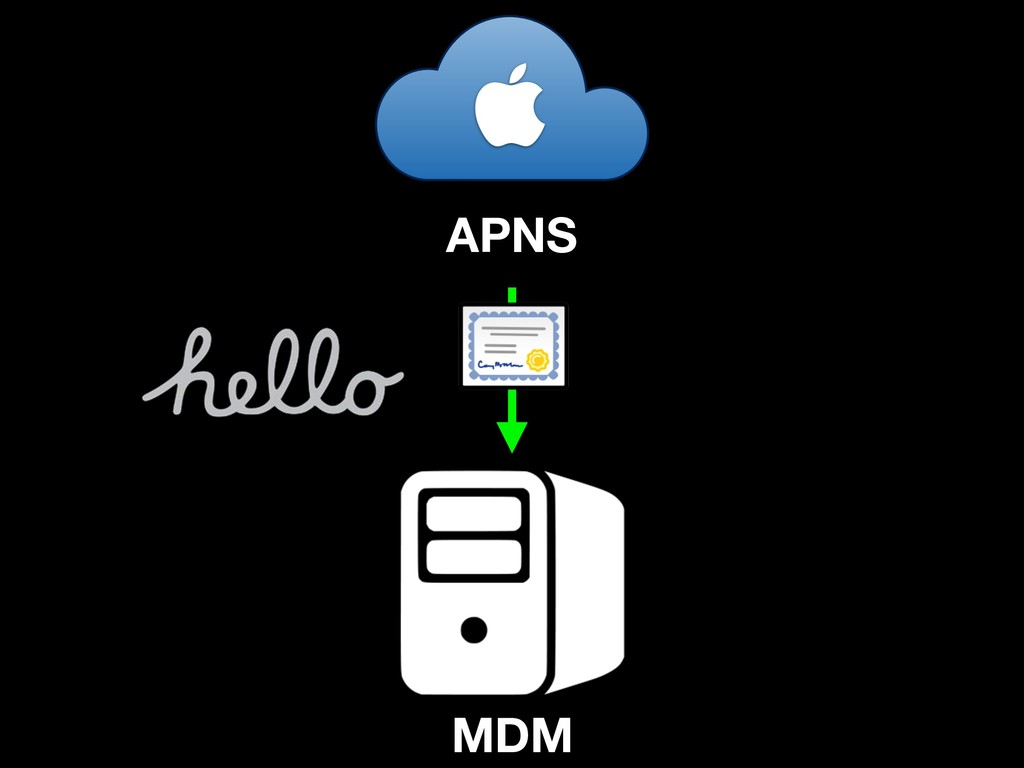
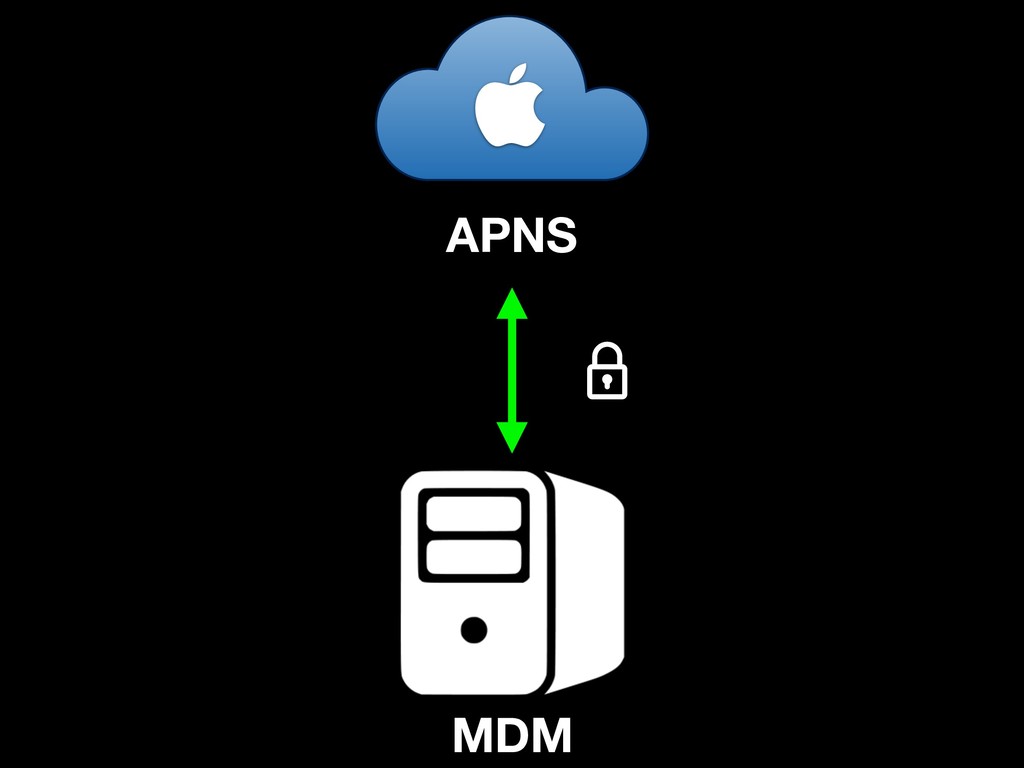
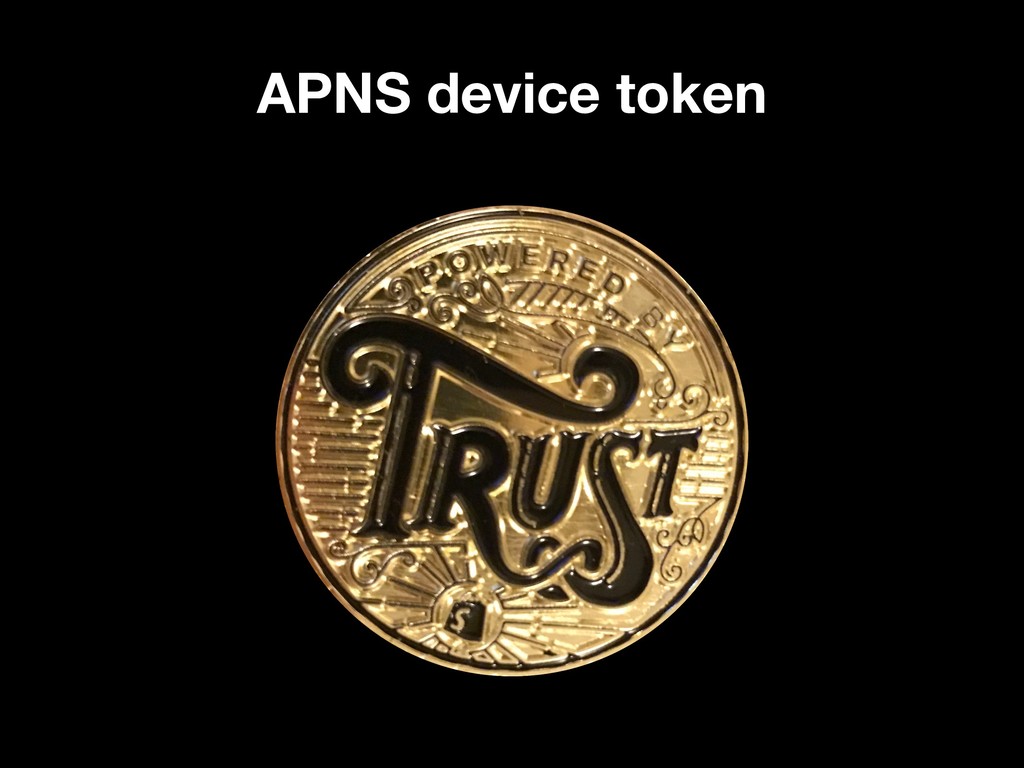
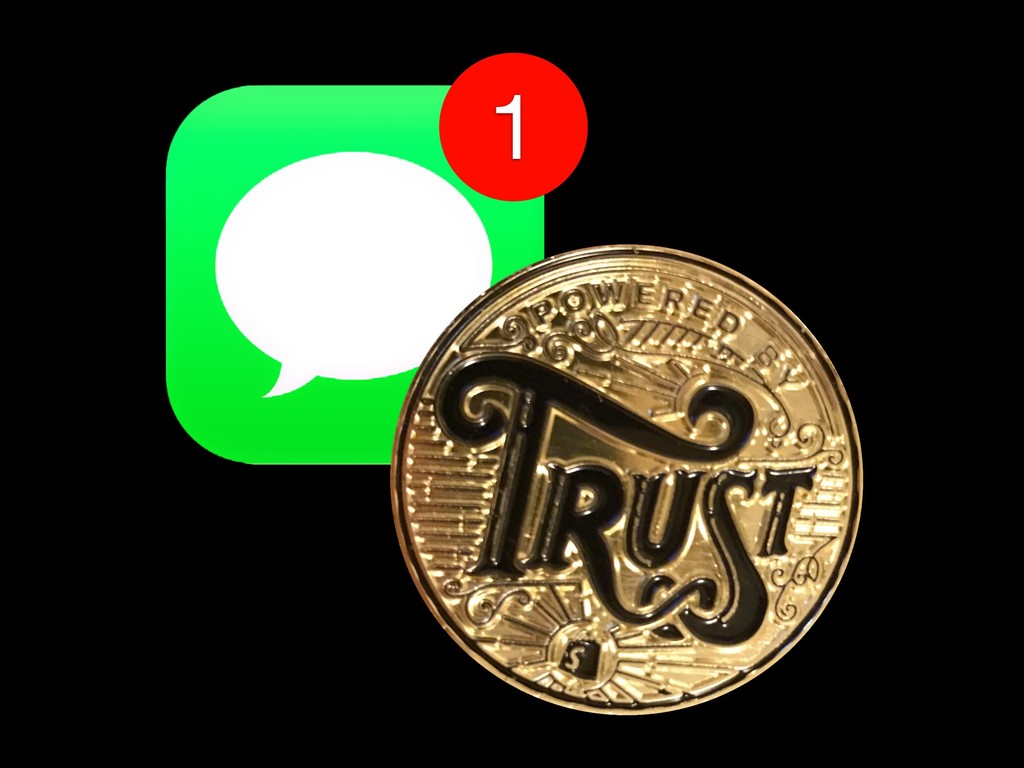
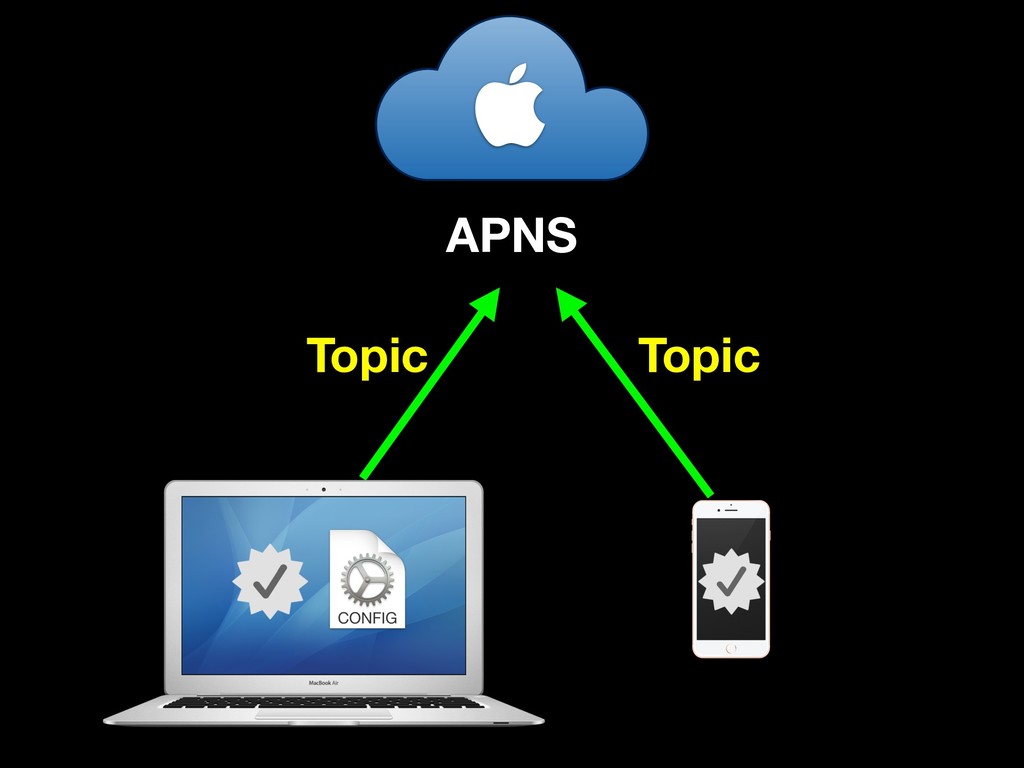
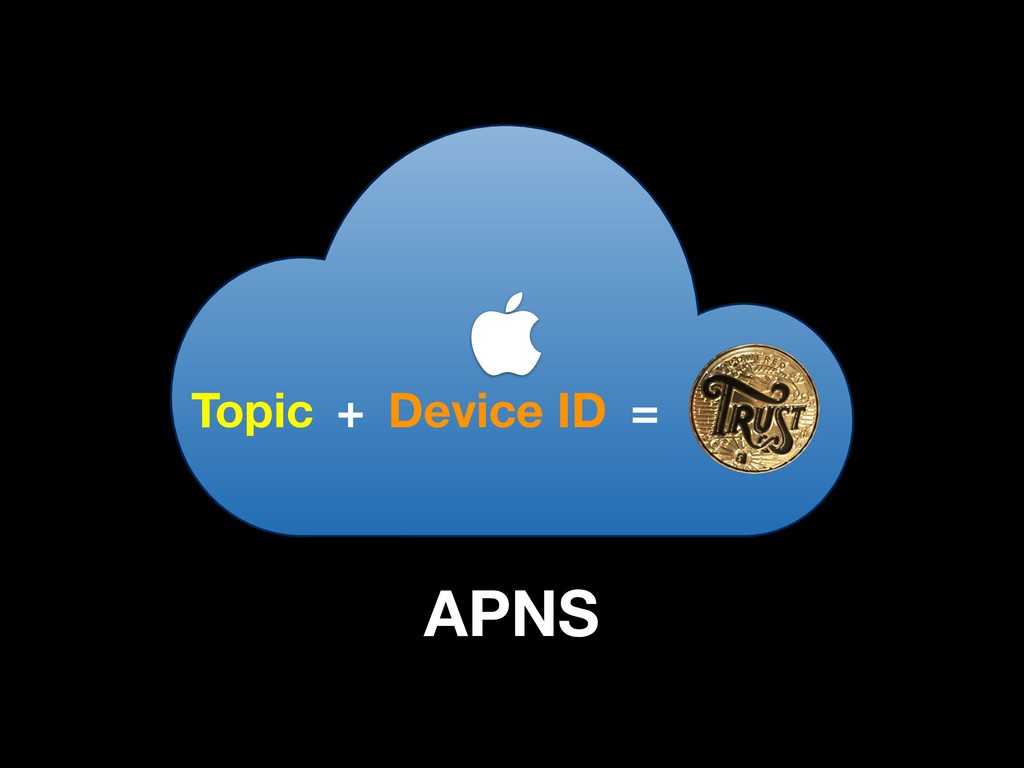
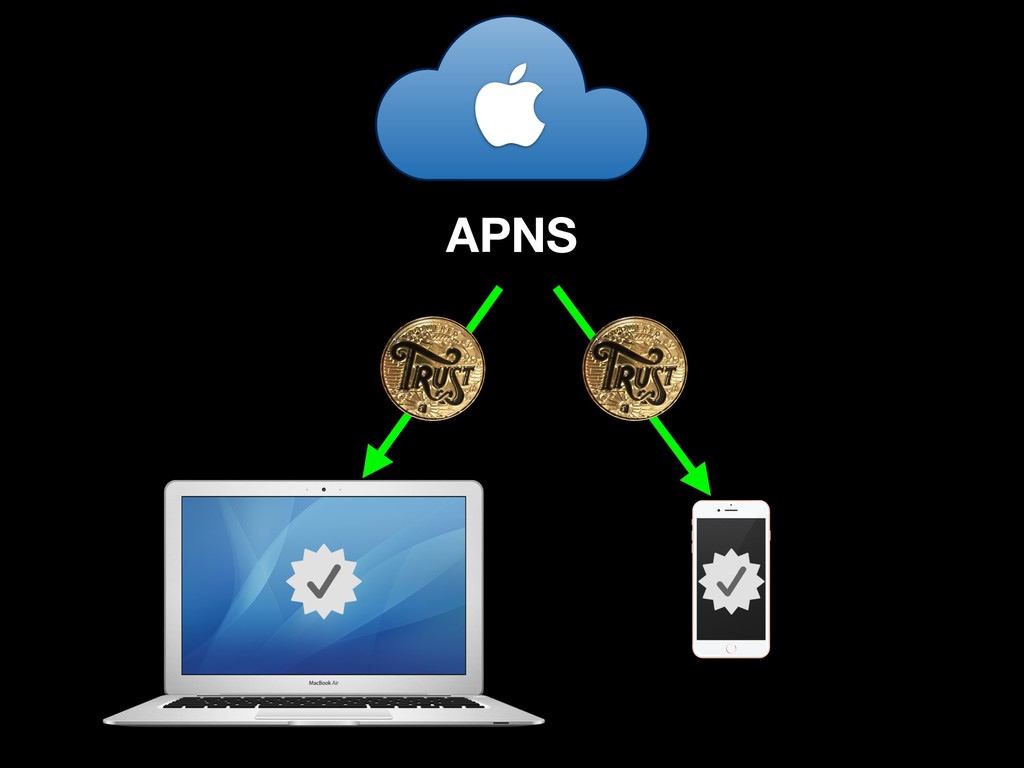
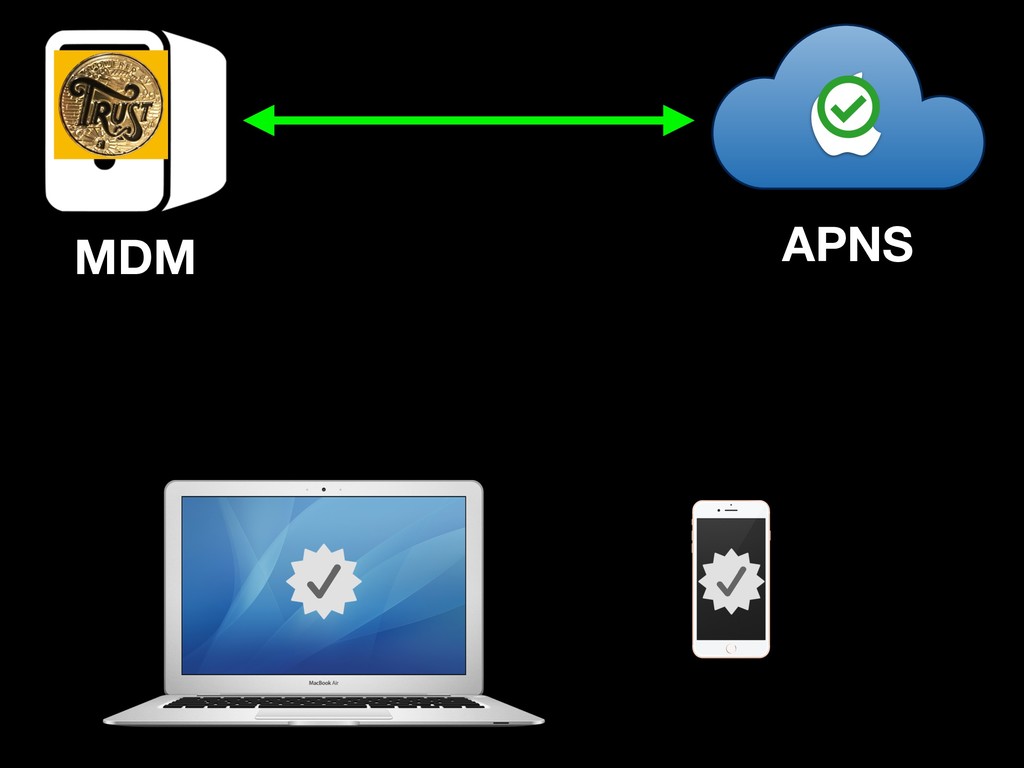
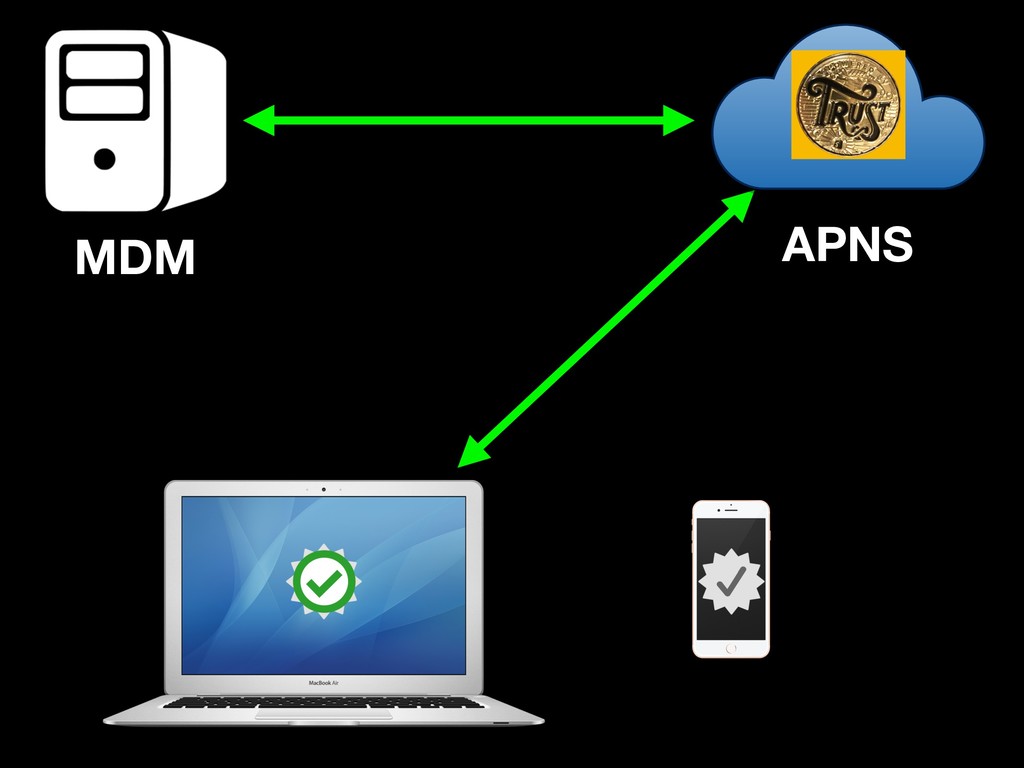
network. • Only outbound connections from your network to Apple’s network (17.0.0.0 / 8) are needed for APNS. • APNS never makes unsolicited connections. • APNS uses TLS 1.2 • APNS authenticates all transactions with device tokens and payload tokens, and validates all SSL certificates.
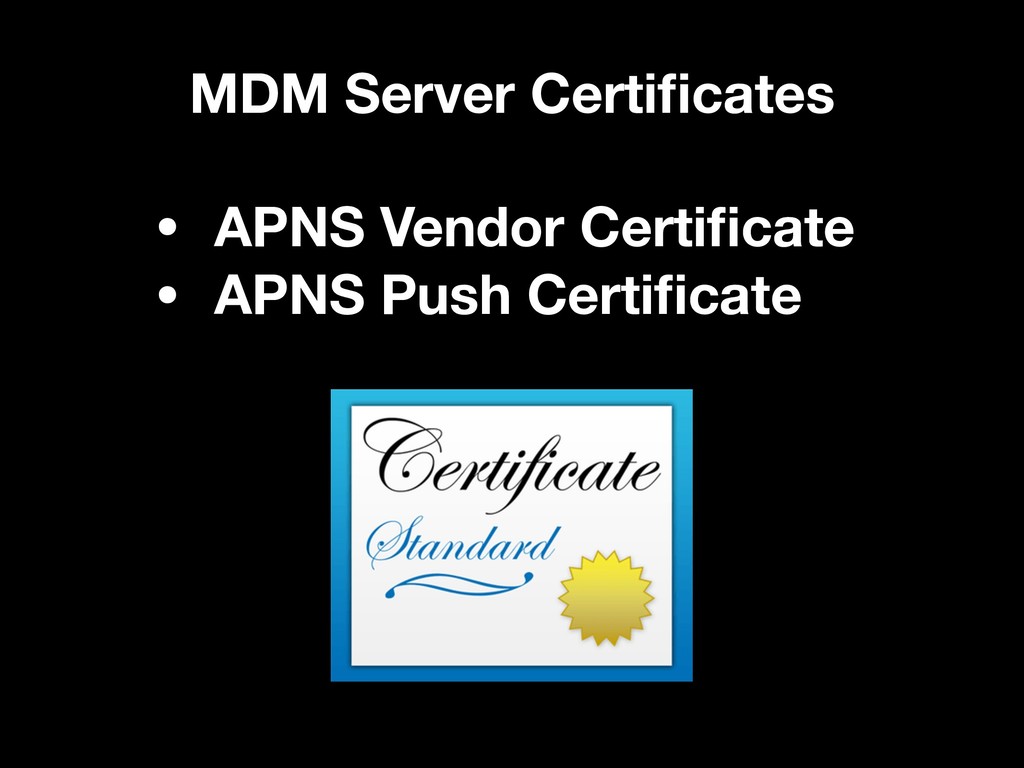
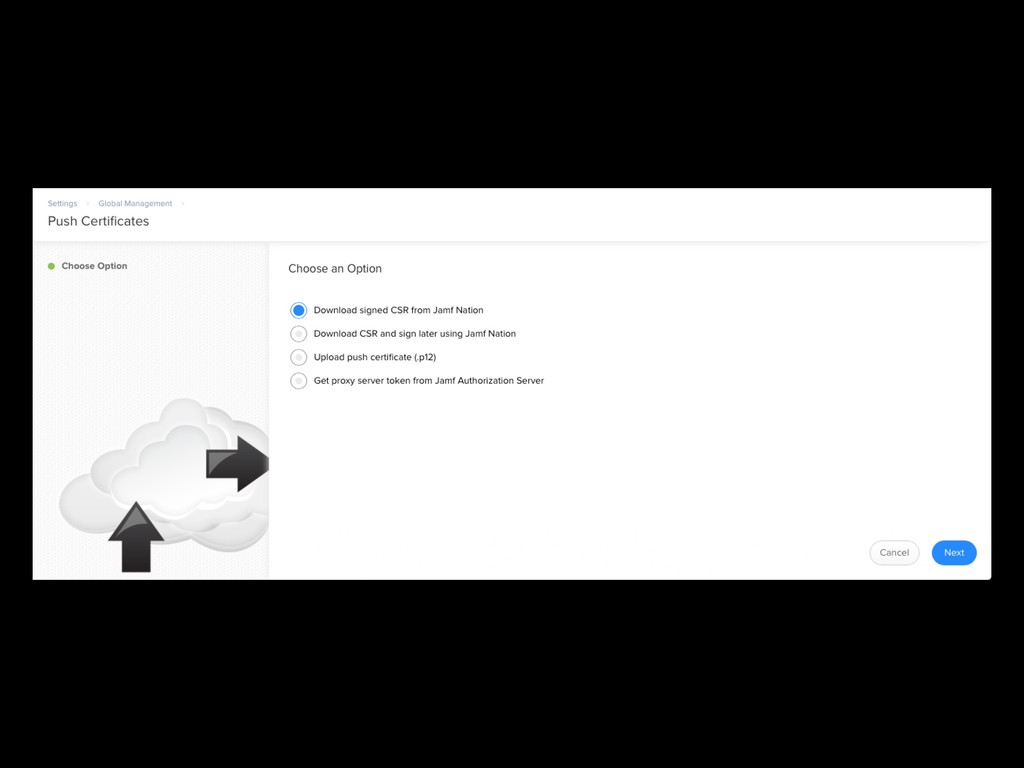
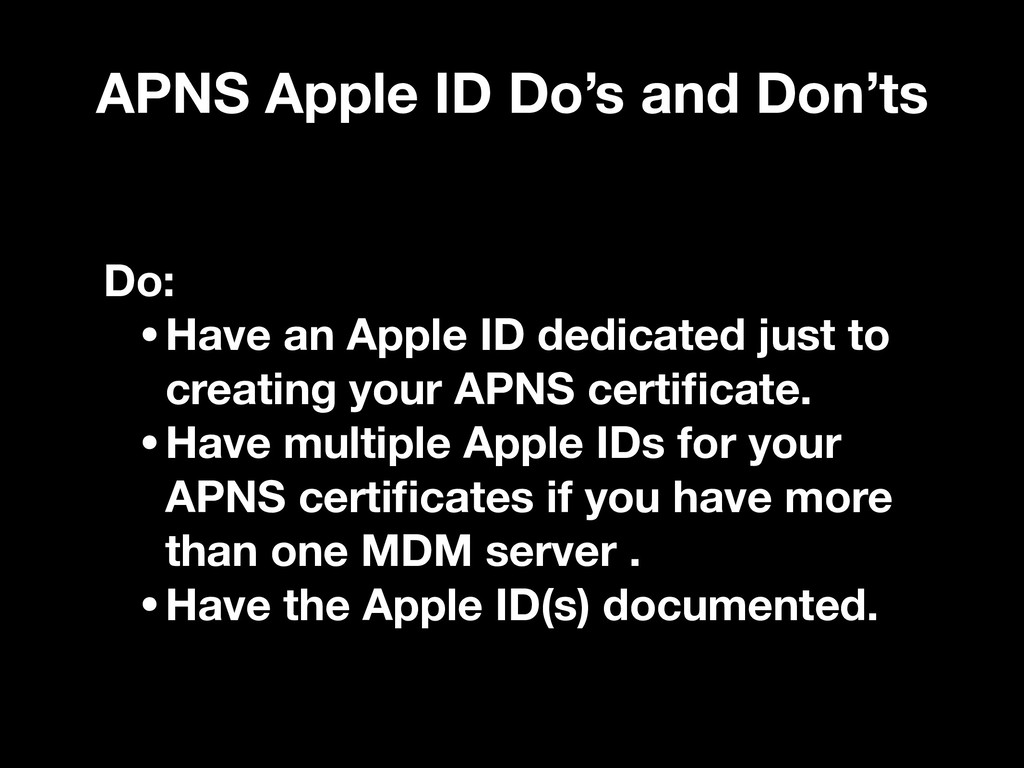
ID dedicated just to creating your APNS certificate. •Have multiple Apple IDs for your APNS certificates if you have more than one MDM server . •Have the Apple ID(s) documented.
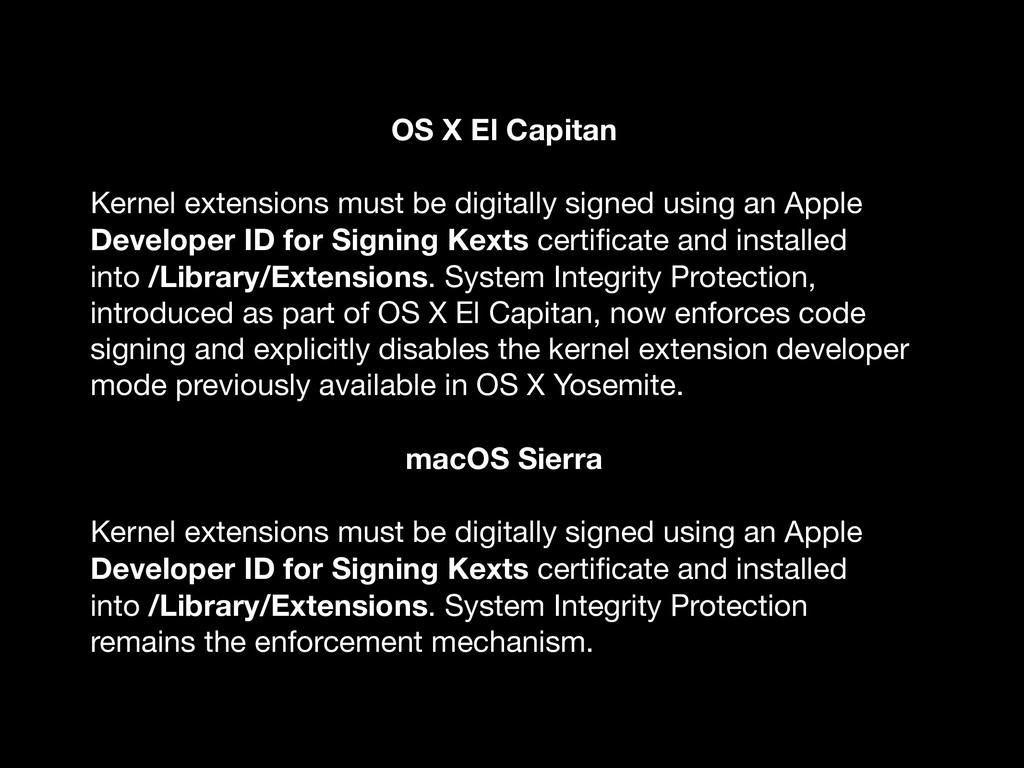
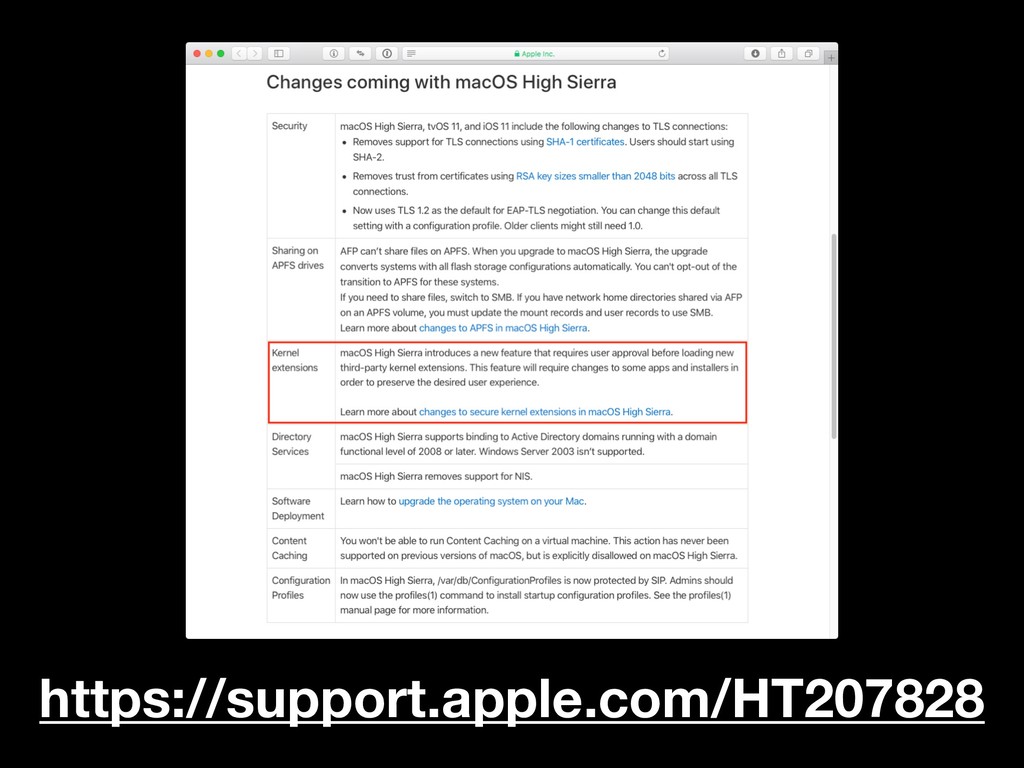
an Apple Developer ID for Signing Kexts certificate, but this code signing requirement is not enforced strictly. Unsigned kernel extensions can still be installed into /System/Library/ Extensions, which is where kernel extensions have been installed up until OS X Mavericks. However, signed kernel extensions must be installed into /Library/Extensions. OS X Yosemite Kernel extensions must be digitally signed using an Apple Developer ID for Signing Kexts certificate and installed into /Library/Extensions. However, it is still possible on OS X Yosemite to enable a kernel extension developer mode which disables the code signing requirement.
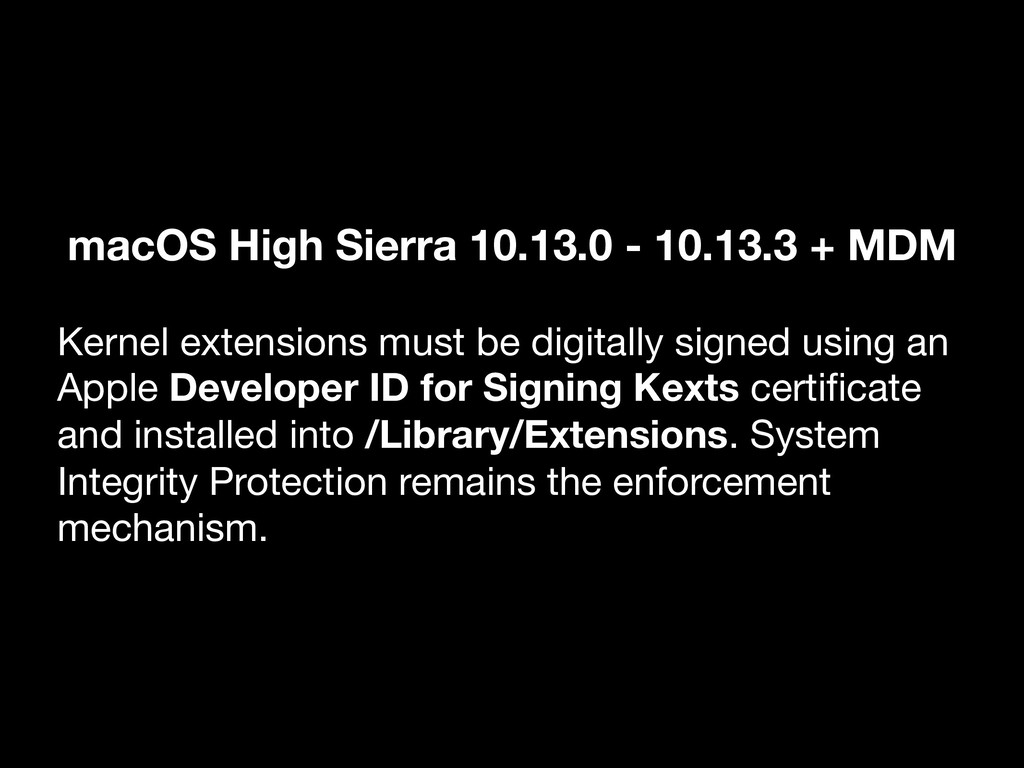
using an Apple Developer ID for Signing Kexts certificate and installed into /Library/Extensions. System Integrity Protection, introduced as part of OS X El Capitan, now enforces code signing and explicitly disables the kernel extension developer mode previously available in OS X Yosemite. macOS Sierra Kernel extensions must be digitally signed using an Apple Developer ID for Signing Kexts certificate and installed into /Library/Extensions. System Integrity Protection remains the enforcement mechanism.
must be digitally signed using an Apple Developer ID for Signing Kexts certificate and installed into /Library/Extensions. System Integrity Protection remains the enforcement mechanism.
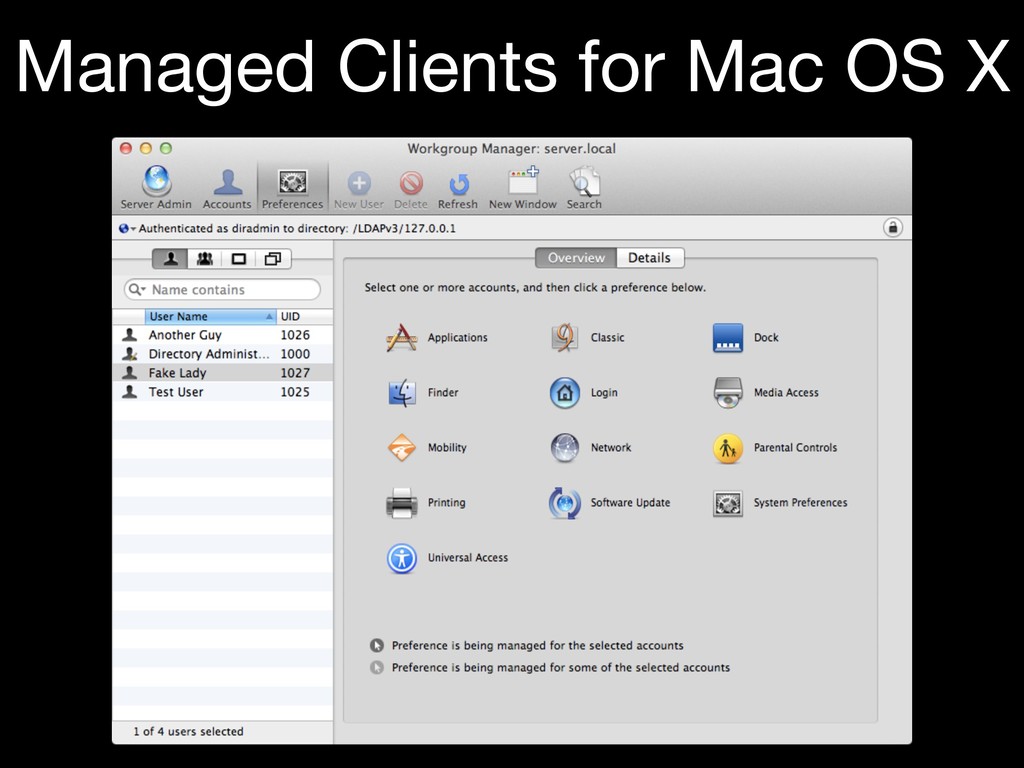
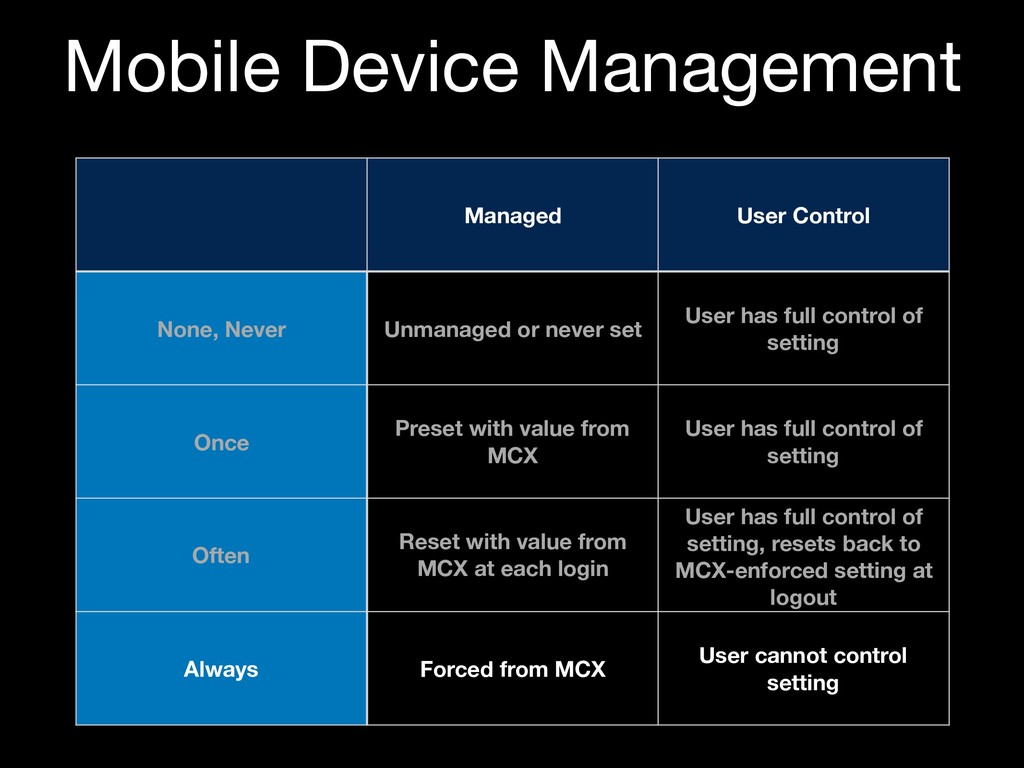
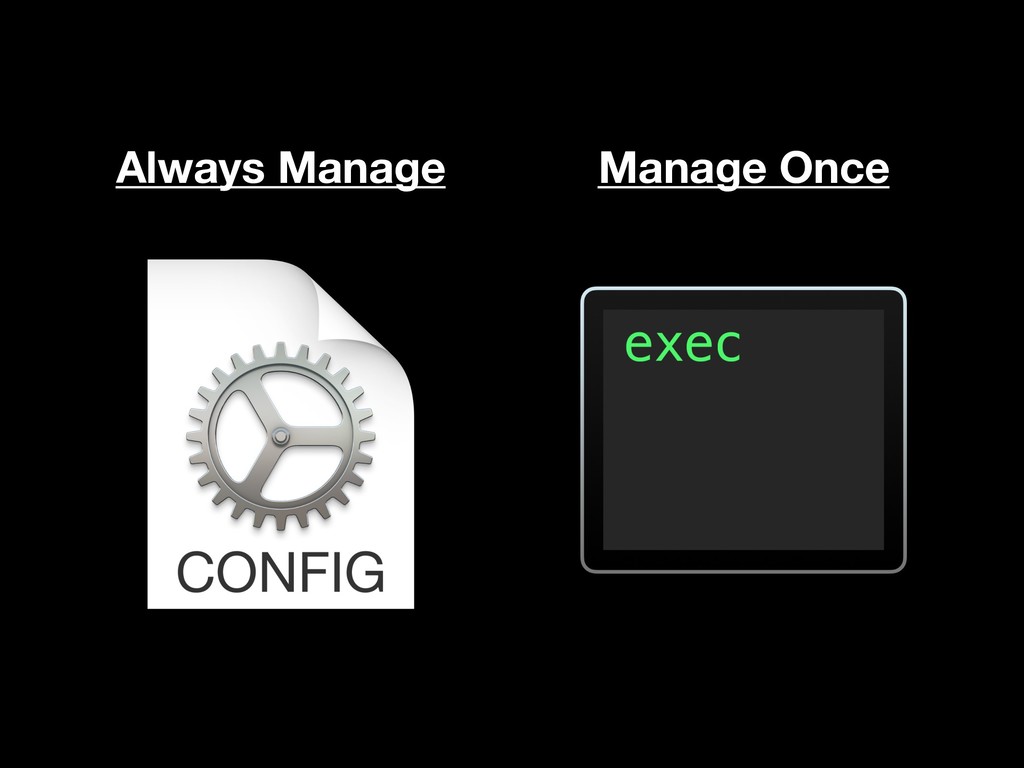
Never Unmanaged or never set User has full control of setting Once Preset with value from MCX User has full control of setting Often Reset with value from MCX at each login User has full control of setting, resets back to MCX-enforced setting at logout Always Forced from MCX User cannot control setting
never set User has full control of setting Once Preset with value from MCX User has full control of setting Often Reset with value from MCX at each login User has full control of setting, resets back to MCX-enforced setting at logout Always Forced from MCX User cannot control setting
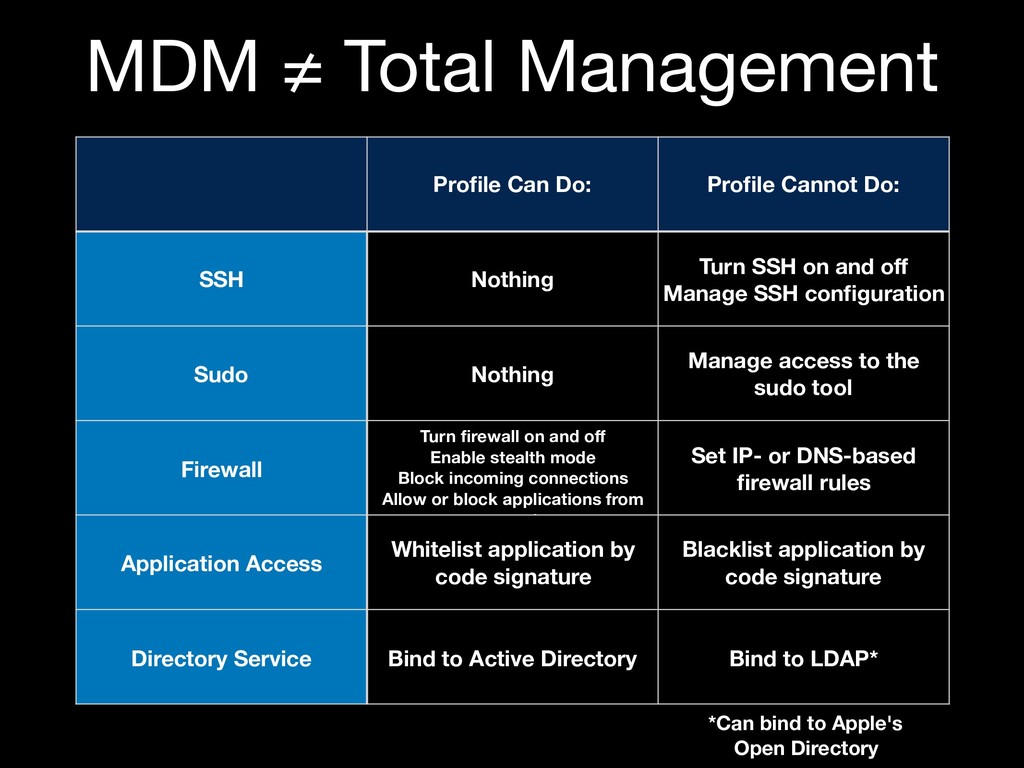
SSH Nothing Turn SSH on and off Manage SSH configuration Sudo Nothing Manage access to the sudo tool Firewall Turn firewall on and off Enable stealth mode Block incoming connections Allow or block applications from connecting Set IP- or DNS-based firewall rules Application Access Whitelist application by code signature Blacklist application by code signature Directory Service Bind to Active Directory Bind to LDAP* *Can bind to Apple's Open Directory
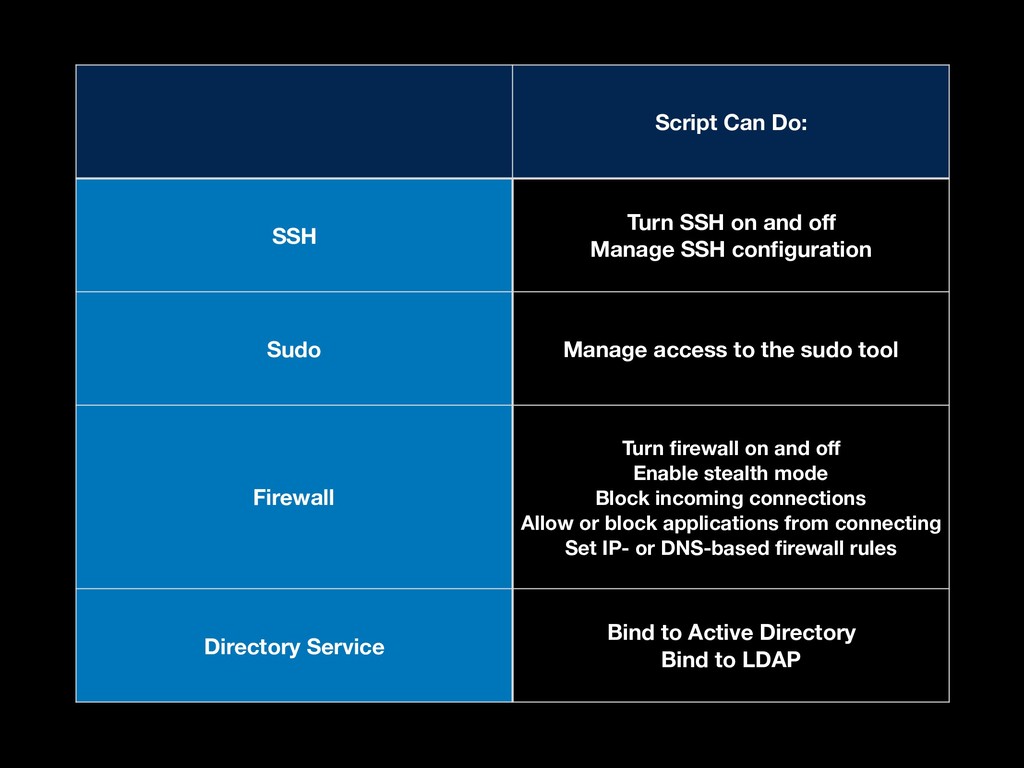
SSH configuration Sudo Manage access to the sudo tool Firewall Turn firewall on and off Enable stealth mode Block incoming connections Allow or block applications from connecting Set IP- or DNS-based firewall rules Directory Service Bind to Active Directory Bind to LDAP
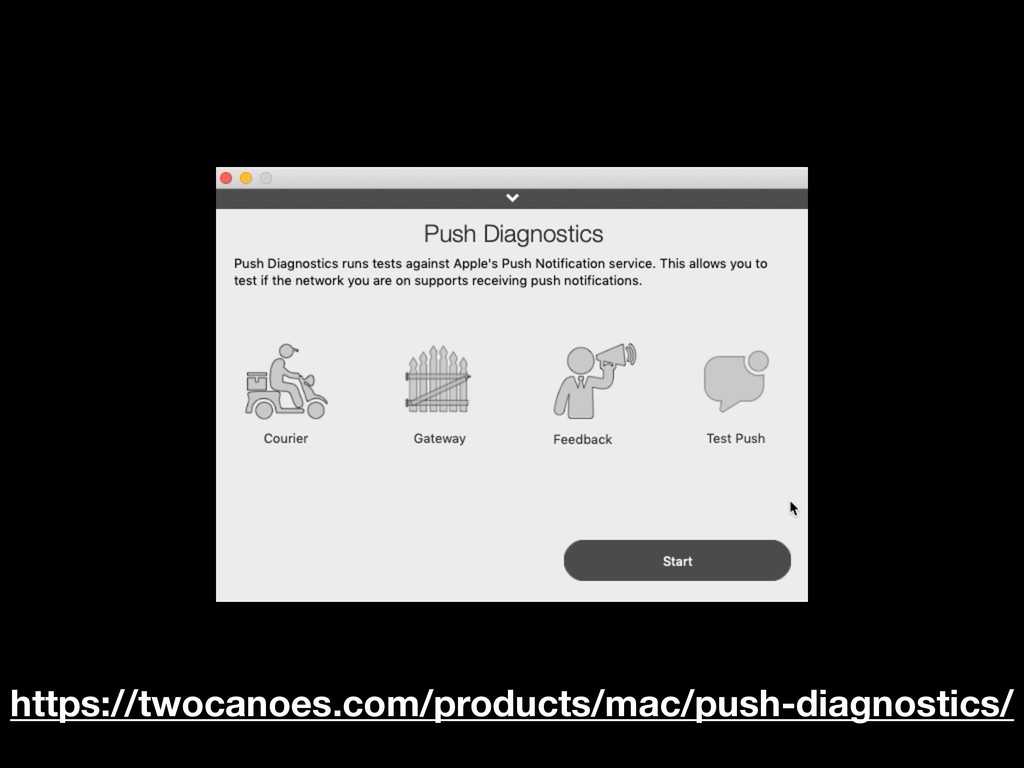
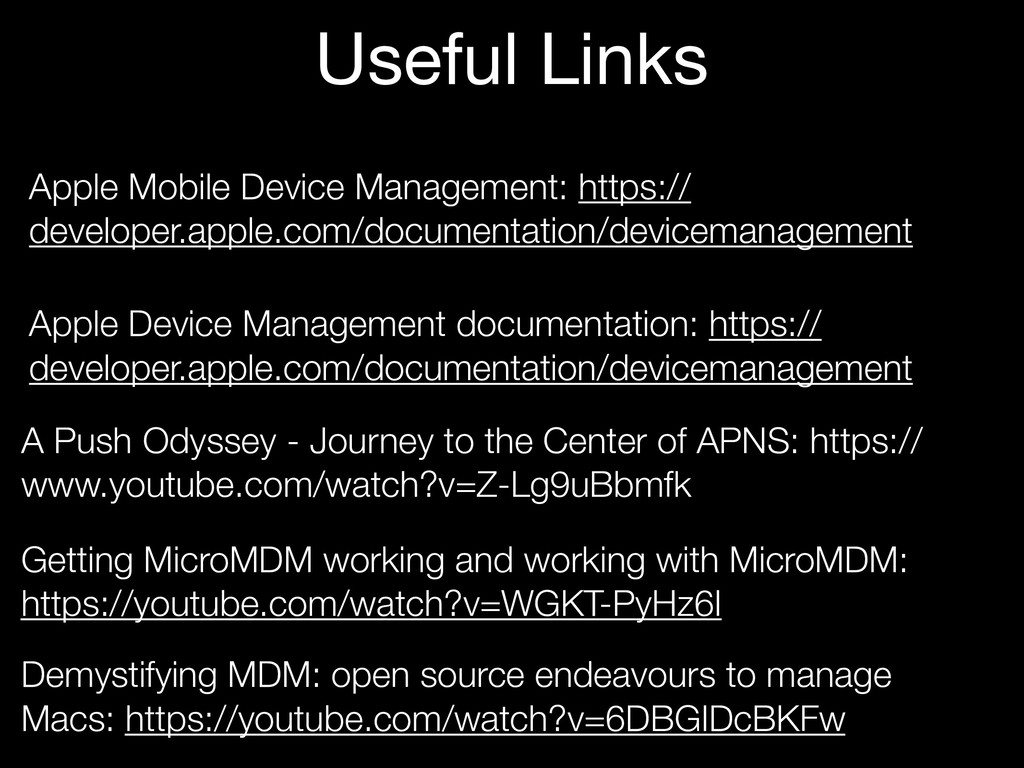
https:// developer.apple.com/documentation/devicemanagement A Push Odyssey - Journey to the Center of APNS: https:// www.youtube.com/watch?v=Z-Lg9uBbmfk Getting MicroMDM working and working with MicroMDM: https://youtube.com/watch?v=WGKT-PyHz6I Useful Links Demystifying MDM: open source endeavours to manage Macs: https://youtube.com/watch?v=6DBGIDcBKFw
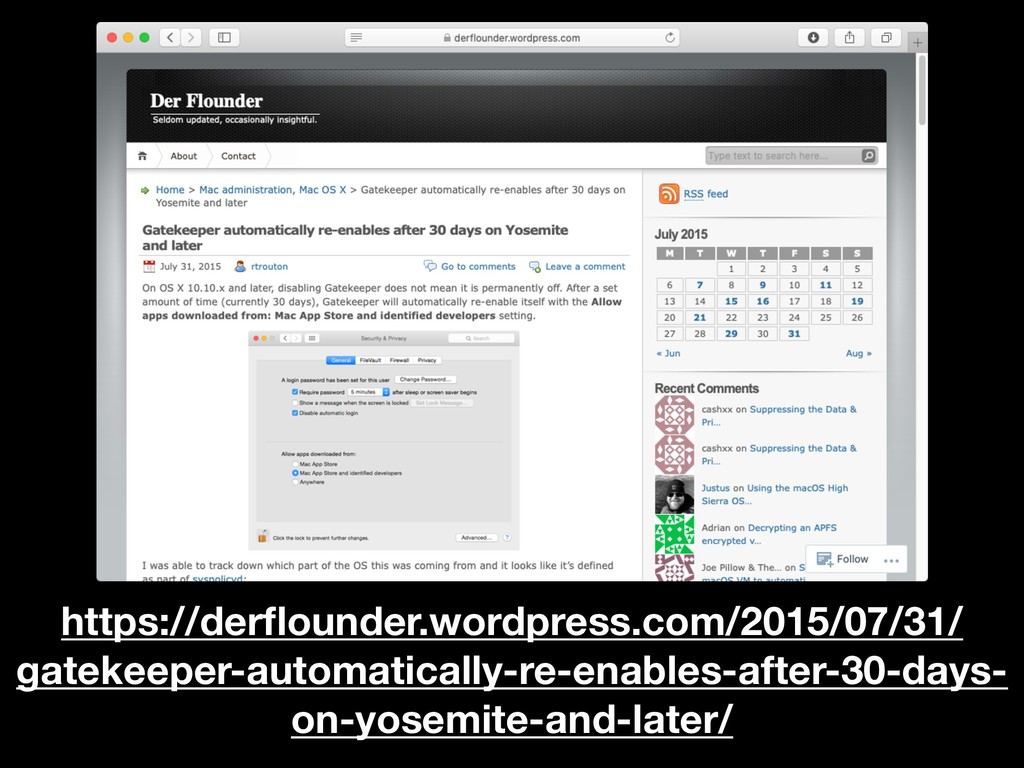
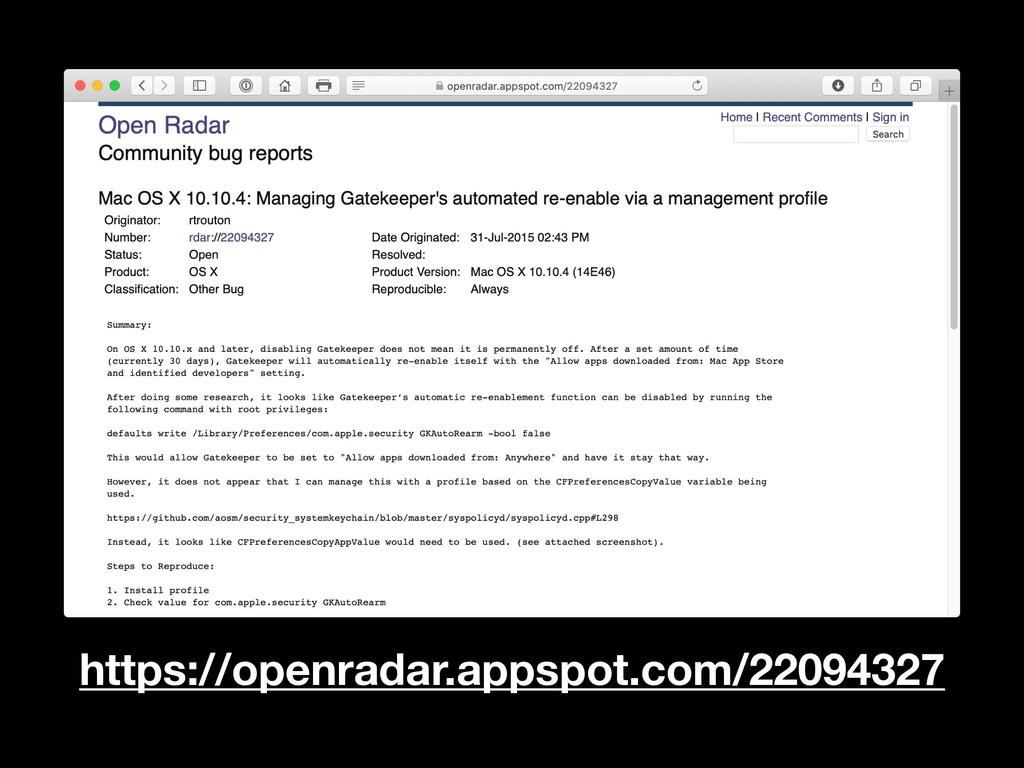
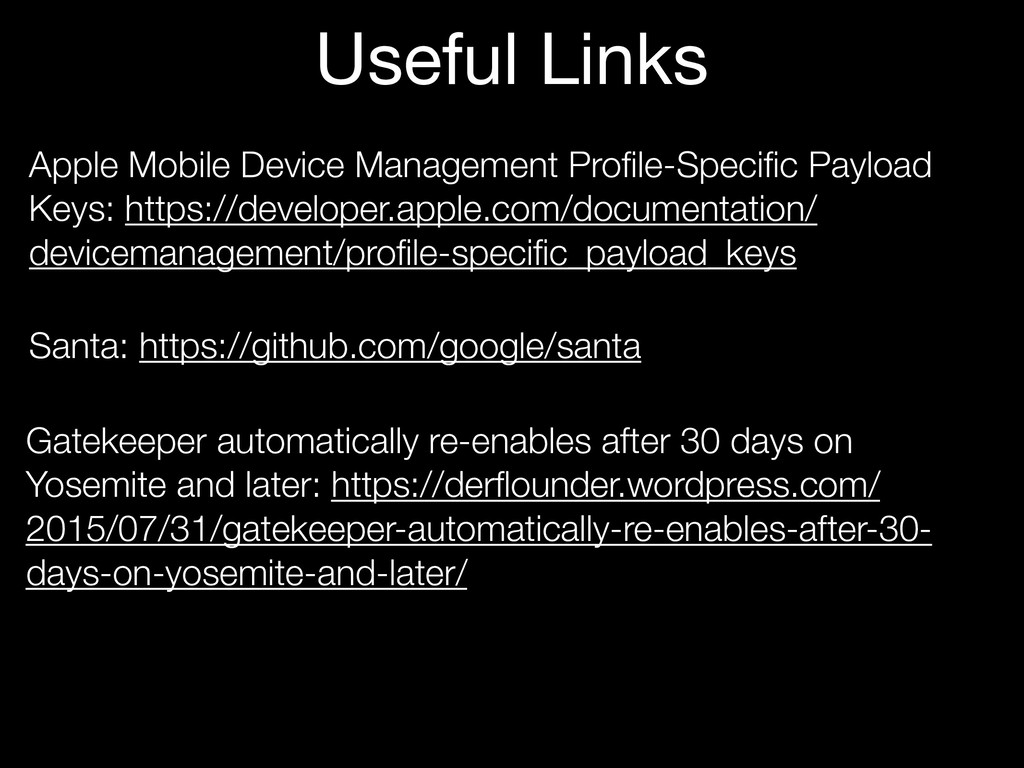
https://github.com/google/santa Gatekeeper automatically re-enables after 30 days on Yosemite and later: https://derflounder.wordpress.com/ 2015/07/31/gatekeeper-automatically-re-enables-after-30- days-on-yosemite-and-later/ Useful Links


 jamf
jamf
 techseoconnect
 caitiem20
 davetheseo
 dougneiner
 aleyda
 leimatthew05
 reverentgeek
 ianozsvald
 tanoku
 jacobian
 honzajavorek