Un examen del arte corporal azteca con fines decorativos, religiosos y militares, incluido el papel de los tatuajes, la pintura corporal y el maquillaje utilizado por las mujeres aztecas.
El arte corporal azteca existía en una variedad de formas, desde trabajos puramente decorativos hasta aquellos de importancia militar y religiosa. Sin embargo, aunque los tatuajes y la pintura corporal eran comunes en la Mesoamérica precolombina, la civilización azteca parece haber usado el arte corporal en menor medida que muchos de sus vecinos y rivales.
Arte azteca del tatuaje
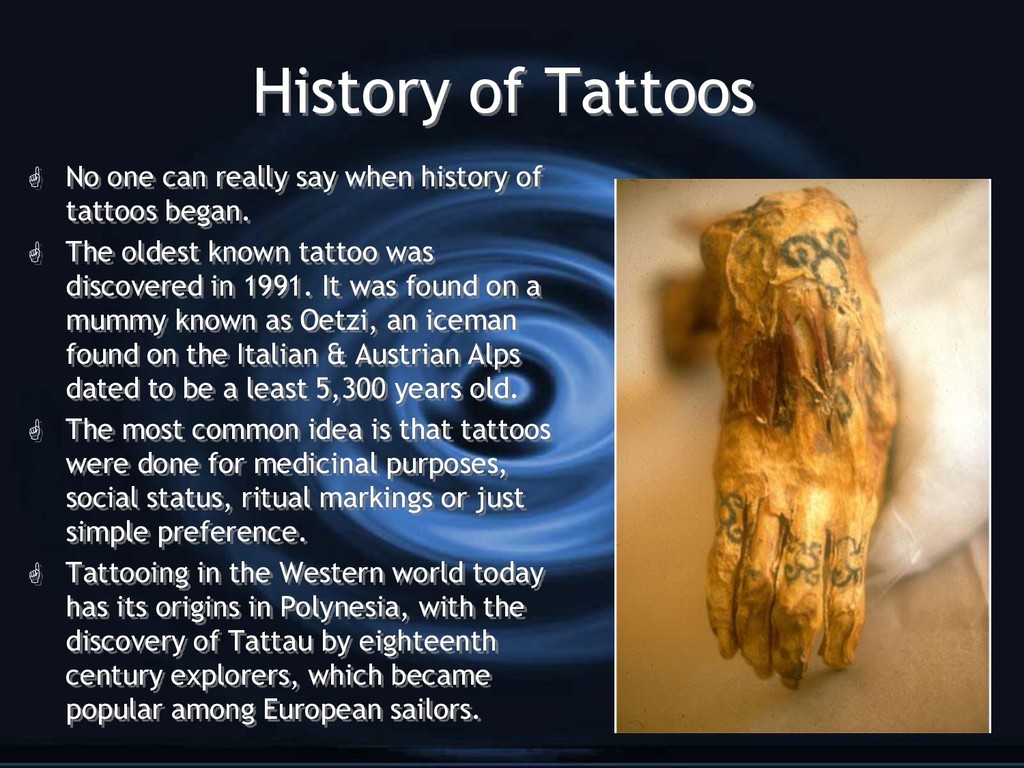
Según el historiador J. Eric Thompson, "No existe evidencia directa de tatuajes entre los aztecas, aunque existen vagas referencias a la costumbre". Existe evidencia más concreta de tatuajes entre los mayas, un ejemplo notable es el de Gonzalo Guerrero, un Español que naufragó en territorio maya antes de la conquista española.
Cuando Hernán Cortés se puso en contacto con él y lo instó a regresar al redil español, Guerrero se negó. Bernal Díaz, conquistador y cronista, escribió que el rechazo de Guerrero se debió a su nueva familia y su aspecto claramente nativo: “mi cara está tatuada y mis orejas perforadas. ¿Qué dirían los españoles si me vieran así?
El tatuaje también era común entre las tribus huaxtecas y otomíes, vecinas de los aztecas. Los guerreros huaxtecas y otomíes a menudo estaban elaboradamente decorados con tatuajes permanentes y las mujeres otomíes se hacían tatuajes en los brazos y los senos (algo que las mujeres aztecas no hacían). En comparación con las civilizaciones mesoamericanas contemporáneas, por lo tanto, los aztecas parecen haberse abstenido de, o incluso despreciado, los tatuajes permanentes.
Pintura de guerra azteca
No hay evidencia suficiente para sugerir que el tatuaje permanente fue una parte importante de la vida cotidiana azteca o ceremonia ritual. La pintura corporal parece haber sido más común, particularmente entre el sacerdocio y las clases de guerreros aztecas, pero incluso esto está abierto a algún debate.
El uso de pintura de guerra por los guerreros aztecas es "un tema espinoso" según el historiador militar Ian Heath. Heath afirma que los códices aztecas contienen muy pocas representaciones de guerreros que lucen pintura de guerra: "Solo unos pocos guerreros ocurren con caras pintadas en fuentes pictóricas aztecas". y medio amarillo), son reconocibles al instante entre otros guerreros aztecas en los códices, en gran parte debido a sus distintas caras pintadas.
Los guerreros de las tribus fronterizas son retratados con frecuencia en los códices con pintura corporal, una vez más los separan de los aztecas. Los guerreros aztecas mostraban más comúnmente su estado por el estilo de su cabello y a través de perforaciones aztecas como tapones para los labios y los oídos. En el campo de batalla, los trajes de guerra hacían alarde de un estado de guerreros (como los trajes distintivos de Eagle y Jaguar Warrior).
Pintura Corporal Azteca Religiosa
La pintura corporal se puede ver en mayor medida entre el sacerdocio azteca. Según Manuel Aguilar-Moreno en el Manual para la vida en el mundo azteca, "los sacerdotes y los instructores de telpochcalli usaban pintura corporal negra del hollín de la madera resinosa". Los sacerdotes aztecas también se pintaban la cara con su propia sangre, aplicando manchas rojas en Frente de cada oreja. Los instructores en las escuelas telpochcalli y calmecac, los llamados Maestros de la Juventud, usaban tonos más claros de cara negra desmayada alrededor de los ojos, la nariz y la boca.
Maquillaje de mujer y azteca
Las mujeres aztecas generalmente se abstuvieron de pintura corporal decorativa y formas extravagantes de maquillaje. Sin embargo, Aguilar-Moreno afirma que "una arcilla amarilla llamada tecozahuitl y un maquillaje corporal teñido de amarillo conocido como axin se usaron para cubrir las extremidades y la cara de las mujeres aztecas".
La coloración de los labios y la aplicación del colorete existían entre las mujeres aztecas, pero solo entre las de mala reputación. Las prostitutas se tiñeron los dientes de rojo con cochinilla, un tinte carmesí profundo extraído del insecto cochinilla. Entre las mujeres respetables, mancharse los dientes de esta manera estaba estrictamente prohibido. La boca estaba muy erotizada en la cultura azteca, y llamar la atención sobre ella se consideraba gratuita y vulgar.


 3l4l5
 juanmartin2026
 ishii_mit
 akiraasano
 robintux
 masakiokuda
 cbtlibrary
 naoji_taniguchi_ksk_0827
 kentaroy47
 signer
 baasie
 pauljervisheath
 techseoconnect
 tanoku
 destraynor
 inesmontani
 sonatard
 jct
 gurzu
 greggifford