Architecting Agile Businesses: A Guideline for the Business-Oriented Software Architect
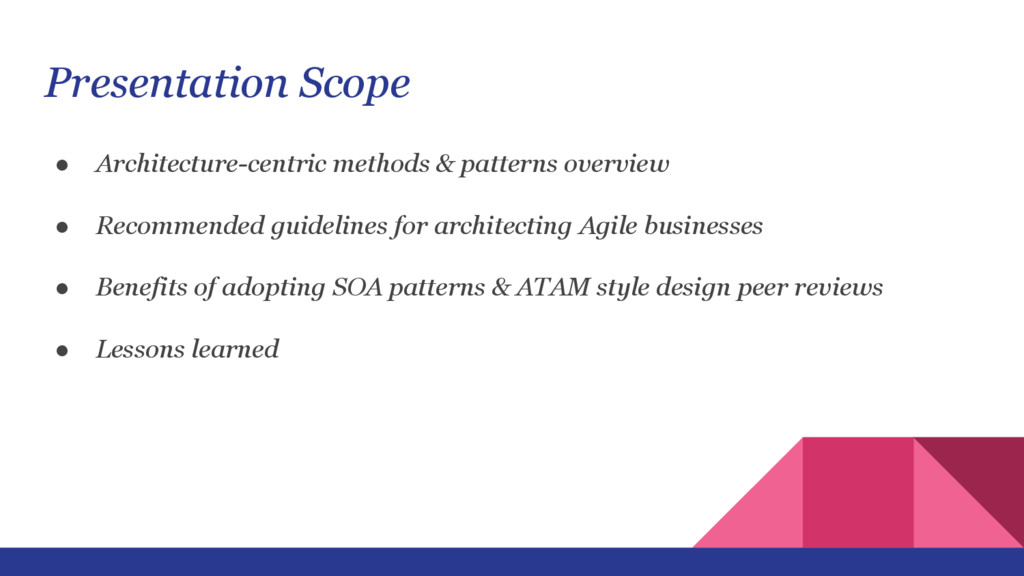
This presentation suggests a method for architecting Agile businesses using the architecture practice at Konga, an African e-commerce company, as a case study.
in formulating clear requirements and making architectural tradeoffs • Engaging engineering team during development, resolving disputes • Defining, documenting and communicating the architecture Software Architect Konga Online Shopping Ltd. http://kaine.pro
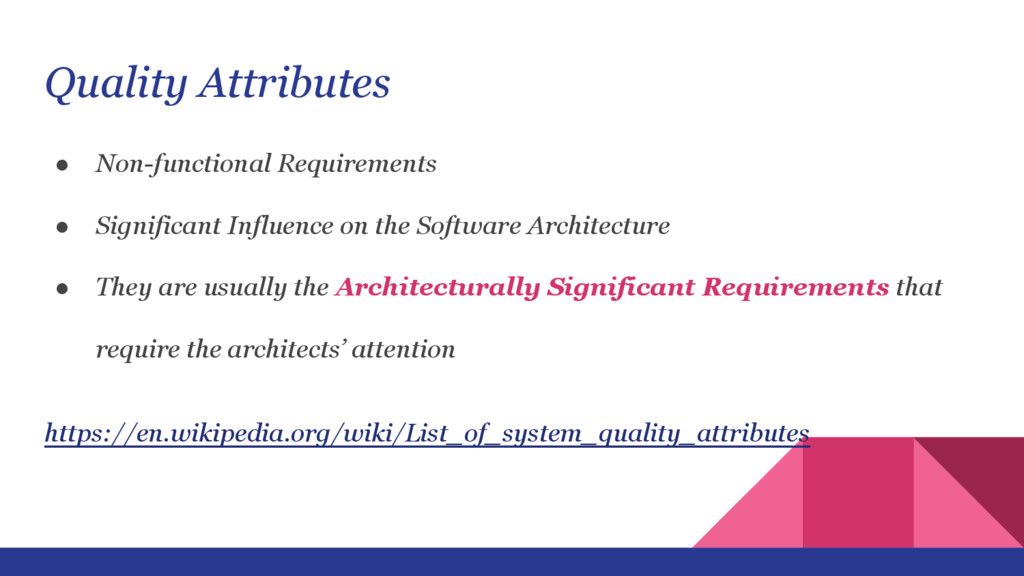
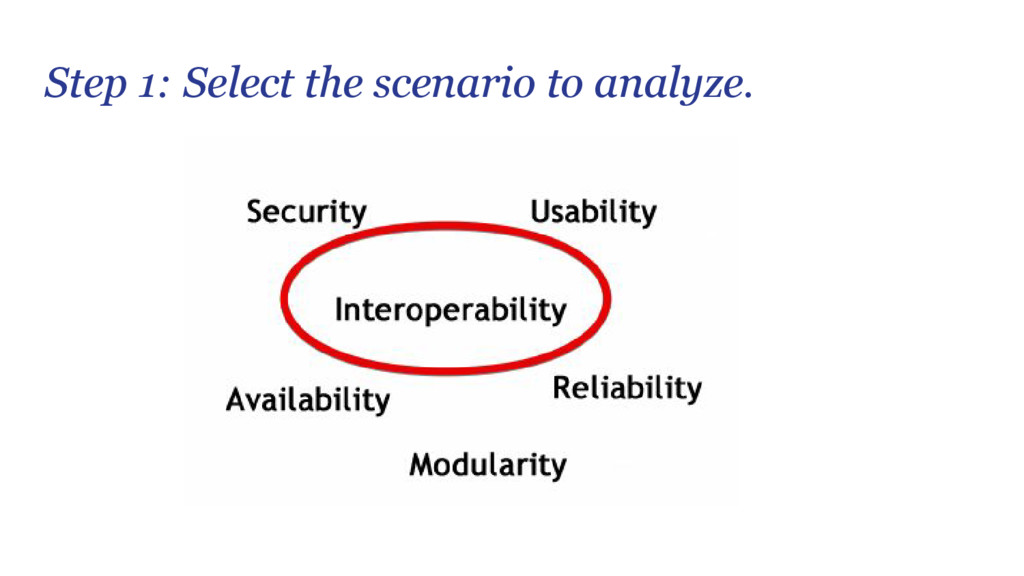
Software Architecture • They are usually the Architecturally Significant Requirements that require the architects’ attention https://en.wikipedia.org/wiki/List_of_system_quality_attributes
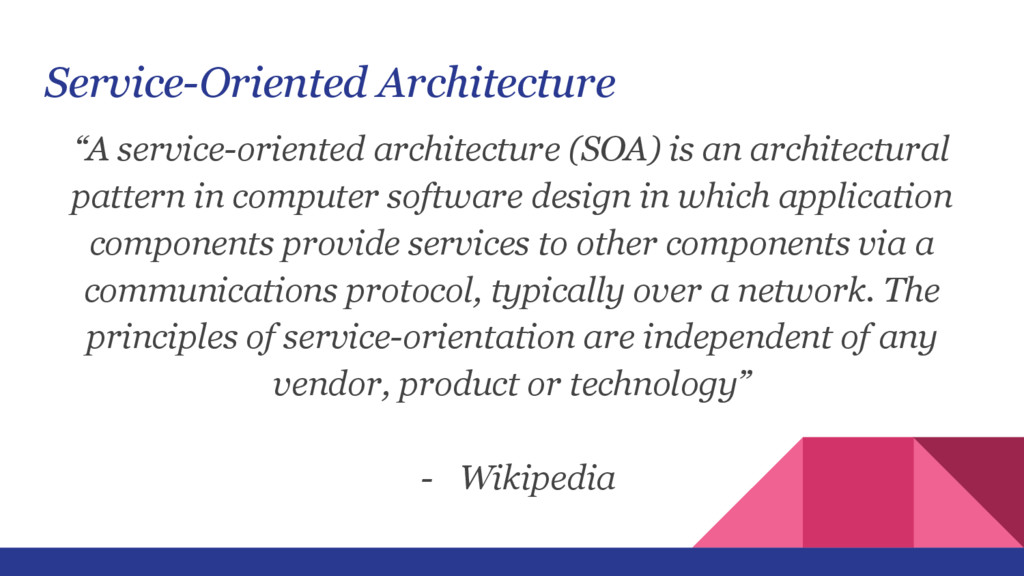
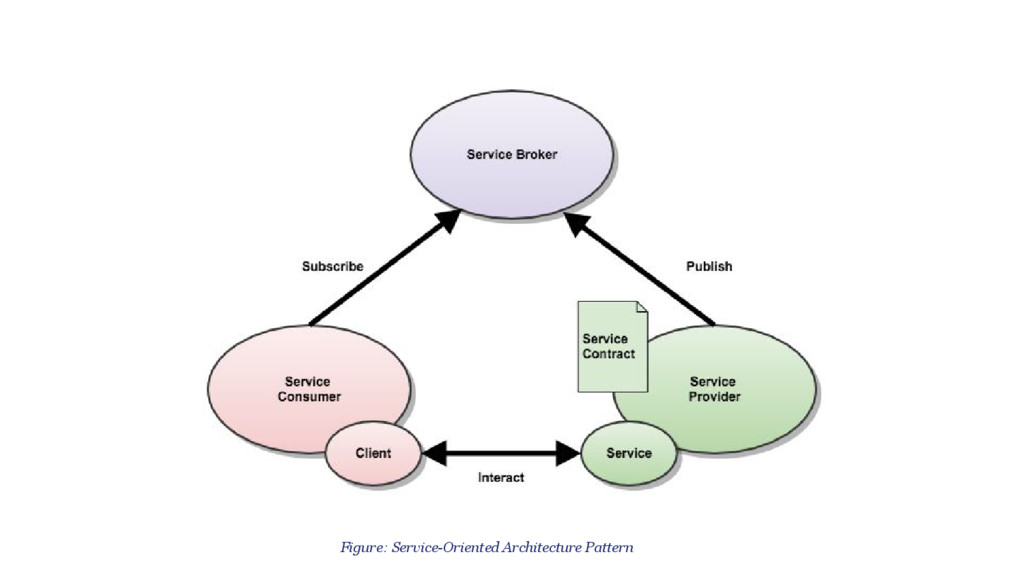
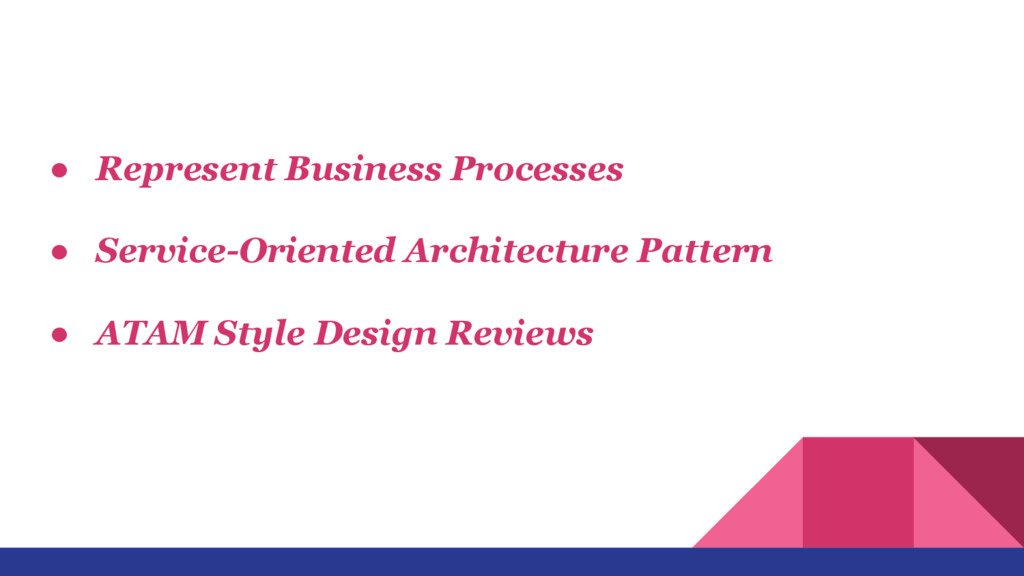
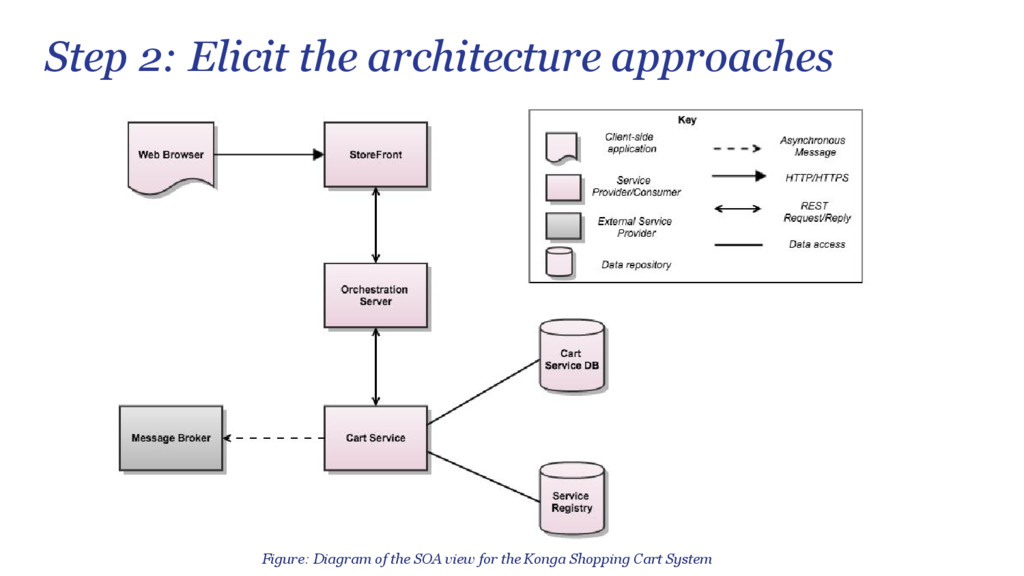
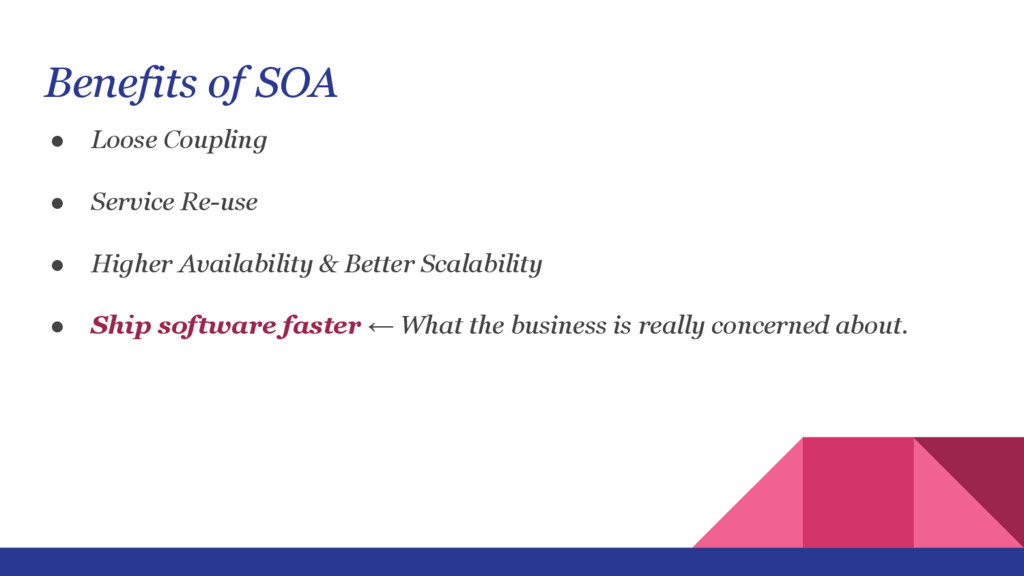
in computer software design in which application components provide services to other components via a communications protocol, typically over a network. The principles of service-orientation are independent of any vendor, product or technology” - Wikipedia
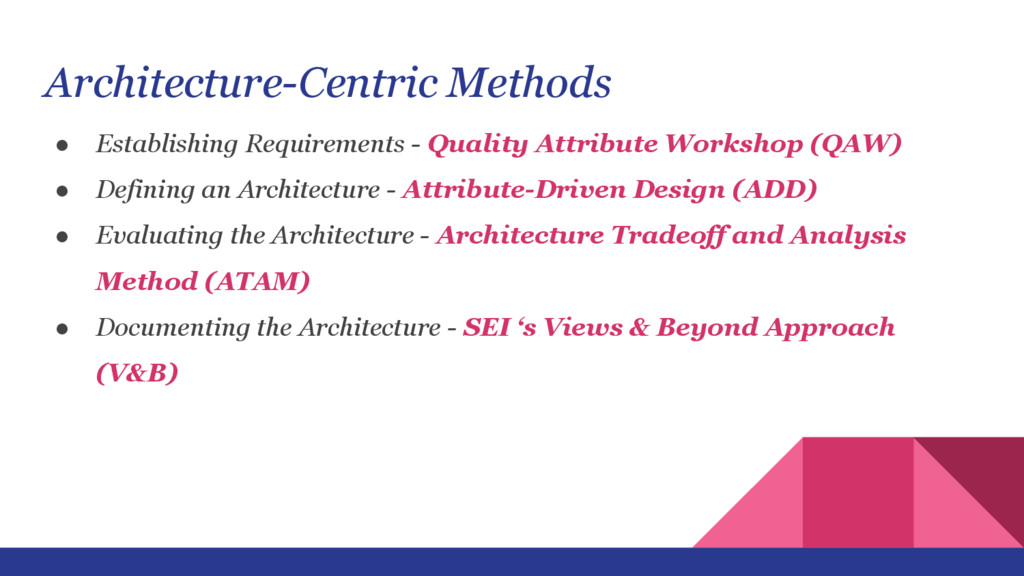
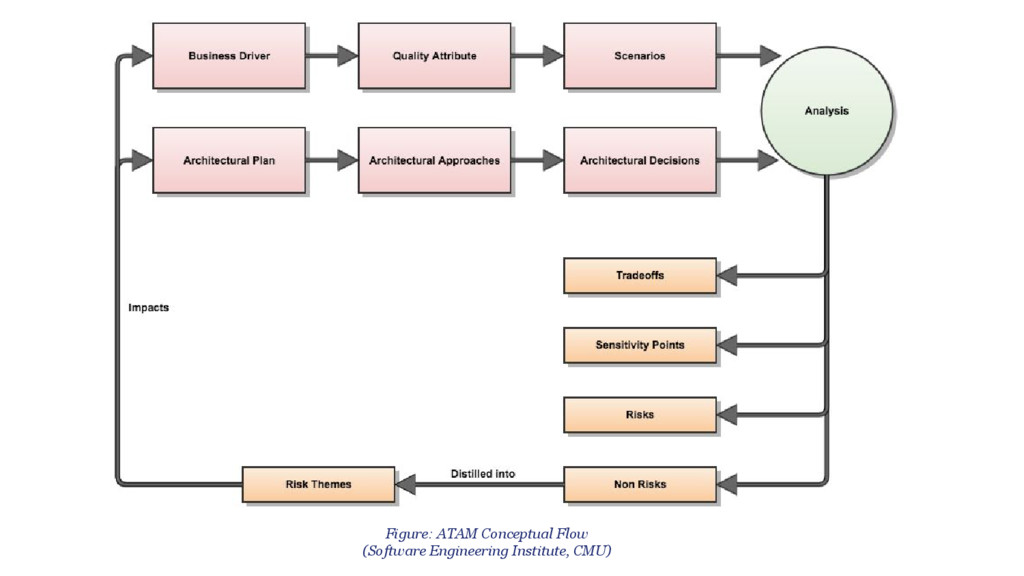
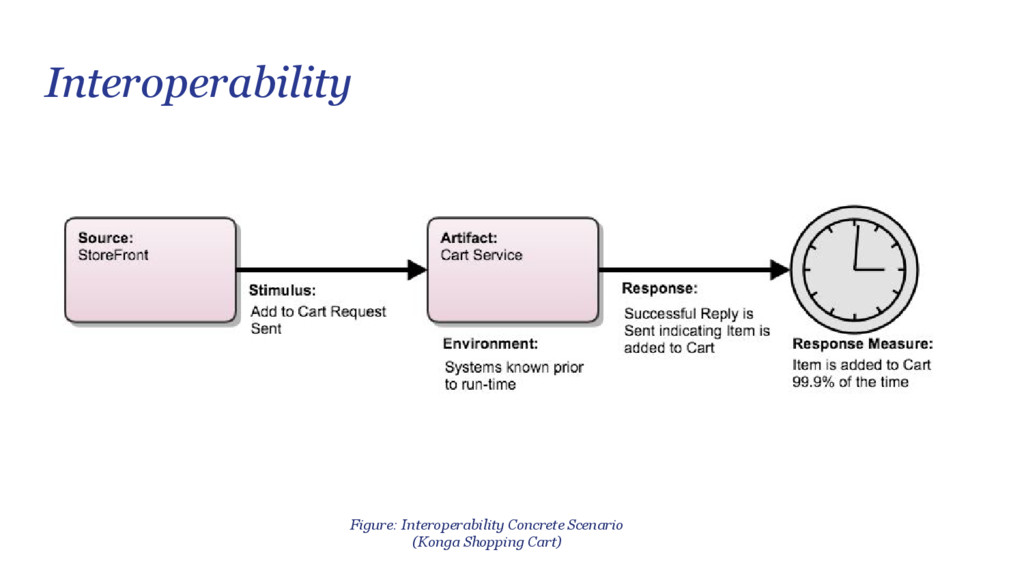
is a method for evaluating software architectures relative to quality attribute goals. ATAM evaluations expose architectural risks that potentially inhibit the achievement of an organization's business goals” - Software Engineering Institute
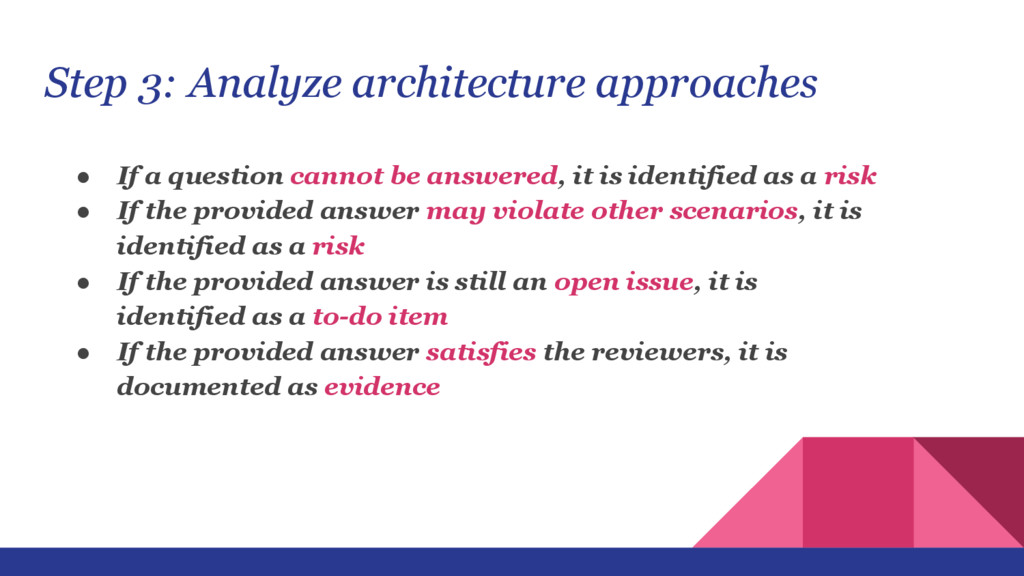
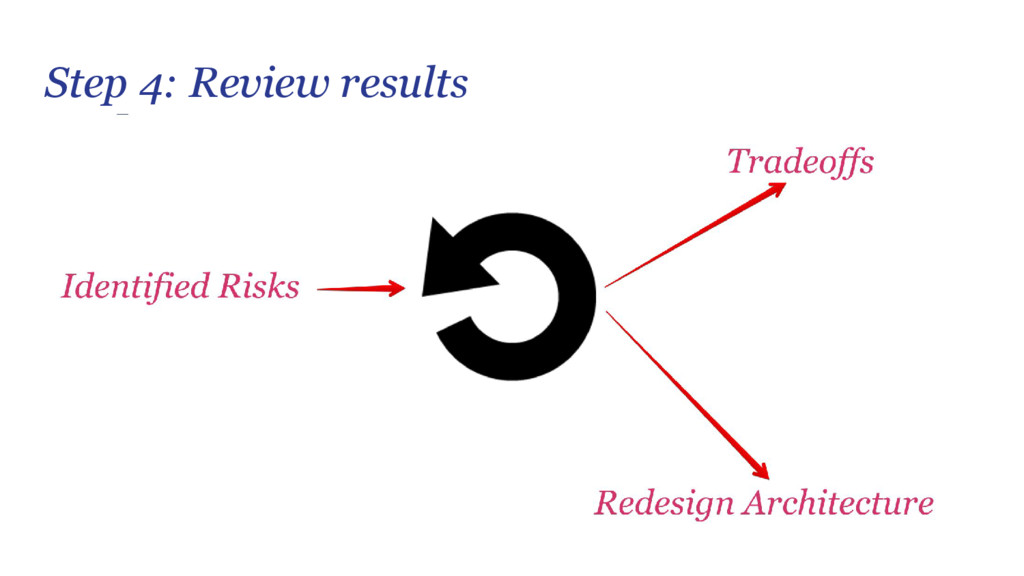
be answered, it is identified as a risk • If the provided answer may violate other scenarios, it is identified as a risk • If the provided answer is still an open issue, it is identified as a to-do item • If the provided answer satisfies the reviewers, it is documented as evidence
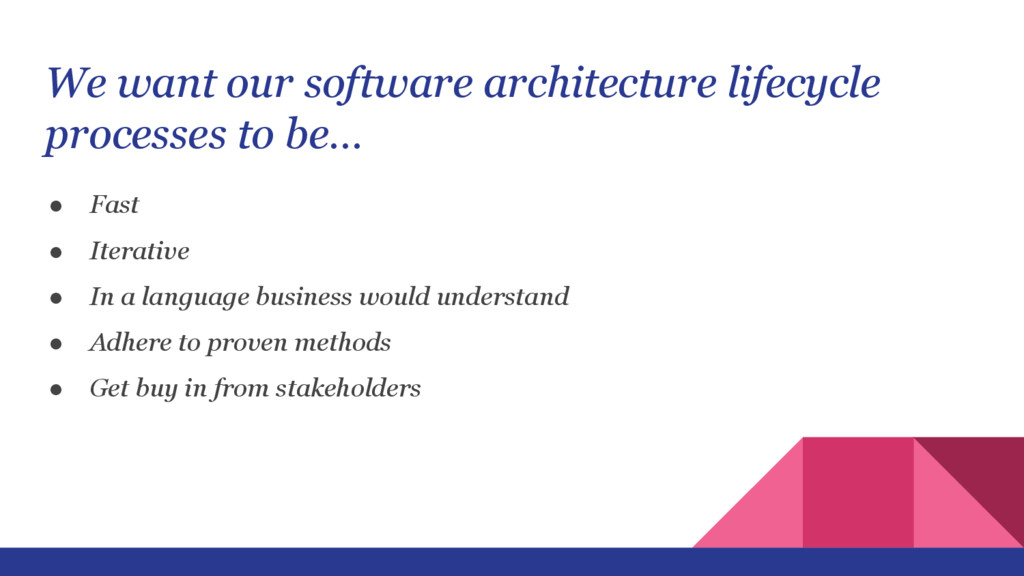
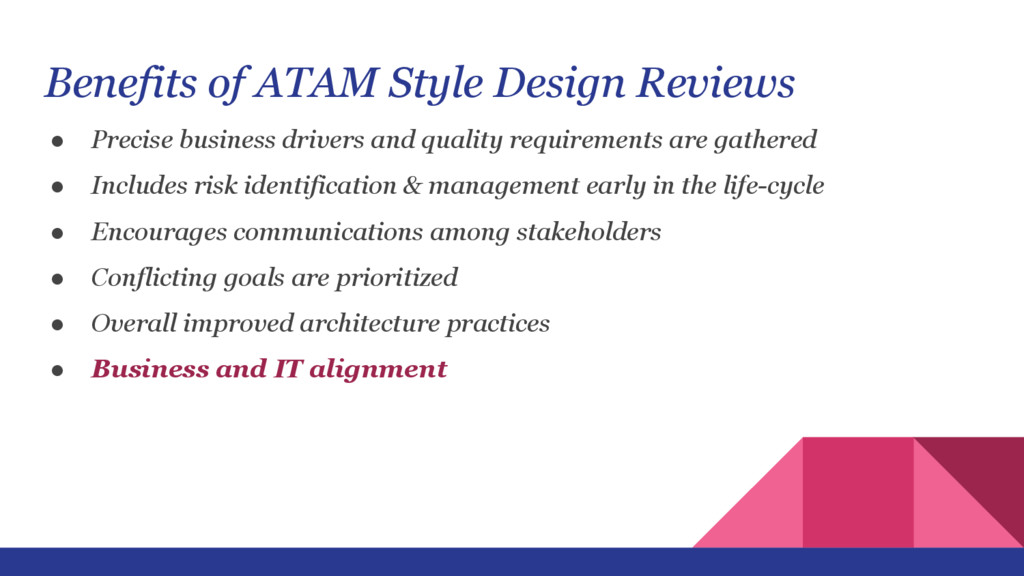
and quality requirements are gathered • Includes risk identification & management early in the life-cycle • Encourages communications among stakeholders • Conflicting goals are prioritized • Overall improved architecture practices • Business and IT alignment
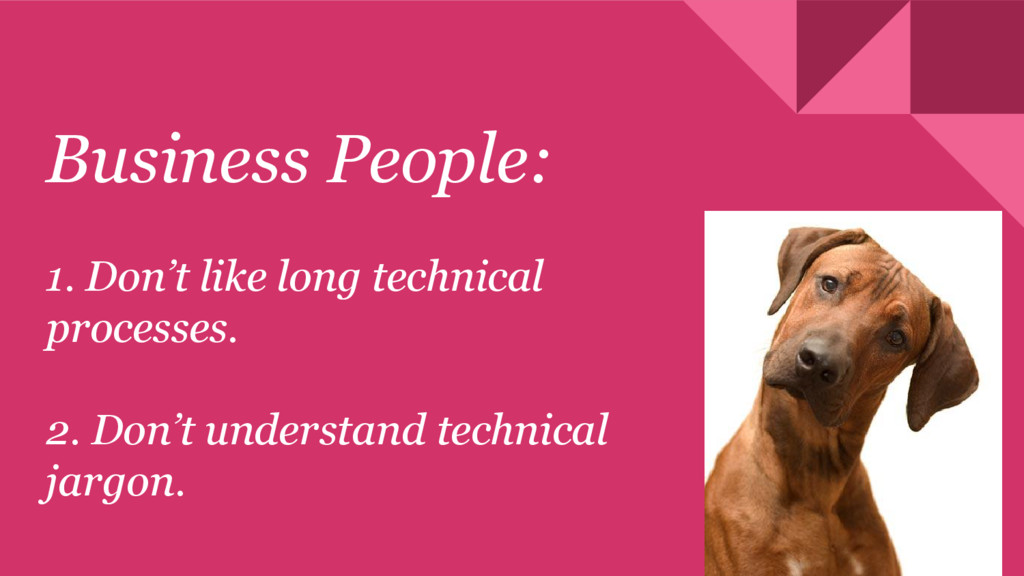
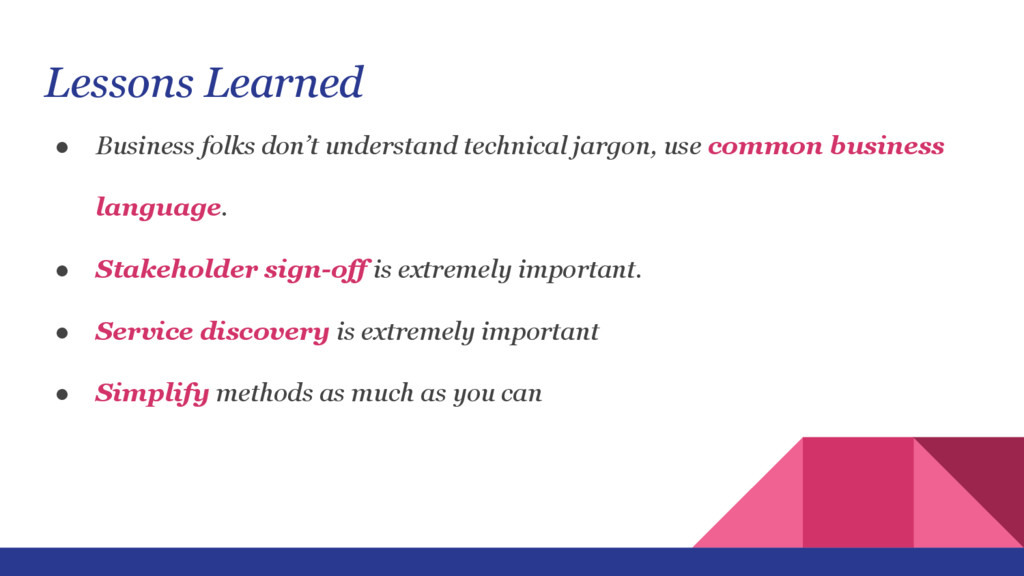
common business language. • Stakeholder sign-off is extremely important. • Service discovery is extremely important • Simplify methods as much as you can


 kzkhykw1991
 oasis1994liveforever
 nttcom
 kairim0
 puhitaku
 yut0naga1_fa
 yamad
 ezaki
 takonda
 gree_tech
 kentapapa
 rfdnxbro
 inesmontani
 rkendrick25
 sachag
 honnibal
 mongodb
 uxyall
 mfonobong
 panda_program
 aemeredith
 stephaniewalter
 chrisshort
 techseoconnect