Upgrade to Pro — share decks privately, control downloads, hide ads and more …
260516_能源科技政策概述

Sponsored · Your Podcast. Everywhere. Effortlessly. Share. Educate. Inspire. Entertain. You do you. We'll handle the rest.
Avatar for learnenergy2 learnenergy2
June 22, 2026
8

 260516_能源科技政策概述

Avatar for learnenergy2

learnenergy2

June 22, 2026

Transcript

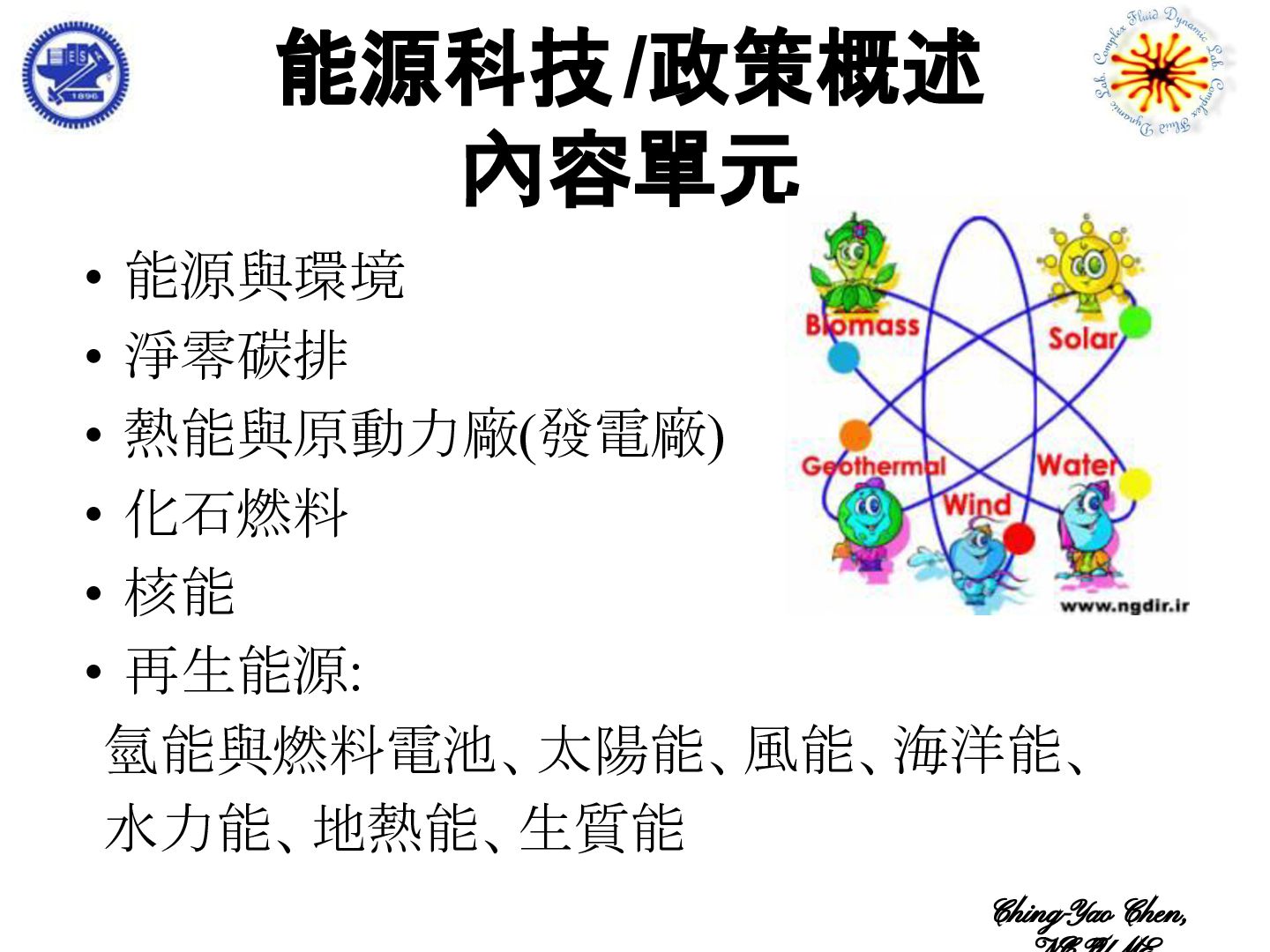
  1. Ching-Yao Chen, • 能源與環境 • 淨零碳排 • 熱能與原動力廠(發電廠) • 化石燃料

    • 核能 • 再生能源: 氫能與燃料電池、太陽能、風能、海洋能、 水力能、地熱能、生質能 能源科技/政策概述 內容單元
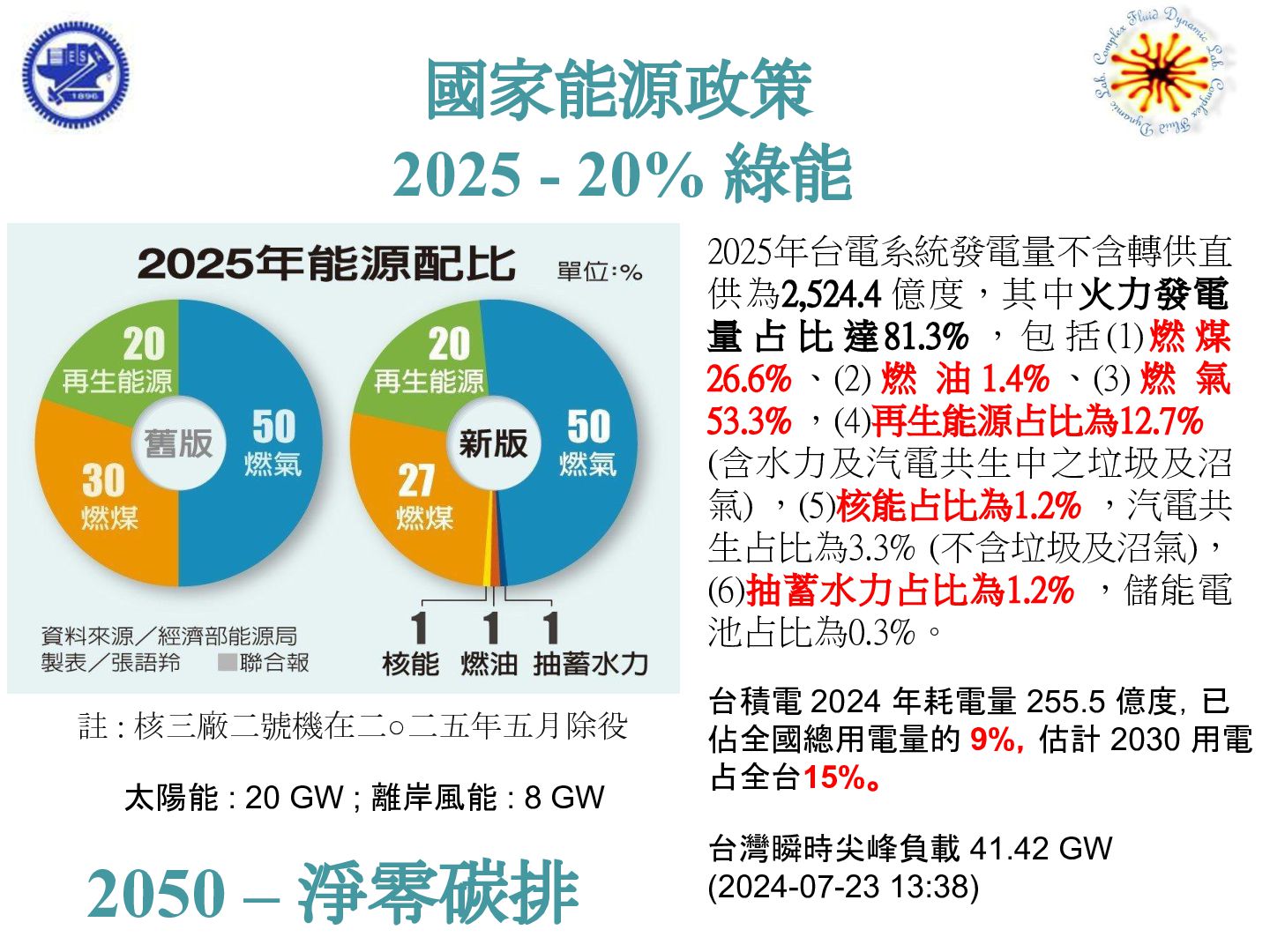
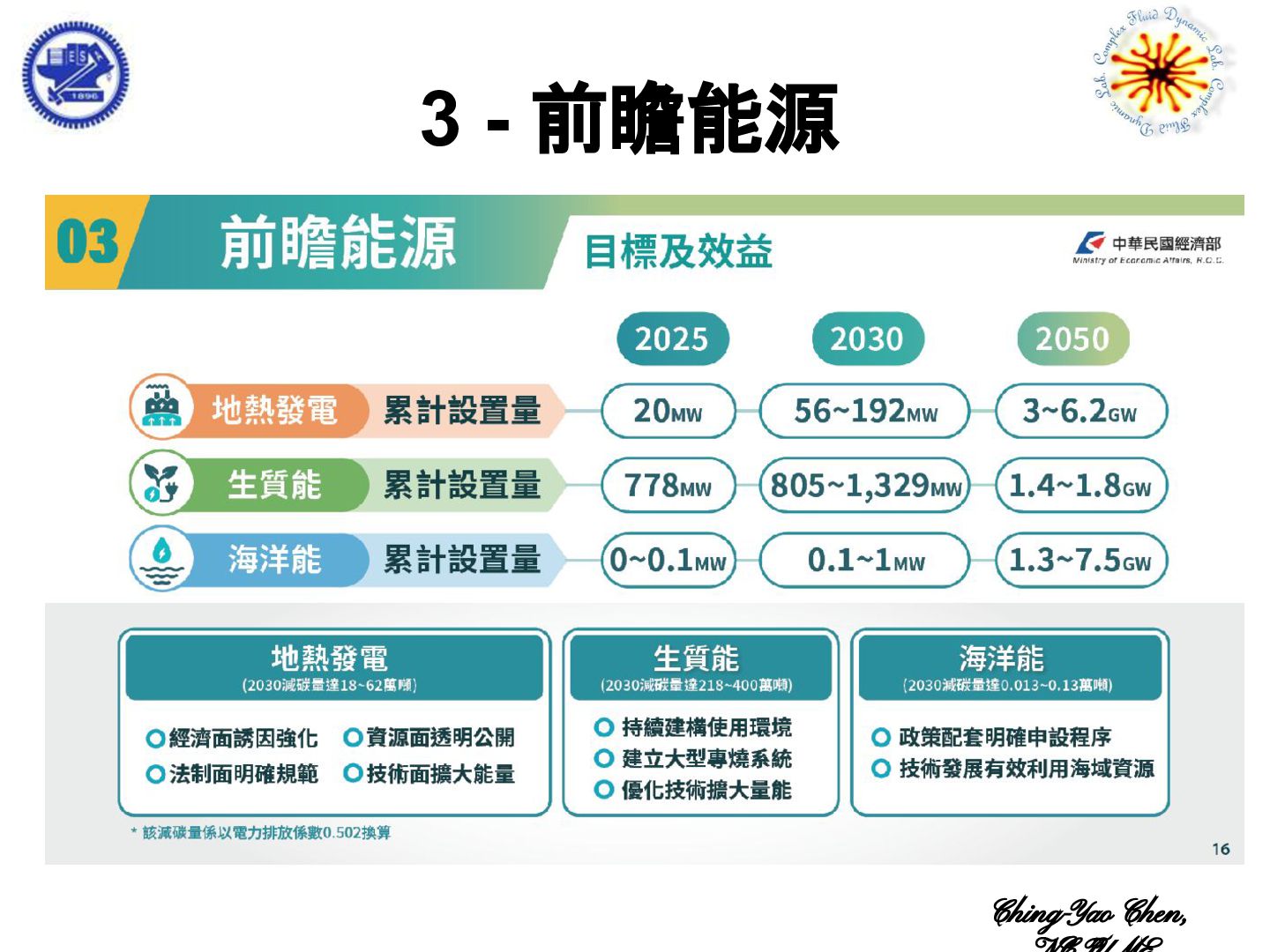
  2. 國家能源政策 2025 - 20% 綠能 註 : 核三廠二號機在二◦二五年五月除役 2050 –

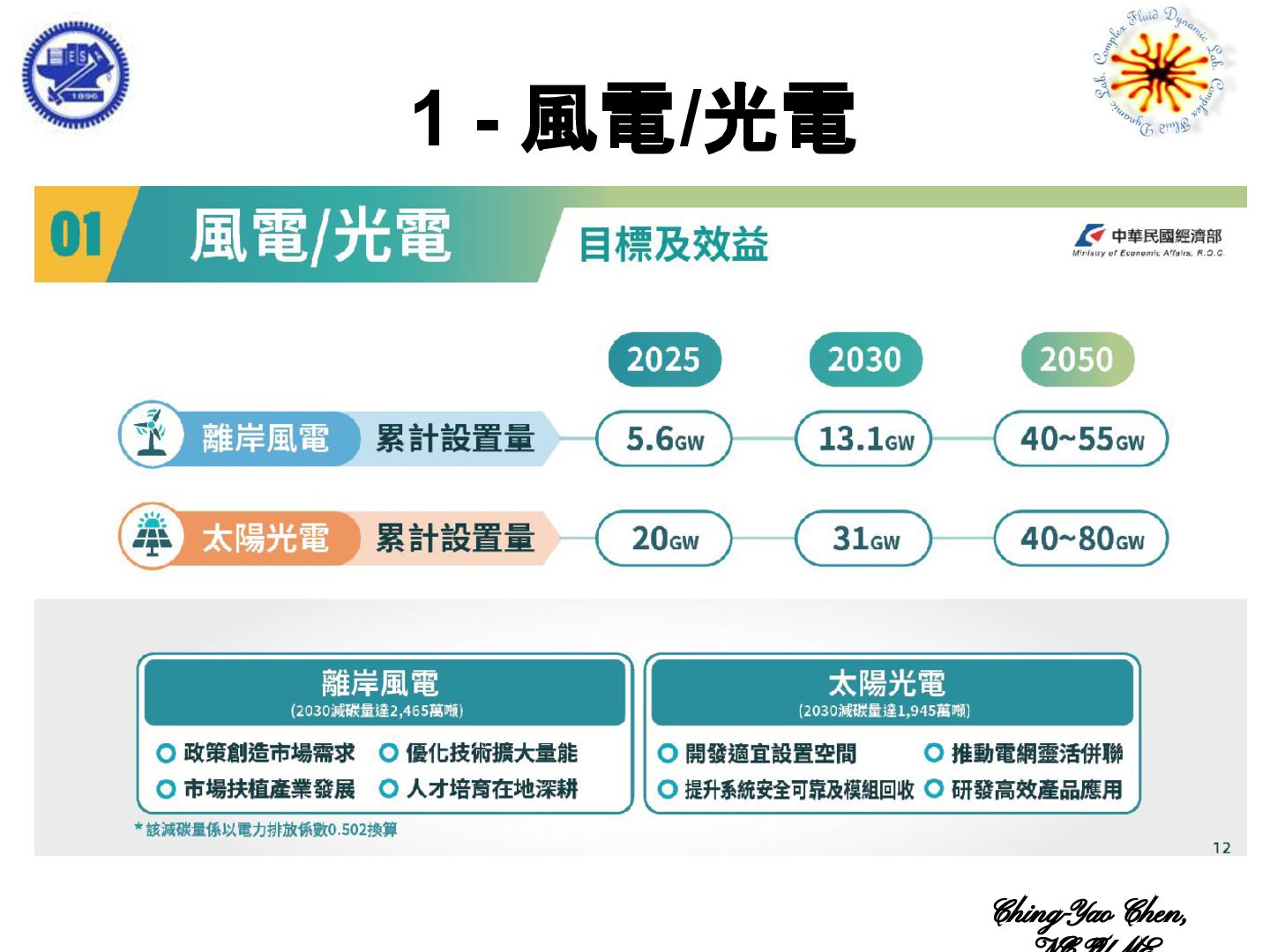
    淨零碳排 2025年台電系統發電量不含轉供直 供為2,524.4 億度,其中火力發電 量 占 比 達81.3% ,包 括(1)燃 煤 26.6% 、(2) 燃 油 1.4% 、(3) 燃 氣 53.3% ,(4)再生能源占比為12.7% (含水力及汽電共生中之垃圾及沼 氣) ,(5)核能占比為1.2% ,汽電共 生占比為3.3% (不含垃圾及沼氣), (6)抽蓄水力占比為1.2% ,儲能電 池占比為0.3%。 台積電 2024 年耗電量 255.5 億度,已 佔全國總用電量的 9%,估計 2030 用電 占全台15%。 台灣瞬時尖峰負載 41.42 GW (2024-07-23 13:38) 太陽能 : 20 GW ; 離岸風能 : 8 GW
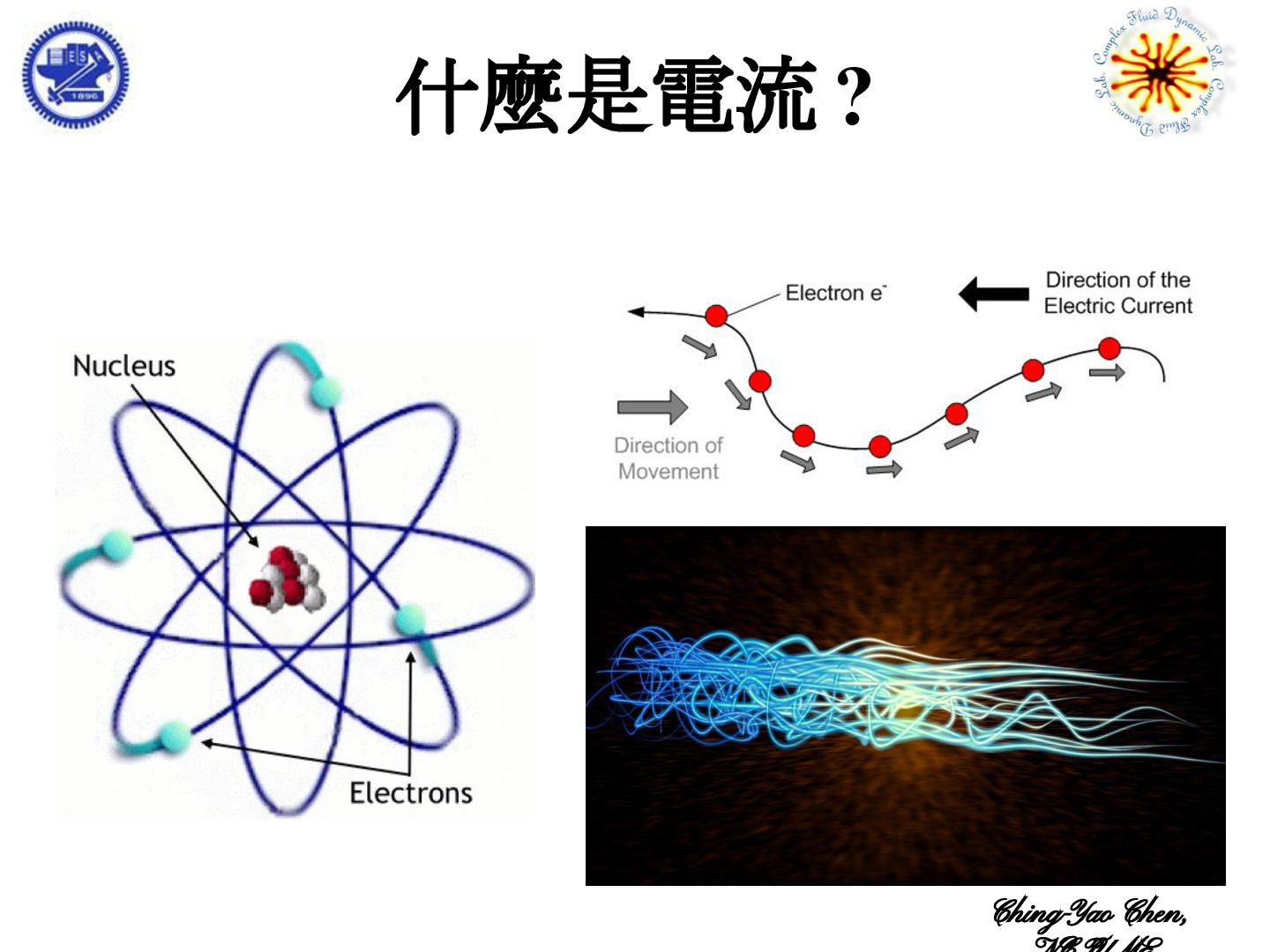
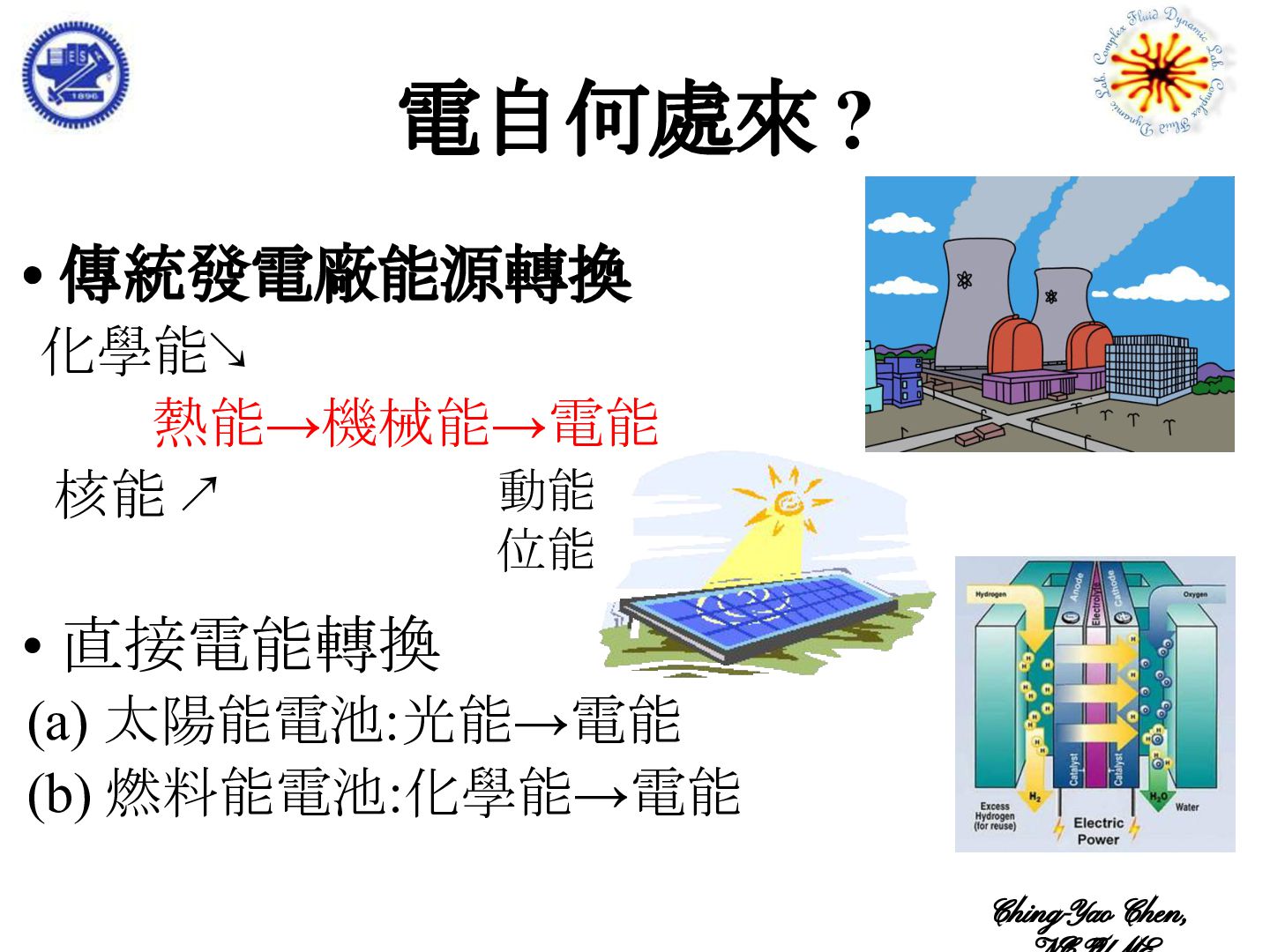
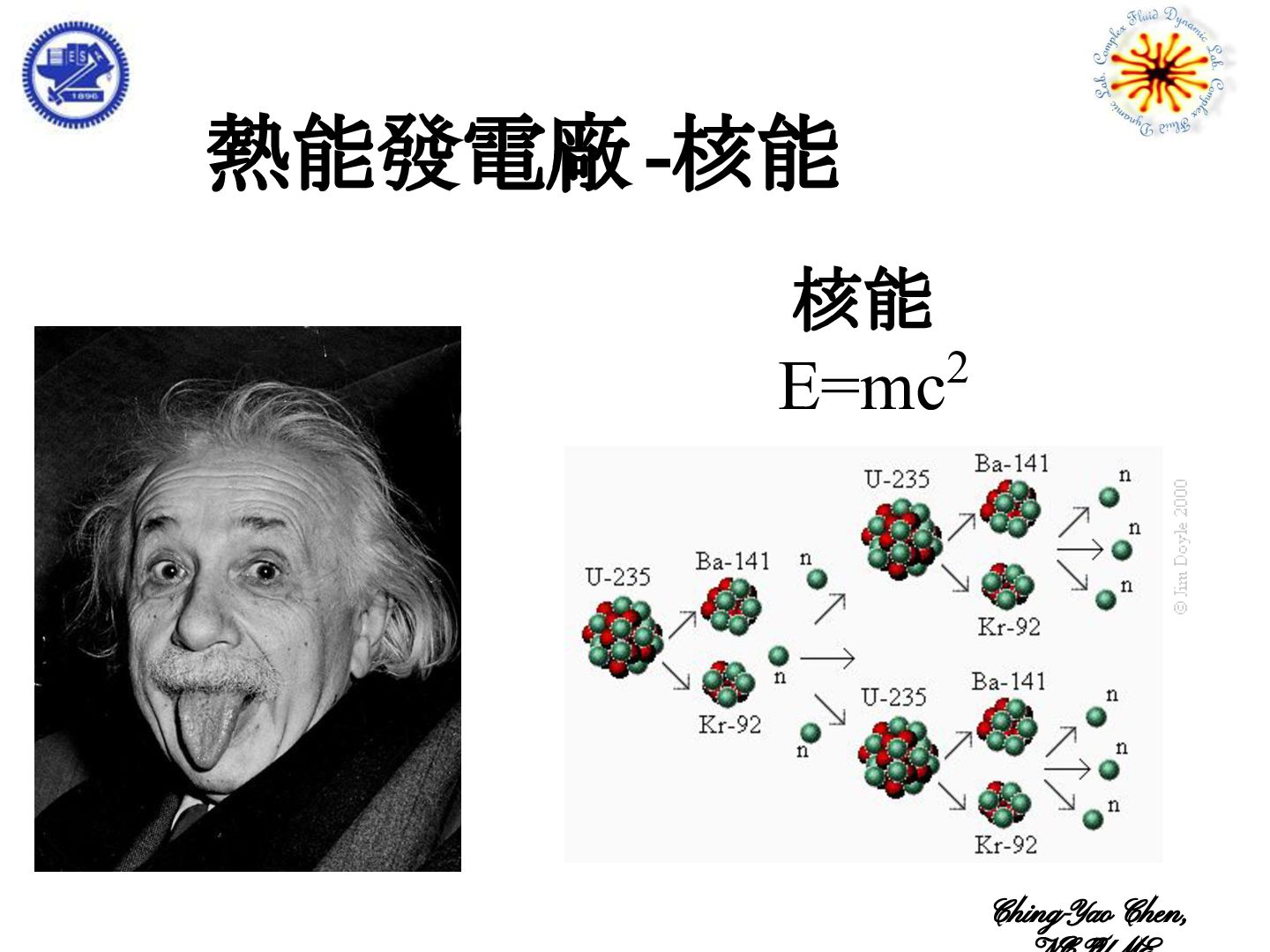
  3. Ching-Yao Chen, 電自何處來 ? • 傳統發電廠能源轉換 化學能↘ 熱能→機械能→電能 核能 ↗

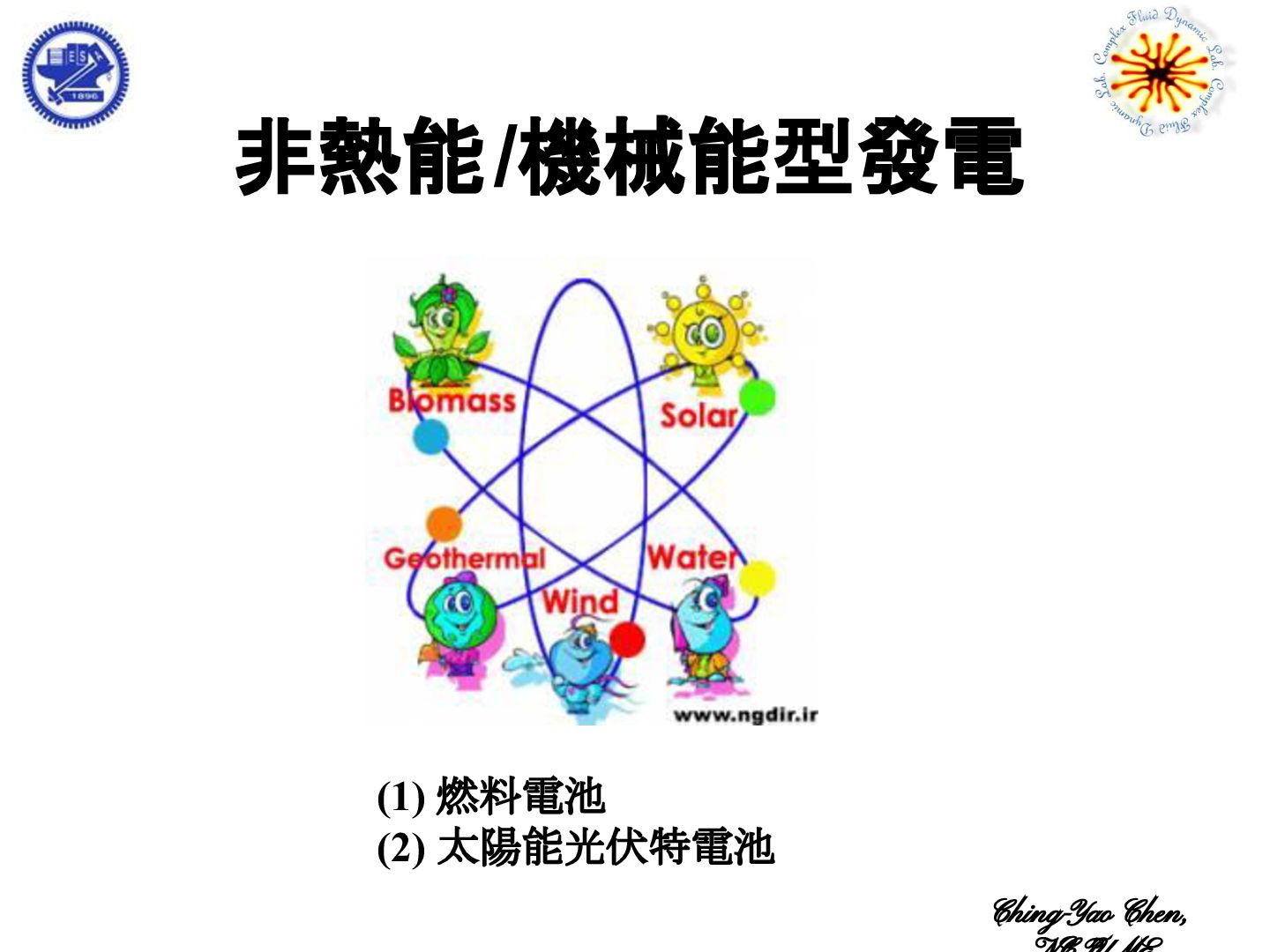
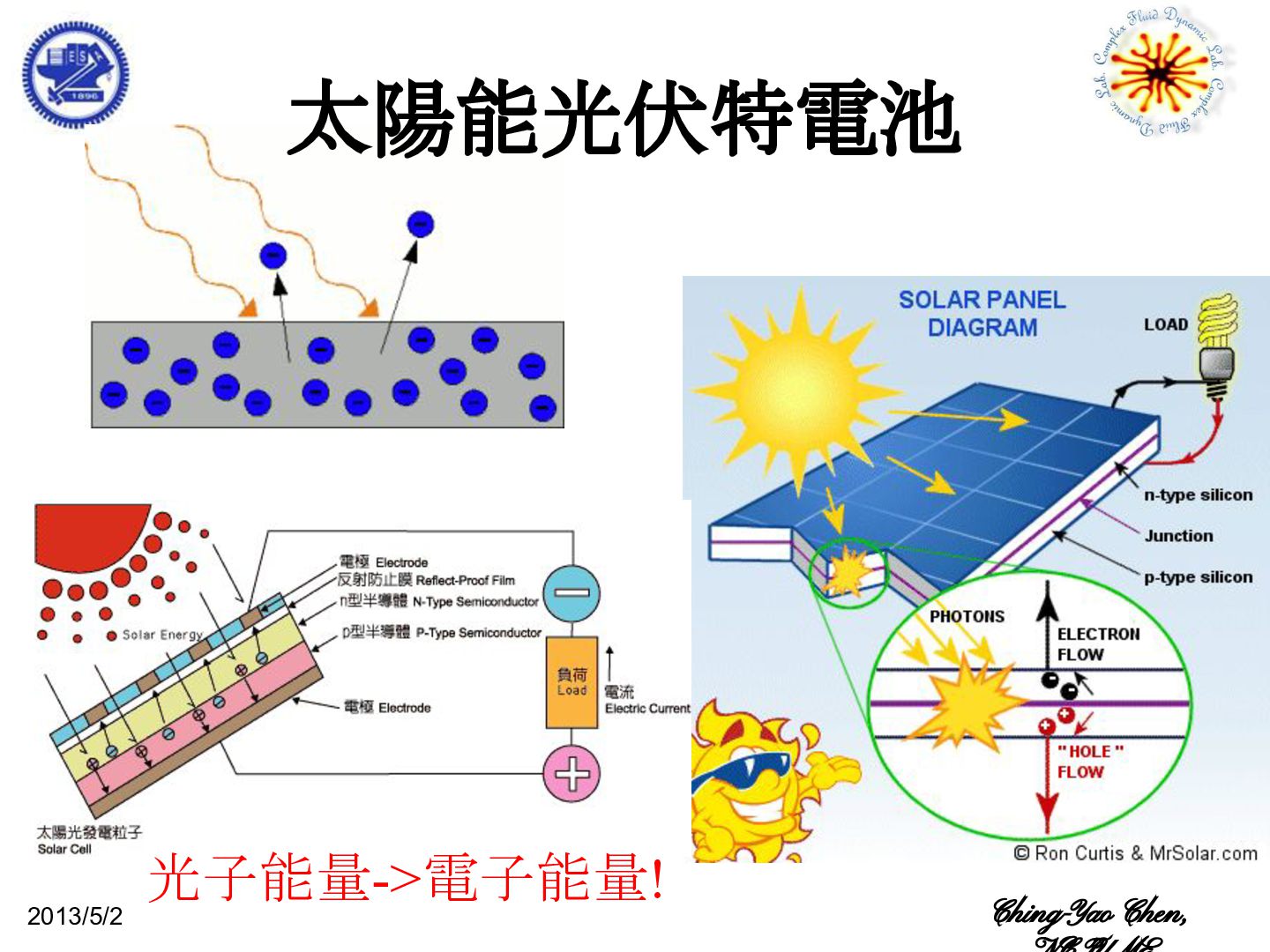
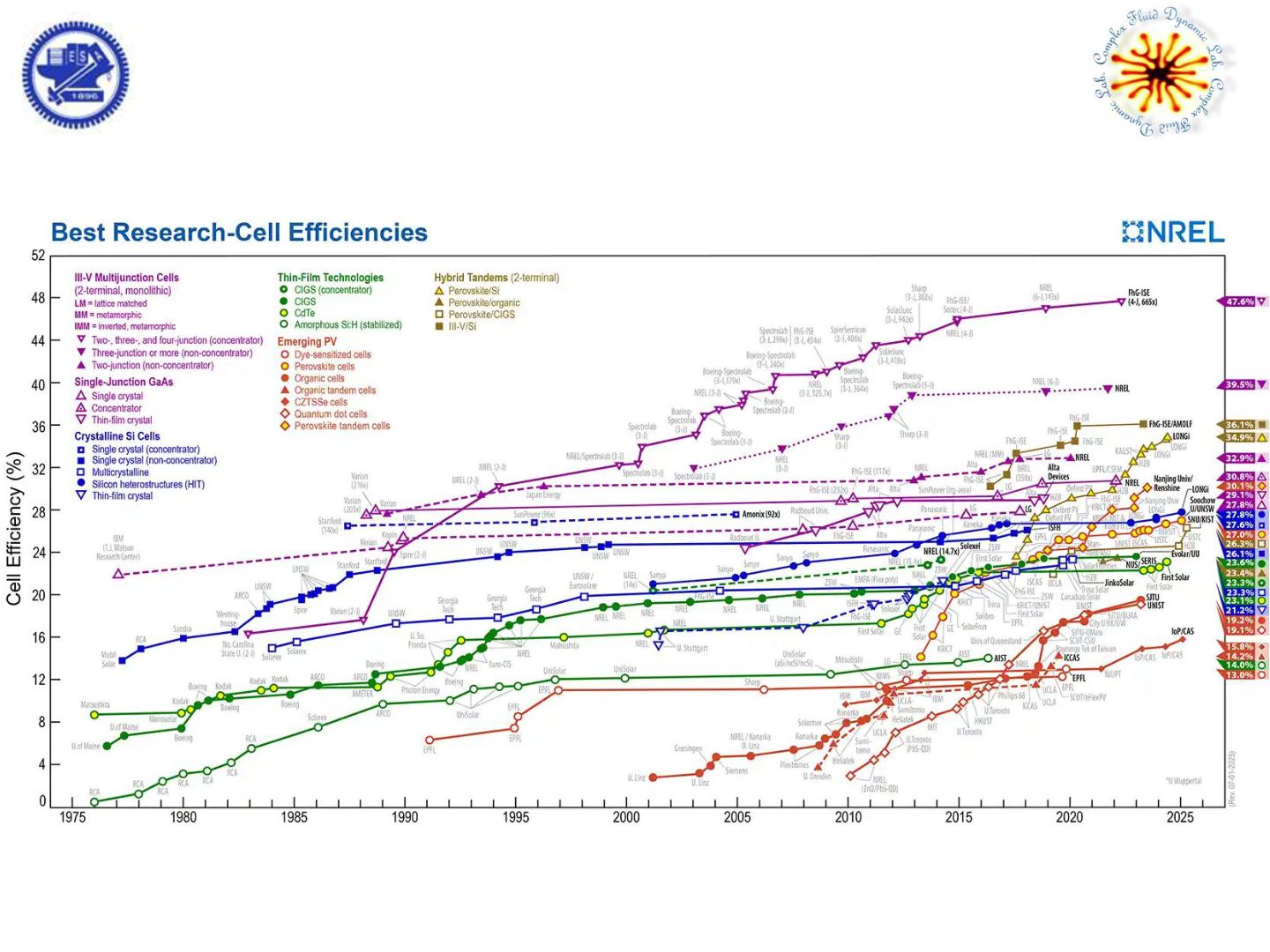
    • 直接電能轉換 (a) 太陽能電池:光能→電能 (b) 燃料能電池:化學能→電能 動能 位能
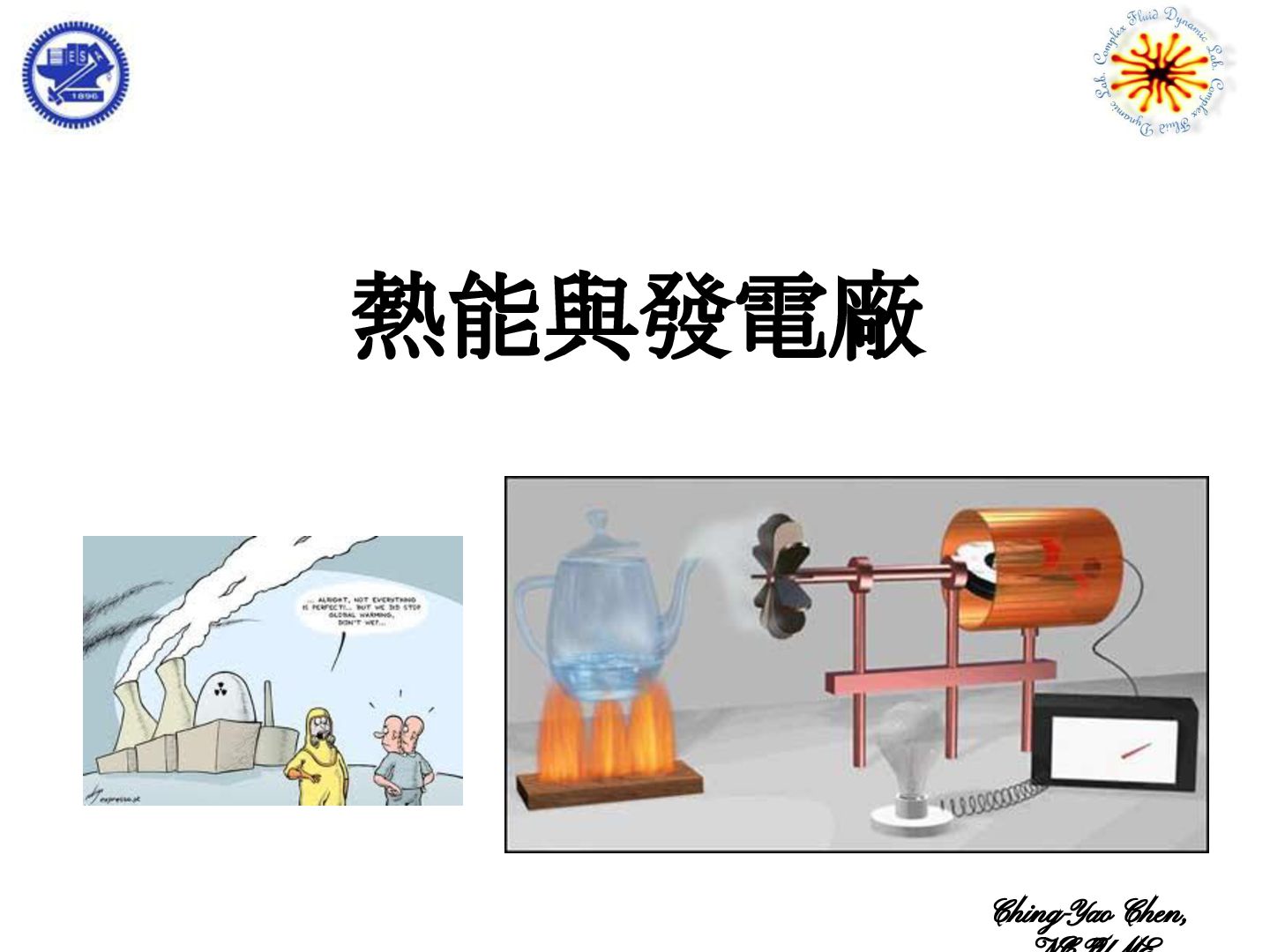
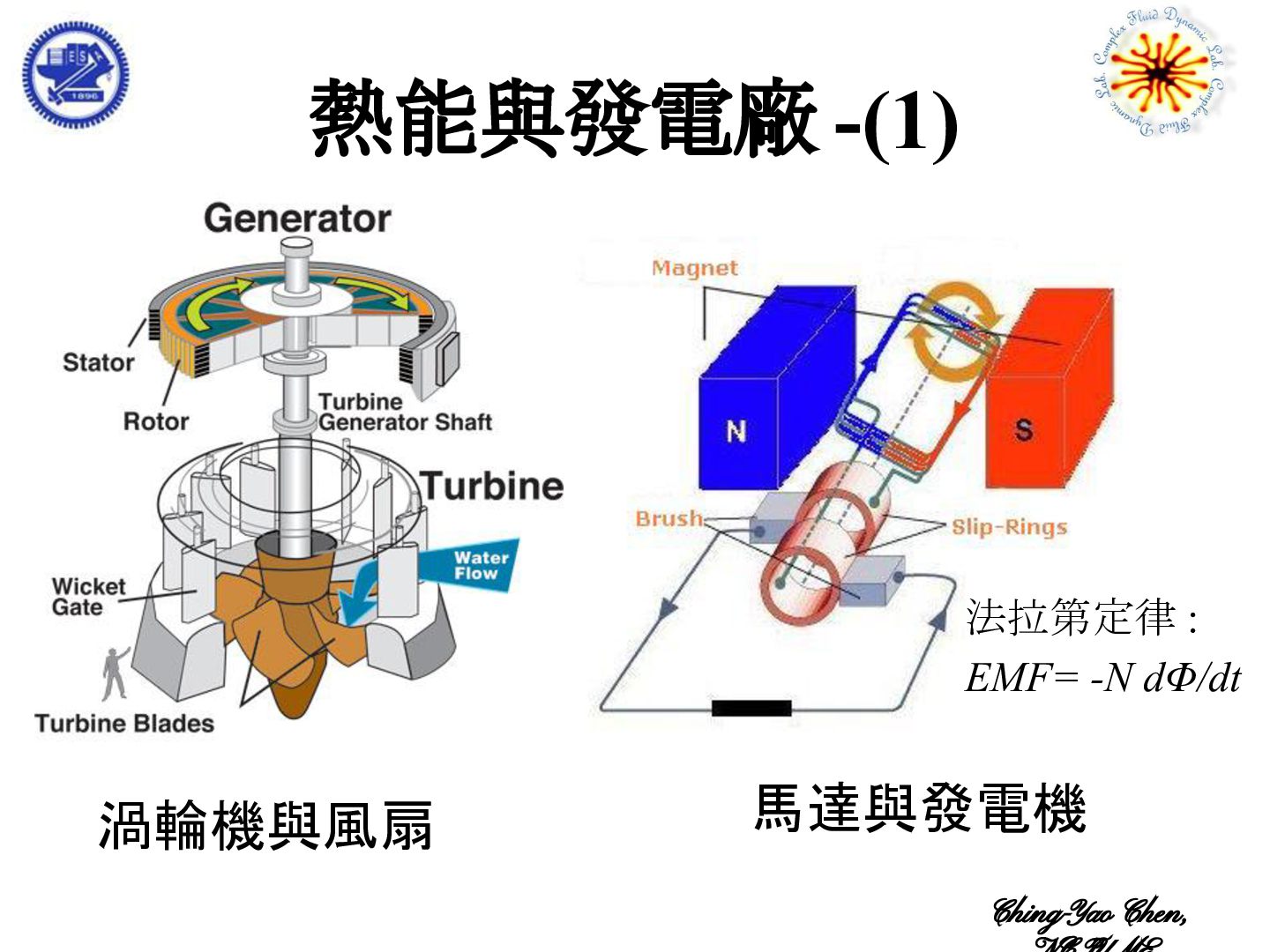
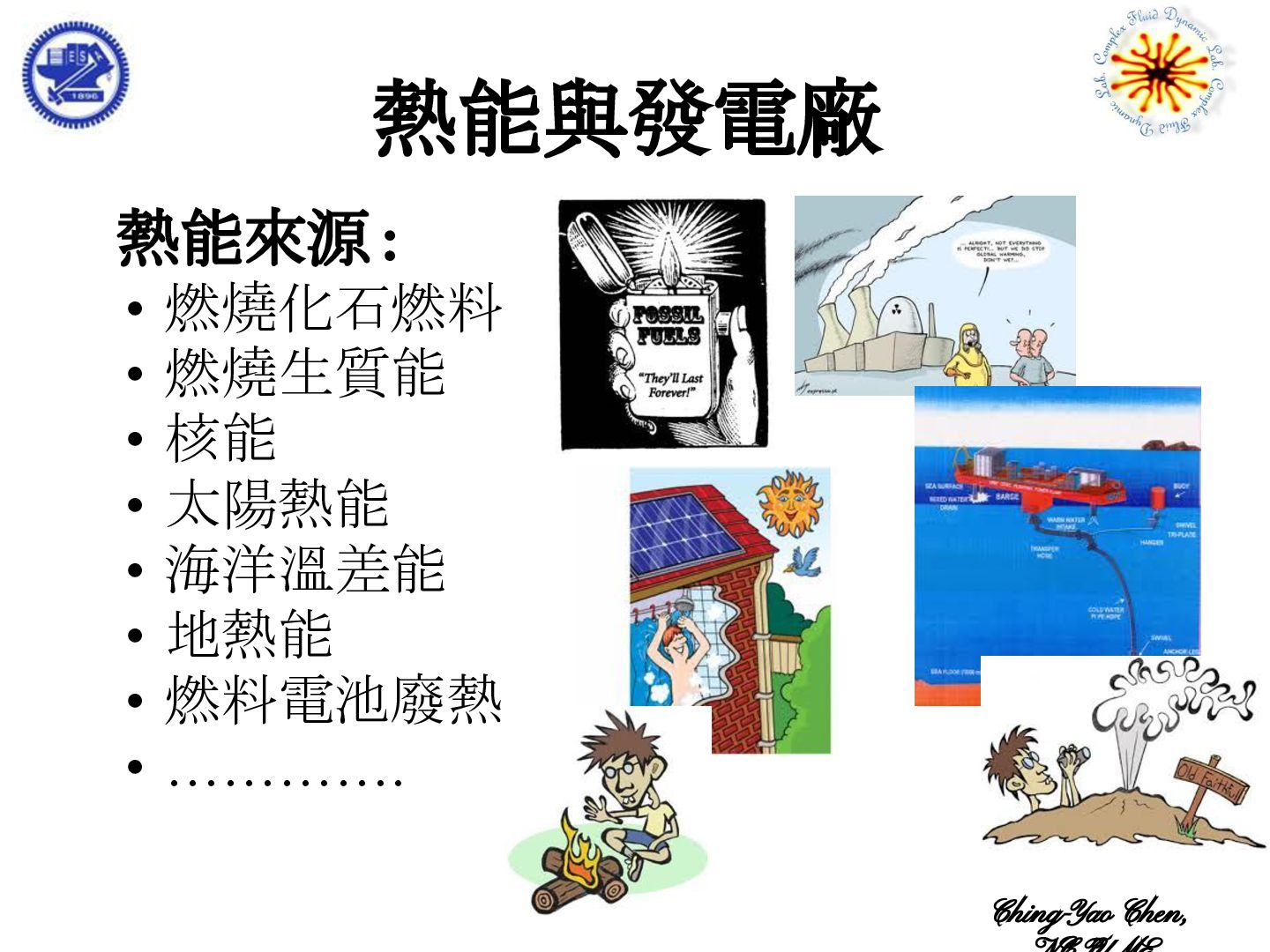
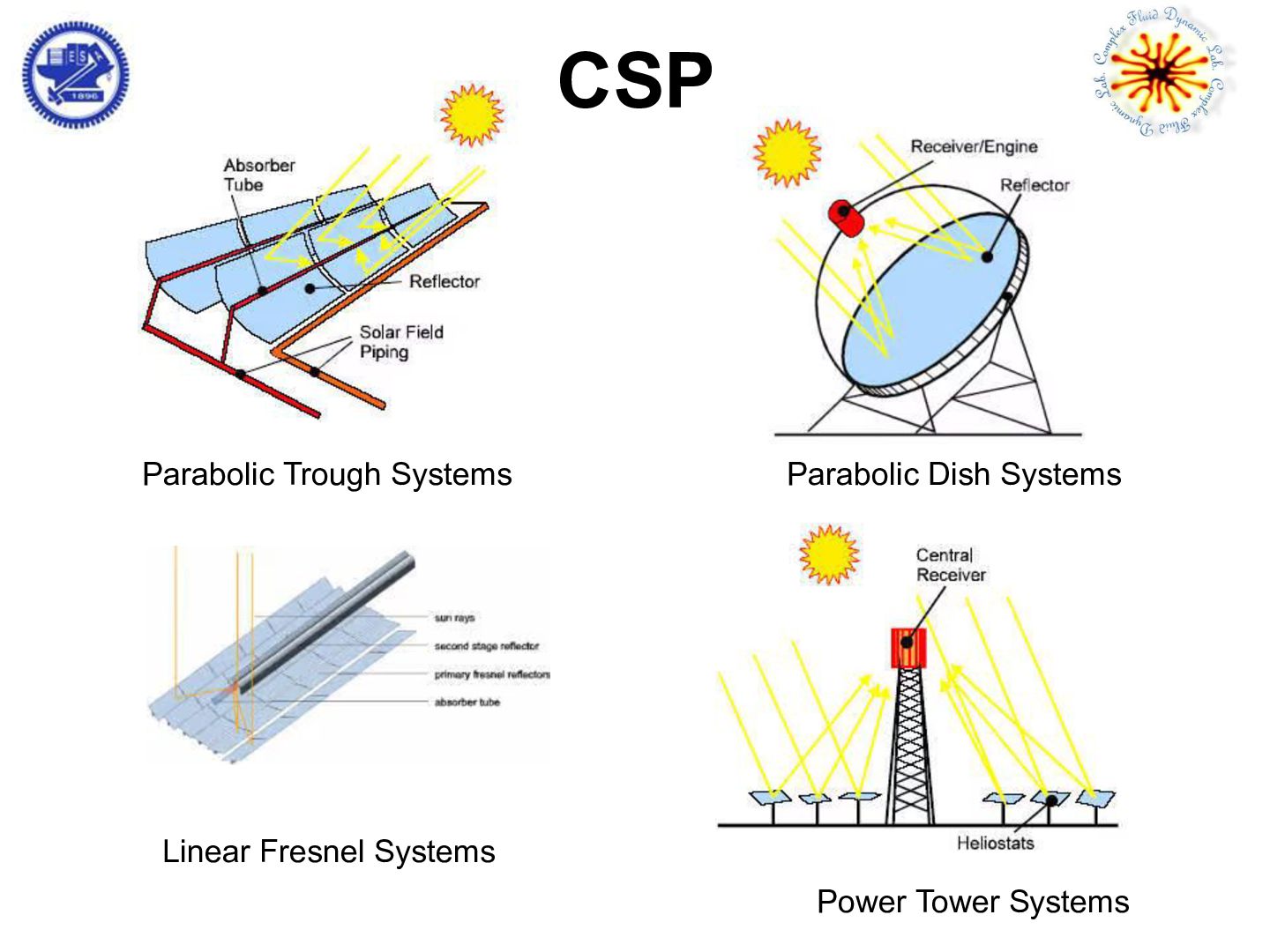
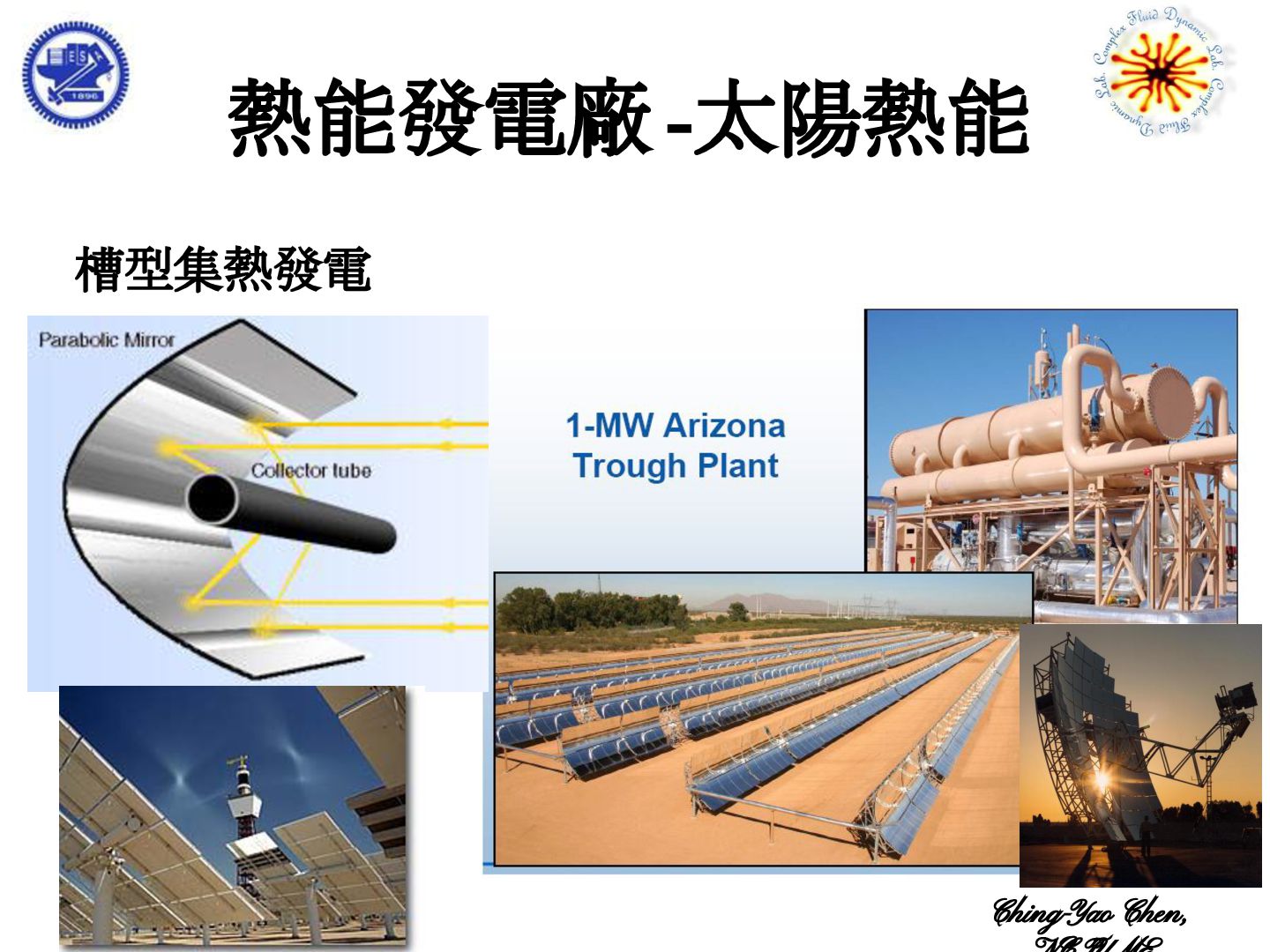
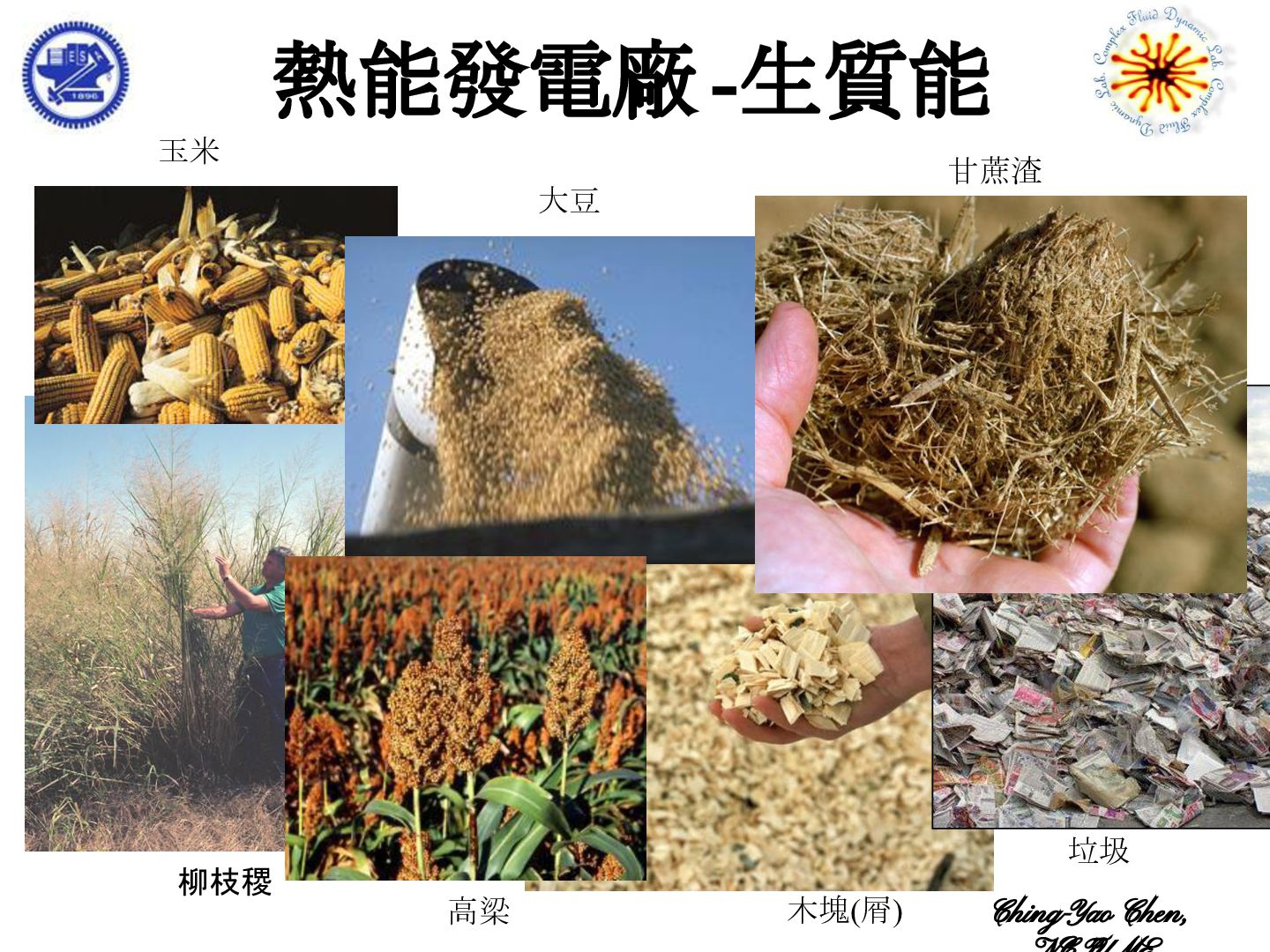
  4. Ching-Yao Chen, 熱能與發電廠 熱能來源: • 燃燒化石燃料 • 燃燒生質能 • 核能

    • 太陽熱能 • 海洋溫差能 • 地熱能 • 燃料電池廢熱 • ………….
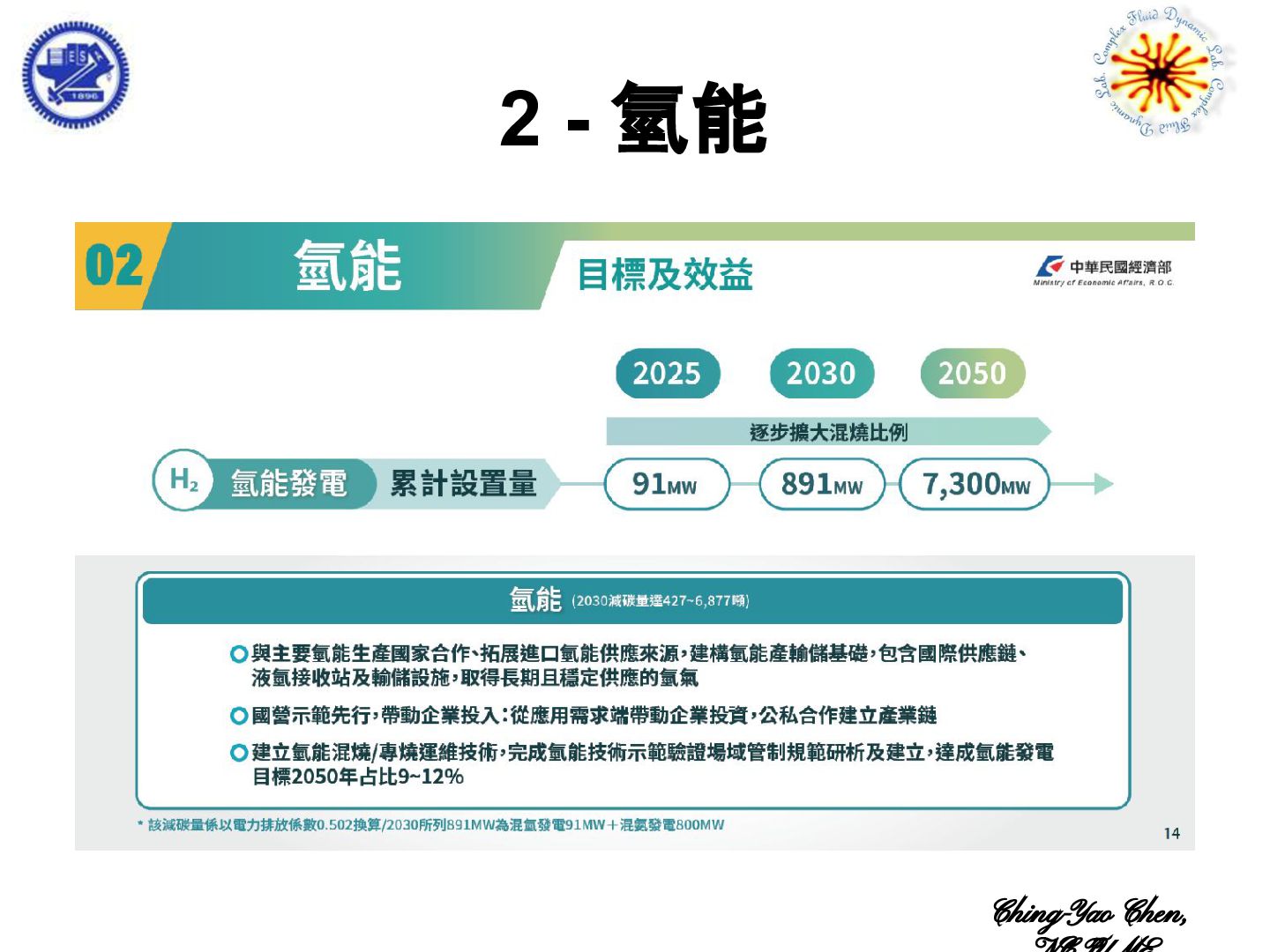
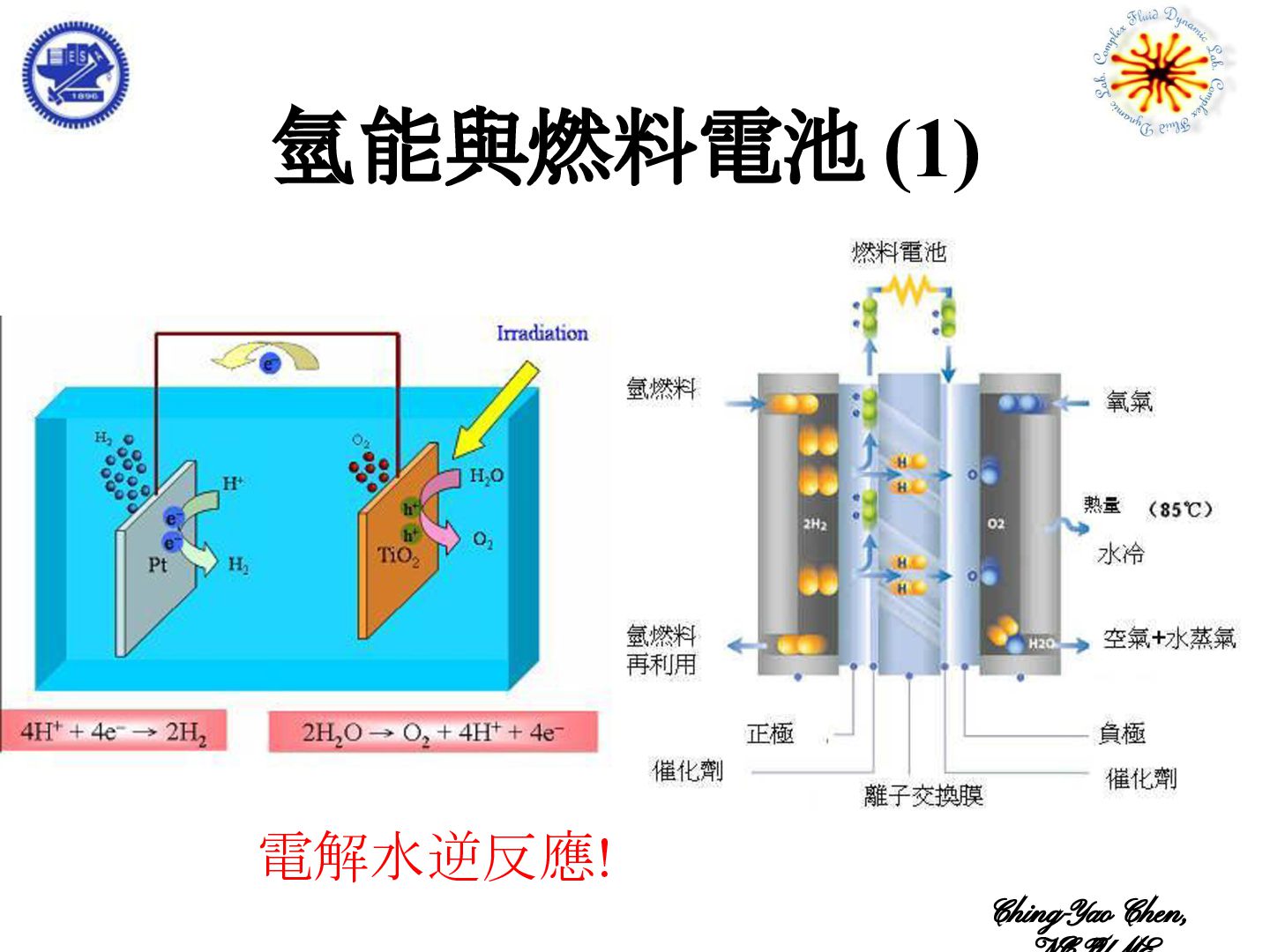
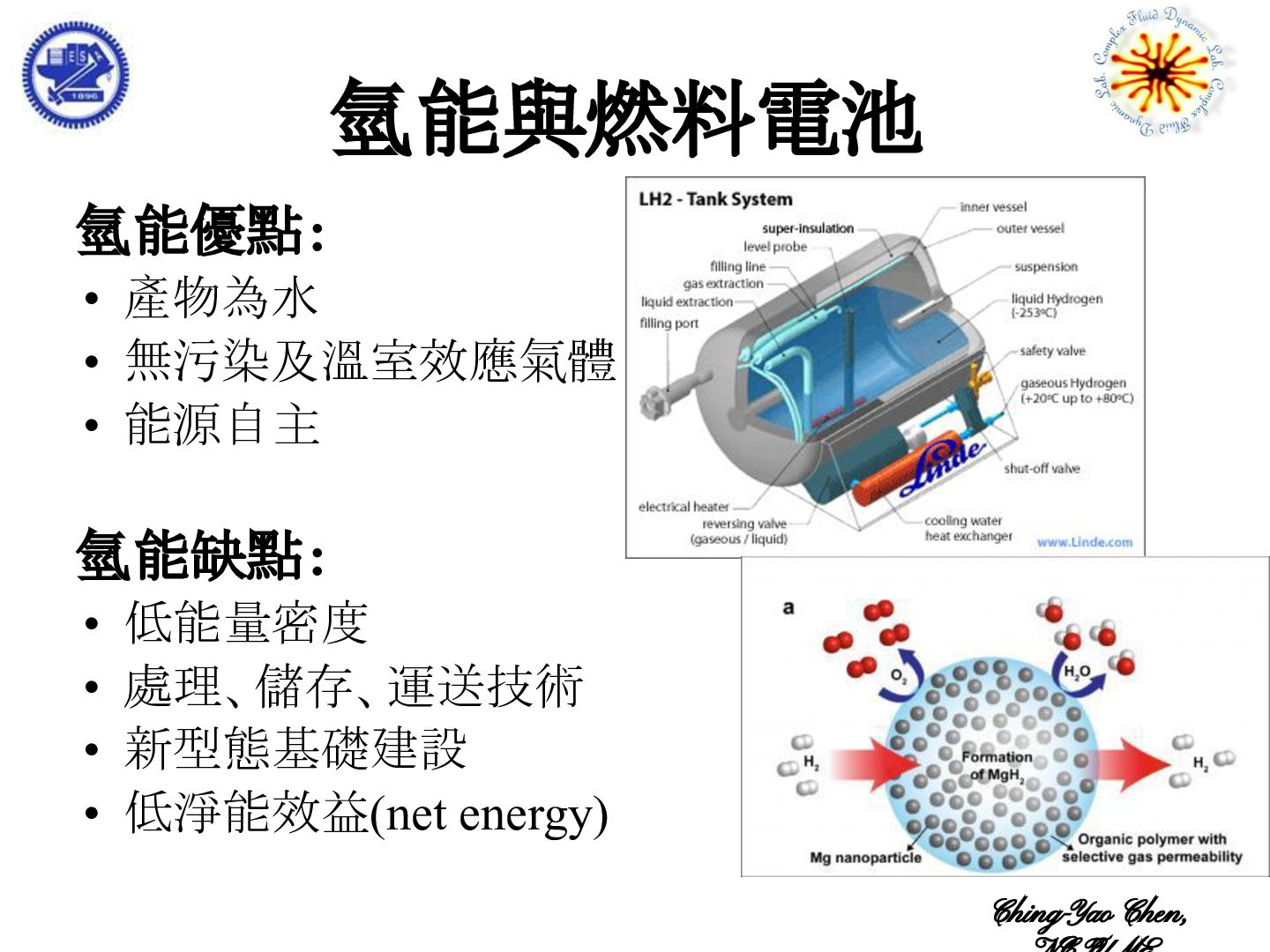
  5. Ching-Yao Chen, 氫能與燃料電池 氫能優點: • 產物為水 • 無污染及溫室效應氣體 • 能源自主

    氫能缺點: • 低能量密度 • 處理、儲存、運送技術 • 新型態基礎建設 • 低淨能效益(net energy)
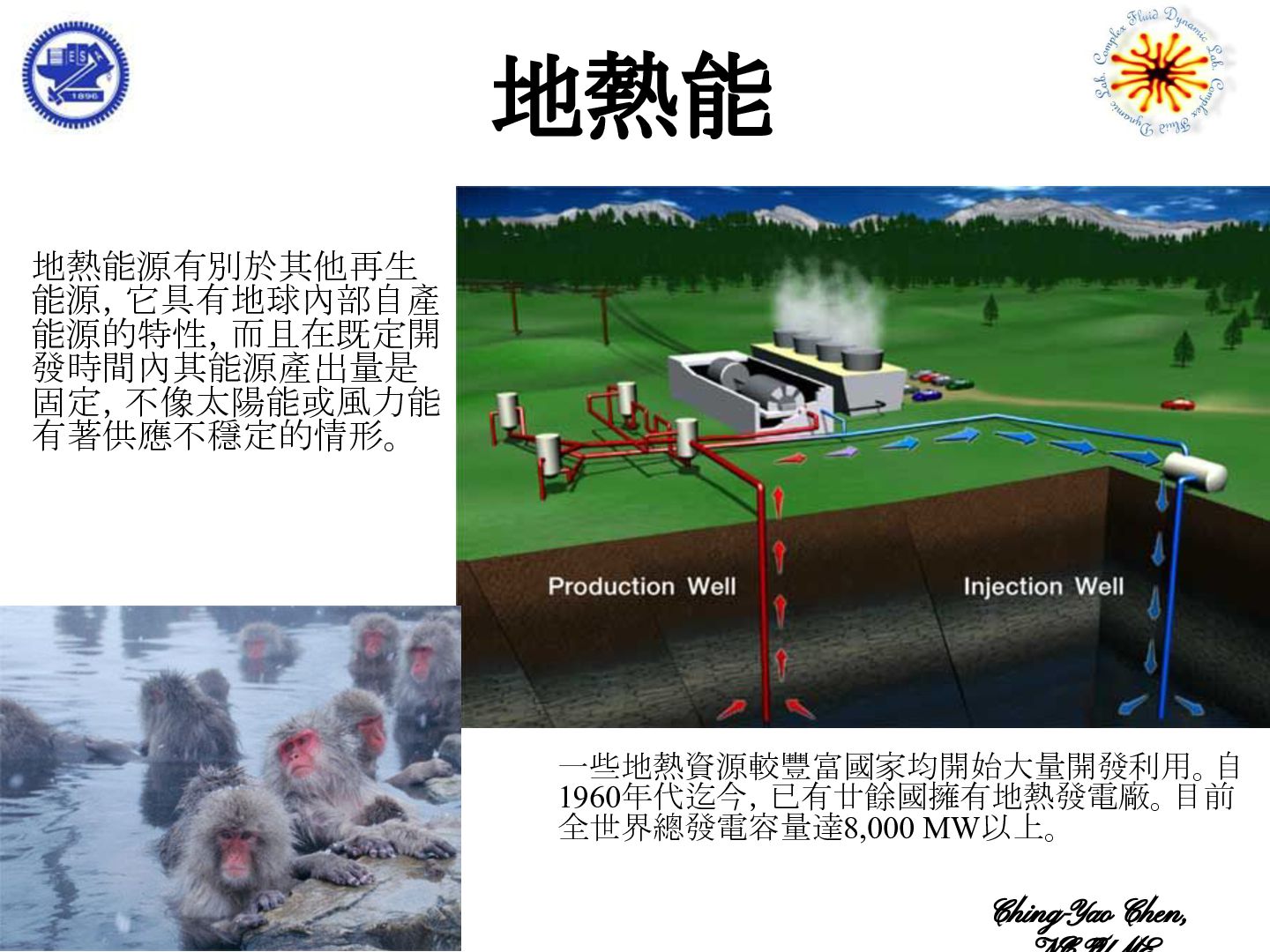
  6. 2013/5/2 Ching-Yao Chen, 地熱能 地熱能源有別於其他再生 能源,它具有地球內部自產 能源的特性,而且在既定開 發時間內其能源產出量是 固定,不像太陽能或風力能 有著供應不穩定的情形。

    一些地熱資源較豐富國家均開始大量開發利用。自 1960年代迄今,已有廿餘國擁有地熱發電廠。目前 全世界總發電容量達8,000 MW以上。
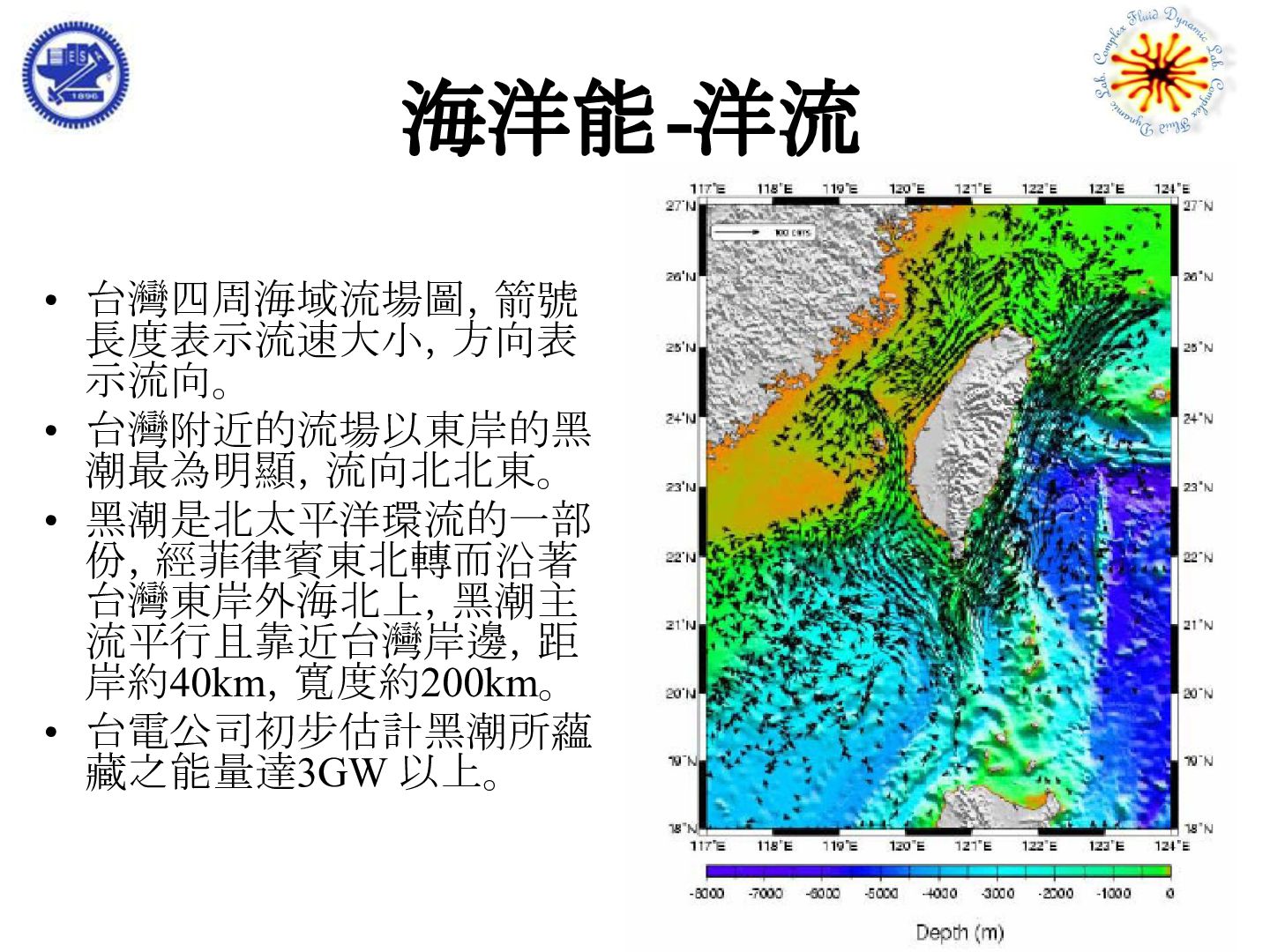
  7. Ching-Yao Chen, 海洋能-洋流 • 台灣四周海域流場圖,箭號 長度表示流速大小,方向表 示流向。 • 台灣附近的流場以東岸的黑 潮最為明顯,流向北北東。

    • 黑潮是北太平洋環流的一部 份,經菲律賓東北轉而沿著 台灣東岸外海北上,黑潮主 流平行且靠近台灣岸邊,距 岸約40km,寬度約200km。 • 台電公司初步估計黑潮所蘊 藏之能量達3GW 以上。
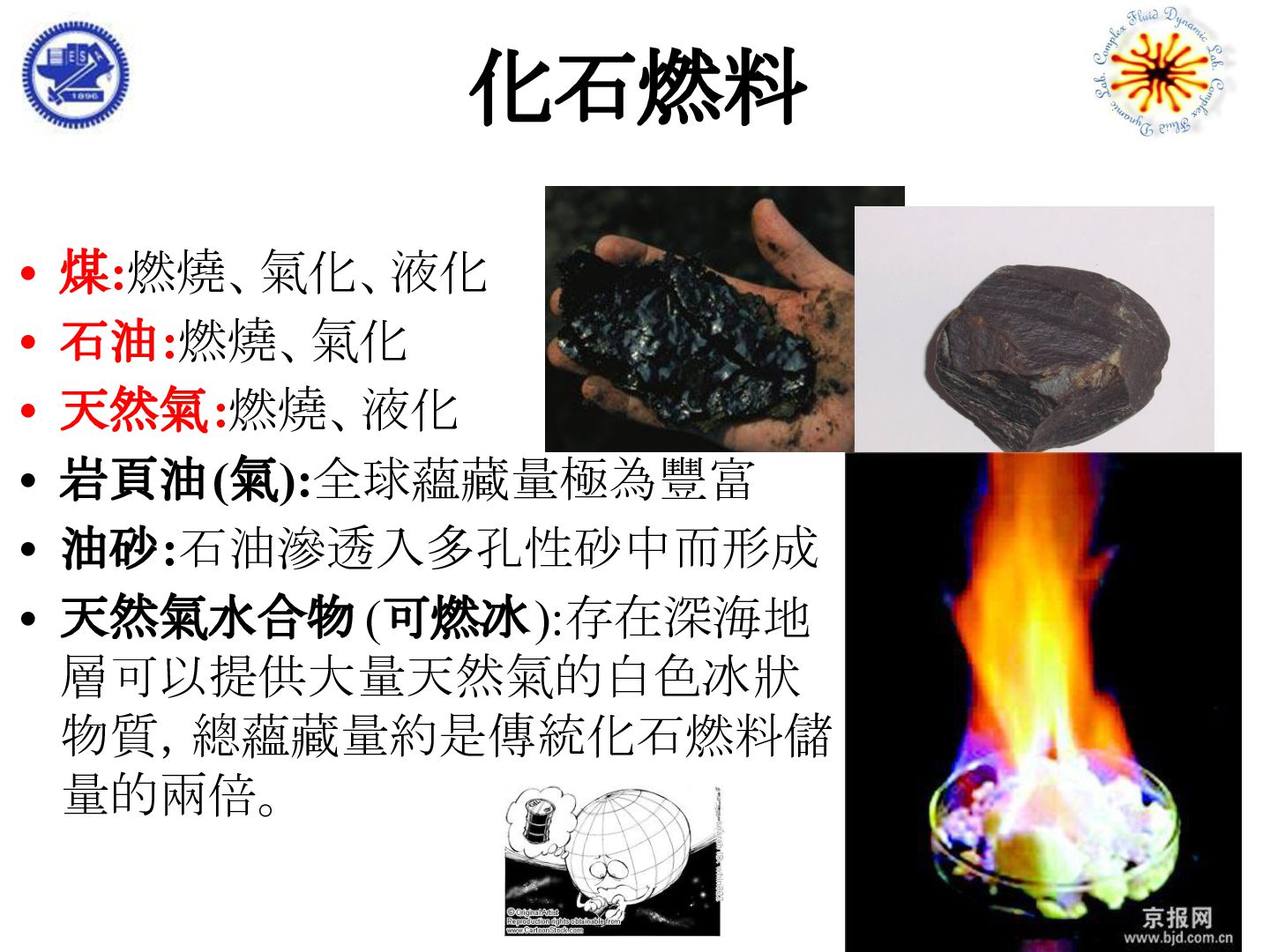
  8. Ching-Yao Chen, • 煤:燃燒、氣化、液化 • 石油:燃燒、氣化 • 天然氣:燃燒、液化 • 岩頁油(氣):全球蘊藏量極為豐富

    • 油砂:石油滲透入多孔性砂中而形成 • 天然氣水合物 (可燃冰):存在深海地 層可以提供大量天然氣的白色冰狀 物質,總蘊藏量約是傳統化石燃料儲 量的兩倍。 化石燃料
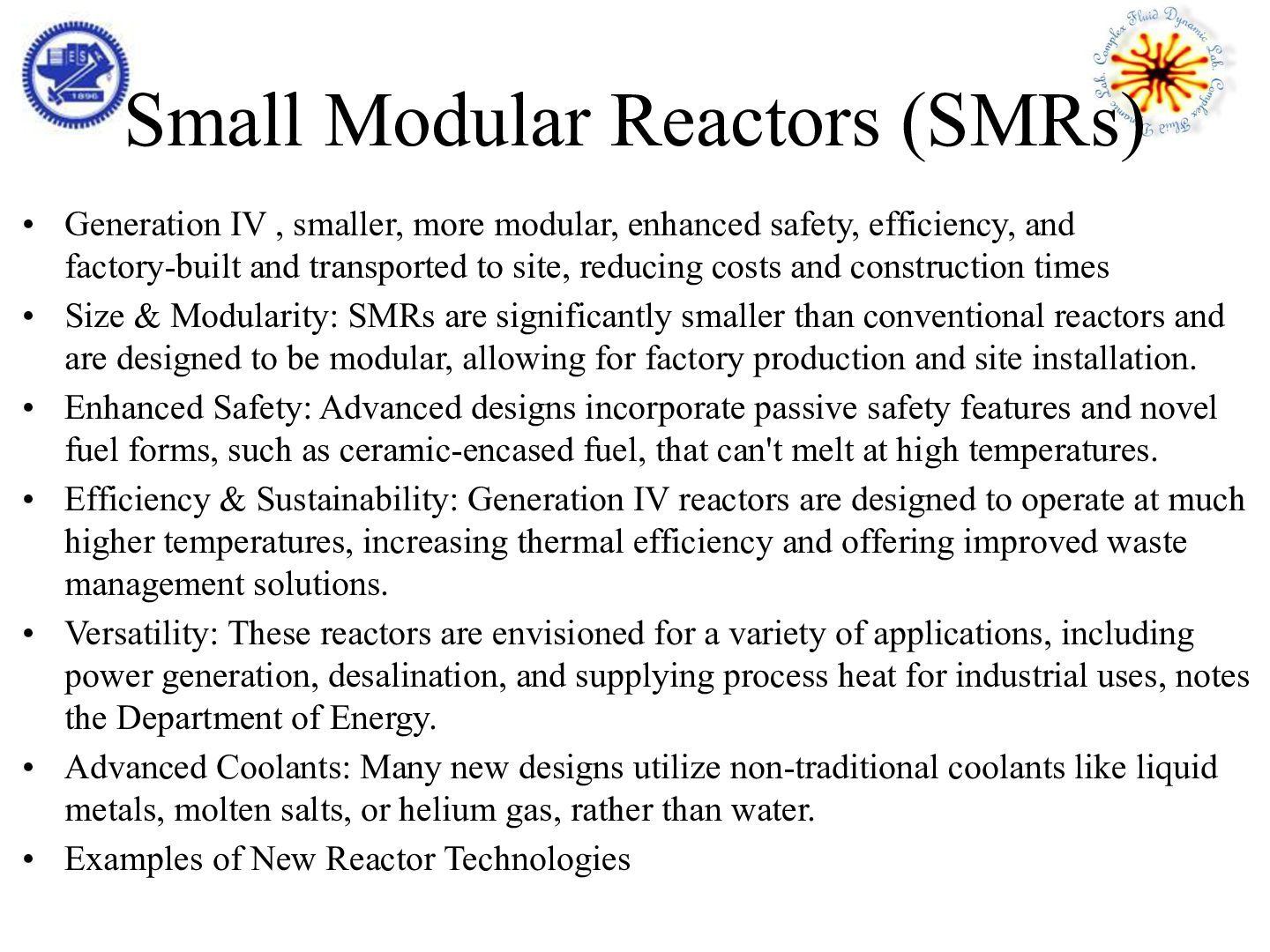
  9. Small Modular Reactors (SMRs) • Generation IV , smaller, more

    modular, enhanced safety, efficiency, and factory-built and transported to site, reducing costs and construction times • Size & Modularity: SMRs are significantly smaller than conventional reactors and are designed to be modular, allowing for factory production and site installation. • Enhanced Safety: Advanced designs incorporate passive safety features and novel fuel forms, such as ceramic-encased fuel, that can't melt at high temperatures. • Efficiency & Sustainability: Generation IV reactors are designed to operate at much higher temperatures, increasing thermal efficiency and offering improved waste management solutions. • Versatility: These reactors are envisioned for a variety of applications, including power generation, desalination, and supplying process heat for industrial uses, notes the Department of Energy. • Advanced Coolants: Many new designs utilize non-traditional coolants like liquid metals, molten salts, or helium gas, rather than water. • Examples of New Reactor Technologies