Upgrade to Pro — share decks privately, control downloads, hide ads and more …

fergus_deblurring.pdf

Avatar for Leigh Shicheng Zheng Leigh Shicheng Zheng
October 08, 2012
32

 fergus_deblurring.pdf

Avatar for Leigh Shicheng Zheng

Leigh Shicheng Zheng

October 08, 2012

Transcript

  1. Removing Camera Shake from Removing Camera Shake from a Single

    Photograph Rob Fergus, Barun Singh, Aaron Hertzmann, Sam T. Roweis and William T. Freeman Massachusetts Institute of Technology gy and University of Toronto
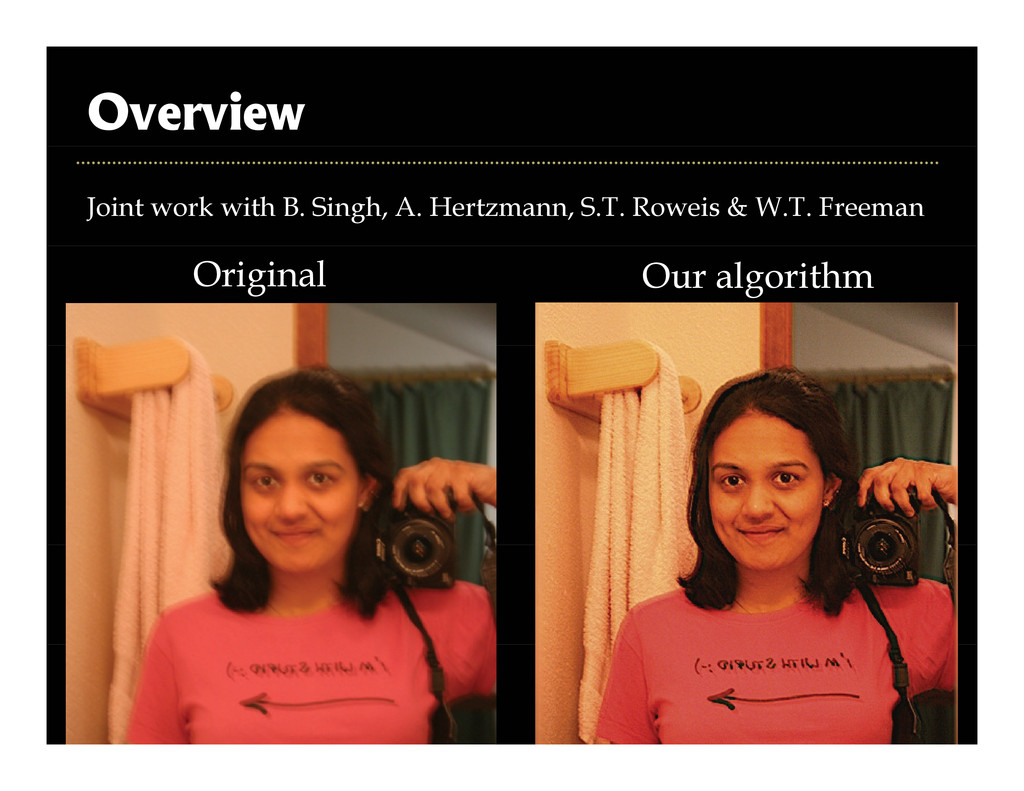
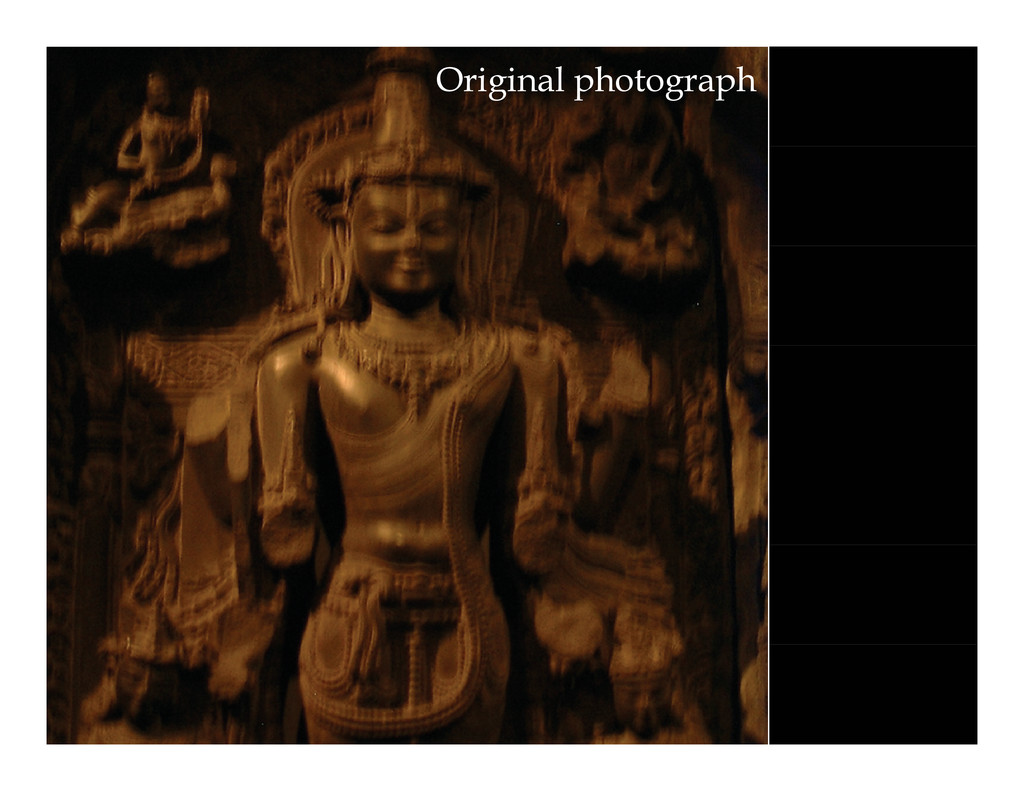
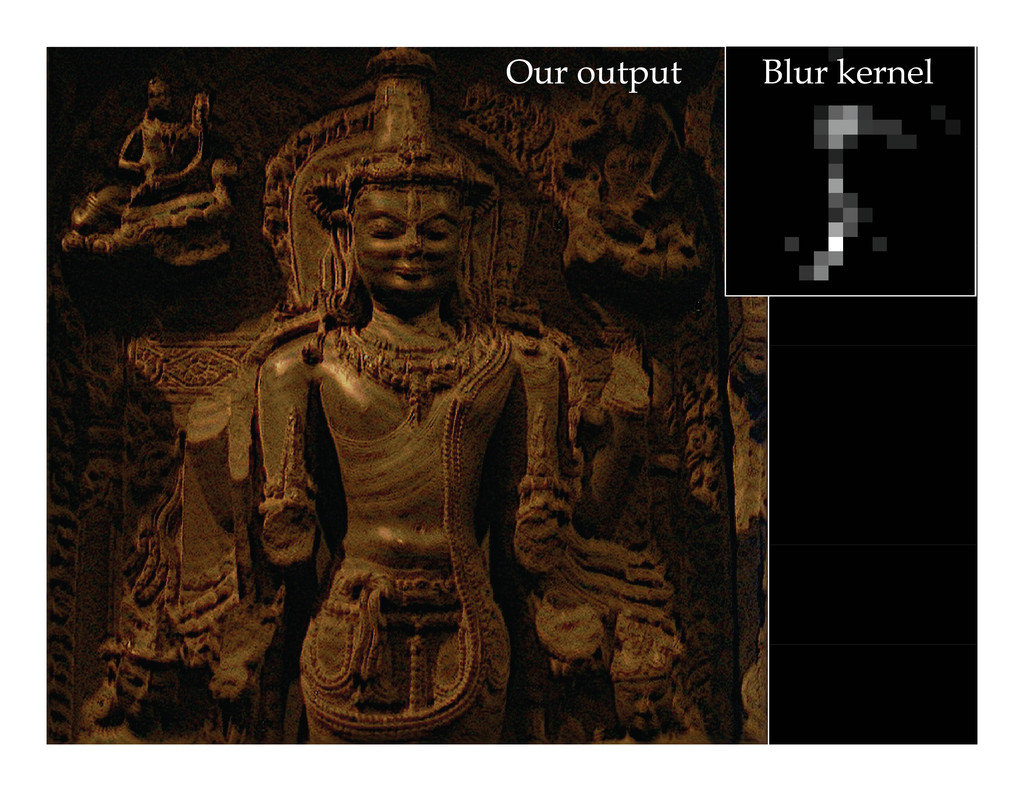
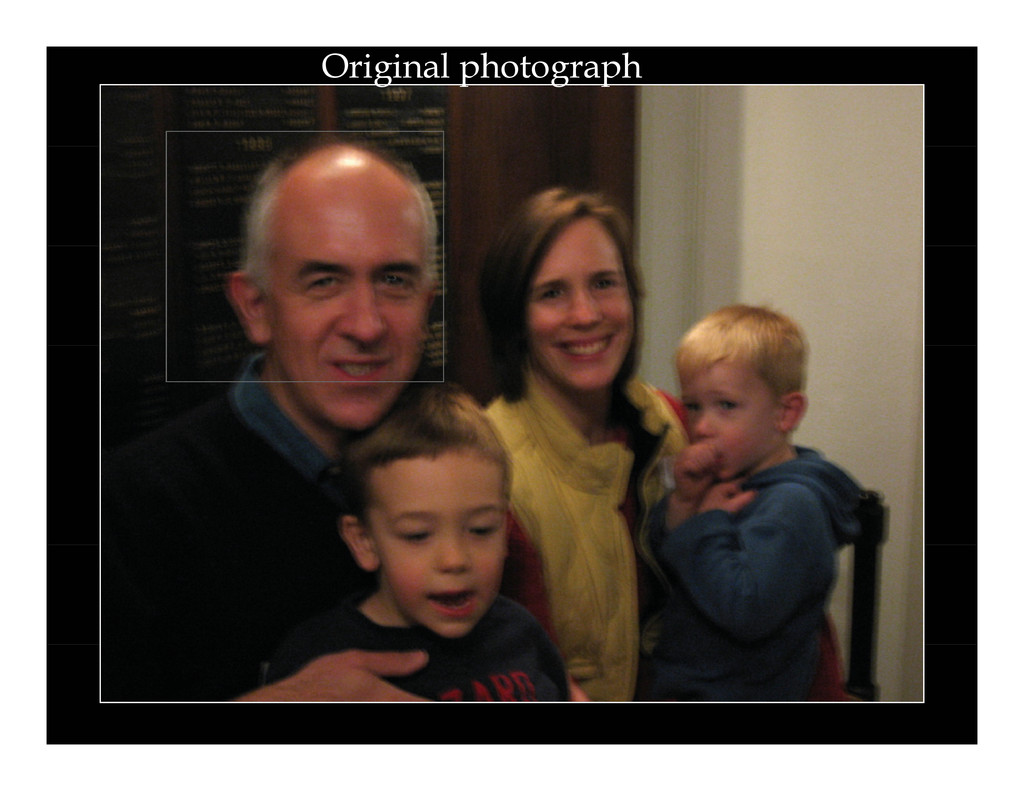
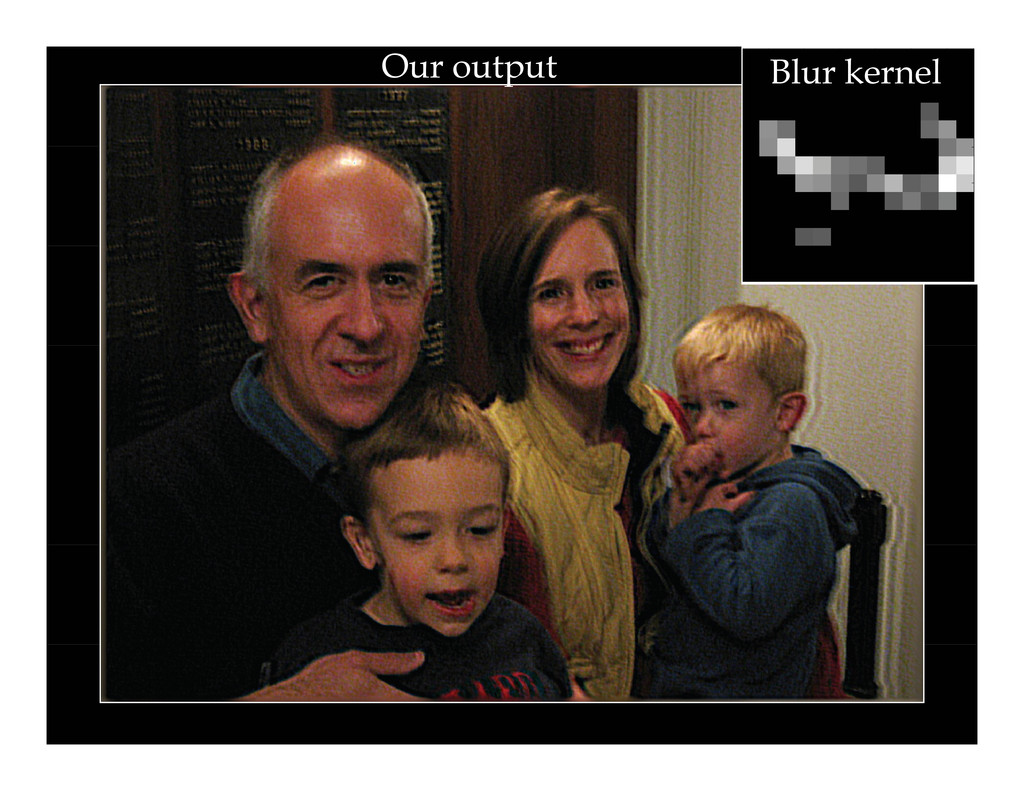
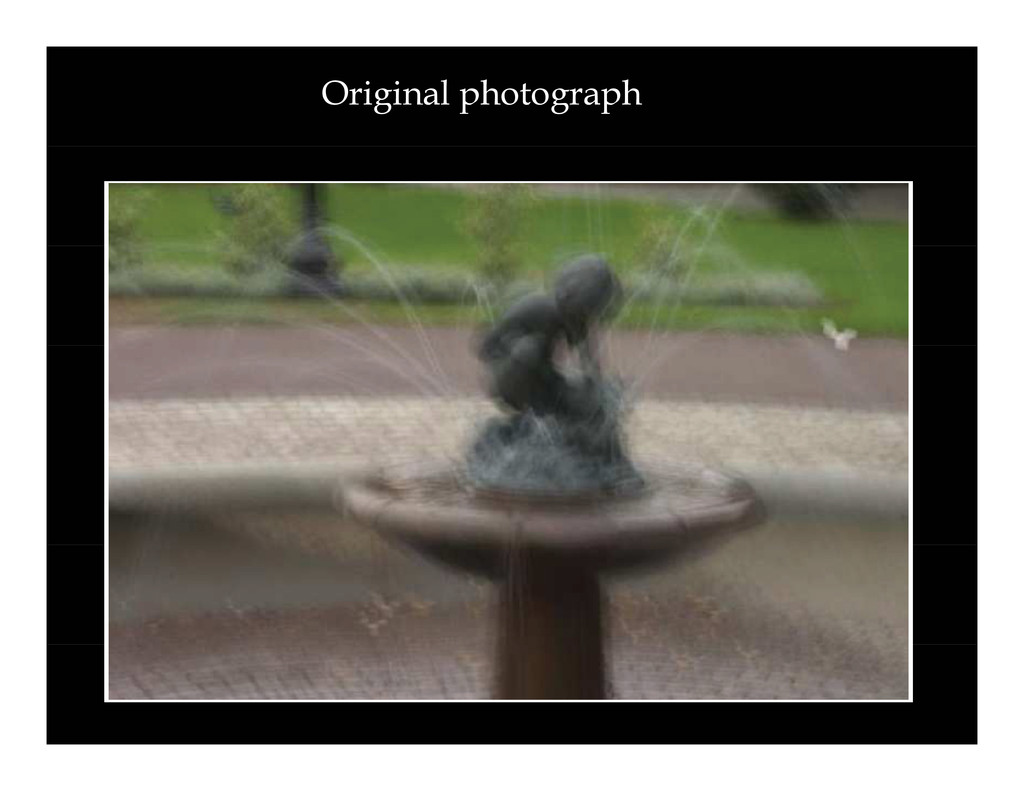
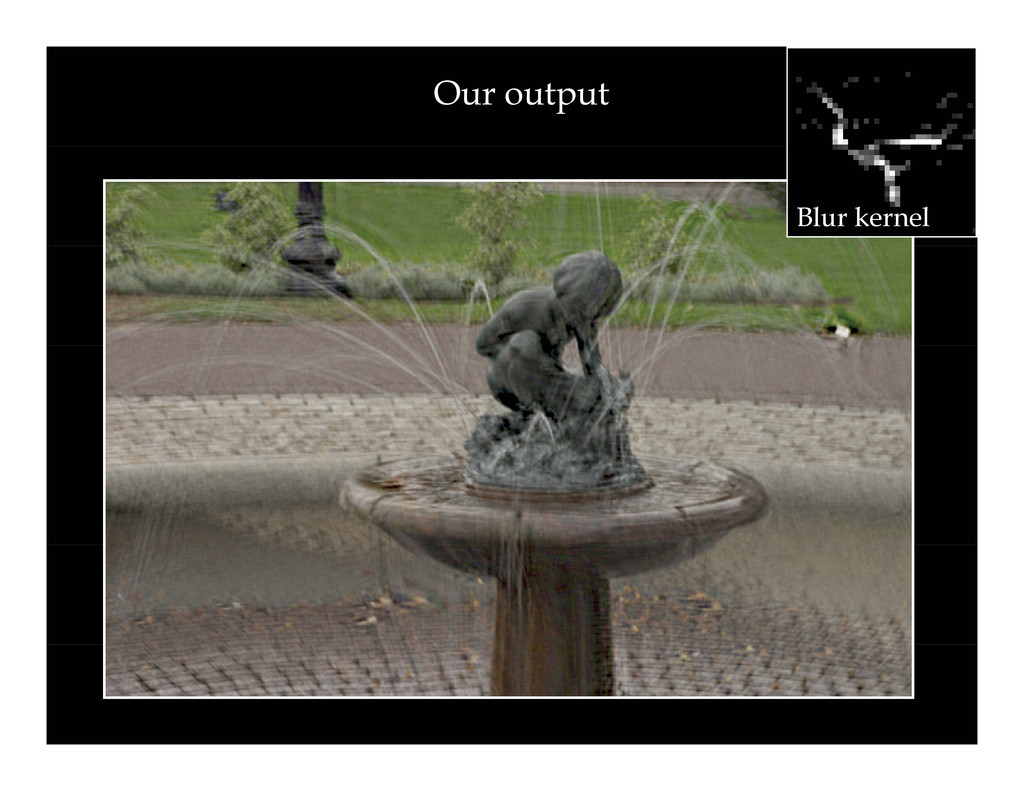
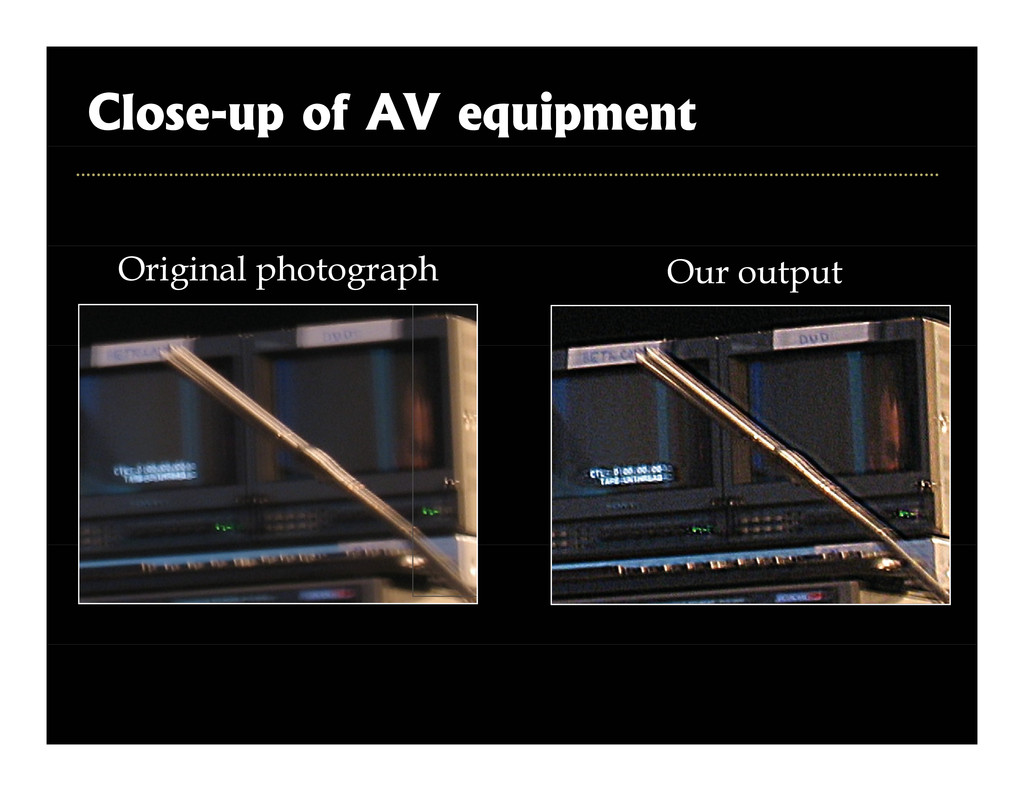
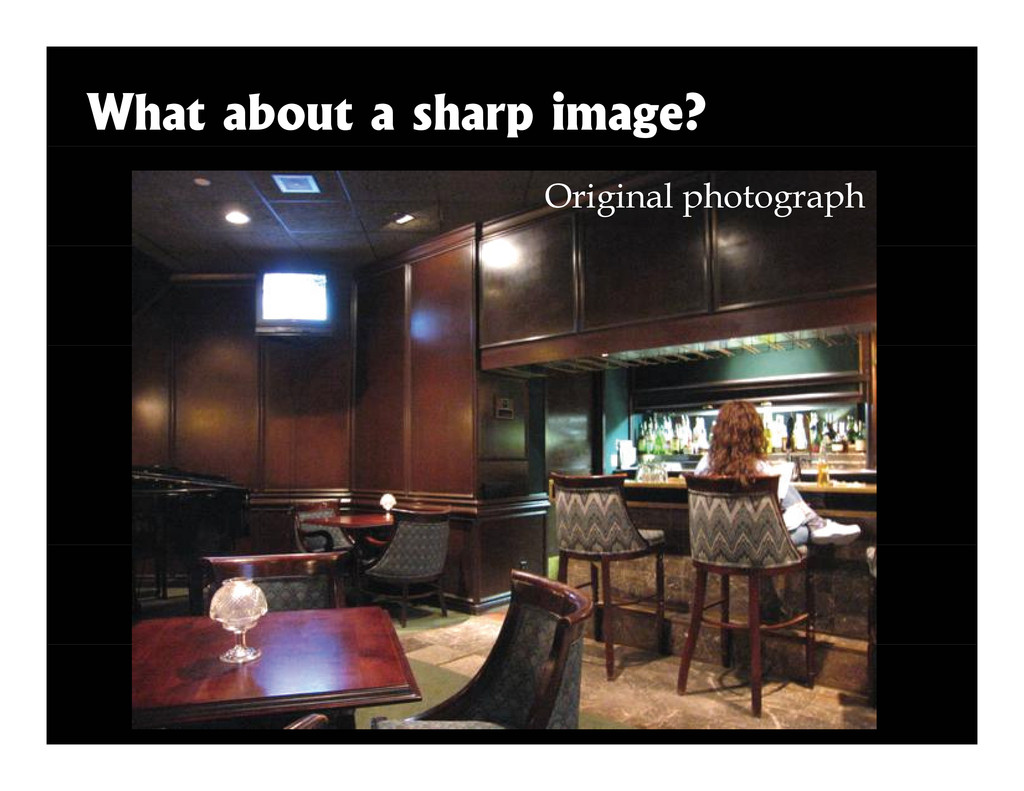
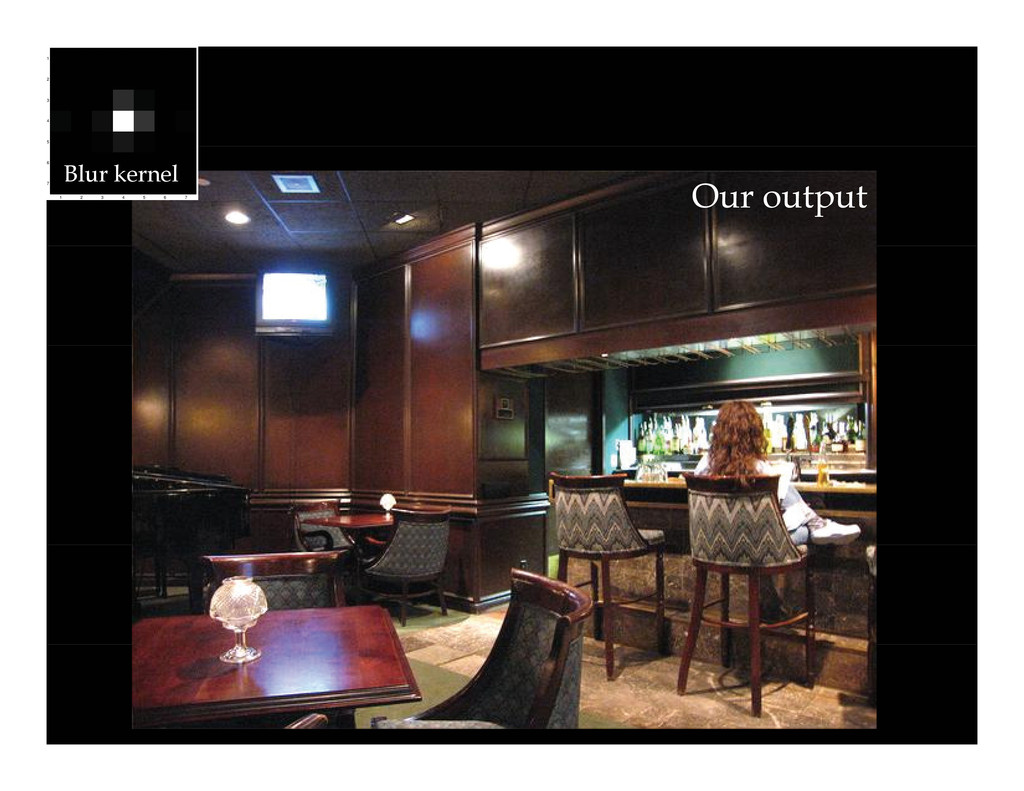
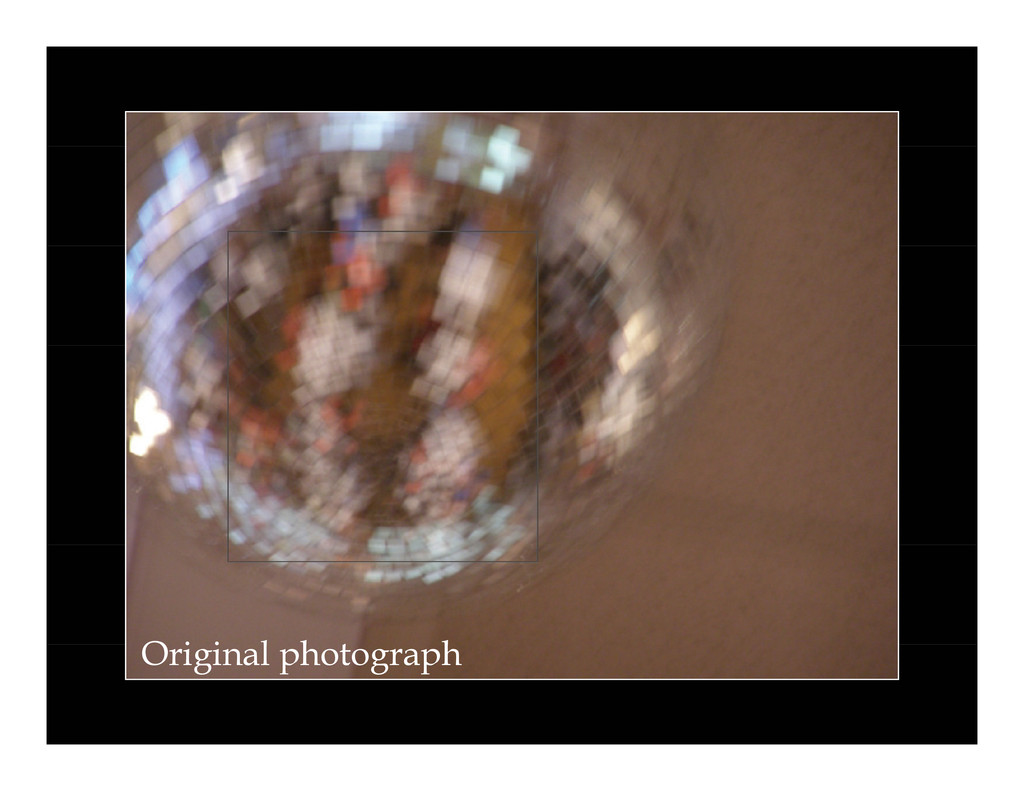
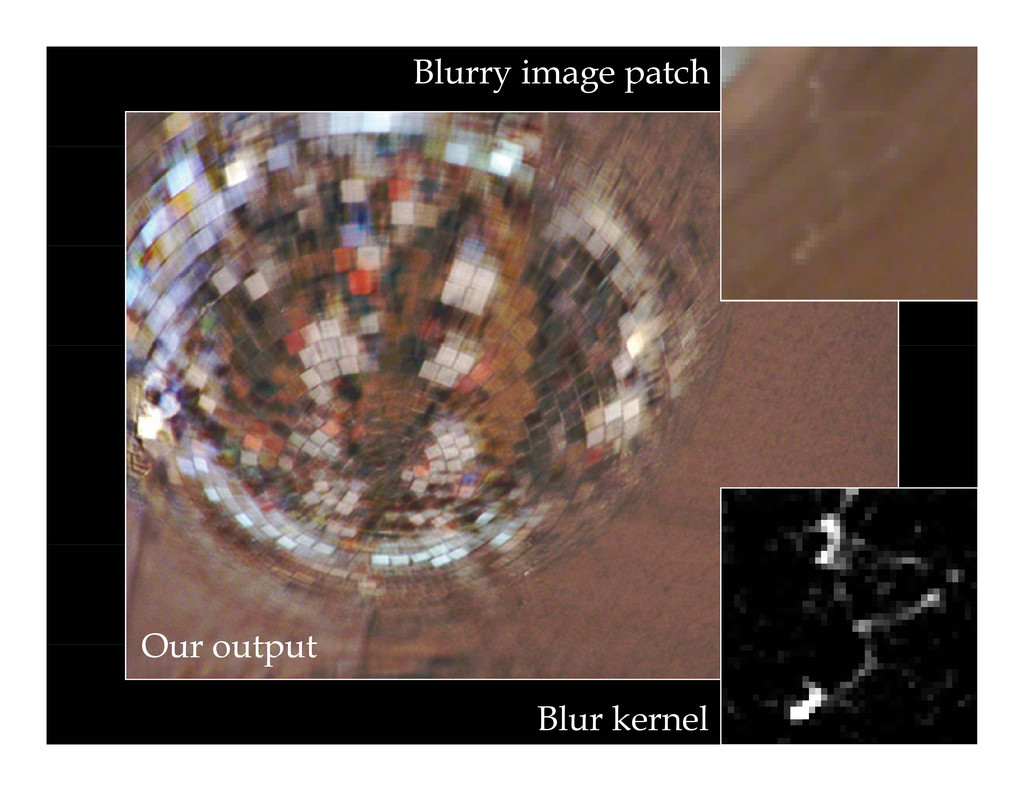
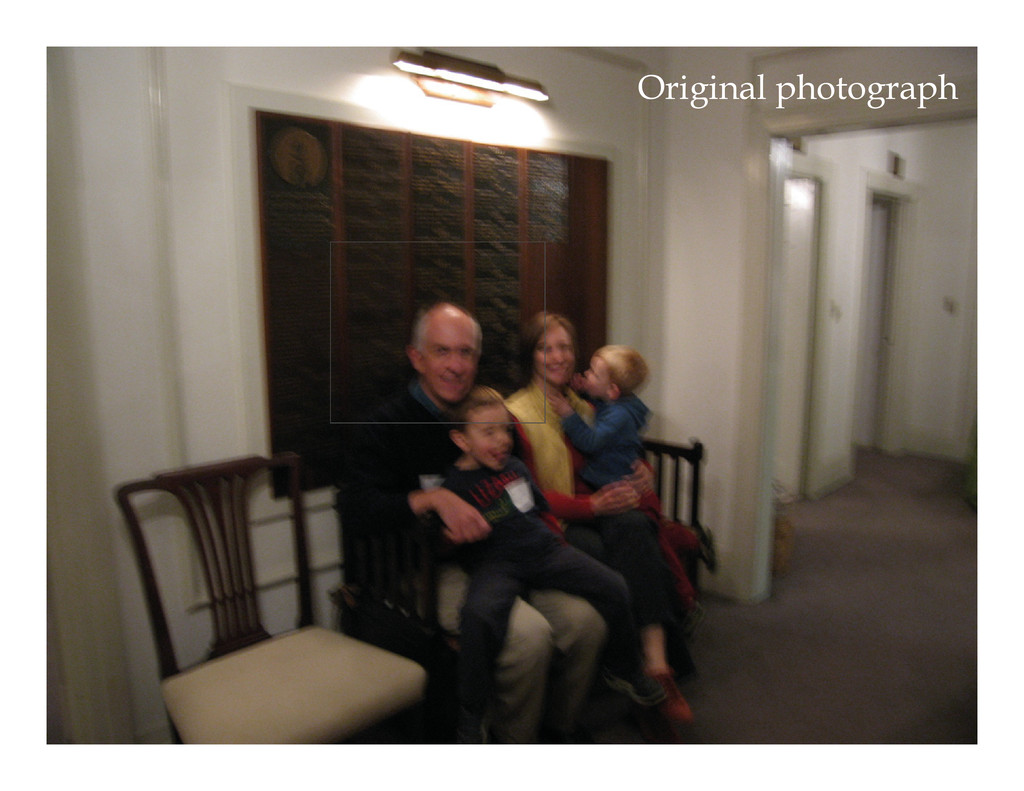
  2. Overview Joint work with B. Singh, A. Hertzmann, S.T. Roweis

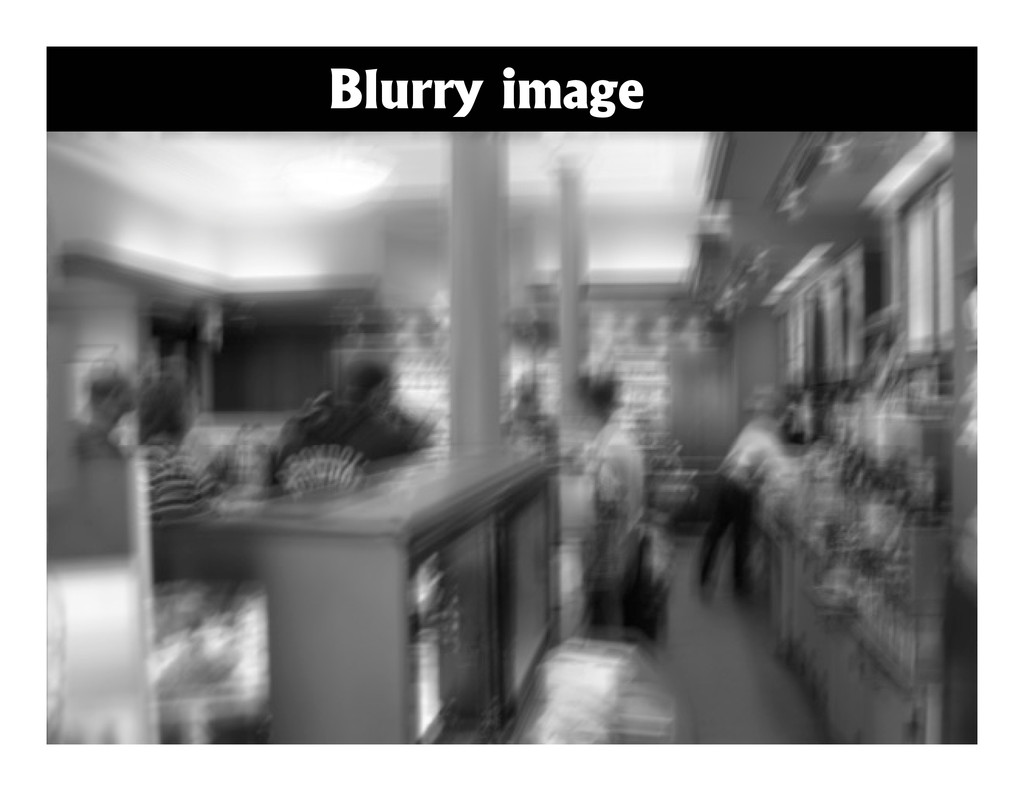
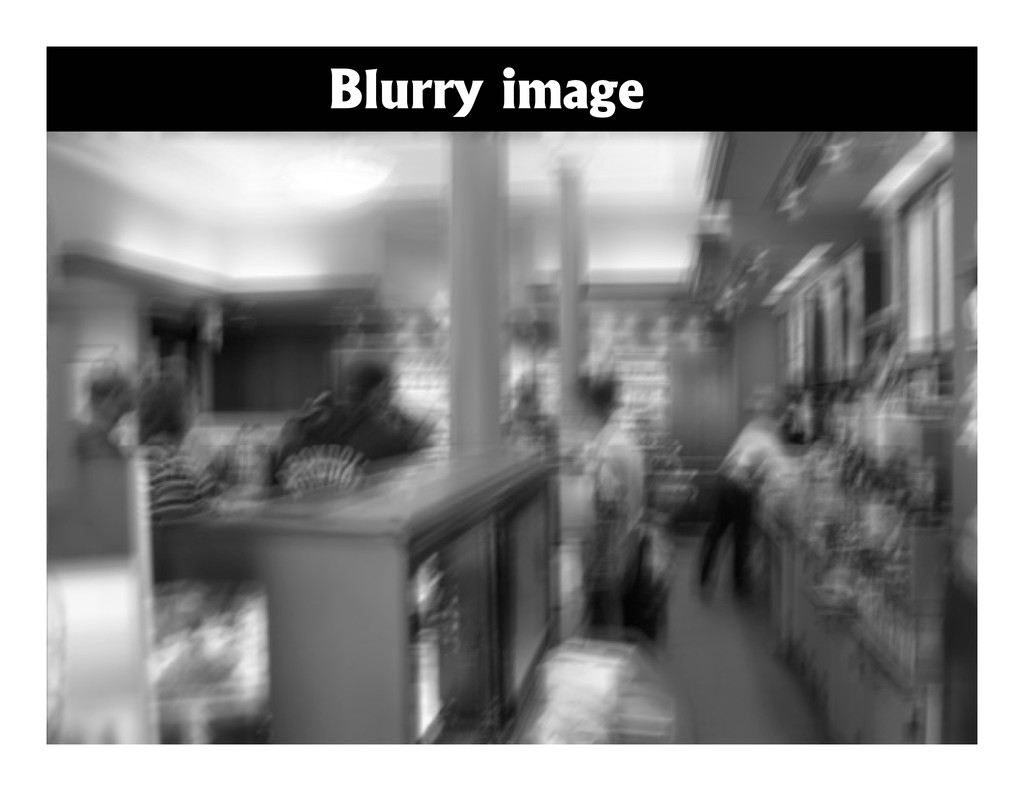
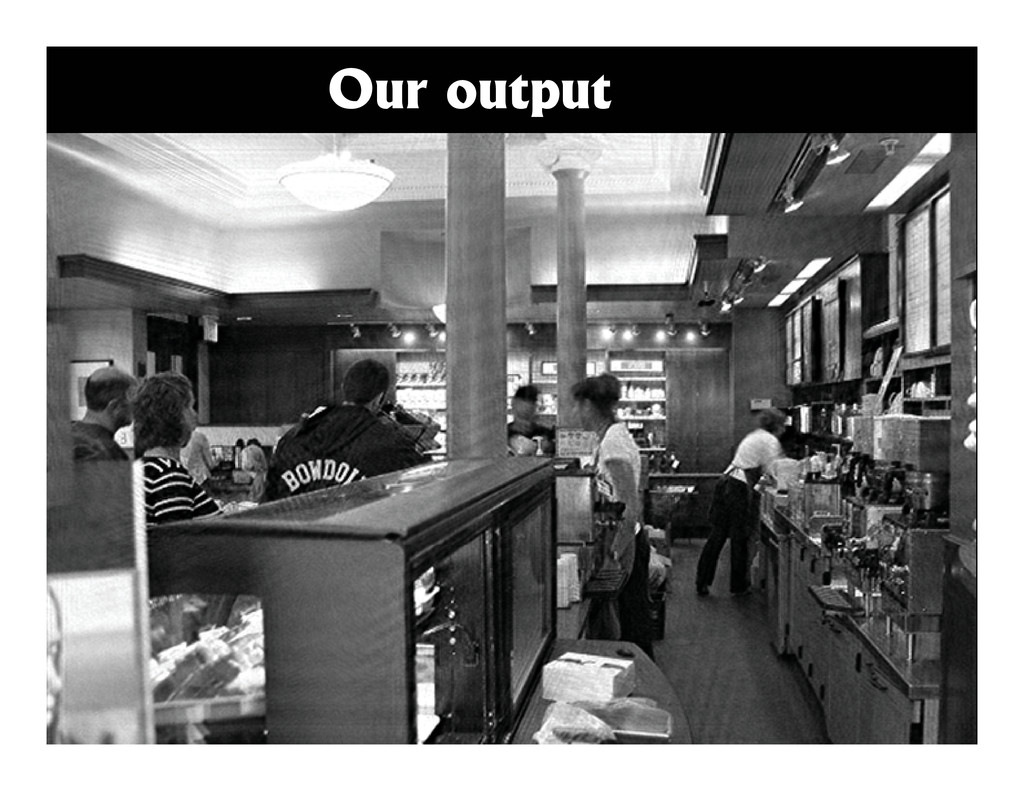
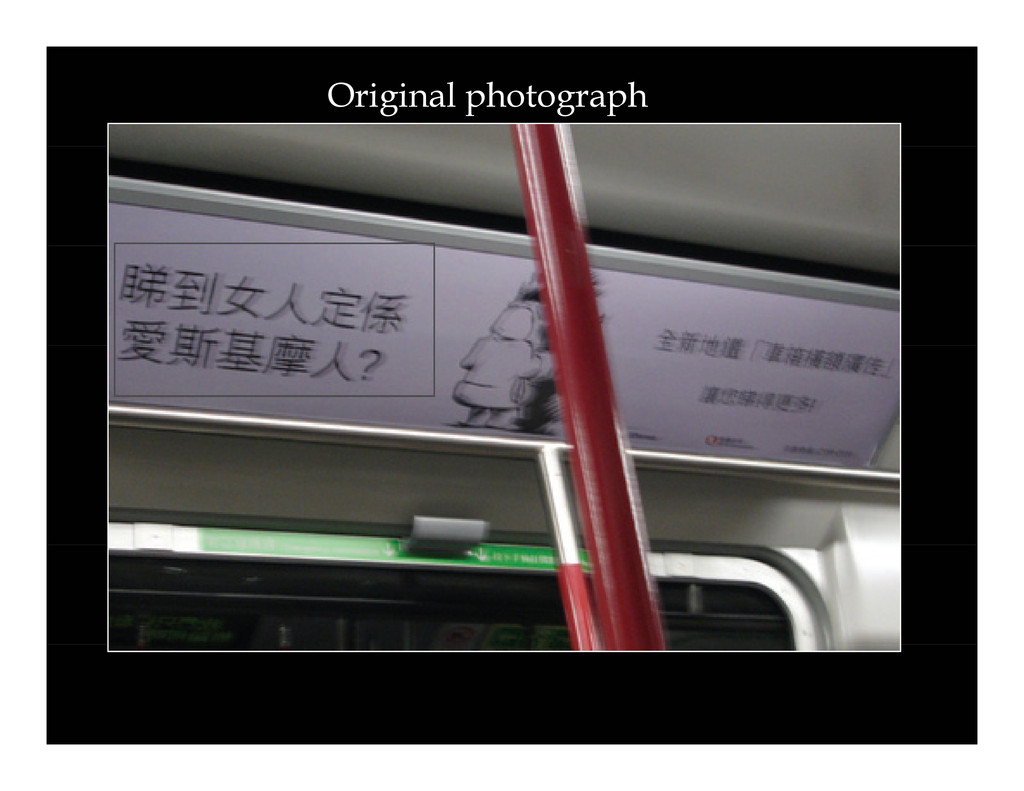
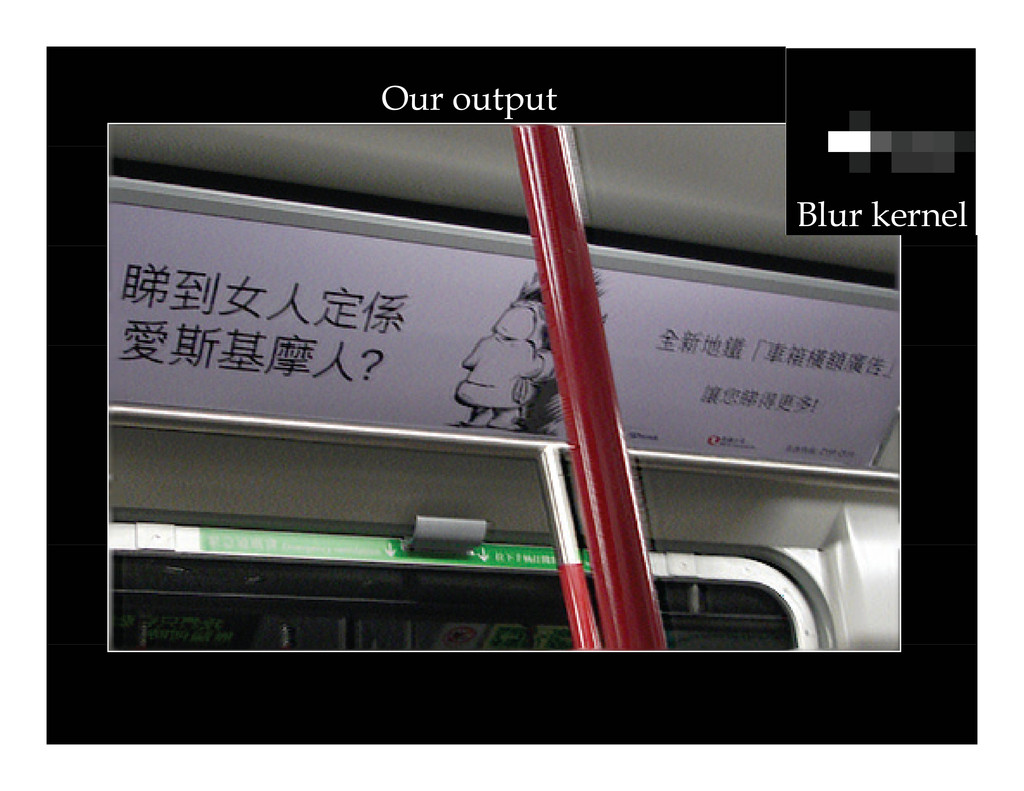
    & W.T. Freeman Original Our algorithm
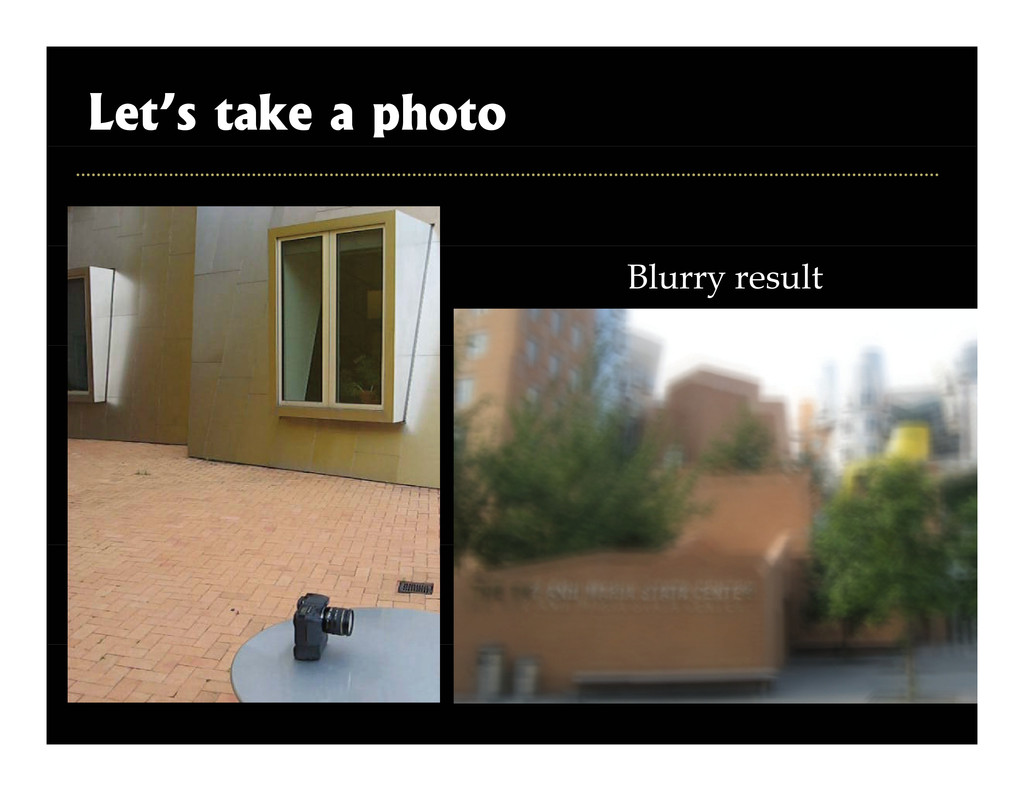
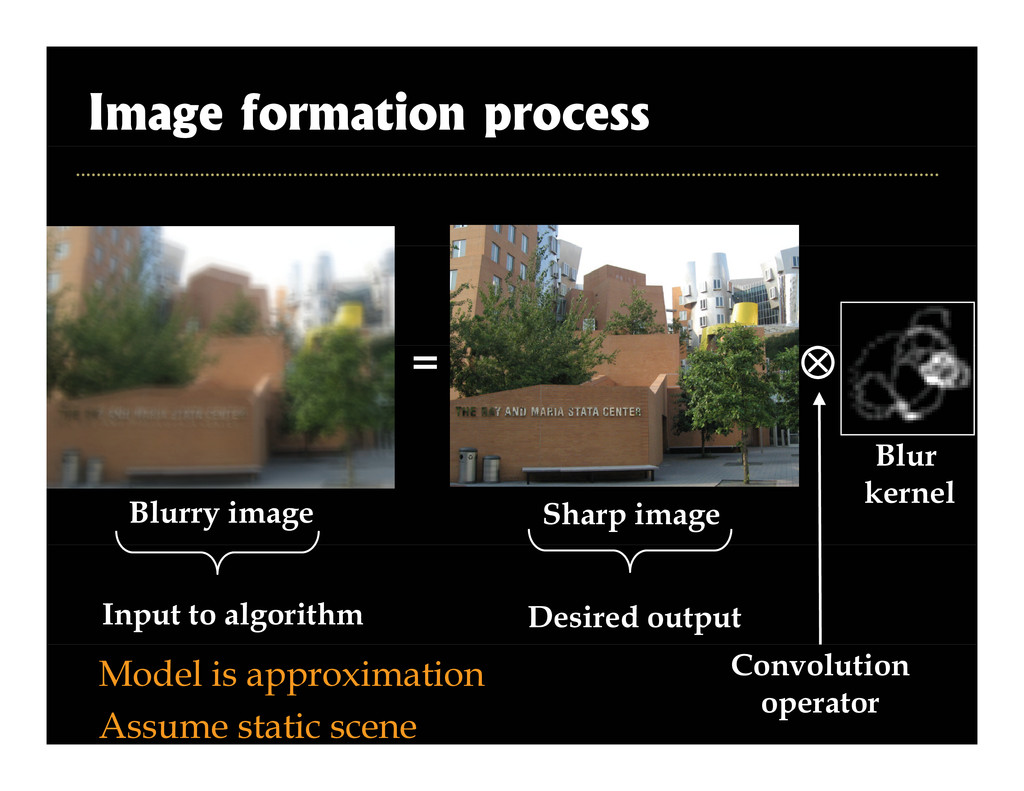
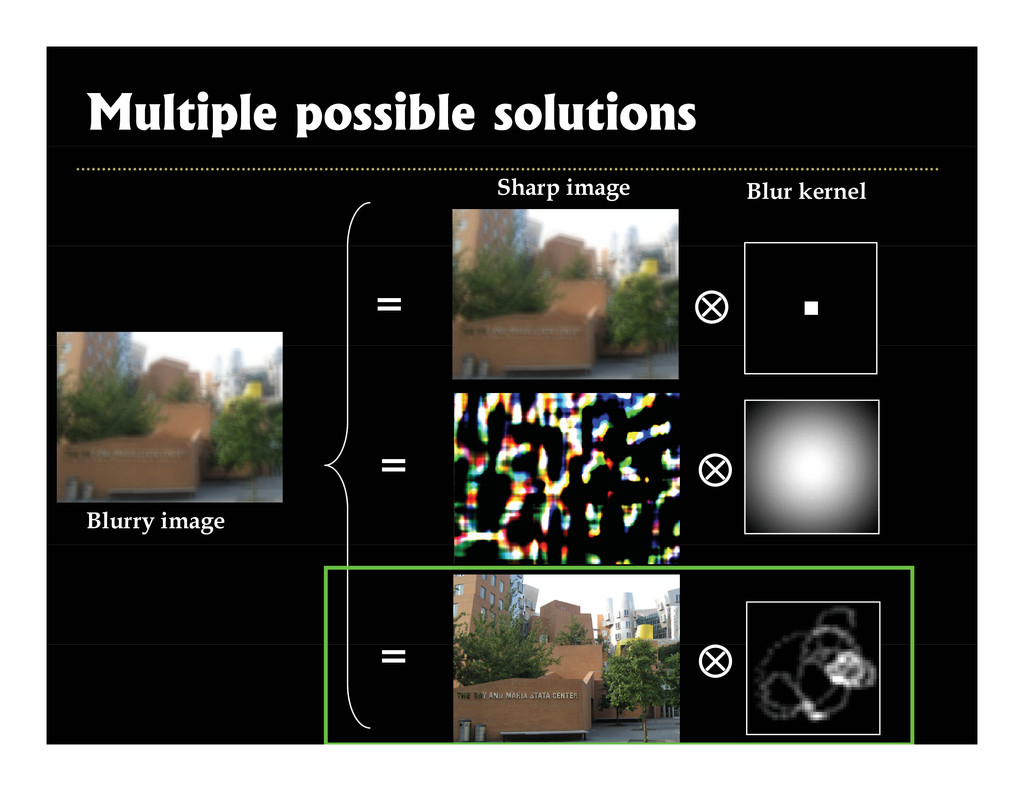
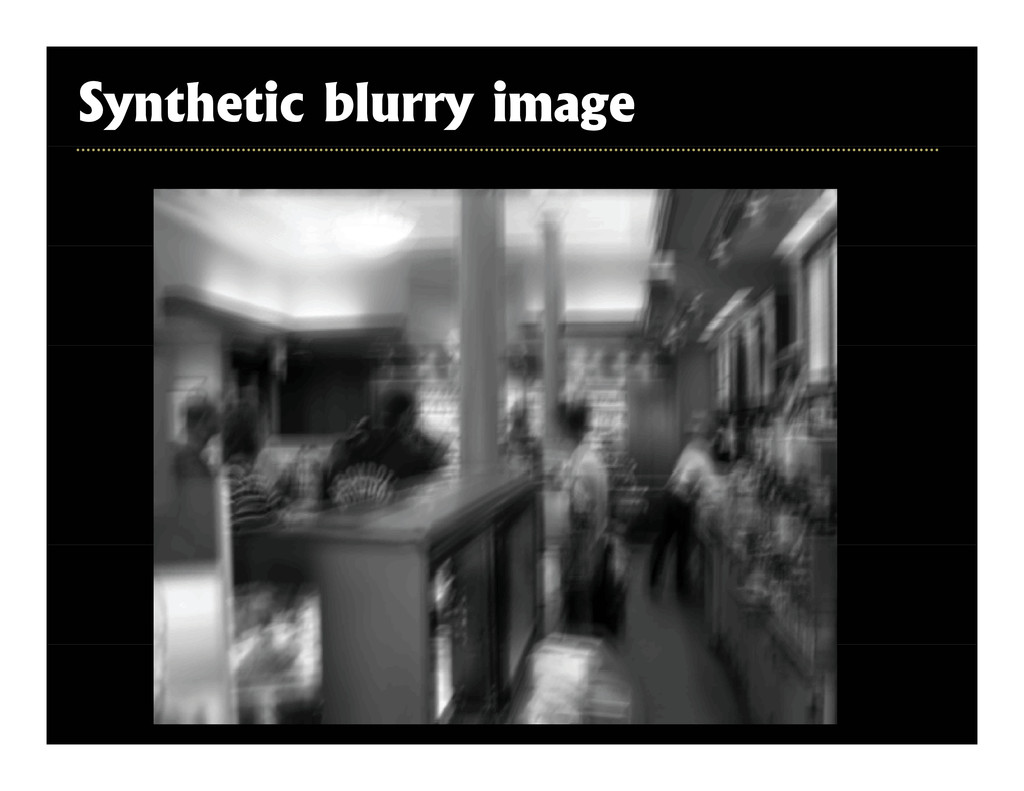
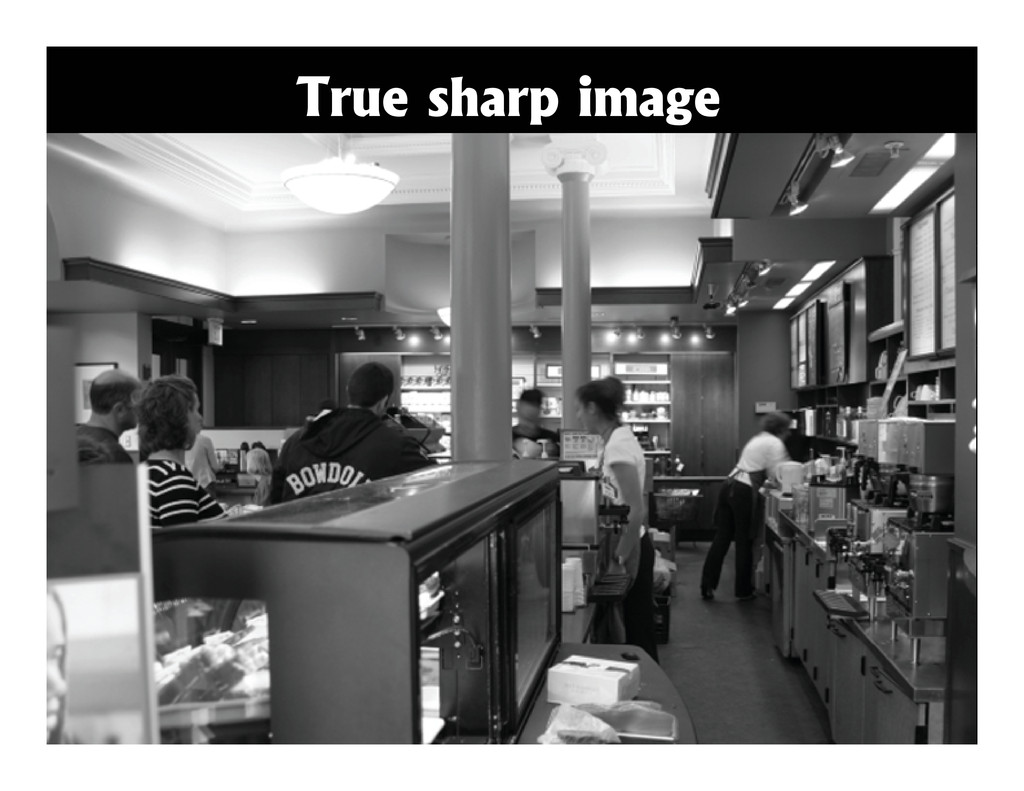
  3. Image formation process = ⊗ Bl Blurry image Sharp image

    Blur kernel Input to algorithm Desired output Convolution operator Model is approximation Assume static scene
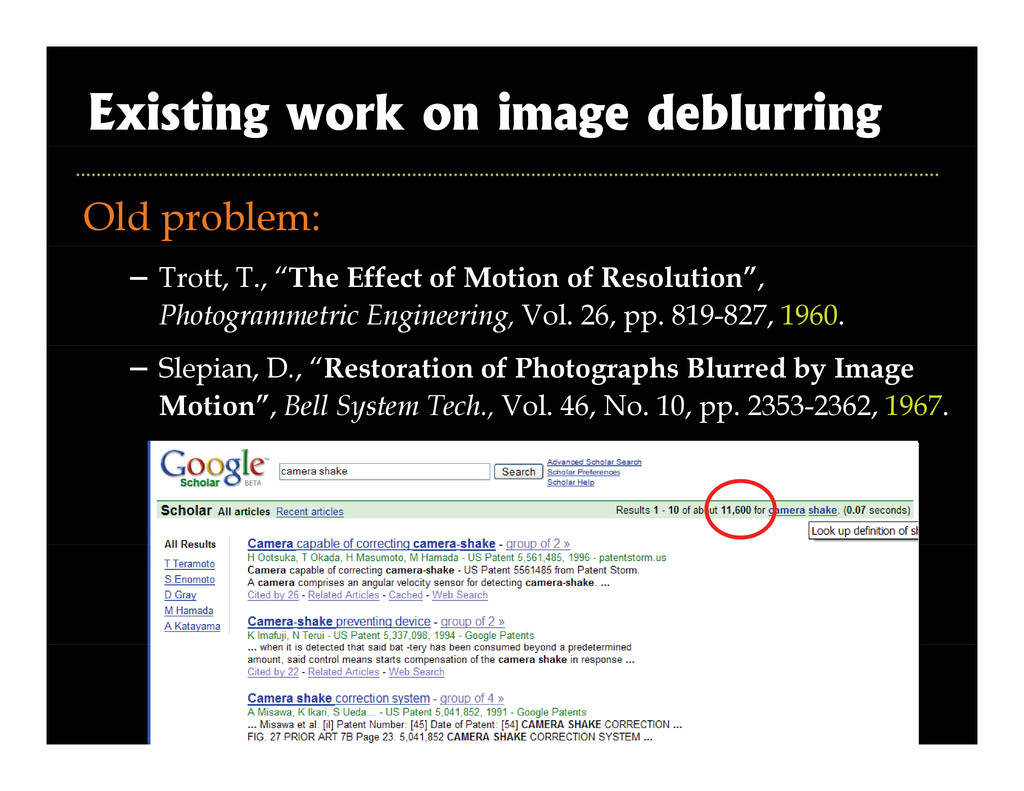
  4. Existing work on image deblurring Old problem: – Trott, T.,

    “The Effect of Motion of Resolution”, Photogrammetric Engineering, Vol. 26, pp. 819-827, 1960. – Slepian, D., “Restoration of Photographs Blurred by Image Motion”, Bell System Tech., Vol. 46, No. 10, pp. 2353-2362, 1967.
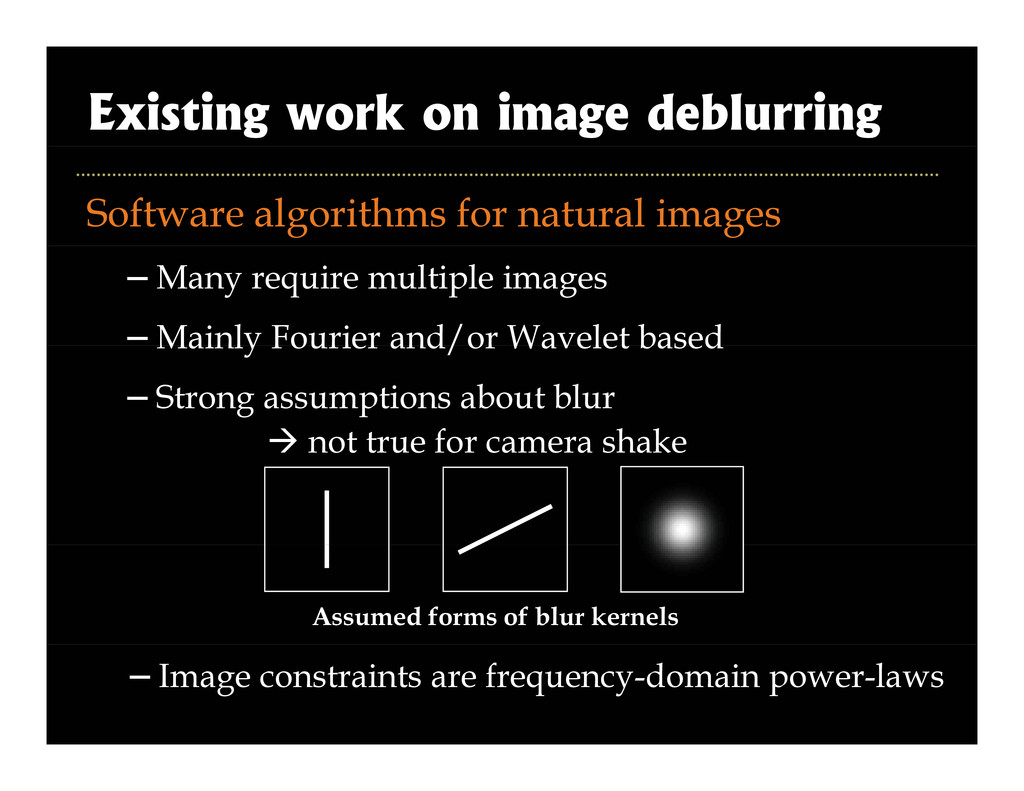
  5. Existing work on image deblurring Software algorithms for natural images

    – Many require multiple images – Mainly Fourier and/or Wavelet based Mainly Fourier and/or Wavelet based – Strong assumptions about blur Æ not true for camera shake Æ not true for camera shake Assumed forms of blur kernels – Image constraints are frequency-domain power-laws
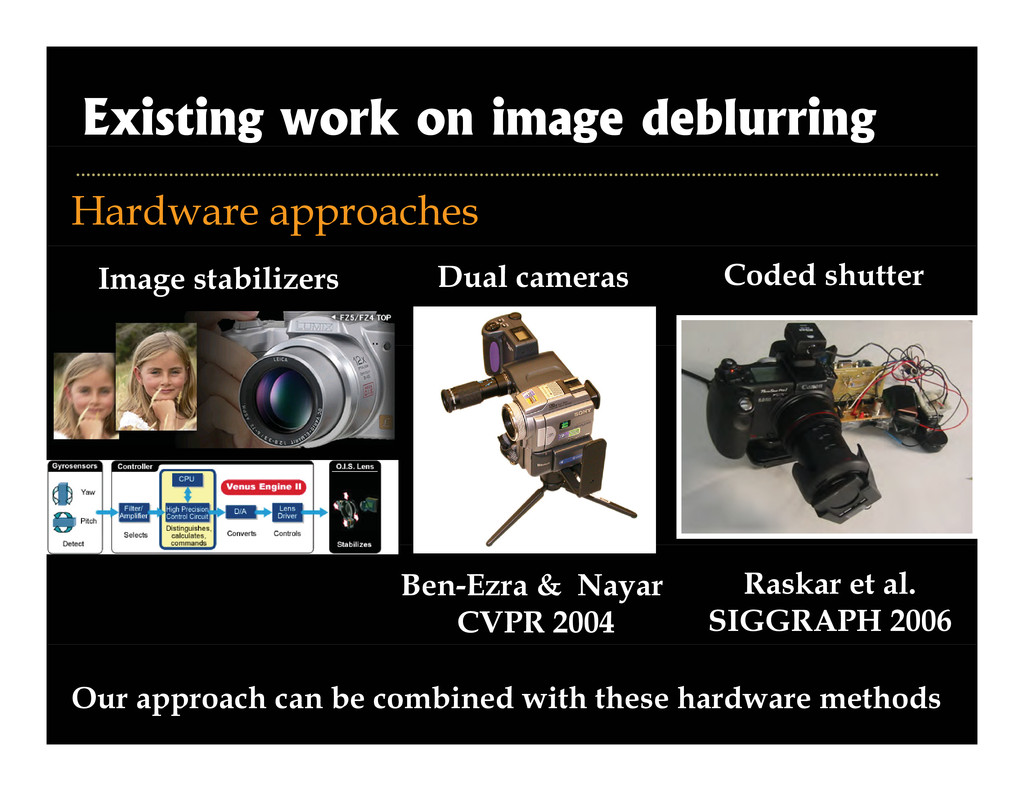
  6. Existing work on image deblurring Hardware approaches Dual cameras Coded

    shutter Image stabilizers Ben-Ezra & Nayar CVPR 2004 Raskar et al. SIGGRAPH 2006 Our approach can be combined with these hardware methods
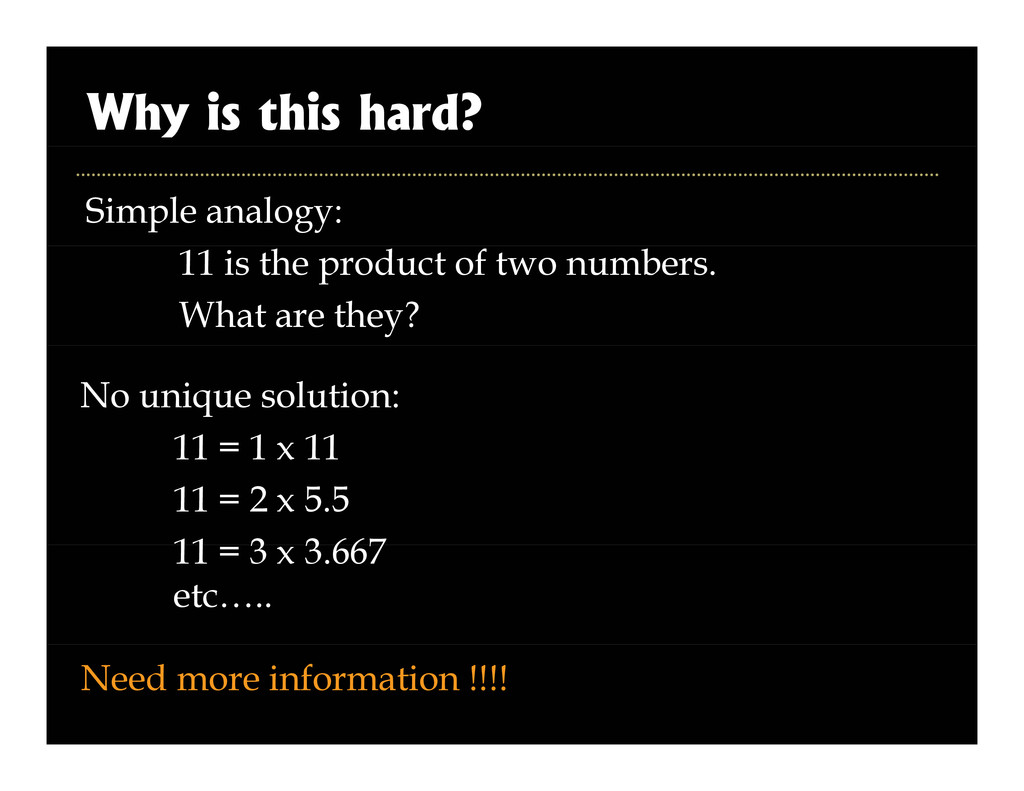
  7. Why is this hard? Simple analogy: 11 is the product

    of two numbers. What are they? No unique solution: 11 = 1 x 11 11 = 1 x 11 11 = 2 x 5.5 11 3 3 667 11 = 3 x 3.667 etc….. Need more information !!!!
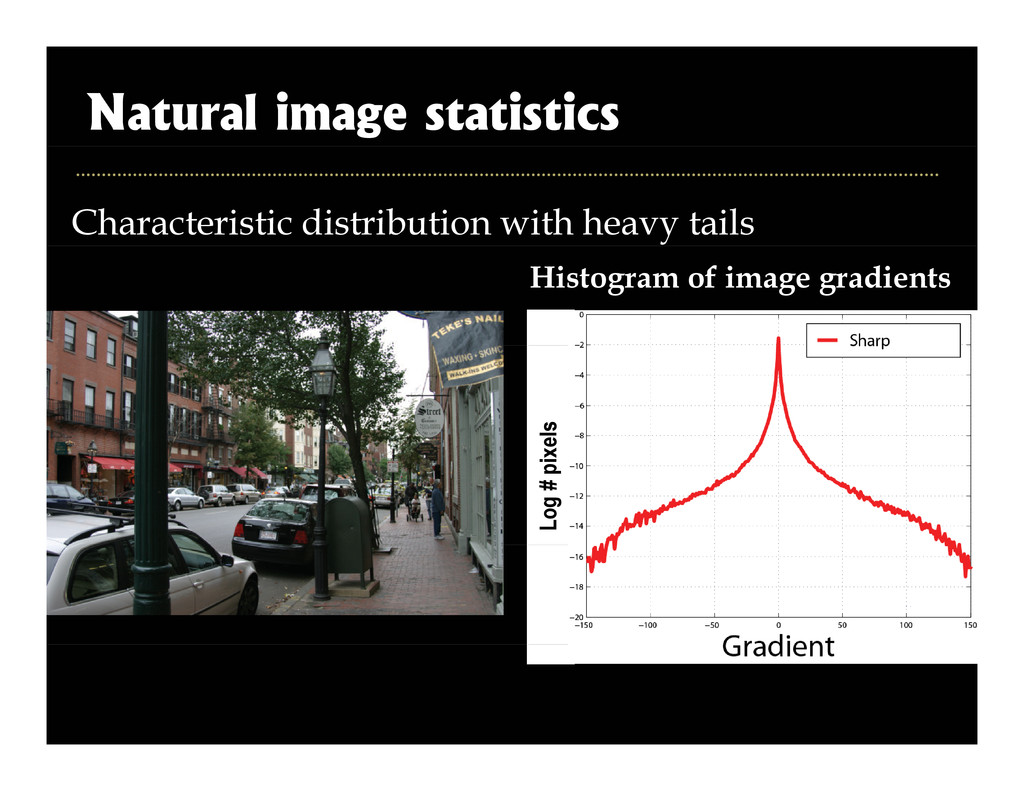
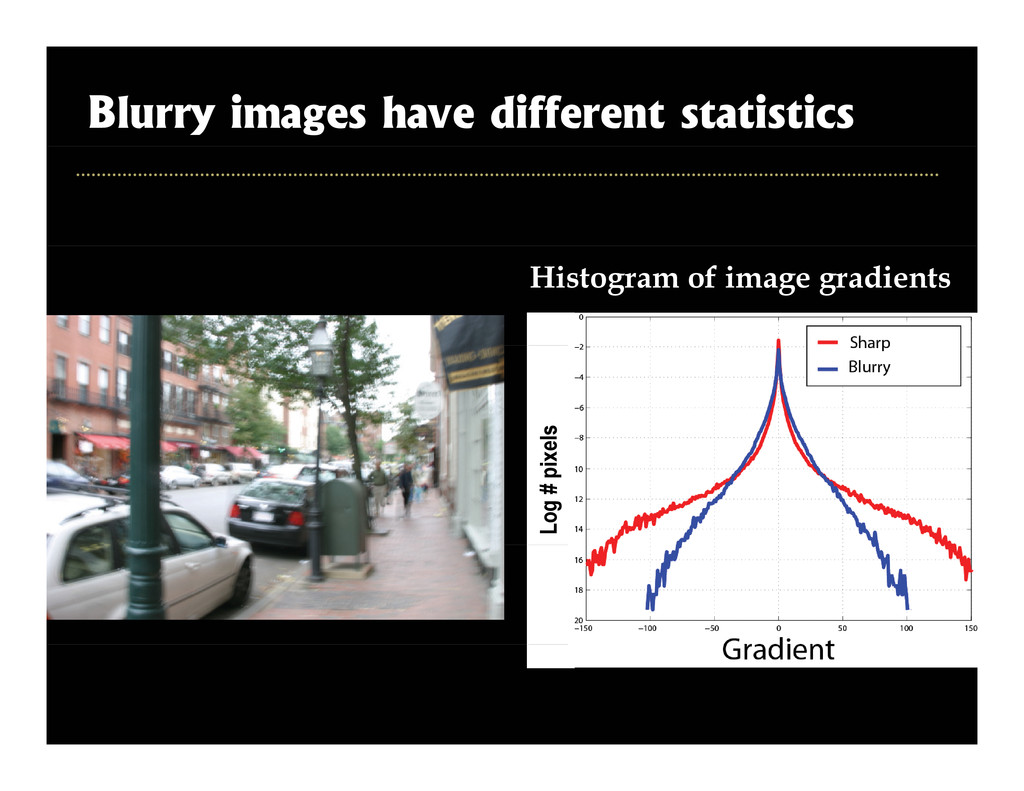
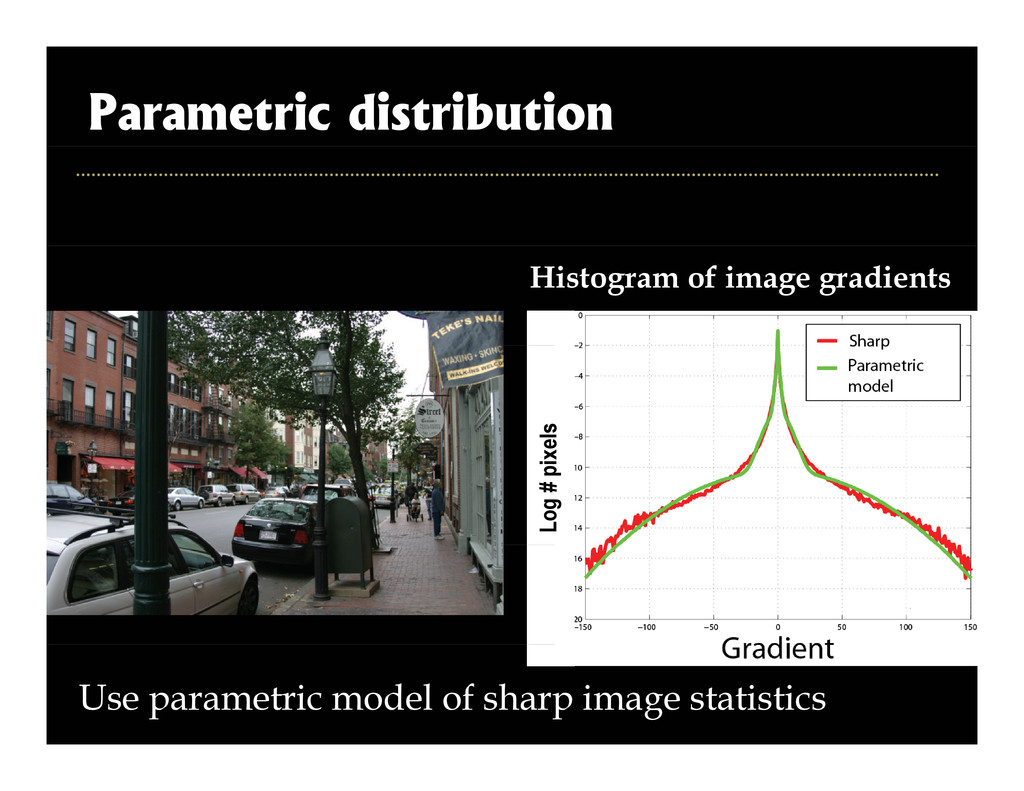
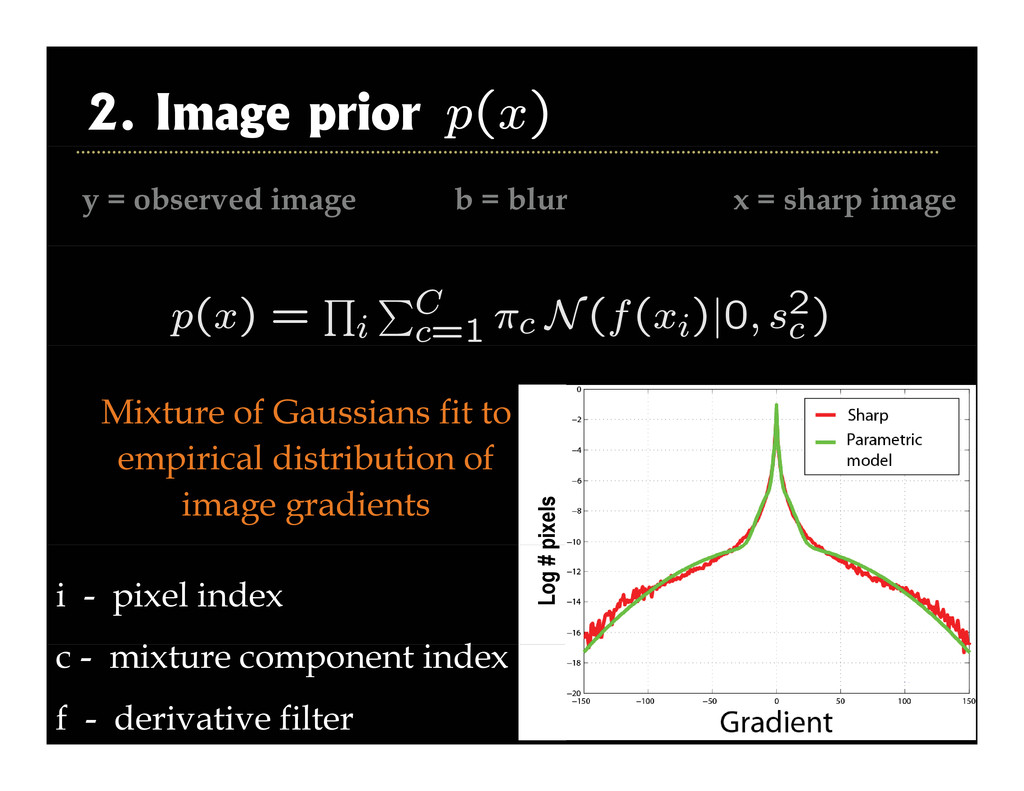
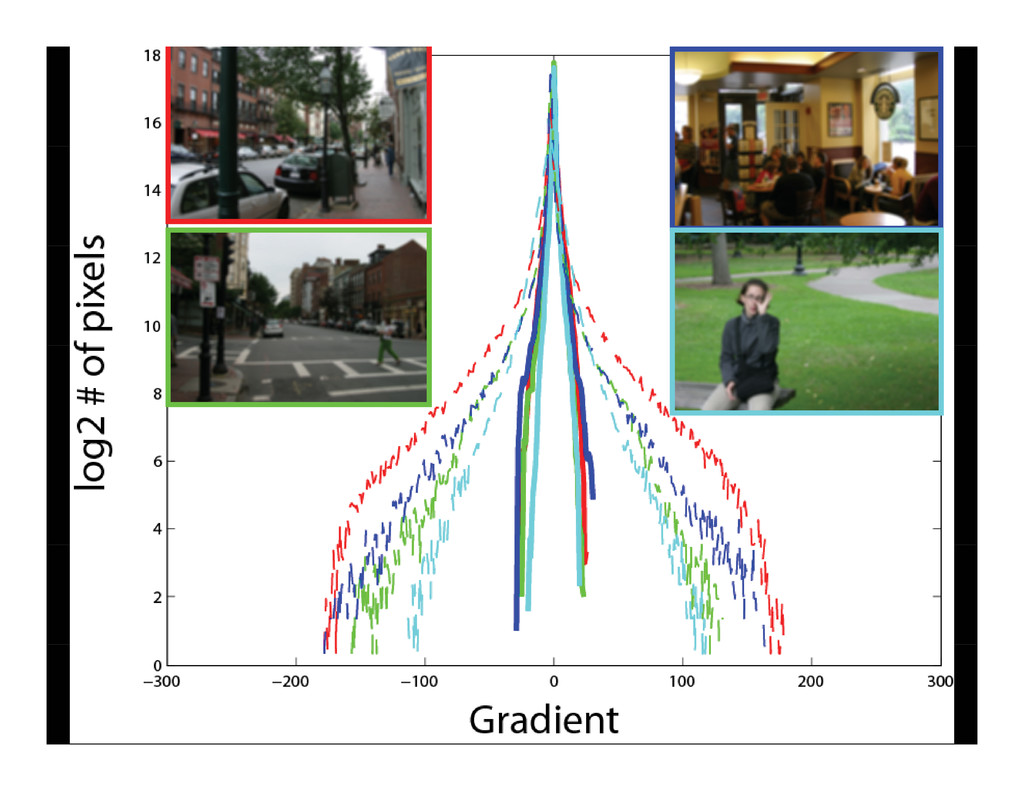
  8. Parametric distribution Histogram of image gradients els Log # pixe

    Use parametric model of sharp image statistics
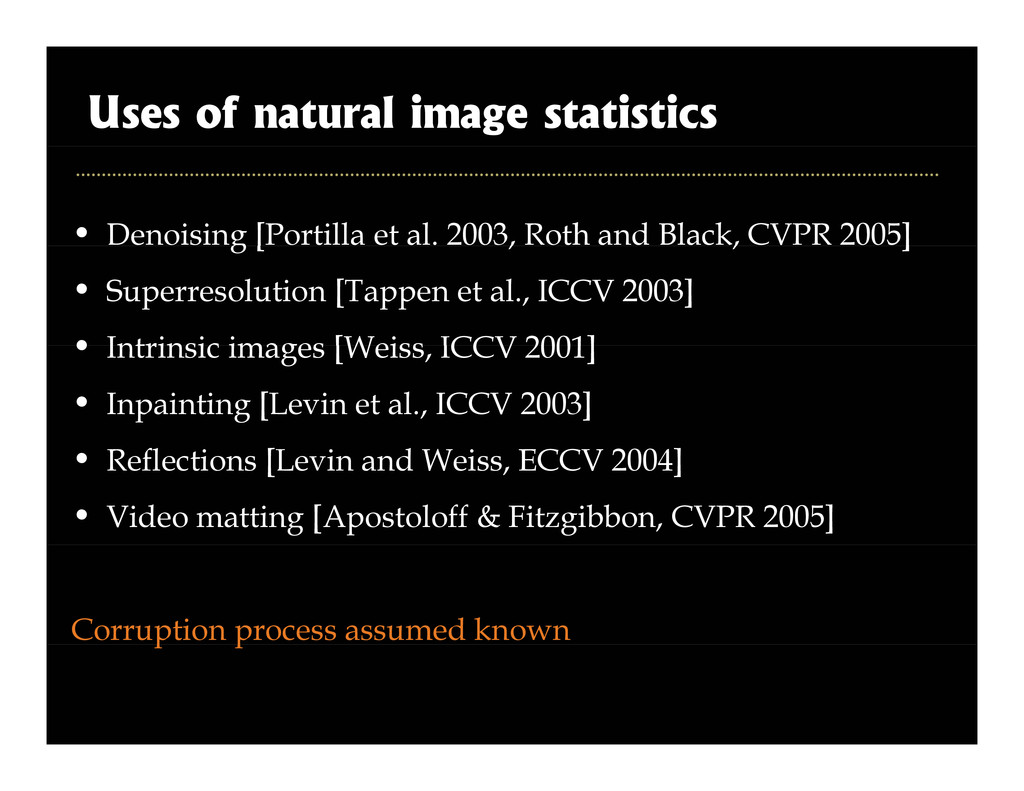
  9. Uses of natural image statistics • Denoising [Portilla et al.

    2003, Roth and Black, CVPR 2005] g [ , , ] • Superresolution [Tappen et al., ICCV 2003] • Intrinsic images [Weiss ICCV 2001] • Intrinsic images [Weiss, ICCV 2001] • Inpainting [Levin et al., ICCV 2003] • Reflections [Levin and Weiss, ECCV 2004] • Video matting [Apostoloff & Fitzgibbon, CVPR 2005] Corruption process assumed known p p
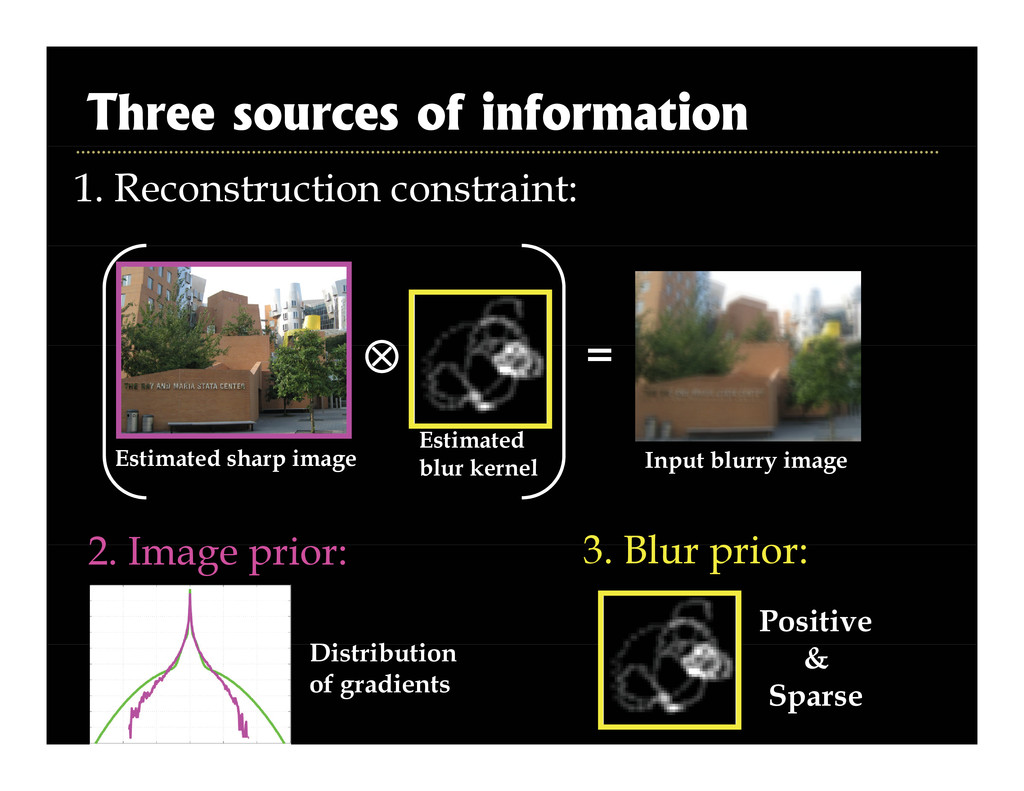
  10. Three sources of information 1. Reconstruction constraint: ⊗ = ⊗

    Estimated Input blurry image Estimated sharp image Estimated blur kernel 2 I i 3 Blur prior: 2. Image prior: 3. Blur prior: Positive Di ib i & Sparse Distribution of gradients
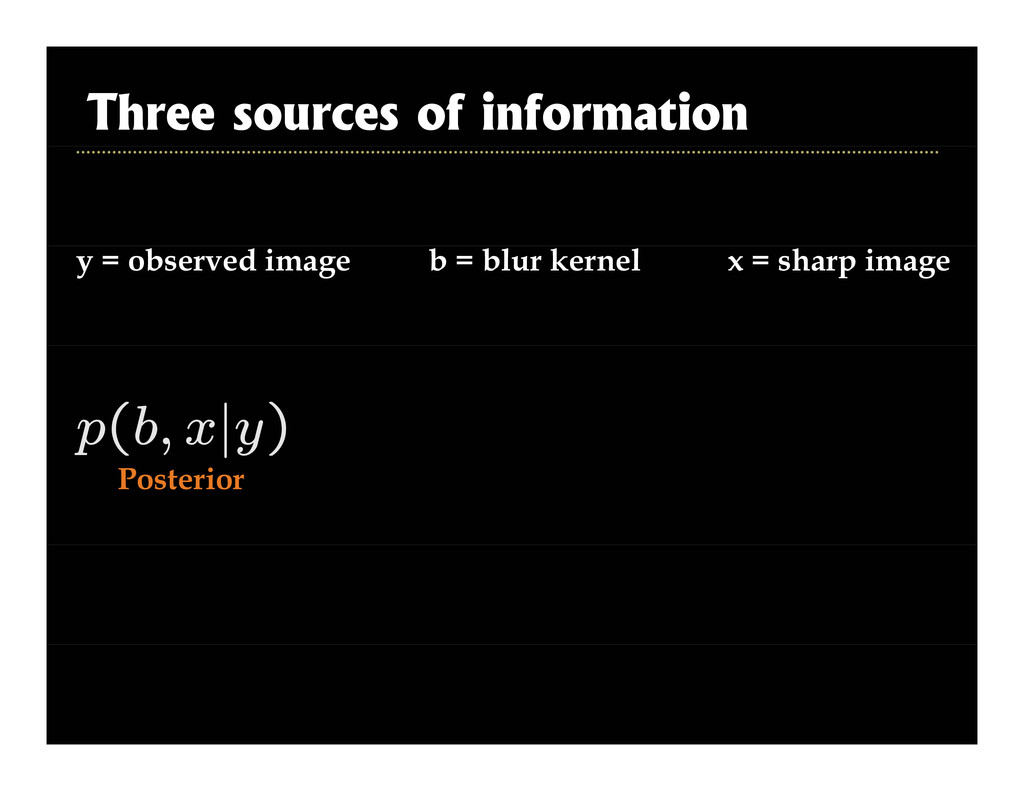
  11. Three sources of information y = observed image b =

    blur kernel x = sharp image p(b, x|y) Posterior p( , |y)
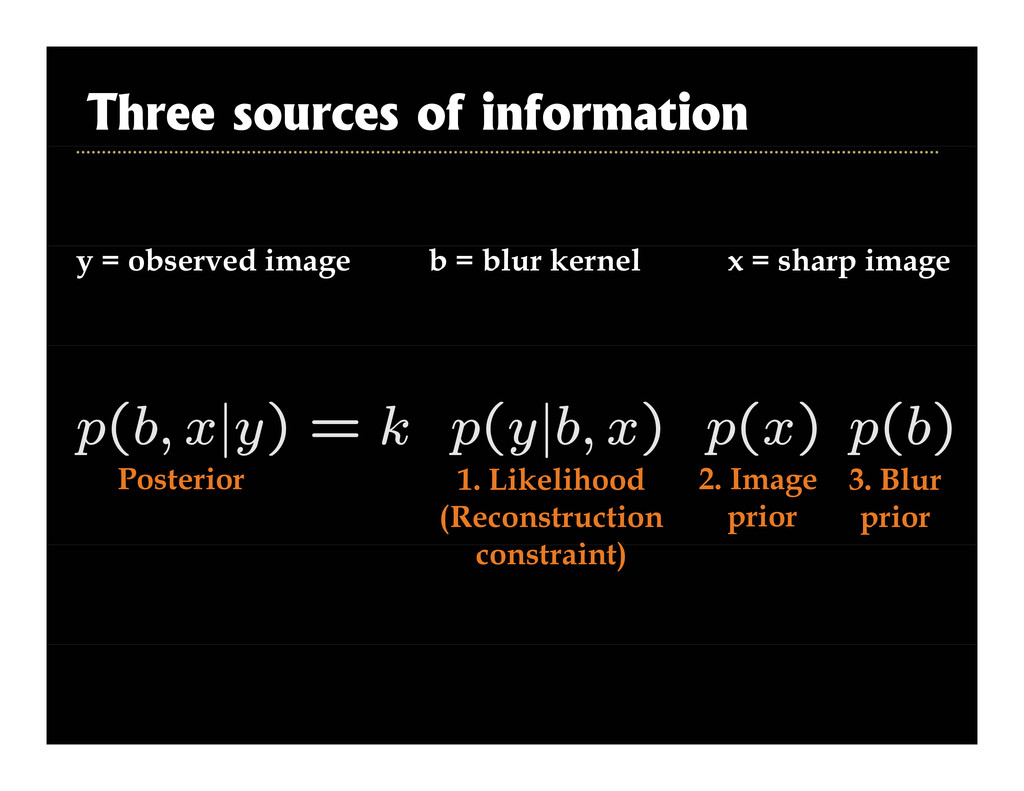
  12. Three sources of information y = observed image b =

    blur kernel x = sharp image p(b, x|y) = k p(y|b, x) p(x) p(b) Posterior 1. Likelihood (Reconstruction t i t) 2. Image prior 3. Blur prior p( , |y) p(y| , ) p( ) p( ) constraint)
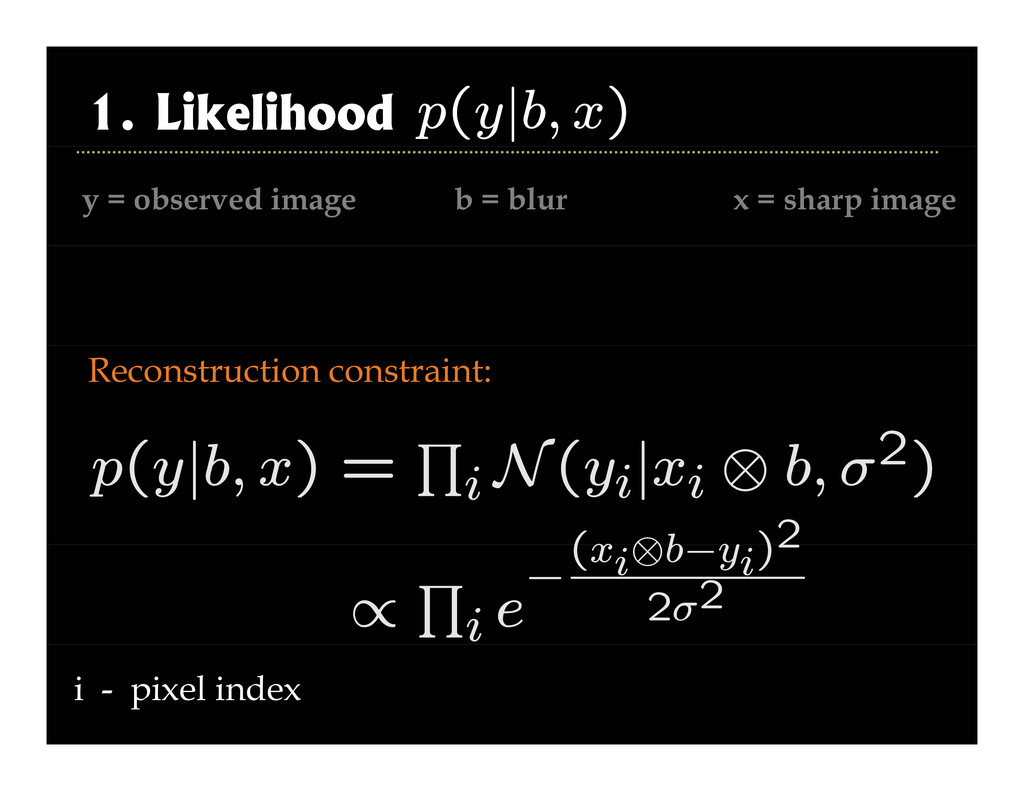
  13. 1. Likelihood p(y|b, x) y = observed image b =

    blur x = sharp image Reconstruction constraint: ( |b ) N( | b 2) (x ⊗b y )2 p(y|b, x) = i N(yi |xi ⊗ b, σ2) ∝ i e −(xi⊗b−yi)2 2σ2 i - pixel index
  14. 2. Image prior p(x) y = observed image b =

    blur x = sharp image p(x) = Q i PC c=1 πc N(f(xi)|0, s2 c ) Mixture of Gaussians fit to l d b f empirical distribution of image gradients pixels i - pixel index i i d Log # p c - mixture component index f - derivative filter
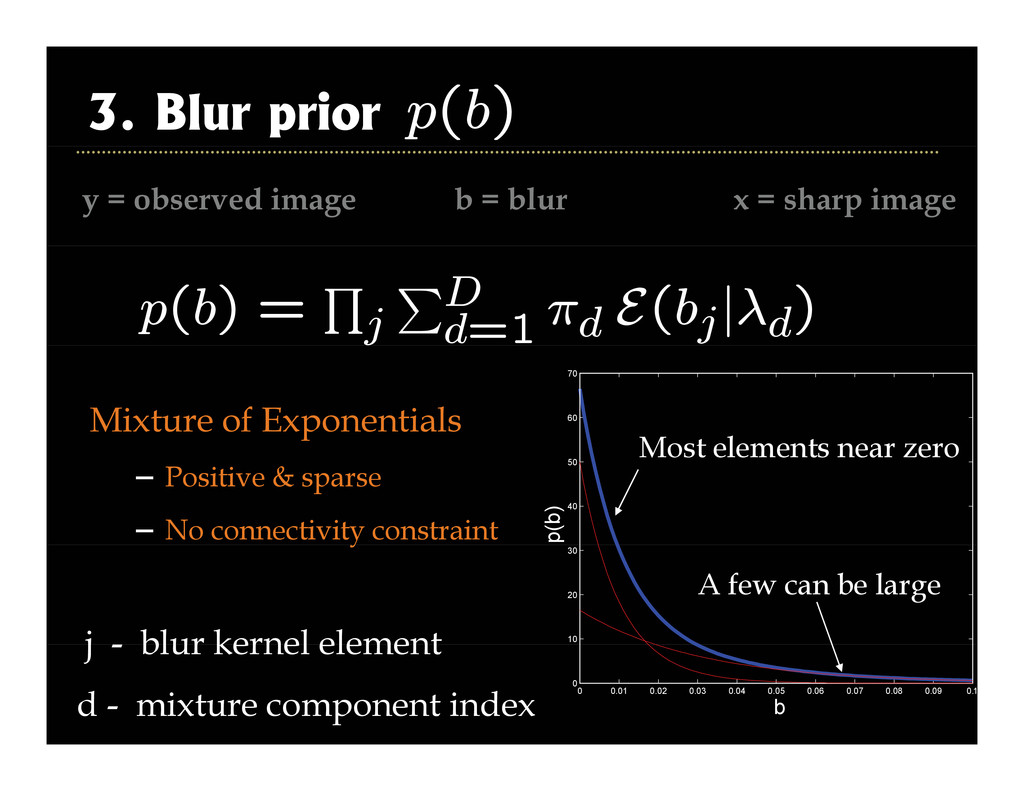
  15. 3. Blur prior p(b) y = observed image b =

    blur x = sharp image p(b) = Q j PD d=1 πd E(bj|λd) Mixture of Exponentials 60 70 Most elements near zero – Positive & sparse – No connectivity constraint 40 50 p(b) Most elements near zero j blur kernel element y 10 20 30 A few can be large j - blur kernel element d - mixture component index 0 0.01 0.02 0.03 0.04 0.05 0.06 0.07 0.08 0.09 0.1 0 b
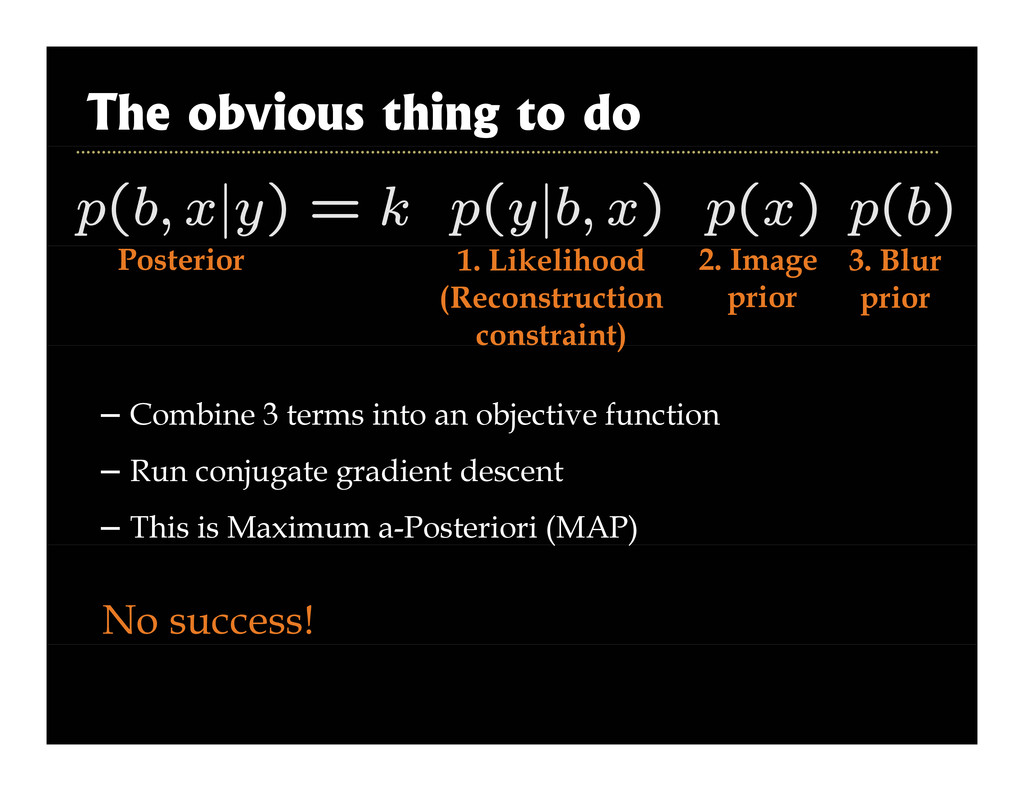
  16. The obvious thing to do p(b, x|y) = k p(y|b,

    x) p(x) p(b) Posterior 1. Likelihood (Reconstruction constraint) 2. Image prior 3. Blur prior – Combine 3 terms into an objective function ) – Run conjugate gradient descent – This is Maximum a-Posteriori (MAP) ( ) No success!
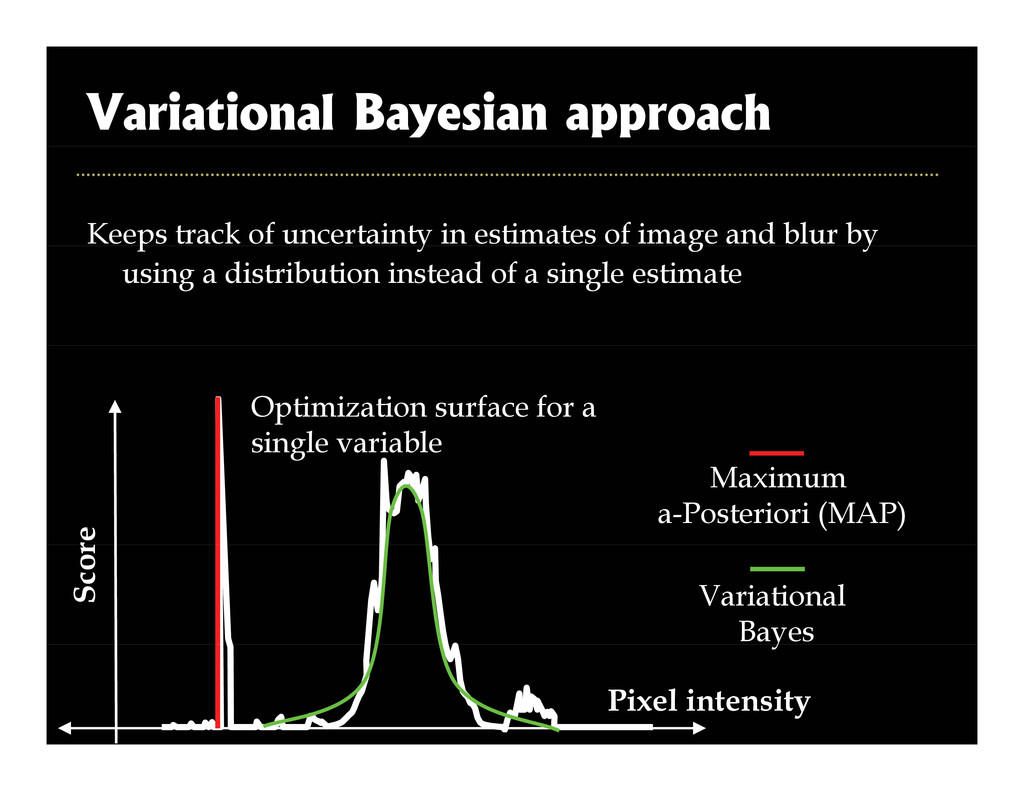
  17. Variational Bayesian approach Keeps track of uncertainty in estimates of

    image and blur by p y g y using a distribution instead of a single estimate Optimization surface for a single variable single variable Maximum a-Posteriori (MAP) re Variational Bayes Scor y Pixel intensity
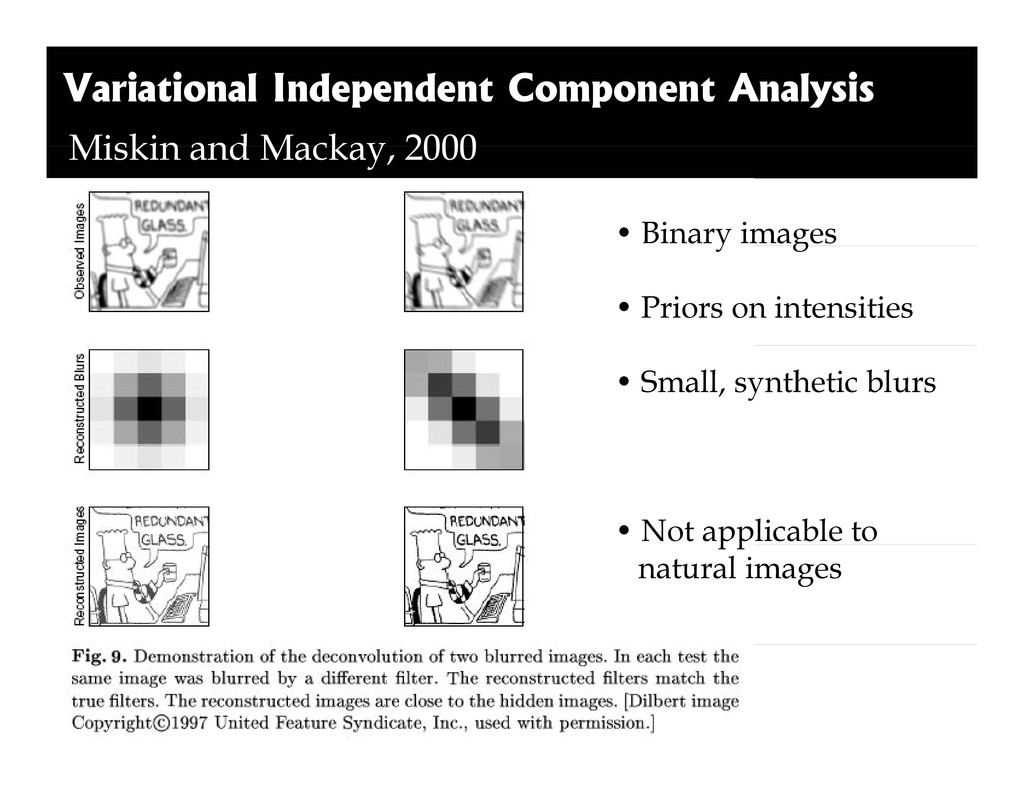
  18. Variational Independent Component Analysis Miskin and Mackay 2000 • Binary

    images Miskin and Mackay, 2000 y g • Priors on intensities • Small, synthetic blurs • Not applicable to pp natural images
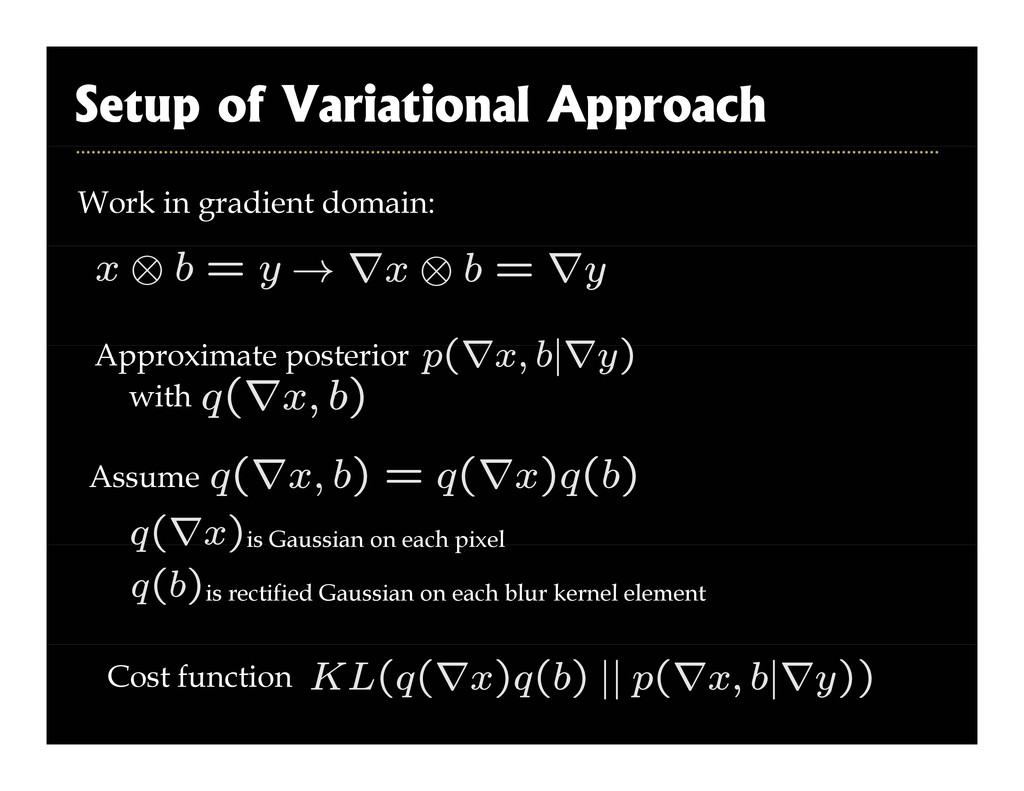
  19. Setup of Variational Approach Work in gradient domain: → ∇x

    ⊗ b = ∇y x ⊗ b = y A i i (∇ b|∇ ) Approximate posterior with p(∇x, b|∇y) q(∇x, b) is Gaussian on each pixel q(∇x, b) = q(∇x)q(b) q(∇x) Assume is Gaussian on each pixel is rectified Gaussian on each blur kernel element q(∇ ) q(b) KL(q(∇x)q(b) || p(∇x, b|∇y)) Cost function
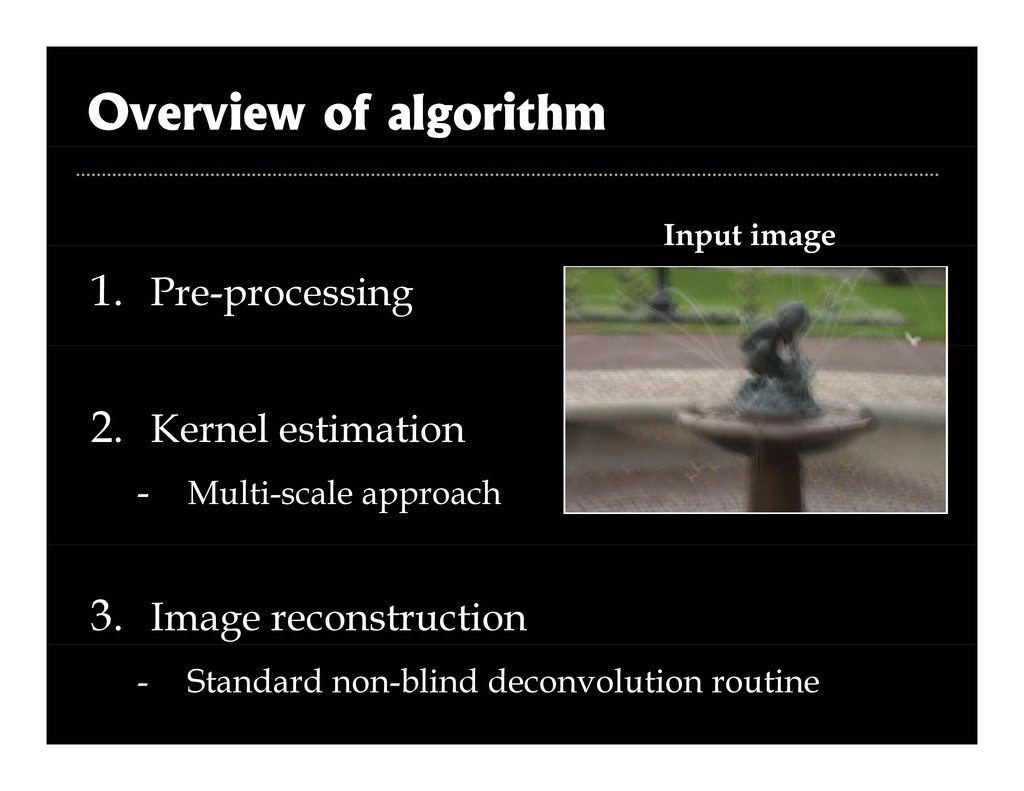
  20. Overview of algorithm Input image p g 1. Pre-processing 2.

    Kernel estimation - Multi-scale approach 3. Image reconstruction - Standard non-blind deconvolution routine
  21. Preprocessing C t t Input image R Convert to grayscale

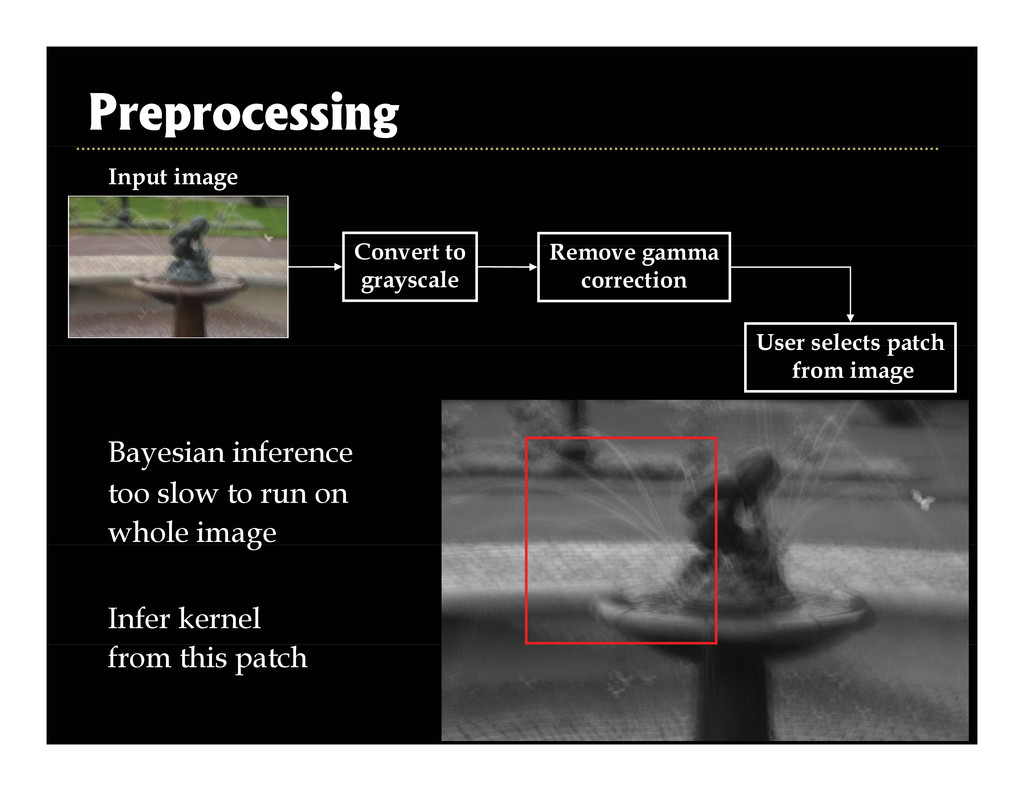
    Remove gamma correction User selects patch User selects patch from image B i i f Bayesian inference too slow to run on whole image g Infer kernel from this patch
  22. Initialization Input image C t t R Convert to grayscale

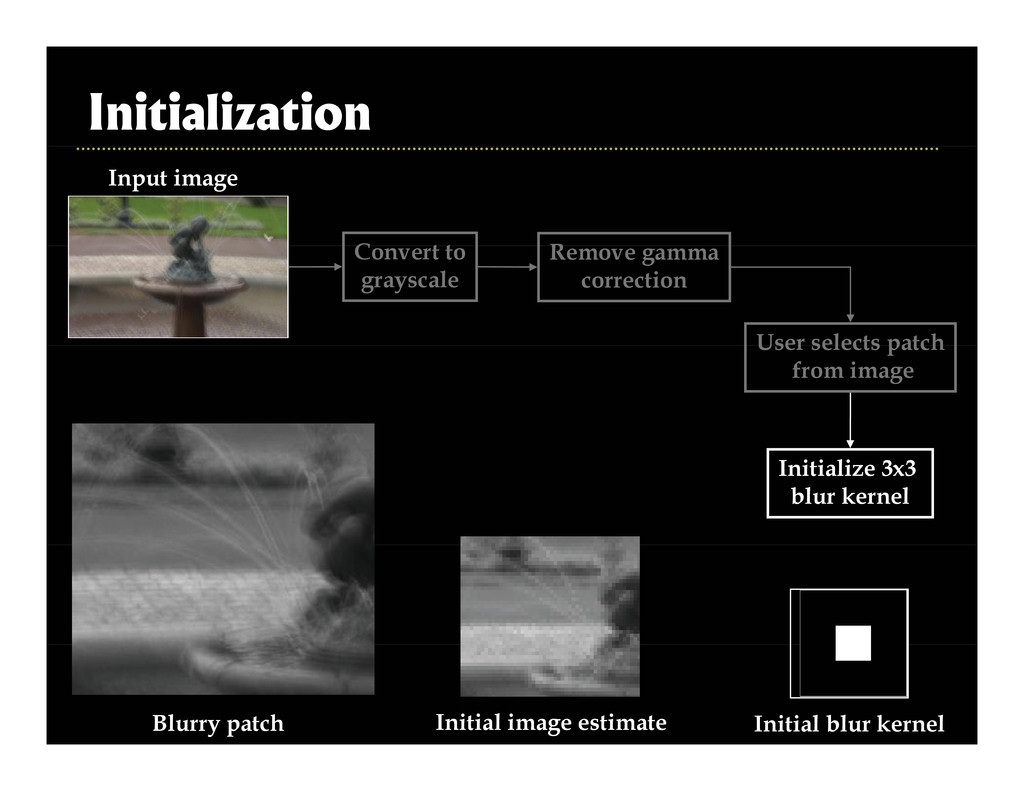
    Remove gamma correction User selects patch User selects patch from image Initialize 3x3 blur kernel Initial blur kernel Blurry patch Initial image estimate
  23. Inferring the kernel: multiscale method Input image C t t

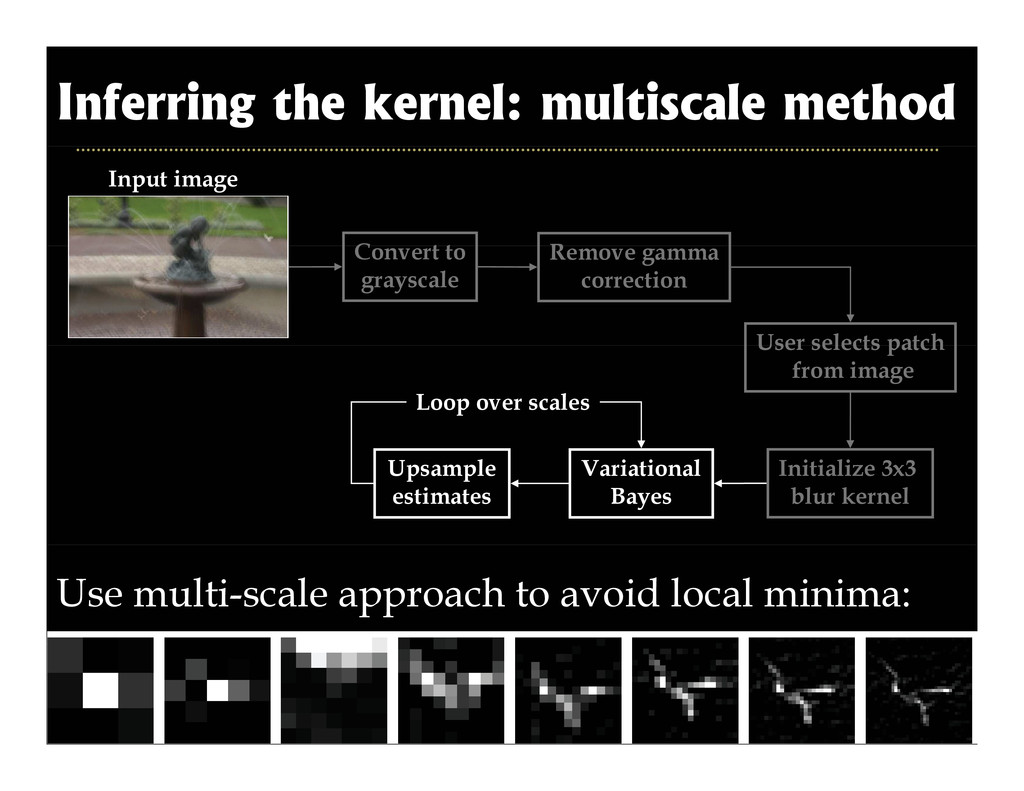
    R Convert to grayscale Remove gamma correction User selects patch Loop over scales User selects patch from image Variational Bayes Upsample estimates Initialize 3x3 blur kernel Use multi-scale approach to avoid local minima:
  24. Image Reconstruction Input image C t t R Convert to

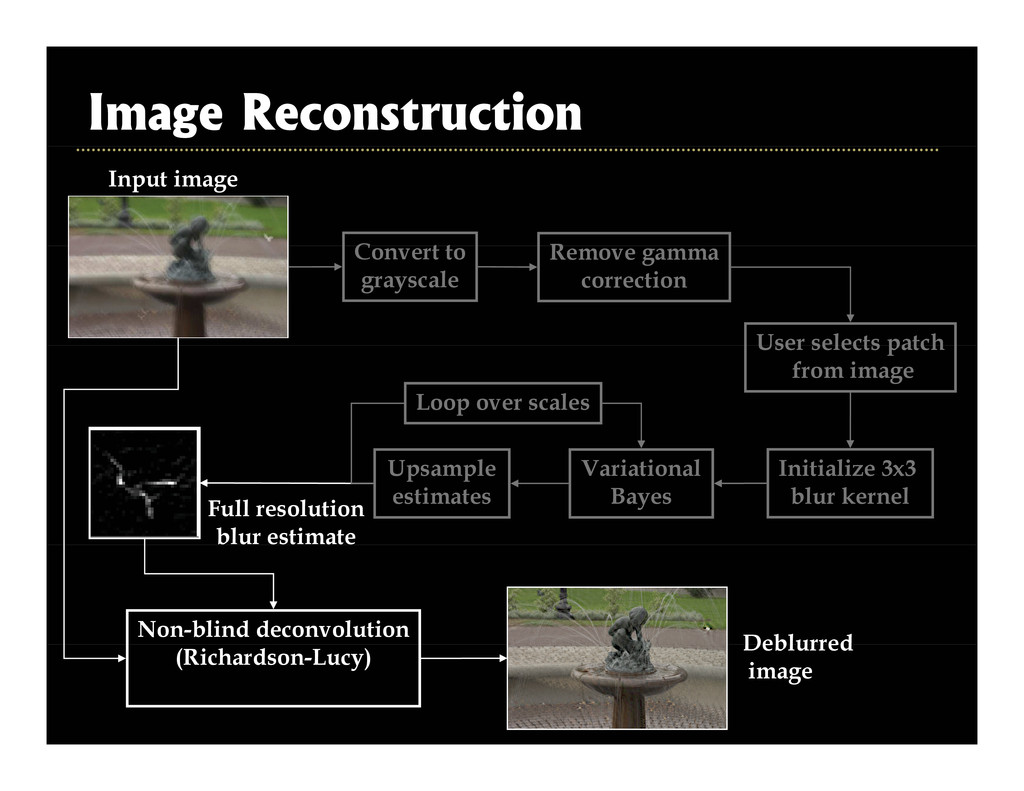
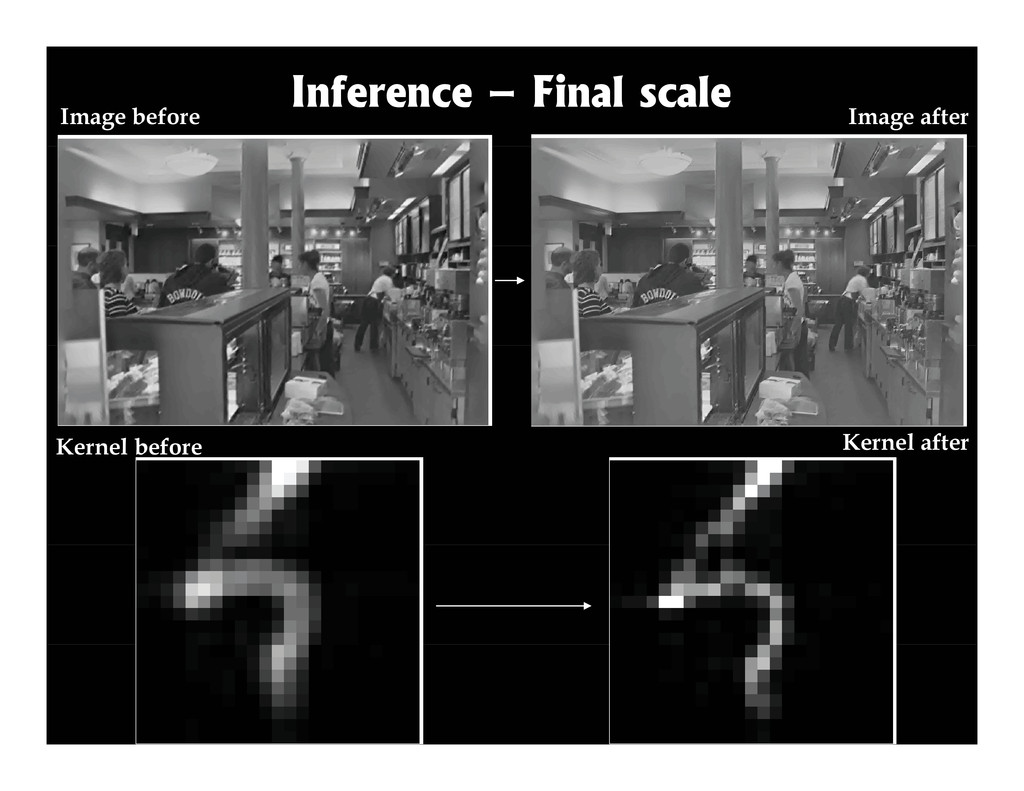
    grayscale Remove gamma correction User selects patch Loop over scales User selects patch from image Full resolution blur estimate Variational Bayes Upsample estimates Initialize 3x3 blur kernel Non-blind deconvolution Deblurred (Richardson-Lucy) Deblurred image
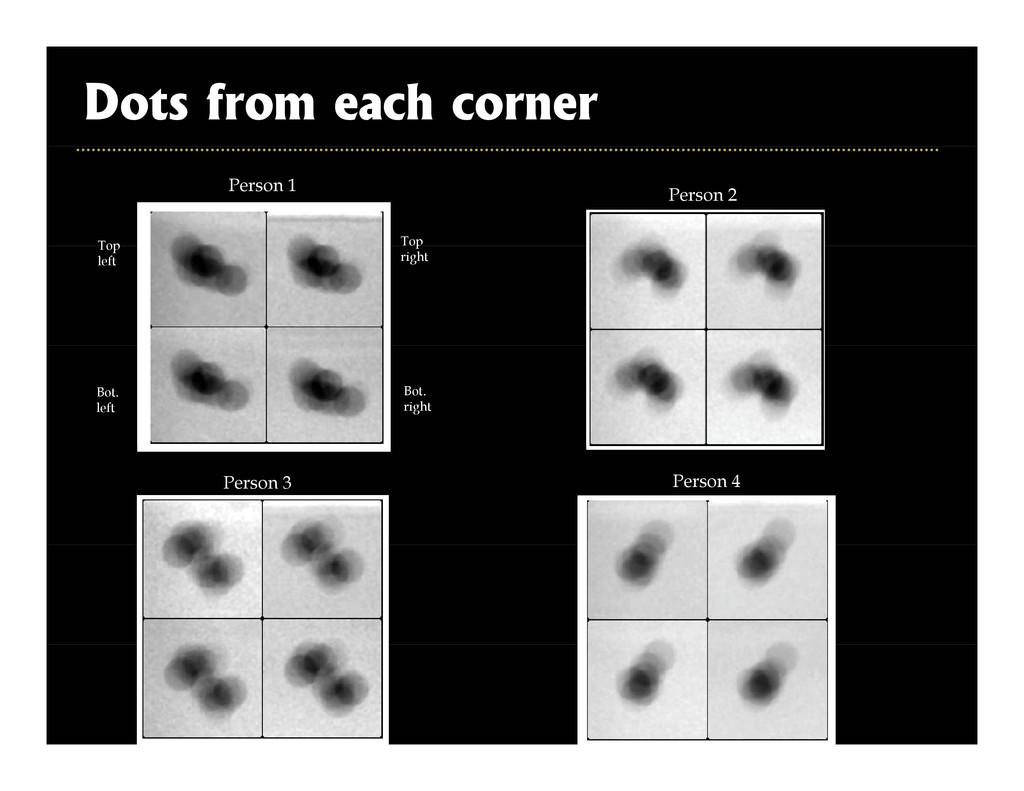
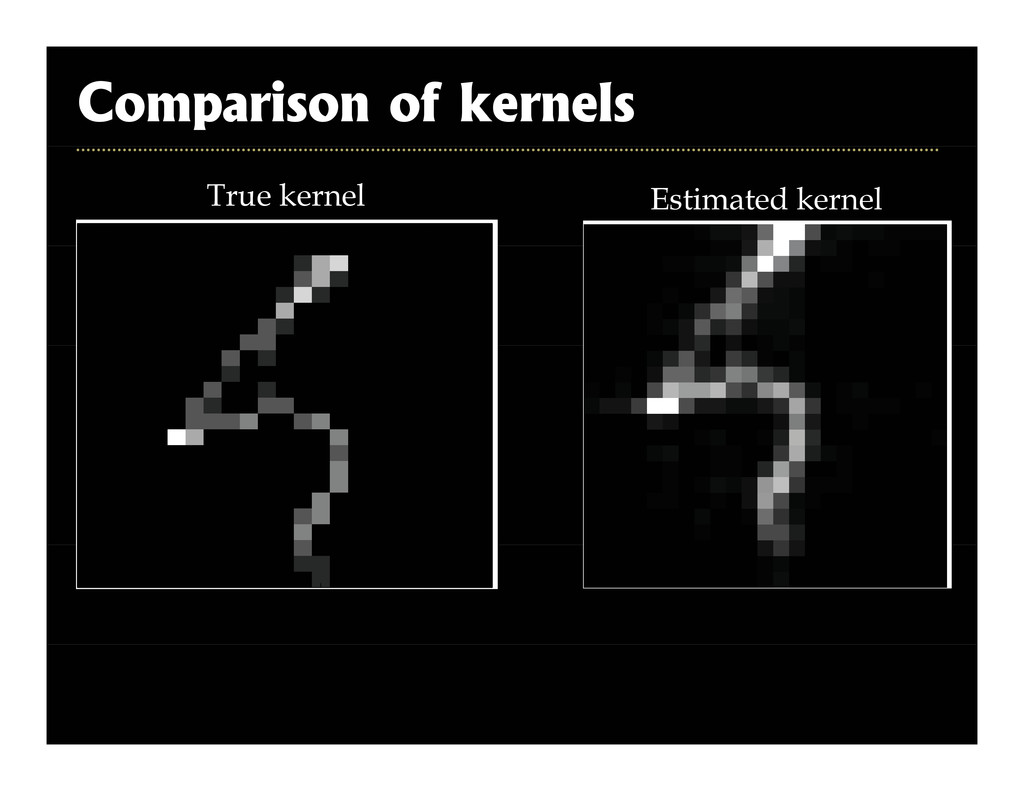
  25. Dots from each corner Top Top Person 1 Person 2

    Top left p right Bot. left Bot. right Person 3 Person 4
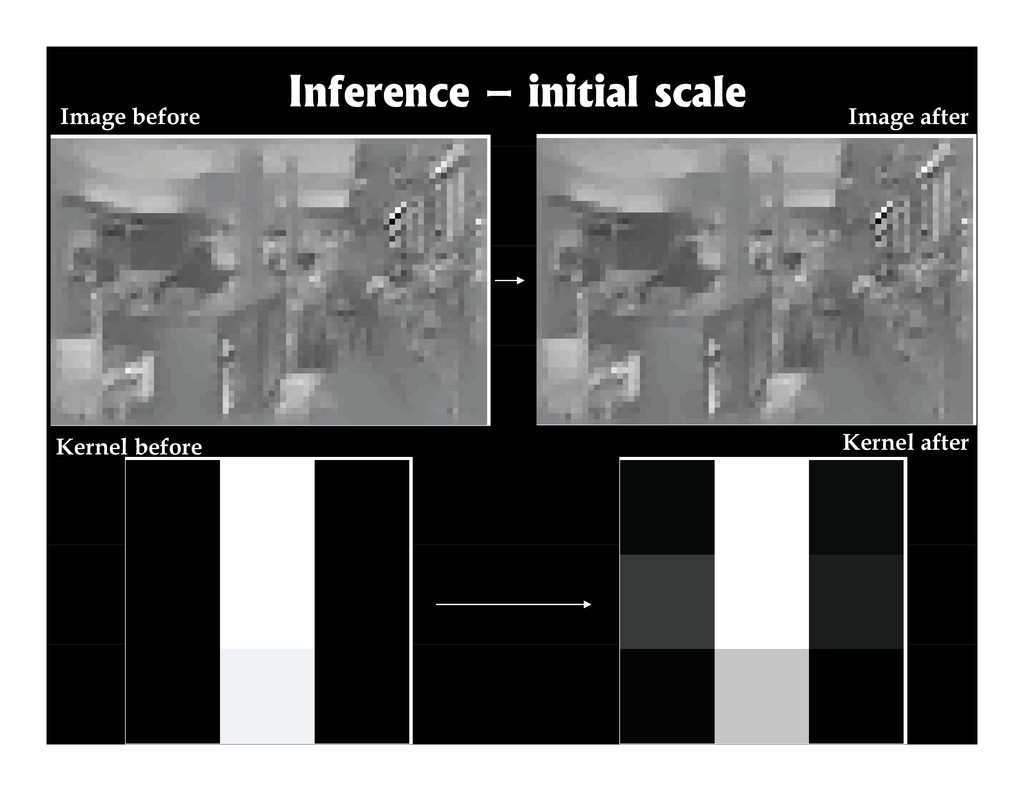
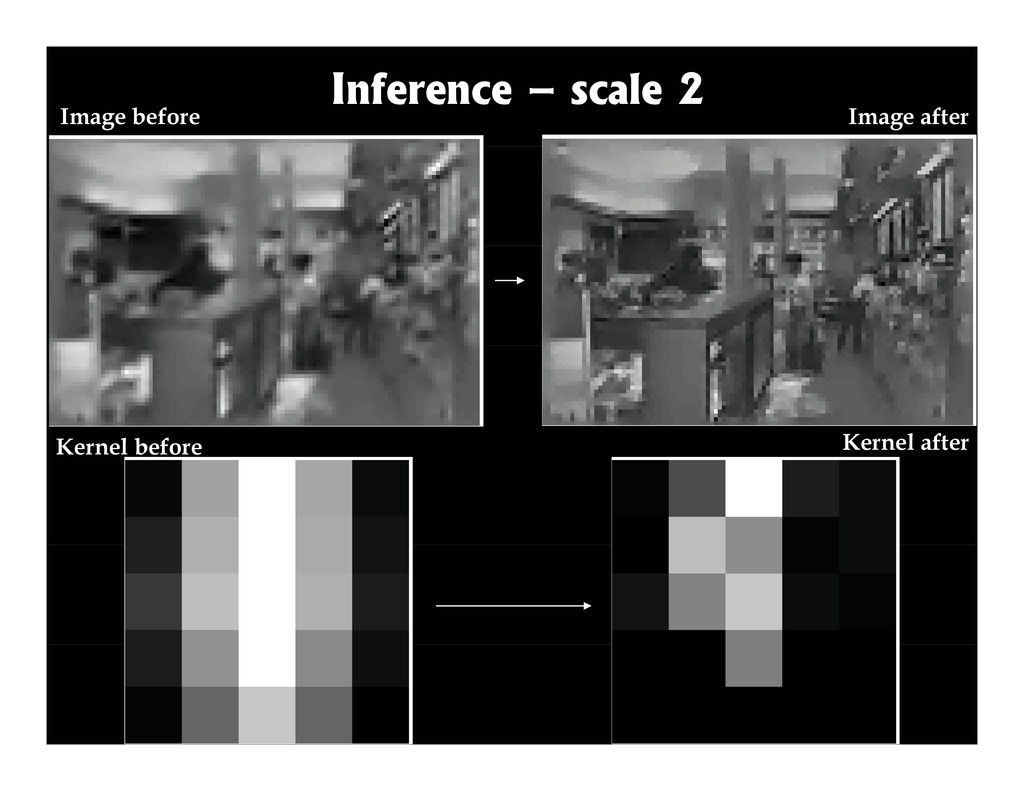
  26. Inference – scale 2 Image before Image after Kernel before

    Kernel after Kernel before Kernel after
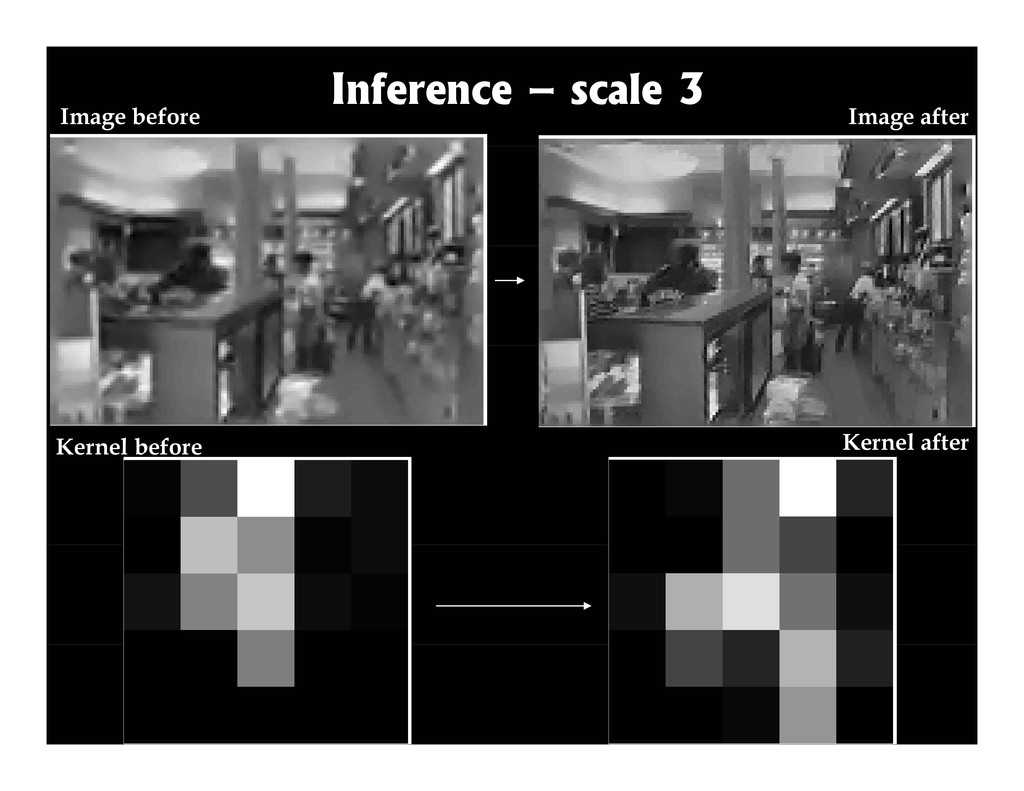
  27. Inference – scale 3 Image before Image after Kernel before

    Kernel after Kernel before Kernel after
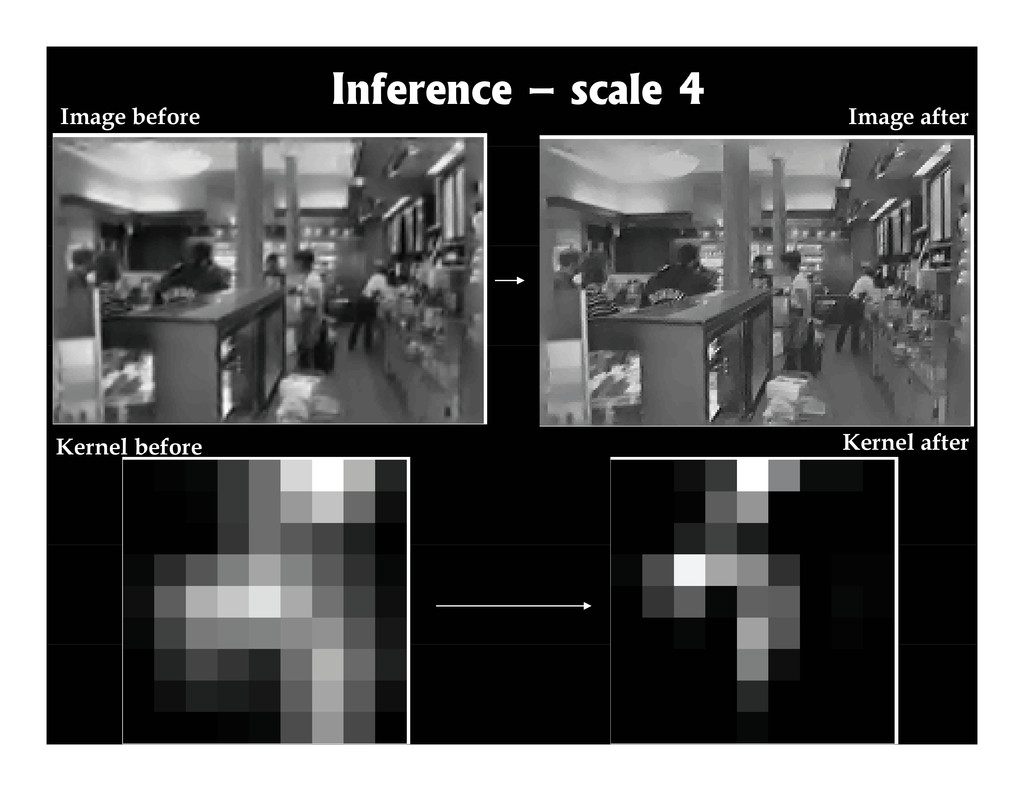
  28. Inference – scale 4 Image before Image after Kernel before

    Kernel after Kernel before Kernel after
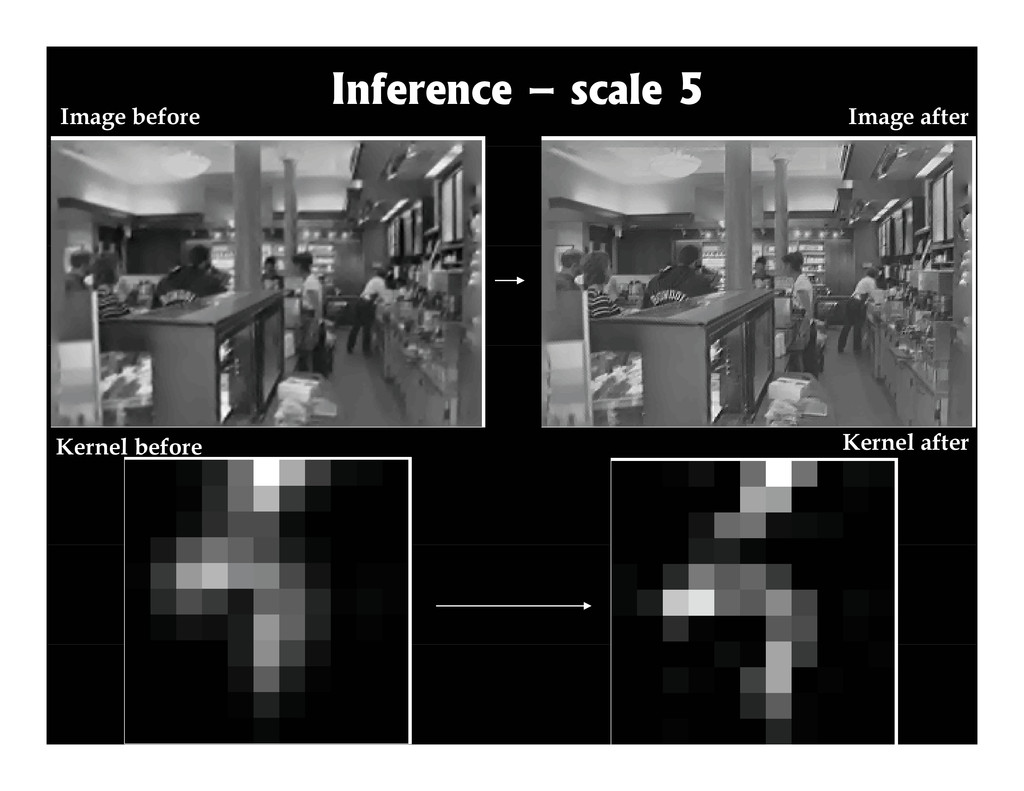
  29. Inference – scale 5 Image before Image after Kernel before

    Kernel after Kernel before Kernel after
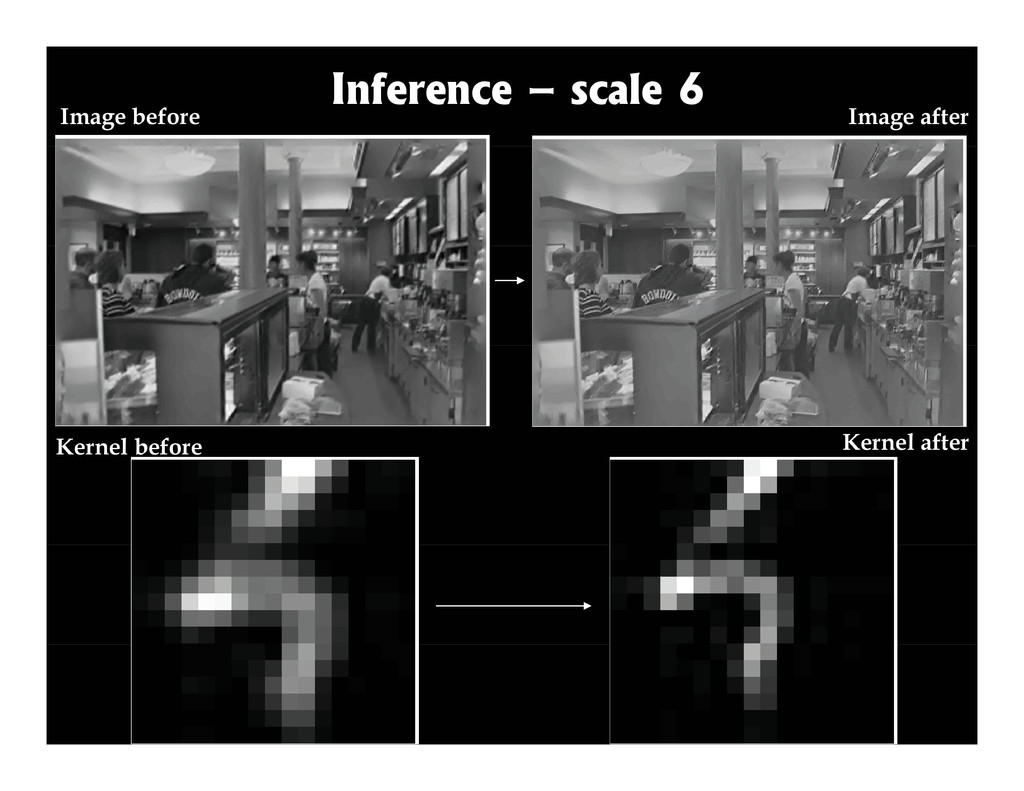
  30. Inference – scale 6 Image before Image after Kernel before

    Kernel after Kernel before Kernel after
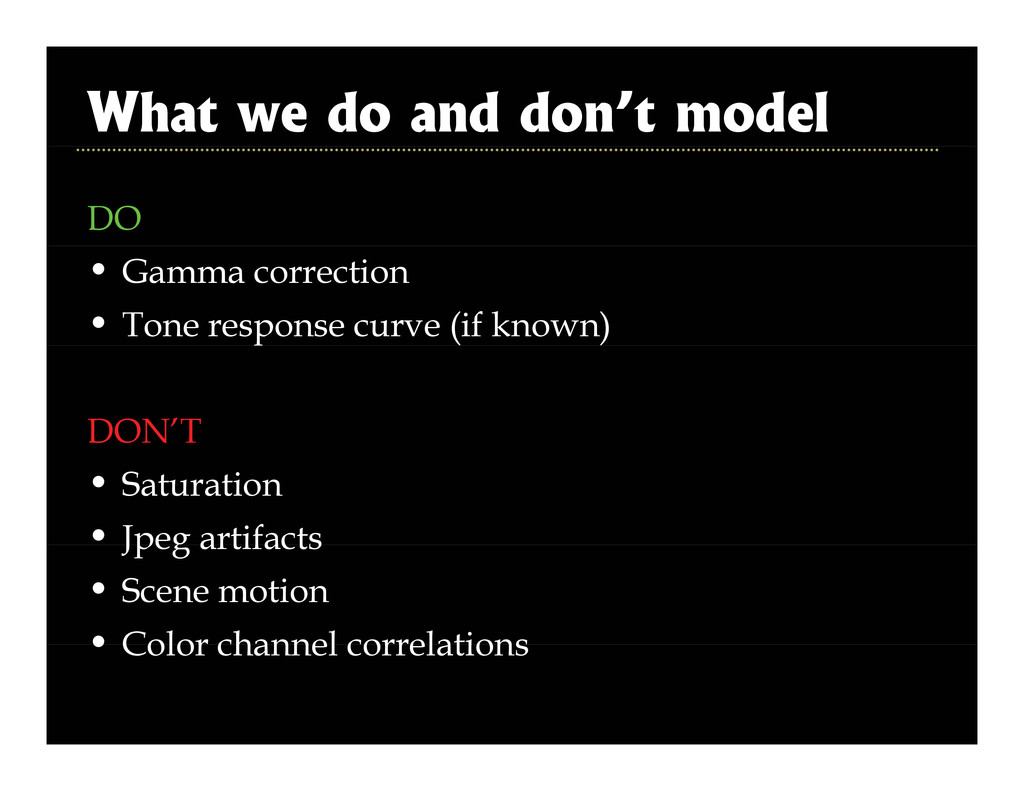
  31. What we do and don’t model DO • Gamma correction

    • Tone response curve (if known) p ( ) DON’T • Saturation • Jpeg artifacts Jpeg artifacts • Scene motion • Color channel correlations • Color channel correlations
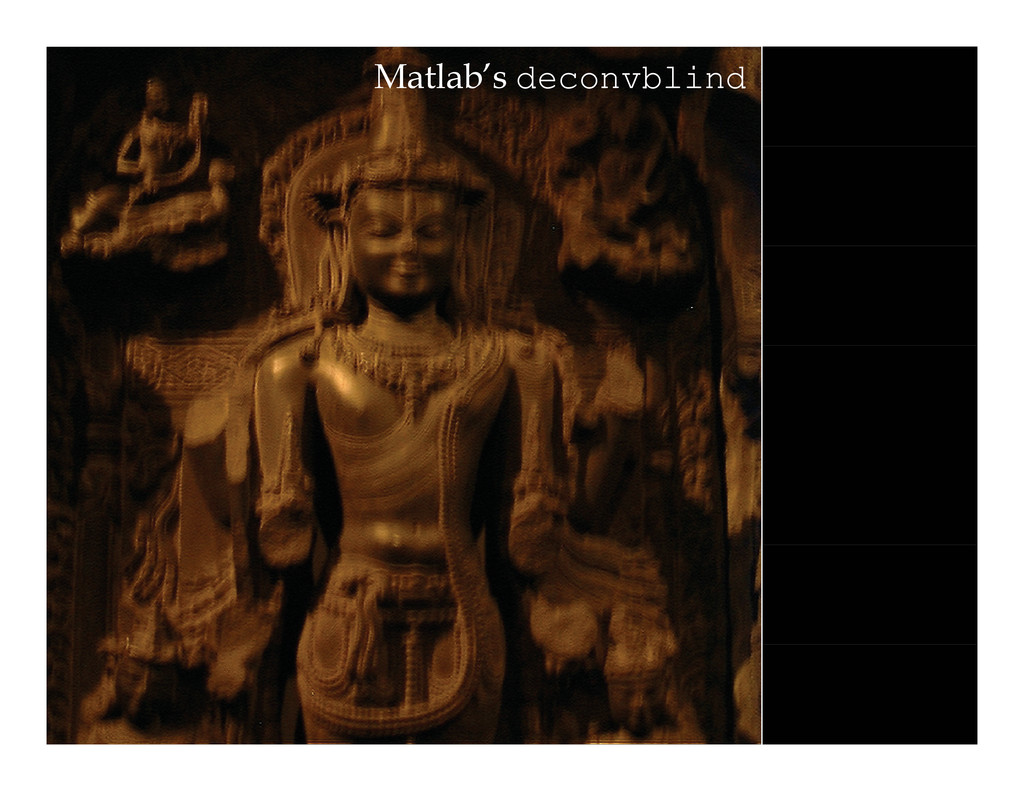
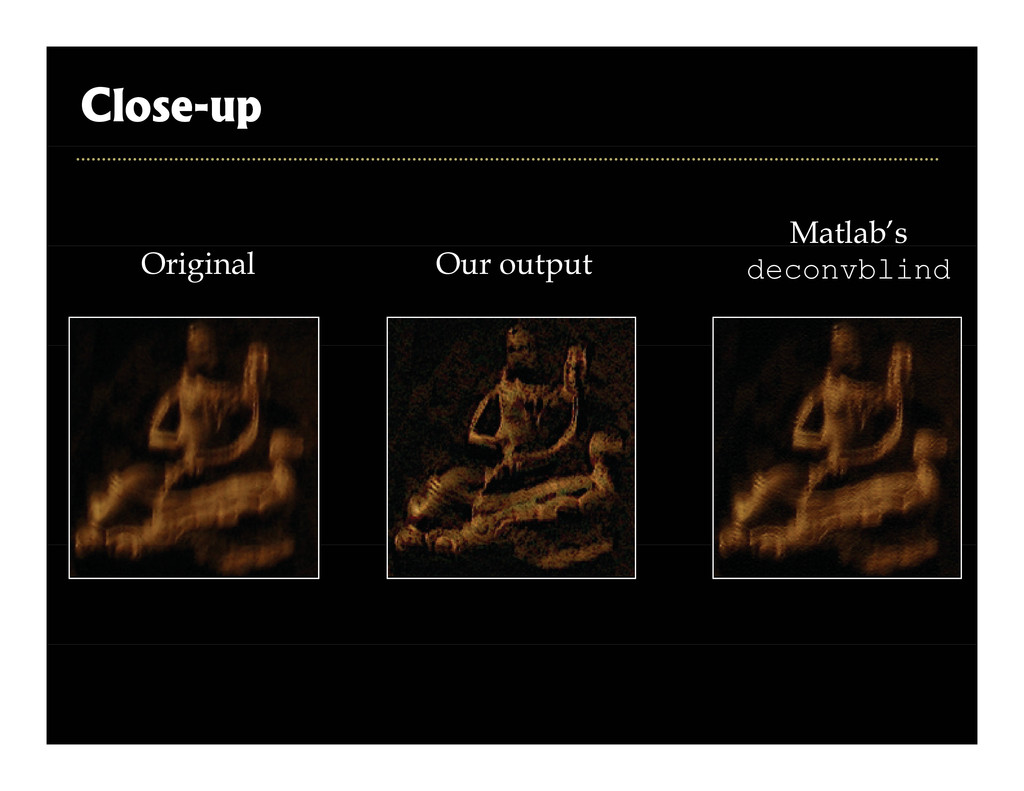
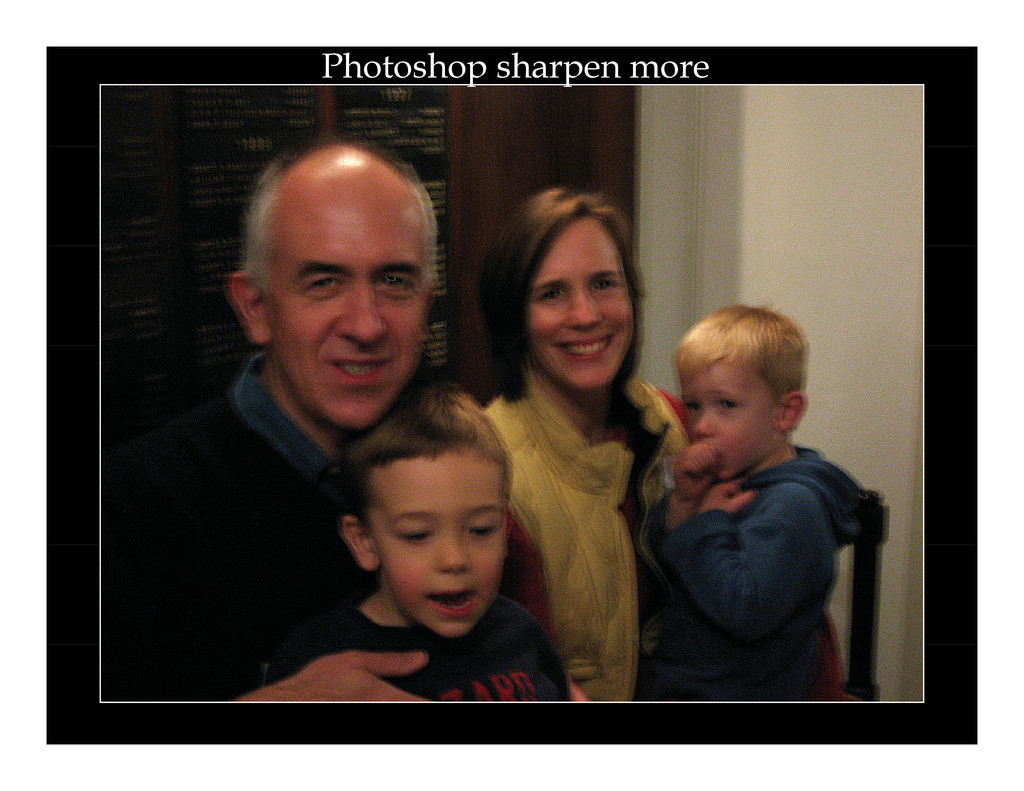
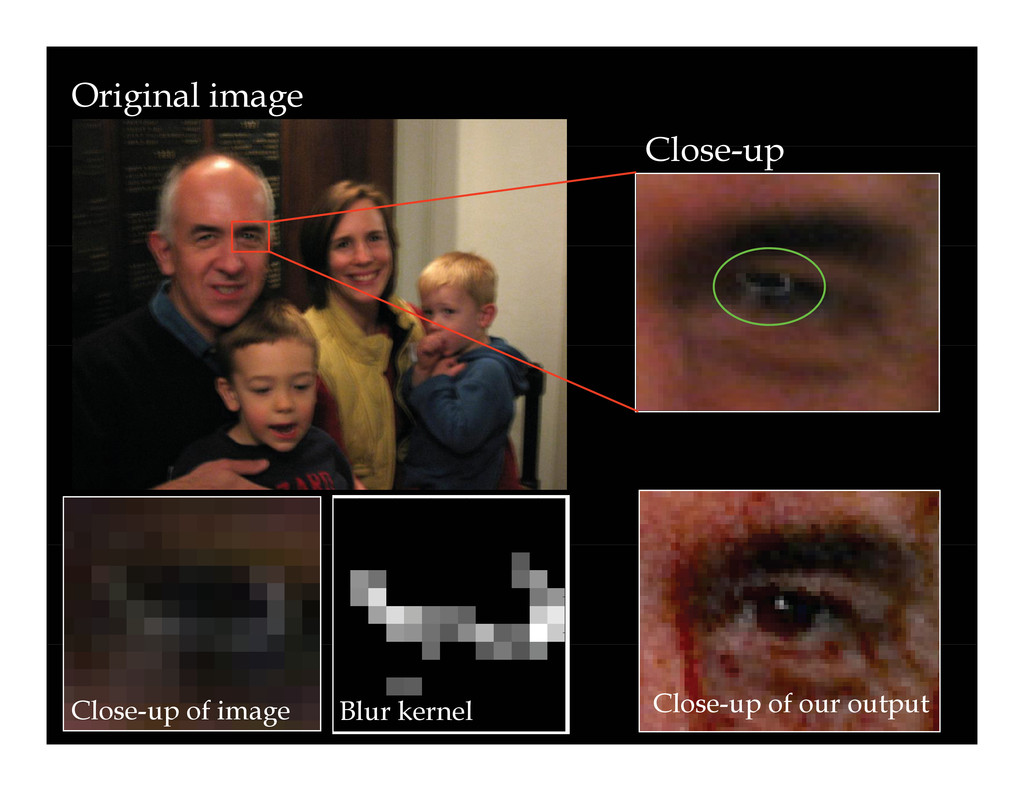
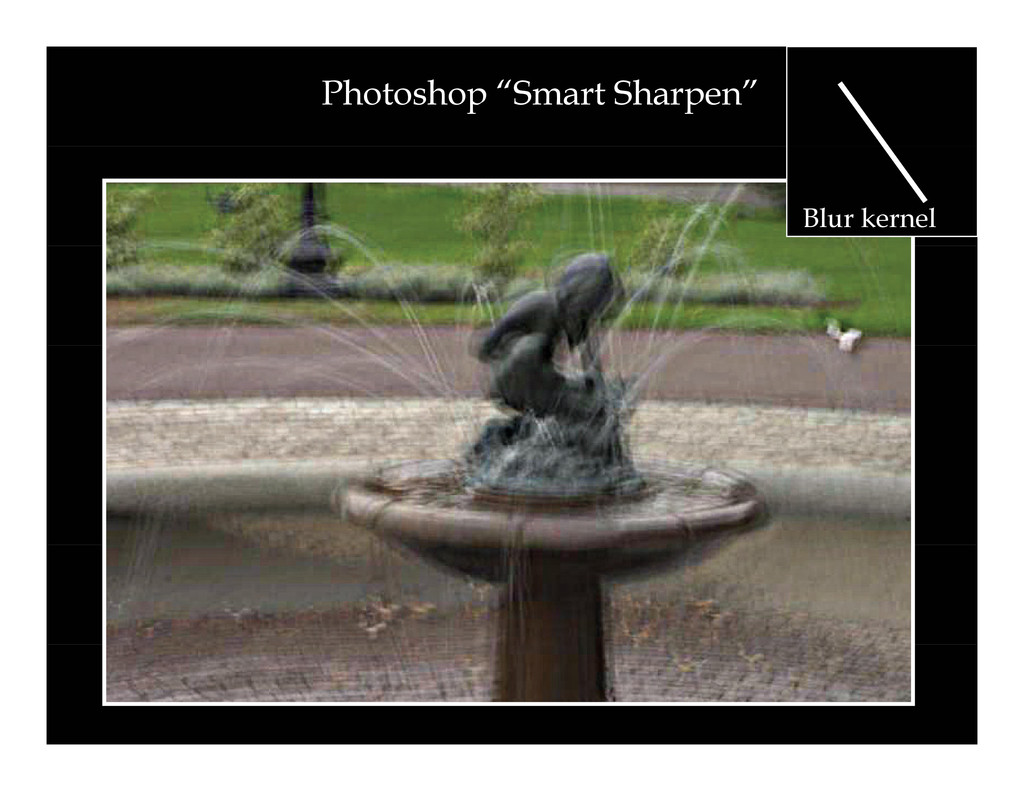
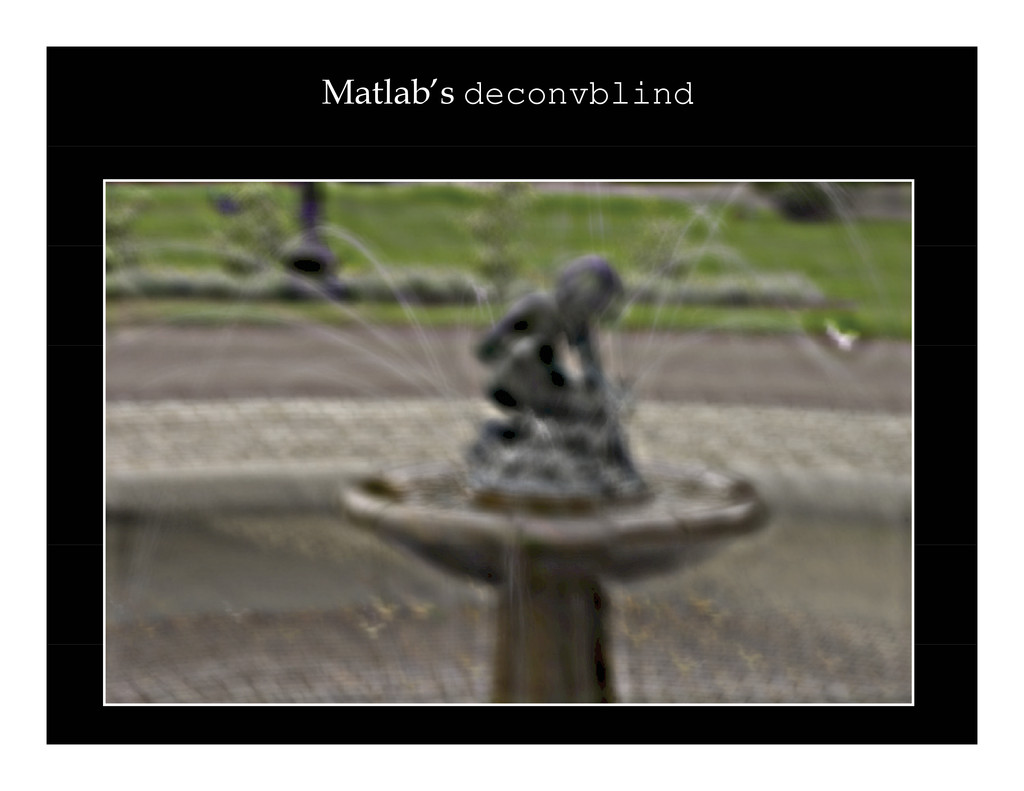
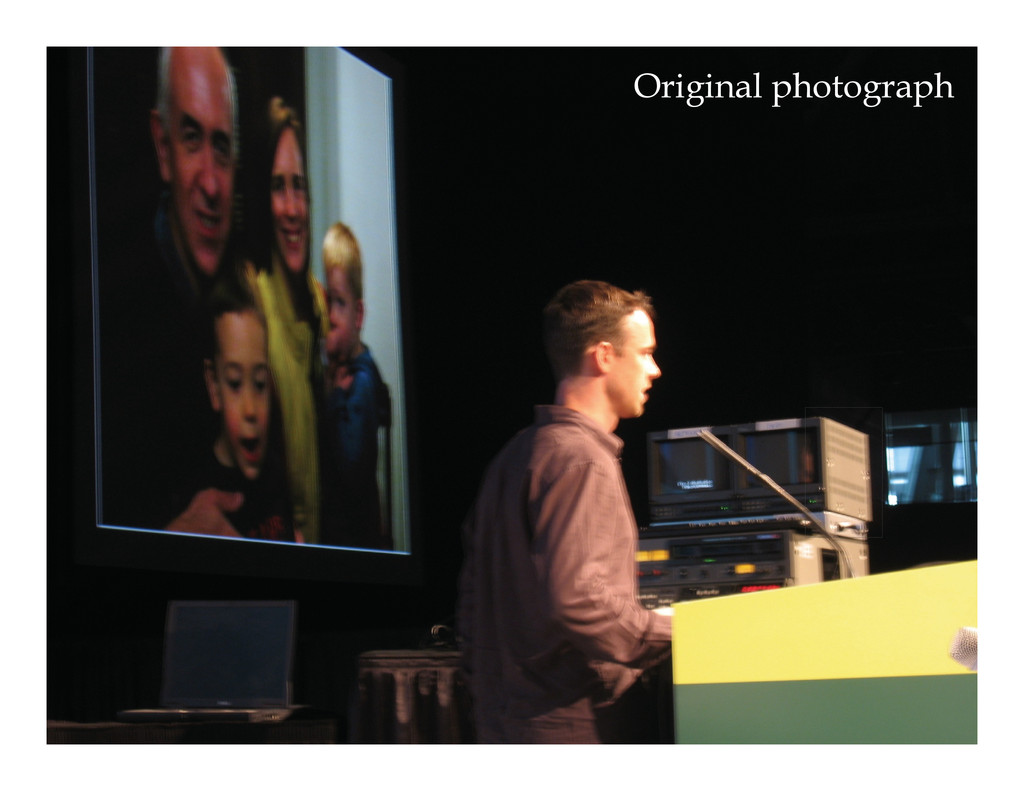
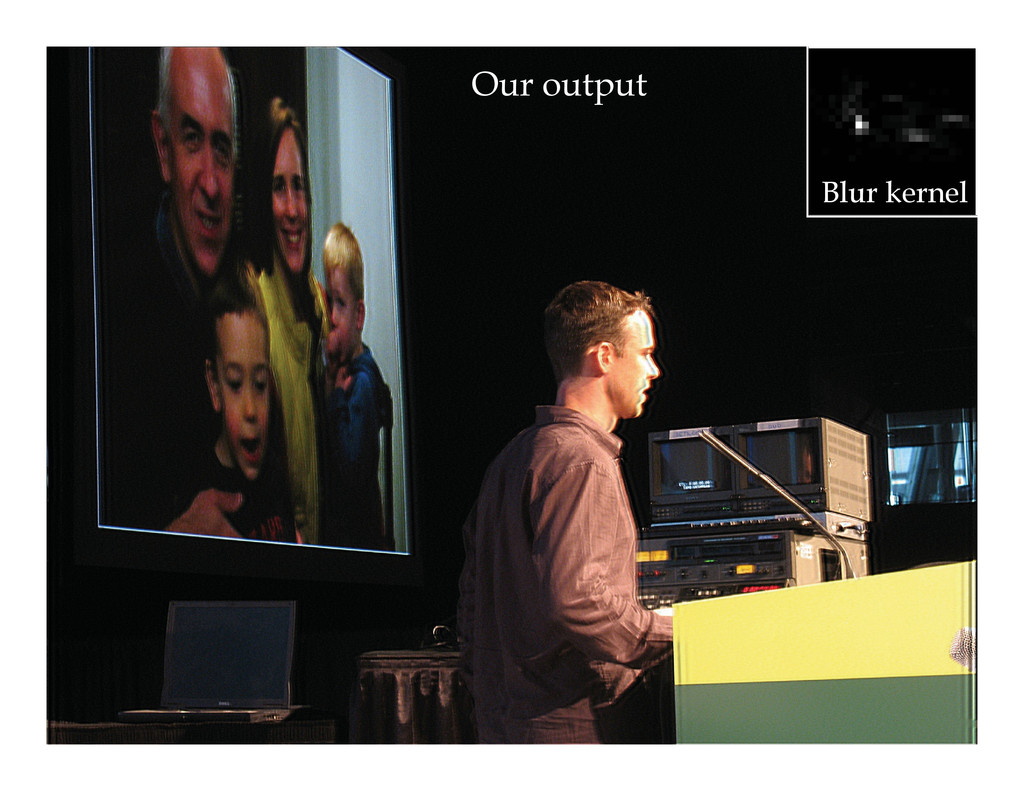
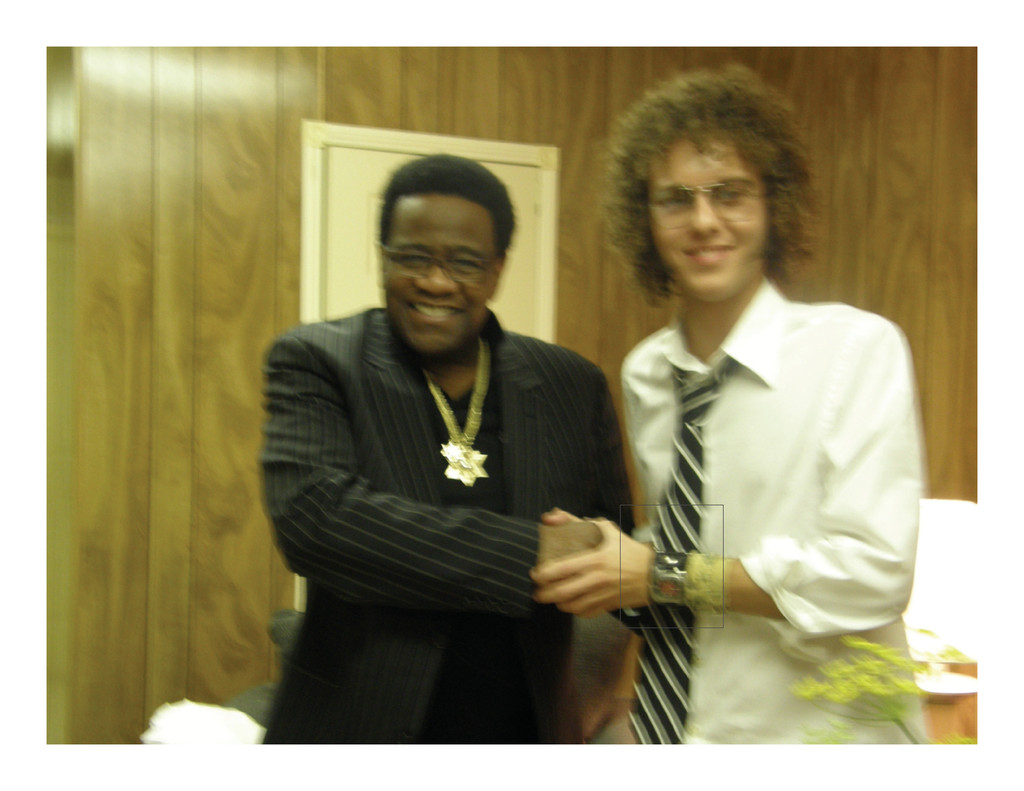
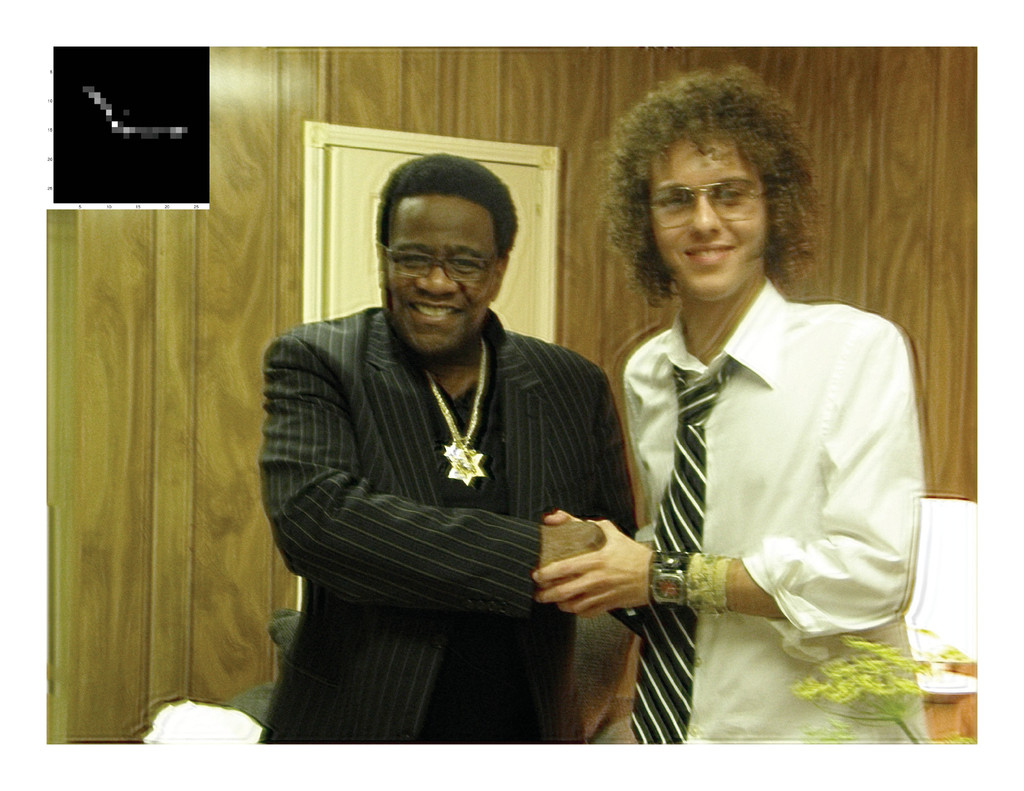
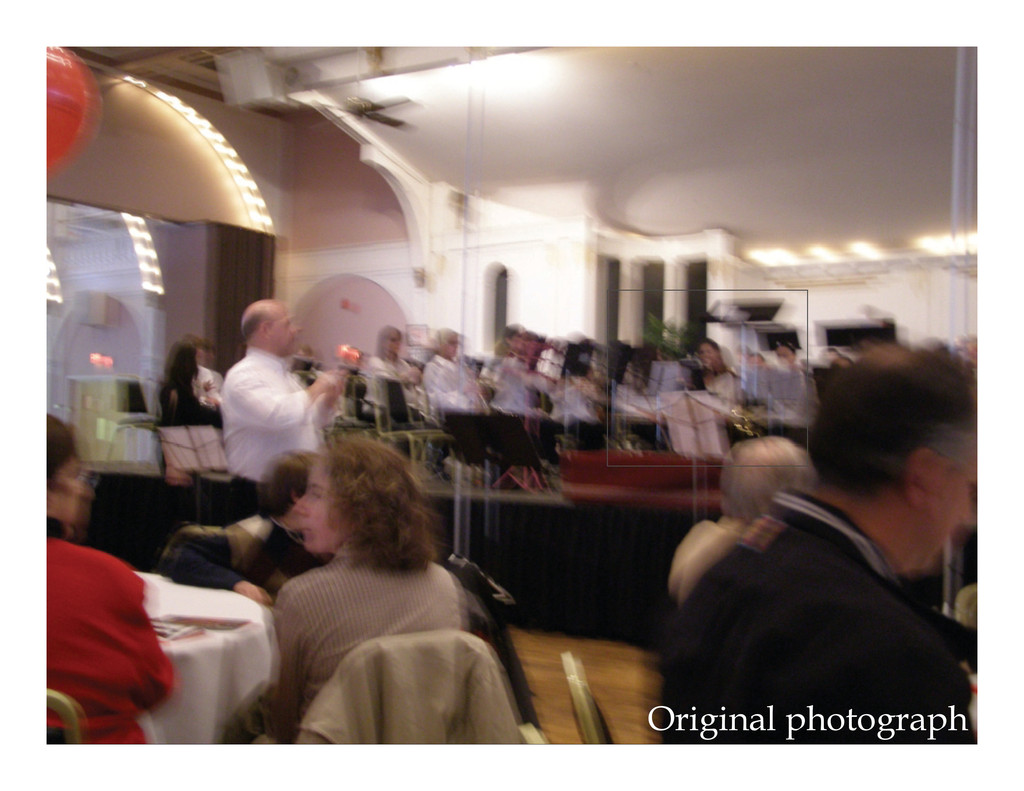
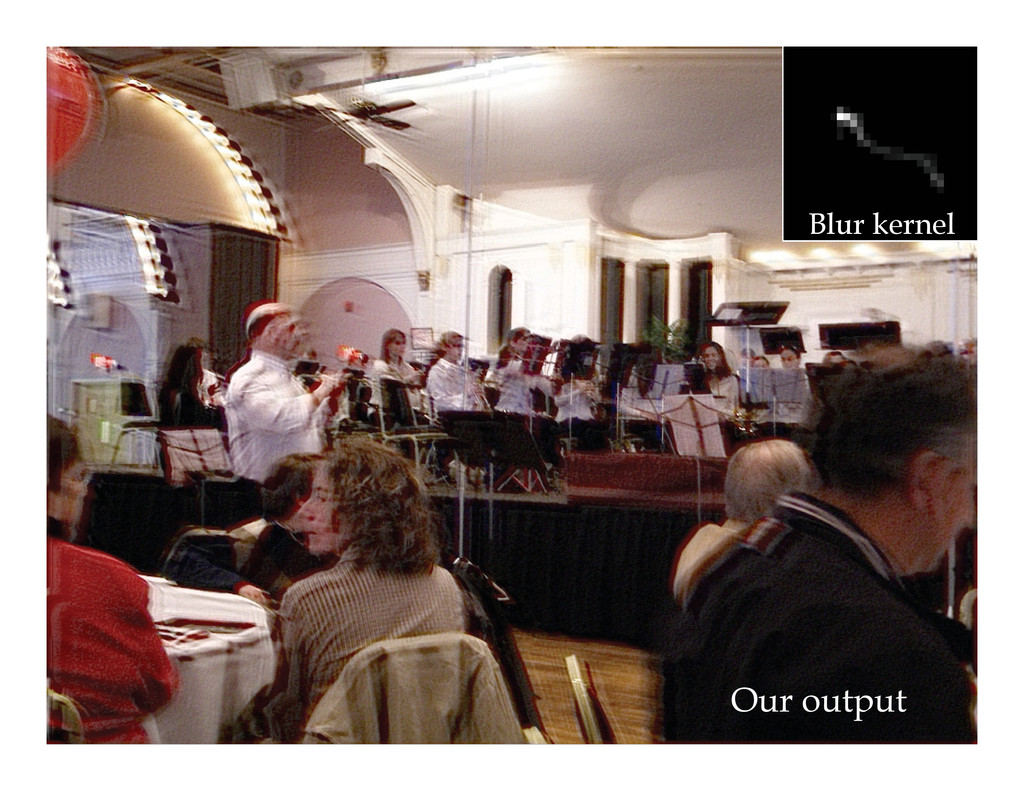
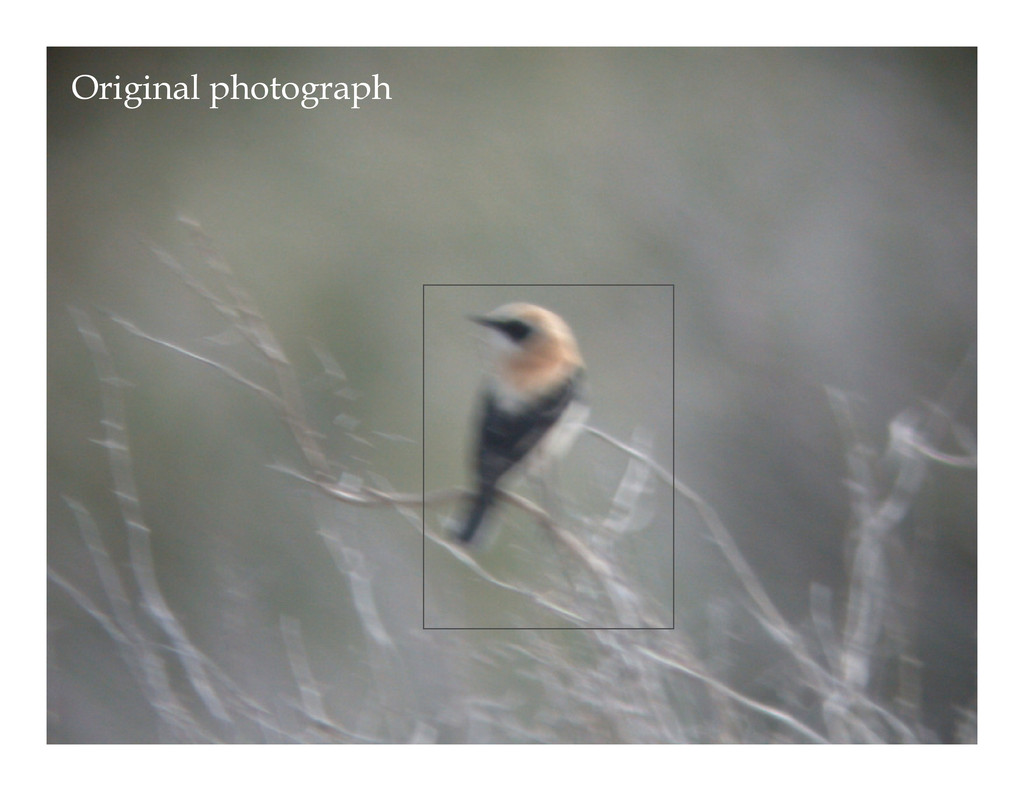
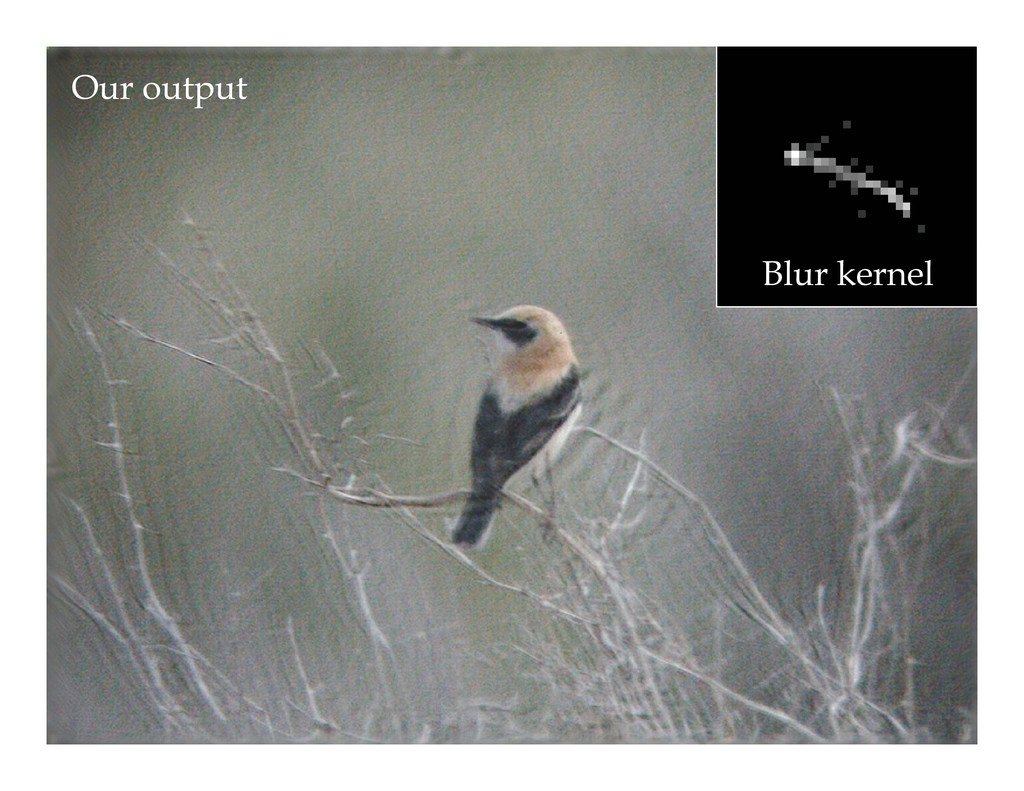
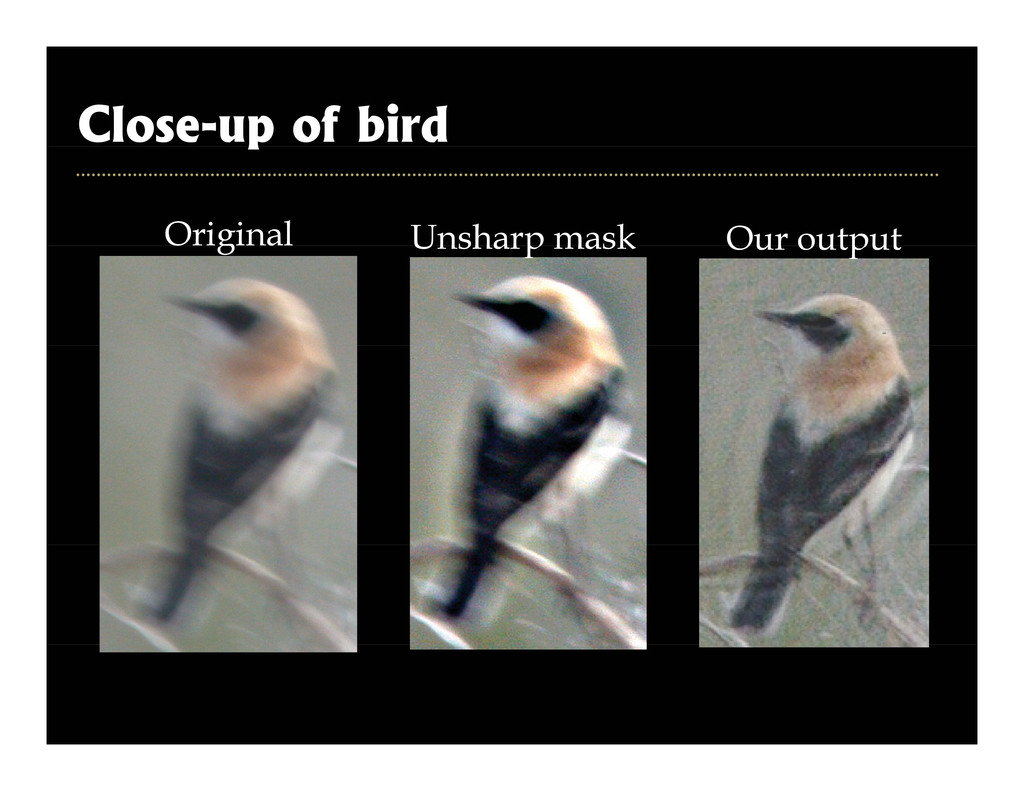
  32. Results on real images Submitted by people from their own

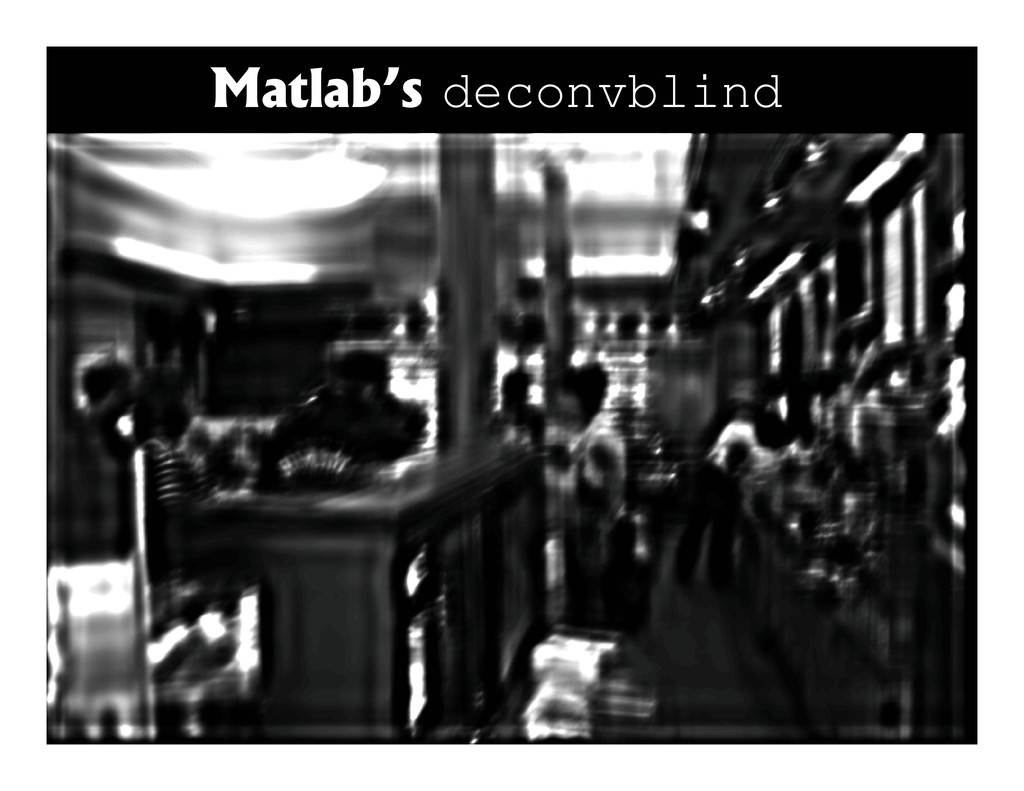
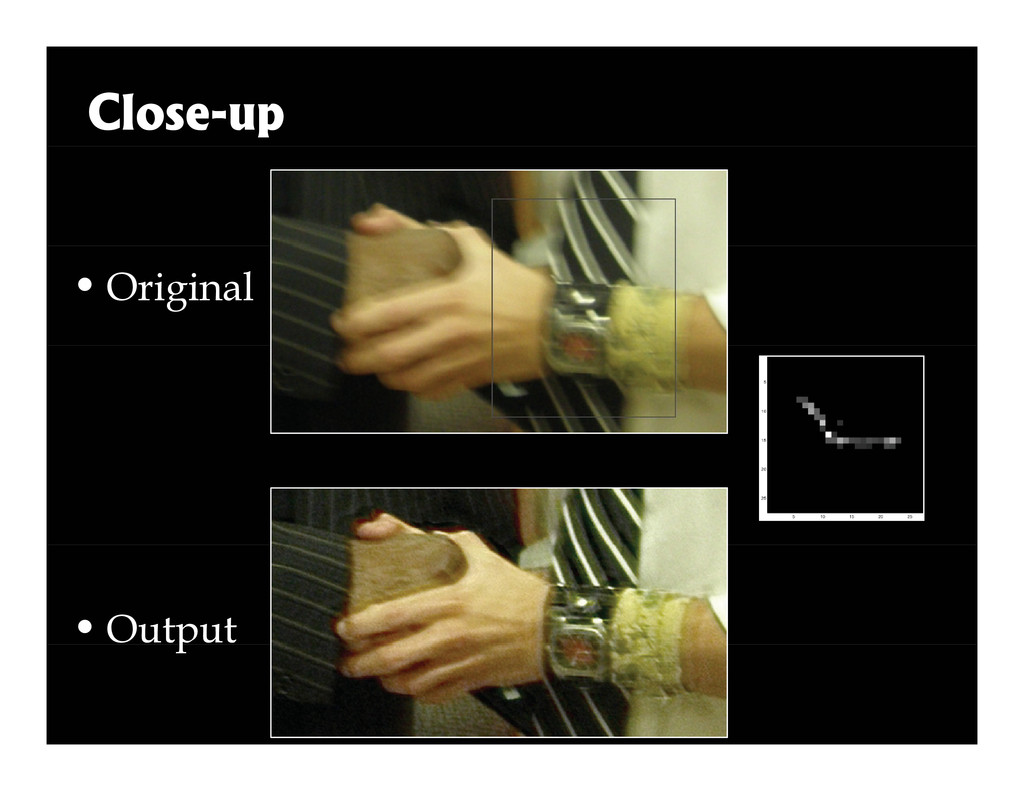
    photo collections Type of camera unknown Output does contain artifacts – Increased noise – Ringing Compare with existing methods
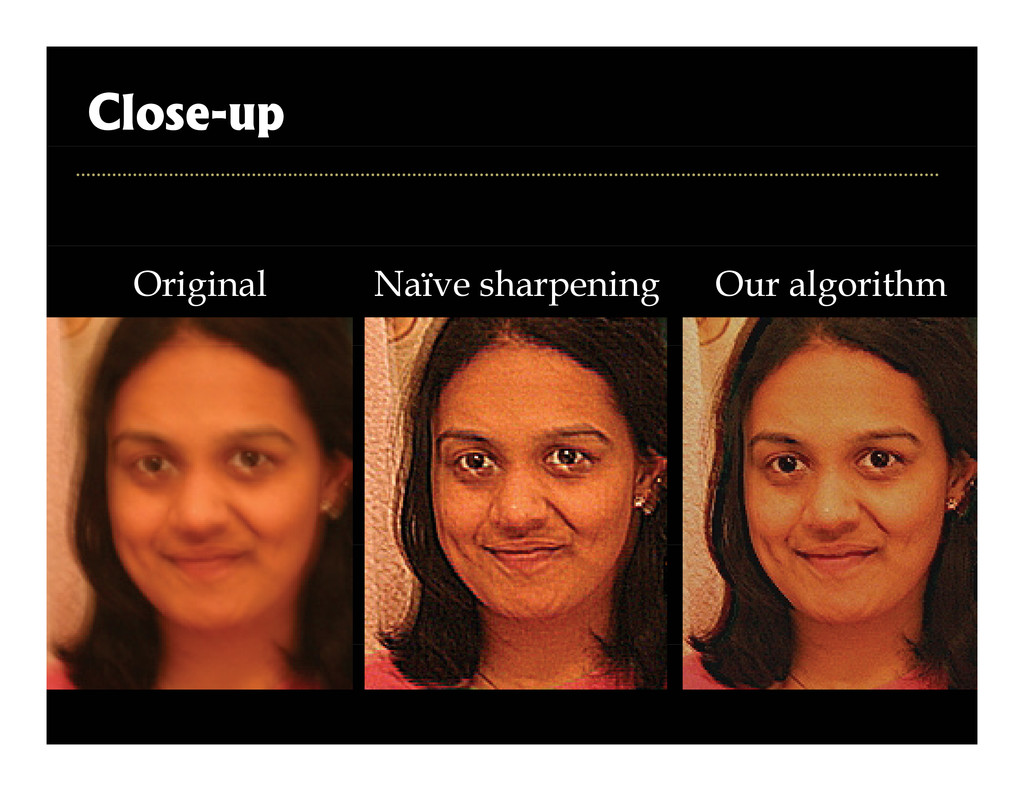
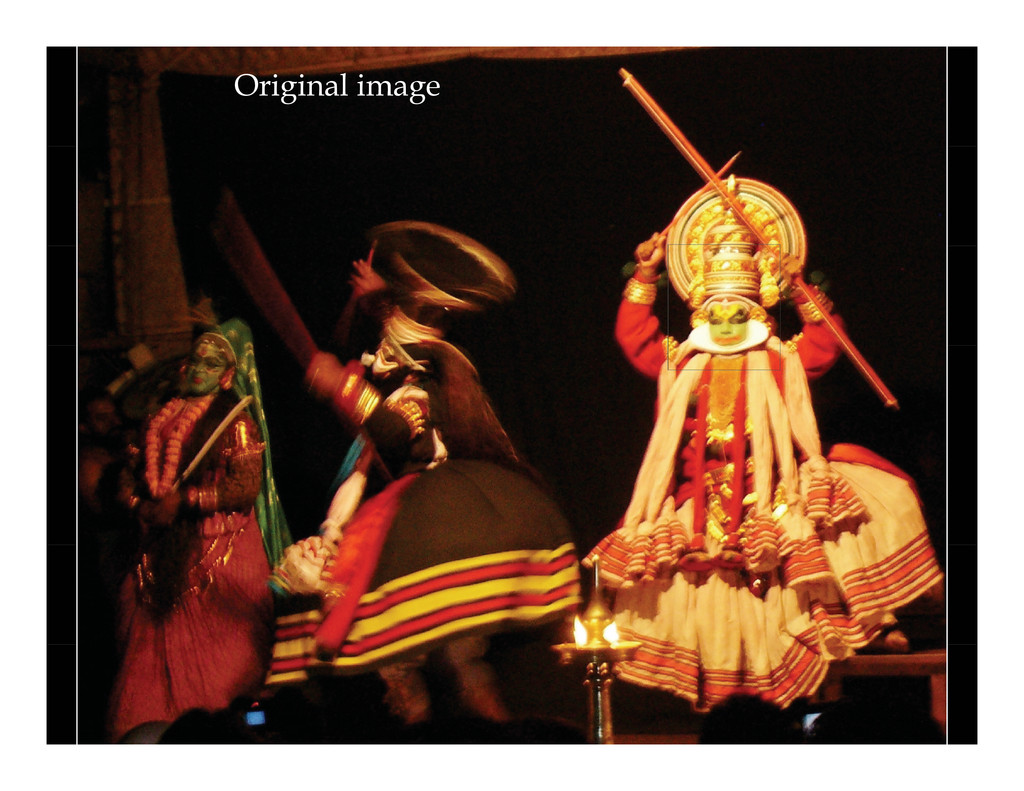
  33. Original image Close up Close-up 2 4 6 8 2

    4 6 8 10 12 Close-up of image Blur kernel Close-up of our output
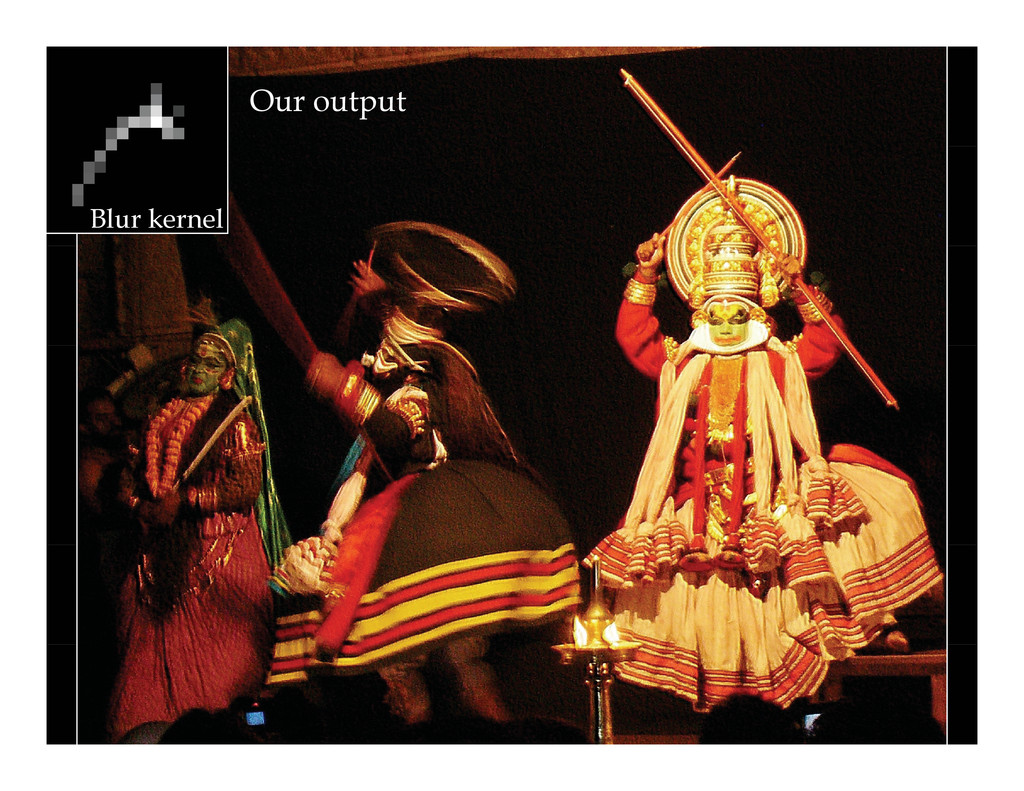
  34. 1 2 3 4 5 Our output 1 2 3

    4 5 6 7 6 7 Blur kernel
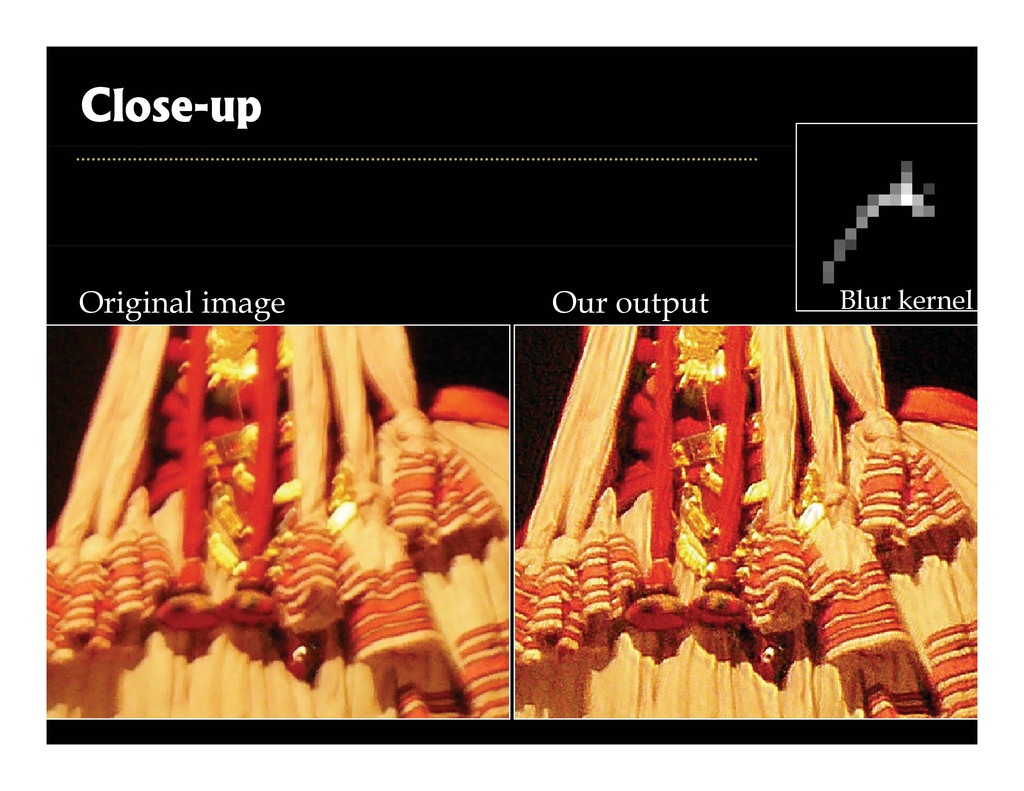
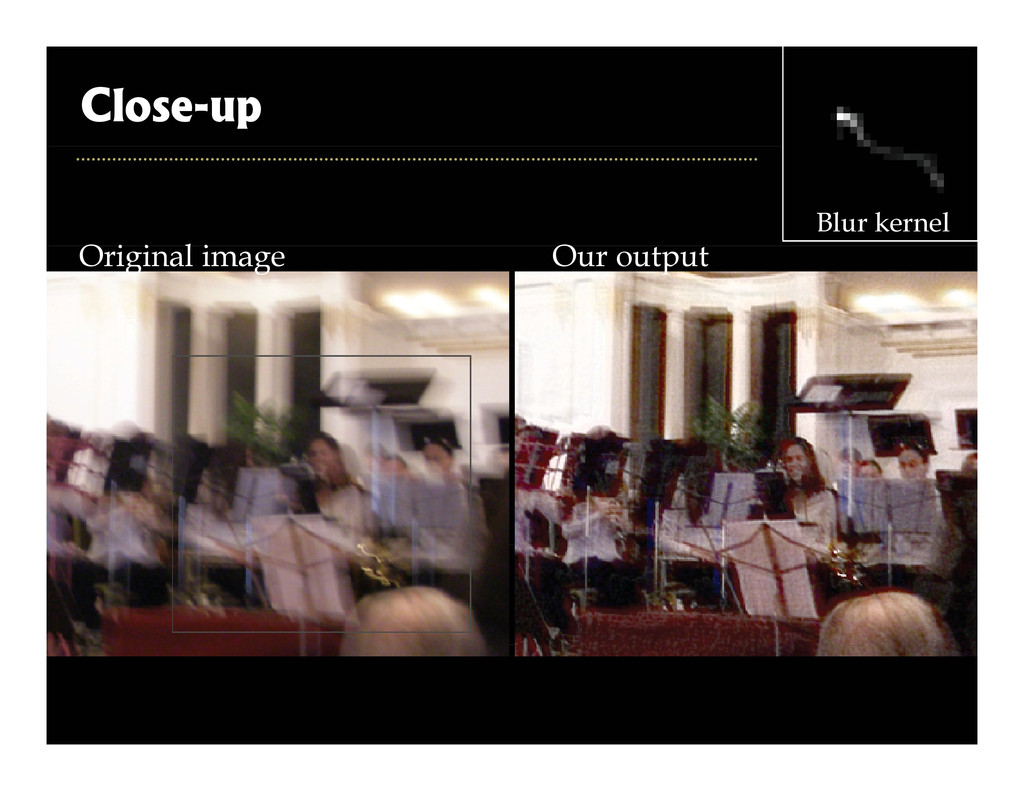
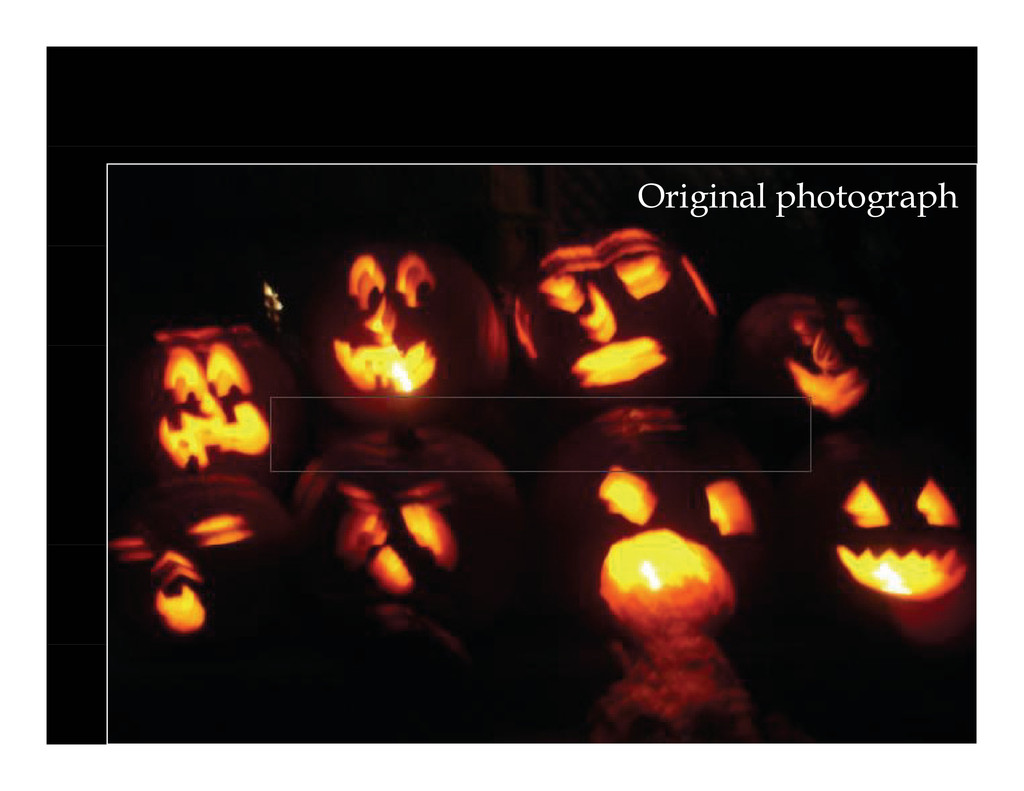
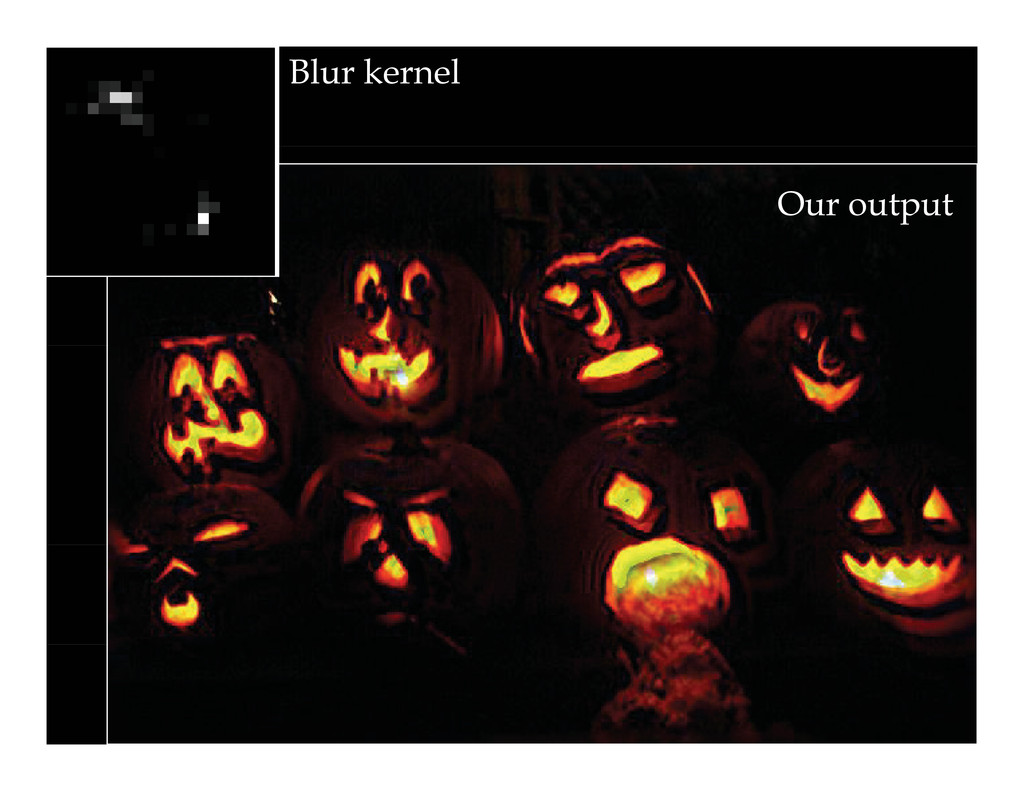
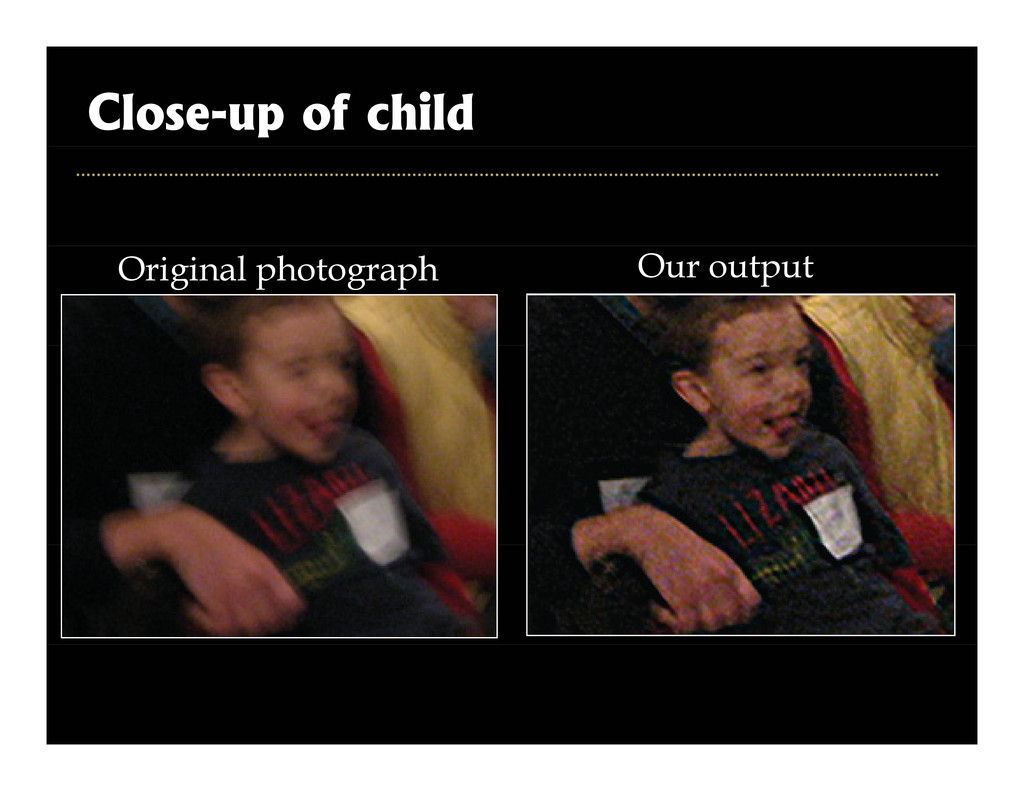
  35. Close-up Blur kernel O O i i l i Our

    output Original image
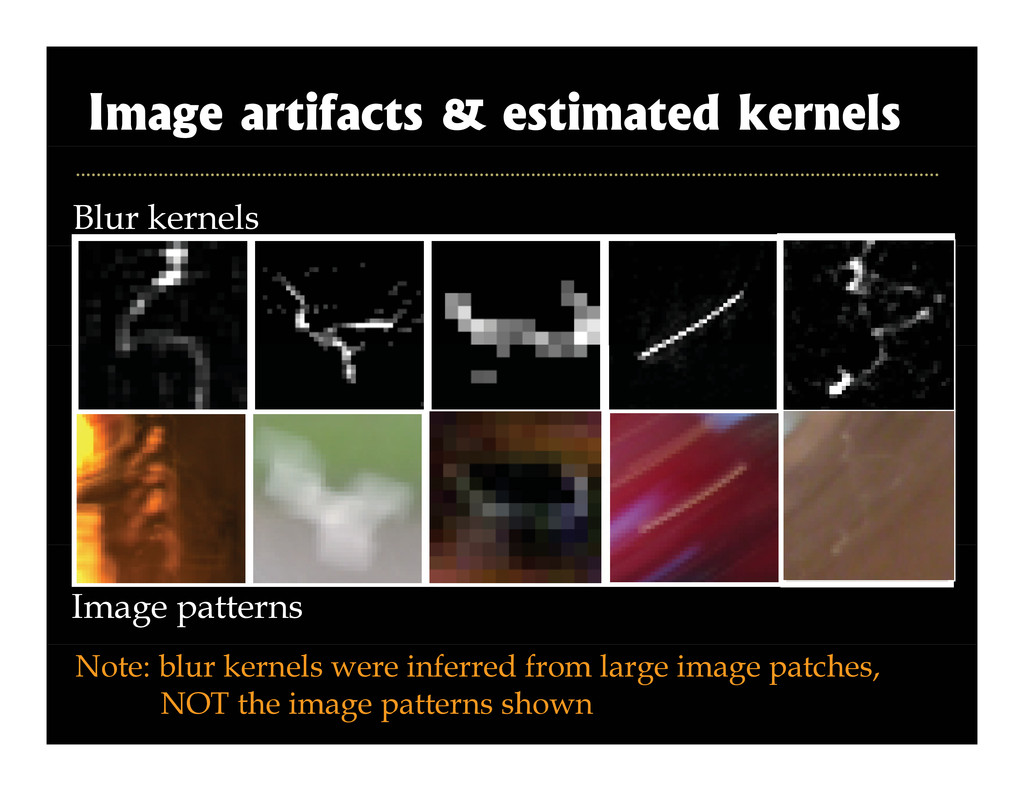
  36. Image artifacts & estimated kernels Blur kernels Image patterns Note:

    blur kernels were inferred from large image patches, NOT the image patterns shown
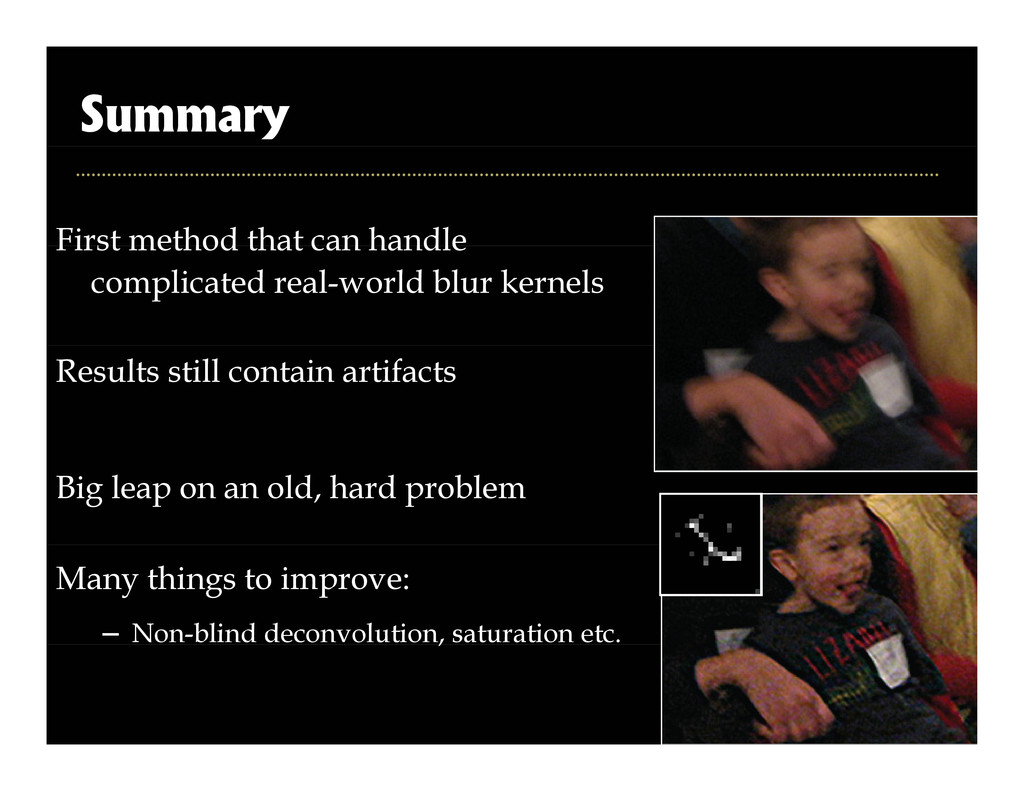
  37. Summary First method that can handle First method that can

    handle complicated real-world blur kernels Results still contain artifacts Big leap on an old, hard problem 2 4 6 8 0 Many things to improve: – Non-blind deconvolution, saturation etc. 2 4 6 8 10 12 14 16 18 20 2 4 6 8 0 ,
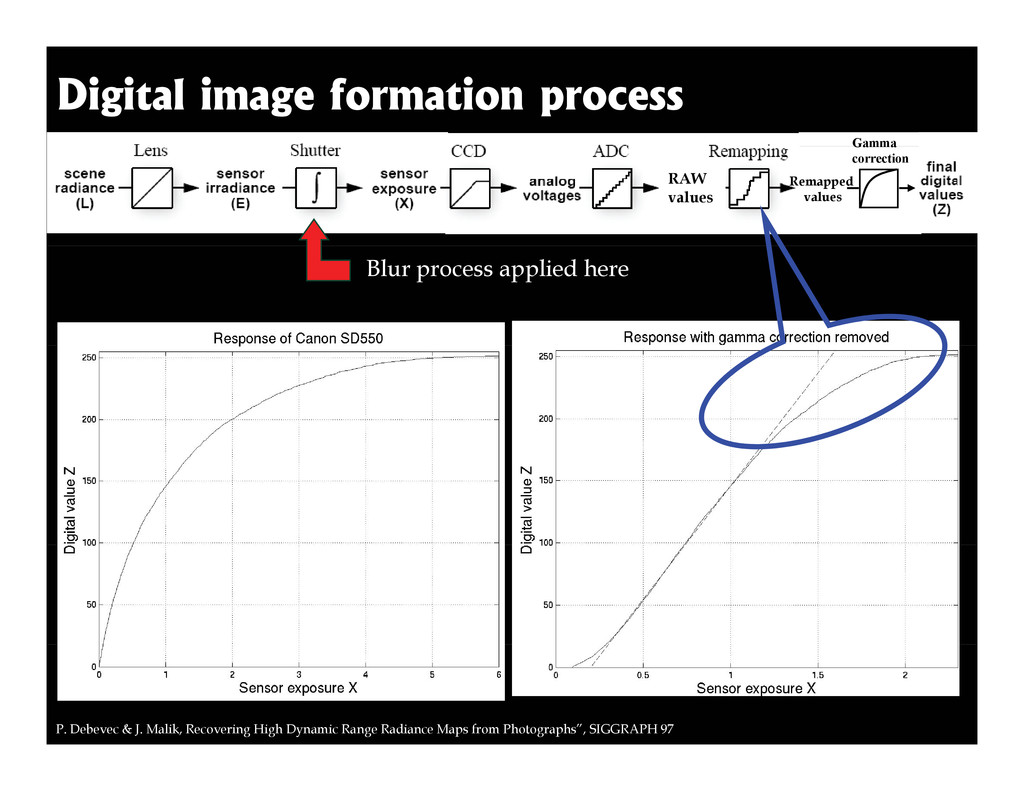
  38. Gamma Digital image formation process Gamma correction RAW values Remapped

    values Blur process applied here P. Debevec & J. Malik, Recovering High Dynamic Range Radiance Maps from Photographs”, SIGGRAPH 97
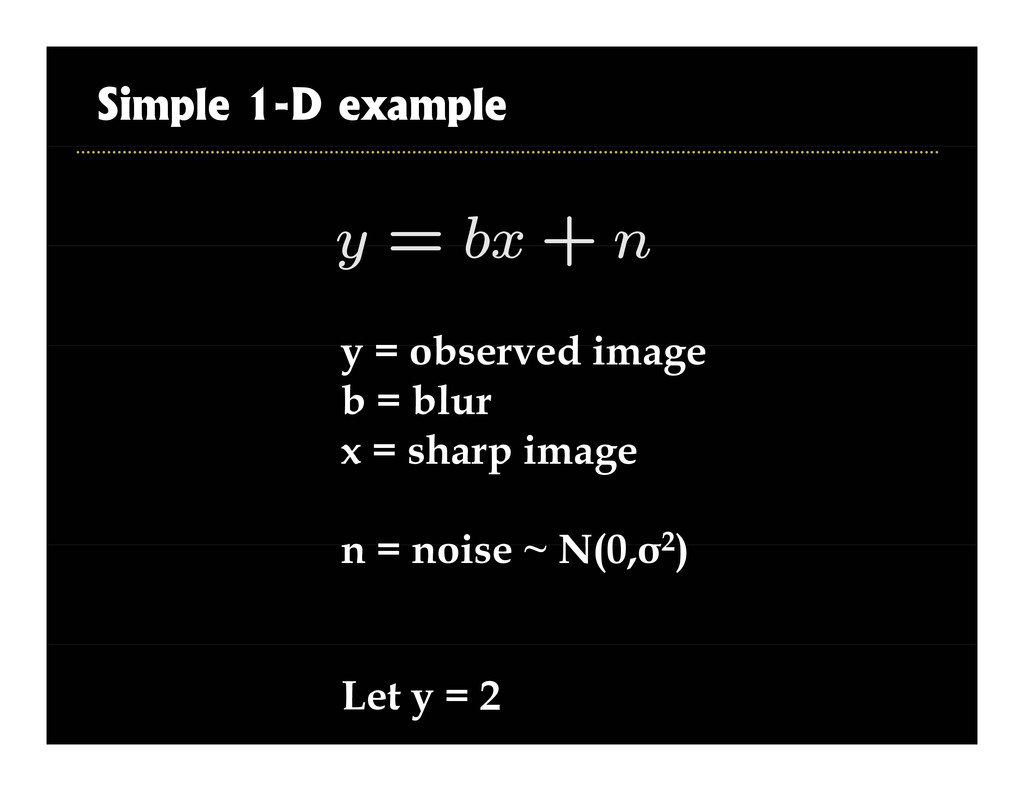
  39. Simple 1-D example y = bx + n y =

    observed image y = bx + n y = observed image b = blur x = sharp image x = sharp image n = noise N(0 σ2) n = noise ~ N(0,σ2) Let y = 2
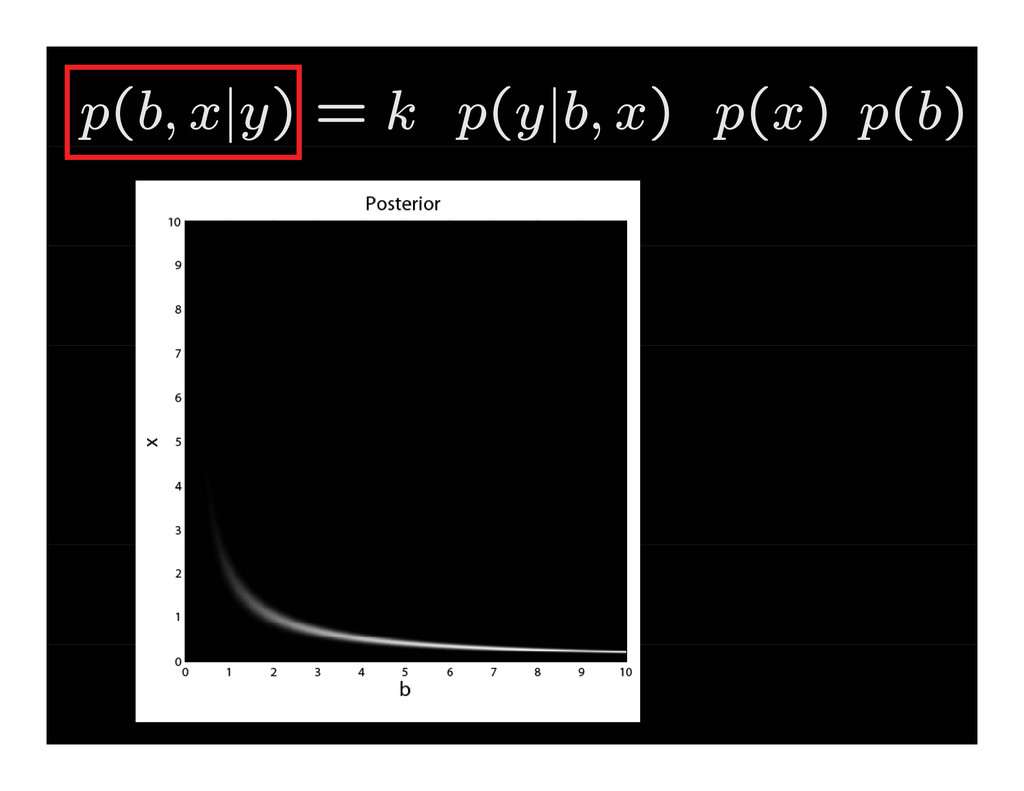
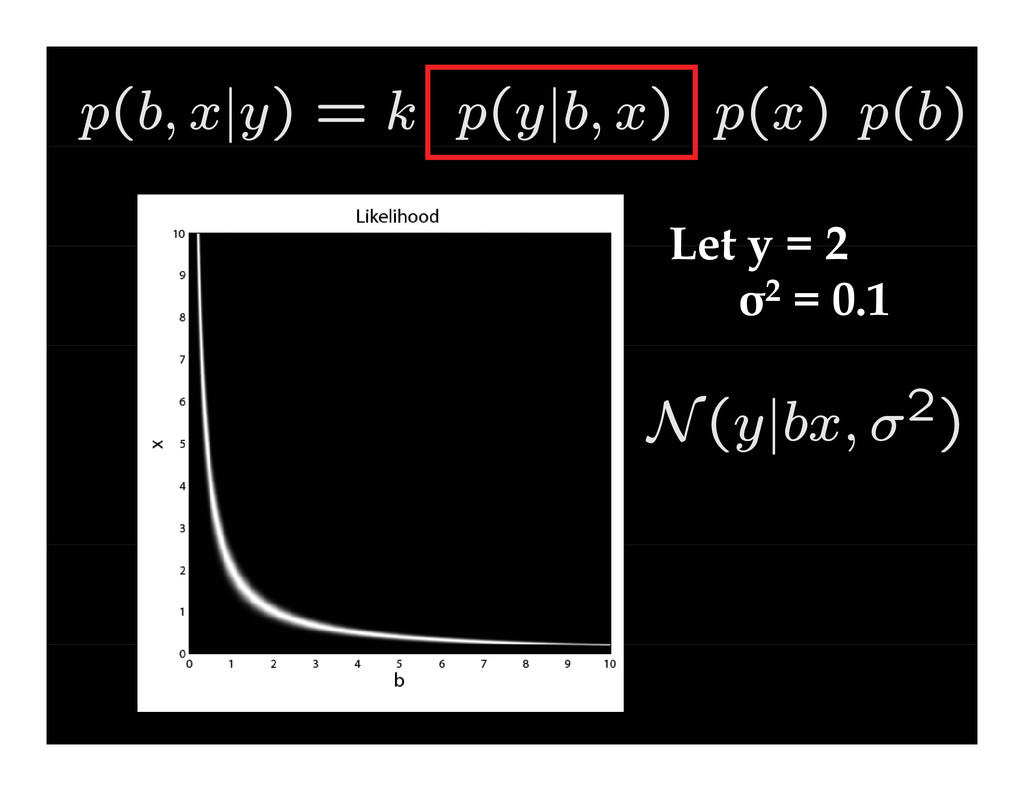
  40. p(b, x|y) = k p(y|b, x) p(x) p(b) Let y

    = 2 Let y = 2 σ2 = 0.1 N(y|bx, σ2) (y| , )
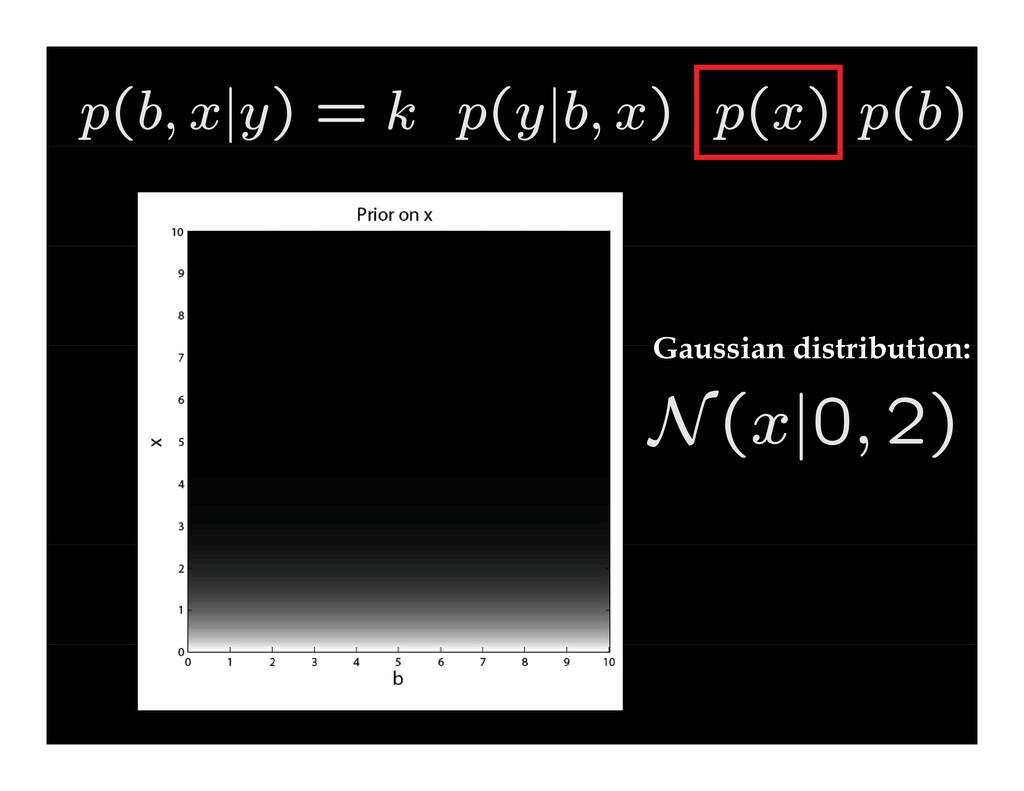
  41. p(b, x|y) = k p(y|b, x) p(x) p(b) Gaussian distribution:

    Gaussian distribution: N(x|0, 2) N( | , )
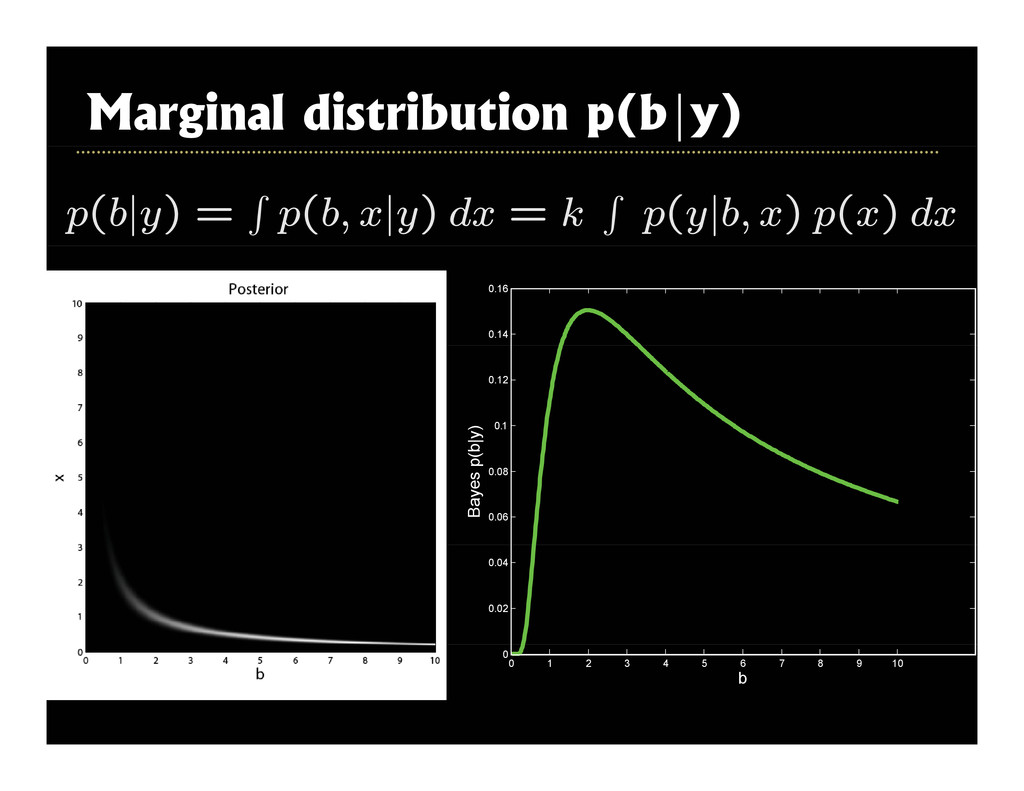
  42. Marginal distribution p(b|y) p(b|y) = R p(b, x|y) dx =

    k R p(y|b, x) p(x) dx 0.14 0.16 0.1 0.12 b|y) 0.06 0.08 Bayes p(b 0.02 0.04 0 1 2 3 4 5 6 7 8 9 10 0 b
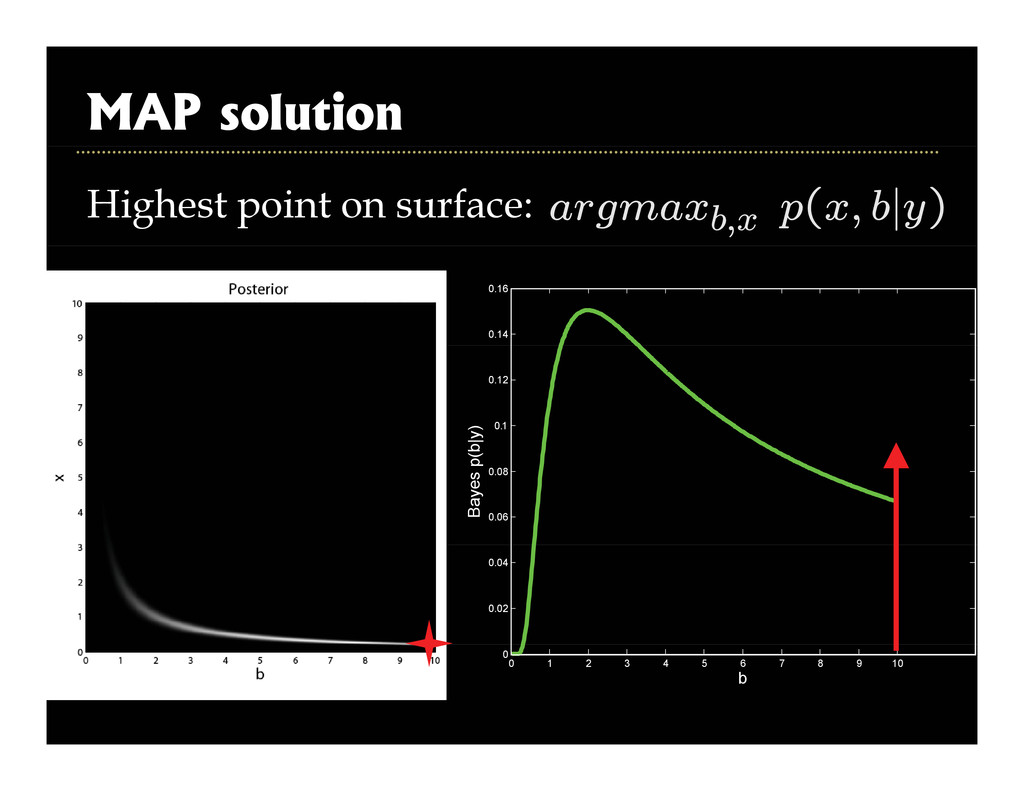
  43. MAP solution Highest point on surface: argmaxb,x p(x, b|y) 0.14

    0.16 0.1 0.12 b|y) 0.06 0.08 Bayes p(b 0.02 0.04 0 1 2 3 4 5 6 7 8 9 10 0 b
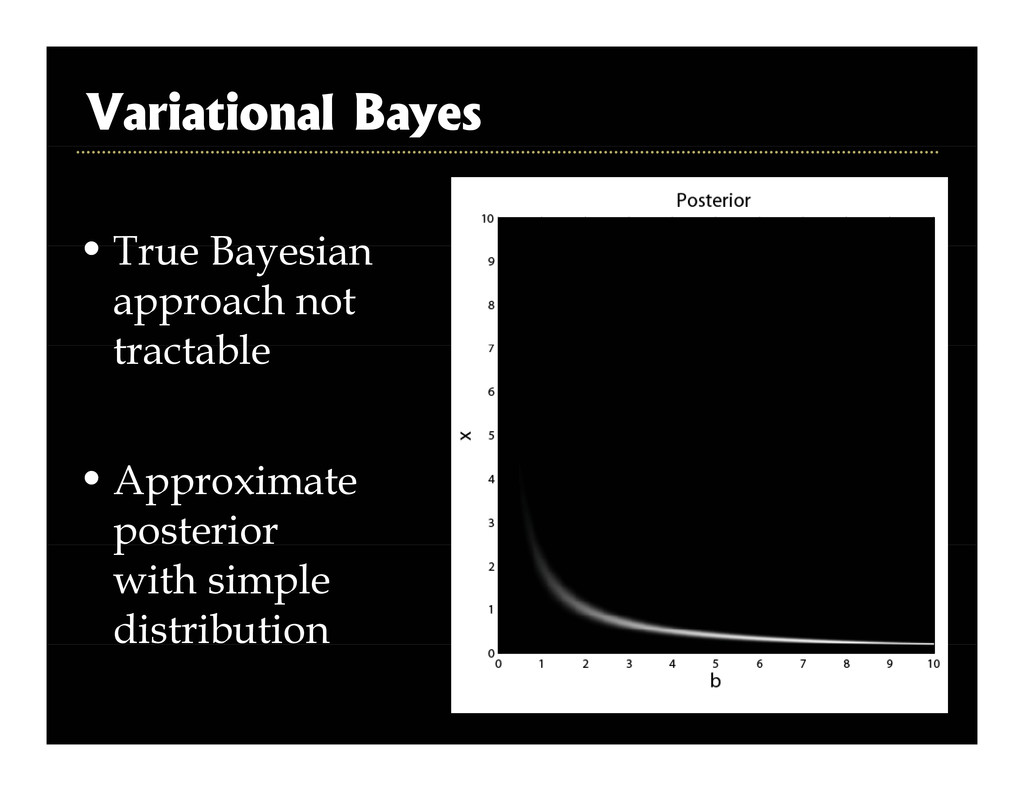
  44. Variational Bayes • True Bayesian • True Bayesian approach not

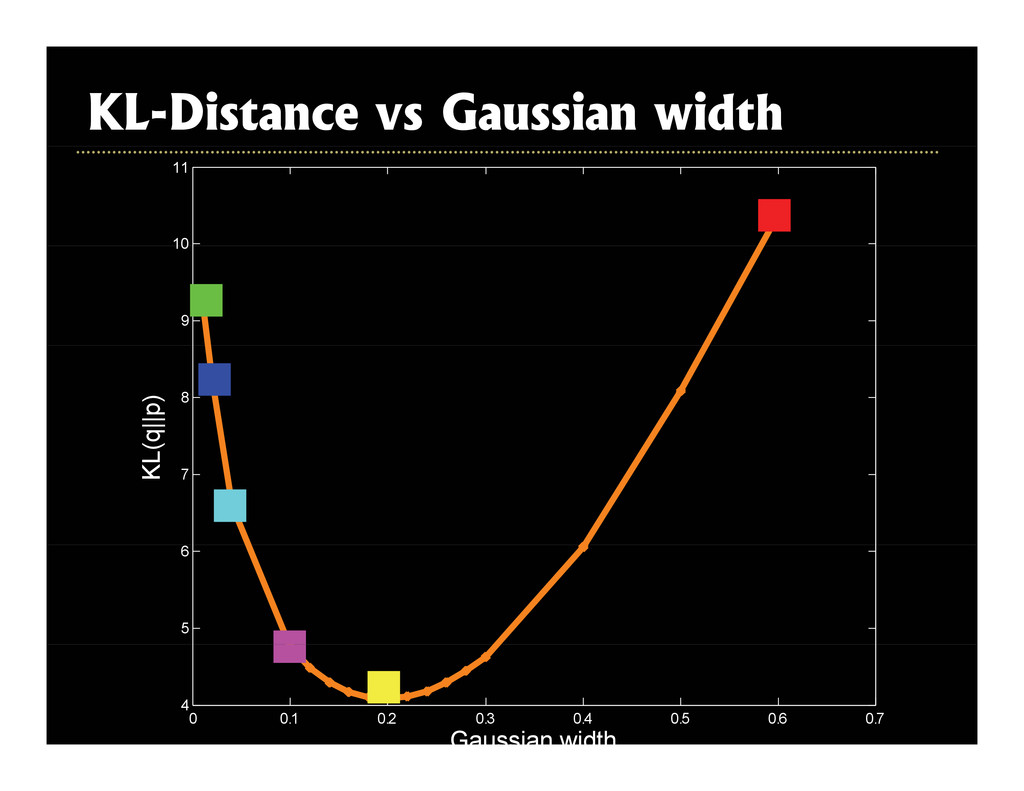
    tractable tractable • Approximate posterior p with simple distribution
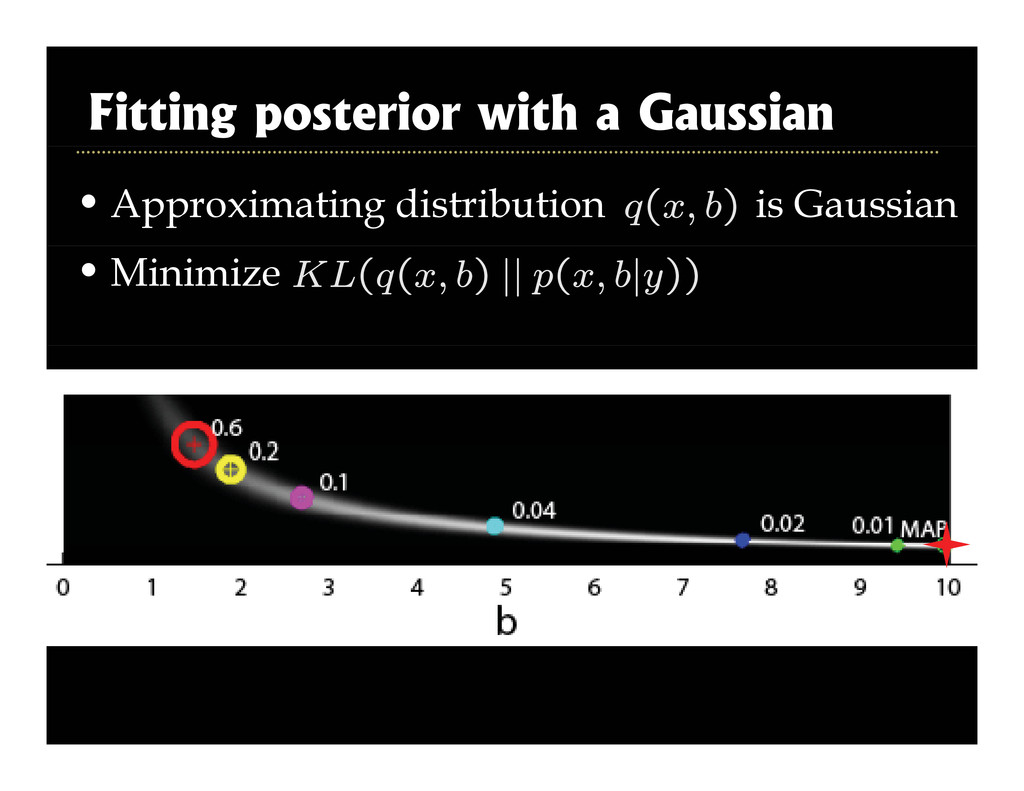
  45. KL-Distance vs Gaussian width 10 11 9 10 8 (q||p)

    7 KL( 5 6 0 0.1 0.2 0.3 0.4 0.5 0.6 0.7 4 Gaussian width
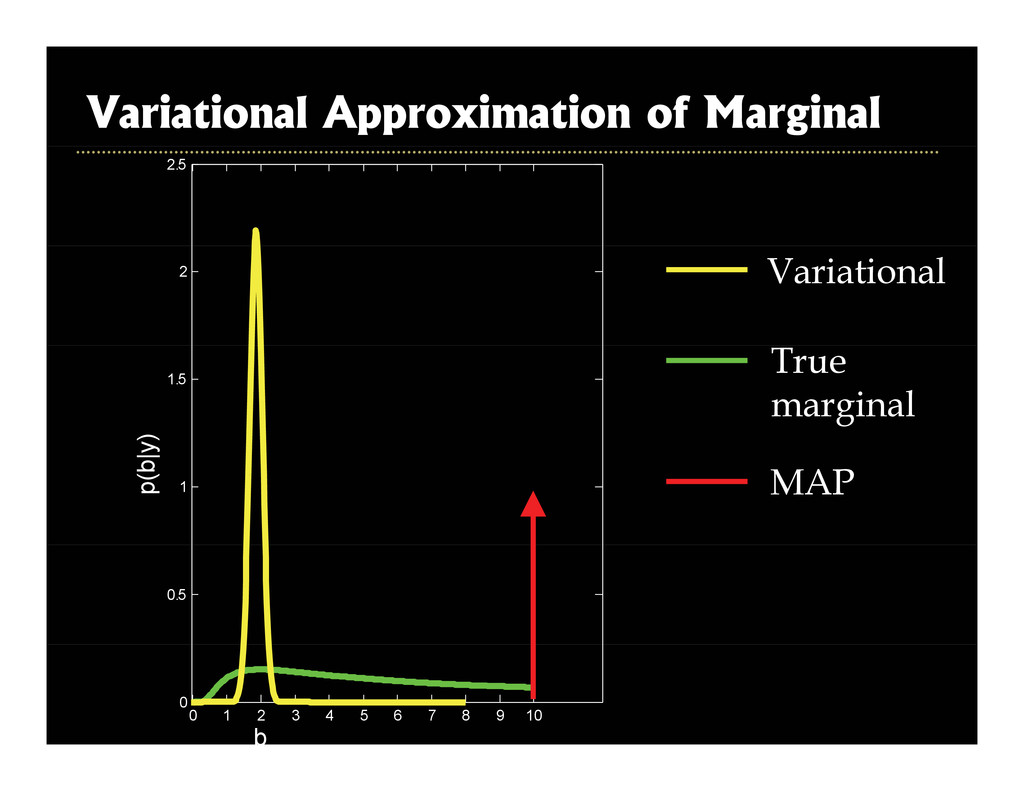
  46. Variational Approximation of Marginal 2.5 2 Variational 1.5 y) True

    marginal 1 p(b|y MAP 0.5 0 1 2 3 4 5 6 7 8 9 10 0 b
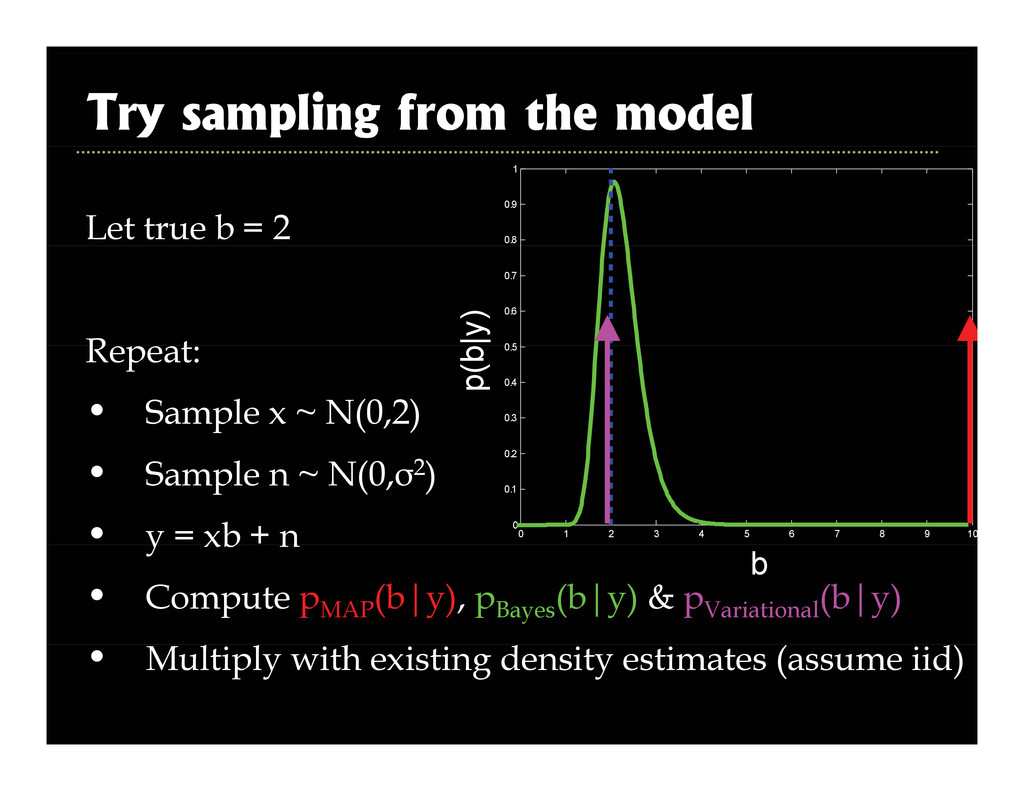
  47. Try sampling from the model Let true b = 2

    0.8 0.9 1 R t 0 5 0.6 0.7 |y) Repeat: • Sample x ~ N(0,2) 0.3 0.4 0.5 p(b • Sample n ~ N(0,σ2) • y = xb + n 0 1 2 3 4 5 6 7 8 9 10 0 0.1 0.2 y xb n • Compute pMAP (b|y), pBayes (b|y) & pVariational (b|y) b • Multiply with existing density estimates (assume iid)
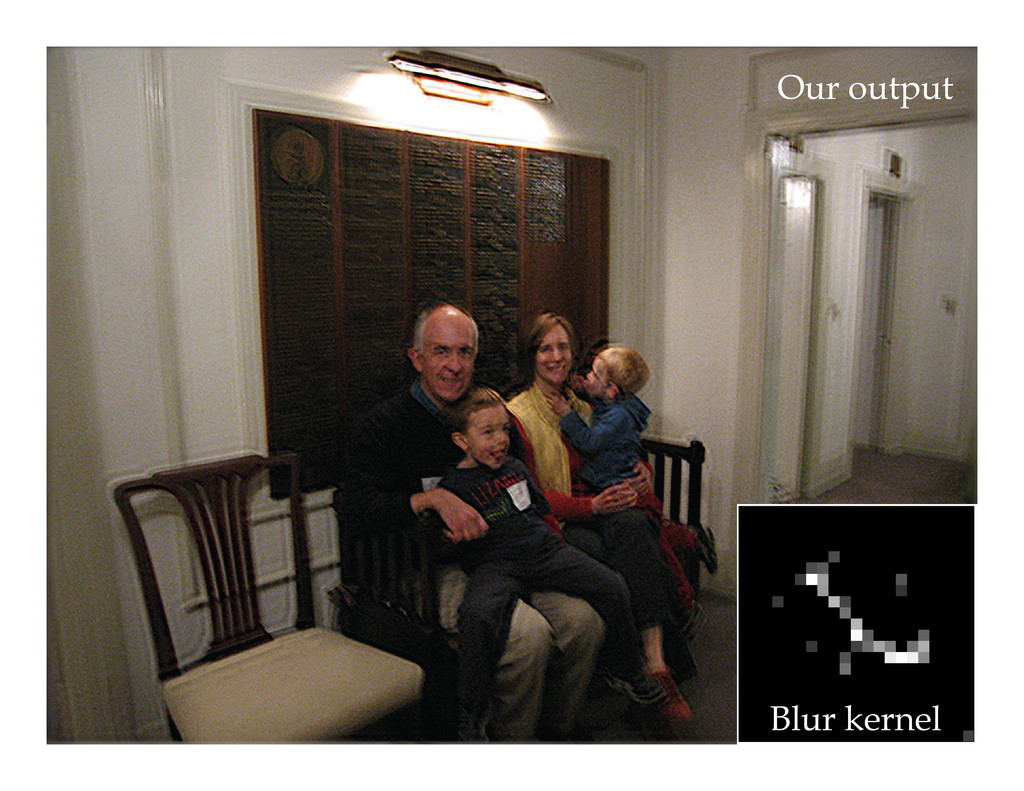
  48. Our output 2 4 4 6 8 0 2 2

    4 6 8 10 12 14 16 18 20 4 6 8 0 Blur kernel