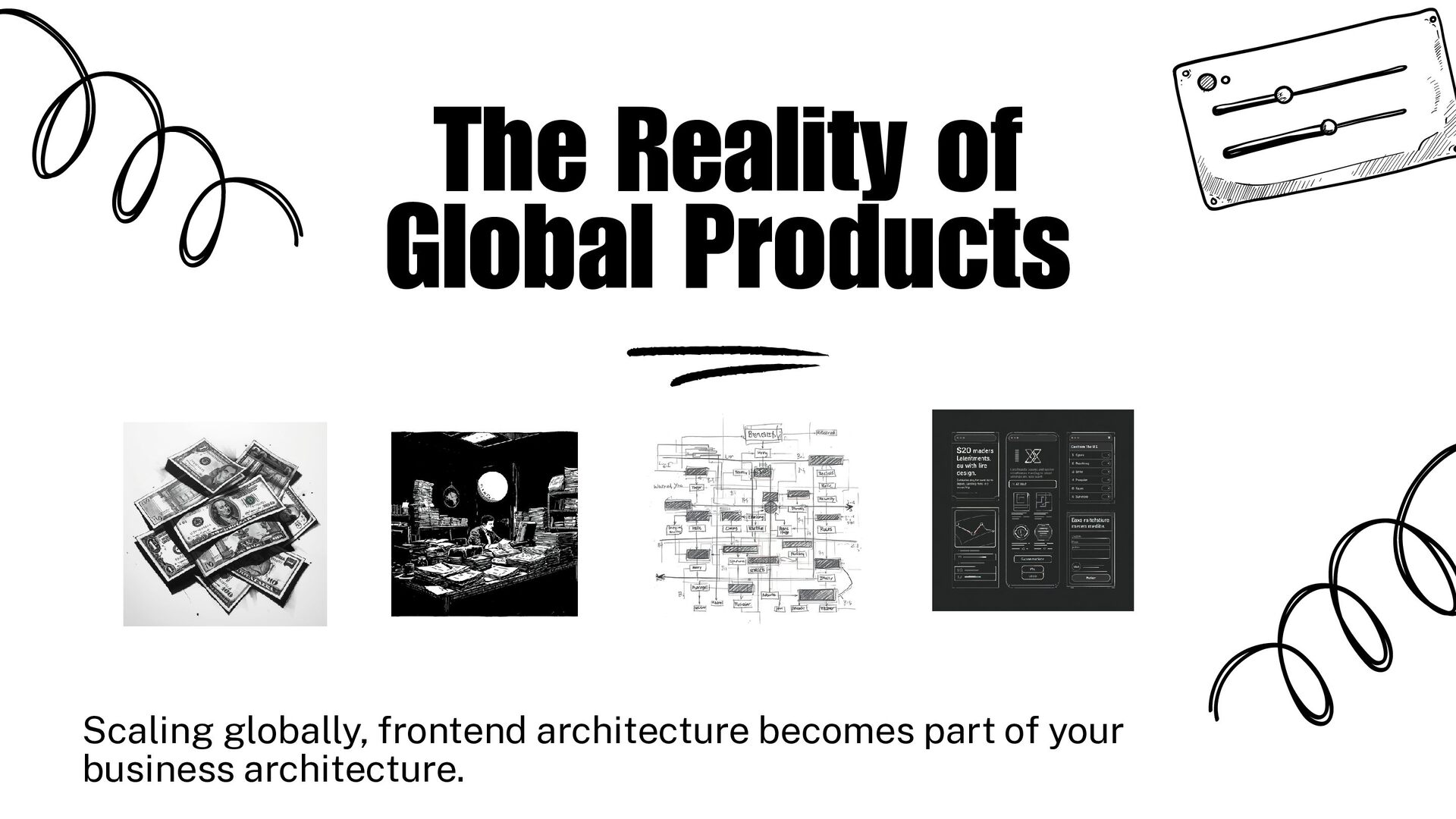
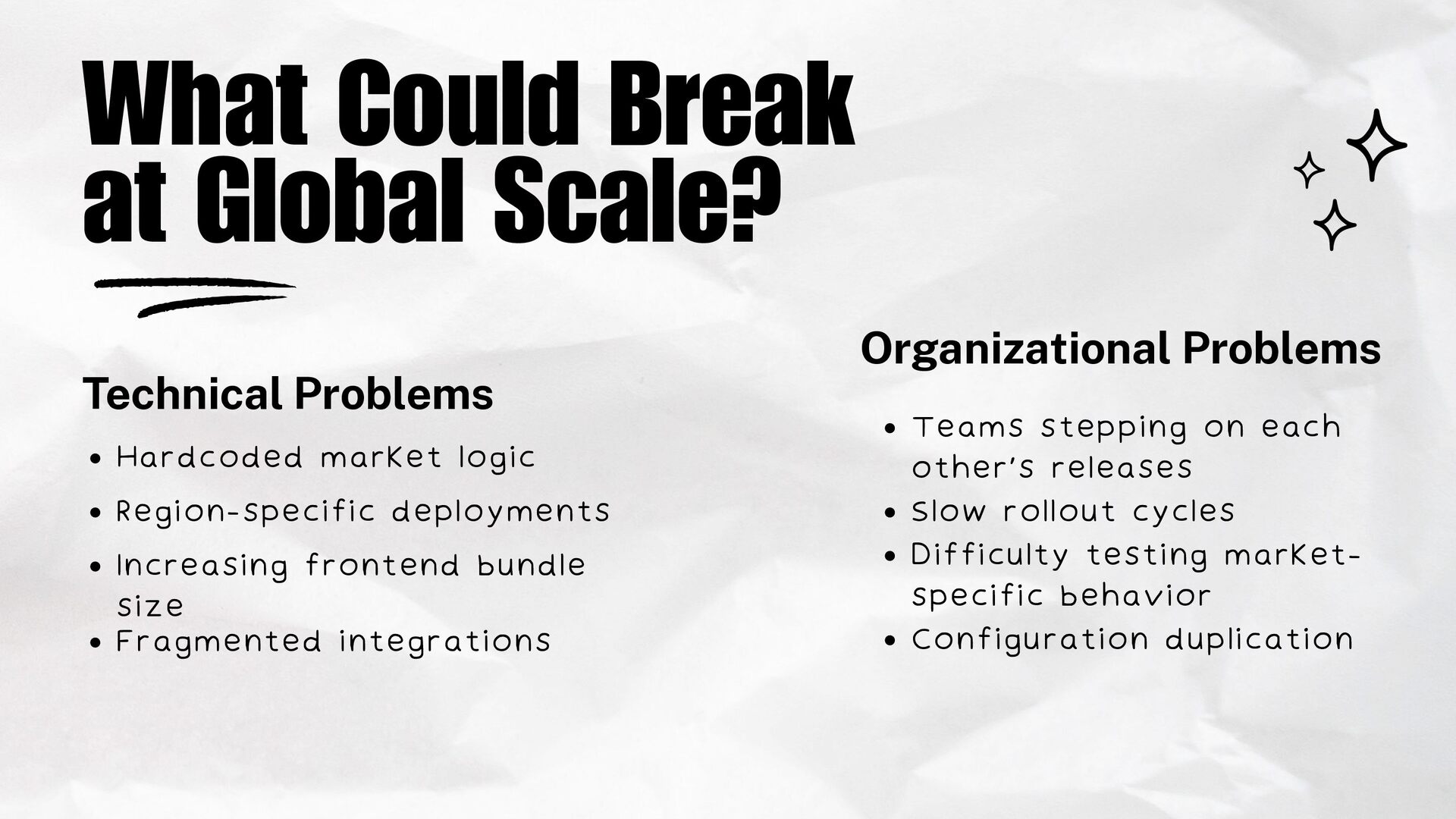
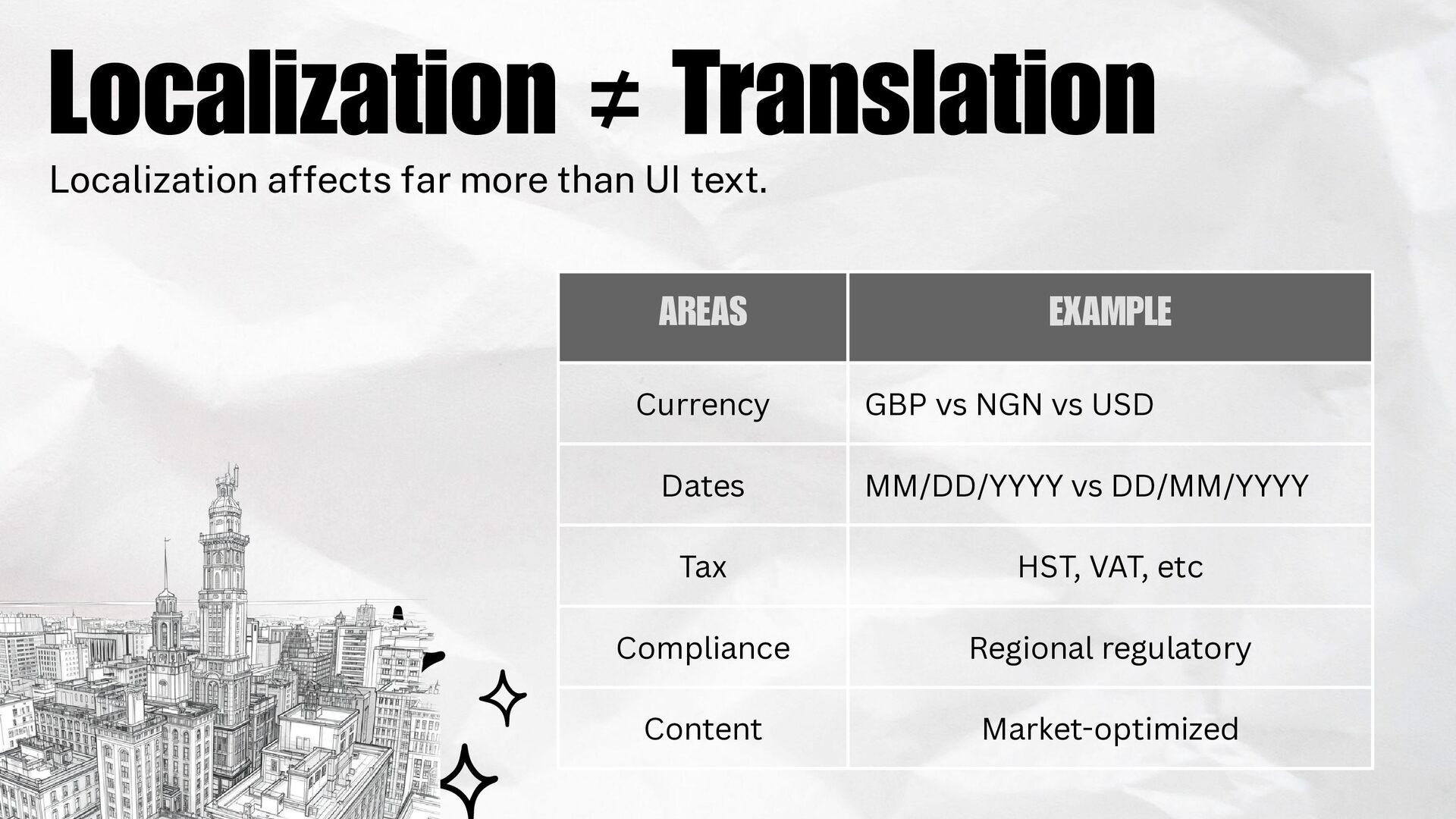
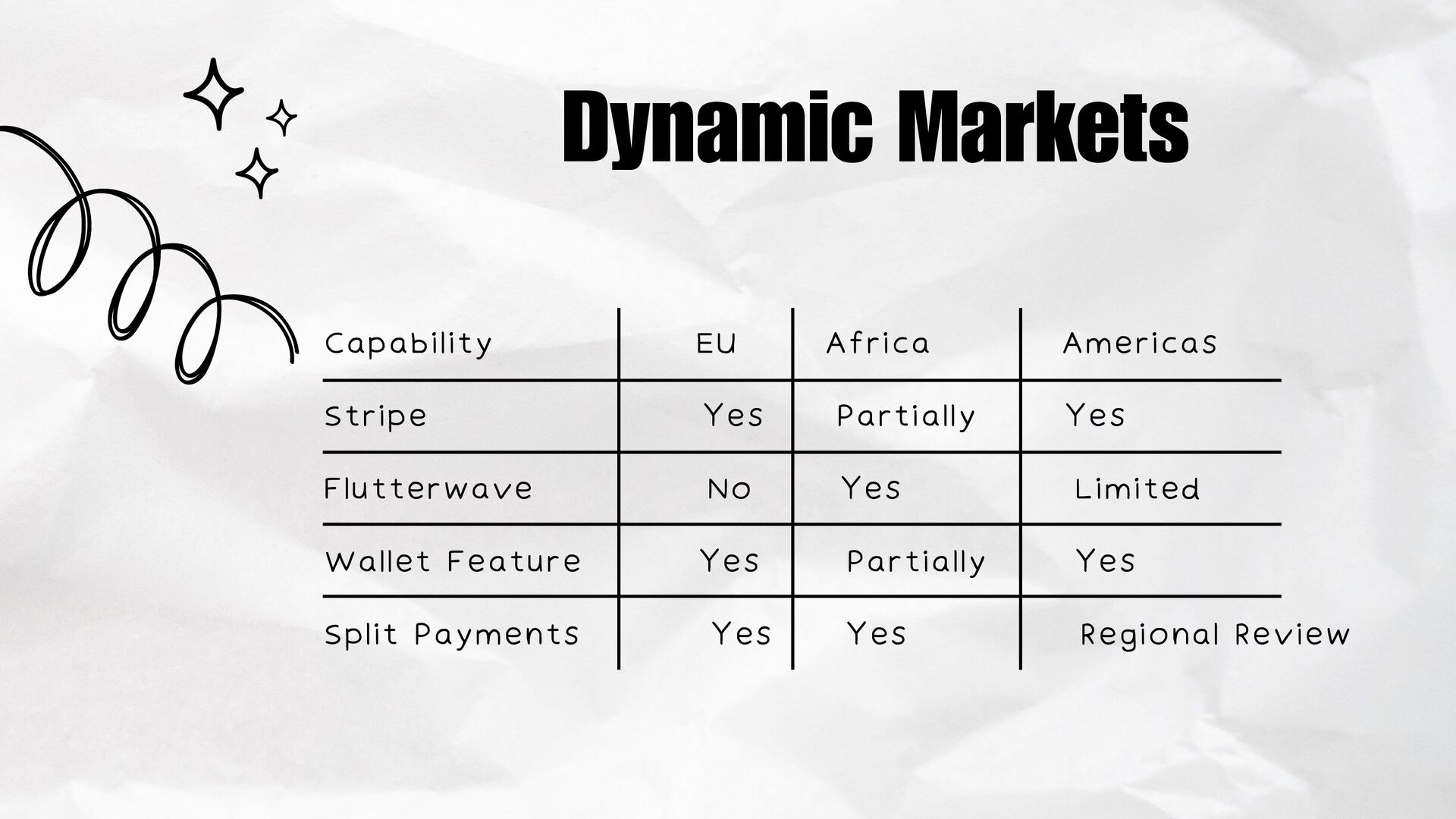
Building a global product using React is not just about translating UI to code; it’s about architecting for localization, multi-tenancy, compliance, and market-specific behaviors. Leading architecture at Gopaddi, we’re scaling a travel operating system that serves users across continents, each with unique currencies, policies, suppliers, and regulations.
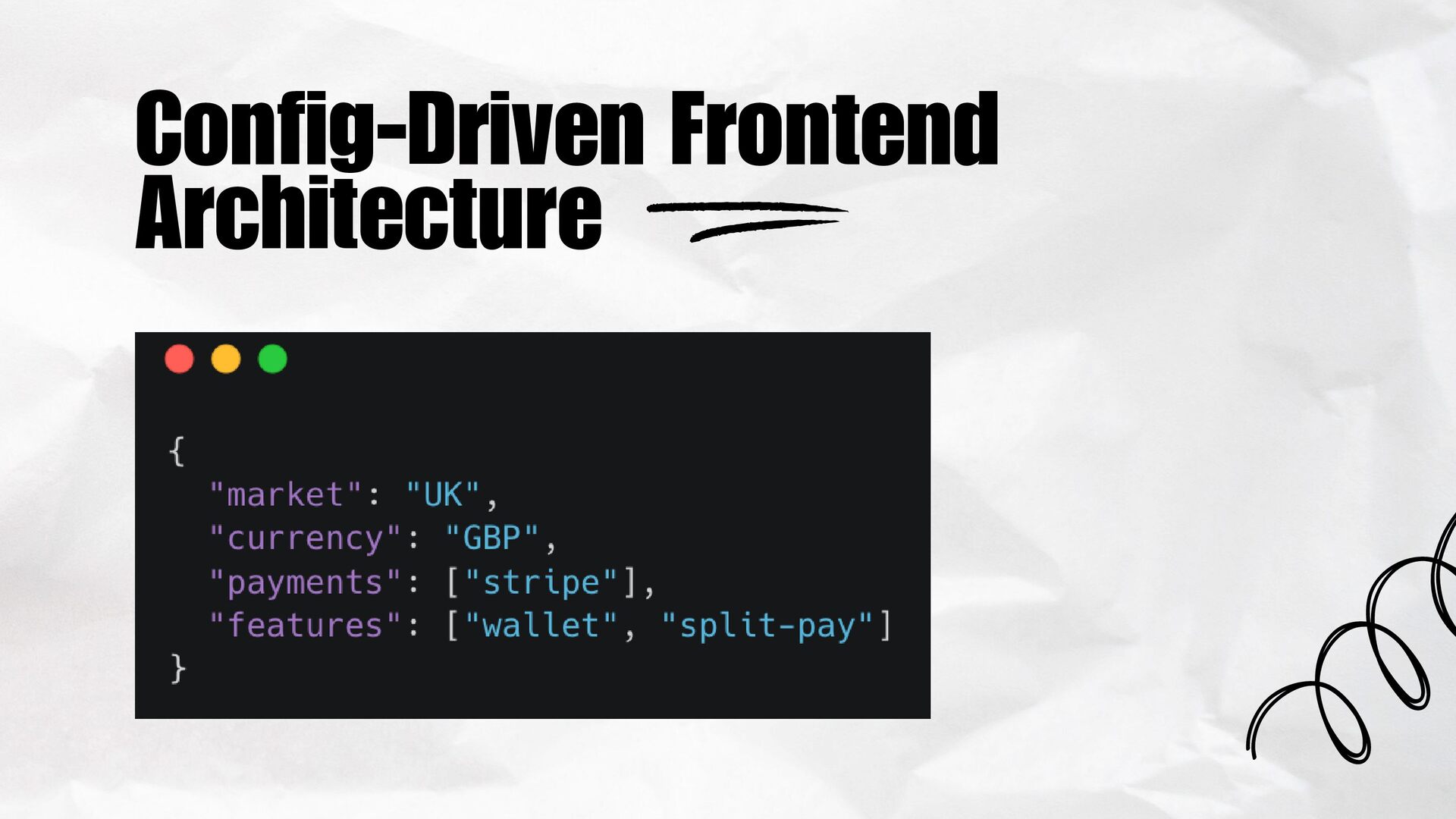
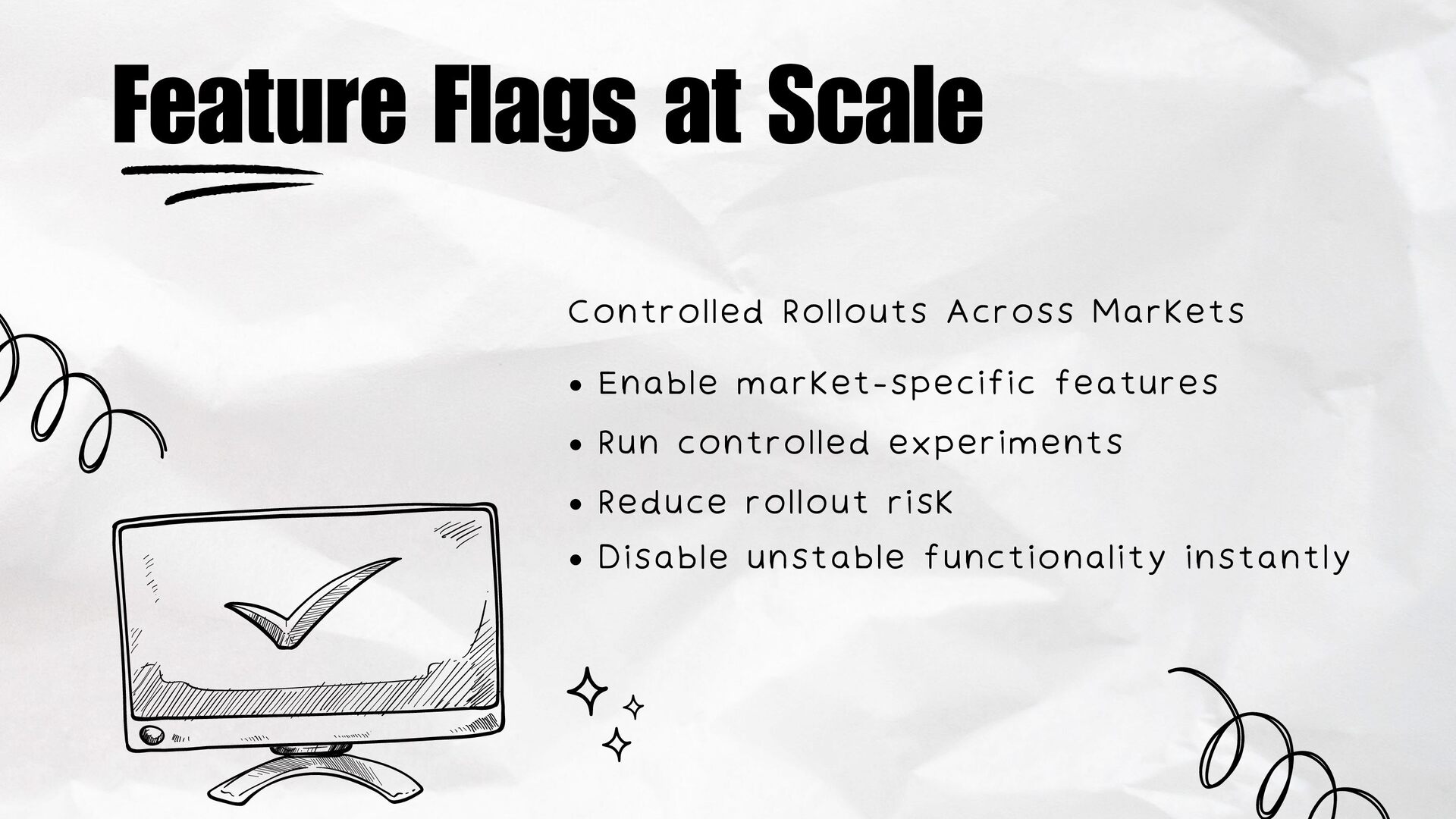
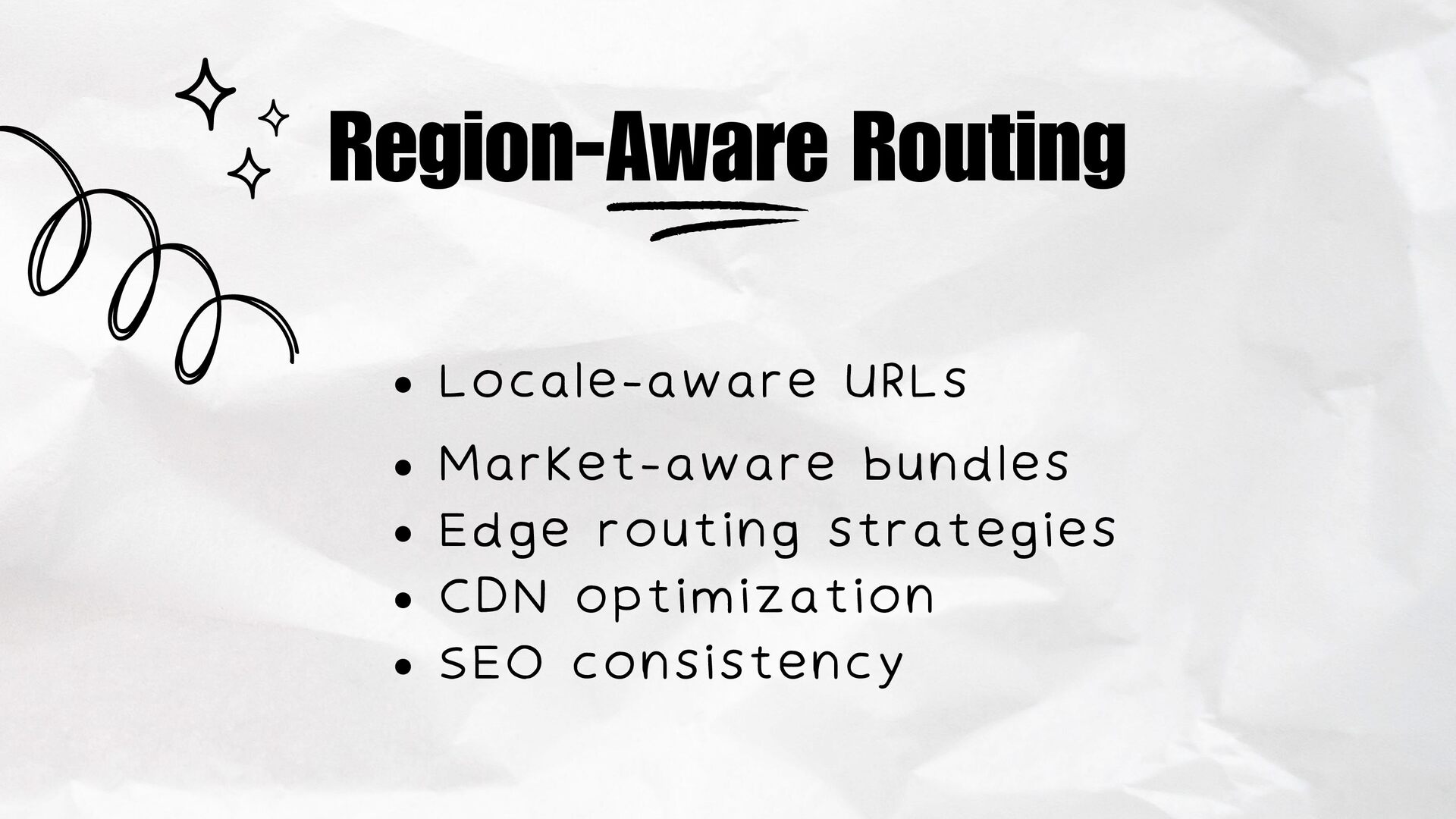
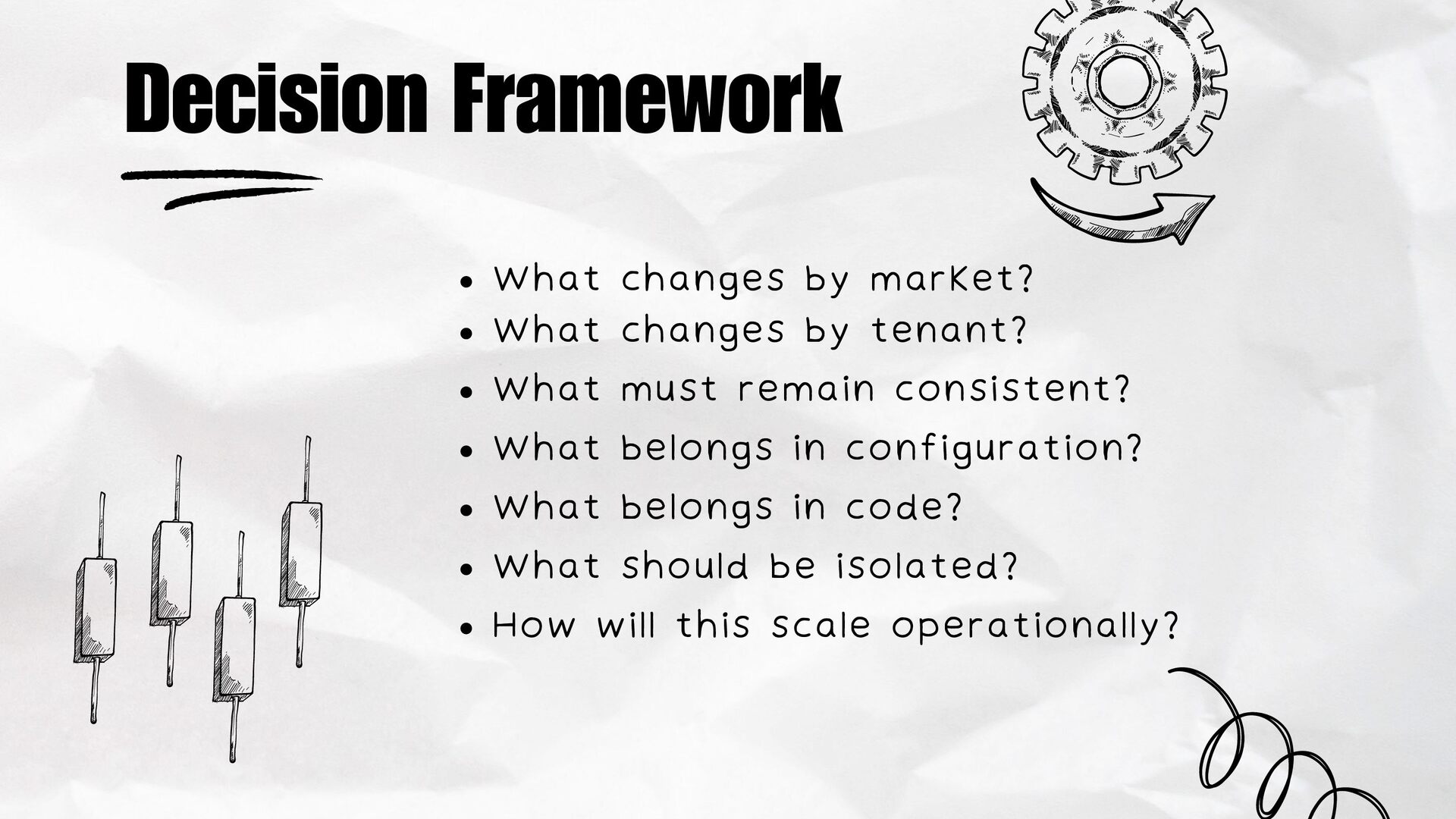
In this talk, I’ll share how I architect our applications to adapt dynamically, whether that’s region-based routing, currency-aware UI flows, or market-specific feature toggles. You’ll see patterns for managing complexity without fragmenting the codebase, and lessons on balancing scalability, performance, and developer experience in global-scale React systems.
This talk has been presented at React Summit 2026.


 leomofthings
 falcon8823
 iwatsukayura
 seike460
 chobishiba
 optim
optim
 panda728
 uyuki234
 suneo3476
 kawashimo0
 florets1
 rshindo
 morizo_1984
 mojombo
 geoffreycrofte
 katarinadahlin
 malarkey
 danielanewman
 schroneko
 morganepeng
 ammeep
 reverentgeek
 ryanjones
 marktimemedia
 inesmontani