Upgrade to Pro — share decks privately, control downloads, hide ads and more …

Introduction to DevOps

Introduction to DevOps

I created this material originally as a guest lecture, and it ended up being something I also delivered directly to founding teams who wanted to level up how their engineering organizations work. The core question I wanted to answer was simple: why do so many software teams feel like they are constantly fighting each other instead of shipping great products together?

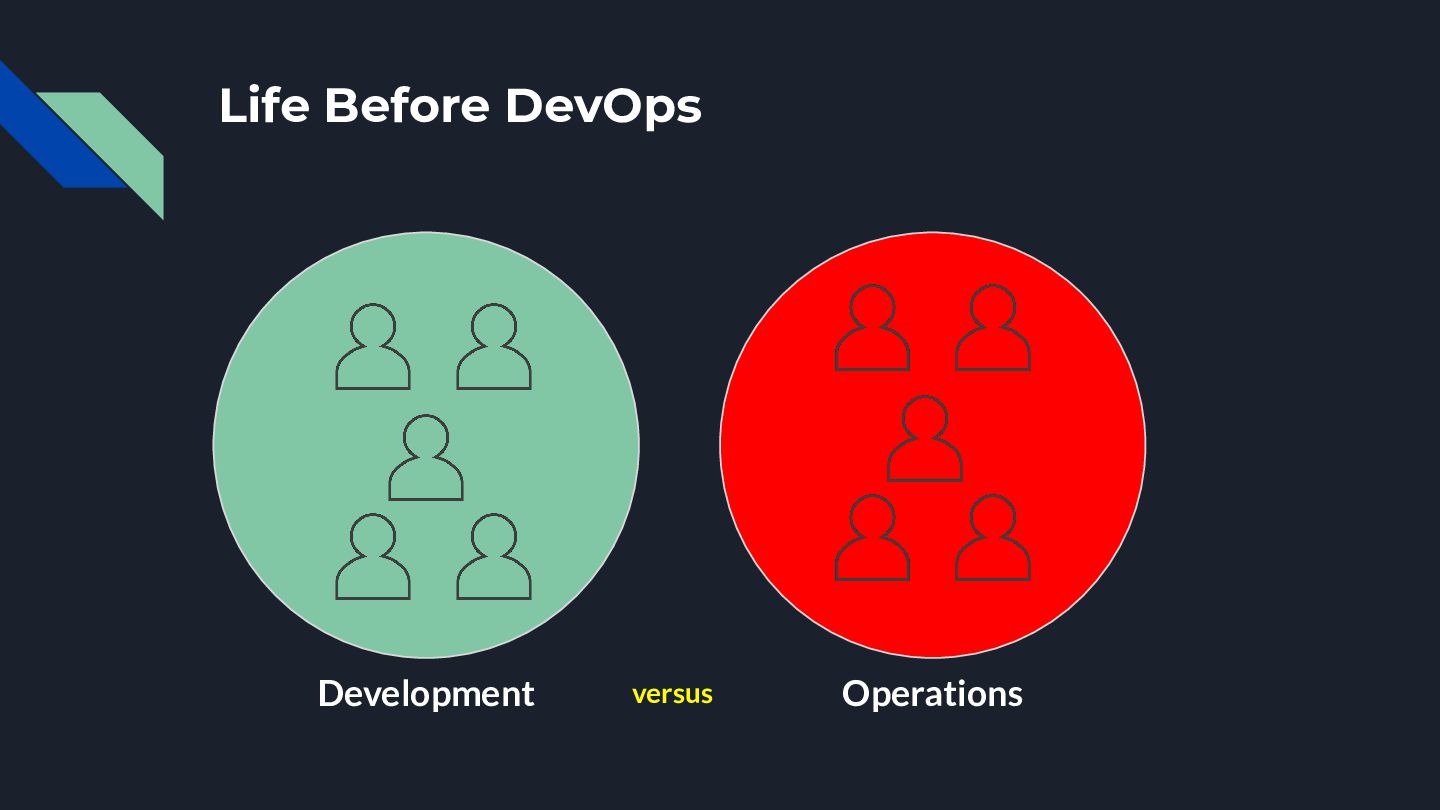
I walk through what life looked like before DevOps, where Development and Operations operated as separate worlds with separate goals and a lot of blame in between. From there I introduce the three foundational principles from The DevOps Handbook: Flow, Feedback, and Continual Improvement, and unpack six key practices that make those principles real: loosely-coupled architecture, autonomous teams, continuous integration, automated testing, continuous deployment and provisioning, and measurement and feedback.

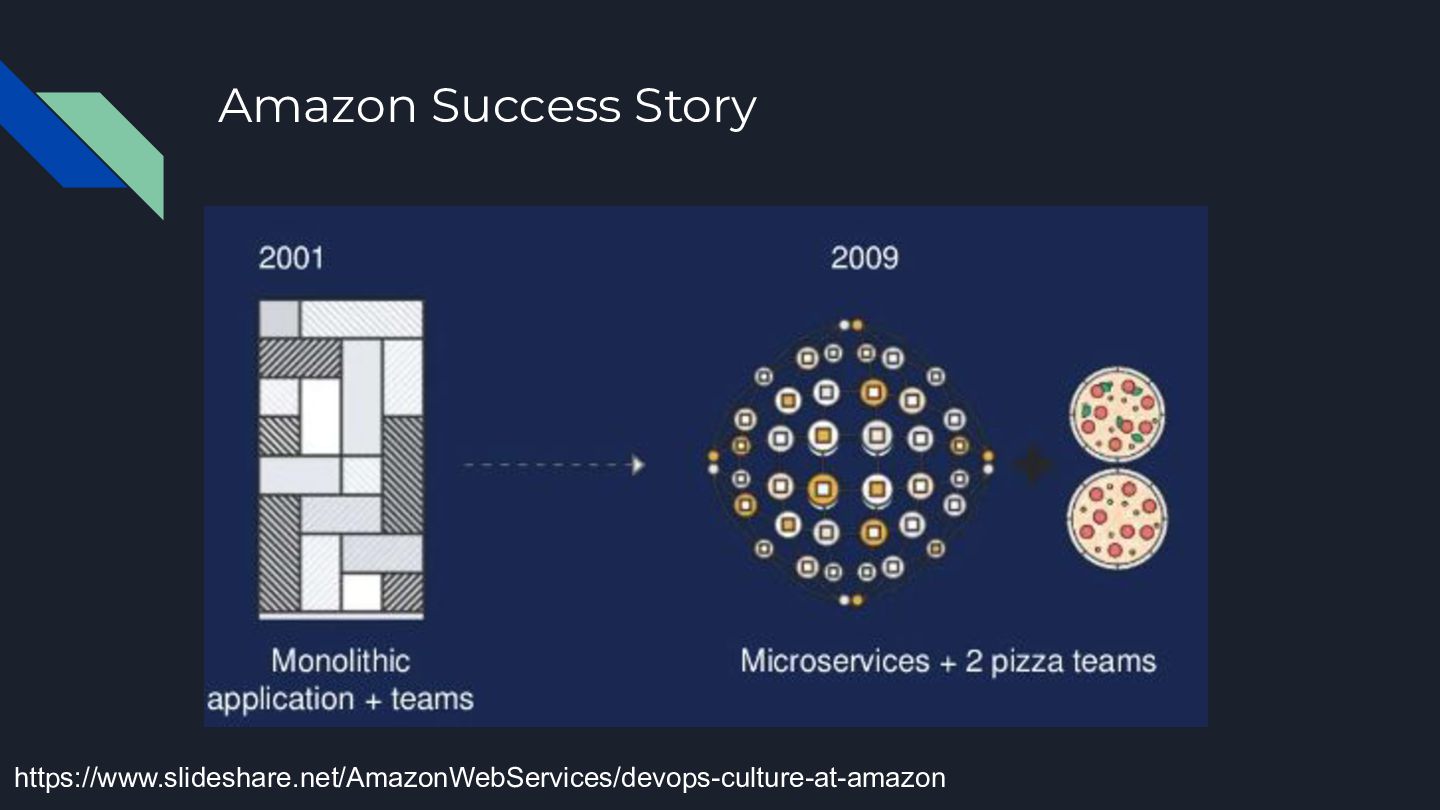
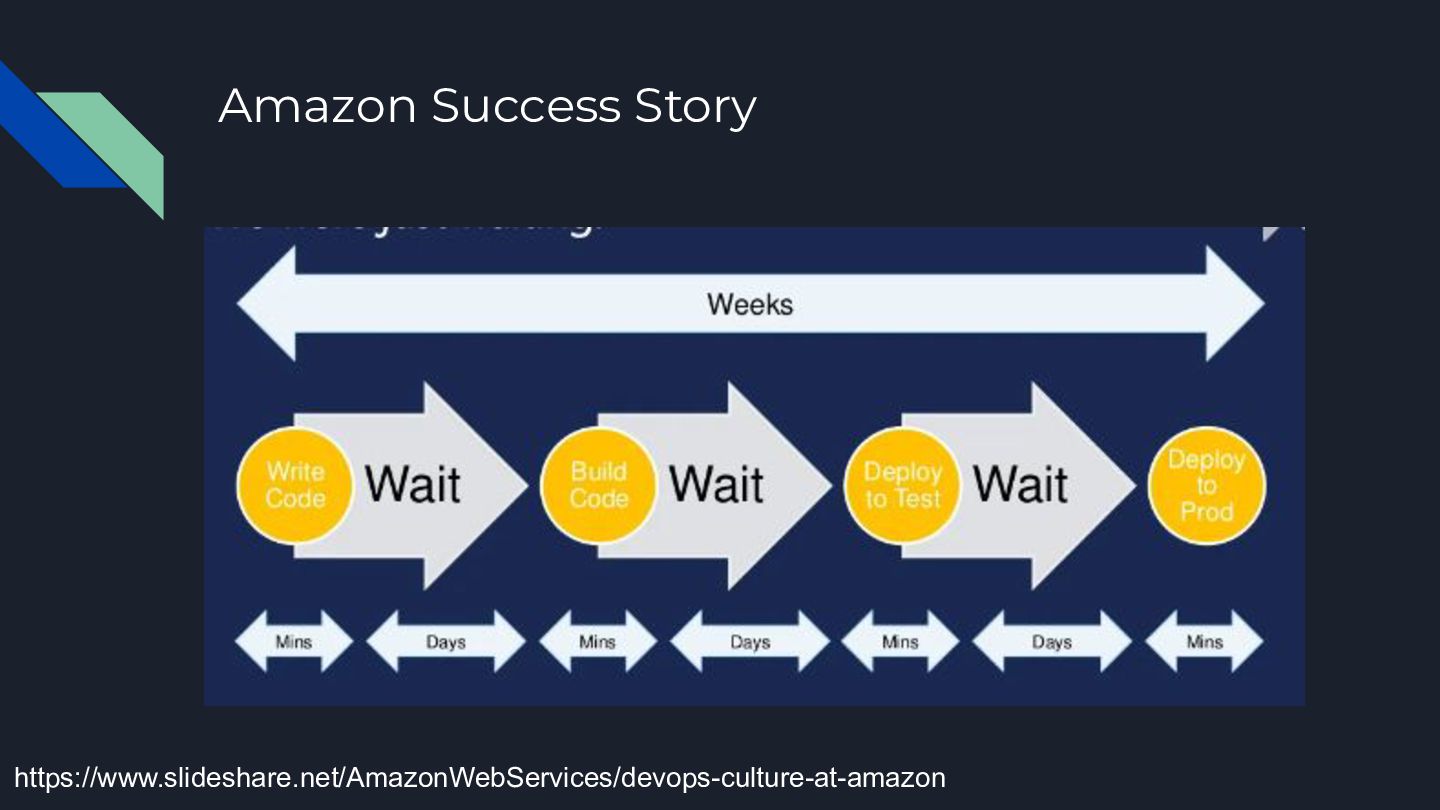
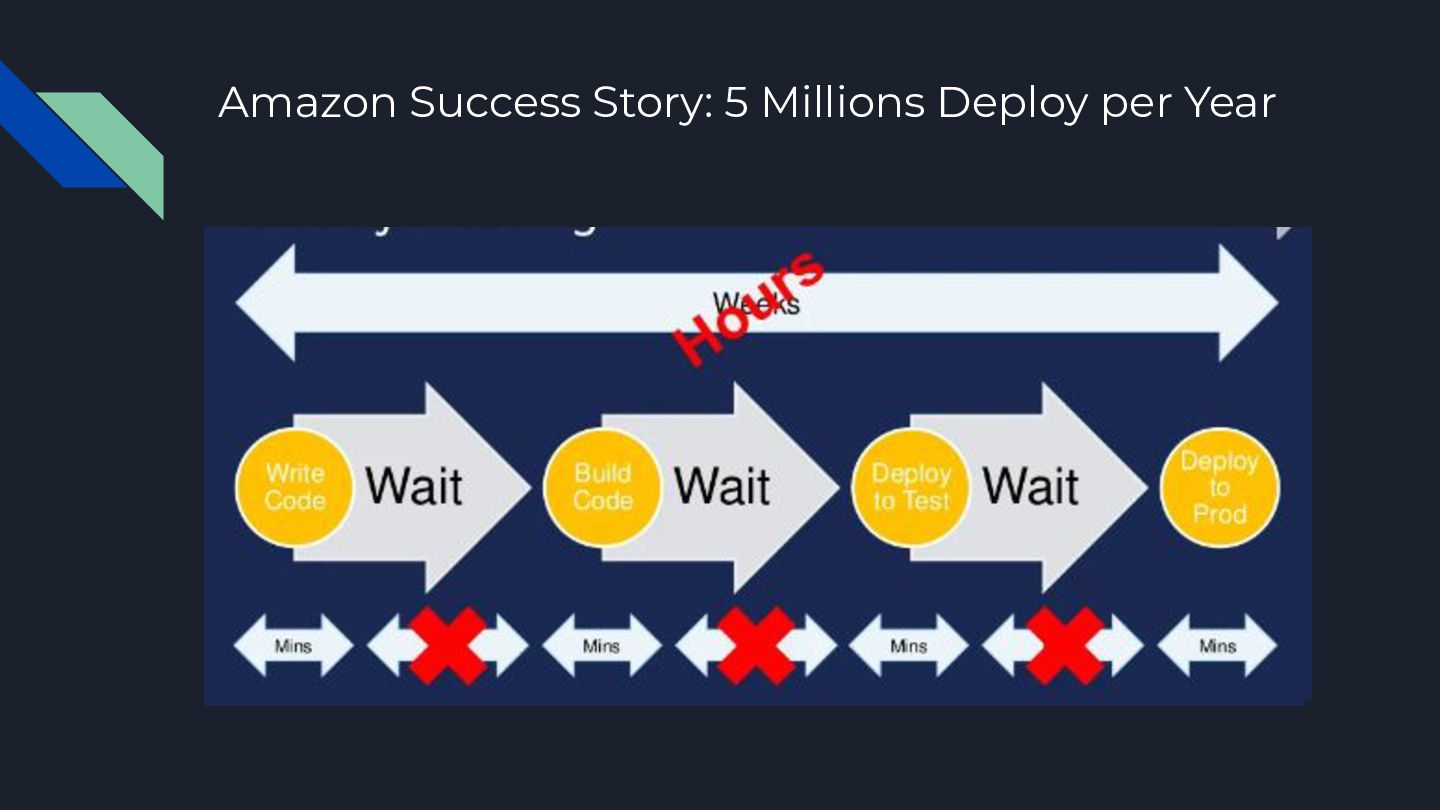
I also share how Amazon went from a monolithic system with weeks-long release cycles to doing millions of deploys a year. My goal with this material was always the same: give people a clear mental model of what DevOps actually is, why it matters for the business, and what concrete practices they can start adopting today.

Avatar for Petra Barus

Petra Barus

June 14, 2026

More Decks by Petra Barus

Other Decks in Technology

Transcript

  1. Perkenalan Nama: Petra Novandi Barus, ST MT Pendidikan: 1. S1

    Teknik Informatika Institut Teknologi Bandung 2. S2 Magister Informatika Institut Teknologi Bandung Pengalaman Bekerja 1. Chief Technology Officer & Co-founder, UrbanIndo.com 2. Chief Technology Officer, 99.co Indonesia 3. Senior Developer Advocate, Amazon Web Services Indonesia 4. Chief Technology Officer, Kuncie.com
  2. What we are going to discuss 1. Life before DevOps

    2. Why you should learn DevOps? 3. What is DevOps 4. History of DevOps 5. DevOps Principles & Practices 6. DevOps Tools 7. Where To Learn More
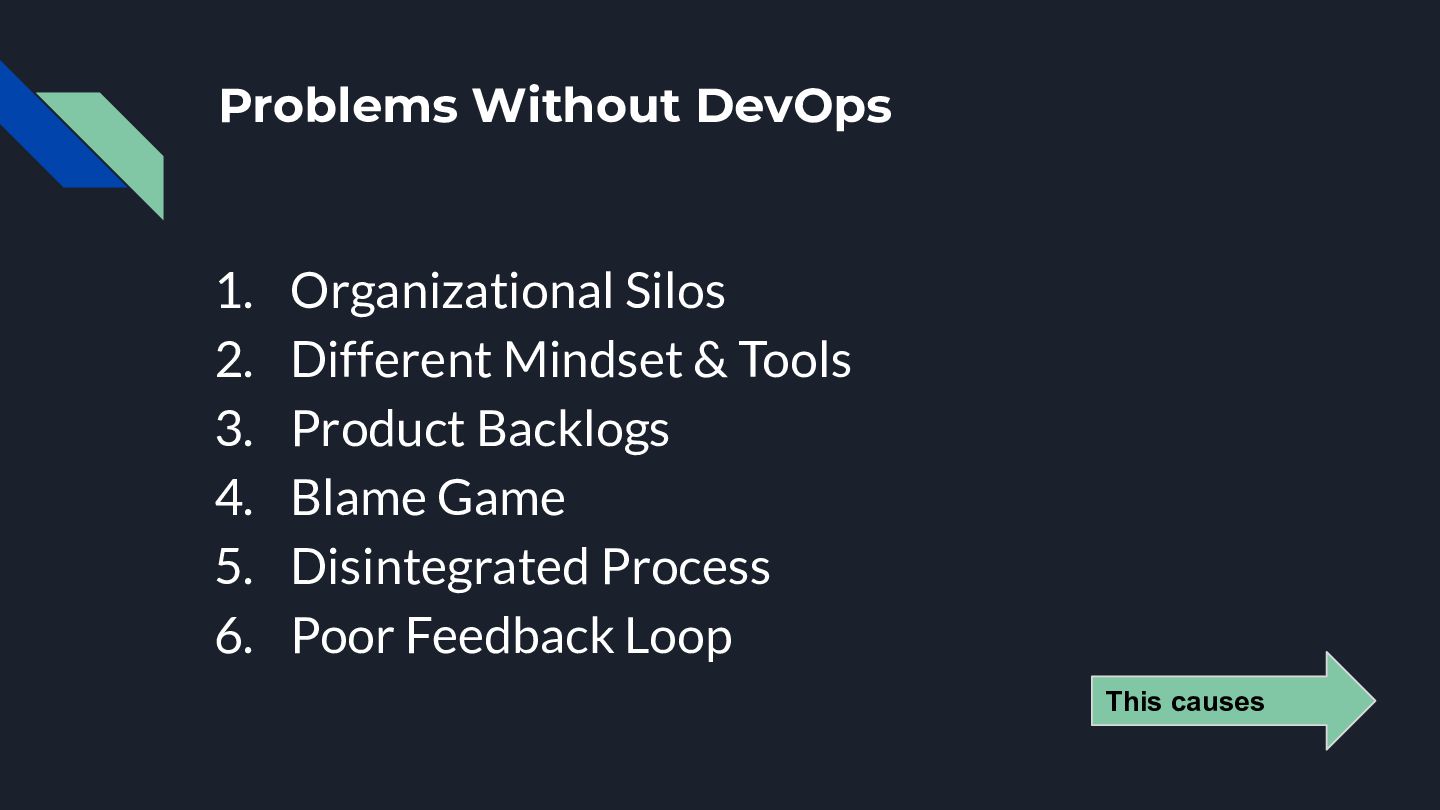
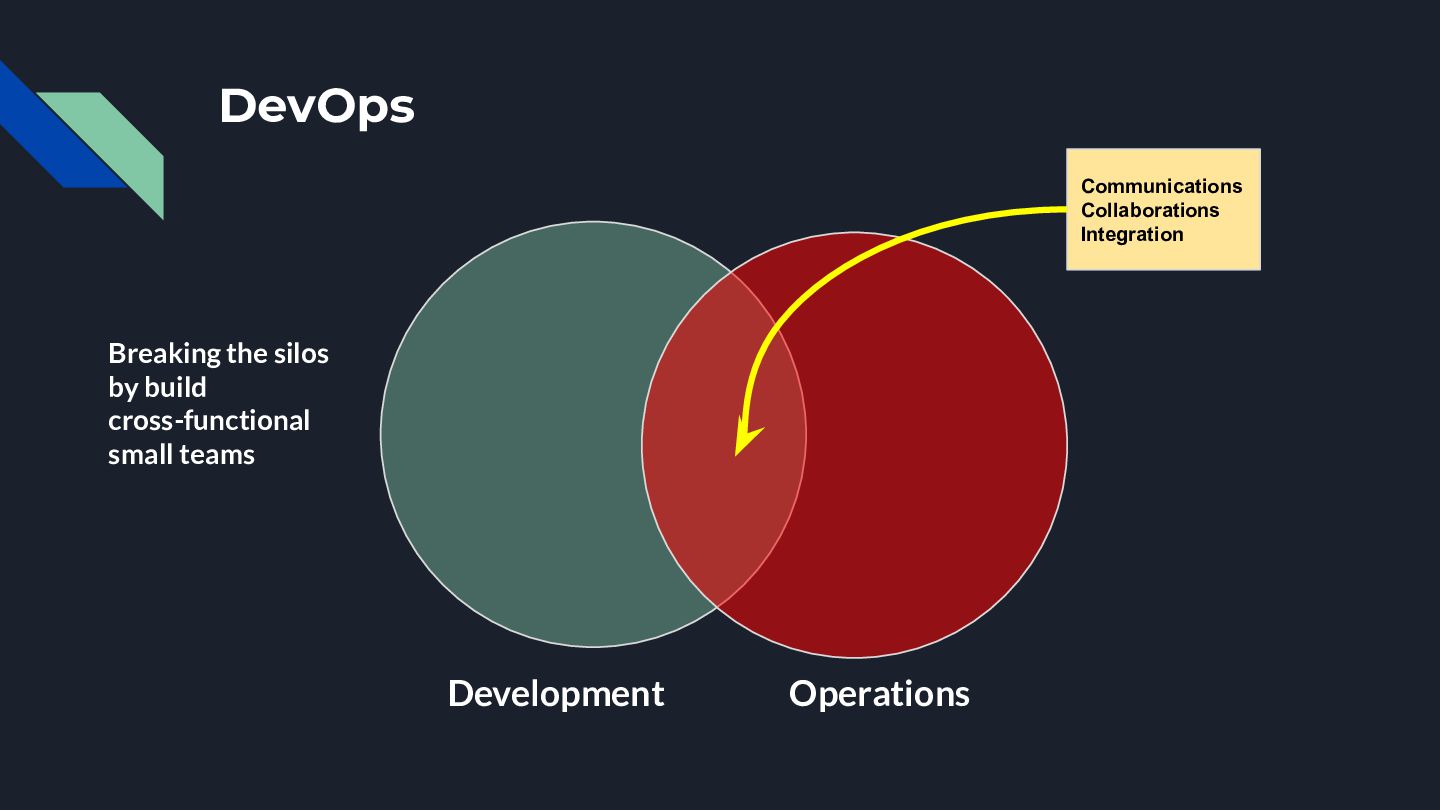
  3. Problems Without DevOps 1. Organizational Silos 2. Different Mindset &

    Tools 3. Product Backlogs 4. Blame Game 5. Disintegrated Process 6. Poor Feedback Loop This causes
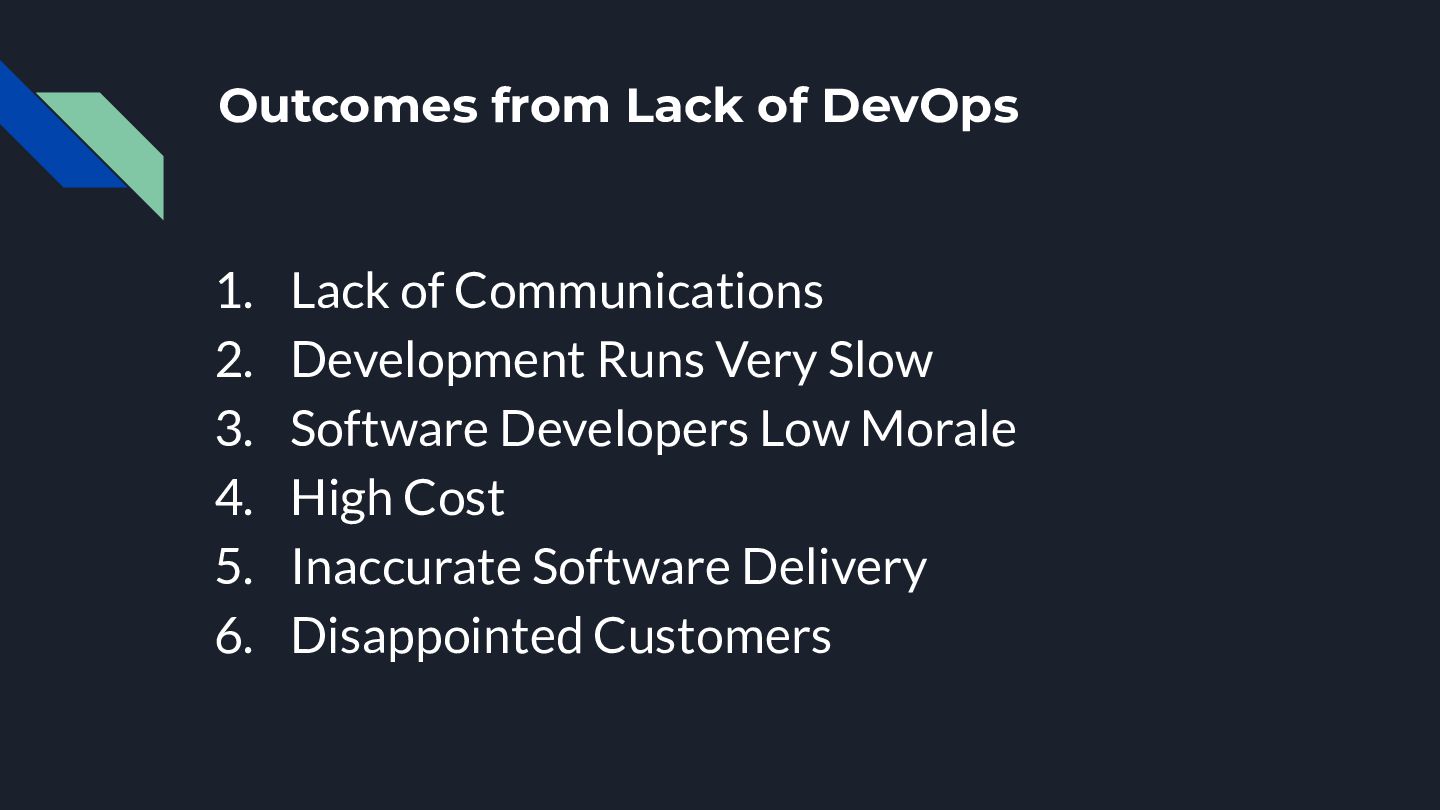
  4. Outcomes from Lack of DevOps 1. Lack of Communications 2.

    Development Runs Very Slow 3. Software Developers Low Morale 4. High Cost 5. Inaccurate Software Delivery 6. Disappointed Customers
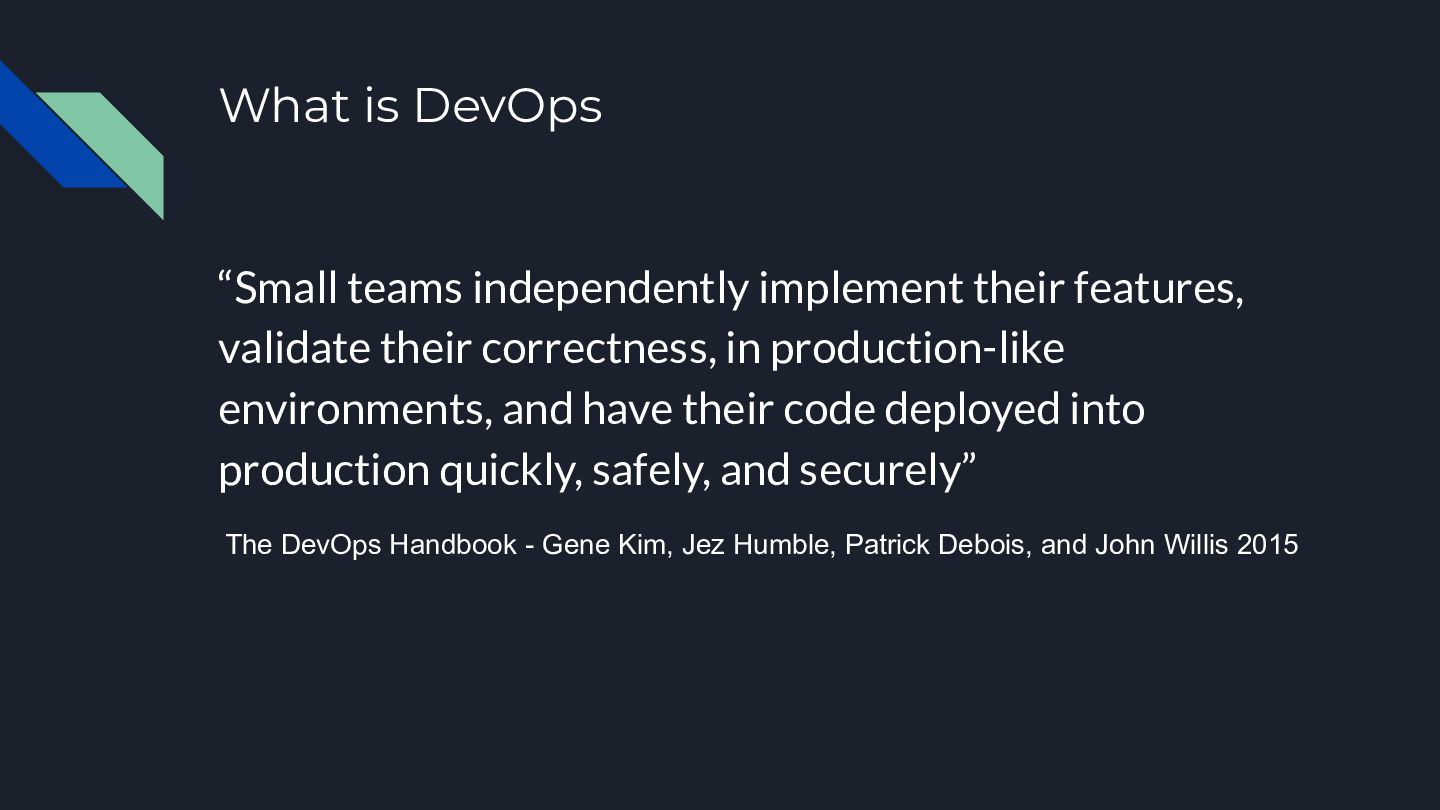
  5. What is DevOps “Small teams independently implement their features, validate

    their correctness, in production-like environments, and have their code deployed into production quickly, safely, and securely” The DevOps Handbook - Gene Kim, Jez Humble, Patrick Debois, and John Willis 2015
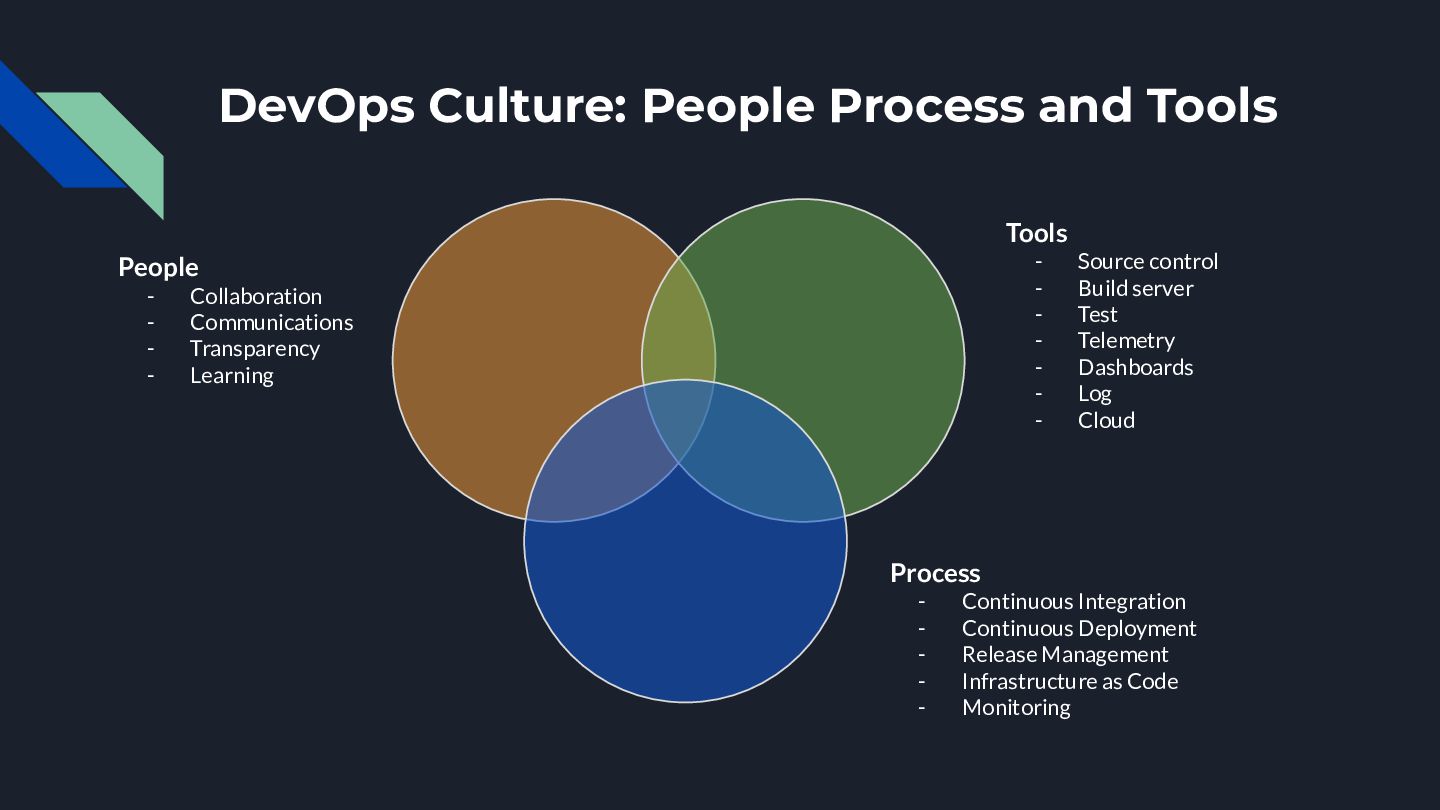
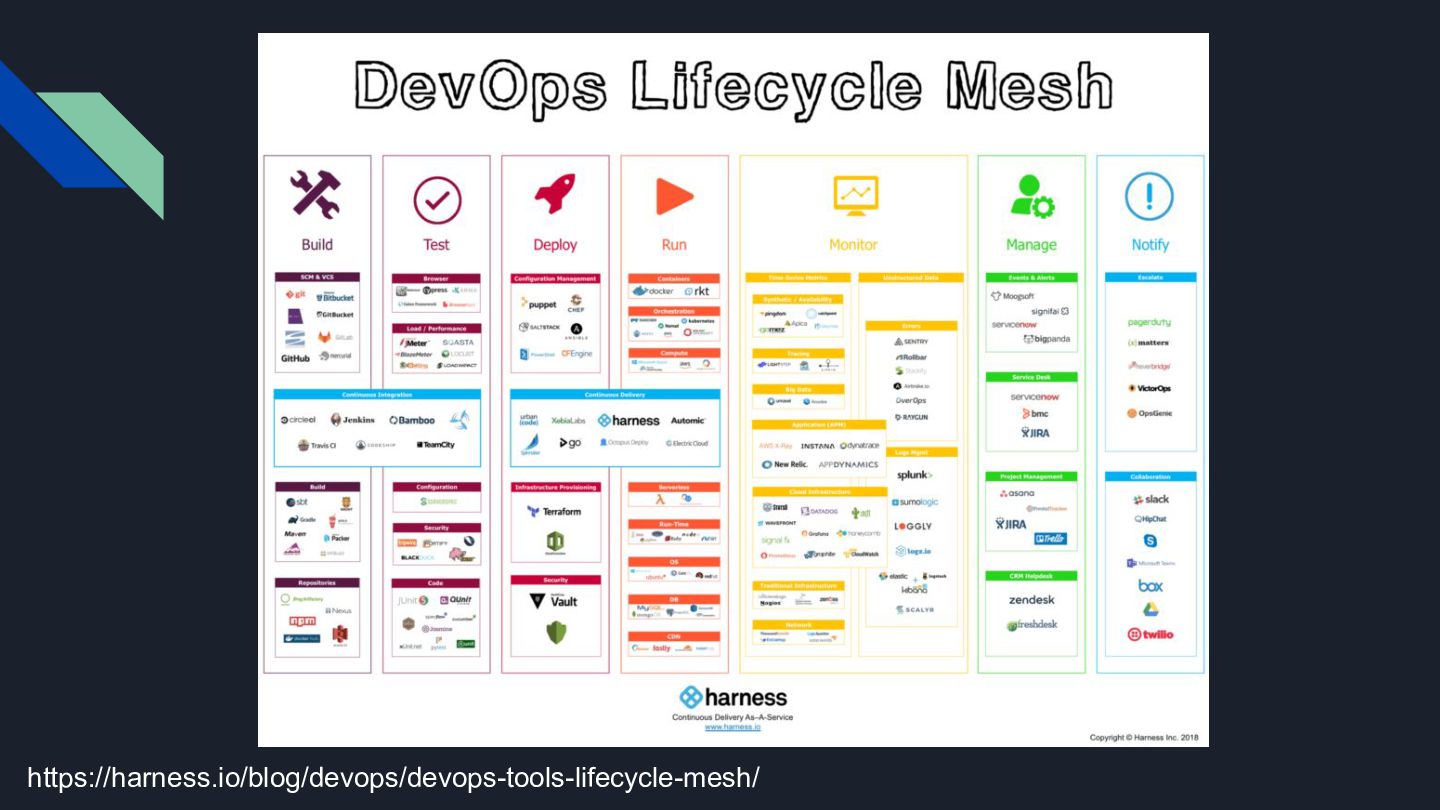
  6. DevOps Culture: People Process and Tools Tools - Source control

    - Build server - Test - Telemetry - Dashboards - Log - Cloud Process - Continuous Integration - Continuous Deployment - Release Management - Infrastructure as Code - Monitoring People - Collaboration - Communications - Transparency - Learning
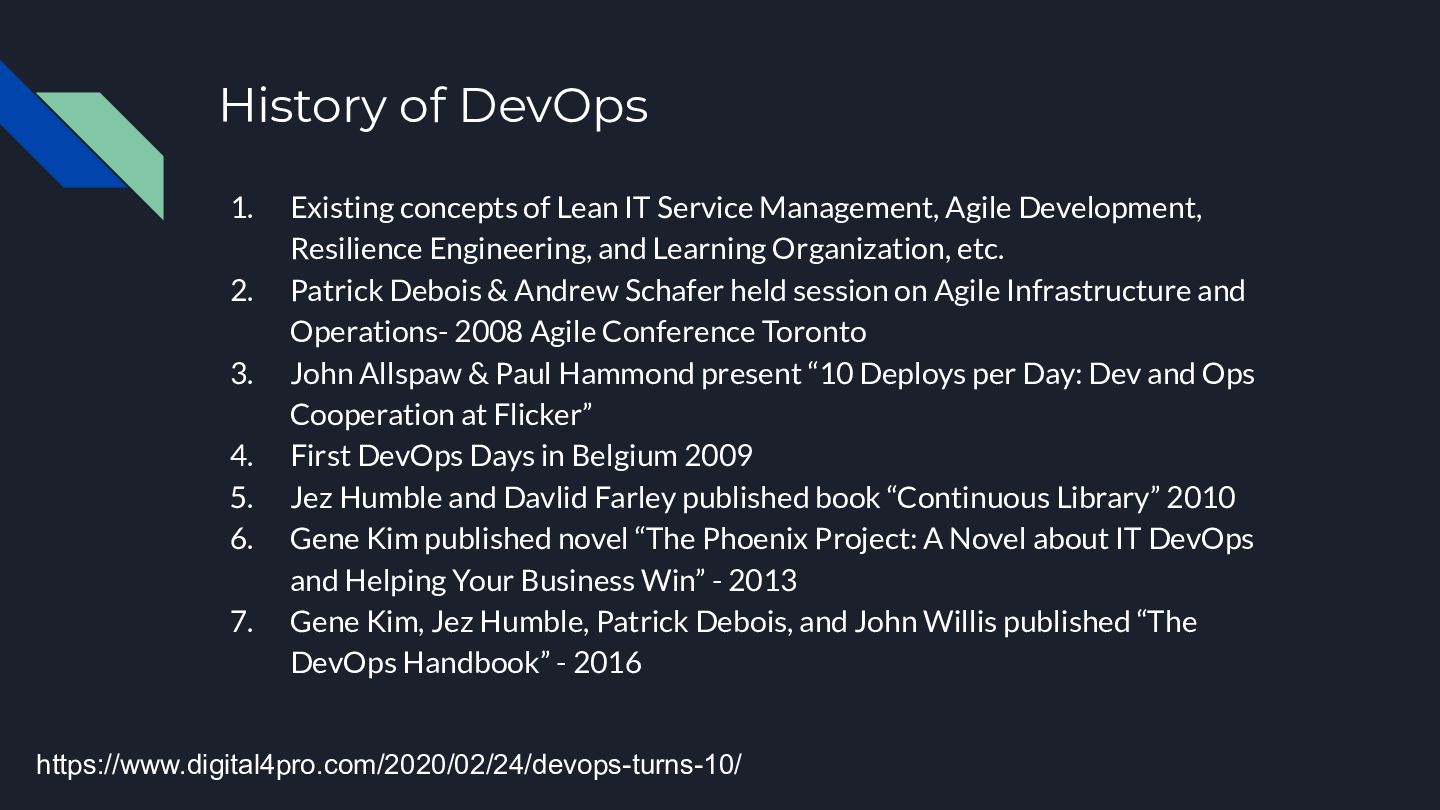
  7. History of DevOps 1. Existing concepts of Lean IT Service
    Management, Agile Development, Resilience Engineering, and Learning Organization, etc. 2. Patrick Debois & Andrew Schafer held session on Agile Infrastructure and Operations- 2008 Agile Conference Toronto 3. John Allspaw & Paul Hammond present “10 Deploys per Day: Dev and Ops Cooperation at Flicker” 4. First DevOps Days in Belgium 2009 5. Jez Humble and Davlid Farley published book “Continuous Library” 2010 6. Gene Kim published novel “The Phoenix Project: A Novel about IT DevOps and Helping Your Business Win” - 2013 7. Gene Kim, Jez Humble, Patrick Debois, and John Willis published “The DevOps Handbook” - 2016 https://www.digital4pro.com/2020/02/24/devops-turns-10/
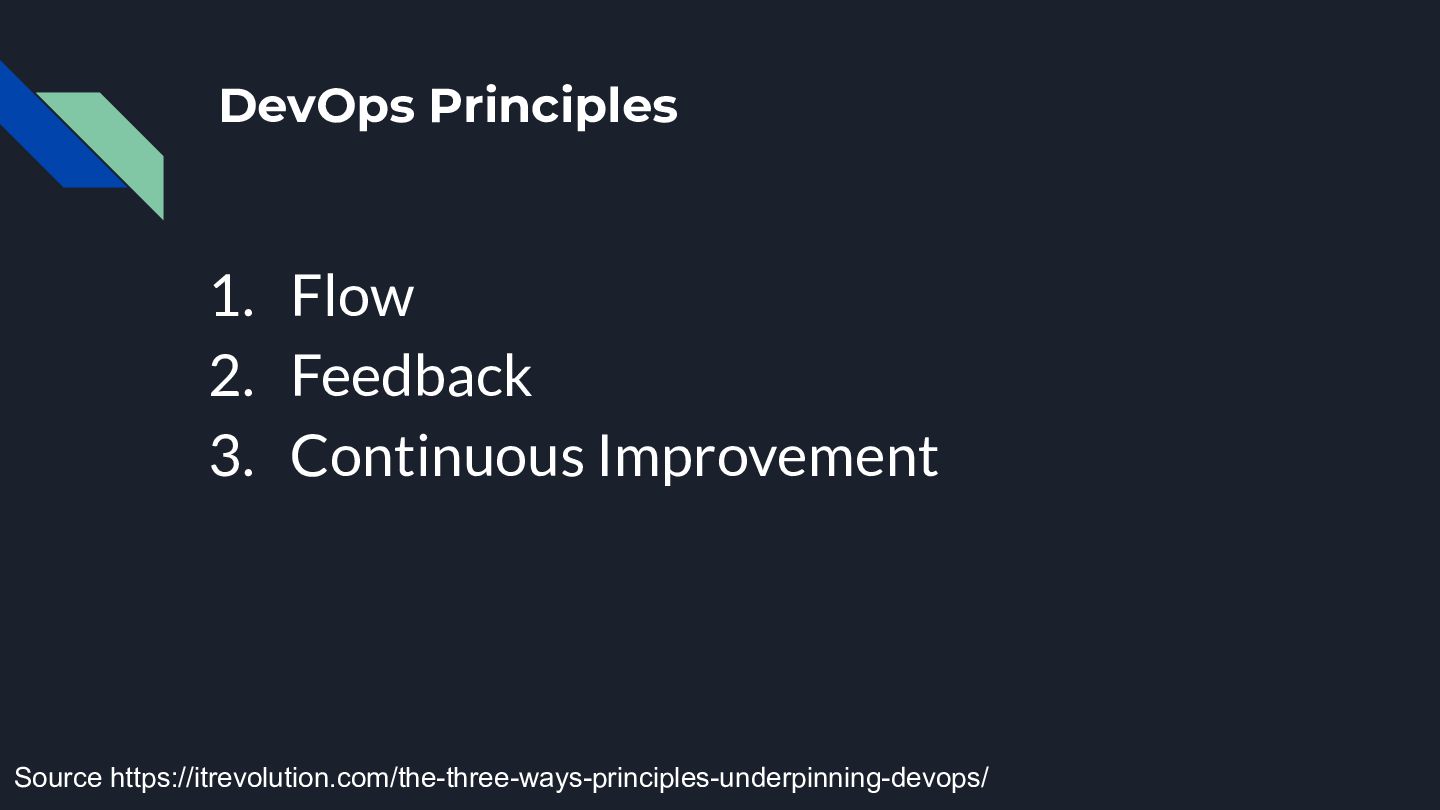
  8. DevOps Principles 1. Flow 2. Feedback 3. Continuous Improvement Source

    https://itrevolution.com/the-three-ways-principles-underpinning-devops/
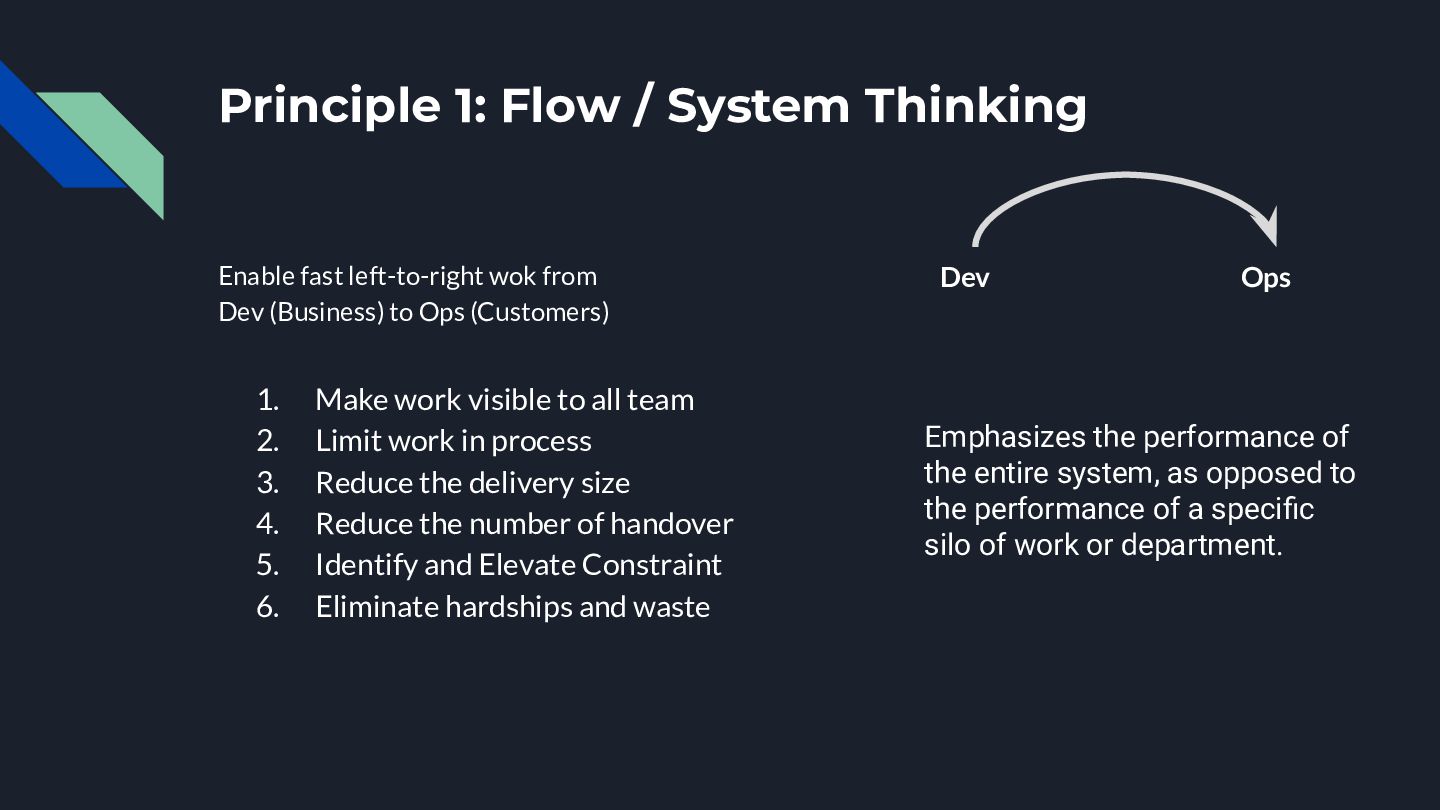
  9. Principle 1: Flow / System Thinking Enable fast left-to-right wok

    from Dev (Business) to Ops (Customers) Dev Ops 1. Make work visible to all team 2. Limit work in process 3. Reduce the delivery size 4. Reduce the number of handover 5. Identify and Elevate Constraint 6. Eliminate hardships and waste Emphasizes the performance of the entire system, as opposed to the performance of a specific silo of work or department.
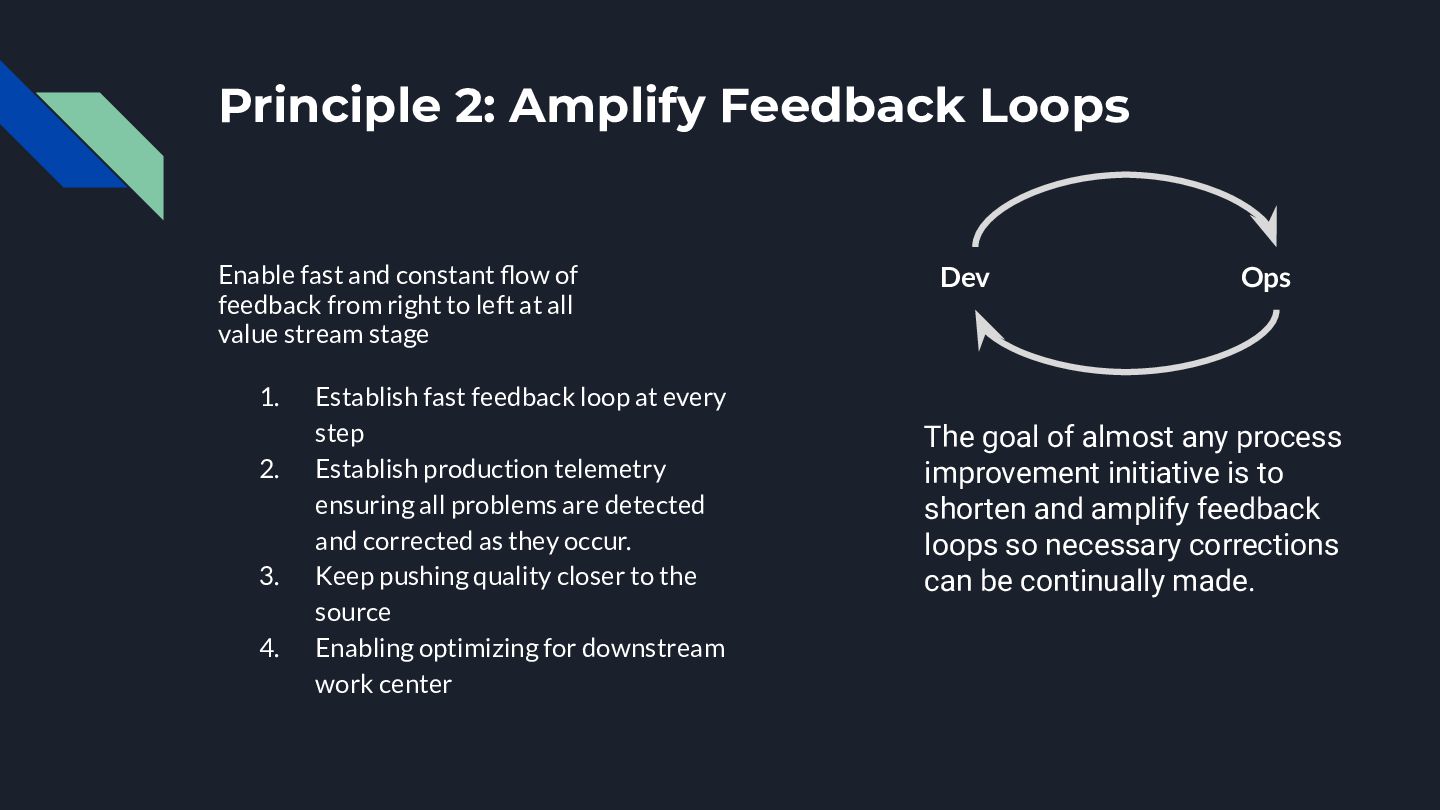
  10. Principle 2: Amplify Feedback Loops Enable fast and constant flow

    of feedback from right to left at all value stream stage Dev Ops 1. Establish fast feedback loop at every step 2. Establish production telemetry ensuring all problems are detected and corrected as they occur. 3. Keep pushing quality closer to the source 4. Enabling optimizing for downstream work center The goal of almost any process improvement initiative is to shorten and amplify feedback loops so necessary corrections can be continually made.
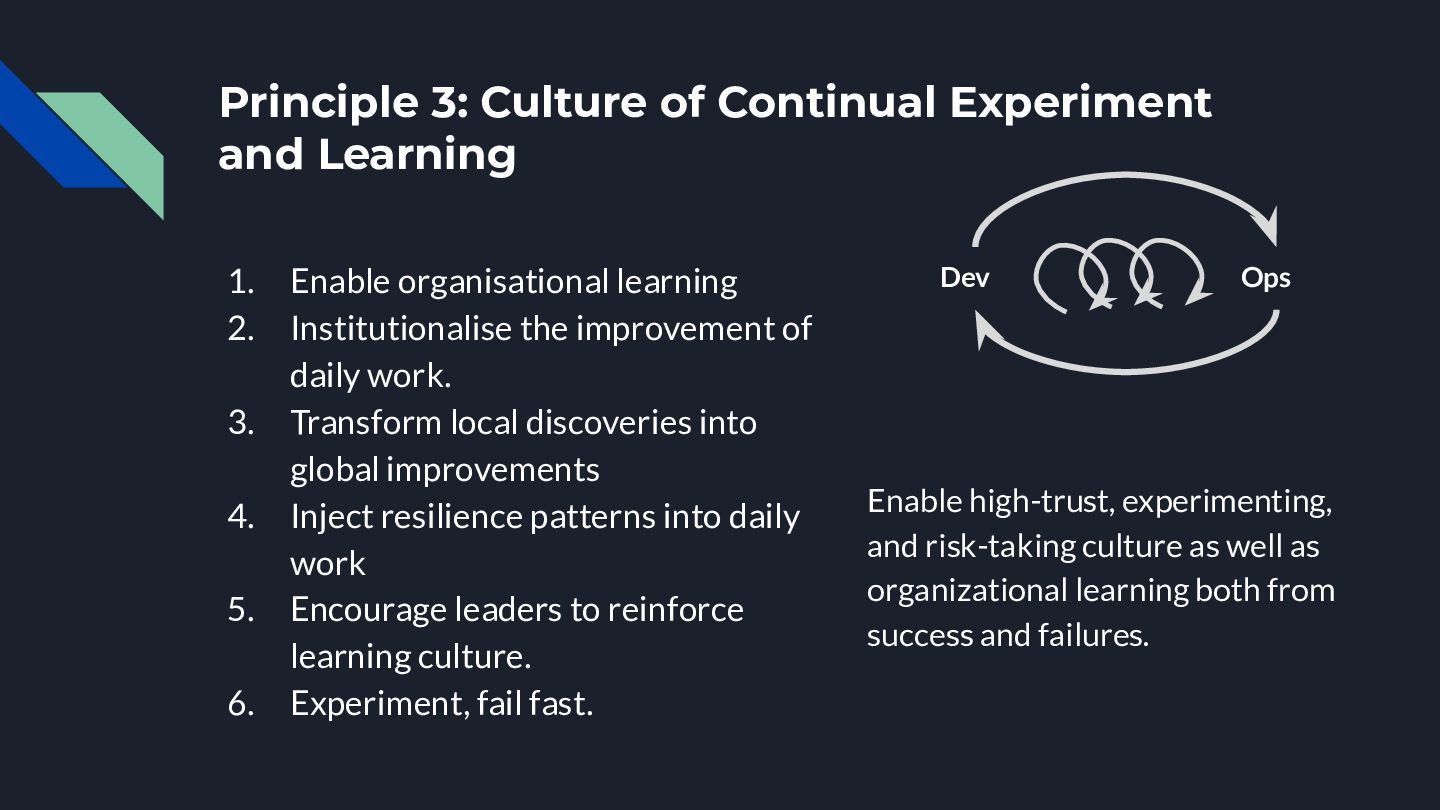
  11. Principle 3: Culture of Continual Experiment and Learning Enable high-trust,

    experimenting, and risk-taking culture as well as organizational learning both from success and failures. Dev Ops 1. Enable organisational learning 2. Institutionalise the improvement of daily work. 3. Transform local discoveries into global improvements 4. Inject resilience patterns into daily work 5. Encourage leaders to reinforce learning culture. 6. Experiment, fail fast.
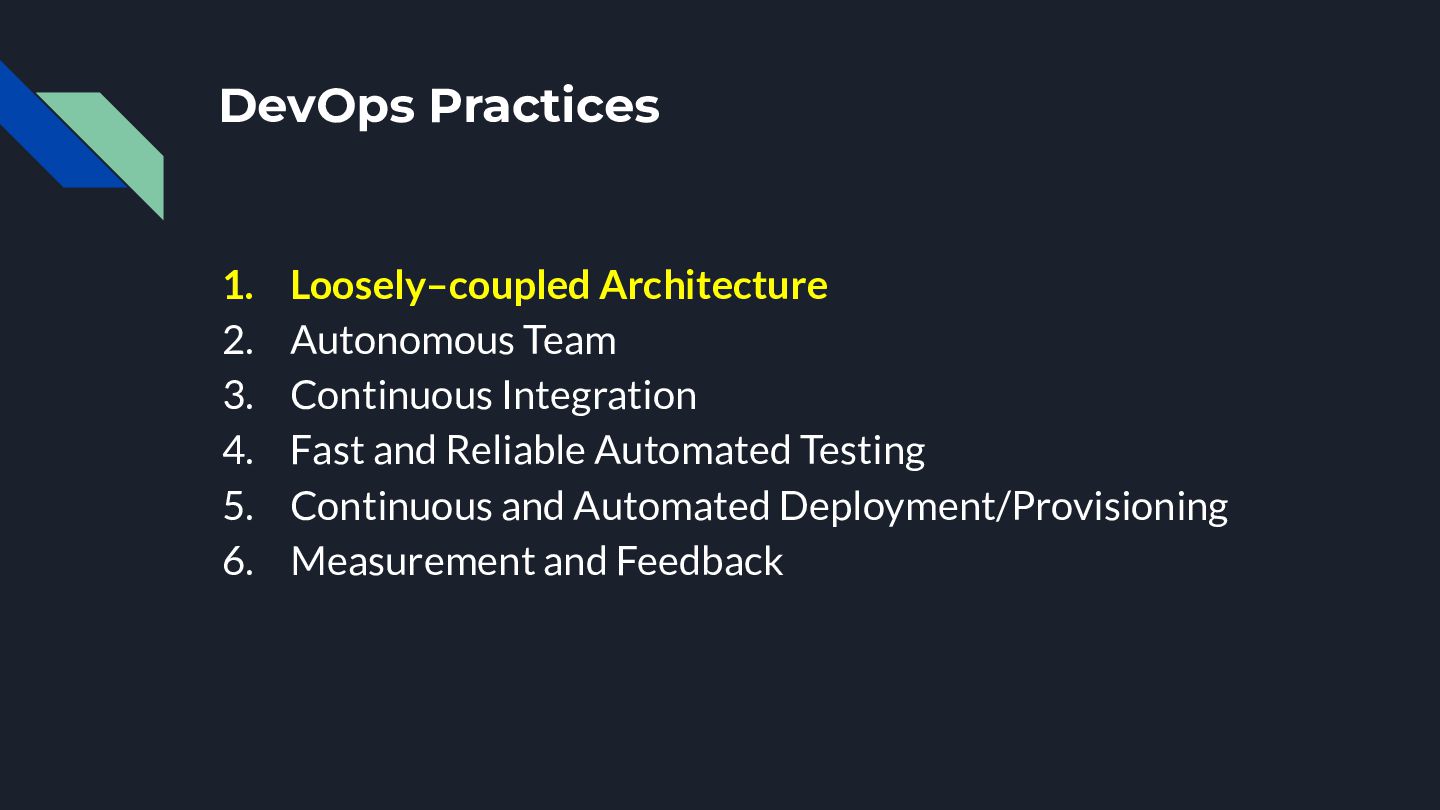
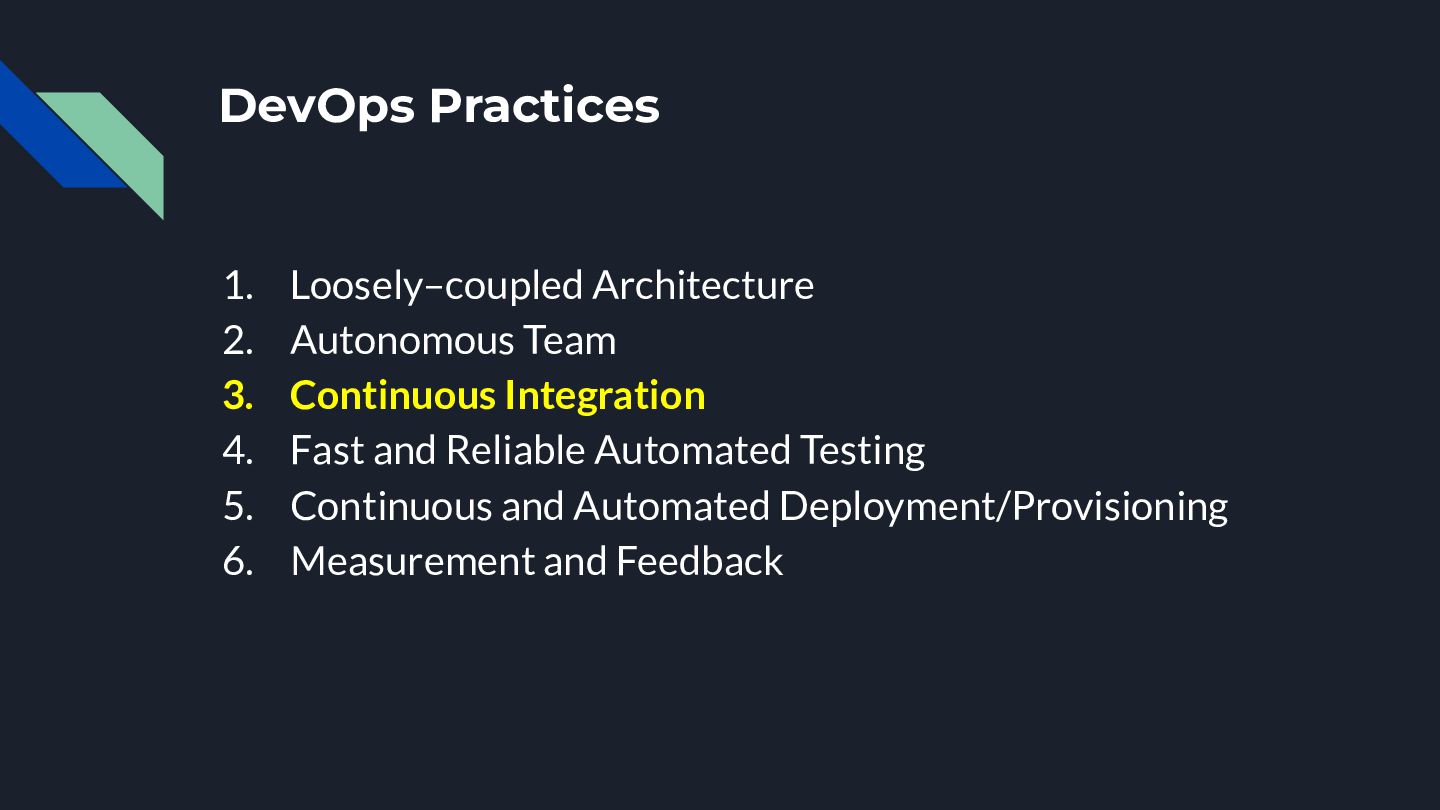
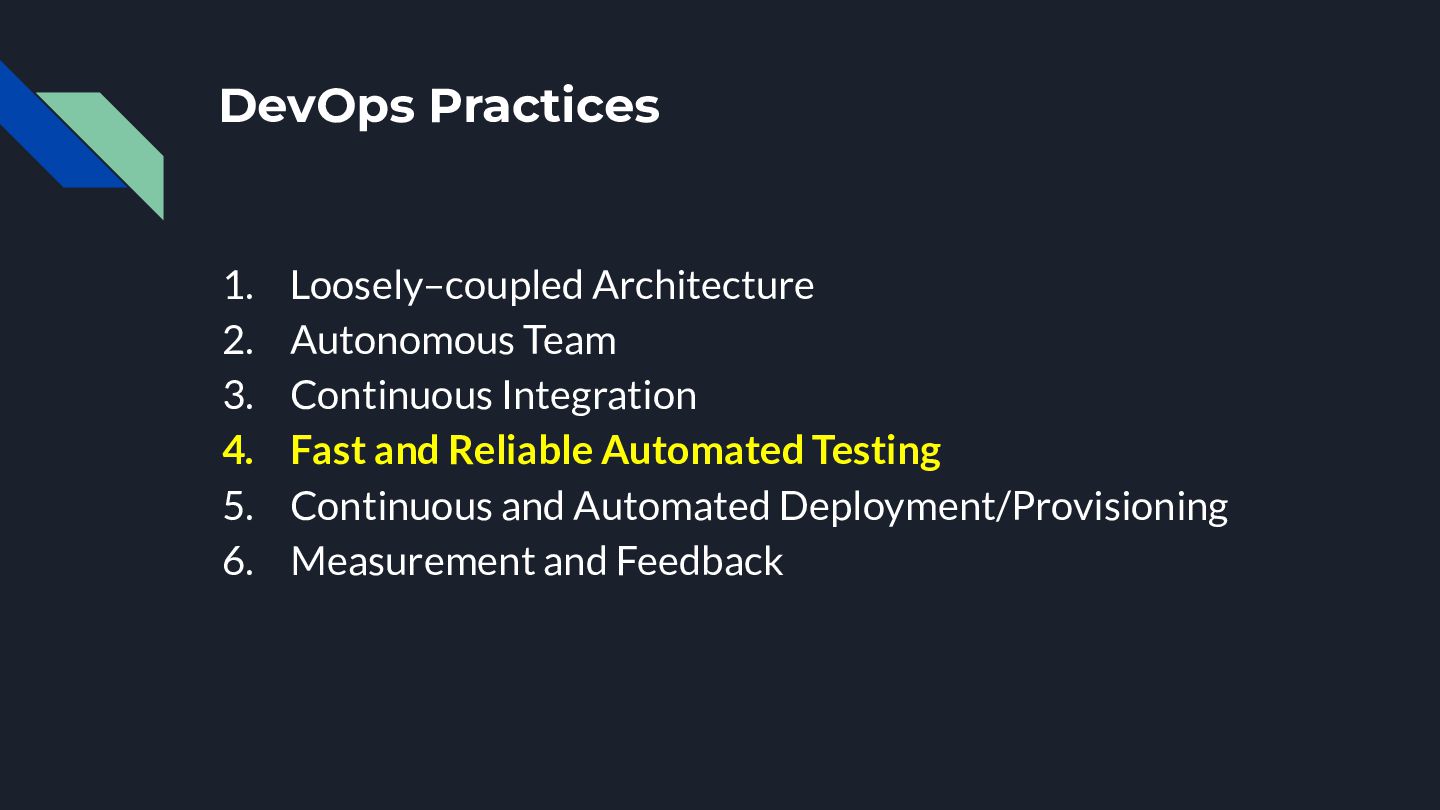
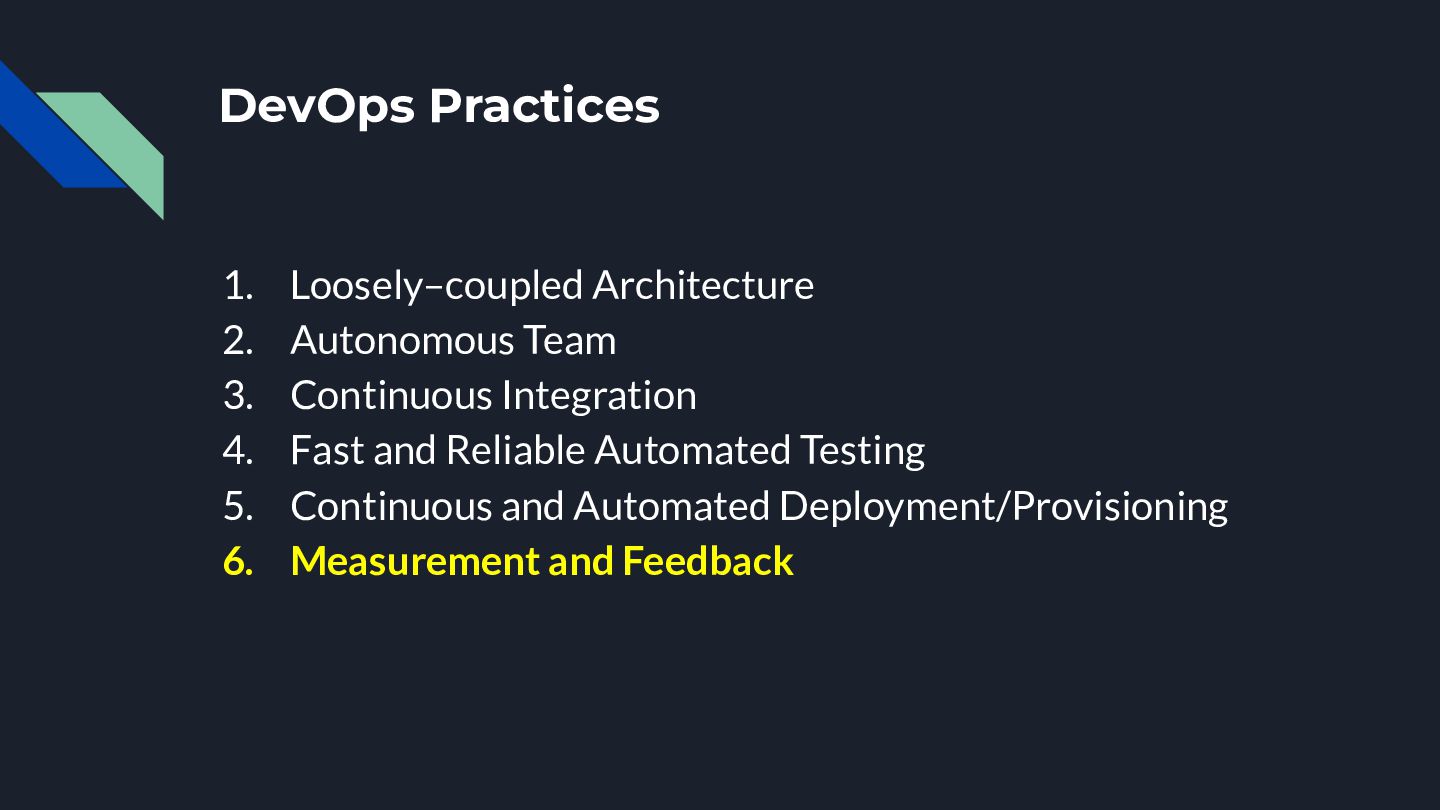
  12. DevOps Practices 1. Loosely–coupled Architecture 2. Autonomous Team 3. Continuous

    Integration 4. Fast and Reliable Automated Testing 5. Continuous and Automated Deployment/Provisioning 6. Measurement and Feedback
  13. DevOps Practices 1. Loosely–coupled Architecture 2. Autonomous Team 3. Continuous

    Integration 4. Fast and Reliable Automated Testing 5. Continuous and Automated Deployment/Provisioning 6. Measurement and Feedback
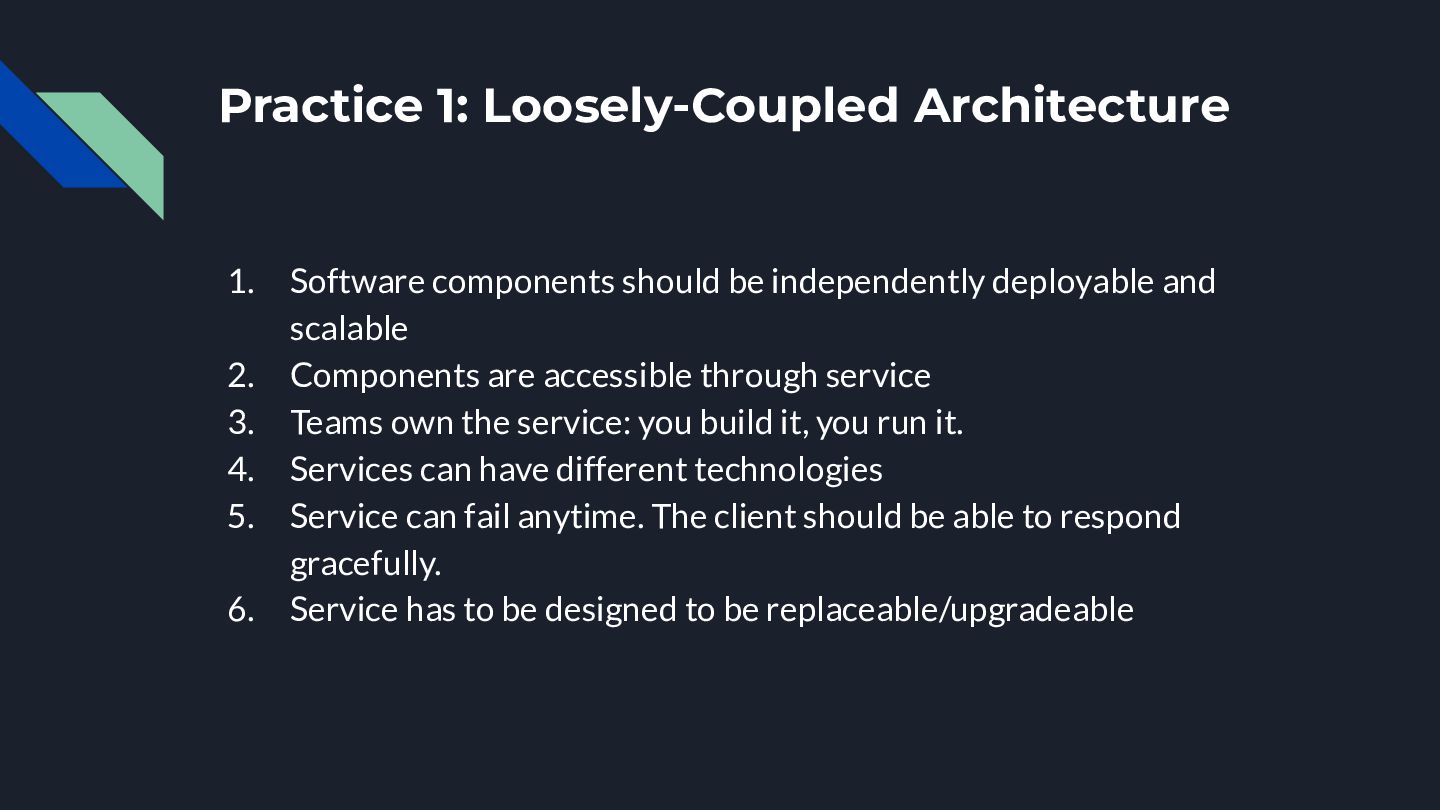
  14. Practice 1: Loosely-Coupled Architecture 1. Software components should be independently

    deployable and scalable 2. Components are accessible through service 3. Teams own the service: you build it, you run it. 4. Services can have different technologies 5. Service can fail anytime. The client should be able to respond gracefully. 6. Service has to be designed to be replaceable/upgradeable
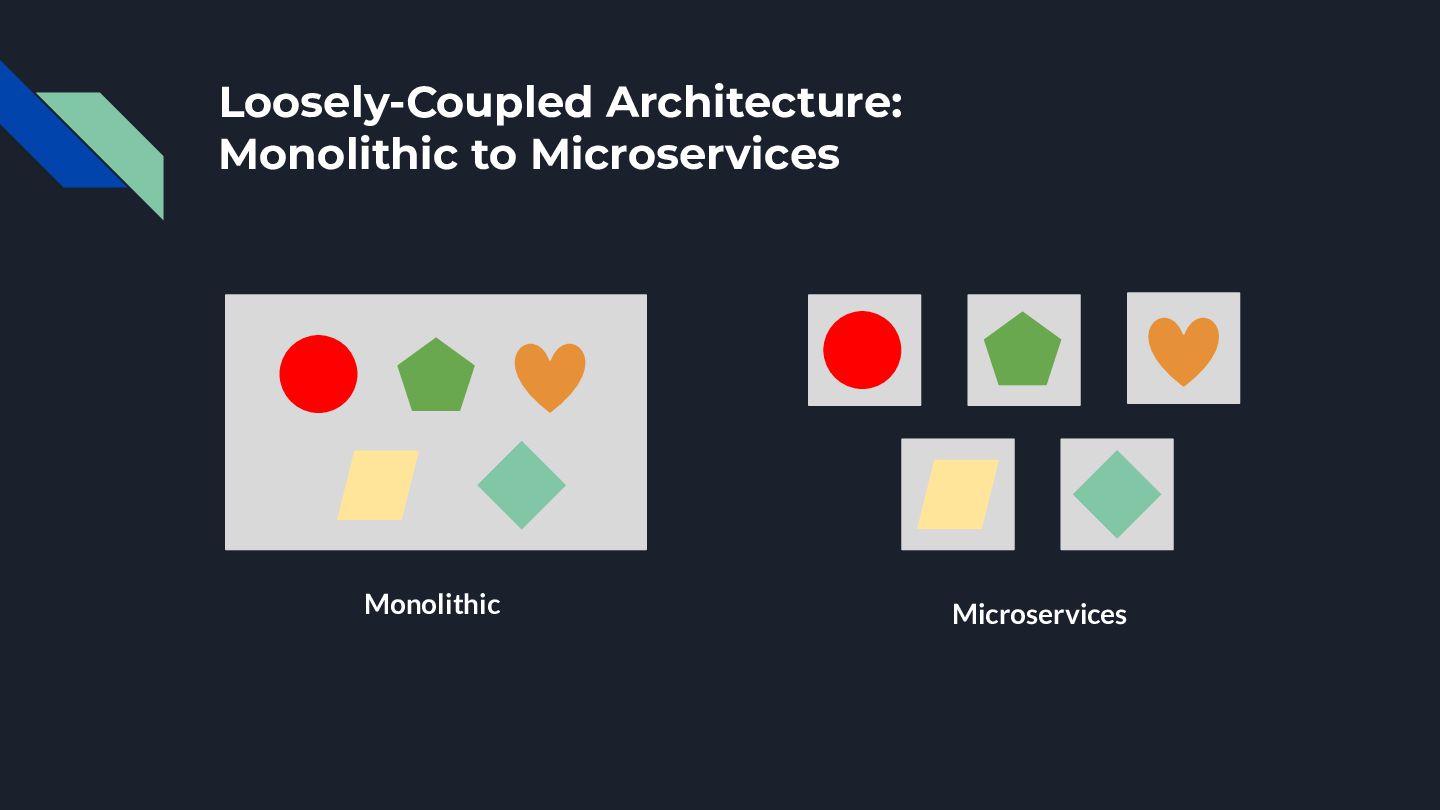
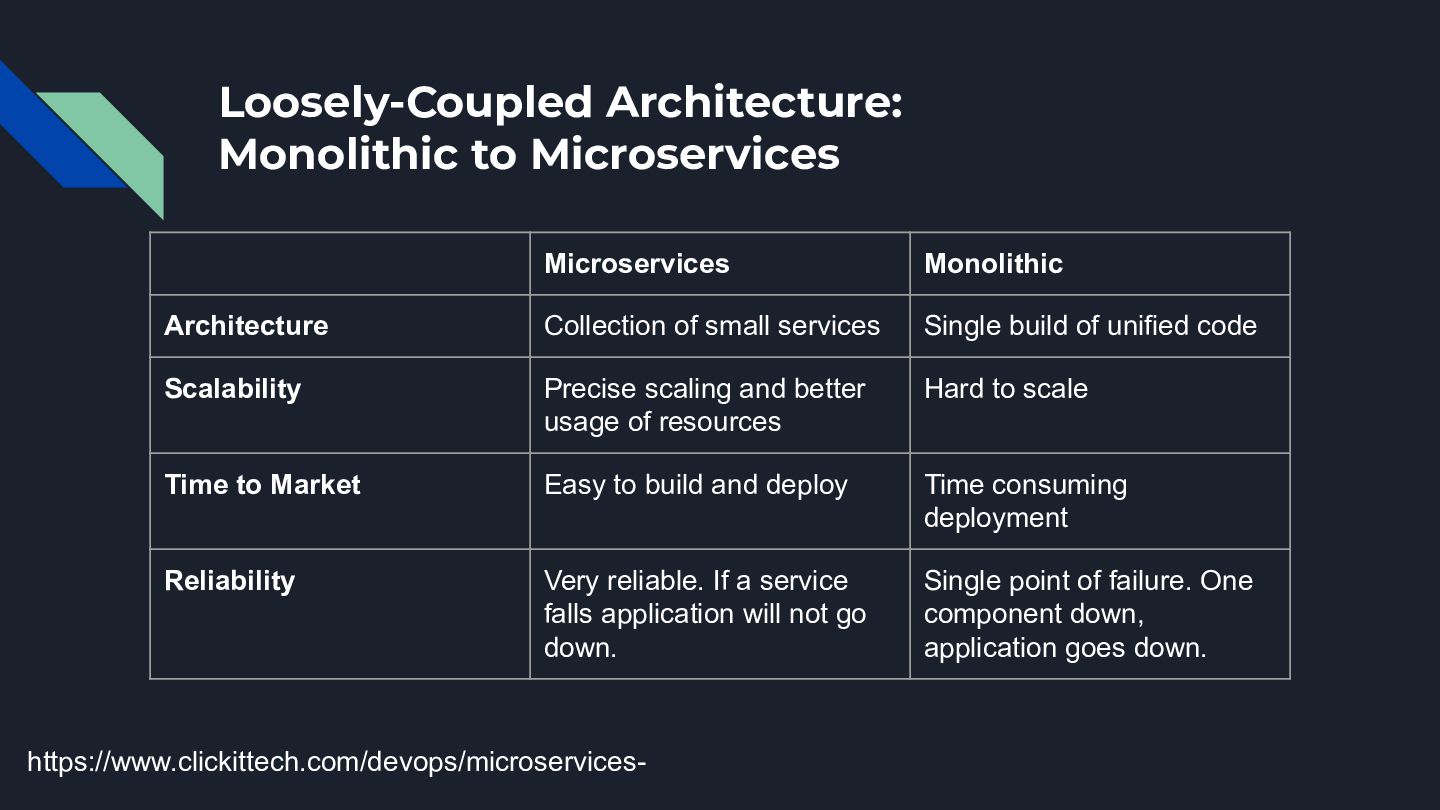
  15. Loosely-Coupled Architecture: Monolithic to Microservices https://www.clickittech.com/devops/microservices- Microservices Monolithic Architecture Collection

    of small services Single build of unified code Scalability Precise scaling and better usage of resources Hard to scale Time to Market Easy to build and deploy Time consuming deployment Reliability Very reliable. If a service falls application will not go down. Single point of failure. One component down, application goes down.
  16. DevOps Practices 1. Loosely–coupled Architecture 2. Autonomous Team 3. Continuous

    Integration 4. Fast and Reliable Automated Testing 5. Continuous and Automated Deployment/Provisioning 6. Measurement and Feedback
  17. Practice 2: Autonomous Team A (DevOps) team is a small

    number of people with complementary skills and committed to a common purpose, set of performance goals, and approach for which they hold themselves mutually responsible
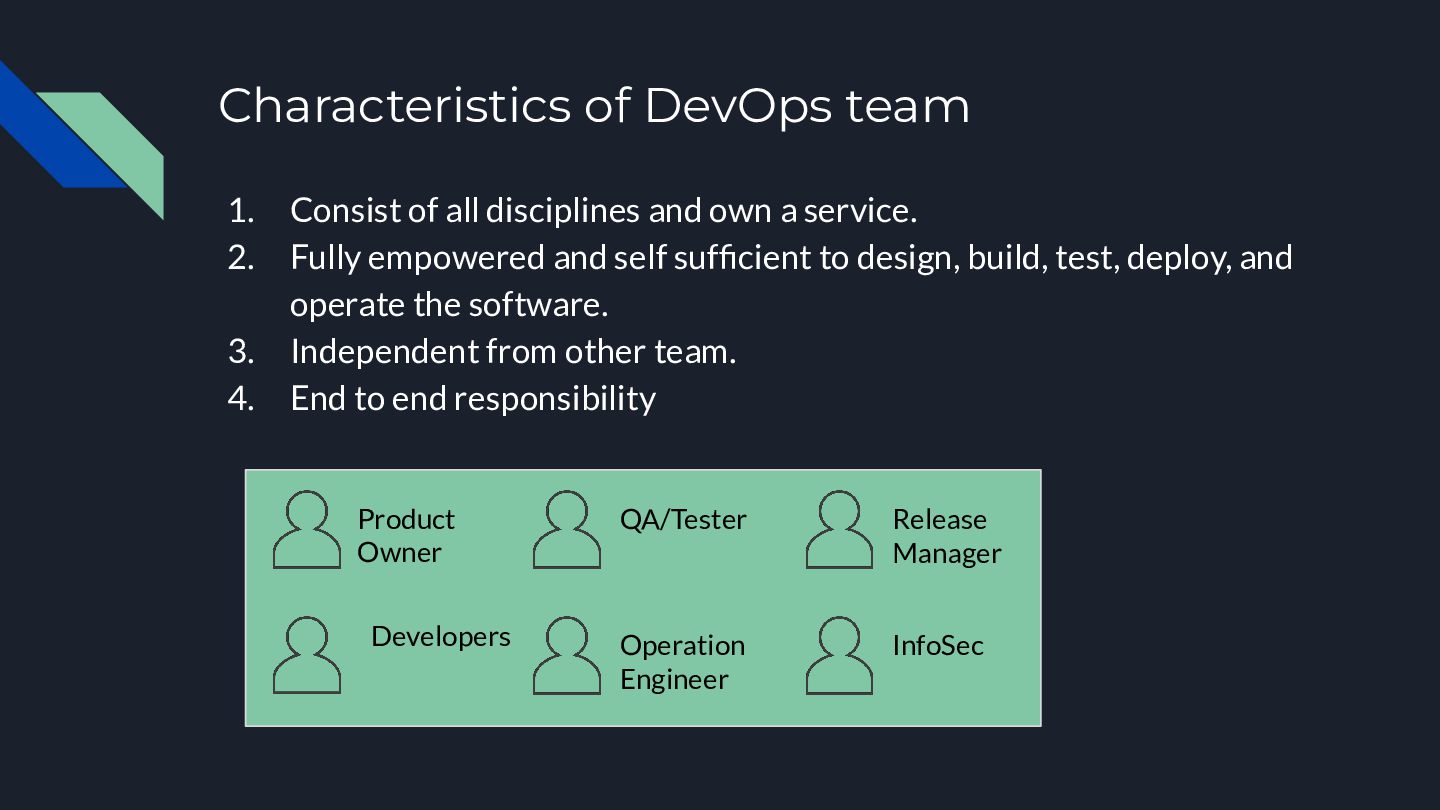
  18. Characteristics of DevOps team 1. Consist of all disciplines and

    own a service. 2. Fully empowered and self sufficient to design, build, test, deploy, and operate the software. 3. Independent from other team. 4. End to end responsibility Product Owner Developers QA/Tester Operation Engineer Release Manager InfoSec
  19. DevOps Practices 1. Loosely–coupled Architecture 2. Autonomous Team 3. Continuous

    Integration 4. Fast and Reliable Automated Testing 5. Continuous and Automated Deployment/Provisioning 6. Measurement and Feedback
  20. Practice 3: Continuous Integration Continuous integration is a DevOps software

    development practice where developers regularly merge their code changes into a central repository, after which automated builds and tests are run.
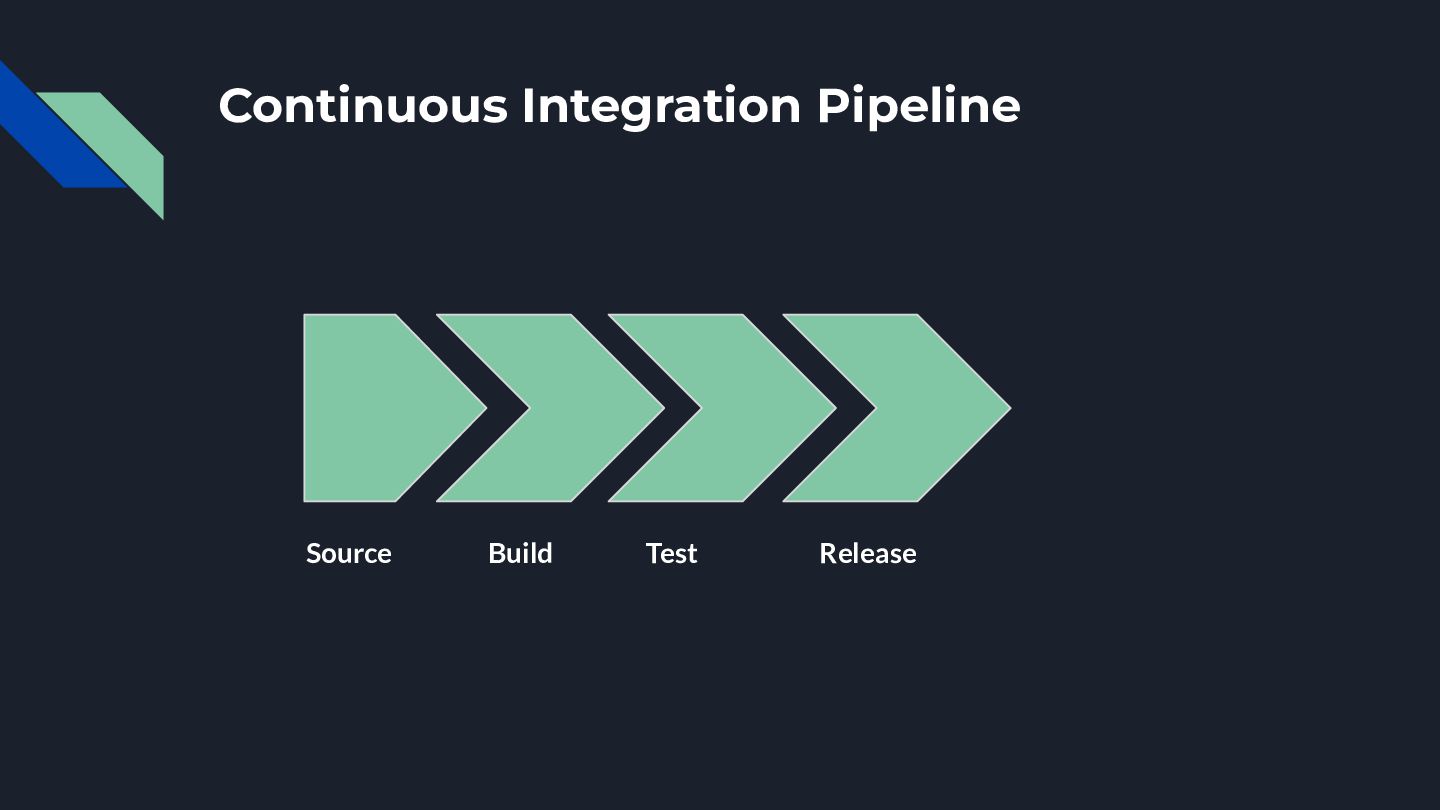
  21. Continuous Integration 1. Merging codes from all developers to a

    shared repository multiple times a day. 2. When a team member commits, the change will be merged, analysed, compiled, tested, assembled automatically. 3. The build process will create a new deployment package that can be published any time. 4. Fail fast strategy: build will failed whenever there is defect so team can fix it fast.
  22. DevOps Practices 1. Loosely–coupled Architecture 2. Autonomous Team 3. Continuous

    Integration 4. Fast and Reliable Automated Testing 5. Continuous and Automated Deployment/Provisioning 6. Measurement and Feedback
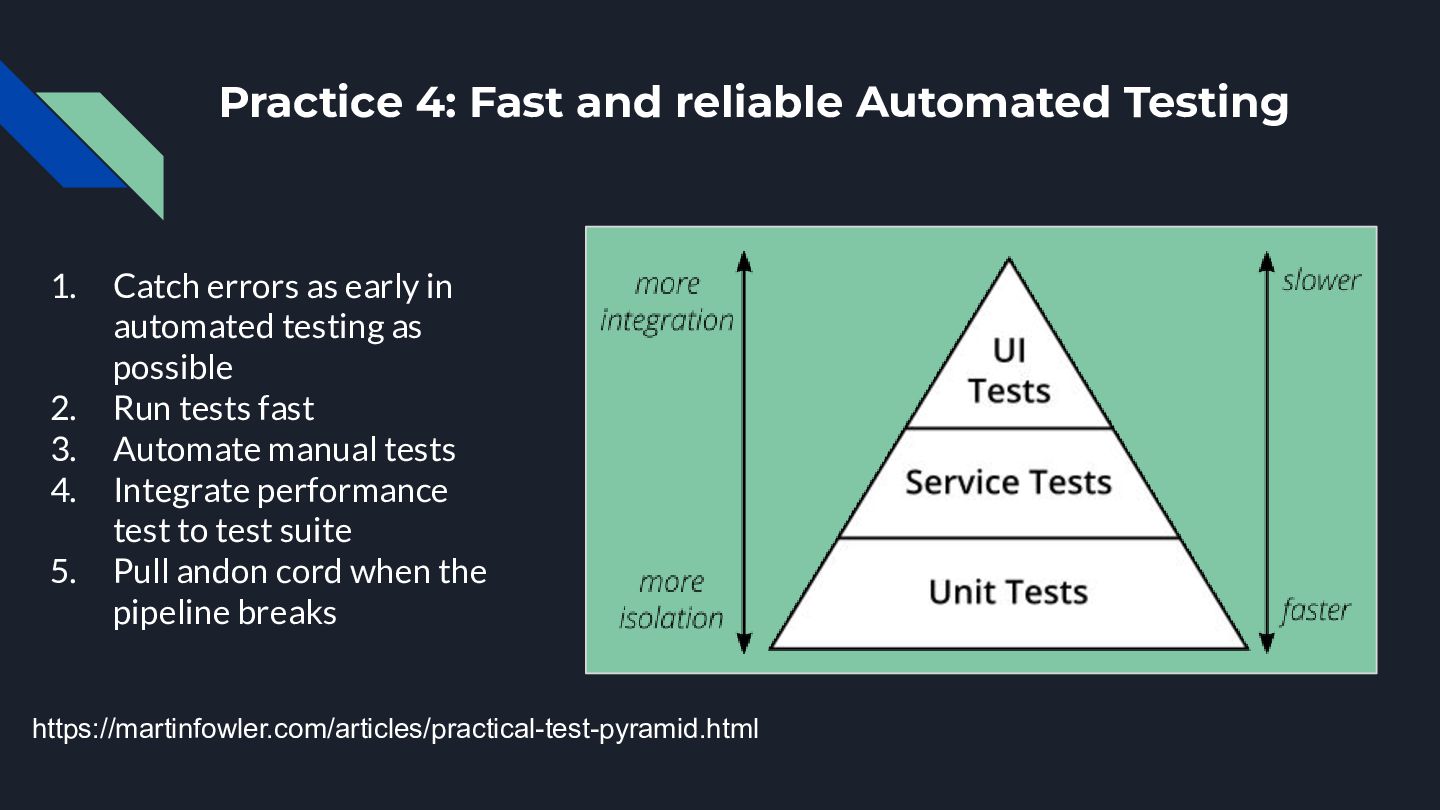
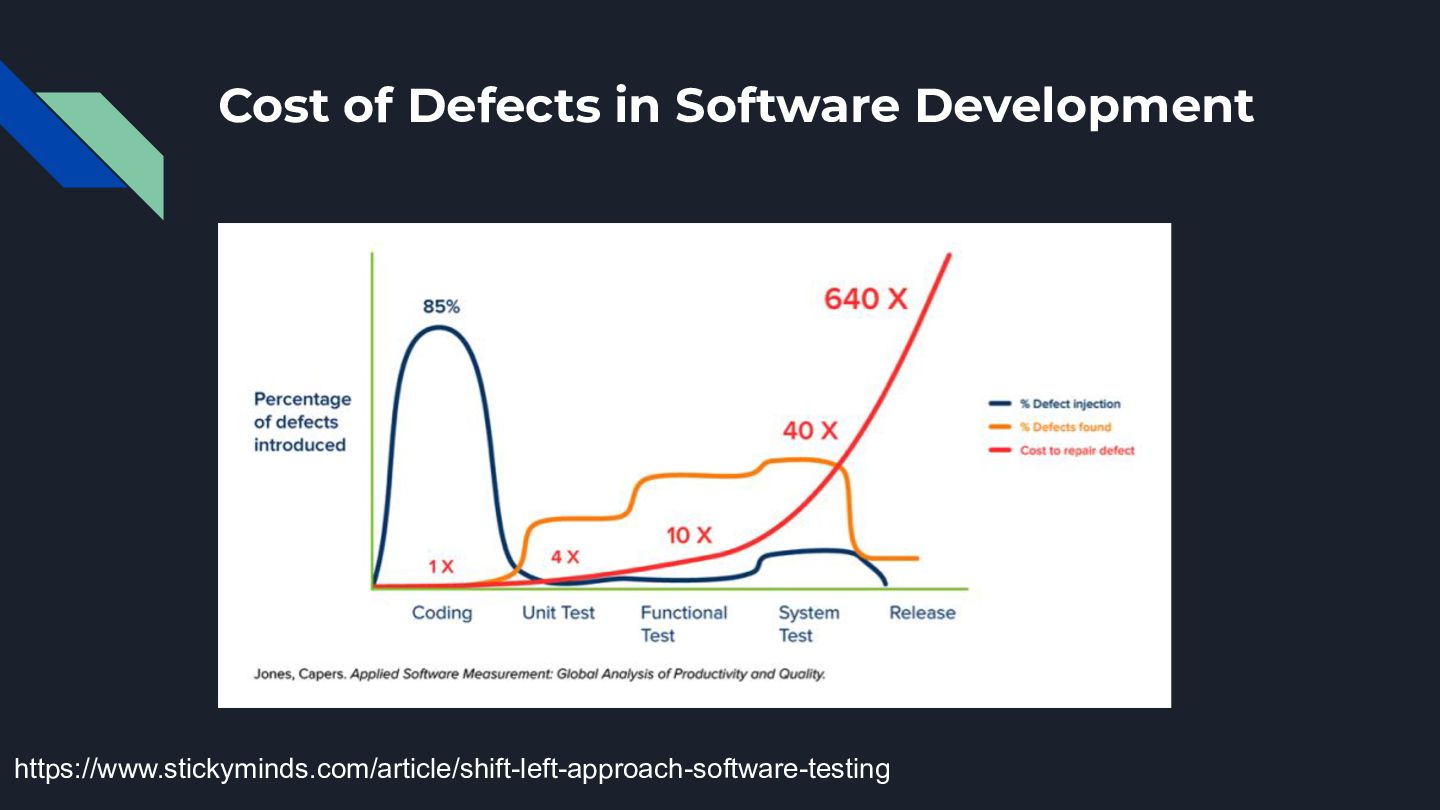
  23. Practice 4: Fast and reliable Automated Testing https://martinfowler.com/articles/practical-test-pyramid.html 1. Catch

    errors as early in automated testing as possible 2. Run tests fast 3. Automate manual tests 4. Integrate performance test to test suite 5. Pull andon cord when the pipeline breaks
  24. DevOps Practices 1. Loosely–coupled Architecture 2. Autonomous Team 3. Continuous

    Integration 4. Fast and Reliable Automated Testing 5. Continuous and Automated Deployment/Provisioning 6. Measurement and Feedback
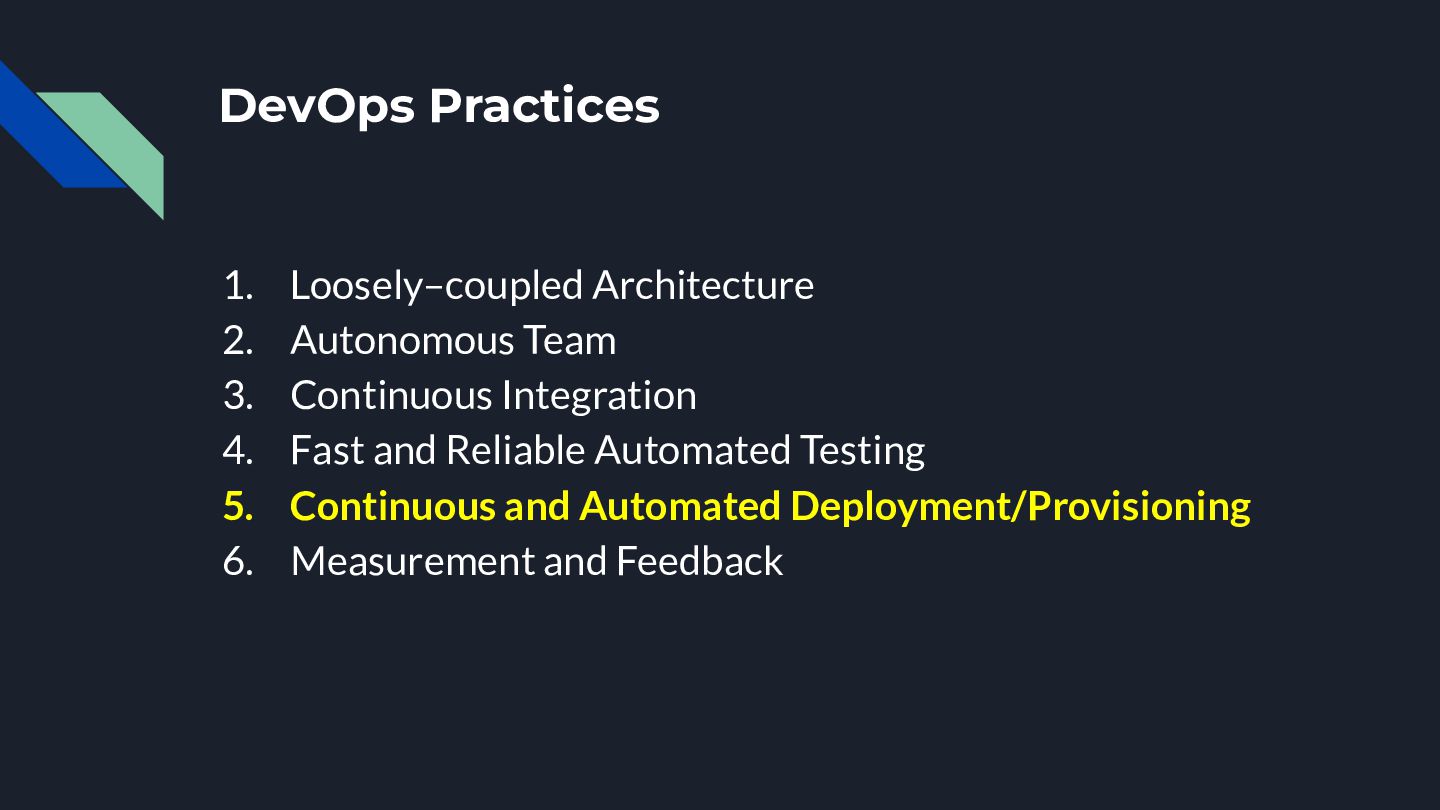
  25. Practice 5: Automated Continuous Deployment and Provisioning Automated continuous deployment

    and provisioning means we deploy applications components as well as provisioning environment components.
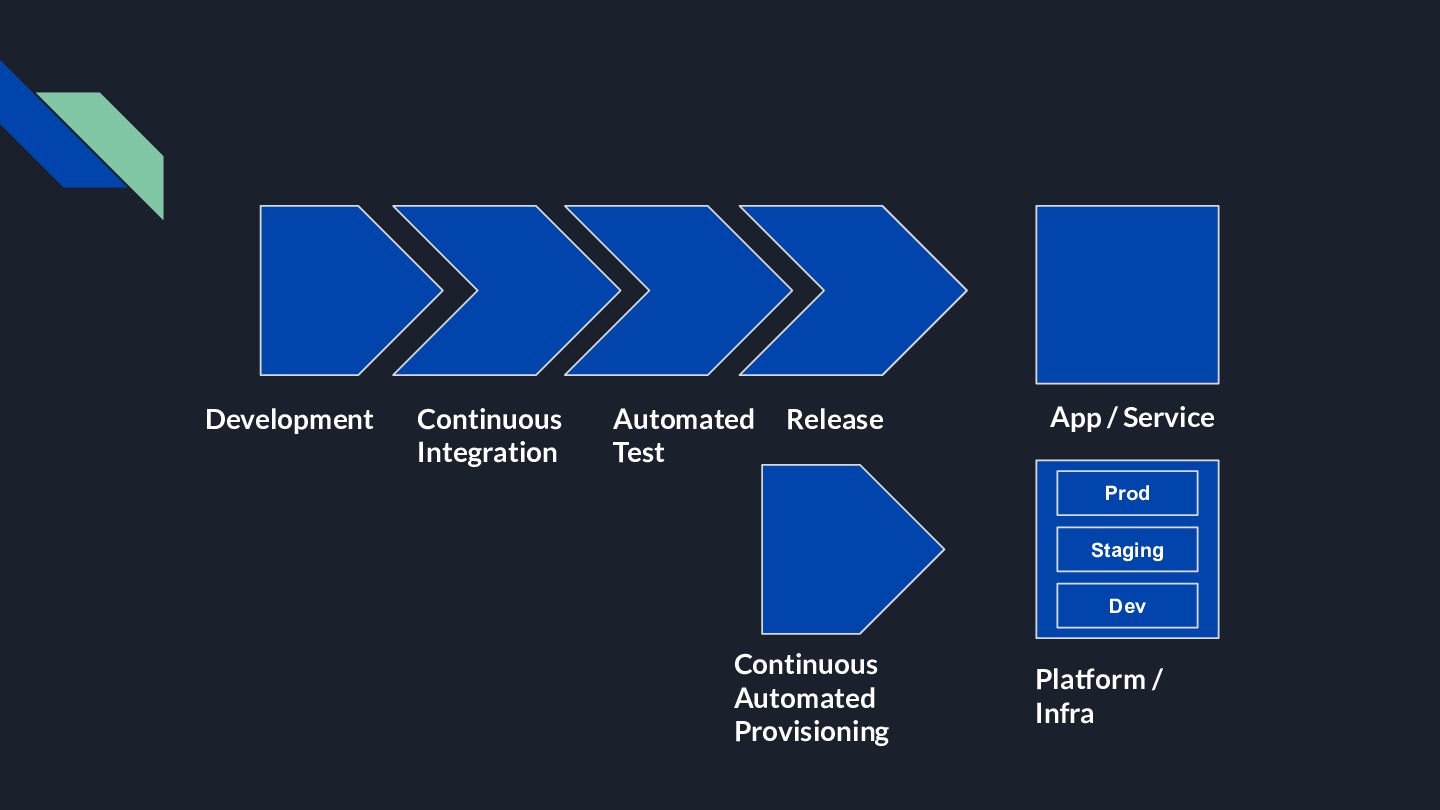
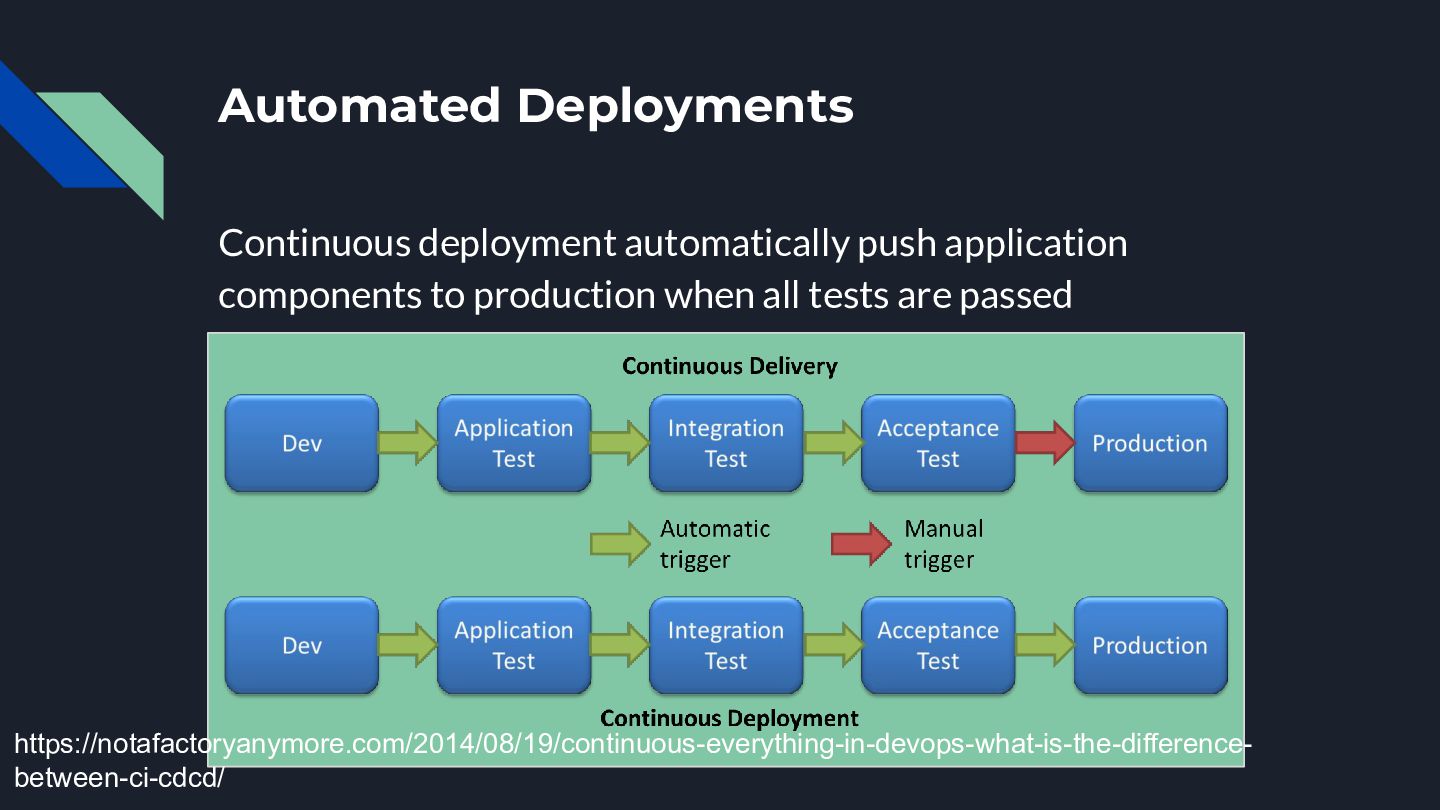
  26. Automated Deployments Continuous deployment automatically push application components to production

    when all tests are passed https://notafactoryanymore.com/2014/08/19/continuous-everything-in-devops-what-is-the-difference- between-ci-cdcd/
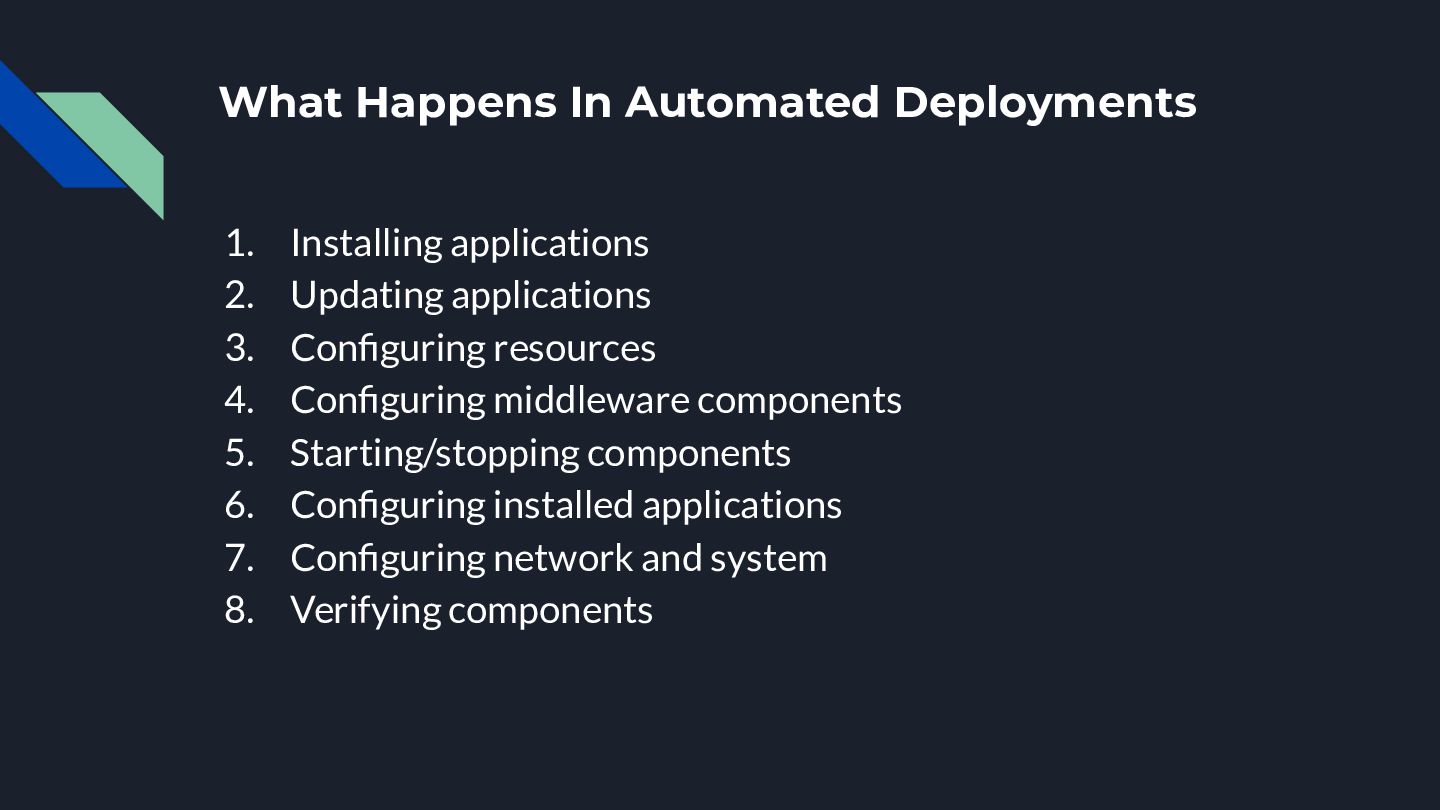
  27. What Happens In Automated Deployments 1. Installing applications 2. Updating

    applications 3. Configuring resources 4. Configuring middleware components 5. Starting/stopping components 6. Configuring installed applications 7. Configuring network and system 8. Verifying components
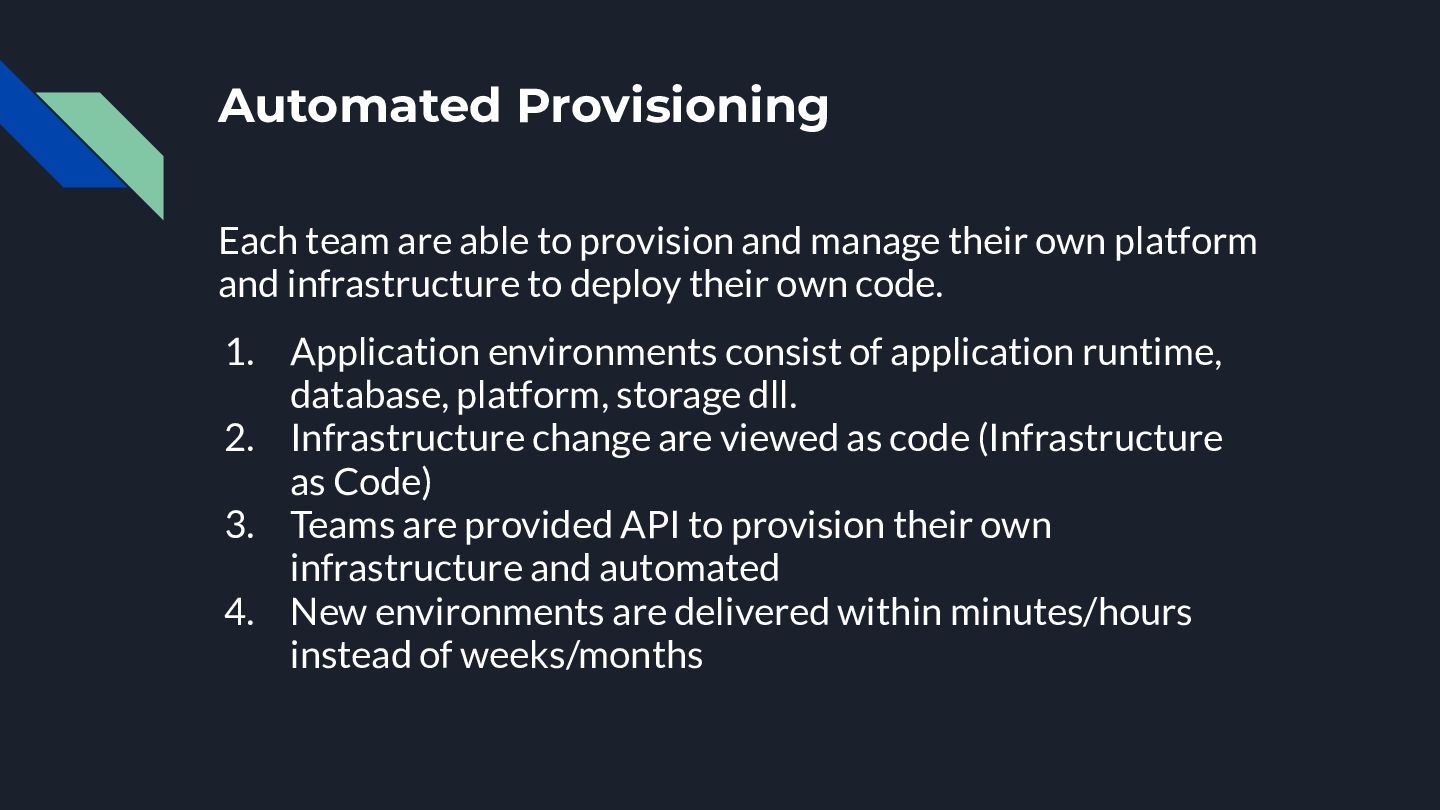
  28. Automated Provisioning Each team are able to provision and manage

    their own platform and infrastructure to deploy their own code. 1. Application environments consist of application runtime, database, platform, storage dll. 2. Infrastructure change are viewed as code (Infrastructure as Code) 3. Teams are provided API to provision their own infrastructure and automated 4. New environments are delivered within minutes/hours instead of weeks/months
  29. DevOps Practices 1. Loosely–coupled Architecture 2. Autonomous Team 3. Continuous

    Integration 4. Fast and Reliable Automated Testing 5. Continuous and Automated Deployment/Provisioning 6. Measurement and Feedback
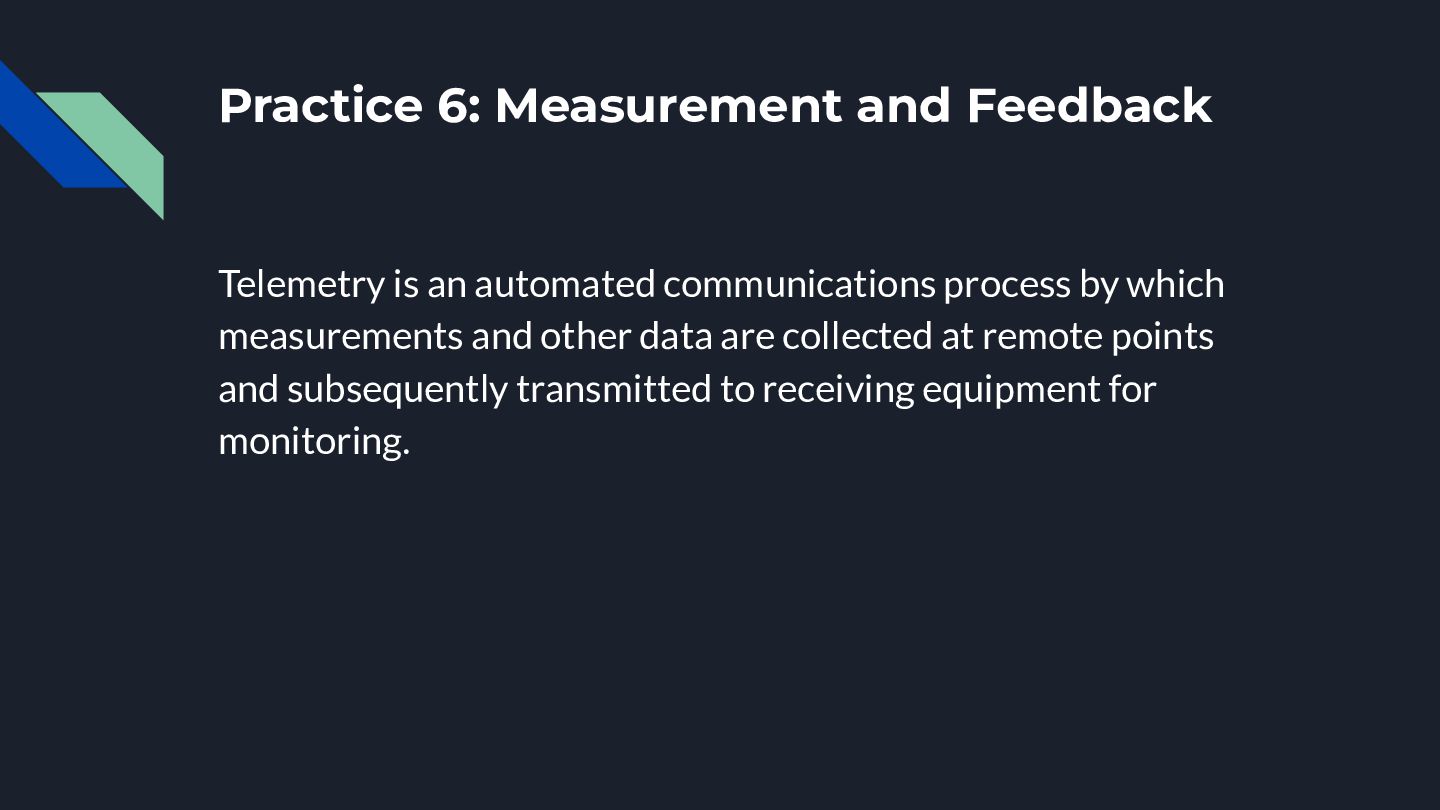
  30. Practice 6: Measurement and Feedback Telemetry is an automated communications

    process by which measurements and other data are collected at remote points and subsequently transmitted to receiving equipment for monitoring.
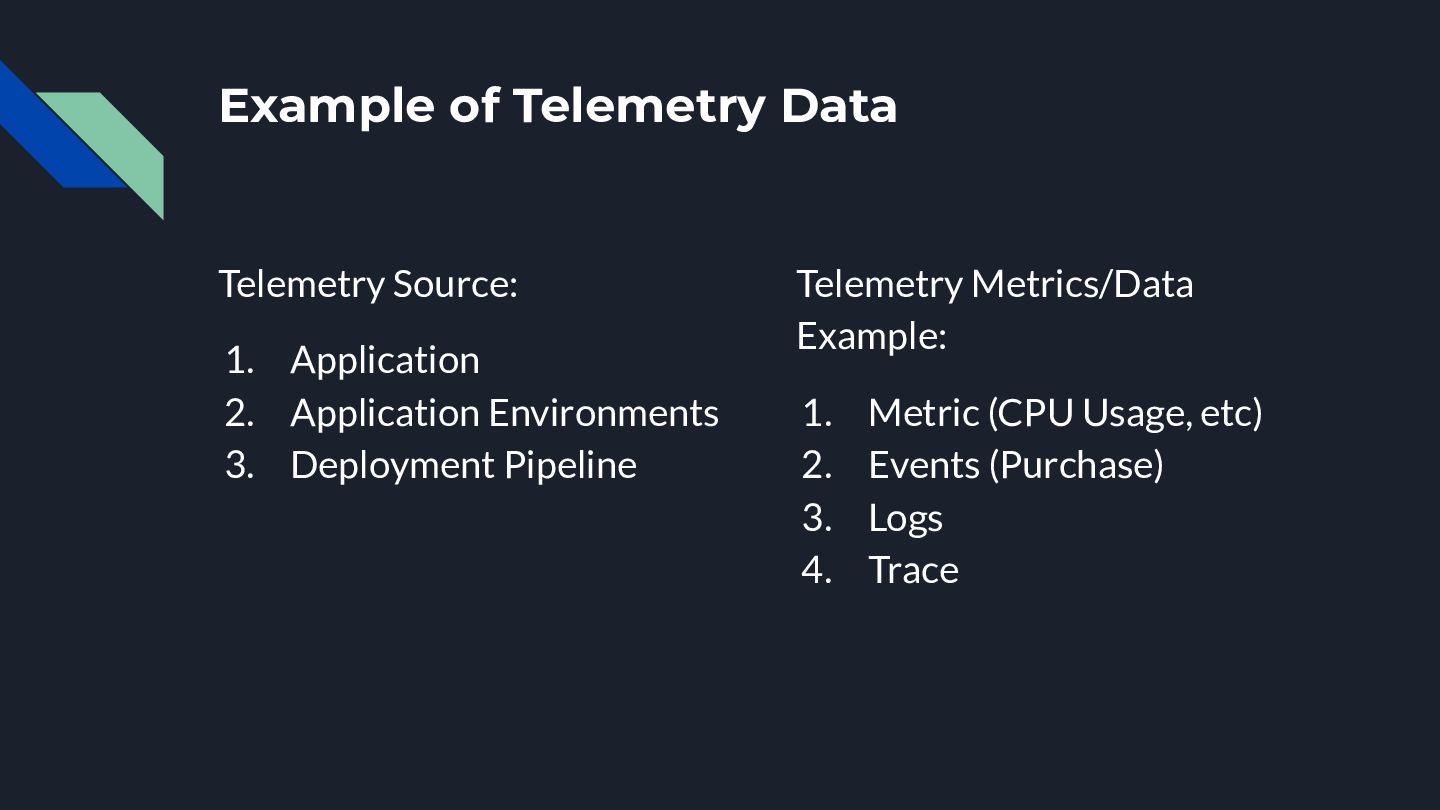
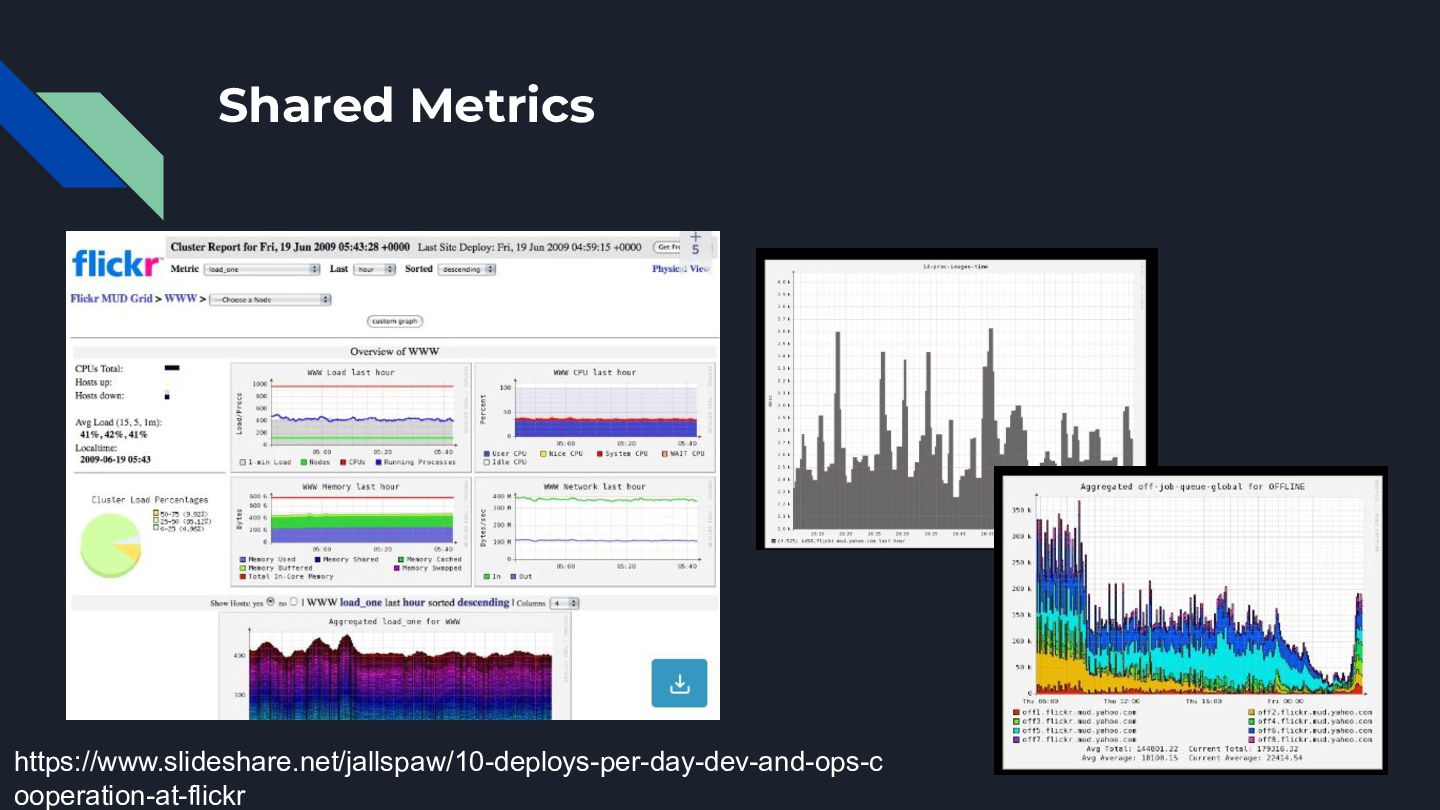
  31. Example of Telemetry Data Telemetry Source: 1. Application 2. Application

    Environments 3. Deployment Pipeline Telemetry Metrics/Data Example: 1. Metric (CPU Usage, etc) 2. Events (Purchase) 3. Logs 4. Trace
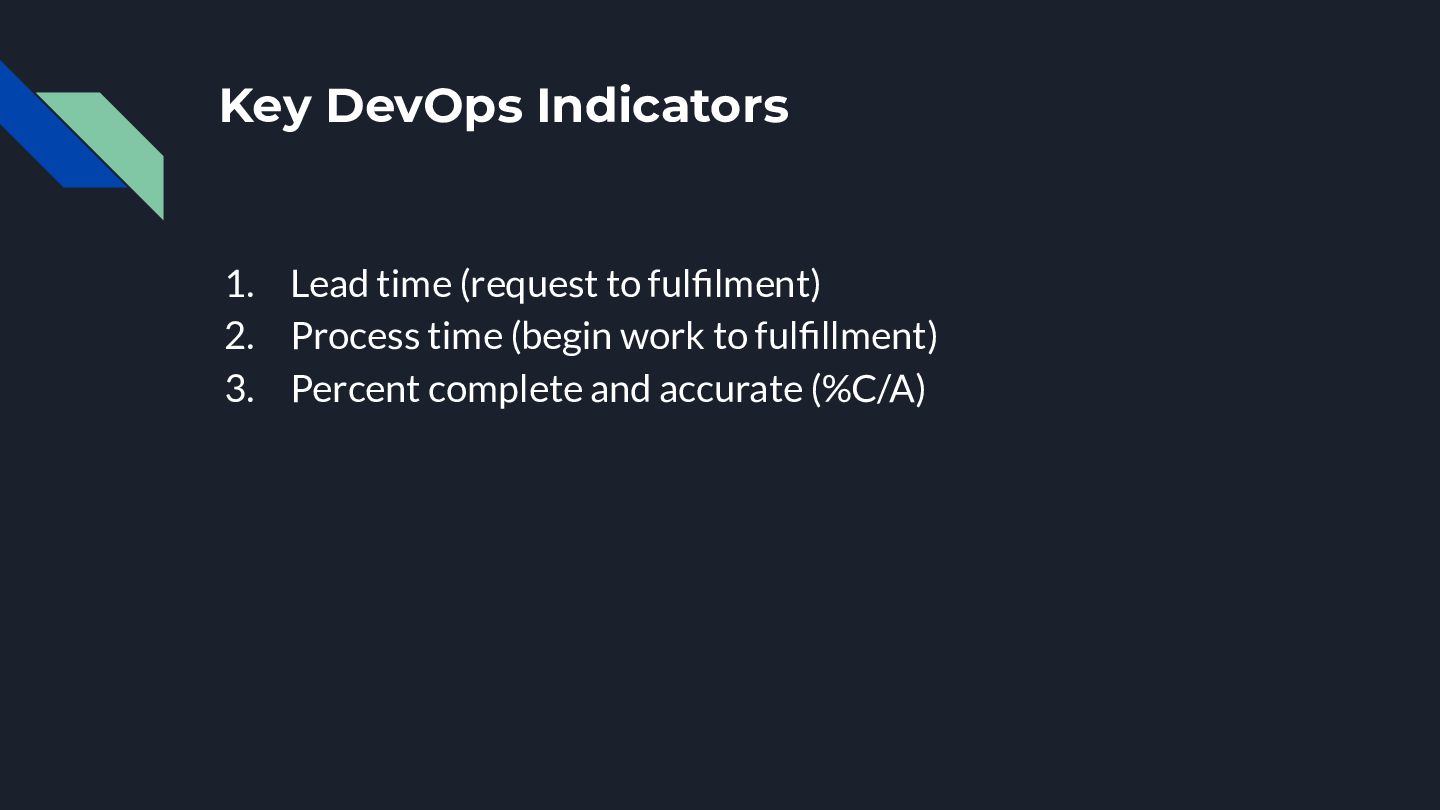
  32. Key DevOps Indicators 1. Lead time (request to fulfilment) 2.

    Process time (begin work to fulfillment) 3. Percent complete and accurate (%C/A)
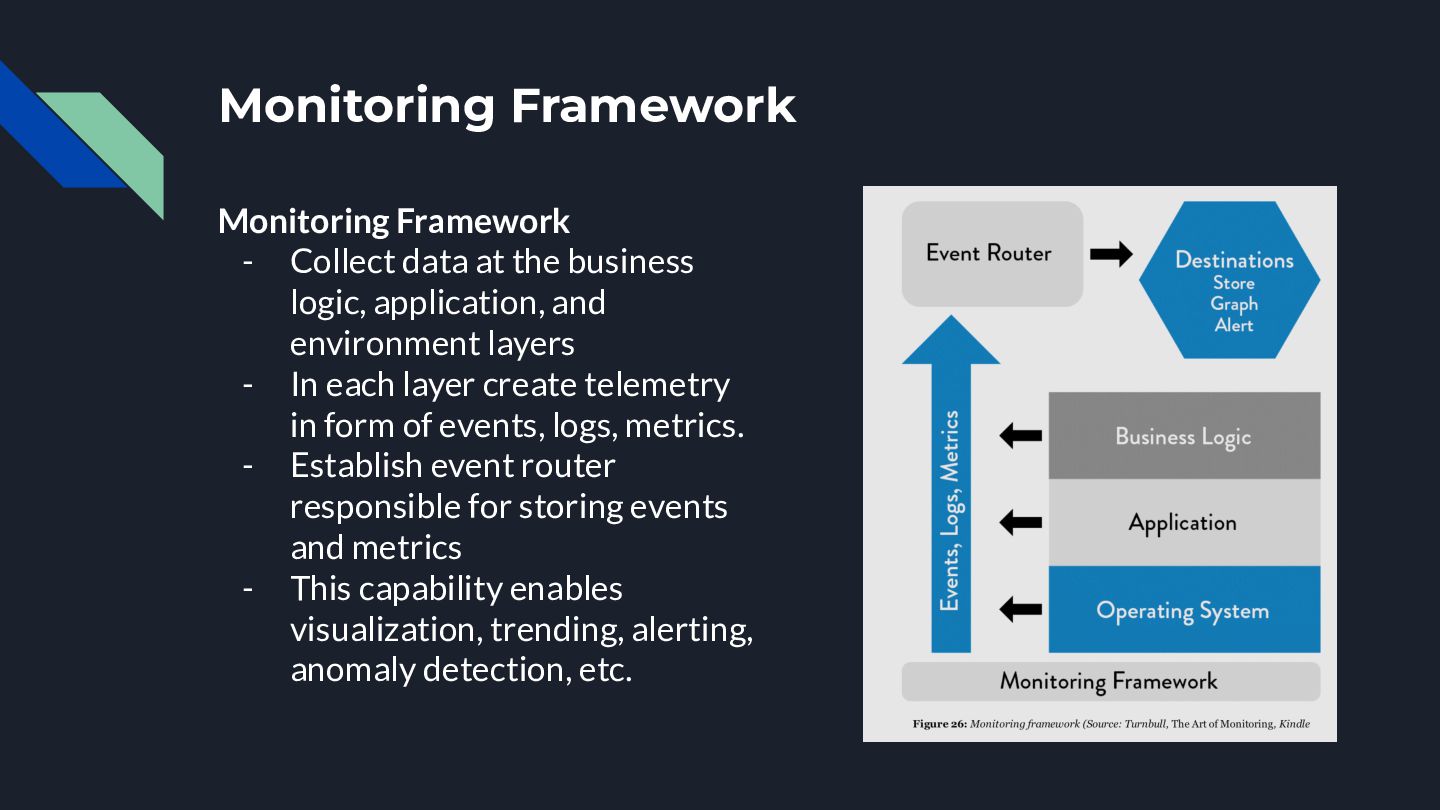
  33. Monitoring Framework Monitoring Framework - Collect data at the business

    logic, application, and environment layers - In each layer create telemetry in form of events, logs, metrics. - Establish event router responsible for storing events and metrics - This capability enables visualization, trending, alerting, anomaly detection, etc.
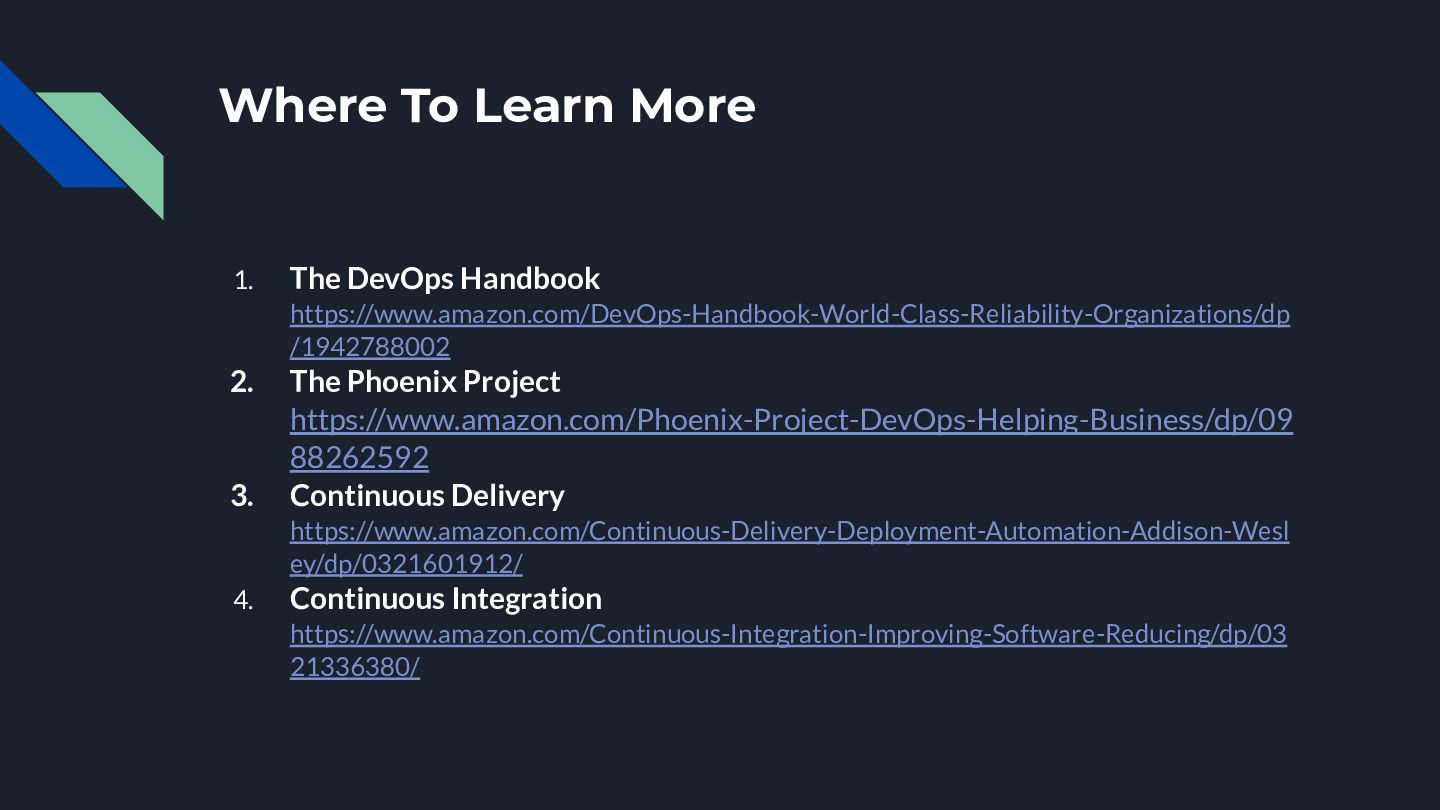
  34. Where To Learn More 1. The DevOps Handbook https://www.amazon.com/DevOps-Handbook-World-Class-Reliability-Organizations/dp /1942788002

    2. The Phoenix Project https://www.amazon.com/Phoenix-Project-DevOps-Helping-Business/dp/09 88262592 3. Continuous Delivery https://www.amazon.com/Continuous-Delivery-Deployment-Automation-Addison-Wesl ey/dp/0321601912/ 4. Continuous Integration https://www.amazon.com/Continuous-Integration-Improving-Software-Reducing/dp/03 21336380/