Upgrade to Pro
— share decks privately, control downloads, hide ads and more …
Speaker Deck
Sign up for free
Menu
Search
Features
All features
Private URLs
Password Protection
Custom URLS
Scheduled publishing
Remove Branding
Restrict embedding
Deck Collections
Notes
Features
All features
Private URLs
Password Protection
Custom URLS
Scheduled publishing
Remove Branding
Restrict embedding
Deck Collections
Notes
Explore
Featured decks
Featured speakers
Programming
Technology
Storyboards
Explore
Featured decks
Featured speakers
Programming
Technology
Storyboards
Pricing
Search
Sign in
Sign up for free
Thought Experiments for 21st Century Associatio...
Search
principledinnovation
September 27, 2011
24
0
Share
Embed
Copy iframe code
Copy JS code
Copy link
Start on current slide
Thought Experiments for 21st Century Association Leaders (TSAE11).pdf
principledinnovation
September 27, 2011
Transcript
29 slides
http://pinnovat.es/ newideas11resources http://pinnovat.es/ jeffdskanzsite CAPTURE THESE NOW! USE A QR
CODE READER OR CAMERA
Thought Experiments for 21st Century Association Leaders Jeff De Cagna
FRSA FASAE, Chief Strategist and Founder Principled Innovation LLC
@pinnovation #newideas11
the central imperative for 21st century association leaders is to
build their organizations to thrive
what is it going to take for associations to thrive
over the next decade?
associating vs. the association
the future of associating is changing
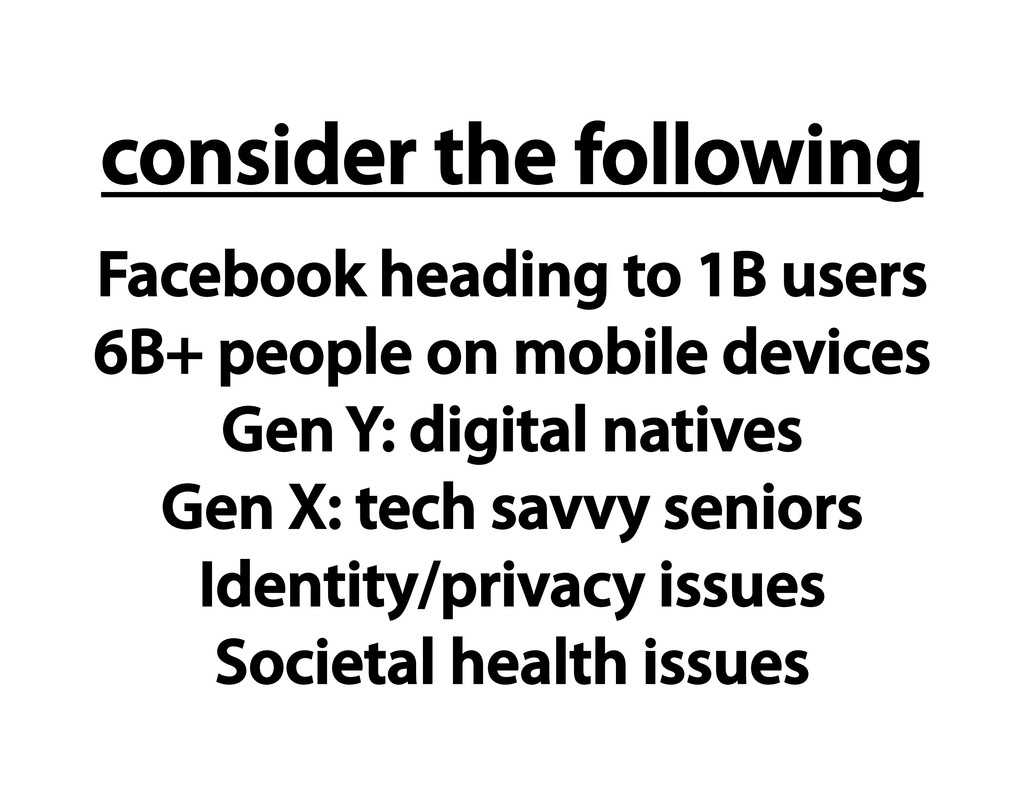
consider the following Facebook heading to 1B users 6B+ people
on mobile devices Gen Y: digital natives Gen X: tech savvy seniors Identity/privacy issues Societal health issues
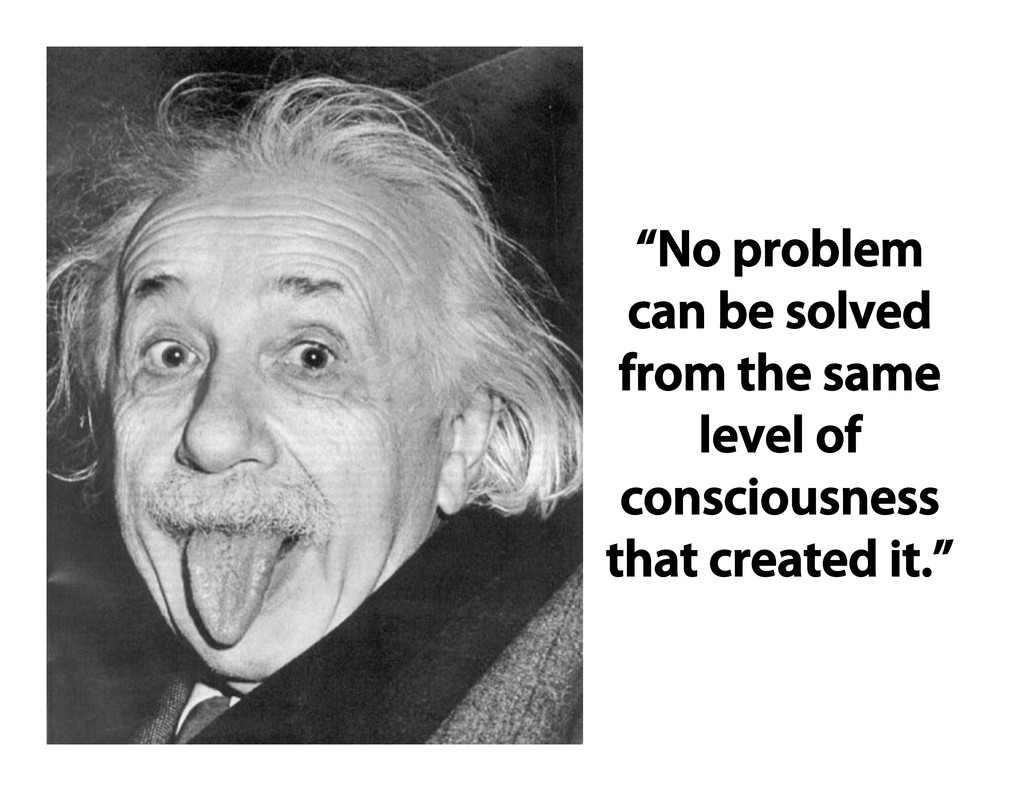
“No problem can be solved from the same level of
consciousness that created it.”
if we’re going to build associations to thrive, we need
new mental models
a mental model is a deeply-held thought process we construct
about how something works in the real world
we can question the assumptions on which we base our
mental models through thought experiments
three thought experiments
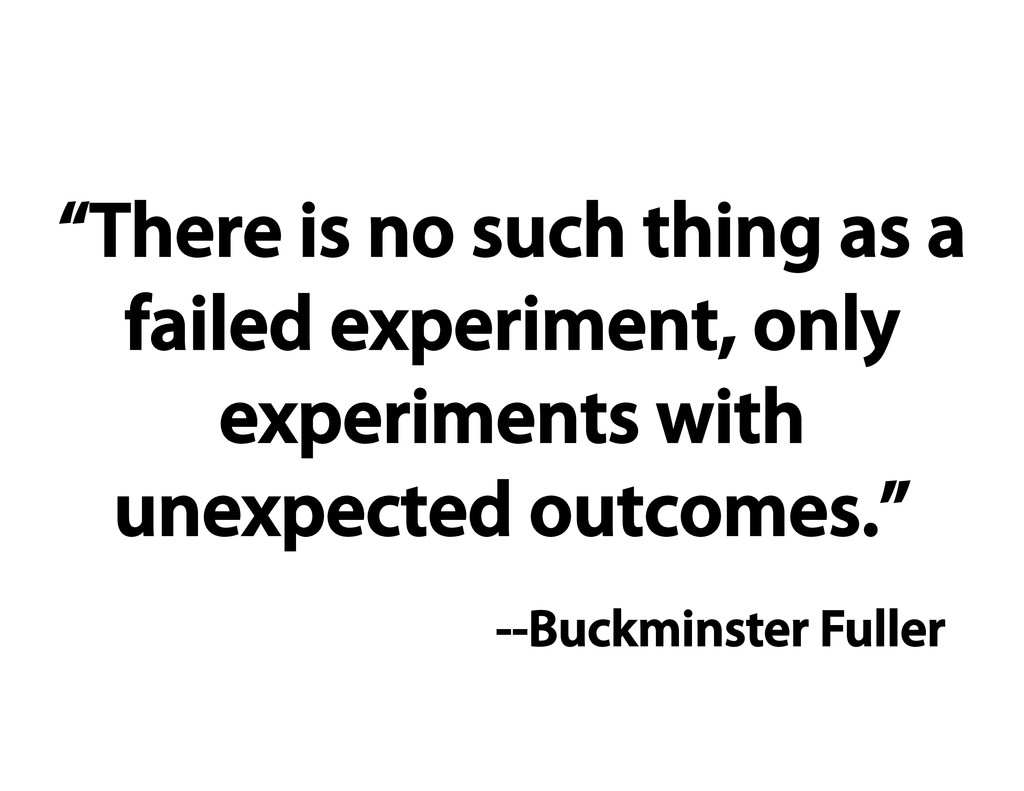
“There is no such thing as a failed experiment, only
experiments with unexpected outcomes.” --Buckminster Fuller
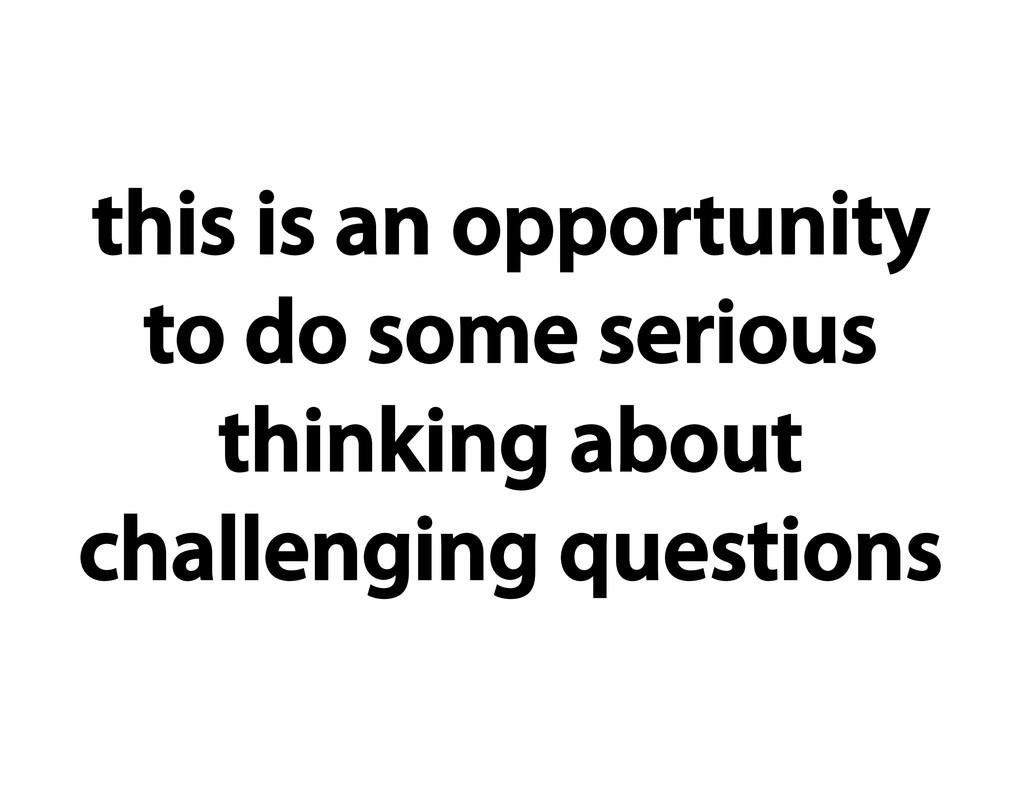
this is an opportunity to do some serious thinking about
challenging questions
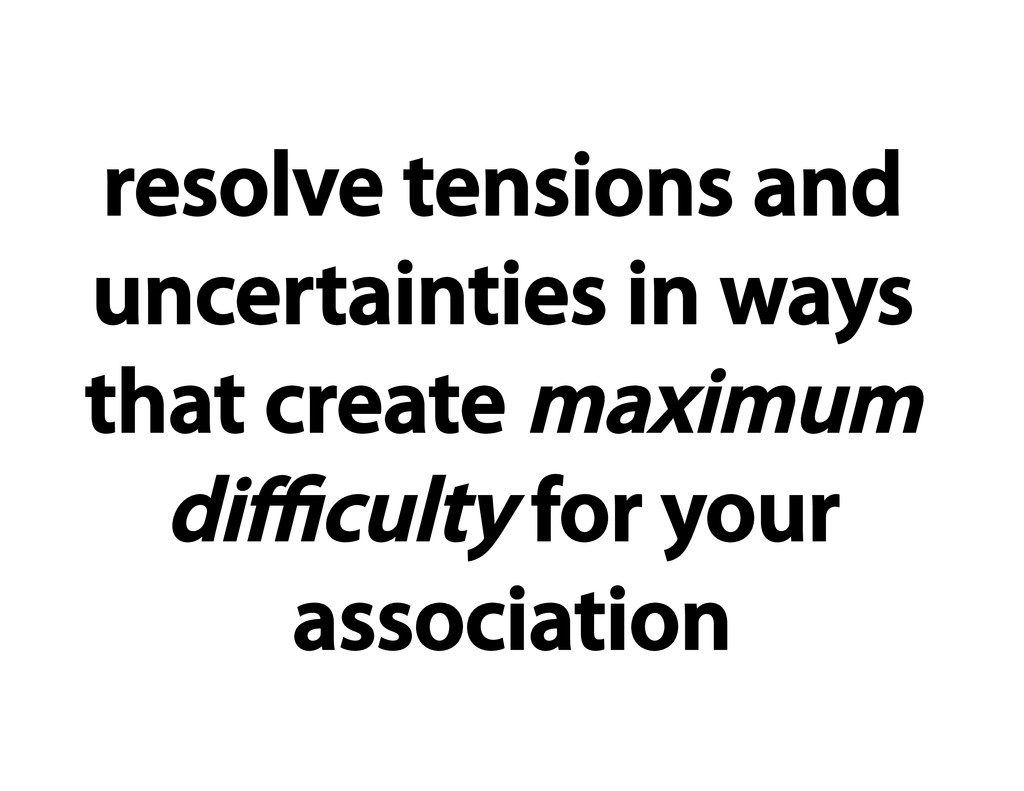
resolve tensions and uncertainties in ways that create maximum difficulty
for your association
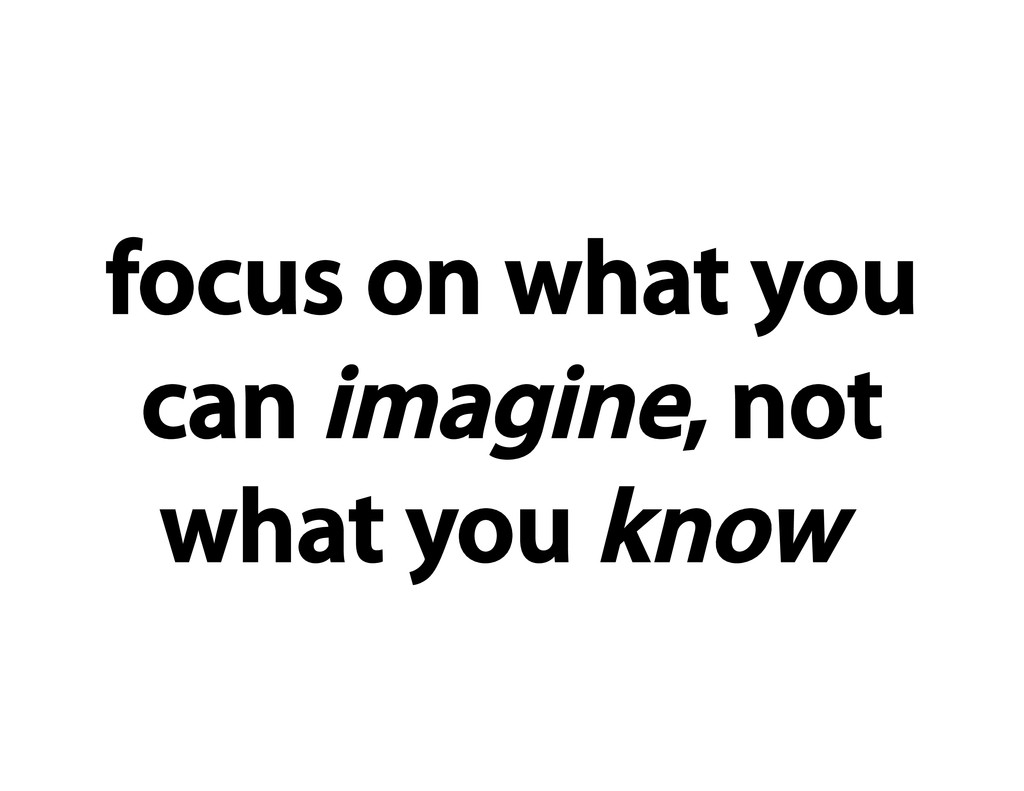
focus on what you can imagine, not what you know
three thought experiments
how will we lead our organizations when our stakeholders stop
responding to surveys?
which is more important to your association’s future success: building
membership or creating radical new value?
if you could choose your association’s next failure, what would
it be?
if we’re going to build associations to thrive, we need
new mental models
build to thrive
institutional vs. platform thinking
intimacy drives value creation
design for the loss of control
“what if we…”
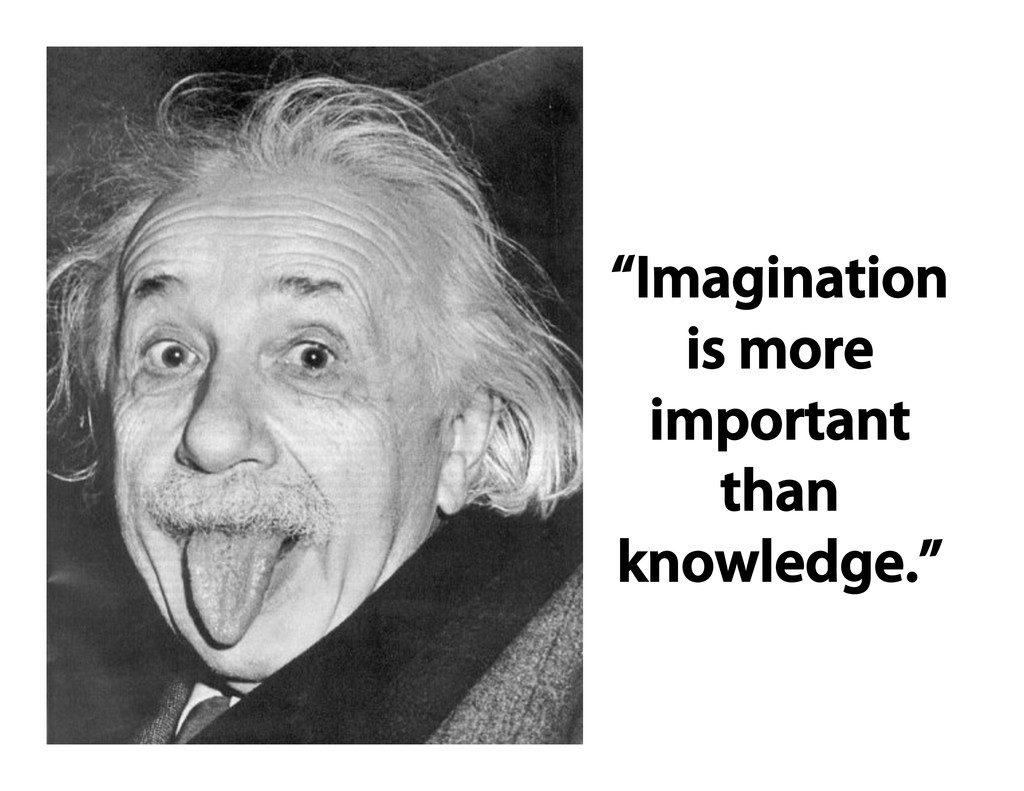
“Imagination is more important than knowledge.”
jeff
[email protected]
www.principledinnovationblog.com www.facebook.com/principledinnovation www.linkedin.com/in/principledinnovation www.facebook.com/jeff329 Twitter: @pinnovation
Featured
See All Featured
Templates, Plugins, & Blocks: Oh My! Creating the theme that thinks of everything
marktimemedia
31
3k
The State of eCommerce SEO: How to Win in Today's Products SERPs - #SEOweek
aleyda
2
12k
BBQ
matthewcrist
90
10k
The Director’s Chair: Orchestrating AI for Truly Effective Learning
tmiket
1
350
Digital Ethics as a Driver of Design Innovation
axbom
PRO
2
540
Paper Plane
katiecoart
PRO
6
55k
Agile Leadership in an Agile Organization
kimpetersen
PRO
0
310
SEOcharity - Dark patterns in SEO and UX: How to avoid them and build a more ethical web
sarafernandez
0
330
Conquering PDFs: document understanding beyond plain text
inesmontani
PRO
4
3.3k
How To Stay Up To Date on Web Technology
chriscoyier
790
250k
Design of three-dimensional binary manipulators for pick-and-place task avoiding obstacles (IECON2024)
konakalab
0
670
A Soul's Torment
seathinner
9
3.9k


 marktimemedia
 aleyda
 matthewcrist
 tmiket
 axbom
 katiecoart
 kimpetersen
 sarafernandez
 inesmontani
 chriscoyier
 konakalab
 seathinner