$30 off During Our Annual Pro Sale. View Details »

Mainframe to Cloud: Key Costs and Budgeting Tips

Mainframe to Cloud: Key Costs and Budgeting Tips

Migrating from a mainframe to the cloud can save money in the long run, but it requires careful planning. This presentation breaks down the major costs and how to manage them effectively.

What You’ll Learn:

- Key factors that influence migration expenses
- Comparing on-premise, cloud, and hybrid setups
- Cost differences between the 6R migration strategies
- Managing infrastructure, licensing, and maintenance costs
- How to reduce unexpected expenses and stay within budget

Get the insights you need to plan your migration with confidence. For more information read the blog post at https://kumaran.com/cost-considerations-for-a-mainframe-migration-project/

Download now to make informed decisions.

Avatar for Raj Kumar

Raj Kumar

March 19, 2025
Tweet

More Decks by Raj Kumar

Other Decks in Programming

Transcript

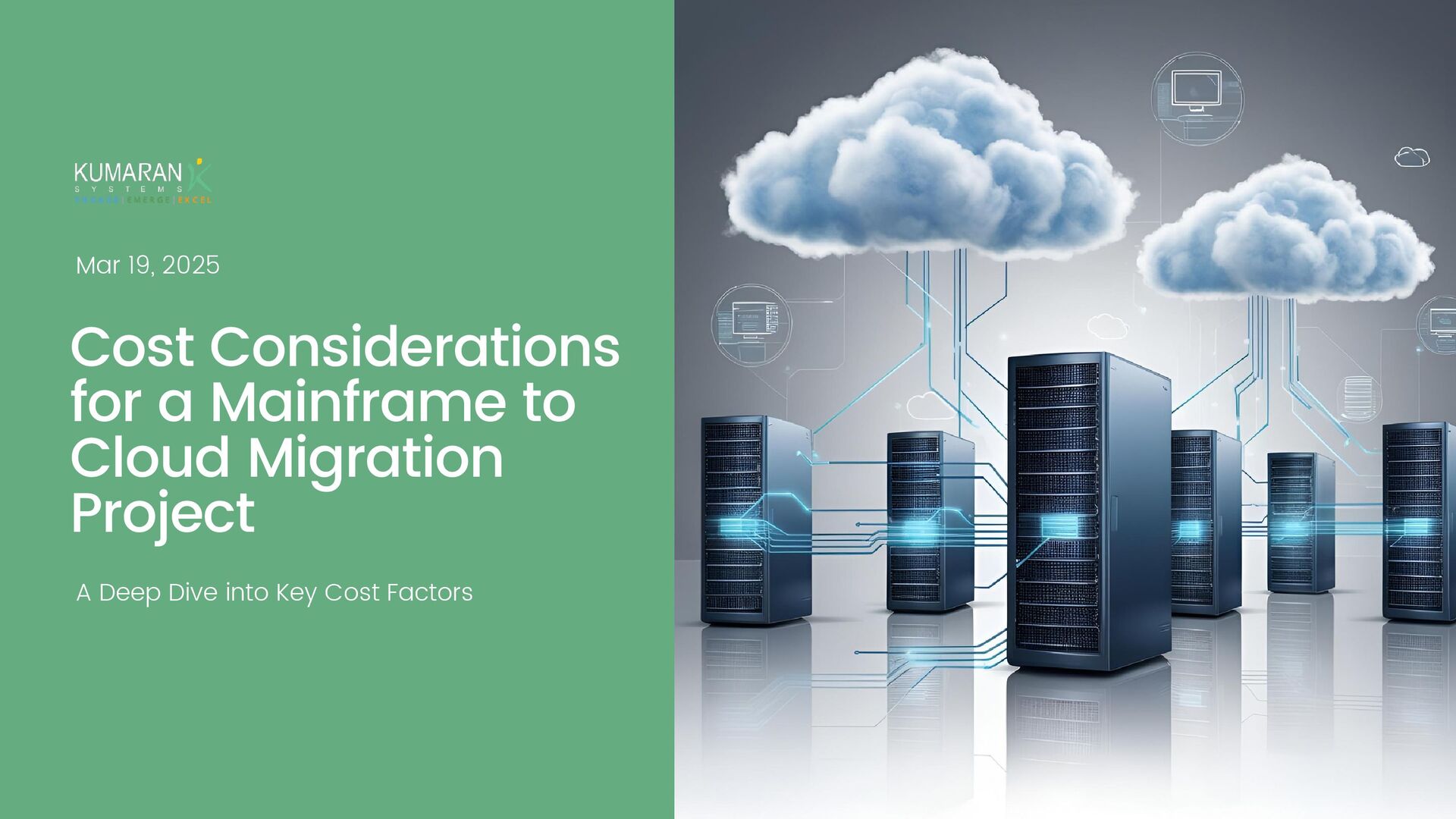
  1. Cost Considerations for a Mainframe to Cloud Migration Project Mar

    19, 2025 A Deep Dive into Key Cost Factors
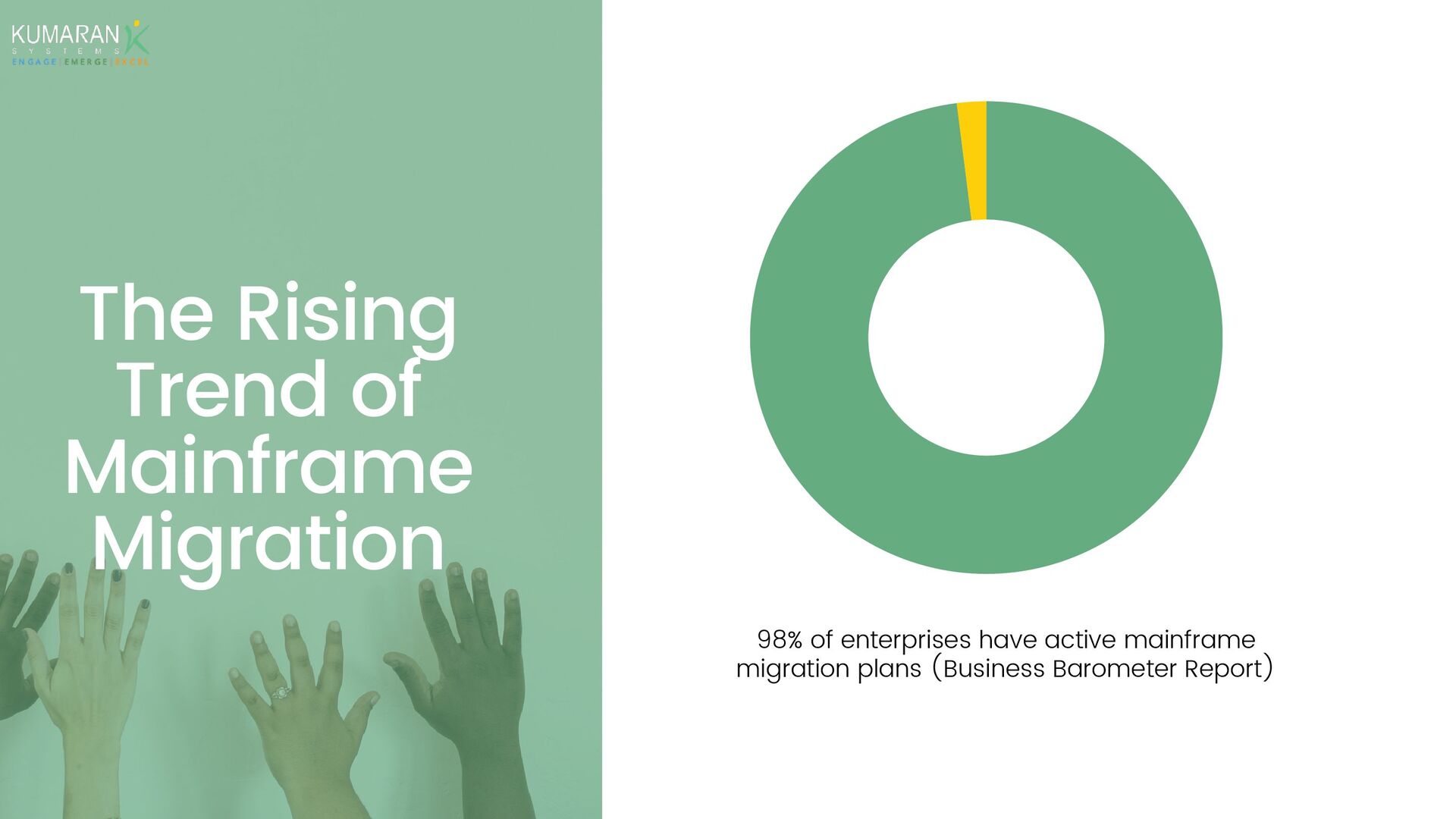
  2. The Rising Trend of Mainframe Migration 98% of enterprises have

    active mainframe migration plans (Business Barometer Report)
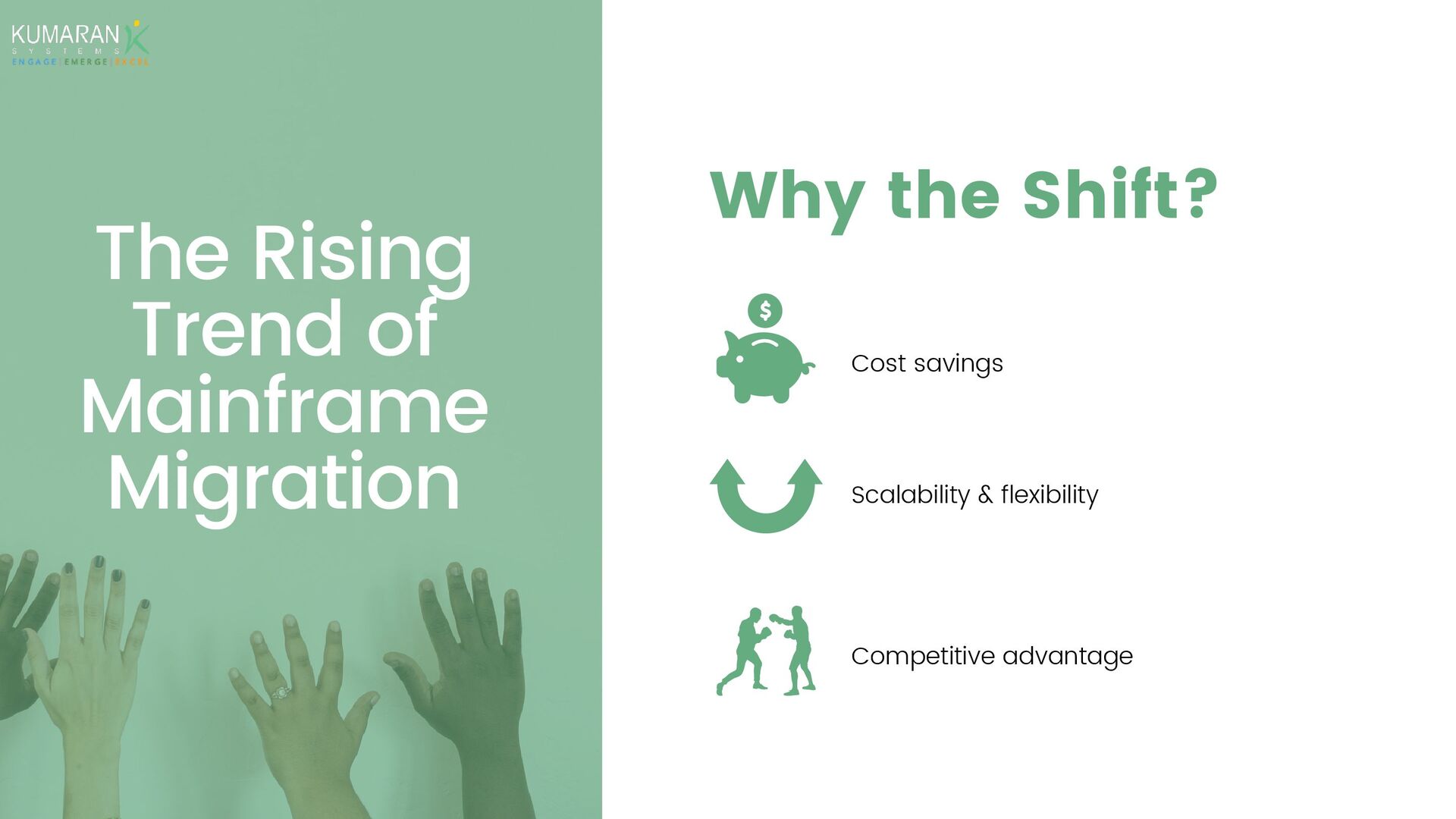
  3. The Rising Trend of Mainframe Migration Cost savings Scalability &

    flexibility Competitive advantage Why the Shift?
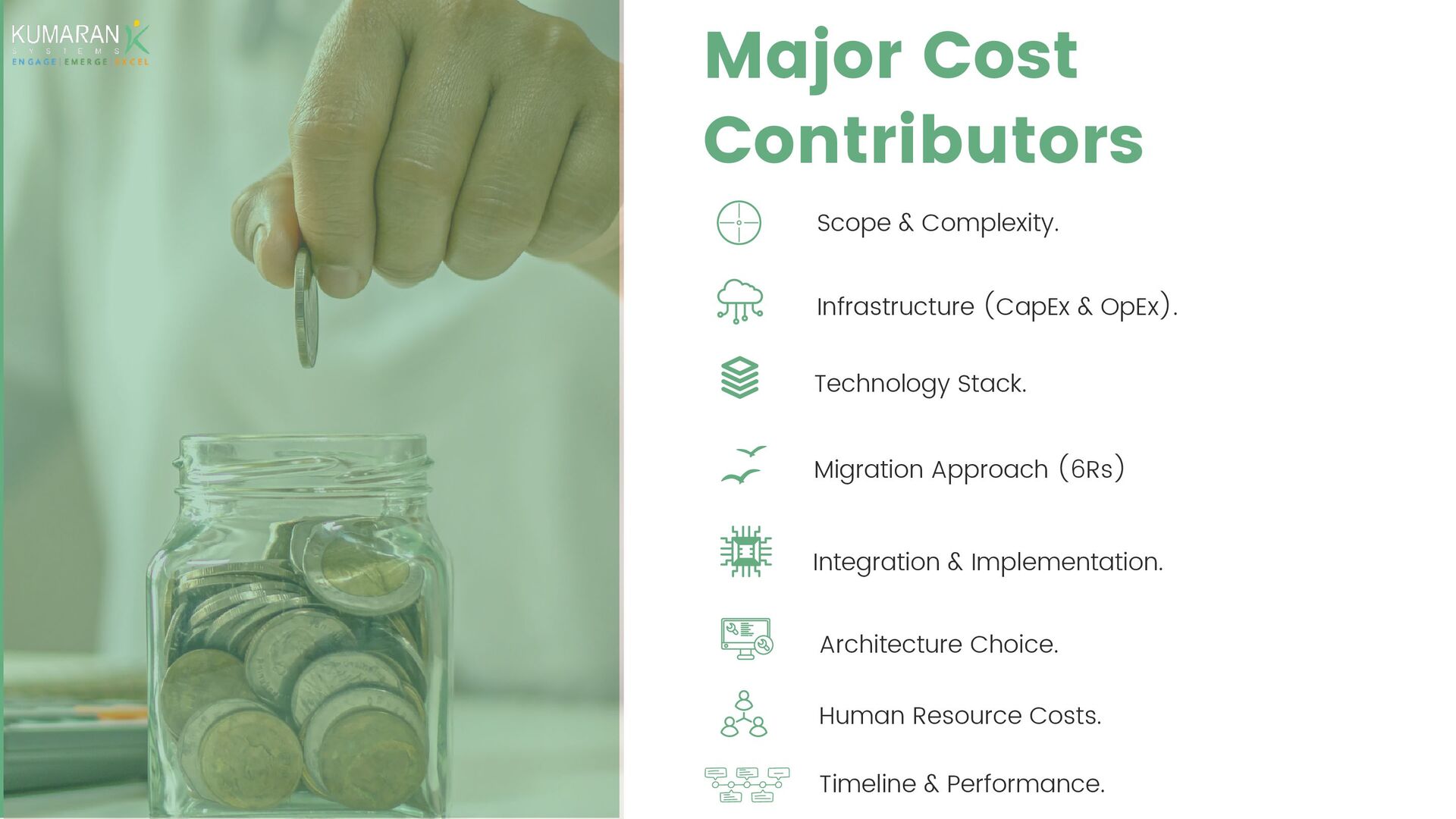
  4. Scope & Complexity. Infrastructure (CapEx & OpEx). Technology Stack. Migration

    Approach (6Rs) Integration & Implementation. Architecture Choice. Timeline & Performance. Human Resource Costs. Major Cost Contributors
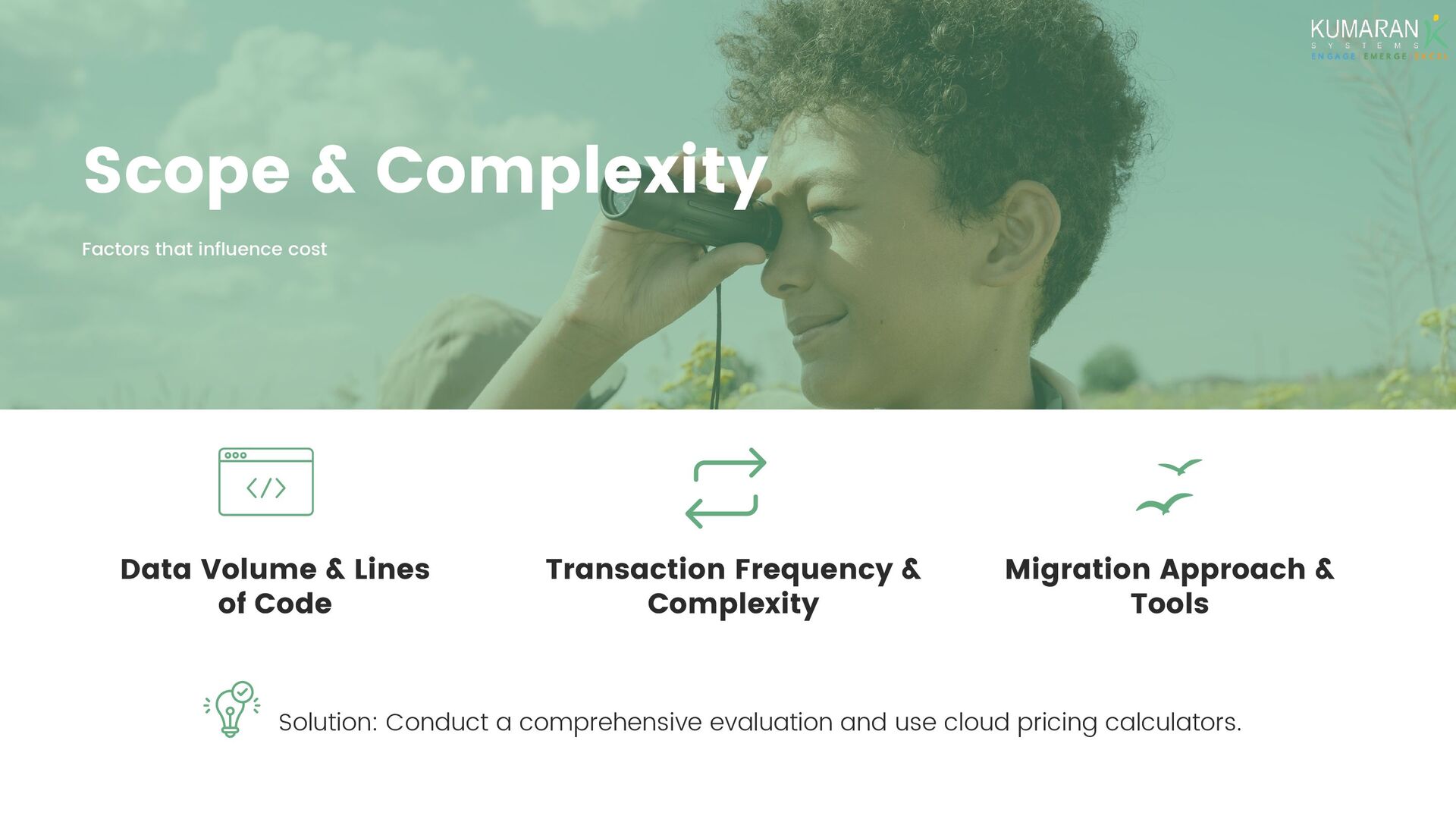
  5. Factors that influence cost Scope & Complexity Data Volume &

    Lines of Code Transaction Frequency & Complexity Migration Approach & Tools Solution: Conduct a comprehensive evaluation and use cloud pricing calculators.
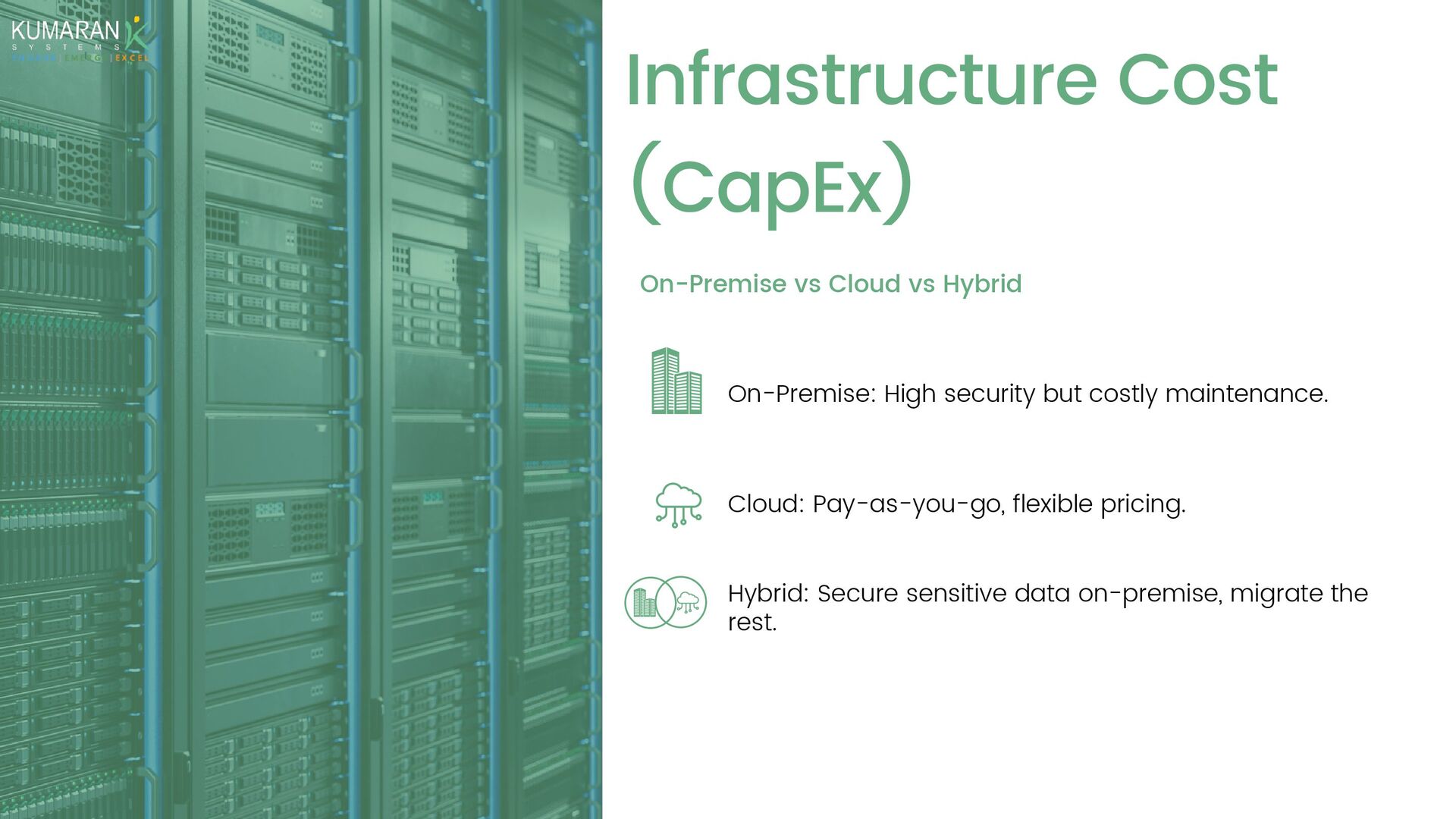
  6. Infrastructure Cost (CapEx) On-Premise: High security but costly maintenance. On-Premise

    vs Cloud vs Hybrid Cloud: Pay-as-you-go, flexible pricing. Hybrid: Secure sensitive data on-premise, migrate the rest.
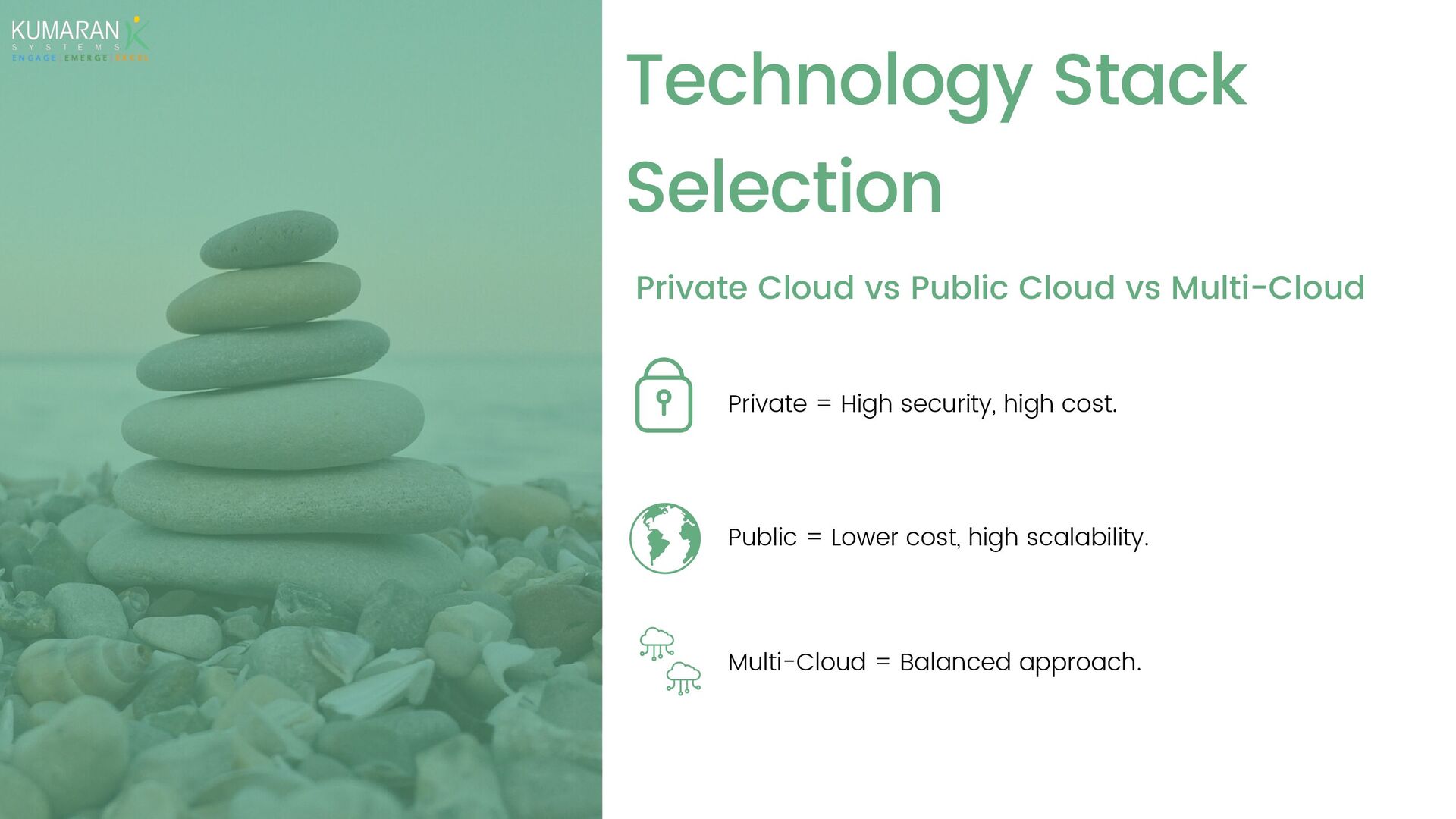
  7. Technology Stack Selection Private = High security, high cost. Private

    Cloud vs Public Cloud vs Multi-Cloud Public = Lower cost, high scalability. Multi-Cloud = Balanced approach.
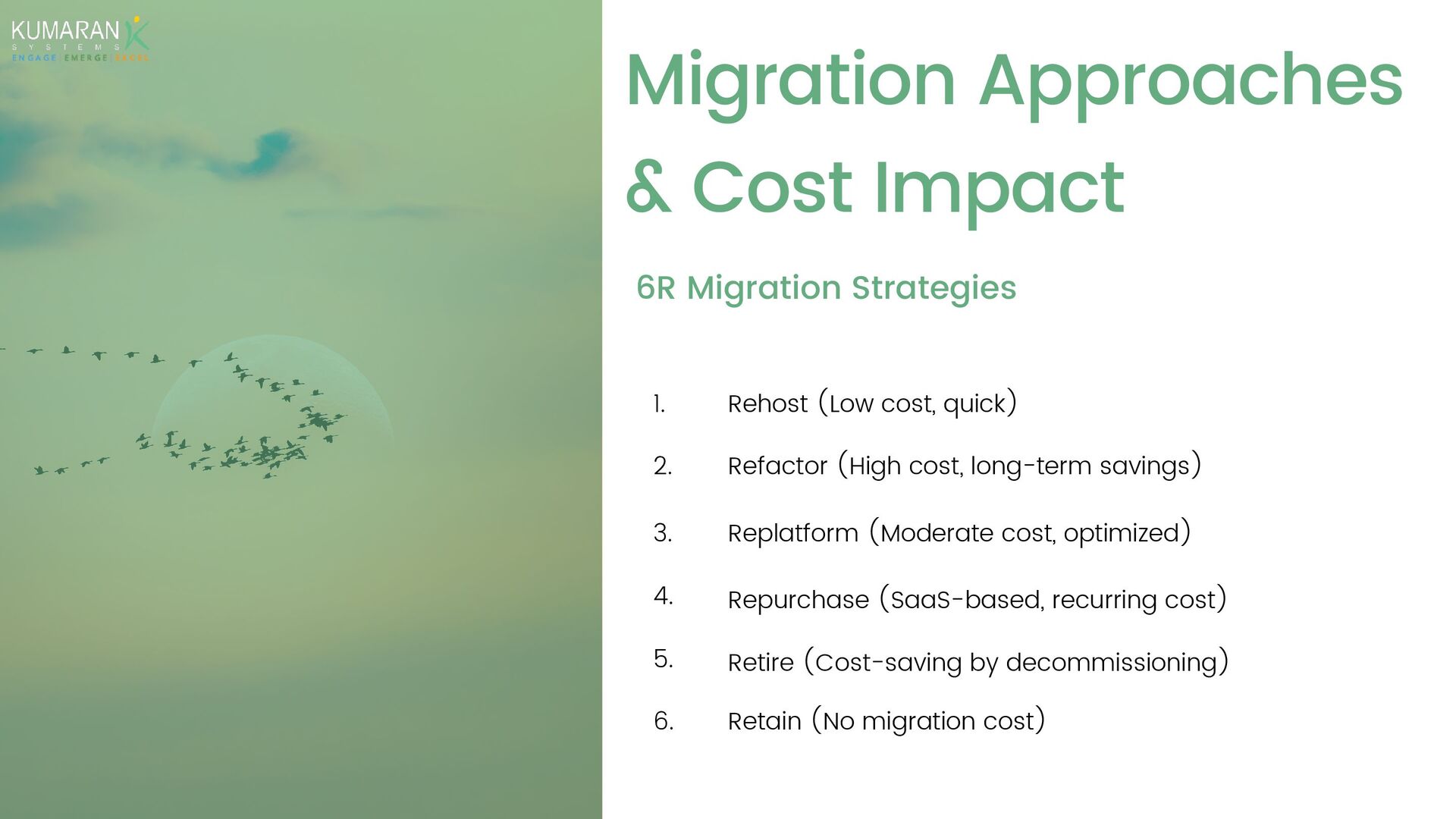
  8. Migration Approaches & Cost Impact 6R Migration Strategies Rehost (Low

    cost, quick) 1. Refactor (High cost, long-term savings) 2. Replatform (Moderate cost, optimized) 3. Repurchase (SaaS-based, recurring cost) 4. Retire (Cost-saving by decommissioning) 5. Retain (No migration cost) 6.
  9. Integration & Implementation Cost Factors Affecting Integration Costs: Number of

    Interfacing Applications. 1. Integration Complexity. 2. Cloud Vendor Services (AWS, Azure, GCP). 3.
  10. Architecture Choice & Cost Monolithic vs Microservices Monolithic: Simpler but

    slow & costly in long term. Microservices: Agile, scalable, cost-effective.
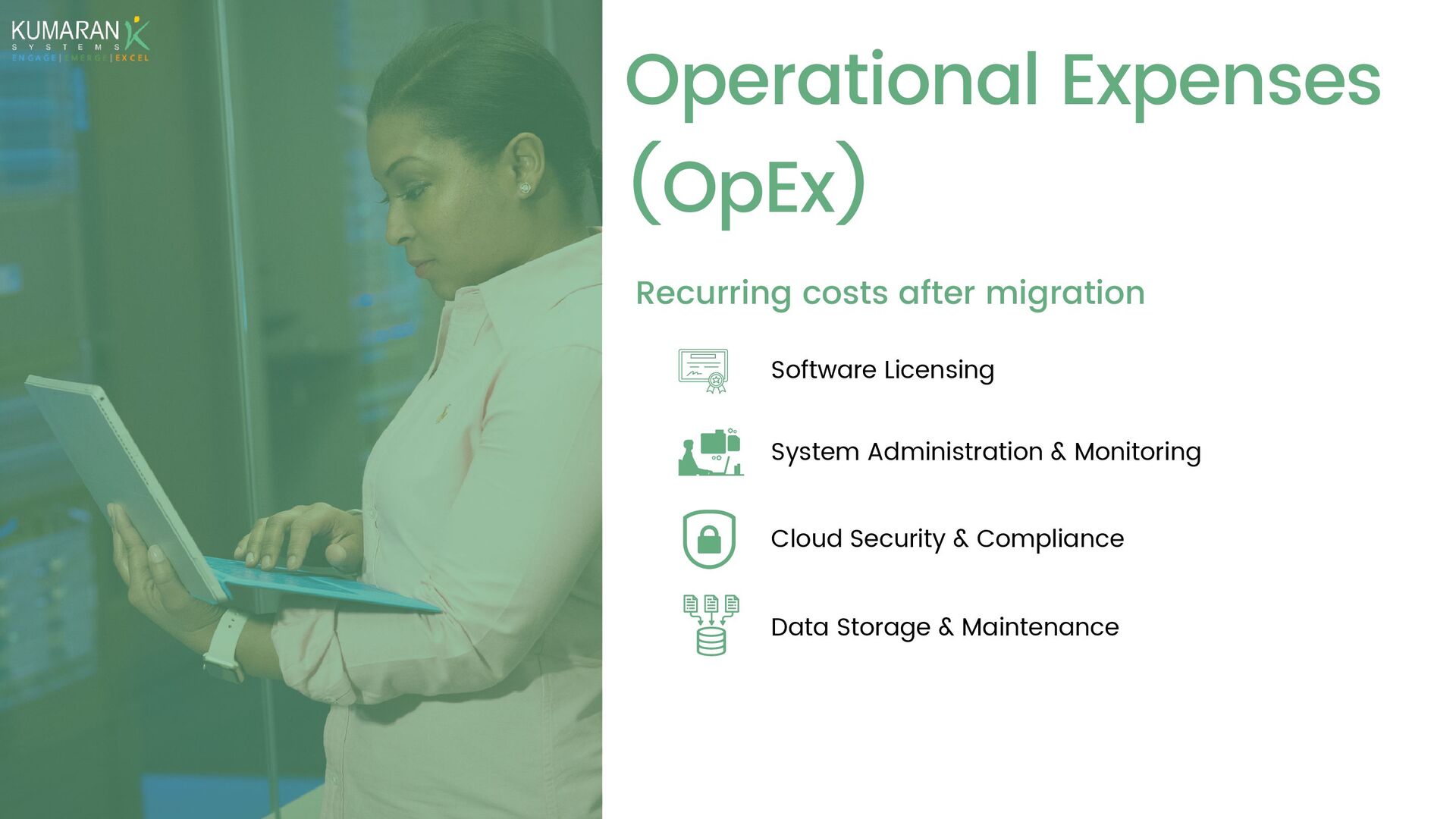
  11. Operational Expenses (OpEx) Recurring costs after migration Software Licensing System

    Administration & Monitoring Cloud Security & Compliance Data Storage & Maintenance
  12. Project Timeline & Cost Impact Why timelines matter? Delays =

    Increased Expenses Planning = Predictable Budgeting
  13. Database Migration Cost Pre-Migration Costs: On-premise setup. Database upgrades. Testing

    & Proof of Concept (PoC) During Migration: Cloud provider migration fees. Licensing & data refactoring costs.
  14. Hidden Cost: Functional Changes Late-stage changes = High Costs Early

    analysis = Avoid unexpected costs Tip: Identify cloud-specific functionalities early.
  15. Human Resource Cost DBA Cloud Engineer Security & Compliance Developers

    Analysts Migration Team Needs: Training & upskilling = Additional cost factor.
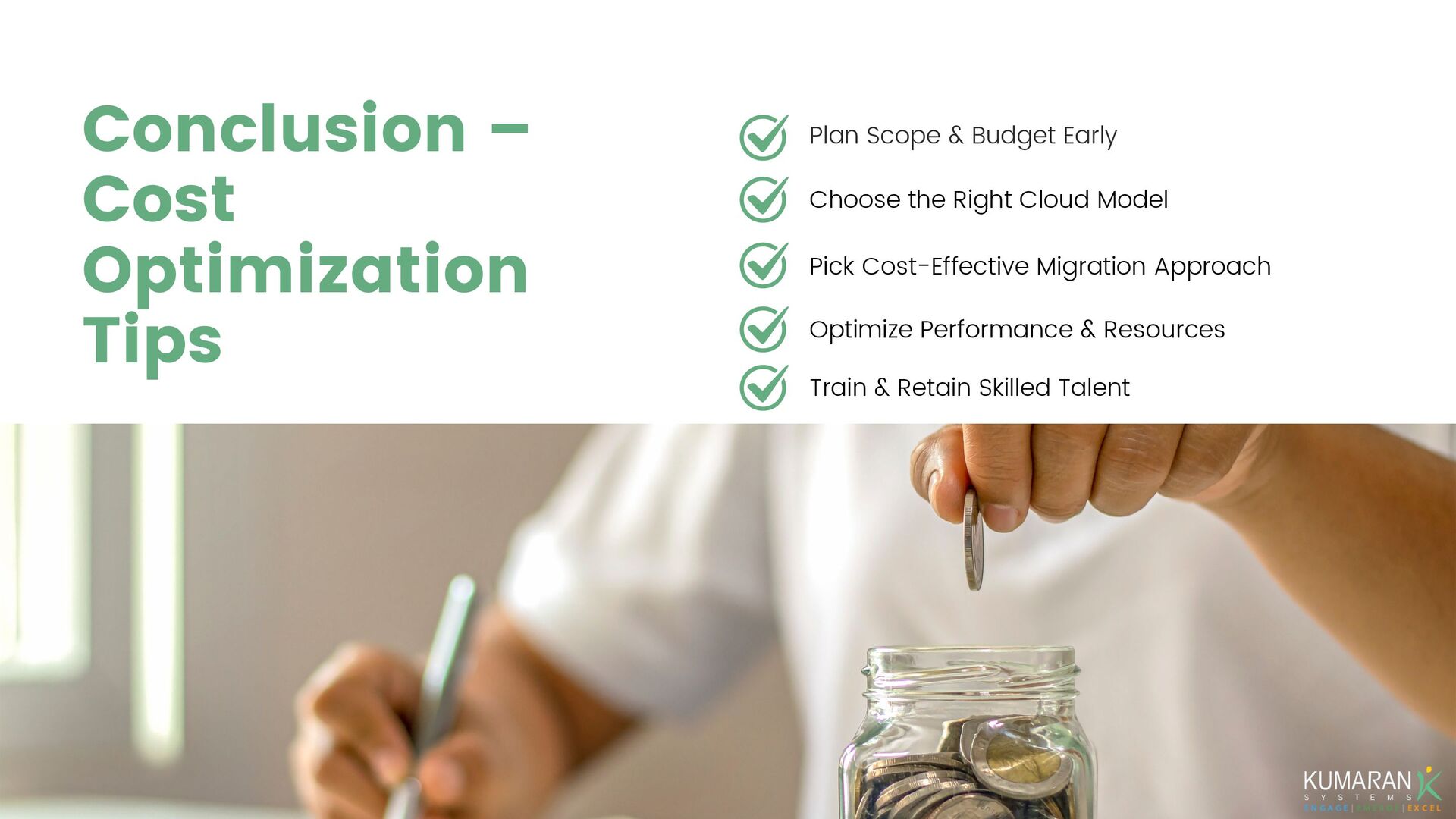
  16. Conclusion – Cost Optimization Tips Plan Scope & Budget Early

    Choose the Right Cloud Model Pick Cost-Effective Migration Approach Optimize Performance & Resources Train & Retain Skilled Talent