Upgrade to Pro — share decks privately, control downloads, hide ads and more …

Database Integrity in Rails

Avatar for rizwanreza rizwanreza
February 04, 2015

Database Integrity in Rails

Avatar for rizwanreza

rizwanreza

February 04, 2015

More Decks by rizwanreza

Other Decks in Programming

Transcript

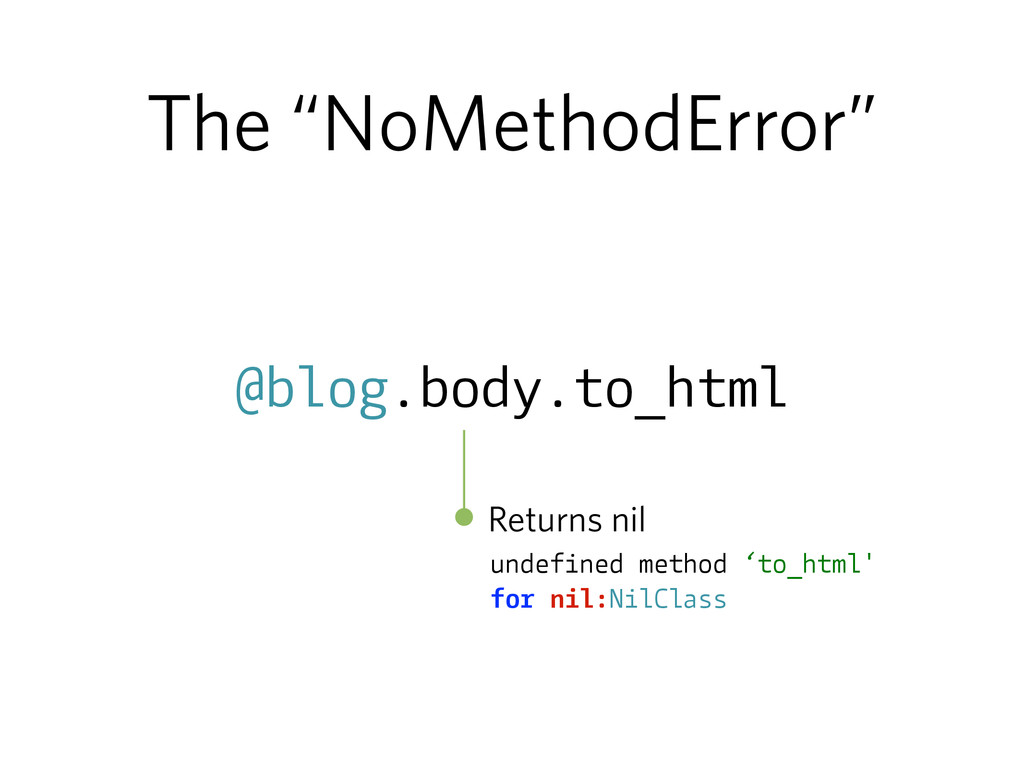
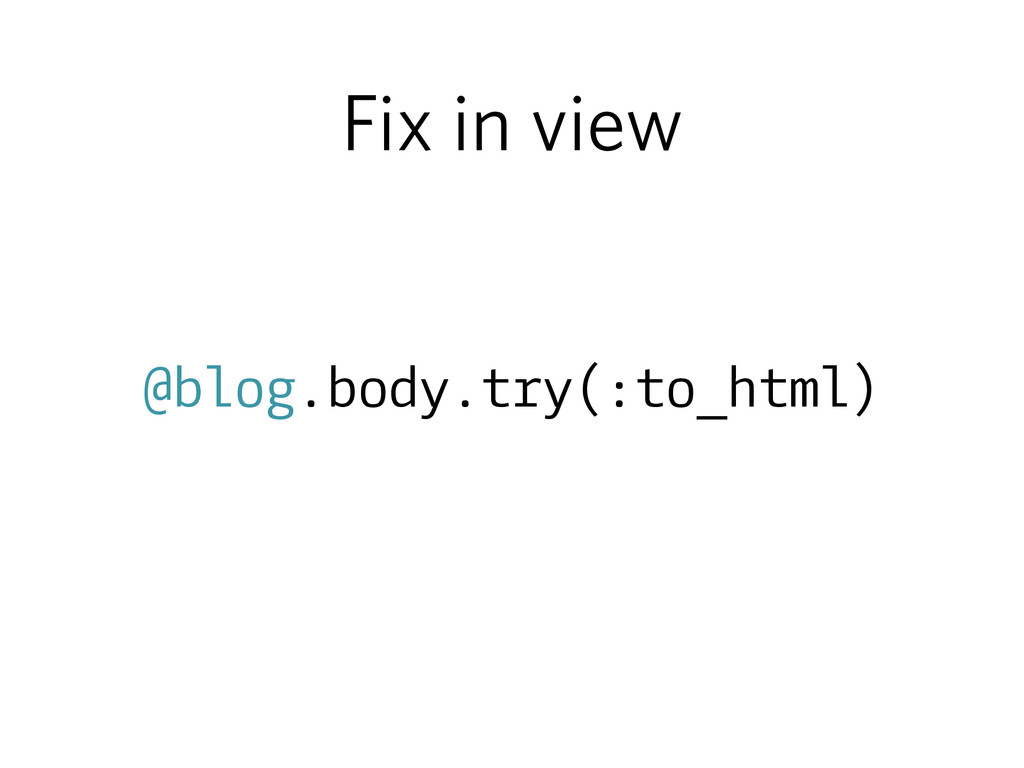
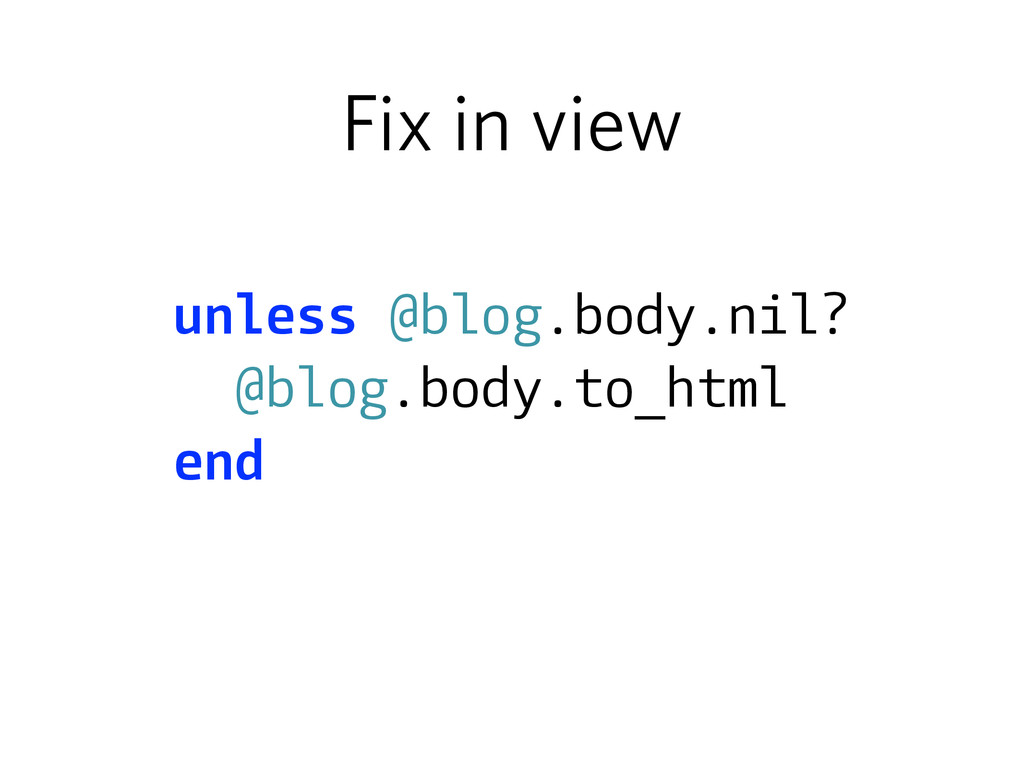
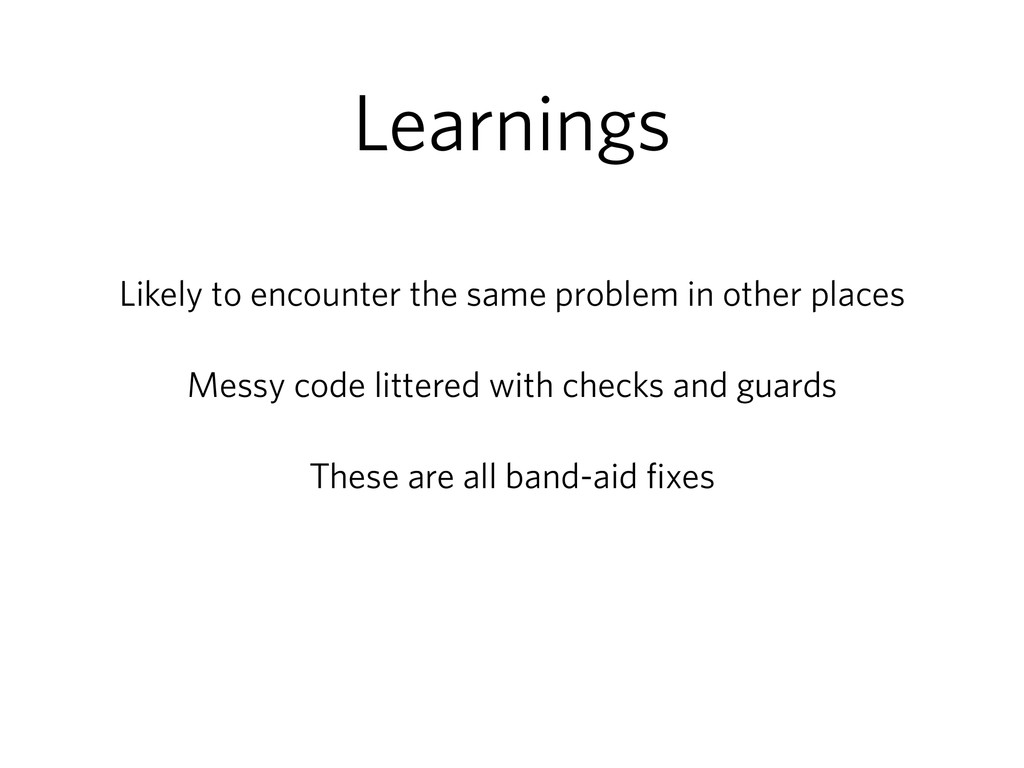
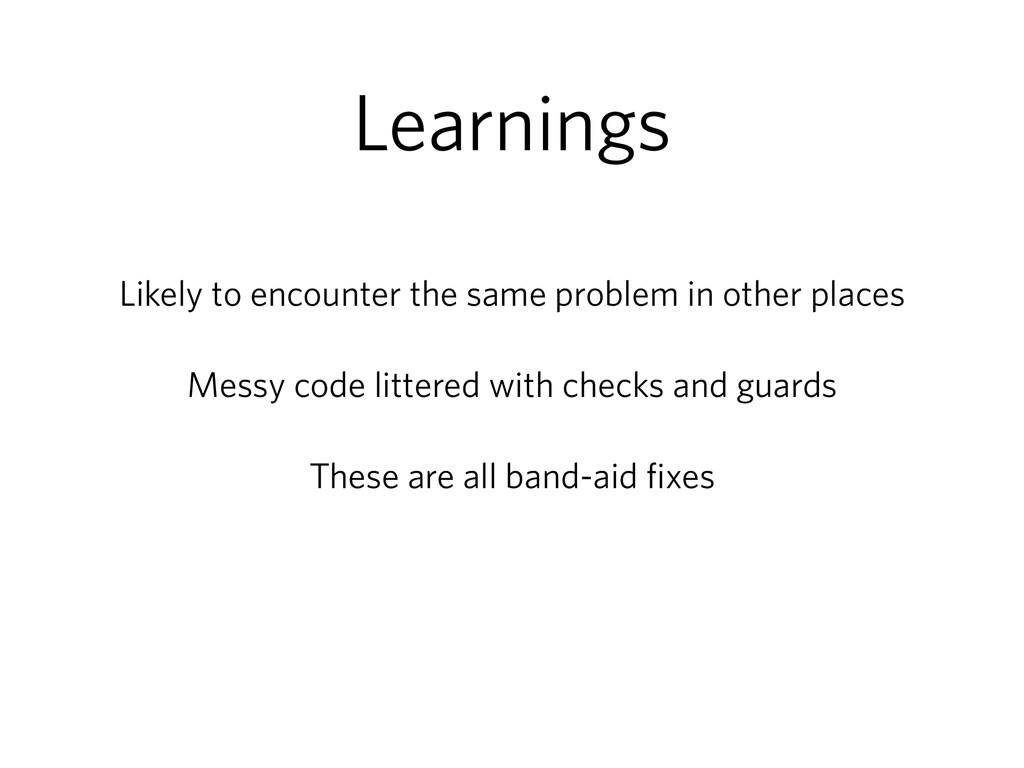
  1. Learnings Likely to encounter the same problem in other places

    Messy code littered with checks and guards These are all band-aid fixes
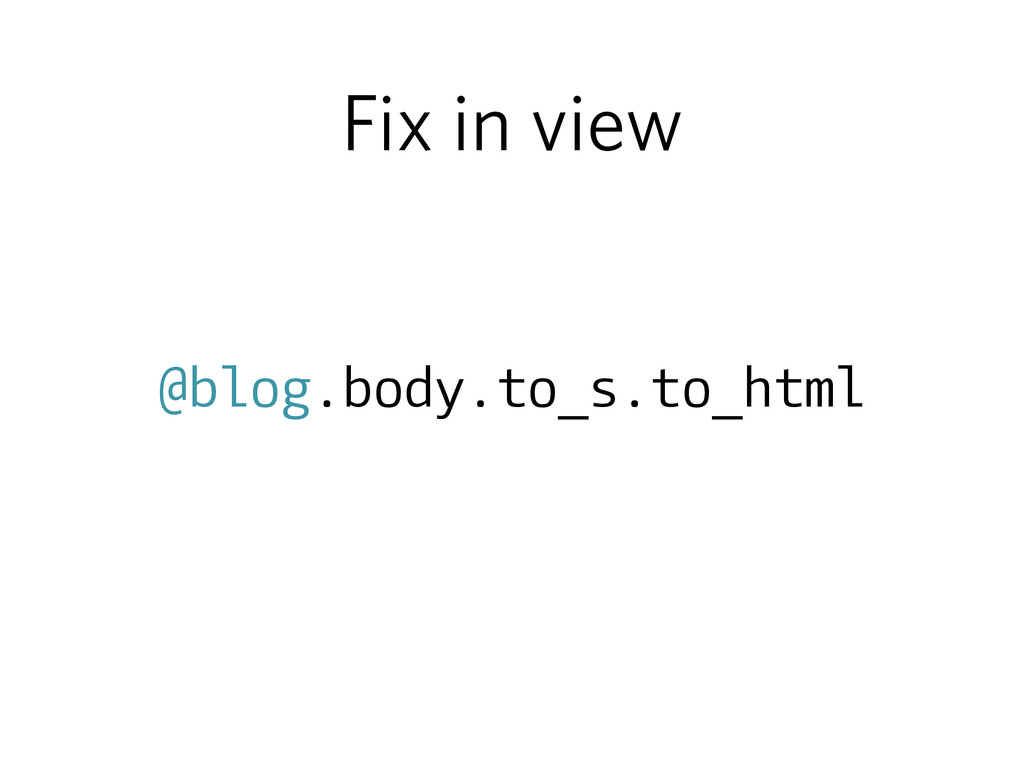
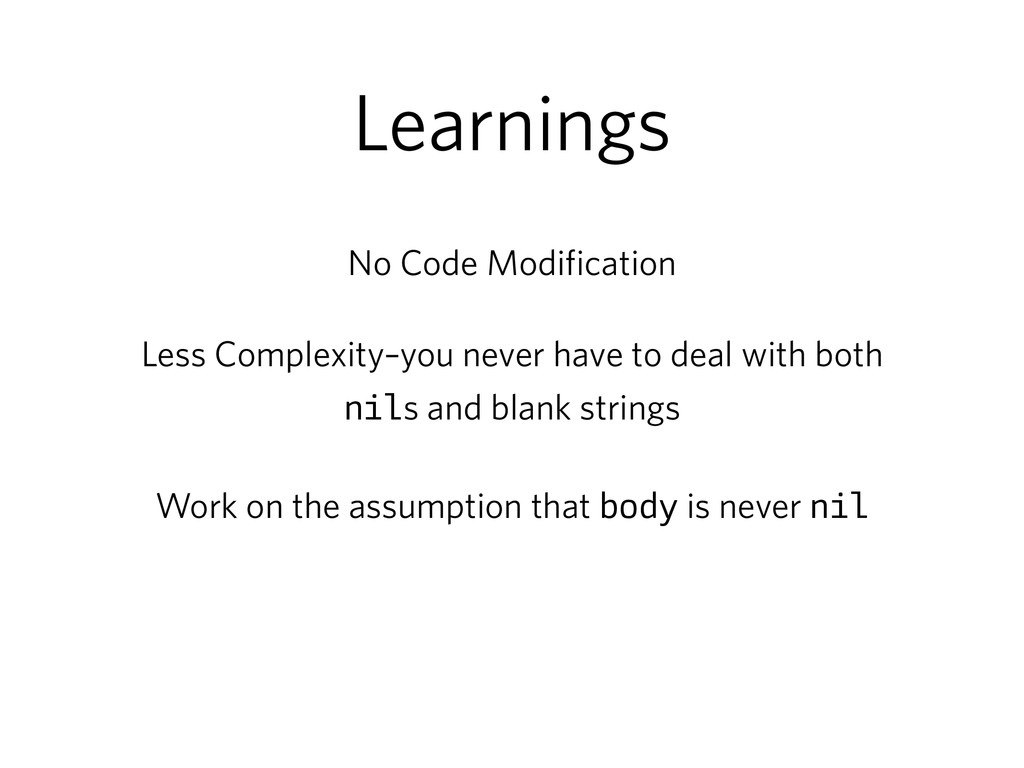
  2. Learnings No Code Modification Less Complexity–you never have to deal

    with both nils and blank strings Work on the assumption that body is never nil
  3. Learnings Likely to encounter the same problem in other places

    Messy code littered with checks and guards These are all band-aid fixes
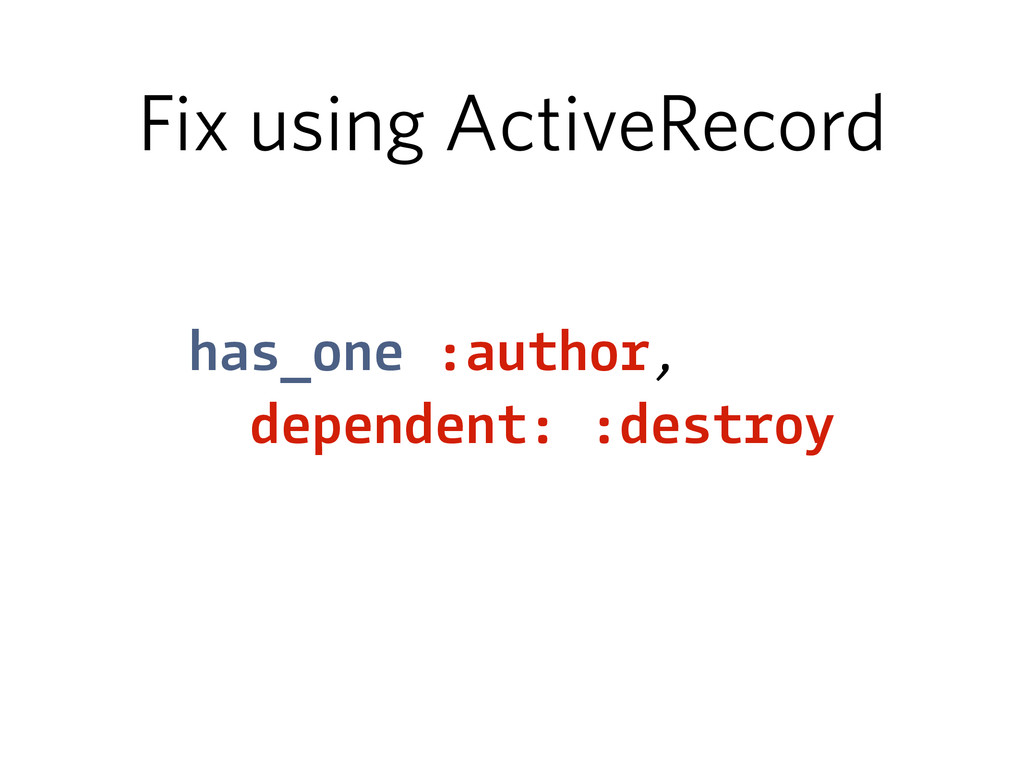
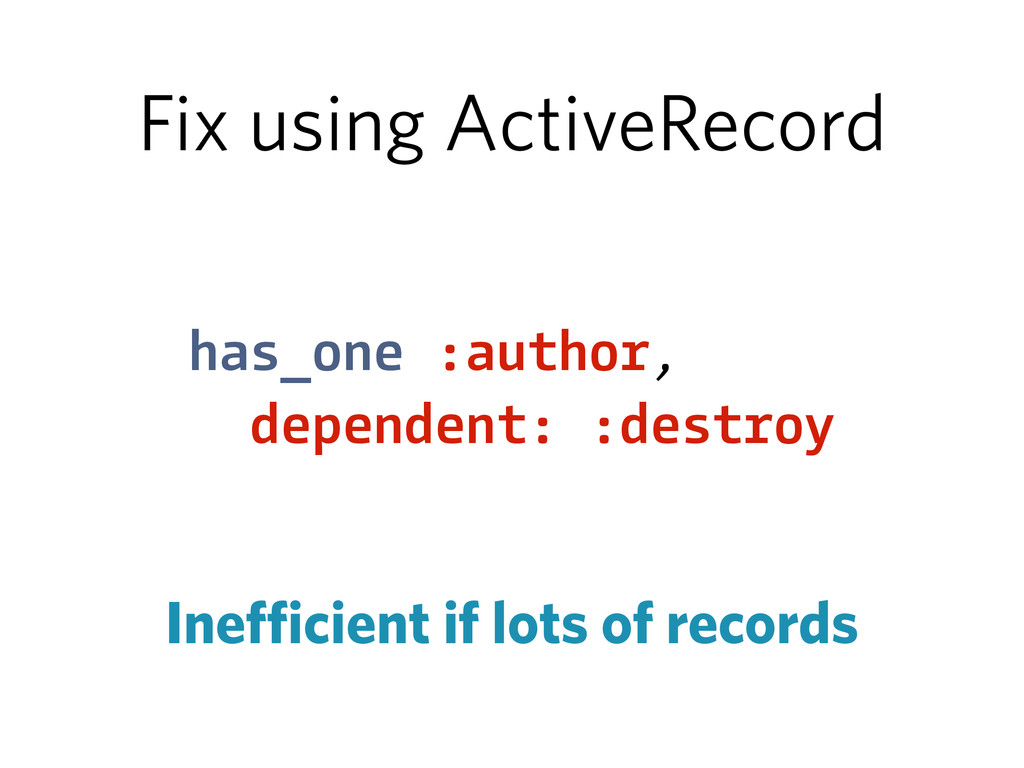
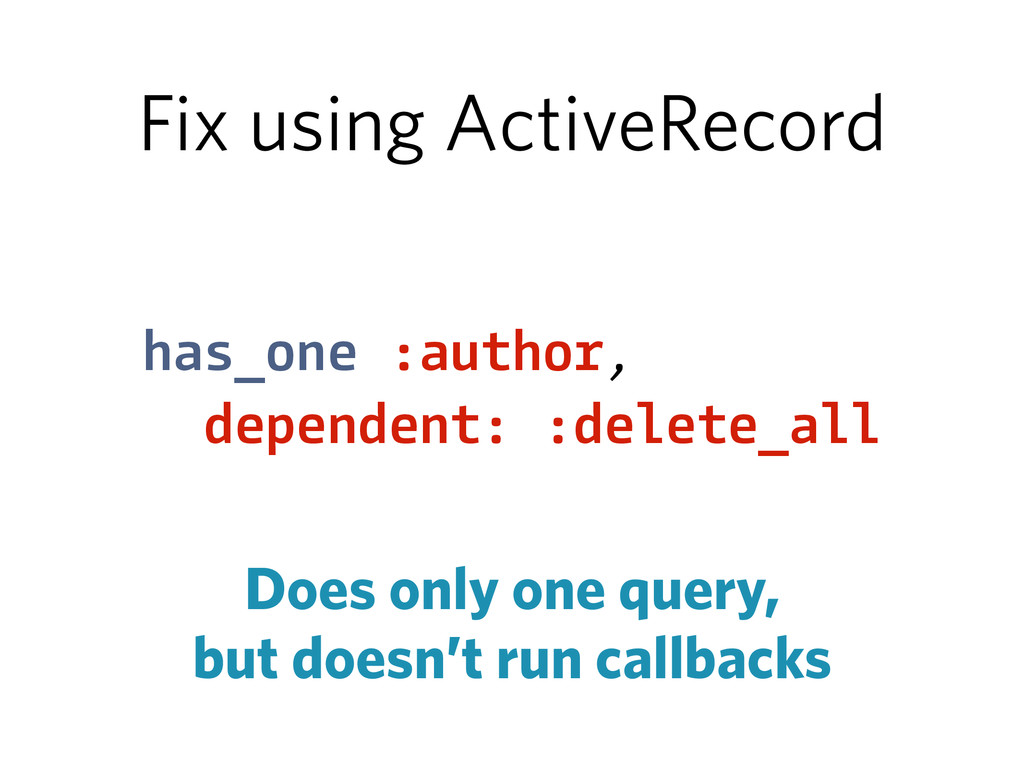
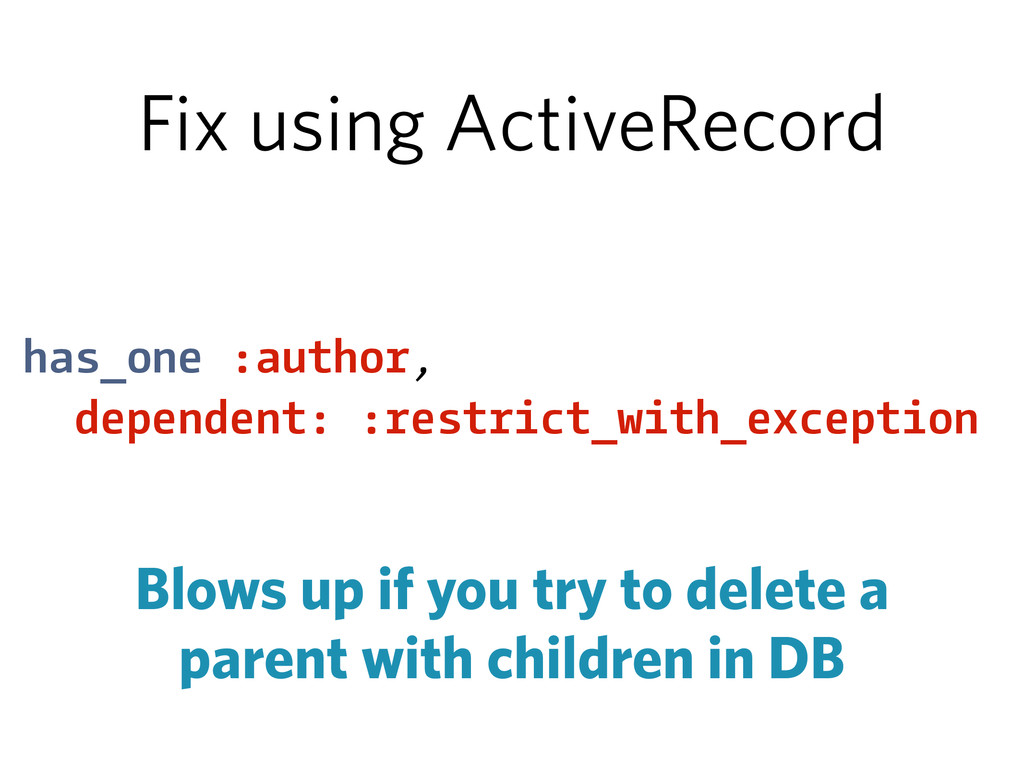
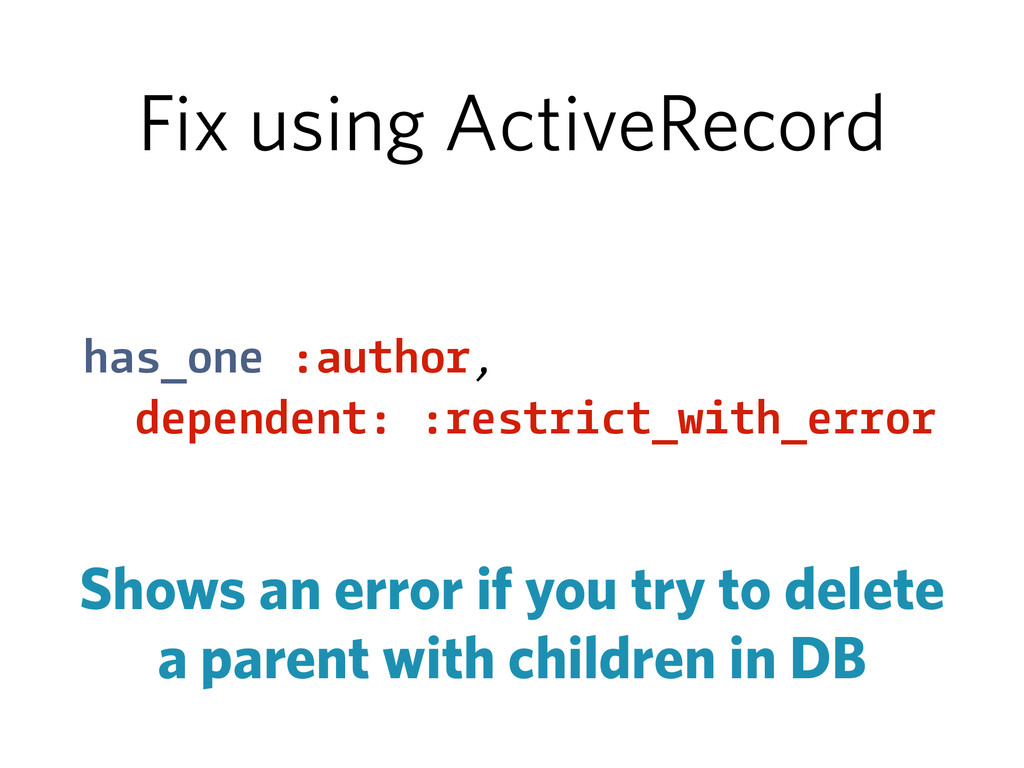
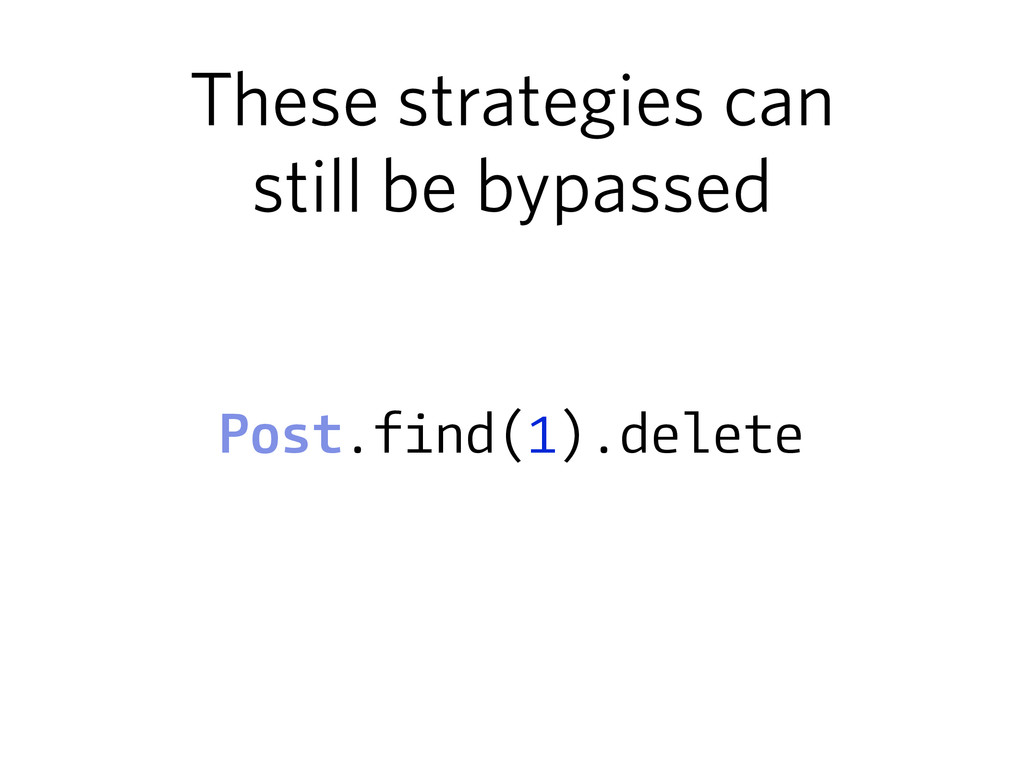
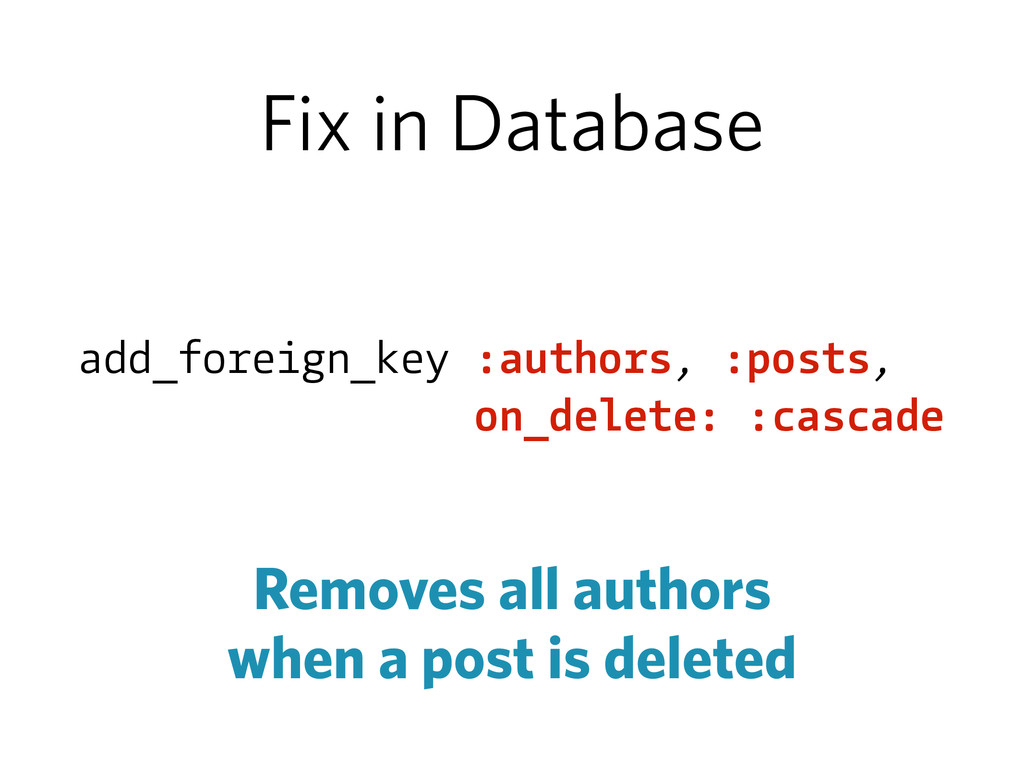
  4. Learnings The ideal fix never allows someone to directly introduce

    orphan data, but still does the optimized cascading behavior when deleted in ActiveRecord.
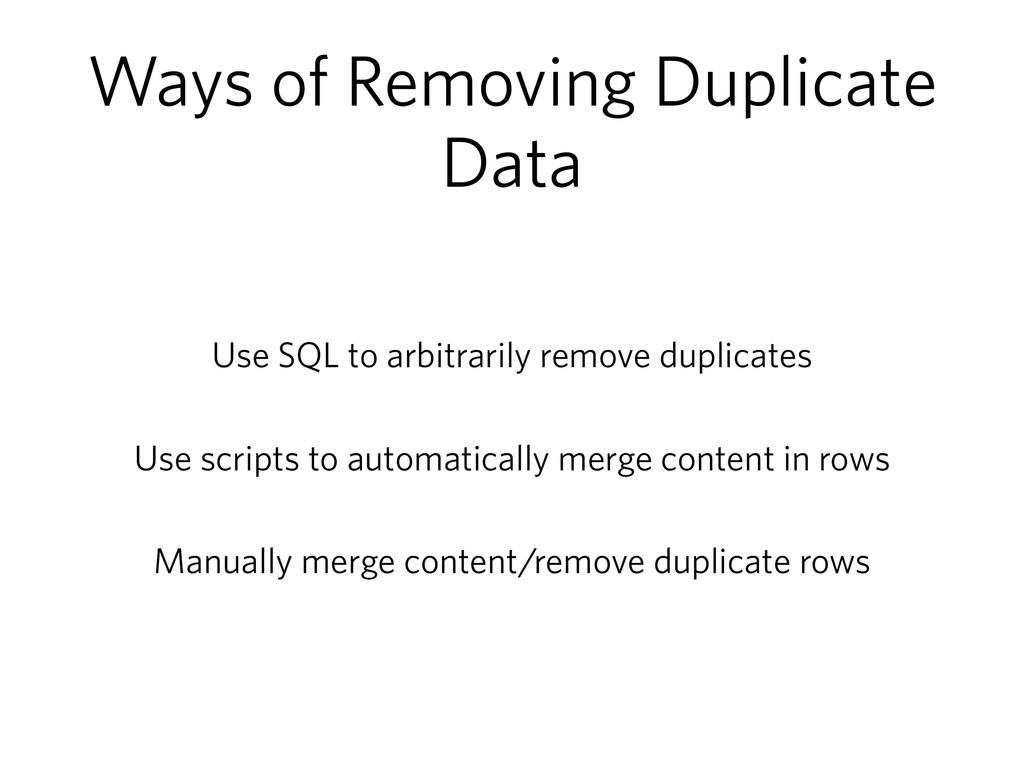
  5. Ways of Removing Duplicate Data Use SQL to arbitrarily remove

    duplicates Use scripts to automatically merge content in rows Manually merge content/remove duplicate rows
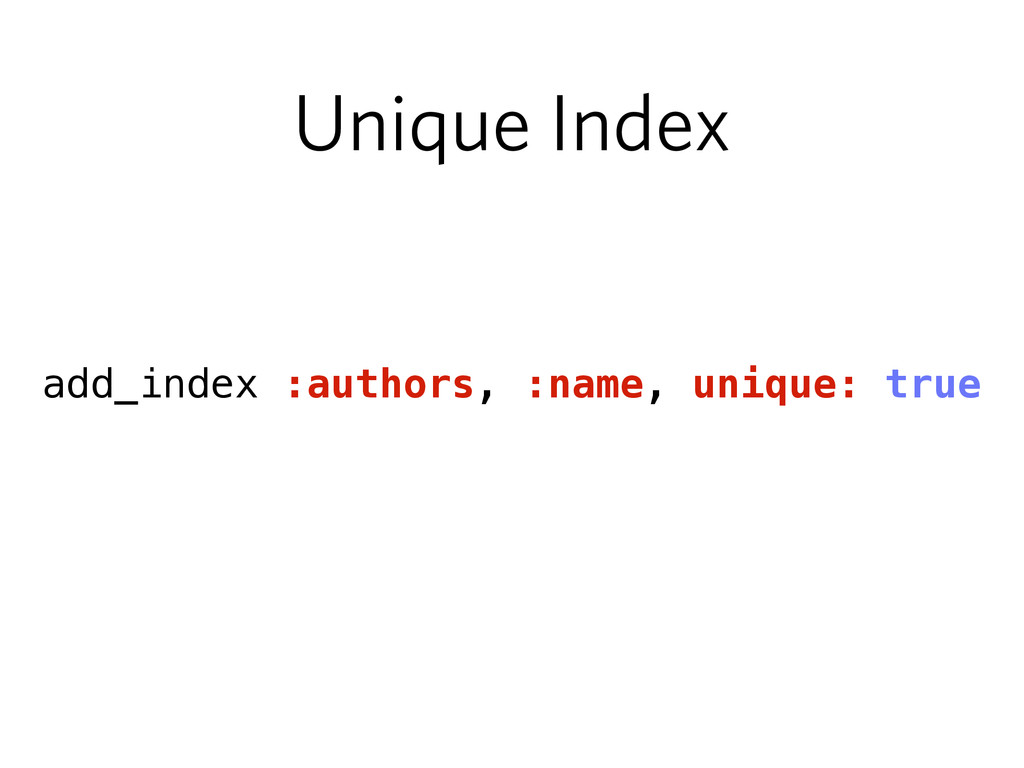
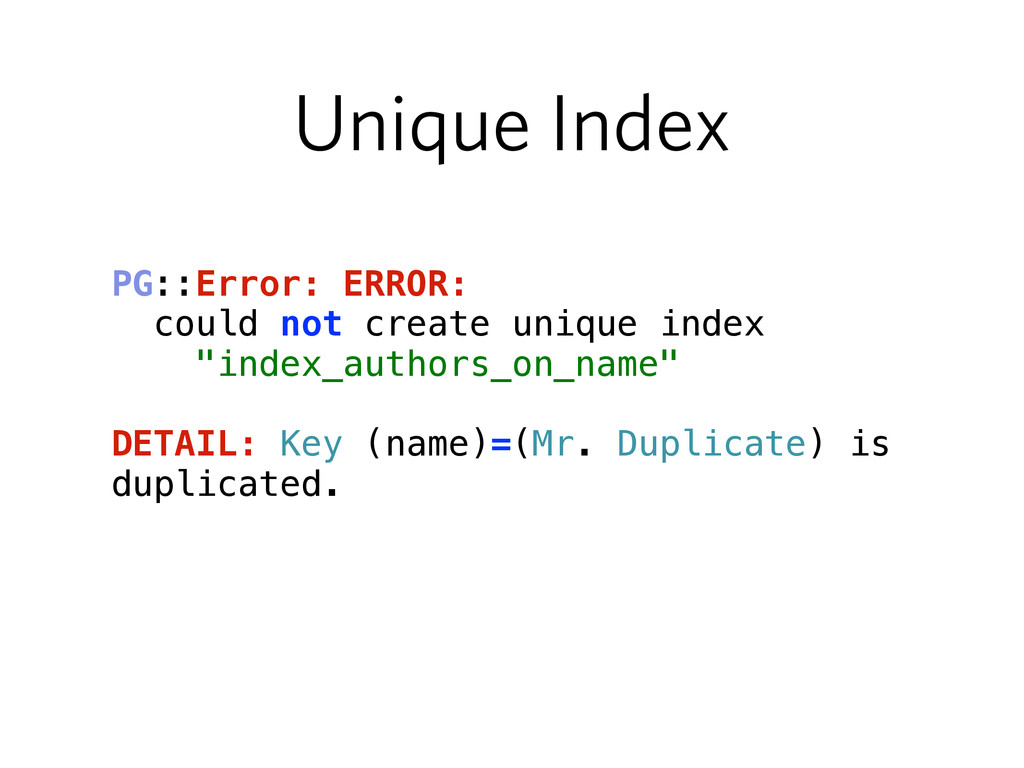
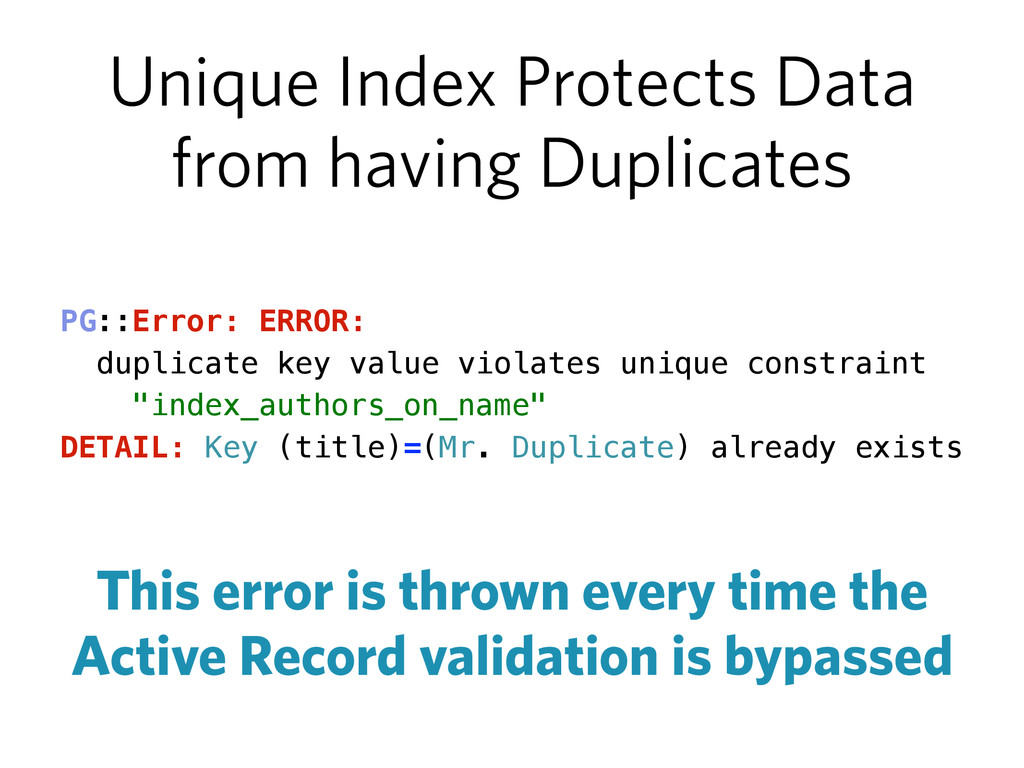
  6. Unique Index Protects Data from having Duplicates PG::Error: ERROR: duplicate

    key value violates unique constraint "index_authors_on_name"
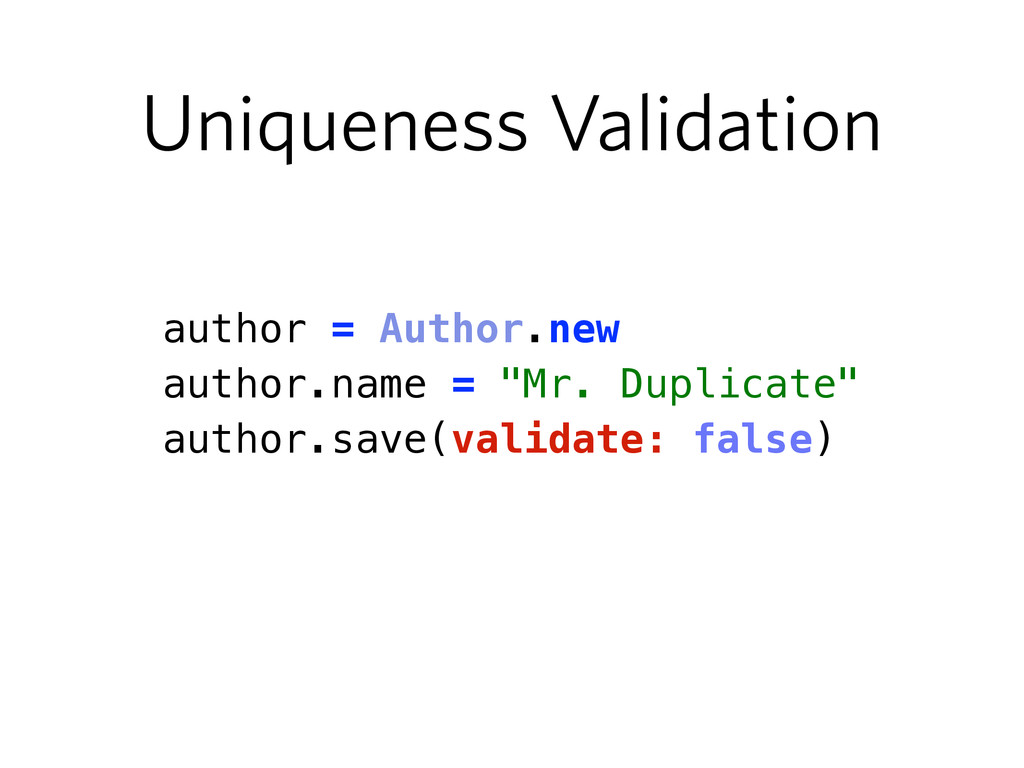
 DETAIL: Key (title)=(Mr. Duplicate) already exists This error is thrown every time the Active Record validation is bypassed
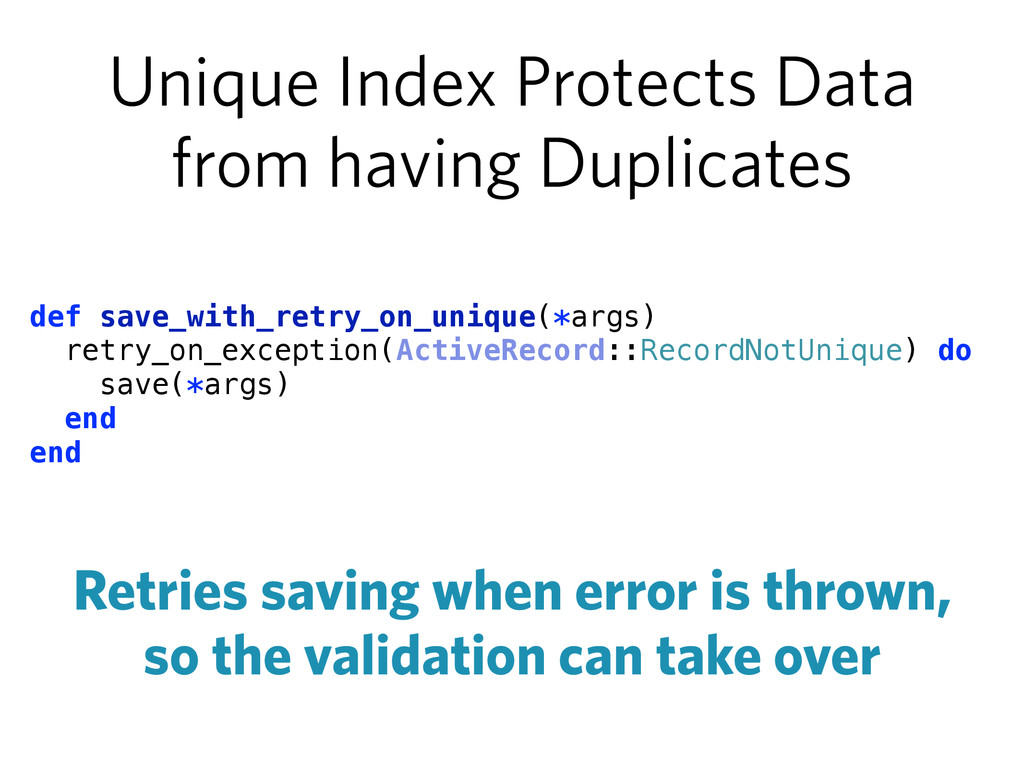
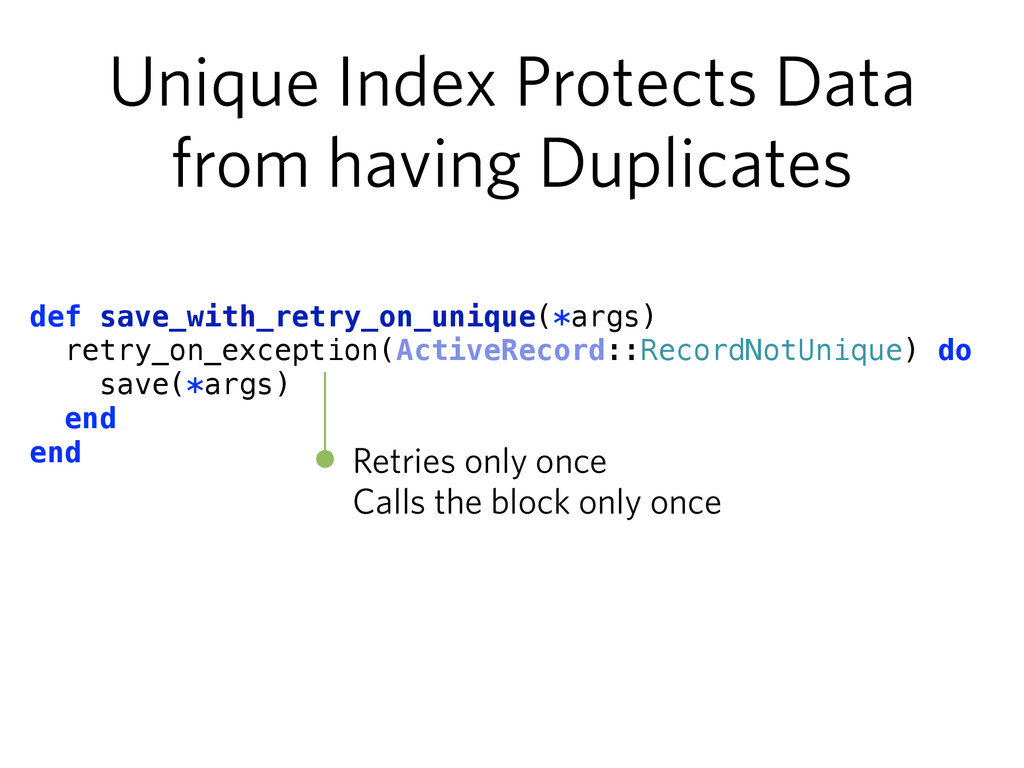
  7. Unique Index Protects Data from having Duplicates def save_with_retry_on_unique(*args)
 retry_on_exception(ActiveRecord::RecordNotUnique)

    do
 save(*args)
 end
 end Retries saving when error is thrown, so the validation can take over
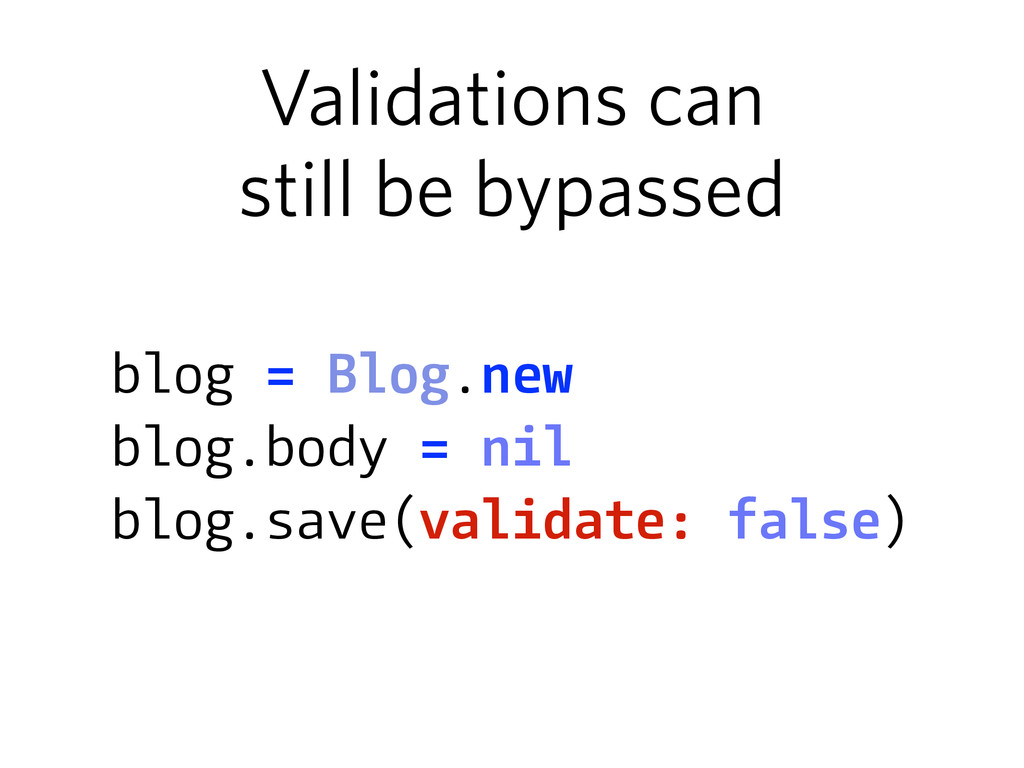
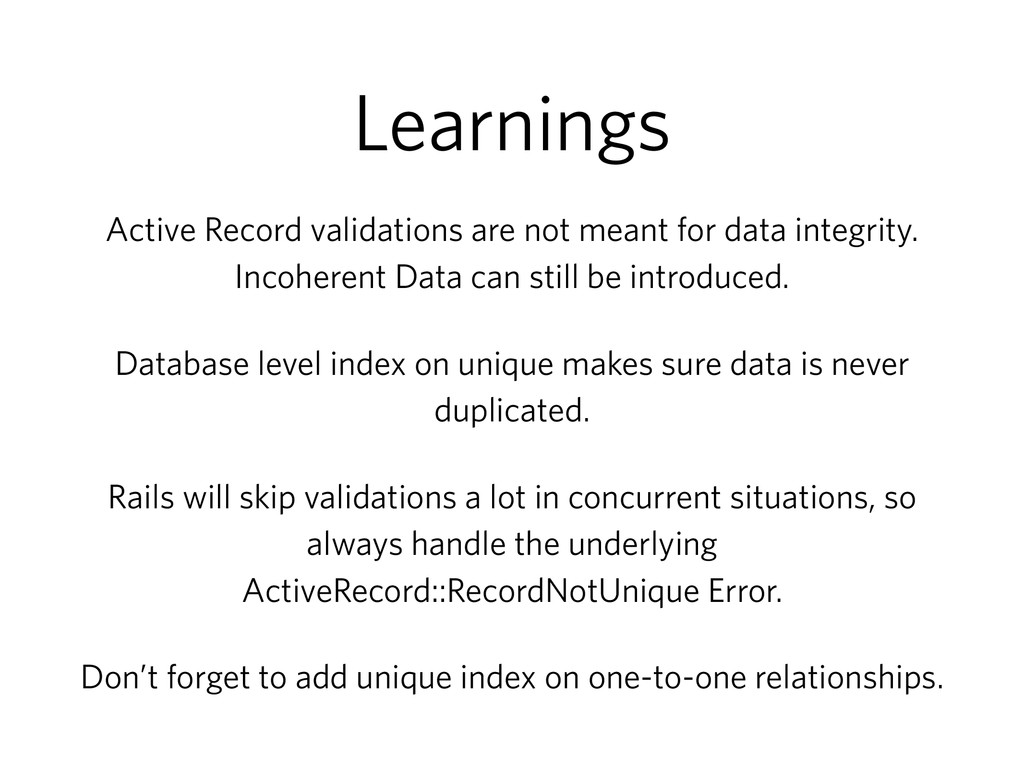
  8. Learnings Active Record validations are not meant for data integrity.

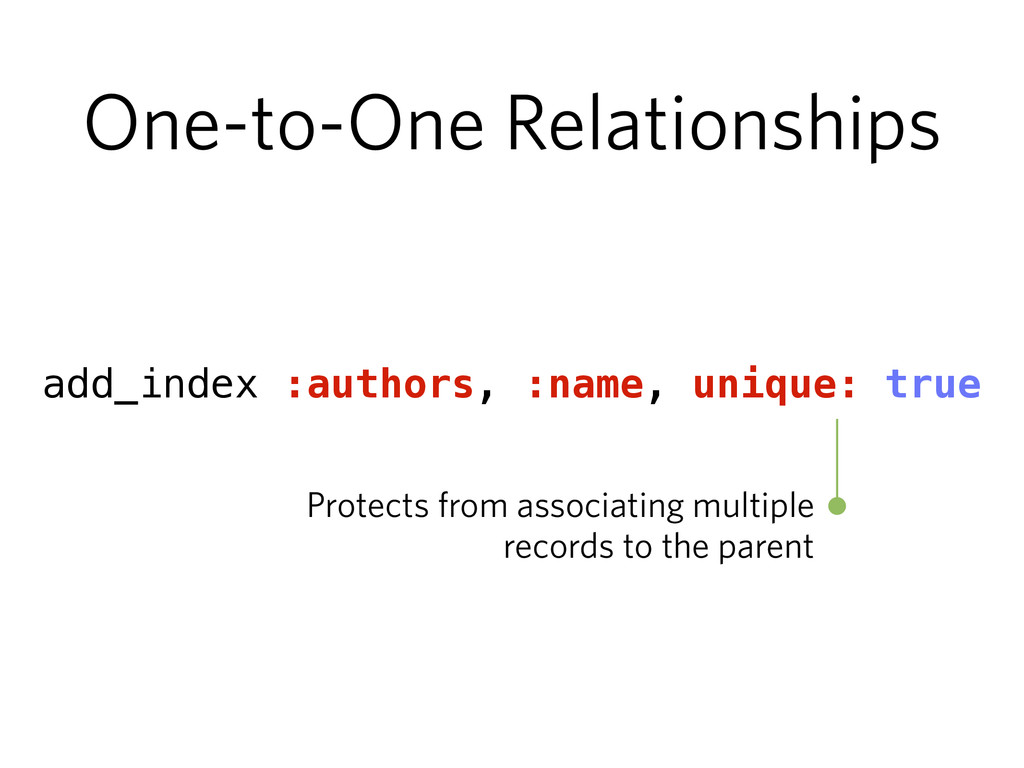
    Incoherent Data can still be introduced. Database level index on unique makes sure data is never duplicated. Rails will skip validations a lot in concurrent situations, so always handle the underlying ActiveRecord::RecordNotUnique Error. Don’t forget to add unique index on one-to-one relationships.
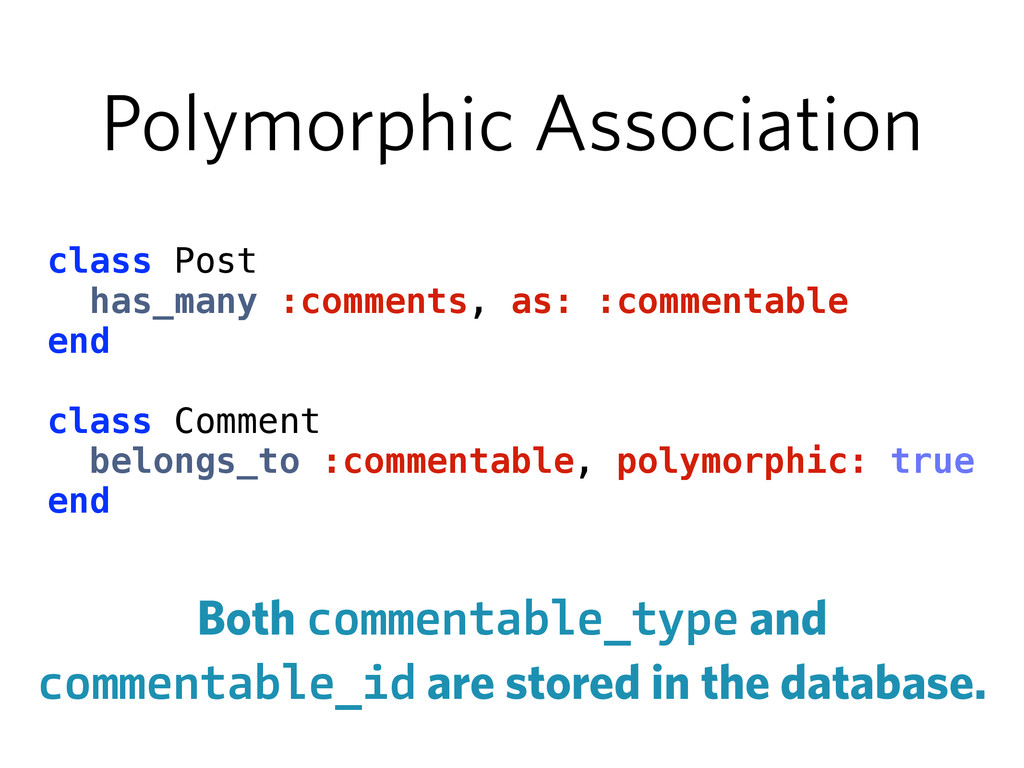
  9. Polymorphic Association class Post
 has_many :comments, as: :commentable
 end


    class Comment
 belongs_to :commentable, polymorphic: true
 end Both commentable_type and commentable_id are stored in the database.
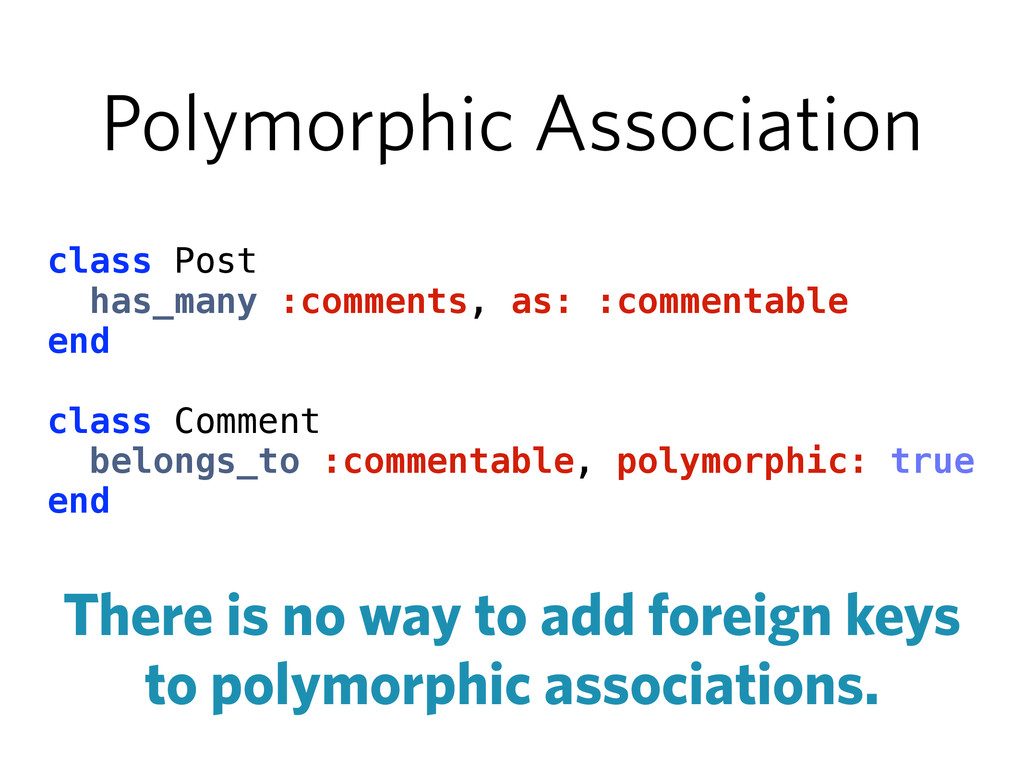
  10. Polymorphic Association class Post
 has_many :comments, as: :commentable
 end


    class Comment
 belongs_to :commentable, polymorphic: true
 end There is no way to add foreign keys to polymorphic associations.
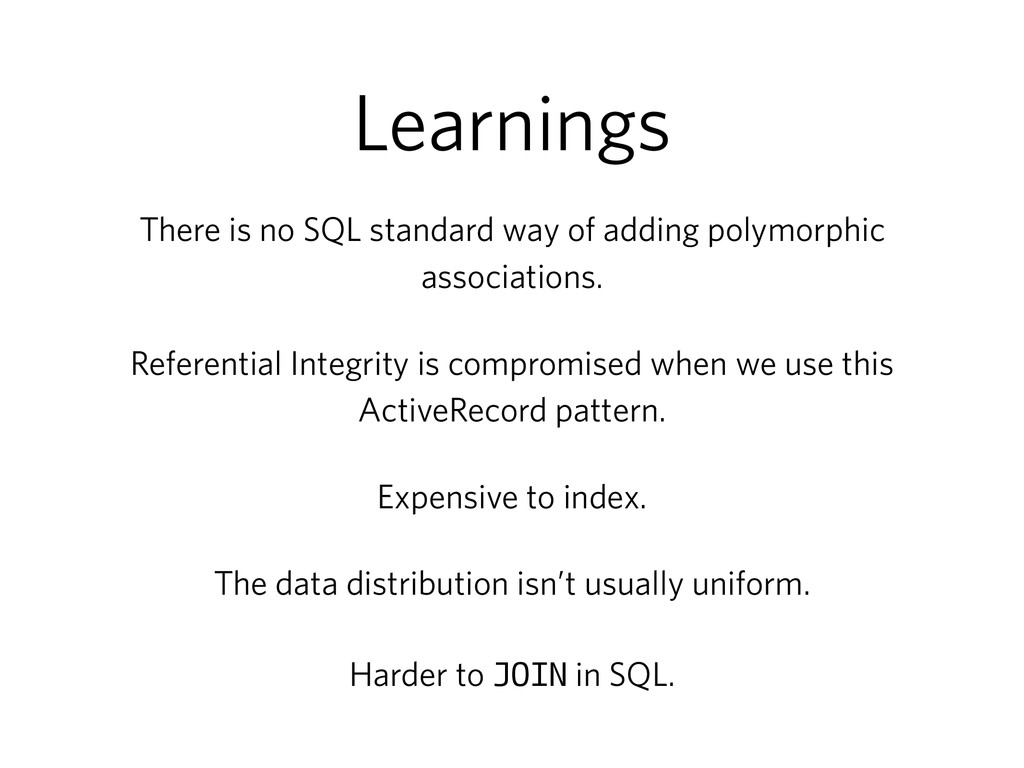
  11. Learnings There is no SQL standard way of adding polymorphic

    associations. Referential Integrity is compromised when we use this ActiveRecord pattern. Expensive to index. The data distribution isn’t usually uniform. Harder to JOIN in SQL.
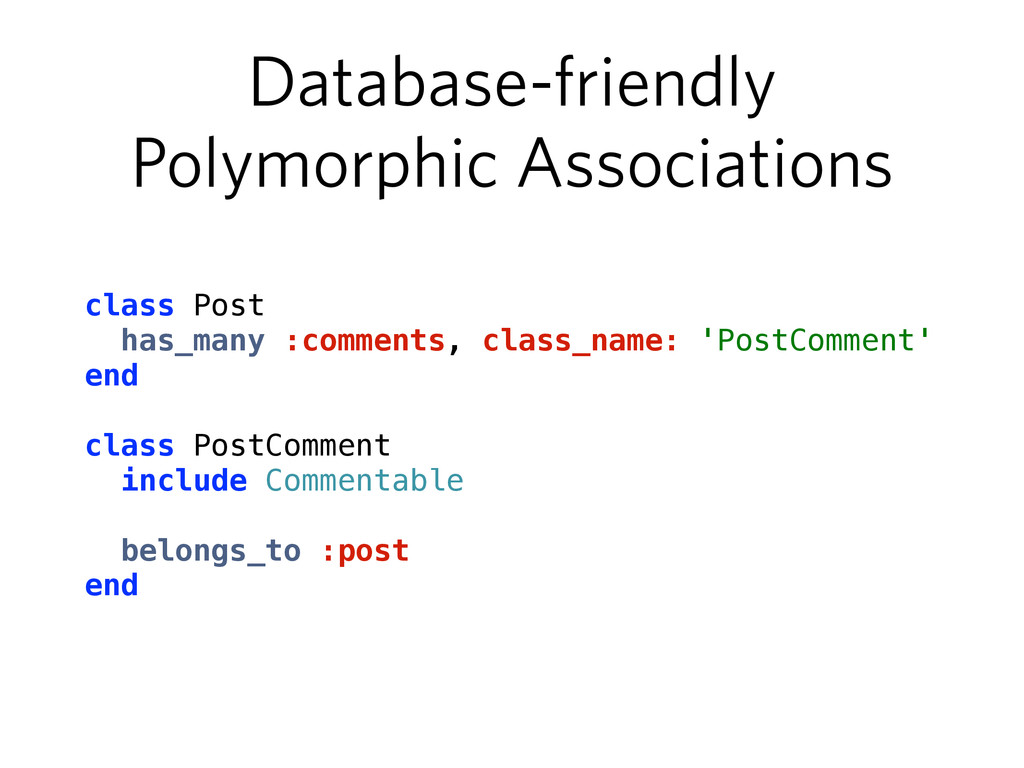
  12. Database-friendly Polymorphic Associations class Post
 has_many :comments, class_name: 'PostComment'
 end


 class PostComment
 include Commentable
 
 belongs_to :post
 end
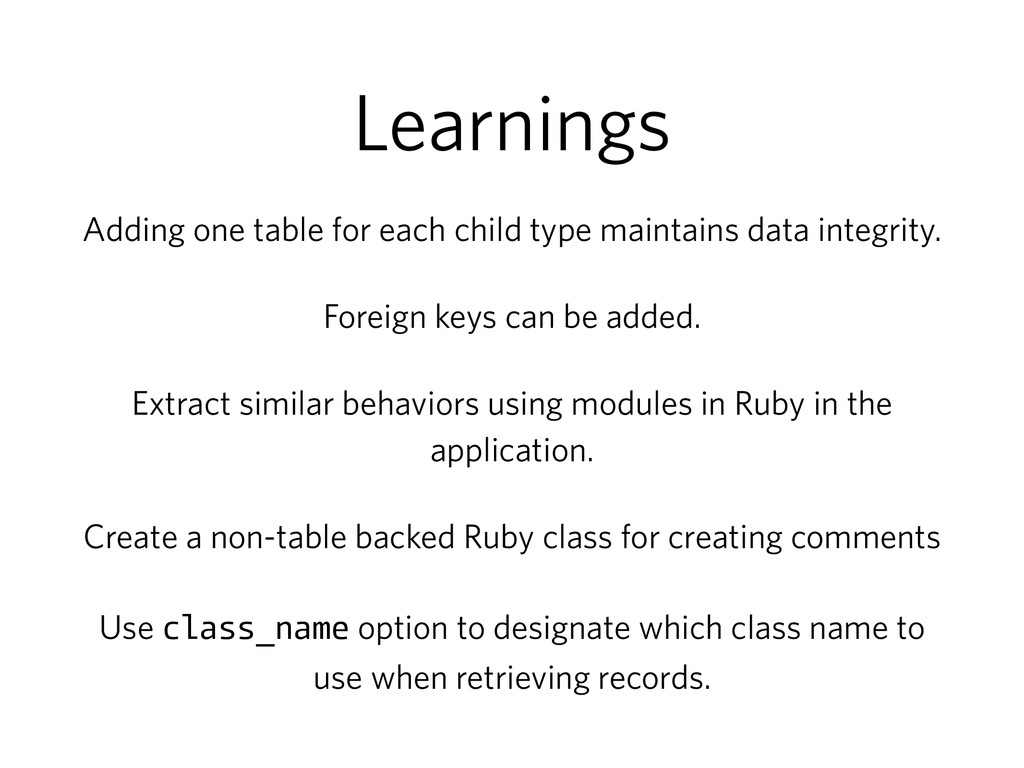
  13. Learnings Adding one table for each child type maintains data

    integrity. Foreign keys can be added. Extract similar behaviors using modules in Ruby in the application. Create a non-table backed Ruby class for creating comments Use class_name option to designate which class name to use when retrieving records.
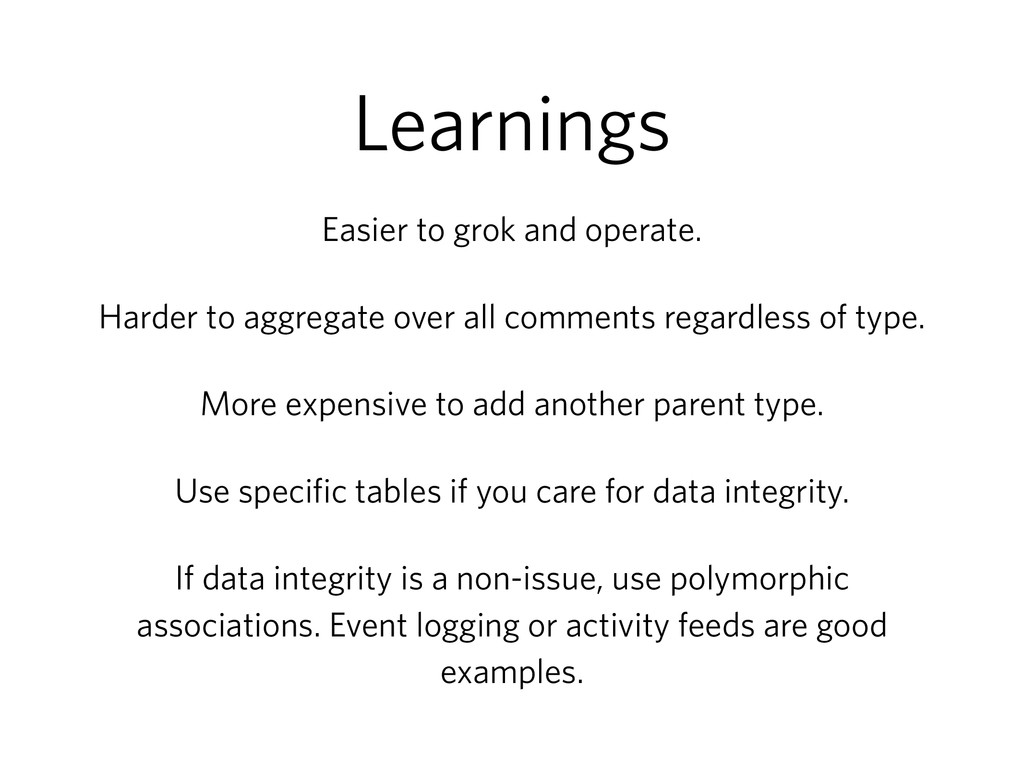
  14. Learnings Easier to grok and operate. Harder to aggregate over

    all comments regardless of type. More expensive to add another parent type. Use specific tables if you care for data integrity. If data integrity is a non-issue, use polymorphic associations. Event logging or activity feeds are good examples.
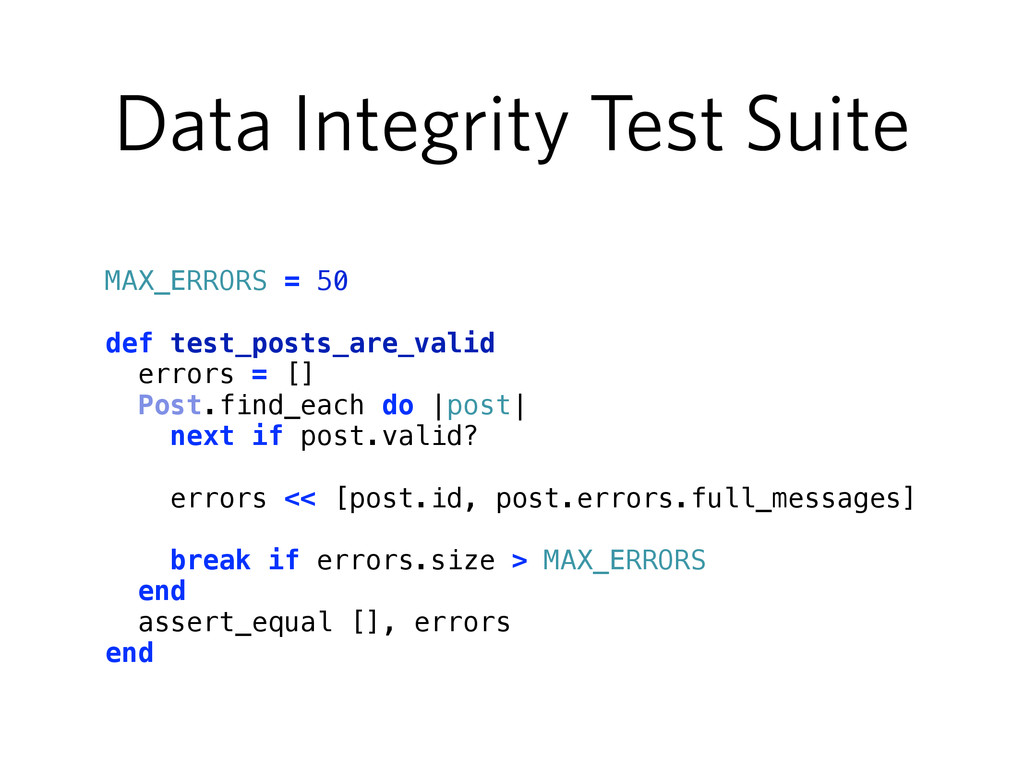
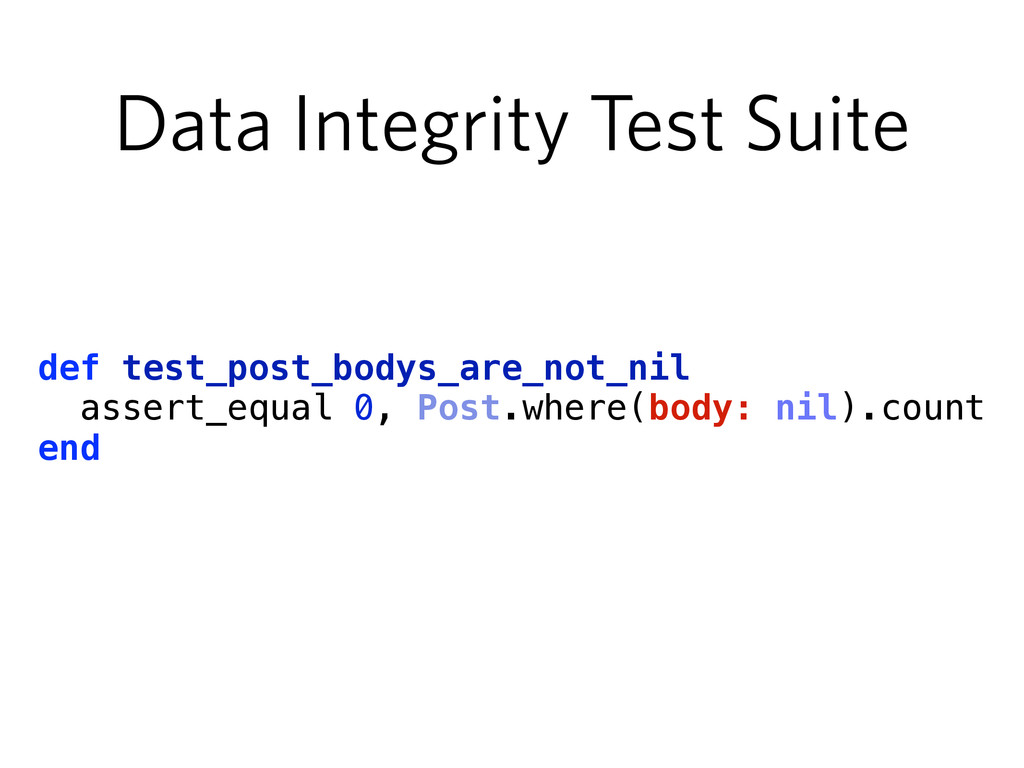
  15. Data Integrity Test Suite MAX_ERRORS = 50
 
 def test_posts_are_valid


    errors = []
 Post.find_each do |post|
 next if post.valid?
 
 errors << [post.id, post.errors.full_messages]
 
 break if errors.size > MAX_ERRORS
 end
 assert_equal [], errors
 end
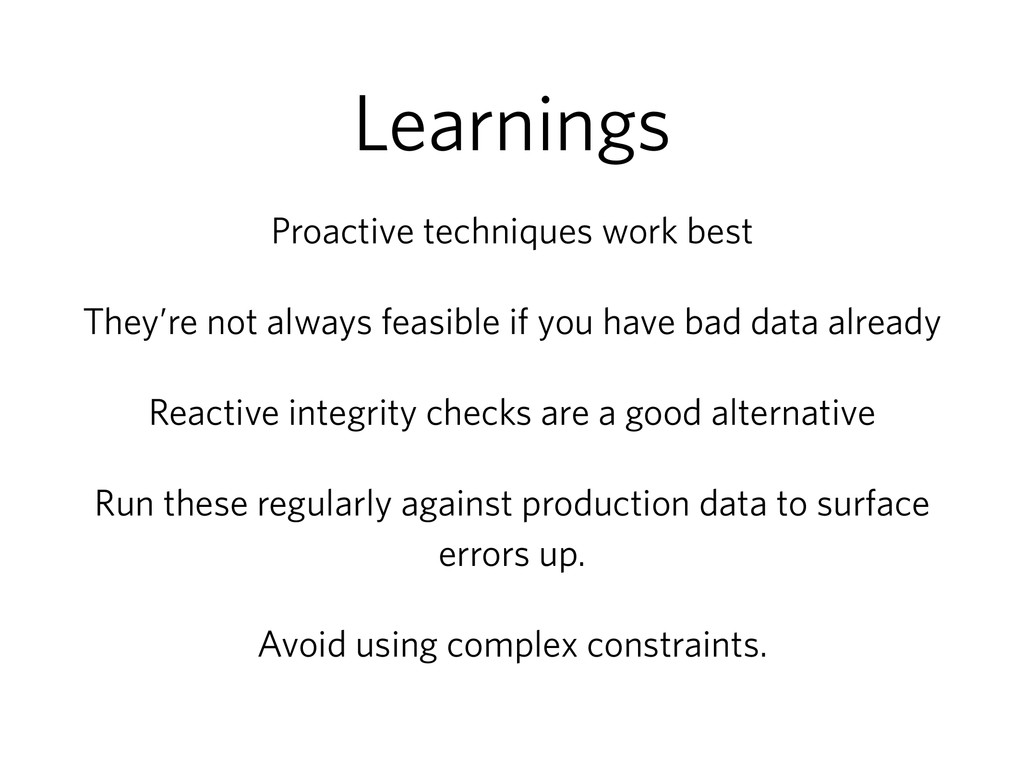
  16. Learnings Proactive techniques work best They’re not always feasible if

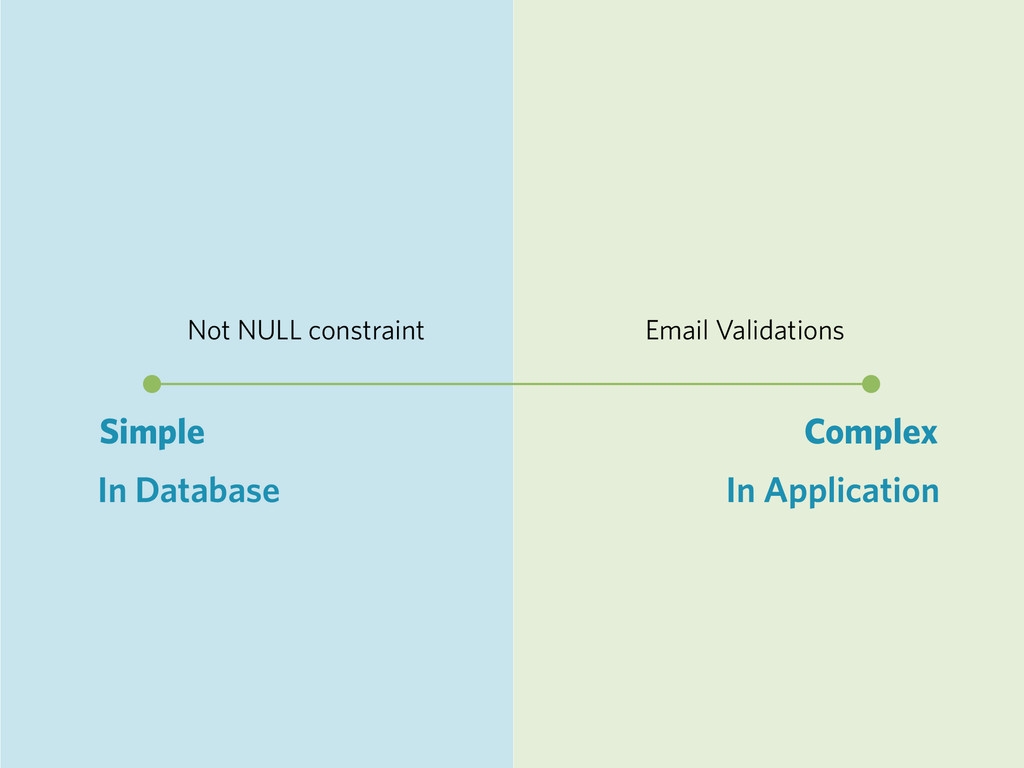
    you have bad data already Reactive integrity checks are a good alternative Run these regularly against production data to surface errors up. Avoid using complex constraints.
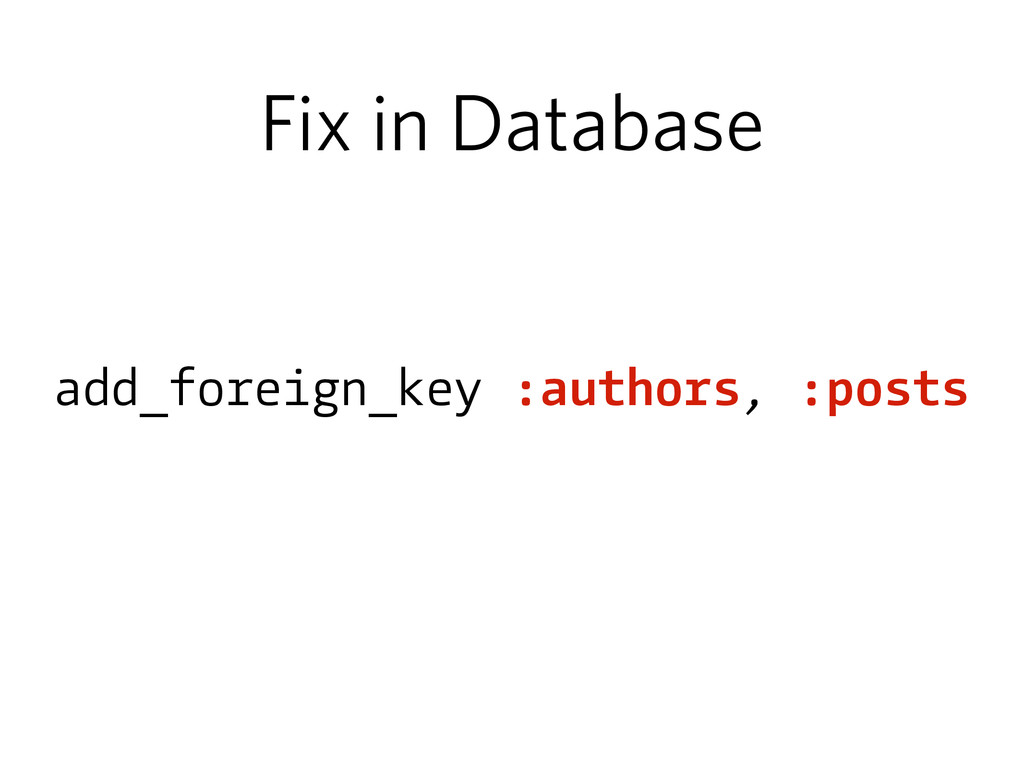
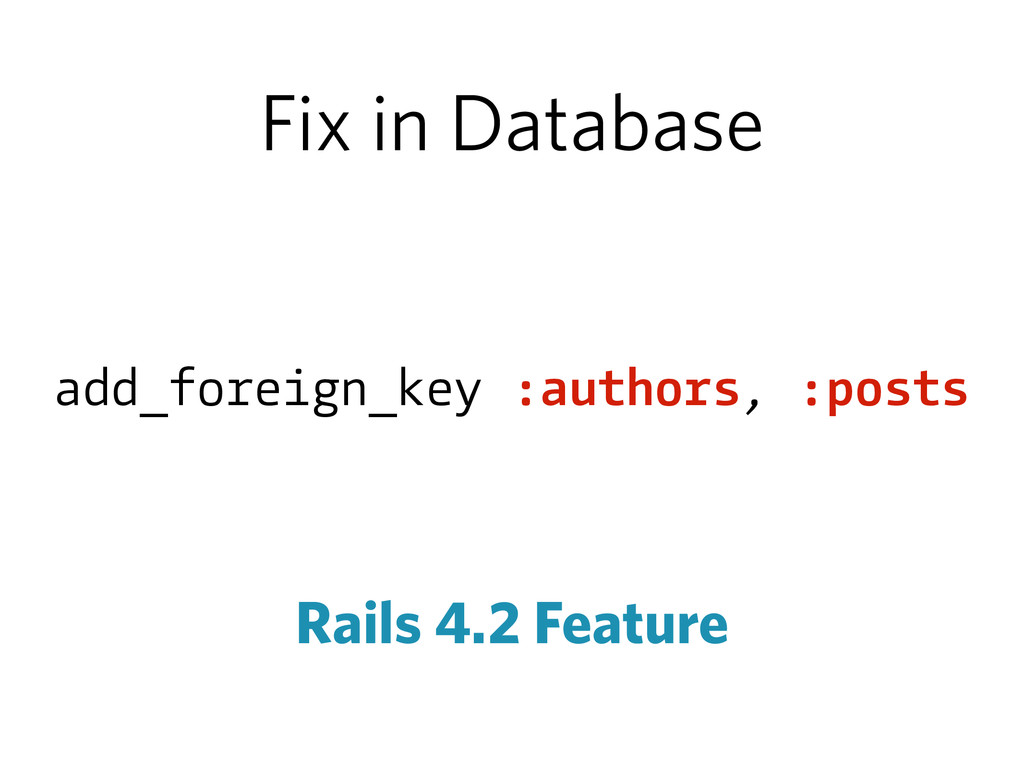
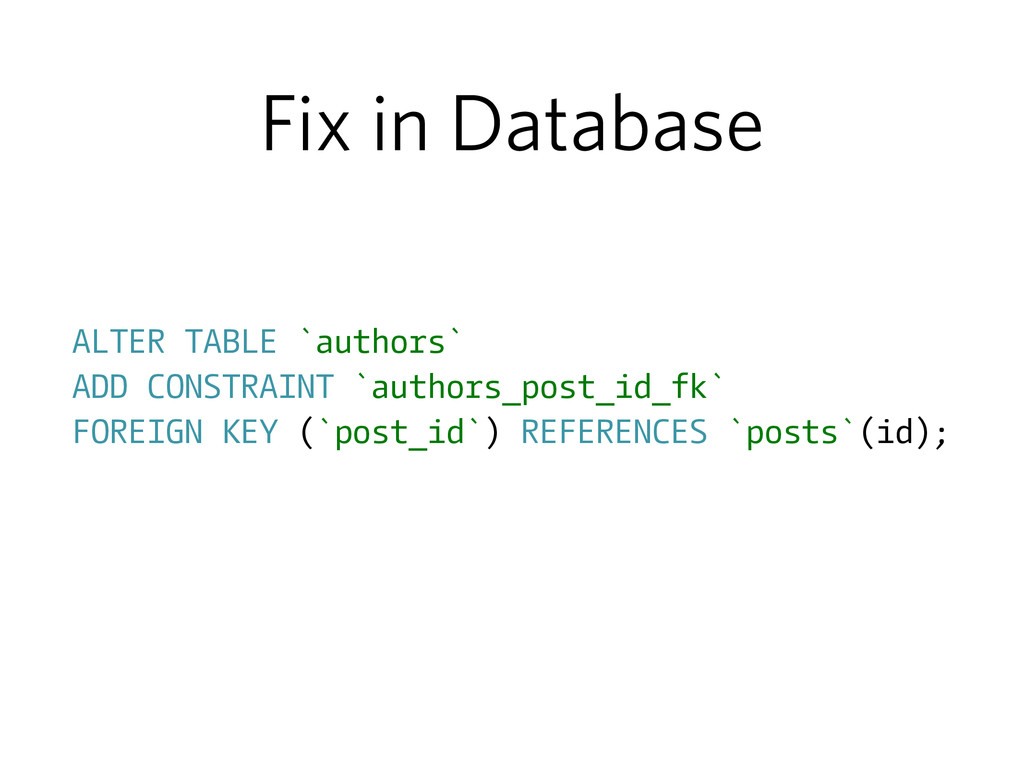
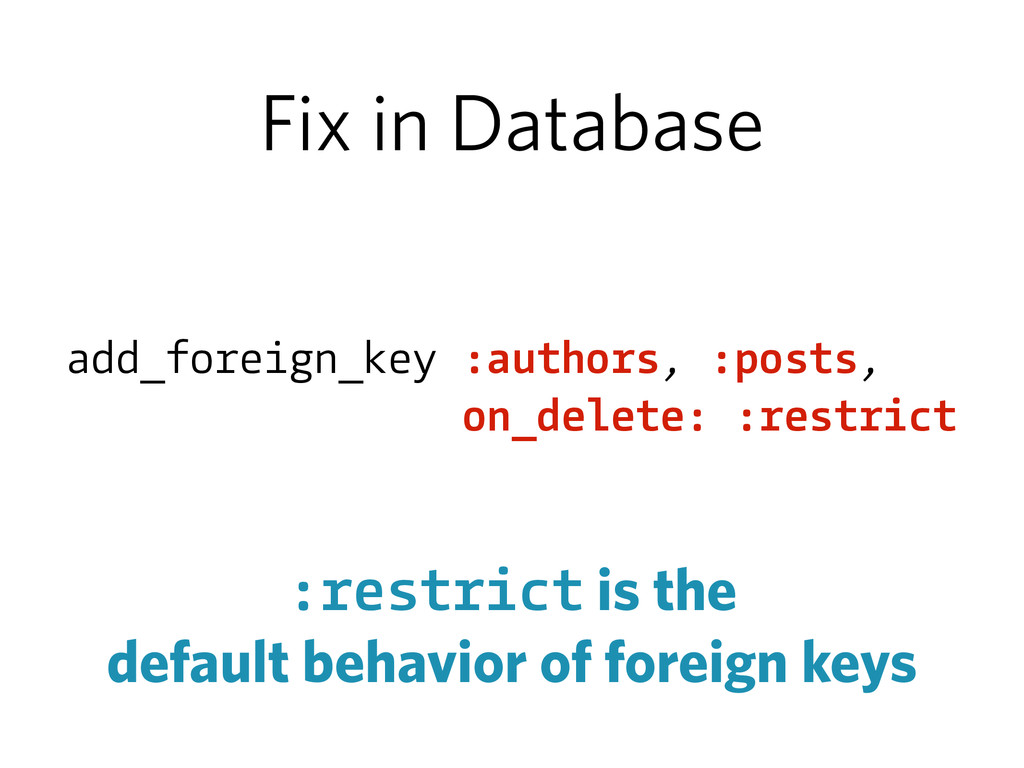
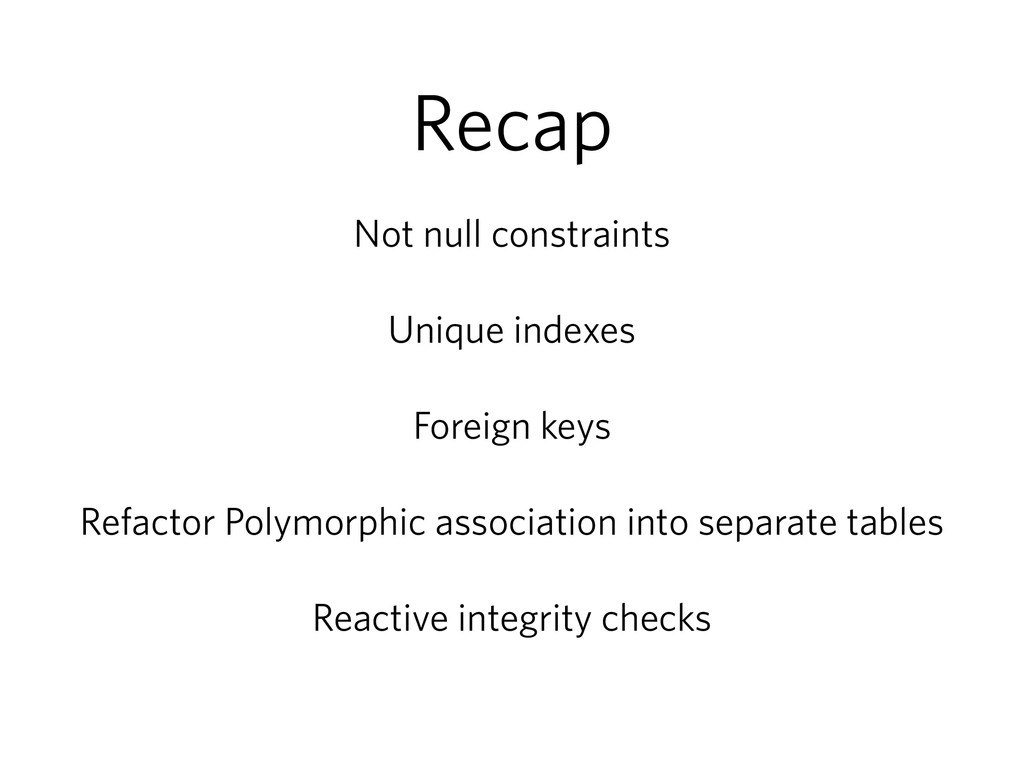
  17. Recap Not null constraints Unique indexes Foreign keys Refactor Polymorphic

    association into separate tables Reactive integrity checks