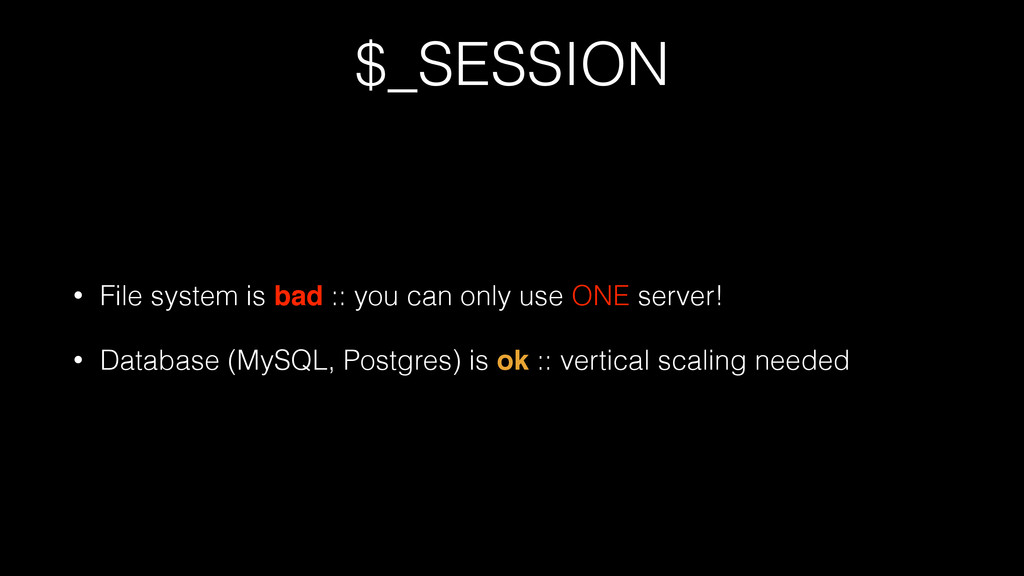
redis • You could also put it in mongodb, or casandra… …session data nicely lend itself to serialisation • Browser based is the BEST - but be careful of the 4k limit of older browsers (and security)
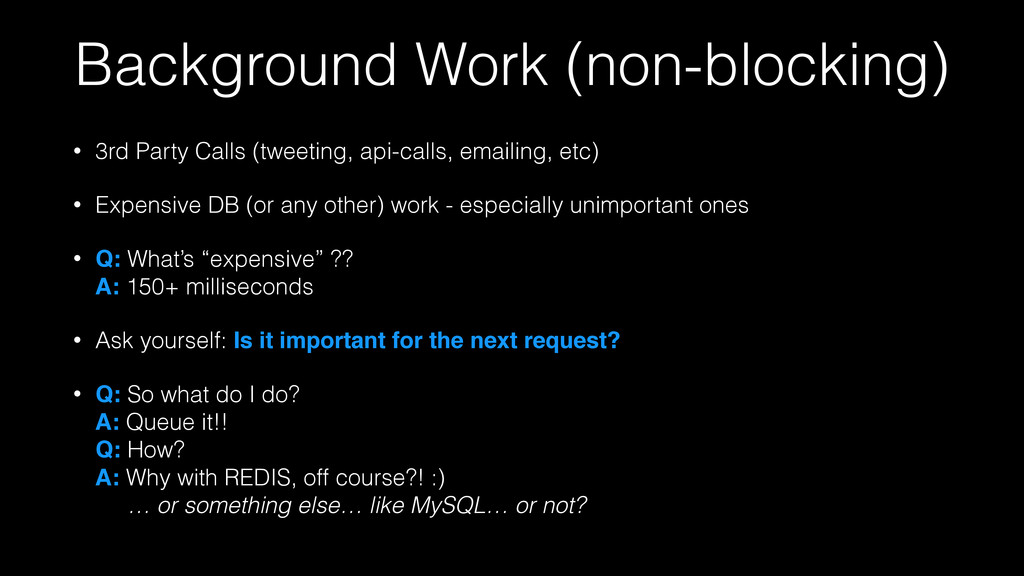
etc) • Expensive DB (or any other) work - especially unimportant ones • Q: What’s “expensive” ?? A: 150+ milliseconds • Ask yourself: Is it important for the next request?! • Q: So what do I do? A: Queue it!! Q: How? A: Why with REDIS, off course?! :) … or something else… like MySQL… or not?
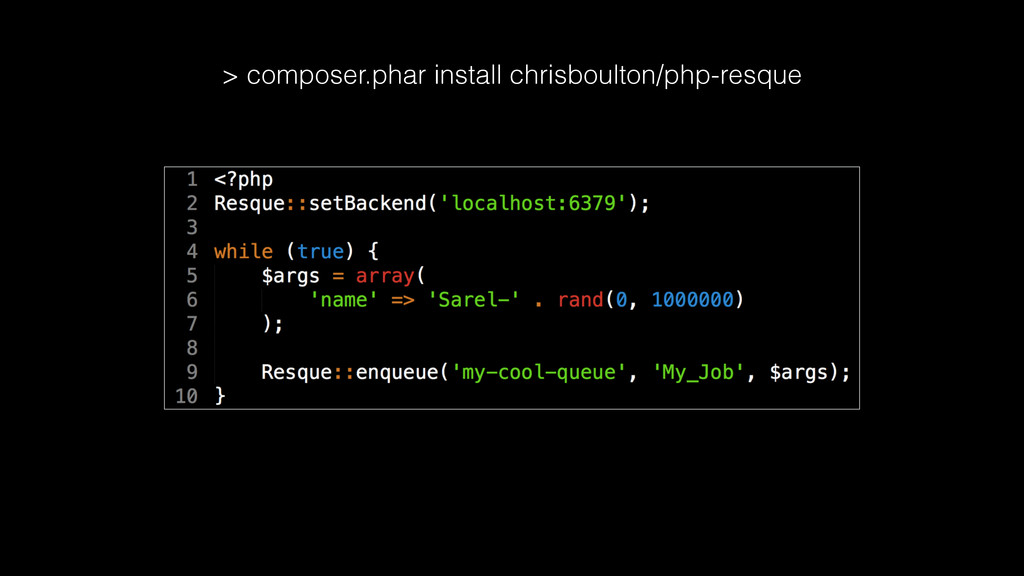
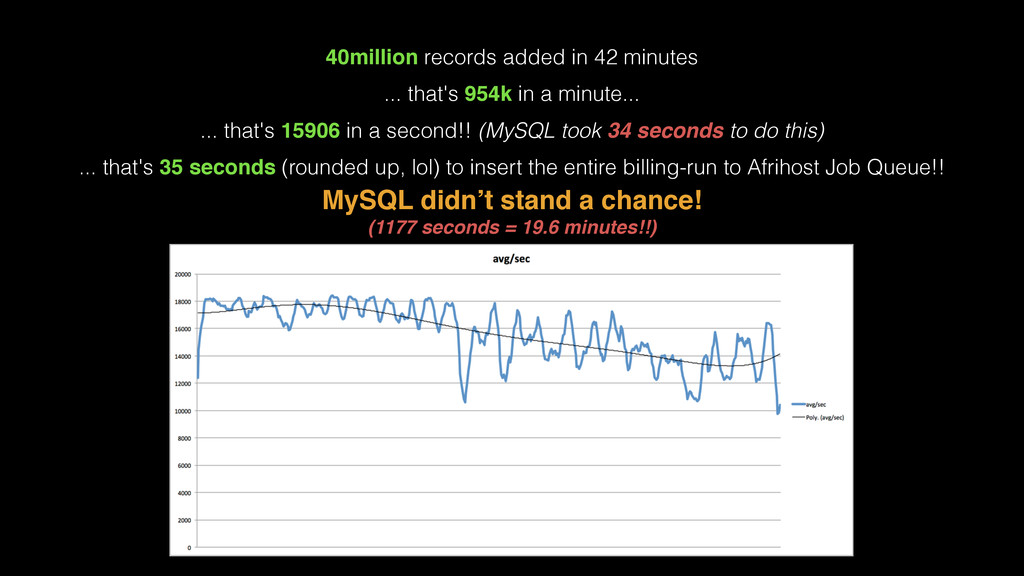
a minute... ... that's 15906 in a second!! (MySQL took 34 seconds to do this) ... that's 35 seconds (rounded up, lol) to insert the entire billing-run to Afrihost Job Queue!! MySQL didn’t stand a chance!! (1177 seconds = 19.6 minutes!!)
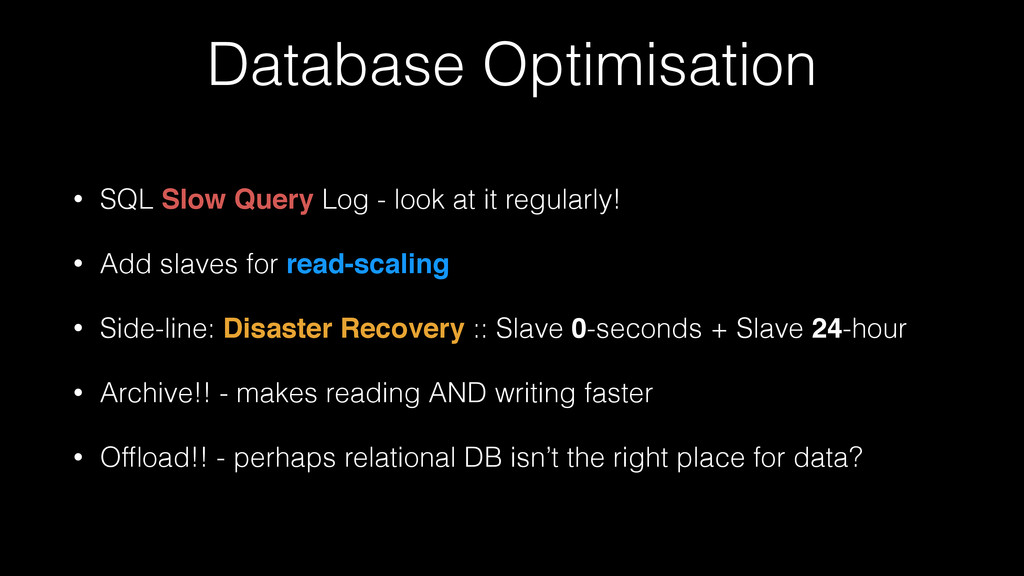
it regularly! • Add slaves for read-scaling! • Side-line: Disaster Recovery :: Slave 0-seconds + Slave 24-hour! • Archive!! - makes reading AND writing faster • Offload!! - perhaps relational DB isn’t the right place for data?
1024 2048 2014-07-15 10:01:15 124 [email protected] 971826 12823 2014-07-15 10:01:23 125 [email protected] 17263712 7126373 2014-07-15 10:01:58 126 27838127372@afrihost 12382 9563 2014-07-15 10:02:07 2009-06 :: 3110 records 2009-10 :: 1.7 million records 2010-10 :: 11.9 million records 2011-10 :: 17.4 million records 2012-10 :: 26.6 million records 2013-10 :: 59.6 million records 2014-06 :: 101.1 million records
us was ztableYYYYMM! • You could use any strategy you like, the basics of it: • Select a bunch of rows • Insert them into the applicable archive table • Delete original • Check out: https://github.com/sarelvdwalt/SFDatabaseArchiveBundle
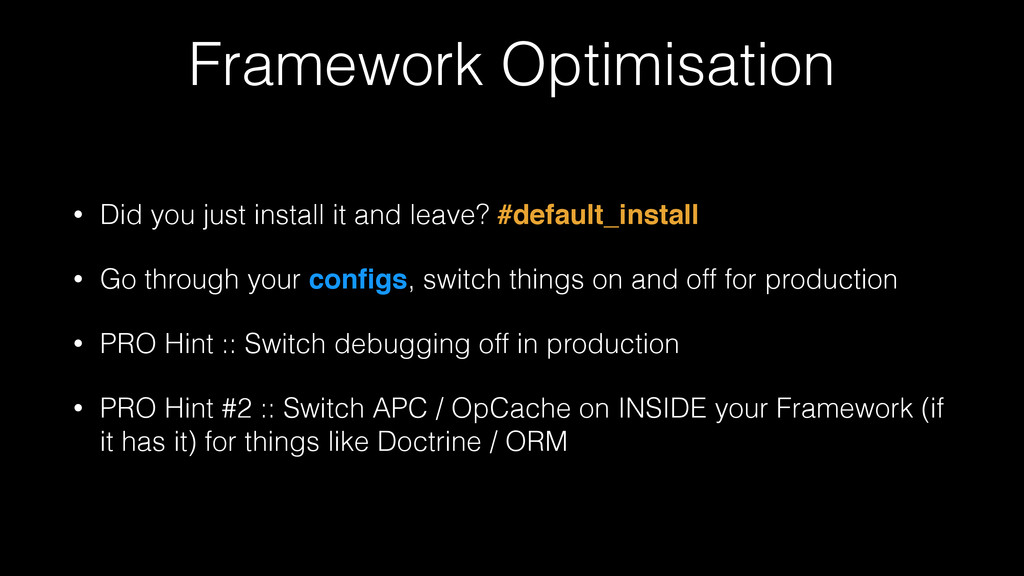
#default_install! • Go through your configs, switch things on and off for production • PRO Hint :: Switch debugging off in production • PRO Hint #2 :: Switch APC / OpCache on INSIDE your Framework (if it has it) for things like Doctrine / ORM
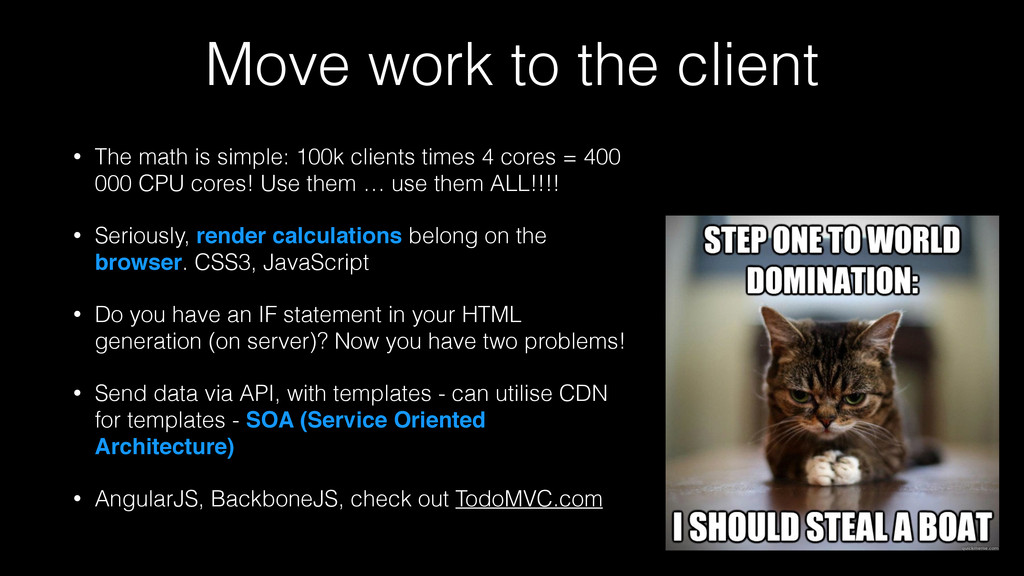
100k clients times 4 cores = 400 000 CPU cores! Use them … use them ALL!!!! • Seriously, render calculations belong on the browser. CSS3, JavaScript • Do you have an IF statement in your HTML generation (on server)? Now you have two problems! • Send data via API, with templates - can utilise CDN for templates - SOA (Service Oriented Architecture) • AngularJS, BackboneJS, check out TodoMVC.com
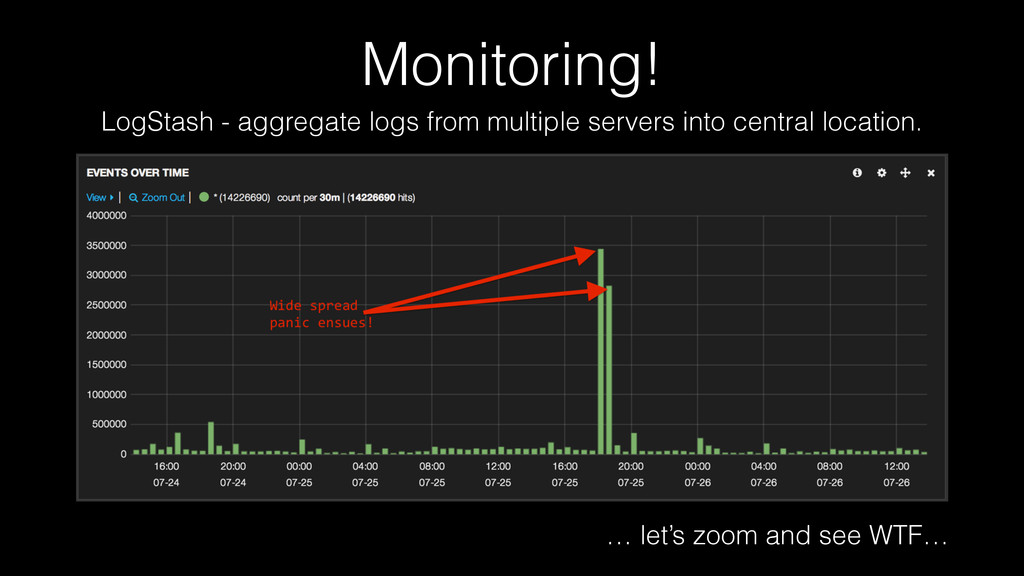
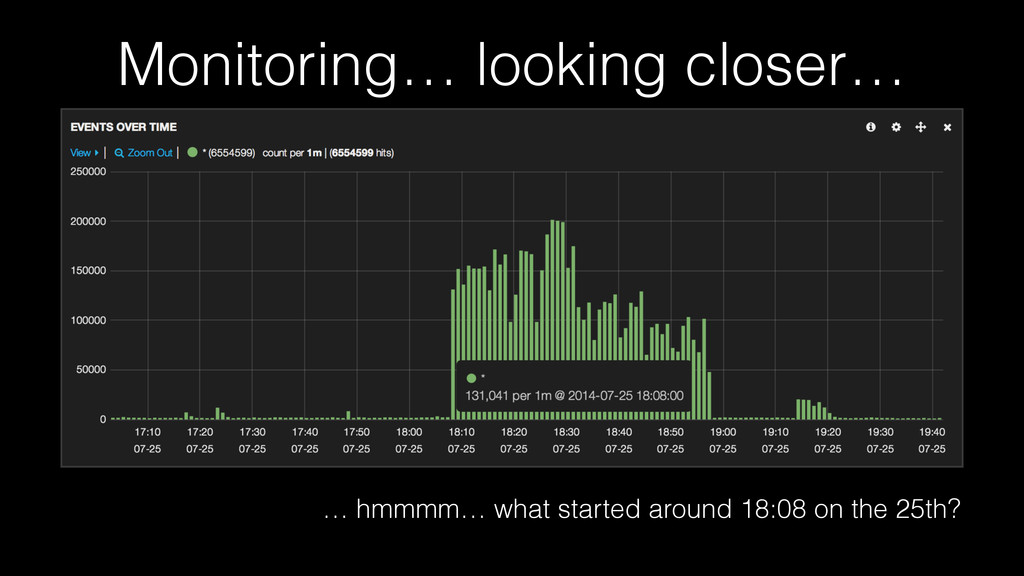
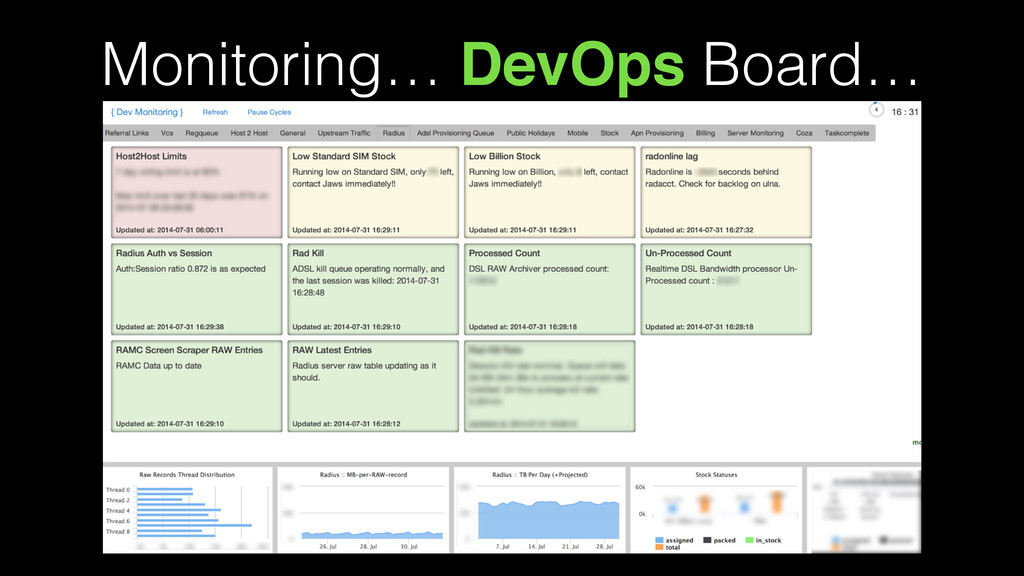
will hurt, it’s slow and eats CPU’s (and HDD space) • xhprof + xhprofGUI - fast, can run on production (best to keep it off until you need it) • Sometimes logging is good enough! Use LogStash for history and trend… which brings me to monitoring…
Do you NEED to log in to see logs? • Catch-22 :: Developers should be able to access anything (or close to) without having to log into the servers… but don’t deny them access.
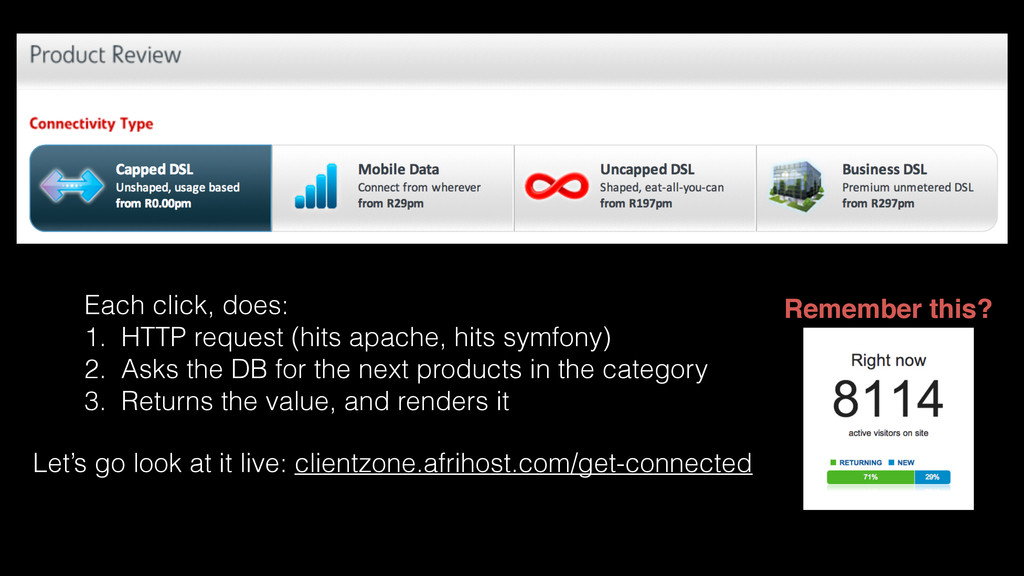
2. Asks the DB for the next products in the category 3. Returns the value, and renders it Let’s go look at it live: clientzone.afrihost.com/get-connected Remember this?


 puhitaku
 tsukina_7mochi
 koukihosaka
 sh_fk2
 takahashim
 grimoh
 kenichiodo
 yazm
yazm
 kentarofujii
 tomokusaba
 sansan33
 4o1sobblue
 chrislema
 aarron
 mayunak
 tmiket
 sergeychernyshev
 marktimemedia
 csswizardry
 soudai
 trishagee
 zakiyama
 palkan
 jmmastey



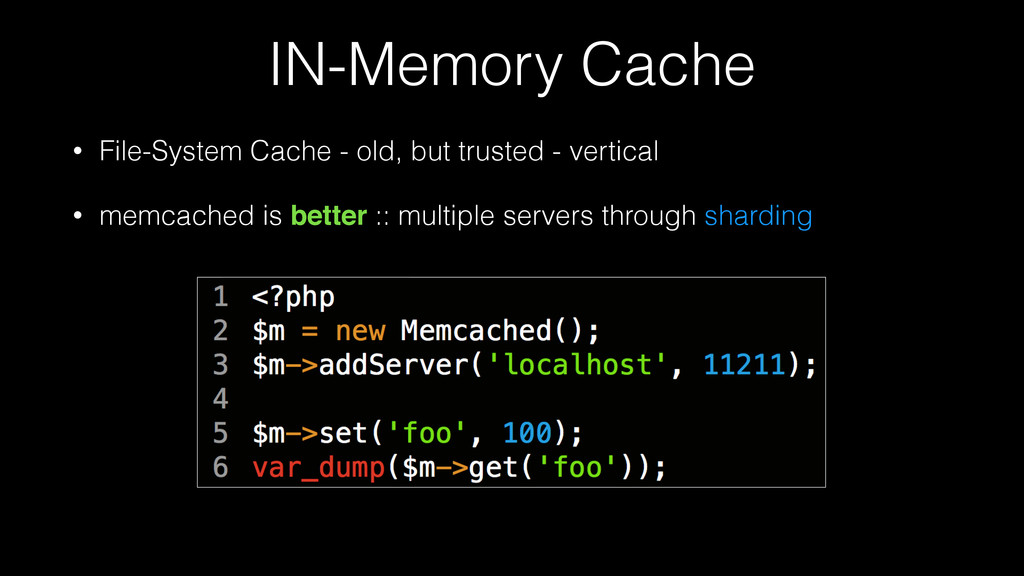
![IN-Memory Cache [continued] • redis is awesome (but more complicated)](https://files.speakerdeck.com/presentations/43752f9069aa013287333630b7e0c8fc/slide_9.jpg)
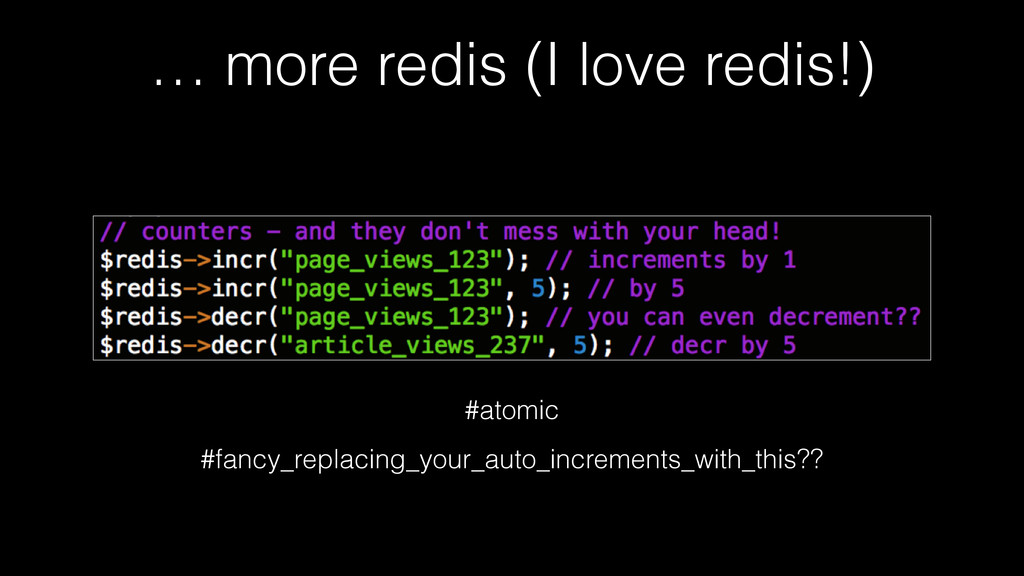
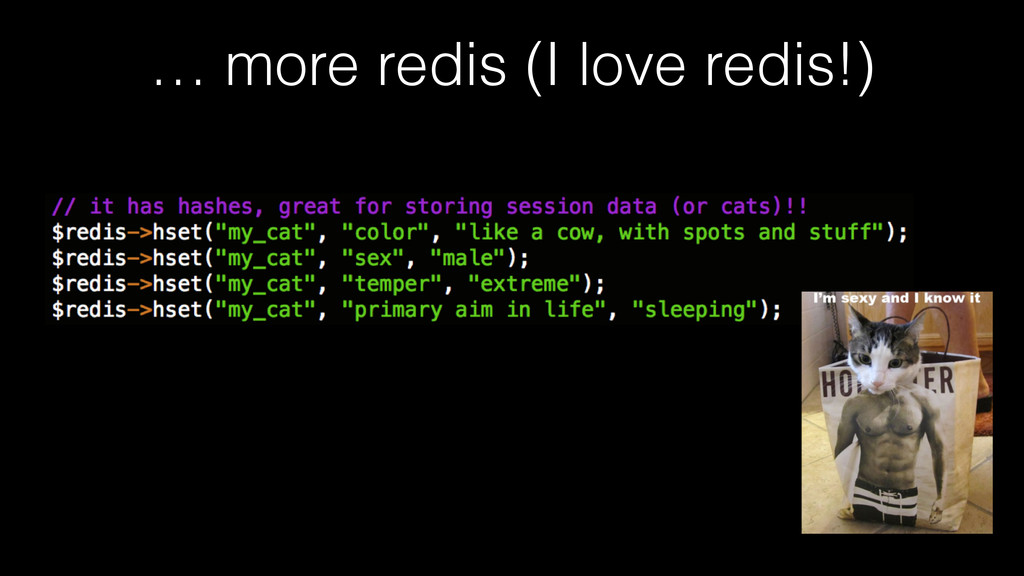
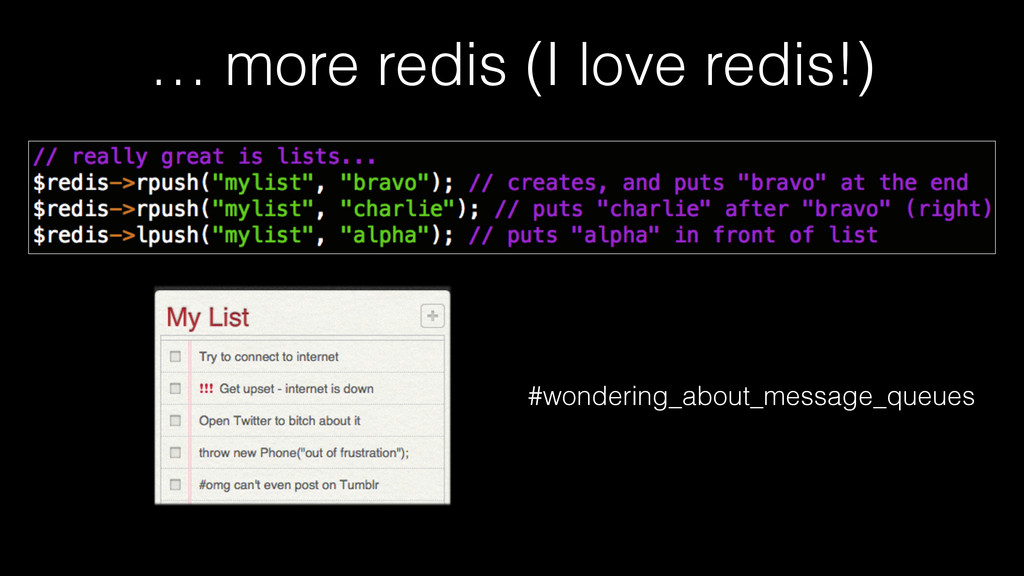

![Database Optimisation [continued…] id username in_bytes out_bytes created_at 123 [email protected]](https://files.speakerdeck.com/presentations/43752f9069aa013287333630b7e0c8fc/slide_22.jpg)
![Database Optimisation [continued…] • A good strategy that worked for](https://files.speakerdeck.com/presentations/43752f9069aa013287333630b7e0c8fc/slide_23.jpg)