Upgrade to Pro
— share decks privately, control downloads, hide ads and more …
Speaker Deck
Features
Speaker Deck
PRO
Sign in
Sign up for free
Search
Search
Dockerizing Django projects
Search
Sponsored
·
Ship Features Fearlessly
Turn features on and off without deploys. Used by thousands of Ruby developers.
→
Roberto Rosario
April 15, 2016
Programming
0
260
Dockerizing Django projects
Pros and Cons of the different ways there are to turn a Django project into a Docker container.
Roberto Rosario
April 15, 2016
Tweet
Share
More Decks by Roberto Rosario
See All by Roberto Rosario
Geospatial three amigos: Python, Leaflet, and ElasticSearch
siloraptor
1
500
OpenHolter project: D.I.Y. Electrocardiography using Arduino and Django
siloraptor
0
1.6k
Django tasty salad- DOs and DON'Ts using Celery
siloraptor
0
920
An educational retro game using only Python? Challenge Accepted!
siloraptor
0
160
Packaging Django Projects for PyPI
siloraptor
1
650
Liberation and modernization of legacy government data using Django
siloraptor
0
300
Other Decks in Programming
See All in Programming
CSC307 Lecture 01
javiergs
PRO
0
690
高速開発のためのコード整理術
sutetotanuki
1
390
AI前提で考えるiOSアプリのモダナイズ設計
yuukiw00w
0
220
0→1 フロントエンド開発 Tips🚀 #レバテックMeetup
bengo4com
0
550
CSC307 Lecture 07
javiergs
PRO
0
550
The Past, Present, and Future of Enterprise Java
ivargrimstad
0
520
AtCoder Conference 2025
shindannin
0
1k
Vibe Coding - AI 驅動的軟體開發
mickyp100
0
170
Apache Iceberg V3 and migration to V3
tomtanaka
0
150
Fluid Templating in TYPO3 14
s2b
0
130
OCaml 5でモダンな並列プログラミングを Enjoyしよう!
haochenx
0
140
360° Signals in Angular: Signal Forms with SignalStore & Resources @ngLondon 01/2026
manfredsteyer
PRO
0
120
Featured
See All Featured
AI: The stuff that nobody shows you
jnunemaker
PRO
2
250
Building Adaptive Systems
keathley
44
2.9k
Paper Plane
katiecoart
PRO
0
46k
Making the Leap to Tech Lead
cromwellryan
135
9.7k
Responsive Adventures: Dirty Tricks From The Dark Corners of Front-End
smashingmag
254
22k
Optimizing for Happiness
mojombo
379
71k
Building an army of robots
kneath
306
46k
From Legacy to Launchpad: Building Startup-Ready Communities
dugsong
0
140
CSS Pre-Processors: Stylus, Less & Sass
bermonpainter
359
30k
Intergalactic Javascript Robots from Outer Space
tanoku
273
27k
Breaking role norms: Why Content Design is so much more than writing copy - Taylor Woolridge
uxyall
0
160
svc-hook: hooking system calls on ARM64 by binary rewriting
retrage
1
98
Transcript
Dockerizing Django projects Roberto Rosario robertorosario.com
Who am I? robertorosario.com
[email protected]
Roberto Rosario
None
What is Docker?
Docker provides an integrated technology suite that enables development and
IT operations teams to build, ship, and run distributed applications anywhere.
In human now.
Containers.
Lightweight virtualization. ie: No video hardware emulation.
Some devops now hate me.
Deploy everywhere.
Easy scalability.
Even auto scaling.
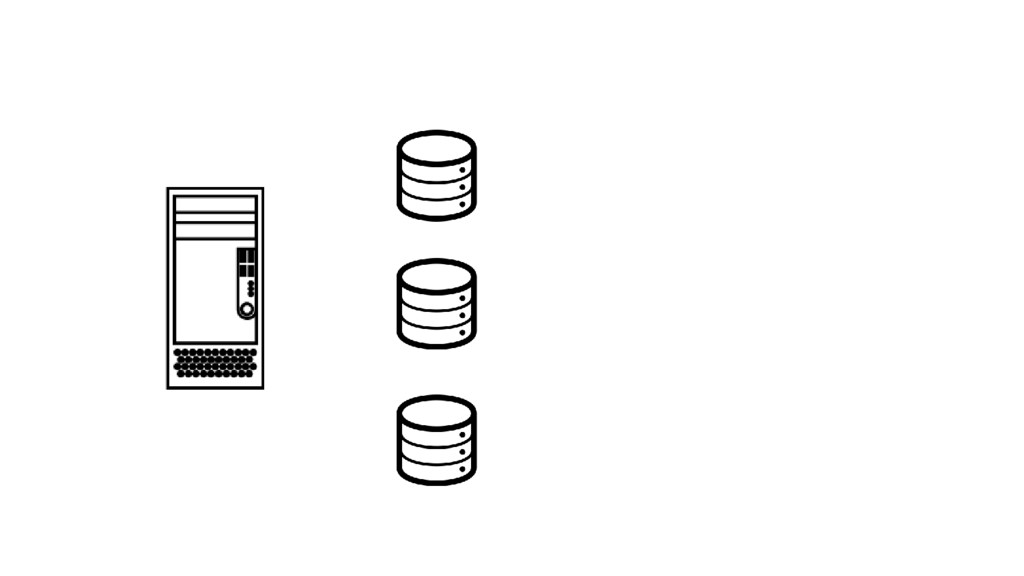
Deploying Django: Old school.
None
None
None
None
None
None
Deployed! Congratulations!
Your users have now quadrupled!
None
None
Server are old, let’s go virtual!
None
None
None
Different technology, same problem.
None
None
None
None
Django and Docker?
Configuration files.
First steps.
None
None
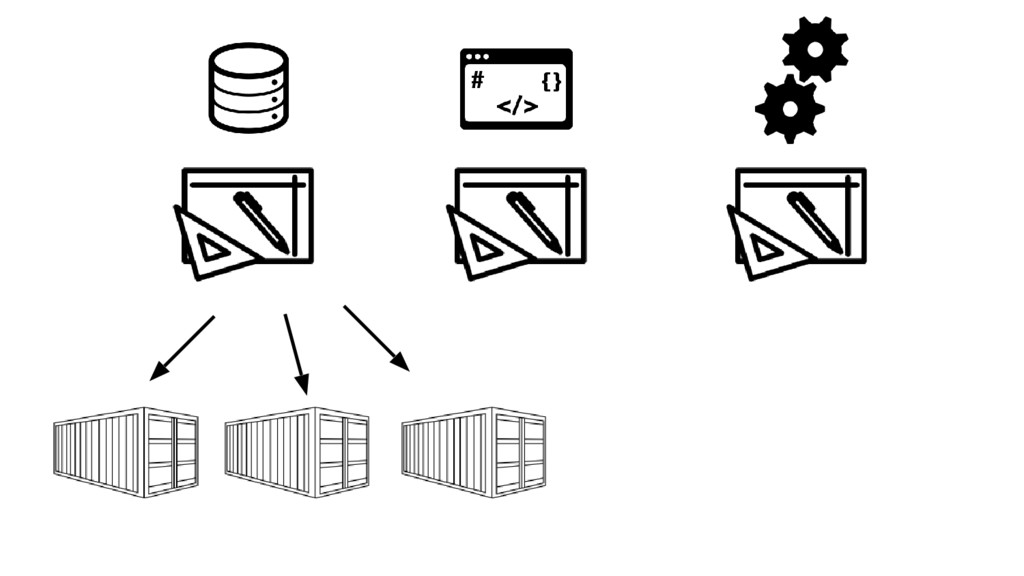
Classes Instances
More devops hate me now.
None
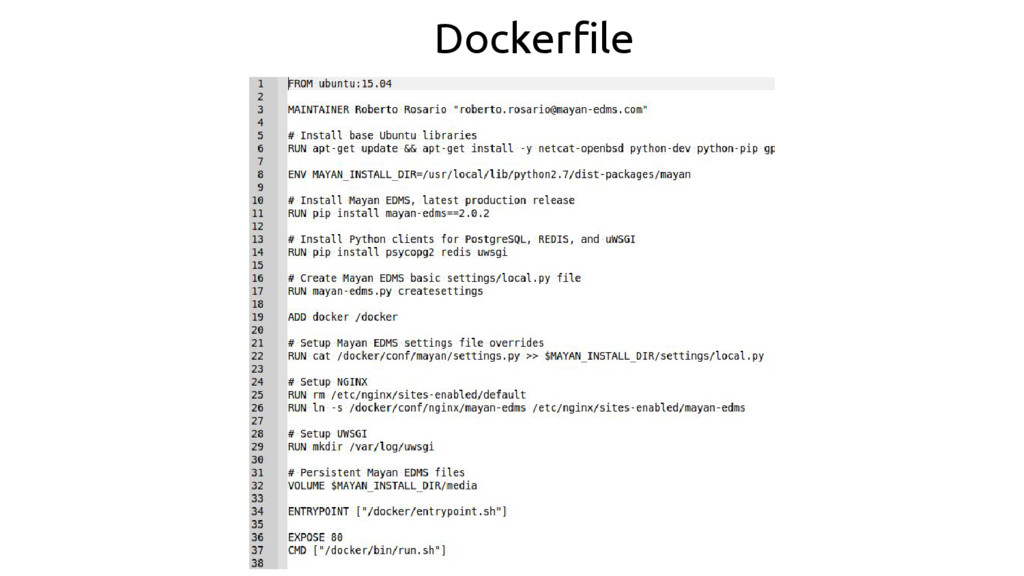
Dockerfile
An entire OS for just a part of the Django
project?
Not to worry.
None
None
Your Django project
Your Django project
Your Django project image Your Django project
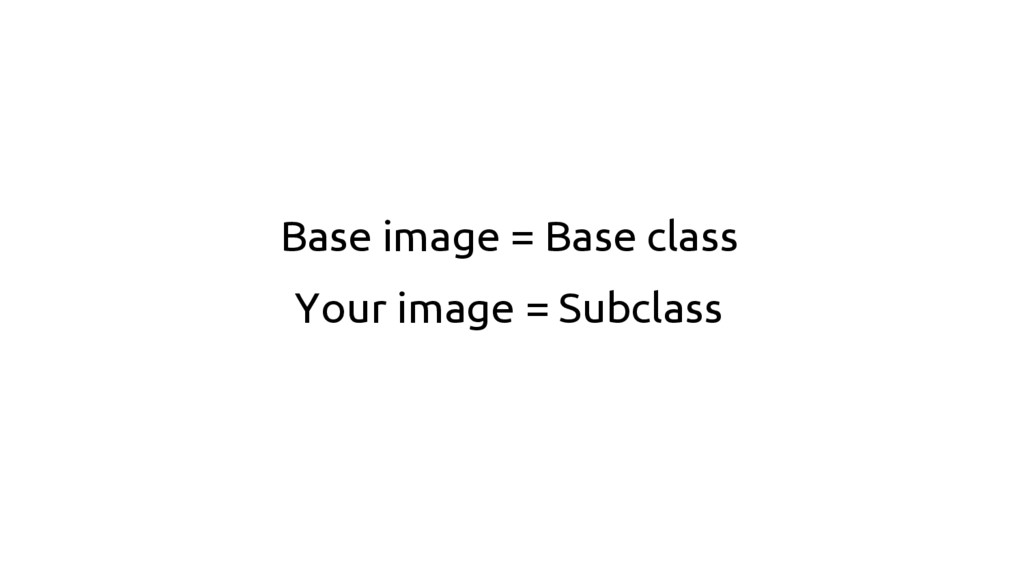
Base image = Base class Your image = Subclass
Pretty much every devops hate me at this point.
One size doesn’t fit all.
Monolithic
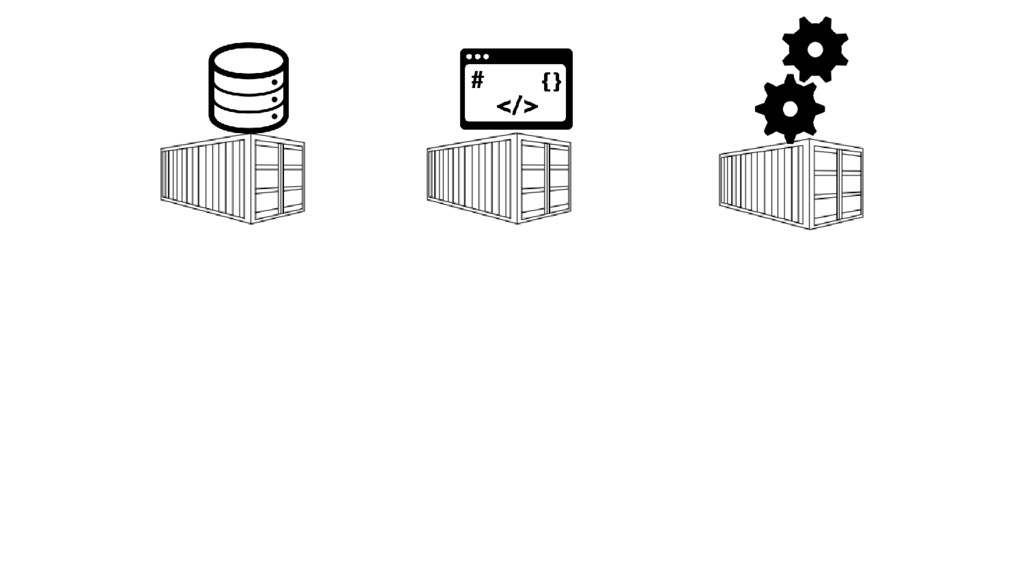
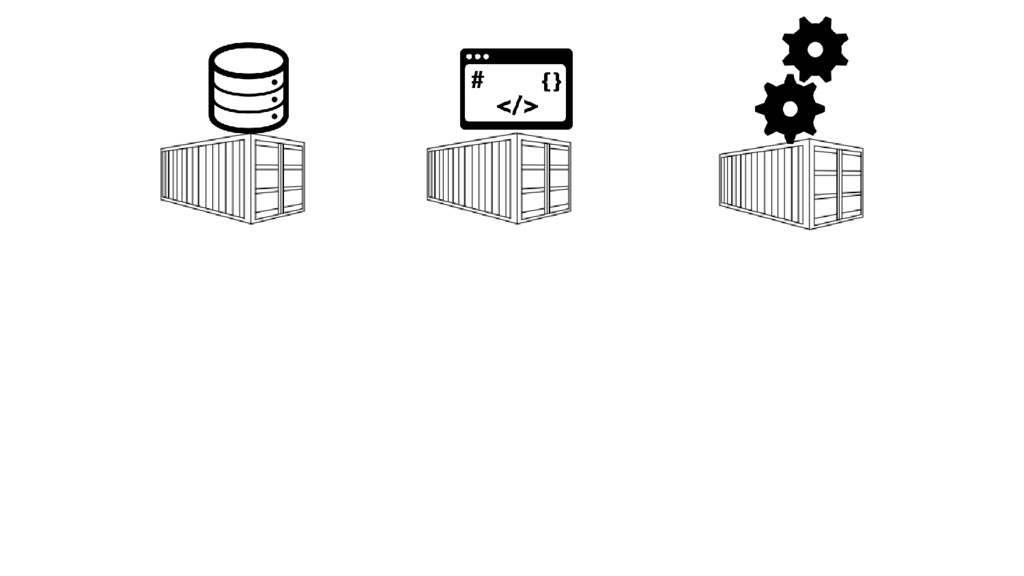
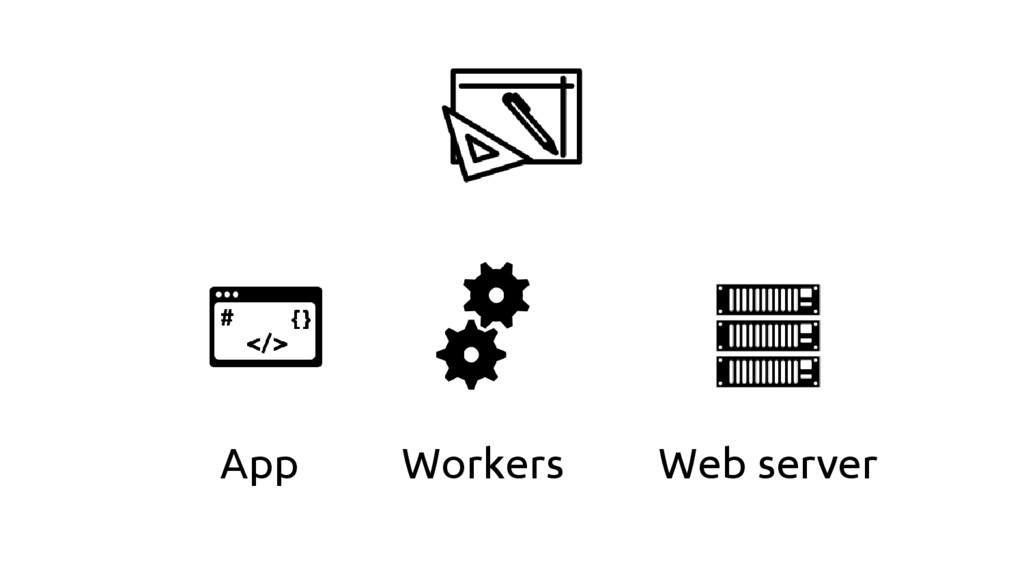
App Workers Web server
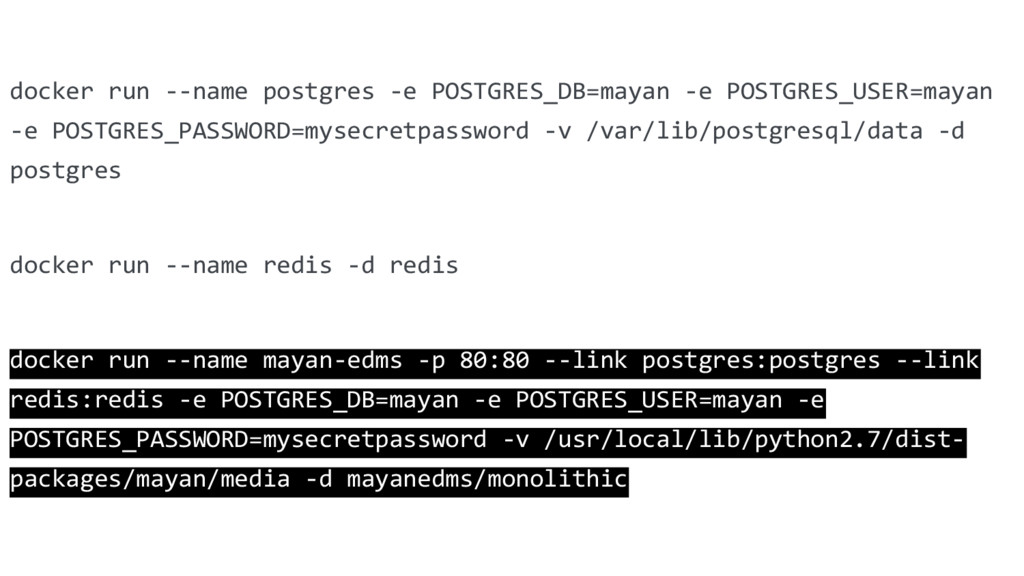
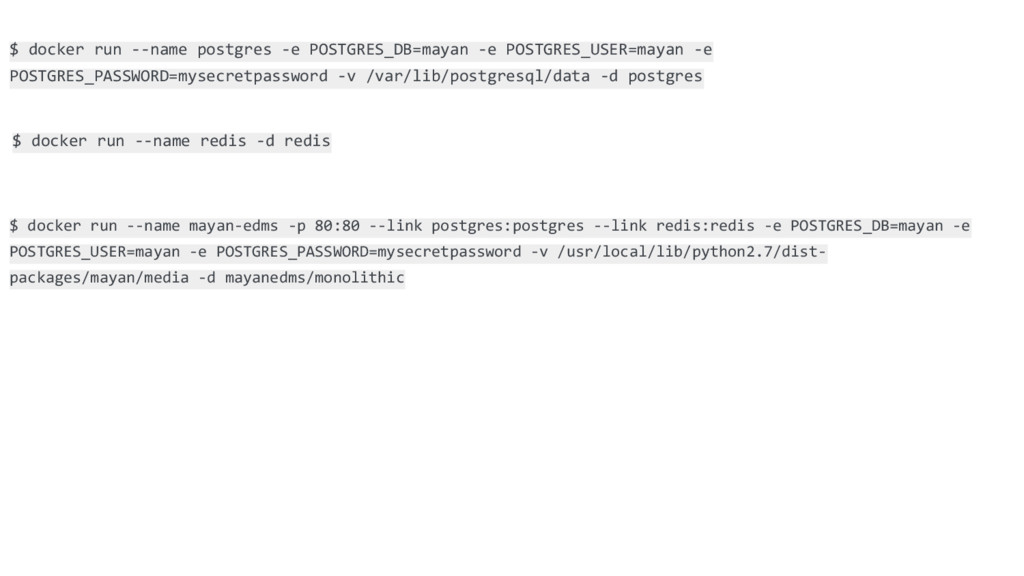
docker run --name postgres -e POSTGRES_DB=mayan -e POSTGRES_USER=mayan -e POSTGRES_PASSWORD=mysecretpassword
-v /var/lib/postgresql/data -d postgres docker run --name redis -d redis docker run --name mayan-edms -p 80:80 --link postgres:postgres --link redis:redis -e POSTGRES_DB=mayan -e POSTGRES_USER=mayan -e POSTGRES_PASSWORD=mysecretpassword -v /usr/local/lib/python2.7/dist- packages/mayan/media -d mayanedms/monolithic
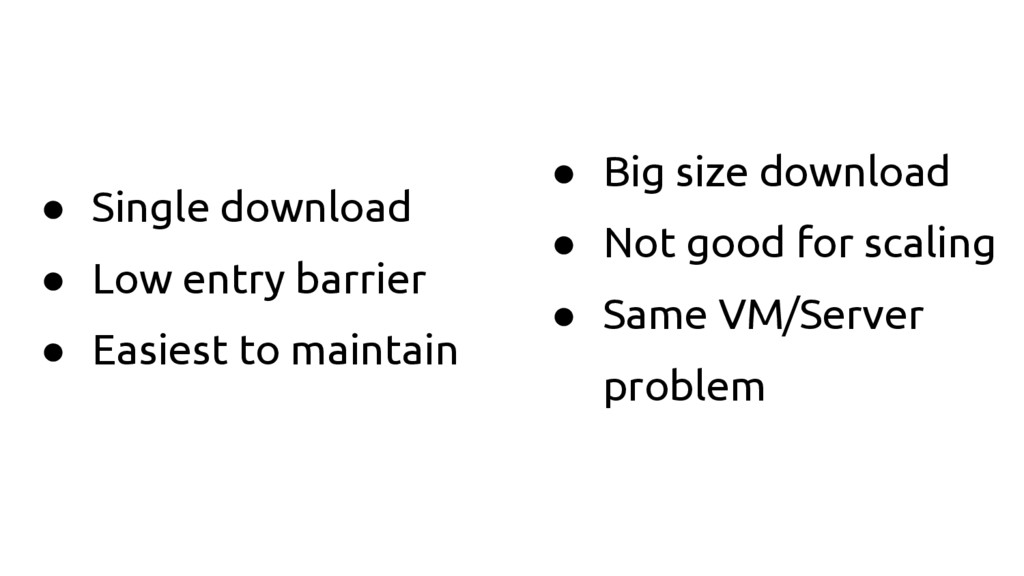
• Single download • Low entry barrier • Easiest to
maintain • Big size download • Not good for scaling • Same VM/Server problem
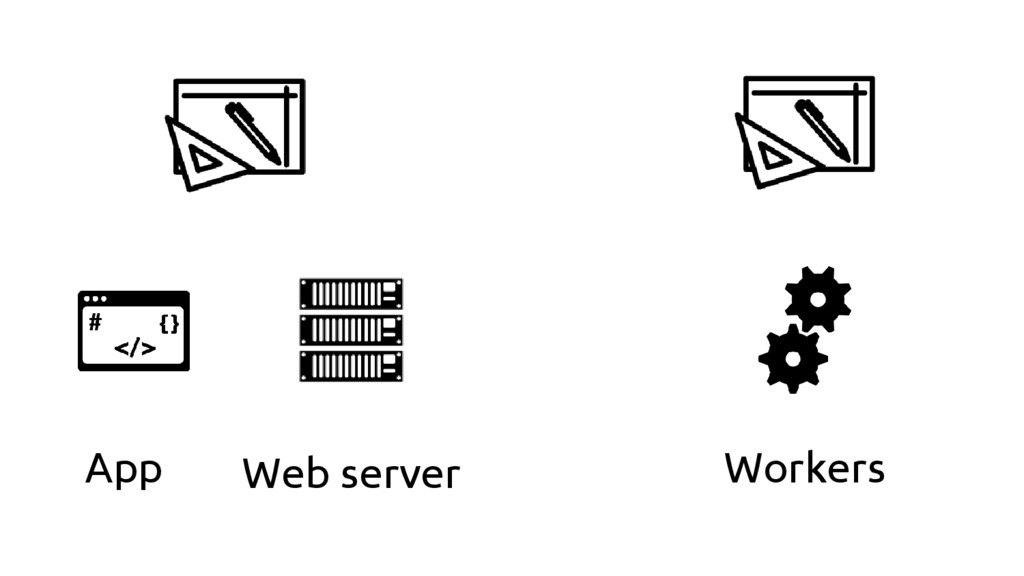
Split
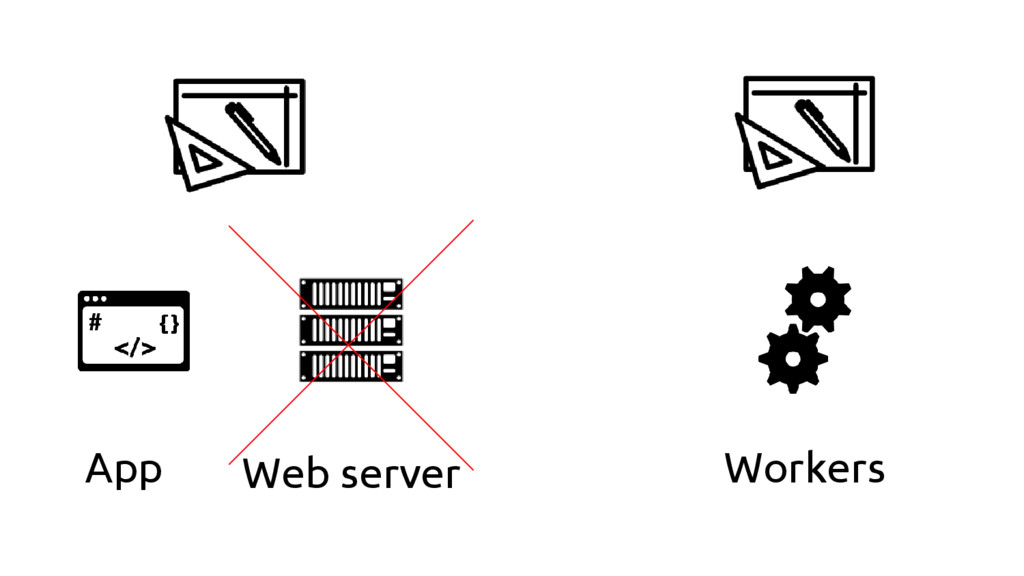
App Workers Web server
Split ~ Frontend + Backend
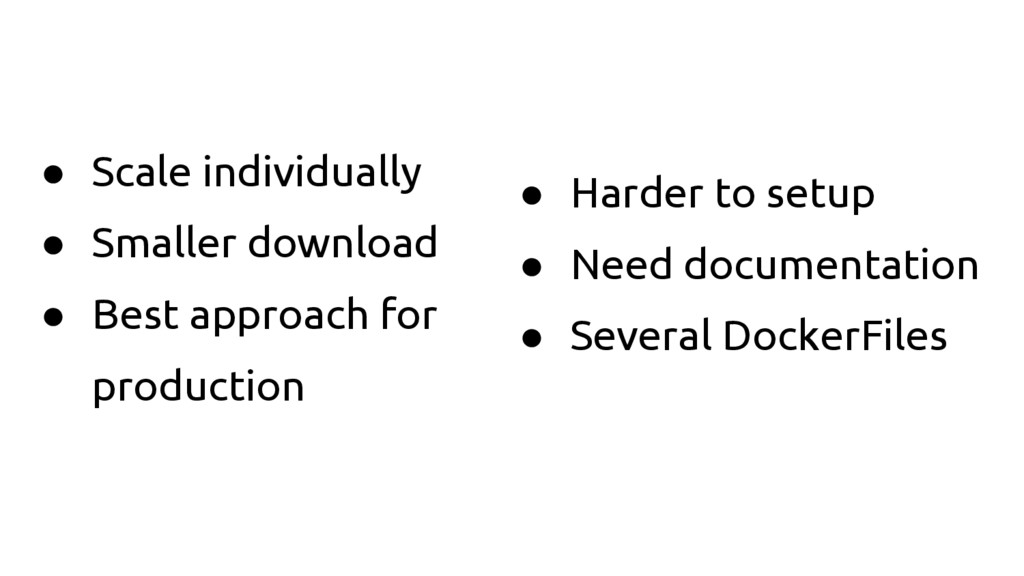
• Scale individually • Smaller download • Best approach for
production • Harder to setup • Need documentation • Several DockerFiles
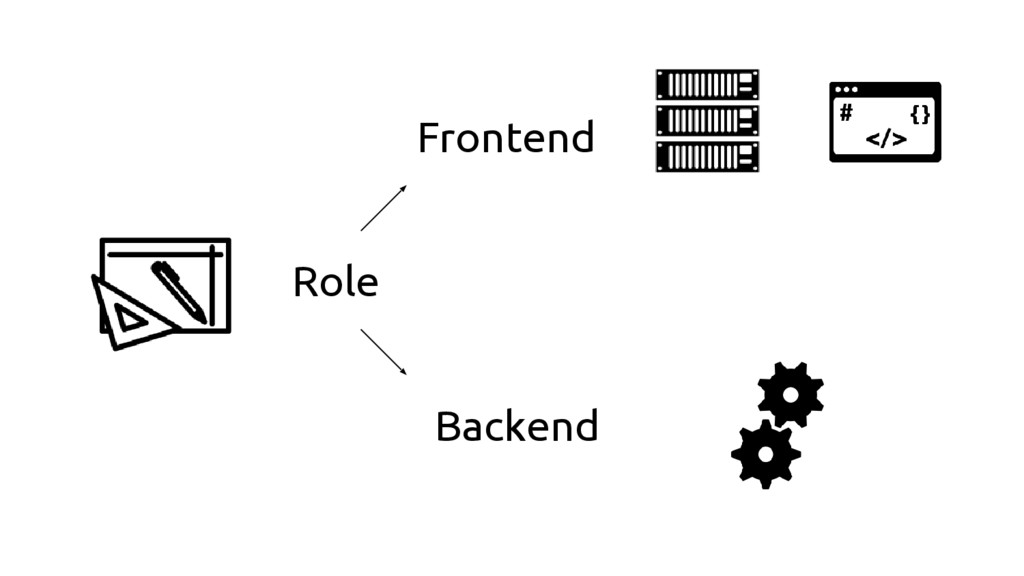
Mixed
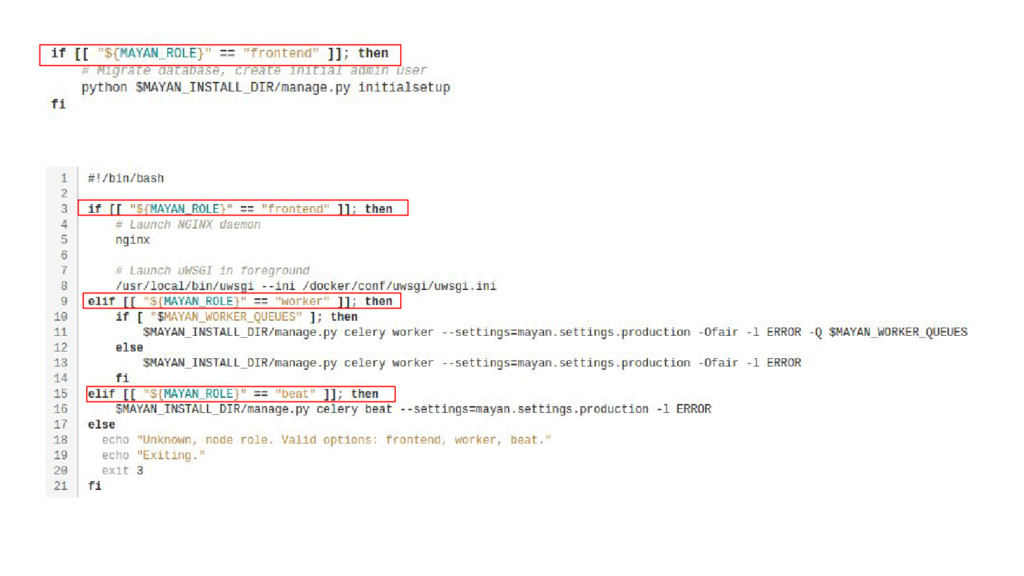
Role Frontend Backend
None
• Single download • Can reuse configuration file templates •
Single core repo • Bigger size download
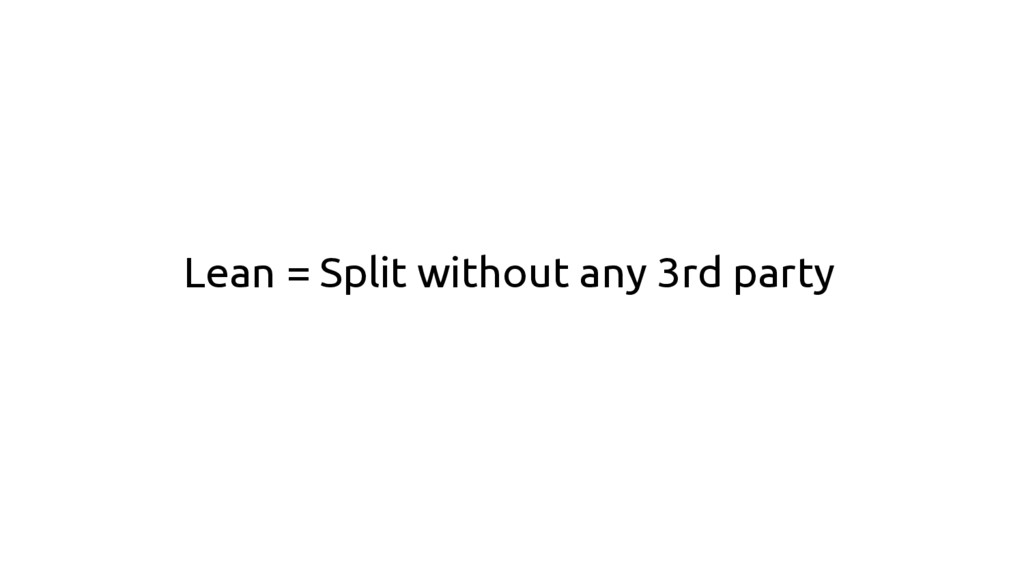
Lean
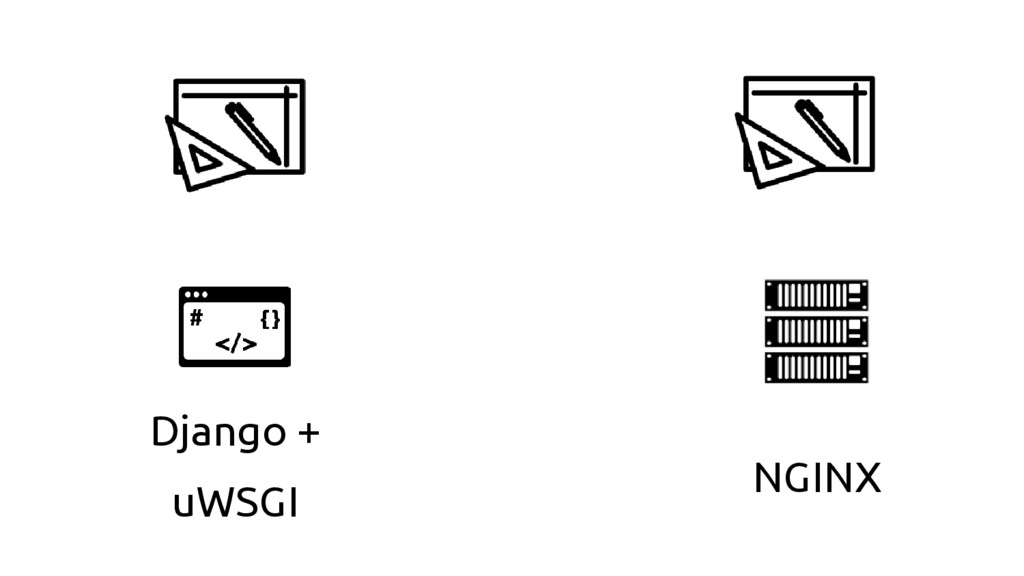
Lean = Split without any 3rd party
App Workers Web server
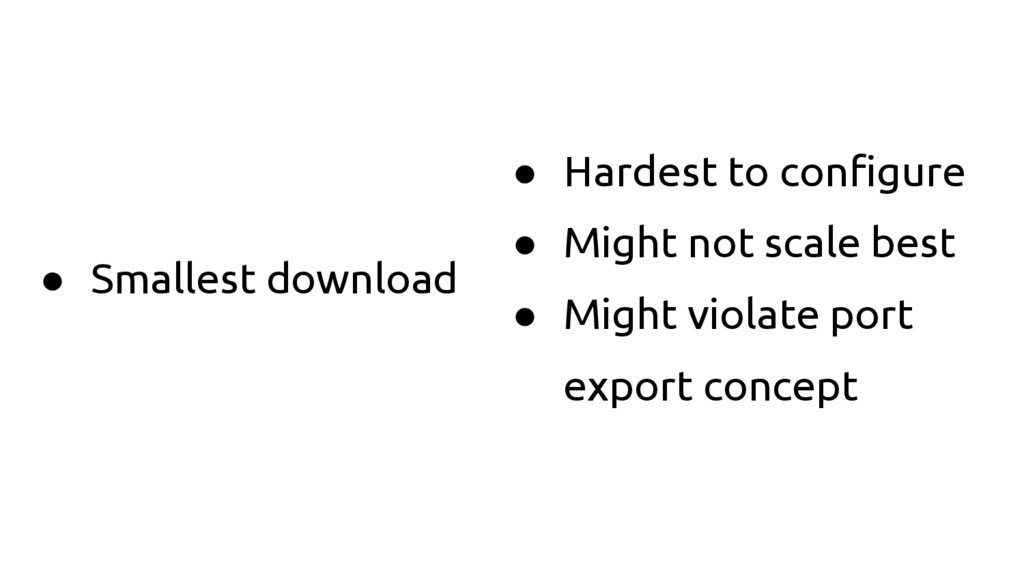
• Smallest download • Hardest to configure • Might not
scale best • Might violate port export concept
Django + uWSGI NGINX
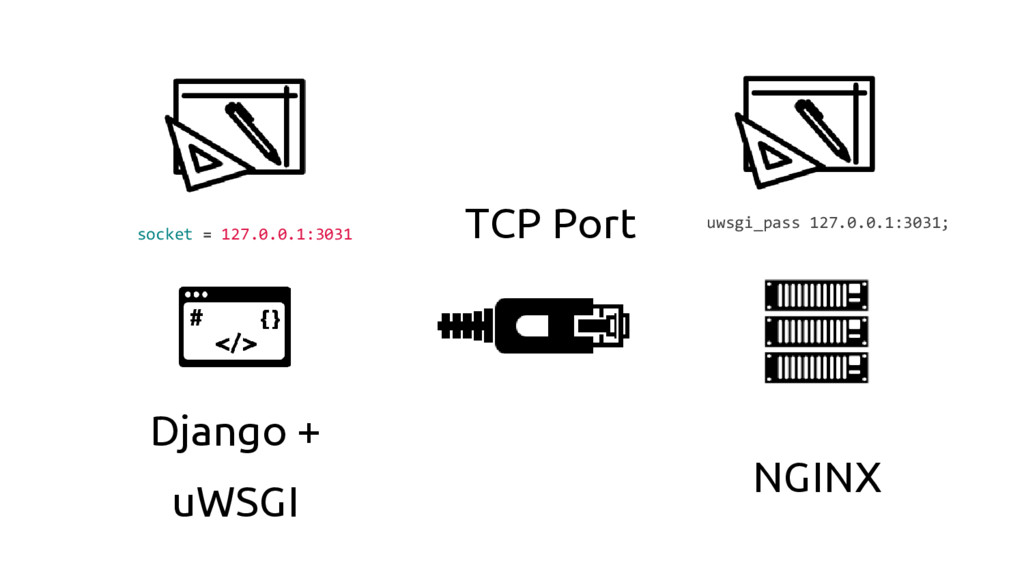
Django + uWSGI NGINX TCP Port uwsgi_pass 127.0.0.1:3031; socket =
127.0.0.1:3031
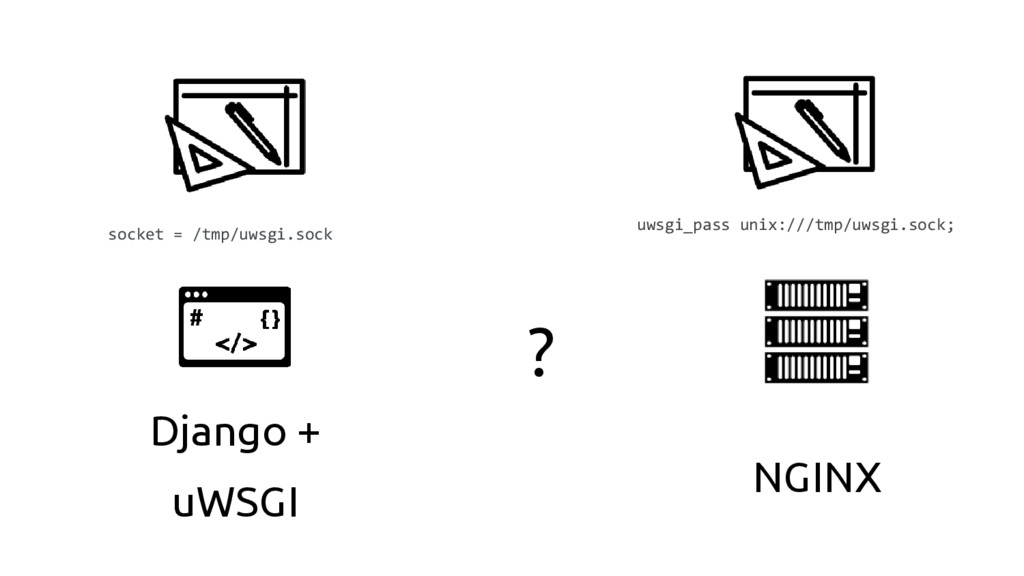
Django + uWSGI NGINX socket = /tmp/uwsgi.sock uwsgi_pass unix:///tmp/uwsgi.sock; ?
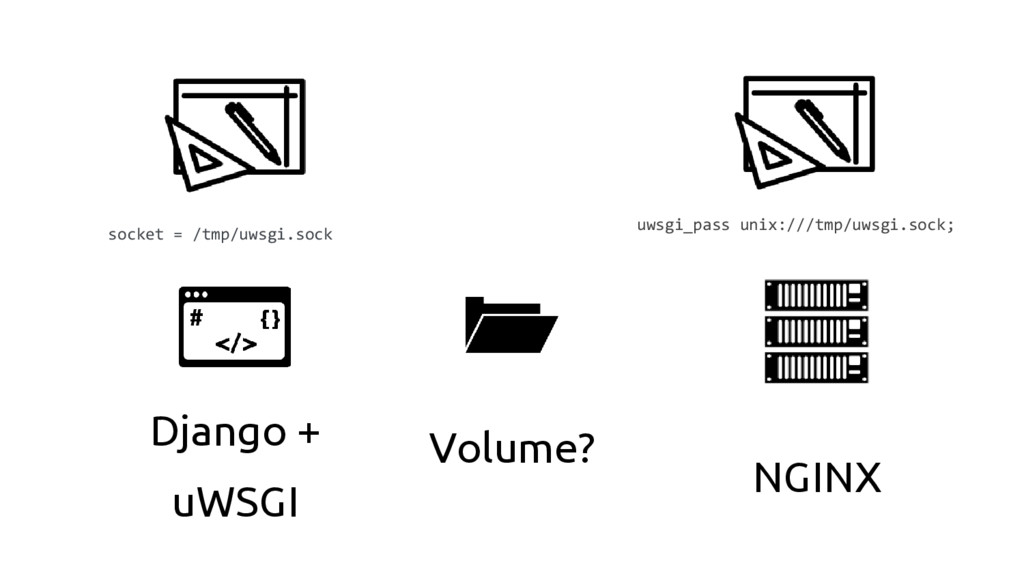
Django + uWSGI NGINX socket = /tmp/uwsgi.sock uwsgi_pass unix:///tmp/uwsgi.sock; Volume?
• Need to include NGINX config
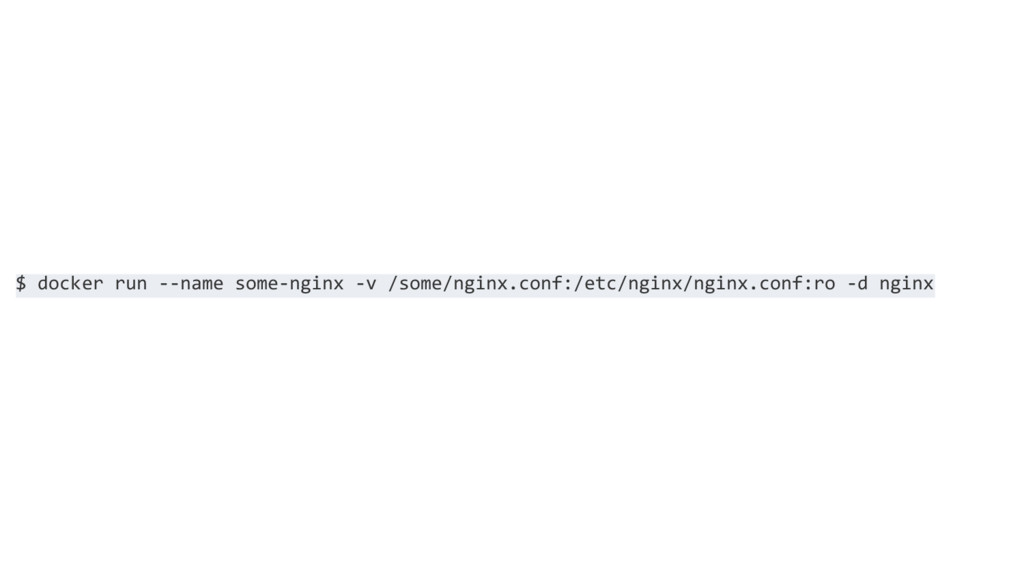
$ docker run --name some-nginx -v /some/nginx.conf:/etc/nginx/nginx.conf:ro -d nginx
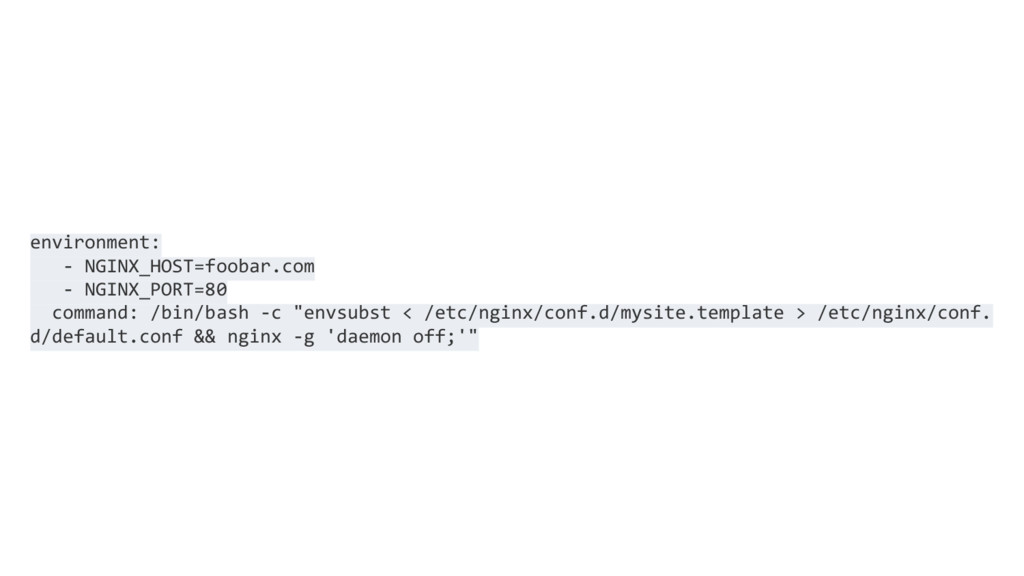
environment: - NGINX_HOST=foobar.com - NGINX_PORT=80 command: /bin/bash -c "envsubst <
/etc/nginx/conf.d/mysite.template > /etc/nginx/conf. d/default.conf && nginx -g 'daemon off;'"
Last approach
Kitchen sink
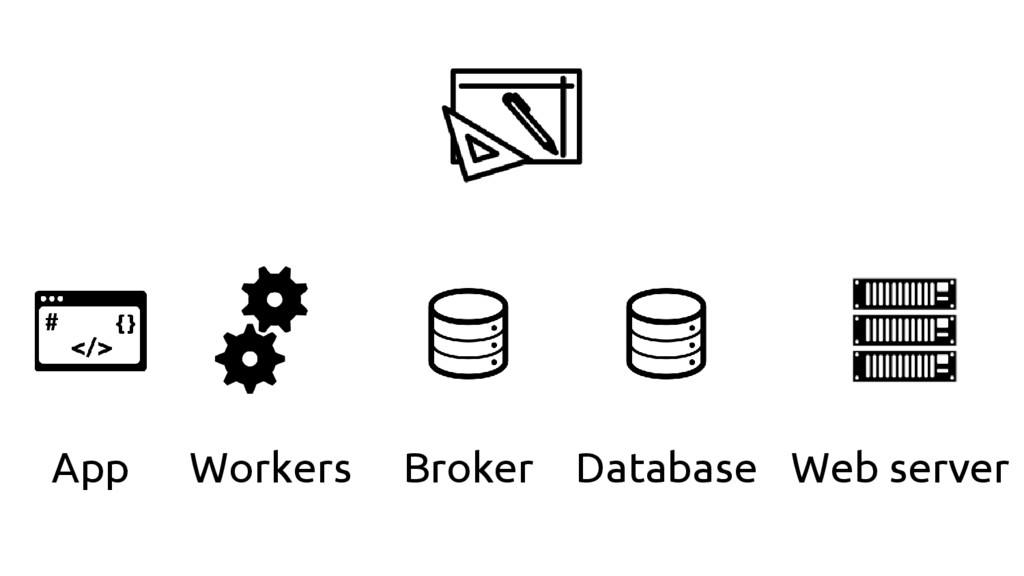
App Workers Database Web server Broker
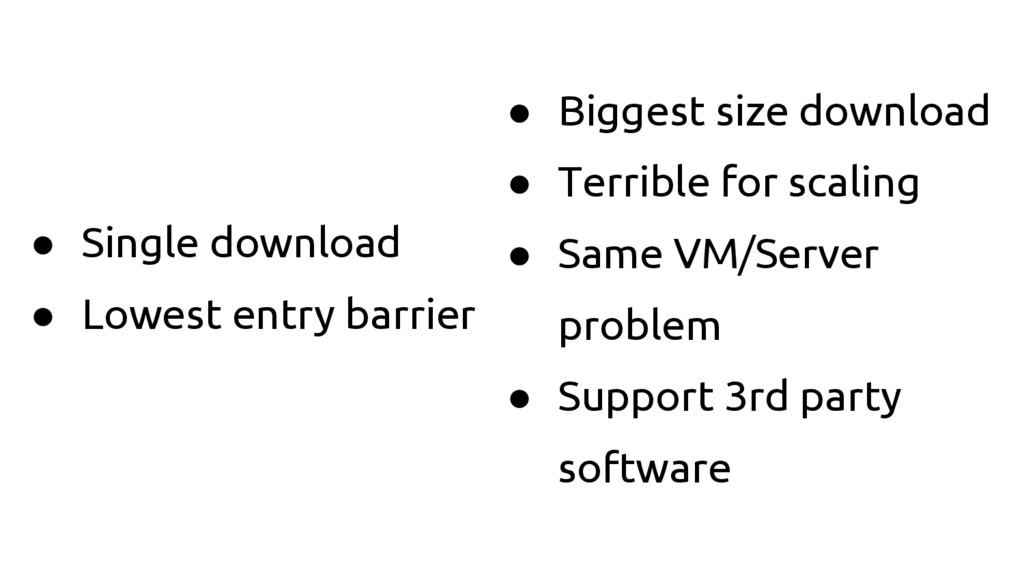
• Single download • Lowest entry barrier • Biggest size
download • Terrible for scaling • Same VM/Server problem • Support 3rd party software
None
Educational purposes only
Don’t use in production
EVER!
Kitchen sink will freeze your servers
Devops don’t like frozen servers
None
Don’t turn your devops into Gordon Ramsay
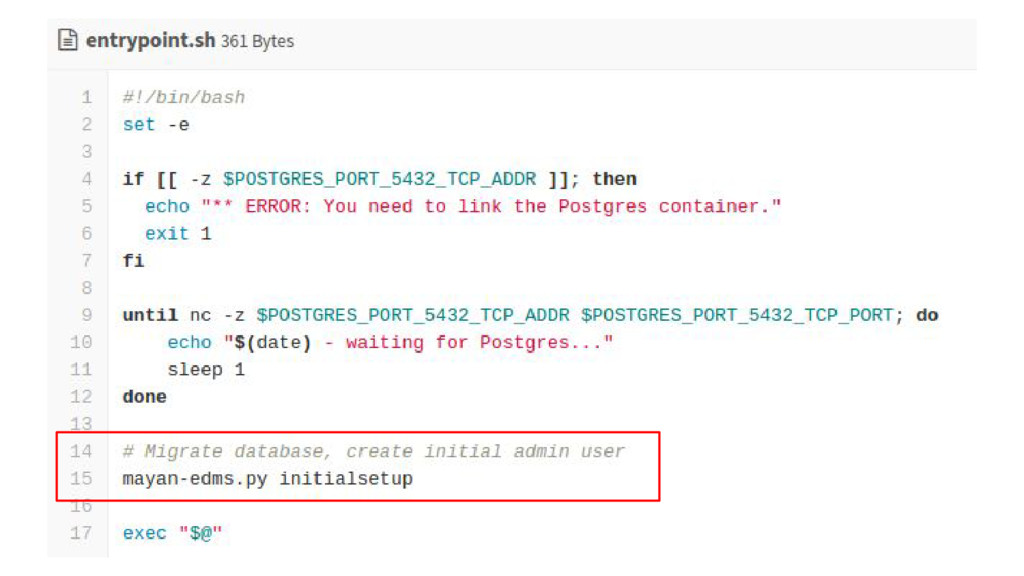
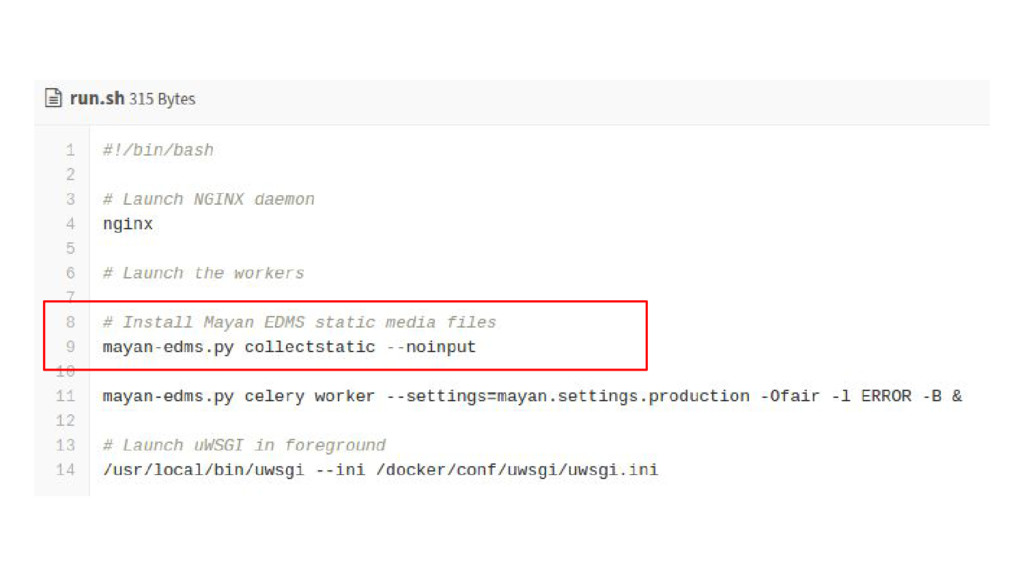
Post init actions
migrate & collectstatic
None
None
None
None
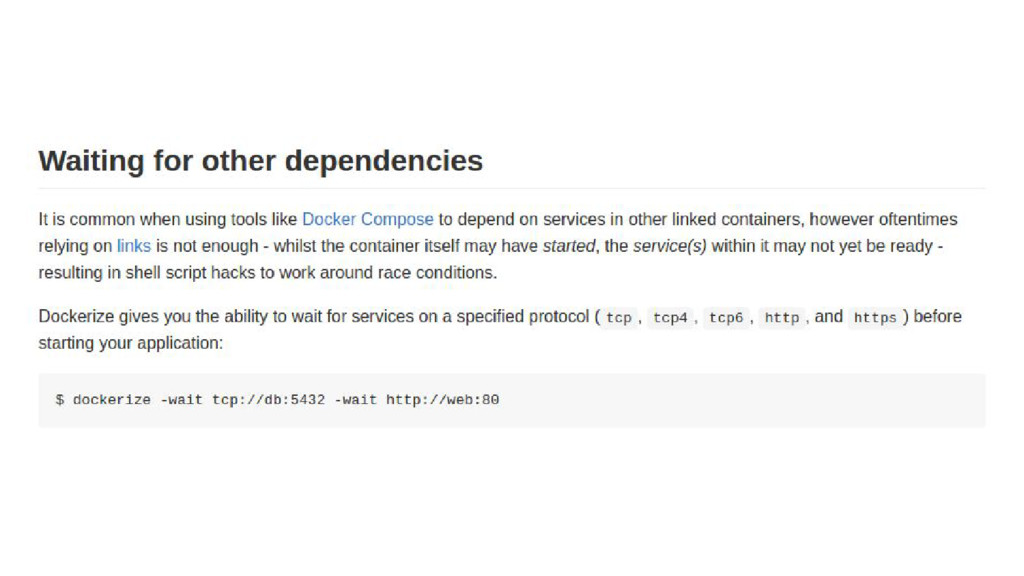
Service synchronization
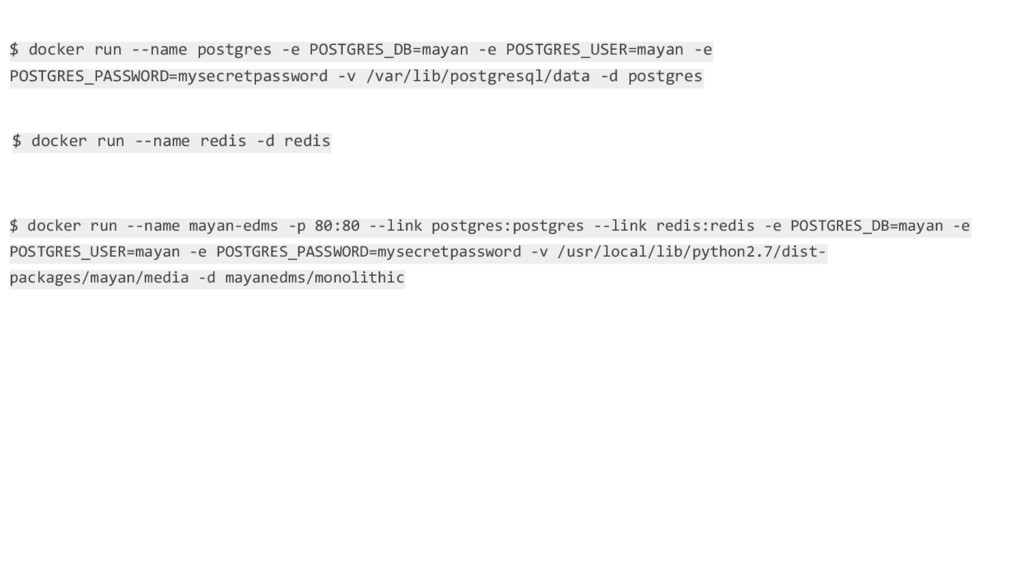
$ docker run --name postgres -e POSTGRES_DB=mayan -e POSTGRES_USER=mayan -e
POSTGRES_PASSWORD=mysecretpassword -v /var/lib/postgresql/data -d postgres $ docker run --name redis -d redis $ docker run --name mayan-edms -p 80:80 --link postgres:postgres --link redis:redis -e POSTGRES_DB=mayan -e POSTGRES_USER=mayan -e POSTGRES_PASSWORD=mysecretpassword -v /usr/local/lib/python2.7/dist- packages/mayan/media -d mayanedms/monolithic
Database connection error.
None
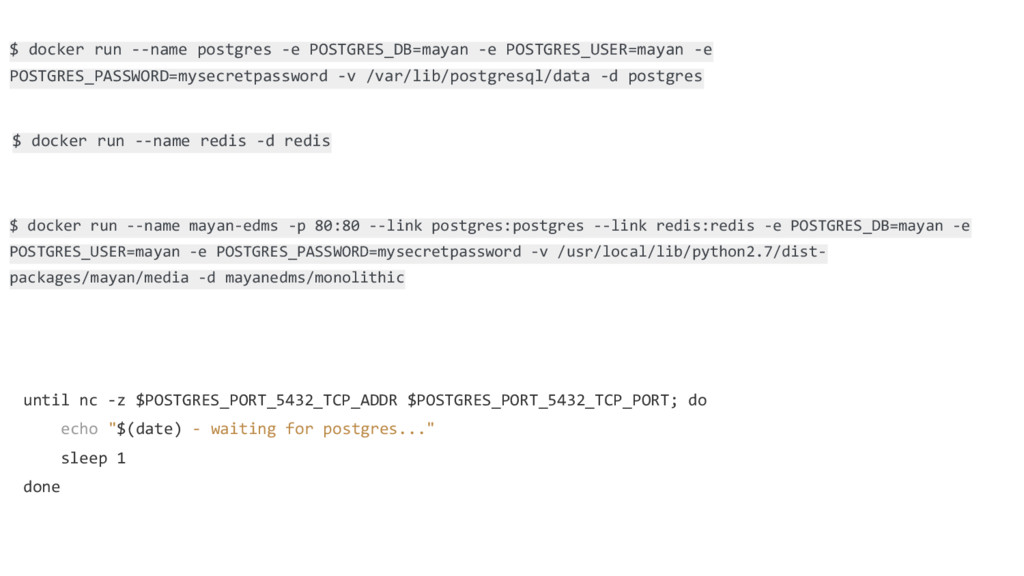
$ docker run --name postgres -e POSTGRES_DB=mayan -e POSTGRES_USER=mayan -e
POSTGRES_PASSWORD=mysecretpassword -v /var/lib/postgresql/data -d postgres $ docker run --name redis -d redis $ docker run --name mayan-edms -p 80:80 --link postgres:postgres --link redis:redis -e POSTGRES_DB=mayan -e POSTGRES_USER=mayan -e POSTGRES_PASSWORD=mysecretpassword -v /usr/local/lib/python2.7/dist- packages/mayan/media -d mayanedms/monolithic
$ docker run --name postgres -e POSTGRES_DB=mayan -e POSTGRES_USER=mayan -e
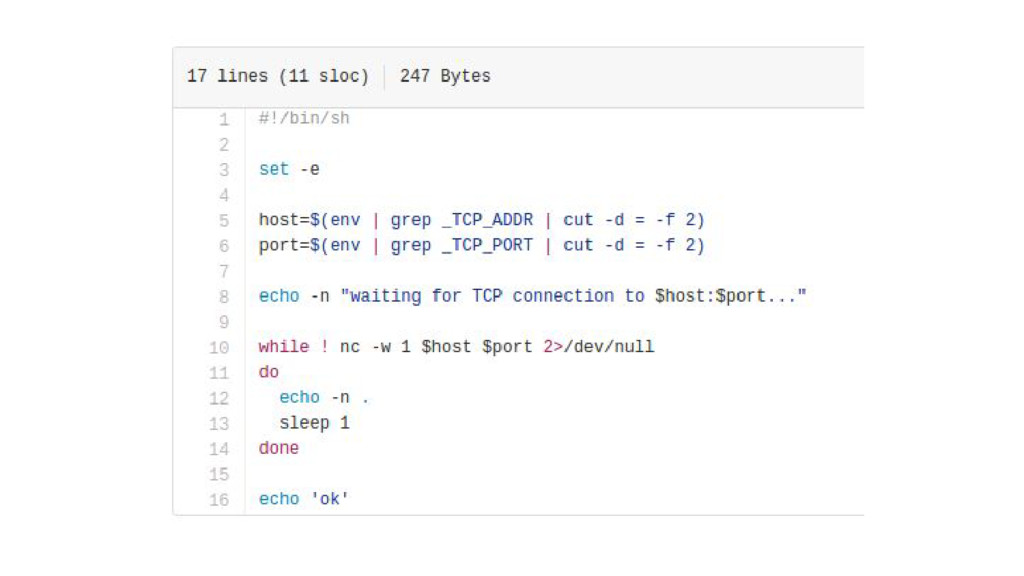
POSTGRES_PASSWORD=mysecretpassword -v /var/lib/postgresql/data -d postgres $ docker run --name redis -d redis $ docker run --name mayan-edms -p 80:80 --link postgres:postgres --link redis:redis -e POSTGRES_DB=mayan -e POSTGRES_USER=mayan -e POSTGRES_PASSWORD=mysecretpassword -v /usr/local/lib/python2.7/dist- packages/mayan/media -d mayanedms/monolithic until nc -z $POSTGRES_PORT_5432_TCP_ADDR $POSTGRES_PORT_5432_TCP_PORT; do echo "$(date) - waiting for postgres..." sleep 1 done
Service synchronization doesn’t belong in configuration files.
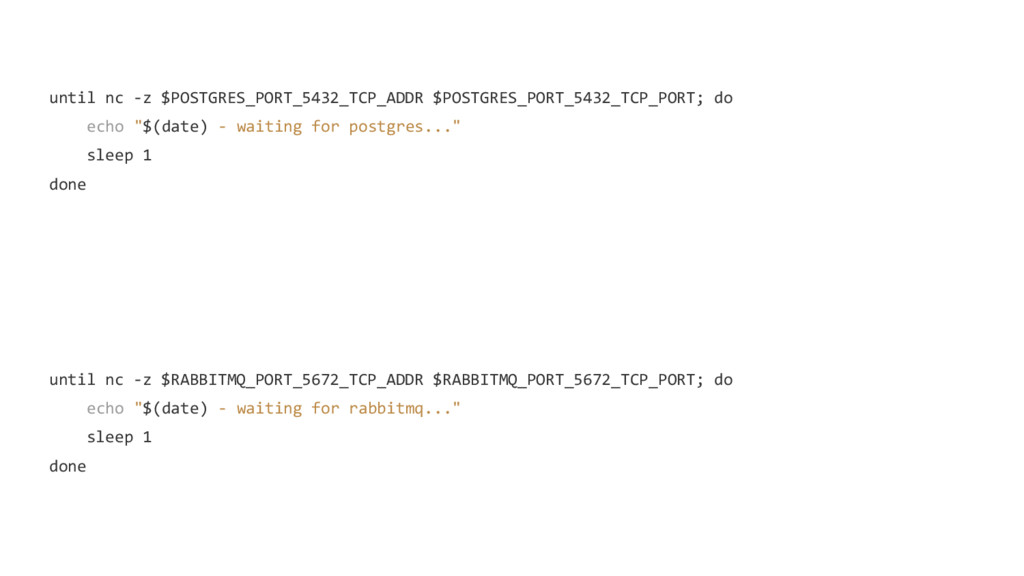
until nc -z $POSTGRES_PORT_5432_TCP_ADDR $POSTGRES_PORT_5432_TCP_PORT; do echo "$(date) - waiting
for postgres..." sleep 1 done until nc -z $RABBITMQ_PORT_5672_TCP_ADDR $RABBITMQ_PORT_5672_TCP_PORT; do echo "$(date) - waiting for rabbitmq..." sleep 1 done
More problems.
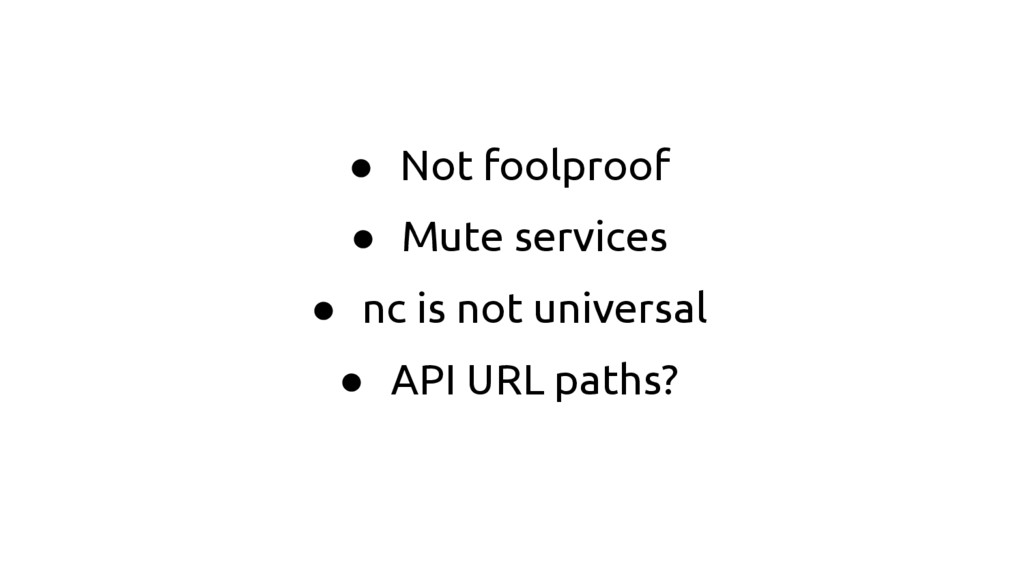
• Not foolproof • Mute services • nc is not
universal • API URL paths?
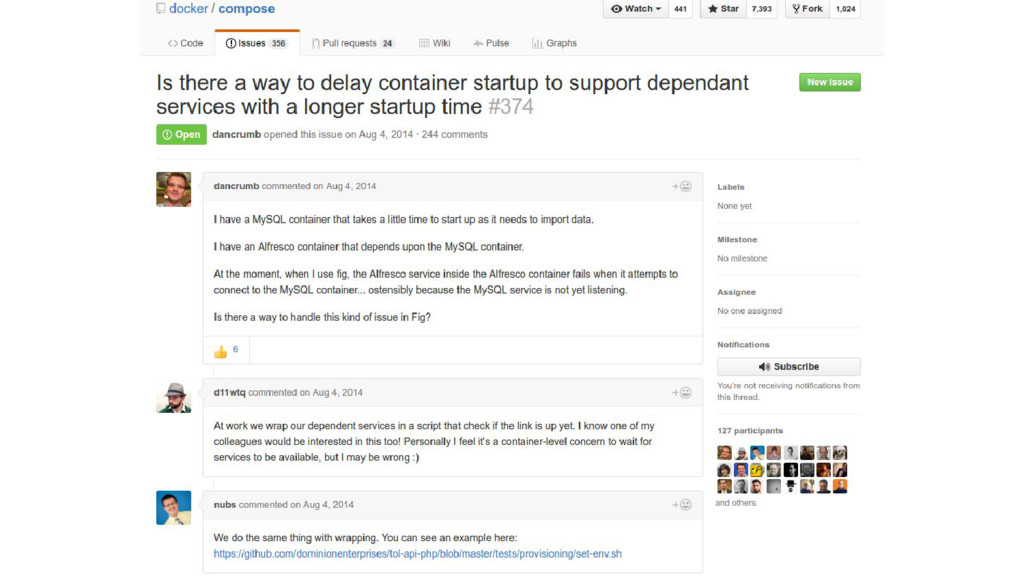
Solutions?
None
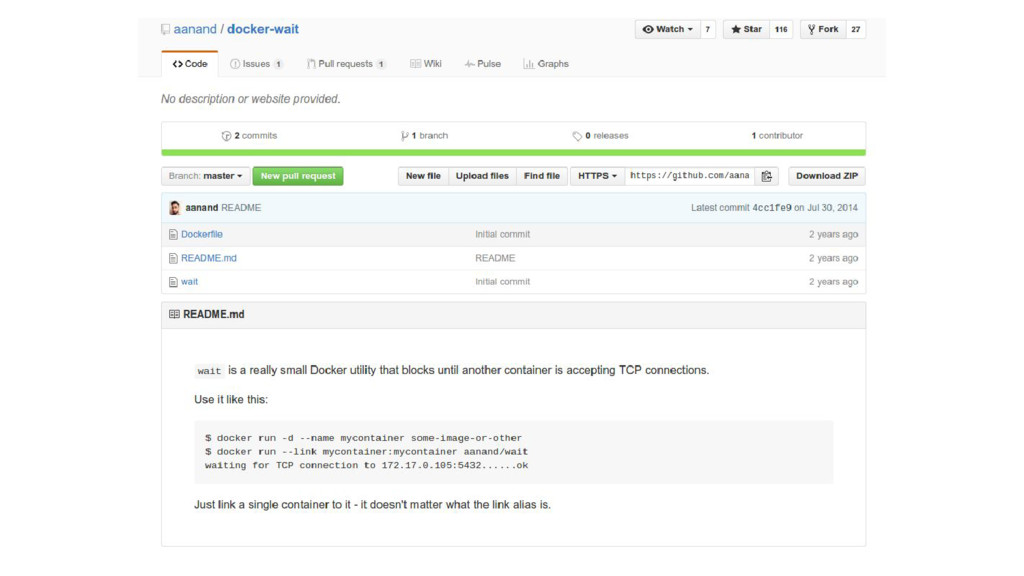
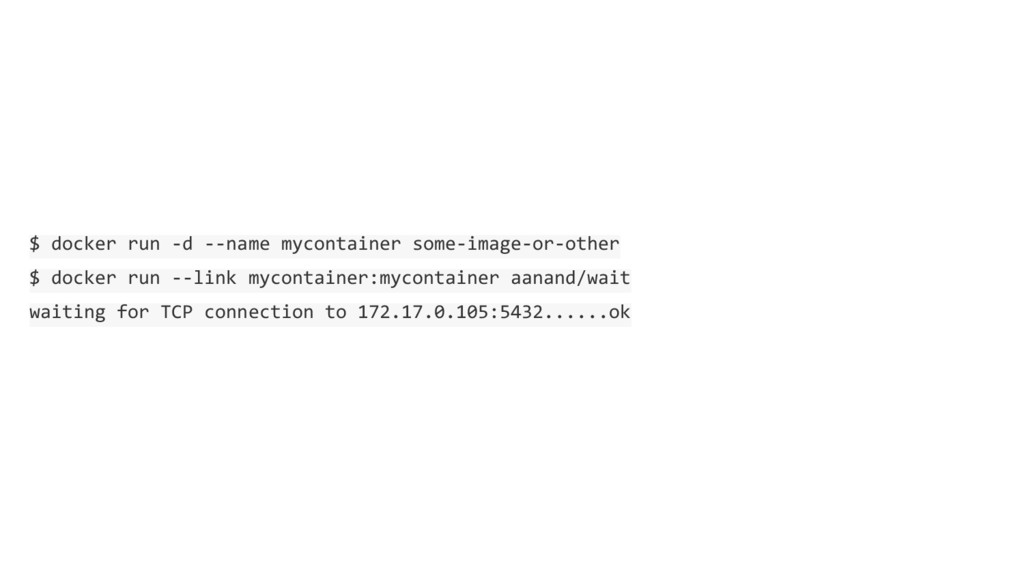
$ docker run -d --name mycontainer some-image-or-other $ docker run
--link mycontainer:mycontainer aanand/wait waiting for TCP connection to 172.17.0.105:5432......ok
Interesting, but...
None
An entire container to run nc.
Cool solution, wrong problem.
None
None
It’s the container manager’s responsibility.
None
None
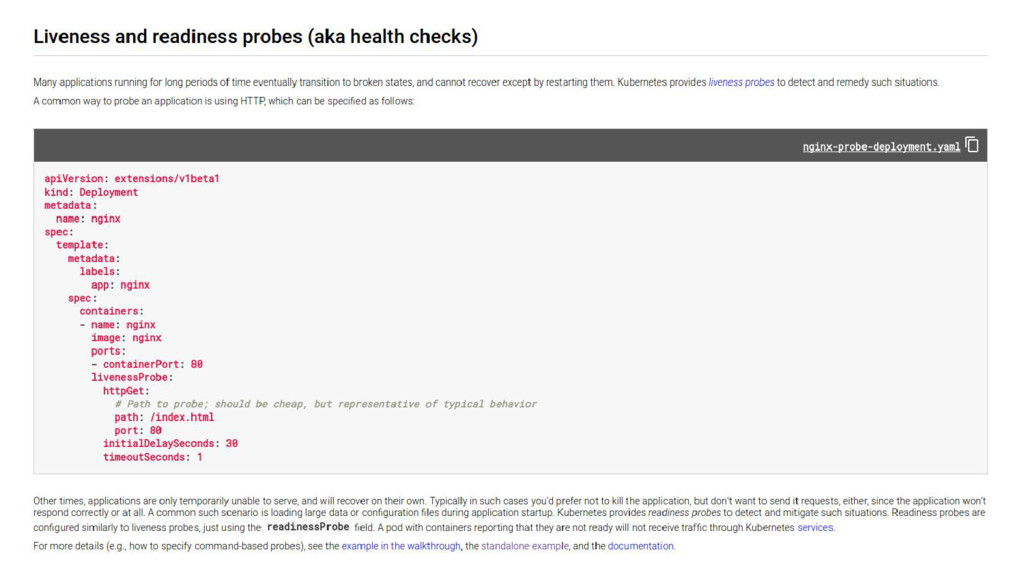
Kubernetes approach
None
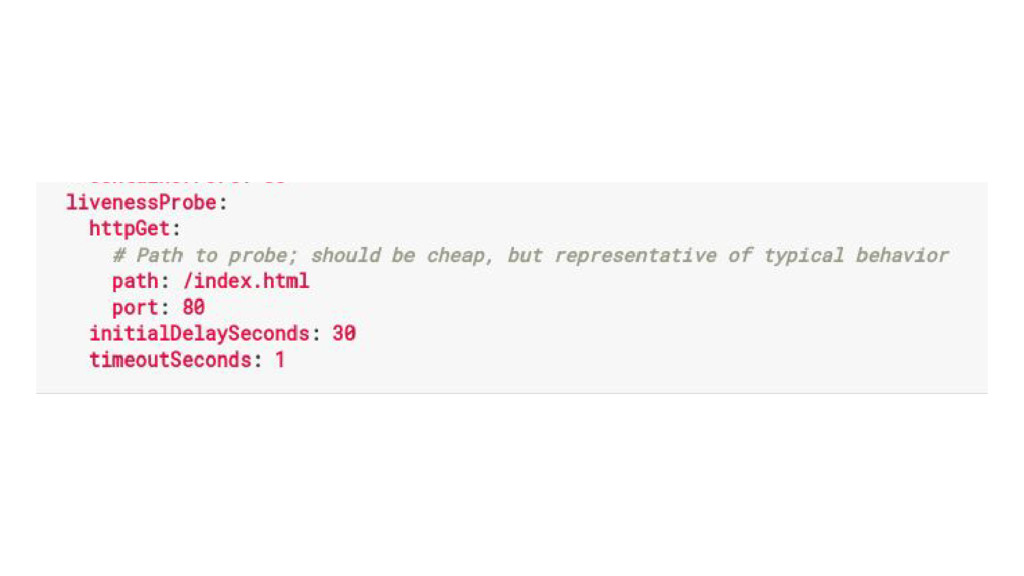
Port, path, initial delay & timeout!
None
None
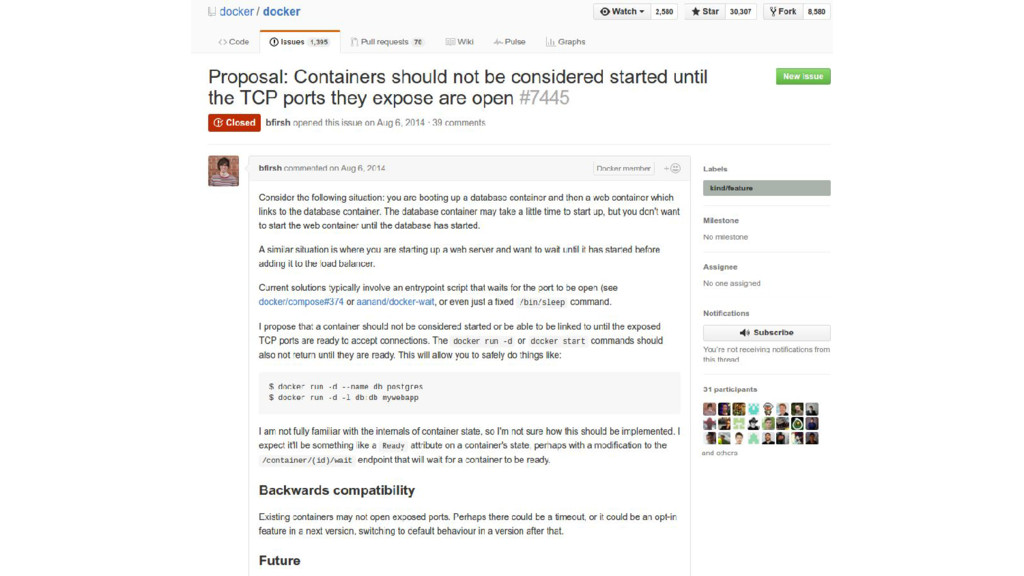
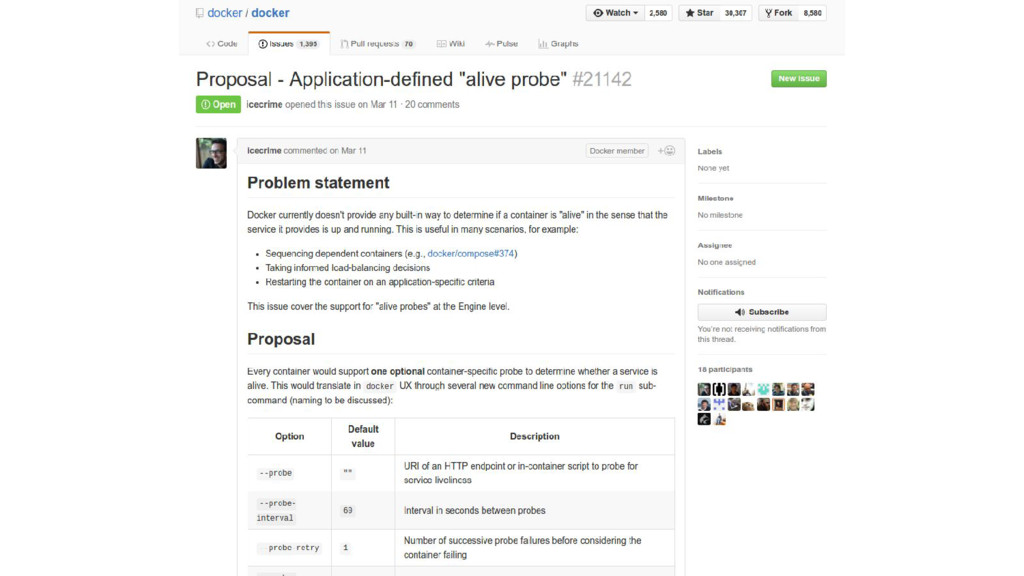
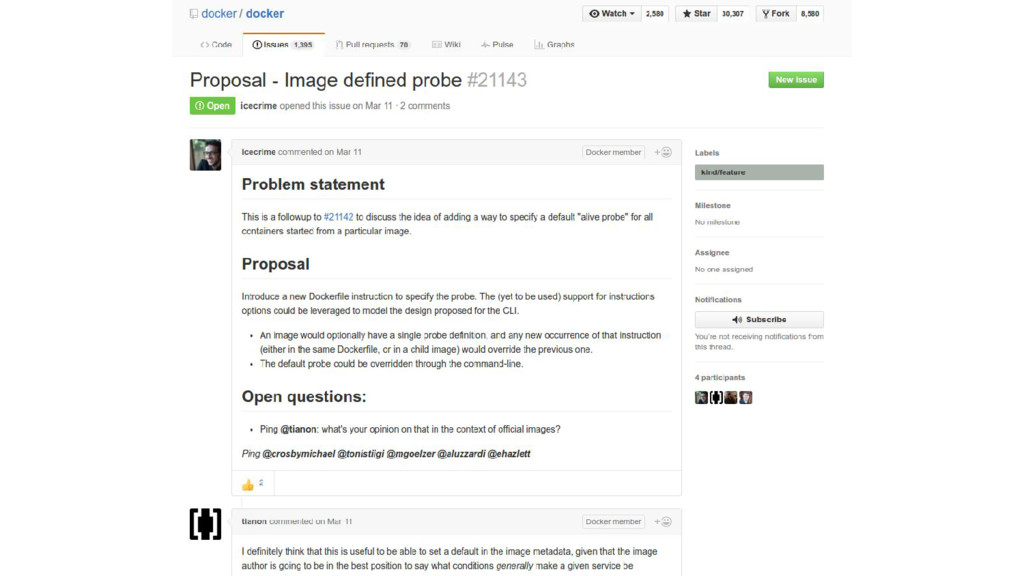
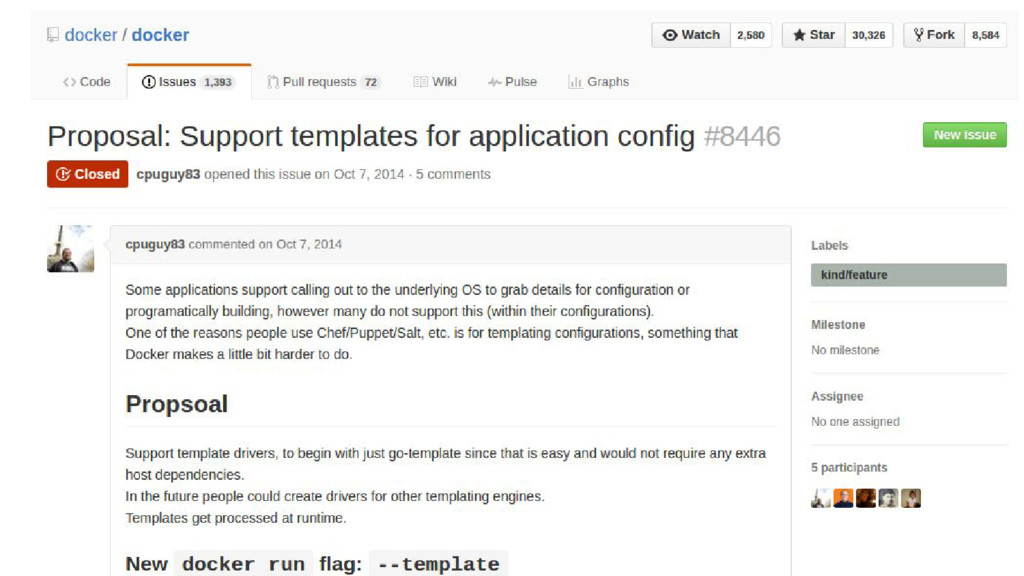
Docker upstream native approach needed
None
None
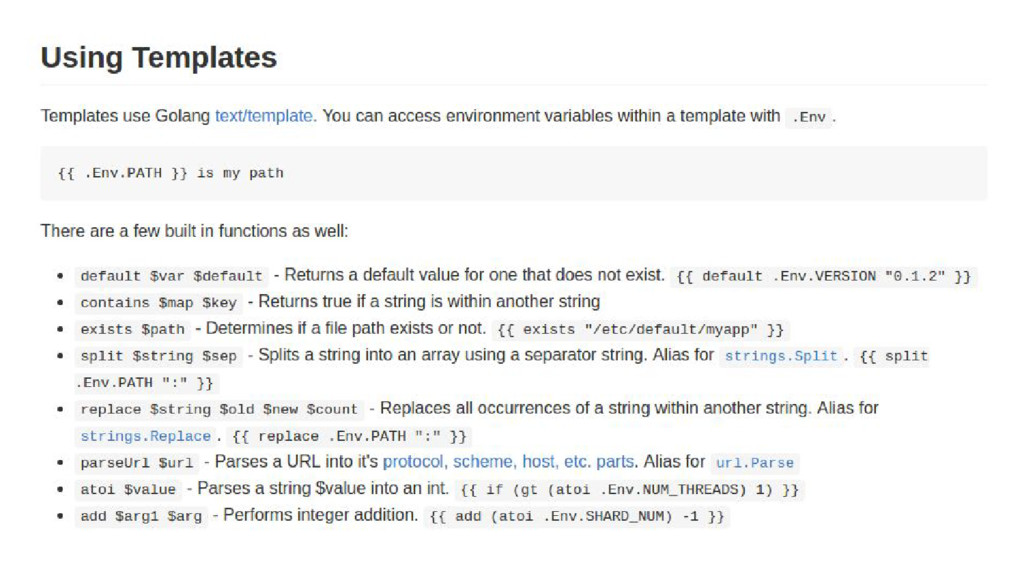
Templating
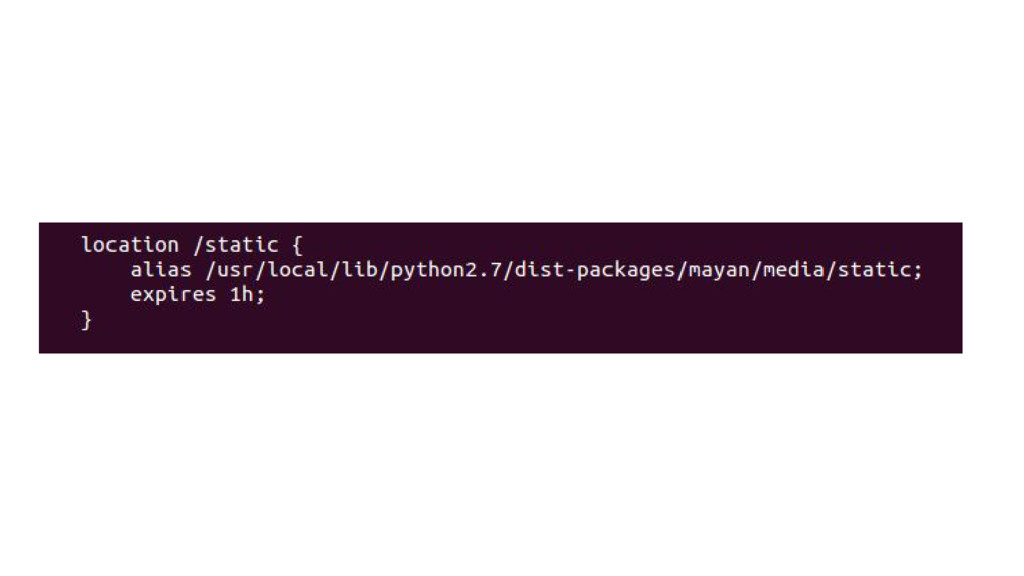
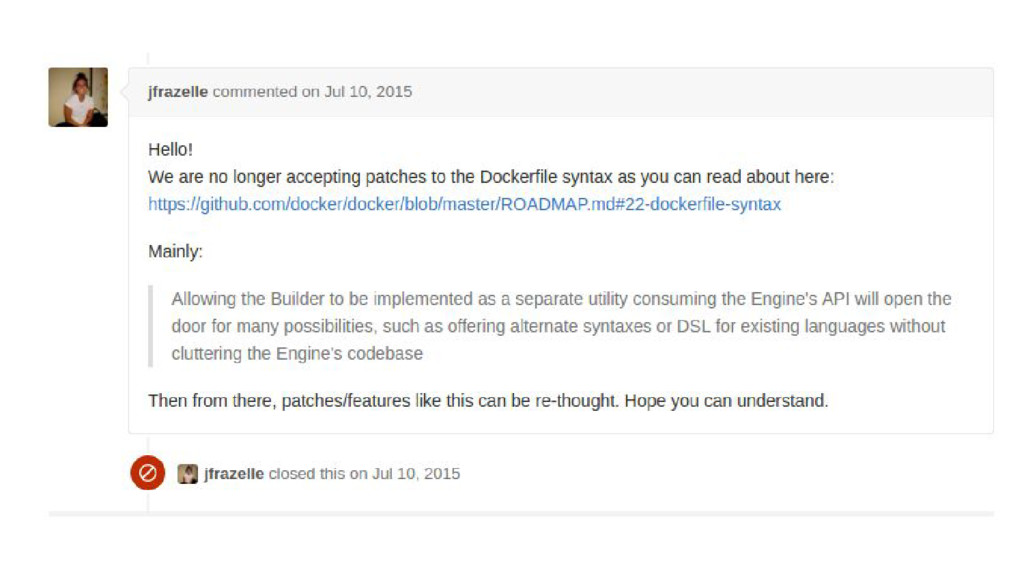
Docker images are static. Less reusable.
None
Docker containers are configured with environment variables.
None
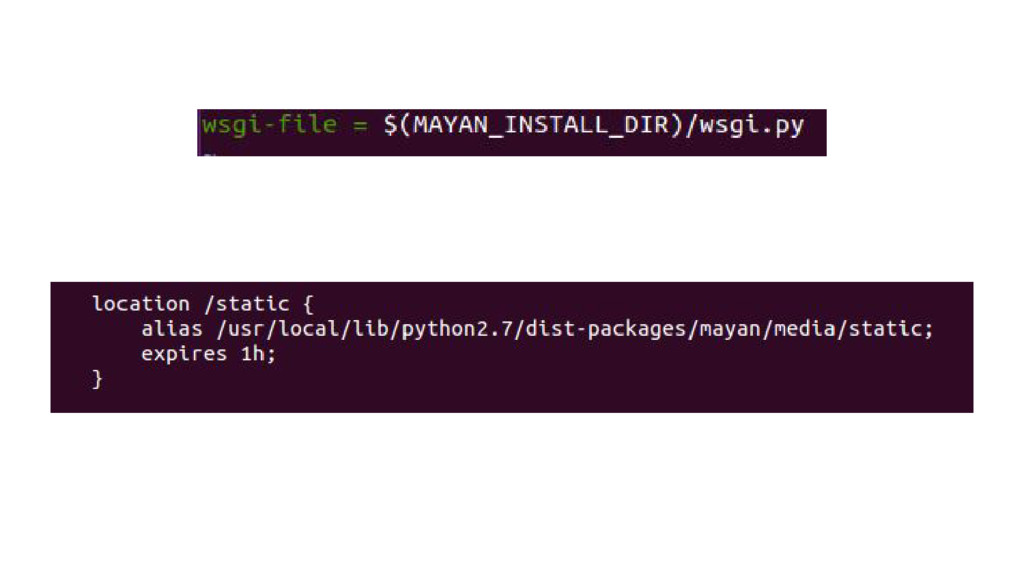
uWSGI support environment variables. NGINX doesn’t.
Docker upstream native approach needed
None
None
“Thank you for using Docker” “But your fix is in
another repository”
None
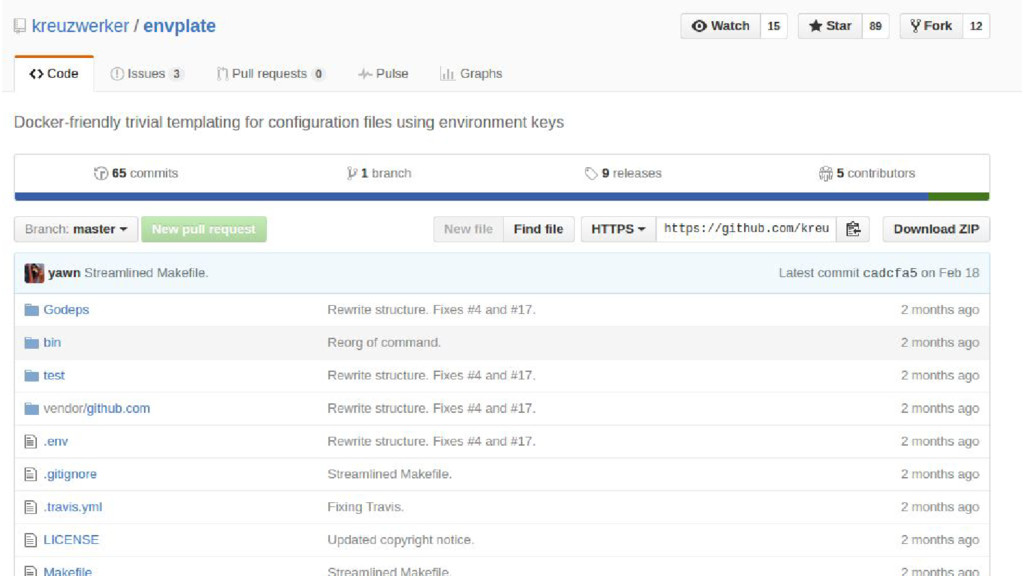
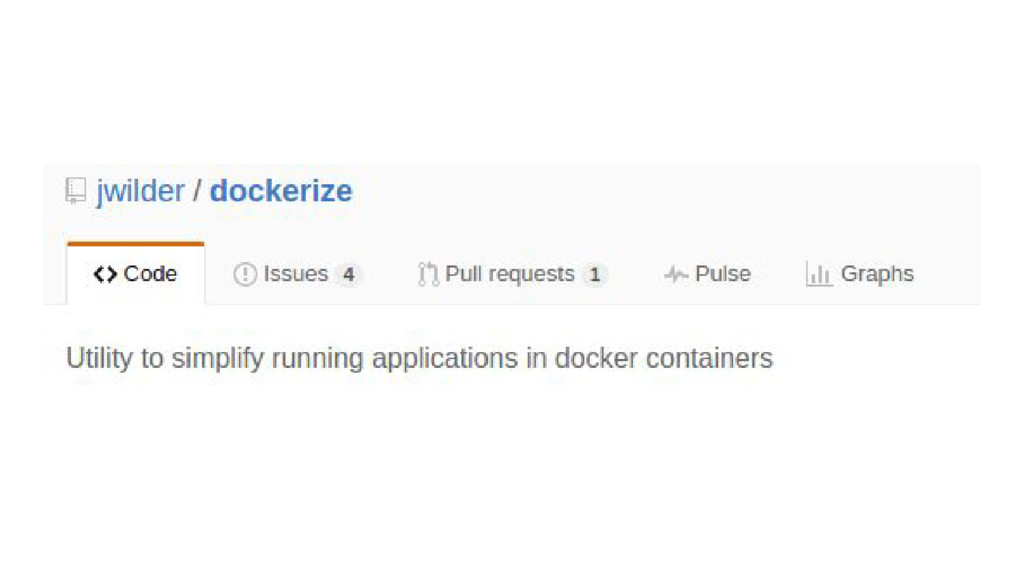
Options?
None
And then there is genius
None
None
Bonus
None
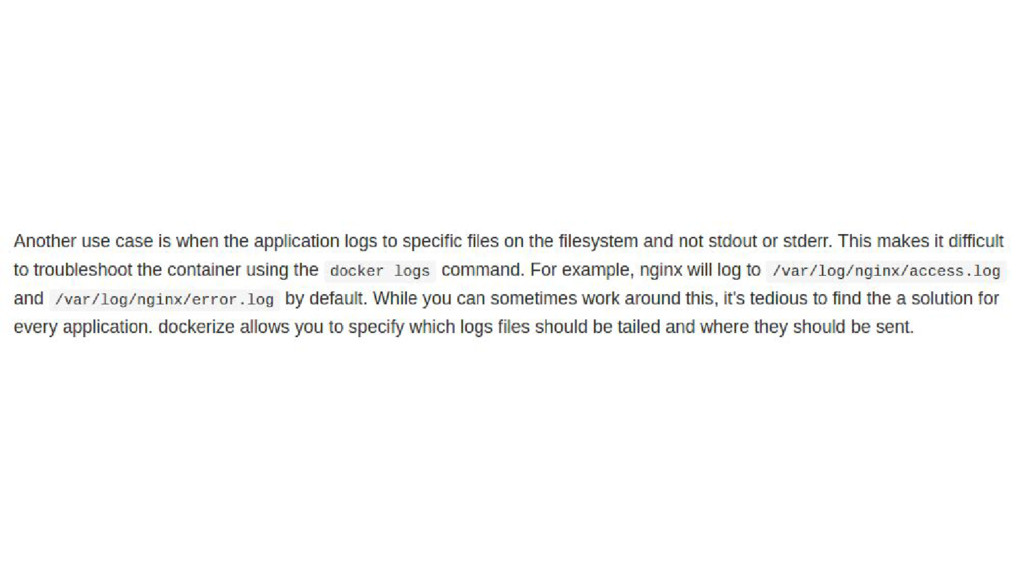
Can help with logs too
None
Demo time
Lessons learned?
None
None
None
None
None
Thank you!