
In many projects, specifications and code drift apart over time. Requirements change, documentation becomes outdated, and developers rely mainly on the code. This increases risk and makes changes harder, especially in long-living business applications.
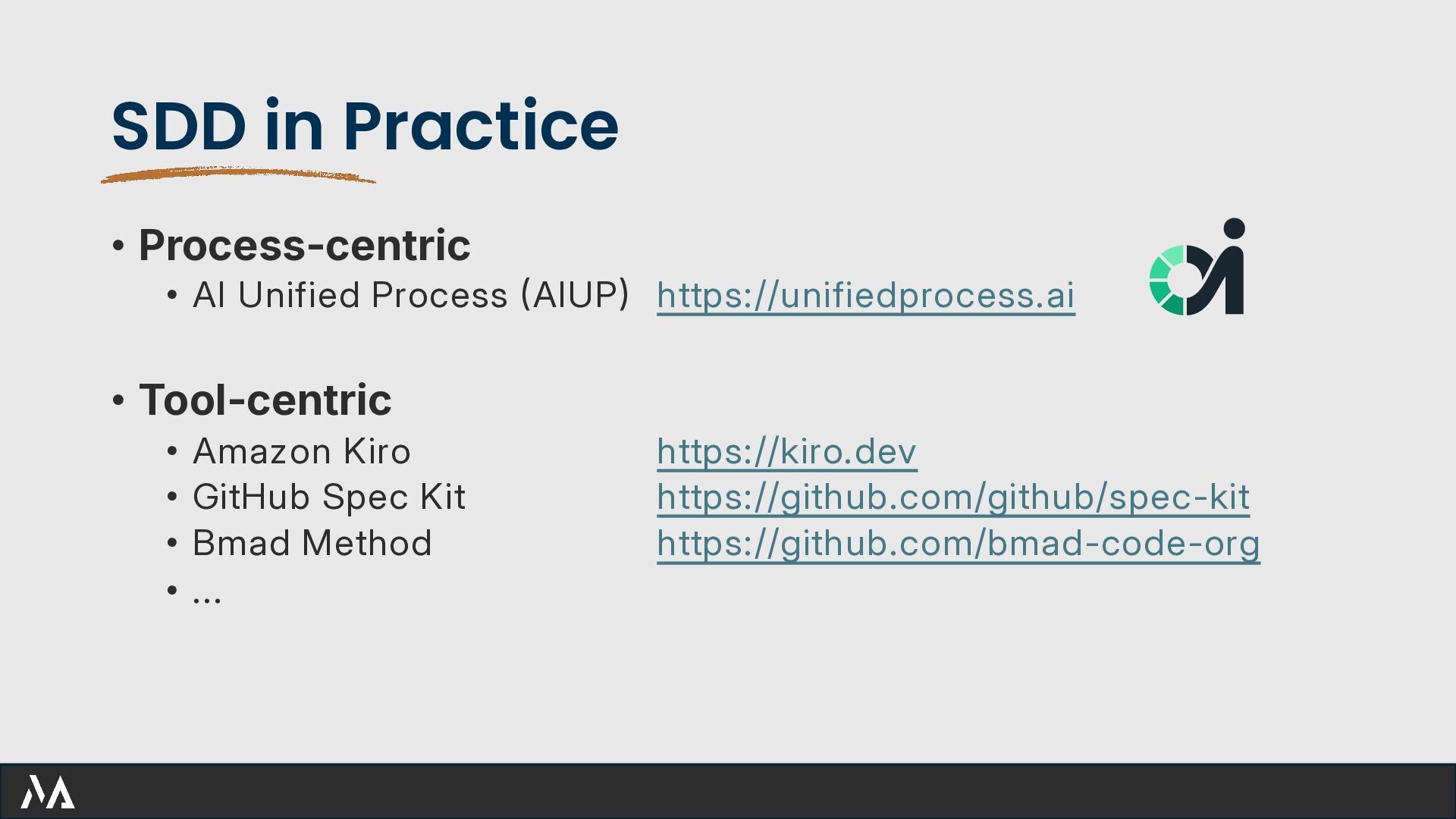
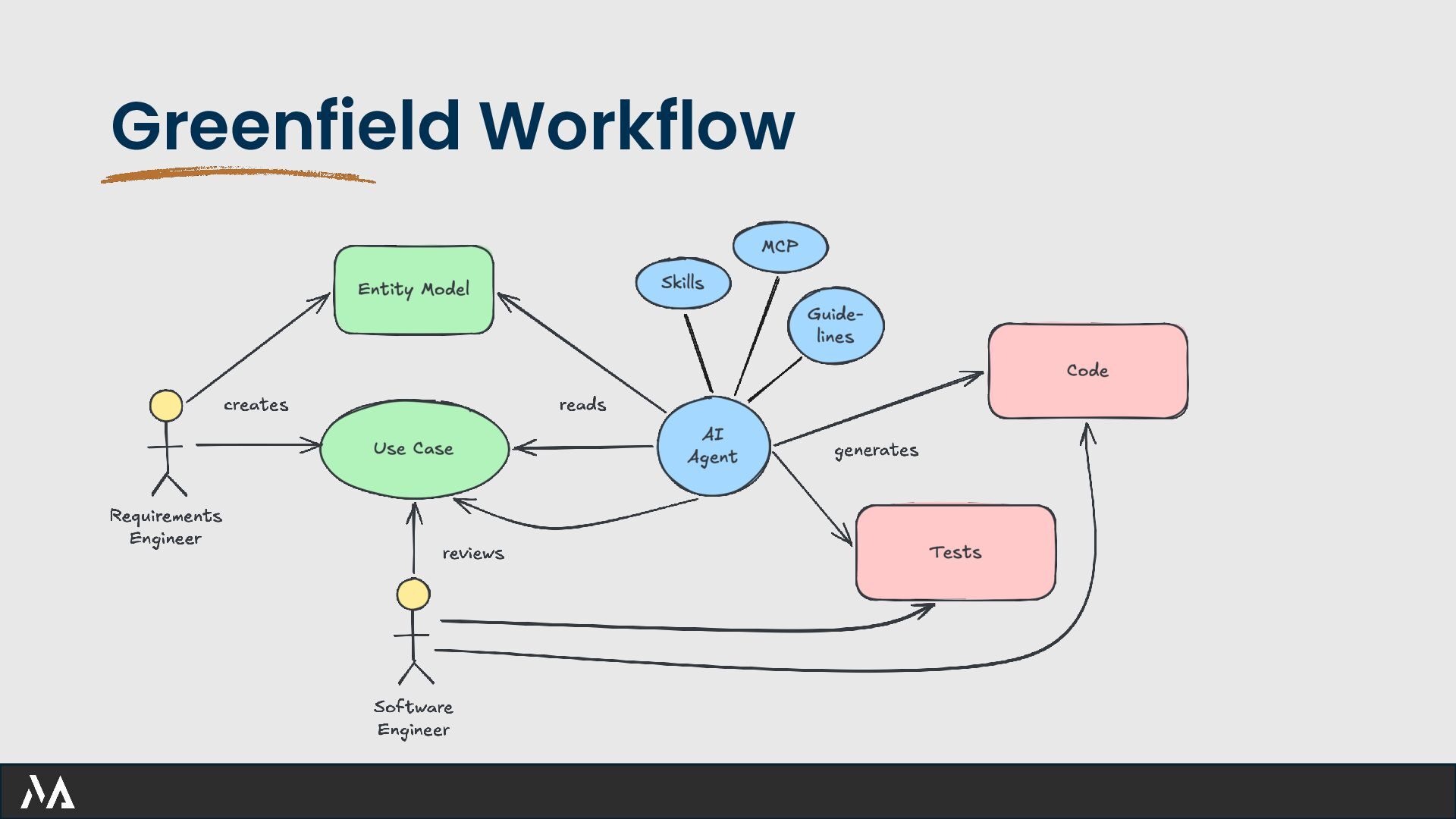
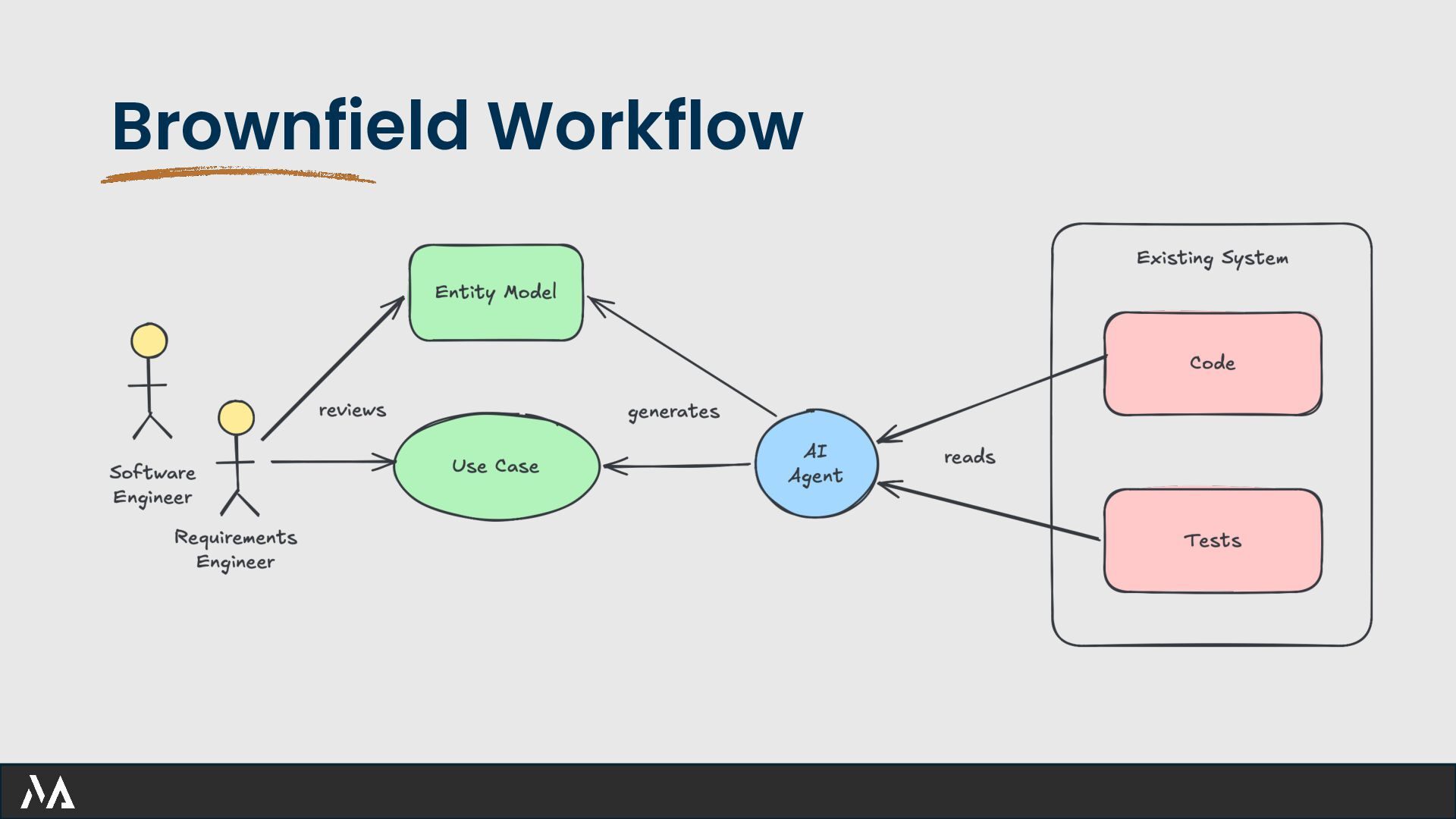
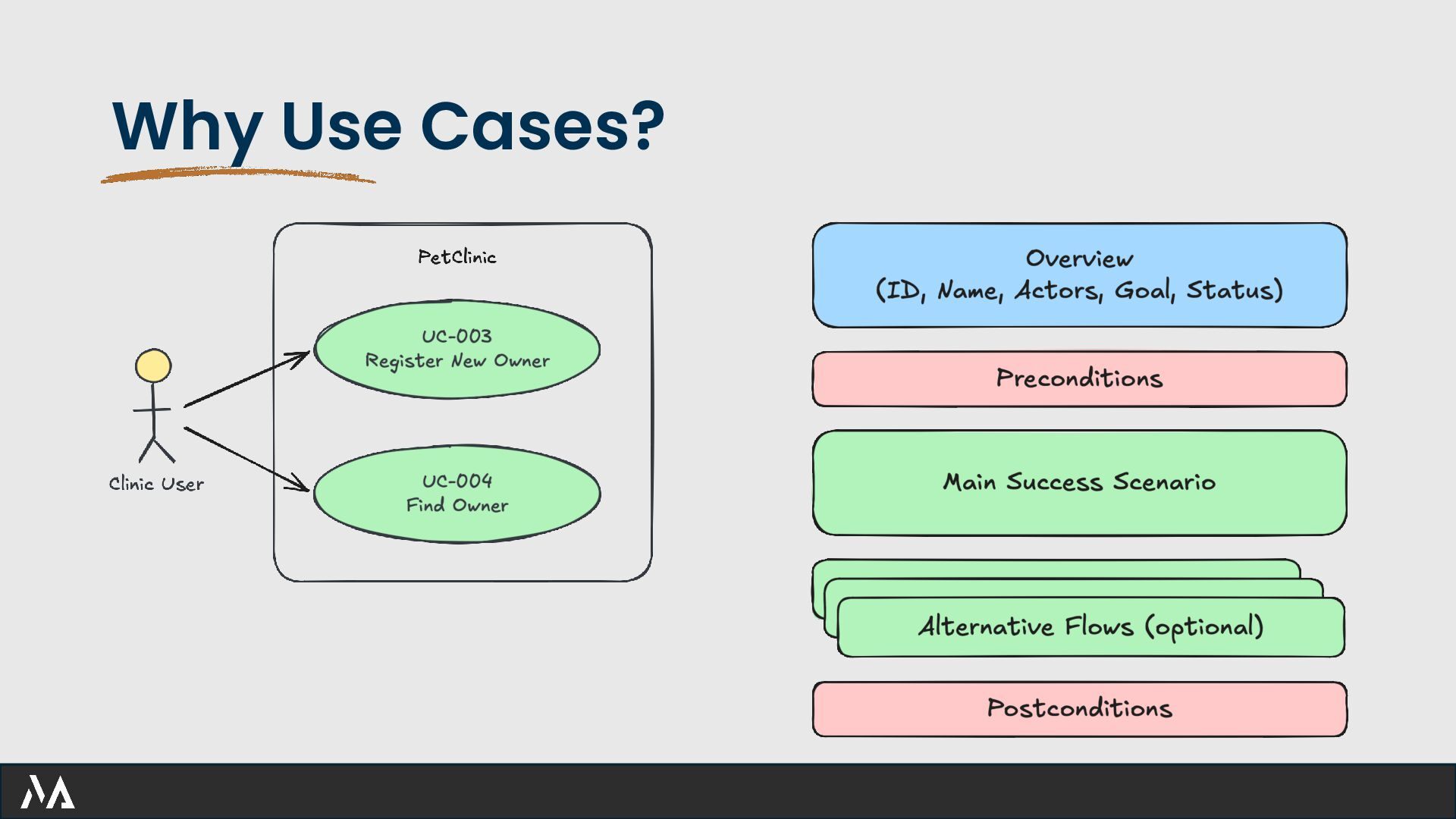
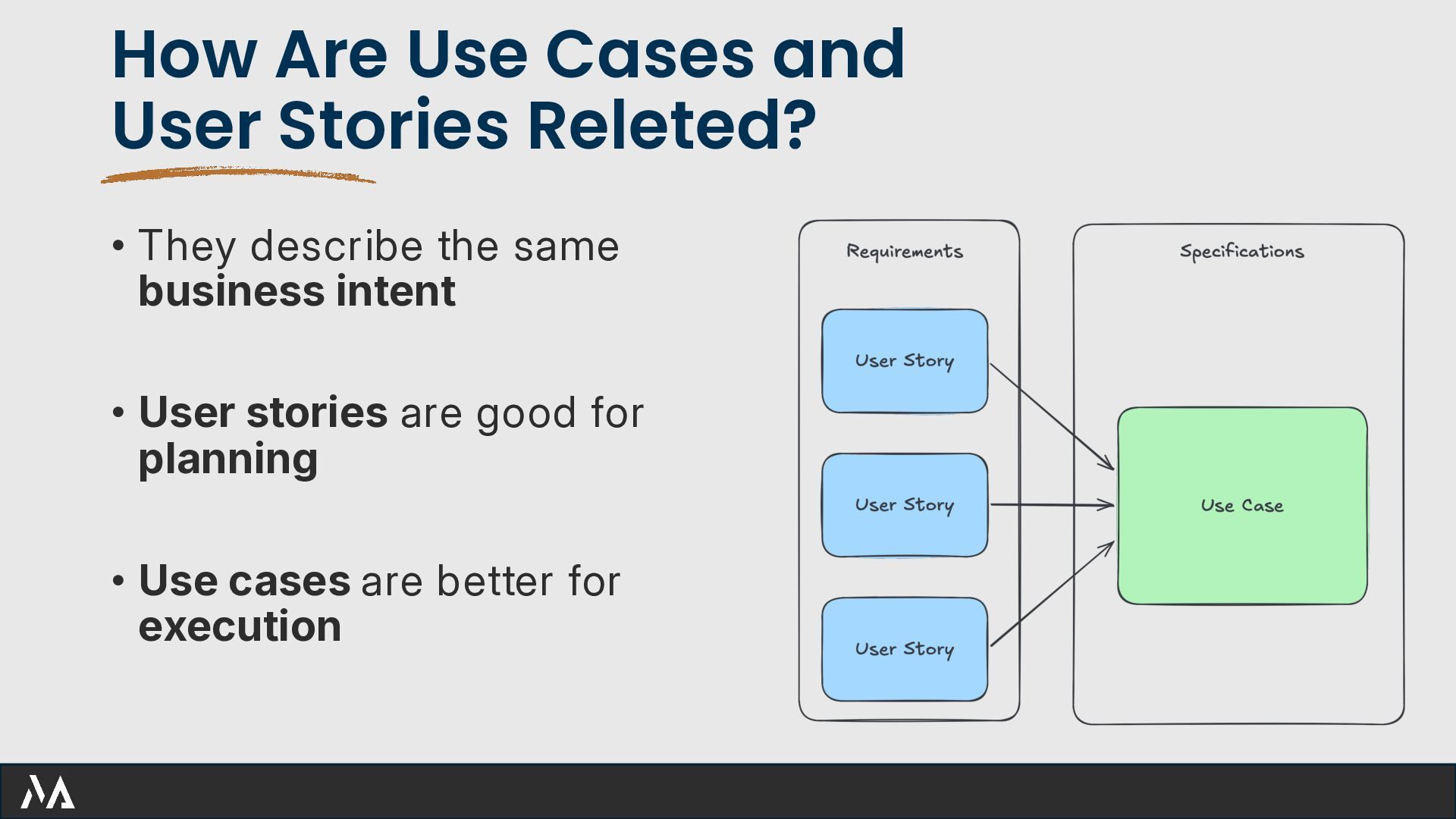
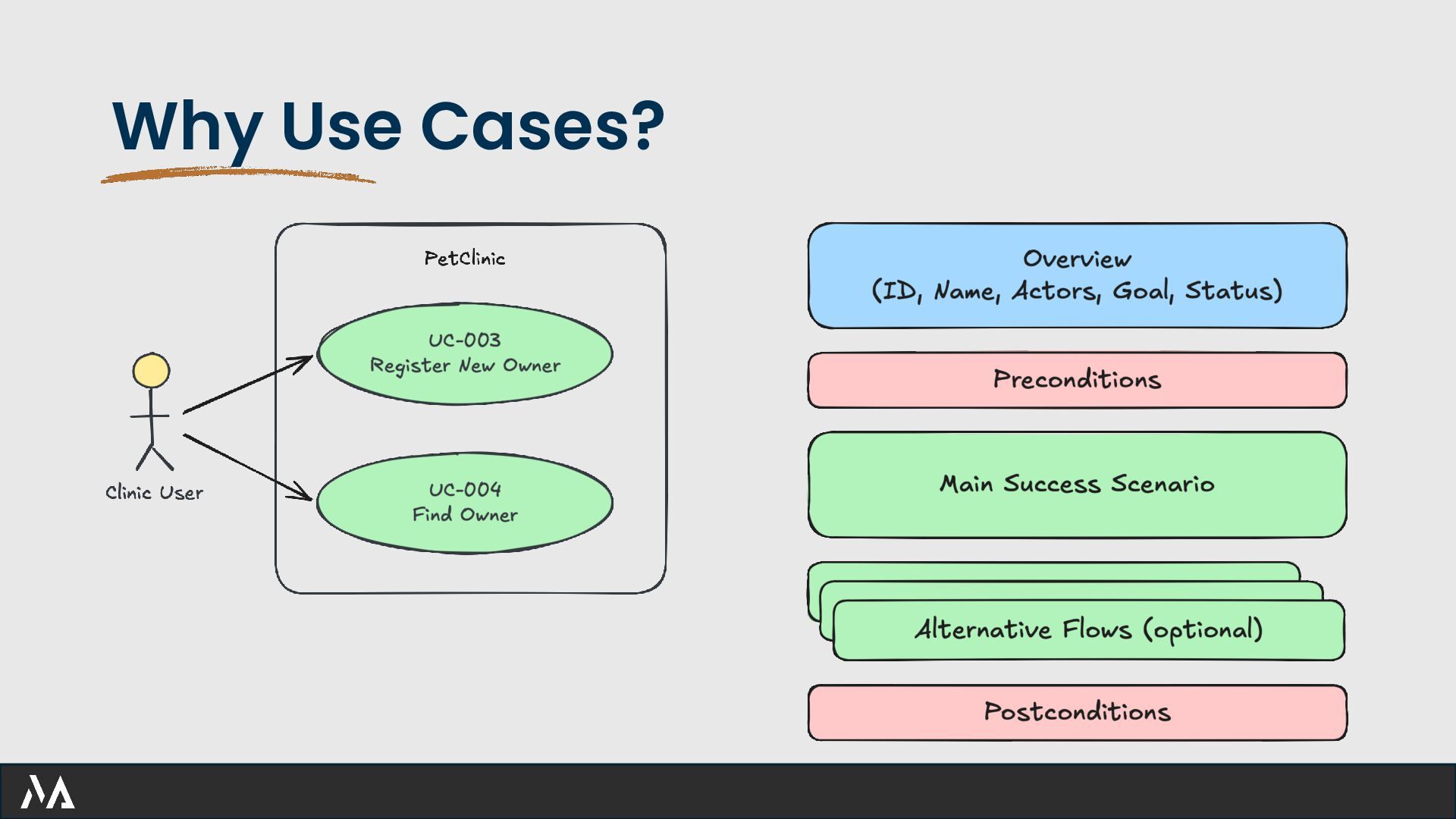
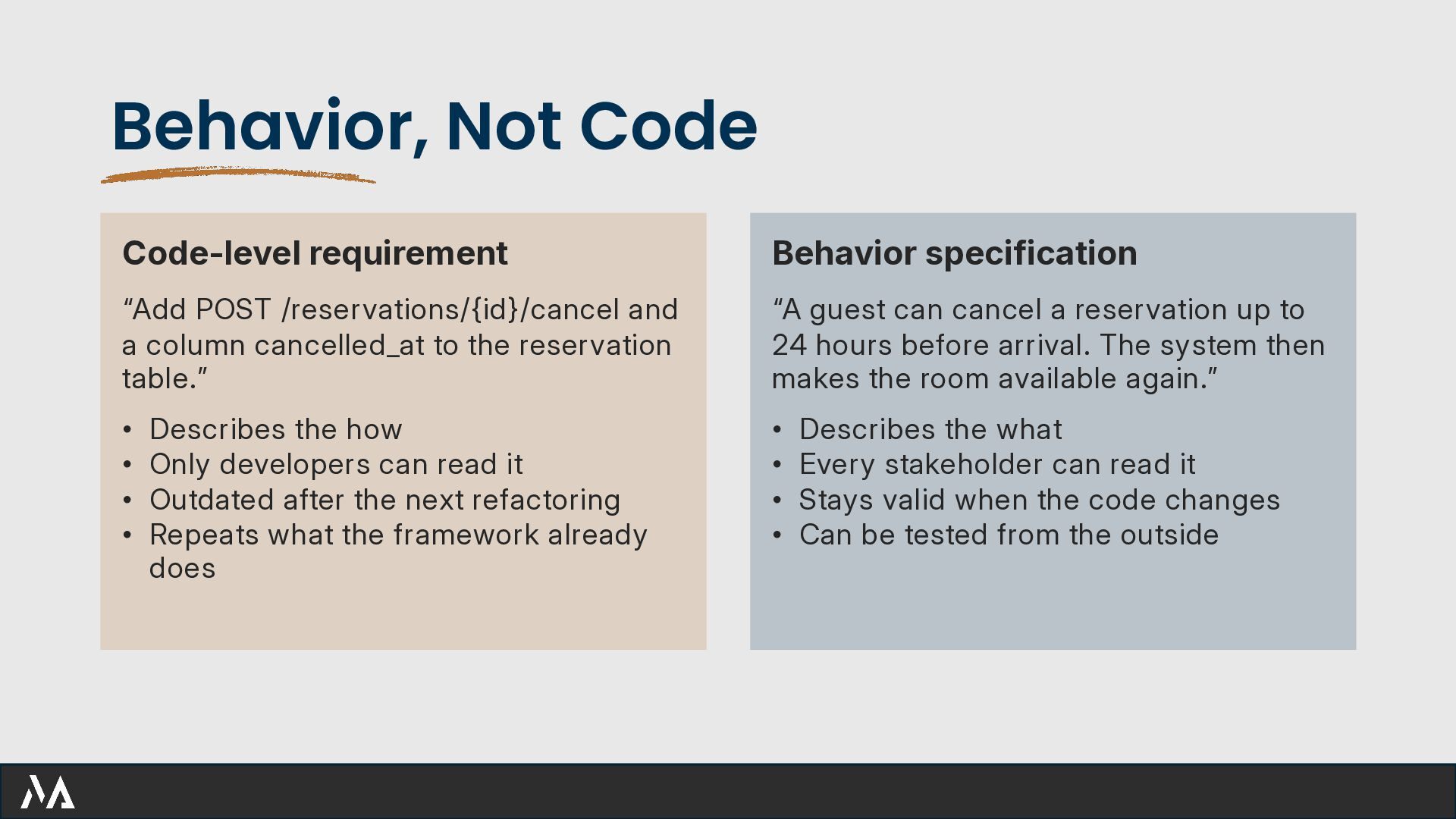
This talk presents the AI Unified Process, a spec-driven approach where system use cases are the central artifact. A system use case describes observable system behavior and acts as a stable contract for the application. Code is derived from these use cases instead of treating the code itself as the source of truth.
AI is used as a supporting tool to generate and update code and tests from system use cases in small, controlled steps. The focus is not on full regeneration, but on keeping existing code and specifications aligned over time.
Using concrete examples, the talk shows how backend logic, database access, and UI behavior can evolve together. It also explains when code is generated, when it is updated, and how version control and reviews help keep changes small and understandable.
The session shares concrete workflows and lessons learned from three customer projects, including limitations and trade-offs of using AI in this way.
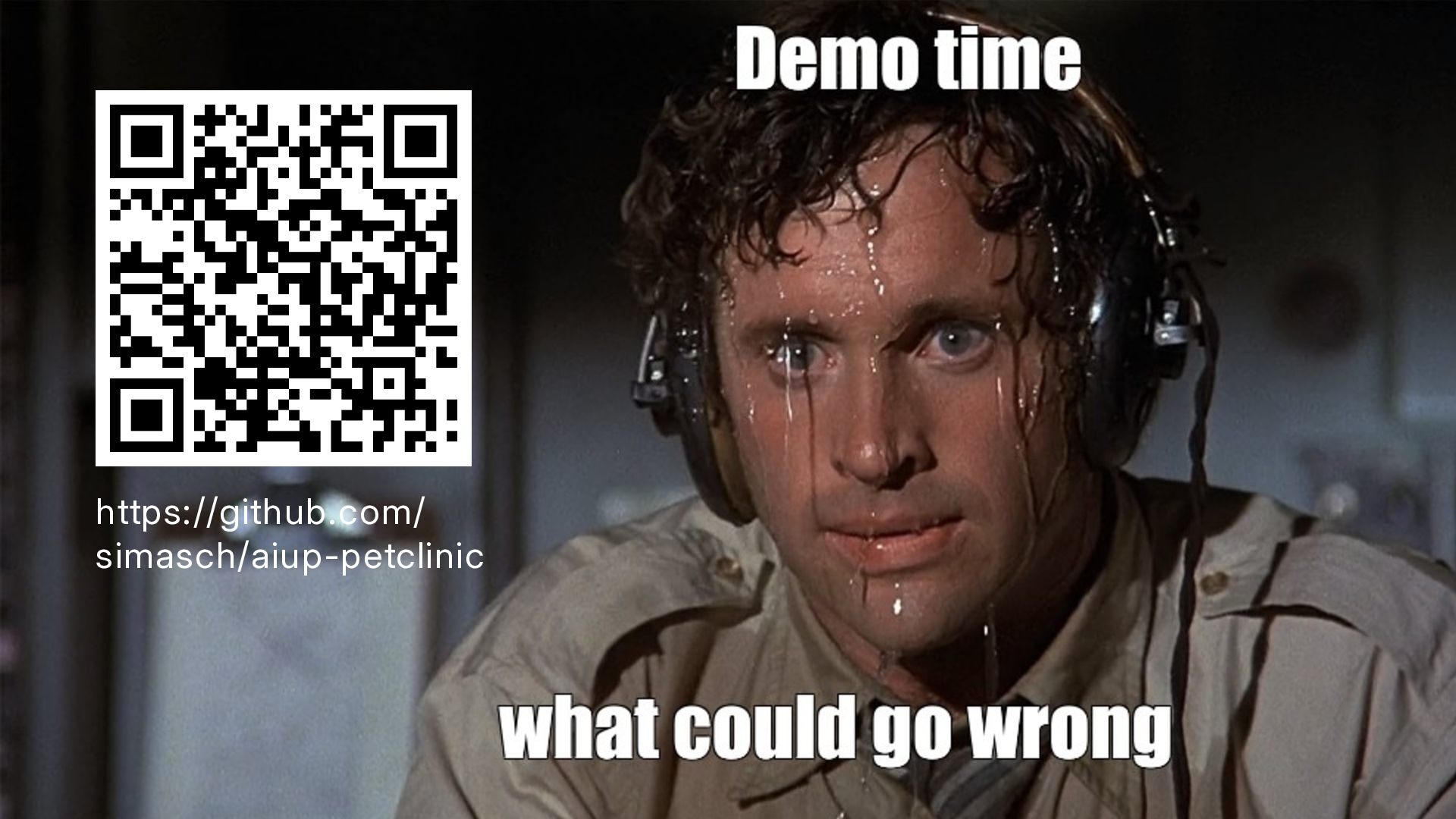
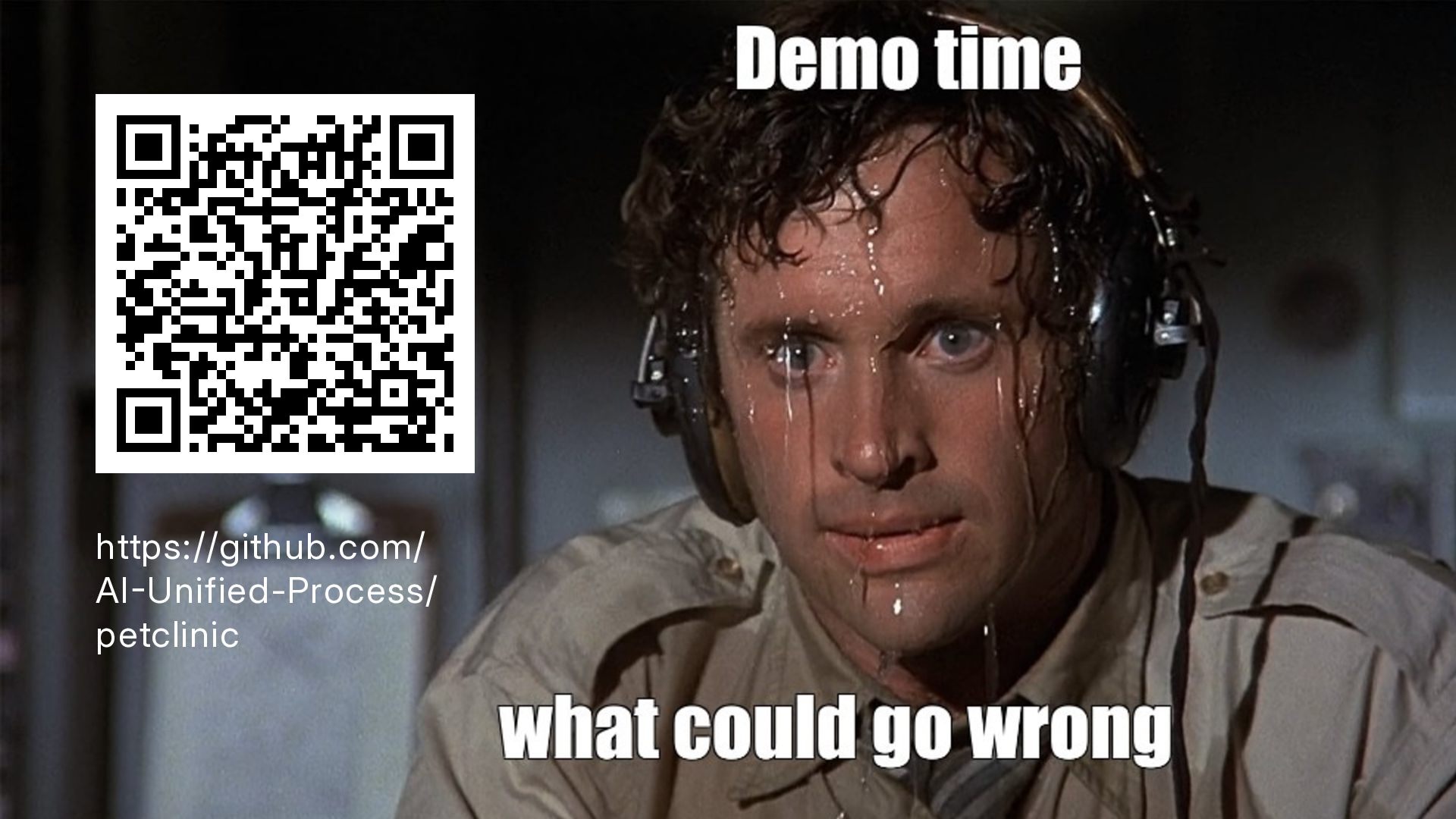
Example project: https://github.com/AI-Unified-Process/petclinic


 simas
simas
 hollycummins
 koic
koic
 glassfiber
 palkan
 seike460
 repunit11
 ogom
ogom
 syumai
 minodriven
 bells17
 kishida
 kawashimo0
 moore
moore
 cassininazir
 tammielis
 bethany
 rkendrick25
 tomoyanonymous
 eileencodes
 reverentgeek
 rmw
rmw
 ryanjones
 uxyall

![Thank you! • Web martinelli.ch • EMail [email protected] • Bluesky](https://files.speakerdeck.com/presentations/deb2f540e4004810aecf243ee4d07599/slide_25.jpg)