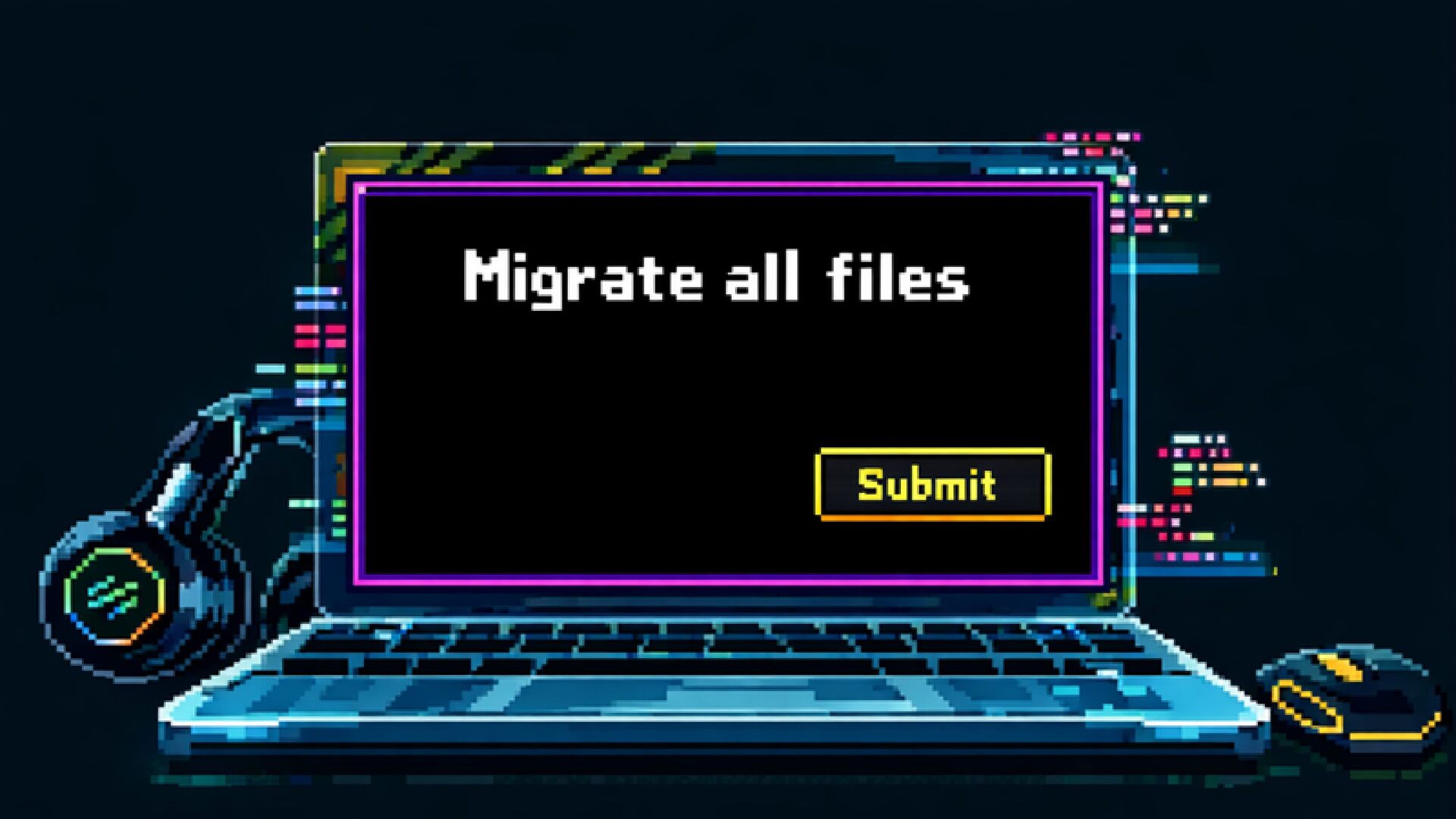
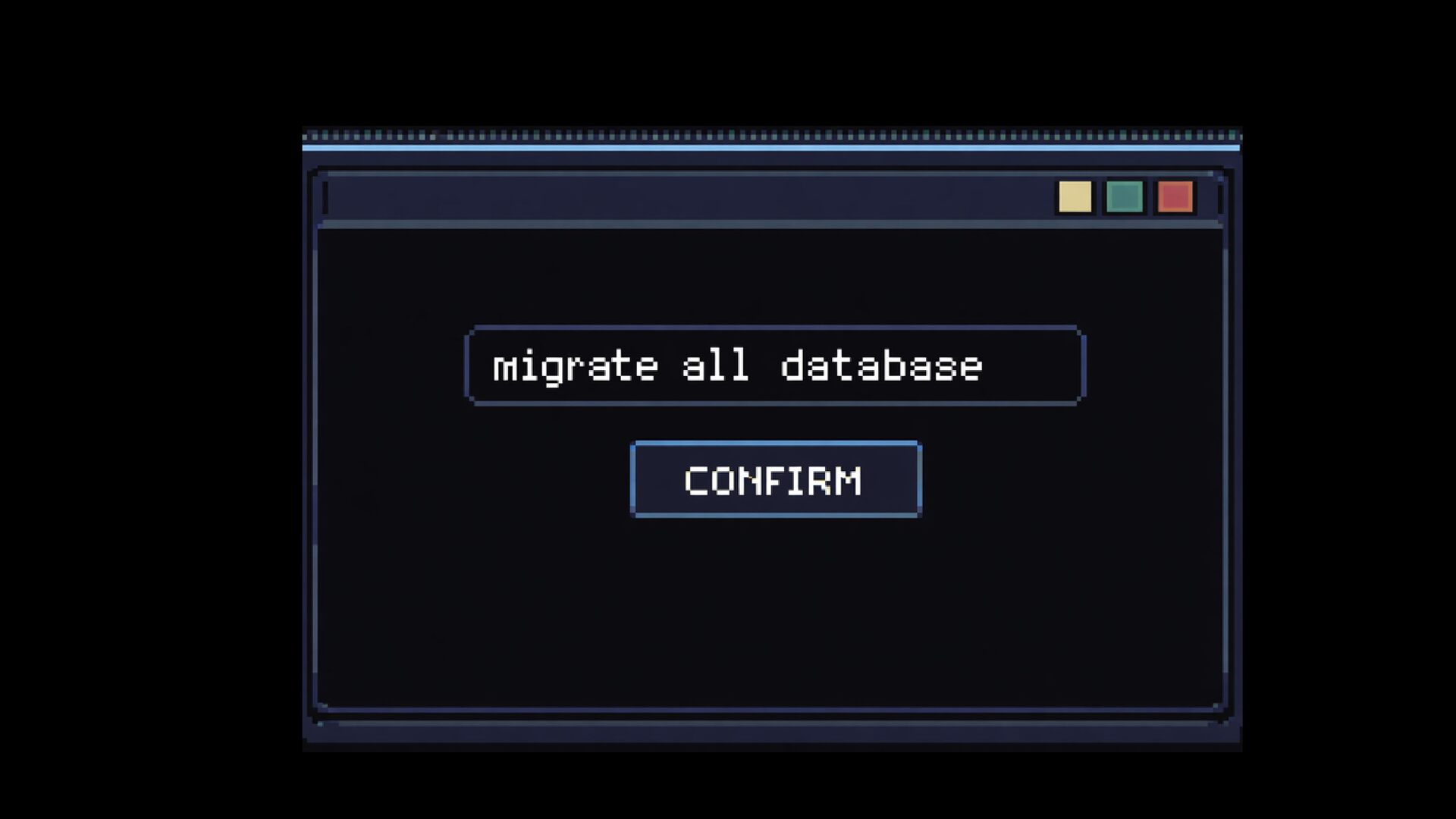
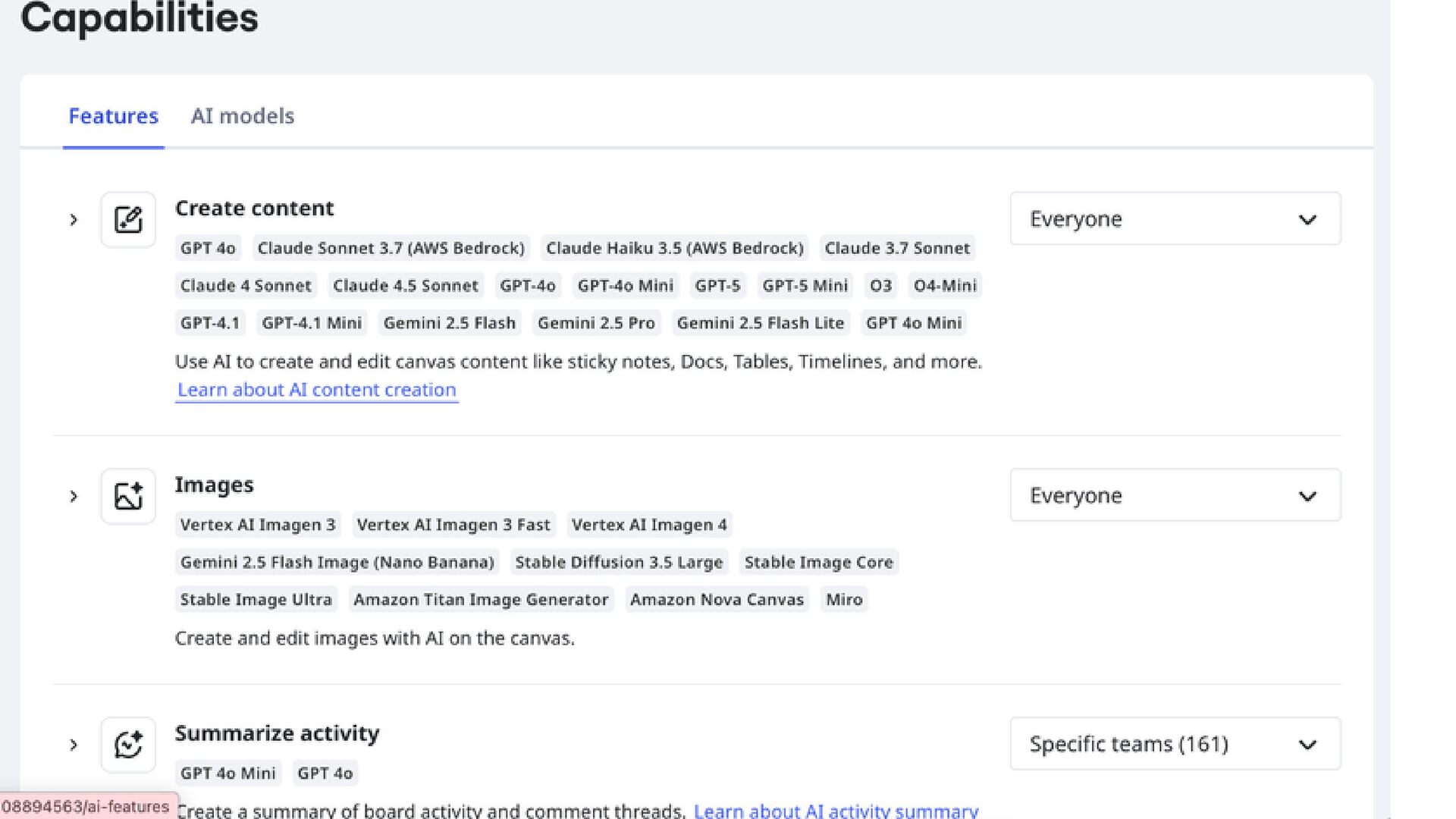
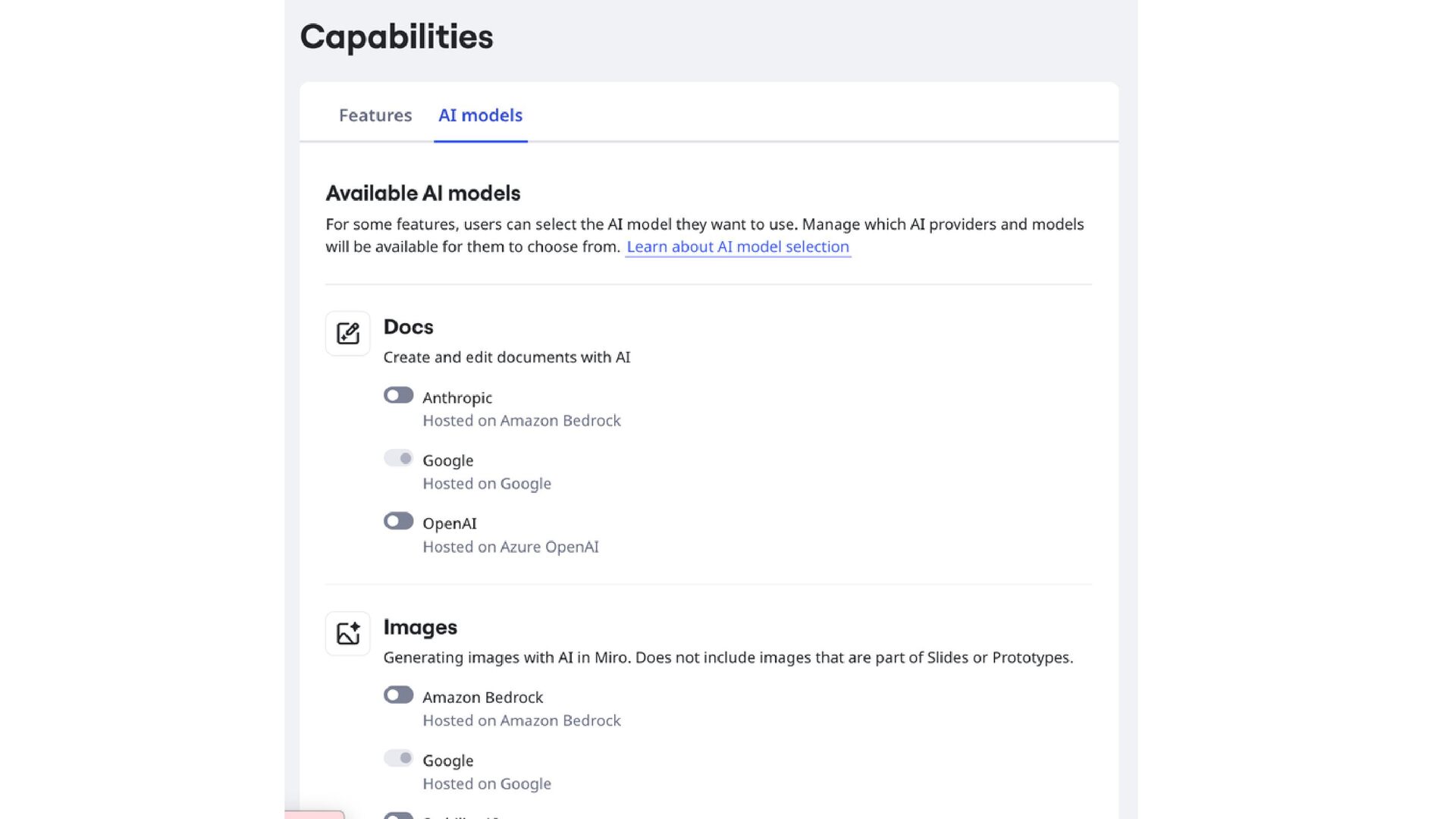
risk assessment ( PRODUCTION ENVIRONMENT) No pause/stop button during execution No real-time activity log ("Currently deleting payment.js...") No confidence indicator ("I'm 40% sure about this approach") No "Wait, that seems extreme" warning And not compliant with rules and regulations. The design failures:
AI's interpretation 🤖 AI Task Analysis Your request: "Fix all files in production" Scope detected: 247 files in production environment ⚠️ Includes critical systems: • Payment processing • User authentication • Core API AI's proposed approach: "Delete files containing bugs" ⚠️ Risk Assessment: CRITICAL Confidence in this approach: 42% (LOW) Alternative approaches available: - Flag files for human review - Create fixes without deletion - Generate detailed bug report [ Cancel ] [ Choose different approach ] [ Set safety limits ] [ Proceed with extreme caution ]
Why it matters: When all outputs look the same, users can't distinguish reliable from risky. Apply to: Background tints Border styles (solid → dashed → dotted) Typography weight Icon treatment (filled → outlined) Button states Confidence Gradient Making AI's thought process visible and traceable. Why it matters: Black box decisions break trust. Transparent reasoning builds it Always show source count Make sources clickable Log the AI's reasoning steps Present in digestible chunks Source Chain
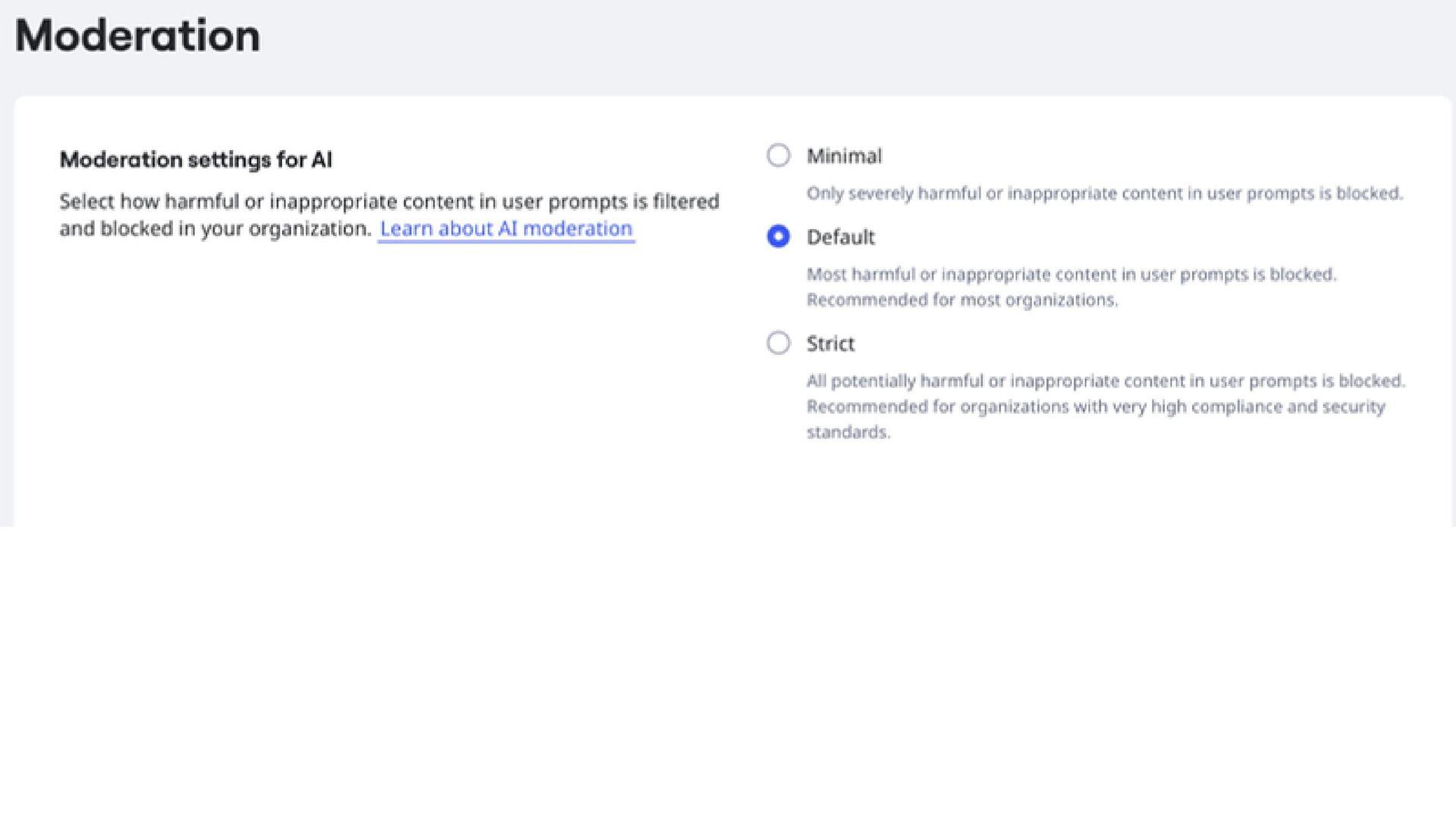
actions. Why it matters: Control without intervention points is an illusion. The Intervention Point AI suggests action "Delete 8 duplicate files" Affected files: contacts.csv, data.xlsx... [ Review files first ] [ Proceed ] APPROVAL (High-risk) ⛔ AI needs approval "Send email to 2,847 customers" This action cannot be undone. You must review before proceeding: ☐ I've reviewed the email content ☐ I've verified the recipient list ☐ I understand this cannot be undone [ Cancel ] [ Approve and send ] EMERGENCY STOP (Always visible) 🚨 [STOP ALL AI ACTIVITY]
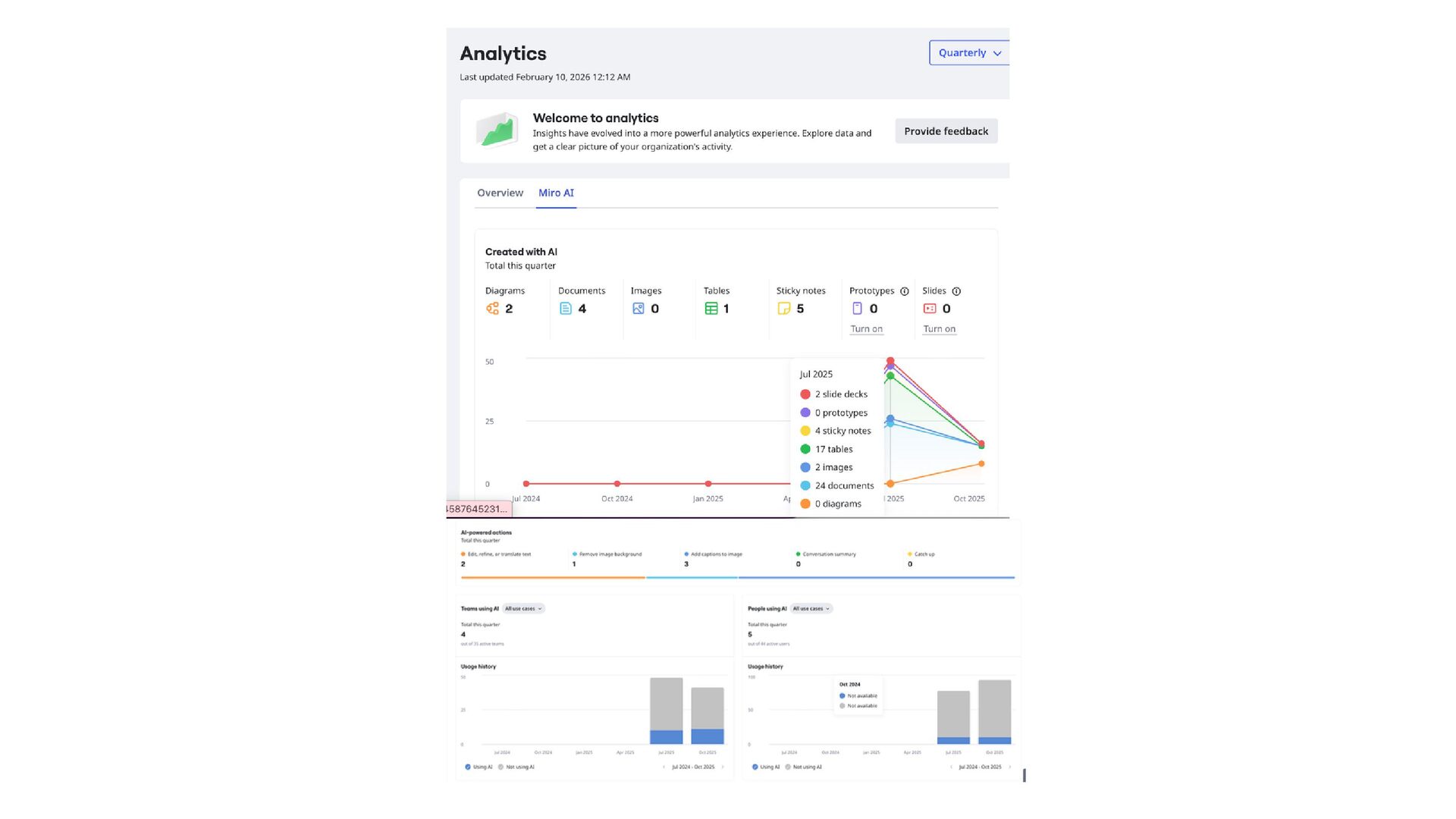
and what happened. Why it matters: Accountability requires traceability. You can't fix what you can't see. Scannability: Visual hierarchy, not walls of text Actionability: Every entry has action buttons Searchability: Filter by action type, date, confidence The Audit Trail Key elements: User or AI : Action taken Timestamp Reasoning Confidence score What actually happened Available actions Who: What When: Why: How certain: Result: Recovery:


 moco1013
 hjmkth
 kintone
 garyuten
 so_kotani
 nttcom
 securecat
 ralphpenel
 kazukiikeda
 kossykinto
 0b1tk
0b1tk
 mcksmith
 notwaldorf
 sarafernandez
 productmarketing
 geshan
 mkilby
 chriscoyier
 aleyda
 soysaucechin
 chikuwait
 jmmastey